Hotels in Izu
Discover your perfect stay in Izu.
Izu(Japan) Travel 2026: Cheap Flights, Hotels & Top Attractions
Popular Landmarks in Izu
Discover the most iconic attractions in Izu
Recommended Hotels in Izu
Find the perfect place to stay in Izu
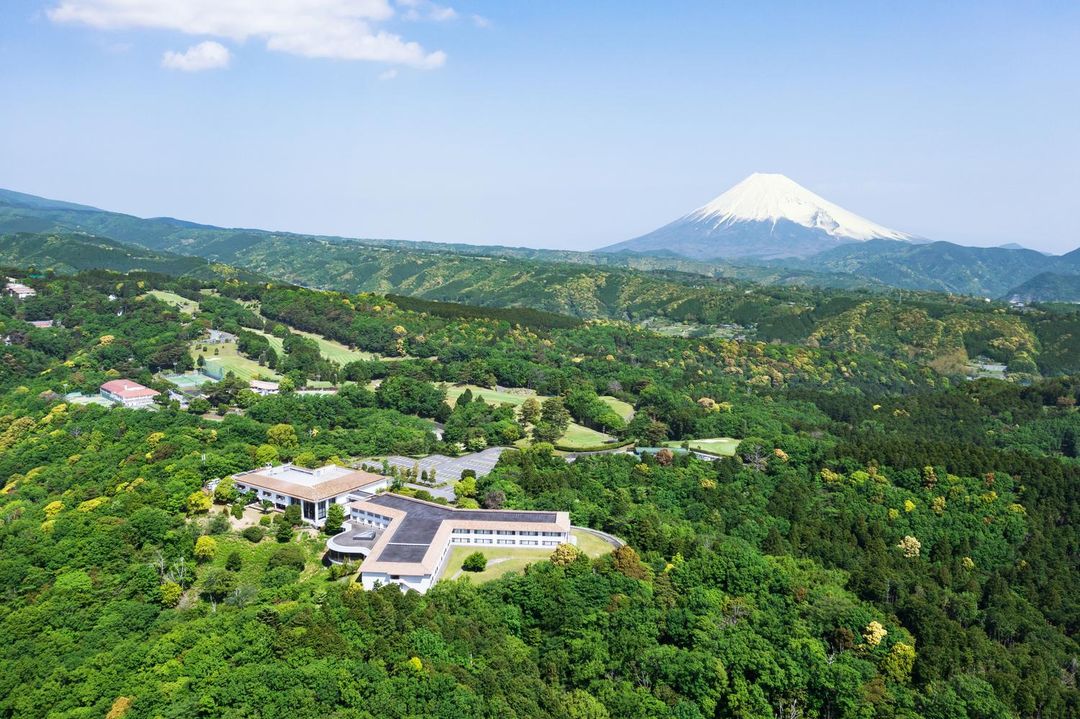
Izu Marriott Hotel Shuzenji
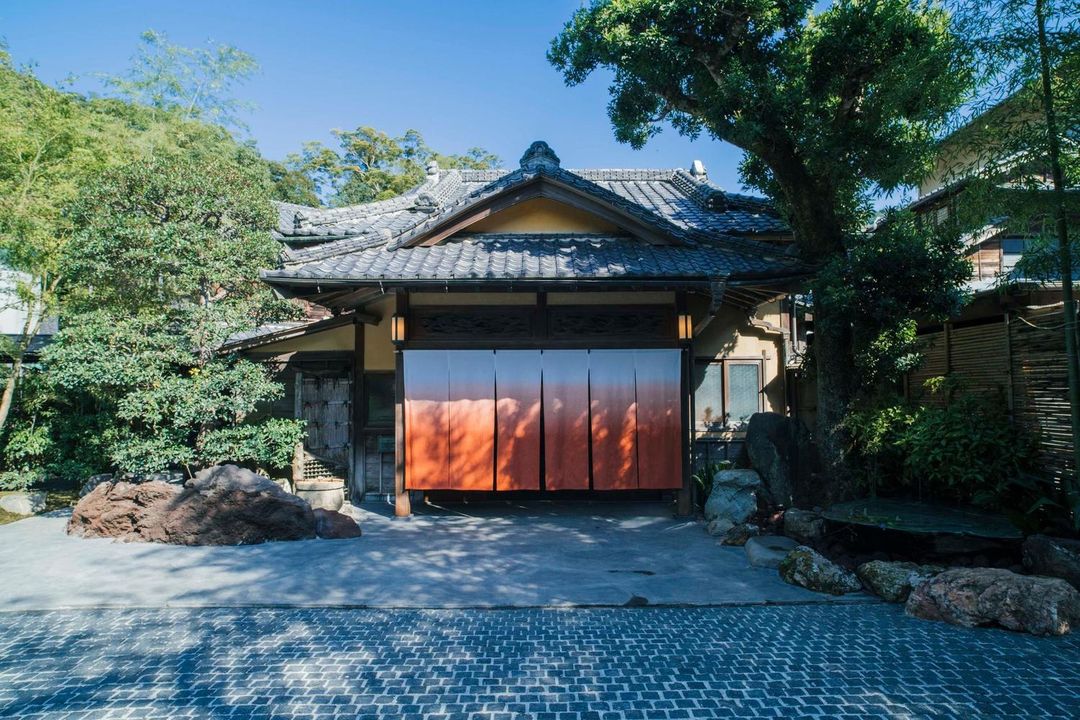
Ochiairo
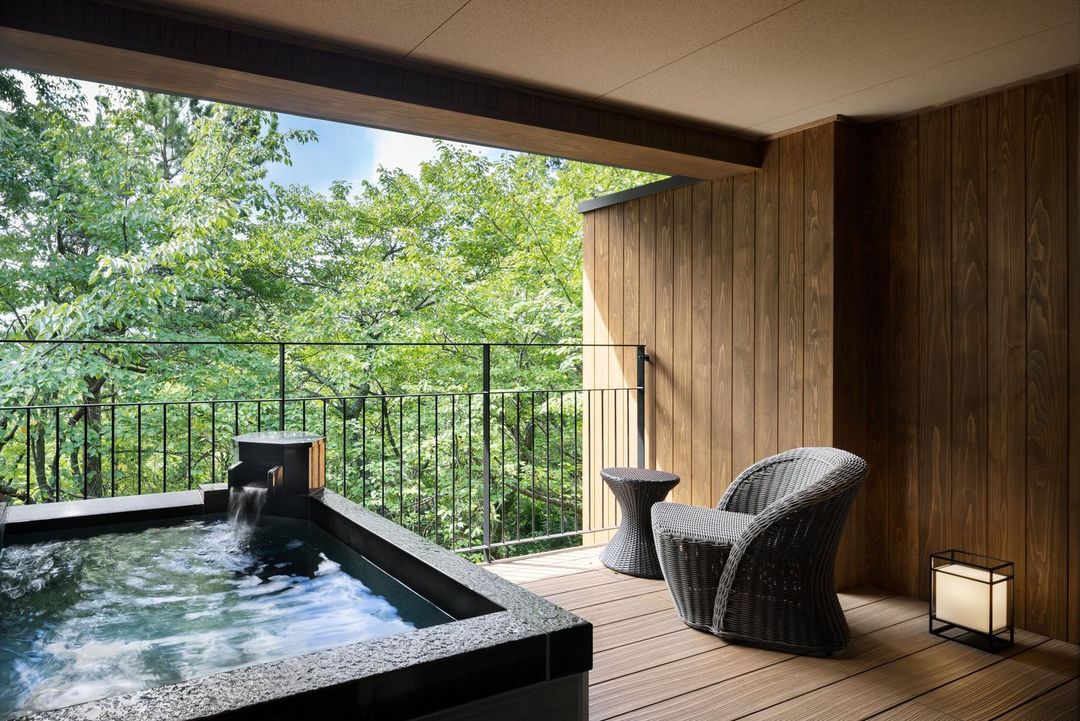
Laforet Shuzenji Sanshisuimei
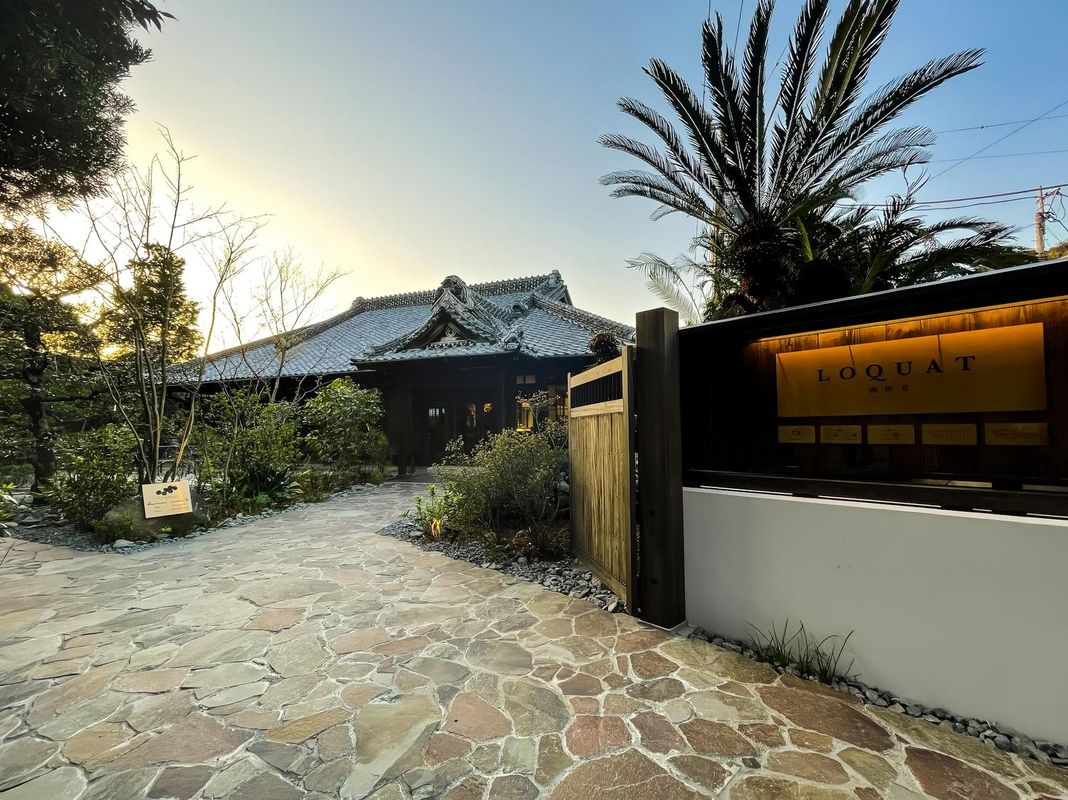
Loquat Nishiizu
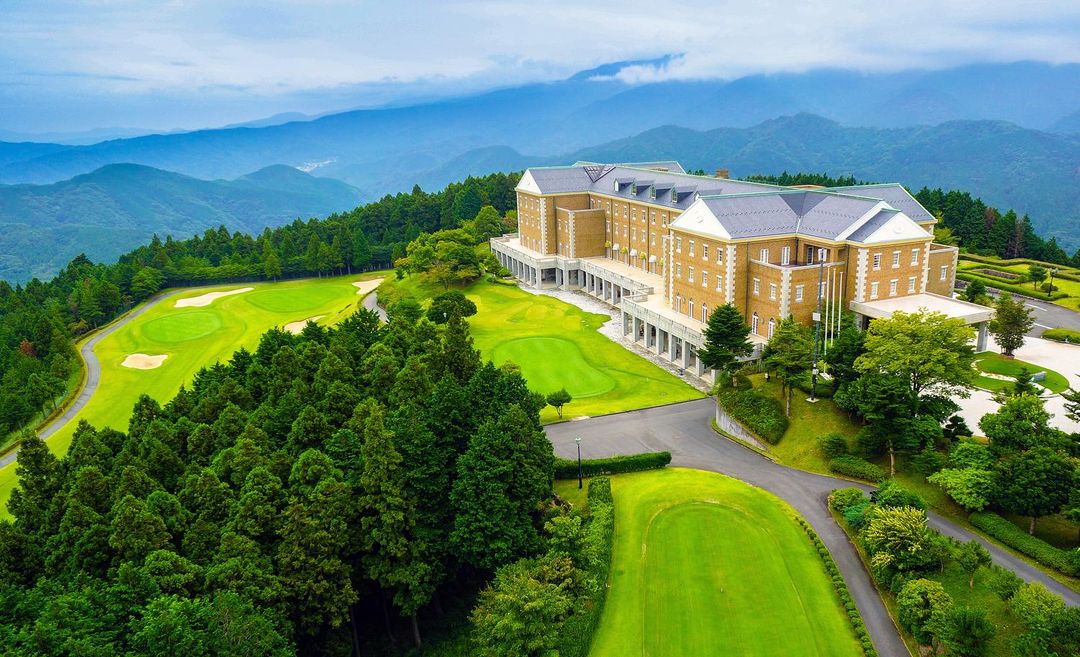
Yugashima Golf Club & Hotel Resort
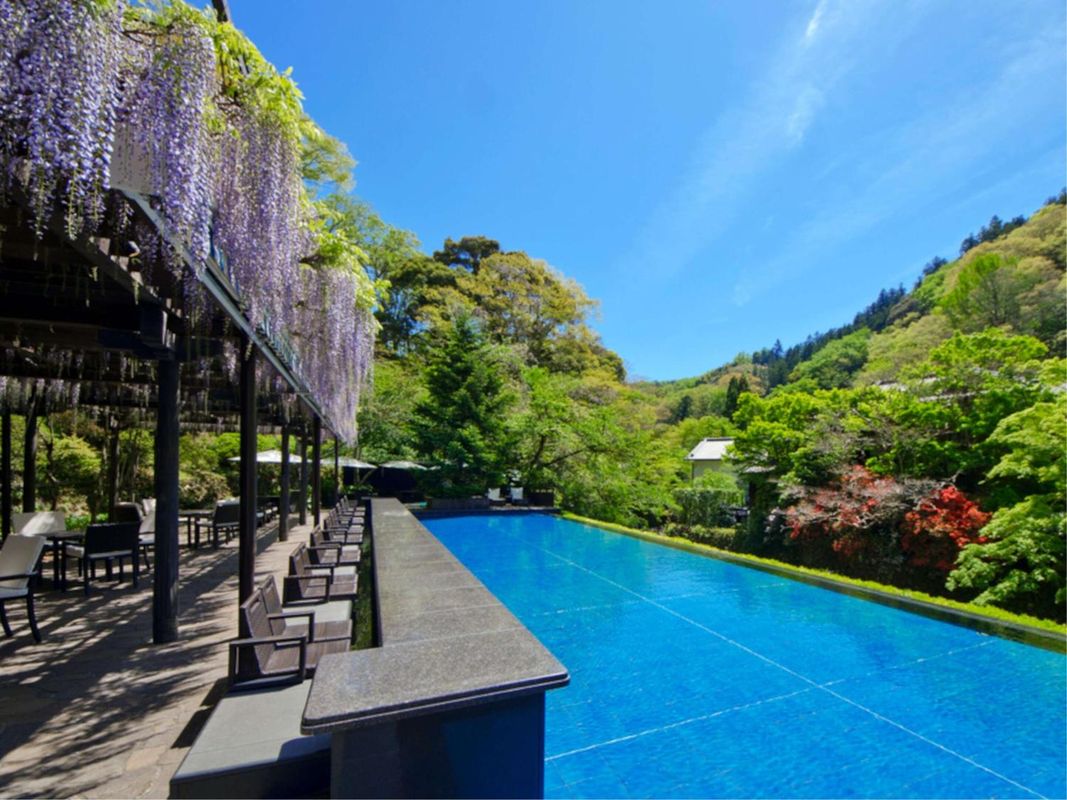
Tofuya Resort & Spa Izu
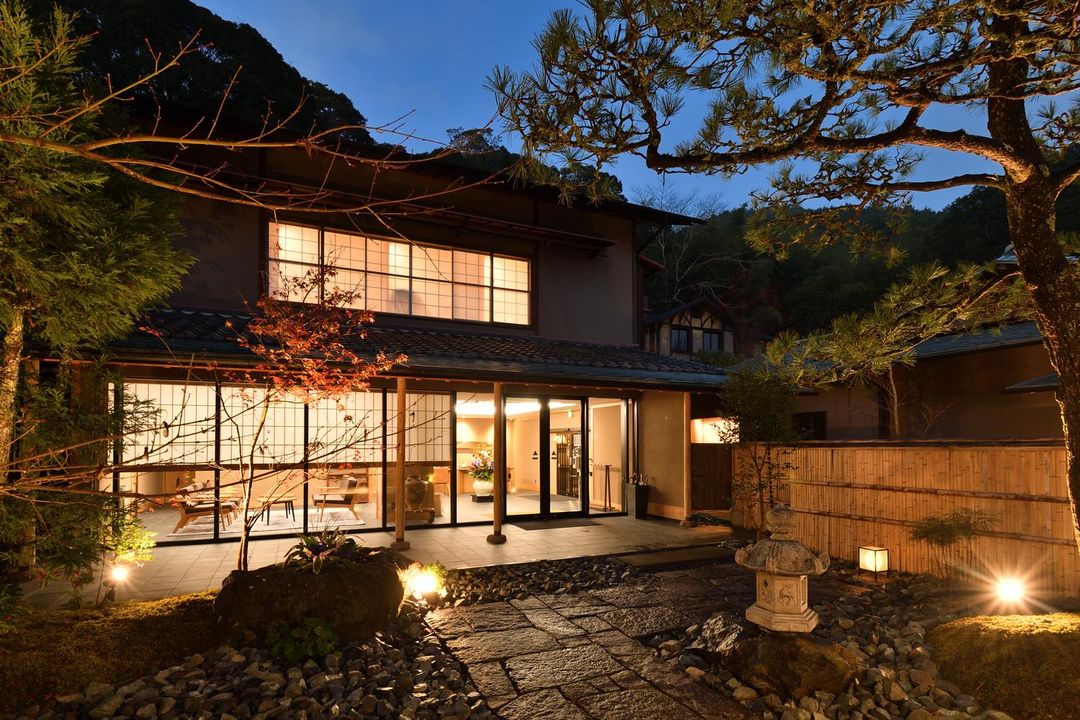
Oni No Sumika
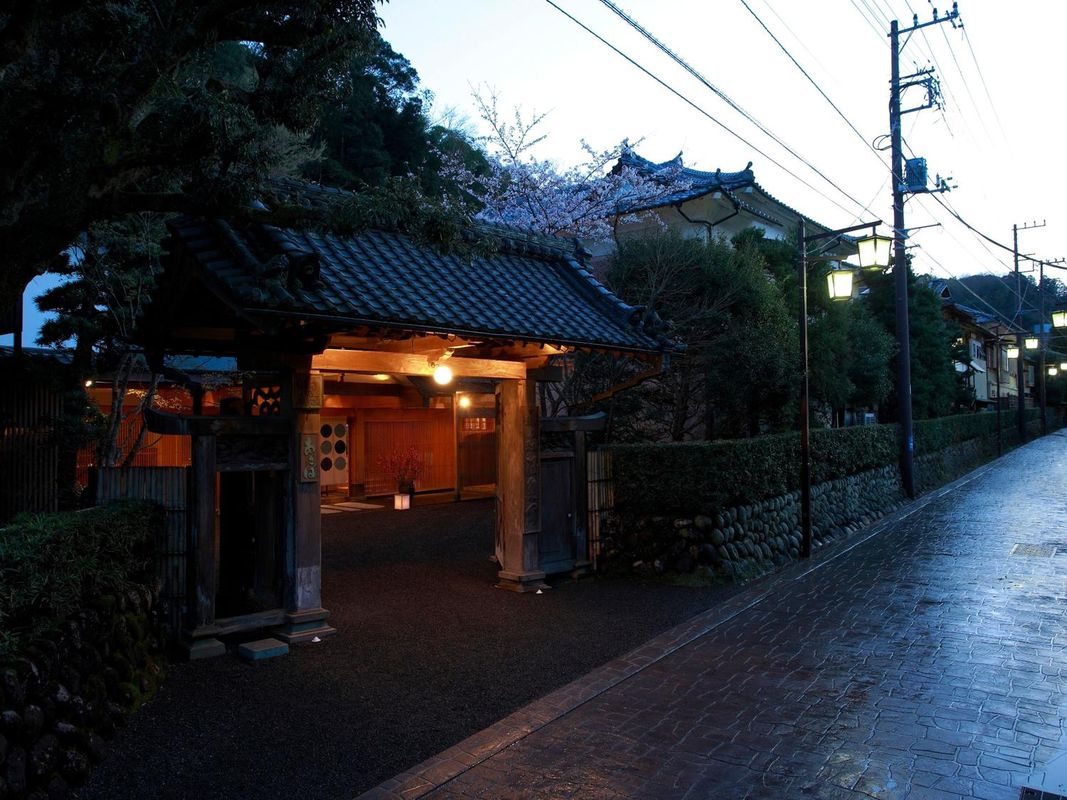
Asaba
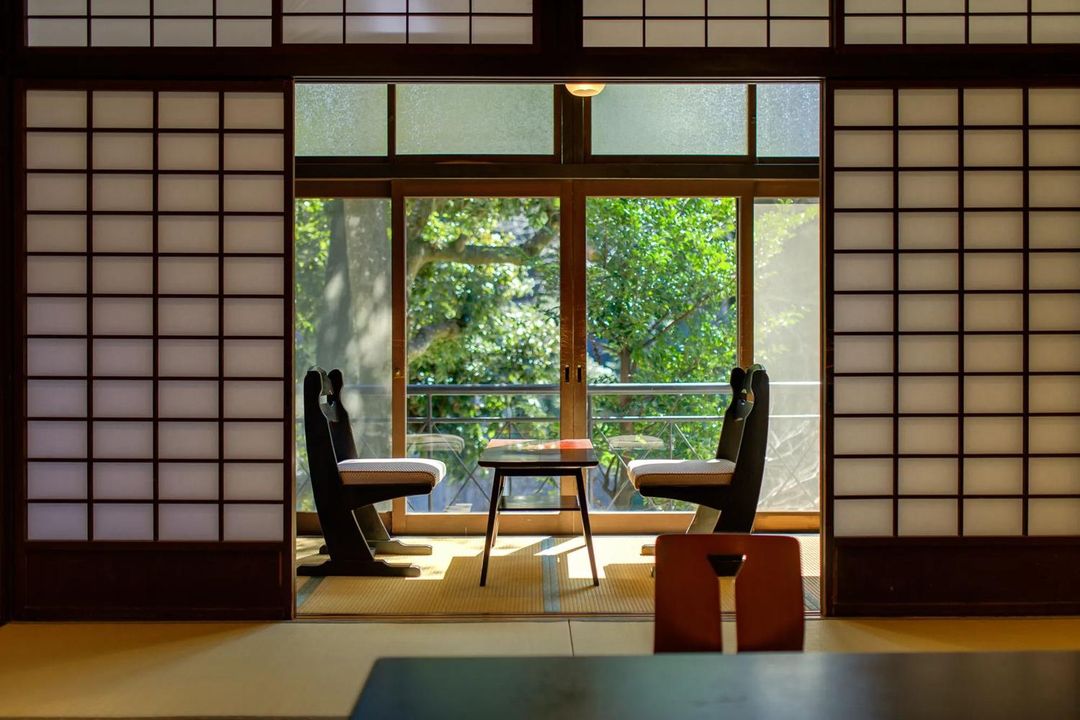
Shirakabeso
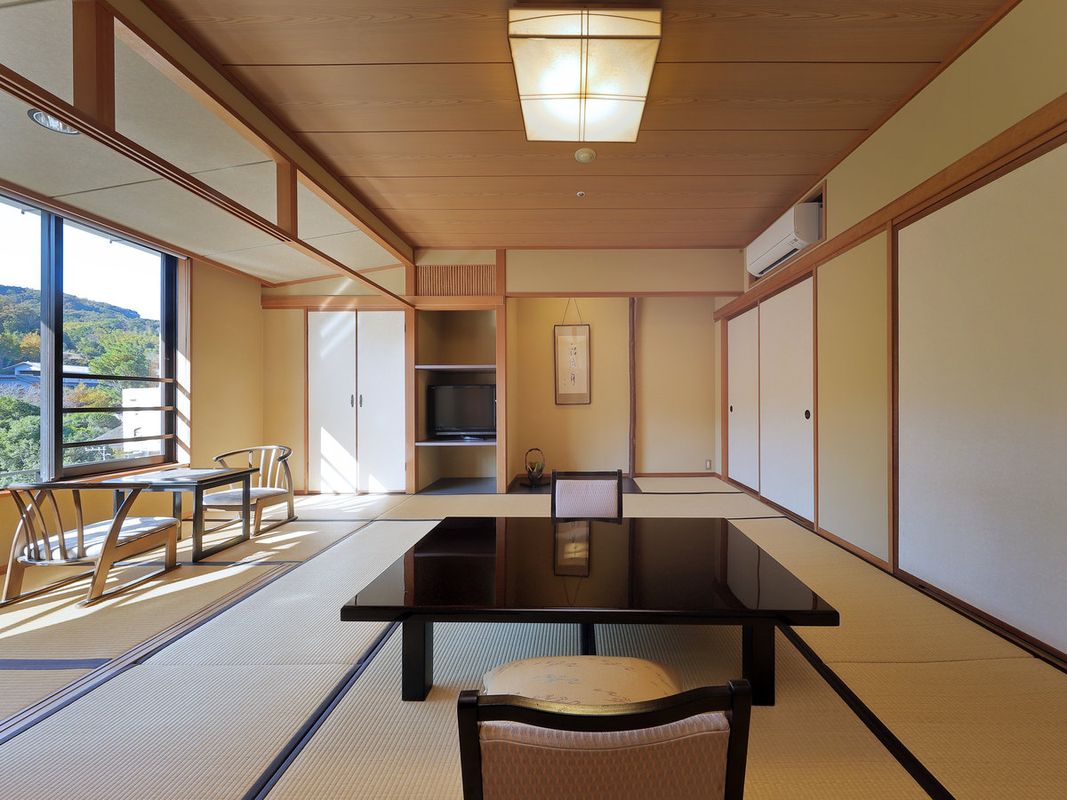
Marukyu Ryokan
Best Hotels in Izu
Discover curated hotel collections in Izu
Kagetsutei
HOTEL KANICHI
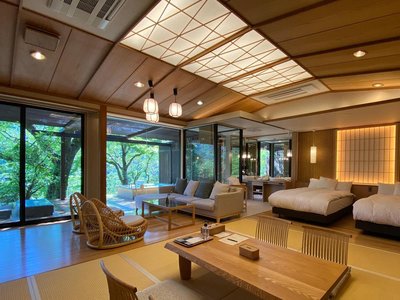
Kaiseki Ryokan Ashikari
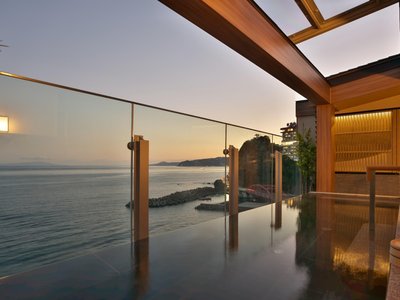
Hotel New Sagamiya
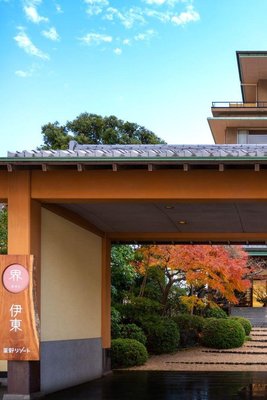
Hoshino Resorts Kai Ito
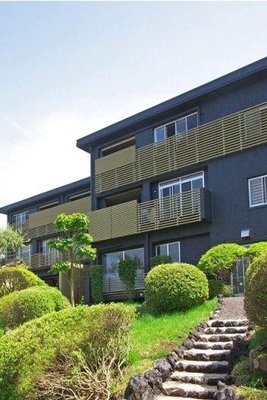
HAKONE YUYADO ZEN
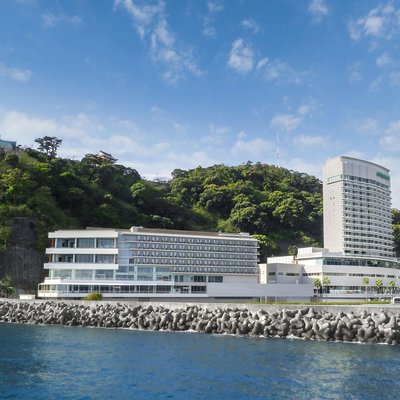
Atami Korakuen Hotel
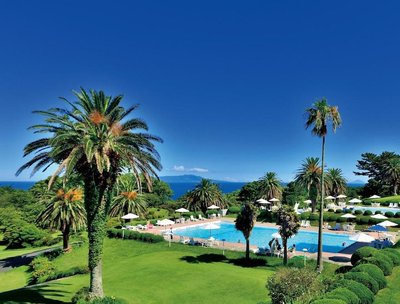
Kawana Hotel
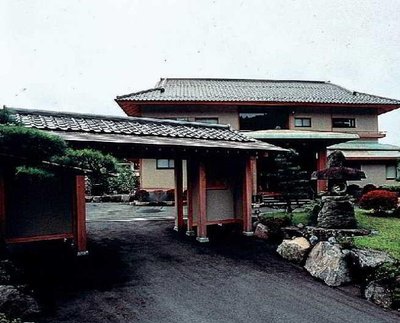
Yoshimatsu
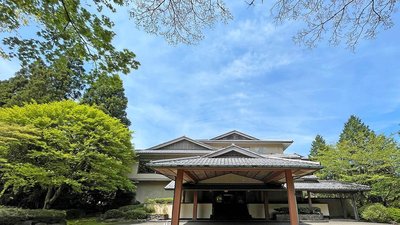
Ryuguden
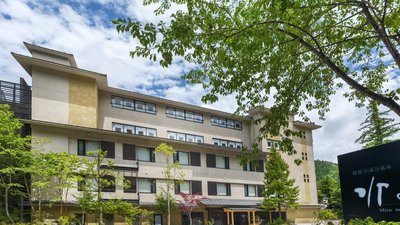
Mizunoto
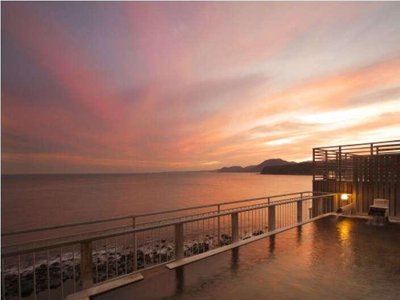
Senoumi
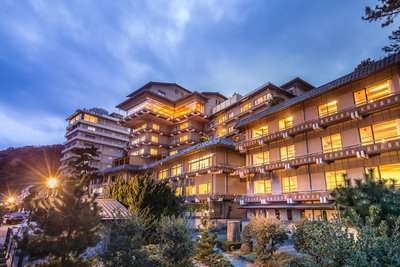
Bousui
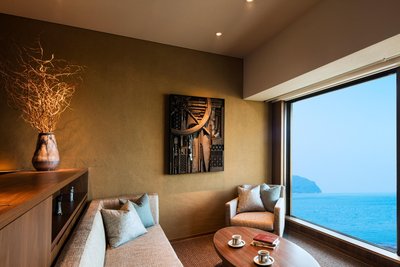
Hoshino Resorts Kai Anjin
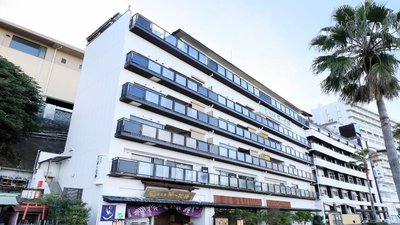
Syukaen Yunohanazen
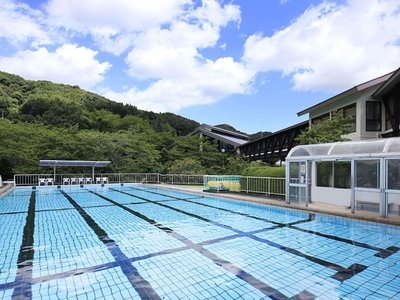
Shimoda Central Hotel
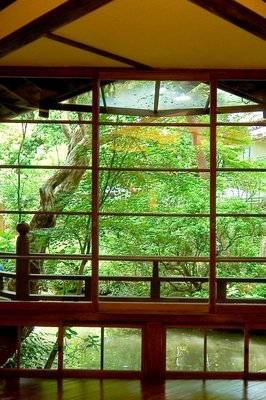
Yukairo Kikuya
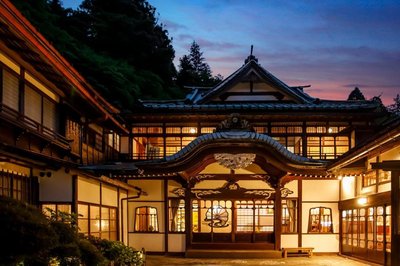
Hakone Kowakien Mikawaya Ryokan
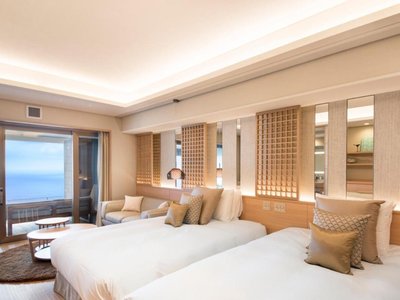
Atami Sekaie
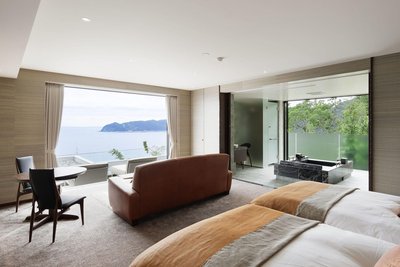
The Hiramatsu Hotels & Resorts Atami
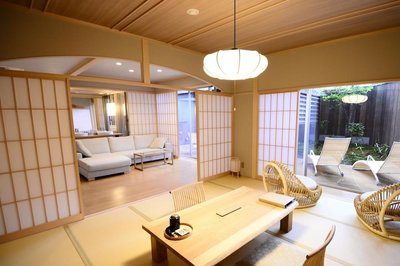
Hakone Gora Byakudan
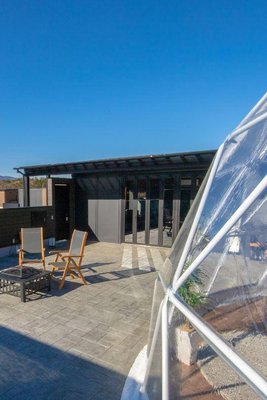
Panoramic Mt. Fuji Views from All Rooms – Vision Glamping Resort & Spa Yamanakako
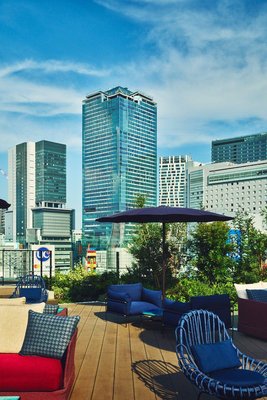
Hotel Indigo Tokyo Shibuya
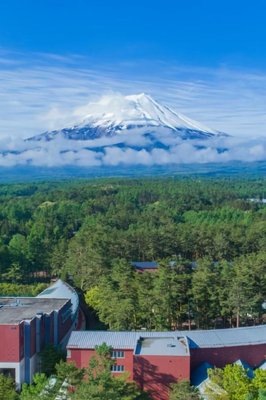
Forest Village (Fuji Premium Resort)
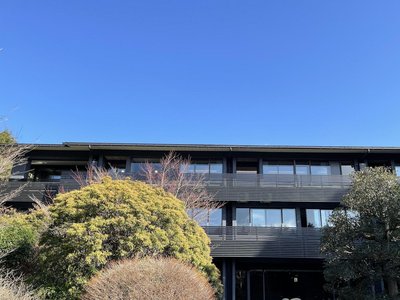
Sengokubara Cocon
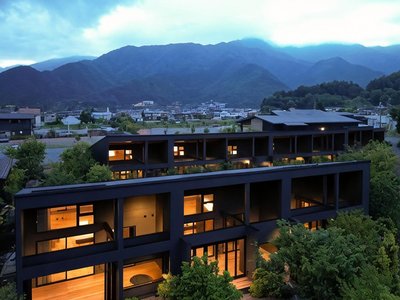
7C Villa and Winery
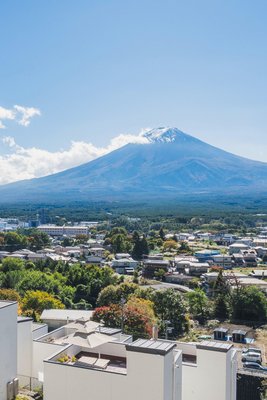
THE TOKI FujiKawaguchiko
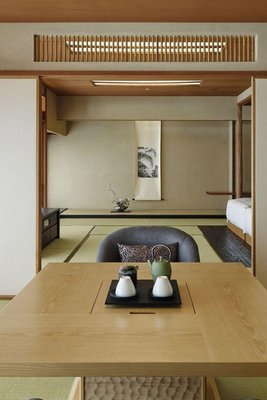
Takanawa Hanakohro (in Grand Prince Hotel Takanawa)
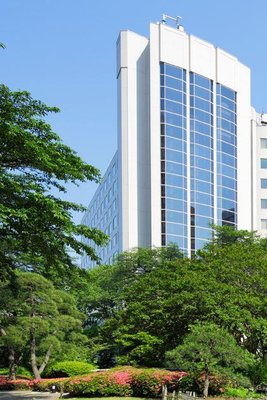
The Prince Sakura Tower Tokyo, Autograph Collection
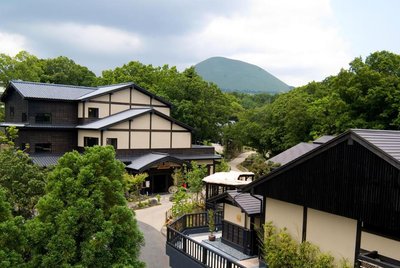
Mori no yu Kira No Sato 【Reopening on December 22, 2025】
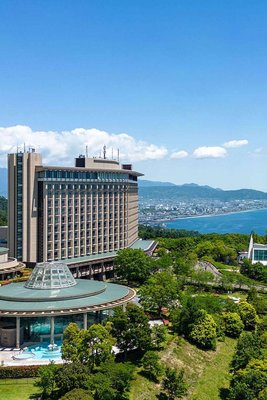
Hilton Odawara Resort & Spa
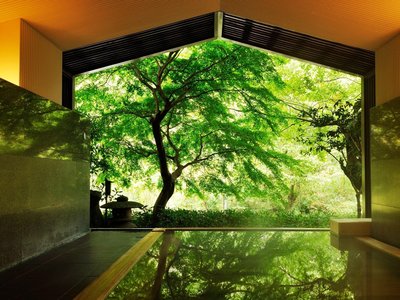
Hoshino Resorts KAI Hakone
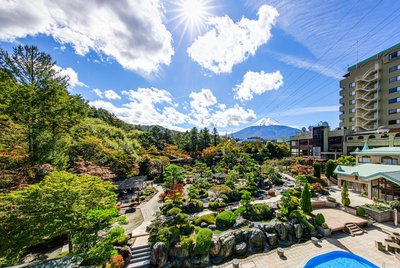
Kaneyamaen
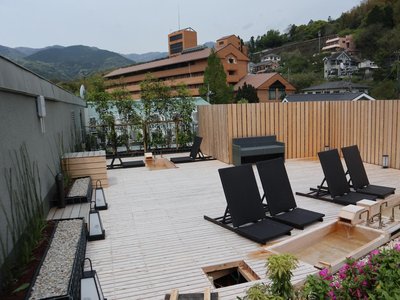
Fukiya Ryokan

Toushinan Komeya
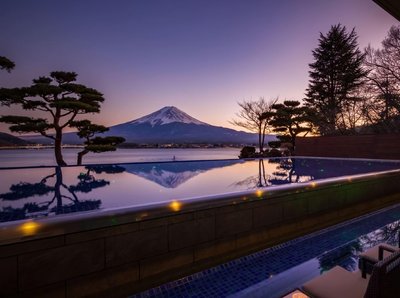
Shuhokaku Kogetsu

Gora-Onsen Setsugetsuka-Bettei Suiun

Ishinoya Izunagaoka (TKP Hotels & Resorts)

Laforet Shuzenji Sanshisuimei
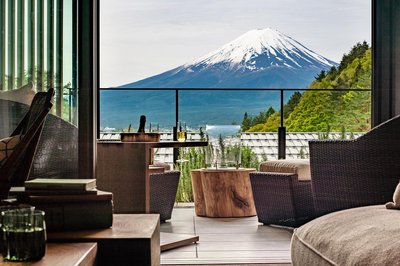
FUFU Kawaguchiko
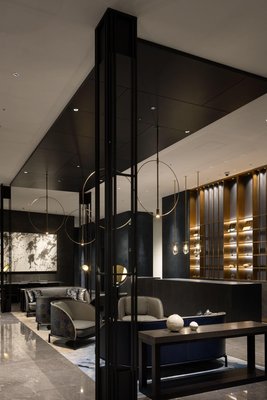
Bellustar Tokyo, A Pan Pacific Hotel
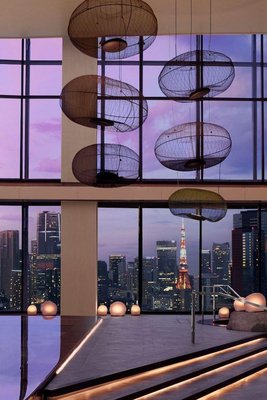
JW Marriott Hotel Tokyo
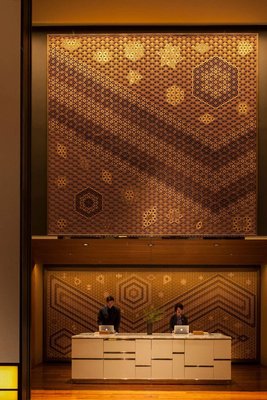
Andaz Tokyo Toranomon Hills- A Concept by Hyatt
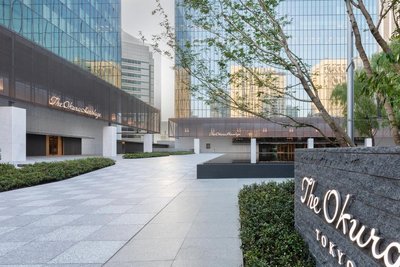
The Okura Tokyo

The Lively Azabujuban Tokyo
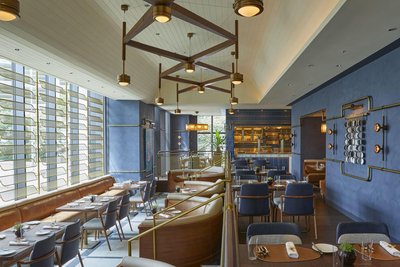
Kimpton Shinjuku Tokyo

HOTEL K5
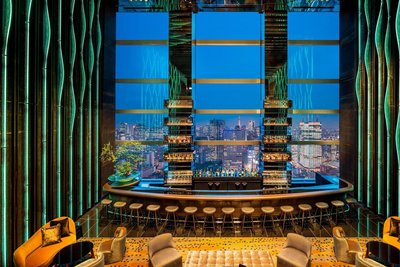
The Prince Gallery Tokyo Kioicho, a Luxury Collection Hotel
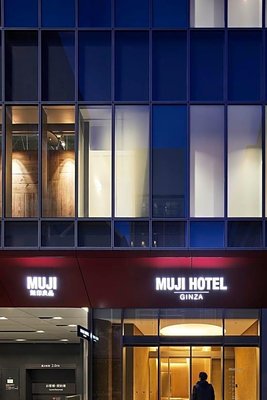
Muji Hotel Ginza
Hakone Gora Byakudan
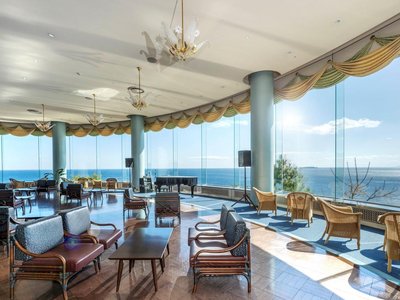
Hotel New Akao
Hotel New Sagamiya
Mori no yu Kira No Sato 【Reopening on December 22, 2025】
Hoshino Resorts Kai Ito
HAKONE YUYADO ZEN
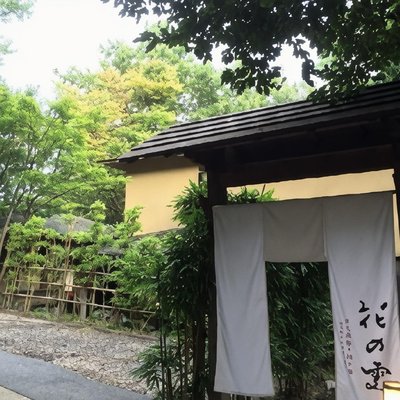
Hana No Kumo
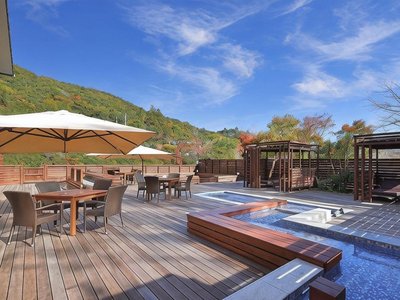
Marukyu Ryokan
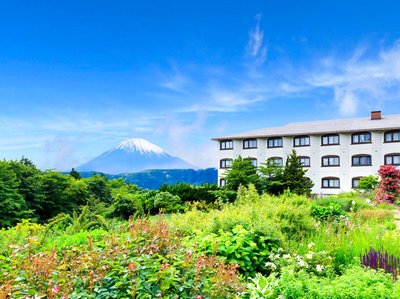
Hotel Green Plaza Hakone
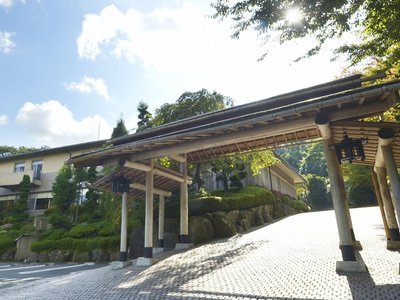
Gora Hanaougi
Kawana Hotel
Yoshimatsu
Ryuguden
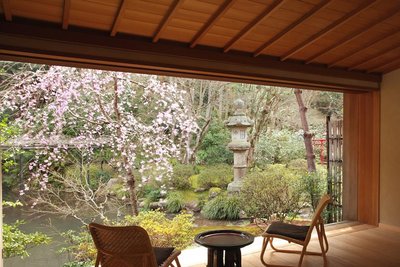
Asaba

Akari et Kaori Formerly Taizanso
Fukiya Ryokan
Bousui
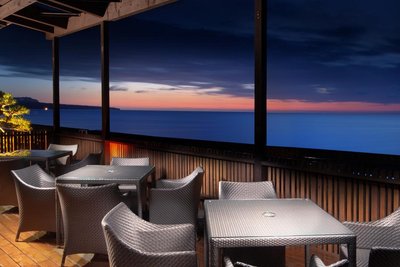
Tsuruya Kisshotei
Hoshino Resorts Kai Anjin
Syukaen Yunohanazen
Hakone Gora Byakudan
Hotel New Akao
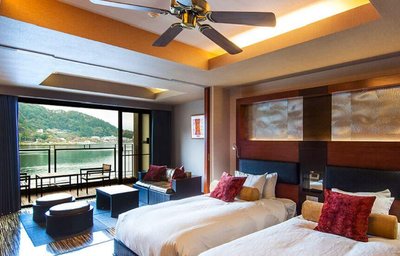
The Kukuna
Hotel New Sagamiya
Hilton Odawara Resort & Spa
Hotel Green Plaza Hakone
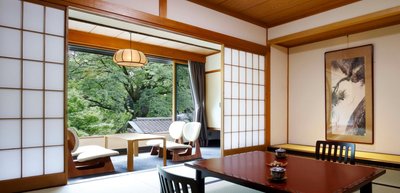
Yoshiike Ryokan
Kawana Hotel
Ryuguden
Kaneyamaen
Bousui
Tsuruya Kisshotei
Hoshino Resorts Kai Anjin
Syukaen Yunohanazen
Shimoda Central Hotel
Atami Sekaie
The Hiramatsu Hotels & Resorts Atami
Shuhokaku Kogetsu
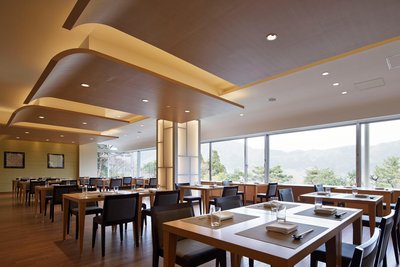
Laforet Hakone Gora Yunosumika

Inatori Ginsuiso

The Address Akakura
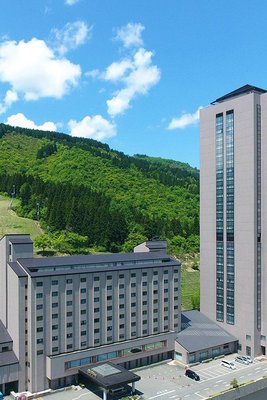
Naspa New Otani
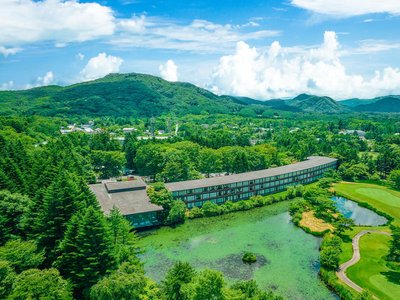
The Prince Karuizawa
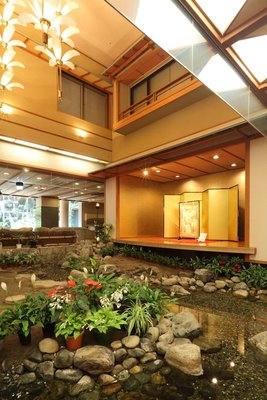
Hotel Futaba
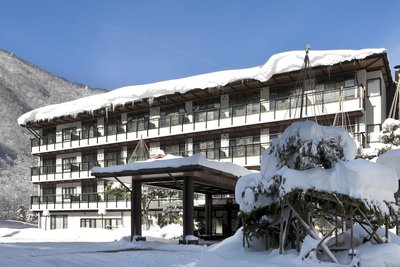
Okada Ryokan Warakutei
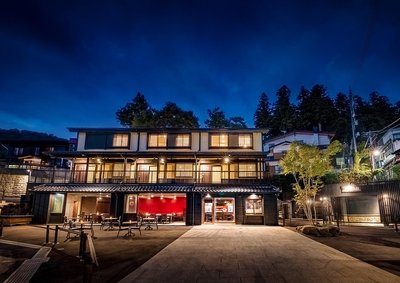
Ryokan Sakaya
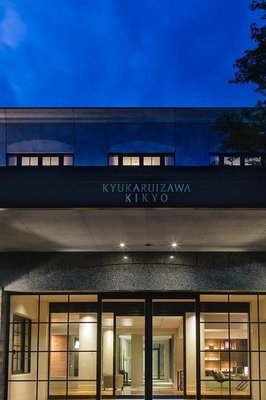
Kyukaruizawa Kikyo, Curio Collection by Hilton
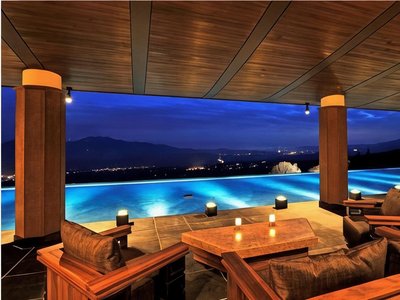
Akakura Kanko Hotel
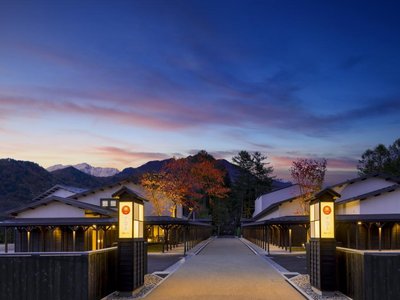
Hoshino Resorts KAI Alps
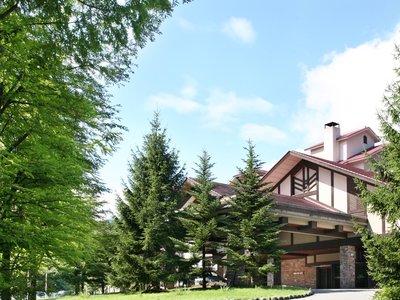
Hakuba Tokyu Hotel
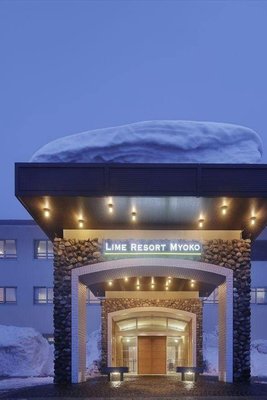
Lime Resort Myoko
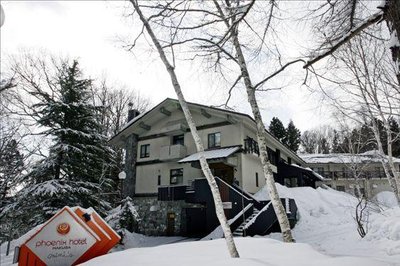
Phoenix Hotel by Hhg
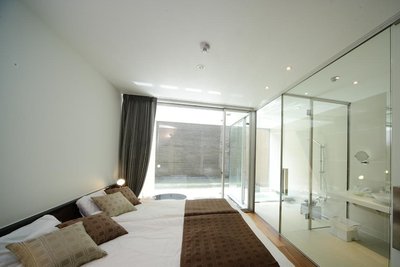
Four Seasons Yuzawa Quattro
Courtyard by Marriott Hakuba
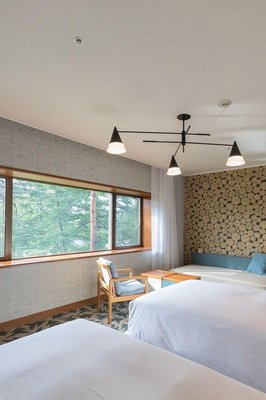
Karuizawa Prince Hotel East
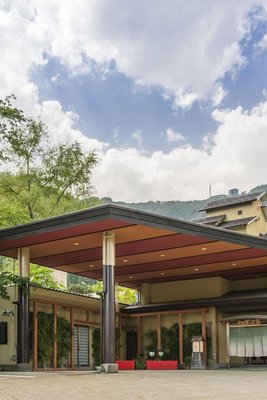
Shosenkaku Kagetsu
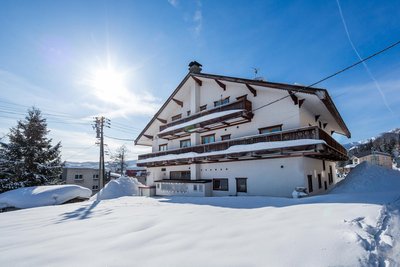
Marillen Hotel by Hhg
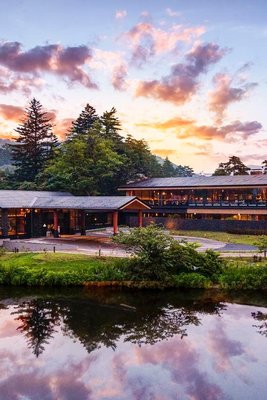
Karuizawa Prince Hotel West
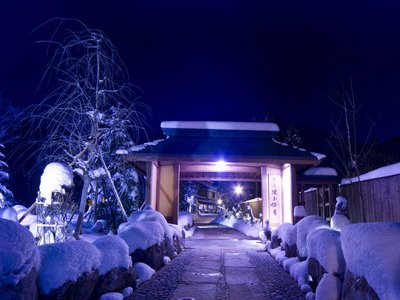
Miyama Ouan
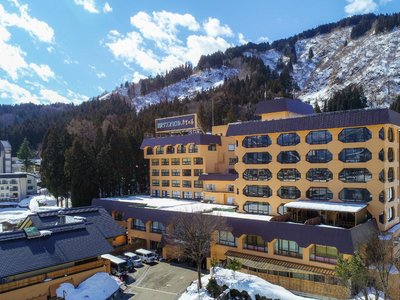
Yuzawa Grand Hotel
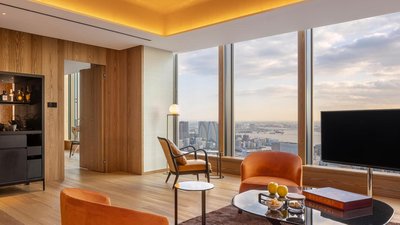
Bvlgari Hotel Tokyo
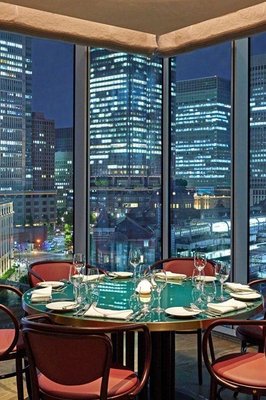
Four Seasons Hotel Tokyo at Marunouchi

Mandarin Oriental, Tokyo
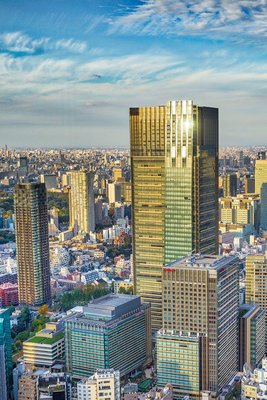
The Ritz-Carlton, Tokyo
Andaz Tokyo Toranomon Hills- A Concept by Hyatt
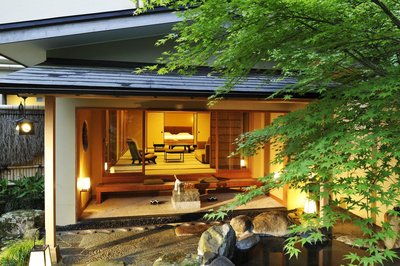
Gora Kadan
Hotel New Otani Tokyo the Main
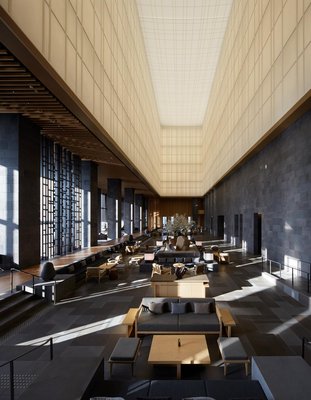
Aman Tokyo
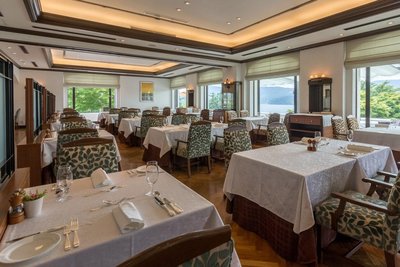
Odakyu Hotel de Yama
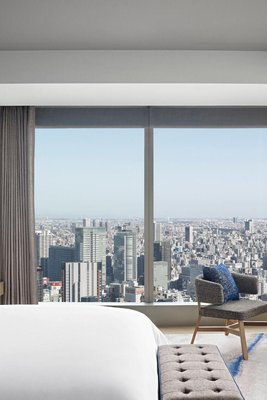
Four Seasons Hotel Tokyo at Otemachi
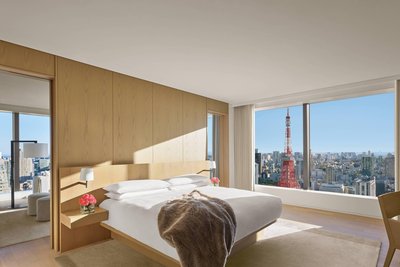
The Tokyo Edition, Toranomon
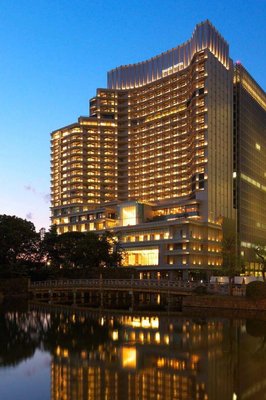
Palace Hotel Tokyo
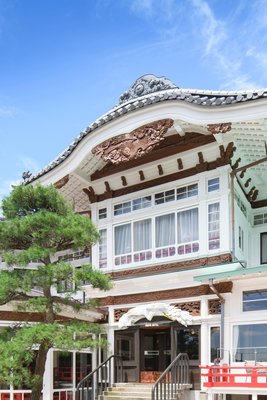
Fujiya Hotel
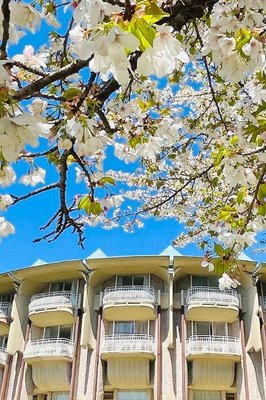
The Prince Hakone Lake Ashinoko
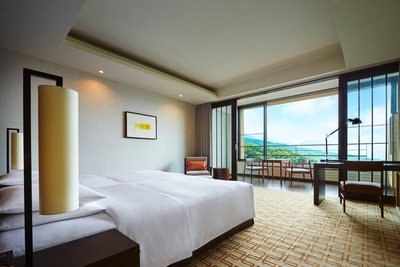
Hyatt Regency Hakone Resort and Spa
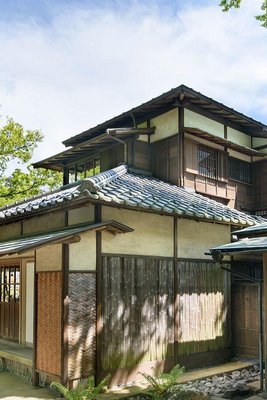
Hakone Suishoen
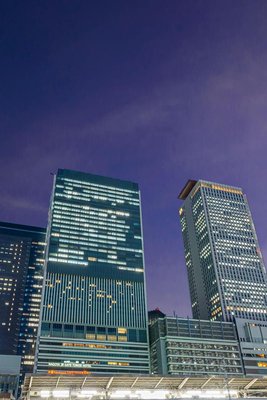
Nagoya JR Gate Tower Hotel (JR-Central Hotels)
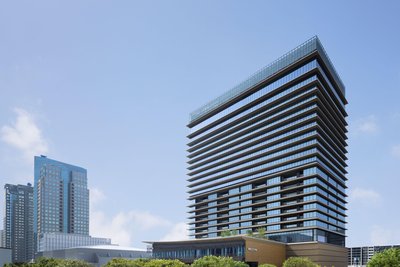
The Westin Yokohama
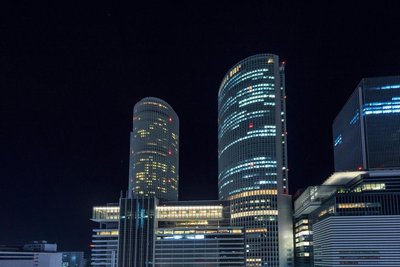
Nagoya Marriott Associa Hotel
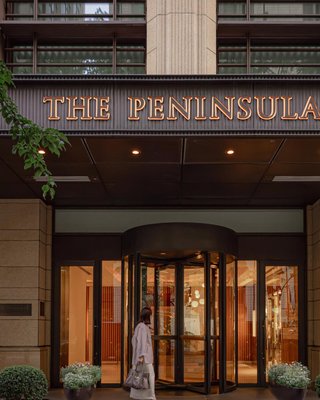
The Peninsula Tokyo
Hotakajyo

Onyado Nono Asakusa Bettei Hot Spring
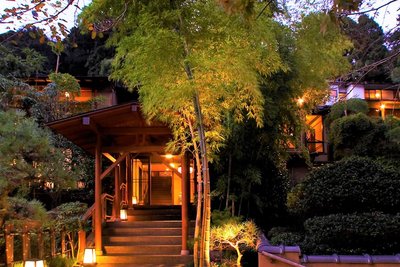
Shiki wo Ajiwau Yado Yamano Chaya
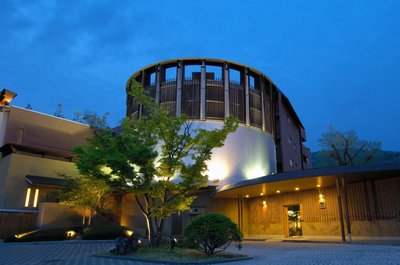
Hoshino Resorts Kai Matsumoto
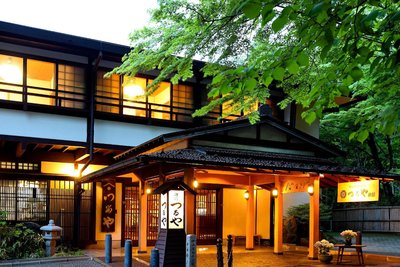
Tsuruya Ryokan
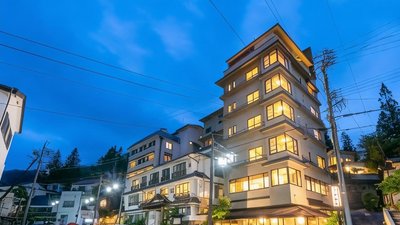
Nakamatsuya Ryokan
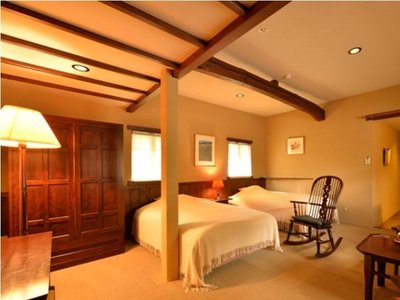
Ryokan Sugimoto
Hoshino Resorts Kai Ito
Hana No Kumo
Yoshiike Ryokan
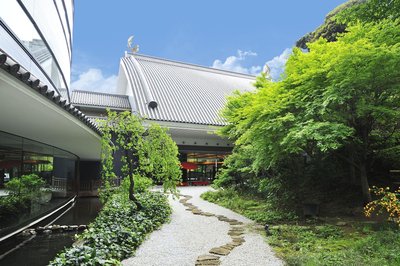
Hotel Gajoen Tokyo
Gora Hanaougi
Fukiya Ryokan
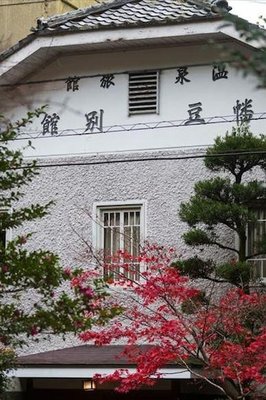
Oku-Mikawa・Yuya Onsen HAZU Bekkan
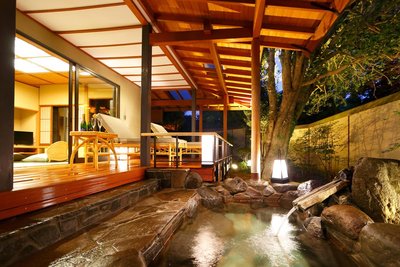
Yoshiharu Ryokan – Izu Nagaoka Onsen
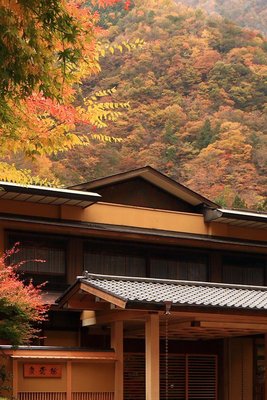
Nishiyama Onsen Keiunkan
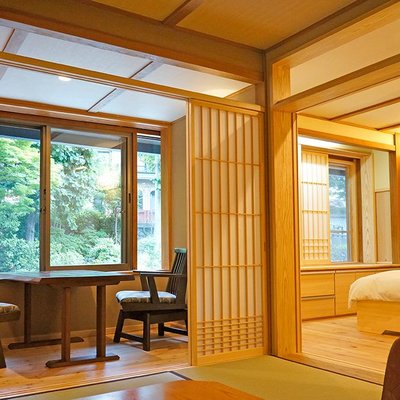
Sumiyosiya Ryokan
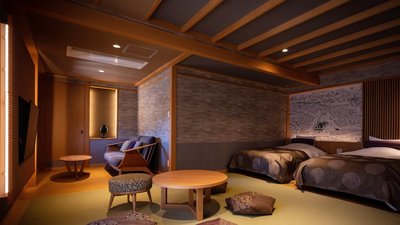
Naraya
Yukairo Kikuya
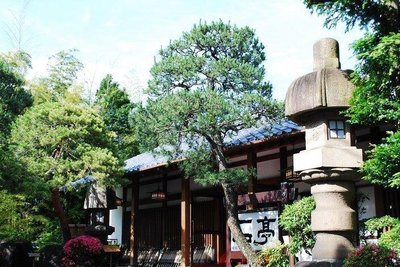
Atami Sekitei
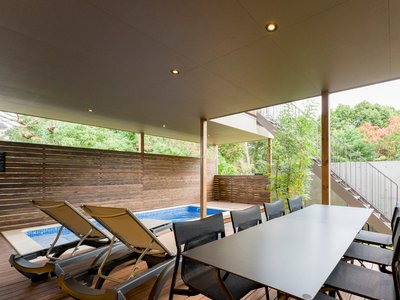
Rakuten STAY VILLA Kamogawa
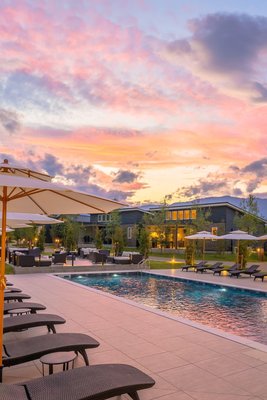
Awaumi Fujikawaguchiko Resort
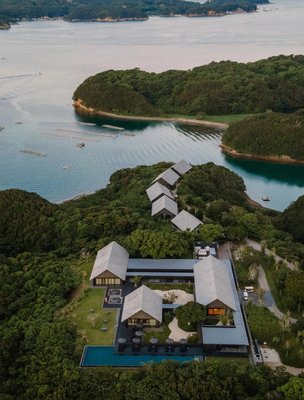
Amanemu
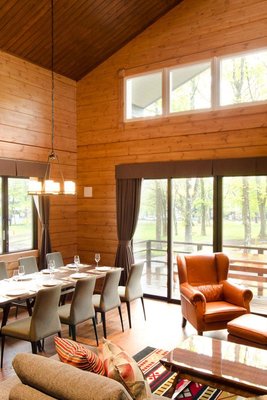
The Prince Villa Karuizawa
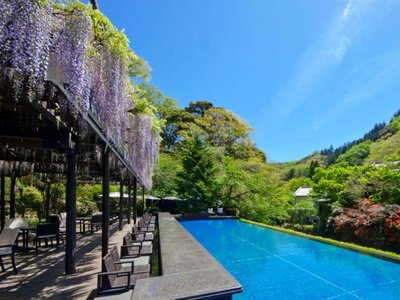
Tofuya Resort & Spa Izu
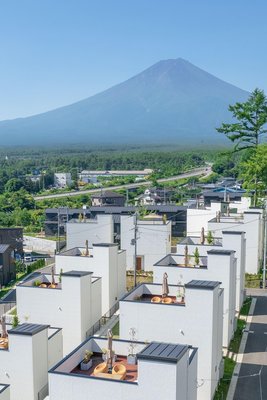
Fuji Granvilla -TOKI-

Rakuten STAY VILLA Nasu
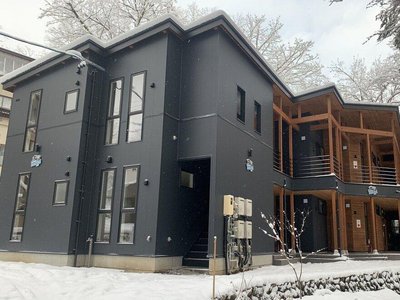
Hakuba Gondola Apartments
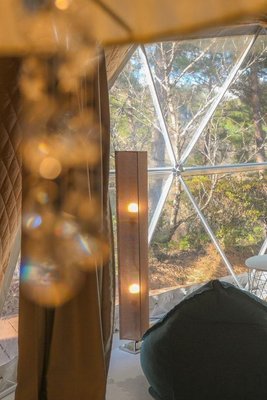
glampark Gekkabijin Nagano
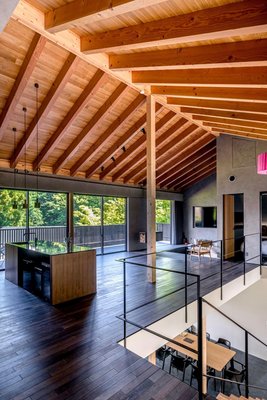
MONS GORA

Phoenix Chalets by Hhg
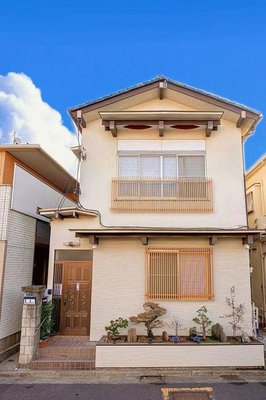
Tokyo Star House-Shinkoiwa
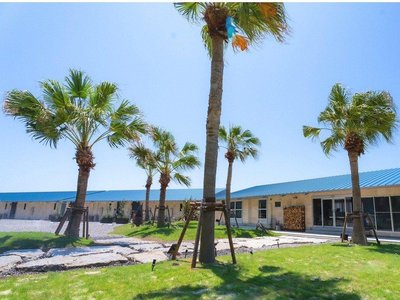
Glamping&Resort Wood Design Park Noma
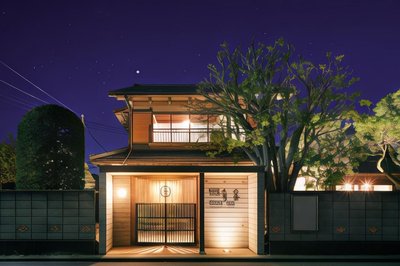
Machi-Jyu
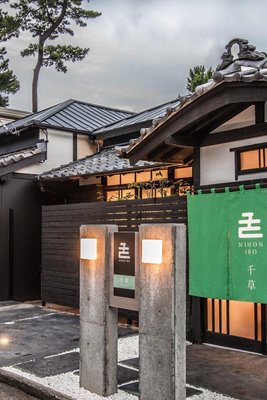
Nihon Iro
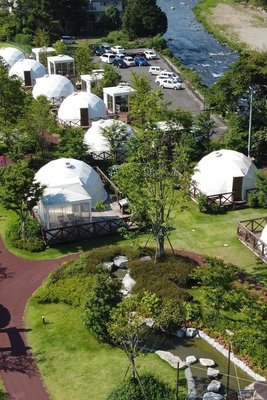
Ufufu Village
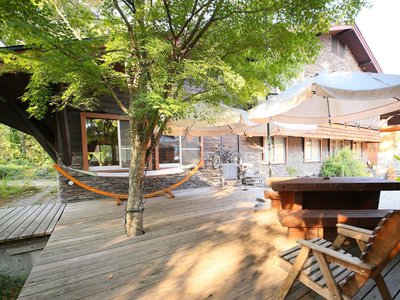
Kunugi Relaxation with 4 Modern Rooms
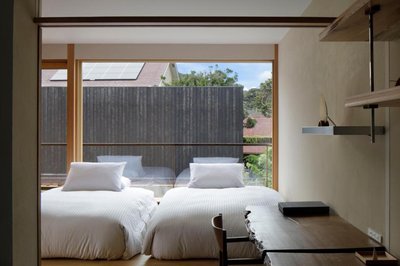
Modern Ryokan Kishi-ke
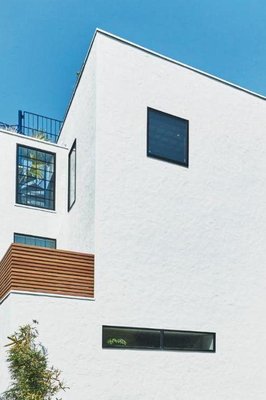
The Flow Kamakura
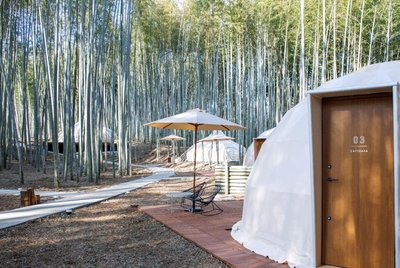
THE BAMBOO FOREST
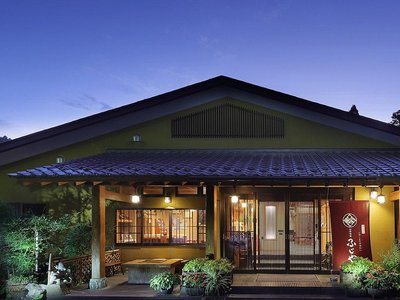
Shikimitei Fujiya
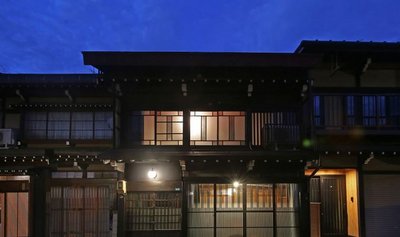
Iori Stay Hida
Frequently Asked Questions about Traveling to Izu
Questions You Might Need to Know About Traveling to Izu
In Izu City, the top choice is Izu Kōen Onsen Ryokan, nestled amidst lush mountains offering private outdoor baths overlooking the Izu Peninsula and distant views of Mount Fuji. Another standout is Shūzenji Onsen Hotel, renowned for its centuries-old public bathhouse and traditional tatami rooms, paired with fresh local seafood cuisine.
For a modern twist, Izu Peninsula Resort blends oceanfront infinity pools with Japanese gardens and smart-room technology. Located just 5 minutes from Shūzenji Temple, it’s ideal for travelers seeking both tranquility and cultural immersion in nature-rich surroundings.
The Shūzenji district is the most recommended area for lodging in Izu City, offering easy access to the Izu Express Line and home to one of Japan’s oldest hot spring resorts—Shūzenji Onsen. Surrounded by historic tea houses, Zen gardens, and centuries-old temples, it provides a serene atmosphere perfect for evening strolls along the Shūzenji River.
Izu Kōen is another favored destination, known for upscale resorts and rich biodiversity. Both areas are close to hiking trails like Ōmuro Mountain and scenic viewpoints at Tenshōzan, making them ideal bases for exploring Izu’s natural wonders.
In Izu City, experience the authentic Shūzenji Zen Tea Ceremony, led by master tea practitioners within a thousand-year-old temple, embodying the spirit of "ichi-go ichi-e" (one time, one meeting).
Join a hands-on Izu Pottery Workshop, crafting ceramics using volcanic ash glaze inspired by the region’s geology. Attend the annual Izu Gion Matsuri, featuring traditional kagura dances, lantern processions, and local food stalls that revive Edo-period customs.
For a spiritual journey, hike Ōmuro Mountain at dawn to witness the sunrise over Suruga Bay, creating a moment of profound connection with nature.
Savor Izu Black Pig, a prized local delicacy featured at Shūzenji Yakiniku House, where charcoal-grilled ribs melt in your mouth, enhanced by house-made plum wine.
At riverside fishing villages along the Izu River, sample freshly cooked Izu Trout Hot Pot, made with daily-caught fish, clear broth, and seasonal vegetables—perfectly balanced with wasabi and mountain greens.
Don’t miss Izu Matcha Mochi, crafted with premium matcha from local plantations—soft, sweet, and ideal as a souvenir or afternoon treat while exploring the hills.
Families will love Izu Land, a themed amusement park with rides, a children’s farm, and interactive nature workshops on volcanic geology. Kids can feed lambs, pick strawberries, and learn about Izu’s unique ecosystem.
The Ōmuro Mountain Family Hiking Trail offers gentle slopes and a star-gazing platform, where parents and children can identify constellations and spot fireflies near the Shūzenji River. Evening guided stargazing tours with telescopes provide unforgettable memories.
For a relaxed outing, visit the Forest Cabin Café with organic snacks and warm drinks, surrounded by trees and birdsong.
The highlight is Ōmuro Mountain, an active volcano rising to 1,000 meters, with panoramic views of Suruga Bay, the Izu Peninsula, and distant Mount Fuji from its summit observatory.
In spring, the slopes bloom with hydrangeas and azaleas, while summer brings glowing fireflies along the Shūzenji River—a magical sight. Winter occasionally sees snow, creating a rare "Snowy Izu" landscape.
Visit early morning to avoid crowds and watch the first sunlight bathe the peak, offering a powerful sense of peace and grandeur.
Couples should book a private outdoor onsen at Izu Kōen Onsen Ryokan, surrounded by bamboo groves and facing the valley, with candlelit dinners under the stars.
Enjoy a riverbank starlight dinner at a riverside wooden cabin, featuring a chef-curated kaiseki meal paired with live shakuhachi flute music for an intimate ambiance.
Walk hand-in-hand through the Tenshōzan Lantern Path, lighting up love-themed lanterns, then make a wish beneath the night sky—creating a timeless memory together.
Izu City is well-connected via the Izu Express Line, with direct express trains from Shinjuku Station in Tokyo, taking around 2 hours to reach Izu-Kōgen Station. From there, buses serve all major attractions.
Local Izu City Tourist Bus runs daily routes covering Shūzenji, Ōmuro Mountain, and Izu Kōen, offering multi-day passes for convenience. Renting a car is also highly recommended—the Izu Peninsula Loop Road winds along the coast, allowing spontaneous stops at sea cliffs and hidden coves, especially ideal for exploring Tenshōzan and Sanbōzan volcanic sites.
Capture the iconic sunrise at Ōmuro Mountain Summit, where mist swirls below and sunlight breaks across the peaks—ideal for dramatic long-exposure shots.
Photographers love the bamboo forest path along Shūzenji River, where dappled light filters through tall stalks, creating ethereal patterns on stone paths—perfect for moody, artistic compositions.
During the Firefly Festival, the riverbanks glow with bioluminescent insects, enhanced by soft-lit installations—great for night photography using tripods. In autumn, hydrangea fields and temple reflections offer stunning contrast between color and stillness.
The Izu Gion Matsuri (July) stands out, reviving Edo-era traditions with kagura dances, drum performances, and a vibrant lantern procession illuminating the streets with handmade paper lights.
The Shūzenji Onsen Festival (autumn) features locals in yukata parading across ancient bridges to honor the hot spring deity, offering free samples of limited-edition onsen mochi and yuzu tea.
The Ōmuro Firefly Festival (late summer) transforms the Shūzenji River into a living constellation—paired with ambient music and light art installations, creating a dreamlike, immersive experience.
Izu Overview
City Summary
Located in the eastern part of Shizuoka Prefecture, Japan, Izu City is renowned for its abundant hot springs and stunning natural landscapes. It is the setting for "The Izu Dancer," a famous novel by Yasunari Kawabata, imbuing the area with literary and artistic charm. The Izu Peninsula's winding coastline, numerous hot spring resorts, and unique volcanic terrain make it an ideal destination for relaxation.
Must-See Attractions
Must-visit attractions in Izu City include Shuzenji Onsen, a historic hot spring town surrounded by bamboo forests and traditional Japanese architecture. The volcanic terrain of Izu Highland and the cherry blossoms at Omuroyama are breathtaking. Ocean lovers should visit Jogasaki Coast for its dramatic cliffs and Pacific Ocean views. Culture enthusiasts must not miss the Joren Falls, a key scene in Kawabata's novel.
Food Guide
Izu City is famous for its seafood, particularly "Ise-ebi" (lobster) and "Kinmedai" (splendid alfonsino). Street food like onsen manju (hot spring buns) and oden (Japanese stew) are also worth trying. Many hot spring resorts offer kaiseki (traditional multi-course meals) for a refined dining experience. Don't forget to sample local sake, as Izu's excellent water produces exceptionally fragrant brews.
Transportation Guide
The main transportation options in Izu City are the JR Ito Line and Izu Kyuko Line, which connect to Tokyo and other parts of Shizuoka Prefecture. The city has an extensive bus network for easy access to most attractions. Renting a car is also a good option, especially for exploring remote areas. Taxis are relatively expensive, so planning routes in advance is advisable.
Best Time to Visit
The best times to visit are spring (March to May) and autumn (September to November), when the weather is mild and perfect for outdoor activities. Spring offers cherry blossoms, while autumn features stunning foliage. Summer (June to August) is hot and humid but great for beach activities. Winter (December to February) sees fewer tourists, providing a more serene onsen experience.
Travel Tips
- Always rinse before entering an onsen to follow local etiquette.
- Carry cash, as some small shops may not accept credit cards.
- Respect local culture by avoiding loud noises.
- Learn basic Japanese greetings like "Konnichiwa" (Hello).
- Be aware of onsen dress codes, as some prohibit tattoos.
- Book hot spring ryokans in advance, especially during peak seasons.
Useful Information
Japanese is the primary language, but some staff in tourist areas speak basic English. Free Wi-Fi is available at stations and major facilities, but purchasing a local SIM card is recommended for reliable internet access. The currency is the yen; credit cards are accepted in cities but cash is needed in rural areas. Emergency numbers are 110 (police) and 119 (ambulance). Medical facilities are well-equipped, but English services are limited, so travel insurance is advisable.









