Hotels in Izu
Discover your perfect stay in Izu.
Izu(Japan) Travel 2026: Cheap Flights, Hotels & Top Attractions
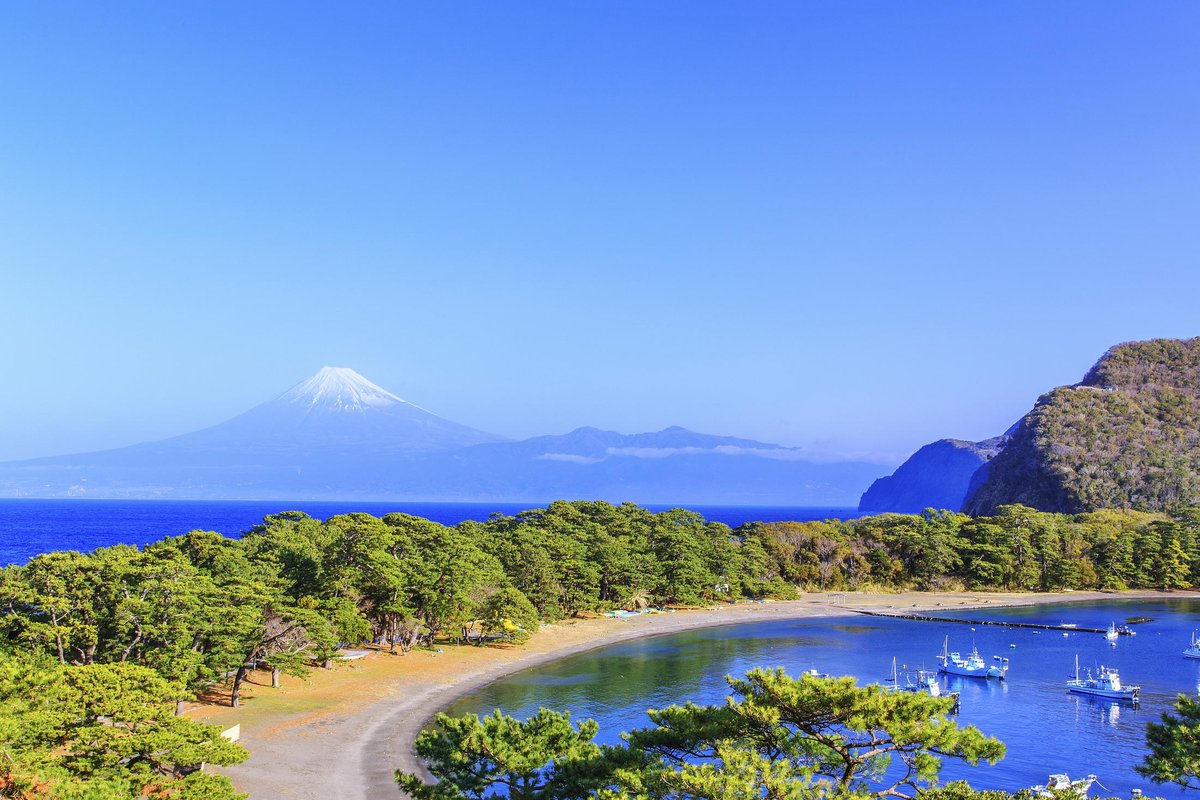
Popular Landmarks in Izu
Discover the most iconic attractions in Izu
Recommended Hotels in Izu
Find the perfect place to stay in Izu
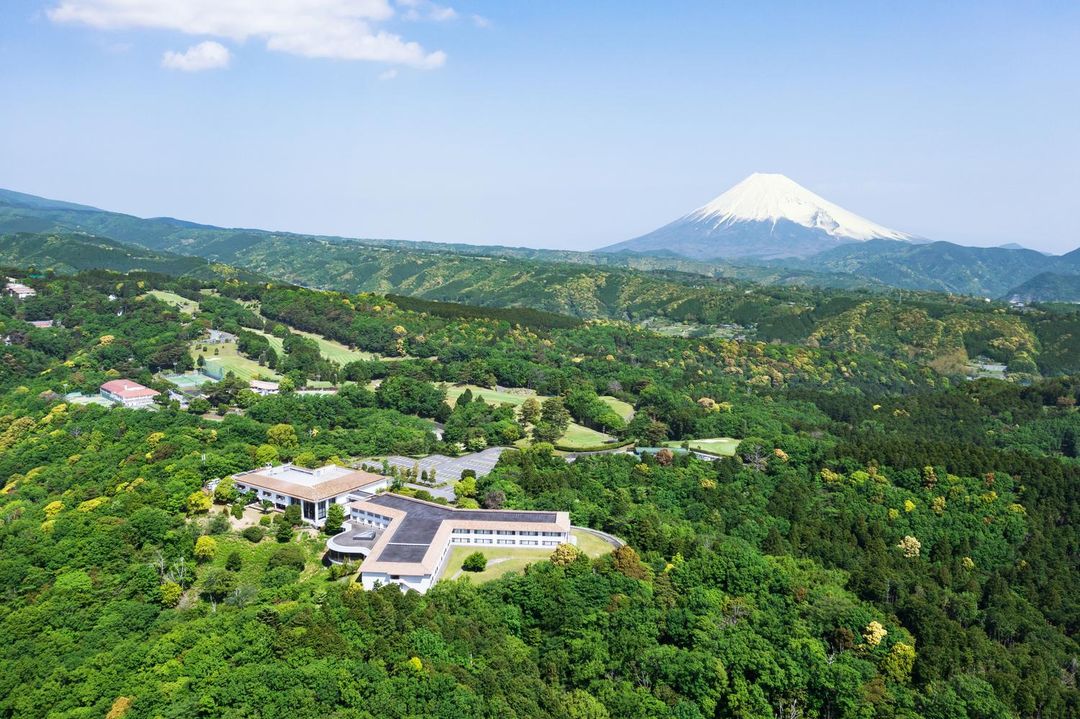
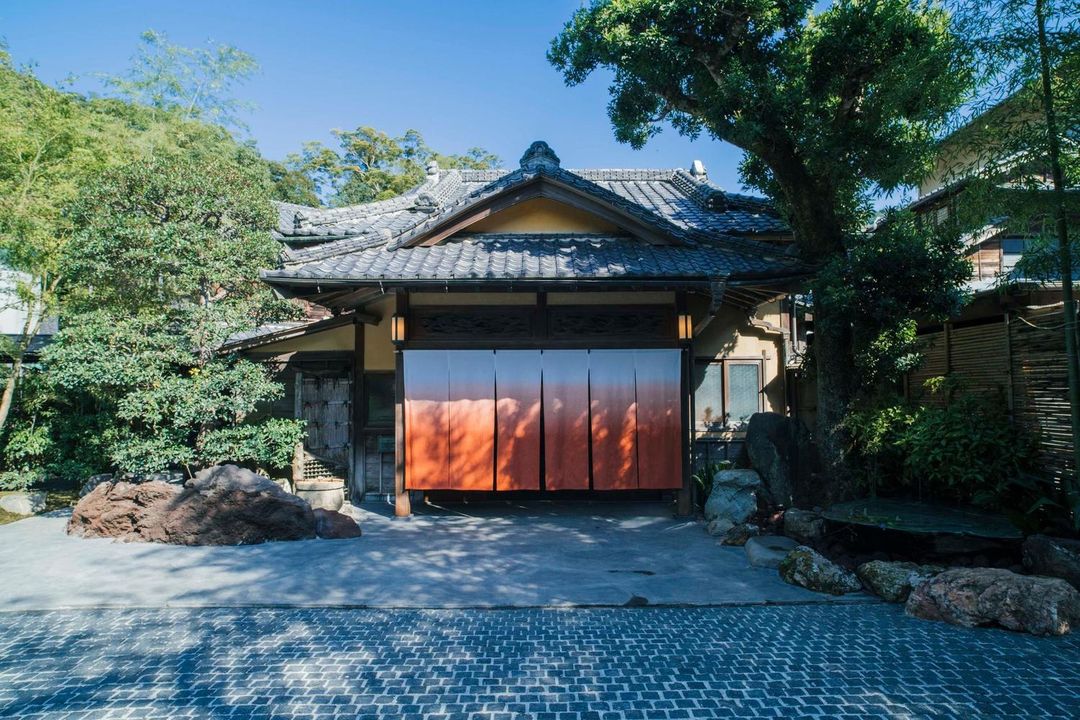
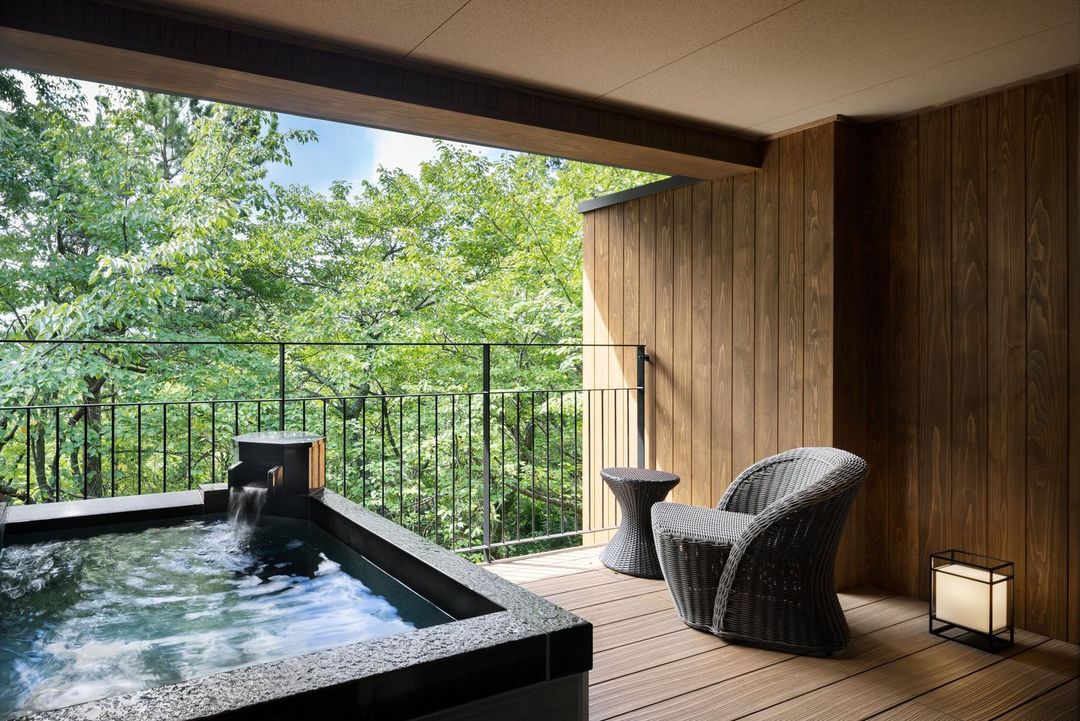
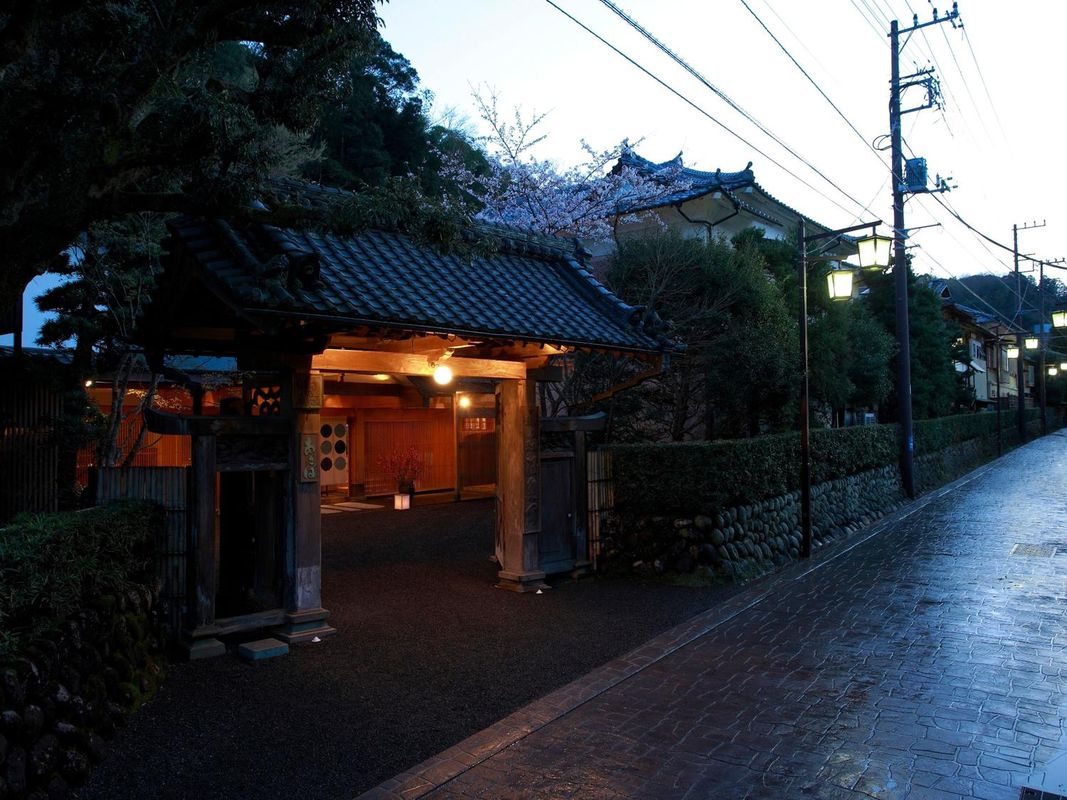
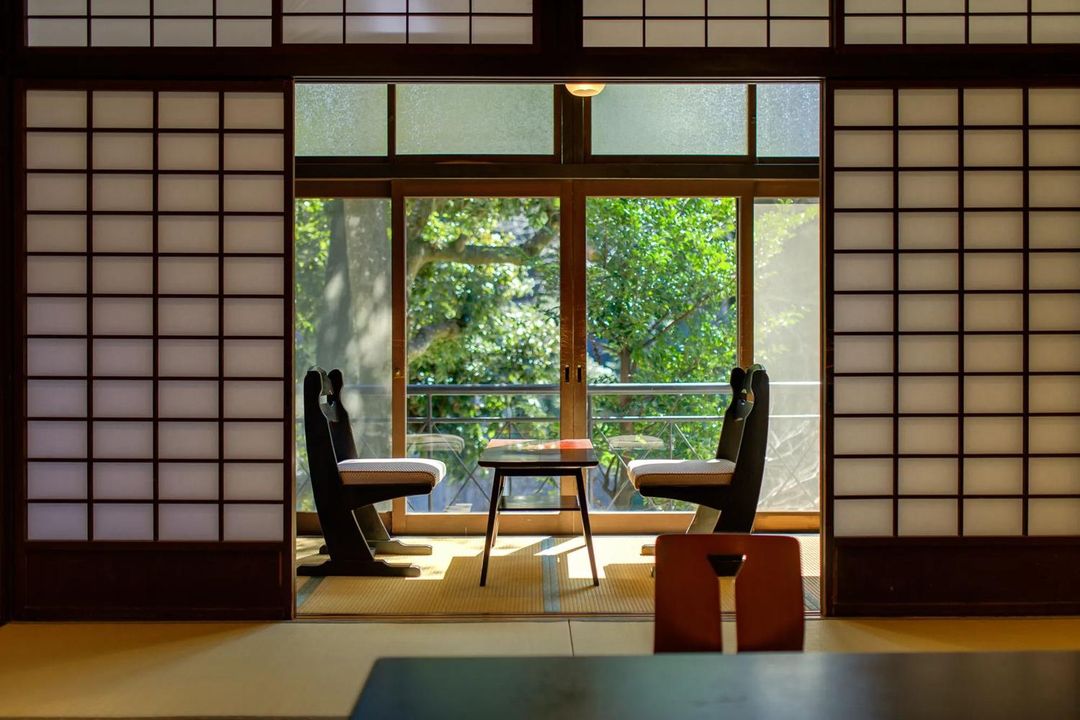
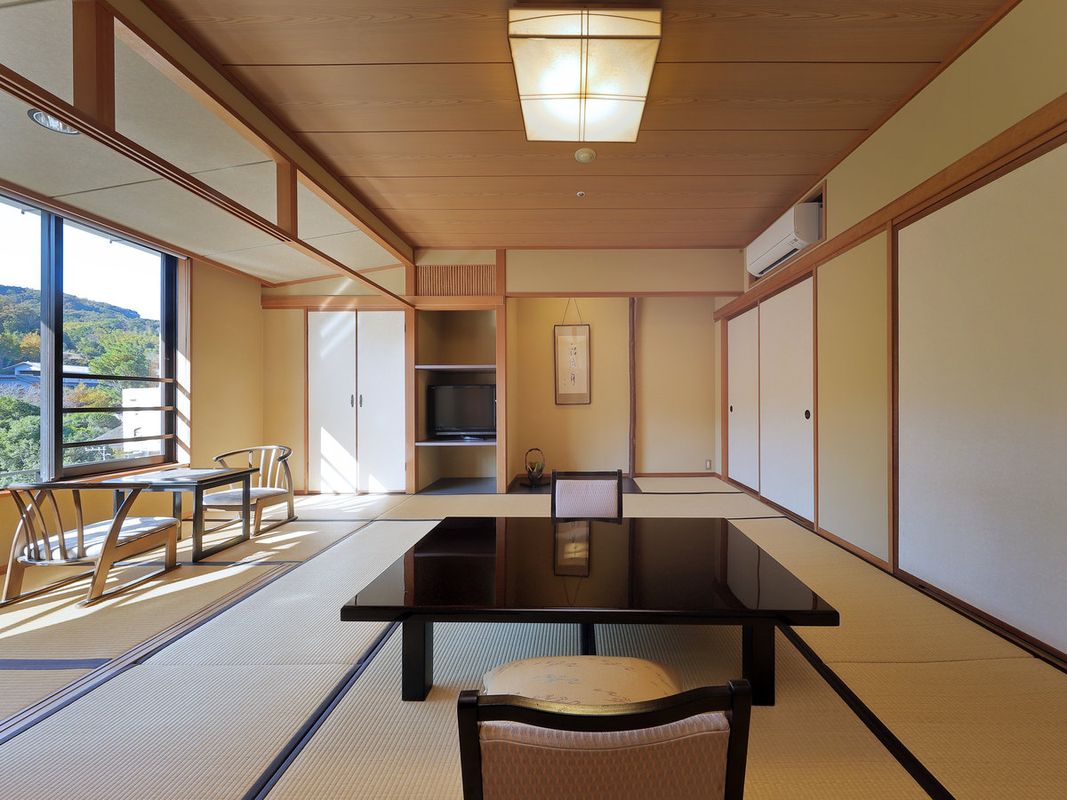
Best Hotels in Izu
Discover curated hotel collections in Izu




























Frequently Asked Questions about Traveling to Izu
Questions You Might Need to Know About Traveling to Izu
Izu Overview
City Summary
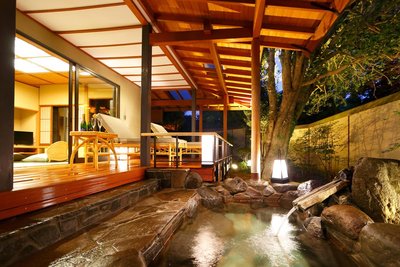
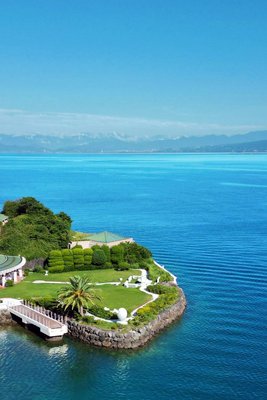
Located in the eastern part of Shizuoka Prefecture, Japan, Izu City is renowned for its abundant hot springs and stunning natural landscapes. It is the setting for "The Izu Dancer," a famous novel by Yasunari Kawabata, imbuing the area with literary and artistic charm. The Izu Peninsula's winding coastline, numerous hot spring resorts, and unique volcanic terrain make it an ideal destination for relaxation.
Must-See Attractions
Must-visit attractions in Izu City include Shuzenji Onsen, a historic hot spring town surrounded by bamboo forests and traditional Japanese architecture. The volcanic terrain of Izu Highland and the cherry blossoms at Omuroyama are breathtaking. Ocean lovers should visit Jogasaki Coast for its dramatic cliffs and Pacific Ocean views. Culture enthusiasts must not miss the Joren Falls, a key scene in Kawabata's novel.
Food Guide
Izu City is famous for its seafood, particularly "Ise-ebi" (lobster) and "Kinmedai" (splendid alfonsino). Street food like onsen manju (hot spring buns) and oden (Japanese stew) are also worth trying. Many hot spring resorts offer kaiseki (traditional multi-course meals) for a refined dining experience. Don't forget to sample local sake, as Izu's excellent water produces exceptionally fragrant brews.
Transportation Guide
The main transportation options in Izu City are the JR Ito Line and Izu Kyuko Line, which connect to Tokyo and other parts of Shizuoka Prefecture. The city has an extensive bus network for easy access to most attractions. Renting a car is also a good option, especially for exploring remote areas. Taxis are relatively expensive, so planning routes in advance is advisable.
Best Time to Visit
The best times to visit are spring (March to May) and autumn (September to November), when the weather is mild and perfect for outdoor activities. Spring offers cherry blossoms, while autumn features stunning foliage. Summer (June to August) is hot and humid but great for beach activities. Winter (December to February) sees fewer tourists, providing a more serene onsen experience.
Travel Tips
- Always rinse before entering an onsen to follow local etiquette.
- Carry cash, as some small shops may not accept credit cards.
- Respect local culture by avoiding loud noises.
- Learn basic Japanese greetings like "Konnichiwa" (Hello).
- Be aware of onsen dress codes, as some prohibit tattoos.
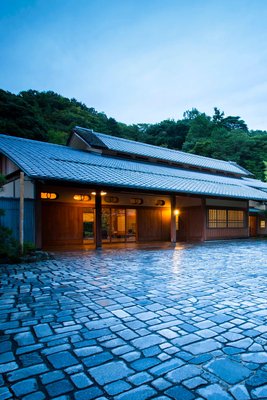
- Book hot spring ryokans in advance, especially during peak seasons.
Useful Information
Japanese is the primary language, but some staff in tourist areas speak basic English. Free Wi-Fi is available at stations and major facilities, but purchasing a local SIM card is recommended for reliable internet access. The currency is the yen; credit cards are accepted in cities but cash is needed in rural areas. Emergency numbers are 110 (police) and 119 (ambulance). Medical facilities are well-equipped, but English services are limited, so travel insurance is advisable.









