Hotels in Ōizumi
Discover your perfect stay in Ōizumi.
Ōizumi(Japan) Travel 2026: Cheap Flights, Hotels & Top Attractions
Popular Landmarks in Ōizumi
Discover the most iconic attractions in Ōizumi
Recommended Hotels in Ōizumi
Find the perfect place to stay in Ōizumi
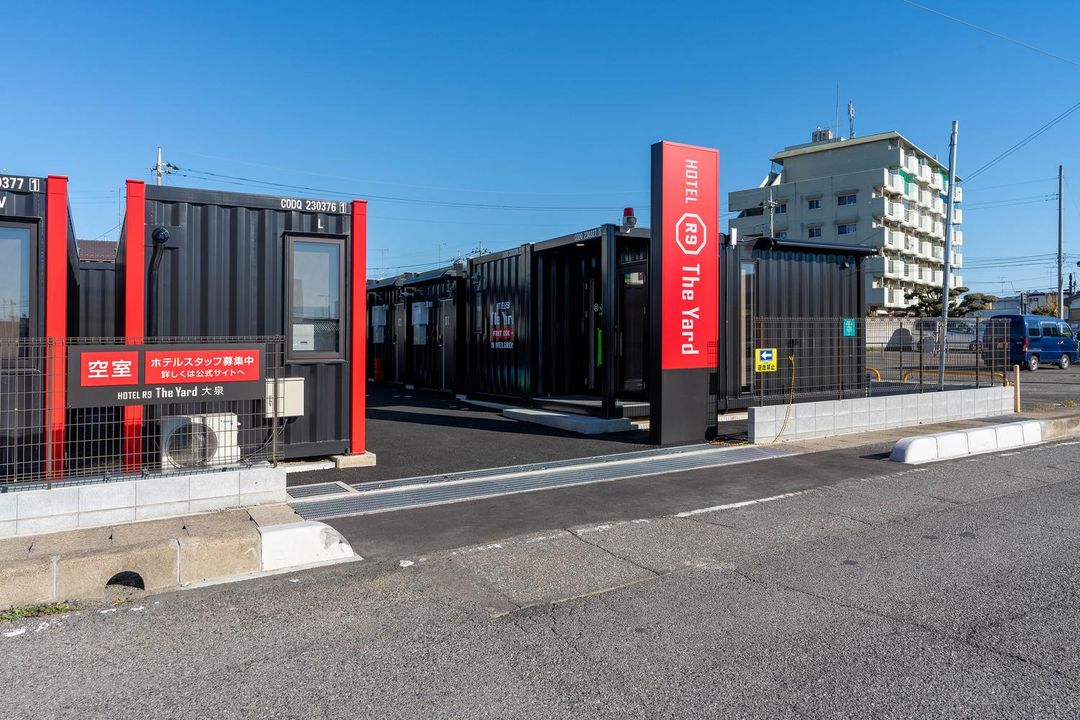
Hotel R9 the Yard Oizumi
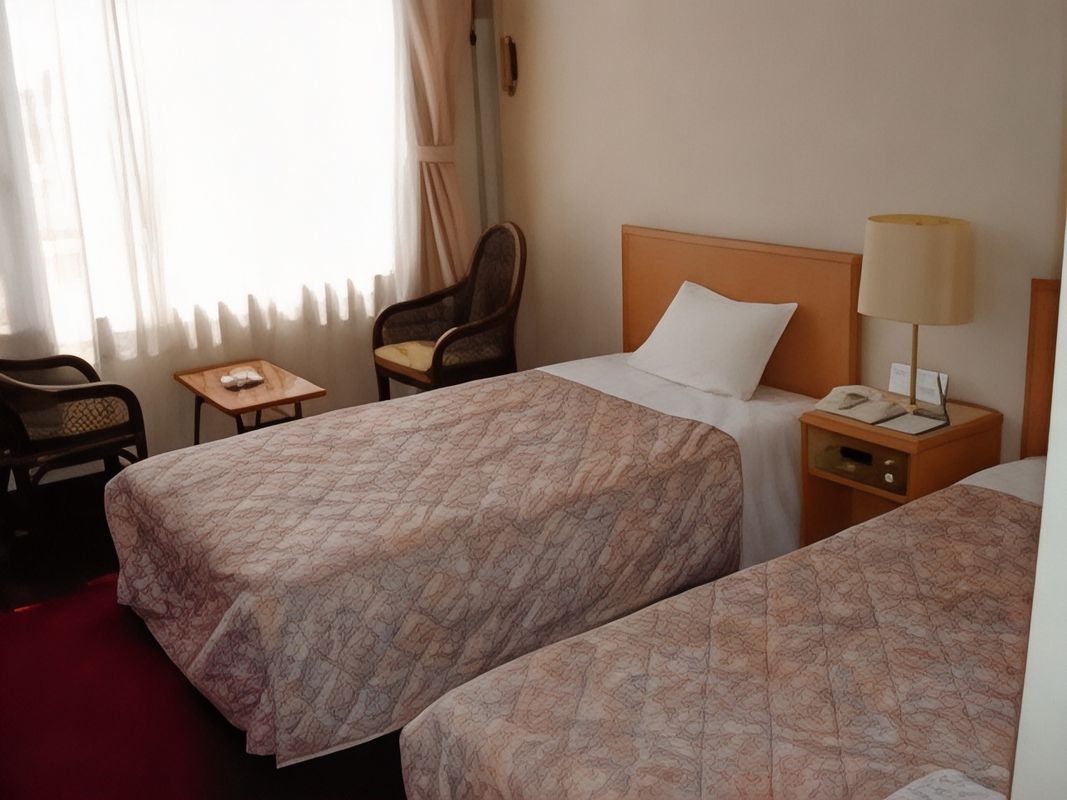
Business Hotel Emperor
Best Hotels in Ōizumi
Discover curated hotel collections in Ōizumi
Bellustar Tokyo, A Pan Pacific Hotel
Bvlgari Hotel Tokyo
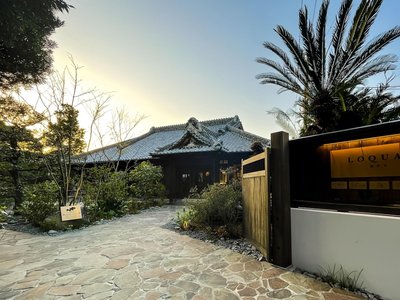
Loquat Nishiizu
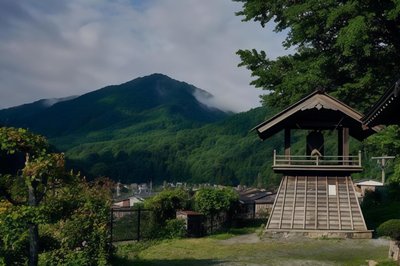
Byaku Narai
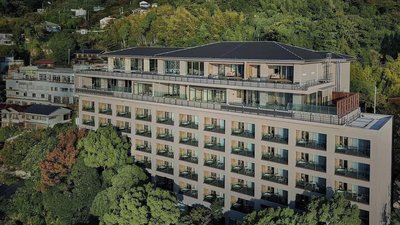
Atami Izusan Karaku
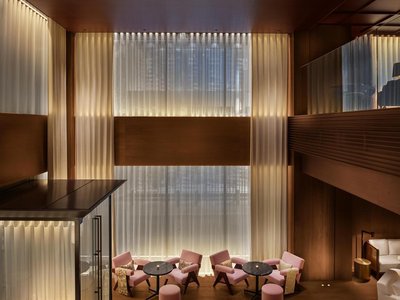
The Tokyo Edition, Ginza

Janu Tokyo
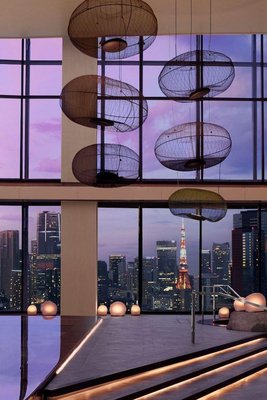
JW Marriott Hotel Tokyo
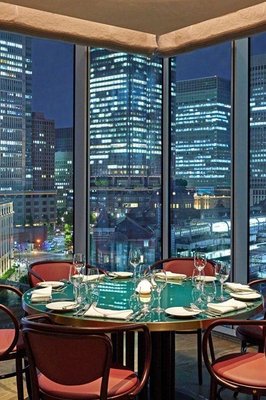
Four Seasons Hotel Tokyo at Marunouchi

Mandarin Oriental, Tokyo
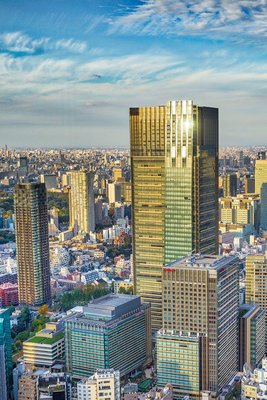
The Ritz-Carlton, Tokyo
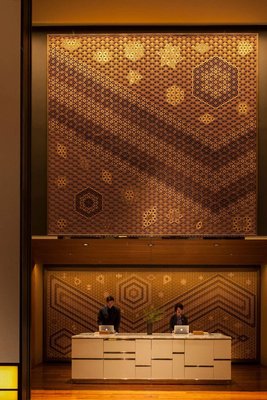
Andaz Tokyo Toranomon Hills- A Concept by Hyatt
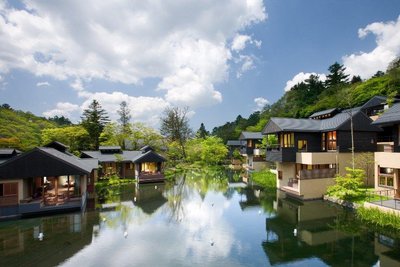
Hoshinoya Karuizawa
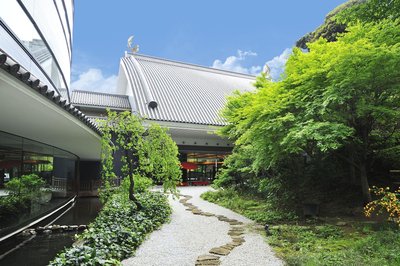
Hotel Gajoen Tokyo
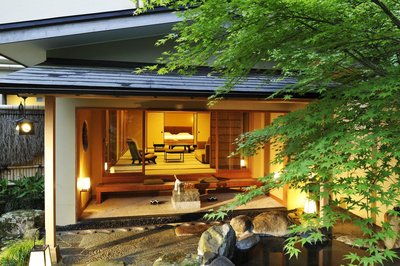
Gora Kadan
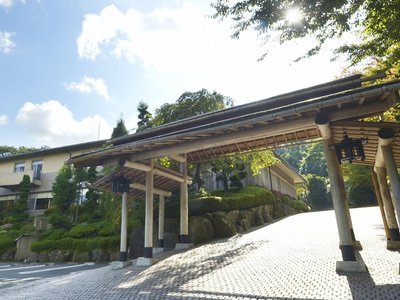
Gora Hanaougi
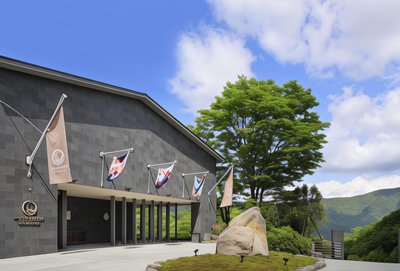
The Hiramatsu Hotels & Resorts Sengokuhara Hakone

Abba Resorts Izu - Zagyosoh
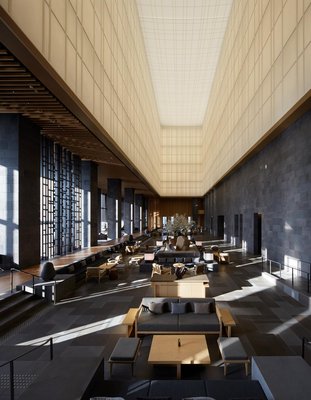
Aman Tokyo
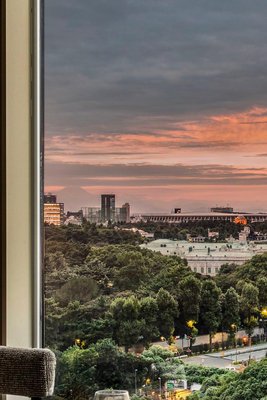
Hotel New Otani Tokyo, Executive House Zen
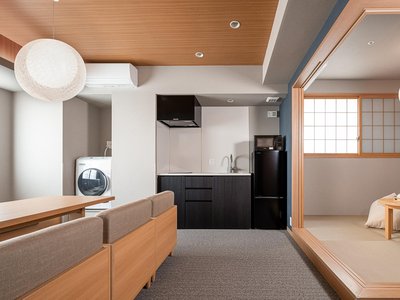
MIMARU SUITES Tokyo Asakusa
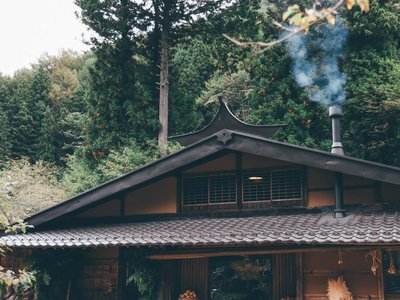
La Terra Resort
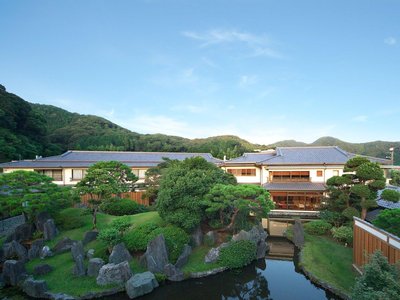
Kagetsutei

karaksa hotel colors Tokyo Yaesu

HOTEL GROOVE SHINJUKU, A PARKROYAL Hotel

EN Resort Grandeco Hotel

Awaumi Fujikawaguchiko Resort
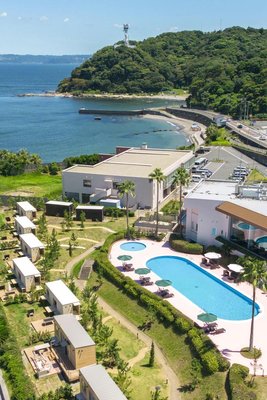
La vista Yokosuka Kannonzaki Terrace
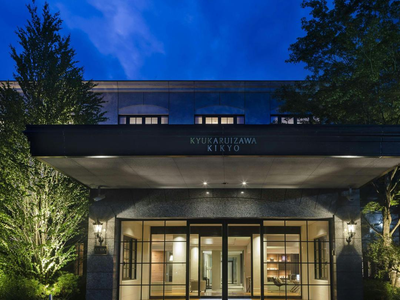
Fufu Karuizawa Wind of Sunshine

Hotel Taiko, Akakura Onsen
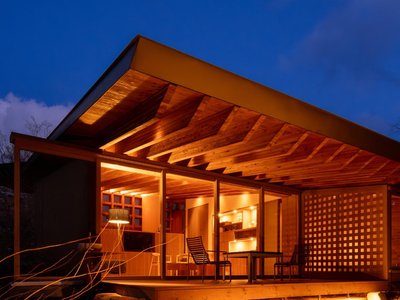
Nasu Mukunone
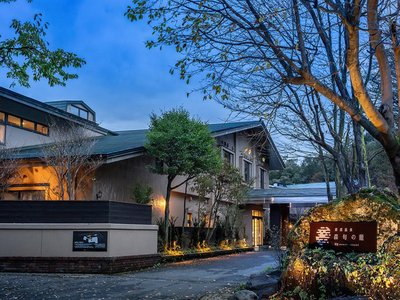
Nasu Onsen Shinshun no Kago Hewitt Resort

Scapes the Suite
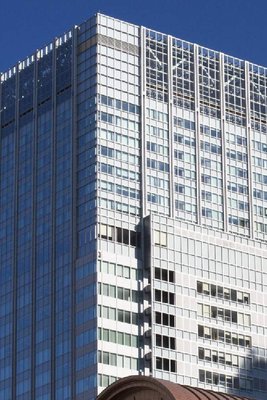
Hotel Metropolitan Tokyo Marunouchi
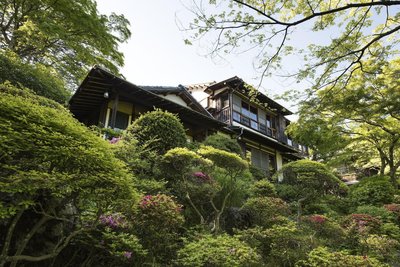
Gora Kansuiro
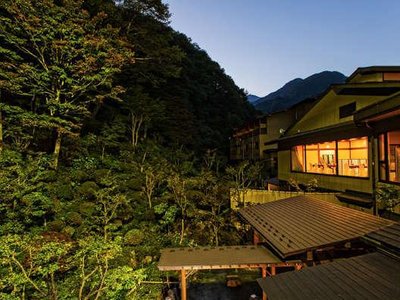
Futari Shizuka
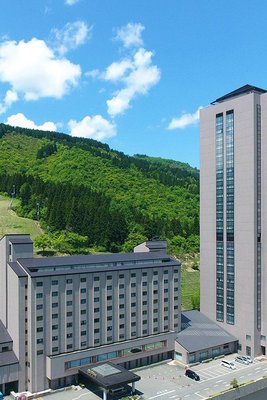
Naspa New Otani
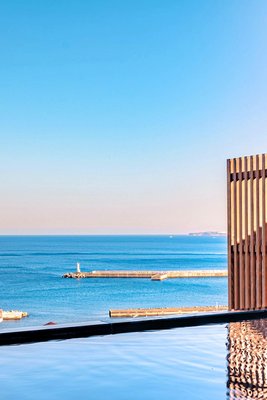
HOTEL KANICHI
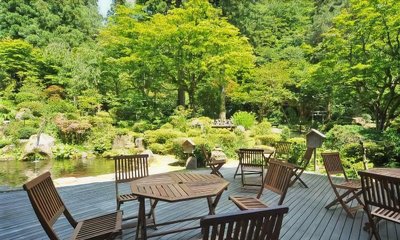
Choseikan
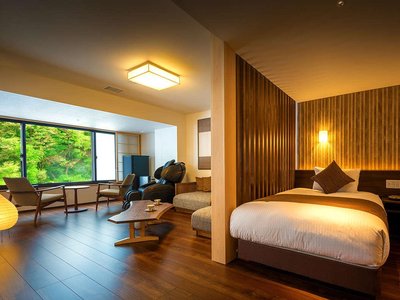
Harataki
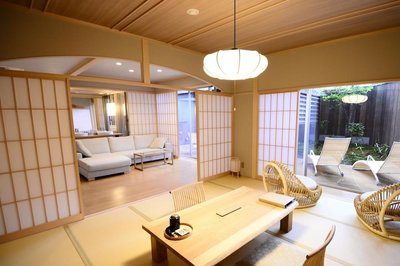
Hakone Gora Byakudan
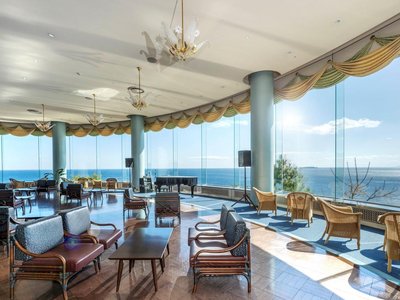
Hotel New Akao
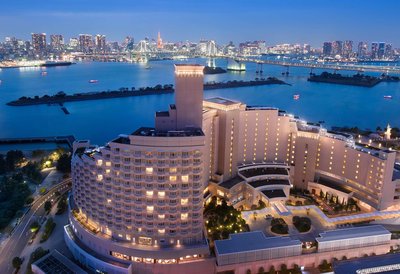
Hilton Tokyo Odaiba
JW Marriott Hotel Tokyo
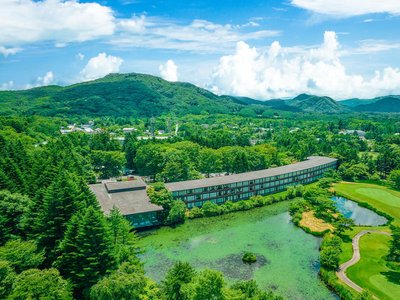
The Prince Karuizawa

The Kukuna
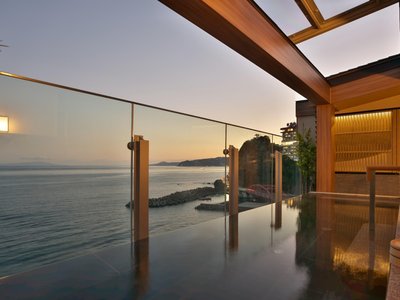
Hotel New Sagamiya
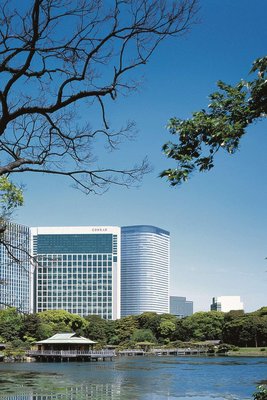
Conrad Tokyo
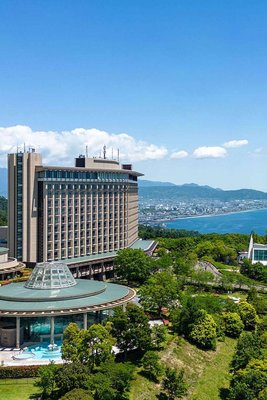
Hilton Odawara Resort & Spa
Hoshinoya Karuizawa
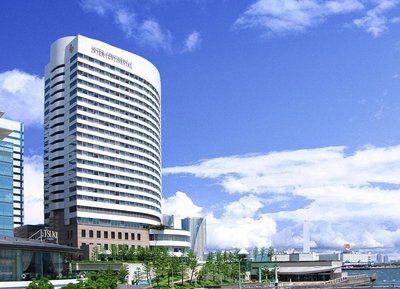
InterContinental Tokyo Bay
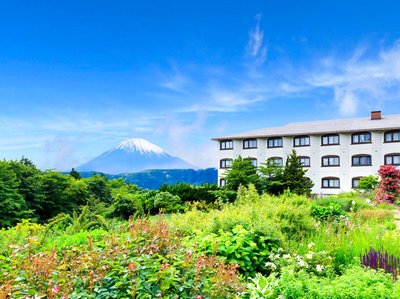
Hotel Green Plaza Hakone
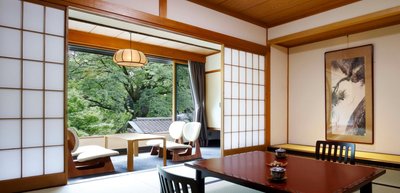
Yoshiike Ryokan
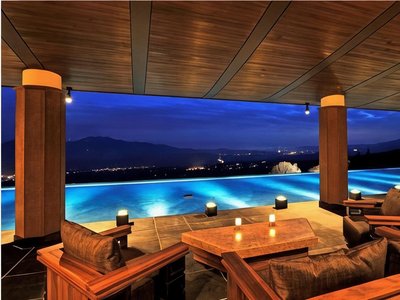
Akakura Kanko Hotel
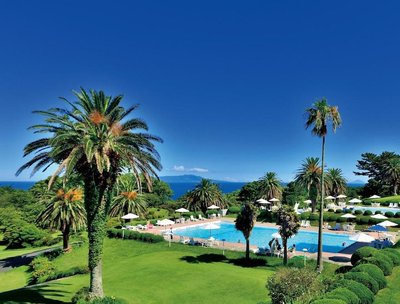
Kawana Hotel
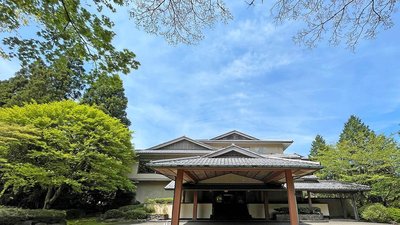
Ryuguden
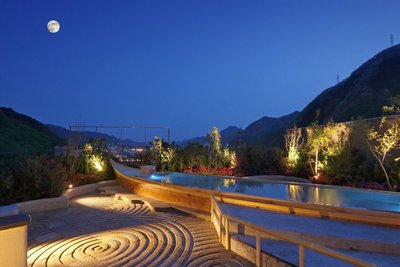
Asaya
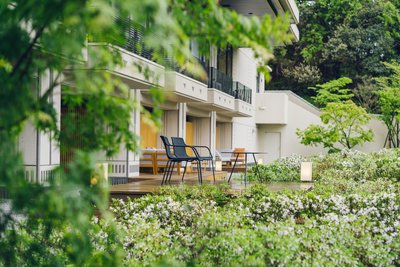
Hoshino Resorts Kai Enshu
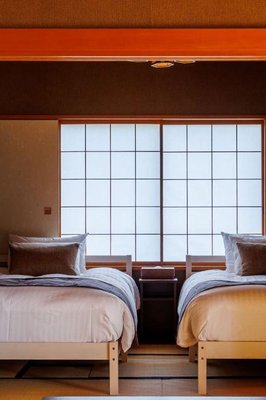
Sado Resort Hotel Azuma
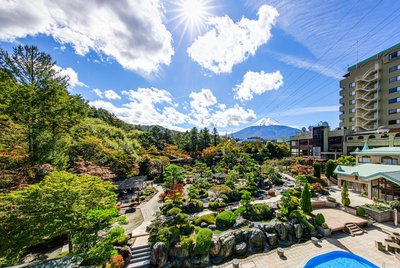
Kaneyamaen
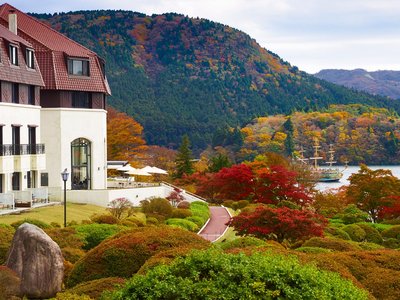
Hotakajyo
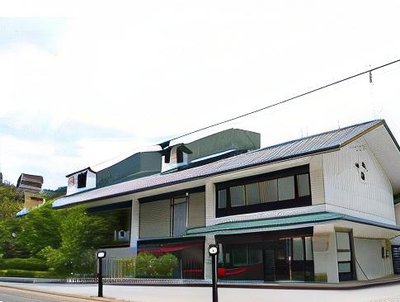
Auberge Suzukane

Onyado Nono Asakusa Bettei Hot Spring
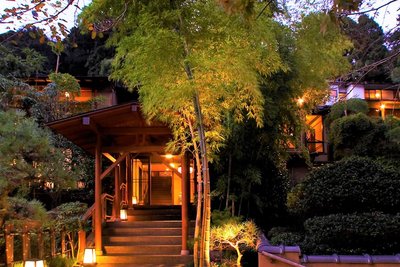
Shiki wo Ajiwau Yado Yamano Chaya
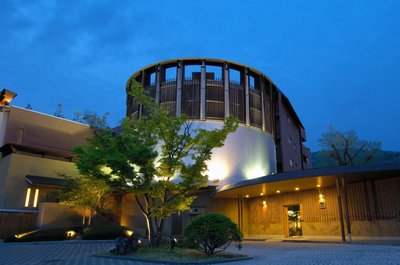
Hoshino Resorts Kai Matsumoto
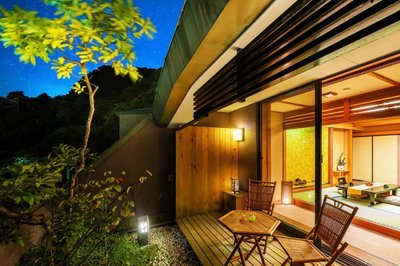
Konjakutei
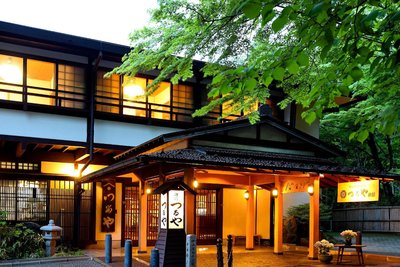
Tsuruya Ryokan
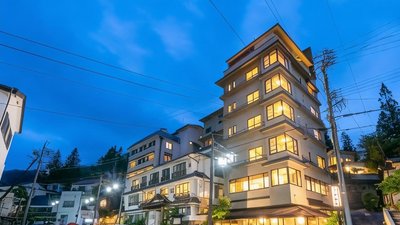
Nakamatsuya Ryokan
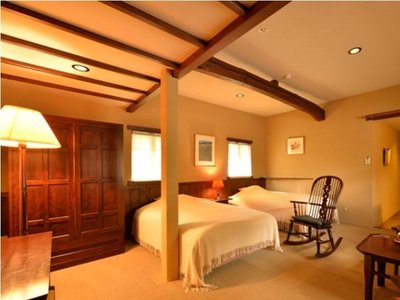
Ryokan Sugimoto
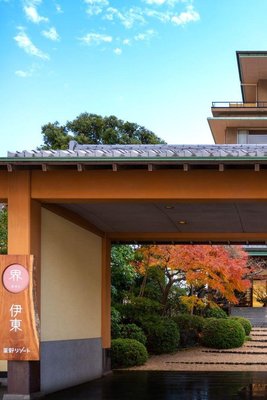
Hoshino Resorts Kai Ito
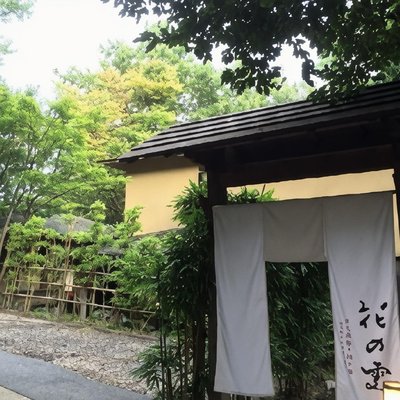
Hana No Kumo
Yoshiike Ryokan
Hotel Gajoen Tokyo
Gora Hanaougi
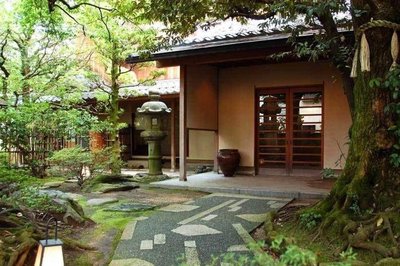
Kocho
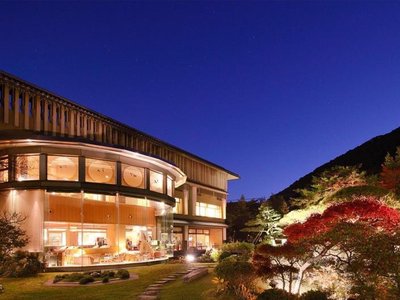
Shikisai Ichiriki
Sado Resort Hotel Azuma
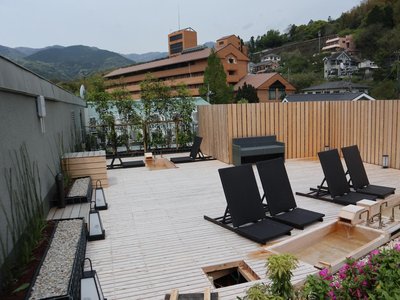
Fukiya Ryokan
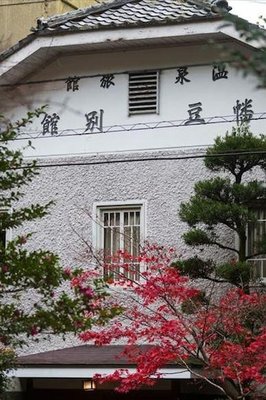
Oku-Mikawa・Yuya Onsen HAZU Bekkan
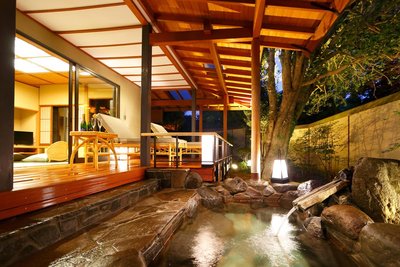
Yoshiharu Ryokan – Izu Nagaoka Onsen
Bellustar Tokyo, A Pan Pacific Hotel
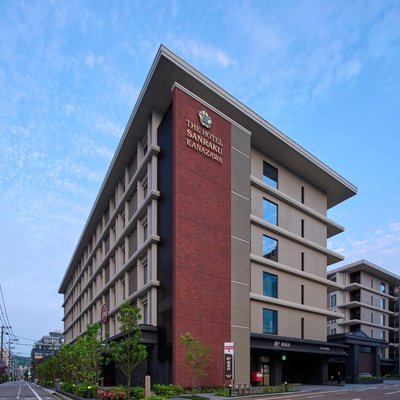
The Hotel Sanraku Kanazawa 21th December 2022 Open
JW Marriott Hotel Tokyo
Andaz Tokyo Toranomon Hills- A Concept by Hyatt
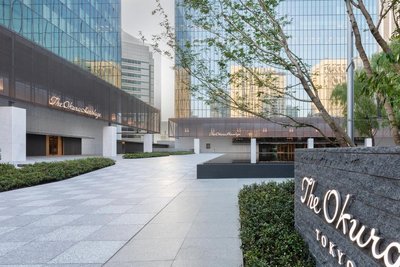
The Okura Tokyo
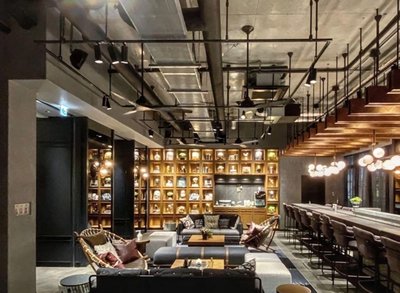
The Lively Azabujuban Tokyo

Kimpton Shinjuku Tokyo

HOTEL K5
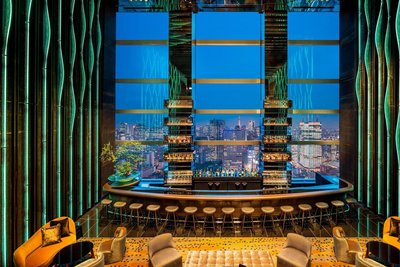
The Prince Gallery Tokyo Kioicho, a Luxury Collection Hotel
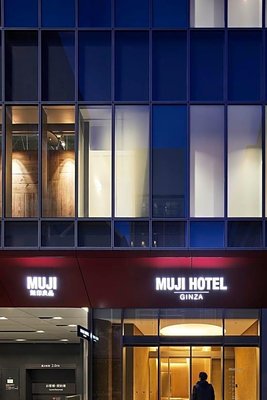
Muji Hotel Ginza
Hakone Gora Byakudan
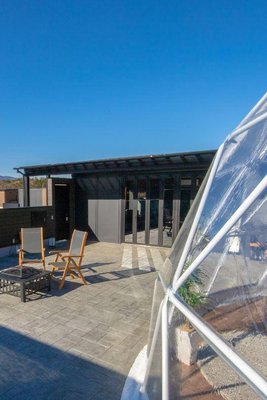
Panoramic Mt. Fuji Views from All Rooms – Vision Glamping Resort & Spa Yamanakako
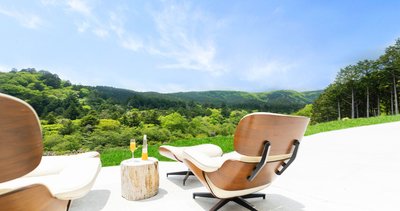
Shelter Garden Nikko
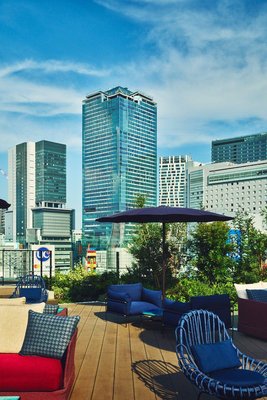
Hotel Indigo Tokyo Shibuya

TIAD, AUTOGRAPH COLLECTION
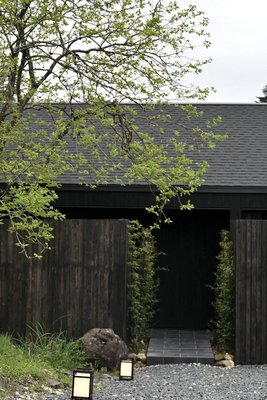
THE LAKOTAN
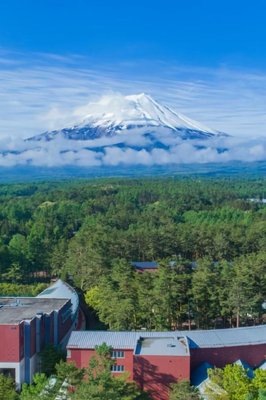
Forest Village (Fuji Premium Resort)

Hotel Toranomon Hills

Fufu Kyu-Karuizawa Restful Forest
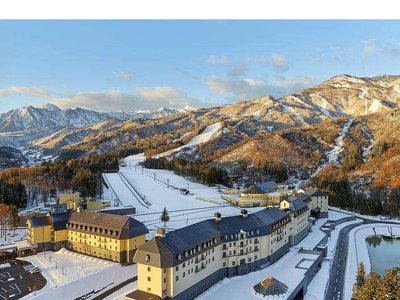
Lotte Arai Resort
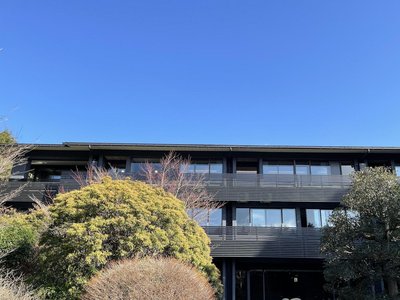
Sengokubara Cocon
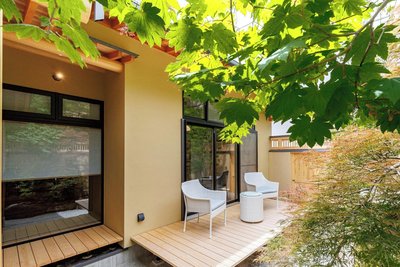
Shoraiso
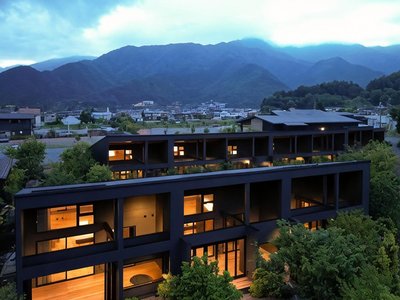
7C Villa and Winery

Hotel la Vigne Hakuba by Onko Chishin
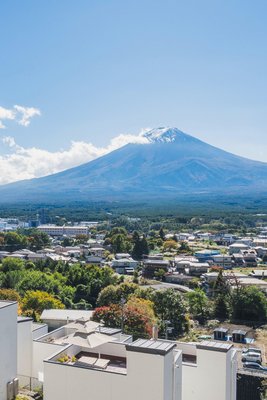
THE TOKI FujiKawaguchiko
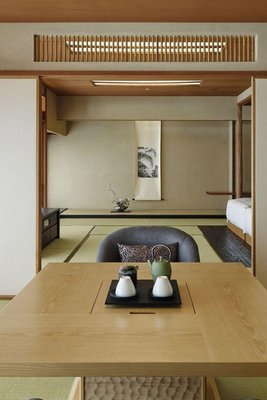
Takanawa Hanakohro (in Grand Prince Hotel Takanawa)

Hyatt Centric Ginza Tokyo
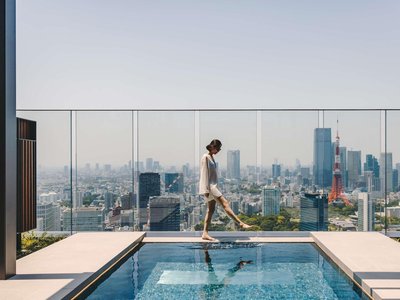
Fairmont Tokyo
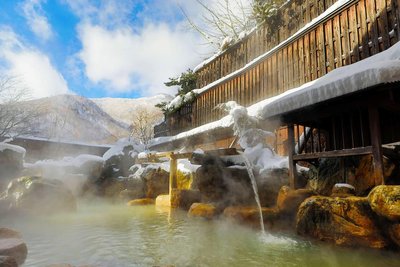
Miyamaouanbekkan yumegurinoyado hirayukan
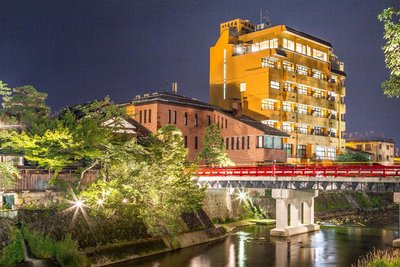
HONJIN HIRANOYA BEKKAN
Bvlgari Hotel Tokyo
Four Seasons Hotel Tokyo at Marunouchi
Mandarin Oriental, Tokyo
The Ritz-Carlton, Tokyo
Andaz Tokyo Toranomon Hills- A Concept by Hyatt
Gora Kadan

Hotel New Otani Tokyo the Main
Aman Tokyo
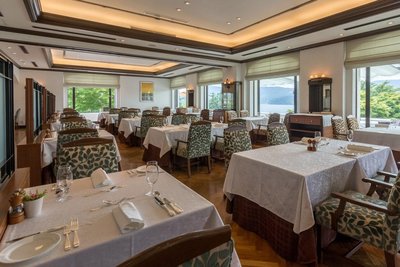
Odakyu Hotel de Yama
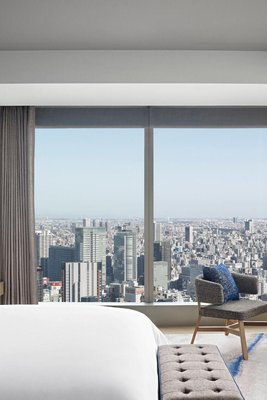
Four Seasons Hotel Tokyo at Otemachi

The Tokyo Edition, Toranomon

Hyatt Centric Kanazawa
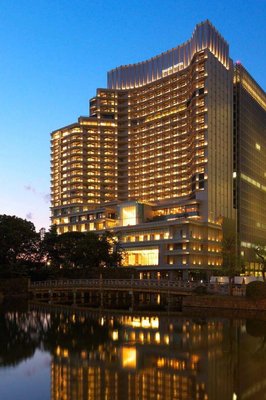
Palace Hotel Tokyo
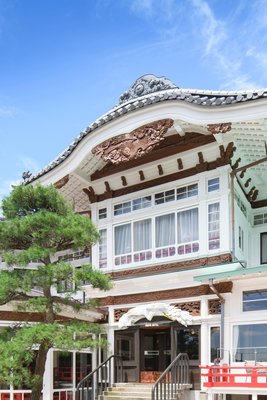
Fujiya Hotel
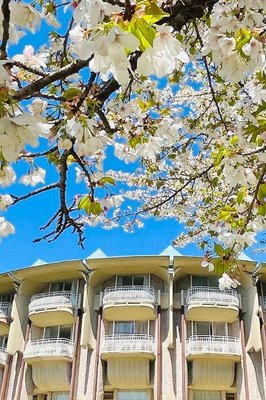
The Prince Hakone Lake Ashinoko
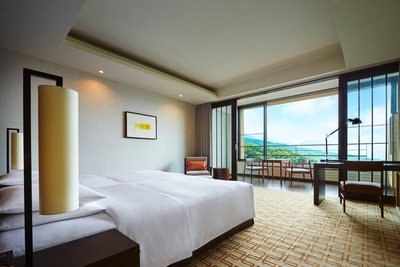
Hyatt Regency Hakone Resort and Spa
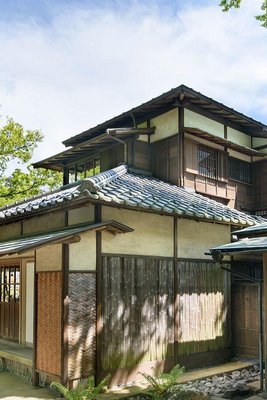
Hakone Suishoen
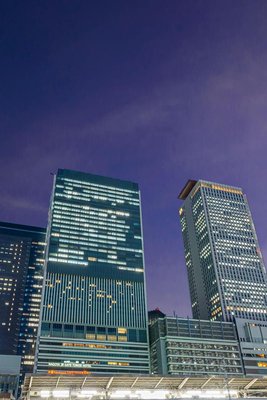
Nagoya JR Gate Tower Hotel (JR-Central Hotels)

The Westin Yokohama
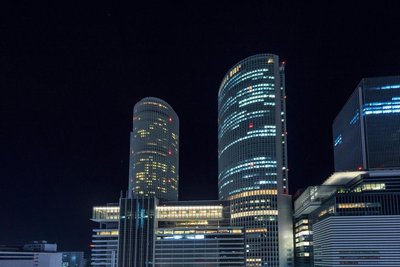
Nagoya Marriott Associa Hotel

Rakuten STAY VILLA Nasu
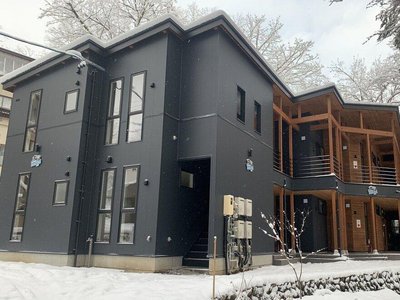
Hakuba Gondola Apartments
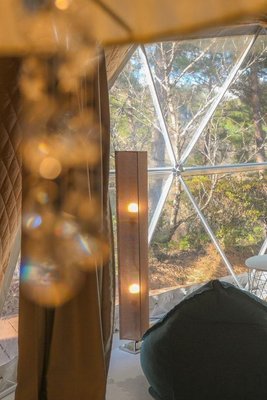
glampark Gekkabijin Nagano
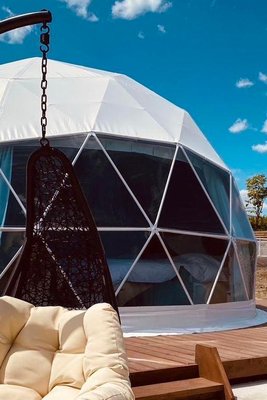
chillout glamping zao
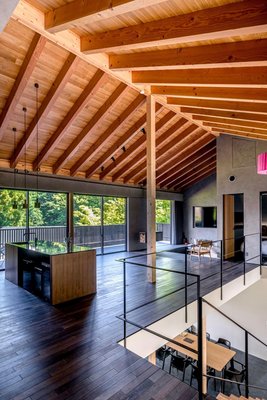
MONS GORA

Phoenix Chalets by Hhg
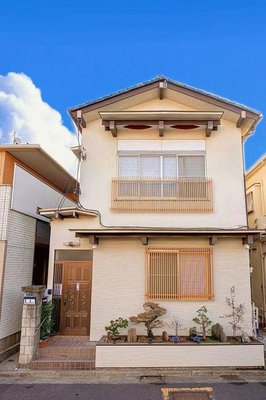
Tokyo Star House-Shinkoiwa
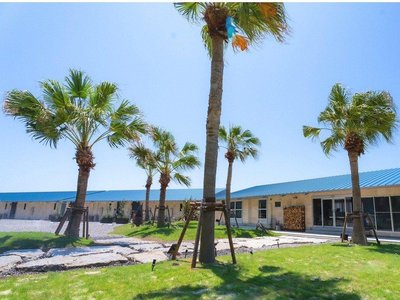
Glamping&Resort Wood Design Park Noma
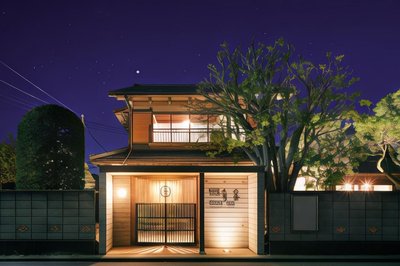
Machi-Jyu
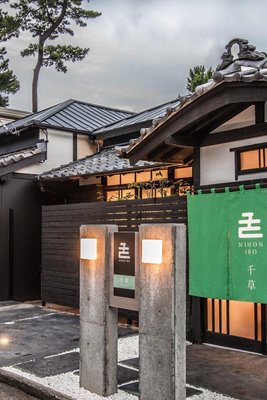
Nihon Iro
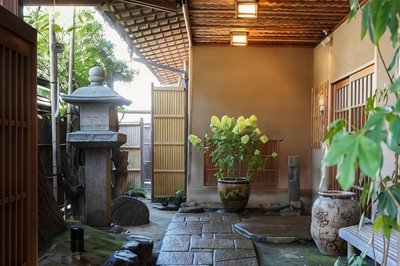
Ryokan Asadaya
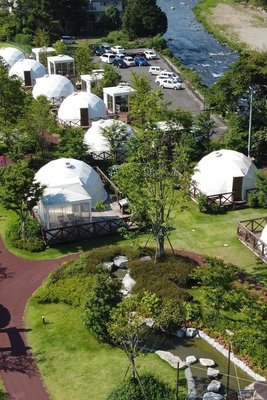
Ufufu Village
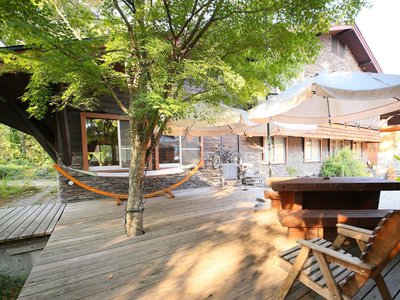
Kunugi Relaxation with 4 Modern Rooms

Modern Ryokan Kishi-ke

Petals Tokyo - Floating Hotel
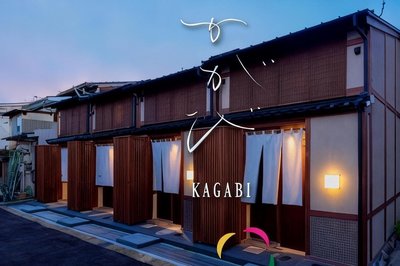
Kagabi Machiya House

The Flow Kamakura
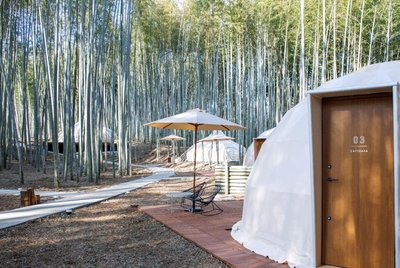
THE BAMBOO FOREST
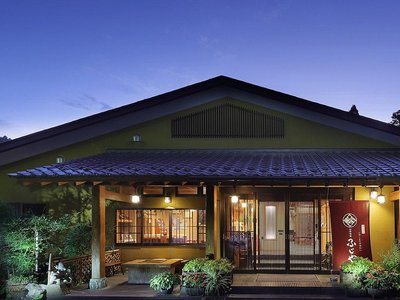
Shikimitei Fujiya
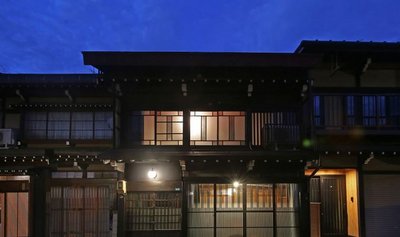
Iori Stay Hida

Hotel Barrière Fouquet's New York

The Plaza - A Fairmont Managed Hotel
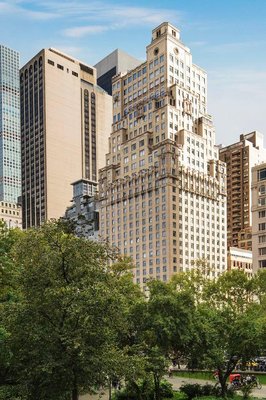
The Ritz-Carlton New York, Central Park

Four Seasons Hotel New York

The St. Regis New York

Park Hyatt New York
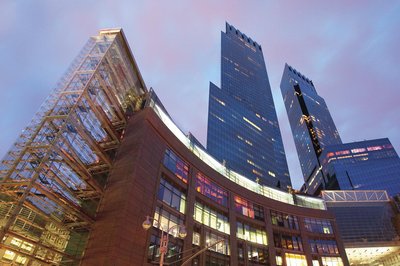
Mandarin Oriental New York
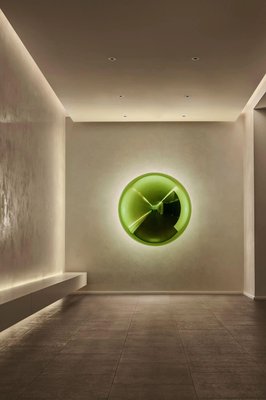
Times Square Edition New York

Loews Regency New York Hotel

Lowell Hotel
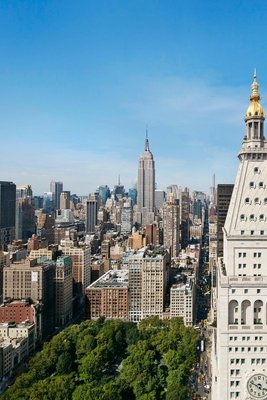
New York Edition

Baccarat Hotel New York

Equinox Hotel New York

Four Seasons Hotel New York Downtown

The Langham, New York, Fifth Avenue

The Carlyle, A Rosewood Hotel

The Chatwal, in the Unbound Collection by Hyatt

The Mark New York
Trump International Hotel & Tower® New York
Casa Cipriani New York
Frequently Asked Questions about Traveling to Ōizumi
Questions You Might Need to Know About Traveling to Ōizumi
In Oizumi Town, top choices include Seiryu no Yado, a traditional ryokan offering private onsen baths with mountain views, and Shoufuku-ya, known for its natural mineral-rich waters and wooden architecture. Both provide authentic Japanese hospitality and seasonal kaiseki meals. The hot springs originate from deep underground aquifers, ideal for relaxation and skin health. Early HopeGoo is recommended, especially during autumn foliage season.
The best time for nature lovers is spring (March–May) and autumn (October–November). Spring brings cherry blossoms along the Oizumi River, while autumn paints the Akagi Mountain slopes in fiery reds and golds. Hiking trails like the Yamakawa Ridge Path offer panoramic views. Summer features river rafting on the Oizumi River, and winter allows for peaceful snow-covered landscapes. Wildlife spotting is also excellent during these seasons.
Visitors can participate in traditional pottery workshops using local clay at Oizumi Ceramics Studio, creating unique handmade pieces. The annual Oizumi Festival in September features Shinto rituals, taiko drumming, and local food stalls. For agriculture enthusiasts, organic farm visits offer hands-on rice planting or harvesting experiences. These activities provide deep insight into rural Japanese life and sustainable living practices.
Yes, Oizumi Town offers several family-friendly attractions. The Oizumi Children’s Nature Park features safe walking paths, animal encounters, and educational observation huts. Many lodges, such as Family Inn Oizumi, provide cribs, kids’ meals, and themed activities. The Oizumi River Greenway is perfect for biking, with flat, scenic routes ideal for all ages. Local restaurants serve child-friendly, organic meals, making it an ideal destination for multi-generational travel.
The easiest way from Tokyo is to take the JR Takasaki Line to Maebashi Station, then transfer to a local bus (~40 minutes) to Oizumi Town. Alternatively, drive via the Kan-etsu Expressway, taking about 1.5 hours. Some hotels offer shuttle services; check in advance. Avoid weekends for smoother travel. Real-time schedules can be found on Google Maps or local transit apps.
Must-try dishes include Maebashi beef sukiyaki, made with locally raised wagyu, and buckwheat noodles with wild mountain vegetables. Don’t miss Oizumi Rice Wine, crafted from regional paddy fields. At local markets near the Oizumi River, sample fresh honey, pickled vegetables, and handmade jams. Pair your meal with a warm cup of matcha tea for a true taste of the region’s countryside flavors.
Yes, Oizumi Town is one of Japan’s premier stargazing destinations due to minimal light pollution. The Oizumi Onsen Ryokan offers rooftop viewing decks with telescopes, ideal for spotting constellations and the Milky Way. During autumn, the Oizumi River Lantern Festival creates a serene night ambiance. Many accommodations host guided night sky tours, making it perfect for couples and astronomy enthusiasts seeking quiet, clear skies.
Top photogenic spots include the Oizumi River Trail with spring cherry blossoms reflected in calm waters, the terraced rice fields near Yamakawa Ridge, especially at sunrise, and the historic wooden houses in the old town district, which showcase Meiji-era architecture. The garden at Seiryu no Yado blends Zen aesthetics with seasonal blooms—perfect for candid shots. Bring a wide-angle lens to capture the sweeping mountain and river vistas.
Public transport is limited but functional. Buses from Maebashi Station connect to major points in Oizumi Town, though frequencies vary. The Tourist Shuttle Bus runs during peak seasons. Most attractions are accessible by car or bike. Use apps like Google Maps or Japan Transit Planner for real-time updates. Some inns offer wheelchair-accessible shuttles upon request.
Oizumi Town stands out for its seamless blend of natural beauty, cultural authenticity, and eco-conscious tourism. Unlike crowded tourist hubs, it preserves traditional crafts, farming practices, and quiet mountain life. Its clean air, starry nights, and low-key charm attract travelers seeking genuine connection with nature and local communities. It’s a rare example of sustainable rural development in Japan.
Ōizumi Overview
City Summary
Oizumi Town, located in Gunma Prefecture, Japan, is a unique blend of rural charm and industrial development. Known for its Nissan automobile factory, the town also preserves traditional Japanese countryside landscapes. Visitors can experience the harmonious coexistence of tranquil rural life and modern industrial culture.
Must-See Attractions
Key attractions in Oizumi include the Nissan factory tour, where visitors can witness car manufacturing up close. Nearby Mount Akagi offers stunning natural scenery and hiking trails. The town's traditional temples and shrines provide a glimpse into rural Japanese religious culture.
Food Guide
Oizumi's culinary scene is influenced by Gunma's traditions. Don't miss Mizusawa udon, a local specialty of hand-stretched noodles. Grilled manju and soy sauce dumplings are also popular street snacks worth trying.
Transportation Guide
Transportation in Oizumi relies mainly on buses and taxis, as there's no subway system. From Tokyo, take the Shinkansen to Takasaki Station, then transfer to a bus or taxi. Renting a car is another convenient option, with well-maintained roads.
Best Time to Visit
The best times to visit are spring (March-May) and autumn (September-November), when the weather is mild for outdoor activities. Summers can be hot, while winters may bring snow.
Travel Tips
- Follow all rules during factory tours and avoid touching equipment.
- Rural shops have limited hours, so plan accordingly.
- Observe proper shrine etiquette, including purification rituals.
- Drive carefully in winter as roads may be icy.
- Some restaurants only accept cash, so carry sufficient yen.
- Maintain quiet in public spaces to respect local customs.
Useful Information
Japanese is the primary language, with limited English proficiency. Download a translation app. WiFi hotspots are scarce; consider a local SIM card. Cash is preferred, though some shops accept credit cards. For emergencies, dial 119; the town has small clinics, but serious cases require going to Takasaki hospitals.