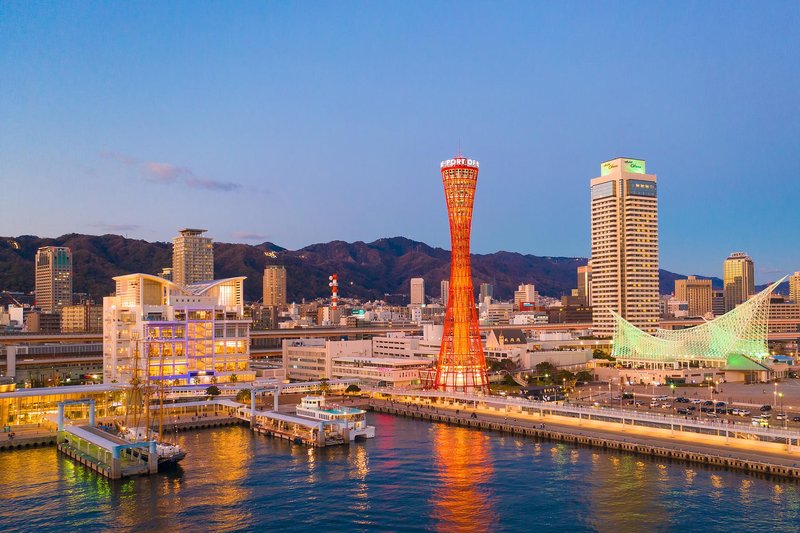
Hotels in Izumizaki
Discover your perfect stay in Izumizaki.
Izumizaki(Japan) Travel 2026: Cheap Flights, Hotels & Top Attractions
Popular Landmarks in Izumizaki
Discover the most iconic attractions in Izumizaki
Recommended Hotels in Izumizaki
Find the perfect place to stay in Izumizaki
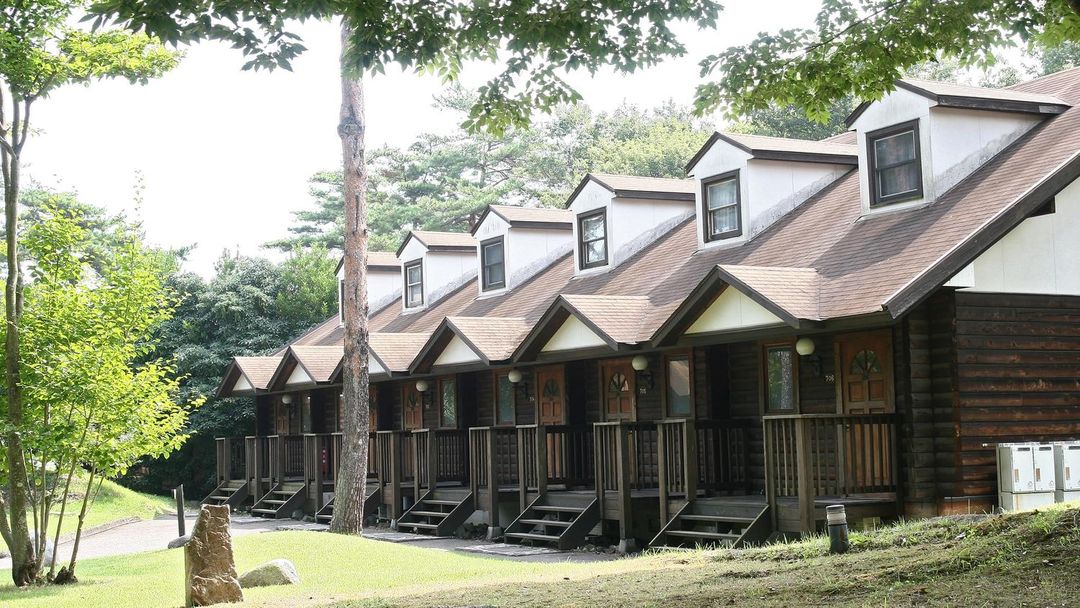
Izumizaki Country Village
Best Hotels in Izumizaki
Discover curated hotel collections in Izumizaki
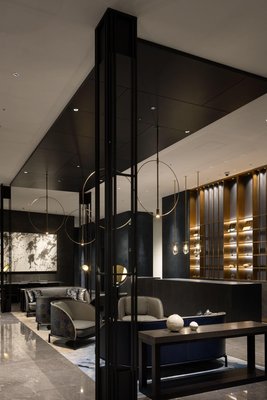
Bellustar Tokyo, A Pan Pacific Hotel
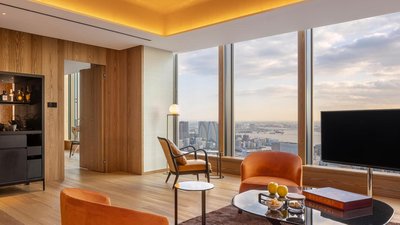
Bvlgari Hotel Tokyo
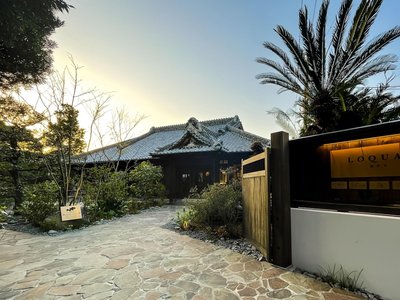
Loquat Nishiizu
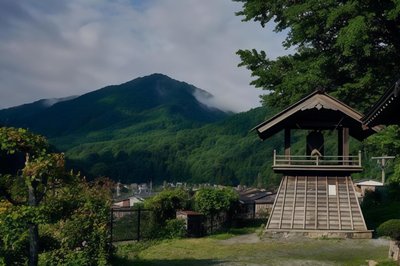
Byaku Narai
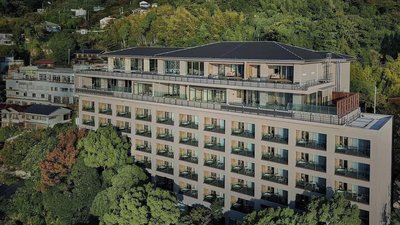
Atami Izusan Karaku
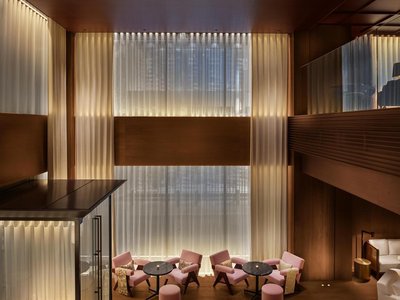
The Tokyo Edition, Ginza
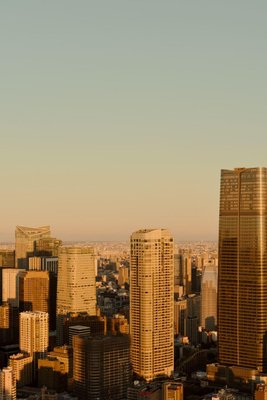
Janu Tokyo
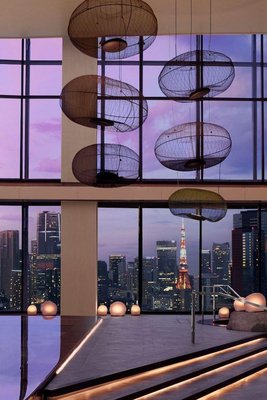
JW Marriott Hotel Tokyo
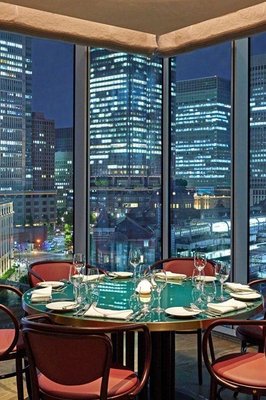
Four Seasons Hotel Tokyo at Marunouchi

Mandarin Oriental, Tokyo
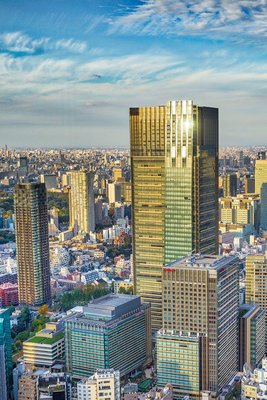
The Ritz-Carlton, Tokyo
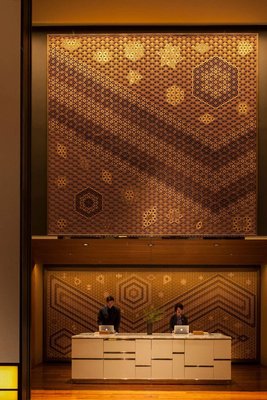
Andaz Tokyo Toranomon Hills- A Concept by Hyatt
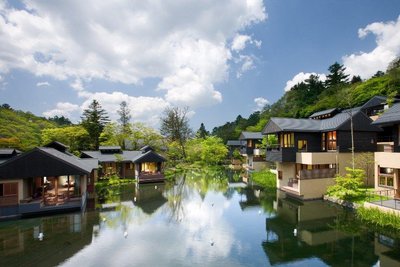
Hoshinoya Karuizawa
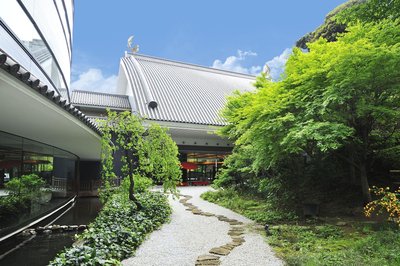
Hotel Gajoen Tokyo
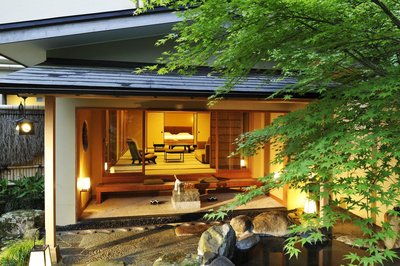
Gora Kadan
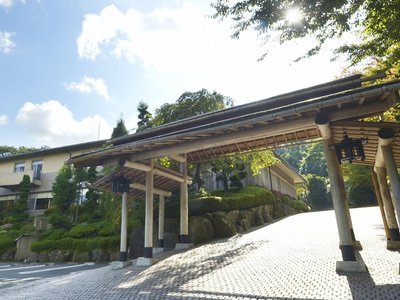
Gora Hanaougi
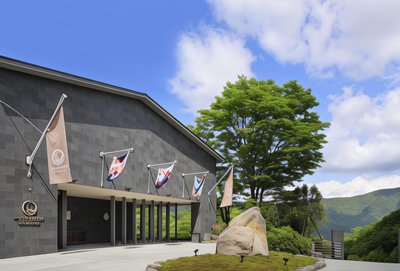
The Hiramatsu Hotels & Resorts Sengokuhara Hakone
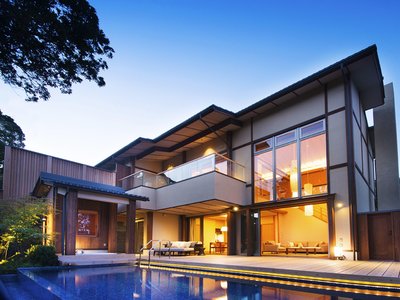
Abba Resorts Izu - Zagyosoh
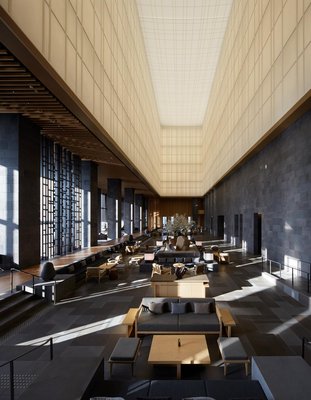
Aman Tokyo
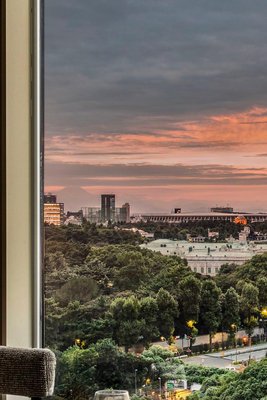
Hotel New Otani Tokyo, Executive House Zen
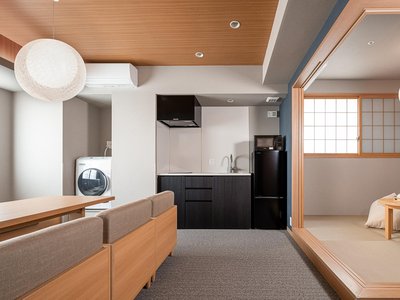
MIMARU SUITES Tokyo Asakusa
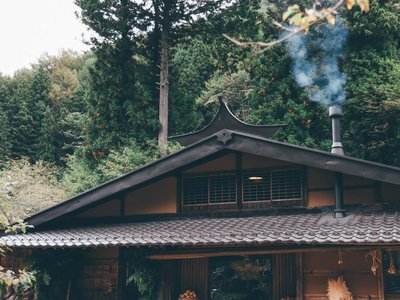
La Terra Resort

karaksa hotel colors Tokyo Yaesu
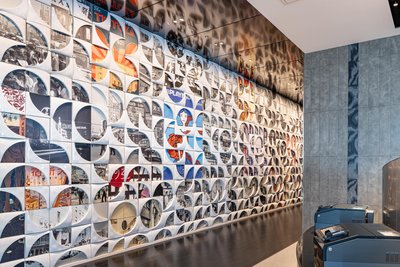
HOTEL GROOVE SHINJUKU, A PARKROYAL Hotel

EN Resort Grandeco Hotel
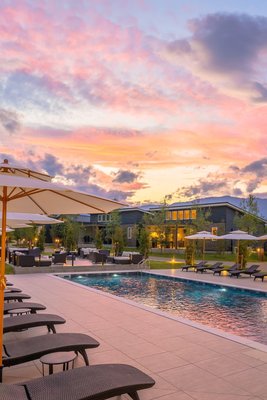
Awaumi Fujikawaguchiko Resort
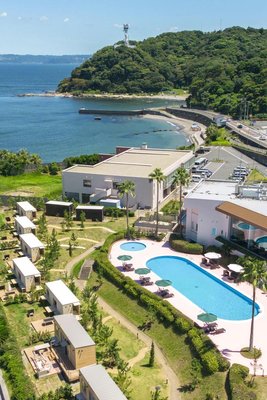
La vista Yokosuka Kannonzaki Terrace
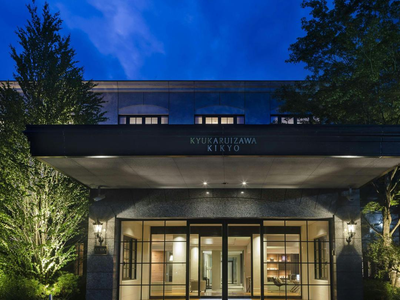
Fufu Karuizawa Wind of Sunshine
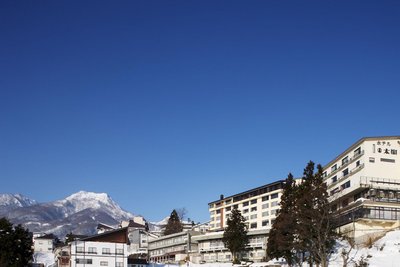
Hotel Taiko, Akakura Onsen
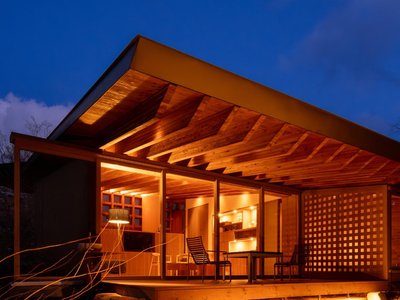
Nasu Mukunone
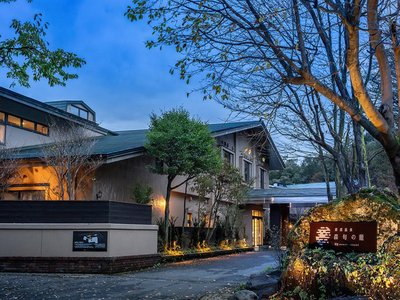
Nasu Onsen Shinshun no Kago Hewitt Resort

Scapes the Suite
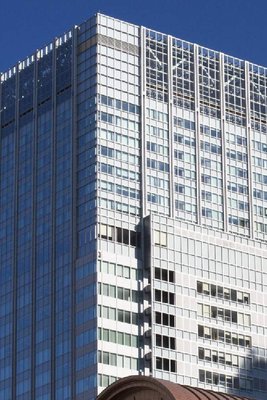
Hotel Metropolitan Tokyo Marunouchi
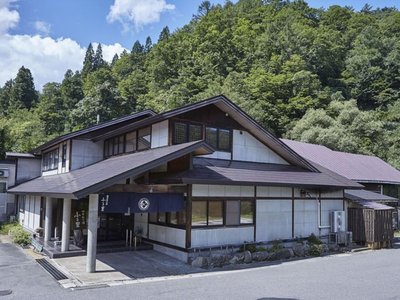
Fulsato
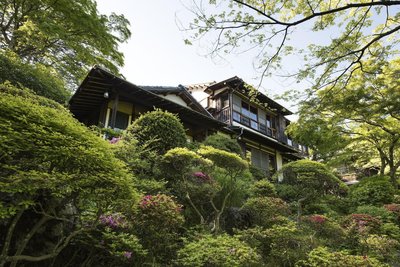
Gora Kansuiro
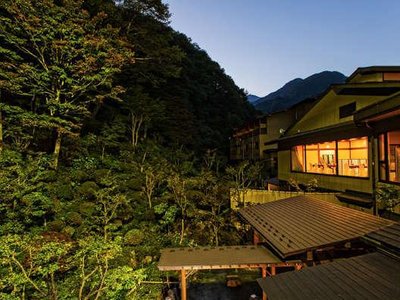
Futari Shizuka
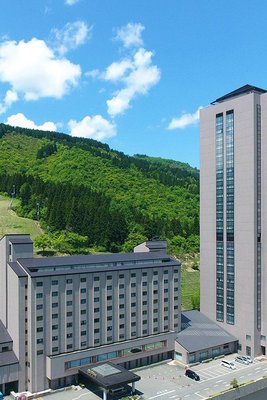
Naspa New Otani
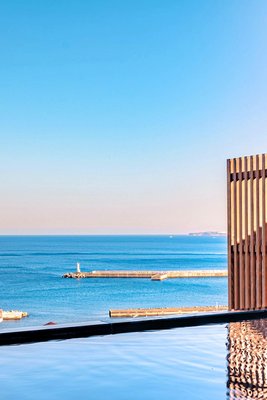
HOTEL KANICHI
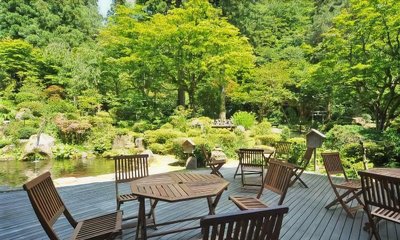
Choseikan
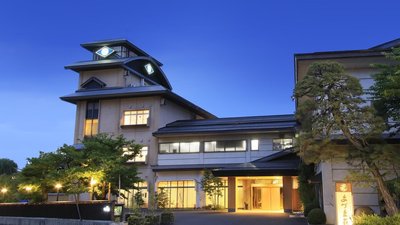
Shouhakutei Azumaso
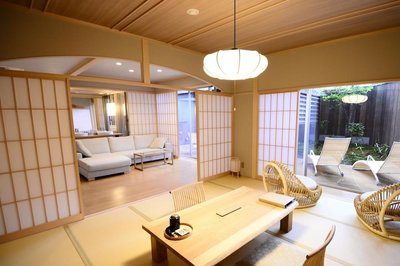
Hakone Gora Byakudan
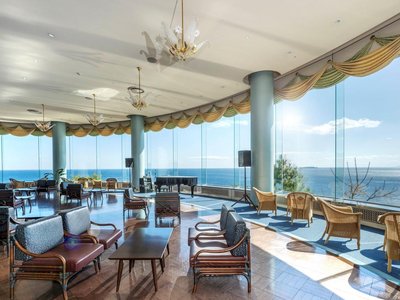
Hotel New Akao
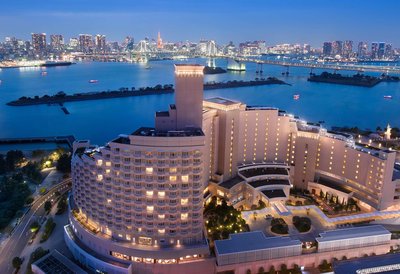
Hilton Tokyo Odaiba
JW Marriott Hotel Tokyo
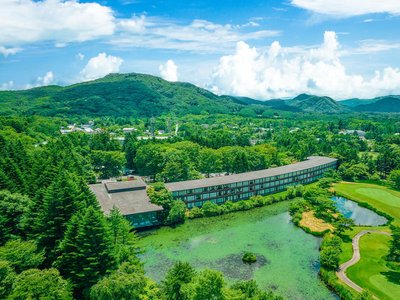
The Prince Karuizawa
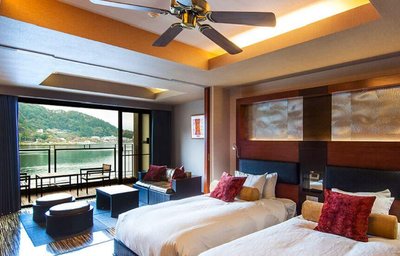
The Kukuna
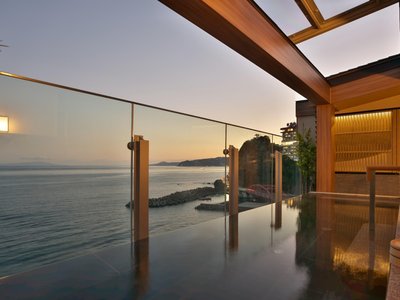
Hotel New Sagamiya
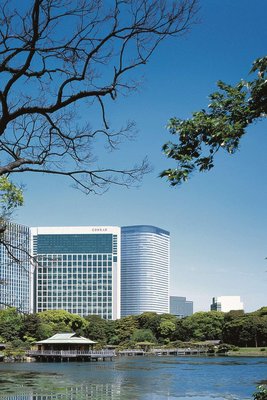
Conrad Tokyo
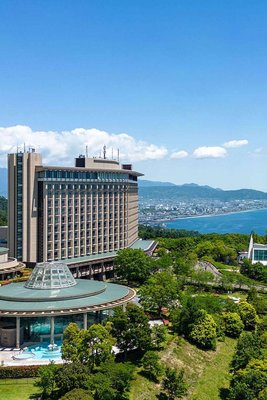
Hilton Odawara Resort & Spa
Hoshinoya Karuizawa
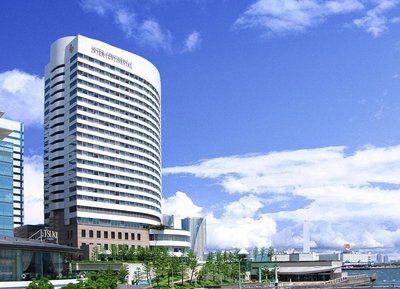
InterContinental Tokyo Bay
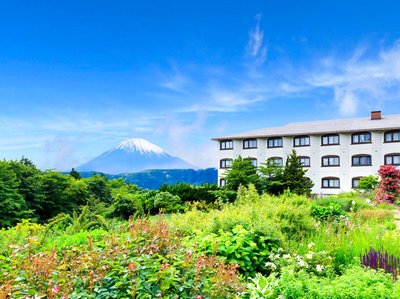
Hotel Green Plaza Hakone
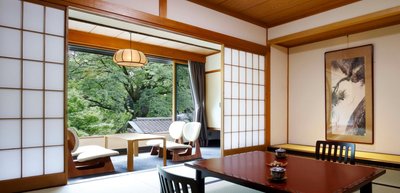
Yoshiike Ryokan
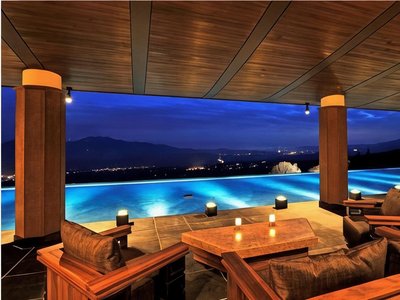
Akakura Kanko Hotel
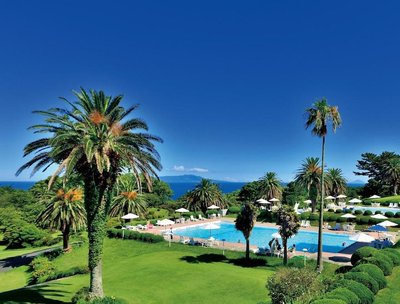
Kawana Hotel
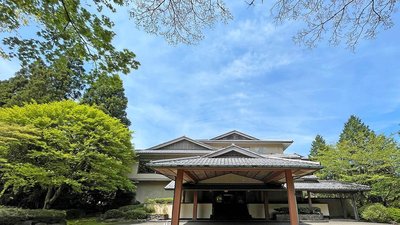
Ryuguden
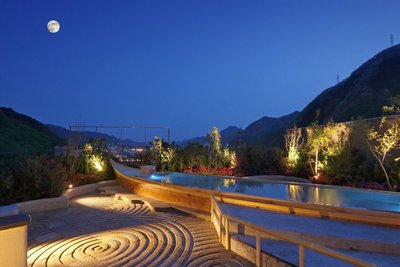
Asaya
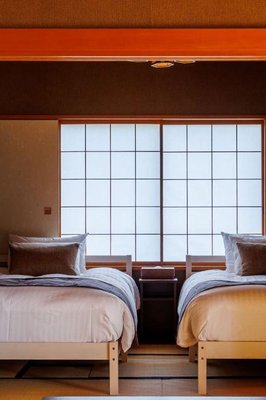
Sado Resort Hotel Azuma
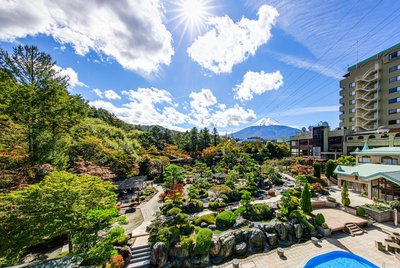
Kaneyamaen
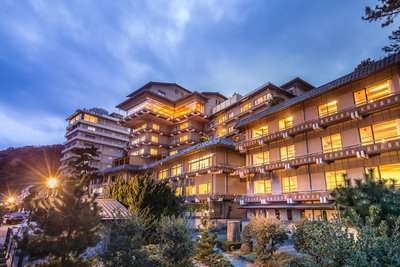
Bousui
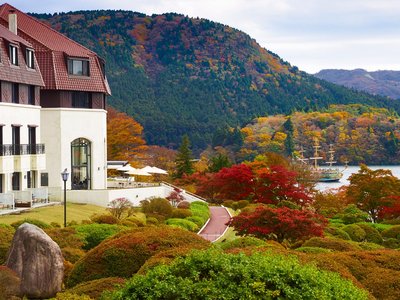
Hotakajyo
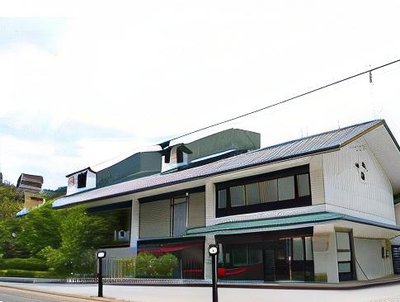
Auberge Suzukane

Onyado Nono Asakusa Bettei Hot Spring
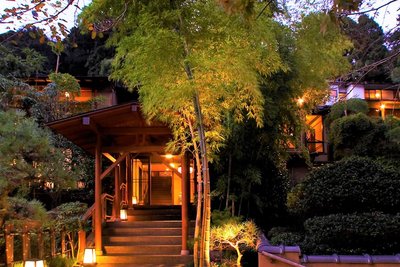
Shiki wo Ajiwau Yado Yamano Chaya
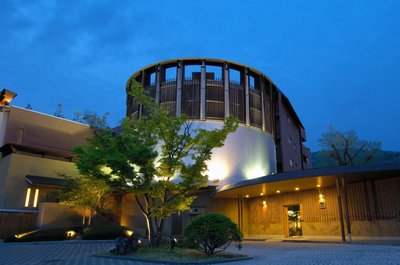
Hoshino Resorts Kai Matsumoto
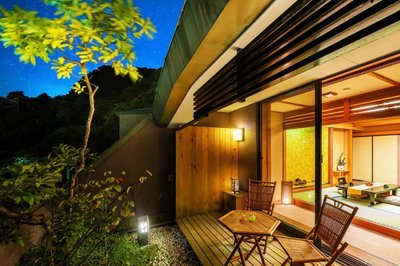
Konjakutei
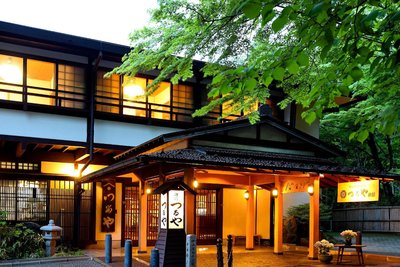
Tsuruya Ryokan
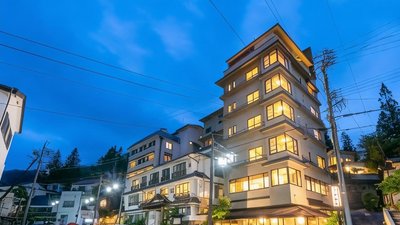
Nakamatsuya Ryokan
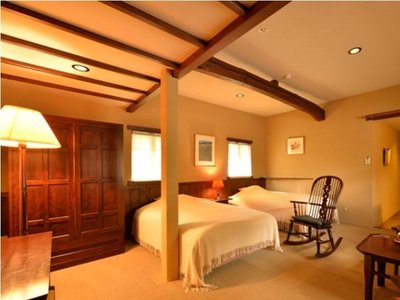
Ryokan Sugimoto
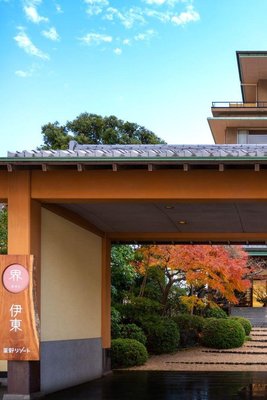
Hoshino Resorts Kai Ito
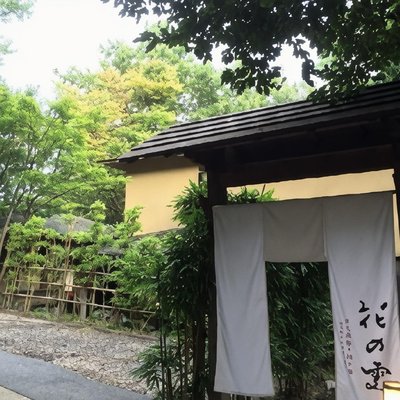
Hana No Kumo
Yoshiike Ryokan
Hotel Gajoen Tokyo
Gora Hanaougi
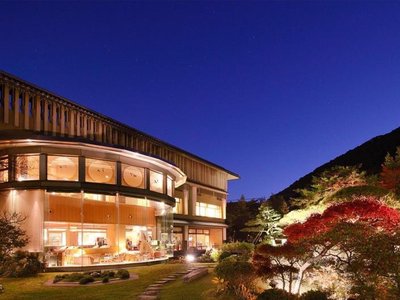
Shikisai Ichiriki
Sado Resort Hotel Azuma
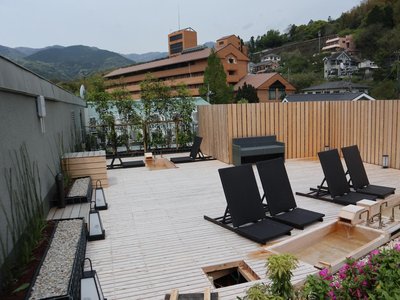
Fukiya Ryokan
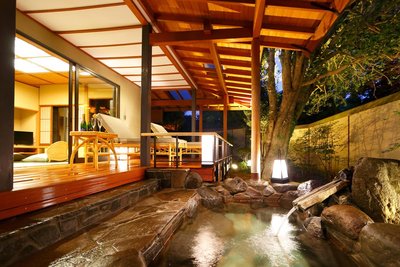
Yoshiharu Ryokan – Izu Nagaoka Onsen
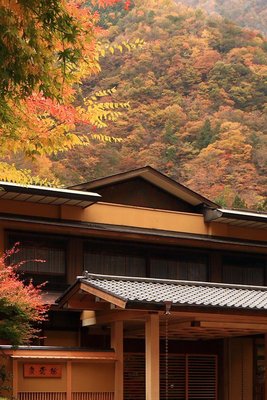
Nishiyama Onsen Keiunkan
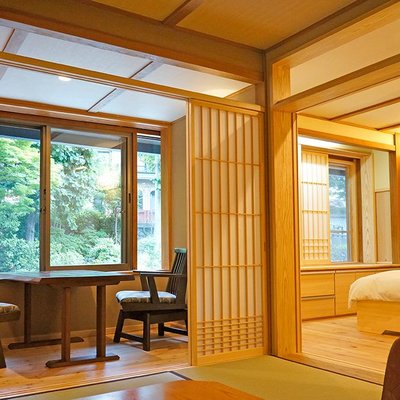
Sumiyosiya Ryokan
Bellustar Tokyo, A Pan Pacific Hotel
JW Marriott Hotel Tokyo
Andaz Tokyo Toranomon Hills- A Concept by Hyatt
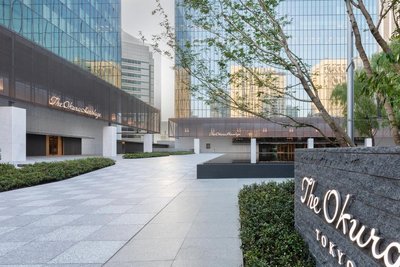
The Okura Tokyo
The Lively Azabujuban Tokyo
Kimpton Shinjuku Tokyo

HOTEL K5
The Prince Gallery Tokyo Kioicho, a Luxury Collection Hotel
Muji Hotel Ginza
Hakone Gora Byakudan
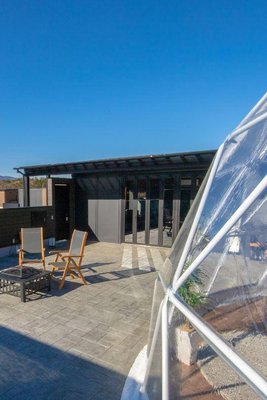
Panoramic Mt. Fuji Views from All Rooms – Vision Glamping Resort & Spa Yamanakako
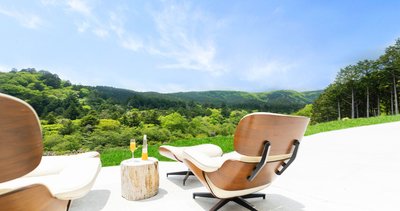
Shelter Garden Nikko
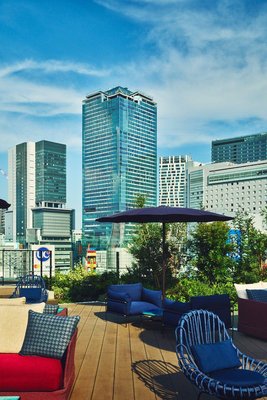
Hotel Indigo Tokyo Shibuya
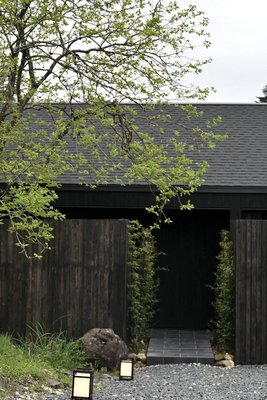
THE LAKOTAN
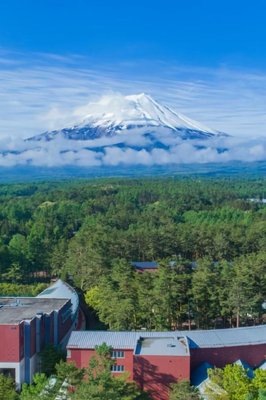
Forest Village (Fuji Premium Resort)

Hotel Toranomon Hills
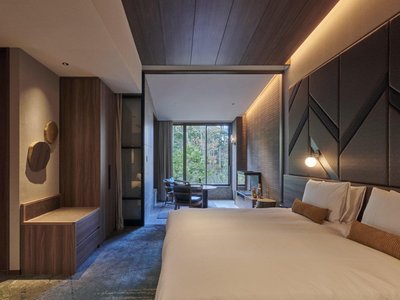
Fufu Kyu-Karuizawa Restful Forest
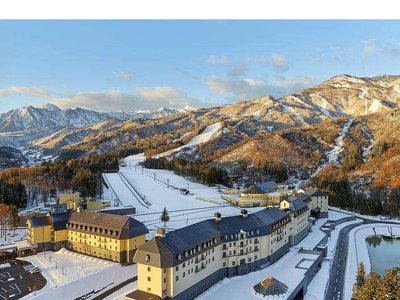
Lotte Arai Resort
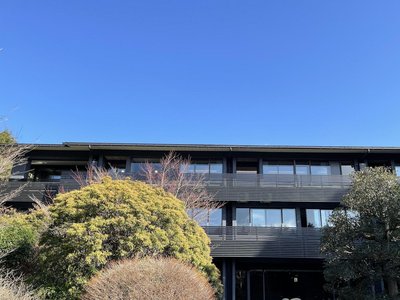
Sengokubara Cocon
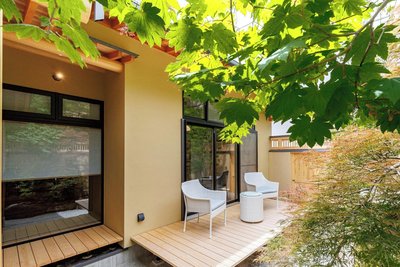
Shoraiso
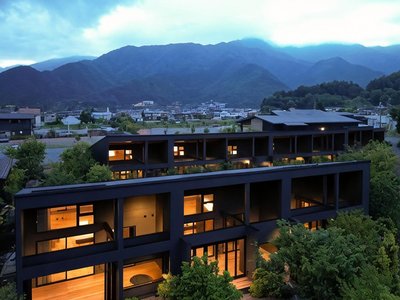
7C Villa and Winery

Hotel la Vigne Hakuba by Onko Chishin
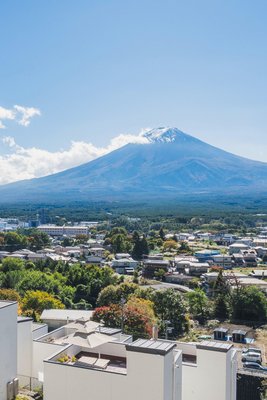
THE TOKI FujiKawaguchiko
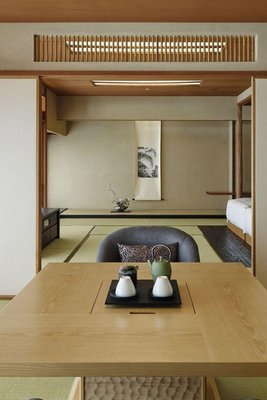
Takanawa Hanakohro (in Grand Prince Hotel Takanawa)
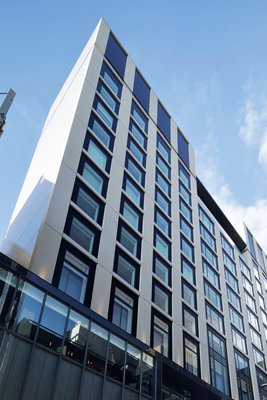
Hyatt Centric Ginza Tokyo
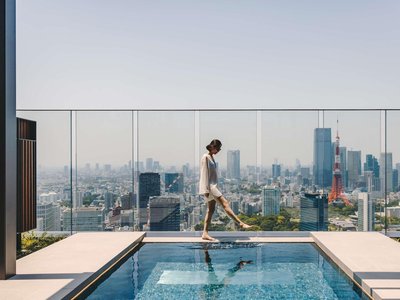
Fairmont Tokyo
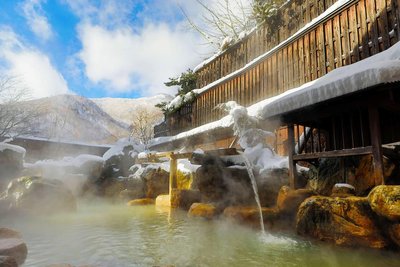
Miyamaouanbekkan yumegurinoyado hirayukan
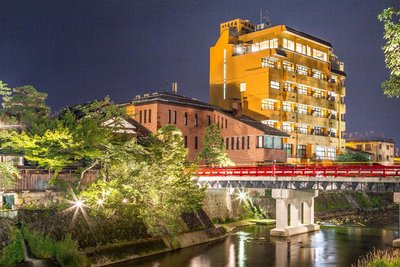
HONJIN HIRANOYA BEKKAN
The Prince Karuizawa
Bvlgari Hotel Tokyo
Four Seasons Hotel Tokyo at Marunouchi
Mandarin Oriental, Tokyo
The Ritz-Carlton, Tokyo
Andaz Tokyo Toranomon Hills- A Concept by Hyatt
Gora Kadan

Hotel New Otani Tokyo the Main
Aman Tokyo
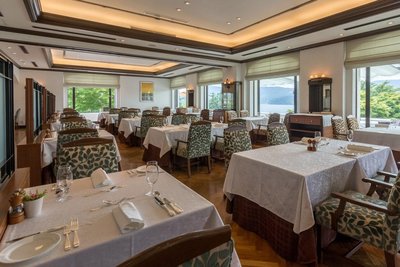
Odakyu Hotel de Yama
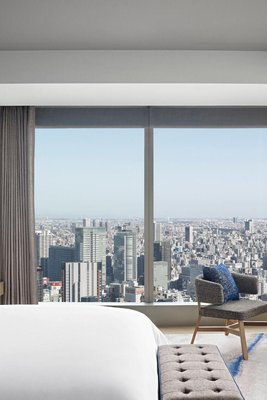
Four Seasons Hotel Tokyo at Otemachi
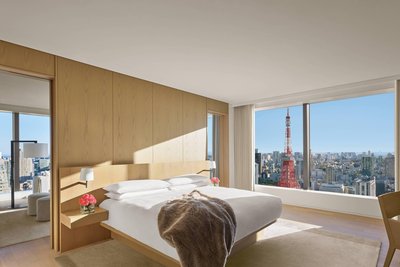
The Tokyo Edition, Toranomon
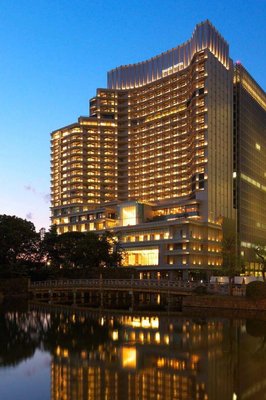
Palace Hotel Tokyo
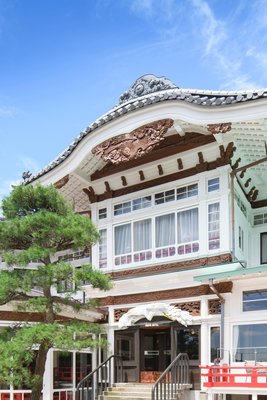
Fujiya Hotel
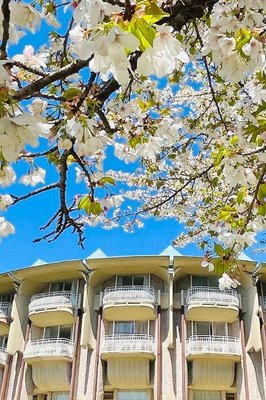
The Prince Hakone Lake Ashinoko
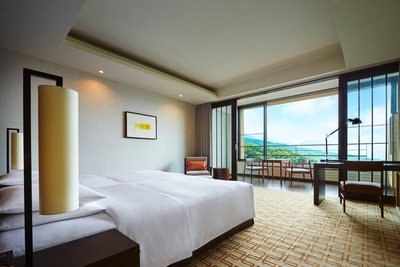
Hyatt Regency Hakone Resort and Spa
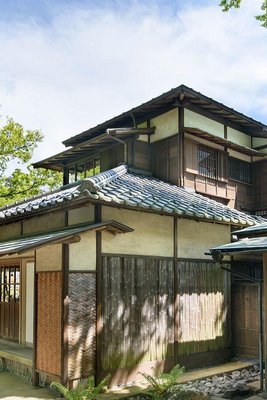
Hakone Suishoen
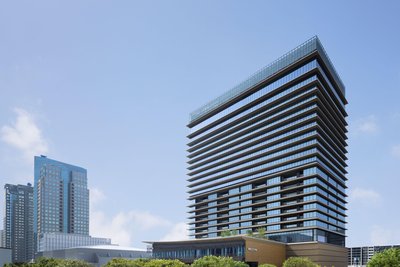
The Westin Yokohama
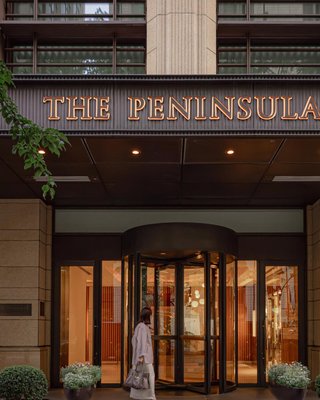
The Peninsula Tokyo

Imperial Hotel, Tokyo

Rakuten STAY VILLA Nasu
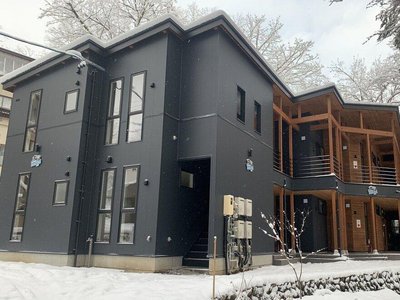
Hakuba Gondola Apartments
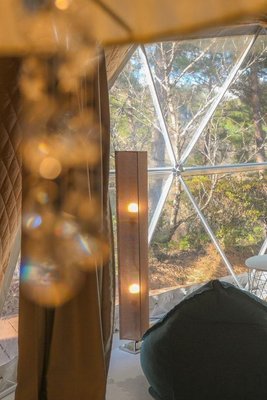
glampark Gekkabijin Nagano
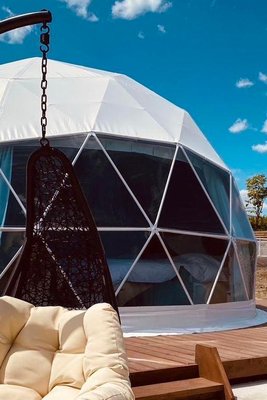
chillout glamping zao
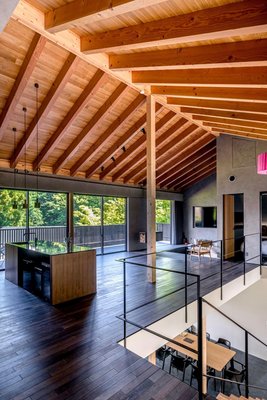
MONS GORA
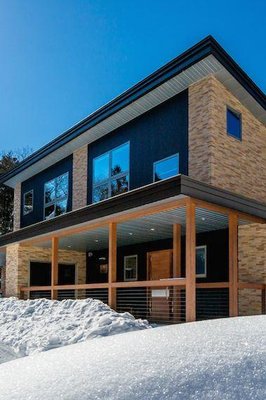
Phoenix Chalets by Hhg
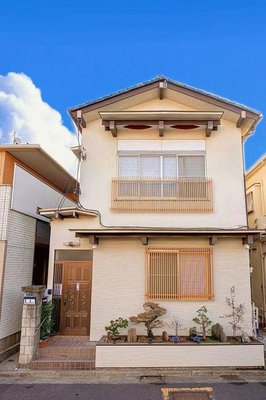
Tokyo Star House-Shinkoiwa
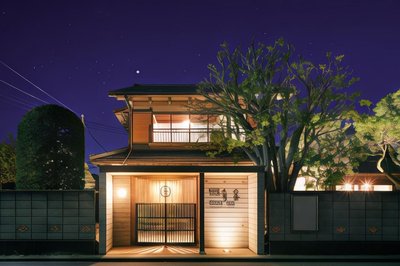
Machi-Jyu
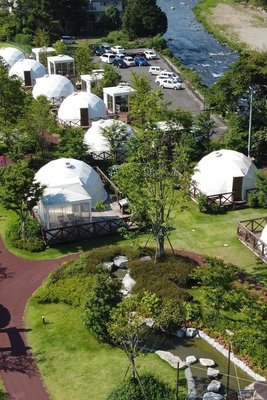
Ufufu Village
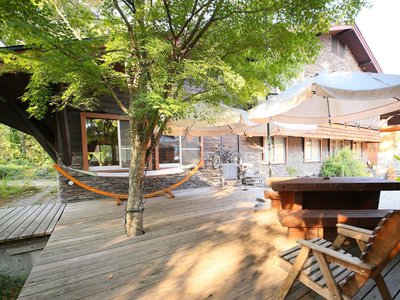
Kunugi Relaxation with 4 Modern Rooms
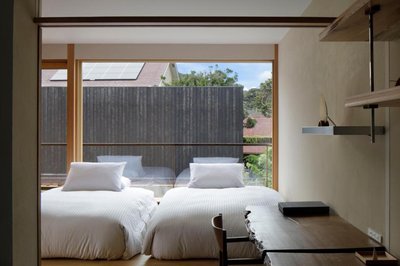
Modern Ryokan Kishi-ke
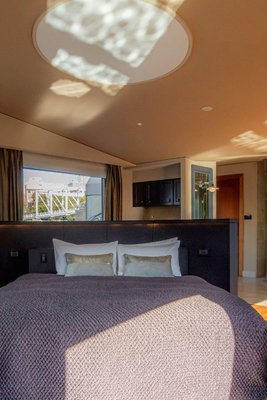
Petals Tokyo - Floating Hotel
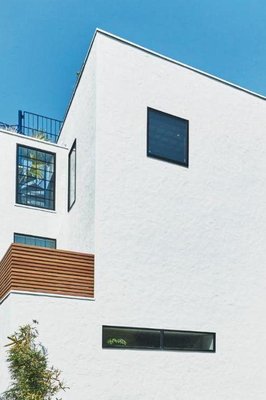
The Flow Kamakura
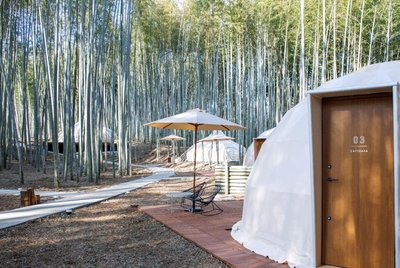
THE BAMBOO FOREST
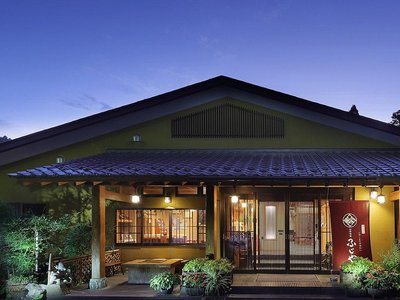
Shikimitei Fujiya
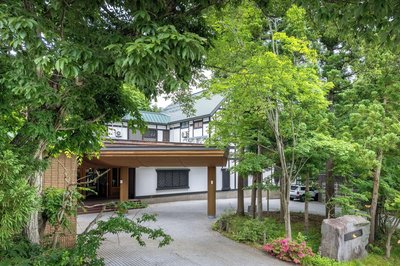
Forest Resort Yamanote Hotel
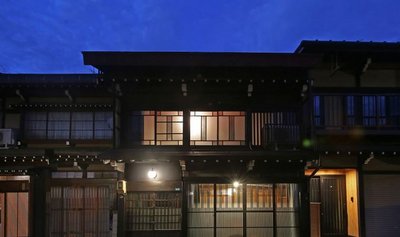
Iori Stay Hida

Hotel Barrière Fouquet's New York
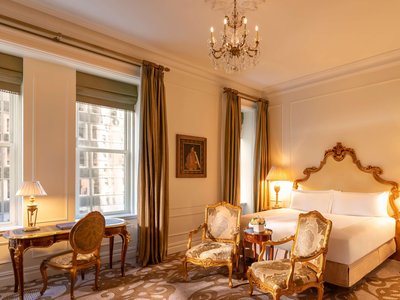
The Plaza - A Fairmont Managed Hotel
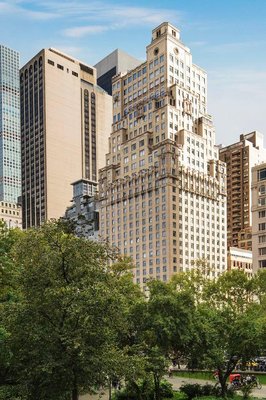
The Ritz-Carlton New York, Central Park
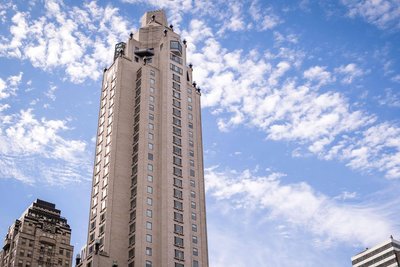
Four Seasons Hotel New York

The St. Regis New York
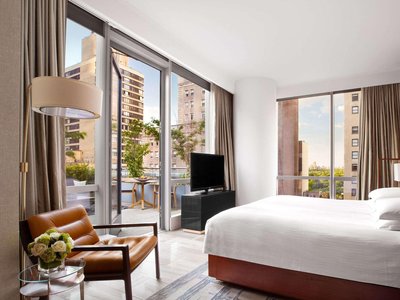
Park Hyatt New York
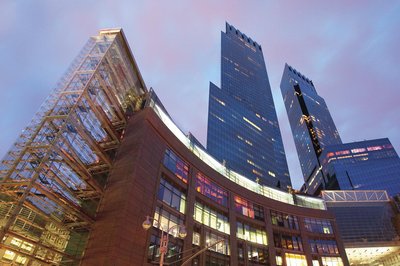
Mandarin Oriental New York
Times Square Edition New York

Loews Regency New York Hotel

Lowell Hotel
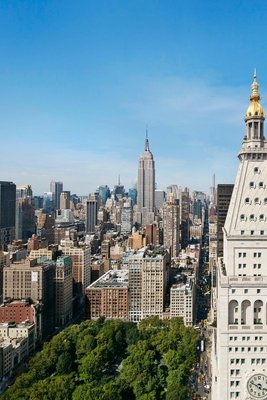
New York Edition

Baccarat Hotel New York

Equinox Hotel New York

Four Seasons Hotel New York Downtown
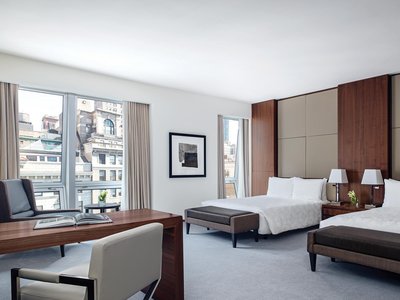
The Langham, New York, Fifth Avenue

The Carlyle, A Rosewood Hotel

The Chatwal, in the Unbound Collection by Hyatt
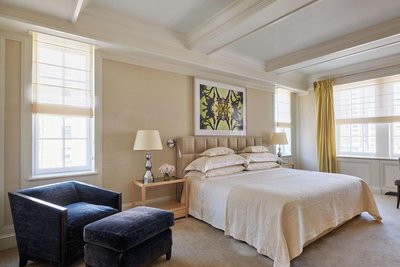
The Mark New York
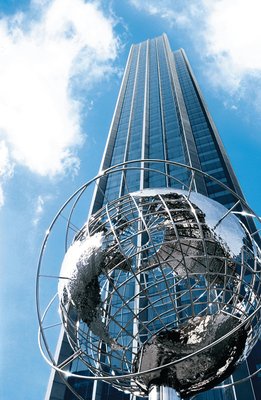
Trump International Hotel & Tower® New York
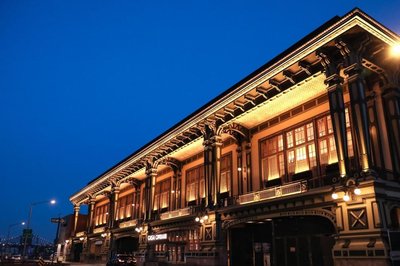
Casa Cipriani New York
Frequently Asked Questions about Traveling to Izumizaki
Questions You Might Need to Know About Traveling to Izumizaki
In Izumizaki Village, the top choice for families is Yamakaze Minshuku, a traditional wooden farmhouse converted into a cozy guesthouse with tatami rooms, private onsen baths, and a garden with a koi pond. The hosts offer hands-on experiences like rice planting workshops and local craft-making sessions using natural materials. Located in a quiet valley surrounded by mountain forests, it’s perfect for children to explore nature safely. Stays include farm-to-table meals made with organic ingredients from nearby fields, creating a true rural immersion.
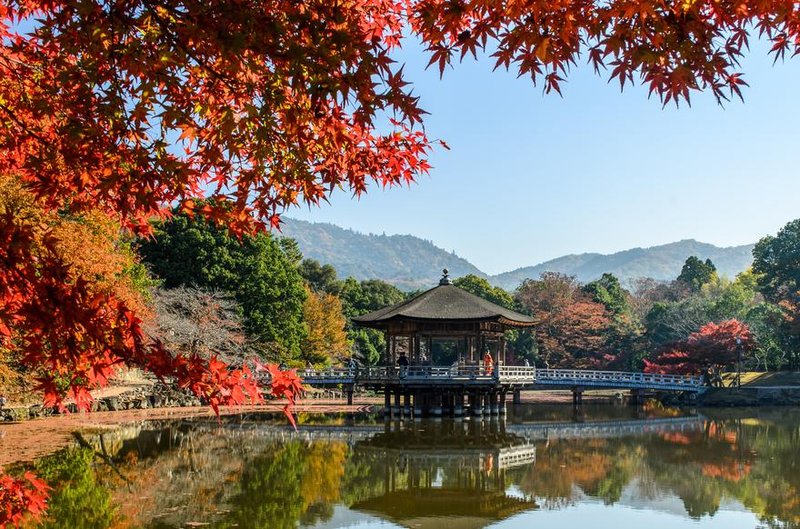
The ideal time to visit Izumizaki Village is during autumn (September to November) when the hillsides blaze with maple foliage. The Oyama Ridge Overlook offers panoramic views of crimson and gold landscapes, especially at sunrise. Another highlight is the Izumizaki Autumn Festival held mid-October, featuring drum performances, bonfire rituals, and traditional Kagura dances. In spring, the wild cherry blossoms near the village shrine bloom gently, making it a peaceful alternative for those who prefer fewer crowds.
Yes, Izumizaki Village is a paradise for photographers. The Shirakawa Vista Point provides breathtaking views of terraced rice fields wrapped in morning mist—perfect for golden hour shots. For more adventurous captures, the Deep Valley Trail runs through ancient cedar forests beside a crystal-clear stream, offering reflections of red leaves and sky. Bring a tripod and wide-angle lens. Early mornings or late afternoons deliver soft light and minimal visitors, ideal for capturing the village’s serene, timeless beauty.
At Seiryu Onsen Inn, guests enjoy outdoor open-air baths overlooking snow-capped peaks and pine trees. The resort features a signature forest bath ritual, where guests are treated to herbal compresses made from local plants. Dine on a kaiseki dinner crafted with wild mountain vegetables, fresh trout, and homemade sake. Some suites come with private onsen pools and complimentary natural face masks. HopeGoo ahead is essential, especially during peak season.
From Tokyo Station, take the Shinkansen to Fukushima Station (about 2 hours), then transfer to a Fukushima Kotsu bus heading to Izumizaki Village (approx. 1.5 hours). Buses run infrequently, so check schedules online in advance. Alternatively, rent a car at Fukushima Station for greater flexibility. For scenic travel, consider the East Japan Rail Pass, which covers most rail segments. Once there, bicycles are available for exploring the countryside, passing through old farm paths and historic shrines.
Must-try foods include wild vegetable soba noodles, made with foraged bracken ferns and dandelions, served in a light dashi broth. Another highlight is the Rice Ear Rice Ball, filled with pickled plum and kombu, crafted from locally grown non-GMO Koshihikari rice. Don’t miss the sansho salt-grilled trout, caught from the village’s pristine streams and slow-roasted over charcoal. These dishes are best enjoyed at Denwa Restaurant, a family-run eatery with stories behind every recipe.
The Ozawa Plain area offers the most tranquil retreat. Stay at Seiran House, a secluded cabin nestled among cedars and rice paddies. With only six rooms and no road access, it ensures complete quiet. Each room features a wood-burning fireplace, private garden, and direct access to a star-gazing platform. This region is part of Japan’s designated Dark Sky Preserve, making it ideal for stargazing—especially in winter when the Milky Way shines clearly.
Recommended trails include the Ozawa Loop Trail (8 km), winding through ancient cedar forests and wetlands, with stops at waterfalls and sacred stone shrines. For a more immersive experience, try the Shirakawa Gorge River Trail, a moderate hike along a clear stream where you can spot Japanese salamanders and rare ferns. Well-marked paths, rest stations, and local guides are available. Start early to avoid afternoon fog and enjoy the changing light filtering through the canopy.
Visitors can join traditional rice planting lessons, learning how to use bamboo poles to plant seedlings in flooded fields. At the Washi Paper Workshop, you’ll make handmade paper from mulberry bark under the guidance of a master craftsman. There’s also an urushi lacquer painting session, where you decorate wooden trays using natural pigments. All experiences include materials, instruction, and a small souvenir—ideal for connecting with local heritage.
Yes, Izumizaki Village is highly suitable for self-drive travelers. Roads are narrow but well-maintained, with clear signage. Use a compact car due to steep grades and tight turns. Rentals are available at Fukushima Station or the village’s Visitor Center. Be prepared for winter snow—carry snow chains and check road conditions daily. Limited cell signal means download offline maps. Also, some roads have no traffic lights, so watch for pedestrians and farming vehicles.
Izumizaki Overview
City Summary
Izumizaki Village, located in Fukushima Prefecture, Japan, is a tranquil village known for its natural beauty and rich cultural heritage. It offers a peaceful retreat from urban life with its clean air, agricultural resources, and historical significance.
Must-See Attractions
Key attractions in Izumizaki Village include local shrines and temples, showcasing traditional Japanese architecture and religious culture. The surrounding natural landscapes, such as farmland and hills, provide excellent opportunities for hiking and photography.
Food Guide
In Izumizaki Village, you can enjoy fresh agricultural products and traditional Japanese cuisine. Recommended dishes include tempura made with fresh local vegetables and handmade soba noodles.
Transportation Guide
Public transportation in Izumizaki Village is limited. Renting a car or driving is recommended for more flexible exploration. Main roads are well-maintained, but some rural paths may be narrow.
Best Time to Visit
The best times to visit Izumizaki Village are spring and autumn, when the weather is pleasant and the scenery is picturesque. Summers can be hot, and winters may be cold with snowfall.
Travel Tips
- Respect local customs, especially when visiting shrines.
- Carry cash, as some small shops may not accept credit cards.
- Be cautious when driving on narrow rural roads.
- Learning a few basic Japanese phrases can help with communication.
- Wear comfortable shoes for walking and exploring.
- Confirm accommodation options in advance, as choices within the village are limited.
Useful Information
Japanese is the primary language in Izumizaki Village, and English may not be widely spoken. A translation tool or app is recommended. Internet coverage is generally good, but some remote areas may have weaker signals. Cash is the main payment method, though credit cards may be accepted at larger establishments. Basic medical facilities are available, but serious cases may require travel to hospitals in nearby cities.