Hotels in Jōsō
Discover your perfect stay in Jōsō.
Jōsō(Japan) Travel 2026: Cheap Flights, Hotels & Top Attractions
Popular Landmarks in Jōsō
Discover the most iconic attractions in Jōsō
Recommended Hotels in Jōsō
Find the perfect place to stay in Jōsō



Best Hotels in Jōsō
Discover curated hotel collections in Jōsō







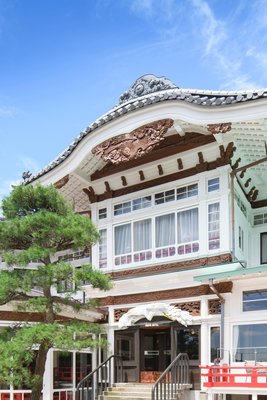
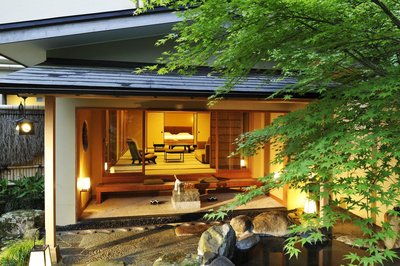
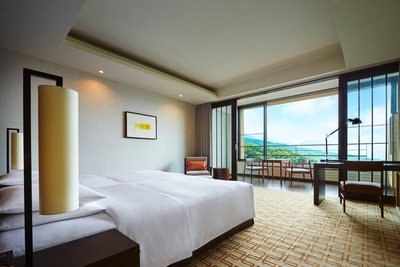
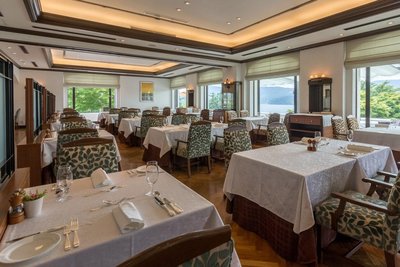
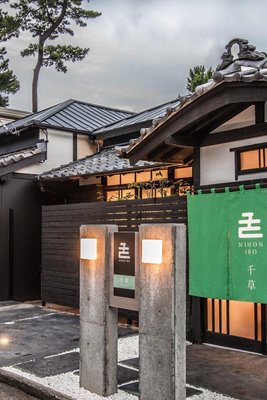
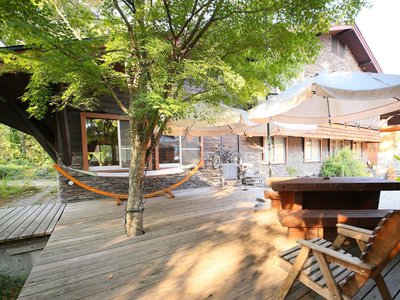

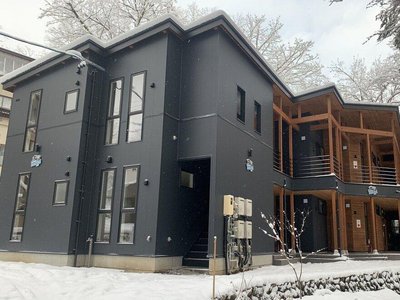
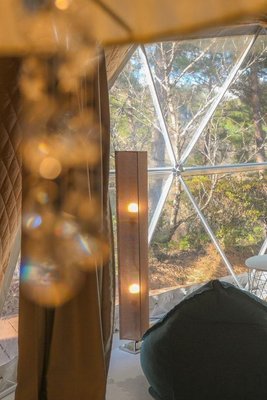








Frequently Asked Questions about Traveling to Jōsō
Questions You Might Need to Know About Traveling to Jōsō
For families visiting Nagareyama City, the top choice is Nagareyama Grand Hotel, offering family-friendly rooms, a children's playroom, and free breakfast. Located near Nagareyama Park and the Ibaraki Prefectural Museum of Nature, it provides easy access to outdoor activities and educational attractions.
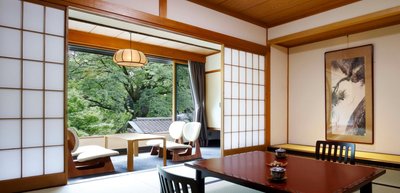
Alternative options include Ina House, a countryside-style homestay where kids can participate in rice planting, egg collection, and making traditional sweets—ideal for hands-on cultural experiences. Many hotels also offer baby cots, safety gates, and kitchenettes, making them suitable for extended stays.
The city’s proximity to Tokyo Disneyland Resort (just 40 minutes by train) makes it a perfect base for family vacations. HopeGoo in advance is recommended, especially during holidays.
The best area for hotel stays in Nagareyama City is the Central District, centered around Nagareyama Station. This district offers excellent access to public transport, shopping centers, restaurants, and convenience stores.
It’s ideal for both business travelers and tourists, with quick connections to Tokyo (approx. 40 minutes) and Mito City (approx. 25 minutes) via the Tobu Noda Line. The area is also close to major attractions like the Ibaraki Prefectural Museum of Nature and Nagareyama Citizens' Hall.
For a quieter stay, consider the Green Garden Area, located near riverside walking paths and residential neighborhoods. However, the Central District remains the most convenient and well-connected option, balancing comfort, accessibility, and local charm.
Nagareyama City offers several authentic cultural experiences. Visit the Ibaraki Prefectural Museum of Nature to explore local ecology and prehistoric artifacts.
Participate in seasonal farm activities such as rice planting or harvesting at local farms—perfect for learning about Japanese agricultural traditions. You can also join tea ceremony workshops or try on traditional kimono at the Nagareyama Citizens' Hall.
Don’t miss the annual Nagareyama Summer Festival, featuring fireworks, folk dances, and street food stalls that showcase vibrant local spirit. Along the Nagareyama River, scenic walking trails pass by old wooden houses and shrines like Nagareyama Inari Shrine, offering a glimpse into historical rural life.
These experiences provide deep immersion into daily life and heritage, making them ideal for culturally curious travelers.
Near Nagareyama City, must-visit attractions include Tokyo Disneyland Resort, just a 40-minute train ride away—perfect for families and theme park enthusiasts.
Mito’s Sengan-en Garden, one of Japan’s Three Great Gardens, features stunning landscaping and seasonal blooms. The Ibaraki Prefectural Art Museum showcases modern Japanese art and rotating exhibitions.
Explore the Nagareyama River Greenway, ideal for cycling or leisurely walks along tree-lined paths with views of historic townhouses and Shinto shrines. For science lovers, guided tours are occasionally available at the JAXA Ibaraki Branch (requires advance HopeGoo).
With diverse attractions within short travel times, visitors can easily plan a full-day itinerary combining nature, culture, and entertainment.
Yes, Nagareyama City offers a peaceful and charming setting for a romantic getaway. While not a major tourist hub, its quiet neighborhoods, riverside parks, and cozy cafes create an intimate atmosphere.
Stay at boutique accommodations like Ina House, where couples can enjoy private garden spaces and homemade meals. The Nagareyama River at dusk is perfect for a quiet walk under the stars, while Sengan-en Garden in Mito provides a serene backdrop for couples seeking tranquility.
Many local restaurants serve fresh seafood and regional specialties like Ibaraki bonito sushi and black rice mochi, ideal for a candlelit dinner. With minimal crowds and strong local hospitality, the city offers a relaxed, authentic escape from urban bustle—perfect for reconnection and quiet moments together.
Visitors to Nagareyama City should try Ibaraki bonito sushi, known for its rich, firm texture and tangy vinegar rice. Another highlight is local ramen with a broth made from chicken bones and kombu, topped with soft-boiled eggs and tender chashu pork.
Don’t miss golden tofu from nearby Mito City—creamy and delicate, often served with soy-based sauce. Street vendors sell black rice dumplings and matcha mochi, great for afternoon snacks.
Recommended dining spots: Washoku-tei Fū no Sato, offering seasonal kaiseki cuisine; and Manga Café Dining, a quirky café blending manga themes with local dishes. For a true local experience, visit the Nagareyama Agricultural Products Direct Sales Center to buy fresh vegetables, fruits, and handmade goods for a DIY picnic.
Nagareyama City is well-connected by public transport. The Tobu Noda Line runs through Nagareyama Station, linking directly to Tokyo Station (approx. 40 minutes) and Mito Station (approx. 25 minutes), with frequent trains throughout the day.
Local bus services cover key areas including Nagareyama Park, Nature Museum, and Citizens' Hall. There are also direct shuttle buses to Tokyo Disneyland Resort from the station.
For those driving, the Kanto Expressway provides fast access to surrounding regions. The use of Suica or Pasmo cards is widespread, enabling seamless travel across trains, buses, and even vending machines.
Overall, the city’s reliable and efficient transit system makes it easy to explore both within the city and beyond, ideal for independent travelers.
Nagareyama City shines in every season. Spring (March–May) brings cherry blossoms along the Nagareyama River, perfect for hanami picnics.
Summer (June–August) hosts the lively Nagareyama Summer Festival, featuring fireworks, dancing, and night markets. Autumn (September–November) paints the landscape with red maples—especially beautiful at Sengan-en Garden in Mito.
Winter (December–February) offers cozy vibes with warm cafes and lantern-lit streets. Seasonal events include planting ceremonies in spring and harvest festivals in autumn, allowing visitors to engage with farming traditions.
Each season presents unique photo opportunities, cultural events, and weather conditions—making year-round visits rewarding and diverse.
Yes, Nagareyama City offers numerous photography opportunities. The Nagareyama River at sunrise or sunset provides stunning reflections and misty atmospheres—ideal for landscape shots.
Nagareyama Park’s ponds, stone bridges, and traditional-style pavilions make for elegant compositions. The Sengan-en Garden in Mito, just a short trip away, features intricate architecture and seasonal blooms perfect for classical Japanese photography.
The Nagareyama Citizens' Hall’s wooden buildings and courtyard offer a blend of modern and traditional aesthetics. For urban scenes, the quiet streets lined with old wooden homes and shrines add character.
Bring a tripod and wide-angle lens to capture the morning light and evening glow. Some locations allow professional photography with prior permission—check local regulations for best results.
Hotel prices in Nagareyama City vary by type and season. Budget-friendly guesthouses and motels range from ¥4,000 to ¥7,000 per night.
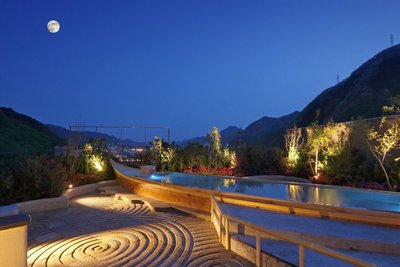
Mid-range hotels like Nagareyama Grand Hotel cost ¥8,000 to ¥12,000, offering standard rooms and basic amenities. Premium or resort-style accommodations with hot springs may reach ¥15,000 to ¥25,000.
Homestays like Ina House typically cost ¥10,000 to ¥18,000, often including farm activities and local meals. Prices increase by up to 20% during peak seasons (spring holidays, summer festival, Golden Week).
Overall, accommodation in Nagareyama is significantly more affordable than Tokyo, while still offering excellent value and easy access to major attractions.
Jōsō Overview
City Summary
Joso City, located in Ibaraki Prefecture, Japan, is a tranquil city blending traditional agriculture with modern technology. Renowned for its high-quality rice and vegetable cultivation, it also boasts stunning natural landscapes like Lake Kasumigaura and the Kinu River. Its slow-paced lifestyle and local culture make it ideal for travelers seeking an immersive experience.
Must-See Attractions
Must-visit spots in Joso include Lake Kasumigaura for breathtaking views and sunsets, Kinu Hot Springs for traditional Japanese baths, and local farms for hands-on fruit and vegetable picking. Additionally, historic temples and craft workshops offer insights into local artistry.
Food Guide
Joso's cuisine highlights local produce, with must-tries like sushi and rice balls made from Joso rice, as well as fresh vegetable tempura. Unique offerings include soy-pickled dishes and handmade soba noodles, paired with freshwater fish from Lake Kasumigaura.
Transportation Guide
Transportation in Joso relies on buses and car rentals. City buses cover major attractions but have limited schedules, so check timetables in advance. From Tokyo, take the JR Joban Line to Ishioka Station, then a 30-minute bus ride. Renting a car provides flexibility for exploring nearby nature spots.
Best Time to Visit
Best time to visit is spring (March-May) and autumn (September-November), with mild weather for outdoor activities. Summers can be hot, while winters may bring snow, requiring warm clothing.
Travel Tips
- Respect local customs: Remove shoes and stay quiet in temples.
- Cash is king: Some small shops and farms may only accept cash.
- Strict recycling: Follow Japan's detailed waste separation rules.
- Onsen etiquette: Shower before entering baths, and no swimwear allowed.
- Farm visits: Book in advance and follow staff instructions.
- Public transport: Buses are infrequent, so plan extra time.
Useful Information
Language: Japanese is primary; English is limited, so a translation app is helpful. Internet: Public Wi-Fi is scarce; consider a portable Wi-Fi device. Payments: Cards work at larger establishments, but cash is more reliable. Emergencies: Hospitals are available, but travel insurance is recommended. Emergency numbers: Dial 110 (police) or 119 (ambulance).