Hotels in Jacarei
Discover your perfect stay in Jacarei.
Jacarei(Brazil) Travel 2026: Cheap Flights, Hotels & Top Attractions
Popular Landmarks in Jacarei
Discover the most iconic attractions in Jacarei
Recommended Hotels in Jacarei
Find the perfect place to stay in Jacarei

Ibis Jacarei

Hotel Brisa Rio

Hotel Real Park

Transamerica Fit Jacareí

Six's Hotel
Best Hotels in Jacarei
Discover curated hotel collections in Jacarei
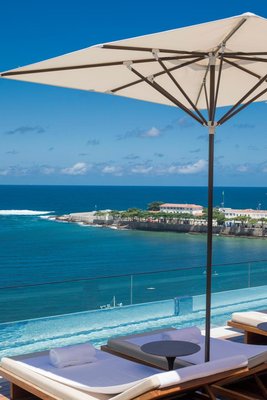
Emiliano Rio
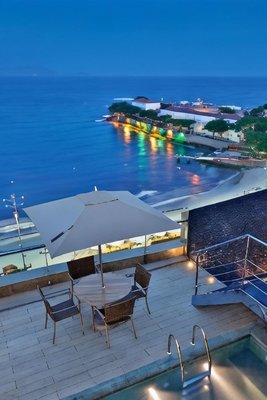
Orla Copacabana Hotel

Windsor Excelsior Copacabana

Fairmont Rio de Janeiro Copacabana

Copacabana Palace, A Belmond Hotel, Rio de Janeiro
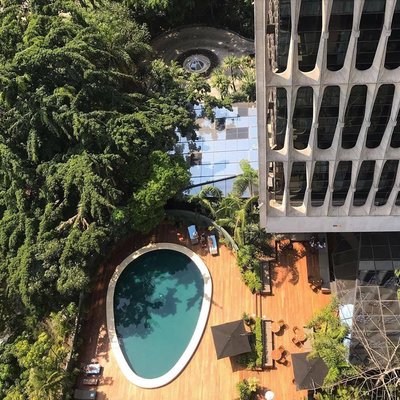
Tivoli Mofarrej São Paulo
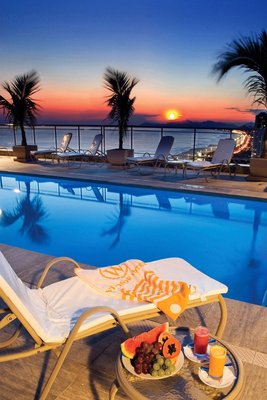
Windsor Barra Hotel
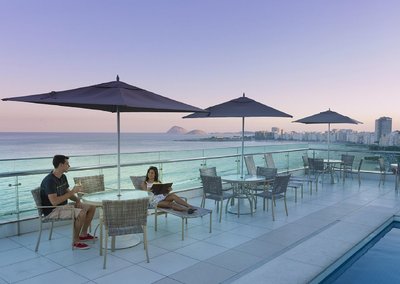
Arena Copacabana Hotel
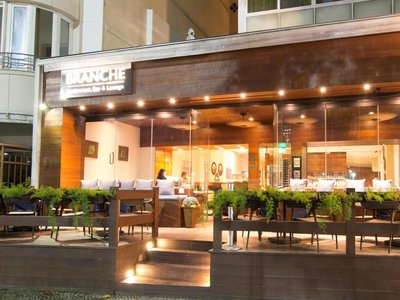
Mercure Rio Boutique Copacabana

Windsor Leme Hotel

PortoBay Rio de Janeiro

Doral Guarujá
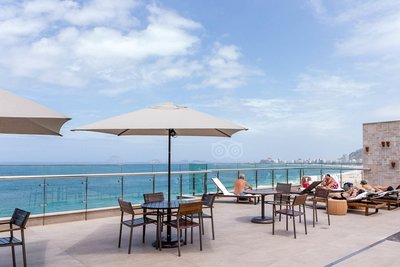
Arena Leme Hotel
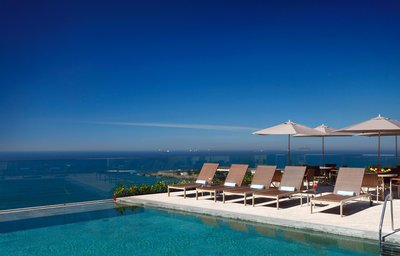
Miramar by Windsor Copacabana

Hotel Fasano Sao Paulo
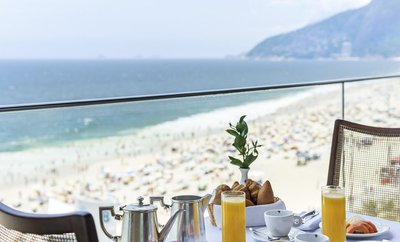
Hotel Fasano Rio de Janeiro
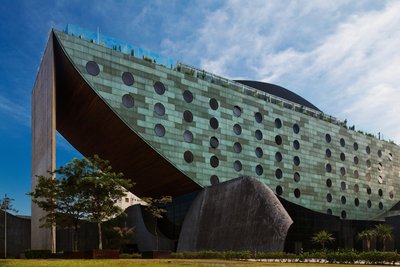
Hotel Unique

Prodigy Santos Dumont by Wish

Lifestyle Laghetto Collection

Sheraton Grand Rio Hotel & Resort

Hilton Sao Paulo Morumbi

L'Hotel PortoBay São Paulo

Hotel Emiliano

Janeiro Hotel

Hilton Copacabana Rio de Janeiro
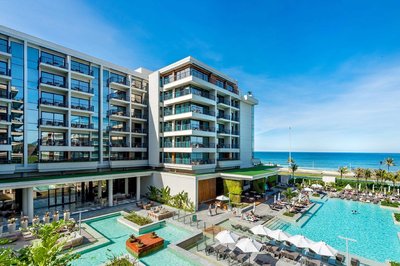
Grand Hyatt Rio de Janeiro

Palacio Tangara
Emiliano Rio
Fairmont Rio de Janeiro Copacabana
Copacabana Palace, A Belmond Hotel, Rio de Janeiro
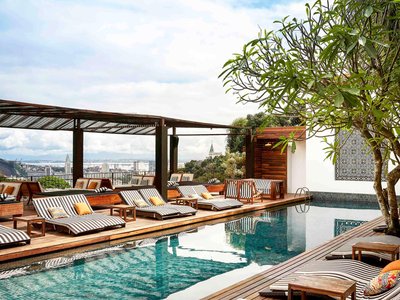
Santa Teresa Hotel RJ - MGallery
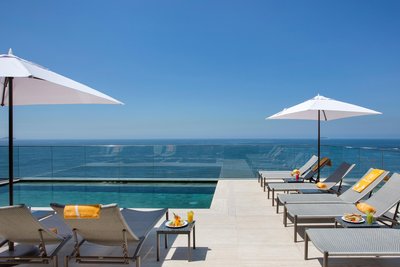
Windsor California Copacabana

Windsor Marapendi Hotel

Canopy by Hilton Sao Paulo Jardins

YOO2 RIO DE JANEIRO, TAPESTRY COLLECTION BY HILTON
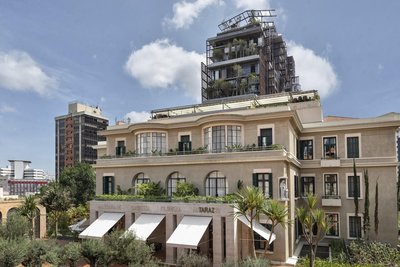
Rosewood Sao Paulo
Palacio Tangara
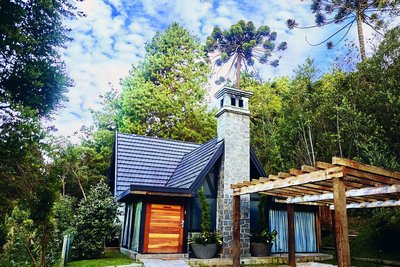
Ort Hotel

Otho Hotel Convention & Spa
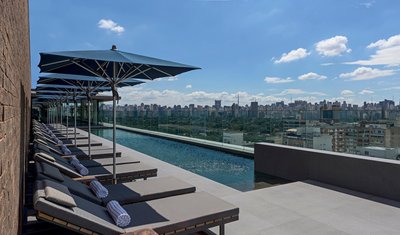
Hotel Fasano Sao Paulo Itaim
Emiliano Rio

Hotel Boutique Quebra-Noz
Fairmont Rio de Janeiro Copacabana
Copacabana Palace, A Belmond Hotel, Rio de Janeiro
Hotel Fasano Sao Paulo
Hotel Fasano Rio de Janeiro
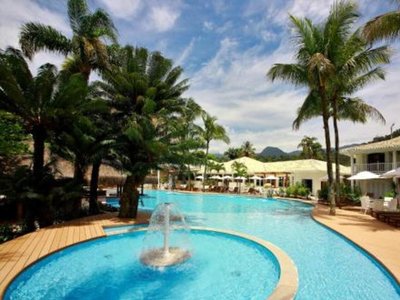
Costa Verde Tabatinga Hotel

Hotel Fazenda Dona Carolina
Rosewood Sao Paulo
Palacio Tangara
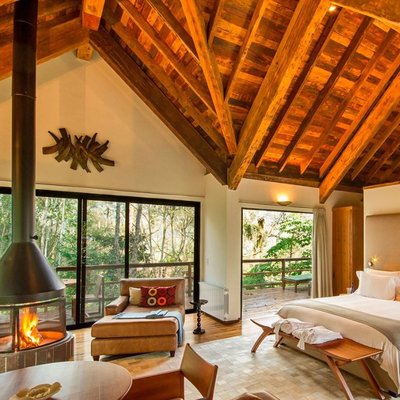
Six Senses Botanique
Frequently Asked Questions about Traveling to Jacarei
Questions You Might Need to Know About Traveling to Jacarei
In Jacareí, the top nature-focused boutique stay is Hotel Fazenda Serra Verde, nestled in the lush hills of São Paulo state. Surrounded by native forests and crystal-clear streams, this eco-lodge offers panoramic mountain views from its timber-built cabins, each featuring floor-to-ceiling windows and organic decor. Guests can enjoy guided forest hikes, stargazing on the rooftop observatory, and traditional Brazilian "Churrasco" BBQ dinners using locally sourced ingredients. The property also hosts yoga sessions and meditation retreats, making it ideal for wellness seekers. For a more intimate option, Pousada do Sol in the town center blends rustic charm with modern comfort, offering free Wi-Fi, breakfast, and easy access to local markets and churches—perfect for travelers who want both tranquility and convenience.
The best area in Jacareí for authentic cultural immersion is the historic town center combined with the Serra Verde region. The town center features colonial-style buildings, the main church, and weekend artisan markets where locals sell handmade crafts, textiles, and regional snacks like pastel de queijo. Here, visitors can attend the annual Festa Junina celebration—a vibrant festival showcasing traditional dances such as Bumba Meu Boi, folk music, and rural games. Meanwhile, the Serra Verde hills offer deeper cultural experiences through farm stays like Fazenda EcoKids, where families can participate in animal feeding, farming workshops, and storytelling sessions led by elder community members. This blend of urban heritage and rural tradition makes Jacareí a unique window into Brazil’s countryside identity.
Tourists in Jacareí can engage in several authentic cultural experiences. One highlight is the Festa Junina festival held every June, featuring traditional dances, handcraft fairs, and tasting sessions of corn-based treats like pamonha and canjica. Visitors can also take part in a Brazilian barbecue (Churrasco) workshop at local farms, learning how to prepare meats over open flame using ancestral techniques. Another must-do is the pottery-making class hosted by indigenous artisans, where guests craft traditional clay vessels using natural pigments and tools. These hands-on activities not only preserve local heritage but also foster meaningful connections between travelers and community members, offering a rare glimpse into everyday life in rural Brazil.
Jacareí’s scenic landscapes offer excellent opportunities for outdoor adventure. Hikers should explore the Trilha da Cachoeira trail leading to hidden waterfalls, where you’ll encounter diverse flora, birds, and clear pools perfect for swimming. For adrenaline lovers, mountain biking along winding forest paths provides thrilling views and a full-body workout. Those seeking serenity can paddle a canoe across Lagoa das Pedras, a serene lake surrounded by cliffs and trees, ideal for photography and quiet reflection. At night, join a star-gazing tour—one of the clearest skies in the region—offered by select lodges with telescopes and expert guides. These experiences connect visitors deeply with nature while highlighting the ecological importance of the area.
In Jacareí, food lovers should try Feijoada à Mineira, a rich black bean stew with pork, sausage, and smoked beef, served with rice, orange slices, and cassava flour. Another local favorite is Churrasco de Panela, slow-cooked beef skewers grilled in a cast-iron pan, delivering smoky depth and tender texture. Don’t miss Pastel de Queijo, a crispy fried pastry filled with melted cheese, often enjoyed at roadside stalls. For a refreshing drink, sample Cajuína, a fermented passionfruit wine with a sweet-tart profile, made from fresh local fruit. Many farm stays also offer farm-to-table dining, where guests harvest ingredients themselves before enjoying a meal prepared by local chefs—creating a truly immersive culinary journey.
Jacareí has a tropical highland climate with temperatures ranging from 18–25°C year-round and distinct wet and dry seasons. The rainy season (November to March) brings short afternoon showers, which actually enhance the lush greenery and waterfall flows—ideal for nature lovers. However, roads may become slippery, so caution is advised. The dry season (April to October) offers sunny days and clearer skies, perfect for hiking and outdoor events, but UV exposure is higher—sunscreen and hats are essential. Due to its elevation (~900m), mornings and evenings can be cool, so pack a light jacket. Travelers should monitor forecasts, especially if planning mountain treks or outdoor festivals, and stay hydrated to avoid mild altitude effects.
Jacareí offers many engaging family activities. At Fazenda EcoKids, children can feed goats, collect eggs, plant vegetables, and even join a treasure hunt through the farm. The site includes safe play zones with swings, slides, and sand pits. Families can also take part in a handmade soap and candle workshop, crafting personalized gifts together. Weekly agricultural days let kids help with planting or harvesting crops, teaching them about sustainable farming. Additionally, the town hosts family-friendly festivals with live music, face painting, and games. All activities are supervised and include multilingual guides, ensuring a fun, educational, and memorable experience for all ages.
Travelers to Jacareí typically arrive via car or bus from São Paulo—about 3.5 hours by car or 4 hours by intercity bus from Tietê Terminal. The town lacks public transit, so renting a car or arranging private transfers is recommended. Within Jacareí, walking is convenient in the town center, while electric vans serve remote areas. For excursions to nearby attractions like Cachoeira do Rio Verde, bike rentals or guided vehicle tours are available. Note that during peak seasons, HopeGoo transport in advance is crucial due to limited availability. Always confirm pickup times and routes with your accommodation provider to ensure a smooth journey.
Jacareí’s Festa Junina stands out for its deep-rooted community participation and authenticity. Unlike tourist-heavy versions elsewhere, this festival is organized entirely by local residents, featuring traditional dance troupes, homemade costumes, and genuine rural games like sack races and coconut cracking contests. The event celebrates agricultural heritage with large-scale bonfires, communal meals, and a charity auction of handmade goods. Children play central roles in performances and rituals, passing down stories and songs through generations. The atmosphere is warm, inclusive, and deeply personal—offering visitors an unfiltered view into the soul of Brazilian countryside life, far from commercialization.
For authentic souvenirs in Jacareí, visit the Mercado Municipal in the town center, where local artisans sell handmade items like woven baskets, ceramic plates, and wooden figurines. Look for Cajuína passionfruit wine in decorative bottles—ideal as a gift. At Fazenda Arte e Natureza, you can commission custom fabric bags or painted postcards depicting local landscapes. For eco-conscious travelers, organic beeswax candles and lavender-infused lotions made by women cooperatives are popular choices. Each item supports local craftsmanship and sustainable practices, making your purchases meaningful and memorable. Most vendors accept cash and small cards, so bring local currency.
Jacarei Overview
City Summary
Jaraguá, located in the state of São Paulo, Brazil, is a small town renowned for its lush tropical forests, crystal-clear rivers, and abundant outdoor activities. It is an ideal escape from urban hustle, blending indigenous culture with colonial architecture to showcase a unique historical charm.
Must-See Attractions
Jaraguá's natural landscapes are the main attraction, including the Jaraguá River and surrounding forest reserves. Visitors can enjoy canoeing, hiking, and birdwatching. The town center features colonial-era churches and local craft markets, offering a glimpse into its cultural vibe.
Food Guide
Jaraguá's cuisine is deeply influenced by Brazilian traditions, with street food like Churrasco (grilled meat skewers) and Feijoada (black bean stew). Local desserts such as Pudim (pudding) and Caldo de Cana (sugarcane juice) are also popular. Don't miss Guaraná, Brazil's national soft drink.
Transportation Guide
Public transport in Jaraguá primarily relies on buses, connecting major spots and nearby towns. Due to its small size, walking or cycling are great options. For flexibility, taxis or car rentals are available, but roads can be rough. From São Paulo, take a long-distance bus or drive (2-3 hours).
Best Time to Visit
The best time to visit is May to September, with dry and cool weather ideal for outdoor activities. Avoid the rainy season (November to March). Book accommodations early during peak travel periods.
Travel Tips
- Safety: Carry ID and avoid remote areas at night.
- Transport Etiquette: Keep noise levels low on buses.
- Eco-Consciousness: Do not litter in natural areas.
- Cash: Small vendors may not accept cards.
- Timezone: Jaraguá follows UTC-3, same as São Paulo.
Useful Information
The official language is Portuguese—learn basic phrases. Wi-Fi is limited; consider a local SIM card. Cash is preferred, though some hotels accept cards. Medical facilities are sparse—bring essentials. For emergencies, dial 190 (police) or 192 (ambulance). Power outlets are Type N, 110V.