Hotels in Jala-jala
Discover your perfect stay in Jala-jala.
Jala-jala(Philippines) Travel 2026: Cheap Flights, Hotels & Top Attractions
Popular Landmarks in Jala-jala
Discover the most iconic attractions in Jala-jala
Recommended Hotels in Jala-jala
Find the perfect place to stay in Jala-jala
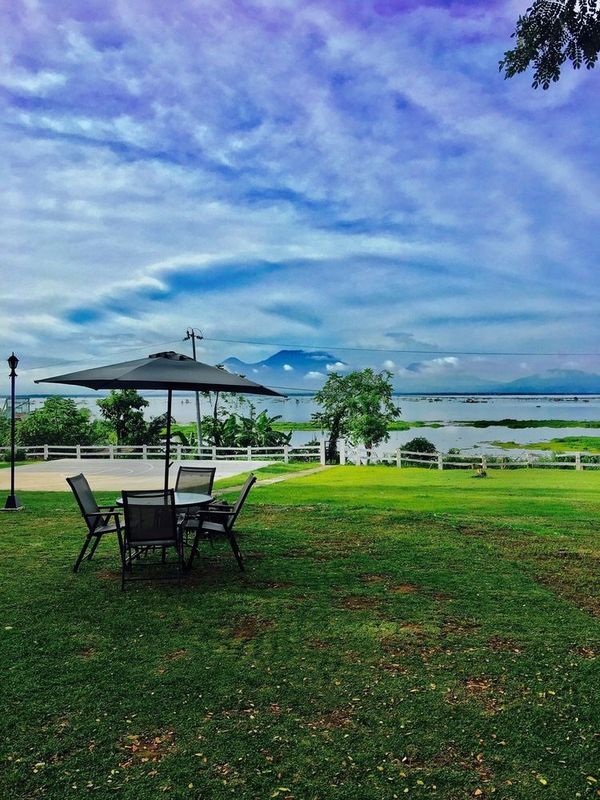
Lily Vacation Farm House
Frequently Asked Questions about Traveling to Jala-jala
Questions You Might Need to Know About Traveling to Jala-jala
For stunning lake views, stay at Lakeside Resort Harahara, nestled beside Marikina Lake. This eco-friendly hotel offers spacious rooms with panoramic windows, private decks, and direct access to the water. The property features a nature trail, kayaking rentals, and guided birdwatching tours. Nearby, Harahara Garden Hotel also provides elegant accommodations with garden vistas and a rooftop lounge ideal for sunset views. Both offer authentic local hospitality and are perfect bases for exploring the region’s natural beauty.
The central district of Harahara is ideal for first-time visitors, offering easy access to restaurants, markets, and cultural sites like the Church of the Assumption. It’s safe, walkable, and full of local charm. For a quieter stay, consider the lakeside zone, where you can enjoy serene mornings by the water. With reliable shuttle services between both areas, visitors get the best of both worlds: urban convenience and peaceful retreats.
Immerse yourself in indigenous Batok dance performances, traditional rituals that reflect the spiritual heritage of local tribes. Participate in the Harvest Festival (Panagbenga) celebrations, which include parades, folk music, and craft stalls showcasing native artistry. Visit the Ancient Village Ruins to hear elders narrate ancestral stories and legends. These authentic experiences provide deep insight into the rich cultural tapestry of Northern Philippines.
Key landmarks include Marikina Lake, a pristine freshwater body surrounded by lush rainforest, perfect for boating and wildlife spotting. The Church of the Assumption, built in the 19th century, blends Spanish colonial architecture with indigenous design elements and houses intricate murals. Don’t miss the Harahara Historical Museum, which displays artifacts from early settlers and indigenous communities. Together, these sites represent the city’s natural and cultural heart.
Must-try dishes include Inuman (roasted wild pig), slow-cooked over charcoal and served with banana leaf rice. Another highlight is Ginataang Isda, a tangy coconut milk stew with fresh lake fish. Street food favorites like Puto Bumbong (steamed purple rice cakes) and Balut (developed duck egg) offer bold flavors. Sample these at the Central Market or Lakeside Night Market, where vibrant stalls serve authentic, freshly prepared meals.
Traveling from Manila to Harahara takes about 4 to 5 hours by bus or private car, covering approximately 180 km via the northern Luzon highway. Most buses depart early morning to avoid traffic; some luxury coaches offer Wi-Fi and air conditioning. For flexibility, consider hiring a private driver. Midway stops in San Fernando allow brief explorations of historic streets and local cafés.
Absolutely. Harahara is family-friendly, with safe streets, welcoming locals, and plenty of outdoor activities. The Marikina Lake has shallow zones perfect for kids to play safely. Many hotels offer family suites and childcare services. During festivals like Panagbenga, children enjoy games and craft workshops. The blend of nature, culture, and comfort makes it an excellent destination for multi-generational travel.
Harahara has a tropical monsoon climate with temperatures ranging from 25–30°C year-round. The wet season (June–October) brings frequent rains, potentially disrupting outdoor plans—pack waterproof gear and plan indoor visits like museums or craft workshops. The dry season (November–May) is optimal for sightseeing, hiking, and water activities. Always check forecasts and carry insect repellent due to high humidity and mosquito activity.
Capture breathtaking shots at Marikina Lake during sunrise, when mist floats above the calm waters and creates a dreamlike scene. The Church of the Assumption’s white façade and red tiles make a striking subject, especially in golden hour light. The Central Market bursts with color and movement—ideal for candid street photography. For elevated views, visit the Lakeside Viewing Platform or use a drone to capture the full expanse of the lake and surrounding forest.
Enjoy lively evenings at the Lakeside Night Market, where vendors serve grilled skewers, desserts, and local drinks under string lights. Some resorts host stargazing sessions with blankets and expert guides, perfect for couples or families. Local theaters occasionally present traditional storytelling performances. For quiet moments, unwind on your hotel balcony with a view of the lake and a cup of locally brewed coffee, soaking in the peaceful ambiance.
Jala-jala Overview
City Summary
JalaJala in Calabarzon, Philippines, is a tropical town celebrated for its unspoiled natural beauty and rich cultural heritage. Surrounded by lush mountains and pristine rivers, it offers an escape from urban chaos. The locals maintain traditional lifestyles, showcasing authentic Filipino rural culture.
Must-See Attractions
Top attractions include the San Isidro Church, a historic Spanish-colonial structure, and the JalaJala River for thrilling rafting adventures. The surrounding nature reserves are perfect for hiking and birdwatching. Don't miss evening cultural performances featuring indigenous dances.
Food Guide
Savor street food classics like Lechon (roast pig) and Adobo, embodying Filipino culinary traditions. Fresh tropical fruits (mangoes, durians) abound in local markets. Try the signature JalaJala Fish Soup at roadside stalls.
Transportation Guide
Public transport relies on jeepneys and tricycles—affordable but crowded. Use tricycles for short trips; rent private vehicles for longer journeys. No subway system exists. Mountain roads require caution. Note: Limited evening transport warrants advance planning.
Best Time to Visit
Visit between December-February for cool, dry weather, avoiding monsoon rains and typhoons. Book accommodations early during peak season.
Travel Tips
- Dress modestly when visiting churches.
- Carry mosquito repellent and sunscreen for outdoor activities.
- Keep small bills; rural areas rarely accept cards.
- Avoid tap water—opt for bottled water.
- Basic Tagalog phrases enhance communication.
- Exercise caution when traveling alone at night.
Useful Information
Language: Tagalog is official; English works in tourist areas. Internet: 4G available downtown; unstable in mountains (local SIM recommended). Payment: Cash dominates; few restaurants accept cards. Emergency: One public hospital in town; serious cases may require transfer to Manila. Voltage: 220V (Type A/B sockets). Emergency contacts: Police(117), Ambulance(144).
Other Cities You Might Like
Explore more amazing destinations