Hotels in Ōji
Discover your perfect stay in Ōji.
Ōji(Japan) Travel 2026: Cheap Flights, Hotels & Top Attractions
Popular Landmarks in Ōji
Discover the most iconic attractions in Ōji
Recommended Hotels in Ōji
Find the perfect place to stay in Ōji

Best Hotels in Ōji
Discover curated hotel collections in Ōji

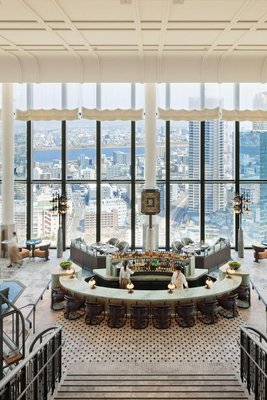


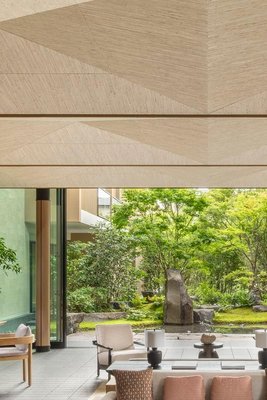

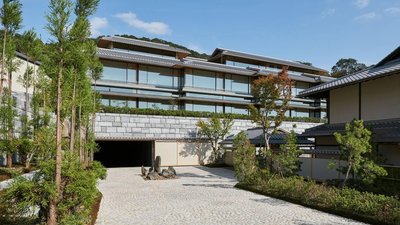


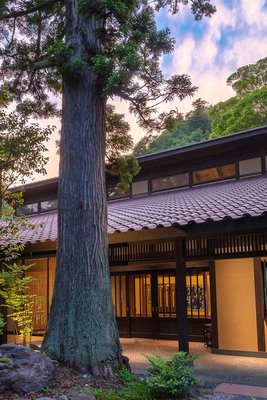

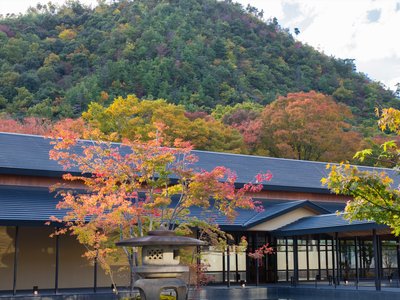
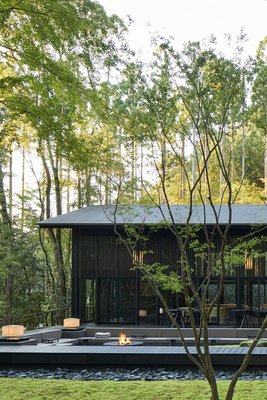

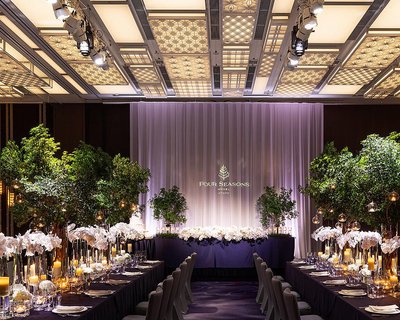

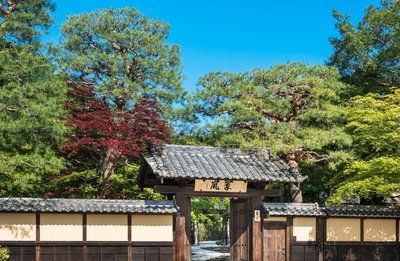







Frequently Asked Questions about Traveling to Ōji
Questions You Might Need to Know About Traveling to Ōji
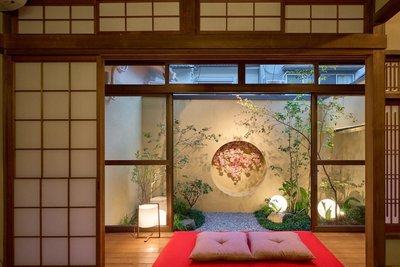
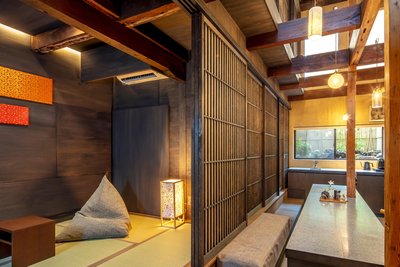
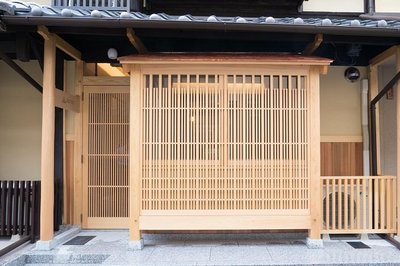
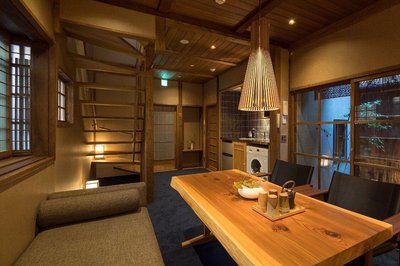
In Omiya-cho, the top choice for families is Omiya Family Inn, offering spacious family rooms, a children’s playroom, and hands-on activities like garden planting and traditional craft workshops. The hotel provides free cribs, kid-sized cutlery, and guided tours to nearby historical sites such as Horyu-ji Temple. Its proximity to Nara Park and Kintetsu Railway Station ensures easy access for day trips. Many rooms feature tatami mats and sliding doors, blending authentic Japanese charm with modern comfort for a memorable stay.
The central district of Omiya-cho is the most convenient area for lodging, located just minutes from Omiya Station and the main shopping street. It offers quiet residential streets, local eateries, and easy access to public transport. This region serves as a perfect base for exploring Horyu-ji Temple, Asuka Village, and Nara City, all within a 20-minute drive. Many guesthouses provide free shuttle services, making it ideal for travelers seeking both tranquility and connectivity.
Visitors to Omiya-cho can participate in authentic ancient Buddhist rituals, such as the morning bell ceremony at Omiya Shrine, where monks chant sutras and strike temple bells. The annual Kotoku Festival features traditional performances, handmade craft markets, and tea ceremonies rooted in Yamato-era traditions. Some ryokans offer a "Day of Monastic Practice" experience, including calligraphy, meditation, and vegetarian kaiseki meals, allowing guests to immerse themselves in spiritual heritage and mindful living.
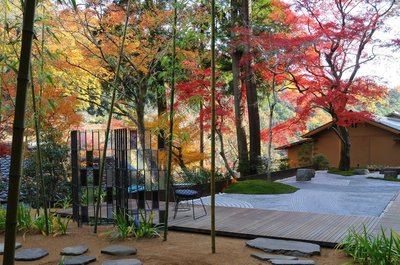
Omiya-cho Onsen Ryokan boasts natural hot springs rich in radon, known for their therapeutic benefits. Yu no Yado Omiya features wooden architecture with private outdoor baths overlooking bamboo groves and mountain views. Each evening includes a full kaiseki dinner using local ingredients like persimmon leaf sushi and wild vegetable tempura. Rooms feature tatami flooring and shoji screens, creating serene, minimalist spaces that enhance relaxation after a day of exploration.
Near Omiya-cho, the world-renowned Horyu-ji Temple is just a 15-minute drive away. Built in 607 CE, it is one of Japan’s oldest wooden structures and a UNESCO World Heritage Site, housing remarkable examples of Asuka-period architecture. Nearby, Asuka Village holds ancient burial mounds like Takamatsuzuka Tomb and imperial ruins. Combine visits with a stop at the Nara National Museum to deepen your understanding of early Japanese history and art.
Try Kaki-no-ha Sushi at Machiya Dining Hall, made with vine leaves wrapping vinegared rice and fresh fish—its distinctive aroma comes from the natural foliage. Don’t miss Omiya Tofu Cuisine, crafted from locally grown soybeans, served with miso soup and pickled vegetables. The Ancient Capital Bento Box includes steamed mochi, fried tofu, and seasonal vegetables wrapped in traditional paper. For dessert, sample matcha ice cream or grilled skewers at the evening night market, offering a true taste of local flavors.
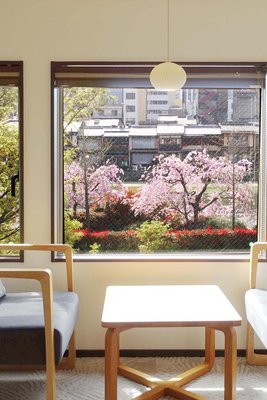
Spring brings the Omiya Cherry Blossom Festival along the Omiya River, where hundreds of Yoshino cherry trees bloom under illuminated lanterns at night. In summer, the Temple Light Art Festival transforms Horyu-ji Temple and Omiya Shrine into glowing masterpieces reflecting Asuka-era aesthetics. Autumn hosts the Koyo Hunting Festival, featuring guided forest walks through vibrant maple trails with tea stops. Winter’s Snow Prayer Ceremony combines ice sculptures with meditative rituals, offering a peaceful immersion in nature and tradition.
Start your day with a visit to Omiya Shrine for a morning blessing ritual. Then head to Horyu-ji Temple, exploring its golden hall and five-story pagoda, paying attention to the original wooden construction. Enjoy lunch at Machiya Dining Hall with Kaki-no-ha Sushi and local green tea. In the afternoon, explore Asuka Village, visiting Takamatsuzuka Tomb and the archaeological museum. Return to Omiya-cho by evening for a soak at Yu no Yado Omiya, followed by a storytelling session on Asuka-era history. End the day with a quiet moment under the stars.
Yes, Omiya-cho is easily accessible via the West Japan Railway (JR Nara Line), with direct trains from Osaka Namba Station (approx. 30 minutes). The town also offers free shuttle buses to major attractions like Horyu-ji Temple and Asuka Village. For drivers, the Kinki Expressway provides quick access to Osaka, Kyoto, and Nara. Most hotels offer airport transfer services and bicycle rentals, making it ideal for slow travel and discovering rural pathways and hidden temples.
For luxury stays, Shin-Omiya Grand Ryokan stands out with its premium tatami rooms, private onsen baths, and personalized service. Guests enjoy daily kaiseki meals crafted by master chefs using seasonal ingredients from local farms. The property features a tranquil Zen garden, tea pavilion, and exclusive access to a private shrine path. Located just steps from Omiya Station, it blends secluded elegance with seamless connectivity, perfect for discerning travelers seeking authenticity and comfort.
Ōji Overview
City Summary
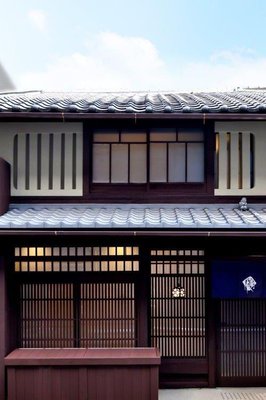
Oji-cho in Nara Prefecture is a tranquil town blending historical heritage with natural beauty. As a key transport hub in ancient Yamato, it preserves Asuka-period Buddhist relics and machiya houses, framed by the majestic Mt. Katsuragi range. The remnants of Prince Shotoku's temple juxtaposed with contemporary art installations create a unique cultural dialogue, attracting deep travelers.
Must-See Attractions
Visit Oji Station Art Plaza for modern sculptures inspired by local history. Darumaji Temple houses Japan's oldest Daruma statue, with its millennium-old ginkgo stunning in autumn. Seasonal rice paddy art at Mt. Katsuragi foothills and nearby ancient tombs are perfect for cycling tours. Join evening lantern-making workshops to experience traditional crafts.
Food Guide
Try Nara's signature kakinoha-zushi (fermented mackerel sushi wrapped in persimmon leaves). Oji beef udon features springy thick noodles with rich minced meat, while Katsuragi mountain vegetable tempura highlights seasonal flavors. Recommended: red bean anmitsu at machiya cafes, paired with matcha brewed using century-old tools.
Transportation Guide
Take JR Yamatoji Line from Osaka/Nara to Oji Station (30min). Attractions are walkable; rent e-bikes (¥1,000/day) for rural sites. Taxis are scarce—use "Nara Kotsu" app for HopeGoo. Note infrequent rural buses (1-2/hour); check timetables carefully. Station tourist info provides multilingual maps.
Best Time to Visit
Best in early November for ginkgo foliage (8-15°C) or May planting season for paddy art. Avoid August Obon holiday (local travel peak). Snow may disrupt mountain access in winter.
Travel Tips
- Toss 5-yen coins ("go-en" pun) at shrines; avoid 10-yen coins (symbolizing separation)
- Check photography rules for art installations; some prohibit commercial use
- Wear non-slip shoes for mountain trails; carry wasp spray in Apr-Jun
- Supermarket "Fresco Oji" discounts start at 19:30
- Hot springs require own towel; tattoos may be restricted
- Most shops close Wednesdays; reserve restaurants in advance
Useful Information
Basic Japanese greetings help ("sumimasen" is versatile); attractions have basic English signage. Cash remains king—use PayPay e-wallet for large payments. Free Wi-Fi at municipal offices (ID:Oji_Free). For emergencies: Oji Clinic (0745-72-1122, no night service); critical cases go to Ikoma General Hospital. "Sugi Pharmacy" near station opens till 23:00 with common medicines. Note last train to Osaka departs 23:12; business hotels near station accommodate missed connections.