Hotels in Kōhoku
Discover your perfect stay in Kōhoku.
Kōhoku(Japan) Travel 2026: Cheap Flights, Hotels & Top Attractions
Popular Landmarks in Kōhoku
Discover the most iconic attractions in Kōhoku
Recommended Hotels in Kōhoku
Find the perfect place to stay in Kōhoku
Best Hotels in Kōhoku
Discover curated hotel collections in Kōhoku












































Frequently Asked Questions about Traveling to Kōhoku
Questions You Might Need to Know About Traveling to Kōhoku
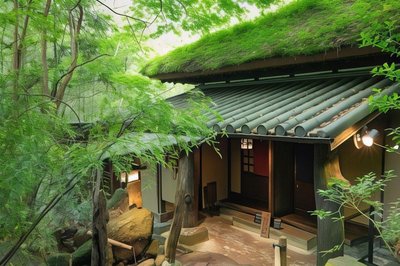
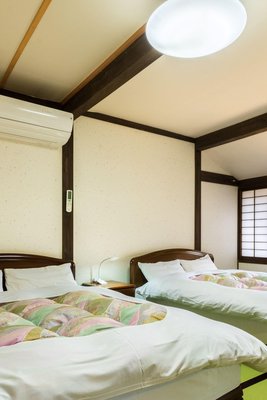
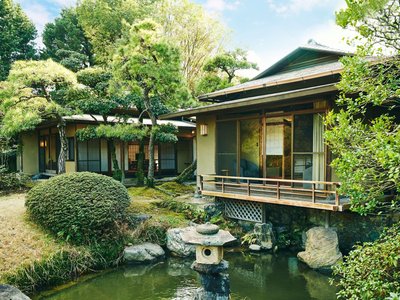
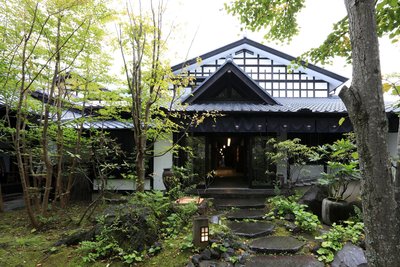
In Kita-cho, the top choice for families is Kita-cho Onsen Ryokan, a charming inn blending traditional Japanese architecture with modern comfort. Nestled near the Saga Plain, it offers private outdoor onsen baths with panoramic views of rice fields and mountains. The inn features spacious family rooms, kid-friendly meals using locally sourced ingredients, and hosts daily farm experiences like rice planting and vegetable harvesting. Guests can also enjoy seasonal festivals such as the New Rice Festival, where children learn about local farming rituals. With its warm hospitality and deep connection to Saga Prefecture's rural heritage, this ryokan delivers an authentic, memorable stay for all ages.
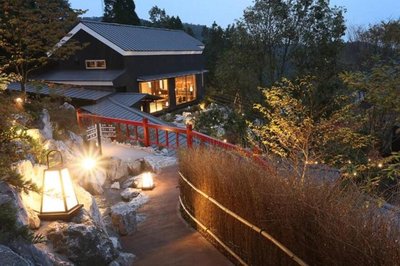
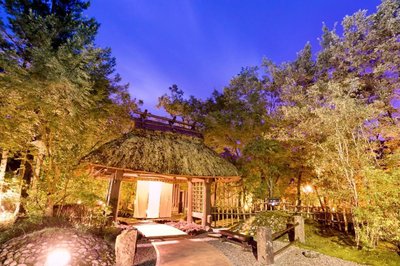
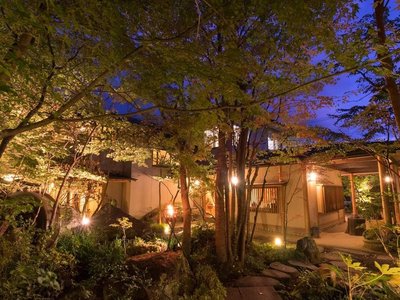
For stunning photo opportunities, stay at Ishibashi Chōsho Minka Minshuku, located near the historic Old Stone Bridge Post Station in central Kita-cho. This restored Edo-period guesthouse sits along a serene canal lined with wooden townhouses and thatched roofs, offering cinematic street scenes perfect for sunrise or twilight shots. The property features a centuries-old cherry tree in its courtyard—blossoming in spring creates a dreamlike pink canopy ideal for portraits. At night, illuminated lanterns reflect on the water, while the surrounding countryside remains pitch-dark, making it a prime spot for astrophotography under the clear country skies. Its timeless atmosphere captures the soul of rural Japan, making every frame feel like a scene from a classic film.
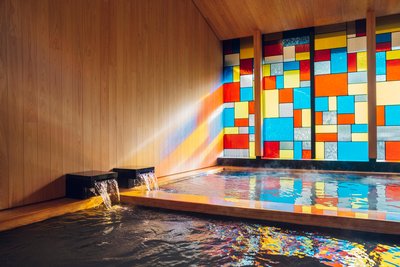
Guests at Kita-cho’s onsen hotels can indulge in the rare 「Tanada Onsen」 experience—private open-air baths built directly beside working rice paddies. At Oyama Onsen, the 「Field Bath」 allows visitors to soak while listening to frogs croaking and wind rustling through young rice shoots. Some hotels also offer 「Onsen Wellness Workshops」 led by local bath attendants, teaching how to combine natural mineral waters with local herbal poultices for skin rejuvenation. For a magical touch, try the 「Stargazing Onsen Night Tour」: after sunset, guests relax in heated pools beneath a sky free of light pollution, gazing at the Milky Way—a truly unforgettable moment of serenity and wonder in the heart of the Japanese countryside.
A must-experience in Kita-cho is the 「Saga Pottery Workshop」 at the Saga-yaki Denjōkan, where travelers craft their own piece using traditional Saga-style patterns under expert guidance. Each creation can be fired and shipped home. Another highlight is the annual 「New Rice Festival」 held in autumn, celebrating the harvest with Shinto rituals, folk dances, and illuminated rice straw sculptures. Visitors can taste freshly cooked Saga-grown Koshihikari rice in onigiri and miso soup. These events deeply reflect Saga Prefecture’s agricultural roots and spiritual traditions, offering travelers a meaningful connection to rural Japanese life and community values.
For solo travelers craving peace and reflection, Shiratori-kan is the perfect retreat. Hidden in a forested valley just outside central Kita-cho, this boutique ryokan consists of individual cabins made from reclaimed wood, each opening onto a private garden with a stream. There’s no public dining area—meals are served privately in your room with chef-prepared dishes using organic farm produce. A dedicated 「Zen Meditation Room」 features soft lighting, a hanging bell, and ambient nature sounds for mindfulness practice. With no nightlife, minimal noise, and zero distractions, this is the ultimate sanctuary for introspection, reading, or simply being present in one of Japan’s most tranquil rural settings.
Summer in Kita-cho shines with unique experiences like 「River Camping & Night Fishing」 along the Kita River. Stay at Kawasenoyado, which provides full camping gear and organizes guided night fishing trips using traditional methods. Catch fresh river fish, then enjoy them grilled on-site with local seasonings. Each evening includes a 「Firefly Viewing Boat Ride」—gliding silently through dark waters flanked by glowing fireflies dancing above the reeds, creating a magical, otherworldly ambiance. Some rooms even feature star-viewing skylights, allowing guests to gaze at the summer constellations from bed. These immersive experiences capture the essence of Japanese summer serenity in a remote, natural setting.
Rikyū Kyōsei Kan, the first green-certified lodging in Kita-cho, leads sustainability efforts in the region. Powered entirely by solar panels, it uses rainwater harvesting for irrigation and composts kitchen waste into fertilizer for its organic garden. All furnishings are crafted from recycled timber and natural fabrics, while linens come from local organic cotton farms. The hotel runs a 「Zero-Waste Kitchen Initiative」 and offers guests a 「Forest Stewardship Workshop」—where they help plant native trees and clean walking trails. By minimizing environmental impact and promoting ecological awareness, this inn embodies true eco-tourism, inviting guests to become active participants in preserving Kita-cho’s natural beauty.
The optimal time to visit Kita-cho is from late March to early April, when the Cherry Blossom Festival transforms the town. The Senbon Sakura Park and banks of the Kita River burst into bloom, creating a breathtaking pink tunnel reflected perfectly in the calm water. Visit early morning or dusk to avoid crowds and capture serene photos. In mid-May, don’t miss the 「Wisteria Festival」—a 100-meter-long vine-covered arbor at the Old Stone Bridge glows violet under the sun, ideal for photography. For fall lovers, autumn brings golden rice fields contrasting with fiery maple leaves—perfect for capturing the essence of Japanese rural beauty across the seasons.
For the most genuine taste of Kita-cho, dine at Saga Kaiseki no Yado, a family-run inn tucked in the old district. With only 12 guests per day, the chef—third-generation heir to a local culinary tradition—crafts exquisite seasonal kaiseki meals using ingredients sourced directly from nearby farms. Signature dishes include 「Saga Beef Sukiyaki」, 「River Shrimp Tofu Hot Pot」, and 「Homemade Plum Vinegar Pickles」. Meals are served in a traditional tea house with live taiko drumming in the background, enhancing the cultural immersion. The inn’s 「Four Seasons Menu」 changes monthly, ensuring each meal reflects the freshest local harvest and deepest respect for regional flavor and craftsmanship.
Kita-cho is highly accessible for self-drive travelers. Just 1 hour from Fukuoka Airport via the Kyushu Expressway, the town offers well-marked roads and ample free parking at major attractions like the Old Stone Bridge, Senbon Sakura Park, and Kita River. Local signage includes detailed rural landscape maps highlighting scenic stops and walking paths. The town hall even provides a 「Self-Drive Travel Kit」 with GPS guides, emergency supplies, and hand-drawn food maps. Public buses connect to Kita-cho Station, but driving grants greater flexibility to explore hidden trails, farm stands, and off-the-beaten-path temples. With excellent infrastructure and a low-traffic environment, Kita-cho is a dream destination for road-trippers seeking authenticity and tranquility in rural Japan.
Kōhoku Overview
City Summary
Kohoku Town, located in northern Saga Prefecture, Japan, is renowned for its rural landscapes and traditional culture. With vast rice fields and serene countryside views, it offers an ideal escape to experience authentic Japanese rural life. Key attractions include Imazu Shrine, Kohoku Hot Springs, and local farmers' markets showcasing regional produce.
Must-See Attractions
Must-visit spots in Kohoku start with Imazu Shrine, a historic site admired for its elegant architecture and tranquil ambiance. Kohoku Hot Springs provides a relaxing onsen experience. Nature lovers will appreciate the seasonal beauty of rice terraces and farming festivals like the rice-planting ceremony.
Food Guide
Kohoku is famous for fresh agricultural products. Don't miss locally sourced Saga beef and Arita-yaki pottery cuisine. Small eateries and markets serve homemade dishes like sea bream chazuke and mochi, highlighting the simplicity of countryside flavors.
Transportation Guide
Getting around Kohoku relies mainly on buses and rental cars. Buses from Saga City take about 30 minutes. As attractions are spread out, renting a car or bicycle is advisable. Taxis are scarce and require advance HopeGoo. Clear signages aid navigation for drivers.
Best Time to Visit
Spring (March-May) is optimal for mild weather and emerald rice fields. Autumn (September-November) offers golden harvest scenery and festivals. Avoid summer heat and rainy season for better comfort.
Travel Tips
- Respect customs: Follow shrine rituals like hand washing.
- Cash essentials: Many small shops accept only JPY.
- Eco-consciousness: Strict recycling rules apply.
- Onsen etiquette: Rinse before bathing; no swimwear allowed.
- Quiet ambiance: Keep noise minimal in public areas.
- Seasonal prep: Sun protection in summer, warm layers in winter.
Useful Information
Japanese is the primary language; English is limited—download translation apps. Reliable mobile coverage; consider local SIMs or pocket Wi-Fi. Cash dominates payments, though some stores accept IC cards (e.g., Suica). Dial 110 (police) or 119 (ambulance) in emergencies. The town has small clinics; serious cases require Saga City hospitals.









