Hotels in Kōnan
Discover your perfect stay in Kōnan.
Kōnan(Japan) Travel 2026: Cheap Flights, Hotels & Top Attractions
Popular Landmarks in Kōnan
Discover the most iconic attractions in Kōnan
Recommended Hotels in Kōnan
Find the perfect place to stay in Kōnan
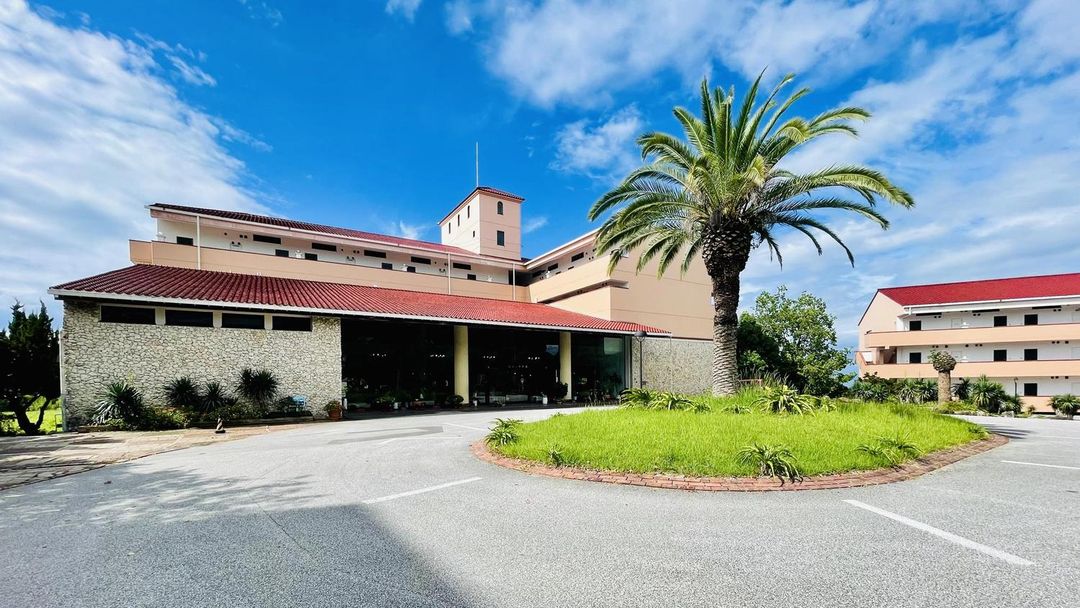
Resort Hotel Umibe No Kajuen
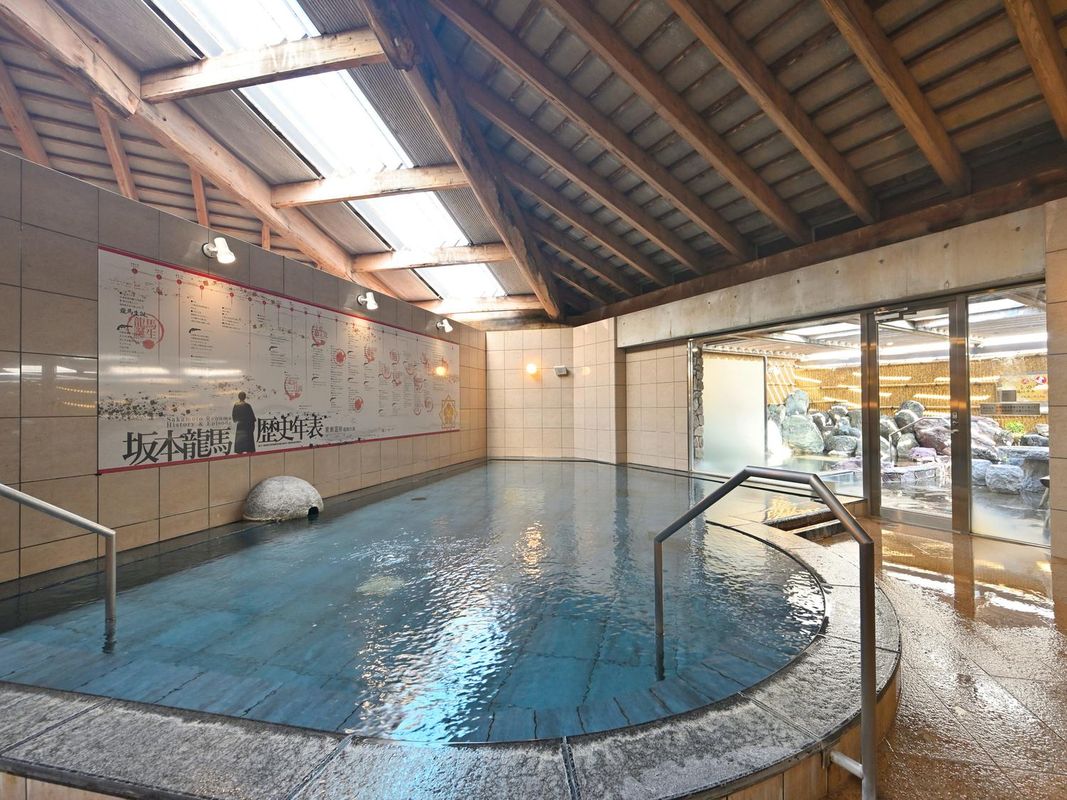
Kochi Kuroshio Hotel
Best Hotels in Kōnan
Discover curated hotel collections in Kōnan
Shima Kanko Hotel the Bay Suites
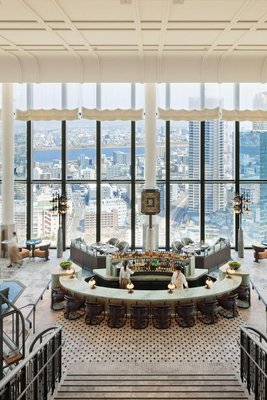
Waldorf Astoria Osaka
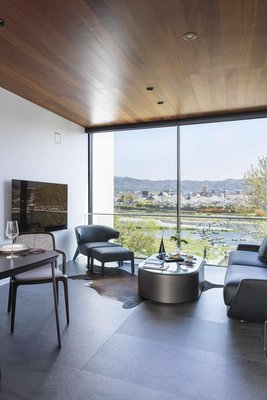
Kamo Residences by Reflections
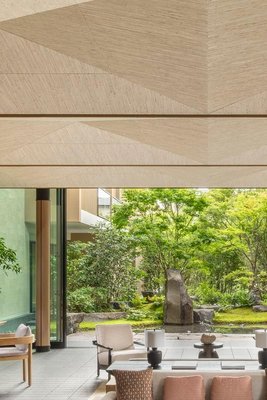
Six Senses Kyoto
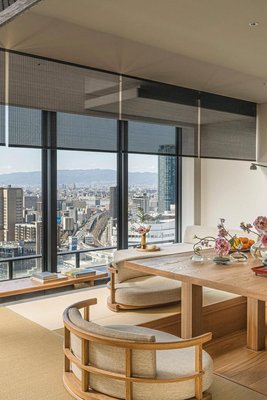
Four Seasons Hotel Osaka
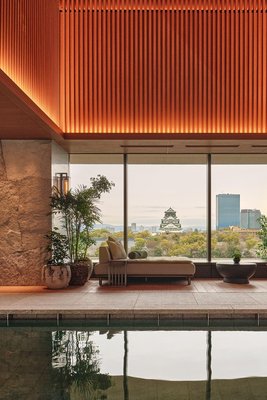
Patina Osaka

The Ritz-Carlton, Osaka
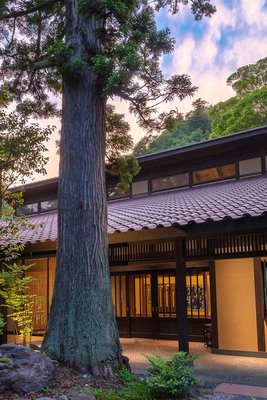
Arimasansoh Goshobessho
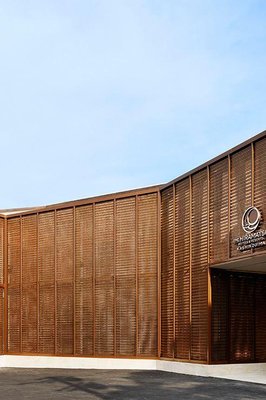
The Hiramatsu Hotels & Resorts Kashikojima
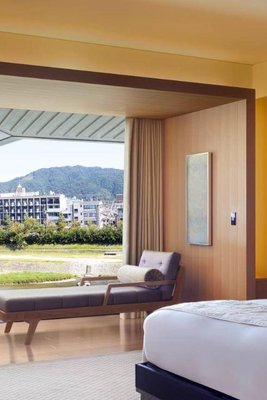
The Ritz-Carlton, Kyoto
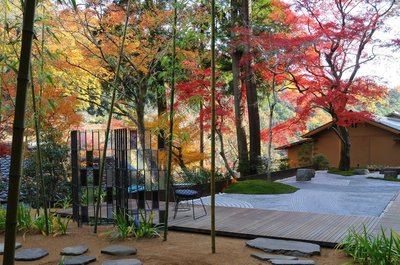
HOSHINOYA Kyoto
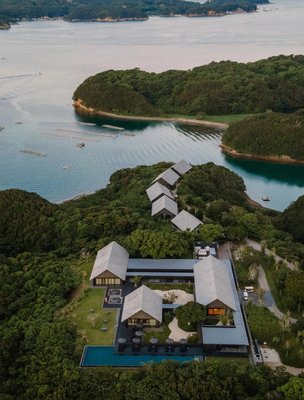
Amanemu
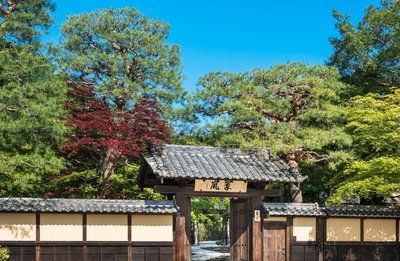
Suiran, a Luxury Collection Hotel, Kyoto
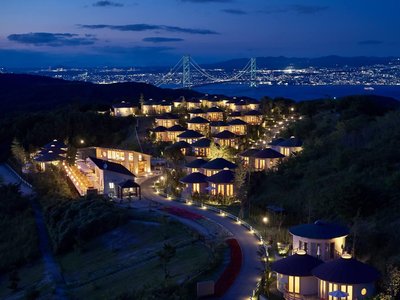
Grand Chariot Hokutoshichisei 135°
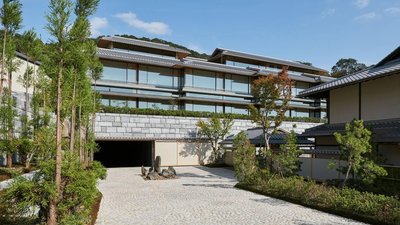
Park Hyatt Kyoto
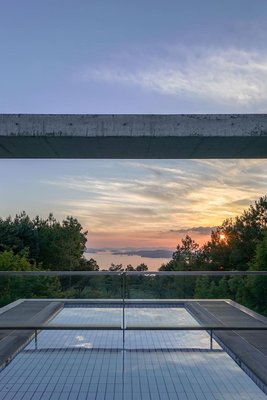
SETOUCHI RETREAT by Onko Chishin
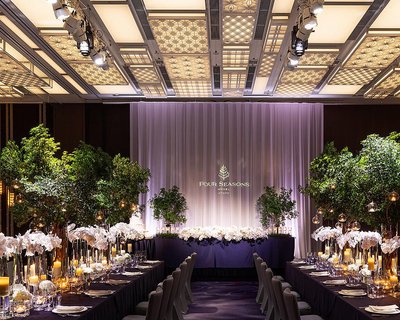
Four Seasons Hotel Kyoto
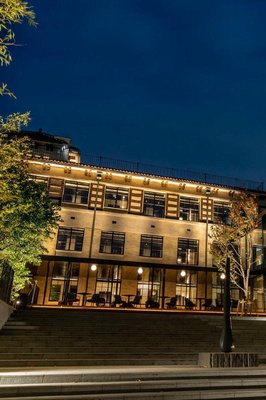
The Hotel Seiryu Kyoto Kiyomizu - a Member of the Leading Hotels of the World-
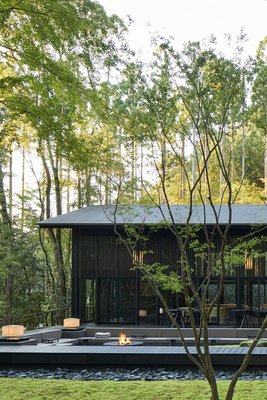
Aman Kyoto
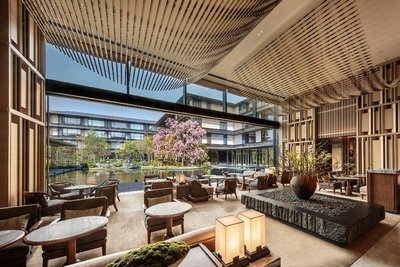
Hotel the Mitsui Kyoto, a Luxury Collection Hotel & Spa
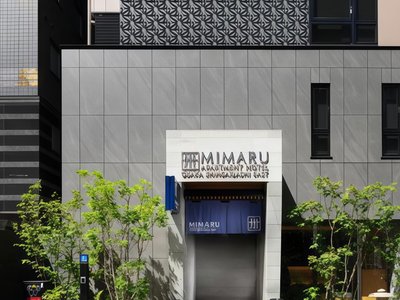
MIMARU Osaka Shinsaibashi East
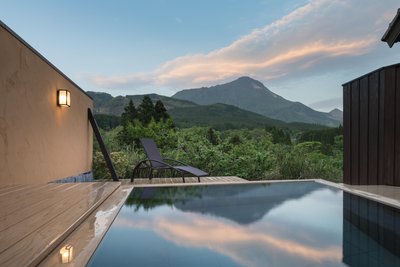
Ikkoten
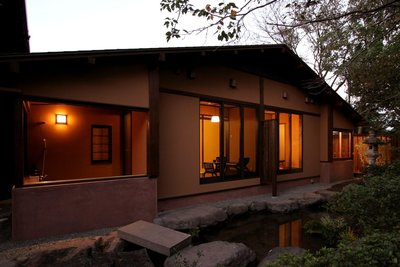
SEKIYA RESORT Bettei Haruki
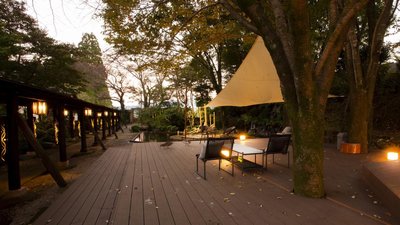
Chikurakutei
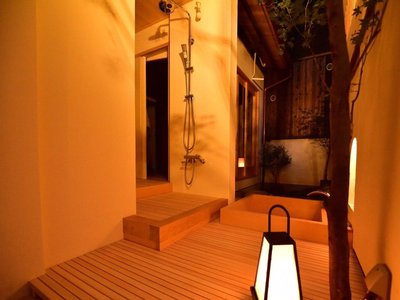
Yado Kiramachi
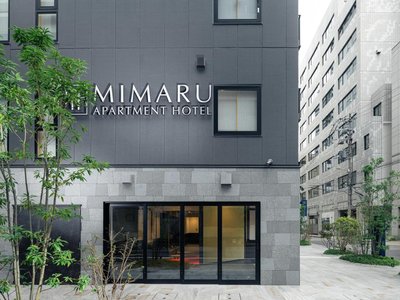
MIMARU Osaka Shinsaibashi North
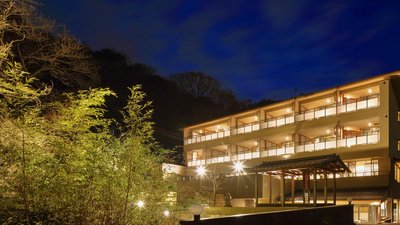
Okuno Hosomichi
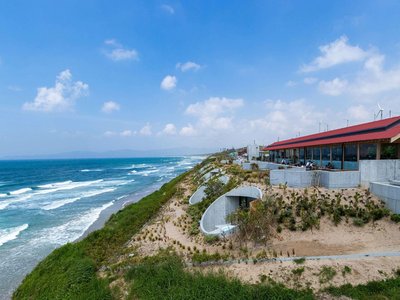
Izumo Hotel the Cliff
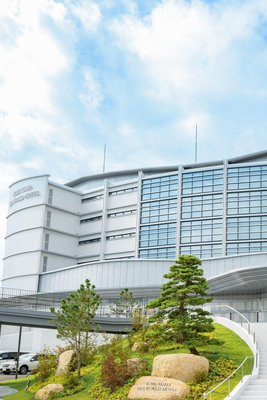
Kobe Suma Sea World Hotel
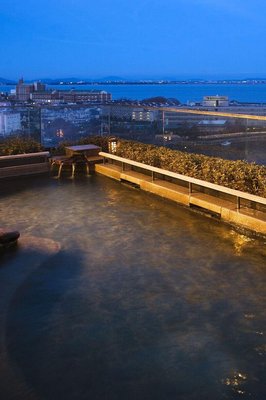
Yumotokan
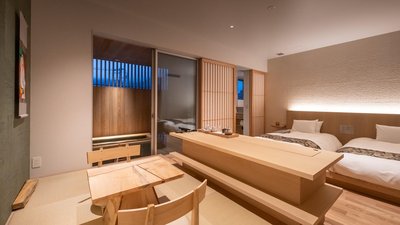
Japanese Auberge Kararako
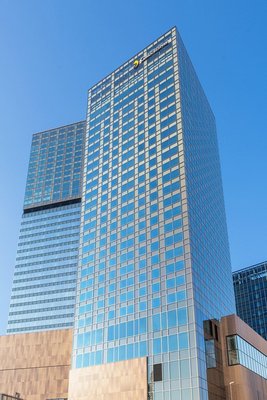
Hotel Hankyu GRAN RESPIRE OSAKA
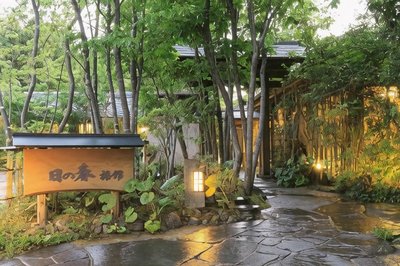
Yufuin Onsen Hinoharu Ryokan
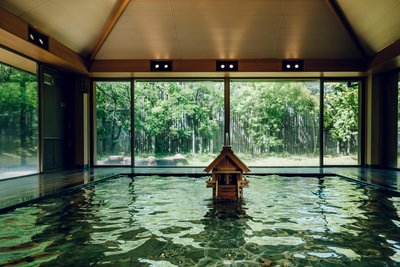
Hoshino Resorts KAI Tamatsukuri
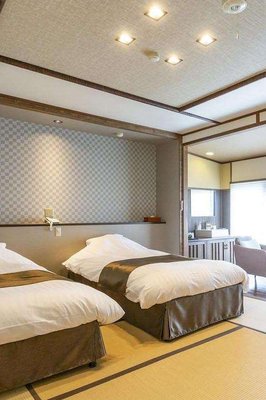
Sozankyo

Taikyourou
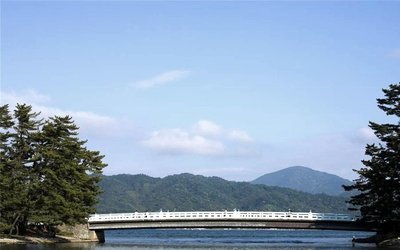
Monjusou Shourotei
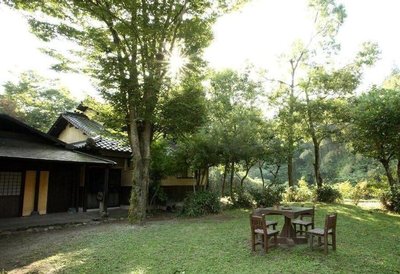
Yamashinobu
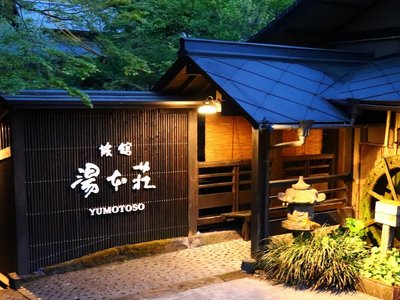
Ryokan Yumotosou
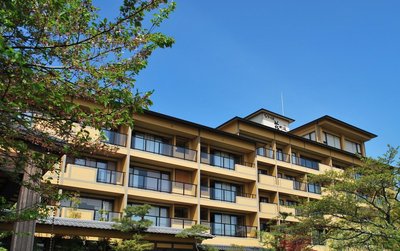
BIWAKO HANAKAIDO
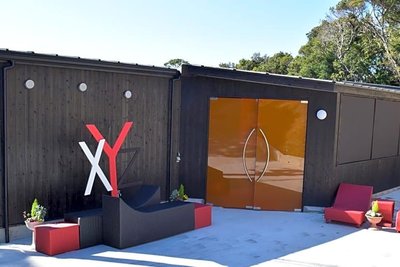
XYZ Private Spa and Seaside Resort
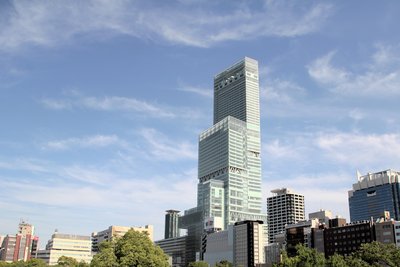
Osaka Marriott Miyako Hotel
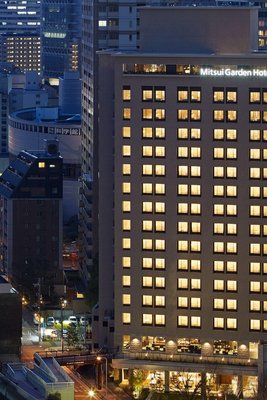
Mitsui Garden Hotel Osaka Premier
BIWAKO HANAKAIDO
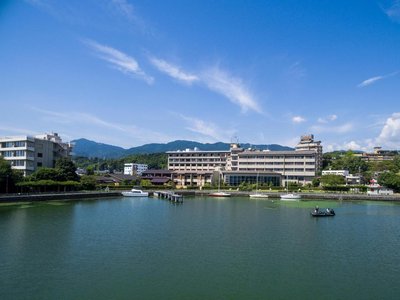
Biwako Ryokusuitei
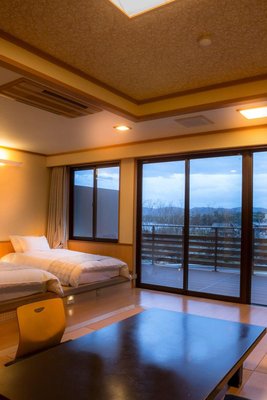
Hotel Kitanoya
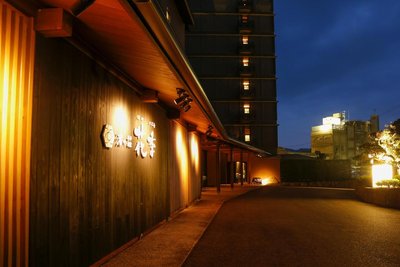
Hanagoyomi
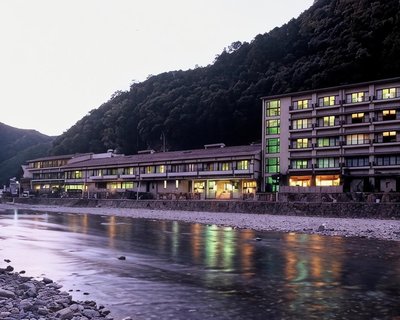
Kawayu Onsen Fujiya
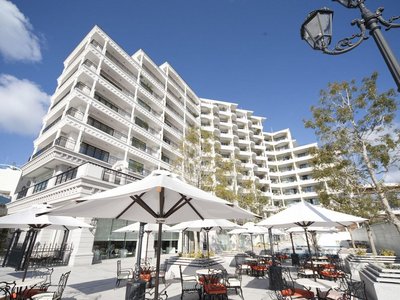
Hotel La Suite Kobe Harborland

AoAwo Naruto Resort

Holiday Inn Resort Miyazaki
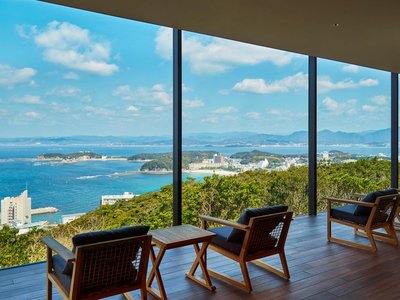
Infinito Hotel and Spa
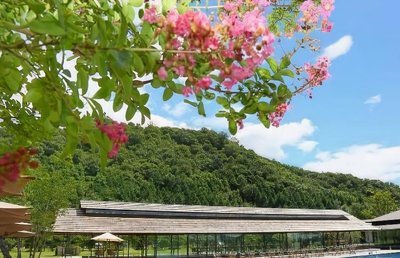
Bella Vista Spa and Marina Onomichi
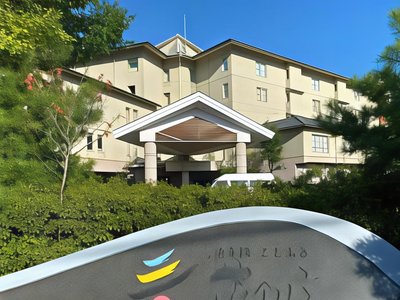
Yufuin Kotobuki Hananosho
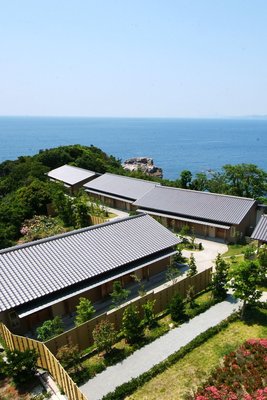
Hamachidorinoyu Kaisyu
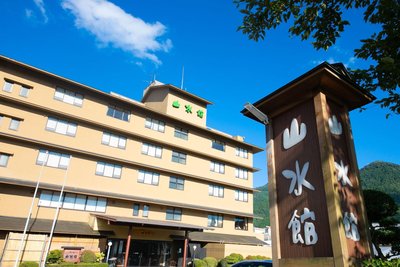
Yufuin Sansuikan
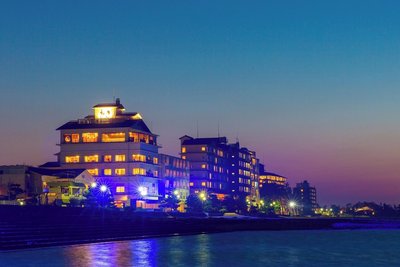
Kaike Shogetsu
The Ritz-Carlton, Kyoto
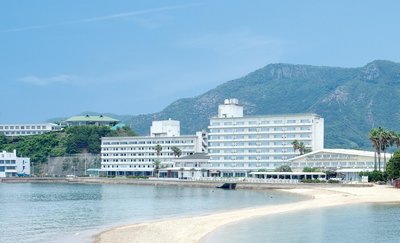
Shodoshima International Hotel
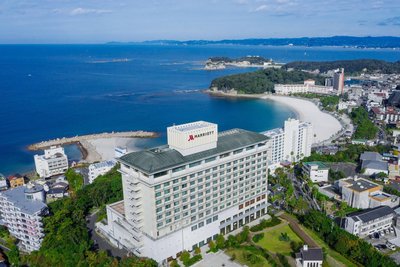
Nanki-Shirahama Marriott Hotel
Yado Kiramachi
Arimasansoh Goshobessho
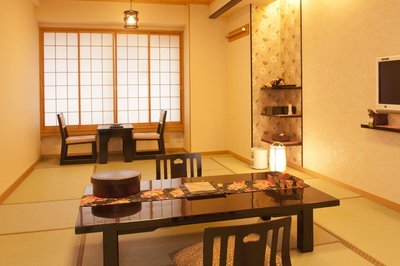
Matsui-Bekkan Hanakanzashi
Hoshino Resorts KAI Tamatsukuri
Taikyourou
Monjusou Shourotei
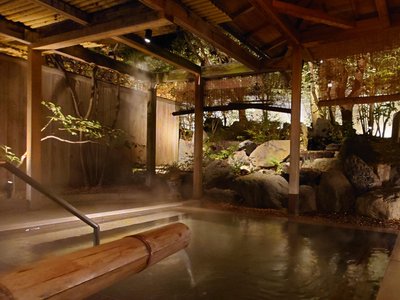
Kasuga Hotel
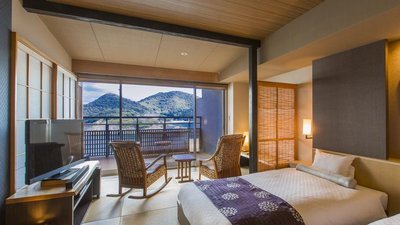
Migiwatei Ochi Kochi
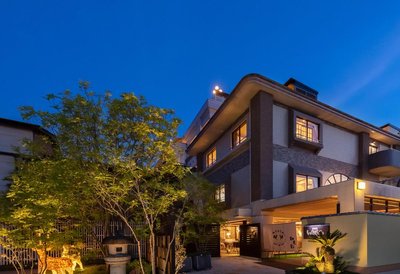
Hotel New Wakasa
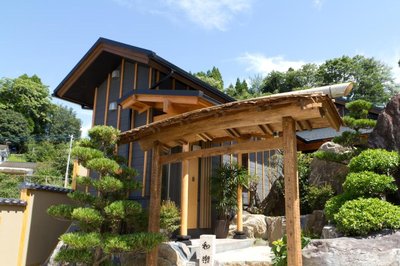
Ryokan Shinsen
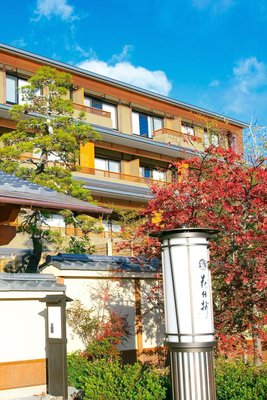
Kyoto Arashiyama Onsen Kadensho (Kyoritsu Resort)
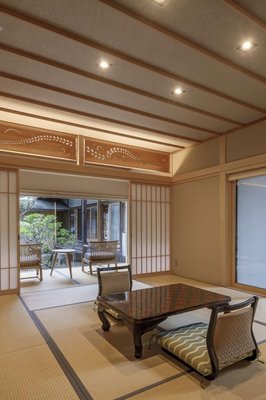
Ichijoin
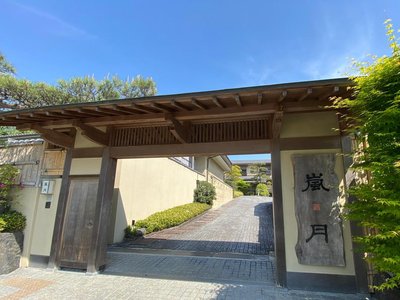
Rangetsu
The Ritz-Carlton, Kyoto
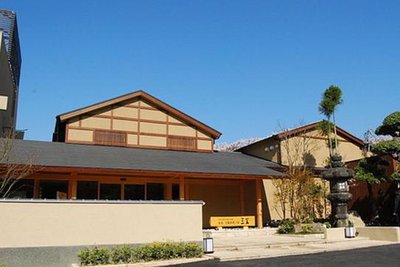
Mikasa
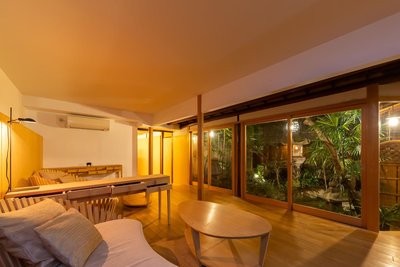
Izuyasu Traditional Kyoto Inn Serving Kyoto Cuisine
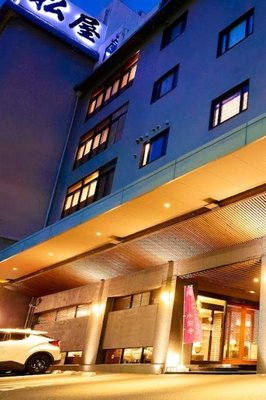
Ryotei Matsuya Honkan Suizenji
HOSHINOYA Kyoto
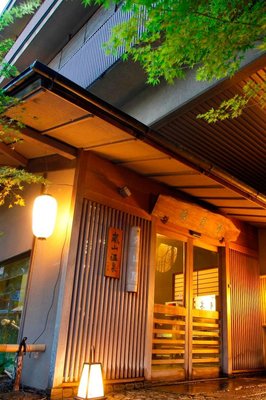
Togetsutei
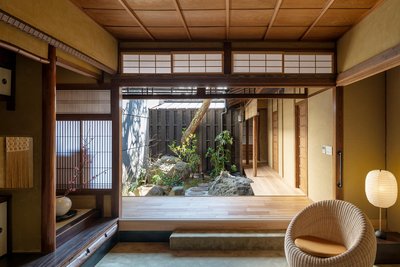
Nazuna Kyoto Gosho

22 PIECES
The Ritz-Carlton, Osaka

The Thousand Kyoto
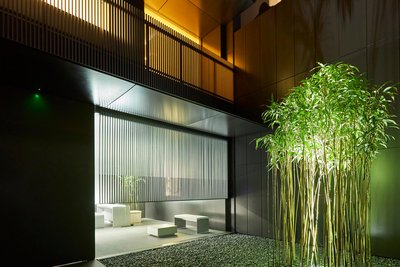
Mogana
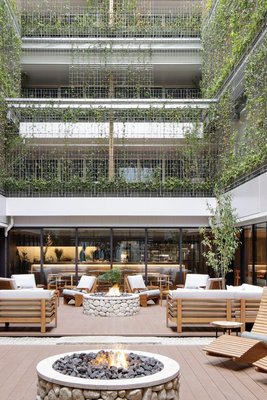
GOOD NATURE HOTEL KYOTO
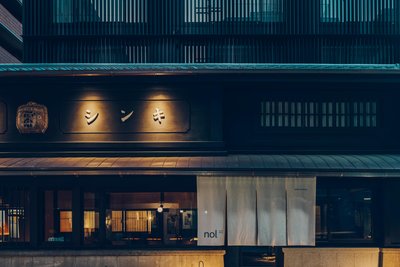
Nol Kyoto Sanjo

Zentis Osaka

Garrya Nijo Castle Kyoto
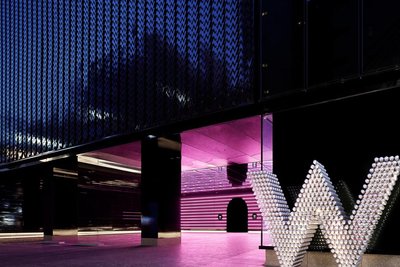
W Osaka

Hotel Kanra Kyoto

Aloft Osaka Dojima
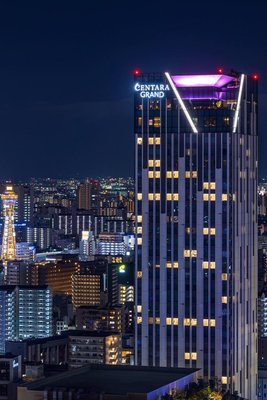
Centara Grand Hotel Osaka
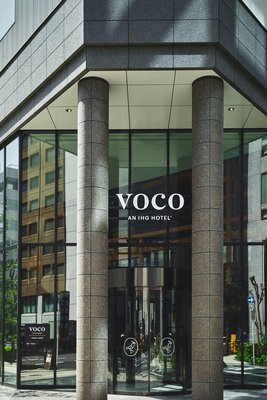
voco Osaka Central
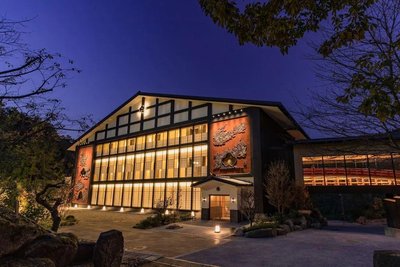
Okuhita Onsen Umehibiki
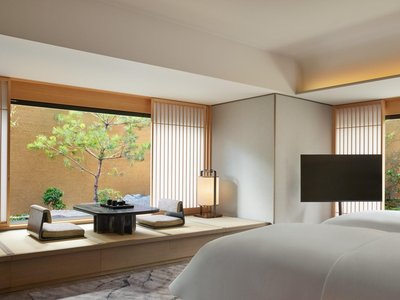
Dusit Thani Kyoto
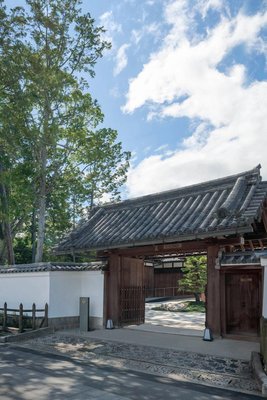
Shisui, a Luxury Collection Hotel, Nara

Hilton Kyoto
Osaka Marriott Miyako Hotel
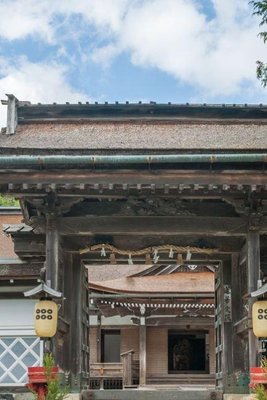
Koyasan Rengejoin
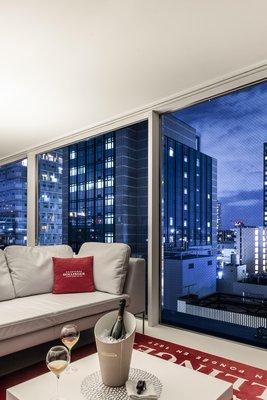
CUVÉE J2 HOTEL OSAKA by Onko Chishin
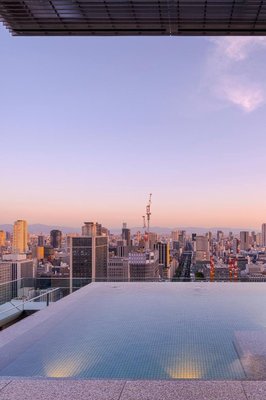
Candeo Hotels Osaka The Tower
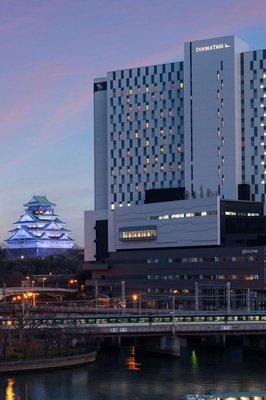
DoubleTree by Hilton Osaka Castle
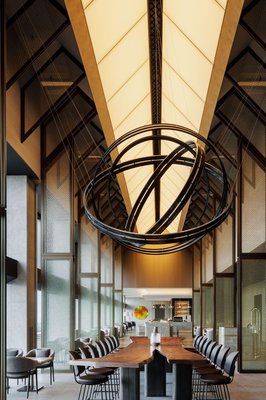
The Osaka Station Hotel, Autograph Collection
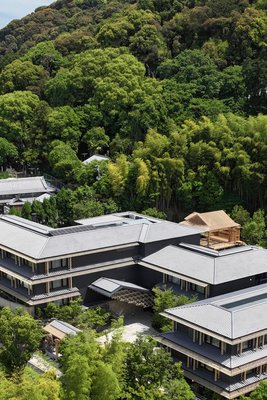
Banyan Tree Higashiyama Kyoto
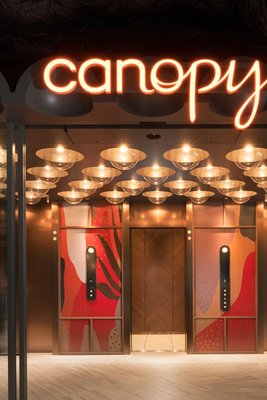
Canopy by Hilton Osaka Umeda
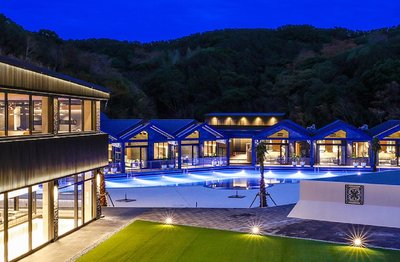
FIVE SPRING RESORT THE SHIRAHAMA
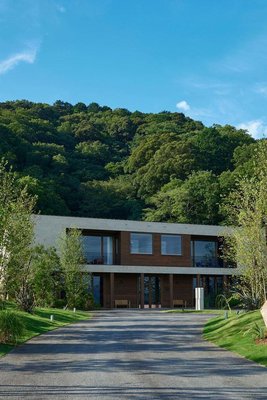
HACIENDA VISON
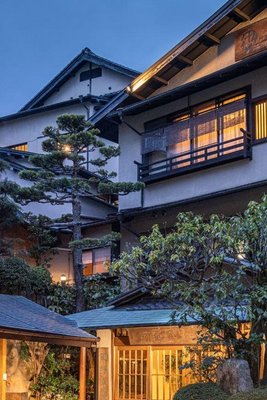
Arima Onsen Tocen Goshobo
Hotel La Suite Kobe Harborland
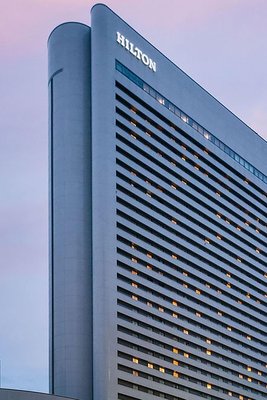
Hilton Osaka Hotel
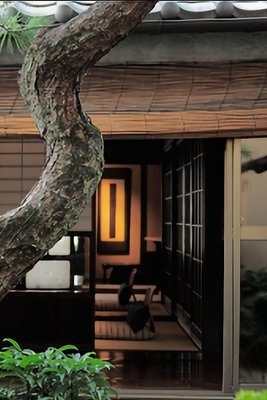
Shimayado Mari
Osaka Marriott Miyako Hotel
The Ritz-Carlton, Osaka
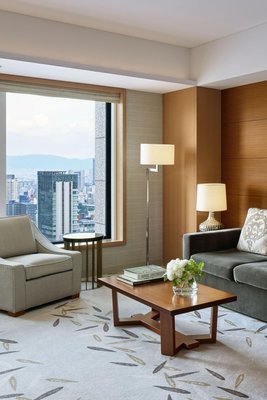
InterContinental Hotel Osaka
The Ritz-Carlton, Kyoto
Suiran, a Luxury Collection Hotel, Kyoto
GOOD NATURE HOTEL KYOTO
Park Hyatt Kyoto
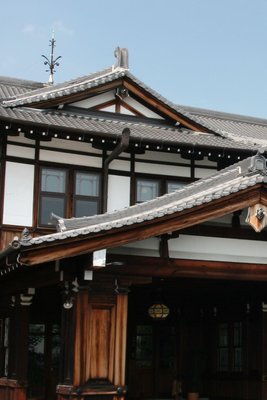
Nara Hotel
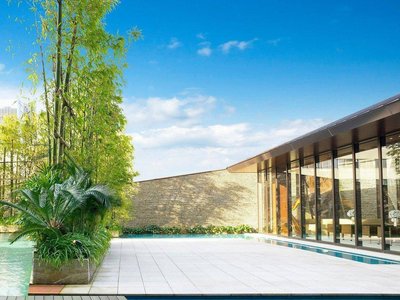
ORIENTAL HOTEL
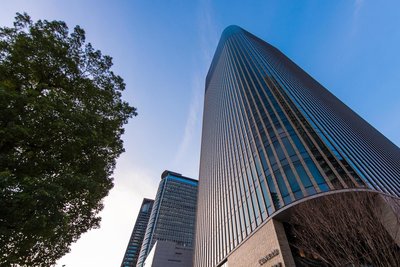
Conrad Osaka
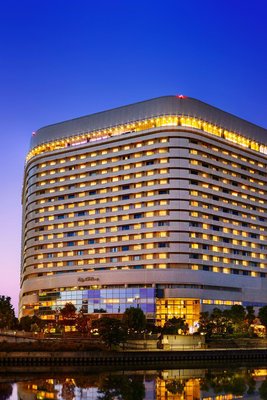
Hotel New Otani Osaka
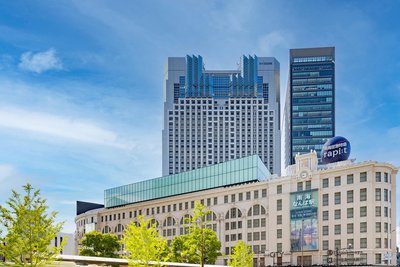
Swissotel Nankai Osaka
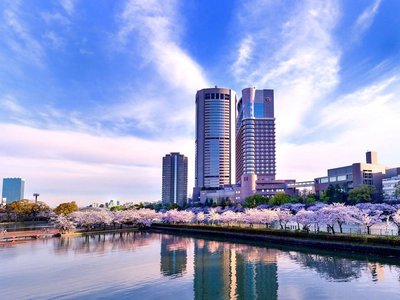
Imperial Hotel Osaka
The St. Regis Osaka
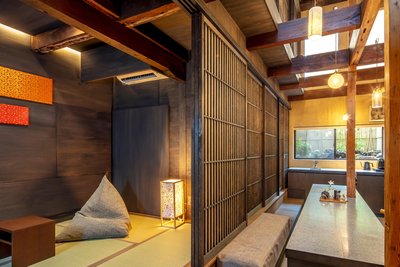
Kyo No Oozora Kihana
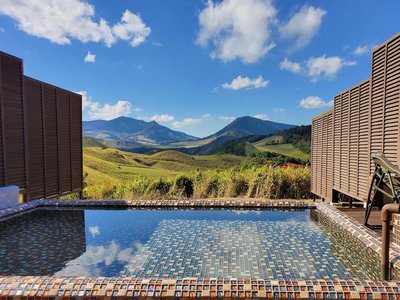
Grand Verde Resort
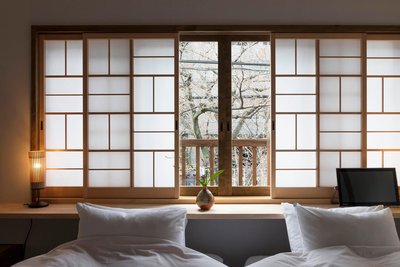
Hanagoromo Machiya House
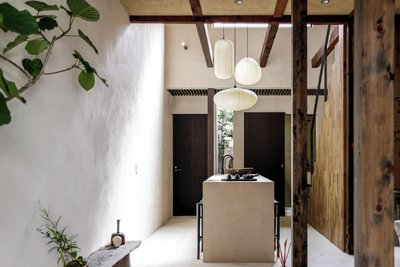
Maana Kiyomizu
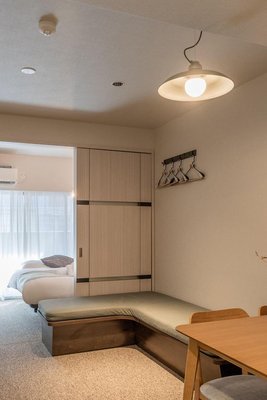
Apartment Hotel 11 Shinsaibashi
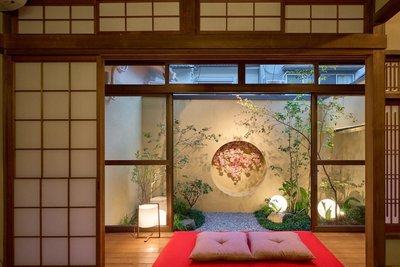
KONJAKUSO Osaka Tengachaya "NIHONCHA" Tea & Relax
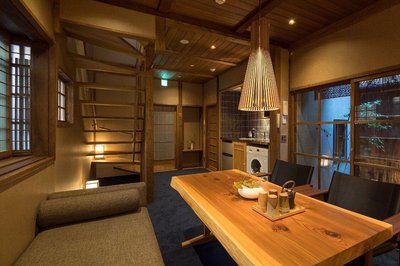
Bonbori an Machiya House
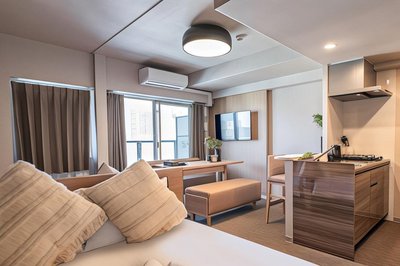
Apartment Hotel 11 Shinsaibashi III
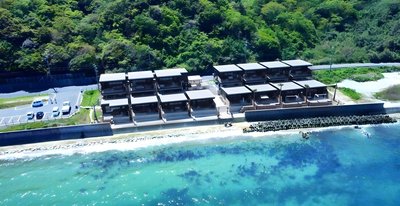
Solavilla Umi Terrace Minamiawaji
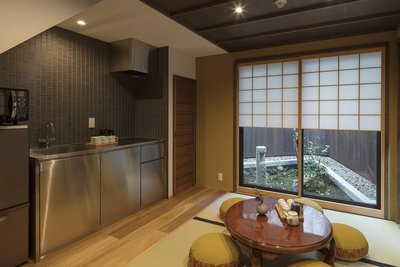
The Machiya Villa Sanjo Shirakawa Koji
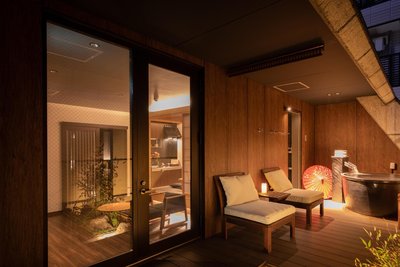
Konjaku-So Dotonbori
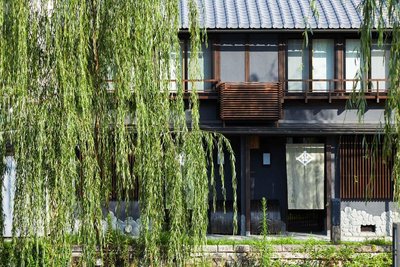
Gion Shirakawa No Yado

Kitashirakawa Natural Radium Onsen
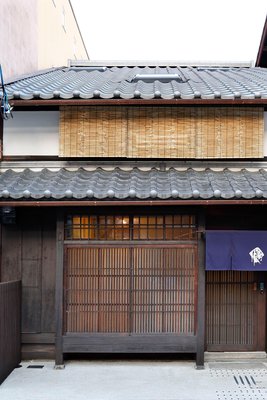
Kyo No Ondokoro Kamanza Nijo #2
Gion Koyu an Machiya House
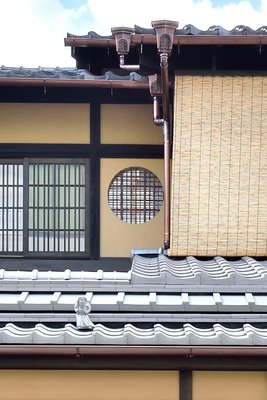
Kyo No Ondokoro Gokomachi Ebisugawa #3

Sana Mane - Glamp Domes
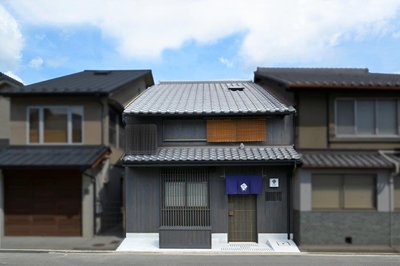
Kyo No Ondokoro Goshonishi #6
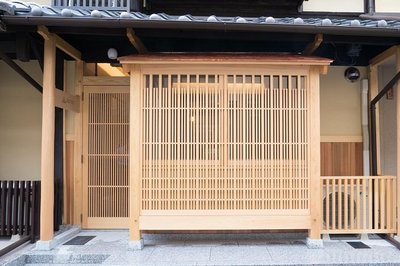
Kyomachiya Suite Rikyu
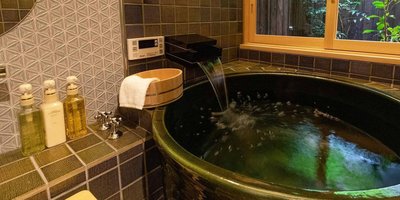
Kyoisuke

Hotel Barrière Fouquet's New York
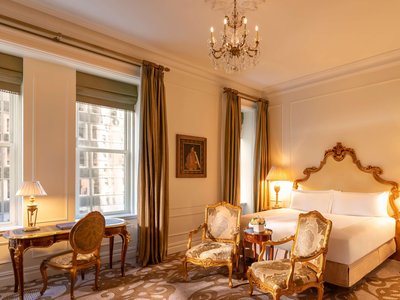
The Plaza - A Fairmont Managed Hotel
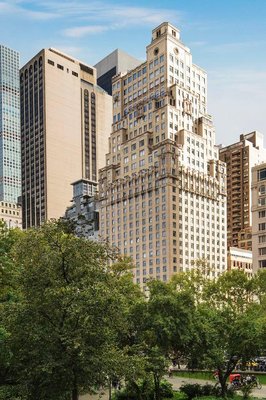
The Ritz-Carlton New York, Central Park
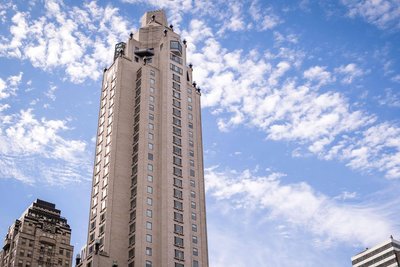
Four Seasons Hotel New York

The St. Regis New York
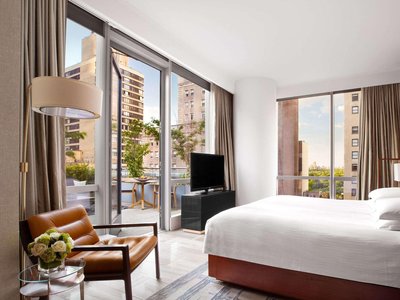
Park Hyatt New York
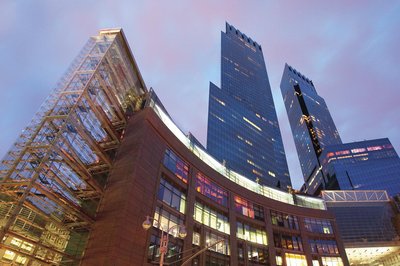
Mandarin Oriental New York
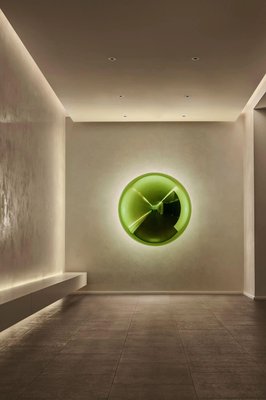
Times Square Edition New York

Loews Regency New York Hotel

Lowell Hotel
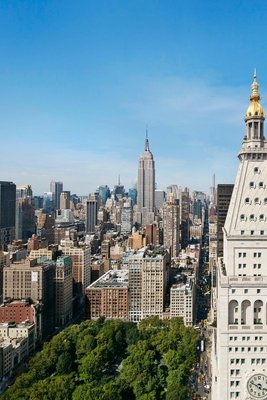
New York Edition
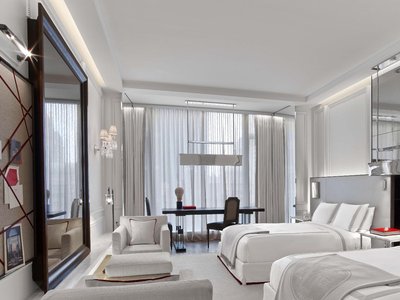
Baccarat Hotel New York

Equinox Hotel New York

Four Seasons Hotel New York Downtown
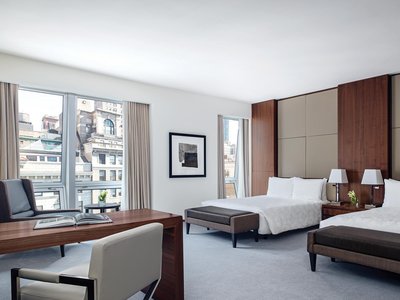
The Langham, New York, Fifth Avenue

The Carlyle, A Rosewood Hotel

The Chatwal, in the Unbound Collection by Hyatt

The Mark New York
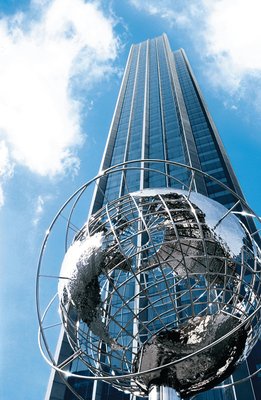
Trump International Hotel & Tower® New York
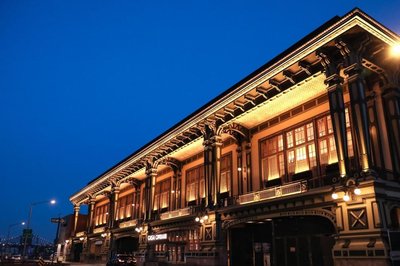
Casa Cipriani New York
Frequently Asked Questions about Traveling to Kōnan
Questions You Might Need to Know About Traveling to Kōnan
In Kōnan City, the top boutique stay is Kōnan Town Hall Inn, a heritage renovation of the old municipal building featuring traditional wood-frame architecture blended with modern design. Located near Tosa Yamada Station, it offers easy access to local markets and cultural spots. Another standout is Mori no Yado, nestled within Kōchi Prefecture's natural park, providing forest views, private onsen, and authentic Tosa cuisine like grilled yellowtail and black bean rice.
Both properties emphasize local craftsmanship, using handwoven textiles and regional materials. Guests enjoy guided farm-to-table experiences and seasonal festivals. Reservations are recommended, especially during cherry blossom season or autumn foliage events.
The best area to stay in Kōnan City is around Tosa Yamada Station, offering excellent connectivity and proximity to key attractions. This district features renovated machiya townhouses, such as Yamada Machiya House, which preserve Edo-era timber structures while providing modern amenities. Just a 5-minute walk leads to the Kōnan City Library and a fresh-produce market.
For nature lovers, Oshio District near the Shimanto River tributaries provides serene riverside views. Stay at Kawase Terrace Inn, where you can stroll along forest trails to the bamboo grove path. The area is quiet, safe, and perfect for couples or families seeking an immersive rural experience with minimal crowds.
Kōnan City offers authentic Tosa textile workshops at the Kōnan Cultural Center, where visitors can learn Tosa Shibori dyeing techniques using natural indigo. The hands-on sessions teach traditional folding and binding methods passed down since the Meiji era.
Another highlight is the annual Rice Harvest Festival, held in autumn, combining ritual prayers with local sake tastings and folk performances. Don’t miss the Bamboo Flute Concert, performed by elderly locals using handmade bamboo tubes—its haunting melodies echo centuries of rural tradition. Events are listed on the official Kōnan Tourism Information Center website.
Kōnan City’s culinary highlights center on Shimanto River seafood. Must-try is fresh Shimanto yellowtail sashimi, known for its sweet, buttery texture, often served with locally grown wasabi and yuzu vinegar.
Another local favorite is Tosa Black Bean Rice, slow-cooked with regional black beans rich in fiber, paired with sea bream ramen for a hearty meal. Many guesthouses offer a "Local Ingredients Day Menu" featuring freshly caught fish, tempura vegetables, and homemade tofu. Don’t leave without sampling fruit jam gift boxes made from local citrus and strawberries—perfect souvenirs.
Yes, Kōnan City is highly family-friendly. Stay at Kōnan Kids Nature Village, a dedicated children’s eco-village with interactive farms, a mini-pasture, and a nature observation pond where kids can feed goats and harvest vegetables. The complex includes family rooms and a playroom.
Nearby, the Shimanto River Family Dock allows safe kayaking and wildlife watching. During summer, the Firefly Festival lights up the riverbanks with guided tours, creating magical memories. Free family-friendly guidebooks with scavenger hunts are available at the tourism office, enhancing exploration fun.
Must-see natural sites include the Shimanto River Tributary Trail, a secluded forest path winding beside crystal-clear waters, surrounded by cherry blossoms and moss-covered rocks—ideal for photography and quiet reflection.
Also visit the Oshio Bamboo Tunnel, where hundreds of wild bamboo stalks form a green canopy, creating a peaceful tunnel effect. For panoramic views, head to the Highland Viewing Platform at 600 meters above sea level, offering sweeping vistas of the Tosa plains and distant ocean—especially stunning at sunrise. Perfect for hiking, meditation, or stargazing.
While not a major hot spring town, Kōnan City has hidden gem onsen stays. Mori no Yu Onsen Ryokan sits deep in the forest, offering private outdoor baths fed by natural mineral springs rich in sulfur—excellent for skin health. Rooms feature Tosa-style wooden interiors, tatami mats, and shoji screens.
Another option is Shimanto River Onsen Inn, where some rooms have direct views of the river and private soaking tubs. Each evening includes a multi-course dinner with local ingredients like grilled fish and mountain vegetables. Book ahead—availability is limited, especially during peak seasons.
Absolutely. Kōnan City is a photographer’s dream with untouched landscapes. Visit the Shimanto River Secret Trail at golden hour—sunlight glints off the clear water, reflecting red maples and bamboo shadows, creating ethereal compositions.
The Oshio Bamboo Tunnel at dawn offers dramatic lighting through the green canopy, perfect for portrait and abstract shots. Designated photo spots like historic machiya eaves, stone bridges, and rice field mazes are curated for artistic capture. Bring a tripod and polarizing filter for enhanced depth and clarity. The annual "Four Seasons of Light" photography contest celebrates these moments.
Kōnan City hosts vibrant seasonal festivals. In spring, the Kōnan Cherry Blossom Festival features temporary flower stalls and tea ceremonies at Tosa Yamada Station Square, plus traditional taiko drumming.
Summer brings the Firefly Festival along the Shimanto River, with lantern-lit paths and educational tours highlighting conservation efforts. Autumn’s Rice Harvest Festival includes ceremonial planting, rice paddy walks, and sake tasting. Winter’s Tosa Lantern Festival illuminates old town alleys with handmade paper lanterns, evoking nostalgic charm. All events are promoted via the Kōnan Tourism Association website.
The easiest way from Kōchi City to Kōnan City is by taking the Tosa Electric Railway, departing from Kōchi Station to Tosa Yamada Station, a 30-minute ride with frequent departures (over 10 daily). Tickets can be purchased at vending machines and accept Suica and other IC cards.
Alternatively, drive via the Kōchi Expressway, exiting at Anji Interchange, then follow signs to Kōnan City—about 40 minutes. Scenic routes along the Shimanto River Road offer stunning valley views. Parking is free at Tosa Yamada Station Plaza and Kōnan Cultural Center, ideal for transfers and walking excursions.
Kōnan Overview
City Summary
Shunan City, located in the southeastern part of Kochi Prefecture, Japan, is known for its pristine natural landscapes and traditional culture. The city boasts clear rivers, hot springs, and a long history of fishing, making it an ideal escape from urban life. Its main attractions include the tributaries of the Shimanto River and untouched natural environments.
Must-See Attractions
Must-see spots in Shunan include the Ryugado Cave in Susaki City, a spectacular limestone cavern. The surrounding natural parks offer excellent hiking and camping opportunities. Culture enthusiasts can visit local traditional craft centers to learn about Tosa washi paper-making.
Food Guide
Shunan is famous for its seafood, especially katsuo (bonito) sashimi and Tosa vinegar-cured dishes. Street food highlights include grilled mackerel sushi and soy sauce dumplings. The local cuisine emphasizes freshness and seasonality.
Transportation Guide
Public transport in Shunan is primarily bus-based; a one-day pass is recommended for multiple rides. Taxis are convenient but expensive. Renting a car is the best way to explore surrounding nature, though narrow mountain roads require caution.
Best Time to Visit
The best seasons to visit are spring (March-May) and autumn (September-November), with mild weather and fewer tourists. Summers are humid, while winters can be chilly.
Travel Tips
- Respect local customs, especially when visiting shrines.
- Carry cash as small shops may not accept cards.
- Mountain weather changes quickly; pack rain gear.
- Take trash back to the city to protect nature.
- Wash before entering hot springs.
- Learning basic Japanese greetings helps with communication.
Useful Information
Japanese is the main language, but some tourist sites offer English information. City WiFi is limited; consider a local SIM card. Cash is preferred, though credit cards are accepted at major facilities. Emergency services can be reached at 119, with main hospitals located downtown. Tap water is safe, but boiling is advised in mountainous areas.









