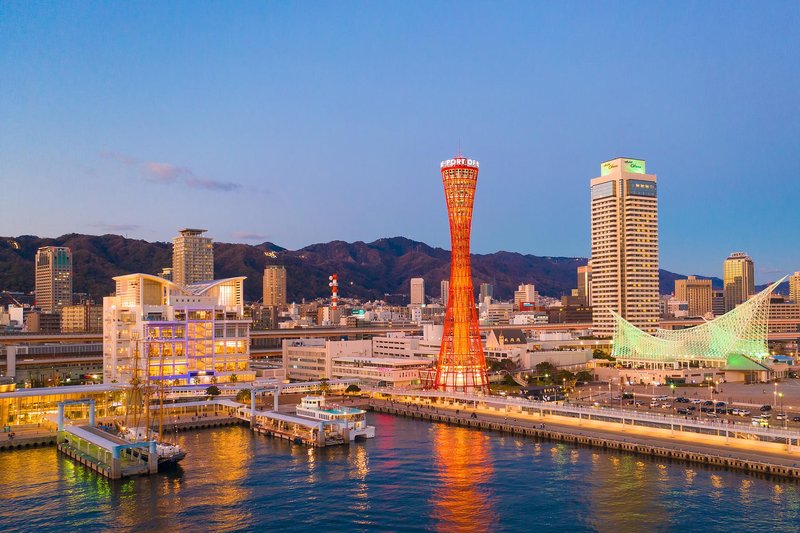
Hotels in Kōriyama
Discover your perfect stay in Kōriyama.
Kōriyama(Japan) Travel 2026: Cheap Flights, Hotels & Top Attractions
Popular Landmarks in Kōriyama
Discover the most iconic attractions in Kōriyama
Recommended Hotels in Kōriyama
Find the perfect place to stay in Kōriyama
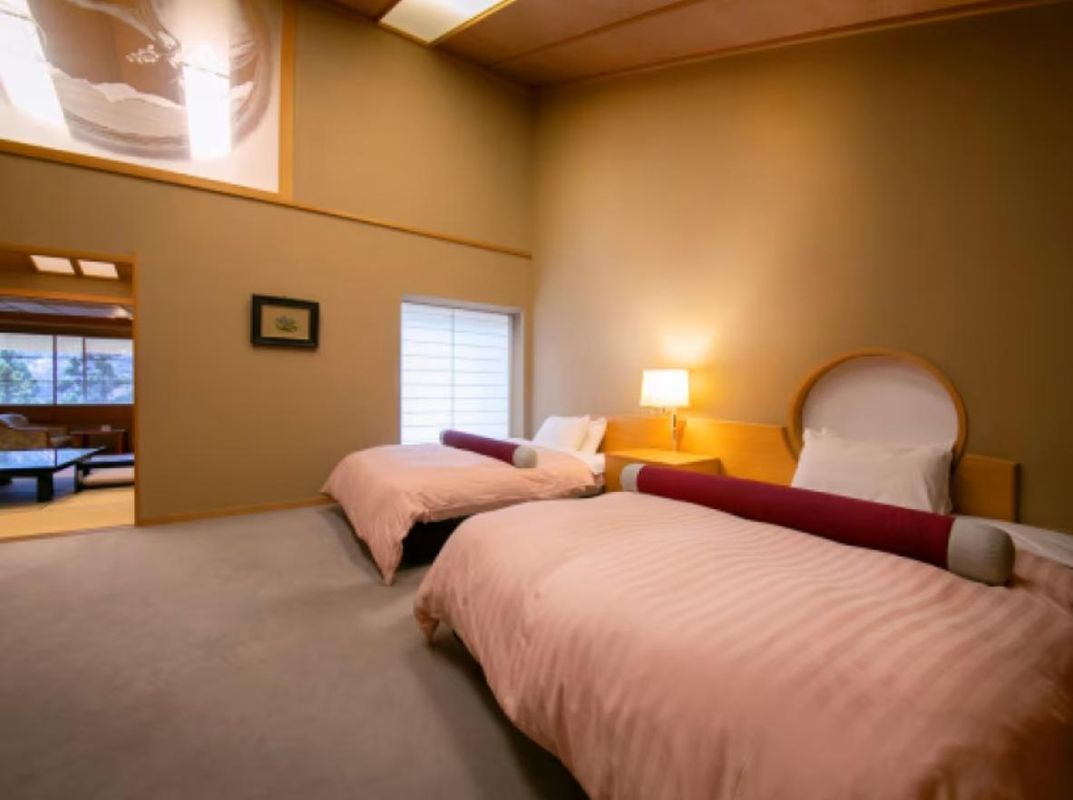
Shikisai Ichiriki
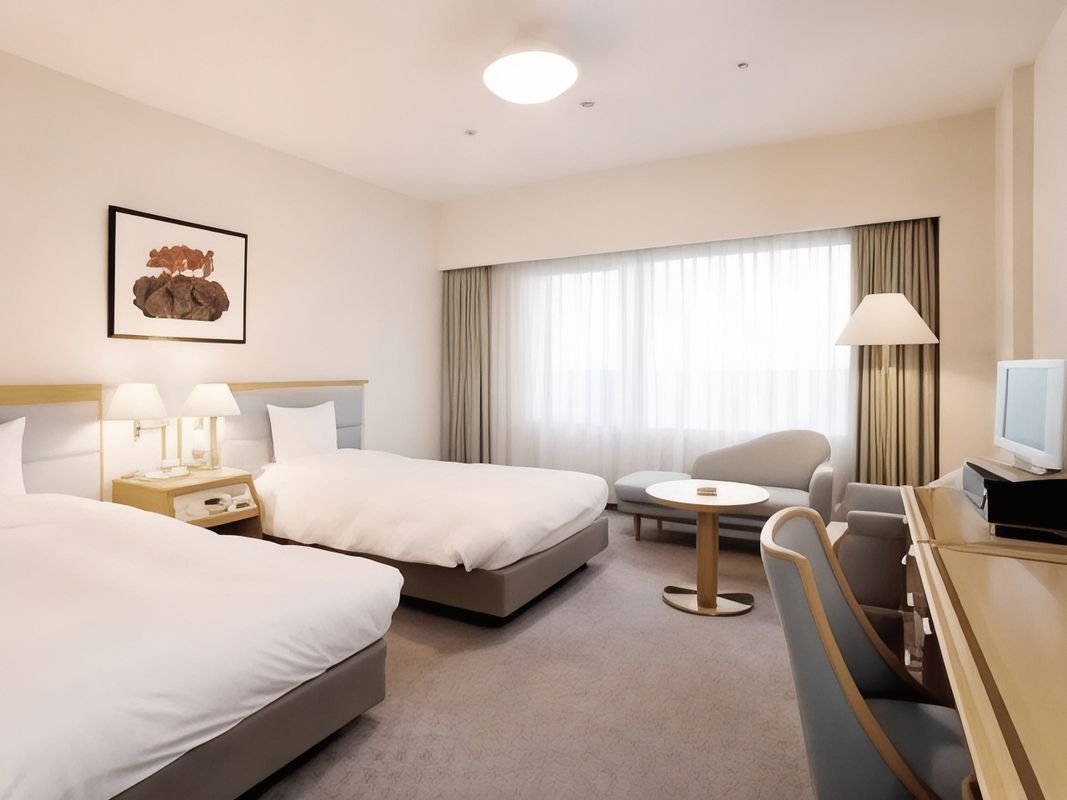
Hotel Hamatsu
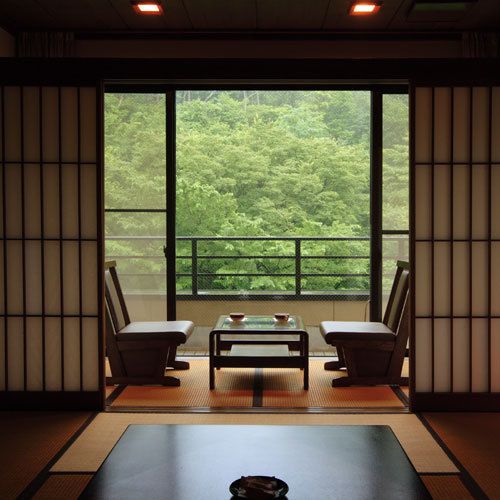
Hatago Shouhaku
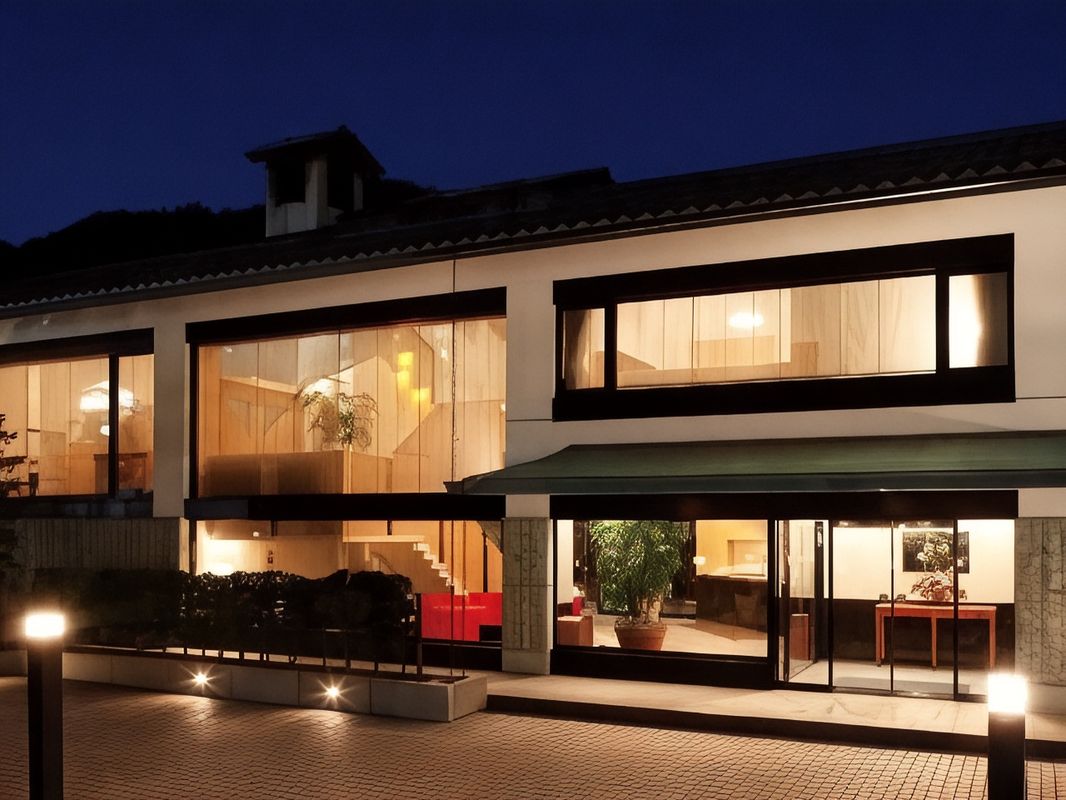
Auberge Suzukane
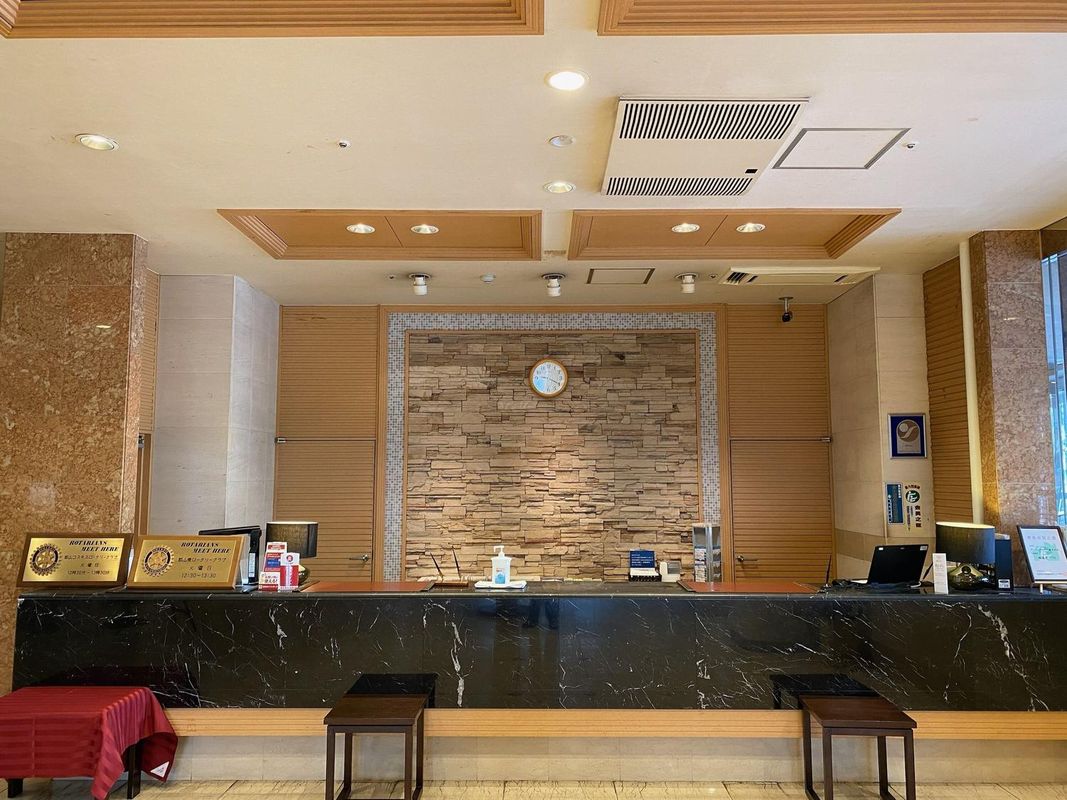
Koriyama View Hotel
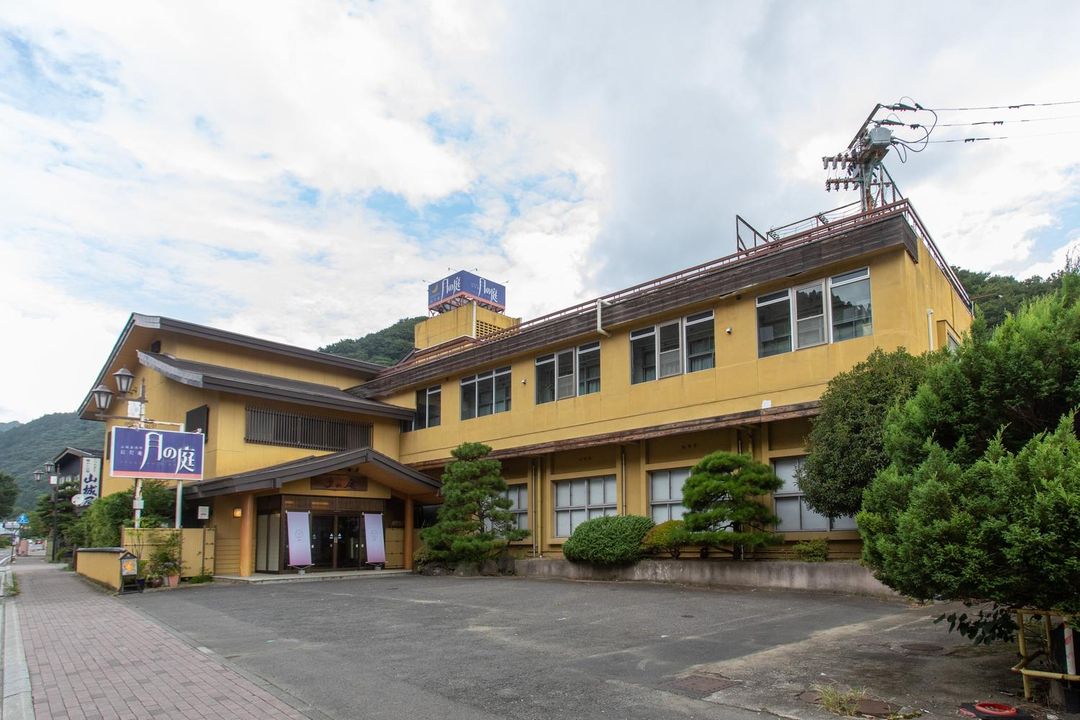
Tabist Yamashiroya Annex Tsuki no Niwa Bandai Atami Onsen
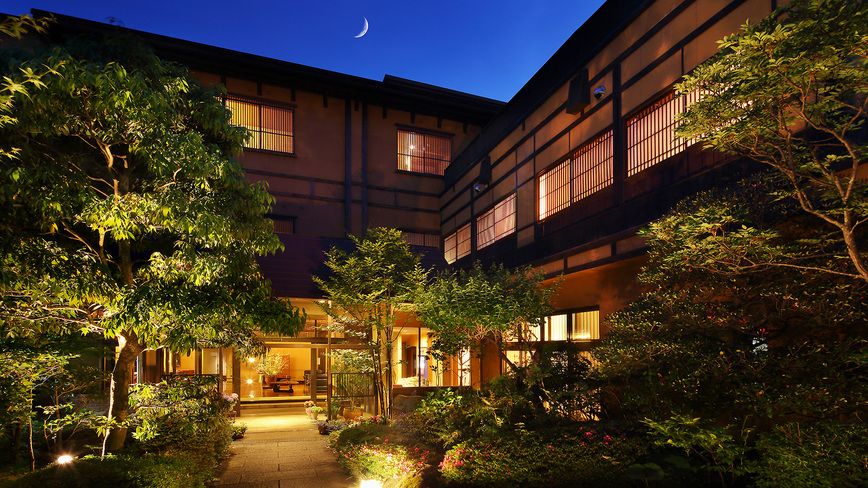
Moritaya
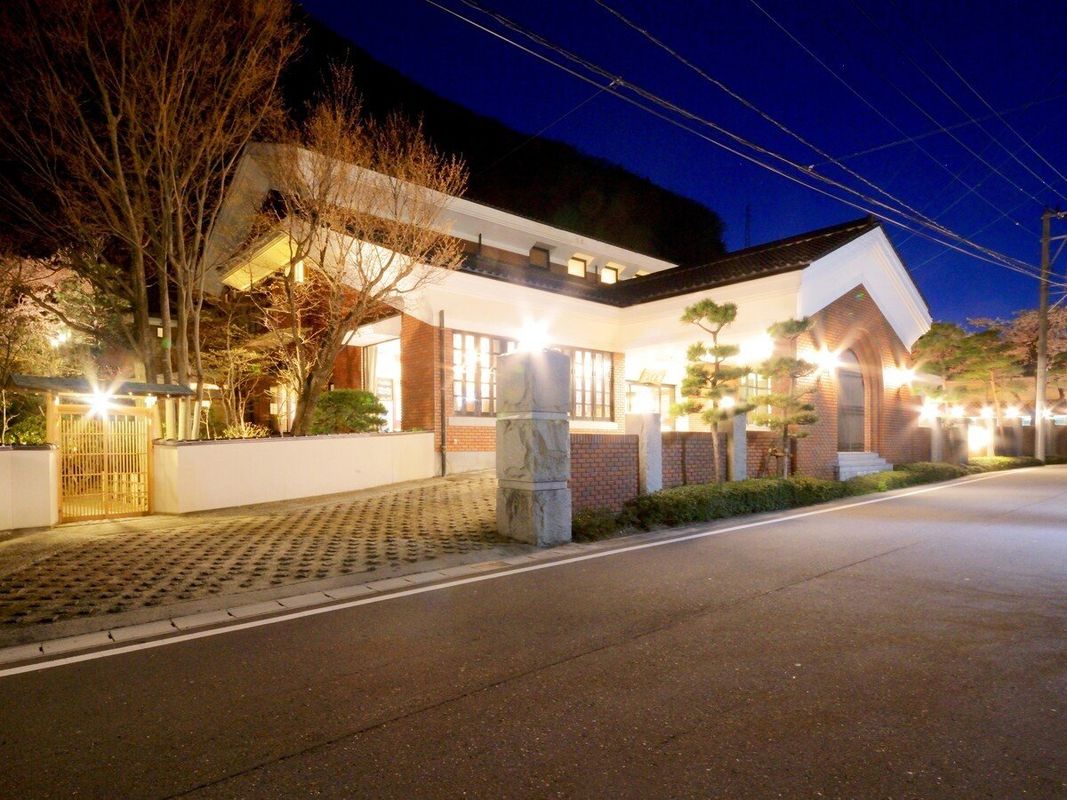
Hanare No Yado Yomogino
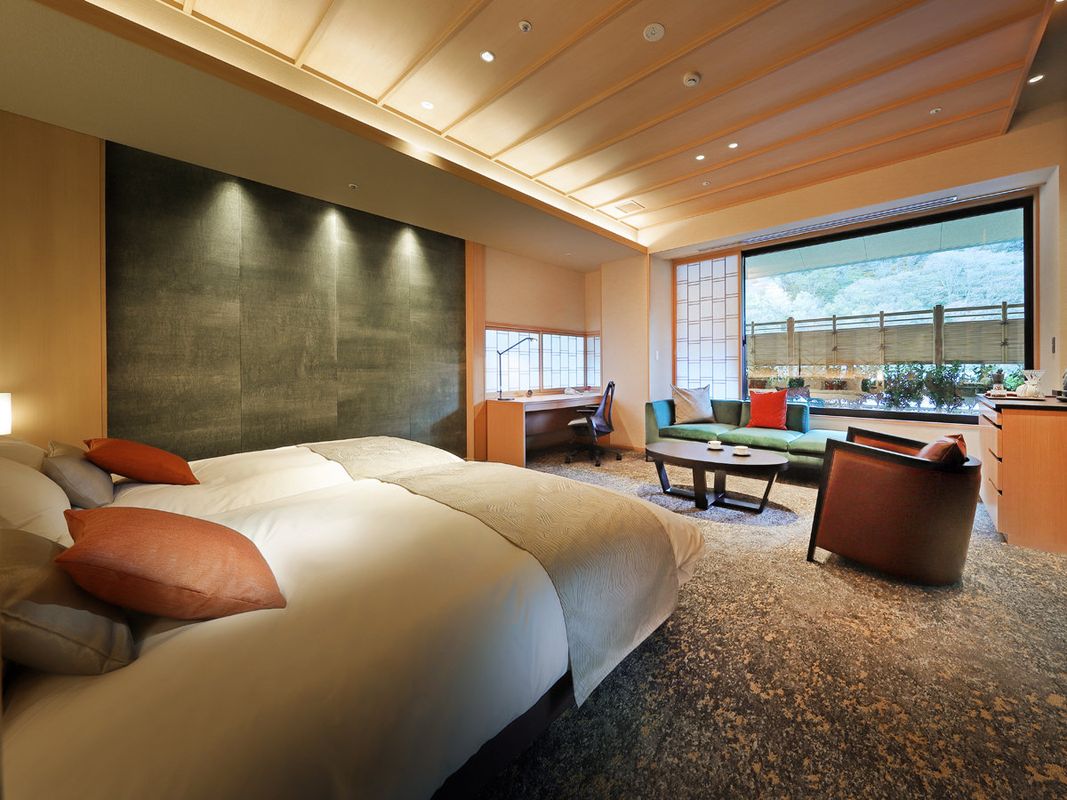
Hotel Hananoyu
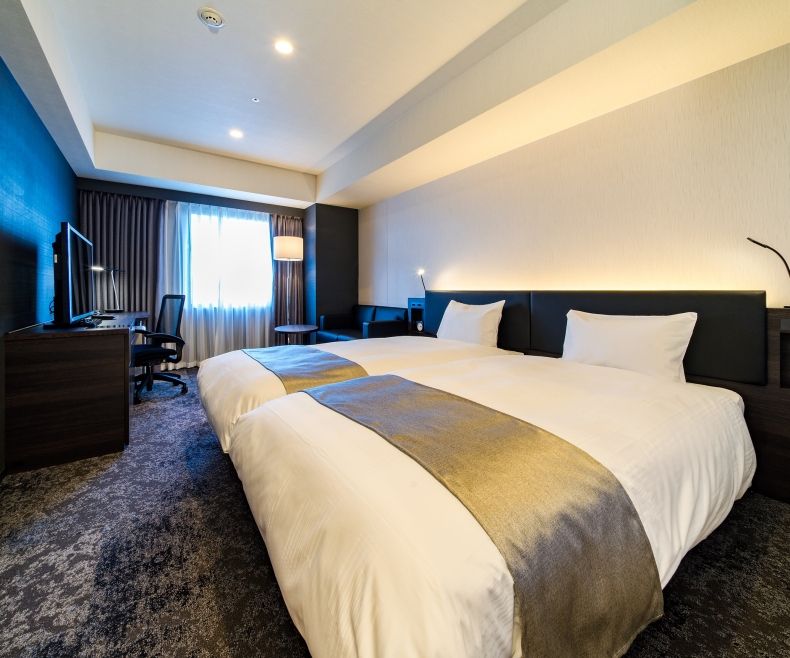
Daiwa Roynet Hotel Koriyama Ekimae
Best Hotels in Kōriyama
Discover curated hotel collections in Kōriyama

The Address Akakura
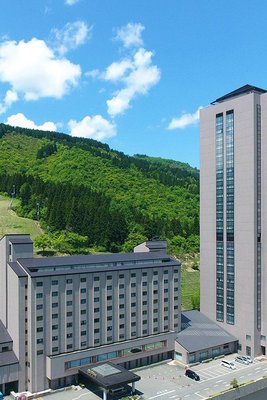
Naspa New Otani
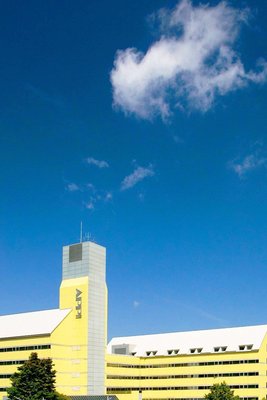
Crowne Plaza - ANA RESORT APPI KOGEN
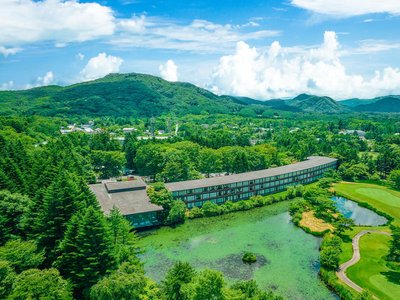
The Prince Karuizawa
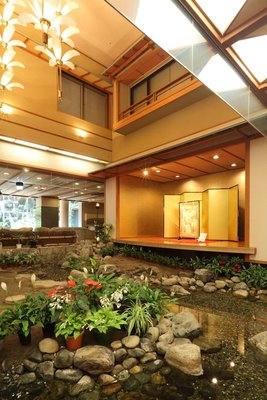
Hotel Futaba
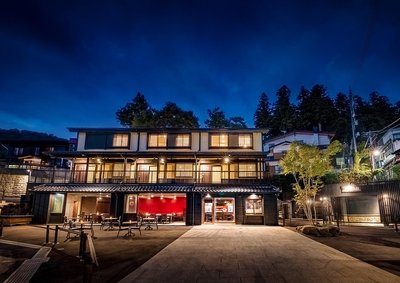
Ryokan Sakaya
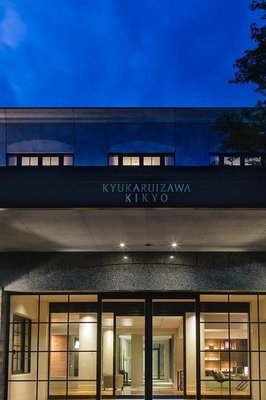
Kyukaruizawa Kikyo, Curio Collection by Hilton
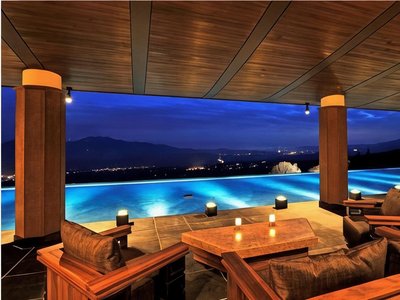
Akakura Kanko Hotel
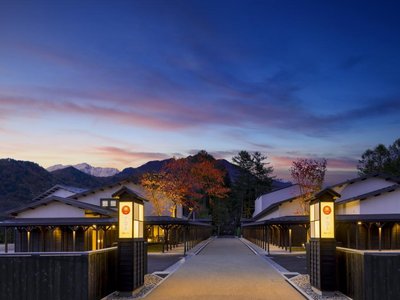
Hoshino Resorts KAI Alps
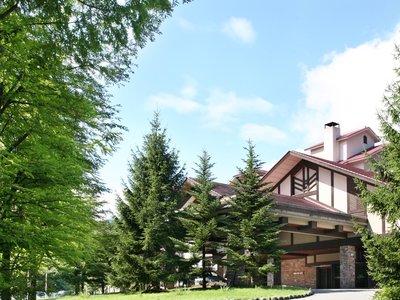
Hakuba Tokyu Hotel
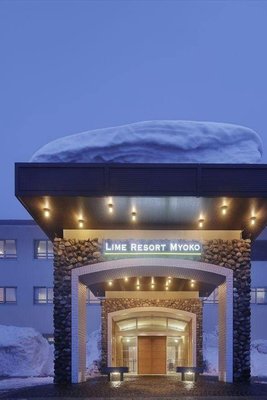
Lime Resort Myoko
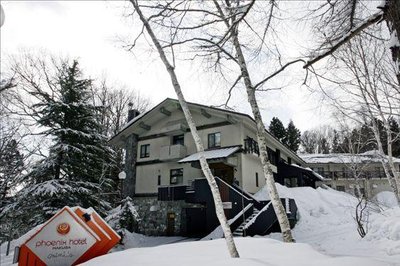
Phoenix Hotel by Hhg
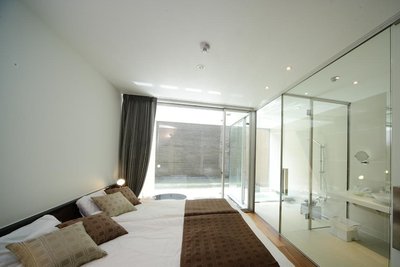
Four Seasons Yuzawa Quattro
Courtyard by Marriott Hakuba
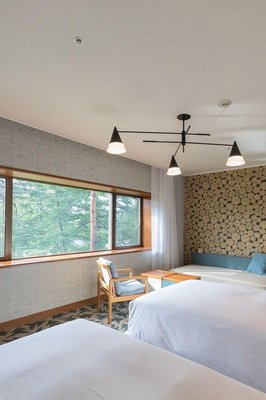
Karuizawa Prince Hotel East
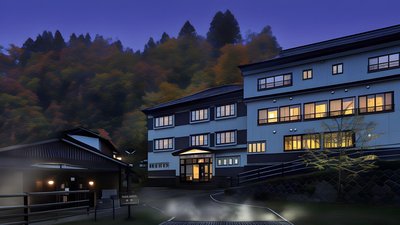
Zao Onsen Omiya Ryokan
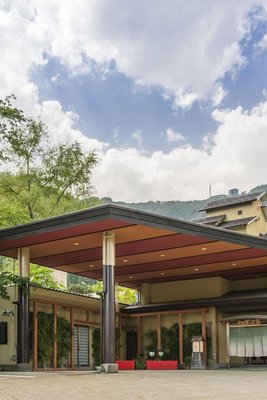
Shosenkaku Kagetsu
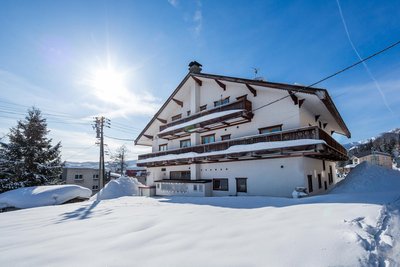
Marillen Hotel by Hhg
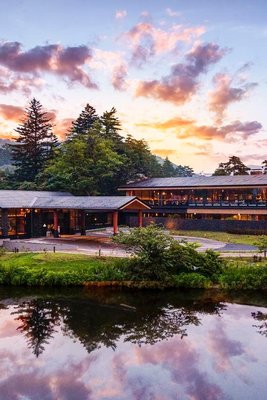
Karuizawa Prince Hotel West
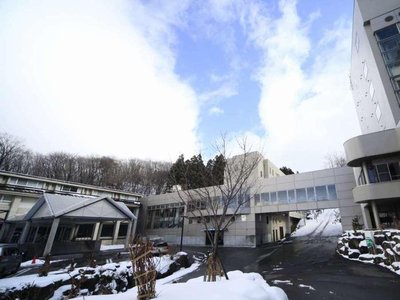
Zao Kokusai Hotel
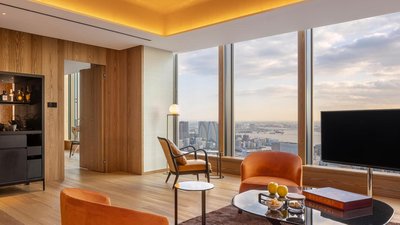
Bvlgari Hotel Tokyo
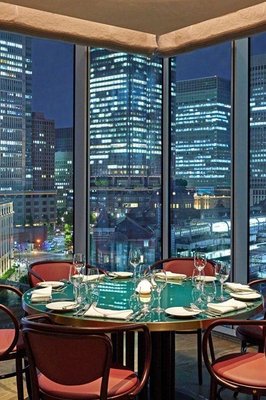
Four Seasons Hotel Tokyo at Marunouchi

Mandarin Oriental, Tokyo
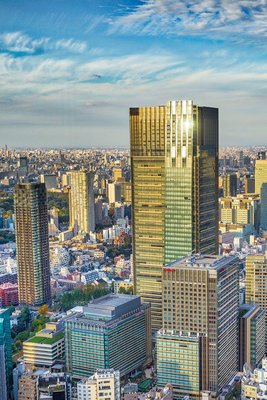
The Ritz-Carlton, Tokyo
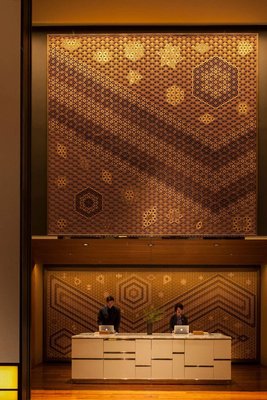
Andaz Tokyo Toranomon Hills- A Concept by Hyatt
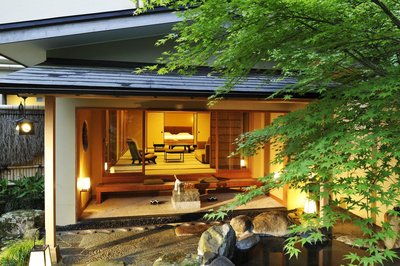
Gora Kadan
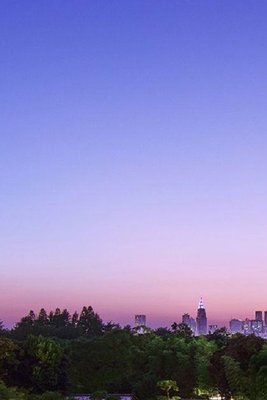
Hotel New Otani Tokyo the Main
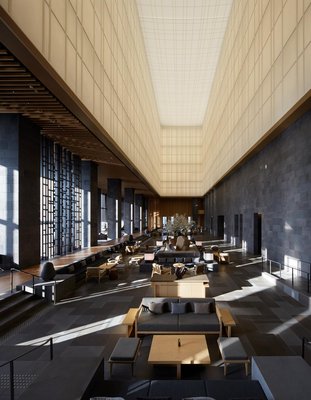
Aman Tokyo
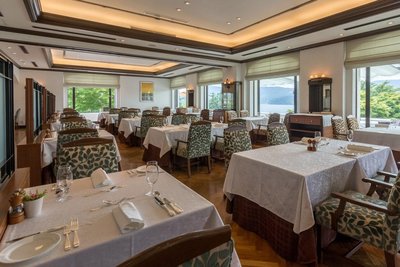
Odakyu Hotel de Yama
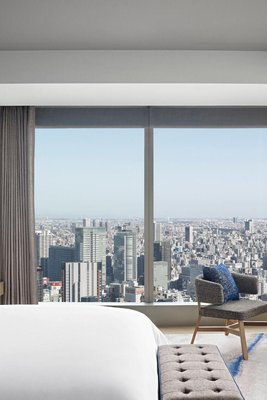
Four Seasons Hotel Tokyo at Otemachi
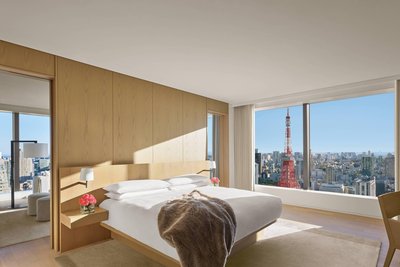
The Tokyo Edition, Toranomon
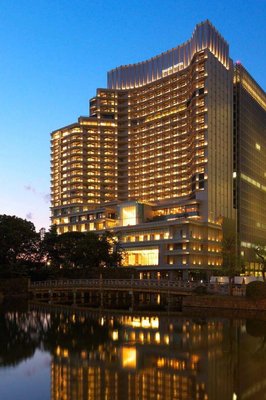
Palace Hotel Tokyo
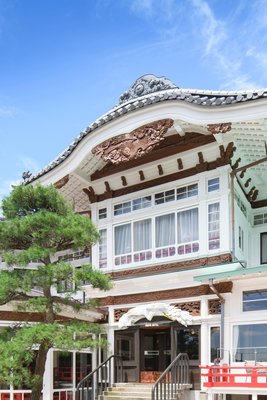
Fujiya Hotel
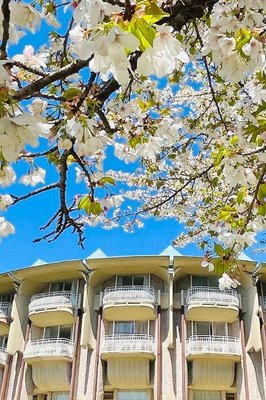
The Prince Hakone Lake Ashinoko
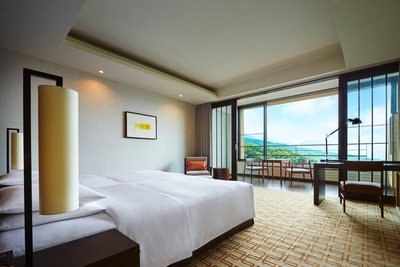
Hyatt Regency Hakone Resort and Spa
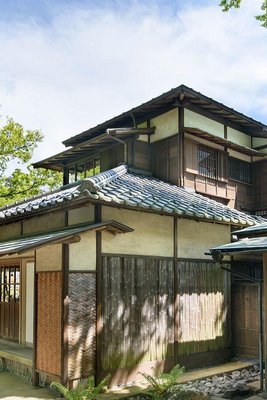
Hakone Suishoen
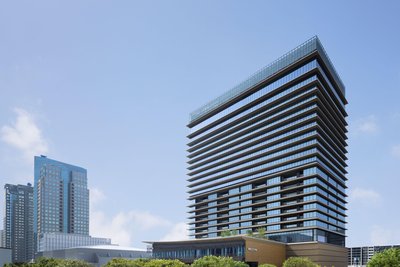
The Westin Yokohama
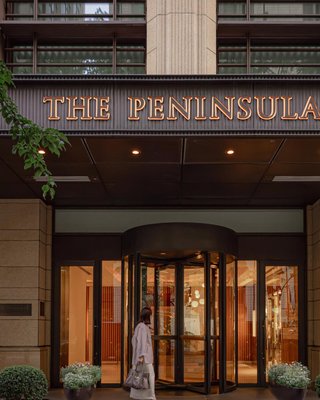
The Peninsula Tokyo

Imperial Hotel, Tokyo
Frequently Asked Questions about Traveling to Kōriyama
Questions You Might Need to Know About Traveling to Kōriyama
In Fukushima City, the top choice is Hotel Sunroute Plaza Fukushima, located just a 2-minute walk from Fukushima Station. This modern hotel offers spacious rooms, free Wi-Fi, and an on-site restaurant serving local cuisine. Its excellent connectivity to the Tohoku Shinkansen makes it ideal for travelers exploring northern Japan. Nearby attractions include Fukushima Prefectural Museum and Yamabiko Park, ensuring both comfort and convenience for business and leisure visitors.
The Fukushima Station area is the most recommended district for first-time visitors. It’s central, well-connected by train and bus, and surrounded by shopping centers like Fukushima Central Market and Takamatsu Shopping Street. Here, you can experience authentic local life—try Fukushima-style gyoza, visit the Fukushima Prefectural Art Museum, or stroll through Matsushita Park. The area also hosts seasonal festivals, making it perfect for cultural immersion.
Tourists can participate in traditional pottery workshops at Fukushima Ceramics Studio, where they learn to craft hand-painted ceramics using local clay. Another highlight is attending the Fukushima Summer Festival (Fukushima Matsuri) in August, featuring taiko drumming, lantern parades, and elaborate yukata costumes. Additionally, visiting Iwaki Shrine offers insight into Shinto rituals and architecture, while the Aizuwakamatsu Castle Ruins provide historical context of the region’s samurai heritage.
Must-try dishes include Fukushima Gyoza, known for their thick skin and savory pork filling, often served with chili oil. Another local favorite is Aizu Beef Sukiyaki, made with tender, marbled beef from the Aizu region, simmered in a sweet soy-based broth. Don’t miss Fukushima Miso Ramen, a hearty bowl with rich miso soup and chewy noodles. These specialties are widely available at restaurants near Fukushima Station and Central Market.
Nearby highlights include Aizuwakamatsu City, home to the historic Aizuwakamatsu Castle, and Kakunodate Samurai District, where preserved Edo-era homes line cobblestone streets. For nature lovers, Mount Bandai offers scenic hiking trails and stunning views of Lake Hibara. Alternatively, visit Yamagata Prefecture’s Tsuruoka City for its vibrant Hachimantai Snow Festival (winter) or Sakura Park (spring). All are accessible within 1–2 hours by train or bus.
Yes, several hotels in Fukushima City cater to international guests. Hotel Sunroute Plaza Fukushima and APA Hotel Fukushima Ekimae provide front desk staff who speak basic English, and some offer multilingual signage. While full-service translation may be limited, many hotels supply digital guest guides and QR codes linking to maps and local info. For better communication, consider using translation apps like Google Translate during check-in or dining.
Traveling from Fukushima City is highly convenient thanks to the Tohoku Shinkansen. It takes only 30 minutes to Sendai, 1 hour to Tokyo, and 2 hours to Akita. Buses also connect to nearby cities like Yamagata and Niigata. With frequent departures and reliable schedules, Fukushima serves as an excellent base for exploring northeastern Japan, including the snow-covered mountains of Hakkoda and the historic towns of Aizu-Wakamatsu.
For stunning photos, visit Fukushima Castle Ruins, especially at sunrise when the stone walls glow under soft light. The Yamabiko Park lake reflects the surrounding trees beautifully in autumn. Iwaki Shrine’s red torii gate stands out against green foliage—a perfect composition. Don’t miss Fukushima Central Market’s food stalls, where colorful ingredients and bustling activity create dynamic street scenes. Early morning or late afternoon provides the best natural lighting.
The best time to visit Fukushima City is spring (April–June), when cherry blossoms bloom along the Yamabiko River and temperatures are mild. Autumn (September–November) offers breathtaking maple foliage around Mount Bandai and Kakunodate. For cultural enthusiasts, August brings the lively Fukushima Matsuri, with fireworks and traditional dances. Winter is quieter but ideal for snow scenery and hot springs in nearby areas like Ginzan Onsen.
Yes, Fukushima City is very safe for solo travelers. The city maintains low crime rates, and locals are known for their hospitality and helpfulness. Public transportation is reliable and well-marked, making navigation easy even for first-time visitors. Many cafes, museums, and parks welcome individuals, and smartphone apps like Google Maps ensure smooth wayfinding. Solo travelers can enjoy a peaceful, welcoming atmosphere throughout the day and night.
Kōriyama Overview
City Summary
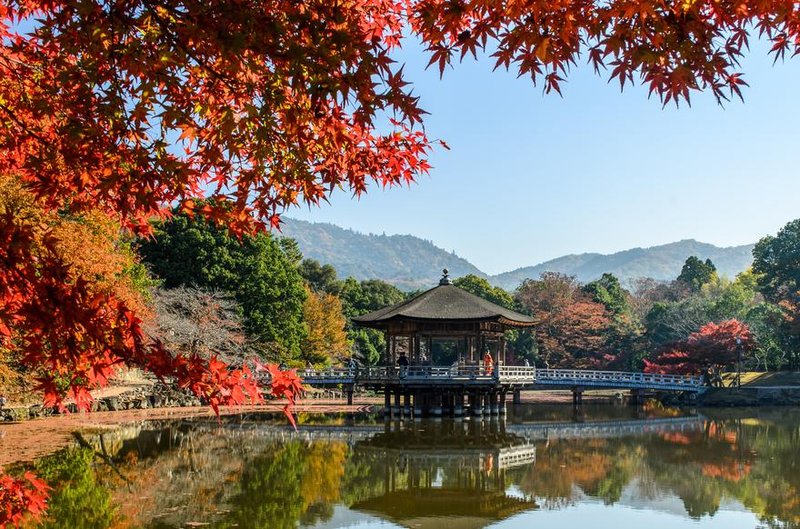
Koriyama City, located in central Fukushima Prefecture, is a hub blending natural beauty with urban convenience. Famous for the seasonal landscapes of Abukuma Highlands (cherry blossoms in spring, crimson foliage in autumn), it's also Fukushima's largest economic center offering modern shopping complexes alongside traditional hot springs like Ashinomaki Onsen.
Must-See Attractions
Top attractions include Koriyama Art Museum featuring local artists, and Kaiseizan Park renowned for cherry blossoms. At Koriyama Nunami Town, try handmade washi paper workshops. For nightlife, catch live bands at Hip Pop Japan. Don't miss the illuminated tunnels at Flower Park during winter.
Food Guide
Must-try teppanyaki gyoza (pan-fried dumplings with crispy skins) and Fukushima ramen with rich chicken broth. At "Ajinodaiou", savor sweet Naruto taiyaki fish cakes. Local sweets include mochi dumplings made with Aizu rice. Conveyor-belt sushi restaurants offer fresh Pacific seafood.
Transportation Guide
City buses (Fukushima Kotsu) cover major spots. From Koriyama Station, JR Tohoku Shinkansen reaches Sendai/Fukushima in 15-30 mins. Taxis charge ¥730 initially; use "Jalan Taxi" app. Note mountain roads may require winter tires from December to March.
Best Time to Visit
Best seasons: Early April (cherry blossoms) and October-November (autumn leaves). Avoid mid-August Obon holidays. Winter offers snowy onsen views but pack thermal wear.
Travel Tips
- Hot springs require no swimwear; tie up long hair
- Keep coins/IC cards (Suica) for buses
- Supermarkets discount prepared foods after 8PM
- Some old shops accept cash only
- Earthquake shelters at Koriyama Station plaza
- Separate trash into burnable/non-burnable/recyclables
Useful Information
Language: English assistance at train station info desks Wi-Fi: 7-11 stores offer 500MB/week free access (registration required) Payments: UnionPay accepted at malls; carry ¥30,000/person in cash Emergencies: Koriyama City Hospital (024-924-1111) has 24/7 ER Voltage: 100V, Type A/B plugs compatible