Hotels in Kōsa
Discover your perfect stay in Kōsa.
Kōsa(Japan) Travel 2026: Cheap Flights, Hotels & Top Attractions
Popular Landmarks in Kōsa
Discover the most iconic attractions in Kōsa
Recommended Hotels in Kōsa
Find the perfect place to stay in Kōsa
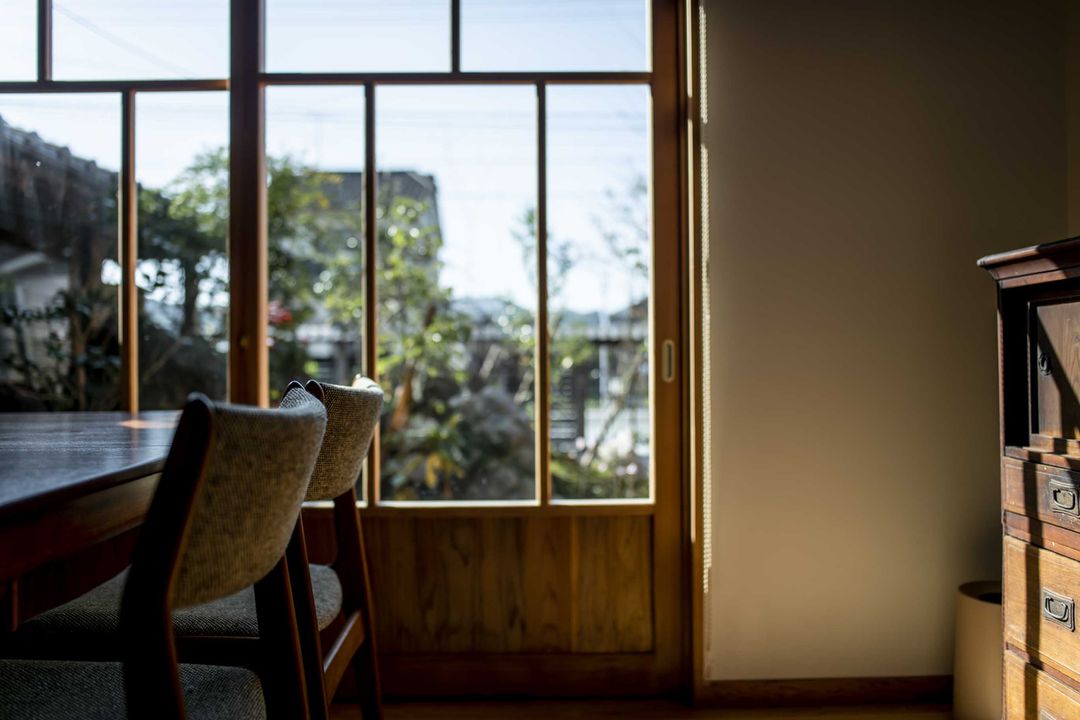
Nipponia Kosa Canal Town
Best Hotels in Kōsa
Discover curated hotel collections in Kōsa
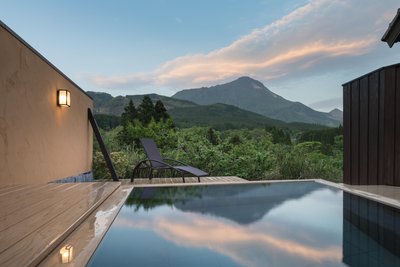
Ikkoten
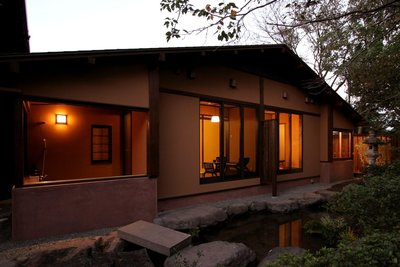
SEKIYA RESORT Bettei Haruki
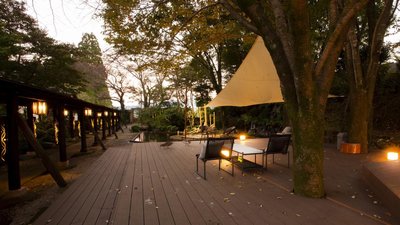
Chikurakutei

The Royal Park Canvas Fukuoka Nakasu
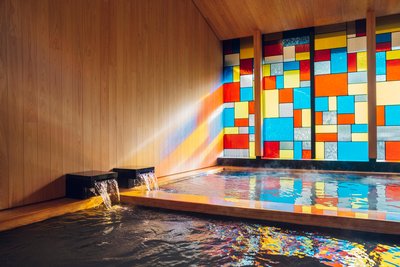
Hoshino Resorts Kai Unzen

Alfacio Resort Stay Itoshima

Ureshino Yadoya

seven x seven itoshima
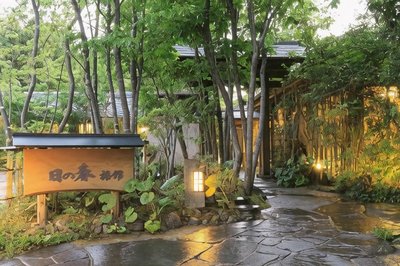
Yufuin Onsen Hinoharu Ryokan
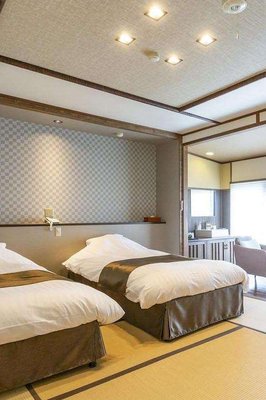
Sozankyo
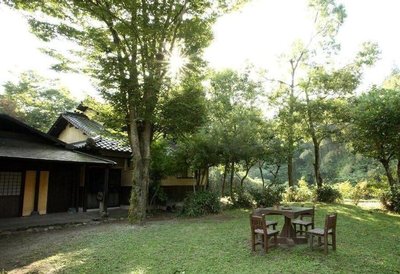
Yamashinobu
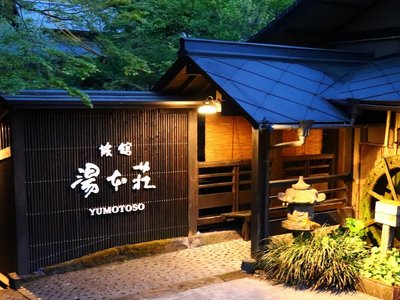
Ryokan Yumotosou
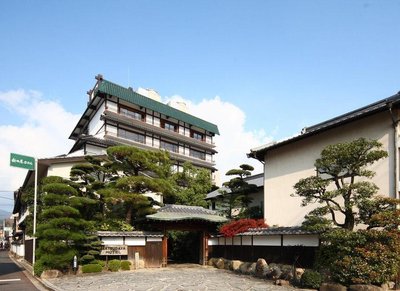
Matsudaya Hotel
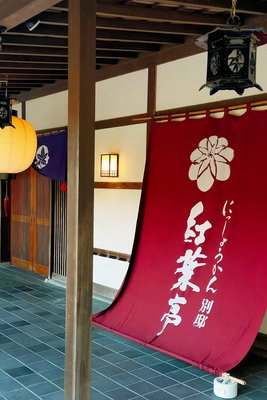
Nisshokan Bettei Koyotei
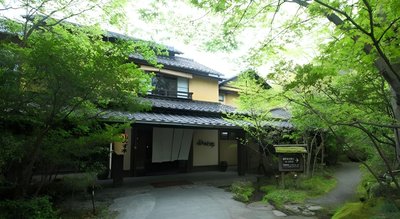
Kurokawaonsen Yamamizuki
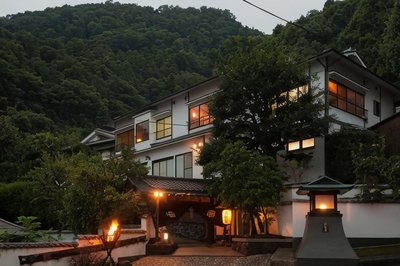
Beppu Showaen
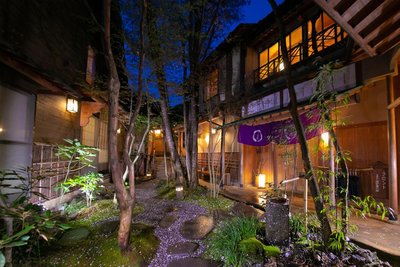
Oyado Ichizen
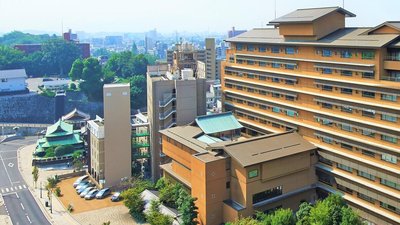
Yamatoya Honten

Garden Terrace Nagasaki Hotel & Resort
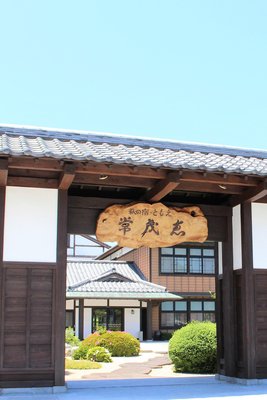
Hagi No Yado Tomoe
Garden Terrace Nagasaki Hotel & Resort

Holiday Inn Resort Miyazaki

Yufuin Kotobuki Hananosho

Karatsu Seaside Hotel
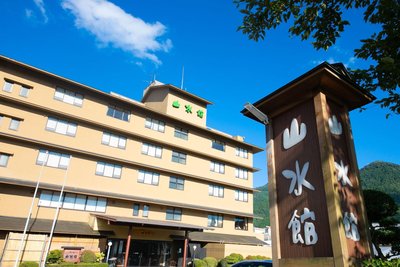
Yufuin Sansuikan
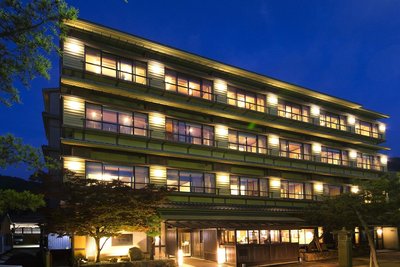
Kinsuikan
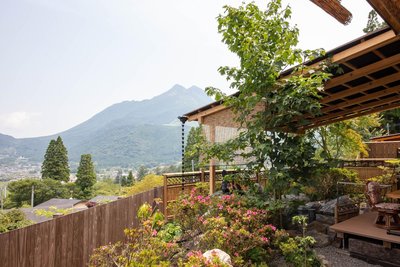
Yufuin-Sanso Waremokou
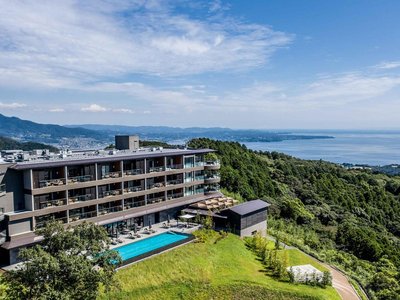
Ana InterContinental Beppu Resort & Spa
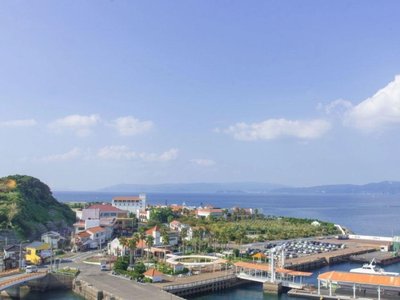
I+Land Nagasaki

The OneFive Villa Fukuoka

LiVEMAX RESORT MIYAHAMA ONSEN OCEAN
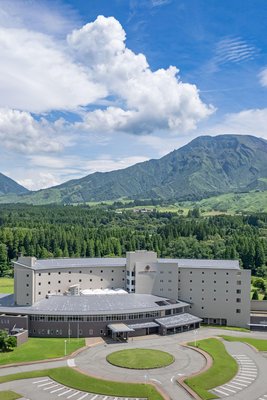
KAMENOI HOTEL ASO

Amane Resort Gahama

SEKIYA RESORT GALLERIA MIDOBARU

Beppu Suginoi Hotel

Phoenix Seagaia Ocean Tower
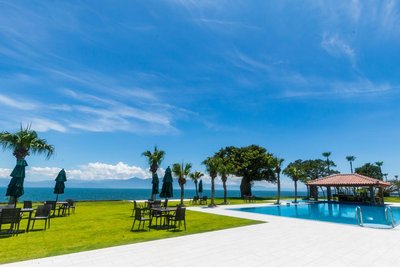
Kagoshima Sunamushi Onsen Ibusuki Hakusuikan
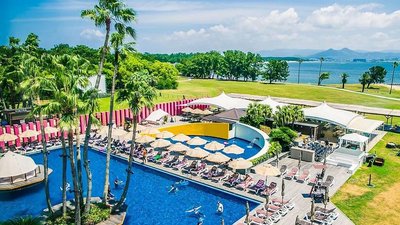
The Luigans Spa and Resort
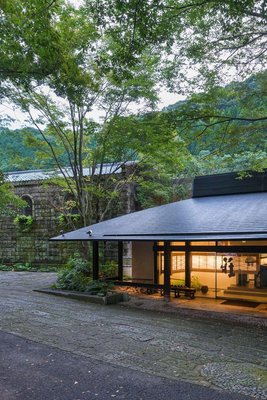
Myoken Ishiharaso

SHIROYAMA HOTEL kagoshima
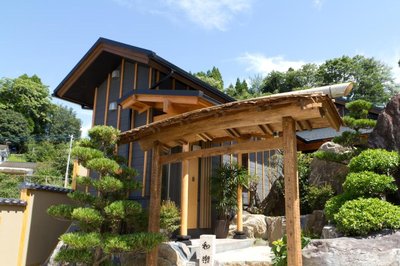
Ryokan Shinsen
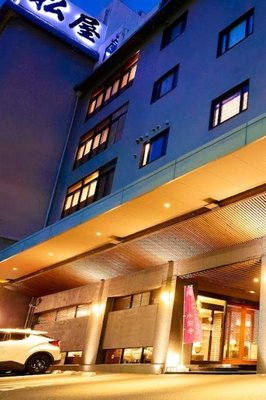
Ryotei Matsuya Honkan Suizenji
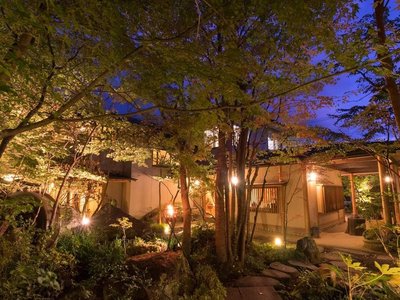
Ryoso Yufuin Yamadaya
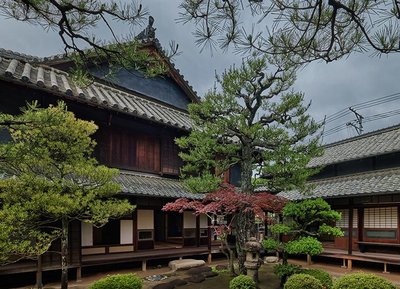
NIPPONIA HOTEL Takehara Saltworks Town
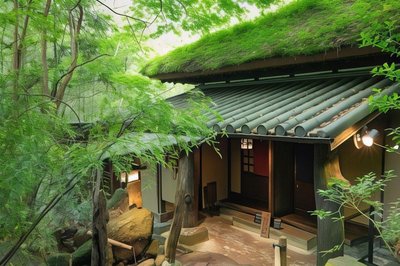
Sanso Tensui
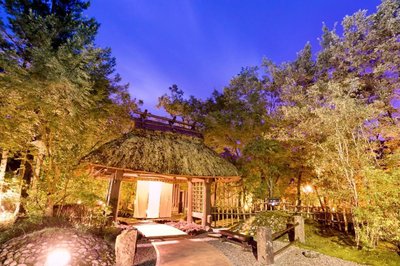
Satonoyu Waraku
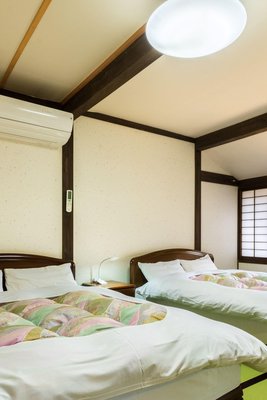
Tobise Onsen Tenga Sanso
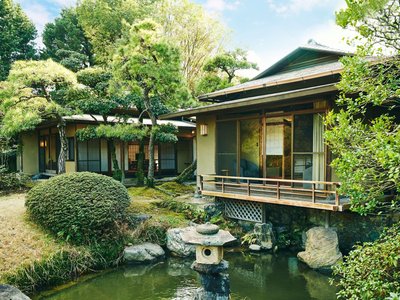
Suisui Garden Ryokan (in the Art Hotel Kokura New Tagawa)
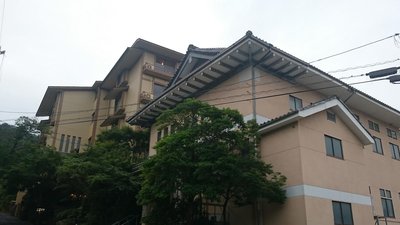
Miyajima Hotel Makoto
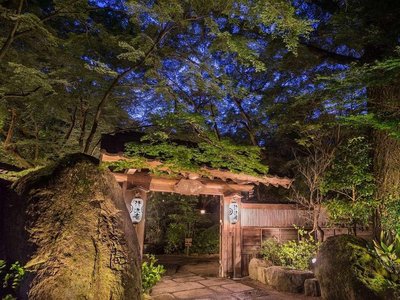
Akizuki Spa Ryokan Seiryuan
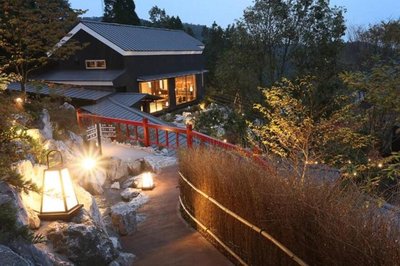
Gekkoju Kurokawa

Sheraton Kagoshima
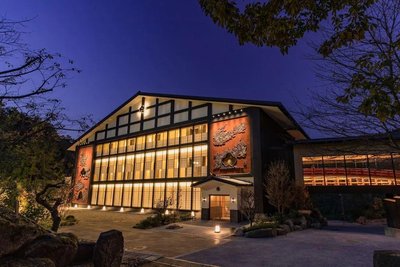
Okuhita Onsen Umehibiki

Nagasaki Marriott Hotel
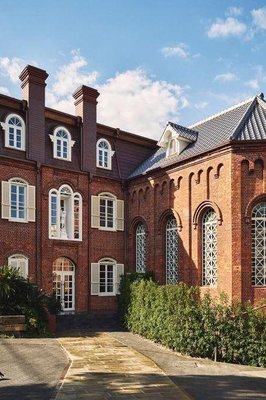
Hotel Indigo Nagasaki Glover Street by IHG

Stadium City Hotel Nagasaki

ONE FUKUOKA HOTEL
Ryokan Shinsen
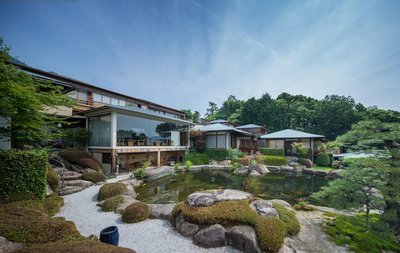
SEKITEI

Yamatoya Besso

Hilton Fukuoka Sea Hawk

Olive Bay Hotel
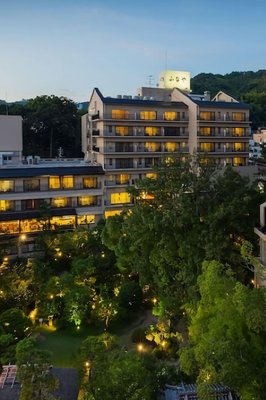
Funaya
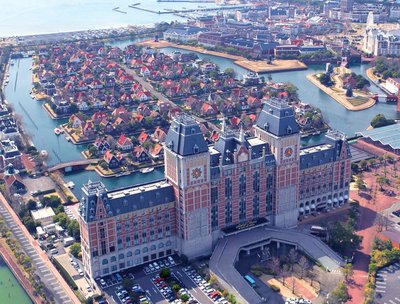
Hotel Okura Jr Huis Ten Bosch

Bettei Oborozukiyo

La Vista Kirishima Hills
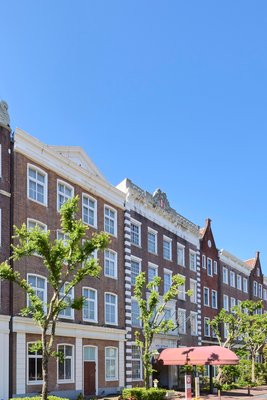
Hotel Amsterdam Huis Ten Bosch

Yumotoankiyohime
Ana InterContinental Beppu Resort & Spa

TheMana Village
Amane Resort Gahama

Hotel Barrière Fouquet's New York

The Plaza - A Fairmont Managed Hotel

The Ritz-Carlton New York, Central Park

Four Seasons Hotel New York

The St. Regis New York

Park Hyatt New York

Mandarin Oriental New York

Times Square Edition New York

Loews Regency New York Hotel

Lowell Hotel

New York Edition

Baccarat Hotel New York

Equinox Hotel New York

Four Seasons Hotel New York Downtown

The Langham, New York, Fifth Avenue

The Carlyle, A Rosewood Hotel

The Chatwal, in the Unbound Collection by Hyatt

The Mark New York

Trump International Hotel & Tower® New York
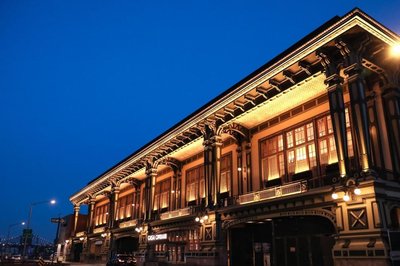
Casa Cipriani New York
Frequently Asked Questions about Traveling to Kōsa
Questions You Might Need to Know About Traveling to Kōsa
In Kasago Town, the top choice for a traditional stay is Kasago Onsen Ryokan, a beautifully preserved wooden inn nestled in the mountains near Kuma River. It features authentic tatami rooms, private onsen baths, and seasonal kaiseki meals using local ingredients like black pork and wild mushrooms. The property blends Edo-era architecture with modern comfort, offering guests a serene escape into rural Kyushu life. Nearby, Yama no Mori Minshuku provides a family-run experience with garden views and hands-on farming activities, perfect for travelers seeking cultural immersion and quiet authenticity.
The central district of Kasago Town is ideal for tourists seeking easy access to both nature and culture. Located just steps from the Kasago Town Tourist Information Center, this area hosts several guesthouses, farms, and small shops selling local produce. From here, visitors can quickly reach Takachiho Gorge, Mount Aso’s caldera trails, and seasonal festivals like the Rice Planting Festival. The town’s compact layout makes it walkable, while shuttle services connect to nearby hiking routes and hot spring resorts, ensuring seamless exploration of Kyushu’s natural beauty and heritage.
Visitors to Kasago Town can participate in authentic pottery workshops at Kasago Ceramics Village, where they learn ancient techniques using local clay. During summer, the Rice Planting Festival offers interactive rice planting contests, folk music performances, and tasting of homemade sake. Another highlight is visiting the Old Agricultural Cooperative Warehouse, which preserves historical farming tools and documents sustainable practices. These immersive experiences offer a rare glimpse into the heart of rural Kyushu’s traditions, connecting travelers with land, labor, and community spirit.
The hot springs in Kasago Town are sourced from deep volcanic aquifers beneath Mount Aso, resulting in mineral-rich waters high in sulfur and silica—ideal for skin health and joint relief. At Seiran no Yu, one of the premier onsen inlets, guests enjoy open-air baths surrounded by forested mountains, with panoramic views of dawn mist rising over valleys. Many ryokans also serve onsen + local cuisine packages, featuring dishes made with organic black pork and fresh mountain vegetables. The therapeutic quality and tranquil setting make these springs a standout destination for wellness-focused travelers.
Yes, Yumemi Sō, a family-run guesthouse in Kasago Town, offers spacious tatami rooms, a safe outdoor garden, and child-friendly amenities including toys and storytime sessions. Families can join hands-on activities like rice planting, bamboo weaving, or local fruit picking during seasonal harvests. The house serves farm-to-table breakfasts with ingredients from its own garden. Located just 15 minutes from Kasago Nature Education Center, it’s an excellent base for eco-tours and wildlife discovery. With warm hospitality and thoughtful design, it’s perfect for creating lasting family memories.
Kasago Town is highly accessible by car, located about 40 minutes from Kumamoto City via National Route 218. The roads are well-maintained with clear signage, and free parking is available at most lodgings and attractions. While public transport exists (including buses from Kumamoto Station), renting a car offers greater flexibility to explore remote spots like Takachiho Gorge and Aso’s lava fields. Many guesthouses provide complimentary pickup service, making travel stress-free. The town's small size also allows for easy walking between key sites, blending convenience with rural charm.
Near Kasago Town, the must-visit natural attractions include Takachiho Gorge, a breathtaking canyon carved by the Takachiho River, known for its emerald waters and towering cliffs. Just beyond, the Aso Caldera Trail offers sweeping views of Japan’s largest active volcano and surrounding lava plains. In autumn, the Kasago River Valley transforms into a vibrant red and gold tapestry during peak foliage season. For stargazers, Oobu Highlands provides dark-sky conditions perfect for night sky viewing. All these sites are part of the Aso National Park, preserving pristine ecosystems and geological wonders.
When visiting Kasago Town, be sure to try black pork shabu-shabu, a delicacy made from locally raised Kasago Black Pork, known for its rich marbling and tender texture. Another must-try is Kumamoto potato stew, simmered with wild greens and kombu broth, delivering a hearty, earthy flavor. Don’t miss the chance to taste handcrafted local barley sake, brewed using traditional methods. Seasonal fruits such as citrus and strawberries are also freshly harvested and sold at roadside stalls. Most restaurants source ingredients directly from nearby farms, ensuring freshness and authenticity in every bite.
Kasago Town hosts vibrant seasonal events: Cherry Blossom Festival in spring features river-side picnics and taiko drumming; Rice Planting Festival in summer includes paddling races and folk concerts; Autumn Leaf Viewing Festival invites visitors to hike through crimson forests and enjoy roasted chestnuts; and Winter Lantern Festival lights up the town center with paper lanterns and ice sculptures. Additionally, monthly local markets showcase handmade pottery, organic produce, and regional crafts. These events reflect the town’s deep connection to agriculture and nature, offering travelers unforgettable cultural moments tied to the rhythm of the seasons.
Guesthouses in Kasago Town embody local heritage through materials, design, and daily rituals. Many use cedar beams, thatched roofs, and washi paper screens, reflecting centuries-old building traditions. Inside, you’ll find displays of old farming tools, family photos, and handmade textiles, telling stories of the community’s past. Some offer tea ceremonies, kimono fittings, and seasonal cooking classes, allowing guests to engage deeply with rural Japanese life. The emphasis on sustainability—using local wood, food, and water—creates an atmosphere of harmony with nature, making each stay not just a visit, but a living cultural experience.
Kōsa Overview
City Summary
Kosa Town, located in the central part of Kumamoto Prefecture, Japan, is a peaceful rural town known for its traditional agriculture and natural scenery. Surrounded by lush mountains and rice fields, it showcases the classic charm of the Japanese countryside. With its rich historical culture, including ancient shrines and traditional festivals, Kosa Town is an ideal destination for experiencing rural Japan.
Must-See Attractions
Must-see spots in Kosa Town include the historic Kosa Shrine, renowned for its exquisite architecture and serene atmosphere. The countryside views and mountain trails are also popular among visitors, perfect for hiking or cycling to explore the natural beauty. Annual traditional festivals, such as the autumn harvest festival, offer deep insights into local culture.
Food Guide
Local cuisine in Kosa Town focuses on fresh agricultural products. Must-try dishes include local specialties like "Kosa Rice" and "mountain vegetable tempura." The town's izakayas (Japanese pubs) also serve a variety of traditional snacks and sake, making them great places to experience local food culture.
Transportation Guide
Public transportation in Kosa Town mainly relies on buses, which connect to Kumamoto City and nearby towns. Due to the town's compact size, renting a bicycle or walking is recommended to fully enjoy the rural charm. From Kumamoto City, the bus ride takes about 1 hour. Self-driving is another convenient option for flexible travel.
Best Time to Visit
The best time to visit is during spring (March to May) and autumn (September to November), when the weather is mild and the scenery stunning. Spring offers cherry blossoms, while autumn features local harvest festivals. Summers can be hot and humid, and winters may bring occasional snowfall, so pack accordingly.
Travel Tips
- Respect local culture: Follow shrine etiquette, such as purifying hands and mouth before entering.
- Eco-friendly travel: The town is pristine—avoid littering.
- Transport notes: Buses are infrequent; check schedules in advance.
- Language: English is limited; learn basic Japanese phrases or use a translation app.
- Payment: Small shops often accept cash only; carry yen.
- Photography etiquette: Ask for permission before photographing locals or private properties.
Useful Information
Language: Japanese is the main language; English is rare—consider a translation app. Internet: Wi-Fi coverage is limited in some areas; rent a pocket Wi-Fi or use a SIM card. Payment: Cash is dominant; credit cards are accepted in cities but rare in small towns. Emergency: The nearest hospital is in Kumamoto City; clinics handle minor issues. Carry basic medications. Voltage: 100V, Type A plugs (same as U.S. standards).









