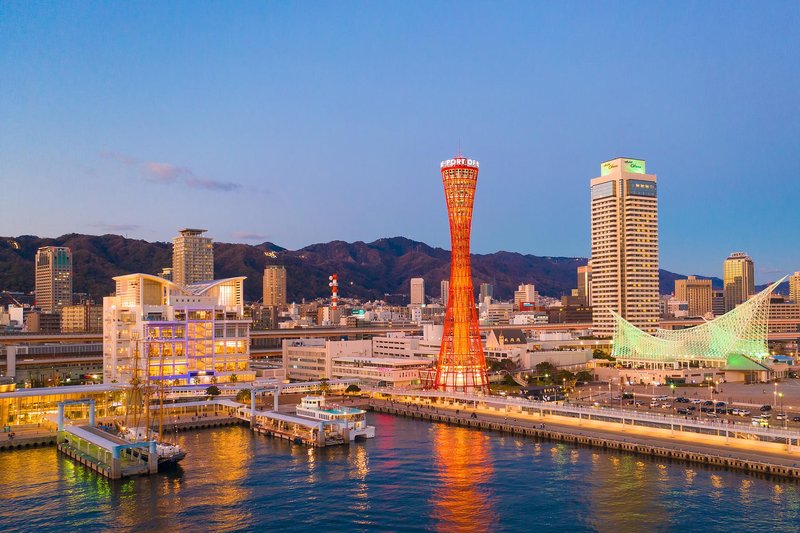
Hotels in Kōshū
Discover your perfect stay in Kōshū.
Kōshū(Japan) Travel 2026: Cheap Flights, Hotels & Top Attractions
Popular Landmarks in Kōshū
Discover the most iconic attractions in Kōshū
Recommended Hotels in Kōshū
Find the perfect place to stay in Kōshū
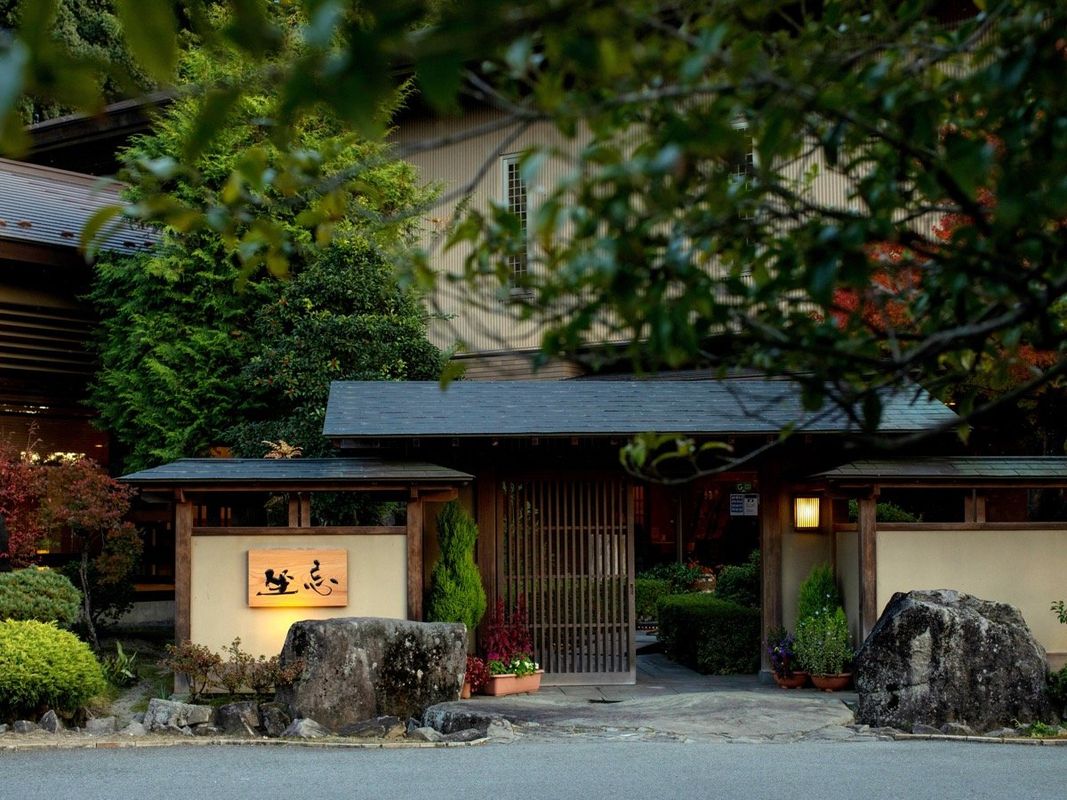
Fuefukigawa Onsen Zabou
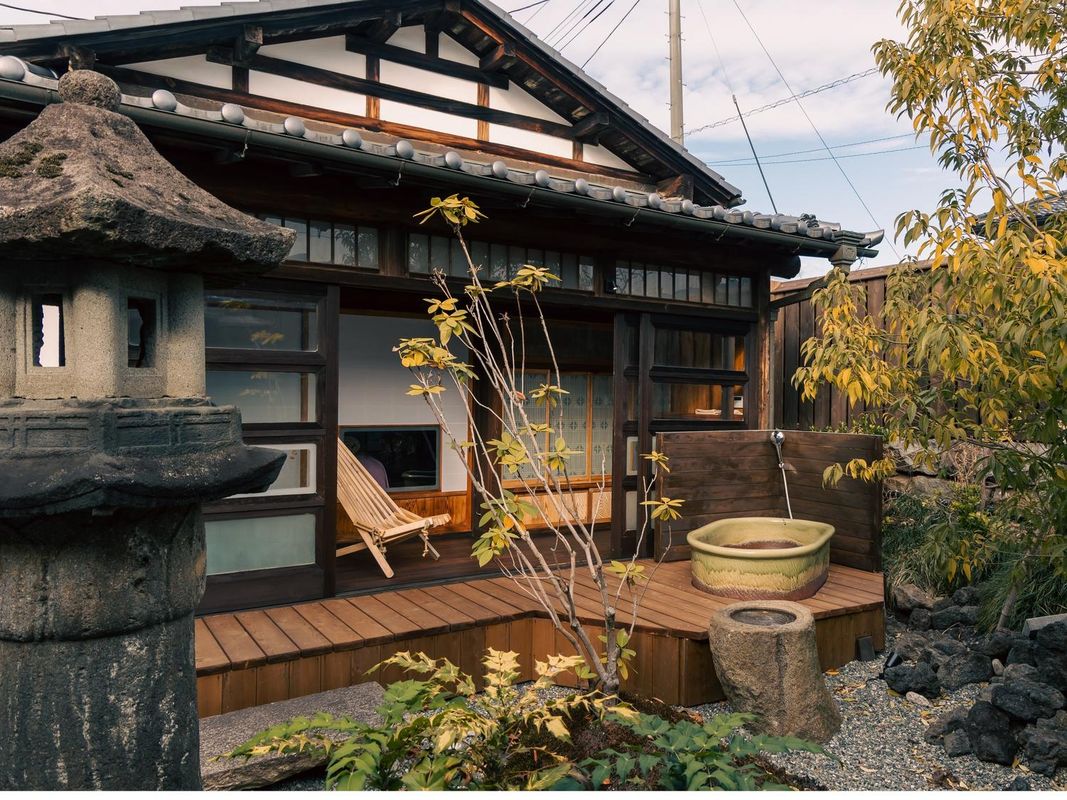
Kominkayado Loof Tsutanoie
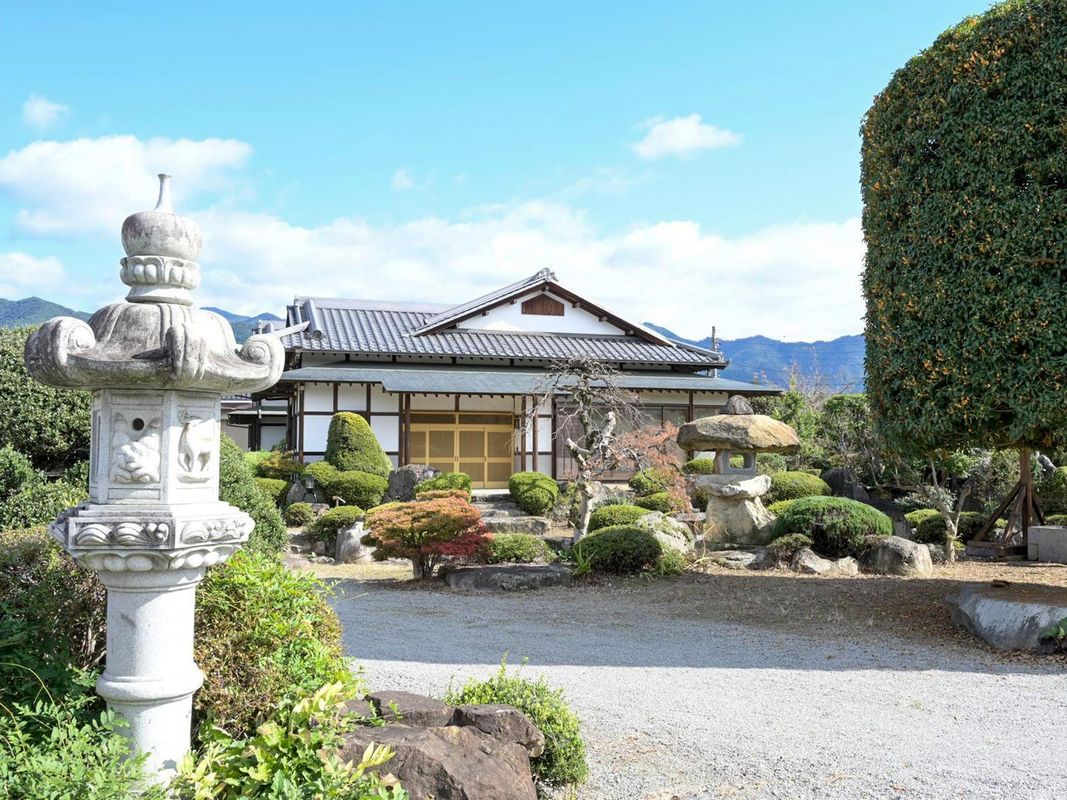
KazenoRyoan-Fuga
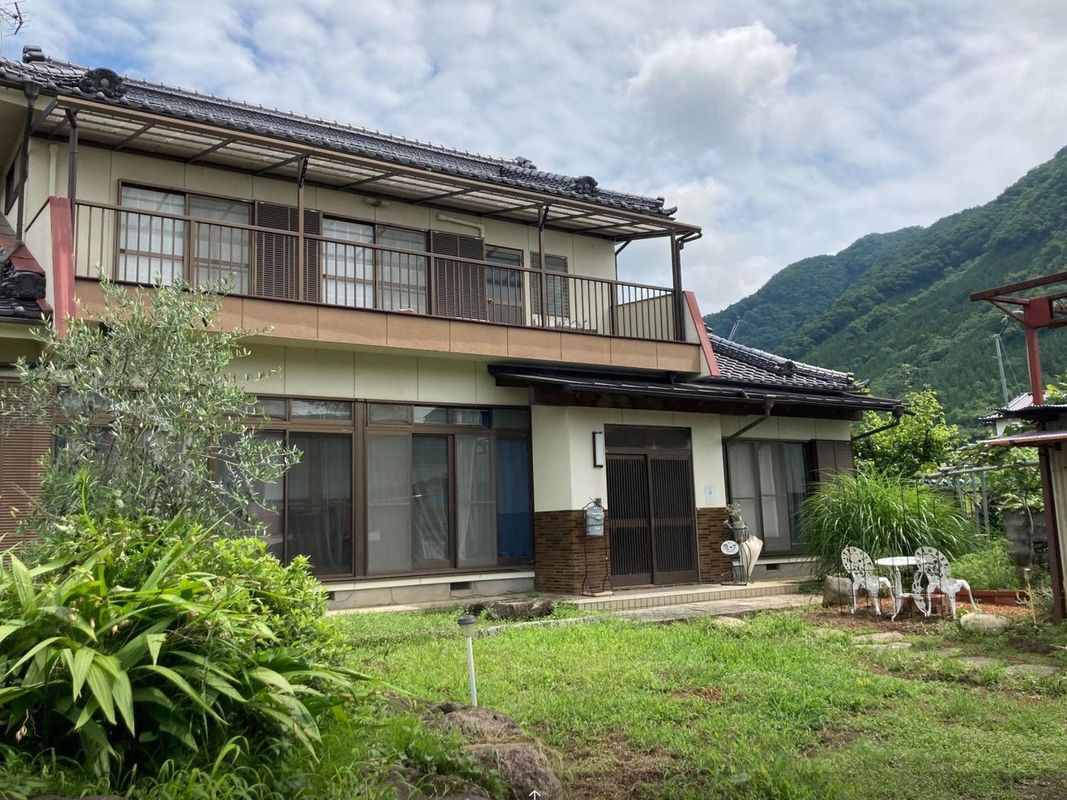
Grape Mama
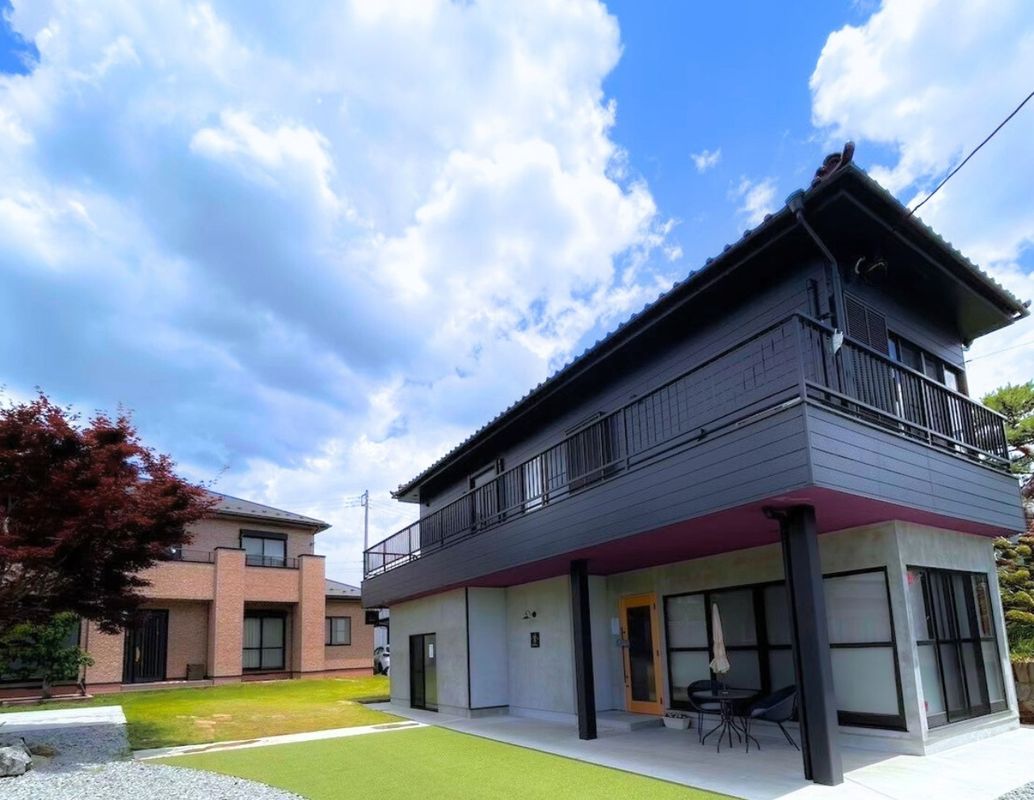
Inn with a View of Fruits
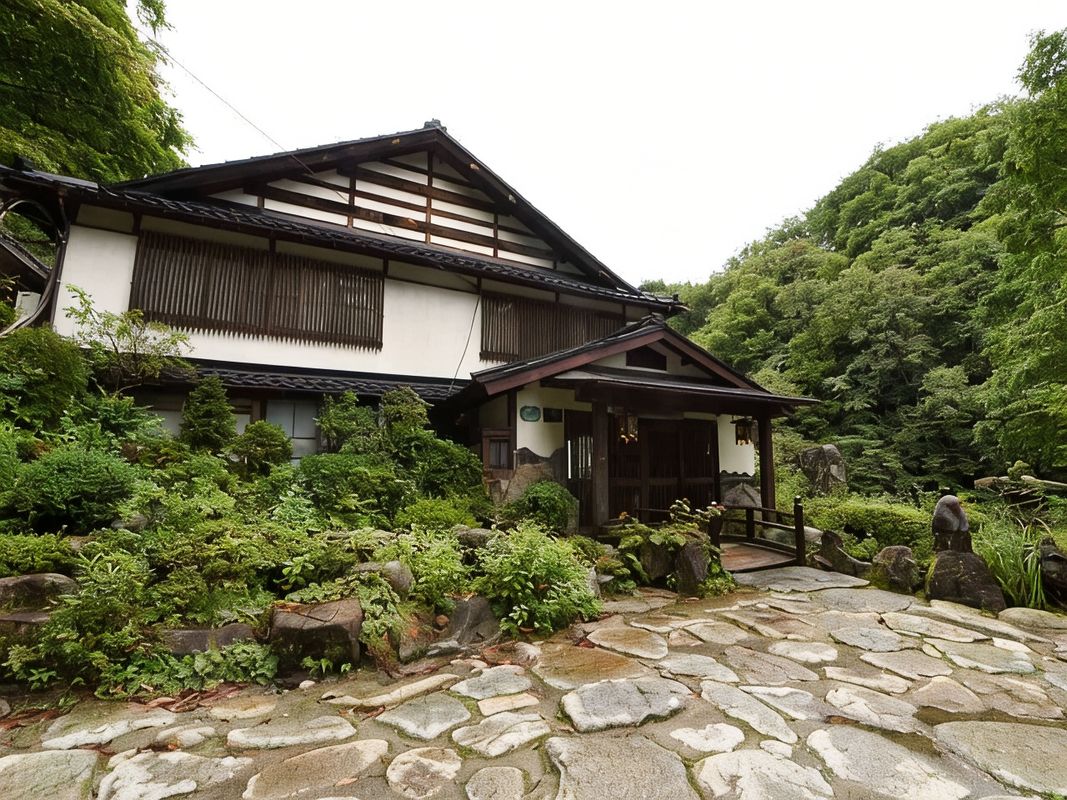
Sagashiokan
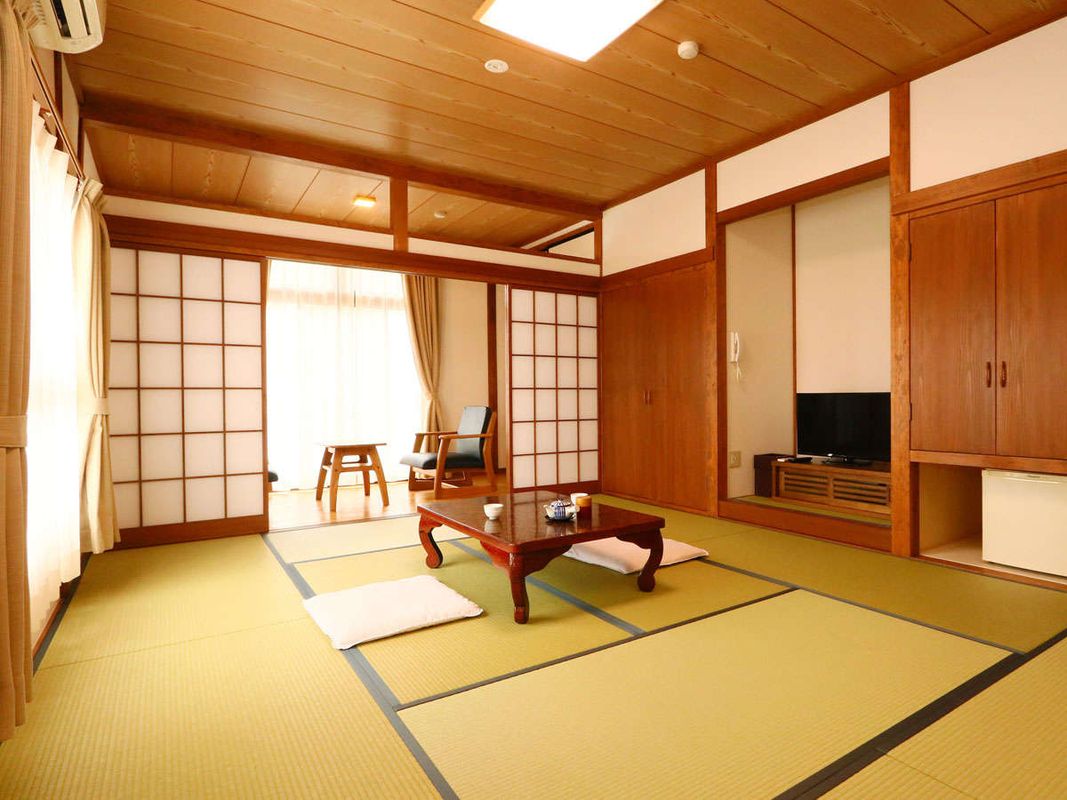
Nakamura Ryokan
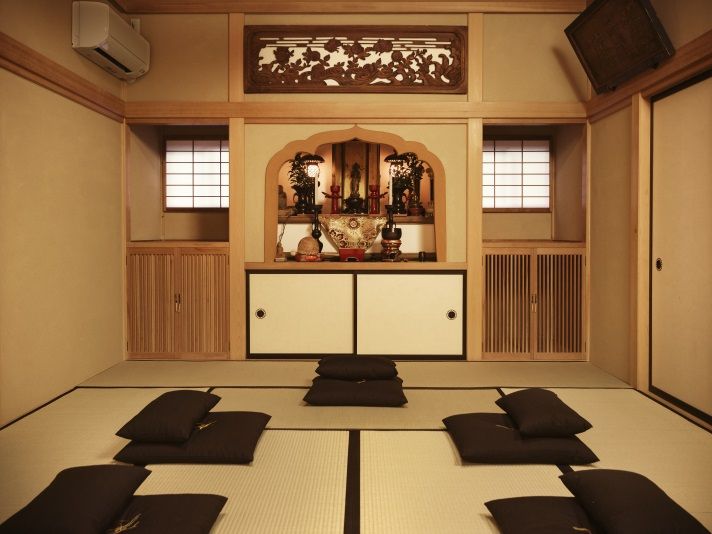
Zen&Bed Bogetsu-An
Best Hotels in Kōshū
Discover curated hotel collections in Kōshū
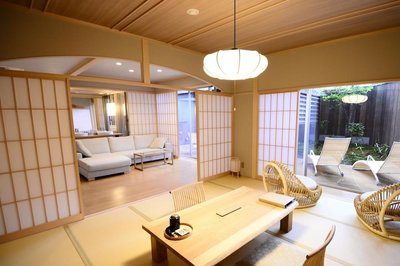
Hakone Gora Byakudan
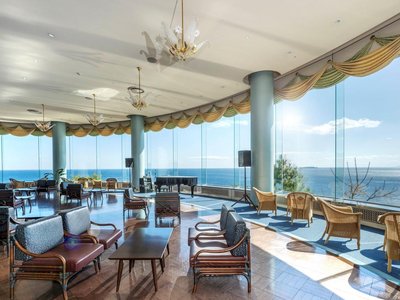
Hotel New Akao
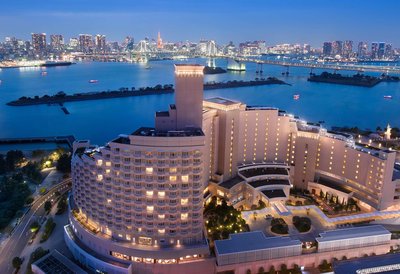
Hilton Tokyo Odaiba
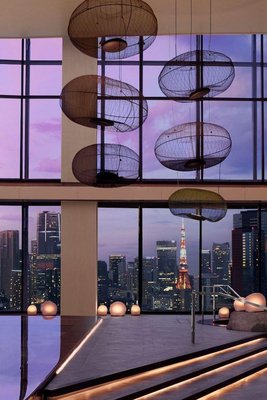
JW Marriott Hotel Tokyo
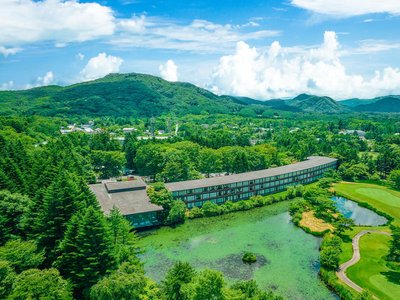
The Prince Karuizawa
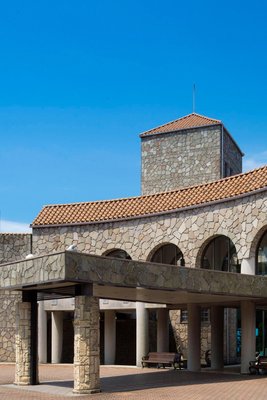
Izumigo Hotel Altia Toba
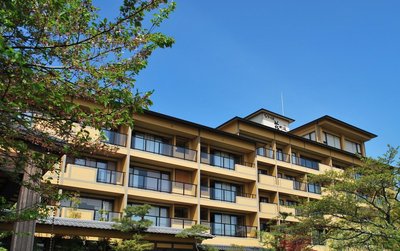
BIWAKO HANAKAIDO
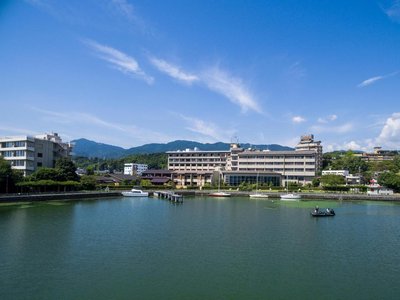
Biwako Ryokusuitei

The Kukuna
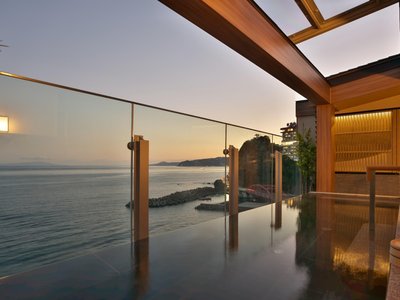
Hotel New Sagamiya
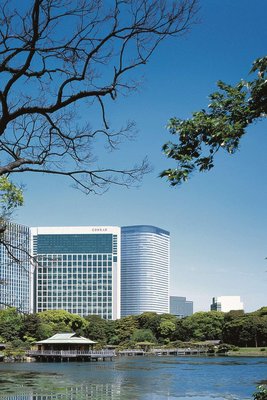
Conrad Tokyo
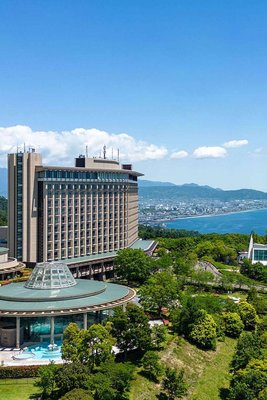
Hilton Odawara Resort & Spa
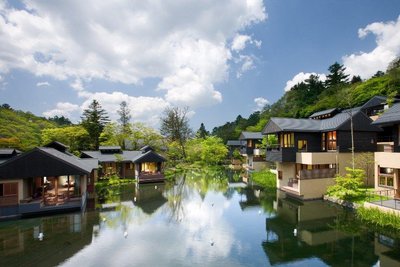
Hoshinoya Karuizawa
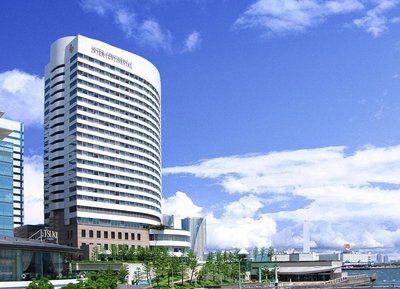
InterContinental Tokyo Bay
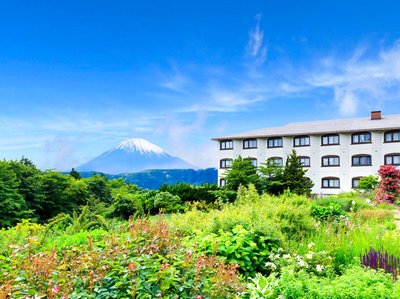
Hotel Green Plaza Hakone
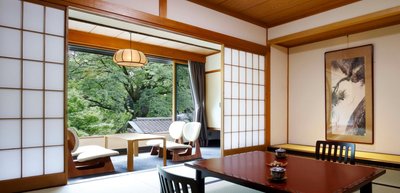
Yoshiike Ryokan
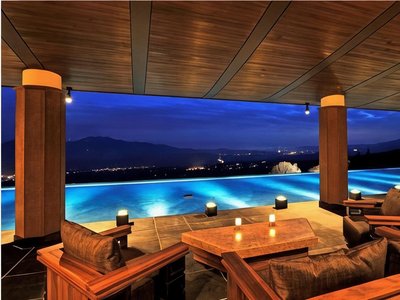
Akakura Kanko Hotel
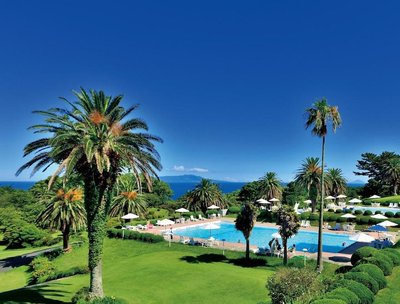
Kawana Hotel
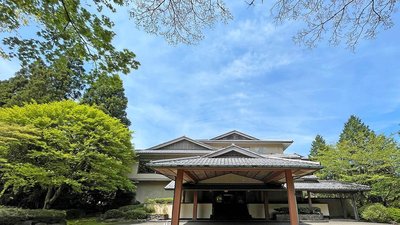
Ryuguden
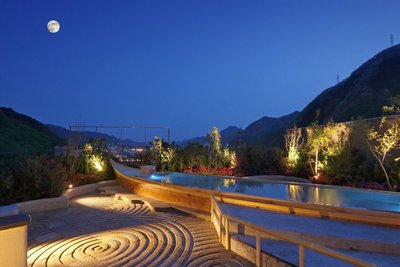
Asaya
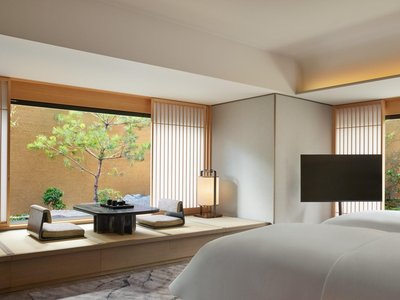
Dusit Thani Kyoto
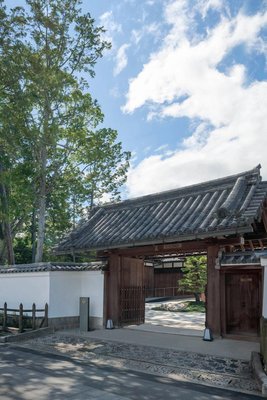
Shisui, a Luxury Collection Hotel, Nara

Hilton Kyoto
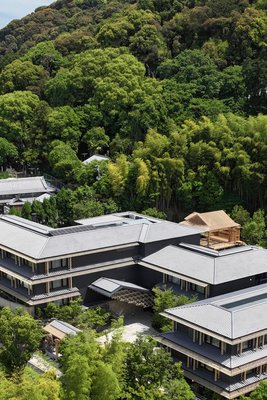
Banyan Tree Higashiyama Kyoto
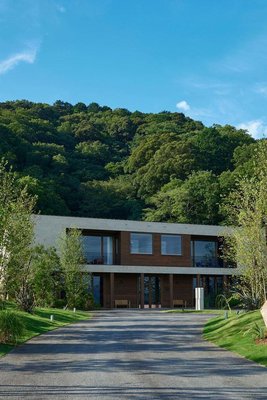
HACIENDA VISON
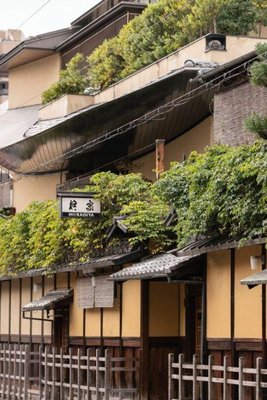
Hiiragiya Ryokan
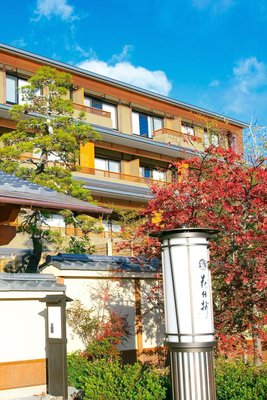
Kyoto Arashiyama Onsen Kadensho (Kyoritsu Resort)

The Thousand Kyoto

JW Marriott Hotel Nara
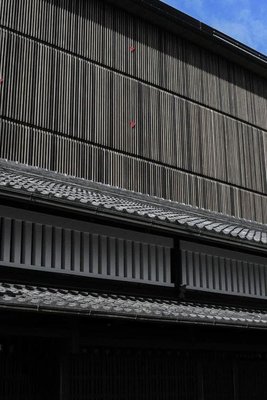
THE HIRAMATSU KYOTO

Ace Hotel Kyoto
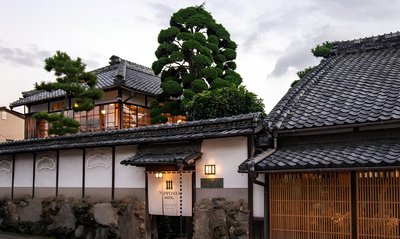
NIPPONIA HOTEL Igaueno Castle Town
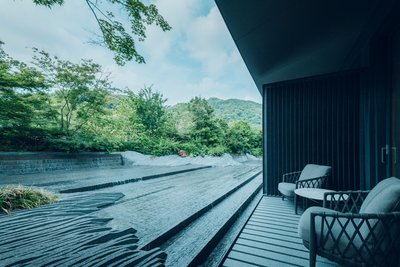
MUNI KYOTO
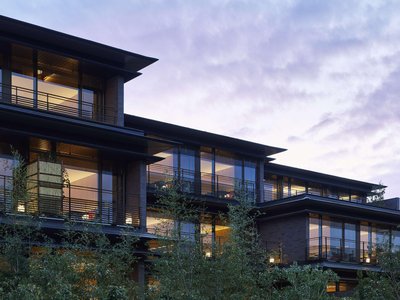
Garrya Nijo Castle Kyoto
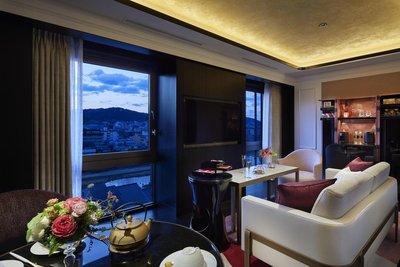
Fauchon Hotel Kyoto
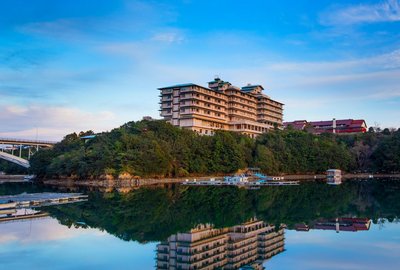
Shima Kanko Hotel the Classic

Kagaya
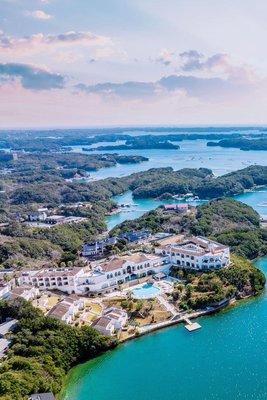
Miyako Resort Shima Bayside Terrace
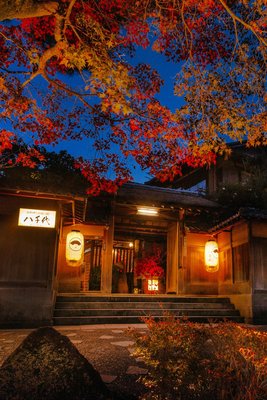
Kyoto Nanzenji Ryokan Yachiyo Established in 1915
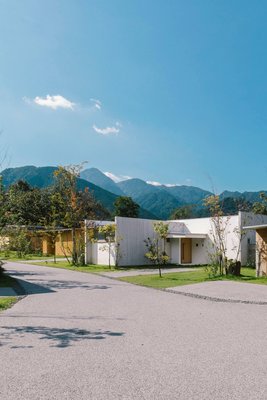
Yunoyama Onsen Sosuikyo
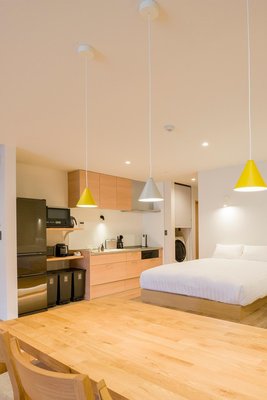
Rakuten STAY VILLA Nasu
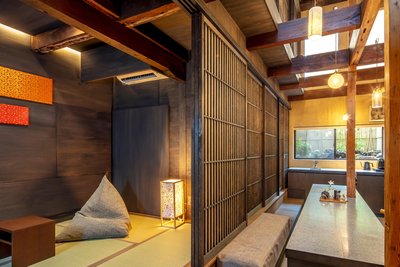
Kyo No Oozora Kihana
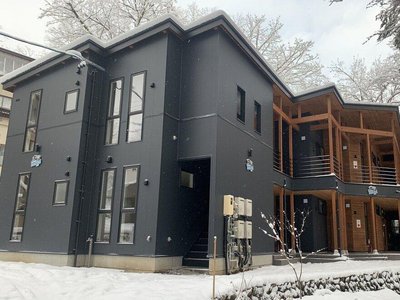
Hakuba Gondola Apartments
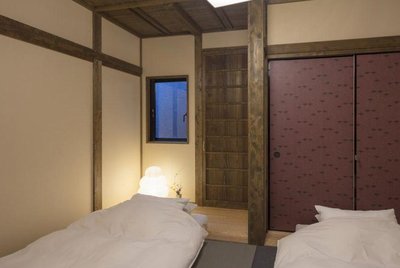
Hanagoromo Machiya House
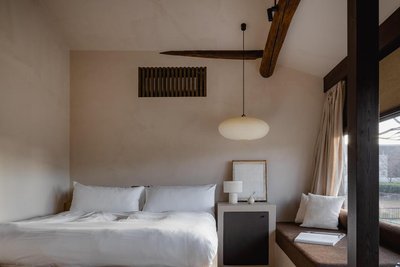
Maana Kiyomizu
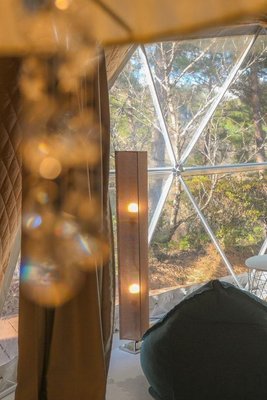
glampark Gekkabijin Nagano
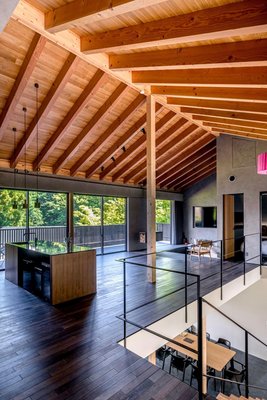
MONS GORA

Phoenix Chalets by Hhg
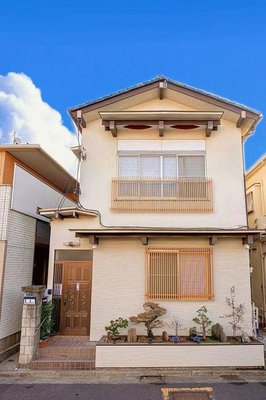
Tokyo Star House-Shinkoiwa
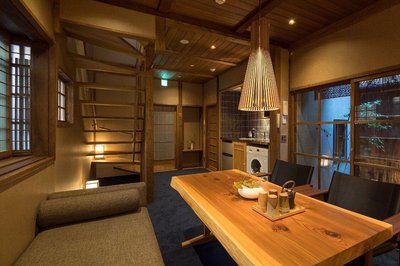
Bonbori an Machiya House
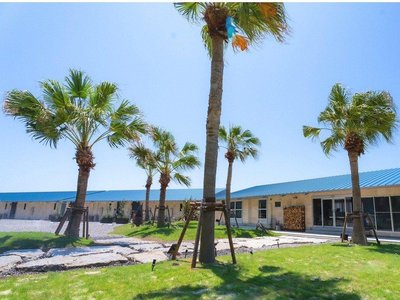
Glamping&Resort Wood Design Park Noma
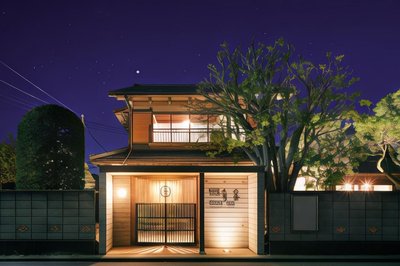
Machi-Jyu
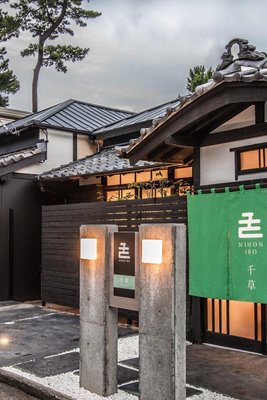
Nihon Iro
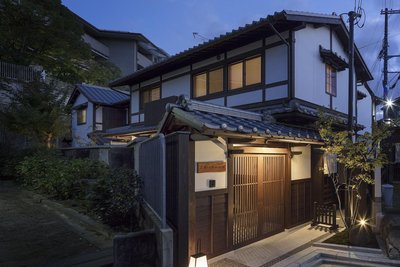
The Machiya Villa Sanjo Shirakawa Koji
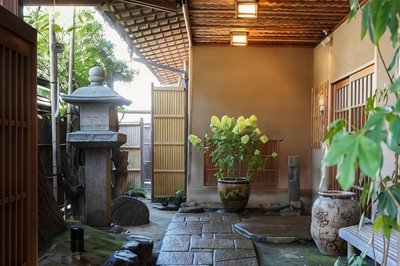
Ryokan Asadaya
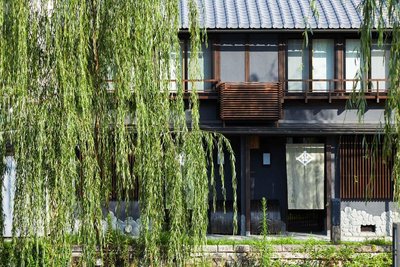
Gion Shirakawa No Yado

Kitashirakawa Natural Radium Onsen
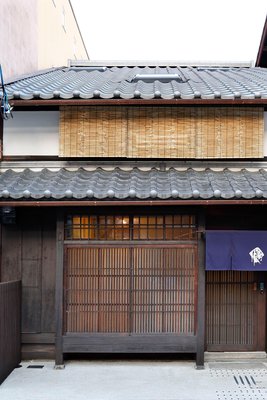
Kyo No Ondokoro Kamanza Nijo #2
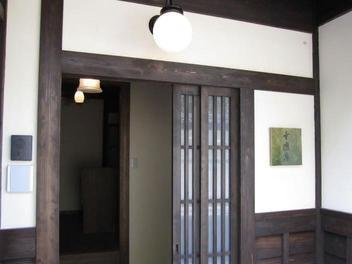
Gion Koyu an Machiya House
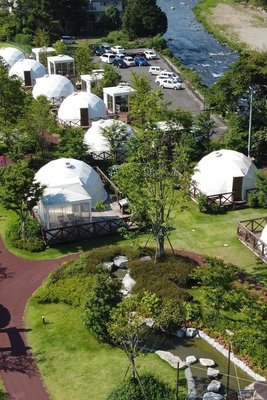
Ufufu Village
Frequently Asked Questions about Traveling to Kōshū
Questions You Might Need to Know About Traveling to Kōshū
In Kōshū City, stay at Koshu Sake Kura Inn, a boutique hotel housed in a renovated century-old sake brewery. Enjoy traditional tatami rooms and exclusive sake tasting sessions. Located near Shōnan Grape Fields, guests can wake up to views of Mount Fuji and participate in brewery workshops to craft their own label. This immersive experience highlights Kōshū’s deep-rooted sake culture and rural lifestyle, offering an authentic connection to Yamanashi Prefecture’s heritage.
The best area for lodging is Shōnan District, nestled between vineyards and overlooking Mount Fuji. Stay near Shōnan Station at family-run ryokans like Koshu Ogawa-Ya, where you can easily access Shōnan Wine Road and enjoy morning mist over grape fields or afternoon wine tastings. The area offers quiet charm, excellent access to nature, and a true taste of Yamanashi’s slow-paced, agrarian lifestyle—perfect for travelers seeking authenticity.
Must-try experiences include Shōnan Sake Brewery Tours at Kikusui Brewery or Koshu Sake Kura, where you’ll witness the journey from premium Yamanashi rice to traditional fermentation. In spring, join the Grape Blossom Festival; in autumn, take part in grape harvesting and pressing workshops. For deeper cultural immersion, book a kimono fitting session paired with a tea ceremony in a serene garden overlooking the Kōfu Basin, savoring a cup of Kōshū matcha that reflects the region’s harmony between land and tradition.
Yes, visit Koshu Family Resort, located near Omiya, featuring a children’s pool, mini farm, pottery workshop, and night sky observation events. Family suites come with child-safe amenities and accessible layouts. Daily activities include grape field scavenger hunts and storytime with sake-themed picture books, blending fun and education. Parents can unwind at the Fuji-view open-air bath, creating a perfect balance of adventure and relaxation for all ages.
The top night view point is Fujimine Park in the Kōfu Basin, offering panoramic vistas of city lights below and Mount Fuji silhouetted against the sky. During winter clear nights, the mountain glows under soft illumination. Some hotels, like Koshu Fujimi View Ryokan, feature rooftop dining terraces with Fuji-night dinner sets—featuring local grilled skewers and sake—creating a magical atmosphere where stars, city lights, and snow-capped peaks merge into one unforgettable scene.
Visit Koshu Washoku-Tei Sanro, a private dining inn housed in a historic townhouse run by a three-generation family. With only ten guests per evening, the menu features seasonal ingredients from Yamanashi, such as Alps wild greens, Shōnan dried grapes, and Koshu beef short ribs, prepared using ancient cooking techniques. Their signature dish, "Kōshū Terroir Hot Pot," is simmered in glacial meltwater from Mount Fuji, served with handmade tofu and wild mushrooms—offering a profound taste of the region’s soil, climate, and culinary soul.
Photographers love Koshu Hikari-no-Niwa Inn, where glass-and-wood architecture reflects Fuji’s mirrored image in a still pond. Capture golden hour light filtering through grape trellises at dawn. The hotel offers professional photo tours to hidden gems like Shōnan Morning Mist Vineyard and Kōfu Castle Ruins. Book a stargazing workshop using telescopes to photograph the Milky Way arching over Mount Fuji, showcasing the region’s pristine dark skies and natural beauty.
Stay at Fujisan-Ro Onsen Ryokan Seisouka, nestled in the foothills of Mount Fuji, just 15 minutes from Fujisan Hongū Suwa Shrine. The hotel features natural hot springs sourced directly from underground aquifers, with baths facing the mountain—perfect for soaking while watching snowy peaks glow at sunset. Rooms offer tatami flooring, underfloor heating, and floor-to-ceiling windows. Enjoy a morning Fuji-view breakfast with Yamanashi black bean rice and mountain spring tea, combining tranquility, nature, and spiritual calm.
Start with a visit to the Kōfu City Museum to explore Takeda Shingen’s legacy and Sengoku-era history. Head to Shōnan Sake Museum for a brewing demo and tasting. Afternoon walk through Kōfu Castle Ruins Park, climbing the Tenshu Terrace for panoramic views. End at Koshu Washoku-Tei Sanro for a regional meal, followed by a tea ceremony and haiku workshop led by local guides. This curated journey reveals how geography, history, and cuisine intertwine in Yamanashi’s identity.
Choose Koshu Seigetsuya, a secluded ryokan tucked among vineyards at the foot of Mount Fuji, featuring private open-air baths with glass-roofed sky pools. Each room includes a custom candlelit dinner and champagne tower under the stars. Begin with a grape field sunrise jog and end with a candlelit bonfire gathering featuring shakuhachi flute music. The hotel also offers a limited-edition cherry blossom gift box with Koshu rose wine and hand-painted postcards of Fuji, making love bloom amid nature and art.
Kōshū Overview
City Summary
Koshu City in Yamanashi Prefecture is renowned for its Mt. Fuji views and wine-producing region. Blending natural landscapes with traditional culture, it boasts historical sites like Kofu Castle Ruins while being a top Japanese wine producer. Distinct seasons offer cherry blossoms and autumn foliage, with hot springs and hiking trails adding to its appeal.
Must-See Attractions
Must visit Shosenkyo Gorge, considered Japan's most beautiful canyon especially during autumn foliage. Kofu Castle Ruins showcase Sengoku-period history, while winery tours feature Koshu grape wines. Mt. Fuji vistas are visible across the city, with Kasugai Onsen offering traditional hot spring experiences.
Food Guide
Koshu's local cuisine shines with Houtou (handmade flat noodles in miso stew). Try wine-stewed offal paired with Koshu wine, or street foods like Fujinomiya yakisoba and Shingen-pouch (fried chicken buns). For desserts, grape jelly and Shingen mochi are iconic.
Transportation Guide
From Tokyo, take the JR Chuo Line (90min to Kofu Station). Local travel relies on buses and taxis, with bicycle rentals available at tourist spots. The "Fuji-Shizuoka Area Pass" saves transport costs. Note infrequent bus schedules to mountainous areas like Shosenkyo. Drivers can use Chuo Expressway, but some mountain roads close in winter.
Best Time to Visit
Best seasons are April (cherry blossoms) and October-November (foliage & grape harvest). Summer (July-August) suits hiking but draws crowds, while winter (December-February) offers snowy onsens with some attractions closed. Avoid Golden Week and Obon holidays.
Travel Tips
- Onsen etiquette: Wash thoroughly before entering, no swimwear, tie up long hair.
- Mountain weather changes rapidly—pack windbreakers even in summer.
- Most wineries require tour reservations; some offer English guidance.
- Cash remains king, especially in rural shops.
- Dawn provides optimal Mt. Fuji photography from Kofu Castle observatory.
- Respect no-drone zones near military facilities.
Useful Information
Language: Basic English works in tourist areas; simple Japanese phrases help. Internet: Paid Wi-Fi at convenience stores/stations; prepaid SIMs recommended. Payment: International cards work at Post Office/7-11 ATMs; Visa/Mastercard accepted at major stores. Emergency: Kofu Municipal Hospital has multilingual support (073-422-6121); dial 119. Voltage: 100V, Type A plugs; some hotels lend adapters. Water: Tap water is safe; carry bottles for mountain trips.