Hotels in Kōta
Discover your perfect stay in Kōta.
Kōta(Japan) Travel 2026: Cheap Flights, Hotels & Top Attractions
Popular Landmarks in Kōta
Discover the most iconic attractions in Kōta
Recommended Hotels in Kōta
Find the perfect place to stay in Kōta
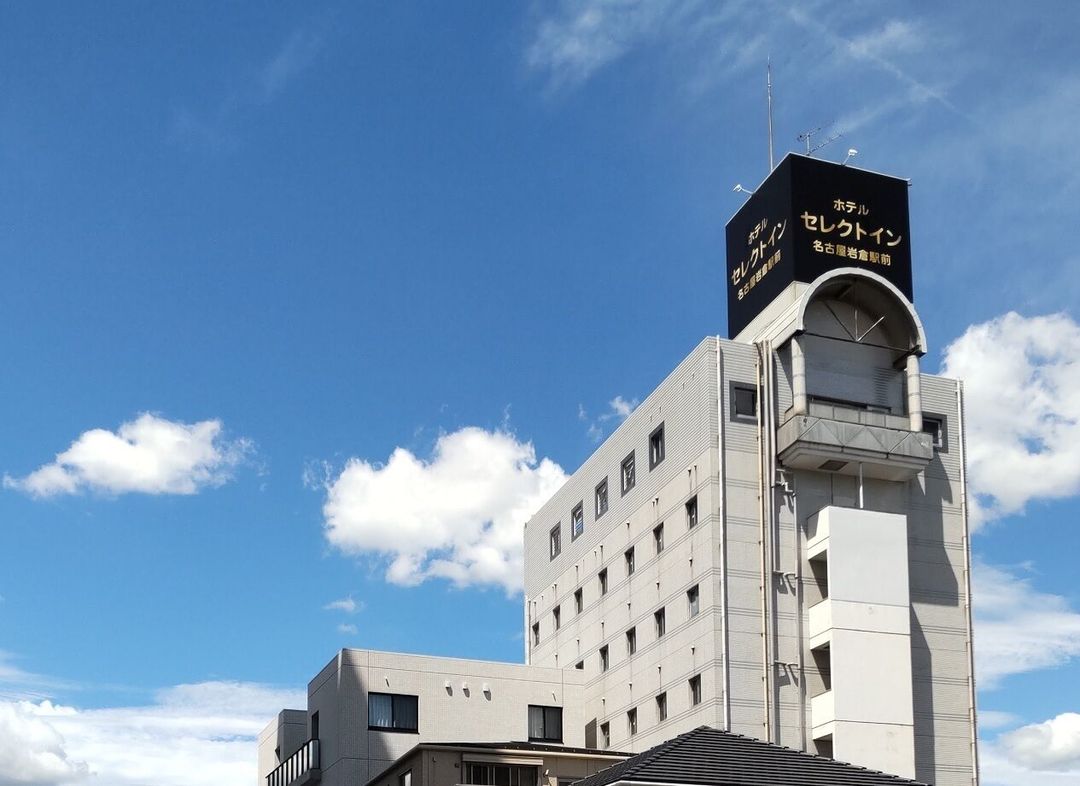
Hotel Select Inn Nagoya Iwakura Ekimae
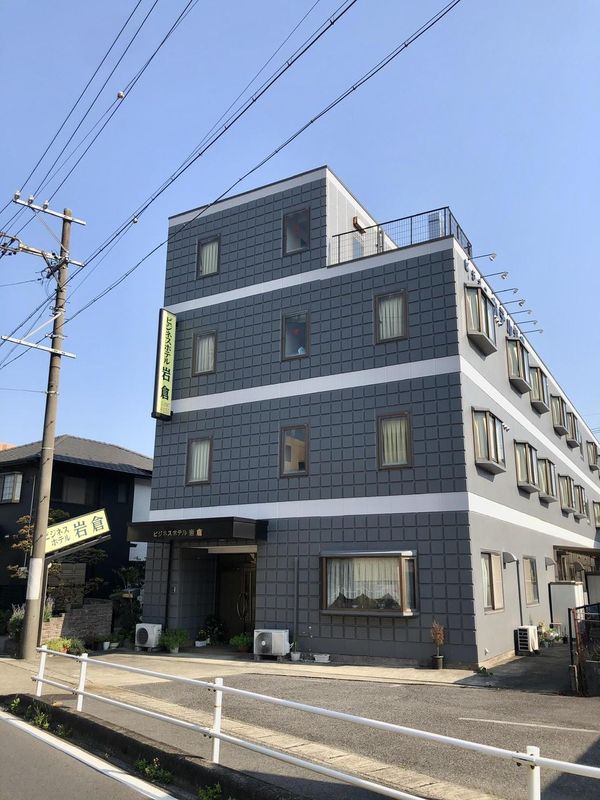
Business Hotel Iwakura
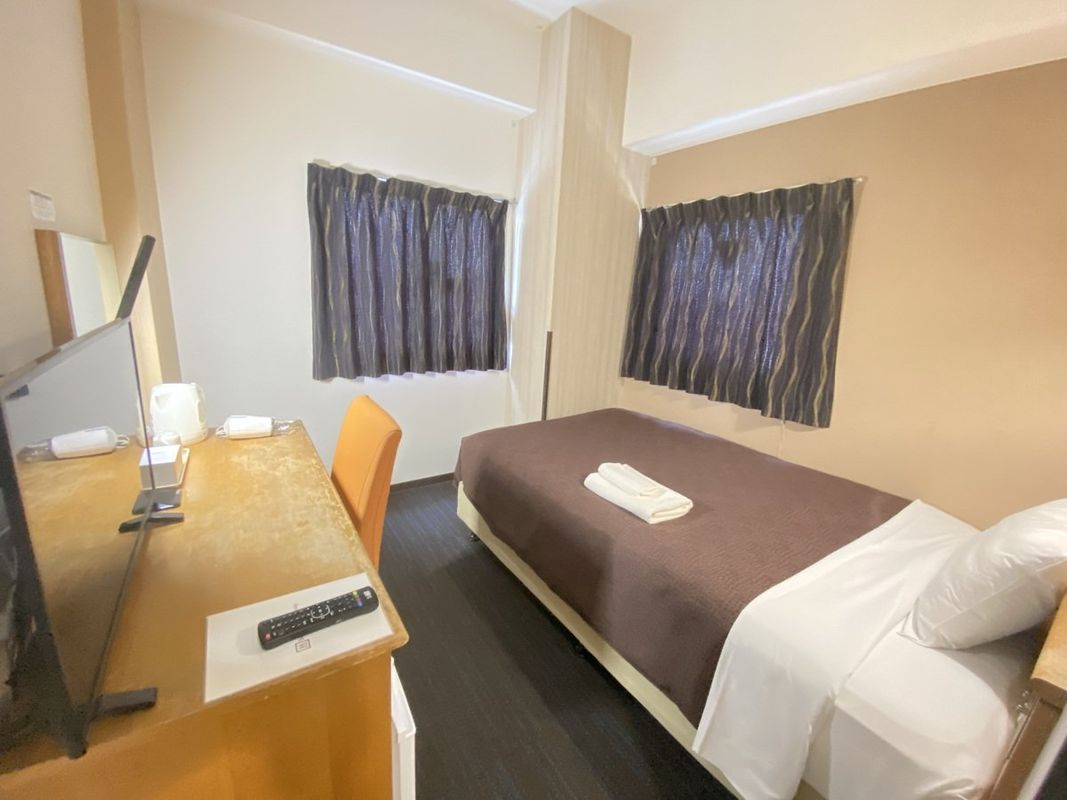
Select Inn Nagoya Iwakura Eki-Mae
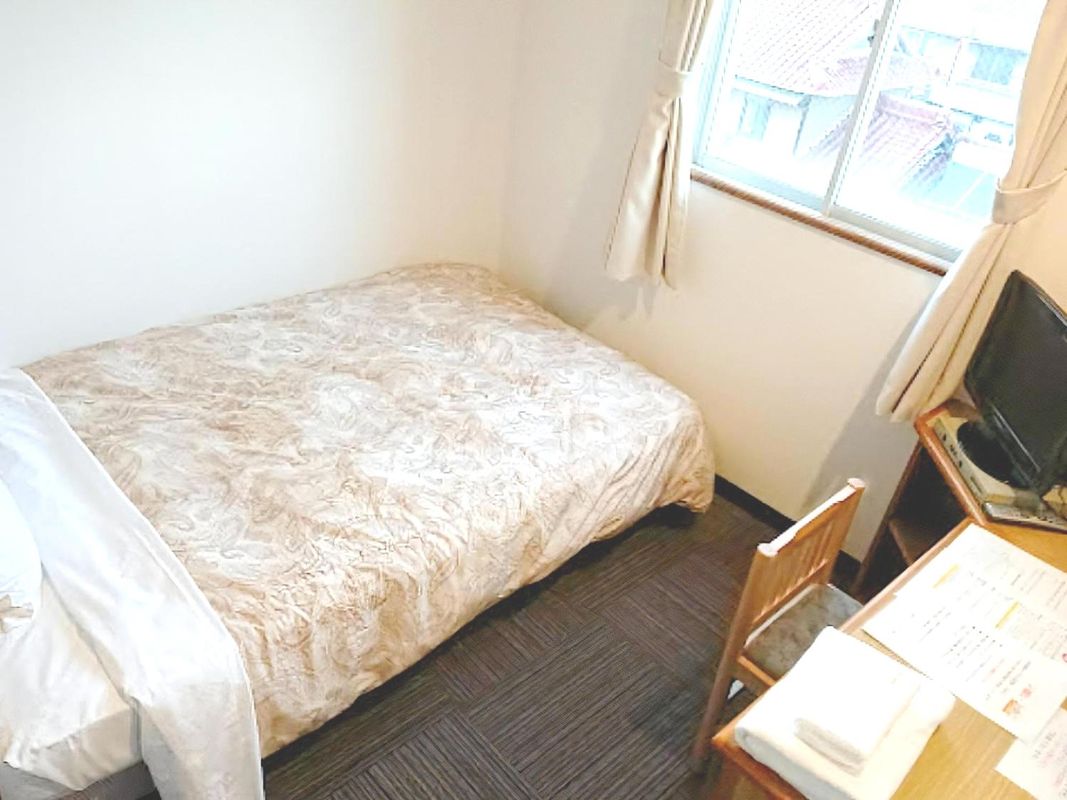
Iwakura Station Hotel
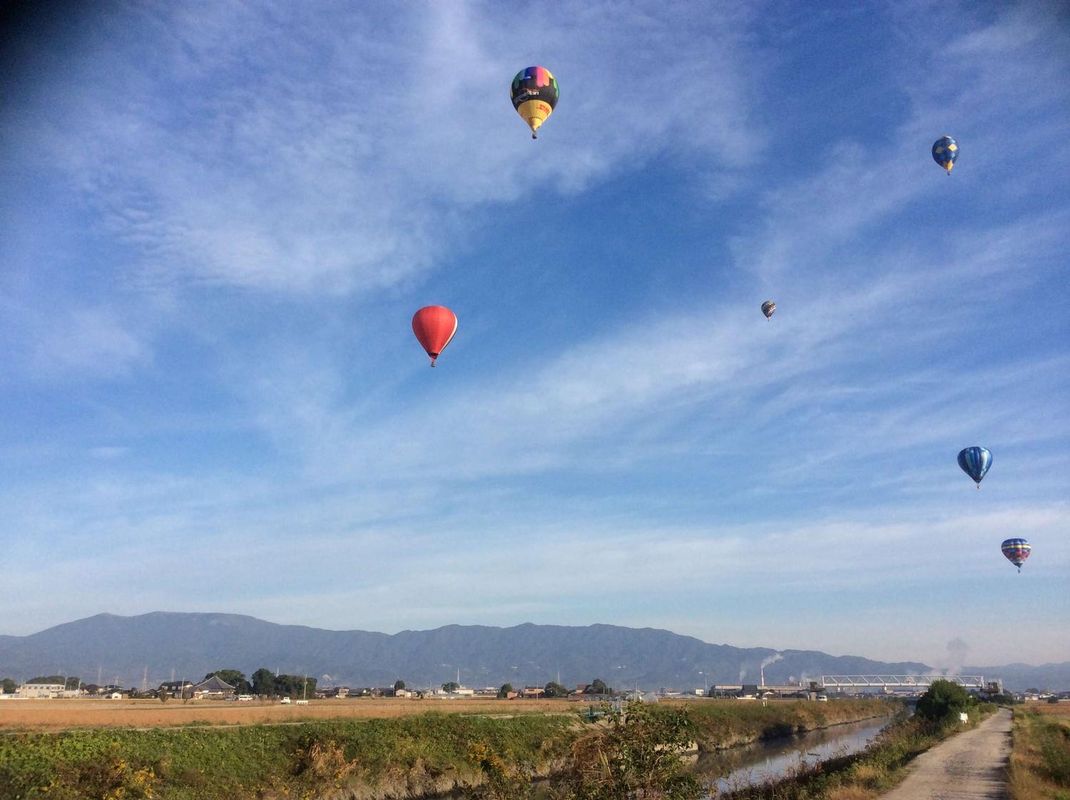
Ogi Onsen Kaisenkaku Hot spring SPA and hotel
Best Hotels in Kōta
Discover curated hotel collections in Kōta
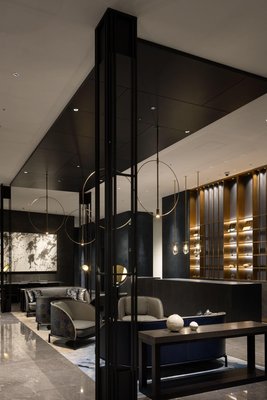
Bellustar Tokyo, A Pan Pacific Hotel
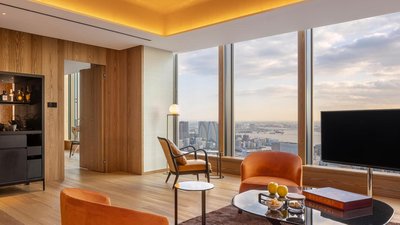
Bvlgari Hotel Tokyo
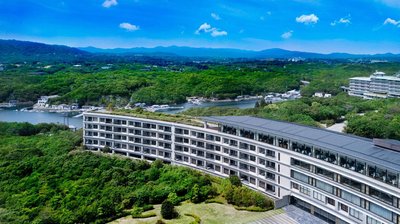
Shima Kanko Hotel the Bay Suites
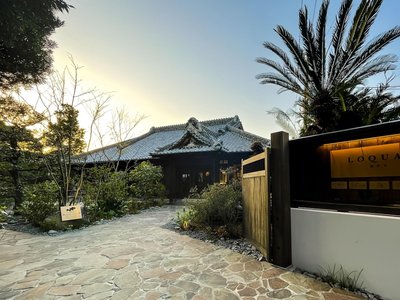
Loquat Nishiizu
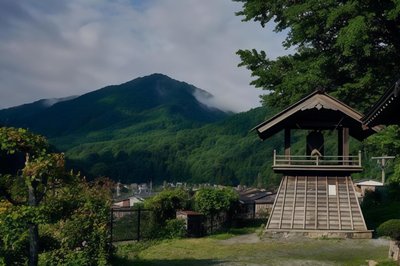
Byaku Narai
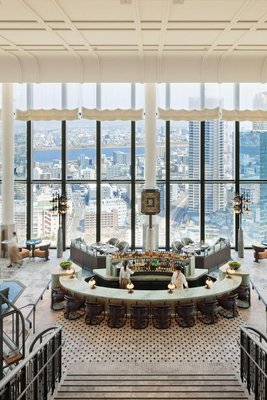
Waldorf Astoria Osaka
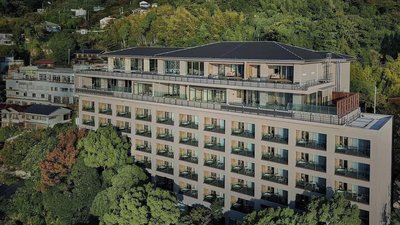
Atami Izusan Karaku
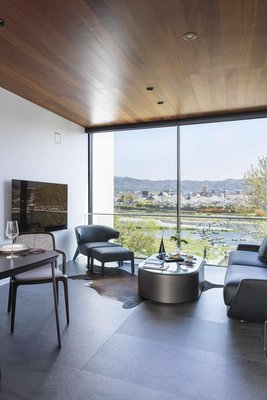
Kamo Residences by Reflections
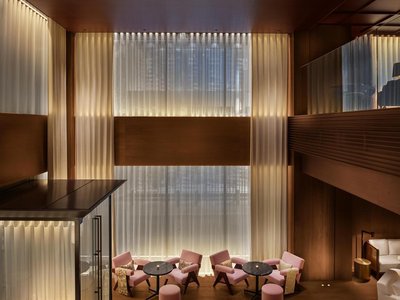
The Tokyo Edition, Ginza
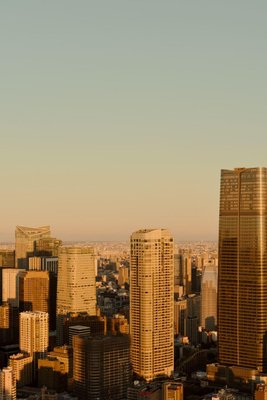
Janu Tokyo
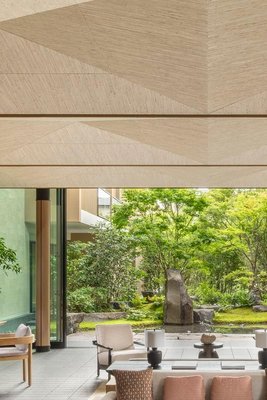
Six Senses Kyoto
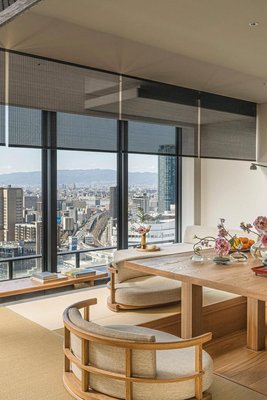
Four Seasons Hotel Osaka
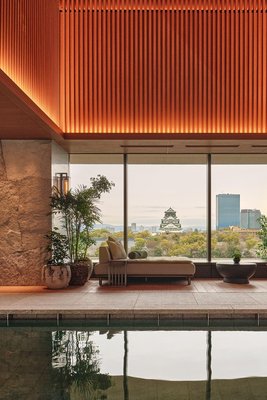
Patina Osaka

The Ritz-Carlton, Osaka
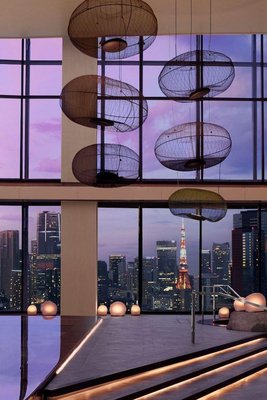
JW Marriott Hotel Tokyo
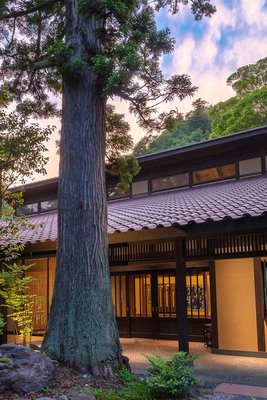
Arimasansoh Goshobessho
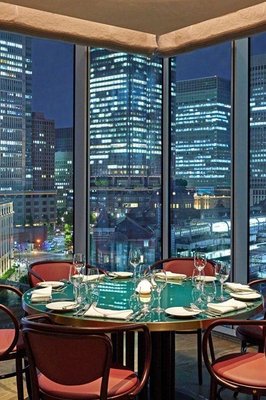
Four Seasons Hotel Tokyo at Marunouchi

Mandarin Oriental, Tokyo
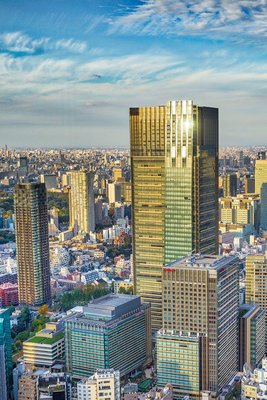
The Ritz-Carlton, Tokyo
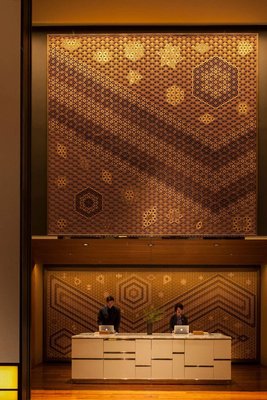
Andaz Tokyo Toranomon Hills- A Concept by Hyatt
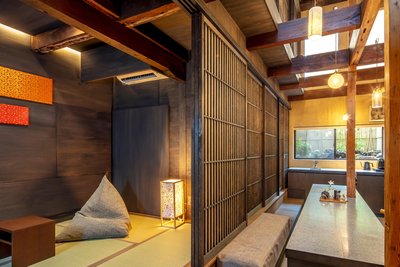
Kyo No Oozora Kihana
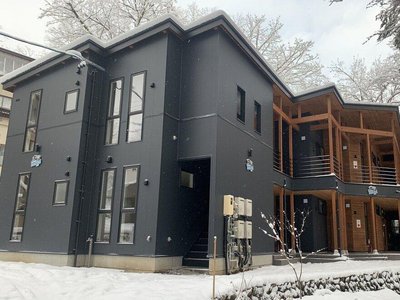
Hakuba Gondola Apartments
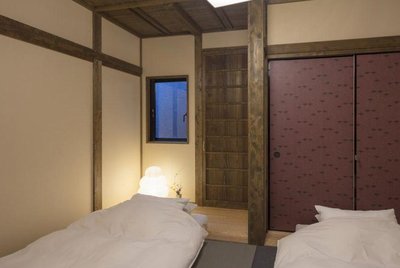
Hanagoromo Machiya House
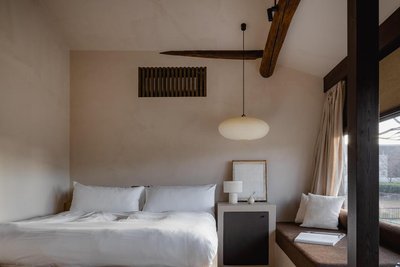
Maana Kiyomizu
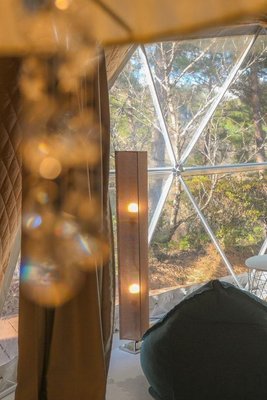
glampark Gekkabijin Nagano
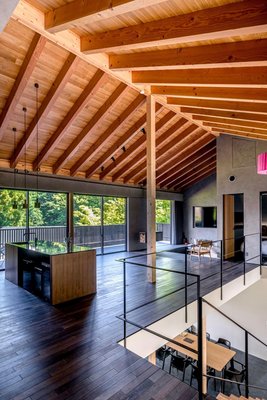
MONS GORA

Phoenix Chalets by Hhg
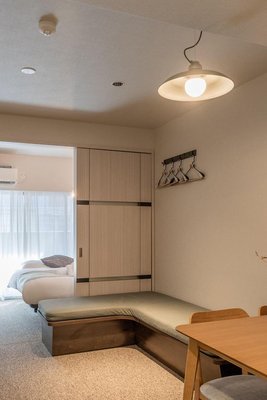
Apartment Hotel 11 Shinsaibashi
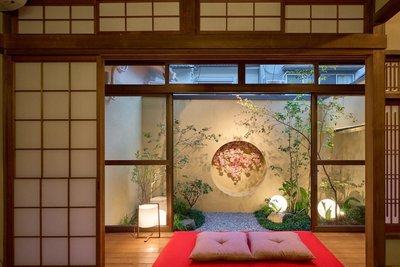
KONJAKUSO Osaka Tengachaya "NIHONCHA" Tea & Relax
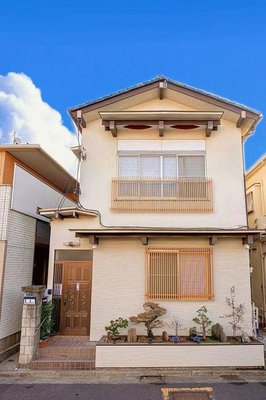
Tokyo Star House-Shinkoiwa
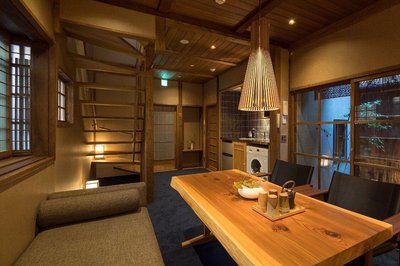
Bonbori an Machiya House
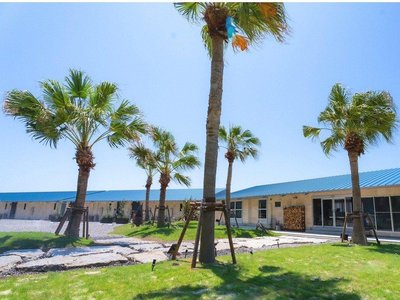
Glamping&Resort Wood Design Park Noma
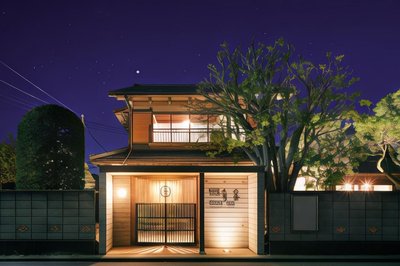
Machi-Jyu
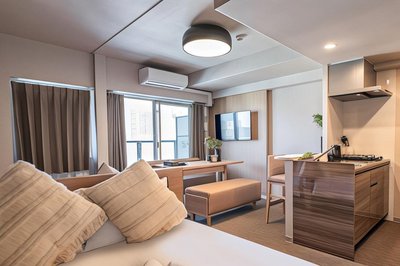
Apartment Hotel 11 Shinsaibashi III
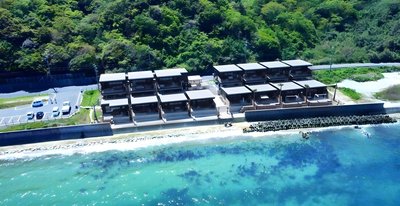
Solavilla Umi Terrace Minamiawaji
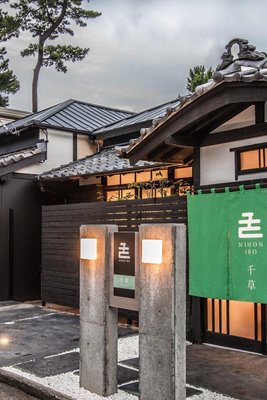
Nihon Iro
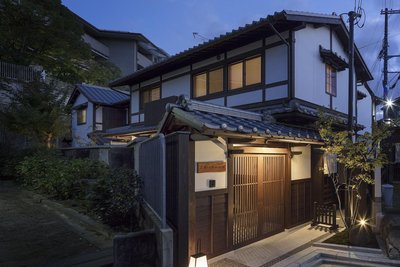
The Machiya Villa Sanjo Shirakawa Koji
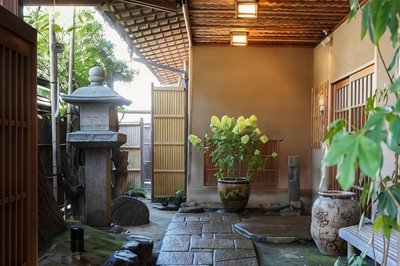
Ryokan Asadaya
Konjaku-So Dotonbori
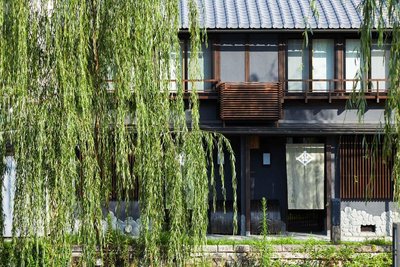
Gion Shirakawa No Yado
Frequently Asked Questions about Traveling to Kōta
Questions You Might Need to Know About Traveling to Kōta
In Iwakura City, the best hotel with authentic Japanese style is Iwakura Machiya Inn, a restored Edo-period townhouse converted into a boutique ryokan. Located near Iwakura Shrine, it features tatami-matted rooms, sliding shoji screens, and a serene garden courtyard. Guests can enjoy kaiseki dining with local ingredients like Iwakura beef and white river soba noodles. The inn offers free rental of kimonos for guests to explore nearby temples and trails. Its proximity to Iwakura Station makes it ideal for travelers exploring the historic Tōkaidō Five-Three Stations route, blending heritage charm with modern comfort.
The central district of Iwakura City, centered around Iwakura Station, is the best area for first-time visitors. It offers easy access to major attractions such as Iwakura Shrine, Iwakura Park, and the bustling Iwakura Market. This compact zone features a mix of traditional shops, cozy cafés, and family-run inns like Iwakura Family Inn, which provides spacious rooms and kid-friendly amenities. Public transportation links are excellent—just 10 minutes from Nagoya via Shinkansen—and the area maintains a peaceful, low-key atmosphere perfect for immersing in rural Aichi Prefecture life while staying close to urban convenience.
Tourists in Iwakura City can participate in the annual Spring Festival at Iwakura Shrine, featuring traditional taiko drumming, purification rituals, and a sake offering ceremony. Visitors may also join hands-on workshops in woodworking crafts, guided by local artisans who preserve Edo-era techniques. Exploring the Iwakura Kofun Group offers insight into ancient burial customs, with well-preserved round tumuli and stone markers. Additionally, the city hosts seasonal events like rice planting demonstrations and local pottery-making sessions, allowing travelers to engage deeply with the region’s agricultural roots and community spirit.
Yes, Iwakura Onsen Hotel is highly recommended for its natural hot spring baths sourced from deep underground aquifers rich in sulfur and calcium. The hotel features both indoor and outdoor onsen pools, including a signature Wooden Bath (Mokutō) crafted from native cedar, creating a tranquil forest-like ambiance. Guests can enjoy an evening kaiseki dinner with local specialties like Iwakura beef sukiyaki and white river soba. Complimentary kimono rentals allow guests to stroll through the grounds or visit Iwakura Shrine in traditional attire. Located just a 5-minute walk from Iwakura Station, this peaceful retreat blends healing waters with historical charm.
Absolutely, Iwakura City is ideal for families. Iwakura Park boasts a large playground, mini train rides, and a petting zoo where kids can interact with goats and rabbits. The Iwakura Museum offers interactive exhibits on agriculture and railway history, making learning fun. Stay at Iwakura Family Inn, which provides family suites with kitchenettes and baby beds. Weekly events include child-friendly rice planting workshops and paper lantern making, fostering cultural connection. With safe streets, minimal traffic, and short travel times to Nagoya, it's a stress-free destination for multi-generational trips.
Must-try dishes in Iwakura City include Iwakura beef, a premium wagyu raised on local grasses, served in rich sukiyaki or grilled formats. Another highlight is White River Soba, made from high-quality buckwheat flour grown in mountainous regions, known for its delicate flavor and firm texture. Don’t miss Iwakura Soy Sauce Rice, a savory dish combining fermented soy sauce with fragrant white rice. At Iwakura Market, visitors can buy handmade pickles, dried umeboshi, and artisanal jam—perfect souvenirs. These foods reflect the region’s agricultural heritage and commitment to using fresh, locally-sourced ingredients.
The easiest way to reach Iwakura City from Nagoya is by taking the Shinkansen (bullet train) to Iwakura Station, which takes only about 25 minutes. From the station, it’s a 5-minute walk to the city center. Alternatively, the Meitetsu Railway Line offers express trains every 30 minutes, reaching Iwakura in 30 minutes. For drivers, take National Route 1 south via the Nagoya Ring Expressway, then follow Aichi Prefectural Route 60—approximately 40 minutes. Consider using the JR Pass or Aichi Rail Pass for cost savings. The station has ample parking and taxi services, ensuring smooth transfers.
Top photo spots in Iwakura City include the red torii gate and stone bridge at Iwakura Shrine, especially stunning during cherry blossom season when petals float on the pond. The Iwakura Kofun Group offers dramatic silhouettes of ancient burial mounds surrounded by trees—ideal for historical photography. The Wooden Bath at Iwakura Onsen Hotel, nestled among bamboo groves, creates a dreamlike scene, particularly at night with soft lighting. Iwakura Park’s glass-roofed greenhouse displays vibrant seasonal flowers, perfect for macro shots. Capture candid moments at Iwakura Market, where vendors prepare fresh produce under wooden awnings—each frame tells a story of local life.
Iwakura City holds significant historical importance as a key post station along the Tōkaidō Five-Three Stations route during the Edo period. It served as a vital grain storage hub for the Tokugawa shogunate, housing the Iwakura Jinya (administrative office). During the Sengoku era, Oda Nobunaga once stationed troops here, leaving behind military relics. Today, remnants like the Iwakura Castle Ruins and original cobblestone roads offer tangible connections to Japan’s feudal past. The Iwakura Historical Archives preserves rare documents and artifacts, shedding light on the region’s role in regional governance and trade. Its strategic location between Nagoya and Kyoto cemented its legacy as a crossroads of culture and power.
Near Iwakura City, the Iwakura Mountains and White River Gorge offer scenic hiking trails with panoramic views. Spring brings blooming cherry blossoms and azaleas, while autumn paints the slopes in fiery reds and golds. The Iwakura Forest Conservation Area features observation decks and educational signage about local wildlife like squirrels and woodpeckers. Iwakura Dam provides calm lake waters perfect for kayaking and fishing. In summer, shaded bamboo paths create cool retreats. These natural spaces not only provide recreation but also highlight the city’s dedication to preserving its ecological heritage, making it a haven for nature lovers and photographers alike.
Kōta Overview
City Summary
Iwakura City, located in the northwest of Aichi Prefecture, Japan, is a small city that blends tradition and modernity. Known for its rich pottery culture and serene rural landscapes, the city boasts numerous historic kilns and workshops. The core attraction of Iwakura lies in its long-standing ceramic traditions, where visitors can experience pottery-making firsthand.
Must-See Attractions
Key attractions in Iwakura include Iwakura Yomotsu-dori, a street lined with pottery workshops and galleries, offering an excellent way to explore the local ceramic culture. The Iwakura City History and Folklore Museum showcases the city's heritage. Nature enthusiasts will also enjoy the rural scenery and hiking trails.
Food Guide
Iwakura's culinary culture is deeply influenced by its pottery tradition. Street food often includes miso soup and soba noodles served in local ceramic bowls. Recommended dishes include "Gohei Mochi" and "Miso Nikomi Udon," which are local specialties with unique flavors.
Transportation Guide
Public transportation in Iwakura primarily relies on buses, with several routes connecting major attractions and commercial areas. A one-day bus pass is recommended for cost savings. To visit nearby cities, take the Meitetsu Inuyama Line from Iwakura Station. Walking or renting a bicycle is also a great way to explore the rural landscapes.
Best Time to Visit
The best times to visit are spring (March to May) and autumn (September to November), when the weather is mild and ideal for outdoor activities. The cherry blossoms in spring make the rural scenery particularly stunning. Avoid the high heat and humidity of summer.
Travel Tips
- Respect the rules of local pottery workshops; do not touch exhibits without permission.
- Some areas in the city have weak signal coverage, so downloading offline maps in advance is advisable.
- Pay attention to the last bus times when using public transportation.
- Follow staff instructions when participating in pottery-making experiences.
- Rural areas have more insects; bring insect repellent.
- Some restaurants accept only cash, so carry yen.
Useful Information
The primary language spoken in Iwakura is Japanese, with limited English proficiency, so a translation app is recommended. Free Wi-Fi is scarce; consider purchasing a local SIM card or renting a Wi-Fi device. Cash is the main payment method, though some shops accept credit cards. Medical facilities are available, but English-speaking services are limited, so bring essential medications and insurance documents.









