Hotels in Kōta
Discover your perfect stay in Kōta.
Kōta(Japan) Travel 2026: Cheap Flights, Hotels & Top Attractions
Popular Landmarks in Kōta
Discover the most iconic attractions in Kōta
Recommended Hotels in Kōta
Find the perfect place to stay in Kōta
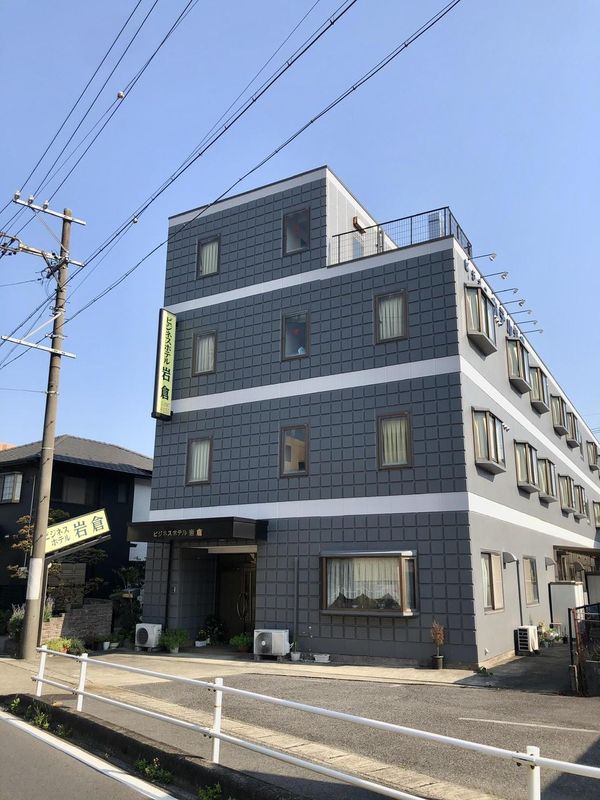
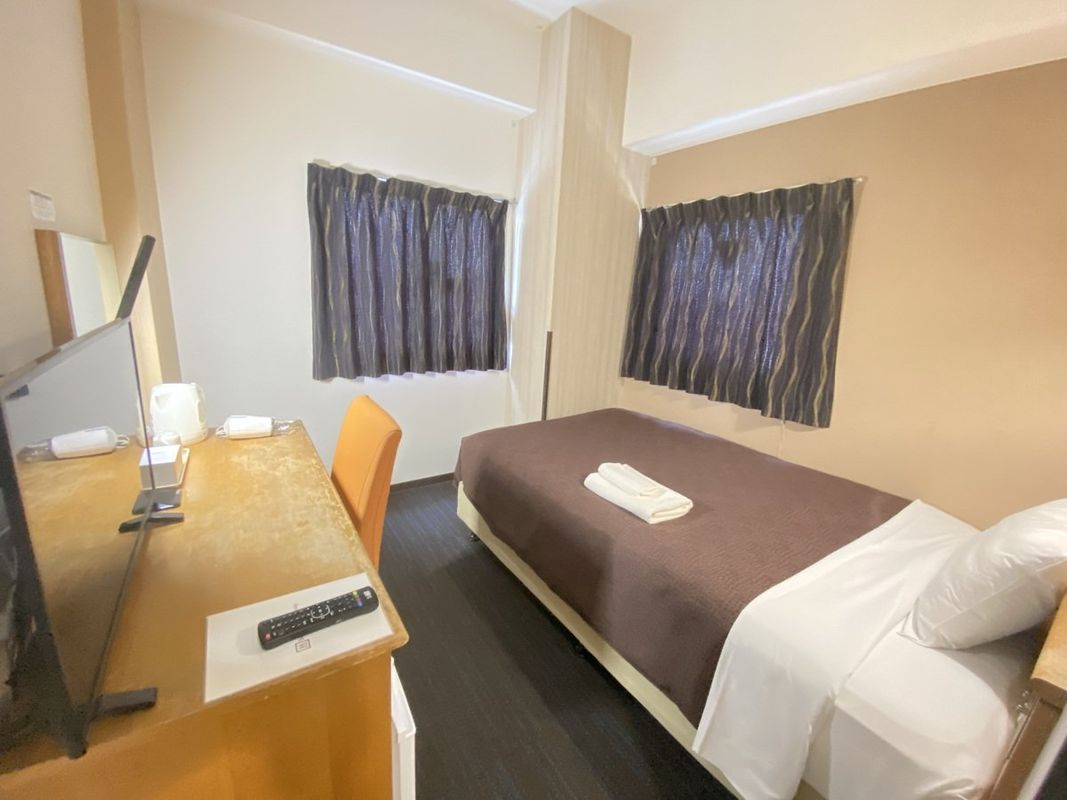
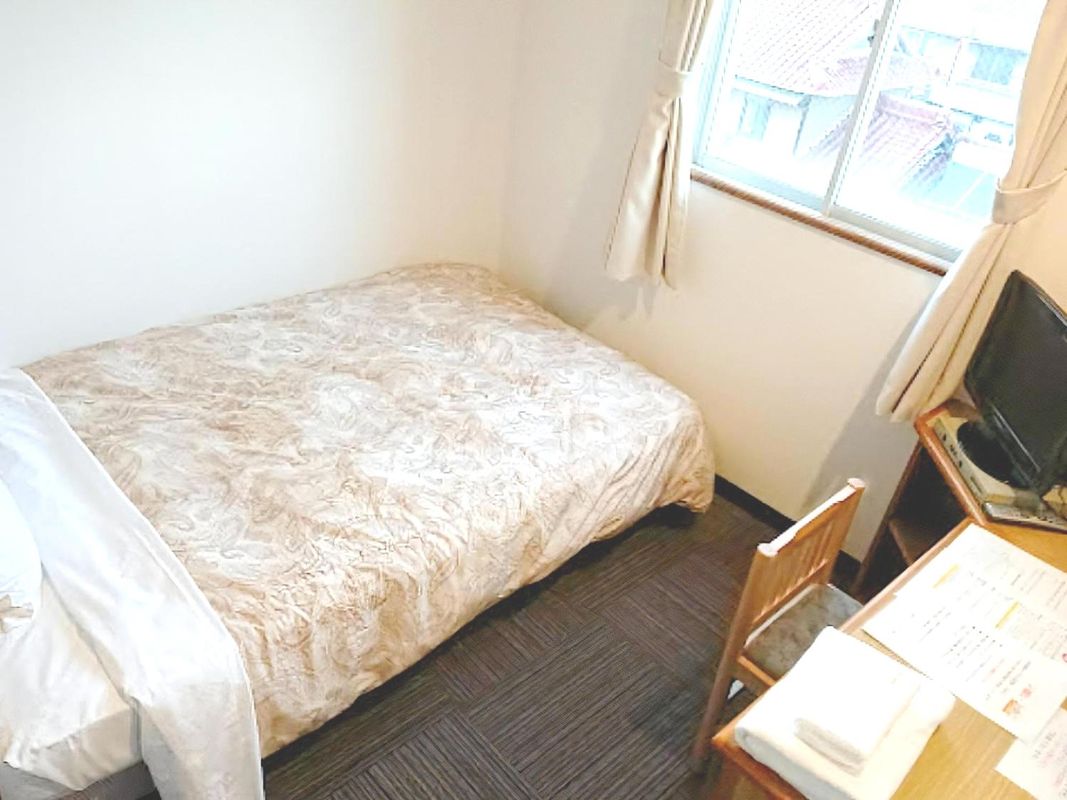
Best Hotels in Kōta
Discover curated hotel collections in Kōta

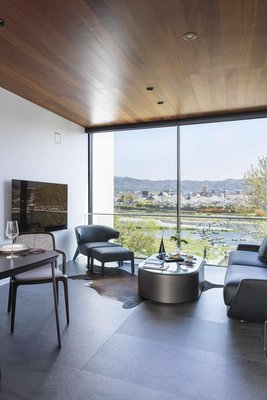
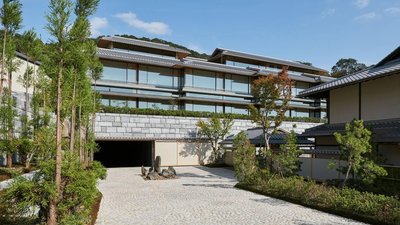

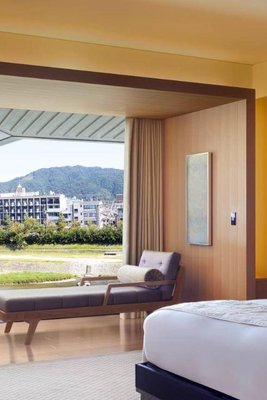
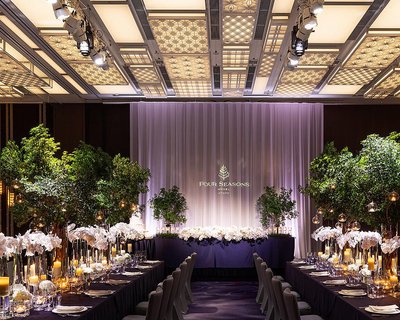
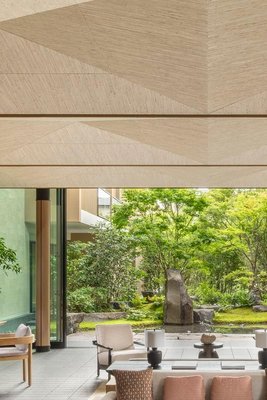
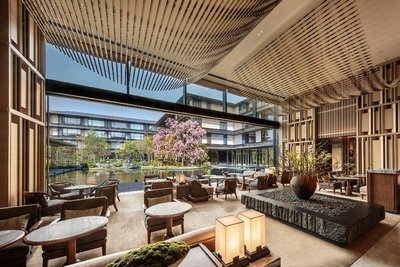
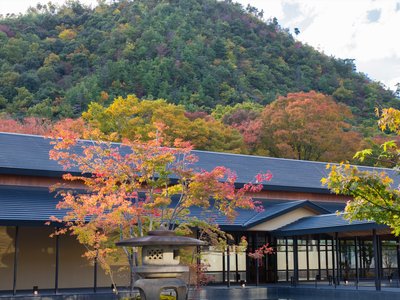
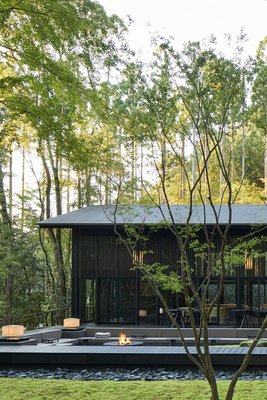



Frequently Asked Questions about Traveling to Kōta
Questions You Might Need to Know About Traveling to Kōta
Kōta Overview
City Summary
Iwakura City, located in the northwest of Aichi Prefecture, Japan, is a small city that blends tradition and modernity. Known for its rich pottery culture and serene rural landscapes, the city boasts numerous historic kilns and workshops. The core attraction of Iwakura lies in its long-standing ceramic traditions, where visitors can experience pottery-making firsthand.
Must-See Attractions
Key attractions in Iwakura include Iwakura Yomotsu-dori, a street lined with pottery workshops and galleries, offering an excellent way to explore the local ceramic culture. The Iwakura City History and Folklore Museum showcases the city's heritage. Nature enthusiasts will also enjoy the rural scenery and hiking trails.
Food Guide
Iwakura's culinary culture is deeply influenced by its pottery tradition. Street food often includes miso soup and soba noodles served in local ceramic bowls. Recommended dishes include "Gohei Mochi" and "Miso Nikomi Udon," which are local specialties with unique flavors.
Transportation Guide
Public transportation in Iwakura primarily relies on buses, with several routes connecting major attractions and commercial areas. A one-day bus pass is recommended for cost savings. To visit nearby cities, take the Meitetsu Inuyama Line from Iwakura Station. Walking or renting a bicycle is also a great way to explore the rural landscapes.
Best Time to Visit
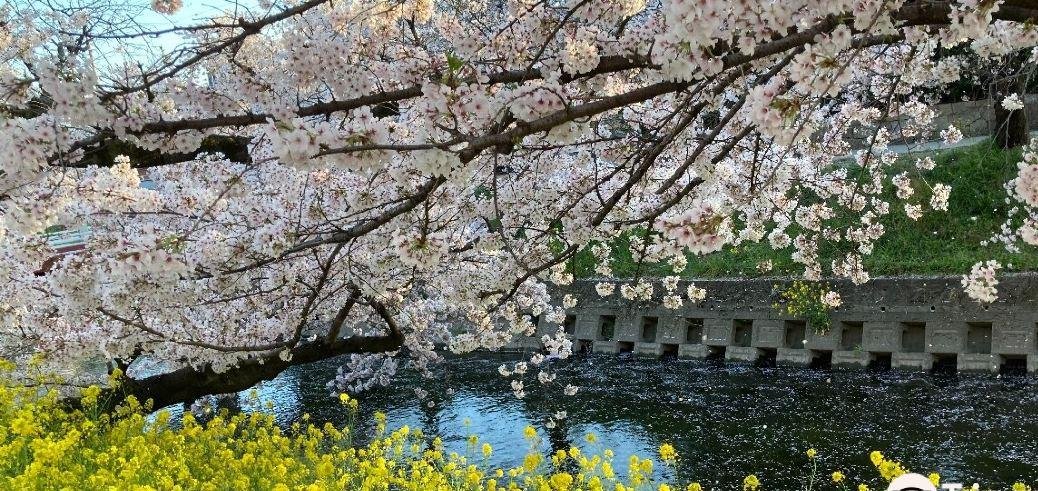
The best times to visit are spring (March to May) and autumn (September to November), when the weather is mild and ideal for outdoor activities. The cherry blossoms in spring make the rural scenery particularly stunning. Avoid the high heat and humidity of summer.
Travel Tips
- Respect the rules of local pottery workshops; do not touch exhibits without permission.
- Some areas in the city have weak signal coverage, so downloading offline maps in advance is advisable.
- Pay attention to the last bus times when using public transportation.
- Follow staff instructions when participating in pottery-making experiences.
- Rural areas have more insects; bring insect repellent.
- Some restaurants accept only cash, so carry yen.
Useful Information
The primary language spoken in Iwakura is Japanese, with limited English proficiency, so a translation app is recommended. Free Wi-Fi is scarce; consider purchasing a local SIM card or renting a Wi-Fi device. Cash is the main payment method, though some shops accept credit cards. Medical facilities are available, but English-speaking services are limited, so bring essential medications and insurance documents.