Hotels in Kagamiishi
Discover your perfect stay in Kagamiishi.
Kagamiishi(Japan) Travel 2026: Cheap Flights, Hotels & Top Attractions
Popular Landmarks in Kagamiishi
Discover the most iconic attractions in Kagamiishi
Recommended Hotels in Kagamiishi
Find the perfect place to stay in Kagamiishi

Kagamiishi Daiichi Hotel
Best Hotels in Kagamiishi
Discover curated hotel collections in Kagamiishi
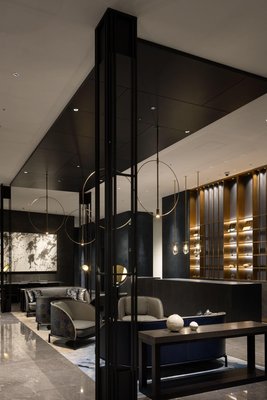
Bellustar Tokyo, A Pan Pacific Hotel
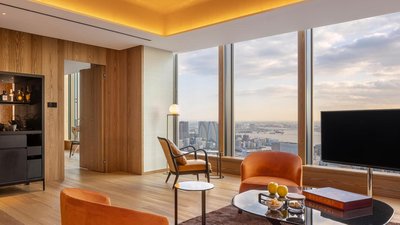
Bvlgari Hotel Tokyo
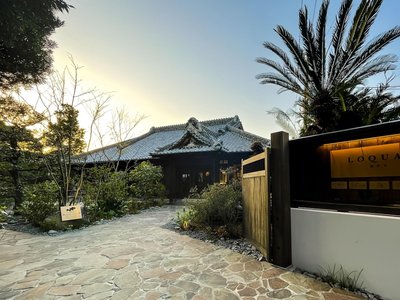
Loquat Nishiizu
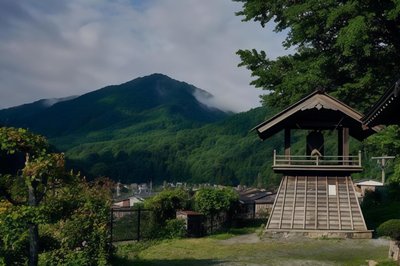
Byaku Narai
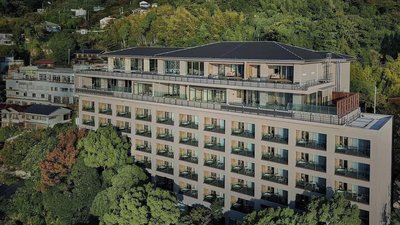
Atami Izusan Karaku
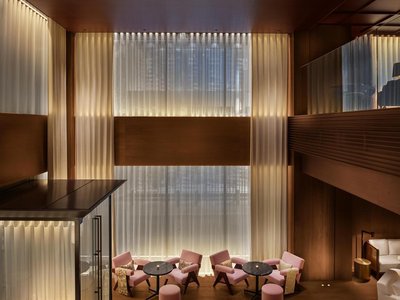
The Tokyo Edition, Ginza
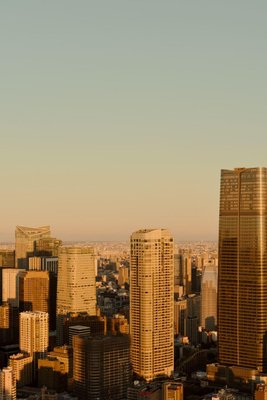
Janu Tokyo
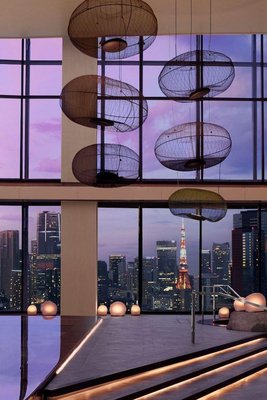
JW Marriott Hotel Tokyo
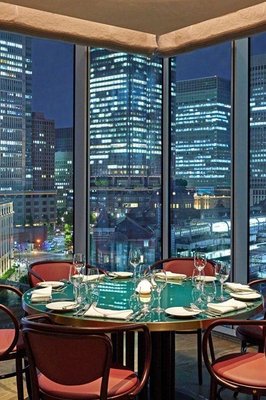
Four Seasons Hotel Tokyo at Marunouchi

Mandarin Oriental, Tokyo
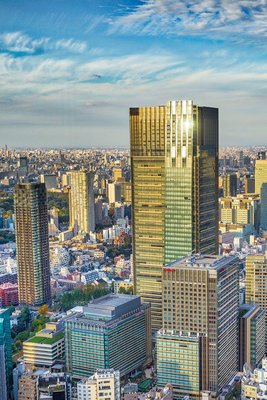
The Ritz-Carlton, Tokyo

Andaz Tokyo Toranomon Hills- A Concept by Hyatt
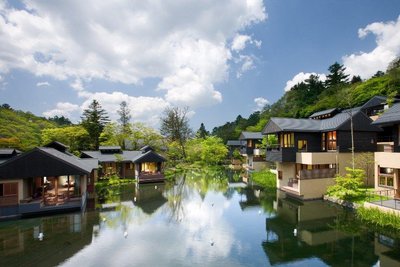
Hoshinoya Karuizawa
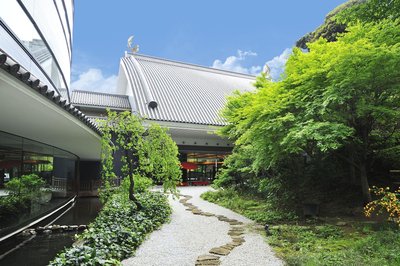
Hotel Gajoen Tokyo
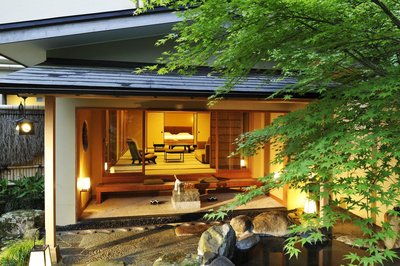
Gora Kadan
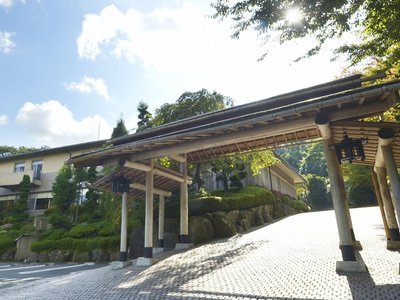
Gora Hanaougi
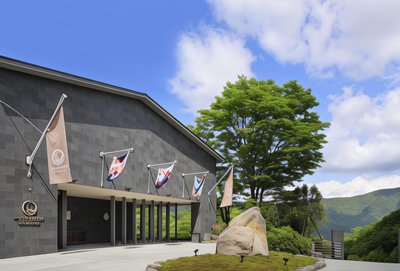
The Hiramatsu Hotels & Resorts Sengokuhara Hakone

Abba Resorts Izu - Zagyosoh
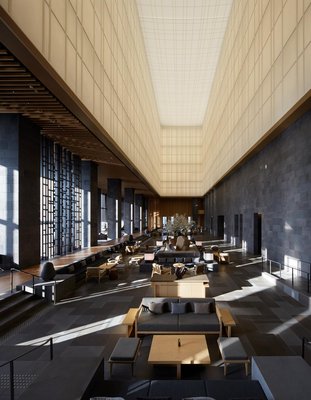
Aman Tokyo
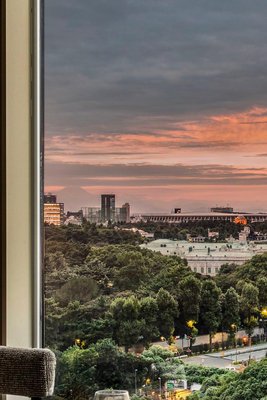
Hotel New Otani Tokyo, Executive House Zen
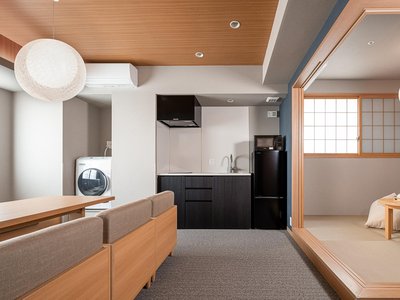
MIMARU SUITES Tokyo Asakusa
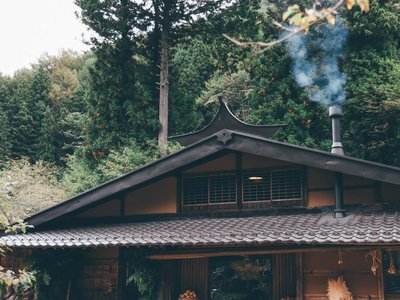
La Terra Resort

karaksa hotel colors Tokyo Yaesu

HOTEL GROOVE SHINJUKU, A PARKROYAL Hotel

EN Resort Grandeco Hotel

Awaumi Fujikawaguchiko Resort
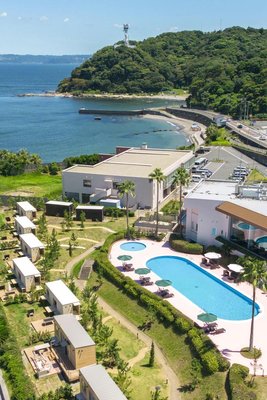
La vista Yokosuka Kannonzaki Terrace
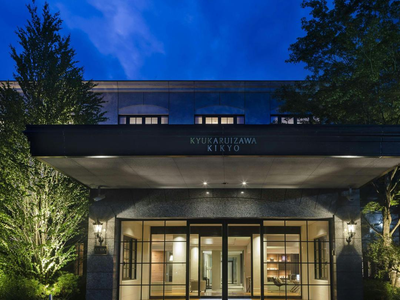
Fufu Karuizawa Wind of Sunshine

Hotel Taiko, Akakura Onsen
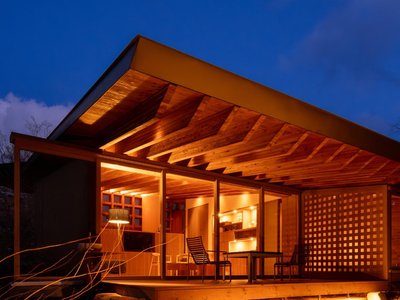
Nasu Mukunone
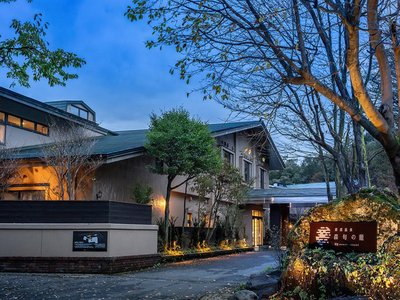
Nasu Onsen Shinshun no Kago Hewitt Resort

Scapes the Suite
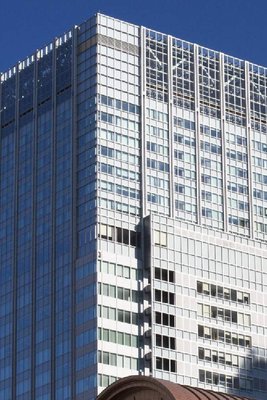
Hotel Metropolitan Tokyo Marunouchi
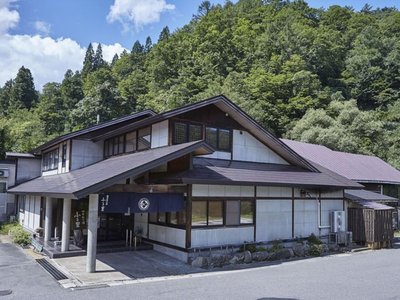
Fulsato
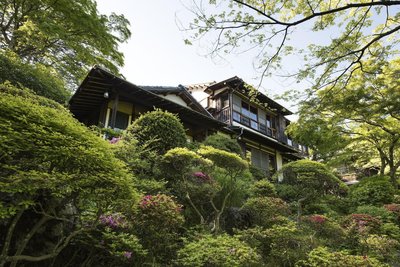
Gora Kansuiro
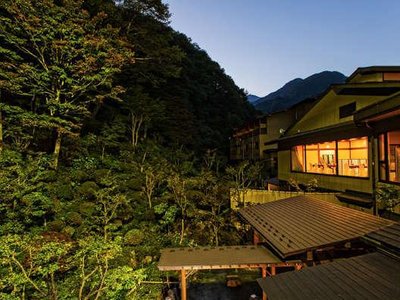
Futari Shizuka
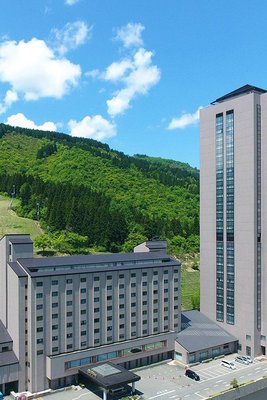
Naspa New Otani
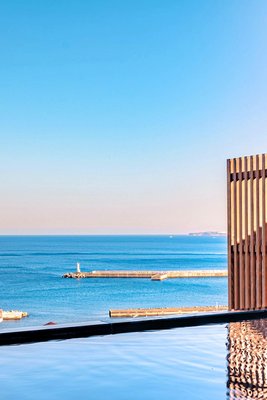
HOTEL KANICHI
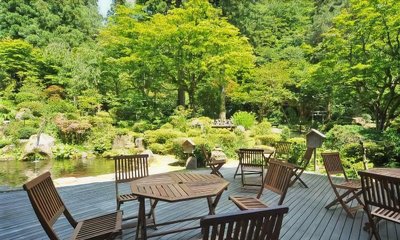
Choseikan
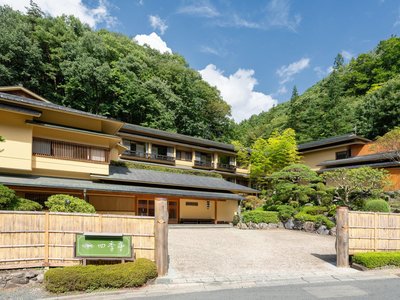
Shikitei Morioka TsunagiOnsen
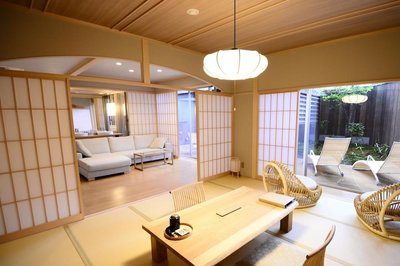
Hakone Gora Byakudan
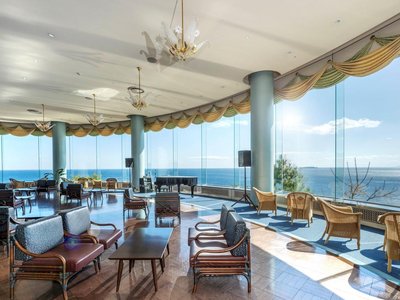
Hotel New Akao
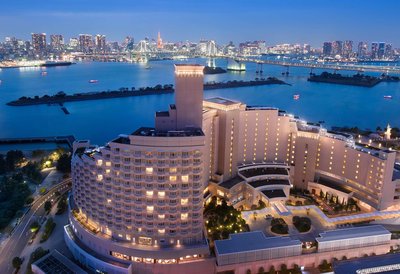
Hilton Tokyo Odaiba
JW Marriott Hotel Tokyo
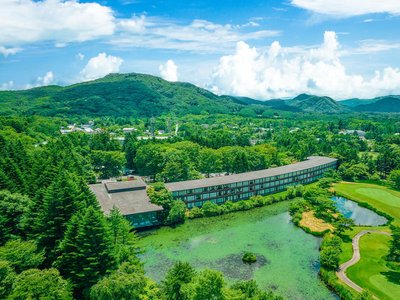
The Prince Karuizawa

The Kukuna
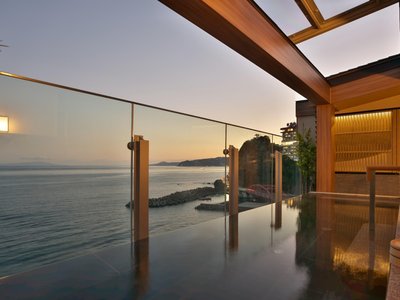
Hotel New Sagamiya
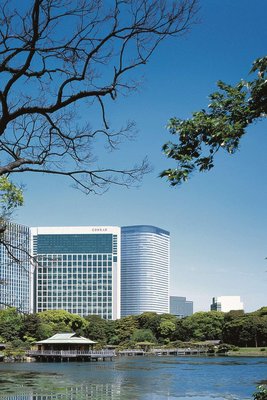
Conrad Tokyo
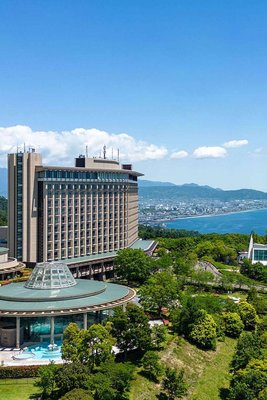
Hilton Odawara Resort & Spa
Hoshinoya Karuizawa
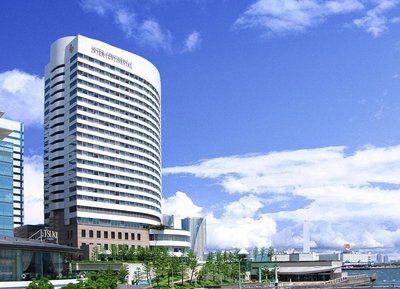
InterContinental Tokyo Bay
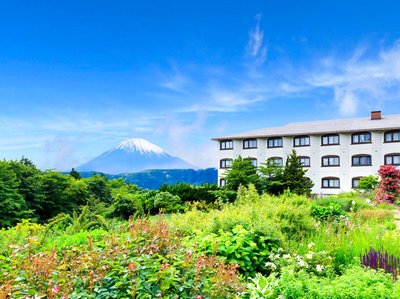
Hotel Green Plaza Hakone
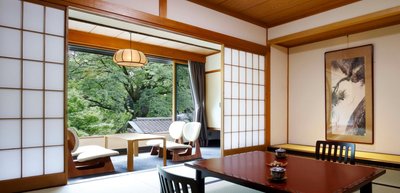
Yoshiike Ryokan
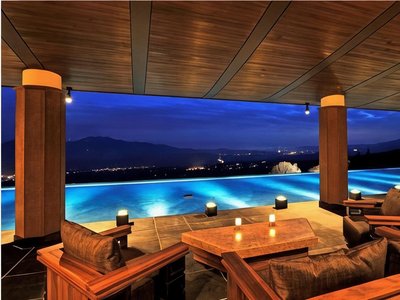
Akakura Kanko Hotel
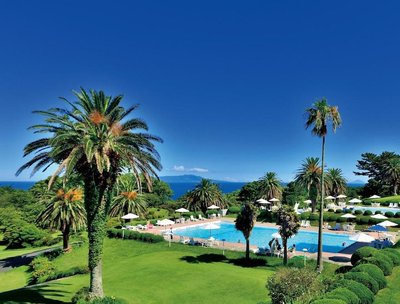
Kawana Hotel
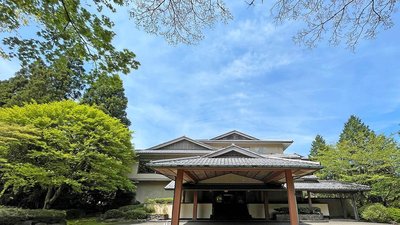
Ryuguden
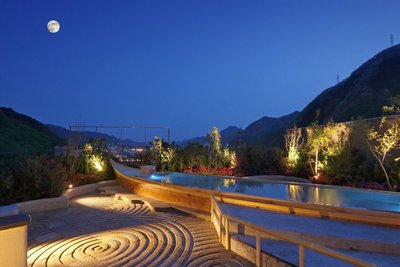
Asaya
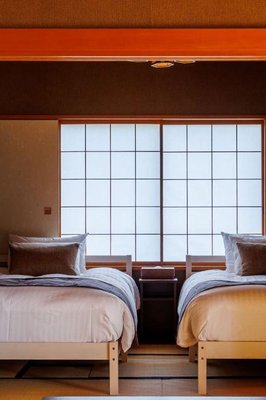
Sado Resort Hotel Azuma
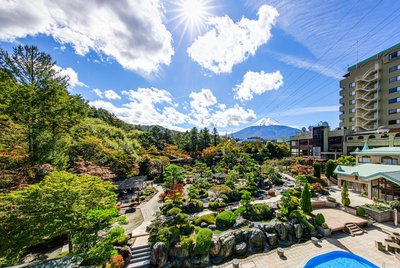
Kaneyamaen
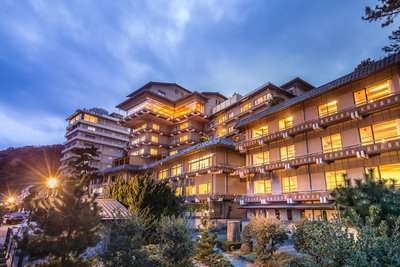
Bousui
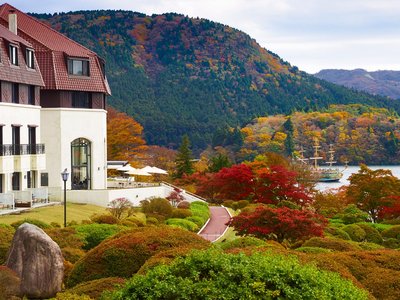
Hotakajyo
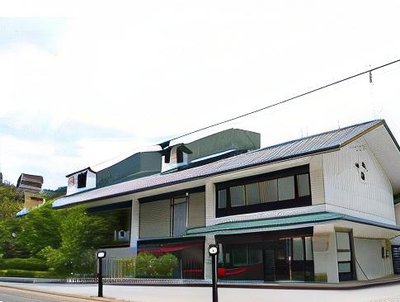
Auberge Suzukane

Onyado Nono Asakusa Bettei Hot Spring
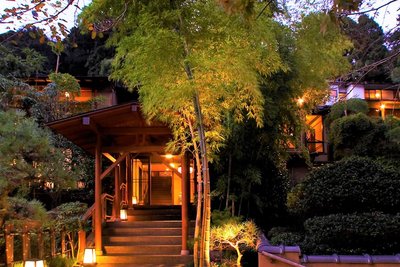
Shiki wo Ajiwau Yado Yamano Chaya
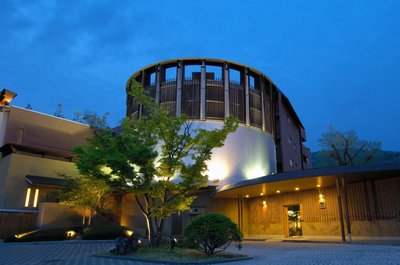
Hoshino Resorts Kai Matsumoto
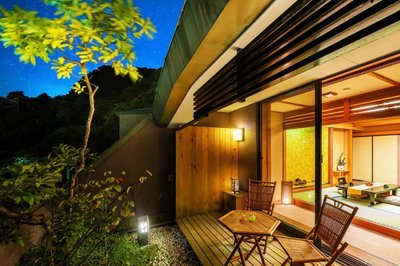
Konjakutei
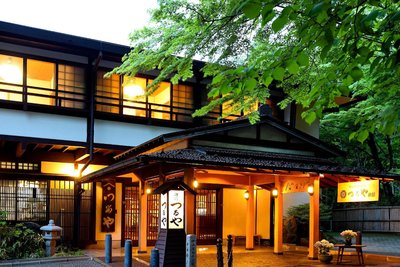
Tsuruya Ryokan
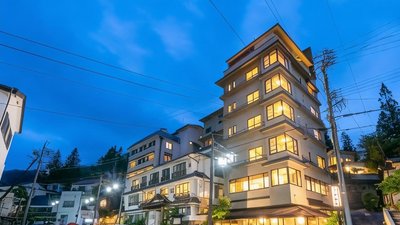
Nakamatsuya Ryokan
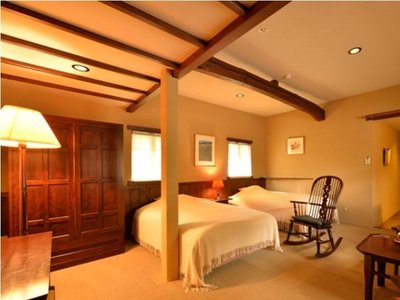
Ryokan Sugimoto
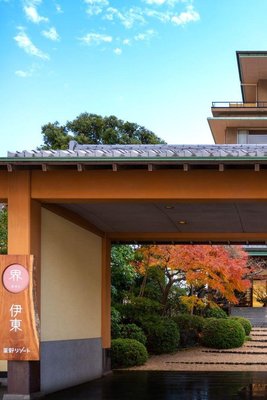
Hoshino Resorts Kai Ito
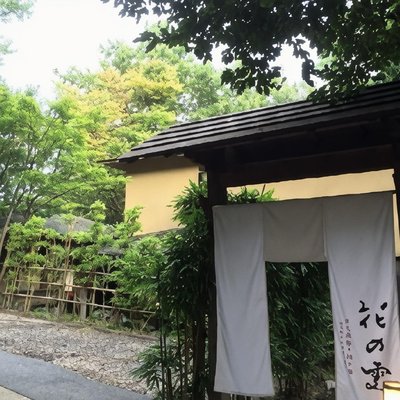
Hana No Kumo
Yoshiike Ryokan
Hotel Gajoen Tokyo
Gora Hanaougi
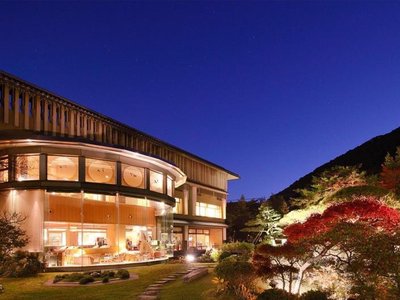
Shikisai Ichiriki
Sado Resort Hotel Azuma
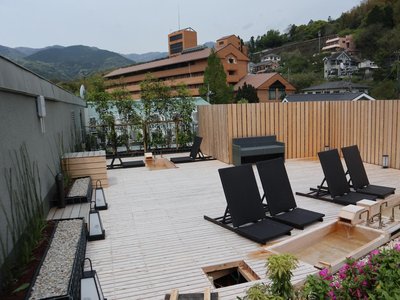
Fukiya Ryokan
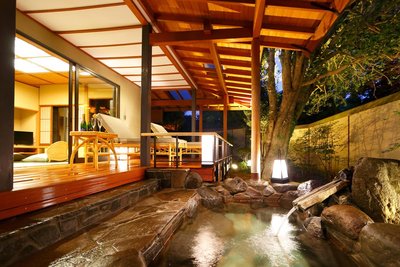
Yoshiharu Ryokan – Izu Nagaoka Onsen
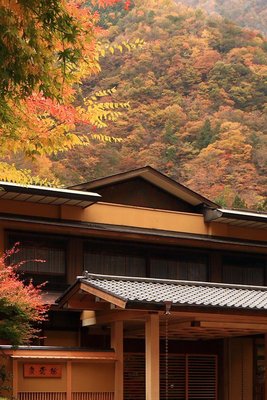
Nishiyama Onsen Keiunkan
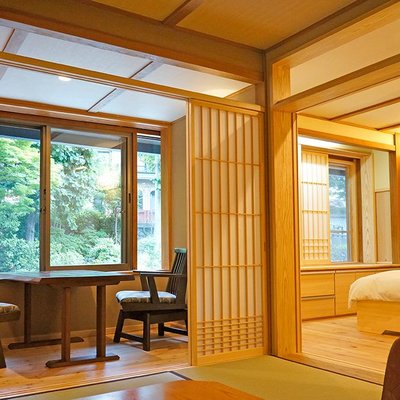
Sumiyosiya Ryokan
Bellustar Tokyo, A Pan Pacific Hotel
JW Marriott Hotel Tokyo
Andaz Tokyo Toranomon Hills- A Concept by Hyatt
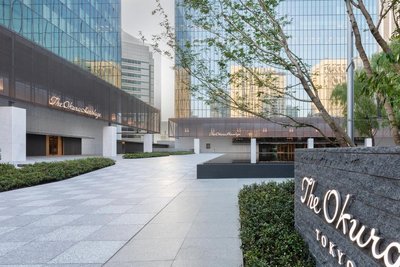
The Okura Tokyo

The Lively Azabujuban Tokyo

Kimpton Shinjuku Tokyo

HOTEL K5
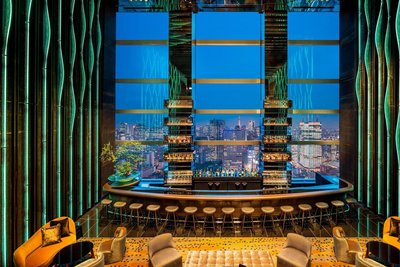
The Prince Gallery Tokyo Kioicho, a Luxury Collection Hotel
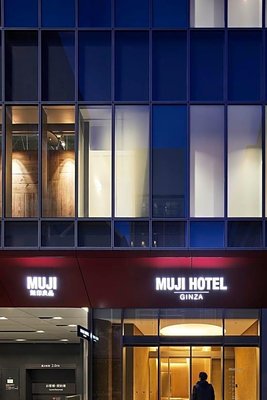
Muji Hotel Ginza
Hakone Gora Byakudan
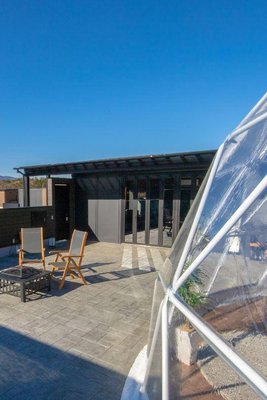
Panoramic Mt. Fuji Views from All Rooms – Vision Glamping Resort & Spa Yamanakako
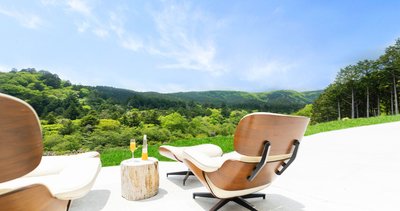
Shelter Garden Nikko
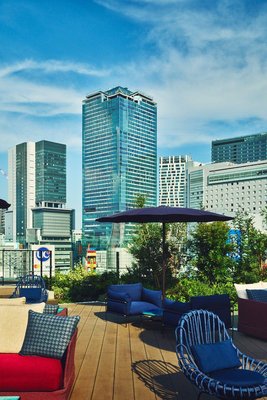
Hotel Indigo Tokyo Shibuya
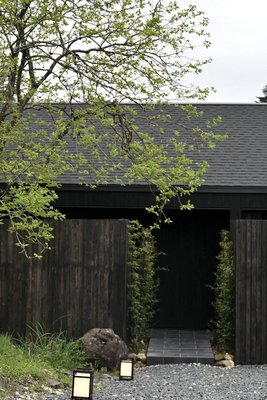
THE LAKOTAN
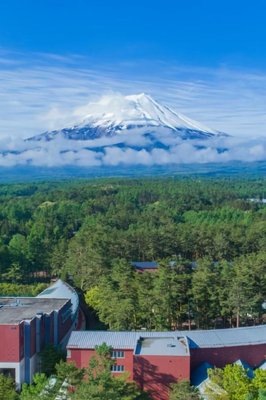
Forest Village (Fuji Premium Resort)

Hotel Toranomon Hills

Fufu Kyu-Karuizawa Restful Forest
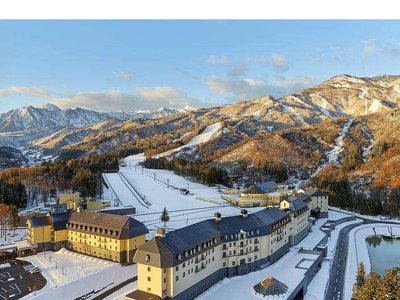
Lotte Arai Resort
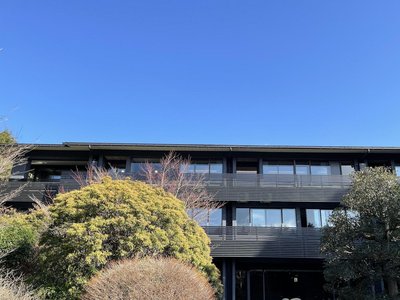
Sengokubara Cocon
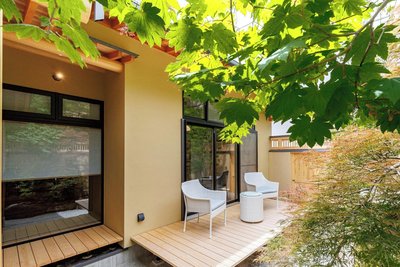
Shoraiso
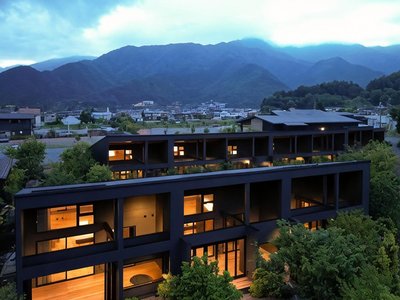
7C Villa and Winery

Hotel la Vigne Hakuba by Onko Chishin
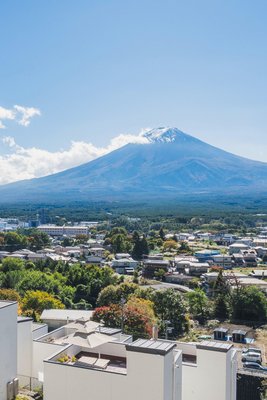
THE TOKI FujiKawaguchiko
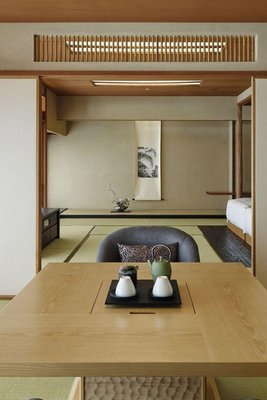
Takanawa Hanakohro (in Grand Prince Hotel Takanawa)

Hyatt Centric Ginza Tokyo
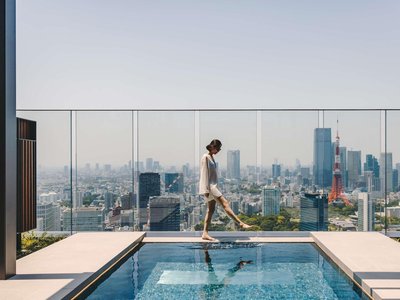
Fairmont Tokyo
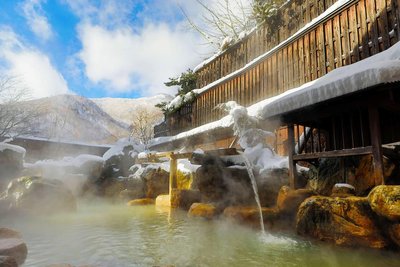
Miyamaouanbekkan yumegurinoyado hirayukan
The Prince Karuizawa
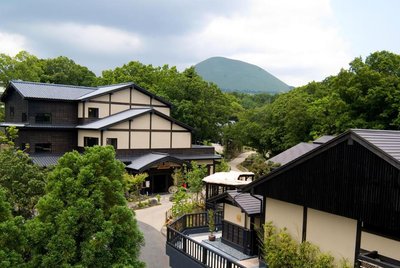
Mori no yu Kira No Sato 【Reopening on December 22, 2025】
Bvlgari Hotel Tokyo
Four Seasons Hotel Tokyo at Marunouchi
Mandarin Oriental, Tokyo
The Ritz-Carlton, Tokyo
Andaz Tokyo Toranomon Hills- A Concept by Hyatt
Gora Kadan

Hotel New Otani Tokyo the Main
Aman Tokyo
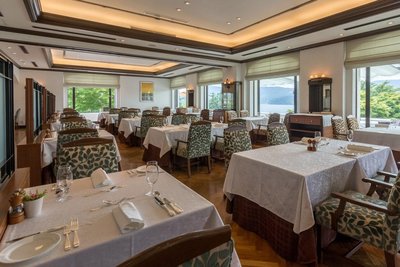
Odakyu Hotel de Yama
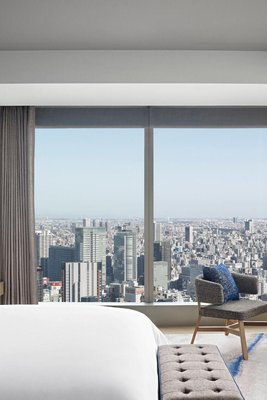
Four Seasons Hotel Tokyo at Otemachi

The Tokyo Edition, Toranomon
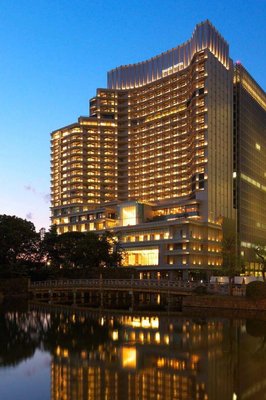
Palace Hotel Tokyo
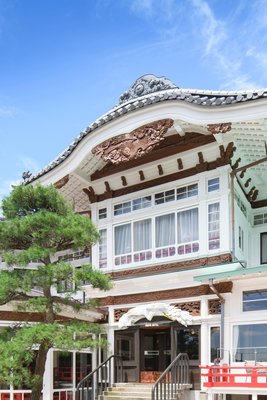
Fujiya Hotel
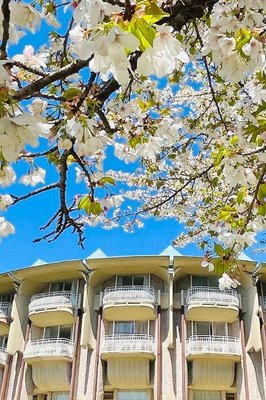
The Prince Hakone Lake Ashinoko
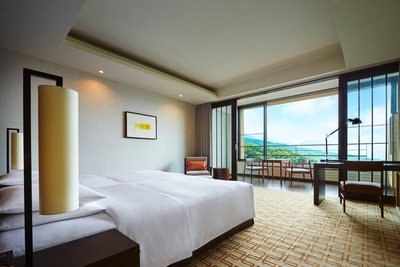
Hyatt Regency Hakone Resort and Spa
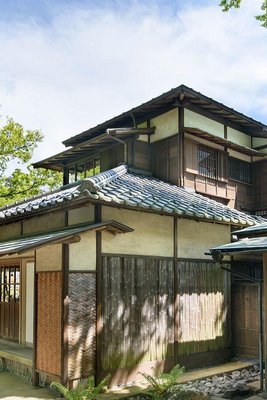
Hakone Suishoen

The Westin Yokohama

The Peninsula Tokyo

Imperial Hotel, Tokyo

Rakuten STAY VILLA Nasu
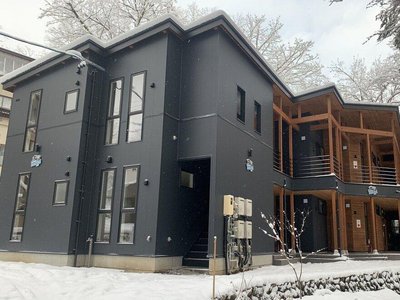
Hakuba Gondola Apartments
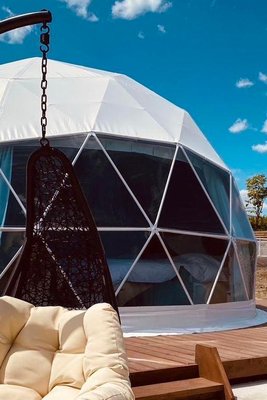
chillout glamping zao
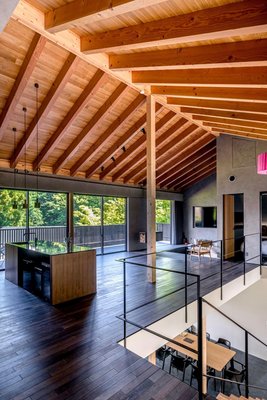
MONS GORA

Phoenix Chalets by Hhg
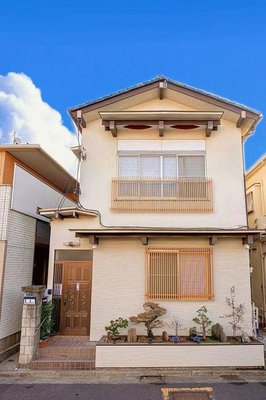
Tokyo Star House-Shinkoiwa
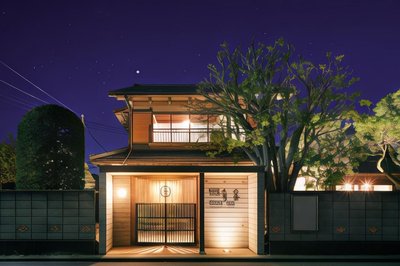
Machi-Jyu
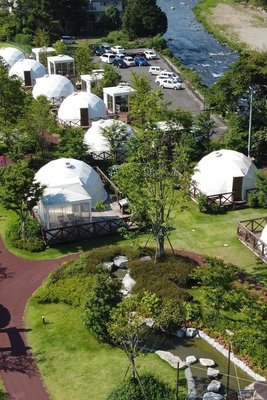
Ufufu Village
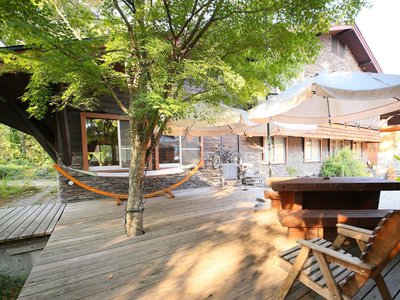
Kunugi Relaxation with 4 Modern Rooms

Modern Ryokan Kishi-ke

The Flow Kamakura
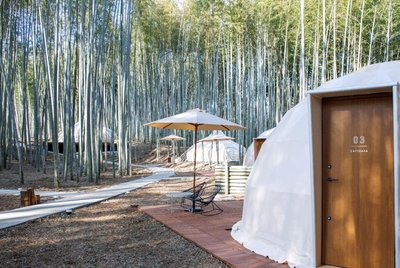
THE BAMBOO FOREST
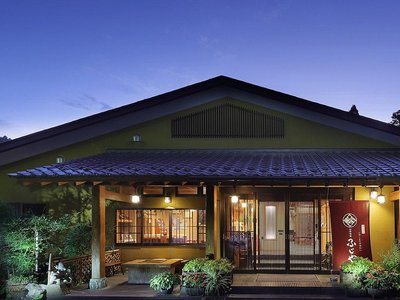
Shikimitei Fujiya
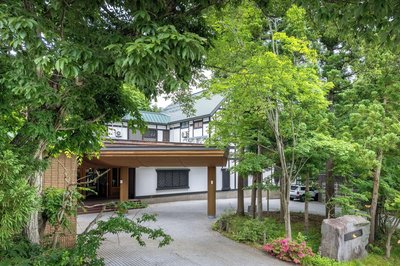
Forest Resort Yamanote Hotel

Hotel Barrière Fouquet's New York

The Plaza - A Fairmont Managed Hotel
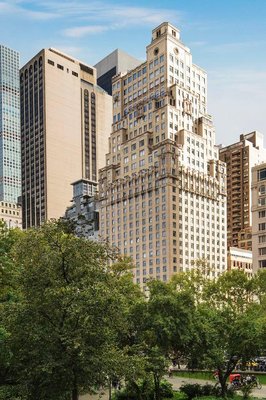
The Ritz-Carlton New York, Central Park

Four Seasons Hotel New York

The St. Regis New York

Park Hyatt New York
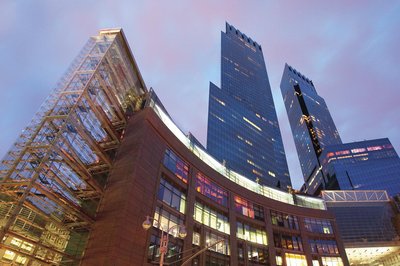
Mandarin Oriental New York

Times Square Edition New York

Loews Regency New York Hotel

Lowell Hotel
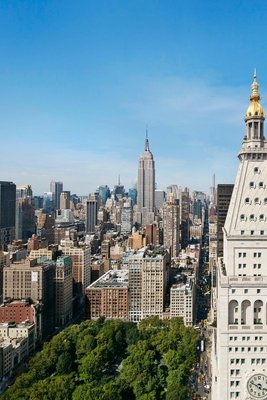
New York Edition

Baccarat Hotel New York

Equinox Hotel New York

Four Seasons Hotel New York Downtown

The Langham, New York, Fifth Avenue

The Carlyle, A Rosewood Hotel

The Chatwal, in the Unbound Collection by Hyatt

The Mark New York
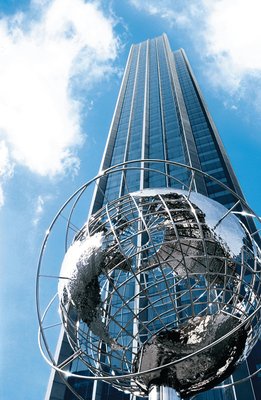
Trump International Hotel & Tower® New York
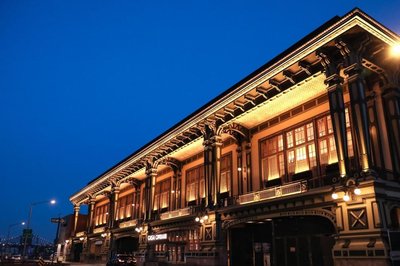
Casa Cipriani New York
Frequently Asked Questions about Traveling to Kagamiishi
Questions You Might Need to Know About Traveling to Kagamiishi
In Kagamiishi Town, stay at Yamakawa Lodge, a rustic retreat nestled among cedar forests with views of Daihozan Mountain. This eco-friendly inn features traditional Fukushima timber architecture and private onsen baths, offering authentic Japanese forest bathing (Shinrin-yoku).
For cultural immersion, join a local rice-planting workshop at nearby paddy fields or visit the Kagamiishi Shrine during the annual Harvest Festival. Nature lovers should explore the O-numa Wetland, home to migratory birds like the Japanese White Crane, accessible via guided eco-tours from the town’s visitor center.
The central district near Kagamiishi Station is the most convenient base for travelers, offering easy access to public transport, grocery stores, restaurants, and the town’s main shopping street. Many guesthouses here provide free parking and luggage storage—ideal for self-drive visitors.
For tranquility, consider staying in the foot-hills of Daihozan Mountain, where air quality is pristine and nature is abundant. Some guesthouses offer hands-on farm experiences, such as harvesting seasonal vegetables or making tofu from local soybeans, giving guests an authentic taste of rural Fukushima life. The central area is also just a 5-minute walk from Kagamiishi Shrine and the weekly local market, perfect for sampling regional dishes like rice balls and simmered Fukushima-style stews.
In Kagamiishi Town, participate in the spring rice planting ceremony and autumn harvest festival, where locals teach traditional farming techniques. You can wear straw sandals and actually plant rice seedlings in flooded paddies, experiencing the journey from seed to table.
At the Kagamiishi Shrine, the annual Lantern Blessing Festival lights up the night with hundreds of paper lanterns symbolizing hope and prosperity. Nearby, visit a handmade pottery studio using local clay to craft uniquely Fukushima-style tea sets and vases, perfect souvenirs.
Don’t miss the homestay dining experience, where you share a multi-course meal with a local family featuring seasonal ingredients like tempura-fried wild greens and simmered mackerel, deepening your connection to food and land.
O-numa Wetland, spanning over 200 hectares, is a vital wintering ground for migratory birds, including red-crowned cranes and white-headed storks—best viewed from observation towers.
The Daihozan Trail offers a 4-km loop hike through primeval forests and cascading streams, culminating in panoramic views of the Fukushima Basin and distant Ōu Mountains.
Along the Kagamiishi River, a scenic bike path lined with cherry trees blooms into a pink tunnel each spring, perfect for cycling or picnics. The nearby Nature Education Center provides guided tours and ecological lectures, ideal for families and nature enthusiasts.
Must-try dishes in Kagamiishi Town include shirako rice balls made with locally grown Koshihikari rice, wrapped in seaweed and filled with umeboshi or grilled mackerel—soft, fragrant, and satisfying.
Try Fukushima-style stewed pork, slow-cooked with root vegetables like taro and burdock, delivering rich, savory broth perfect with steaming white rice. Another highlight is wild mountain vegetable tempura, featuring seasonal greens like ferns and wild parsley, lightly fried for a crisp, earthy bite.
Visit the Kagamiishi Market for freshly baked black bean manju, with a crispy crust and soft, sweet filling—a favorite afternoon snack. Some guesthouses also offer local ingredient tasting menus, letting you sample multiple regional specialties in one meal.
While Kagamiishi Town lacks large public onsen resorts, many guesthouses and small hotels feature private hot springs or foot baths. For example, Yamakawa Lodge has an indoor outdoor onsen fed by natural mineral water, rich in sulfur—ideal for muscle relaxation and skin health.
Some properties, like Kagamiishi Eco Lodge, integrate hot springs into forest settings, offering nighttime soaking under open skies for a true stargazing onsen experience. Though no major onsen district exists, these intimate, nature-connected hot spring spaces provide a more tranquil, personalized wellness retreat. Always confirm availability and operating hours when HopeGoo.
Kagamiishi Overview
City Summary
Kagamiishi, located in the central part of Fukushima Prefecture, Japan, is a tranquil town known for its agriculture and natural beauty. With clear rivers and vast rice fields, it offers an ideal escape to experience rural Japan. The town also boasts ancient temples and shrines, reflecting its rich historical and cultural heritage.
Must-See Attractions
Key attractions in Kagamiishi include Kagamiishi Shrine and the scenic farmland. The shrine, with its long history and beautiful architecture, is a spiritual hub for locals. Visitors can also explore nearby farms to enjoy fruit and vegetable picking.
Food Guide
Kagamiishi’s cuisine focuses on local produce, with fresh rice and vegetable dishes being highlights. Traditional Japanese fare like tempura and soba noodles, made with locally sourced ingredients, are must-tries at local restaurants and stalls.
Transportation Guide
Public transport in Kagamiishi is limited; renting a car is recommended. The nearest station is Kagamiishi Station on the JR Tohoku Main Line, from where buses or taxis can take you to the town center. The roads are well-maintained, making cycling a great way to explore.
Best Time to Visit
The best times to visit are spring and autumn, when the weather is mild and perfect for outdoor activities. Cherry blossoms in spring and autumn foliage add charm to the town, with fewer crowds ensuring a peaceful experience.
Travel Tips
- Respect local customs, especially when visiting shrines.
- Drivers should observe speed limits on rural roads.
- Carry cash as some small shops may not accept cards.
- Pack warm clothing for cool autumn evenings.
- Contact the local tourism association for assistance if needed.
Useful Information
Japanese is the primary language, with limited English proficiency; basic phrases or a translation app are helpful. Reliable internet is available, with prepaid SIM cards sold at convenience stores. Cash is preferred, though some shops accept credit cards. For emergencies, dial 110 (police) or 119 (ambulance). Local hospitals provide basic care; serious cases should be referred to larger cities.









