Hotels in Kagamino
Discover your perfect stay in Kagamino.
Kagamino(Japan) Travel 2026: Cheap Flights, Hotels & Top Attractions
Popular Landmarks in Kagamino
Discover the most iconic attractions in Kagamino
Recommended Hotels in Kagamino
Find the perfect place to stay in Kagamino
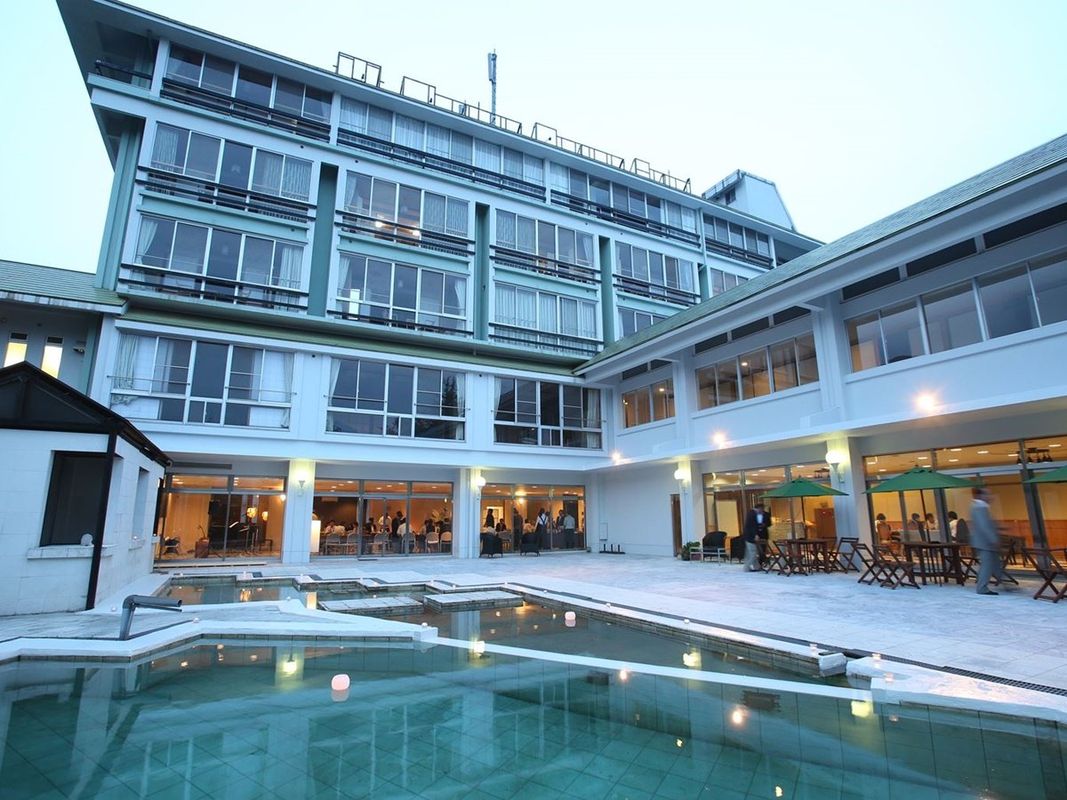
Okutsu Onsen Komeya Club
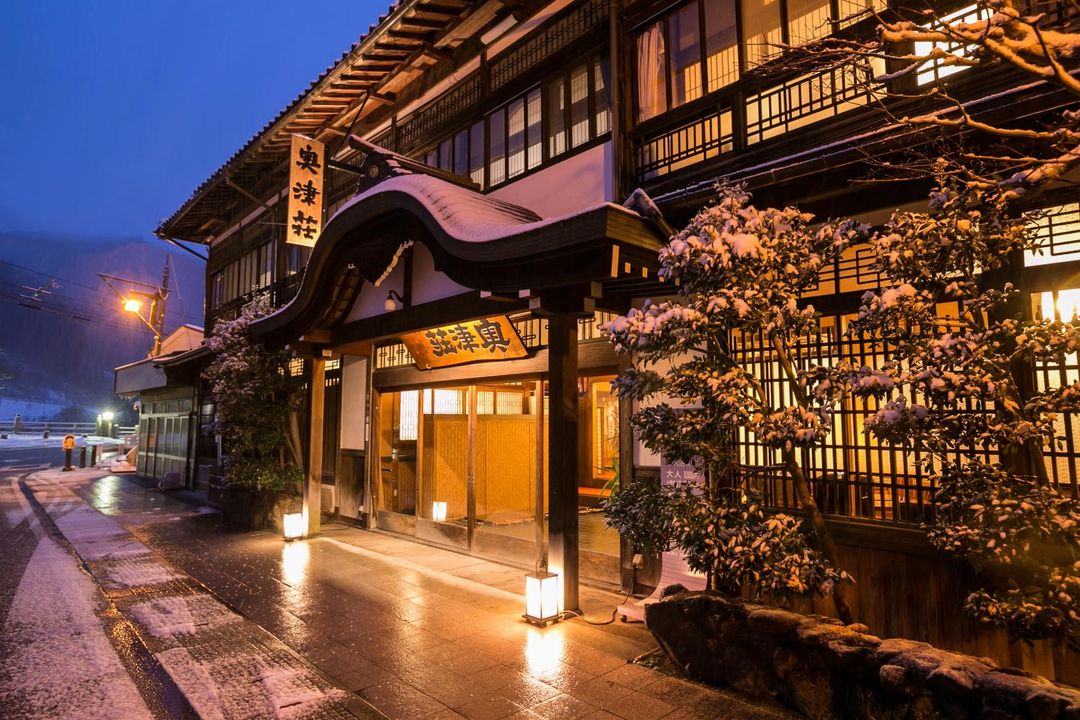
Okutsusou
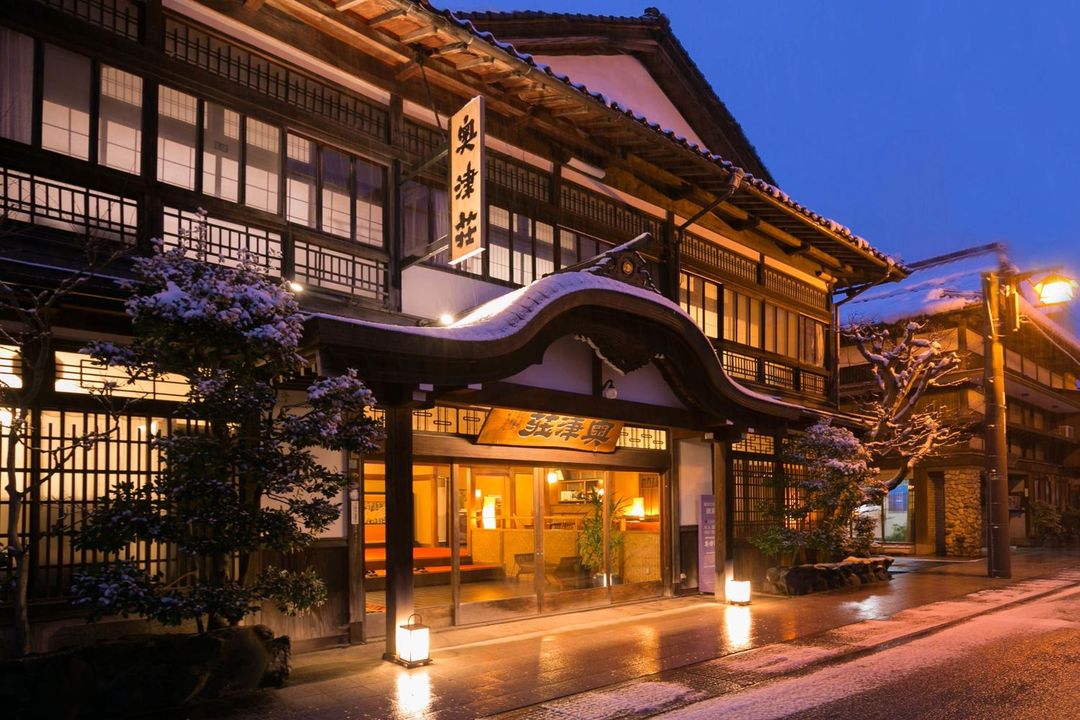
Okutsuso
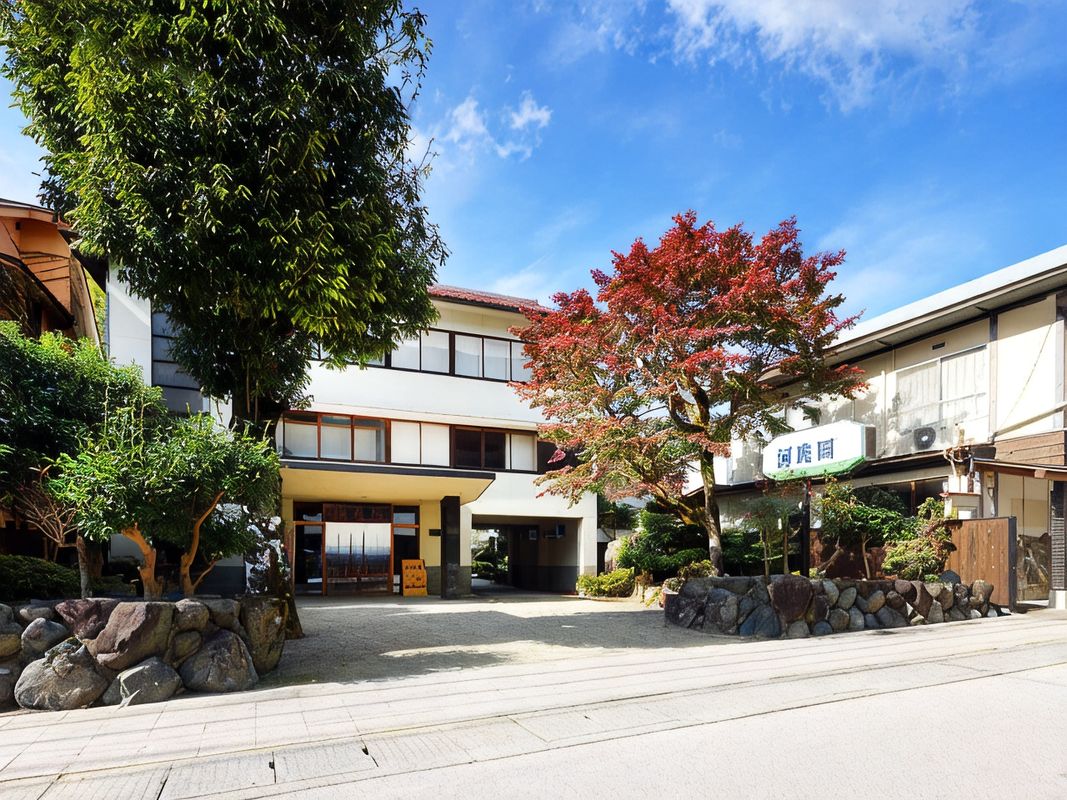
OkutsuHotSpa IkedayaKajikaen
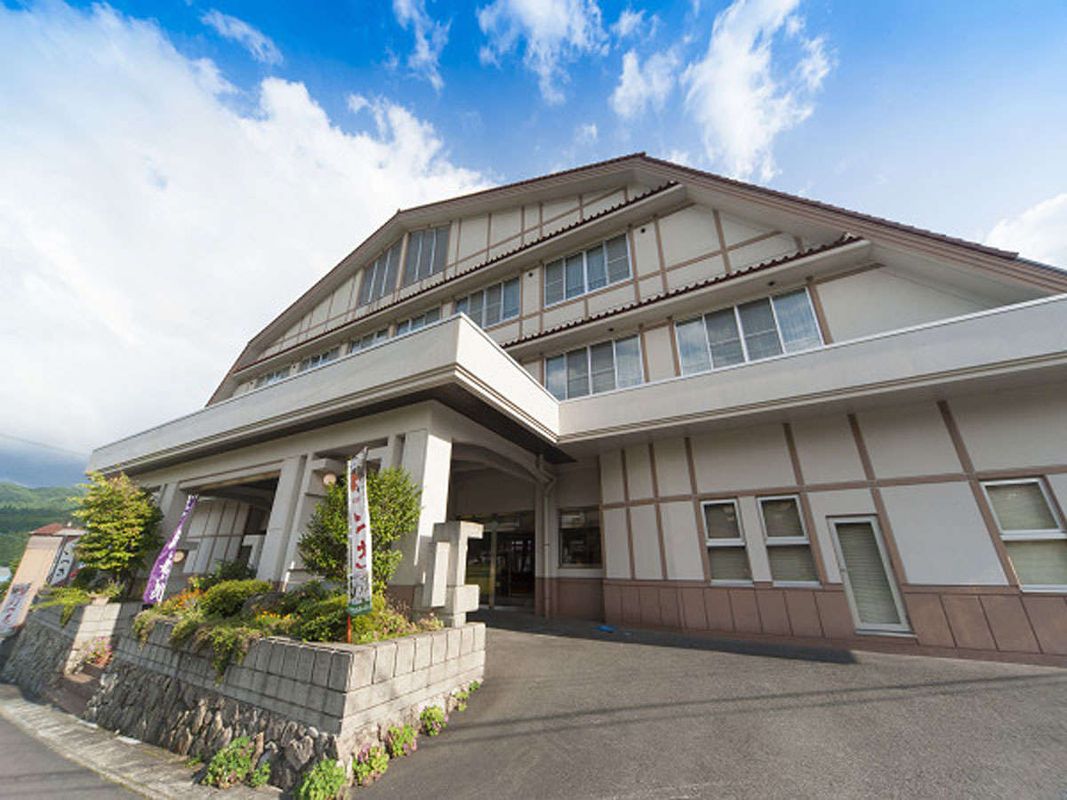
Itsuki
Best Hotels in Kagamino
Discover curated hotel collections in Kagamino
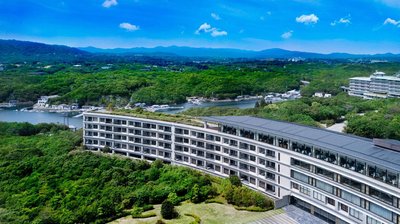
Shima Kanko Hotel the Bay Suites
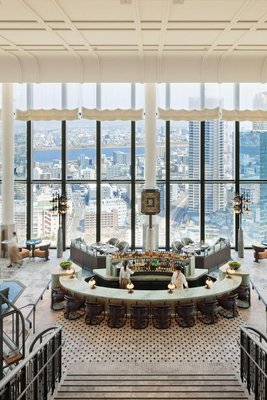
Waldorf Astoria Osaka
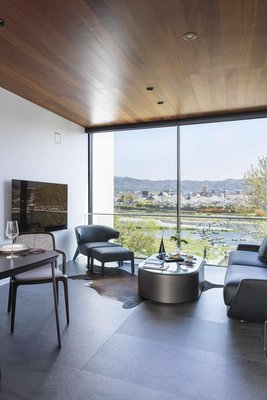
Kamo Residences by Reflections
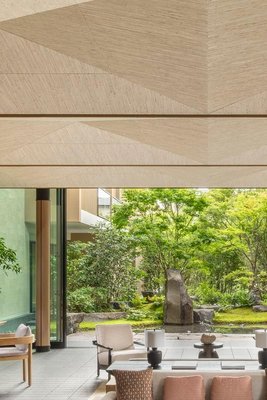
Six Senses Kyoto
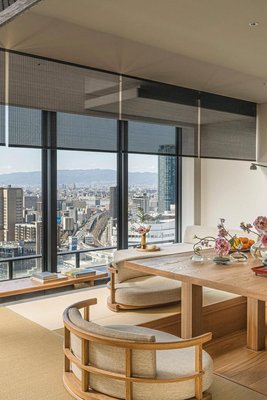
Four Seasons Hotel Osaka

Patina Osaka

The Ritz-Carlton, Osaka
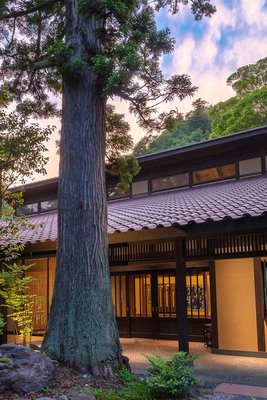
Arimasansoh Goshobessho

The Hiramatsu Hotels & Resorts Kashikojima
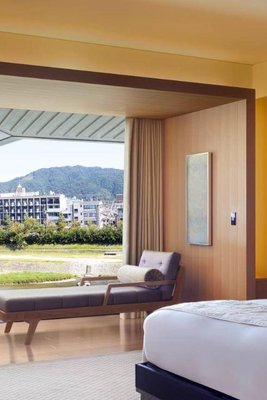
The Ritz-Carlton, Kyoto
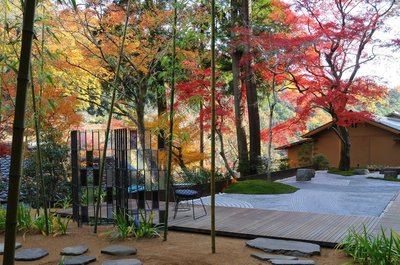
HOSHINOYA Kyoto
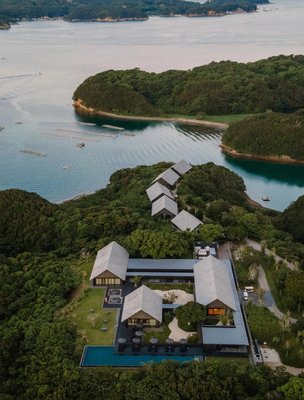
Amanemu
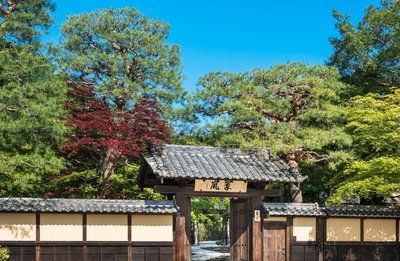
Suiran, a Luxury Collection Hotel, Kyoto
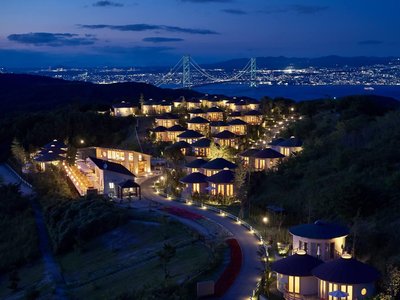
Grand Chariot Hokutoshichisei 135°
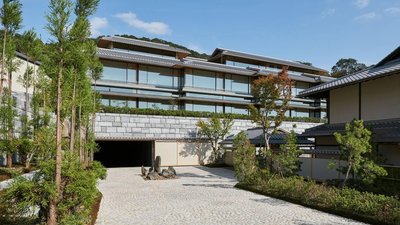
Park Hyatt Kyoto

SETOUCHI RETREAT by Onko Chishin
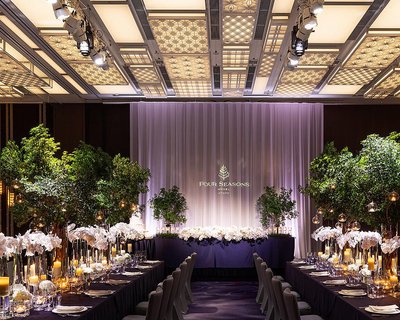
Four Seasons Hotel Kyoto

The Hotel Seiryu Kyoto Kiyomizu - a Member of the Leading Hotels of the World-
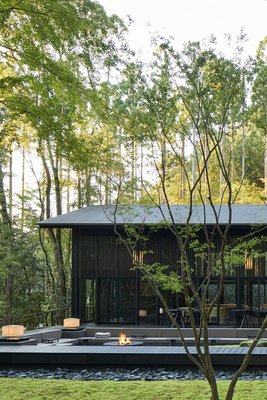
Aman Kyoto
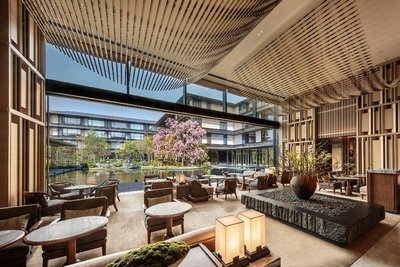
Hotel the Mitsui Kyoto, a Luxury Collection Hotel & Spa
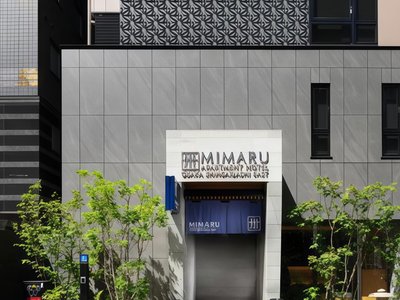
MIMARU Osaka Shinsaibashi East

Toba International Hotel Shiojitei

Gold Stay Nagoya OSU
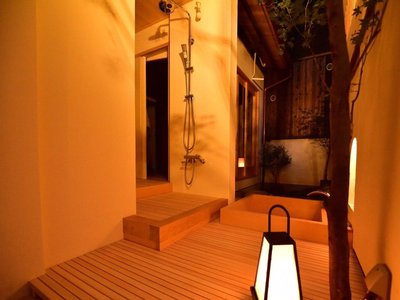
Yado Kiramachi

MIMARU Osaka Shinsaibashi North

Okuno Hosomichi
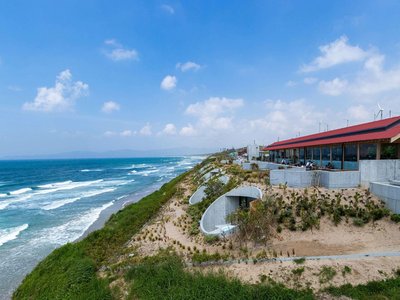
Izumo Hotel the Cliff

Korinkyo

GOLD STAY Nagoya Sakae
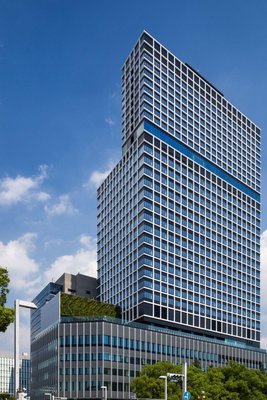
The Royal Park Hotel Iconic Nagoya
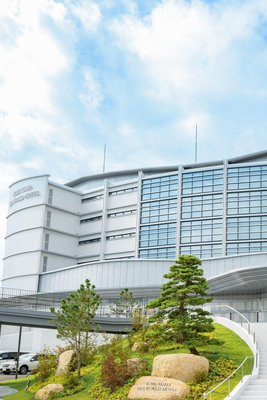
Kobe Suma Sea World Hotel
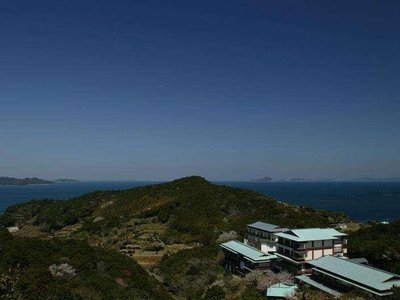
Hanashinsui
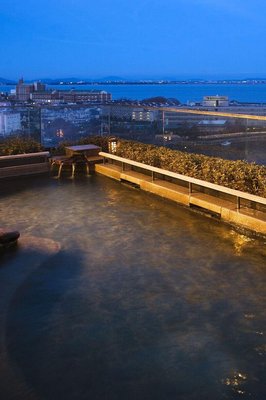
Yumotokan
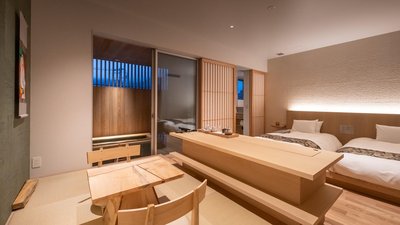
Japanese Auberge Kararako

Hotel Hankyu GRAN RESPIRE OSAKA
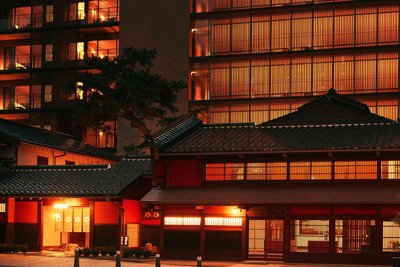
Hoshino Resorts Kai Kaga
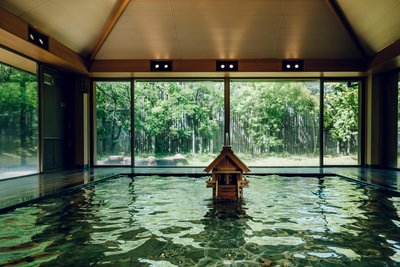
Hoshino Resorts KAI Tamatsukuri

Taikyourou
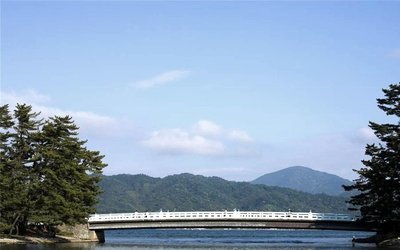
Monjusou Shourotei
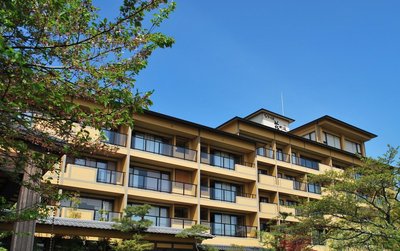
BIWAKO HANAKAIDO

XYZ Private Spa and Seaside Resort
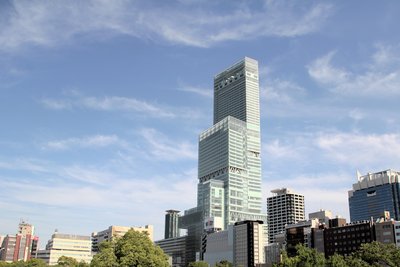
Osaka Marriott Miyako Hotel
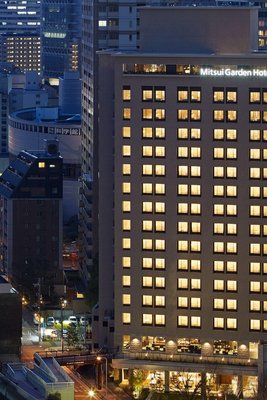
Mitsui Garden Hotel Osaka Premier

Izumigo Hotel Altia Toba
BIWAKO HANAKAIDO
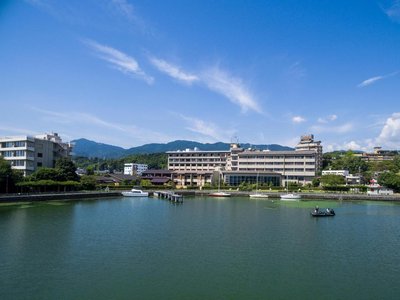
Biwako Ryokusuitei
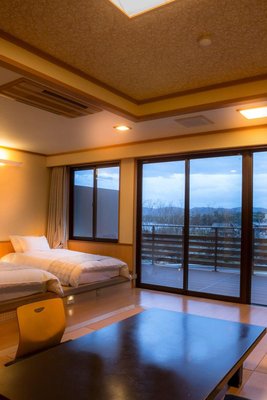
Hotel Kitanoya
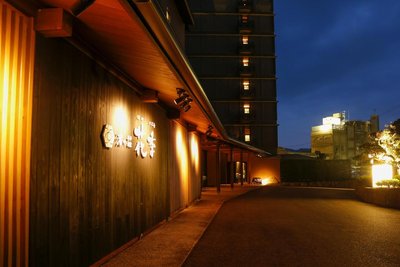
Hanagoyomi
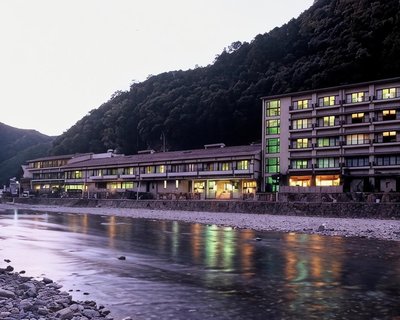
Kawayu Onsen Fujiya

Hotel La Suite Kobe Harborland

AoAwo Naruto Resort
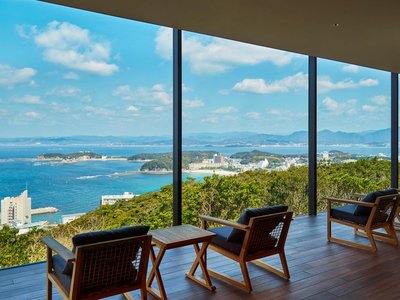
Infinito Hotel and Spa
Bella Vista Spa and Marina Onomichi
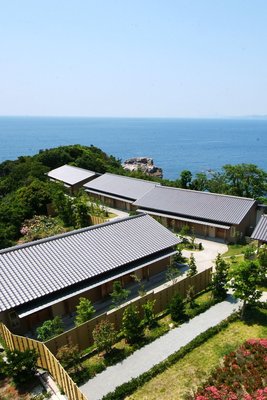
Hamachidorinoyu Kaisyu

Kaike Shogetsu
The Ritz-Carlton, Kyoto
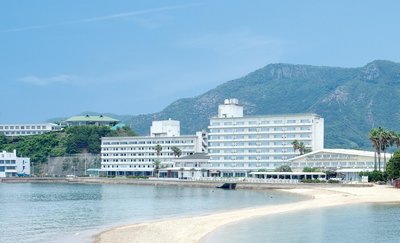
Shodoshima International Hotel
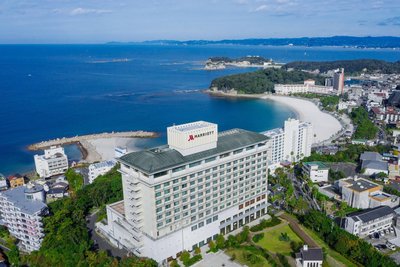
Nanki-Shirahama Marriott Hotel

Juhachiro

Toba International Hotel
Yado Kiramachi
Arimasansoh Goshobessho
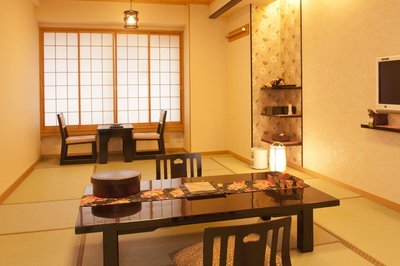
Matsui-Bekkan Hanakanzashi
Hoshino Resorts KAI Tamatsukuri
Taikyourou
Monjusou Shourotei
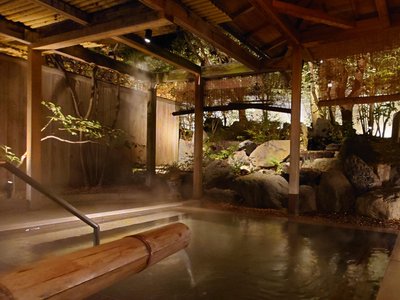
Kasuga Hotel

Migiwatei Ochi Kochi
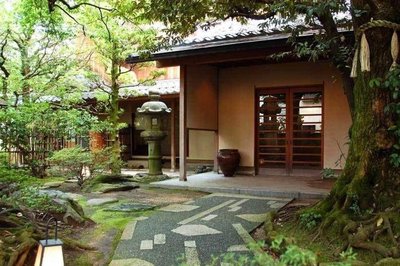
Kocho

Hotel New Wakasa
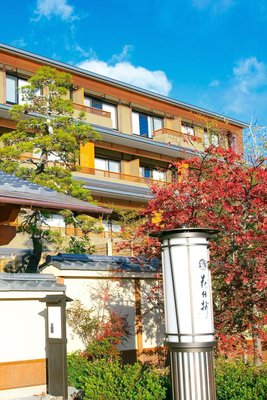
Kyoto Arashiyama Onsen Kadensho (Kyoritsu Resort)
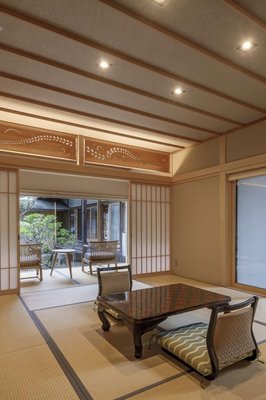
Ichijoin
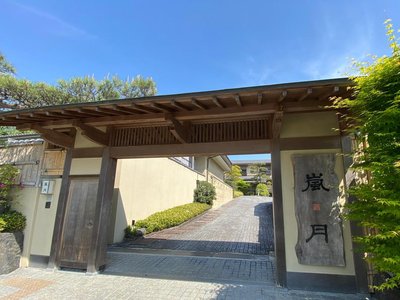
Rangetsu
The Ritz-Carlton, Kyoto
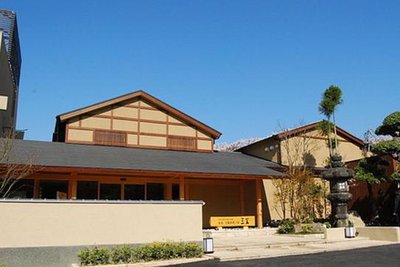
Mikasa
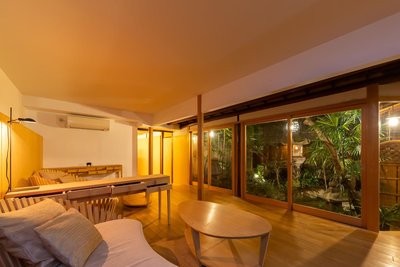
Izuyasu Traditional Kyoto Inn Serving Kyoto Cuisine
HOSHINOYA Kyoto
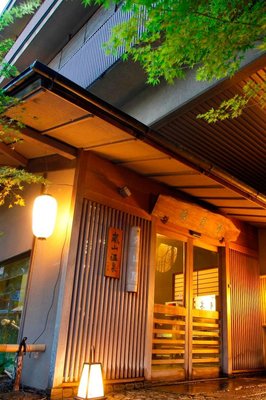
Togetsutei
Juhachiro
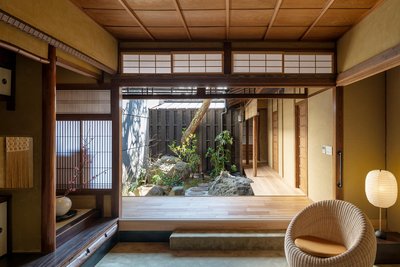
Nazuna Kyoto Gosho
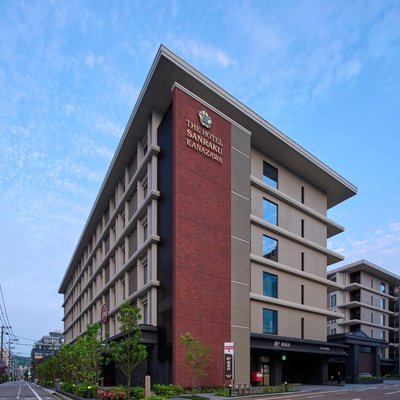
The Hotel Sanraku Kanazawa 21th December 2022 Open

22 PIECES
The Ritz-Carlton, Osaka

The Thousand Kyoto
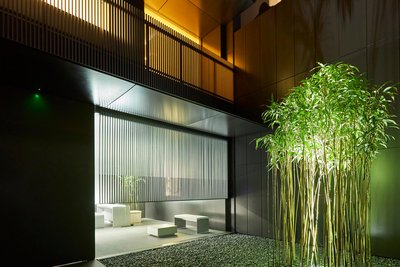
Mogana

GOOD NATURE HOTEL KYOTO
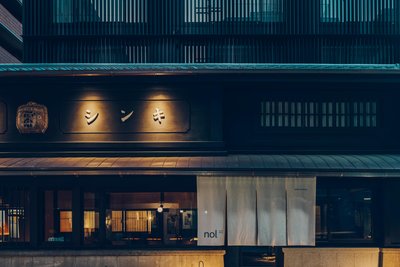
Nol Kyoto Sanjo

Zentis Osaka

Garrya Nijo Castle Kyoto

W Osaka

Hotel Kanra Kyoto

Aloft Osaka Dojima
Shima Kanko Hotel the Bay Suites
Waldorf Astoria Osaka
Kamo Residences by Reflections
Six Senses Kyoto
Four Seasons Hotel Osaka
Patina Osaka
The Ritz-Carlton, Osaka
Arimasansoh Goshobessho
The Hiramatsu Hotels & Resorts Kashikojima
The Ritz-Carlton, Kyoto
HOSHINOYA Kyoto
Amanemu
Suiran, a Luxury Collection Hotel, Kyoto
Grand Chariot Hokutoshichisei 135°
Park Hyatt Kyoto
SETOUCHI RETREAT by Onko Chishin
Four Seasons Hotel Kyoto
The Hotel Seiryu Kyoto Kiyomizu - a Member of the Leading Hotels of the World-
Aman Kyoto
Hotel the Mitsui Kyoto, a Luxury Collection Hotel & Spa

Centara Grand Hotel Osaka
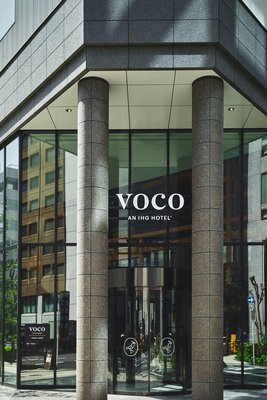
voco Osaka Central

TIAD, AUTOGRAPH COLLECTION

Dusit Thani Kyoto
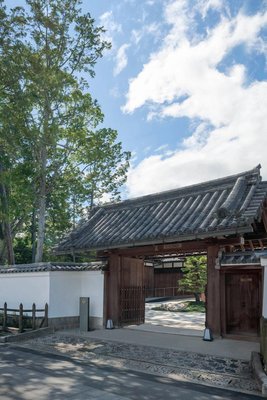
Shisui, a Luxury Collection Hotel, Nara

Hilton Kyoto
Osaka Marriott Miyako Hotel
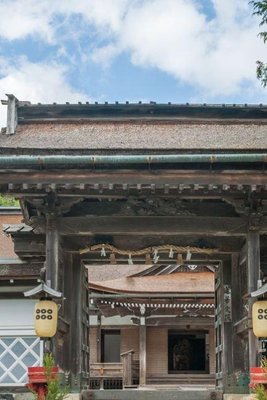
Koyasan Rengejoin

CUVÉE J2 HOTEL OSAKA by Onko Chishin

Candeo Hotels Osaka The Tower
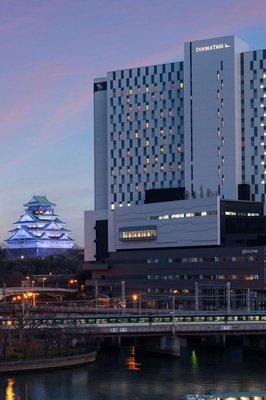
DoubleTree by Hilton Osaka Castle
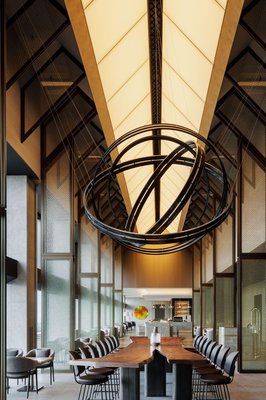
The Osaka Station Hotel, Autograph Collection
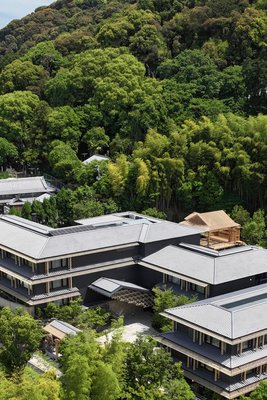
Banyan Tree Higashiyama Kyoto

Canopy by Hilton Osaka Umeda
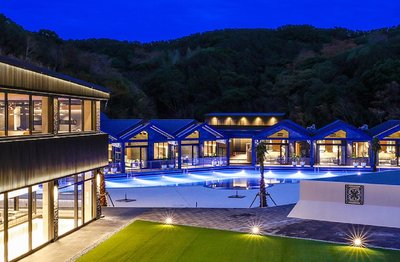
FIVE SPRING RESORT THE SHIRAHAMA
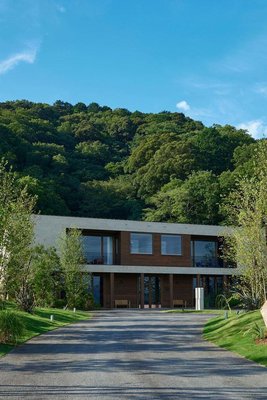
HACIENDA VISON
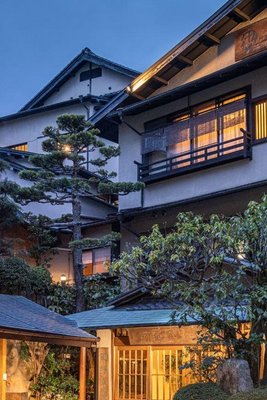
Arima Onsen Tocen Goshobo
Hotel La Suite Kobe Harborland

Hilton Osaka Hotel
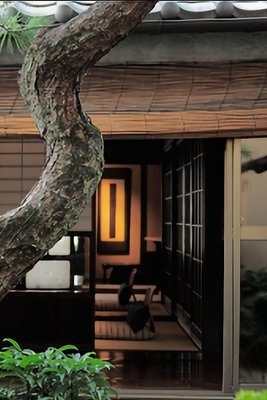
Shimayado Mari
Osaka Marriott Miyako Hotel
The Ritz-Carlton, Osaka
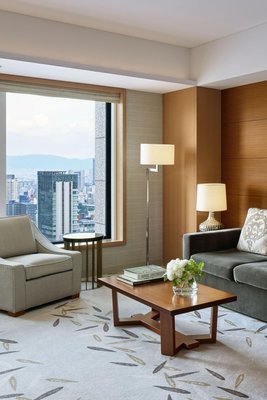
InterContinental Hotel Osaka
The Ritz-Carlton, Kyoto
Suiran, a Luxury Collection Hotel, Kyoto
GOOD NATURE HOTEL KYOTO
Park Hyatt Kyoto

Hyatt Centric Kanazawa
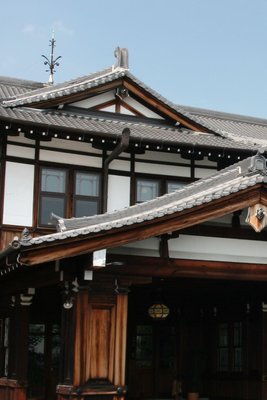
Nara Hotel
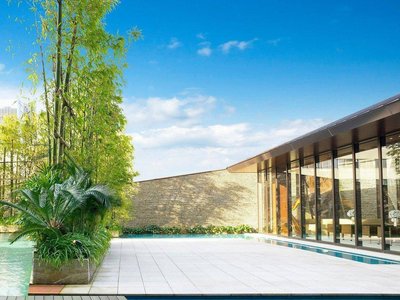
ORIENTAL HOTEL

Conrad Osaka

Nagoya JR Gate Tower Hotel (JR-Central Hotels)

Hotel New Otani Osaka

Nagoya Marriott Associa Hotel

Swissotel Nankai Osaka
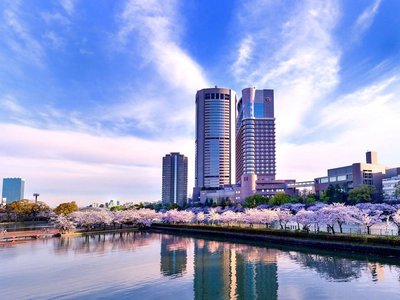
Imperial Hotel Osaka

The St. Regis Osaka
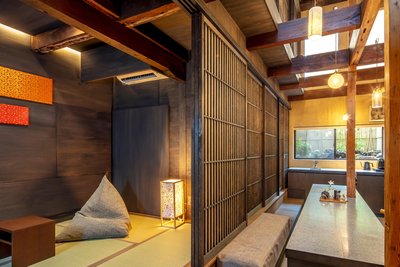
Kyo No Oozora Kihana
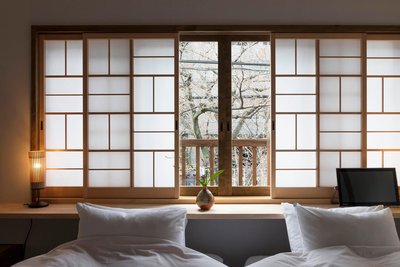
Hanagoromo Machiya House
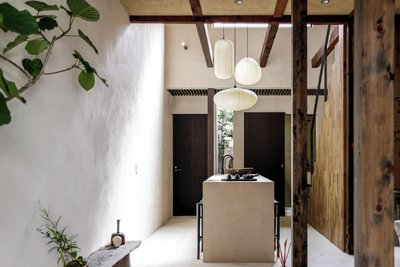
Maana Kiyomizu
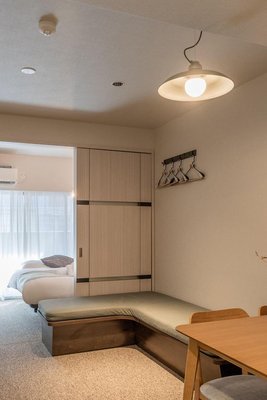
Apartment Hotel 11 Shinsaibashi
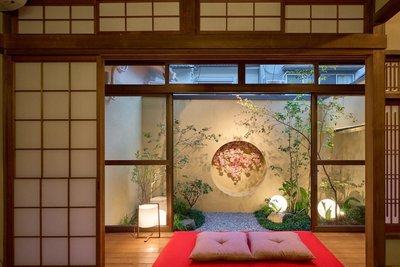
KONJAKUSO Osaka Tengachaya "NIHONCHA" Tea & Relax
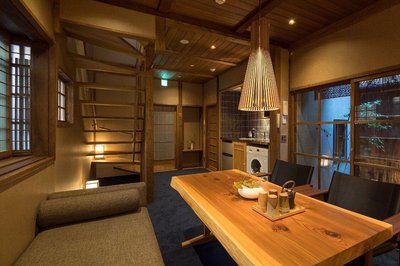
Bonbori an Machiya House

Glamping&Resort Wood Design Park Noma
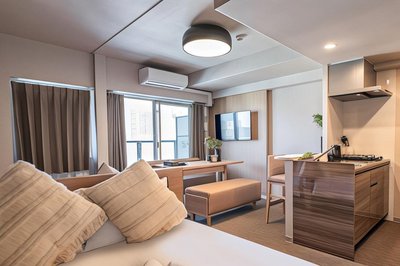
Apartment Hotel 11 Shinsaibashi III
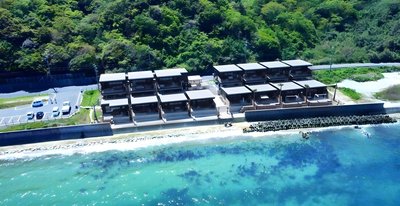
Solavilla Umi Terrace Minamiawaji
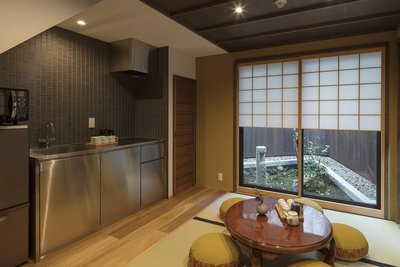
The Machiya Villa Sanjo Shirakawa Koji
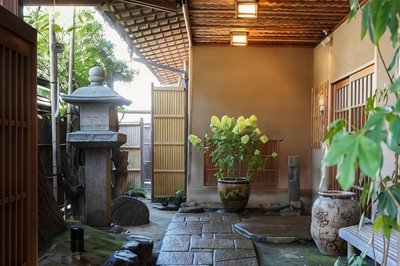
Ryokan Asadaya
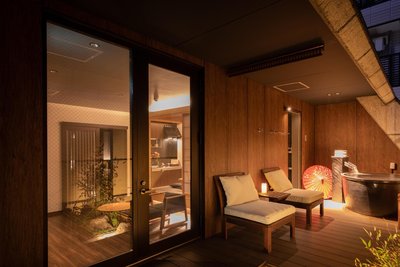
Konjaku-So Dotonbori
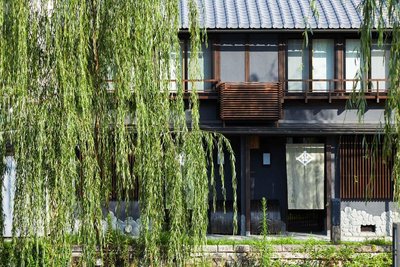
Gion Shirakawa No Yado

Kitashirakawa Natural Radium Onsen
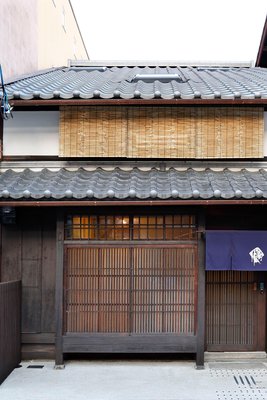
Kyo No Ondokoro Kamanza Nijo #2
Gion Koyu an Machiya House
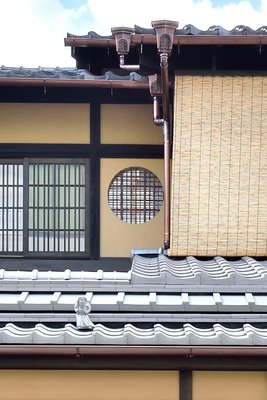
Kyo No Ondokoro Gokomachi Ebisugawa #3

Sana Mane - Glamp Domes
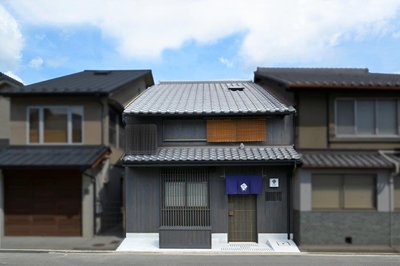
Kyo No Ondokoro Goshonishi #6
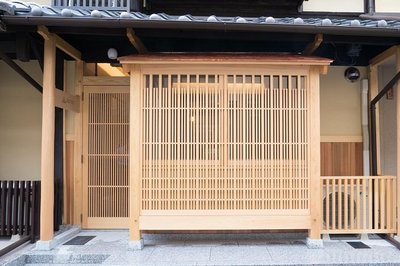
Kyomachiya Suite Rikyu
Frequently Asked Questions about Traveling to Kagamino
Questions You Might Need to Know About Traveling to Kagamino
In Kagami-no-machi, Kagami-no-Machi Country Inn is a top choice for families seeking a peaceful retreat surrounded by nature. Nestled among the hills of Gibi Highlands, this boutique ryokan offers traditional wooden cabins with tatami floors and private balconies overlooking lush greenery. The property features a small on-site farm where guests can interact with local animals and participate in seasonal activities like tea harvesting.
Another excellent option is Oigawa Hot Spring Resort, which combines relaxing hot springs with authentic regional cuisine made from locally sourced ingredients. Both accommodations are located near scenic walking trails and cultural sites, making them ideal for exploring the area’s rich heritage.
Must-try experience: Join the annual Kagami-no-machi Flower Viewing Festival in spring to witness breathtaking cherry blossoms, enjoy traditional dishes like persimmon leaf rice and mountain vegetables, and immerse yourself in local craftsmanship and tea ceremonies.
The best area for accommodation in Kagami-no-machi is the town center, located near Kagami-no-jinja Shrine and the Oigawa Riverbank. This central district offers easy access to local markets, tea farms, and historic alleys, while maintaining a quiet rural charm. Most guesthouses and small inns cluster here, providing convenient base camps for exploring nearby hiking trails and scenic viewpoints.
The town center also serves as the gateway to the Gibi Highlands, making it ideal for nature lovers and those seeking tranquility. Many lodges offer free shuttle services to surrounding attractions, enhancing travel convenience. Staying here allows visitors to fully immerse in the community’s lifestyle and traditions.
Highlight event: The weekly Kagami-no-machi Handmade Market on Saturdays showcases local artisans—pottery makers, weavers, and farmers—offering unique souvenirs and fresh regional produce.
One of the most unique cultural experiences in Kagami-no-machi is the Gibi Tea Ceremony Workshop, held at Kagami-no-Tea Gardens. Guests learn to hand-pick tea leaves, master traditional pan-frying techniques, and enjoy freshly brewed Gibi Green Tea—a delicate, earthy brew that reflects the region’s terroir.
Every spring, the Kagami-no-machi Flower Viewing Festival brings the town alive with cherry blossom parades, period costumes, and open-air tea ceremonies. Visitors can stroll through blooming sakura tunnels dressed in kimono, immersing themselves in Edo-era elegance.
Other highlights include local pottery workshops led by master artisans, where you craft your own earthenware piece to take home. During autumn, join a wild mountain vegetable foraging tour guided by local experts who teach identification and traditional preparation methods. These hands-on activities deepen your connection to the community and its living heritage.
Top natural attractions near Kagami-no-machi include the Gibi Highlands, a vast grassland plateau offering panoramic views and vibrant seasonal landscapes. In summer, it’s perfect for cycling along scenic trails; during winter, snow blankets the fields, creating a serene alpine atmosphere ideal for photographers and hikers.
Another must-visit is the Oigawa Gorge, where clear streams wind through ancient forests. The Sakura Waterfall Trail is especially popular in spring, when cherry blossoms mirror in the water below. For elevated views, head to the Kagami-no Dam Overlook, which provides sweeping vistas of the river valley and surrounding mountains—particularly stunning at sunset.
All these sites are within 30 minutes’ drive from the town center, making them easily accessible for a full-day nature adventure. Pair your visit with a picnic basket from a local inn for an authentic countryside experience.
While Kagami-no-machi itself isn’t known for hot springs, Oigawa Hot Spring Resort, just a 20-minute drive away, is the top recommendation. This resort features indoor and outdoor natural onsen pools fed by deep underground mineral waters rich in sulfur and calcium, known for relieving muscle tension and improving skin health.
The hotel blends modern architecture with traditional Japanese design—wooden beams, sliding shoji screens, and floor-to-ceiling windows framing garden and mountain views. Another option is Gibi Highlands Villa Inn, which doesn’t have public baths but offers private soaking tubs and gourmet meals using local ingredients.
Both emphasize wellness and rejuvenation, with yoga classes and meditation spaces. Try their "Morning Forest Walk + Onsen Bath" package for a holistic experience connecting nature and relaxation.
Kagami-no-machi’s signature dishes center around Gibi Tea and wild mountain vegetables. Must-try is Kaki-leaf Rice (Kaki no ha meshi)—sticky rice wrapped in fresh persimmon leaves and steamed, delivering a subtle herbal aroma. Another highlight is Mountain Vegetable Tempura, featuring locally foraged greens like ferns, dandelion, and young maple leaves, fried crisp and served with sea salt.
Kagami-no Tofu is renowned for its smooth texture and artisanal craftsmanship, often enjoyed cold with soy sauce or in a light broth. Every Saturday, the Kagami-no-machi Handmade Market features stalls selling fresh produce, homemade miso, and pickled vegetables.
For a deeper culinary immersion, book a Local Family Dining Experience, where guests share a home-cooked meal with a resident family, learning traditional seasoning techniques and presentation styles. These dishes reflect not only regional flavors but also centuries-old food wisdom passed down through generations.
The best times to visit Kagami-no-machi are spring (March to May) and autumn (September to November). Spring brings the vibrant Kagami-no-machi Flower Viewing Festival, with cherry blossoms lining the Oigawa Riverbanks, creating a dreamy backdrop for photography and leisure walks. The weather is mild and refreshing, perfect for outdoor exploration.
Autumn transforms the landscape into a kaleidoscope of reds and golds, especially across the Gibi Highlands and forested gorges. It’s ideal for hiking, photography, and enjoying the tranquil beauty of changing seasons.
While summer can be warm, the highlands and riverside offer cool retreats. Winter occasionally sees snowfall, attracting visitors who appreciate serene, snowy landscapes. Overall, spring and autumn provide optimal weather, abundant cultural events, and moderate tourist crowds—perfect for experiencing the town’s natural and cultural charm.
Yes, Kagami-no-machi offers several photogenic spots. The Oigawa Cherry Blossom Waterfall Trail is iconic in spring, where cherry blossoms arch over a clear stream, creating a natural frame perfect for candid and artistic shots. The Kagami-no-jinja Torii Gate and ancient stone alleyways retain Edo-period charm, ideal for photos in traditional kimonos.
The Gibi Highlands Sunrise Viewpoint offers breathtaking morning scenes with mist rising over distant peaks—ideal for cinematic wide-angle shots. The Kagami-no Tea Terraces create a striking layered green pattern under sunlight, excellent for drone photography or ground-level compositions.
For candid moments, visit the Kagami-no-machi Handmade Market on Saturdays, where local artisans craft pottery, weave textiles, and prepare food—capturing authentic human stories and textures. These locations blend natural beauty with cultural depth, making them perfect for professional and enthusiast photographers alike.
Public transportation in Kagami-no-machi is primarily served by buses connecting from Okayama City and Tsuyama City, with departures every hour and journey times of about 45 to 60 minutes. For those driving, the Chūgoku Expressway links to Prefectural Route 33, with clear signage guiding to the town center—approximately one hour from Okayama.
Although no railway line reaches Kagami-no-machi directly, both Tsuyama Station and Okayama Station offer frequent train connections to major cities, followed by a short bus transfer.
For greater flexibility, renting an electric bicycle or using local bike-sharing services is highly recommended—ideal for exploring tea fields, hiking trails, and weekend markets. Despite its rural setting, the town boasts well-maintained access routes and eco-friendly options, making it a surprisingly accessible destination for travelers seeking authentic, off-the-beaten-path experiences.
Guesthouses in Kagami-no-machi are distinguished by their emphasis on authentic local life experiences. Most are family-run, housed in traditional Japanese wooden cottages with tatami rooms and private gardens. Some feature private outdoor onsen baths and dedicated tea ceremony spaces.
Unique stays like Kagami-no-Cha Yado offer a full-day "From Tea Harvest to Tea Tasting" experience, allowing guests to participate in every step—from picking leaves to brewing and savoring Gibi Green Tea. Other homestays operate as farm stays, where guests help feed chickens, harvest vegetables, and enjoy meals made from their own produce.
Rather than luxury amenities, these guesthouses prioritize genuine hospitality and harmony with nature, inviting travelers to slow down and truly connect with the rhythms of daily life in Kagami-no-machi.
Kagamino Overview
City Summary
Kagamino-cho is a tranquil town in northern Okayama Prefecture, Japan, renowned for its breathtaking natural scenery and rich historical heritage. It boasts one of Japan's Top 100 Waterfalls, "Yunose Waterfall", and the registered Japan Heritage site "Okutsu Onsen". The town experiences four distinct seasons, with cherry blossoms in spring and vibrant foliage in autumn, making it an ideal escape from urban bustle. Kagamino's traditional "Kagamino Washi" papercraft and unique local cuisine offer visitors authentic cultural experiences.
Must-See Attractions
The Yunose Waterfall is Kagamino's iconic landmark, where water cascades dramatically from cliffs, with walking paths allowing close encounters with nature. Okutsu Onsen, with 1,300 years of history, preserves traditional Japanese inns and public baths for authentic hot spring culture immersion. The Kagamino Folklore Museum showcases local history and traditional lifestyles, while the Washi Paper Workshop offers hands-on papermaking experiences for unique souvenirs.
Food Guide
Kagamino's cuisine reflects its mountainous terrain through hearty rural dishes. Don't miss "Kagamino Soba" noodles made from local buckwheat, known for their firm texture. "Okutsu Onsen Tofu", prepared with thermal spring water, offers exceptional smoothness. In winter, try "Kagamino Nabe", a hotpot with mountain vegetables and meat. The town's farmers market sells fresh wild plants and fruits seasonally.
Transportation Guide
Public transport in Kagamino relies mainly on buses. From Okayama City, take JR Tsuyama Line to Tsuyama Station, then transfer to Kagamino-bound buses (about 2 hours total). As attractions are dispersed, renting a car is recommended. Rental services are available, but note some mountain roads may close in winter snow. Taxis are limited—book in advance. Bicycle rentals suit short distances, but hilly terrain requires stamina.
Best Time to Visit
Kagamino welcomes visitors year-round, with peak seasons being spring (April-May) for cherry blossoms and autumn (October-November) for fall foliage. Summer (July-August) offers cool retreats, though typhoons occasionally occur. Winter (December-February) showcases snowy landscapes and hot springs, but some sites may have limited access. Avoiding Japan's Golden Week (late April-early May) reduces crowds.
Travel Tips
- Onsen etiquette: Wash thoroughly before bathing, tie up long hair, tattoos may be prohibited.
- Mountain weather changes rapidly—pack layers and rain gear even in summer.
- Rural shops have shorter hours; carry cash and check schedules in advance.
- Seek permission before photographing shrines or private properties.
- Follow strict waste sorting rules; some areas require taking trash with you.
- Some mountain roads lack signal coverage—download offline maps when driving.
Useful Information
Japanese is primary; English is limited in rural areas—bring a phrasebook or translation app. Mobile coverage is decent but spotty in mountains; major facilities offer free Wi-Fi. Cash remains dominant, though credit cards work at ryokans and larger establishments. Currency exchange is available at post offices and convenience stores. Medical facilities concentrate in town center—travel insurance is advised. Dial 110 for police or 119 for ambulance/fire. Locals are friendly; speak softly when seeking help.