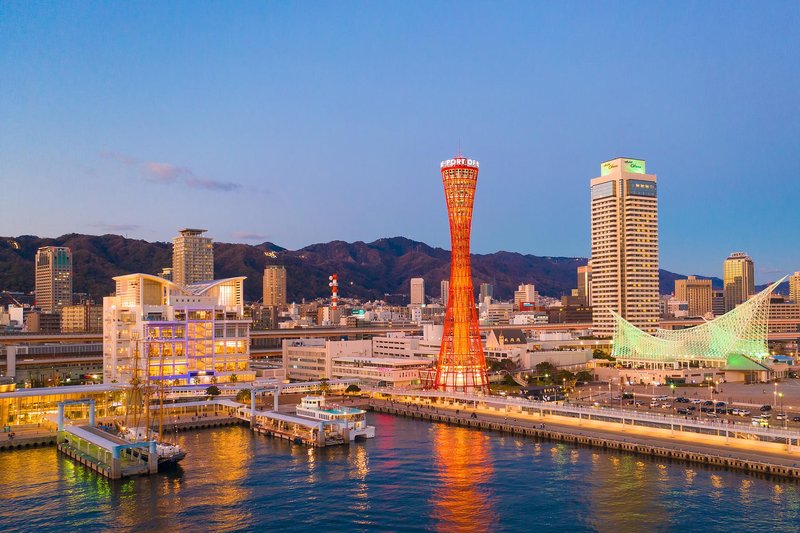
Hotels in Kahoku
Discover your perfect stay in Kahoku.
Kahoku(Japan) Travel 2026: Cheap Flights, Hotels & Top Attractions
Popular Landmarks in Kahoku
Discover the most iconic attractions in Kahoku
Recommended Hotels in Kahoku
Find the perfect place to stay in Kahoku
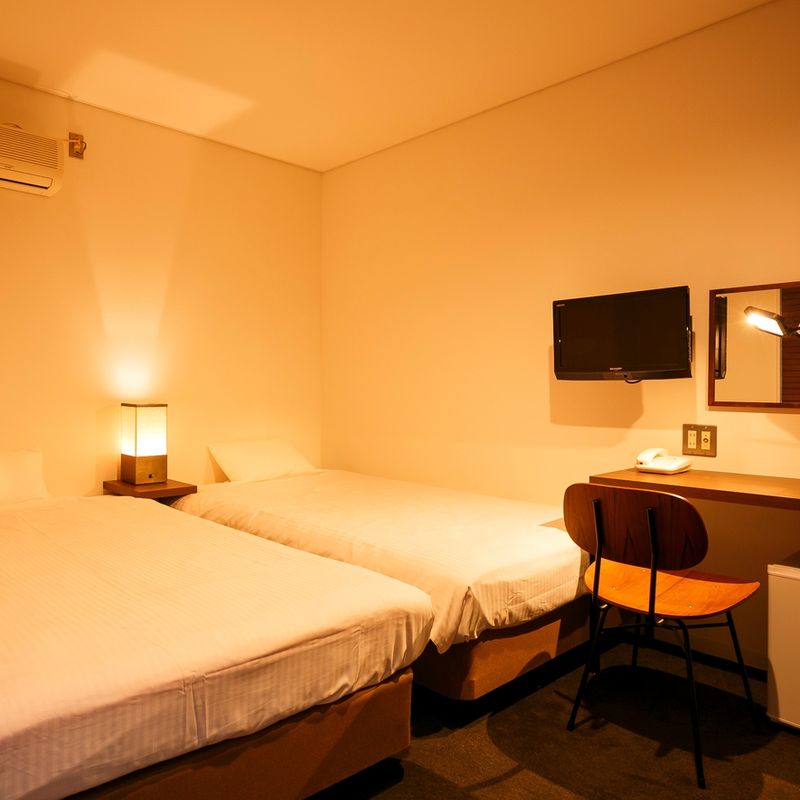
Kahoku Hotel Nagomitei
Best Hotels in Kahoku
Discover curated hotel collections in Kahoku
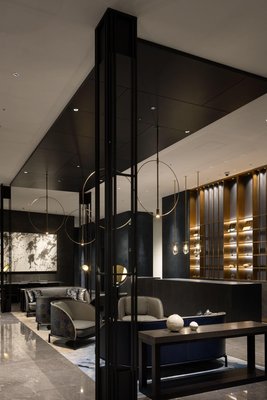
Bellustar Tokyo, A Pan Pacific Hotel
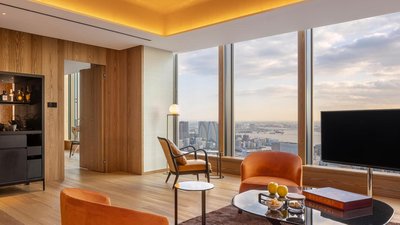
Bvlgari Hotel Tokyo
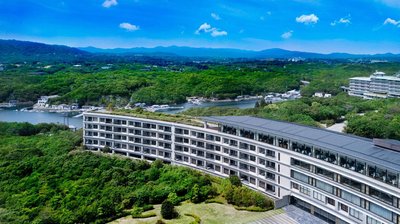
Shima Kanko Hotel the Bay Suites
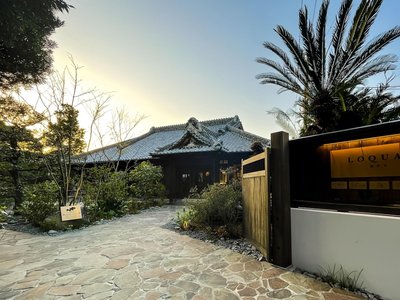
Loquat Nishiizu
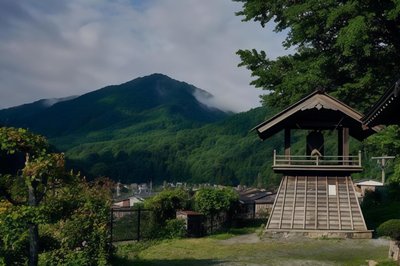
Byaku Narai
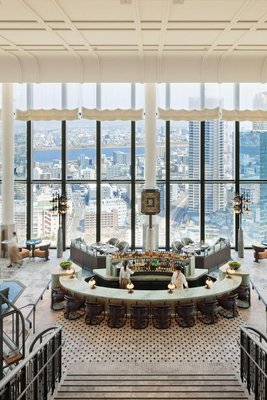
Waldorf Astoria Osaka
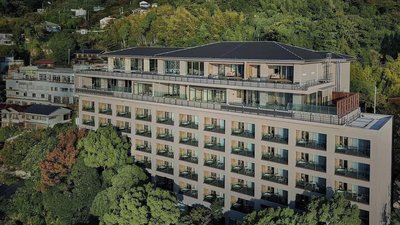
Atami Izusan Karaku
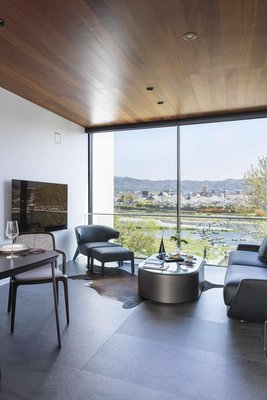
Kamo Residences by Reflections
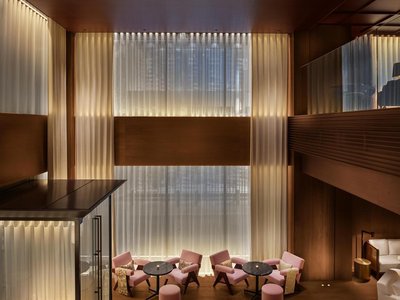
The Tokyo Edition, Ginza
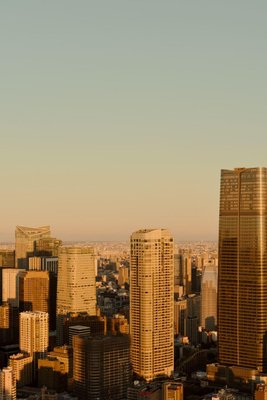
Janu Tokyo
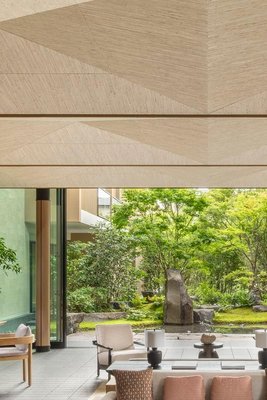
Six Senses Kyoto
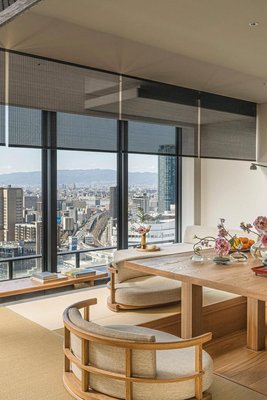
Four Seasons Hotel Osaka
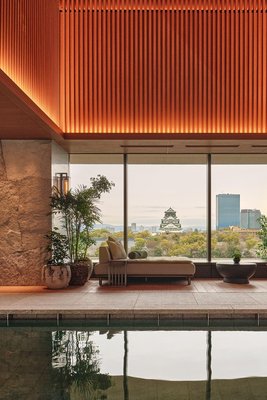
Patina Osaka

The Ritz-Carlton, Osaka
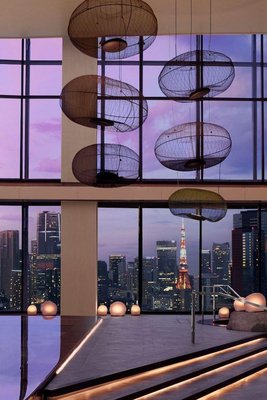
JW Marriott Hotel Tokyo
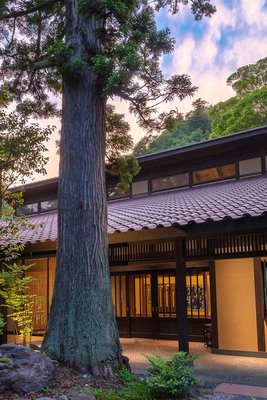
Arimasansoh Goshobessho
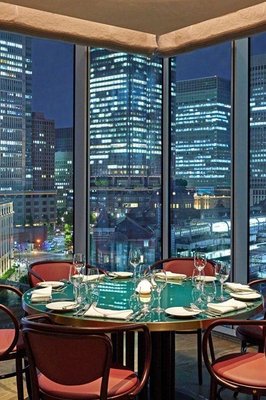
Four Seasons Hotel Tokyo at Marunouchi

Mandarin Oriental, Tokyo
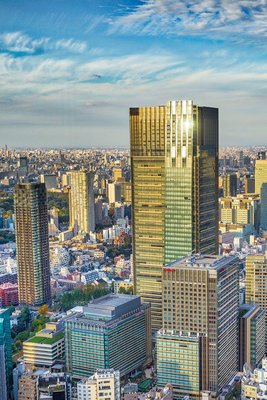
The Ritz-Carlton, Tokyo
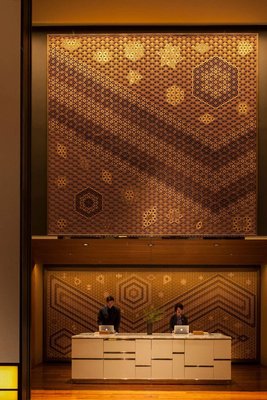
Andaz Tokyo Toranomon Hills- A Concept by Hyatt
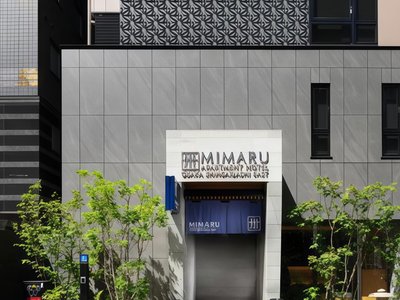
MIMARU Osaka Shinsaibashi East

Toba International Hotel Shiojitei
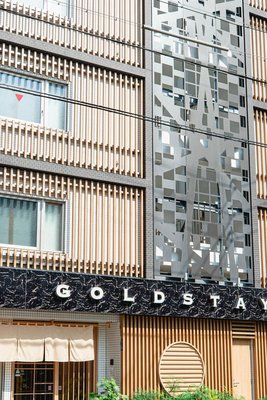
Gold Stay Nagoya OSU
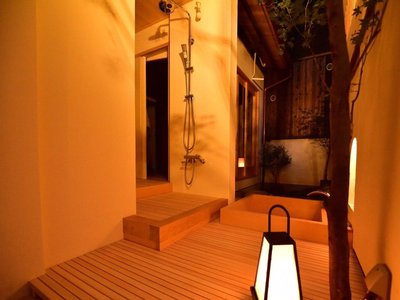
Yado Kiramachi
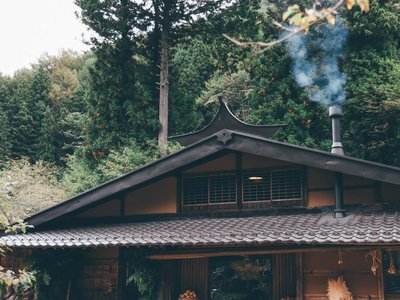
La Terra Resort
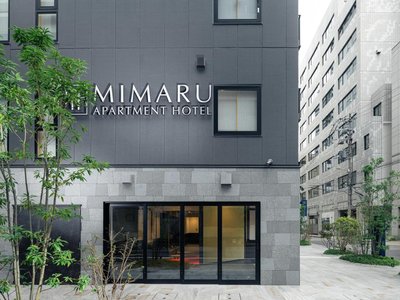
MIMARU Osaka Shinsaibashi North
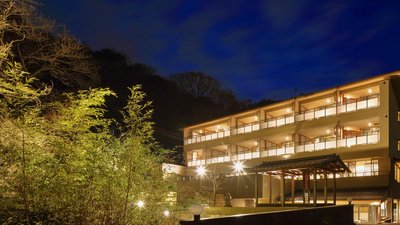
Okuno Hosomichi
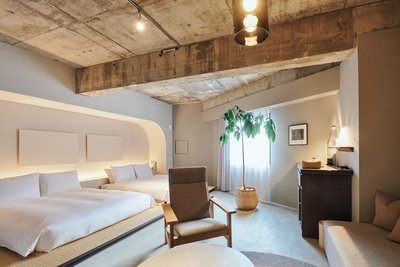
Korinkyo

GOLD STAY Nagoya Sakae
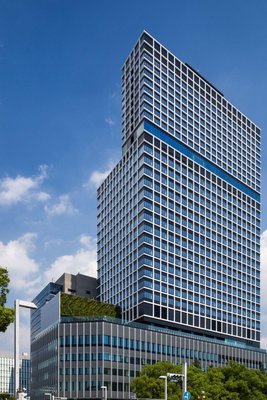
The Royal Park Hotel Iconic Nagoya
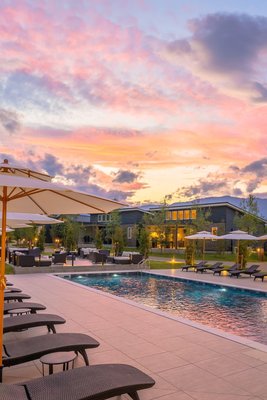
Awaumi Fujikawaguchiko Resort
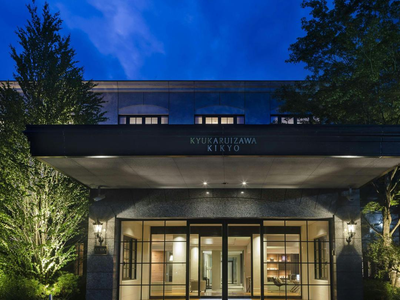
Fufu Karuizawa Wind of Sunshine
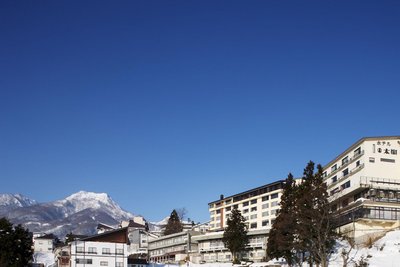
Hotel Taiko, Akakura Onsen
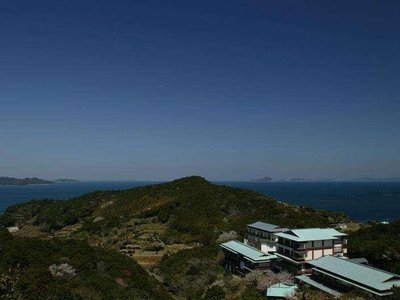
Hanashinsui
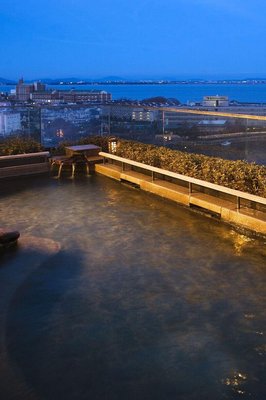
Yumotokan
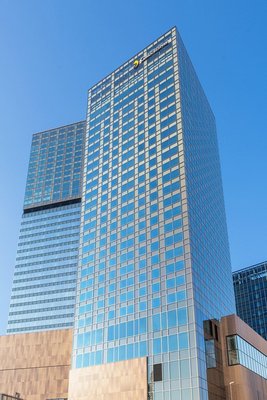
Hotel Hankyu GRAN RESPIRE OSAKA
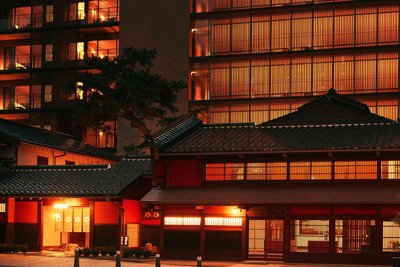
Hoshino Resorts Kai Kaga
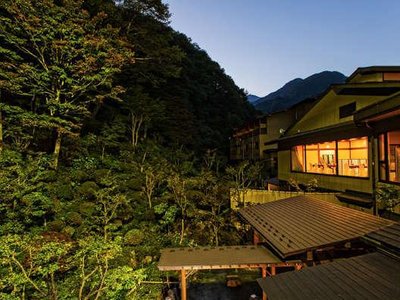
Futari Shizuka
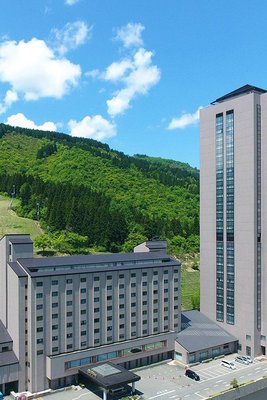
Naspa New Otani

Taikyourou
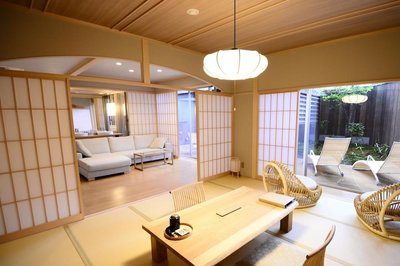
Hakone Gora Byakudan
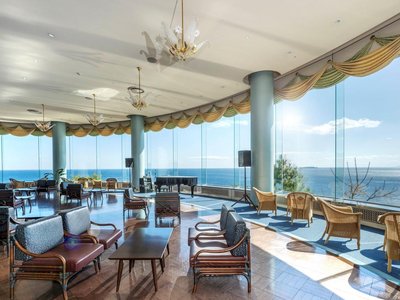
Hotel New Akao
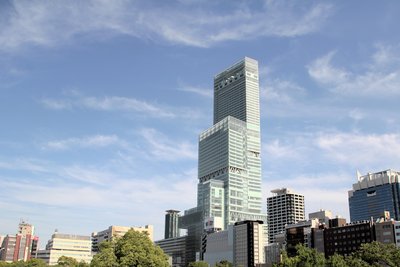
Osaka Marriott Miyako Hotel
JW Marriott Hotel Tokyo
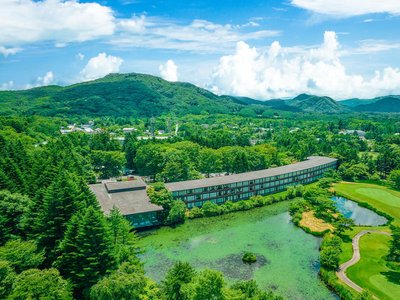
The Prince Karuizawa
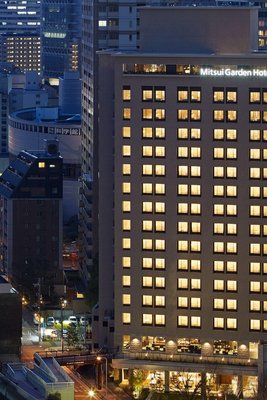
Mitsui Garden Hotel Osaka Premier
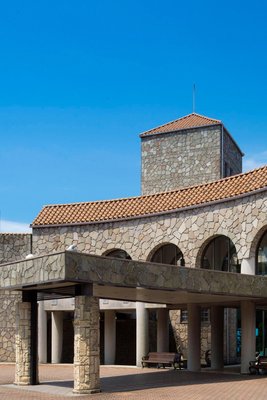
Izumigo Hotel Altia Toba
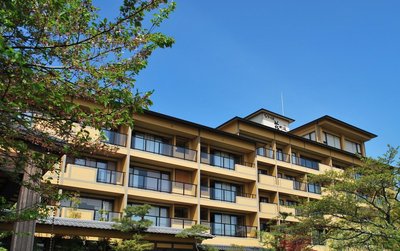
BIWAKO HANAKAIDO
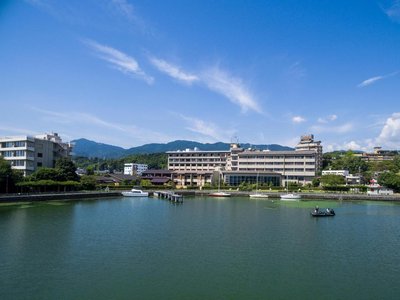
Biwako Ryokusuitei
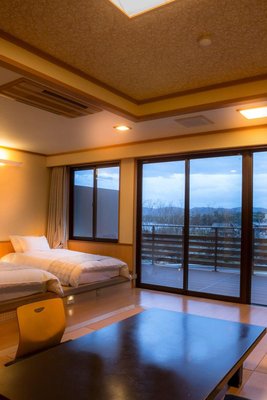
Hotel Kitanoya
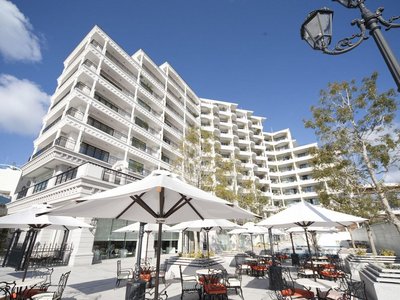
Hotel La Suite Kobe Harborland
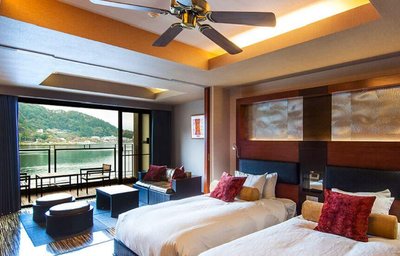
The Kukuna
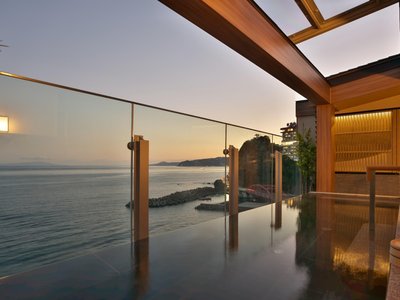
Hotel New Sagamiya
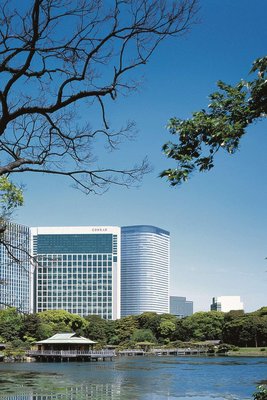
Conrad Tokyo
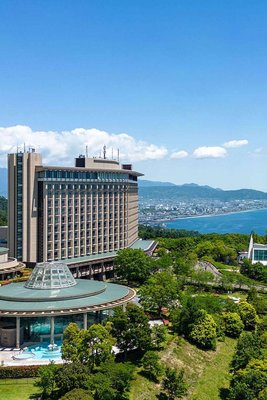
Hilton Odawara Resort & Spa
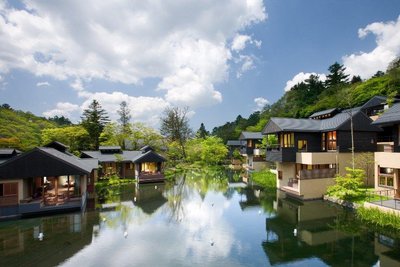
Hoshinoya Karuizawa
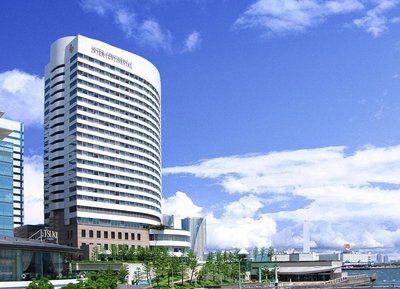
InterContinental Tokyo Bay
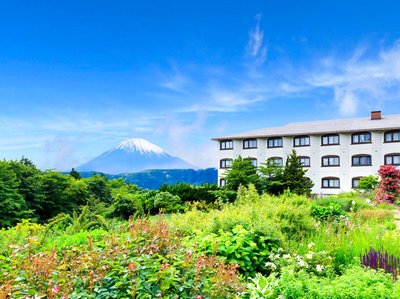
Hotel Green Plaza Hakone
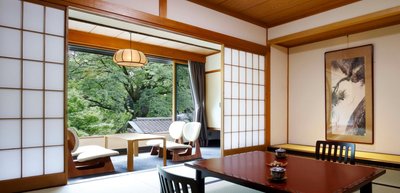
Yoshiike Ryokan
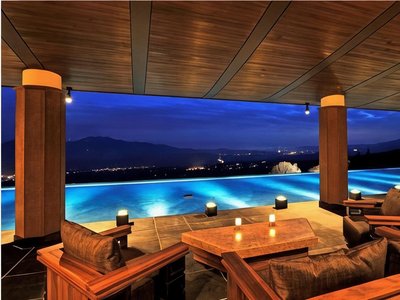
Akakura Kanko Hotel
Bellustar Tokyo, A Pan Pacific Hotel
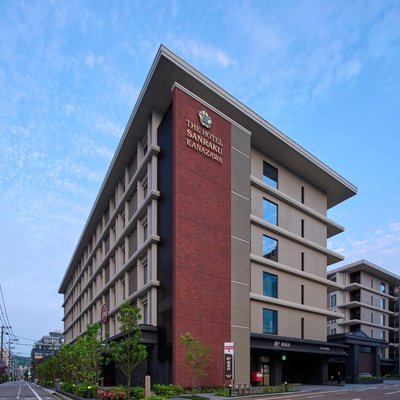
The Hotel Sanraku Kanazawa 21th December 2022 Open
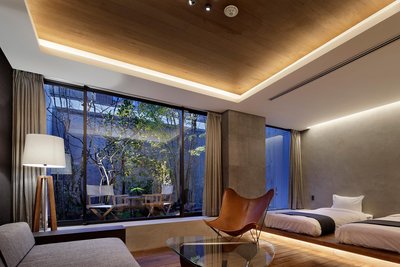
22 PIECES
The Ritz-Carlton, Osaka
JW Marriott Hotel Tokyo
Andaz Tokyo Toranomon Hills- A Concept by Hyatt

The Thousand Kyoto
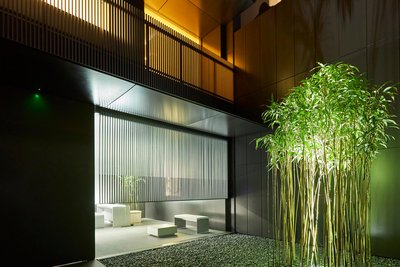
Mogana
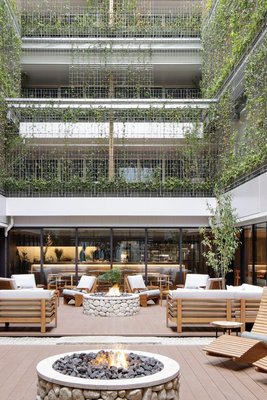
GOOD NATURE HOTEL KYOTO
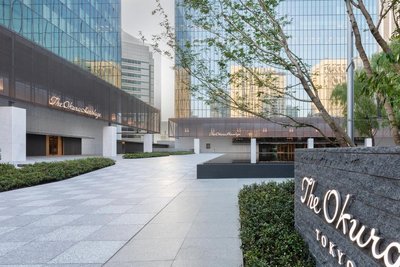
The Okura Tokyo
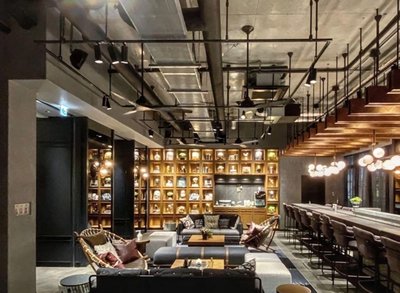
The Lively Azabujuban Tokyo
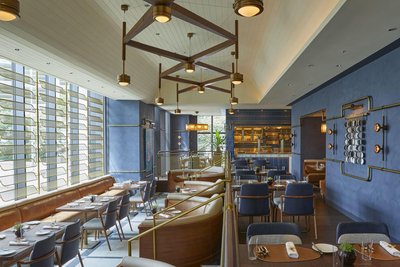
Kimpton Shinjuku Tokyo
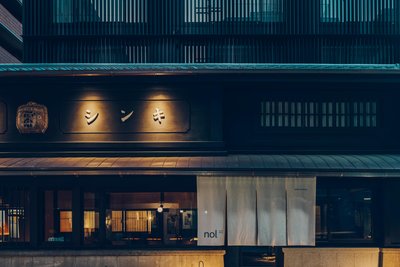
Nol Kyoto Sanjo

HOTEL K5
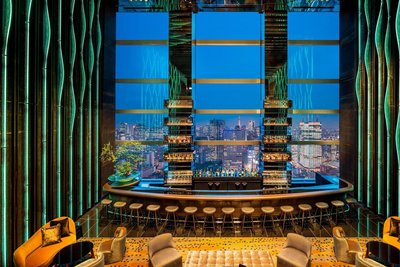
The Prince Gallery Tokyo Kioicho, a Luxury Collection Hotel
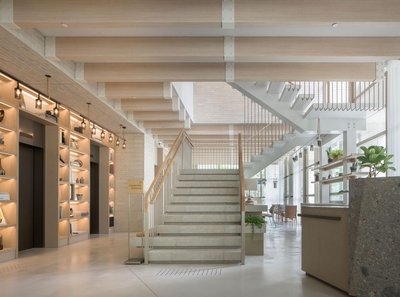
Zentis Osaka
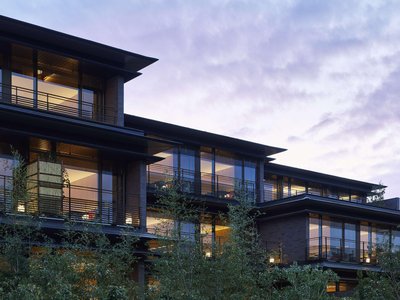
Garrya Nijo Castle Kyoto
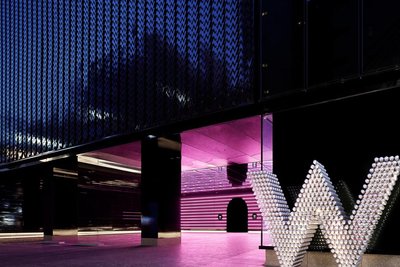
W Osaka
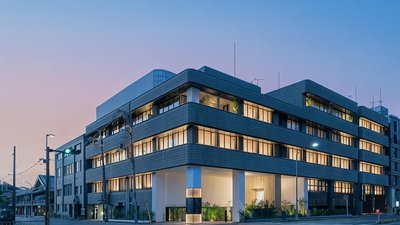
Hotel Kanra Kyoto
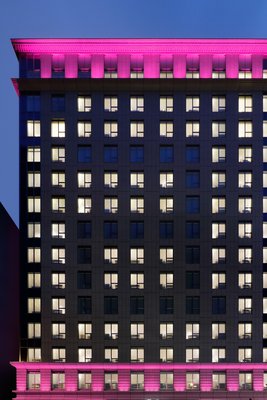
Aloft Osaka Dojima
Hakone Gora Byakudan
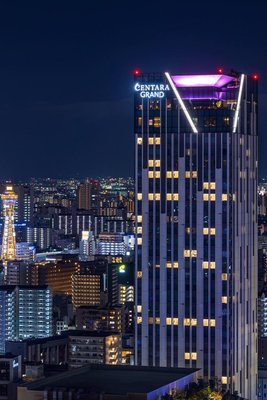
Centara Grand Hotel Osaka
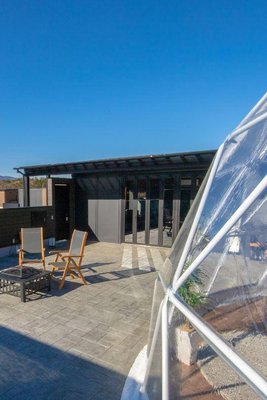
Panoramic Mt. Fuji Views from All Rooms – Vision Glamping Resort & Spa Yamanakako
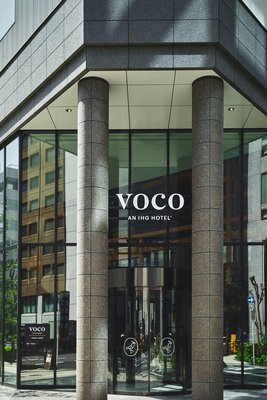
voco Osaka Central
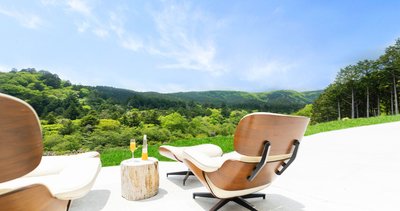
Shelter Garden Nikko
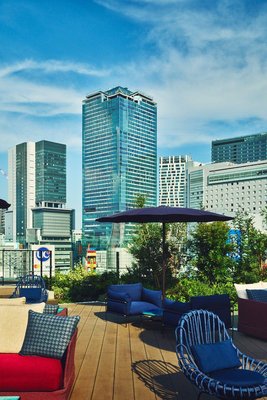
Hotel Indigo Tokyo Shibuya
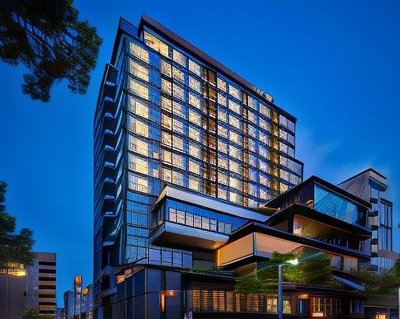
TIAD, AUTOGRAPH COLLECTION
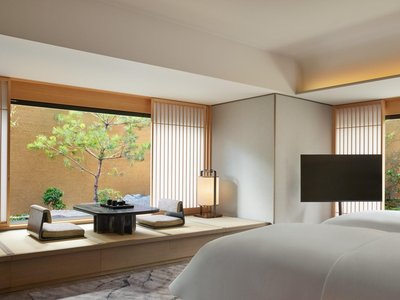
Dusit Thani Kyoto
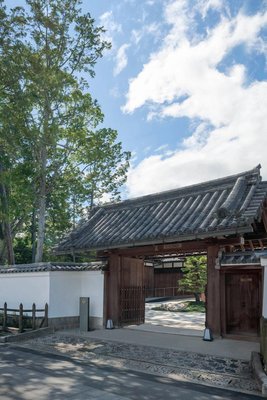
Shisui, a Luxury Collection Hotel, Nara

Hilton Kyoto
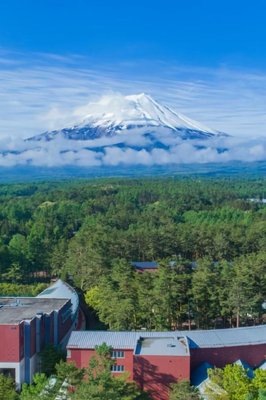
Forest Village (Fuji Premium Resort)
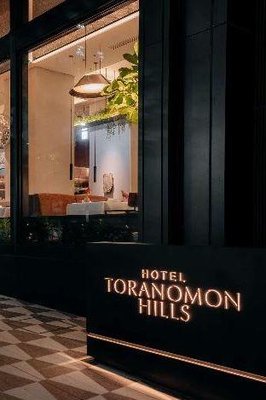
Hotel Toranomon Hills
Osaka Marriott Miyako Hotel
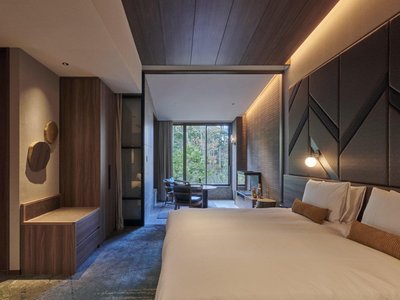
Fufu Kyu-Karuizawa Restful Forest
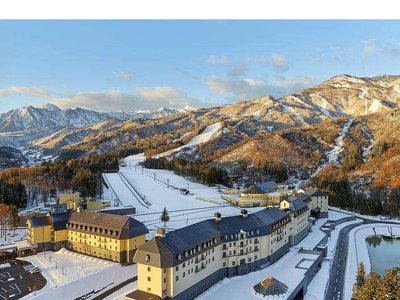
Lotte Arai Resort
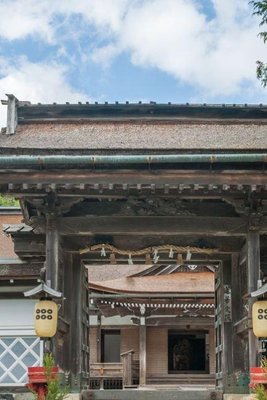
Koyasan Rengejoin
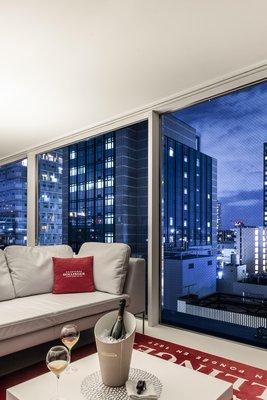
CUVÉE J2 HOTEL OSAKA by Onko Chishin
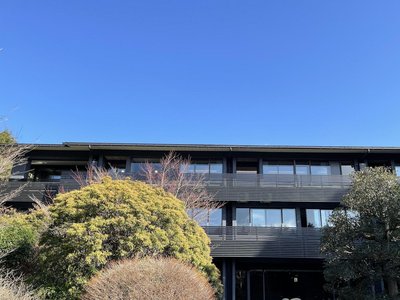
Sengokubara Cocon
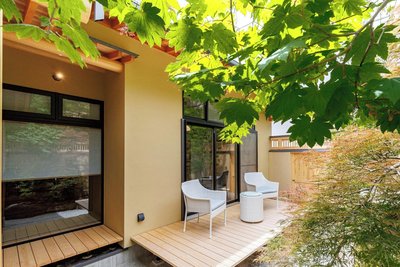
Shoraiso
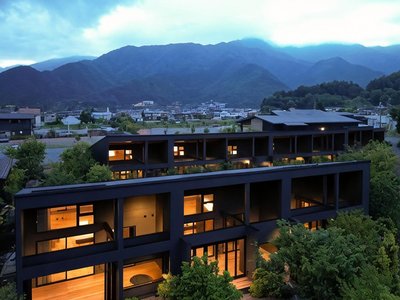
7C Villa and Winery
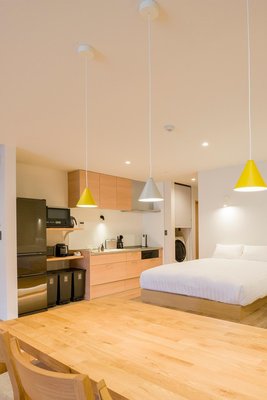
Rakuten STAY VILLA Nasu
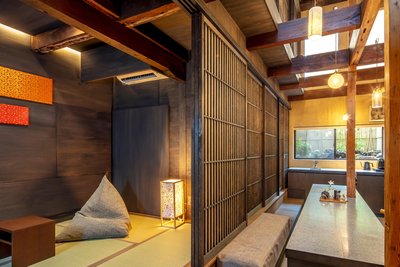
Kyo No Oozora Kihana
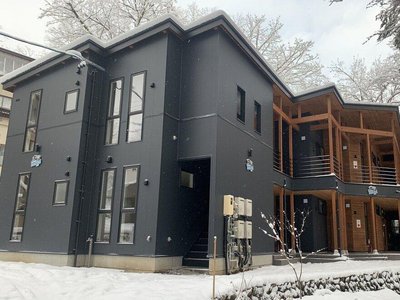
Hakuba Gondola Apartments
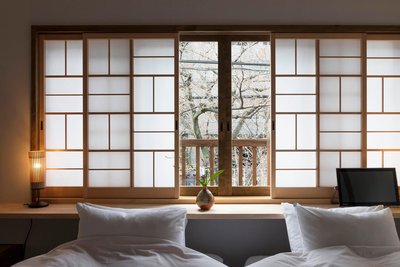
Hanagoromo Machiya House
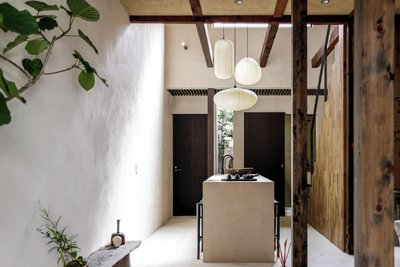
Maana Kiyomizu
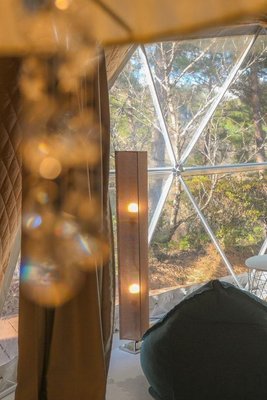
glampark Gekkabijin Nagano
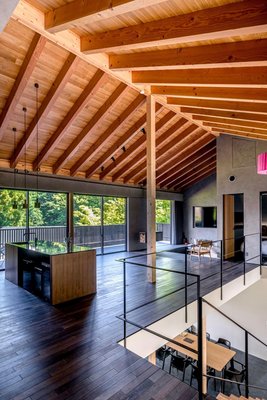
MONS GORA
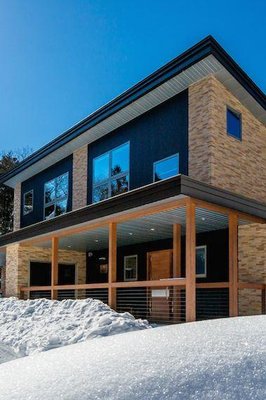
Phoenix Chalets by Hhg
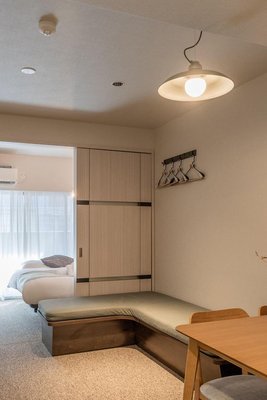
Apartment Hotel 11 Shinsaibashi
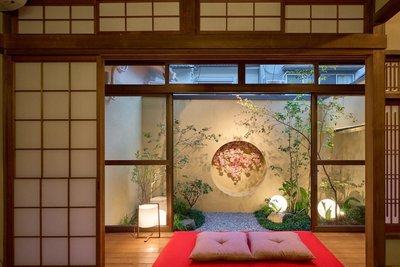
KONJAKUSO Osaka Tengachaya "NIHONCHA" Tea & Relax
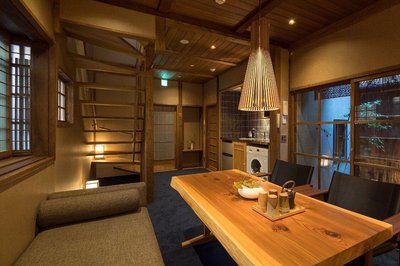
Bonbori an Machiya House
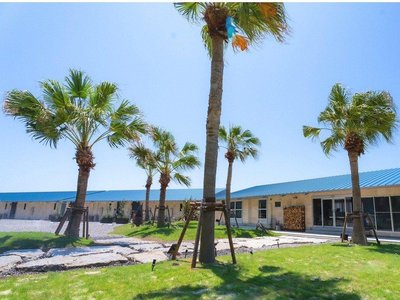
Glamping&Resort Wood Design Park Noma
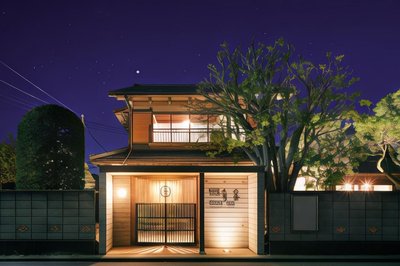
Machi-Jyu
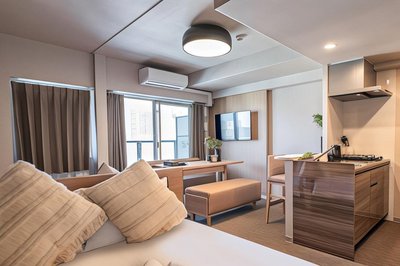
Apartment Hotel 11 Shinsaibashi III
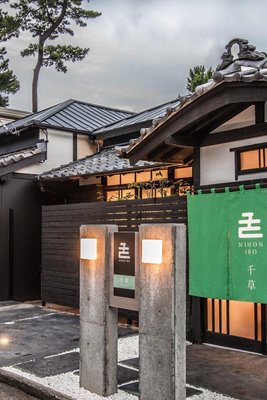
Nihon Iro
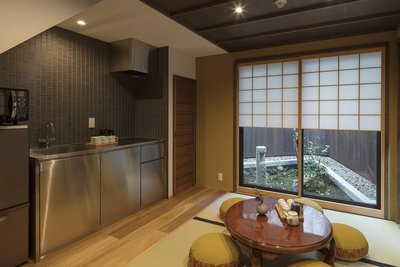
The Machiya Villa Sanjo Shirakawa Koji
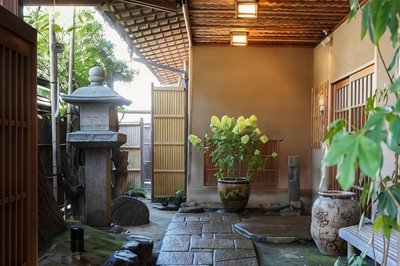
Ryokan Asadaya
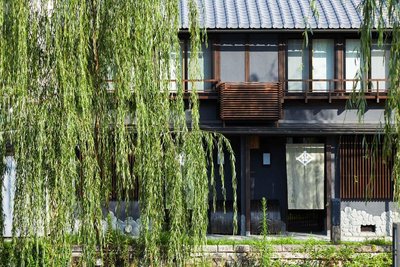
Gion Shirakawa No Yado

Kitashirakawa Natural Radium Onsen
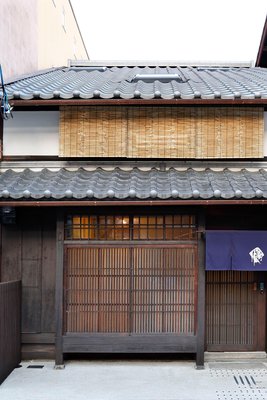
Kyo No Ondokoro Kamanza Nijo #2

Hotel Barrière Fouquet's New York
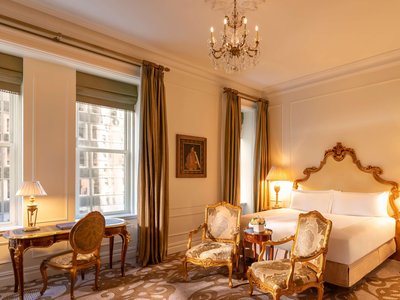
The Plaza - A Fairmont Managed Hotel
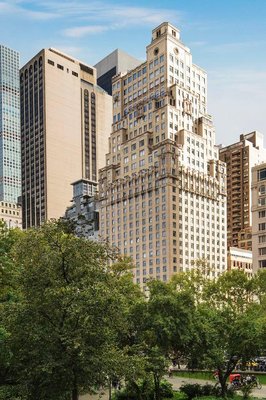
The Ritz-Carlton New York, Central Park
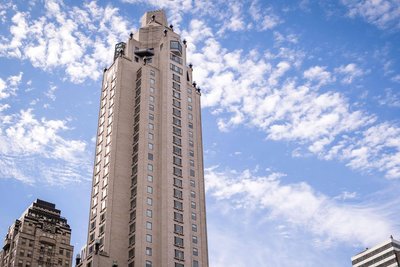
Four Seasons Hotel New York
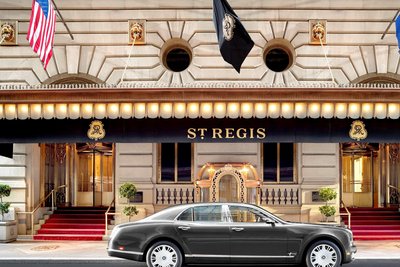
The St. Regis New York
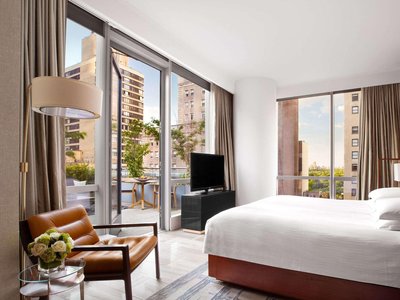
Park Hyatt New York
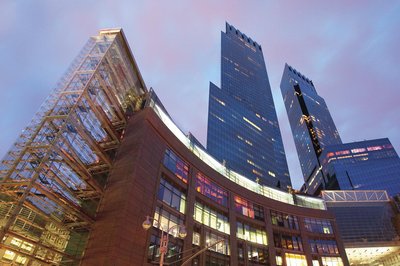
Mandarin Oriental New York
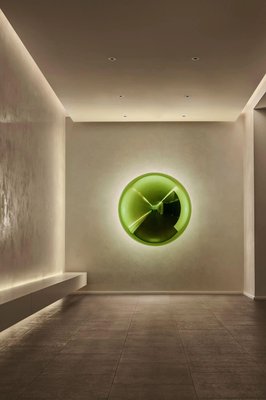
Times Square Edition New York

Loews Regency New York Hotel
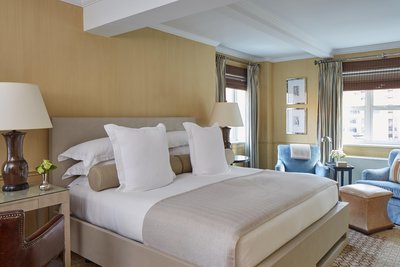
Lowell Hotel
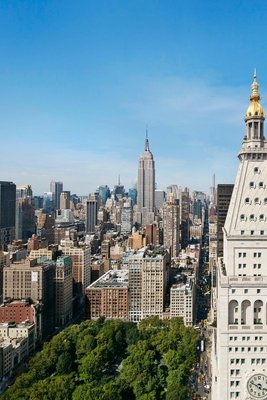
New York Edition
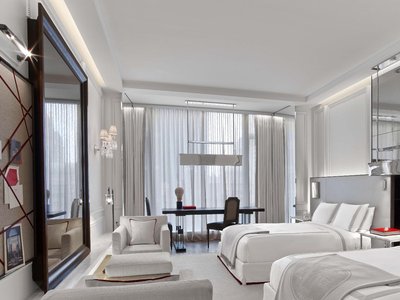
Baccarat Hotel New York
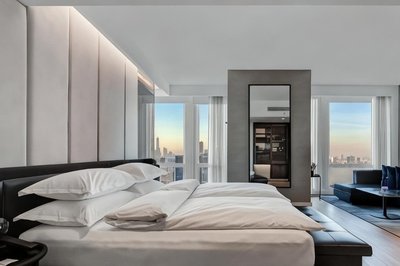
Equinox Hotel New York

Four Seasons Hotel New York Downtown
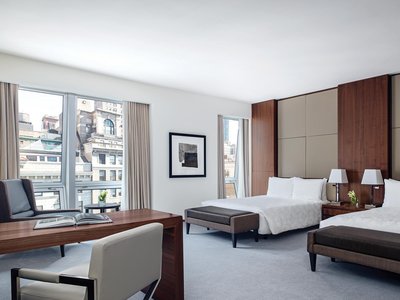
The Langham, New York, Fifth Avenue

The Carlyle, A Rosewood Hotel

The Chatwal, in the Unbound Collection by Hyatt
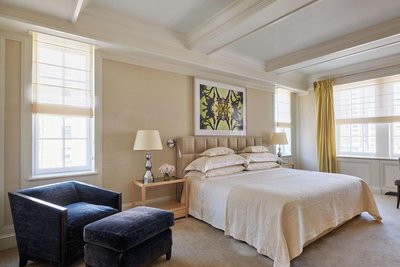
The Mark New York
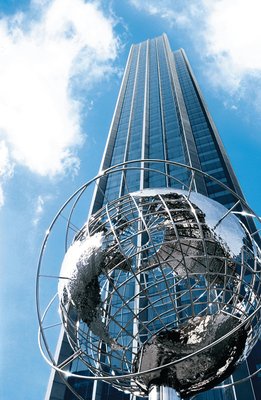
Trump International Hotel & Tower® New York
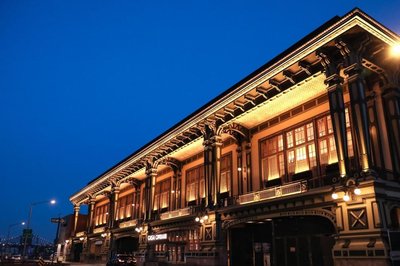
Casa Cipriani New York
Frequently Asked Questions about Traveling to Kahoku
Questions You Might Need to Know About Traveling to Kahoku
In Kohoku City, stay at Kohoku Onsen Ryokan, a serene traditional inn nestled near Mount Shiriya. Its private outdoor onsen offers panoramic views of snow-capped peaks and lush forests. The inn serves authentic Kanoe cuisine, featuring locally sourced ingredients like mountain vegetables and freshwater fish. Each room blends wooden beams, tatami mats, and shoji screens for an immersive cultural experience. Nearby, Shirayama Kanko Hotel also offers a peaceful retreat with kaiseki dining and seasonal garden walks.
The city center district and Shirayama foothills are ideal for accommodations. The city center is close to Kohoku Station, Kohoku Art Museum, and local markets, making it perfect for culture lovers. Meanwhile, the Shirayama foothills offer quiet, scenic stays surrounded by nature, with easy access to hiking trails, hot springs, and the Kanoe Folklore Museum. Many lodges here feature wooden architecture and open-air baths, ideal for relaxation and stargazing under clear skies.
Visitors should explore the Kanoe Folklore & History Museum, which showcases traditional Kanoe crafts, including handcrafted washi paper and tea ceremony tools. Attend the annual Shirayama Festival in autumn, featuring ceremonial floats, taiko drumming, and lantern displays. Hands-on workshops are available at Washi Paper Atelier Kohoku, where guests can create their own decorative sheets using age-old techniques and local plant fibers—ideal for taking home a meaningful souvenir.
Yes, Kohoku City boasts excellent natural hot springs, particularly Kanoe Onsen, known for its soft sodium bicarbonate-rich water that soothes skin and muscles. The Kanoe Onsen Ryokan and Shirayama Onsen Spa both feature open-air baths with stunning views of Mount Shiriya. Visit in the evening to enjoy steaming waters beneath a starry sky, surrounded by silent forest—perfect for unwinding after a day of sightseeing or hiking.
Absolutely. Shirayama Garden Resort is a top choice for families, offering spacious family suites, a children’s playroom, and outdoor activity areas. The resort serves kid-friendly Kanoe-style meals and hosts guided nature walks along streams where children can spot frogs and insects. Located just 15 minutes from Kohoku Zoo, it’s ideal for combining indoor fun with outdoor exploration. Free shuttle service connects major attractions, making travel stress-free for parents.
The Shirayama Observation Deck offers breathtaking 360° views of Mount Shiriya and misty valleys, especially magical during early morning fog. The Kanoe Washi Paper Shop’s Cherry Blossom Pathway, lined with traditional wooden houses and blooming sakura, is a favorite for photographers. Don’t miss the Kohoku Shrine’s vermilion torii gate and moss-covered courtyard—perfect for capturing timeless Japanese aesthetics. Visit at sunrise for the best lighting and minimal crowds.
Must-try local specialties include Kanoe Tofu, silky-smooth and often served in cold or hot pots. Try Shirayama Mountain Vegetable Hot Pot, made with fresh alpine greens, mushrooms, and slow-cooked broth. Sip on local plum wine crafted from wild plums grown in the region—refreshing and slightly tart. For street food, visit Kanoe Market to sample washi-paper wrapped rice balls and sansho tempura chicken, both bursting with regional flavor and tradition.
Kohoku City is easily reachable via the Hokuriku Shinkansen, connecting directly to Kanazawa Station in about 40 minutes. Local buses link key sites like Shirayama Observation Deck, Kanoe Onsen, and Folklore Museum. For drivers, the Ishikawa Expressway runs through the city with well-equipped rest stops. Tourists can save money and time with the Ishikawa Prefecture Tourism Pass, covering unlimited rides on municipal buses and trains across the region.
Yes, Kohoku City shines in winter. The area is famous for its pristine snow-covered Mount Shiriya and cozy onsen experiences. At night, the Kanoe Onsen transforms into a magical setting as snowflakes gently fall around open-air baths. Ski enthusiasts will appreciate Shirayama Ski Resort, just 20 minutes away, offering slopes for all levels. Don’t miss the Snow Lantern Festival, where illuminated lanterns line riverside paths, creating a dreamlike winter wonderland.
The crown jewel is Mount Shiriya, Japan’s 100 Famous Mountains, standing at 2,702 meters. Hiking trails range from gentle walks to challenging summit climbs, passing waterfalls, alpine meadows, and rare flora. The Kohoku River Upper Course features pristine forest paths ideal for walking and photography. In spring and summer, the area bursts with life; in autumn, maple leaves paint the hills red. Early mornings bring ethereal fog—perfect for capturing nature’s serenity in stillness.
Kahoku Overview
City Summary
Kawakita City, located in Ishikawa Prefecture, Japan, is a small town known for its serene rural landscapes and abundant hot spring resources. It is an ideal destination for those seeking to escape urban hustle. The city boasts a rich history, particularly in traditional crafts like lacquerware and ceramics, showcasing the exquisite skills of local artisans.
Must-See Attractions
Key attractions in Kawakita include the Kawakita Hot Spring Village, home to several historic ryokans offering relaxing experiences. The Kawakita City Museum displays local history and culture, while the natural parks are perfect for hiking and sightseeing.
Food Guide
Kawakita's culinary scene is influenced by local produce. Don't miss Ishikawa's seafood specialties like snow crab and yellowtail. Street food favorites include grilled fish cakes and soy sauce dumplings, offering authentic flavors.
Transportation Guide
Public transport in Kawakita is primarily bus-based, with several routes connecting major sights. A one-day bus pass is recommended for cost savings. Taxis are convenient but pricier. Renting a car allows flexible exploration of the countryside.
Best Time to Visit
The best times to visit are spring (March-May) and autumn (September-November), with pleasant weather and beautiful scenery. Summer can be hot, while winter is ideal for hot spring enthusiasts.
Travel Tips
- Onsen etiquette: Wash thoroughly before entering the hot spring.
- Respect local customs; maintain silence at temples.
- Carry cash as some small shops don't accept cards.
- Learn basic Japanese greetings like "Konnichiwa" (Hello).
- Check bus schedules as rural services are infrequent.
- Follow strict waste separation rules.
Useful Information
Japanese is the main language; English is limited, so a translation app is handy. Network coverage is good; consider a local SIM or WiFi hotspot. Cash is preferred, though some shops accept IC cards. Emergency number is 119, with hospitals providing basic care.