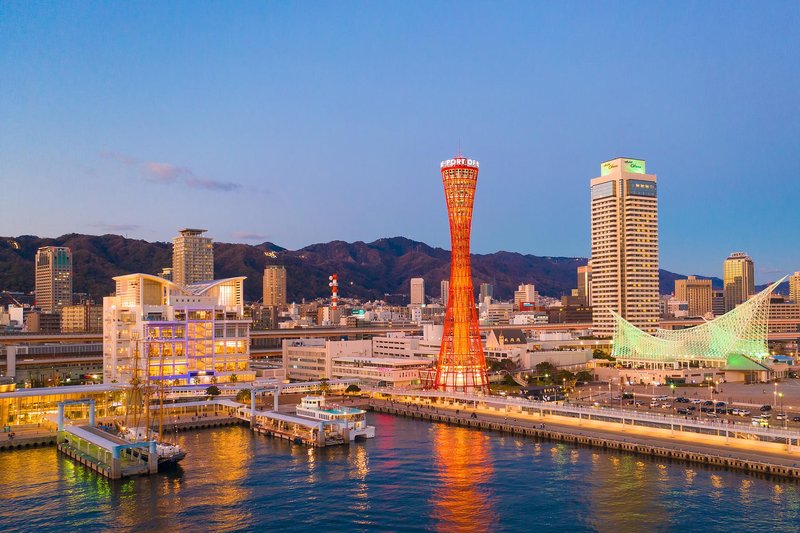
Hotels in Kahoku
Discover your perfect stay in Kahoku.
Kahoku(Japan) Travel 2026: Cheap Flights, Hotels & Top Attractions
Popular Landmarks in Kahoku
Discover the most iconic attractions in Kahoku
Best Hotels in Kahoku
Discover curated hotel collections in Kahoku
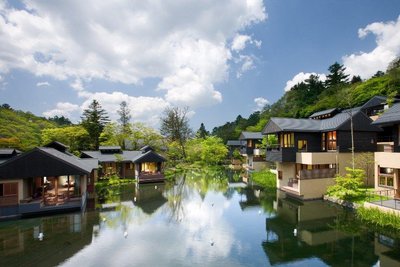
Hoshinoya Karuizawa
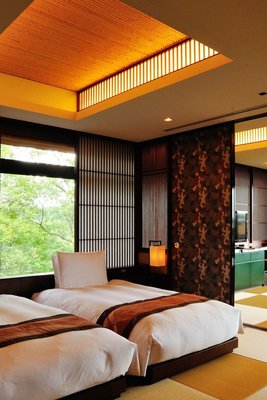
Chikusenso Onsen
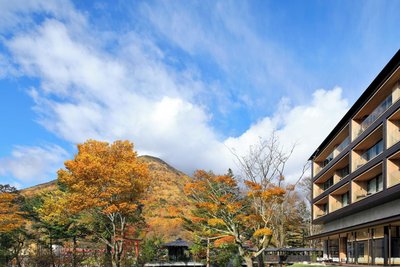
The Ritz-Carlton, Nikko
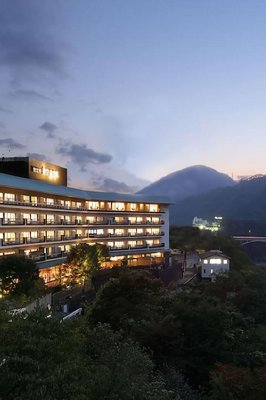
Kanaya Hotel Kinugawa

Ryotei Kaichoro
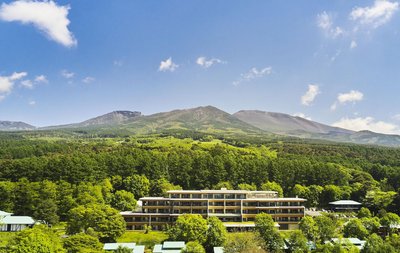
The Hiramatsu Karuizawa Miyota
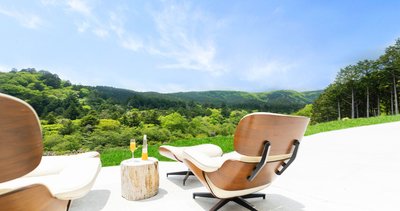
Shelter Garden Nikko

Fufu Kyu-Karuizawa Restful Forest
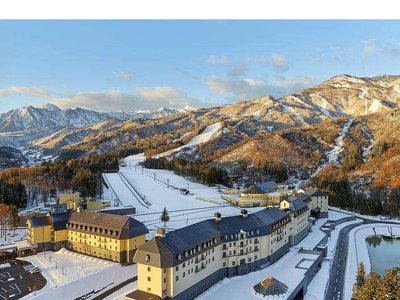
Lotte Arai Resort
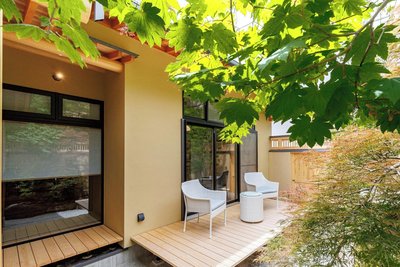
Shoraiso

Hotel la Vigne Hakuba by Onko Chishin
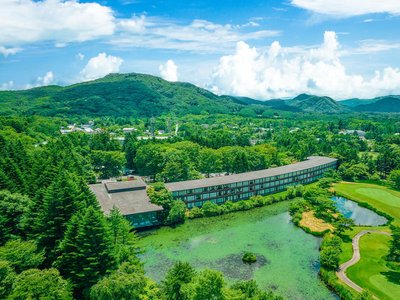
The Prince Karuizawa

Kyukaruizawa Kikyo, Curio Collection by Hilton
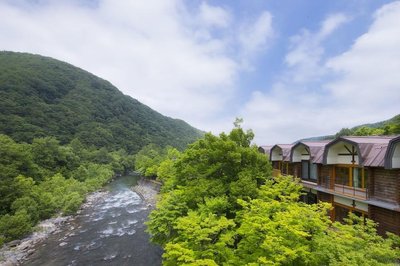
Hoshino Resorts Oirase Keiryu Hotel

Asaya
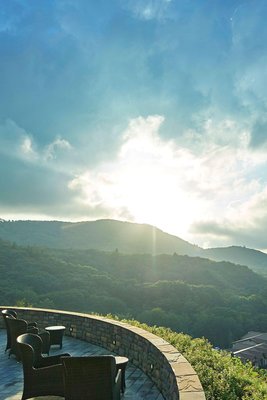
Le Grand Karuizawa Hotel & Resort

The Westin Sendai Hotel
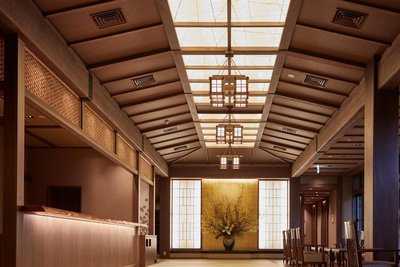
Yukinohana
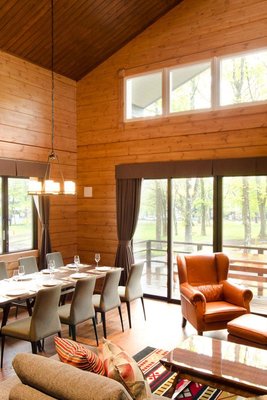
The Prince Villa Karuizawa

Yukemuri No Yado Inazumi Onsen

Karuizawa Marriott Hotel

Le Grand Kyu Karuizawa
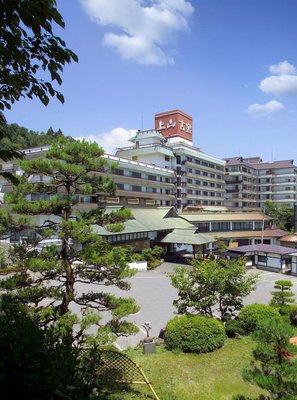
Hotel Koyo
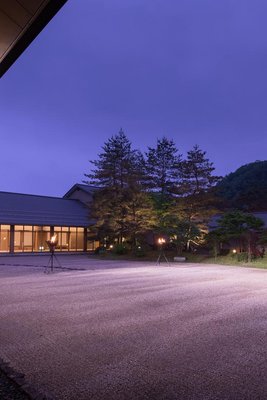
Kashoen
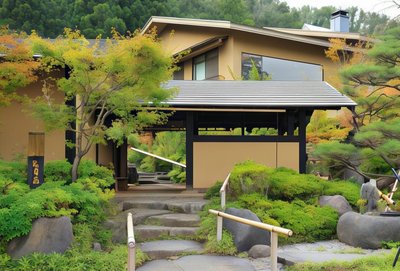
Meigetsuso
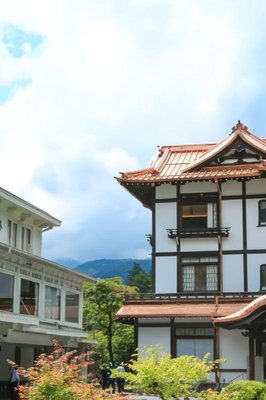
Nikko Kanaya Hotel

Rakuten STAY VILLA Nasu
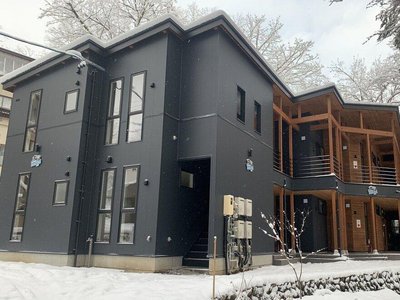
Hakuba Gondola Apartments
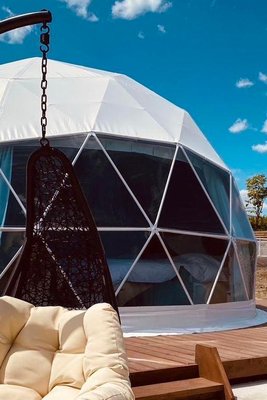
chillout glamping zao

Phoenix Chalets by Hhg

Machi-Jyu
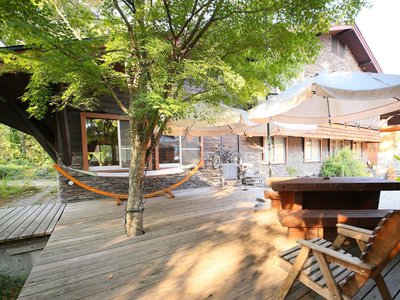
Kunugi Relaxation with 4 Modern Rooms
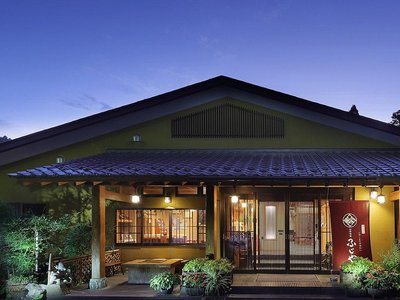
Shikimitei Fujiya
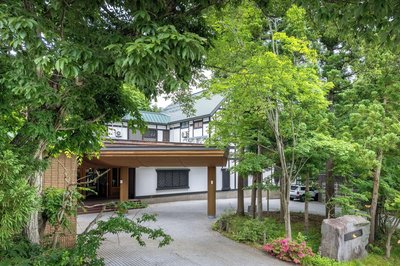
Forest Resort Yamanote Hotel

Hotel Barrière Fouquet's New York

The Plaza - A Fairmont Managed Hotel

The Ritz-Carlton New York, Central Park

Four Seasons Hotel New York

The St. Regis New York

Park Hyatt New York

Mandarin Oriental New York

Times Square Edition New York

Loews Regency New York Hotel

Lowell Hotel

New York Edition

Baccarat Hotel New York

Equinox Hotel New York

Four Seasons Hotel New York Downtown

The Langham, New York, Fifth Avenue

The Carlyle, A Rosewood Hotel

The Chatwal, in the Unbound Collection by Hyatt

The Mark New York

Trump International Hotel & Tower® New York

Casa Cipriani New York
Frequently Asked Questions about Traveling to Kahoku
Questions You Might Need to Know About Traveling to Kahoku
In Ogawa-machi, the top choice is Shirakawa Onsen Ryokan, a century-old establishment renowned for its natural alkaline sulfur baths rich in minerals, perfect for skin rejuvenation. Guests enjoy private outdoor baths overlooking forested hills and can participate in daily Zen bathing rituals combining meditation and breathwork. The ryokan serves authentic Yamagata beef sukiyaki paired with local sake and seasonal kaiseki meals made from farm-to-table ingredients. Located near the Ogawa River, it’s ideal for travelers seeking both relaxation and cultural immersion in rural Yamagata.
For nature enthusiasts, stay at Tani no Yado, a countryside inn nestled along the Ogawa River with panoramic views of terraced rice fields and surrounding mountains. The property offers access to the Ogawa Forest Trail, a 5-kilometer loop through ancient beech woods and wildflower meadows. Guests can join guided morning birdwatching tours or evening stargazing sessions under the clear northern sky. The inn also hosts seasonal events like rice planting ceremonies and autumn leaf festivals, allowing visitors to experience local traditions firsthand while enjoying peaceful, off-the-grid living.
Visitors to Ogawa-machi can take part in rare hands-on workshops such as traditional lacquerware crafting at the Ogawa Folklore Museum, where artisans teach the intricate process of urushi coating. Another highlight is the Snow Lantern Festival, held annually in winter, when locals illuminate pathways with handmade paper lanterns, creating a magical glow across snow-covered streets. You can also attend a local tea ceremony hosted by elders, hear folktales of mountain spirits, and even help prepare mochi during seasonal celebrations—offering deep insight into the town’s quiet, heritage-rich way of life.
Yes, Furusato Family Villa in central Ogawa-machi is an excellent choice for families. This spacious, multi-room retreat features a fenced garden, a children’s play area, and on-site farm activities including strawberry picking and corn harvesting. Kids can try pottery making or learn about sustainable farming practices through interactive tours. The villa also organizes evening campfires and nighttime storytelling sessions. With easy access to Ogawa Nature Park and nearby hiking trails, it’s safe, engaging, and perfect for creating lasting memories away from city noise.
Must-try dishes include Yamagata beef hot pot, tender and flavorful, served with locally grown Koshihikari rice and fresh wasabi. Try the Ogawa tofu stew, made with spring water-cured tofu and seasonal vegetables. Don’t miss dried persimmons (kaki no tō) and millet mochi—popular snacks sold at the Ogawa Market. During winter festivals, sample snow festival skewers: grilled chicken and wild mushrooms wrapped in paper-thin pastry, roasted over open flame. These regional specialties showcase the town’s agricultural richness and culinary craftsmanship.
The best times to visit Ogawa-machi are spring (March–May), when cherry blossoms bloom along the Ogawa River, and autumn (September–November), when maple trees turn fiery red across the valley. In autumn, the Shirakawa Waterfall area becomes a breathtaking tapestry of color. Winter (December–February) offers a serene, snow-draped landscape perfect for photography and experiencing the Snow Lantern Festival. Early mornings bring mist rising from the river, adding ethereal beauty to the scenery—ideal for photographers and nature lovers alike.
Start your day at the Ogawa Folklore Museum to learn about local crafts and history. Then head to Matsukaze Cottage for a hands-on washi paper-making workshop and lunch featuring Yamagata beef stew. In the afternoon, hike the Old Nakasendo Trail, passing ancient stone markers and historic post stations. Visit Yukigoe Shrine for a peaceful walk through snowy pathways lit by paper lanterns. End your day with a soak in the private open-air bath at Shirakawa Onsen Ryokan, followed by a warm local sake tasting. This itinerary blends culture, nature, and relaxation seamlessly.
While Ogawa-machi isn’t directly connected by high-speed rail, it’s reachable via Yamagata Kotsu Bus from Shinjō Station—a 40-minute ride. Buses run 2–3 times daily, so advance HopeGoo is recommended. For greater flexibility, renting a car is highly advised, especially for exploring forest trails, riverside paths, and remote villages. Many inns offer free shuttle services from the bus stop. The town has limited taxi availability, but the compact layout makes walking feasible within the central district. Overall, public transport works for basic access, but a car ensures full exploration.
Most guesthouses and ryokans in Ogawa-machi offer basic English support, with bilingual staff at Shirakawa Onsen Ryokan and Tani no Yado. Some provide translated menus, multilingual maps, and translation app rentals. For Chinese-speaking travelers, several inns accept WeChat or WhatsApp bookings and can arrange Chinese-speaking guides upon request. The Tourist Information Center offers multilingual assistance, emergency contacts, and real-time updates. While not all staff speak fluent foreign languages, the community’s hospitality ensures guests feel welcomed and supported throughout their stay.
Ogawa-machi offers diverse outdoor adventures: hike the Ogawa River Trail for views of cascading waterfalls and old-growth forests; rent bikes to cycle along the valley route past rice paddies and stone bridges; or try winter snowshoeing through the Yukigoe Forest. Anglers can fish in the clean waters of the Ogawa River, while photographers love early morning fog above the terraced fields. Seasonal events like rice transplanting ceremonies and autumn harvest festivals invite participation. Whether you seek solitude or cultural interaction, the outdoors here offers something for every traveler.
Kahoku Overview
City Summary
Kawakita Town, located in the central part of Yamagata Prefecture, Japan, is a peaceful agricultural town famous for its beautiful rural scenery and traditional culture. The most renowned attraction is the "Kawakita Sunflower Festival" held every summer, where hundreds of thousands of sunflowers bloom across the fields, creating a spectacular golden sea that attracts numerous visitors. The town also preserves many traditional Japanese rural architectures and customs, making it an excellent destination to experience authentic Japanese countryside culture.
Must-See Attractions
In Kawakita Town, the must-see attraction is the "Kawakita Sunflower Festival", usually held from July to August, featuring about 100,000 blooming sunflowers creating a breathtaking view. Visitors can also explore the "Kawakita Town Historical Folk Museum" to learn about the history and culture of this agricultural town. If time permits, consider visiting nearby Mount Gassan for hiking or skiing, a famous natural attraction in Yamagata Prefecture.
Food Guide
Kawakita's cuisine features local agricultural products, with "Yamagata beef" being highly recommended as it's one of Japan's premium wagyu brands. Thanks to its rice production, the local rice and sake are also particularly delicious. Visitors can enjoy authentic countryside dishes such as imoni (Yamagata-style stew) and soba noodles at local restaurants. Don't miss trying homemade pickles and jams produced by local farmers.
Transportation Guide
The most convenient way to reach Kawakita is by taking the JR Ou Main Line from Yamagata City, with about a 30-minute ride to Kawakita Station. Within the town, most attractions are accessible by walking or bicycle rental, with some local bus services available. For visiting nearby mountain areas like Mount Gassan, renting a car is recommended. Note that some mountain roads may be closed due to snow in winter, so check road conditions in advance.
Best Time to Visit
The best time to visit is summer (July-August) when you can witness the magnificent sunflower fields and enjoy pleasant weather. Spring (April-May) is also charming with cherry blossoms, while winter (December-February) attracts skiing enthusiasts to Mount Gassan.
Travel Tips
- Stay on designated paths and don't trample the flowers during the Sunflower Festival.
- Rural shops have shorter business hours, plan your meals accordingly.
- Prepare winter gear for cold weather and check attraction availability in winter.
- Respect local farmers and don't enter private farmland without permission.
- Traditional inns often have early check-in times, confirm in advance.
- Some rural roads have limited lighting, be cautious when going out at night.
Useful Information
Language barrier might be an issue as most locals speak only Japanese - consider bringing a translation app or phrasebook. Internet coverage is good with free Wi-Fi hotspots in central areas. Cash is preferred, though some shops accept credit cards. For medical needs, there are small clinics in town, but serious cases should go to Yamagata City's general hospitals. Post offices and ATMs are concentrated around the station and may be closed on holidays. Dial 110 for police or 119 for ambulance in emergencies.