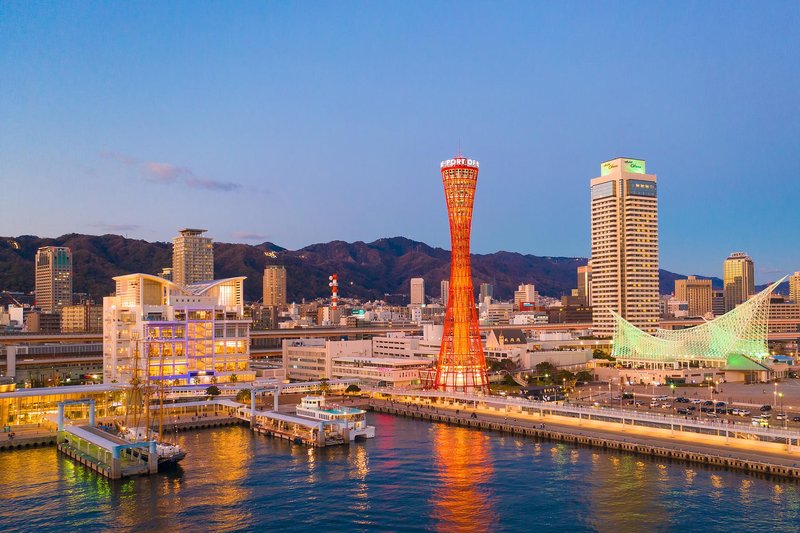
Hotels in Kai
Discover your perfect stay in Kai.
Kai(Japan) Travel 2026: Cheap Flights, Hotels & Top Attractions
Popular Landmarks in Kai
Discover the most iconic attractions in Kai
Recommended Hotels in Kai
Find the perfect place to stay in Kai
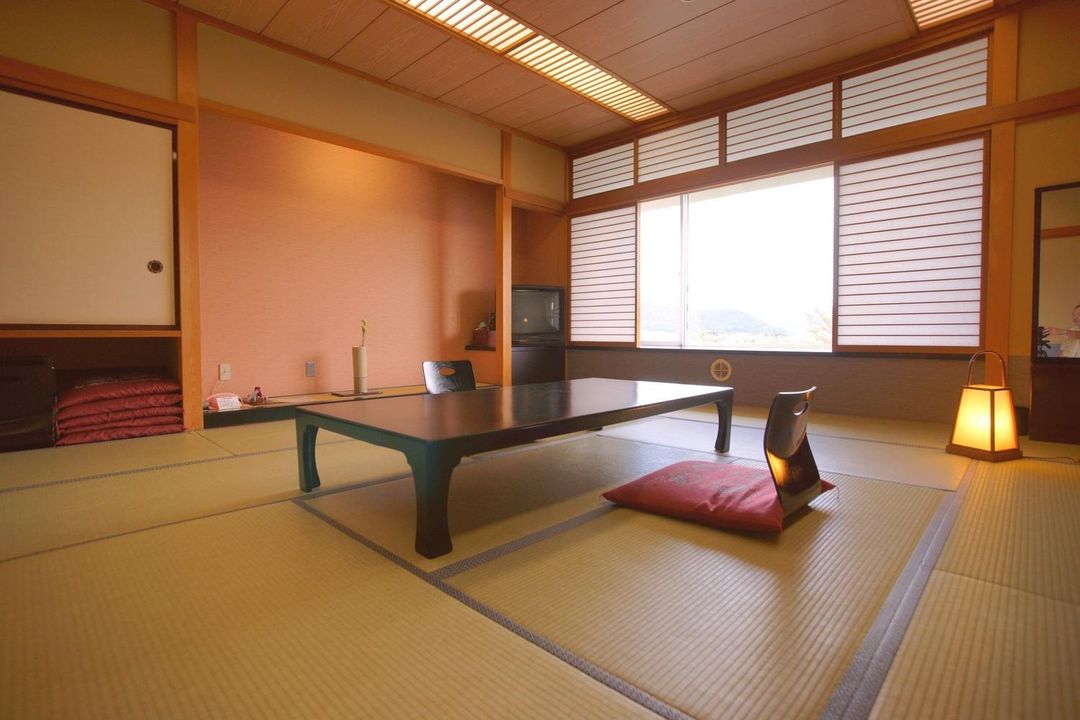
Hotel Kaminoyu Onsen

Hotel Keypoint - Adults Only

HOTEL LiVEMAX BUDGET Kofu
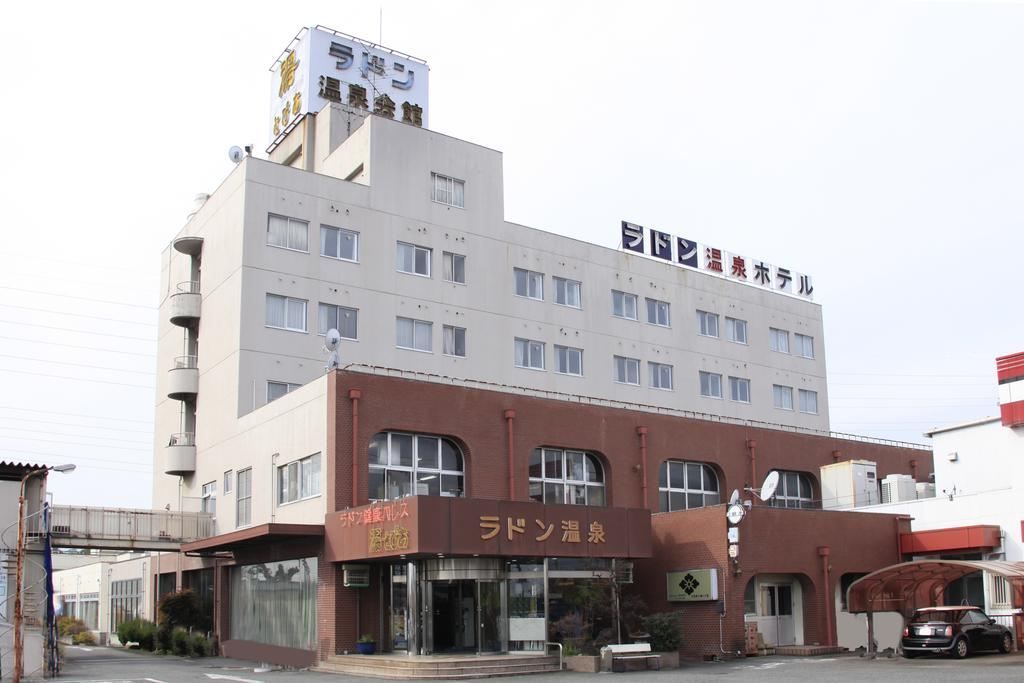
Ryuo Radon Hot Spring Hotel Yutopia-3
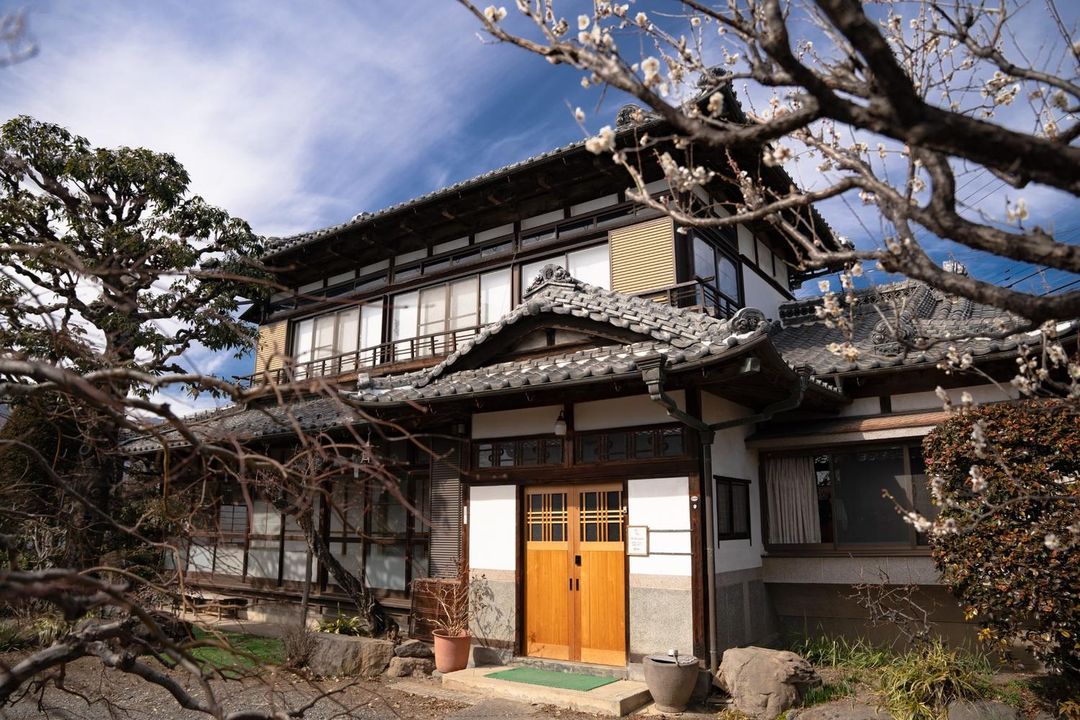
Kashinoya
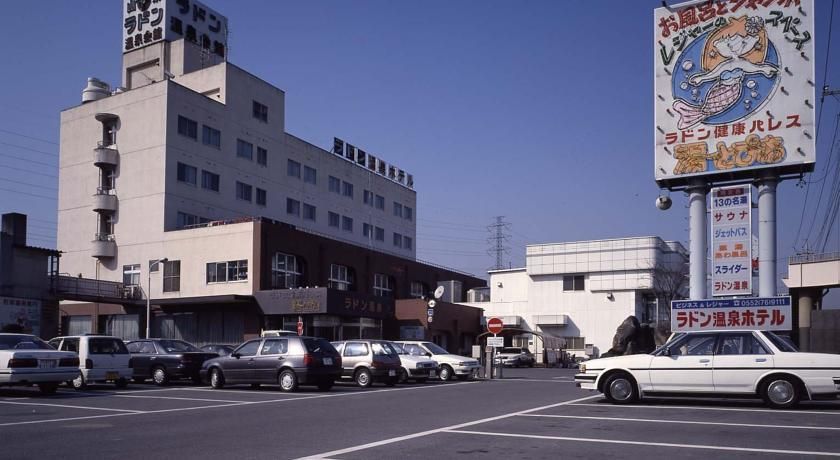
U-Topia
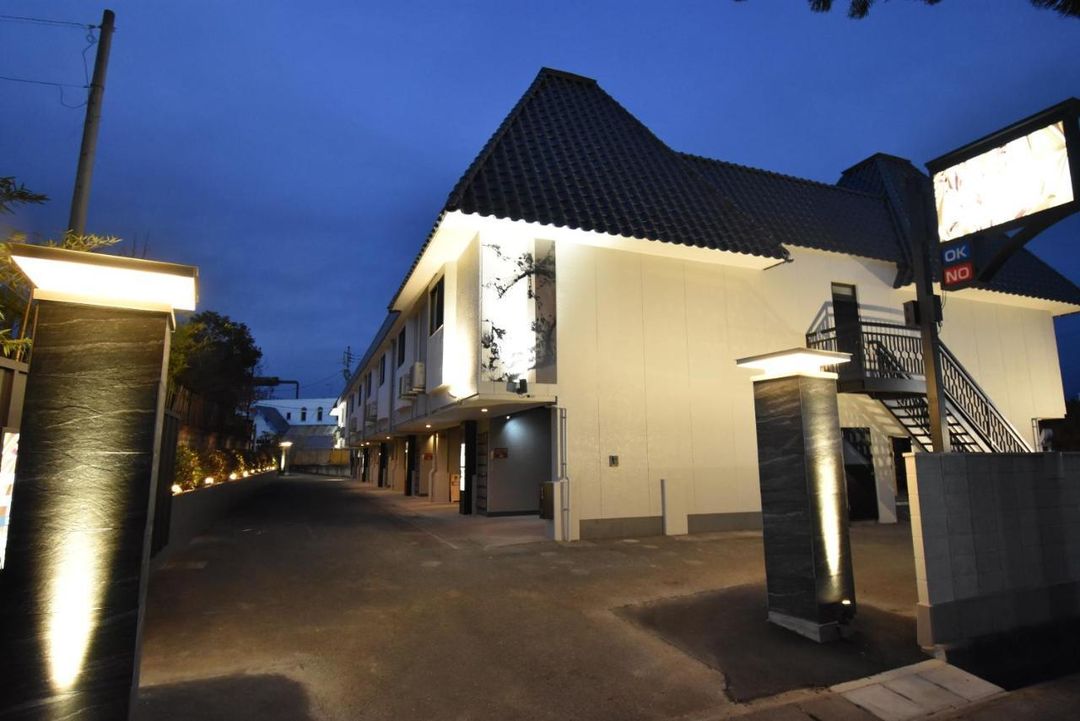
Hotel Iori - Adult Only
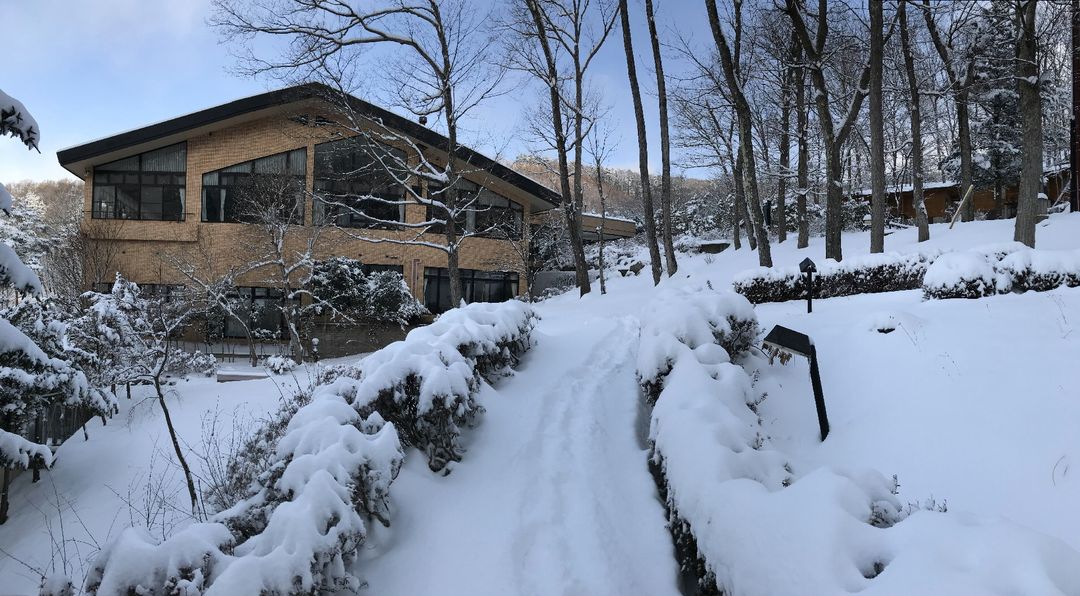
Sakuraresort
Best Hotels in Kai
Discover curated hotel collections in Kai

Rakuten STAY VILLA Nasu
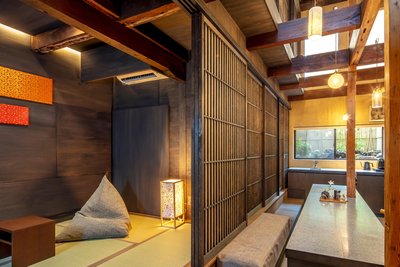
Kyo No Oozora Kihana
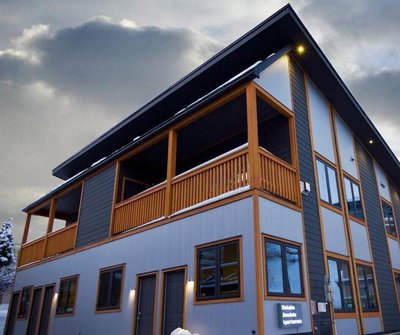
Hakuba Gondola Apartments
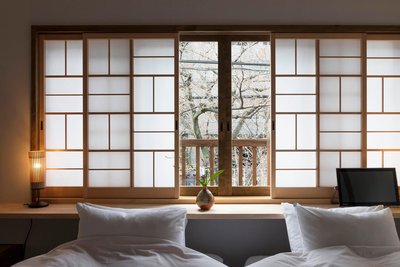
Hanagoromo Machiya House
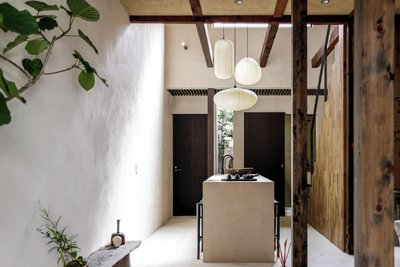
Maana Kiyomizu
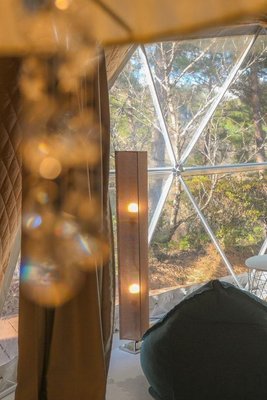
glampark Gekkabijin Nagano
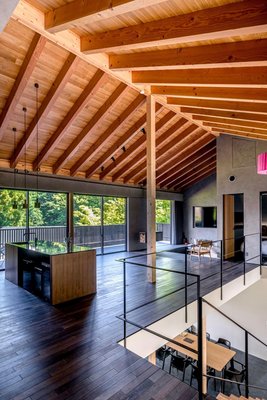
MONS GORA

Phoenix Chalets by Hhg
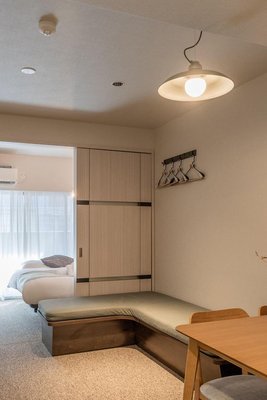
Apartment Hotel 11 Shinsaibashi
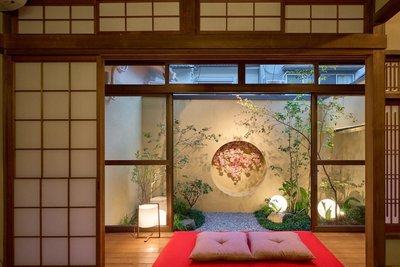
KONJAKUSO Osaka Tengachaya "NIHONCHA" Tea & Relax
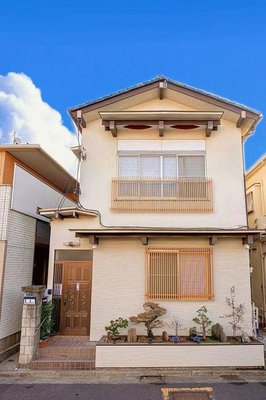
Tokyo Star House-Shinkoiwa
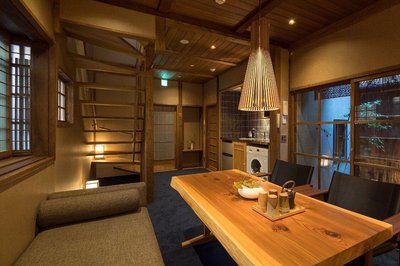
Bonbori an Machiya House
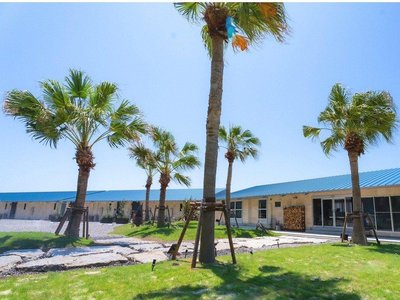
Glamping&Resort Wood Design Park Noma
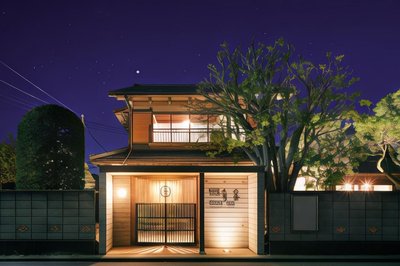
Machi-Jyu
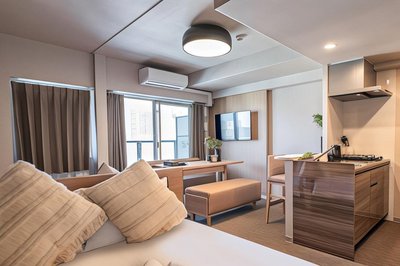
Apartment Hotel 11 Shinsaibashi III
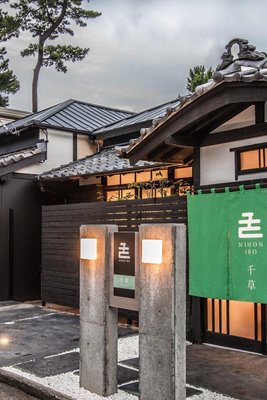
Nihon Iro
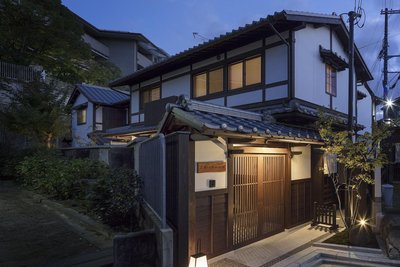
The Machiya Villa Sanjo Shirakawa Koji
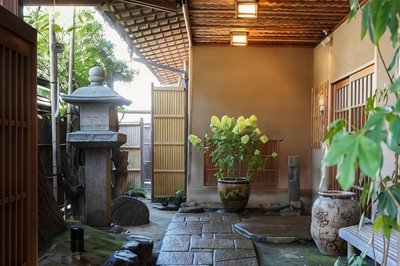
Ryokan Asadaya
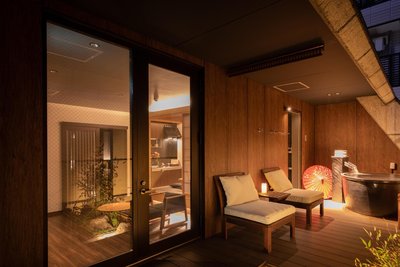
Konjaku-So Dotonbori
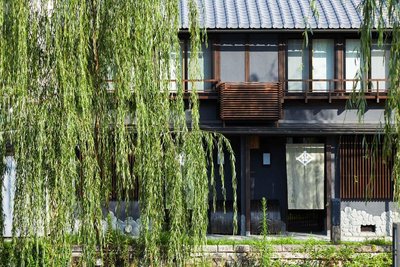
Gion Shirakawa No Yado
Frequently Asked Questions about Traveling to Kai
Questions You Might Need to Know About Traveling to Kai
In Kai City, the top choice for mountain-view accommodations is Kai Highland Hot Spring Hotel, offering panoramic vistas of Mount Fuji and the Southern Alps from its private balconies and open-air baths. The hotel blends traditional Japanese architecture with modern comfort, featuring tatami rooms and locally-sourced kaiseki meals. Located just 10 minutes from Kai Shōkō-ji Temple, it’s ideal for travelers seeking serenity and natural beauty. Guests can also enjoy guided hikes to nearby alpine trails and participate in seasonal festivals like the Kai Flower Festival.
The historic downtown district of Kai City is the prime area for cultural immersion. Here, visitors can explore Kai Shōkō-ji Temple, a thousand-year-old shrine with exquisite Buddhist statues and serene gardens. Stroll through Old Town Alleyways illuminated by paper lanterns, visit local craft workshops such as washi paper making, and attend the weekly Kai Craft Market. The Kai City Museum of History offers deep insights into the region’s Sengoku-era legacy. Evenings often feature traditional performances like taiko drumming and poetry readings, creating an authentic taste of rural Japanese heritage.
Yes, Kai Family Hot Spring Inn is a highly recommended family-friendly hotel in Kai City. It features spacious family suites, a children’s playroom, and a dedicated kids’ bath with shallow pools. The inn organizes weekly activities like mini-farming tours, where kids can feed goats and harvest vegetables. Meals include nutritious breakfasts with local ingredients, and the staff provides free shuttle service to Kai City Natural Park. With its warm atmosphere and kid-centric programming, this hotel ensures a memorable and stress-free stay for families.
The hot springs in Kai City are renowned for their natural mineral-rich waters sourced from deep underground aquifers beneath the Southern Alps. At Kai Highland Hot Spring Hotel, the water contains high levels of silica and bicarbonate, known for skin rejuvenation and muscle relaxation. The resort offers both indoor and outdoor onsen with views of Mount Fuji, and some rooms include private rooftop baths. Daily wellness sessions led by certified therapists explain the healing properties of the water, enhancing the overall therapeutic experience. Many guests return year after year for the restorative power of these pristine thermal springs.
Must-try dishes in Kai City include Kai beef sukiyaki, made with tender local wagyu beef and sweet soy-based broth. Another highlight is White Peach Mochi, crafted using fresh peaches from Yamanashi Prefecture—soft, sweet, and perfect for a snack. Don’t miss Kai Brewery’s sake, a smooth, aromatic rice wine brewed with pure mountain water. For a full local meal, visit Old Town Diner, where the signature dish Mikazuki Nabe combines seasonal vegetables, fish, and beef in a rich, simmered stew—ideal for cold evenings.
The best seasons for scenic views in Kai City are: Spring, when cherry blossoms line the Kai River; Summer, with lush greenery and cool mountain air perfect for hiking; Autumn, when the hills blaze in red and gold during peak foliage season—especially stunning at sunrise from Kai Highland Viewpoint; and Winter, when snow-dusted trees frame the view of Mount Fuji. The Kai Flower Festival in April and the Night Lantern Parade in August are ideal for photography and cultural enjoyment.
Top photogenic locations in Kai City include the vermillion torii gates of Kai Shōkō-ji Temple, framed by moss-covered stones; the Kai River wooden bridge draped in willow branches in spring; the ancient pine tree at Ōmiya Shrine, standing like a guardian among misty mornings; and the rooftop onsen at Kai Highland Hot Spring Hotel, where you can capture Mount Fuji reflected in the steaming bathwater. During the Kai Flower Festival, the entire old town transforms into a canvas of lights and blooms—perfect for dusk shots and long-exposure photography.
Yes, Kai City is well-connected via JR Shin'etsu Line, with a direct stop at Kai City Station, just 90 minutes from Tokyo. Local sightseeing buses link major attractions like Kai Shōkō-ji Temple, Ōmiya Shrine, and the Kai City Museum. For those driving, the Chūō Expressway offers easy access via the Kai Interchange. Most hotels provide free parking and airport shuttle services. Renting an electric bike is also popular for exploring quiet streets and countryside trails at your own pace.
Kai City offers tranquil, culturally rich nighttime experiences. Visit the garden bar at Kai Highland Hot Spring Hotel for sake cocktails under a starlit sky. The Old Town District hosts occasional evening events like taiko drum performances and poetry recitals lit by paper lanterns. The annual Night Lantern Parade sees locals walking slowly through alleys with handmade lanterns, creating a dreamlike ambiance. For a peaceful end to the day, relax in your room with a book on regional history while listening to bamboo rustling outside—true slow travel at its finest.
Tourists in Kai City can enjoy rare experiences like handmade washi paper workshops, where they craft traditional Japanese paper using local fibers. Participate in a Kai tea ceremony at a historic teahouse near Ōmiya Shrine, learning about mindfulness and aesthetics. Join a seasonal farm-to-table dinner hosted by local farmers, featuring produce harvested that morning. For adventure seekers, guided hikes to Alpine meadows and stargazing nights under the clear mountain skies offer unforgettable moments. These immersive activities deepen connection with the region’s heritage and nature.
Kai Overview
City Summary
Kai City, located in the central part of Yamanashi Prefecture, Japan, is a city that blends natural beauty with historical culture. Known for its stunning views of Mount Fuji, it is also the hometown of Takeda Shingen, a famous warlord from the Sengoku period. Kai City is renowned for its hot springs and grape cultivation, making it one of Japan's prominent wine-producing regions.
Must-See Attractions
Must-see attractions in Kai City include Takeda Shrine, dedicated to the legendary warlord Takeda Shingen, and the annual "Shingen-ko Festival" in spring. Shosenkyo Gorge is a famous scenic spot, especially breathtaking during autumn foliage. Additionally, wine vineyards in Katsunuma offer tasting experiences, showcasing the local wine culture.
Food Guide
Kai City's cuisine features Yamanashi's local dishes, with Houtou (a hearty noodle stew) being a must-try. Grapes and wine are local specialties, with Katsunuma's wines being particularly notable. Street snacks like Shingen Mochi (rice cakes) are also delightful treats.
Transportation Guide
The primary transportation in Kai City is the JR Chuo Line, with limited express trains from Shinjuku Station in Tokyo taking about 90 minutes to reach Kofu Station. Within the city, buses and taxis are the main options, with sightseeing buses available for attractions like Shosenkyo. Renting a car is also viable, but be cautious of narrow mountain roads.
Best Time to Visit
The best times to visit are spring (April-May) and autumn (October-November), when cherry blossoms and autumn foliage are at their peak. Summers are hot but ideal for escaping the heat, while winters are cold but offer stunning views of Mount Fuji covered in snow.
Travel Tips
- Kai City has many hot springs; remember to rinse before entering and follow onsen etiquette.
- Mountain weather is unpredictable, so pack windproof jackets and rain gear.
- When visiting shrines, maintain quiet and respect local customs.
- Many wineries require reservations, so check opening hours in advance.
- Drivers should be cautious on narrow mountain roads.
- Some attractions like Shosenkyo involve hiking, so wear comfortable shoes.
Useful Information
Japanese is the primary language in Kai City, though some tourist spots have English signage. WiFi coverage is limited, so consider purchasing a local SIM card or renting a portable WiFi device. Cash is widely used, though some shops accept credit cards. For emergencies, dial 110 (police) or 119 (ambulance). Drugstores and convenience stores are common, but mountain areas have fewer facilities, so bring essentials.