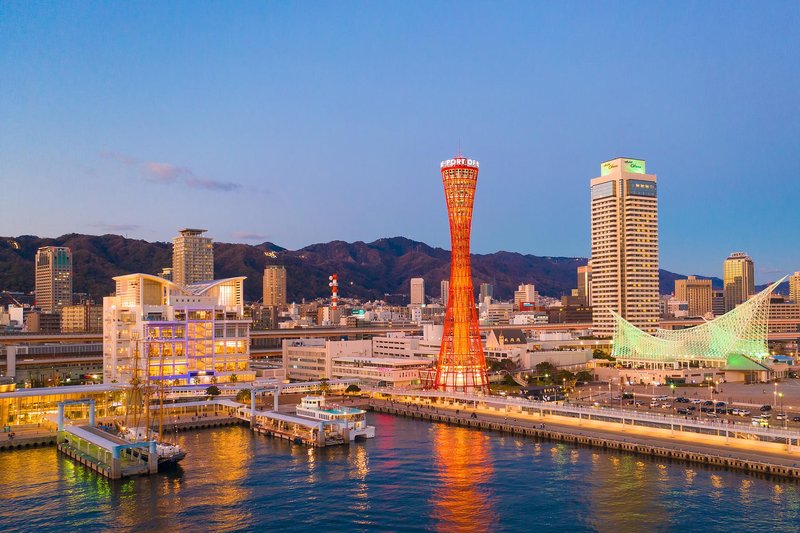
Hotels in Kai
Discover your perfect stay in Kai.
Kai(Japan) Travel 2026: Cheap Flights, Hotels & Top Attractions
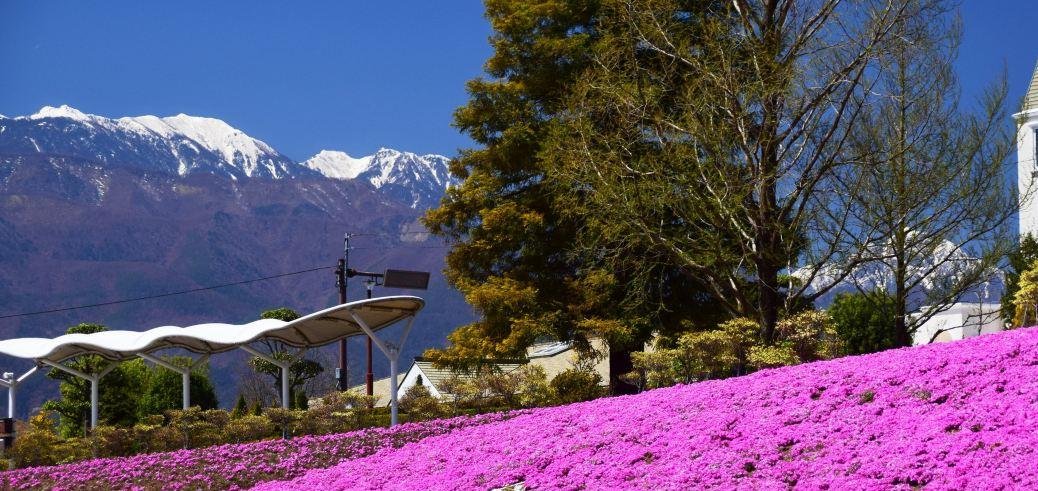
Popular Landmarks in Kai
Discover the most iconic attractions in Kai
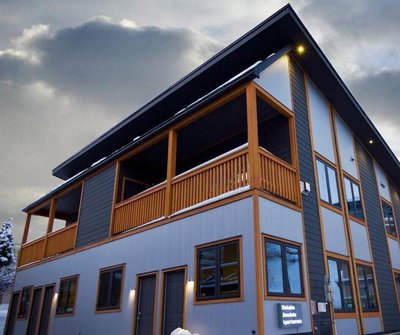
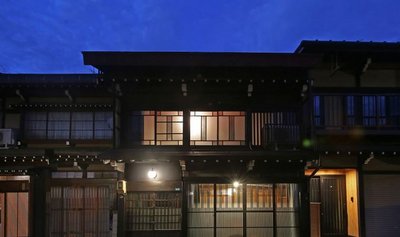
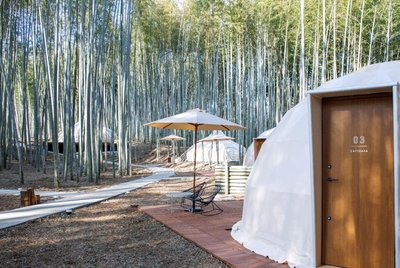
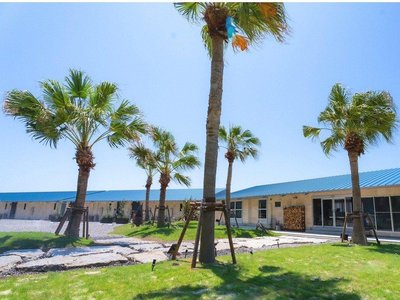
Recommended Hotels in Kai
Find the perfect place to stay in Kai
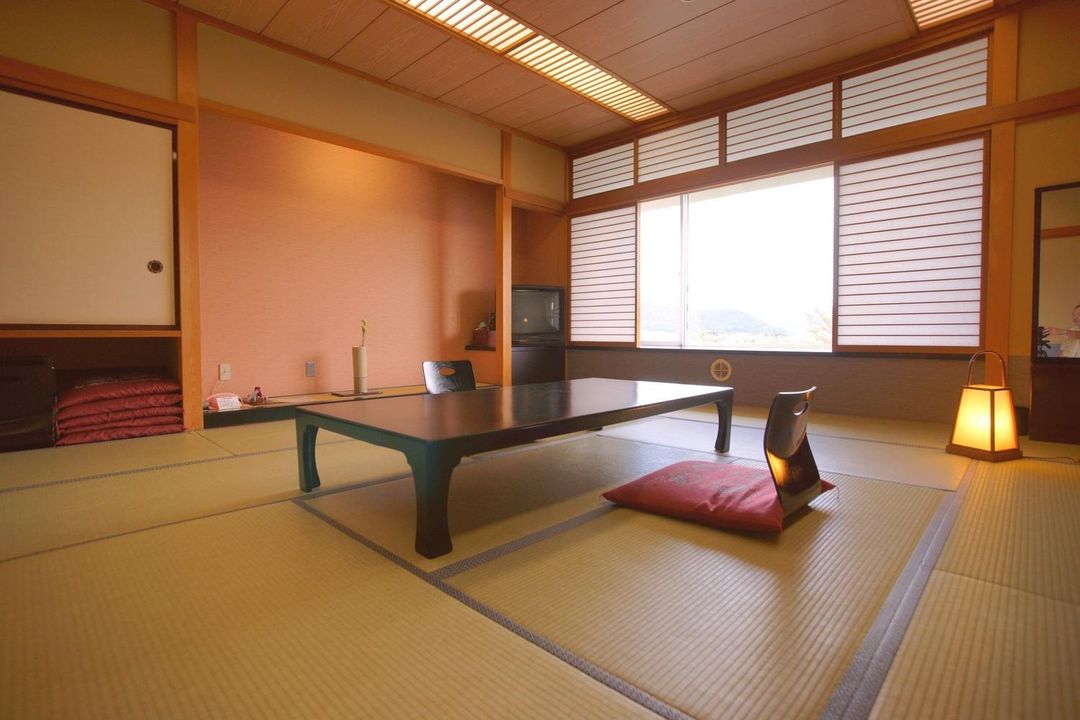


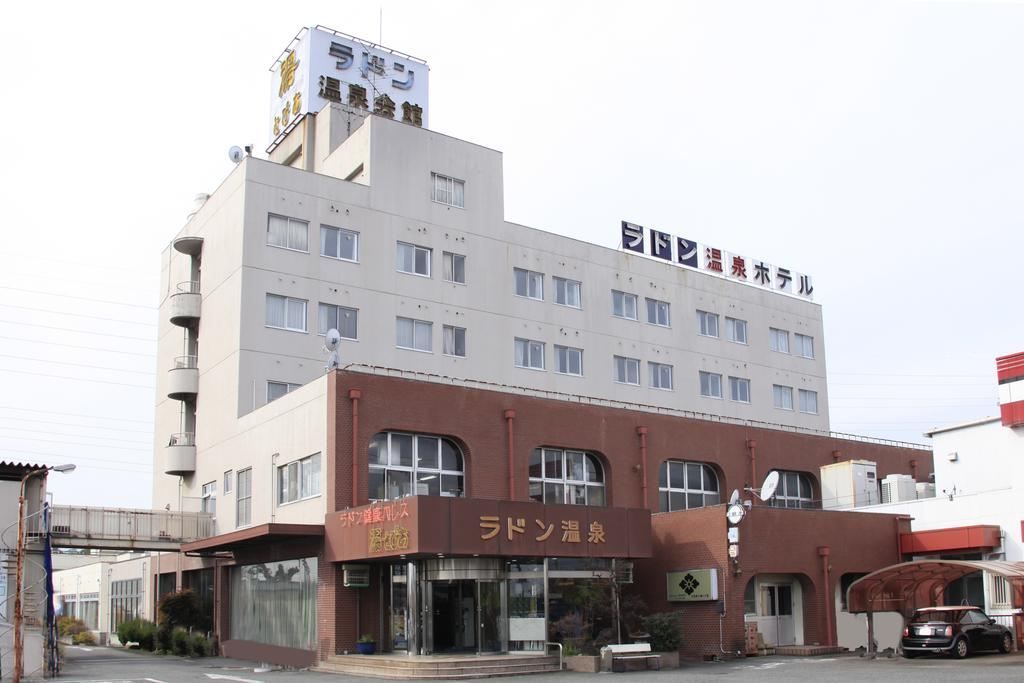
Best Hotels in Kai
Discover curated hotel collections in Kai







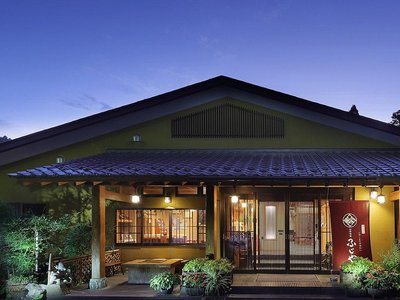
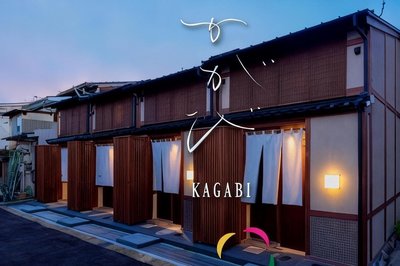
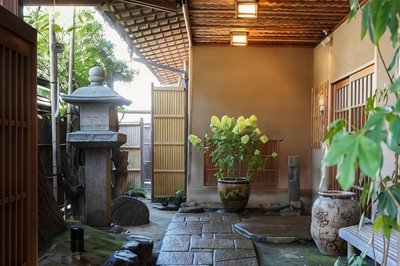


Frequently Asked Questions about Traveling to Kai
Questions You Might Need to Know About Traveling to Kai
Kai Overview
City Summary
Kai City, located in the central part of Yamanashi Prefecture, Japan, is a city that blends natural beauty with historical culture. Known for its stunning views of Mount Fuji, it is also the hometown of Takeda Shingen, a famous warlord from the Sengoku period. Kai City is renowned for its hot springs and grape cultivation, making it one of Japan's prominent wine-producing regions.
Must-See Attractions
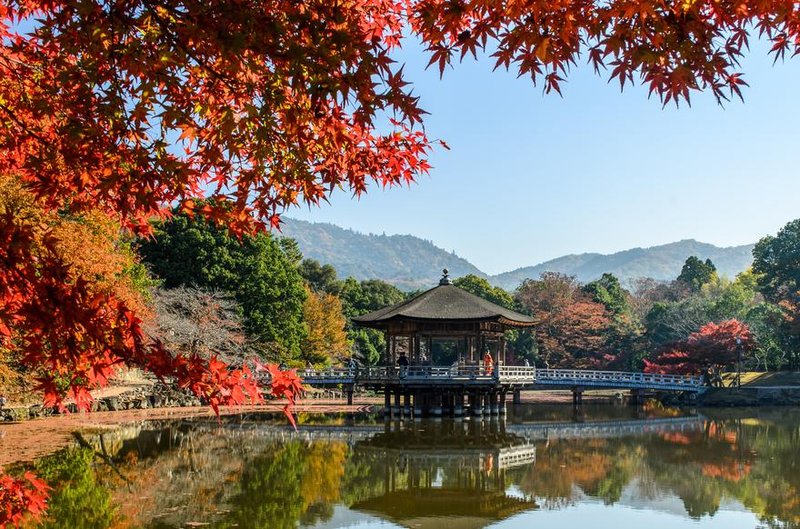
Must-see attractions in Kai City include Takeda Shrine, dedicated to the legendary warlord Takeda Shingen, and the annual "Shingen-ko Festival" in spring. Shosenkyo Gorge is a famous scenic spot, especially breathtaking during autumn foliage. Additionally, wine vineyards in Katsunuma offer tasting experiences, showcasing the local wine culture.
Food Guide
Kai City's cuisine features Yamanashi's local dishes, with Houtou (a hearty noodle stew) being a must-try. Grapes and wine are local specialties, with Katsunuma's wines being particularly notable. Street snacks like Shingen Mochi (rice cakes) are also delightful treats.
Transportation Guide
The primary transportation in Kai City is the JR Chuo Line, with limited express trains from Shinjuku Station in Tokyo taking about 90 minutes to reach Kofu Station. Within the city, buses and taxis are the main options, with sightseeing buses available for attractions like Shosenkyo. Renting a car is also viable, but be cautious of narrow mountain roads.
Best Time to Visit
The best times to visit are spring (April-May) and autumn (October-November), when cherry blossoms and autumn foliage are at their peak. Summers are hot but ideal for escaping the heat, while winters are cold but offer stunning views of Mount Fuji covered in snow.
Travel Tips
- Kai City has many hot springs; remember to rinse before entering and follow onsen etiquette.
- Mountain weather is unpredictable, so pack windproof jackets and rain gear.
- When visiting shrines, maintain quiet and respect local customs.
- Many wineries require reservations, so check opening hours in advance.
- Drivers should be cautious on narrow mountain roads.
- Some attractions like Shosenkyo involve hiking, so wear comfortable shoes.
Useful Information
Japanese is the primary language in Kai City, though some tourist spots have English signage. WiFi coverage is limited, so consider purchasing a local SIM card or renting a portable WiFi device. Cash is widely used, though some shops accept credit cards. For emergencies, dial 110 (police) or 119 (ambulance). Drugstores and convenience stores are common, but mountain areas have fewer facilities, so bring essentials.