Hotels in Kainan
Discover your perfect stay in Kainan.
Kainan(Japan) Travel 2026: Cheap Flights, Hotels & Top Attractions
Popular Landmarks in Kainan
Discover the most iconic attractions in Kainan
Recommended Hotels in Kainan
Find the perfect place to stay in Kainan
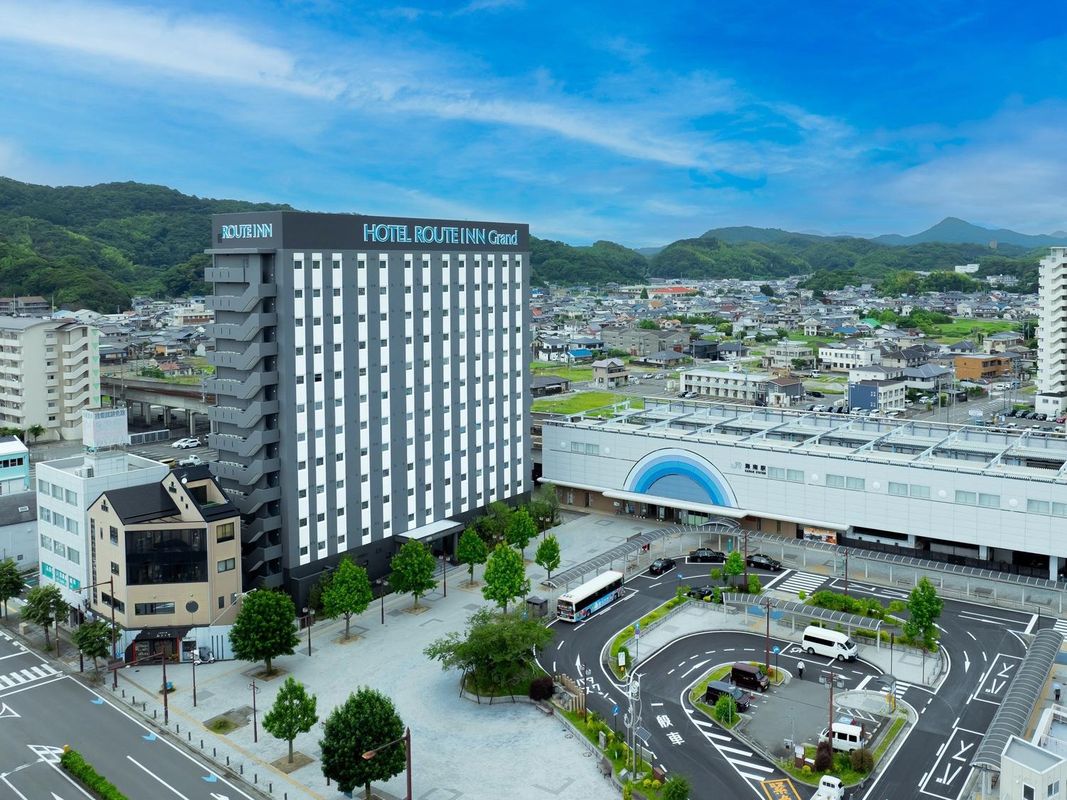
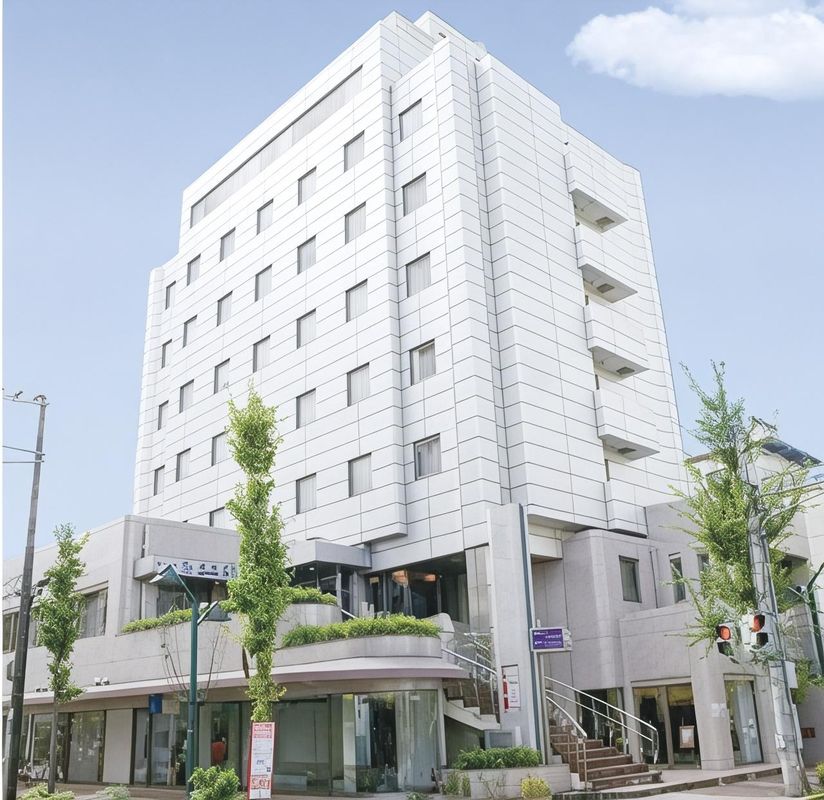
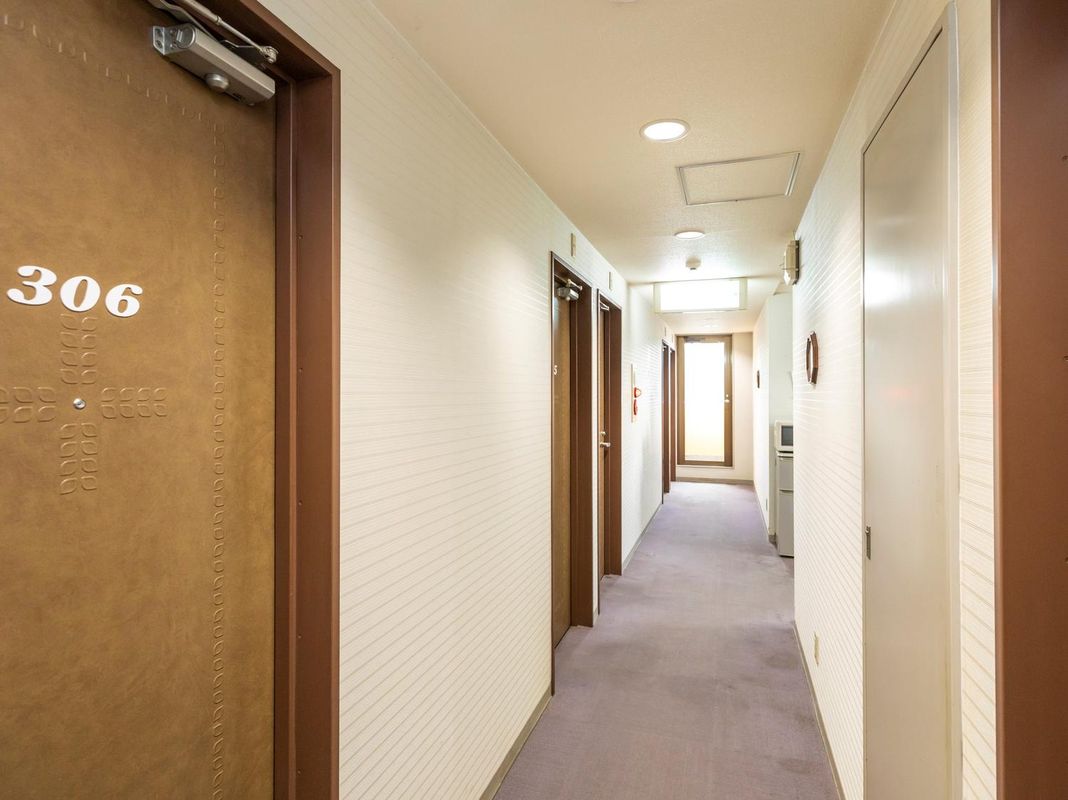
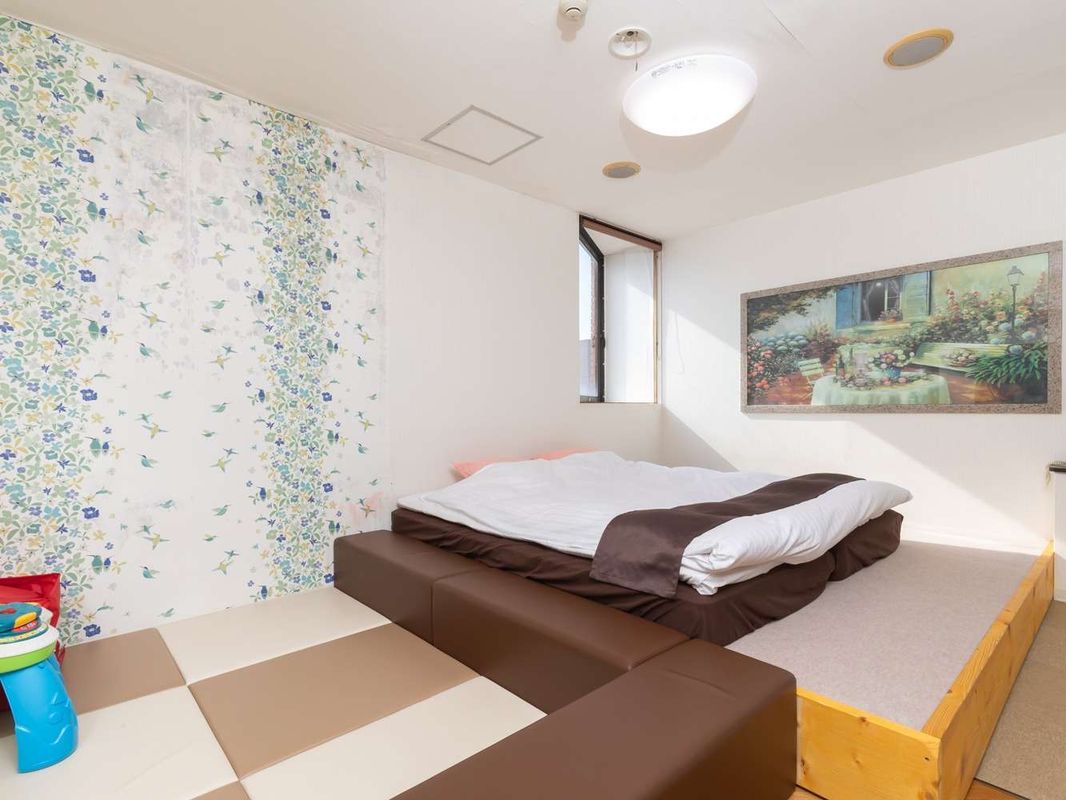
Best Hotels in Kainan
Discover curated hotel collections in Kainan























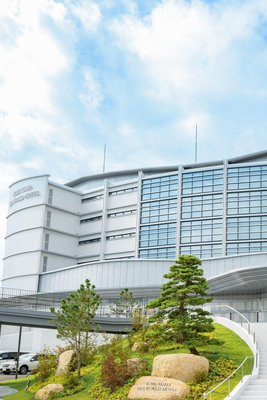





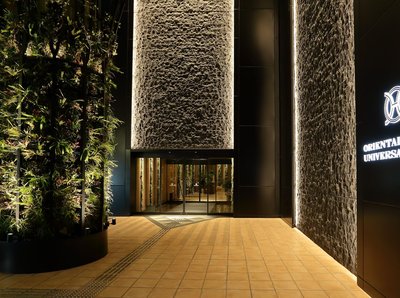
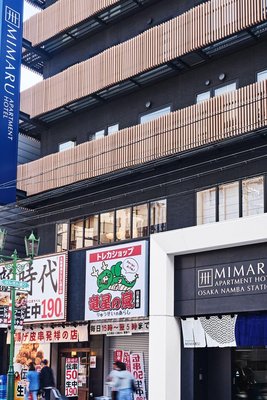





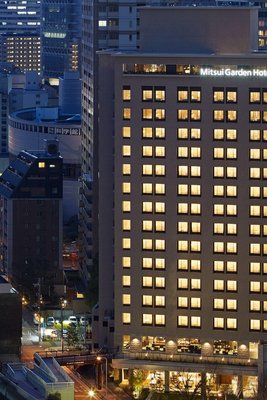









Frequently Asked Questions about Traveling to Kainan
Questions You Might Need to Know About Traveling to Kainan
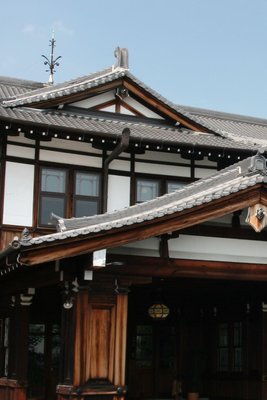
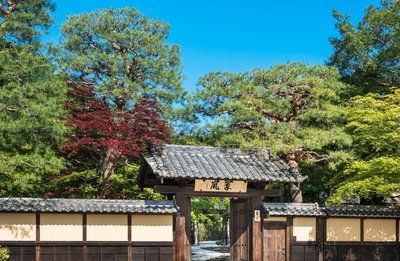
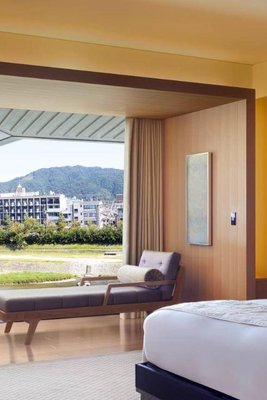
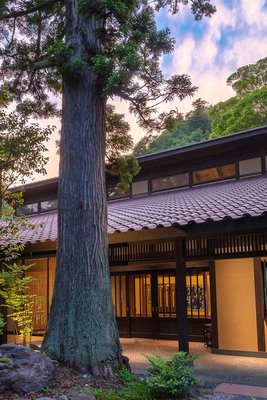
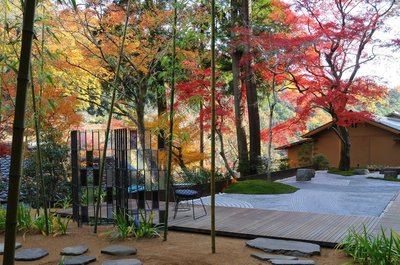
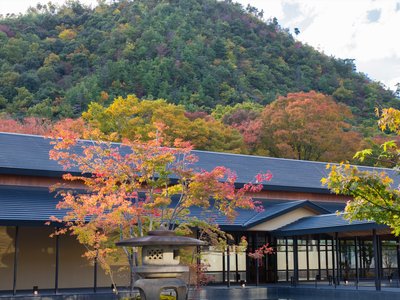
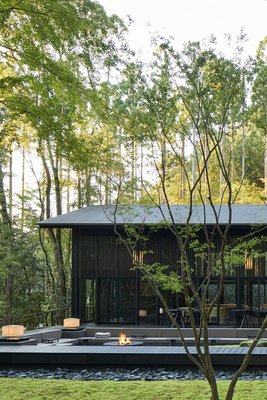
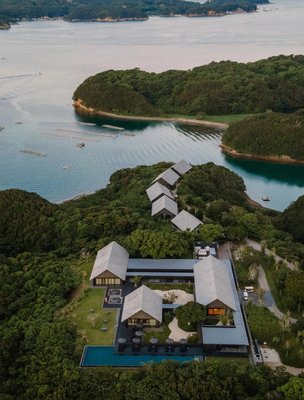
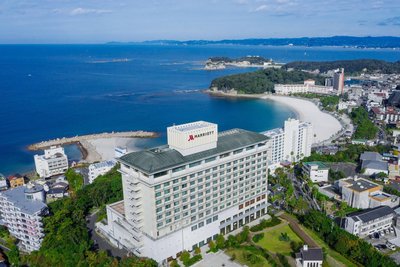
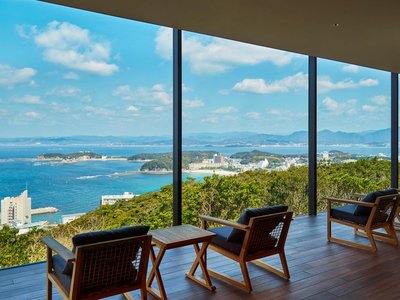
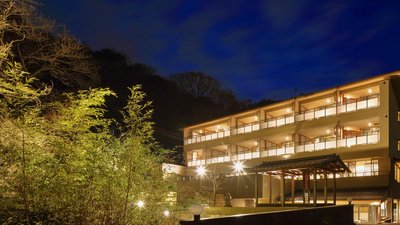
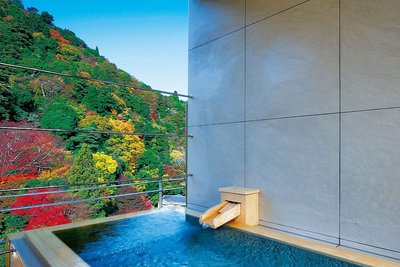
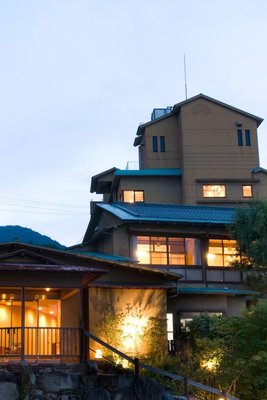
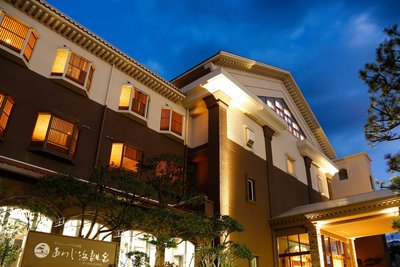
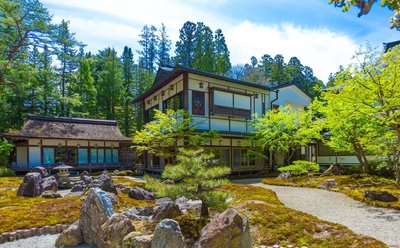
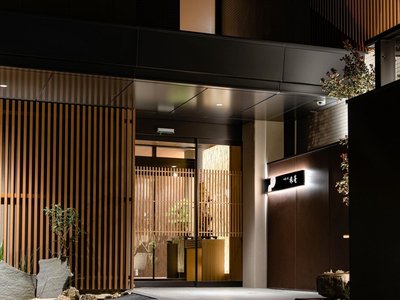
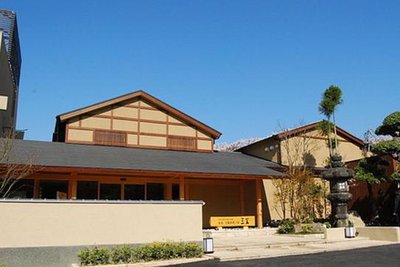
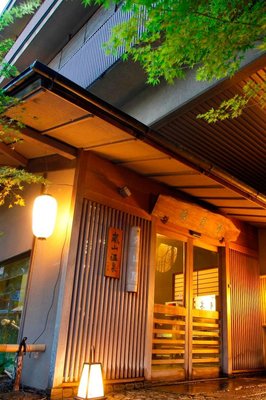
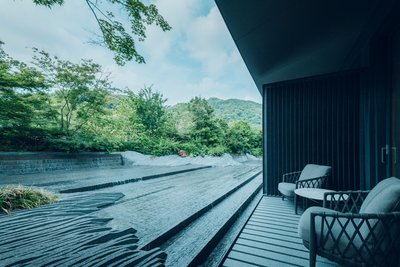
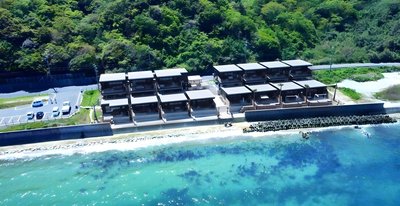
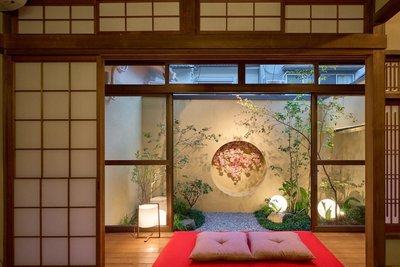
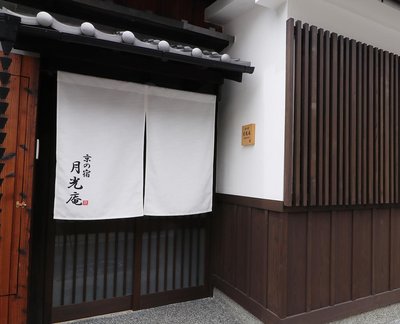
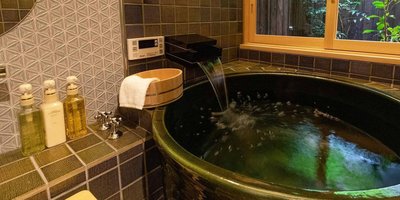
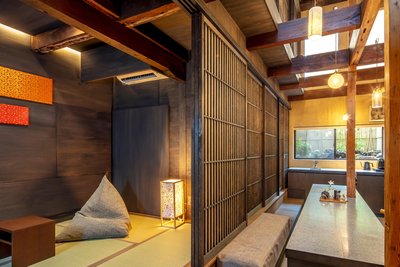
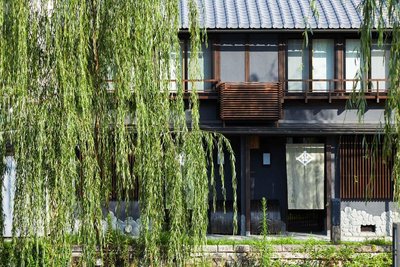
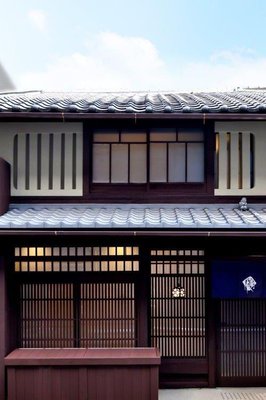
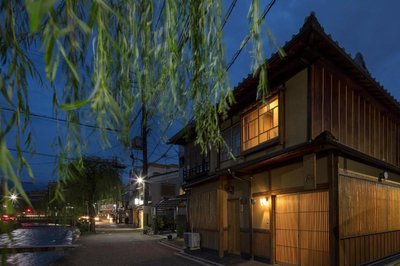
In Wakayama City, the Kaiyukan Onsen Inn stands out for its stunning oceanfront views and traditional Japanese ryokan experience. Located just steps from the Kii Channel, this boutique hotel features private onsen baths, tatami rooms, and a kaiseki dining menu showcasing fresh local seafood. Guests can enjoy panoramic sea vistas from the open-air rooftop terrace.
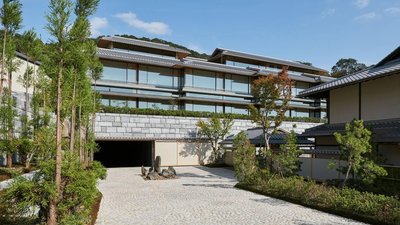
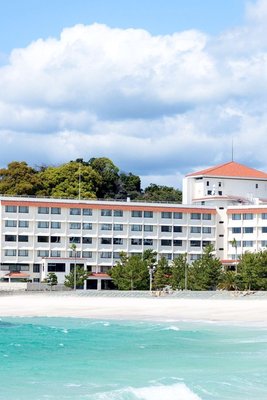
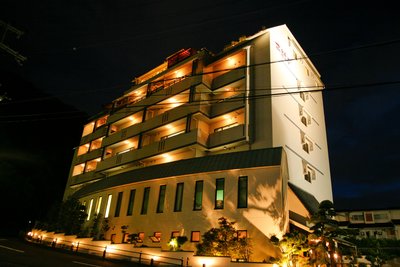
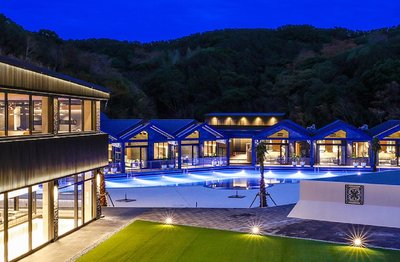
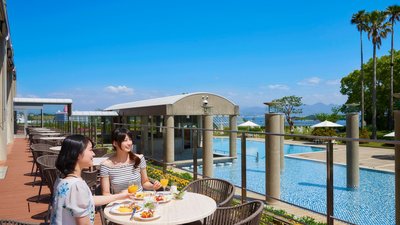
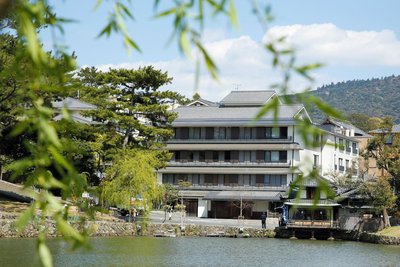
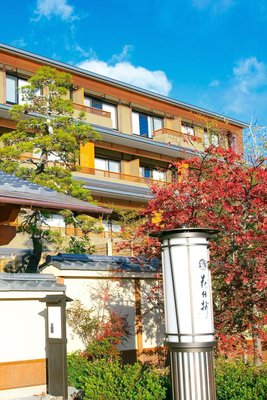
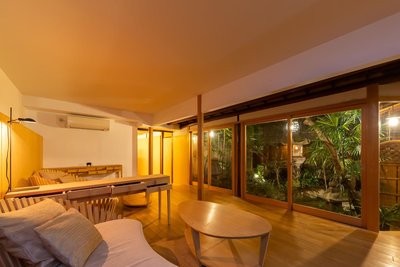
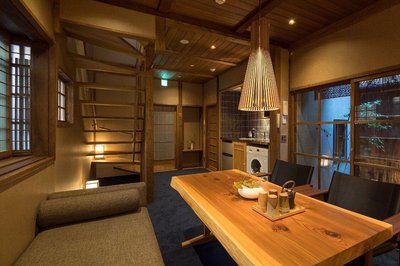
Another excellent option is the Wakayama Seaside Resort, a family-friendly hotel near Wakayama Municipal Park and the Kumano Kodo Trail. It offers spacious rooms, an outdoor pool, and guided cultural workshops like pottery-making using local clay. For travelers seeking tranquility and natural beauty, both properties provide seamless access to nature trails and seasonal festivals such as the Kumano Fire Festival.
The best area in Wakayama City combining convenience and scenic beauty is the central waterfront district, bordering the Kii Channel and Wakayama Municipal Park. This vibrant neighborhood offers easy access to Wakayama Electric Railway's Wakayama Station, local eateries, craft markets, and walking paths along the river.
Stay at Kaiyukan Onsen Inn or Wakayama Seaside Resort for proximity to attractions and breathtaking sea views. The area hosts lively evening events like the Night Market, where visitors can savor grilled fish skewers and locally brewed sake. It’s also a gateway to the Kumano Kodo pilgrimage trail, making it ideal for travelers who want both urban comfort and access to nature and culture.
Tourists in Wakayama City can immerse themselves in authentic local traditions through several unique experiences. Visit a Kii Clay Workshop to craft handmade ceramics using traditional Kii soil, a heritage technique passed down for generations.
During spring, attend the Kumano Kodo Spring Festival at Wakayama Shrine, featuring ceremonial dances and purification rituals. Summer brings the Kii Channel Fireworks Festival, where dazzling displays light up the night sky above the sea.
Additionally, explore historic workshops to learn Wakayama indigo dyeing or origami lantern making—skills deeply rooted in regional identity. These hands-on activities not only connect visitors to local craftsmanship but also offer meaningful souvenirs crafted with personal effort and cultural significance.
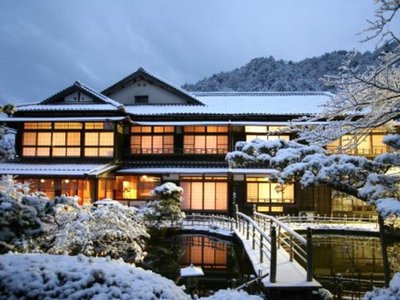
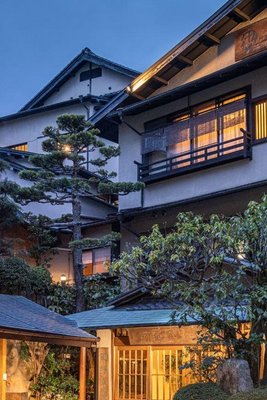
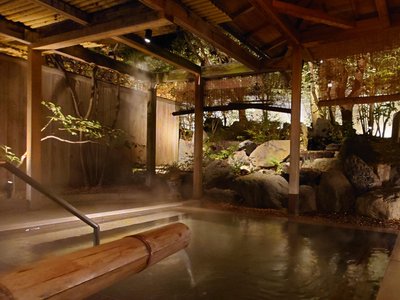
Yes, Kaiyukan Onsen Inn is a highly recommended traditional onsen ryokan in Wakayama City, nestled along the Kii Channel. With over a century of history, it offers private outdoor hot springs with panoramic sea views, perfect for relaxation.
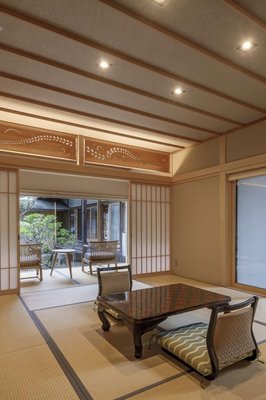
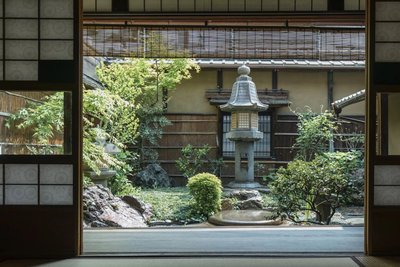
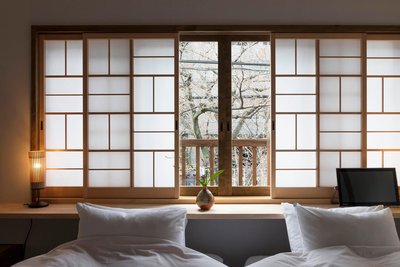
Guests enjoy authentic kaiseki dinner featuring fresh local seafood and seasonal vegetables, served in minimalist tatami rooms with sliding shoji screens. The inn also hosts nightly tea ceremonies and mindfulness sessions for deeper cultural immersion.
For families, Wakayama Seaside Resort provides indoor onsen pools and steam rooms, combined with kid-friendly facilities. Both properties recommend advance HopeGoo, especially during peak seasons like cherry blossom and summer holidays, to secure the best experience.
Near Wakayama City, the Kumano Kodo Trail (Wakayama Section) is a must-visit UNESCO World Heritage hiking route through ancient forests and mountain streams. Highlights include Fujimura Shrine and the cascading Ootani Falls, offering spiritual ambiance and natural beauty.
For a gentler walk, Wakayama Municipal Park features a scenic lakeside trail perfect for birdwatching and sunset strolls. Nature enthusiasts can tackle the Sanbongi Mountain Trail in the Kii Mountains, which rewards hikers with panoramic views of the Kii Channel.
Guided hikes are available during seasonal festivals. Bring a map, sturdy footwear, and water—some paths lack signage. Early morning or late afternoon visits are ideal to avoid heat and enjoy encounters with locals gathering herbs or praying at shrines.
Must-try dishes in Wakayama City include fresh sea urchin from the Kii Channel, best enjoyed raw with a squeeze of lemon—creamy and briny. Another highlight is wild-caught red snapper, grilled or steamed, prized for its firm texture and delicate flavor.
Visit Wakayama Yakitori Alley for skewered chicken grilled over charcoal, served with a savory-sweet sauce. Don’t miss Wakayama matcha mochi—soft rice cakes filled with bitter-sweet matcha paste—available at old-town confectioneries.
Local specialty: Wakayama Junmai Sake, a clean, aromatic rice wine made from local brewer’s rice. Enjoy it chilled with seafood or as an aperitif. Many of these treats are found in the downtown night market and historic shopping street, so set aside time to savor them slowly and truly taste the city’s culinary soul.
Kainan Overview
City Summary
Shirahama, located in Wakayama Prefecture, is a coastal city blending historical charm with natural wonders. Renowned for its fishing heritage and onsen culture, the city's highlights include fresh seafood at Kuroshio Market and rejuvenating hot springs. The nearby Kumano Kodo pilgrimage trails, a UNESCO World Heritage Site, attract nature and culture enthusiasts alike.
Must-See Attractions
Must-see spots feature the Kuroshio Market with daily tuna-cutting shows and grilled seafood stalls, while the onsen district's sulfur springs are iconic in Kansai. History buffs can explore the ancient camphor tree at Shirahama Shrine or the preserved Fujisakazaka street. Don't miss sunset views at Fukuro Harbor Lighthouse.
Food Guide
Savor tuna delicacies like donburi bowls at the market, and try local specialties: skewers grilled over Kishu binchotan charcoal and Shirahama ramen (soy-pork broth). For sweets, opt for mikan daifuku made with Wakayama oranges.
Transportation Guide
Local buses center around Shirahama City Hall station. For trips to Wakayama City, use JR Kisei Line (Shirahama Station). Access to Kumano Kodo requires Kansai Wide Area Pass with connecting buses. Taxis charge ~700 yen initially, but most attractions are walkable.
Best Time to Visit
Peak seasons are October-November (fall foliage) and March-May (cherry blossoms). Though humid, summer (June-September) offers seafood festivals, while winter provides crowd-free onsen experiences.
Travel Tips
- Observe onsen etiquette; tattooed visitors should book private baths\n2. Carry cash for market vendors\n3. Hiking shoes needed for Kumano Kodo trails\n4. Check sparse bus schedules in advance\n5. Harbor areas can be noisy at dawn\n6. Maintain silence at shrines
Useful Information
Language: Basic English signage available; translation apps recommended\nInternet: Free Wi-Fi at public facilities like Shirahama Library\nPayment: Credit cards accepted at major stores only\nEmergency: Shirahama City Hospital (072-492-1111) has 24/7 ER\nContacts: Police: 072-492-0110; save Japan Tourism Agency's multilingual helpline