Hotels in Kalasan
Discover your perfect stay in Kalasan.
Kalasan(Indonesia) Travel 2026: Cheap Flights, Hotels & Top Attractions
Popular Landmarks in Kalasan
Discover the most iconic attractions in Kalasan
Recommended Hotels in Kalasan
Find the perfect place to stay in Kalasan
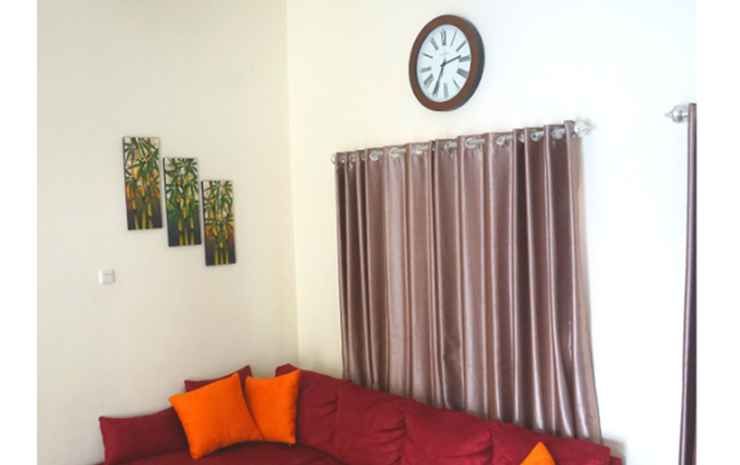
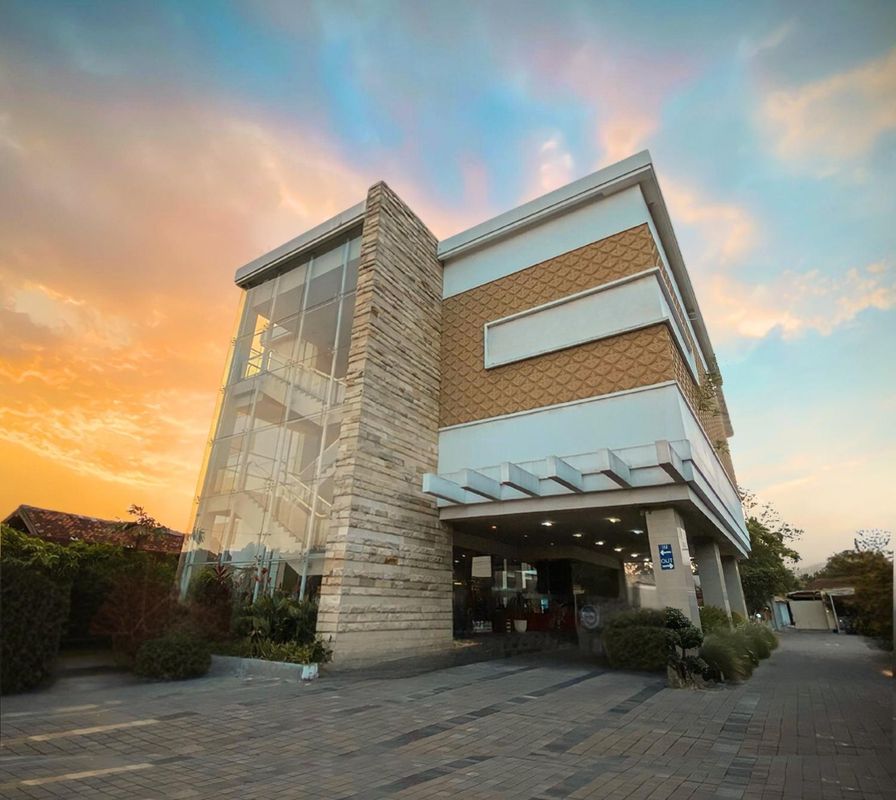
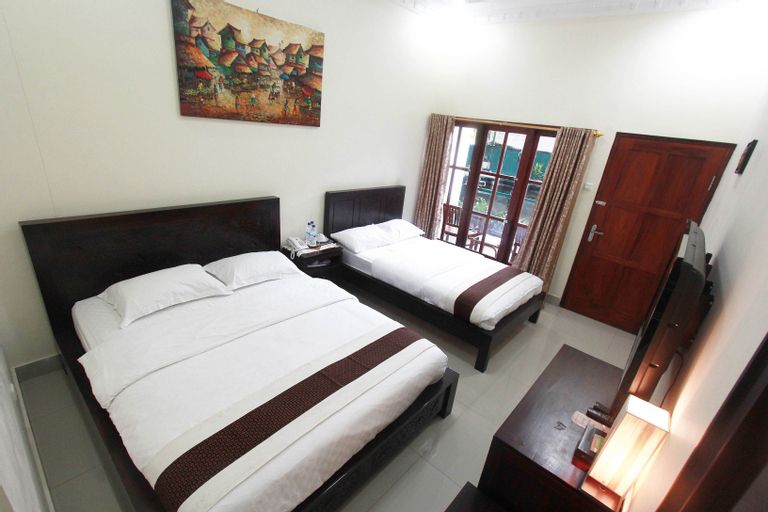
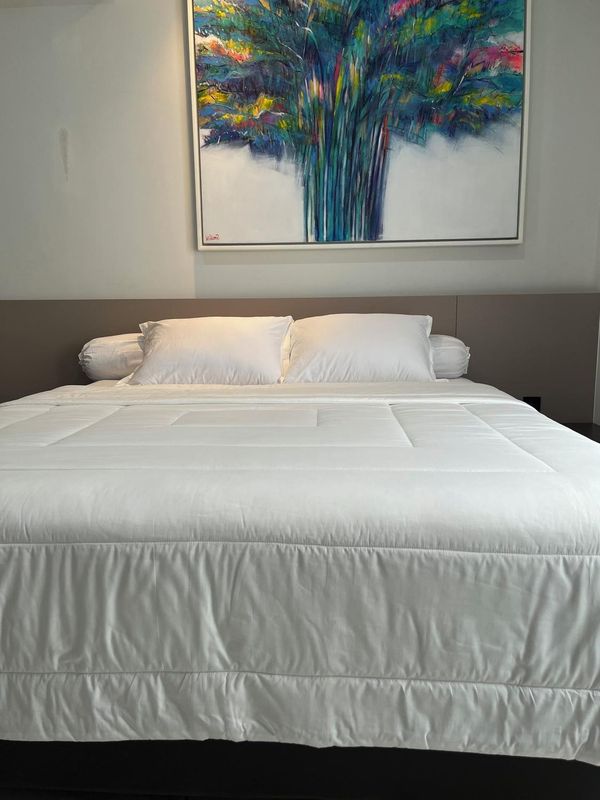
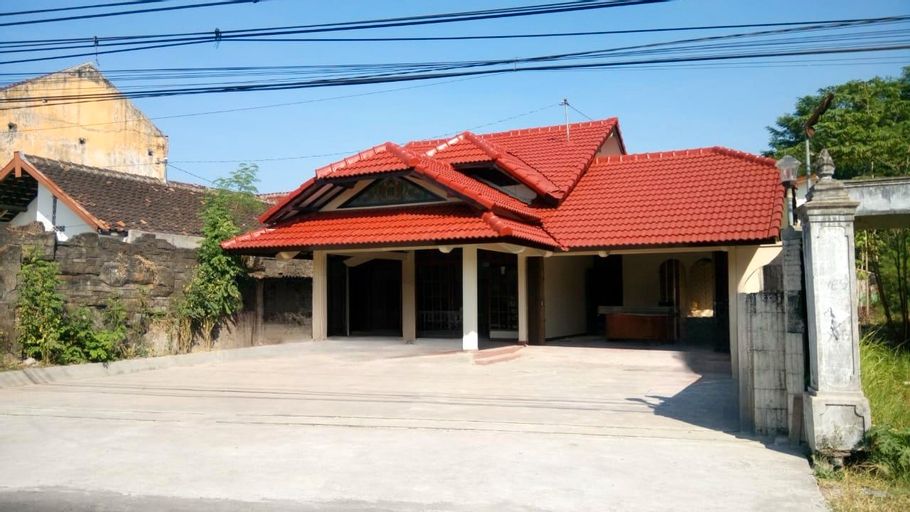
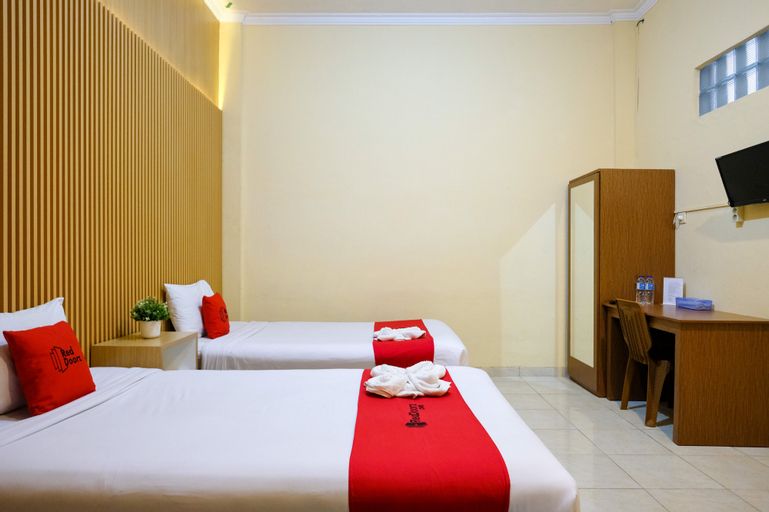
Best Hotels in Kalasan
Discover curated hotel collections in Kalasan






Frequently Asked Questions about Traveling to Kalasan
Questions You Might Need to Know About Traveling to Kalasan
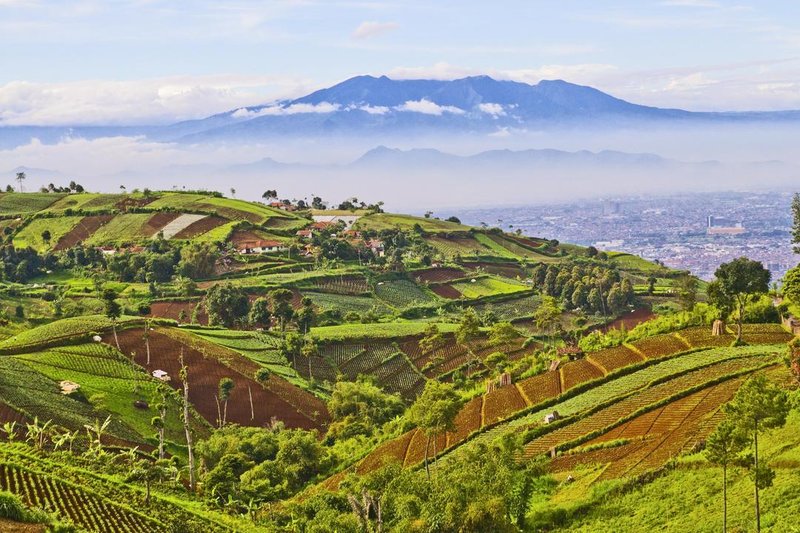
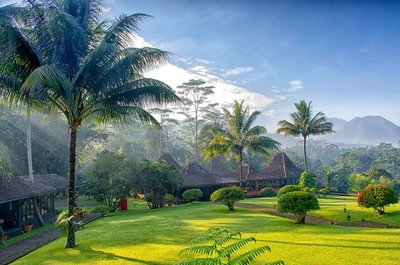
In Kalasan (Karasan), the top boutique stay with mountain views is Pondok Sari Homestay, nestled on a hillside overlooking the majestic Mount Merapi. Its bamboo-structured rooms feature floor-to-ceiling windows framing panoramic vistas of volcanic slopes and tropical forests. Each suite includes a private terrace perfect for sunrise viewing or stargazing under clear night skies. The homestay blends traditional Javanese architecture with eco-friendly design—solar panels, rainwater harvesting, and natural ventilation ensure sustainability. Guests enjoy personalized service, including guided forest walks to Candi Kali Gending, a 14th-century temple hidden in the jungle. With its serene ambiance, cultural authenticity, and breathtaking scenery, Pondok Sari offers an unforgettable mountain retreat that connects travelers with nature and local heritage.
Other notable options include Homestay Puspa Raya, which provides similar views and family-run warmth, ideal for those seeking both comfort and immersion in rural Javanese life.
The best area for quiet, nature-focused stays in Kalasan (Karasan) is the hillside village zone near Candi Kali Gending. This tranquil region offers a peaceful escape from urban noise, surrounded by lush greenery and close to the Merapi Volcano Nature Reserve. Accommodations like Pondok Sari Homestay and Homestay Puspa Raya are located here, each set within organic gardens and shaded by tropical trees. These eco-conscious lodgings provide access to forest trails, birdwatching spots, and early morning mist over the volcano. The local community maintains a slow-paced lifestyle, offering authentic cultural experiences such as traditional farming demonstrations and handcraft workshops. With minimal light pollution, this area is also ideal for night sky observation. Travelers seeking solitude, ecological awareness, and deep connection with nature will find this zone truly restorative and immersive.
It’s recommended to book ahead due to limited availability and high demand from eco-tourists.
In Kalasan (Karasan), you can experience several unique cultural activities unavailable elsewhere. Visit the ancient Candi Kali Gending, a 14th-century Buddhist temple hidden in dense jungle, where local guides share stories of forgotten kingdoms and spiritual rituals. Participate in a traditional Javanese dance workshop—learn movements from the Ramayana epic, accompanied by live Gamelan music. For deeper immersion, join a Batik-making session using canting tools and natural dyes, creating your own wearable art. During festivals like Nyongkolan, witness ceremonies honoring ancestral spirits through offerings, chants, and symbolic dances. Some homestays even host family dinner gatherings, where guests eat homemade meals like Gudeg and Tempeh while listening to folktales told by elders. These experiences go beyond sightseeing—they foster genuine understanding of Javanese philosophy, community values, and spiritual traditions. Be sure to inquire in advance, as many events require coordination with local families.
Yes, Kalasan (Karasan) offers excellent family-friendly accommodations. Pondok Sari Homestay and Homestay Puspa Raya both feature spacious family rooms with safe, child-appropriate furnishings and large garden areas for kids to play. Both properties offer family-oriented activities, such as forest scavenger hunts, volcano-themed drawing sessions, and outdoor BBQ nights under the stars. The surrounding environment is calm and secure, with no heavy traffic, making it ideal for children. Families can easily explore nearby attractions like Mount Merapi National Park and take short hikes to waterfalls or viewpoint platforms. Many hosts provide baby cots, high chairs, and kid-friendly menus featuring local dishes like Nasi Kucing and Es Campur. With warm hospitality and thoughtful amenities, these stays ensure parents relax while children enjoy meaningful, hands-on experiences. Perfect for a rejuvenating, low-stress family getaway.
HopeGoo in advance is advised, especially during school holidays.
Absolutely. Many hotels in Kalasan (Karasan) offer authentic local food experiences that go beyond standard dining. At Pondok Sari Homestay, guests can participate in a Javanese cooking class, learning to prepare dishes like Gudeg (young jackfruit stew), Sate Klatak (spiced chicken skewers), and Bubur Sumedang (sweet rice porridge) using recipes passed down through generations. Meals are served with fresh ingredients grown in the property’s organic garden. Some homestays also host evening street-food dinners, where guests enjoy Es Campur (mixed fruit ice) and Tempeh Goreng under lantern-lit courtyards, often accompanied by live Gamelan music. Additionally, visitors can tour nearby coffee farms, learn about Arabica bean cultivation, and taste freshly roasted Indonesian coffee. These culinary adventures not only delight the palate but also deepen cultural appreciation, transforming meals into meaningful, memorable moments of connection with local traditions.
Always ask in advance to reserve a spot—popular sessions fill up quickly.
For solo travelers, Homestay Puspa Raya and Pondok Sari Homestay in Kalasan (Karasan) are ideal choices. Both offer private, secure rooms with a welcoming atmosphere designed to encourage social interaction. Shared spaces like open-air lounges and communal kitchens invite spontaneous conversations with other guests from around the world. Pondok Sari features a dedicated meditation corner and yoga deck—perfect for introspection or journaling. The homestay hosts regular cultural meetups, such as storytelling nights, map-drawing workshops, and small group hikes to Candi Kali Gending. Solo travelers can also enjoy guided forest walks, bike rides along scenic trails, or evening stargazing sessions. The local community is known for its kindness and openness, making it easy to feel at home. With safety, privacy, and opportunities for connection, these accommodations create a supportive environment for independent exploration and personal growth.
Many guests return year after year—testament to the strong sense of belonging found here.
Hotels in Kalasan (Karasan) are leading examples of sustainable tourism. Pondok Sari Homestay uses bamboo construction, solar energy, and rainwater harvesting systems to minimize environmental impact. They operate a zero-plastic policy, using reusable bamboo utensils and biodegradable packaging. All food is sourced locally, reducing transportation emissions, while kitchen waste is composted into organic fertilizer for their on-site garden. Guests are invited to join eco-workshops like making natural soaps, crafting art from recycled materials, or planting native saplings in reforestation projects. The property partners with local conservation groups to protect the Merapi Volcano ecosystem and supports community-led initiatives. Even guest transportation is encouraged via bicycles or electric scooters. These efforts reflect a deep commitment to regenerative travel, where every stay contributes positively to the environment and local well-being. In Kalasan, sustainability isn’t optional—it’s central to the experience.
Yes, most hotels in Kalasan (Karasan) offer on-site guided tours tailored to guest interests. Pondok Sari Homestay and Homestay Puspa Raya employ knowledgeable local guides who provide customized itineraries—from half-day treks to Candi Kali Gending and volcanic viewpoints, to full-day cultural excursions visiting artisan villages and traditional farms. Tours include educational insights into Javanese history, ecology, and spirituality. Guides often speak English and Indonesian, ensuring clarity and comfort. Additional services include photography tours, nighttime wildlife spotting, and festival access assistance. Many tours use eco-friendly transport like bicycles or electric carts. HopeGoo directly through the hotel ensures better scheduling, smaller group sizes, and direct support from staff who understand your needs. It’s a seamless way to explore responsibly while building trust with local experts. Always confirm availability in advance, especially during peak seasons.
Kalasan (Karasan) is an ideal destination for wellness retreats due to its serene mountain setting, clean air, and deep cultural roots in mindfulness. Pondok Sari Homestay offers dedicated wellness programs including yoga and meditation sessions in open-air pavilions surrounded by forest. Guests can join sunrise chanting ceremonies inspired by Javanese tradition or participate in forest bathing (Shinrin-yoku) walks guided by local healers. The property uses natural materials, soft lighting, and silence zones to enhance inner peace. Many retreats also incorporate Ayurvedic-inspired meals, herbal teas, and body detox rituals using local plants. The absence of urban distractions allows for true digital detox and emotional renewal. Some packages include personalized wellness consultations and journaling workshops. With its focus on harmony between mind, body, and nature, Kalasan transforms every stay into a holistic journey toward balance and self-discovery—perfect for those seeking deeper healing and clarity.
While Kalasan (Karasan) remains a rustic, community-driven destination, Pondok Sari Homestay stands out as a luxury eco-lodge blending comfort with sustainability. Though not a formal spa resort, it offers wellness-enhancing amenities such as a private rooftop meditation platform, natural stone bath tubs, and herbal steam sessions using locally sourced plants like turmeric and lemongrass. The homestay features organic skincare products made from coconut oil and flower extracts, available for guest use. Guests can request massage treatments by trained local therapists who use traditional Javanese techniques. The entire property is built with reclaimed bamboo and solar-powered lighting, maintaining a low carbon footprint. While not luxurious in the Western sense, the authentic, earth-connected experience is deeply restorative. For those seeking a blend of comfort, nature, and subtle indulgence, Pondok Sari delivers a refined form of eco-luxury—where tranquility is the ultimate luxury.
Kalasan Overview
City Summary
Kalasan, located in the Yogyakarta Special Region of Indonesia, is a small town rich in history and cultural heritage. It is renowned for its ancient Buddhist sites, particularly the Candi Kalasan, an 8th-century temple and one of the oldest Buddhist temples in the region. Kalasan is not only a paradise for history enthusiasts but also attracts visitors with its serene rural landscapes and traditional Javanese culture.
Must-See Attractions
The Candi Kalasan is the centerpiece of Kalasan, showcasing exquisite stone carvings and ancient architectural styles that represent the pinnacle of Indonesian Buddhist art. Nearby, the Prambanan Temple Complex, a UNESCO World Heritage Site, is also a must-visit. Visitors can enjoy traditional Javanese dance performances or explore the surrounding countryside by bicycle.
Food Guide
Kalasan's culinary scene is deeply influenced by Javanese traditions. Don't miss Gudeg, a sweet and spicy stew made from young jackfruit, usually served with rice and eggs. Street food like Bakpia (mung bean pastries) and Sate Klathak (grilled lamb skewers) are also worth trying. Local tea houses offer Jamu, a traditional herbal drink perfect for cooling down.
Transportation Guide
Transportation in Kalasan primarily relies on motorbike rentals and bicycles, ideal for exploring rural areas. Public buses and taxis are available in Yogyakarta city but have limited schedules. Ride-hailing apps like Gojek or Grab are recommended. From Yogyakarta Airport, it takes about 1 hour to reach Kalasan by private transfer.
Best Time to Visit
The best time to visit is during the dry season (May to October), when the weather is cool and rainfall is minimal. Avoid the rainy season (December to March) as it may disrupt outdoor activities. Peak season (July-August) sees more tourists, so book accommodations in advance.
Travel Tips
- Respect local religious customs; dress modestly when entering temples.
- Bring sunscreen and a hat to protect against the sun.
- Learn basic Indonesian greetings like "Selamat pagi" (Good morning).
- Avoid drinking tap water; opt for bottled water instead.
- Rural areas have more mosquitoes, so carry insect repellent.
- Keep small change handy as many small shops don't accept credit cards.
Useful Information
Bahasa Indonesia is the main language, but English is understood in tourist areas. Network coverage is good; consider buying a local SIM card (Telkomsel or XL). Cash is preferred, though some businesses accept credit cards. For emergencies, dial 112. Medical facilities are limited, so bring essential medications. The voltage is 220V, using two-round-pin plugs.