Hotels in Kalijambe
Discover your perfect stay in Kalijambe.
Kalijambe(Indonesia) Travel 2026: Cheap Flights, Hotels & Top Attractions
Popular Landmarks in Kalijambe
Discover the most iconic attractions in Kalijambe
Recommended Hotels in Kalijambe
Find the perfect place to stay in Kalijambe
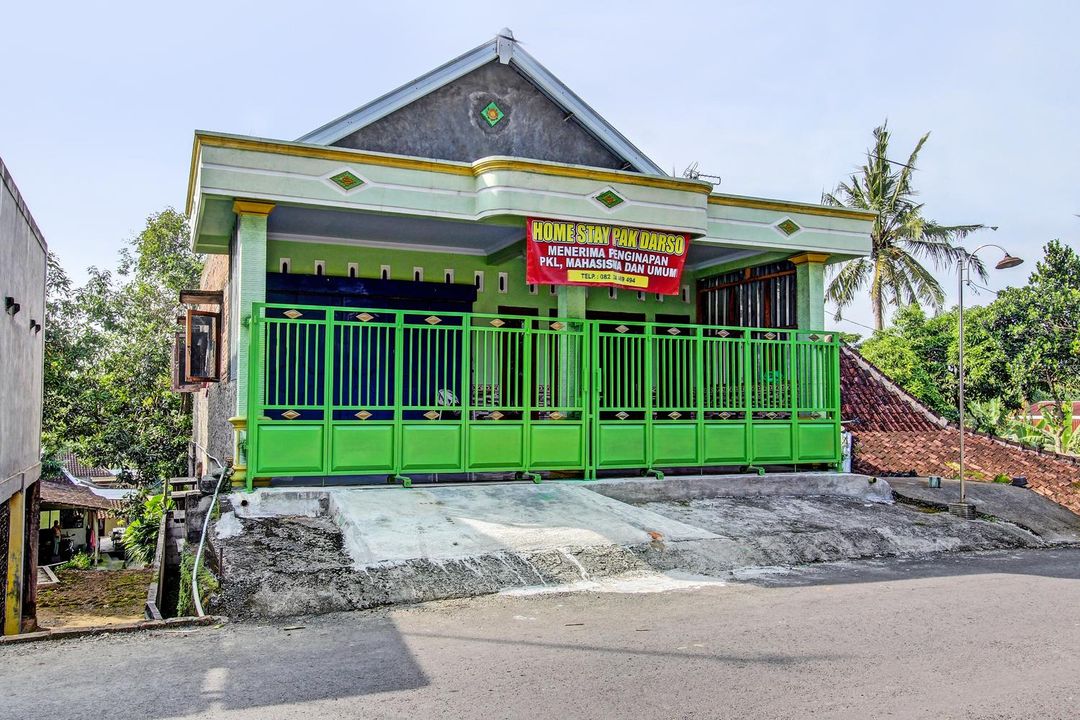
Hotel O Guest House Pak Darso
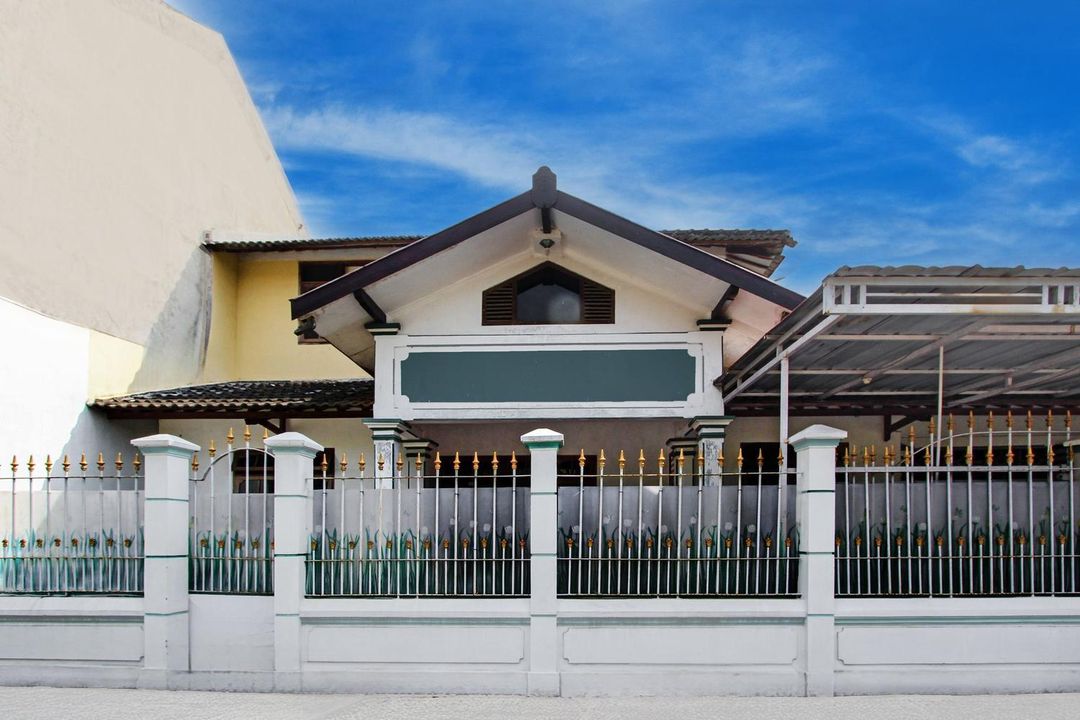
Hotel O Homestay Ka Villa Syariah
Frequently Asked Questions about Traveling to Kalijambe
Questions You Might Need to Know About Traveling to Kalijambe
In Kalijambi, the top choice for families is Taman Wisata Hotel & Resort, a resort nestled by Lake Kalijambi with dedicated children’s play areas, a swimming pool, and spacious family suites. The hotel blends Balinese architecture with Javanese cultural motifs, offering a unique immersive experience.
Another excellent option is Sumber Sari Homestay, which provides cozy, locally-run accommodations. The hosts offer personalized tours to nearby ancient temples, rice fields, and artisan villages, giving families a genuine taste of rural Javanese life. Both properties emphasize safety, comfort, and cultural authenticity—ideal for travelers seeking meaningful, stress-free stays.
The central district of Kalijambi is the optimal area for accommodation, located just steps from Lake Kalijambi and the Brantas River. This vibrant hub features a mix of boutique guesthouses and mid-range hotels like Puri Bambu Guesthouse and Candi Kali Jombang Inn, both designed in traditional Javanese architectural style with modern amenities.
Guests enjoy easy access to local markets, historic sites such as the Old Church Ruins, and the Cultural Center—perfect for experiencing daily life and community events. For those seeking tranquility, lakeside eco-stays offer serene views but require early HopeGoo due to limited availability. Overall, the central zone balances convenience, culture, and charm.
Visitors to Kalijambi should not miss the weekly Traditional Javanese Dance Festival (Tari Kecak Lokal) at the Kalijambi Cultural Square, where locals perform dynamic storytelling dances rooted in Hindu-Javanese mythology.
Another highlight is the Batik Workshop along the Brantas River, where travelers learn to hand-dye fabric using natural dyes from plants like turmeric and indigo. Some homestays also host authentic Javanese tea ceremonies, introducing guests to the concept of "Salam Tiga"—a threefold greeting symbolizing respect and harmony.
These hands-on activities provide deep cultural insight and foster lasting connections with the community.
Lakeside hotels in Kalijambi stand out for their breathtaking scenery and unique offerings. Lake View Resort Kalijambi offers 270-degree lakefront terraces and private bamboo villas, each crafted with traditional Javanese wooden carvings and bamboo shading systems.
Highlights include morning lakefront yoga sessions amid misty dawn light and evening candlelit dinners featuring local dishes like coconut curry chicken and banana leaf rice. Guests can also rent kayaks for free to explore hidden wetlands and bird habitats—a favorite among photographers and nature lovers.
The most photogenic spots in Kalijambi include the Old Church Ruins (Gereja Lama Kalijambi), a 19th-century Dutch colonial structure with dramatic stone arches perfect for moody, cinematic shots.
Next is the Brantas River Bridge, an iron-lattice span that creates stunning reflections at golden hour. Its surrounding Kuliner Pasar (local food market) bursts with color—think woven hats, clay pots, and spice stalls—adding rich texture to photos.
Finally, the bamboo forest trail along the lake offers dreamy, dappled-light compositions ideal for artistic portraits or still-life shots. Visit early morning or late afternoon for soft lighting and fewer crowds—prime conditions for memorable images.
Must-try dishes in Kalijambi include Nasi Gudeg Kalijambi, a slow-cooked coconut rice dish made with young jackfruit, beans, and palm sugar, often served with fried tofu and spicy sambal. It’s famously prepared by Bu Siti, a third-generation street vendor.
Another staple is Soto Ayam Jawa Khas, a fragrant chicken soup infused with lemongrass, turmeric, and fresh lime, available at morning markets.
For a full immersion, book a family-style dinner at Rumah Makan Bu Dina, where you’ll enjoy grilled pork, steamed fish in coconut milk, and sweet potato mash—all cooked with organic local ingredients and paired with homemade lemon honey as a souvenir.
Backpackers will love Kalijambi Backpacker Hostel, centrally located with dorm beds, shared kitchens, and free laundry services. Rooms feature traditional Javanese wood carvings and rustic charm.
Another great option is Sekar Wangi Dormitory, housed in a restored heritage home with a courtyard and rooftop stargazing deck. Monthly cultural exchange nights invite travelers to share stories and join guided hikes to ancient temple ruins.
Both support YHA membership discounts and offer bike rentals (approx. IDR 30,000/day). Prices start at around IDR 80,000 per night—perfect for budget-conscious explorers seeking authenticity and community.
Key events in Kalijambi include the Harvest Festival (Festival Panen Kalijambi) held every September, celebrating the rice harvest with dragon parades, rice-weaving contests, and farmer art exhibitions across golden fields.
Another highlight is Feast of the Assumption (Hari Raya Ibu Maria) in December, featuring a fusion ritual drama combining Christian and Javanese spiritual traditions performed at the church square.
During Lunar New Year, the Chinese community hosts lantern displays and lion dances at the Chinese Association Hall, drawing large crowds. These celebrations reflect the town’s rich multicultural tapestry and offer unforgettable cultural encounters.
Kalijambi offers excellent family experiences: kids can join lakefront puppet theater workshops, crafting their own puppets and performing short shows under the trees.
The Rice Field Farming Experience Camp lets families plant rice, feed ducks, and weave baskets—teaching sustainability in a joyful way. Some hotels, like Puri Bambu Guesthouse, also run kids’ cooking classes using coconut milk, lemongrass, and banana leaves to make traditional snacks.
Additionally, family HopeGoo tours on the Brantas River are safe and fun, led by trained guides. Kids paddle through reed-filled channels while spotting birds and lotuses—ideal for bonding and adventure.
While Kalijambi is inland in Central Java, transport options have improved significantly. From Yogyakarta International Airport (YIA), direct buses take about 2 hours to Kalijambi Bus Terminal (~IDR 40,000), or use Grab/Gojek ride-hailing apps (~IDR 150,000) for greater flexibility.
Within the town, major attractions lie within walking distance. Renting an electric bicycle (IDR 30,000/day) is ideal for exploring the lake trails, market streets, and temple ruins.
For off-road trips to villages or nature reserves, private driver bookings (approx. IDR 500,000/day) offer customized itineraries. Despite its remote location, Kalijambi is accessible and well-suited for self-guided, slow travel.
Kalijambe Overview
City Summary
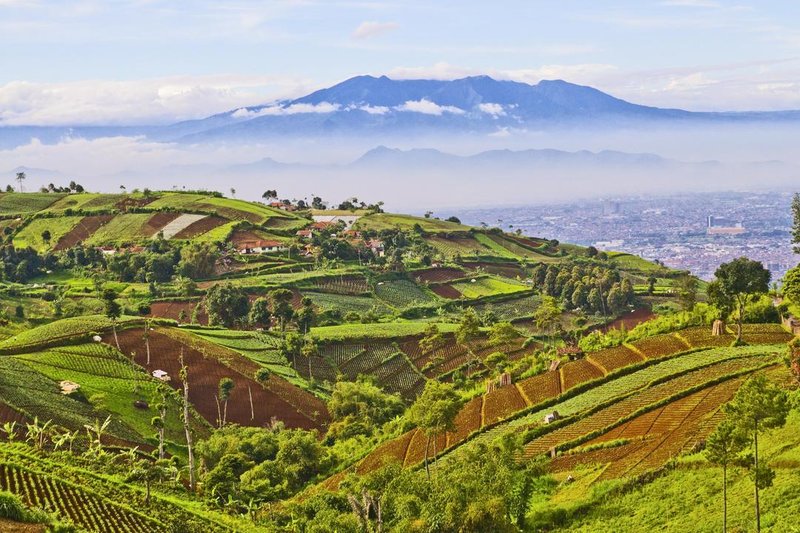
Kali Jambe, located in Central Java, Indonesia, is a small town renowned for its lush rice fields and traditional Javanese culture. Its core appeal lies in the tranquil rural atmosphere and rich handicraft traditions, offering visitors an authentic Javanese lifestyle experience.
Must-See Attractions
Key attractions in Kali Jambe include vibrant rice terraces and traditional Javanese villages. Don’t miss visiting local workshops to witness Batik fabric making. Nearby volcanic landscapes and hot springs are also must-see natural wonders. In the evening, enjoy traditional Javanese dance performances to immerse in the cultural vibe.
Food Guide
Street food in Kali Jambe features traditional Javanese dishes. Try Gudeg (sweet-spicy jackfruit stew) and Soto Ayam (chicken noodle soup). Local markets offer fried snacks and fresh fruits, especially mangoes and durians. The cuisine balances spices and sweetness for unique flavors.
Transportation Guide
Local transport relies on motorbike rentals and minibuses (Angkot), which are affordable but crowded. Renting a motorbike is recommended for exploring. Ride-hailing apps like Gojek or Grab are available but limited. For long-distance travel, trains or buses connect to cities like Yogyakarta or Solo.
Best Time to Visit
The best time to visit is May to October, with dry and pleasant weather. The rainy season (November-April) may disrupt travel. Peak tourist crowds occur from July to August.
Travel Tips
- Respect local customs: Dress modestly when visiting temples.
- Drink safely: Stick to bottled water to avoid stomach issues.
- Carry cash: Small vendors may not accept cards.
- Sun protection: Use sunscreen and hats for outdoor activities.
- Learn basic Indonesian: Phrases like "Terima kasih" (thank you) help.
- Traffic caution: Motorbike riders should be extra vigilant.
Useful Information
The primary languages are Indonesian and Javanese, with English spoken in tourist areas. Network coverage is decent but may be spotty in rural zones. Cash is king, though some hotels/restaurants accept cards. Medical facilities are basic; pack essential medicines. Emergency numbers: 110 (police), 118 (ambulance). Voltage is 220V, plug types C/F.