Hotels in Kameyama
Discover your perfect stay in Kameyama.
Kameyama(Japan) Travel 2026: Cheap Flights, Hotels & Top Attractions
Popular Landmarks in Kameyama
Discover the most iconic attractions in Kameyama
Recommended Hotels in Kameyama
Find the perfect place to stay in Kameyama

Candeo Hotels Kameyama Mie
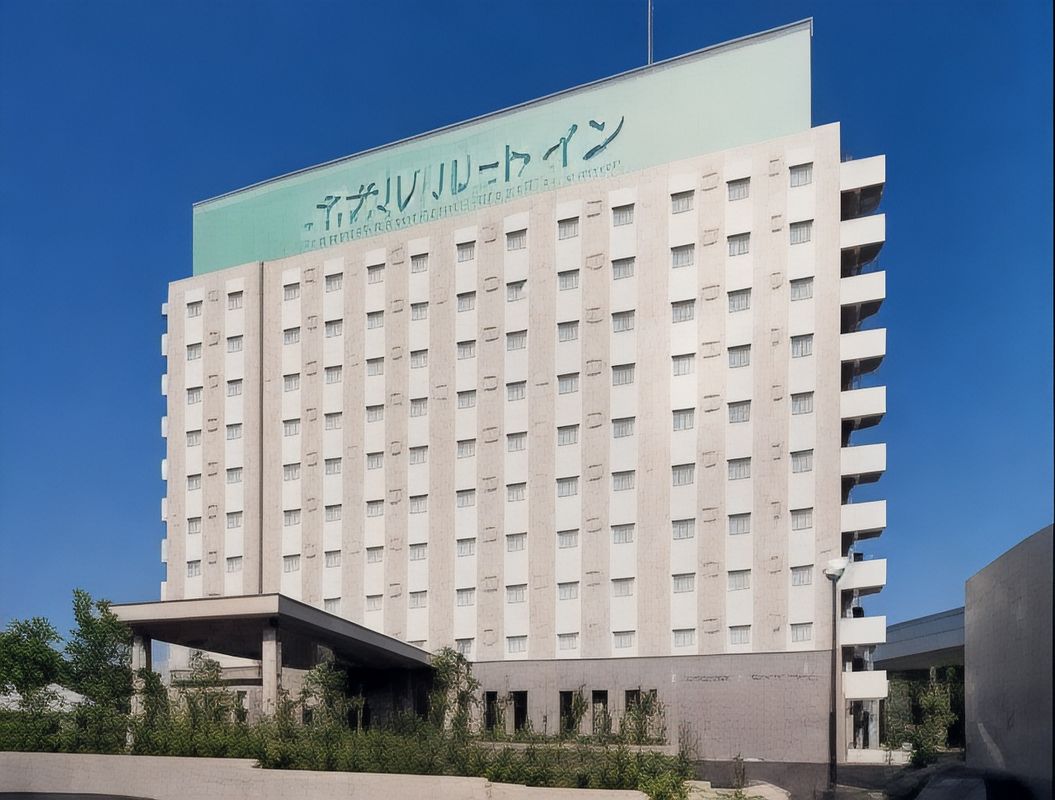
Hotel Route-Inn Dai-ni Kameyama Inter
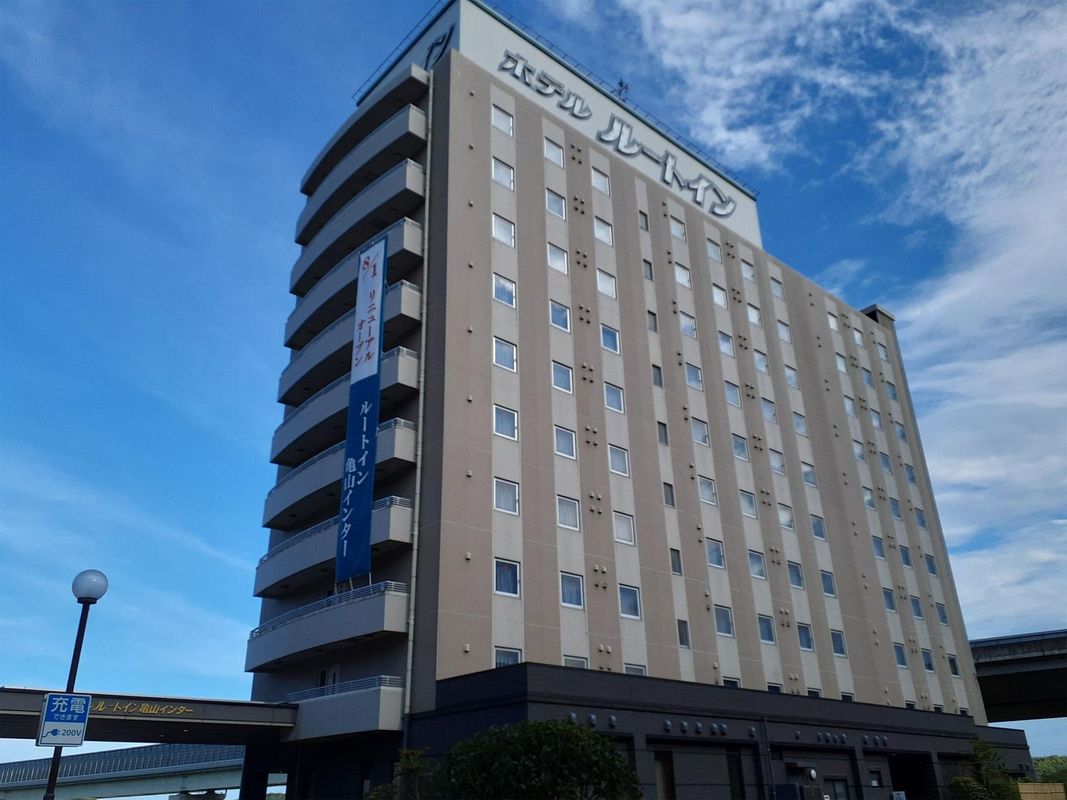
Hotel Route-Inn Kameyama Inter
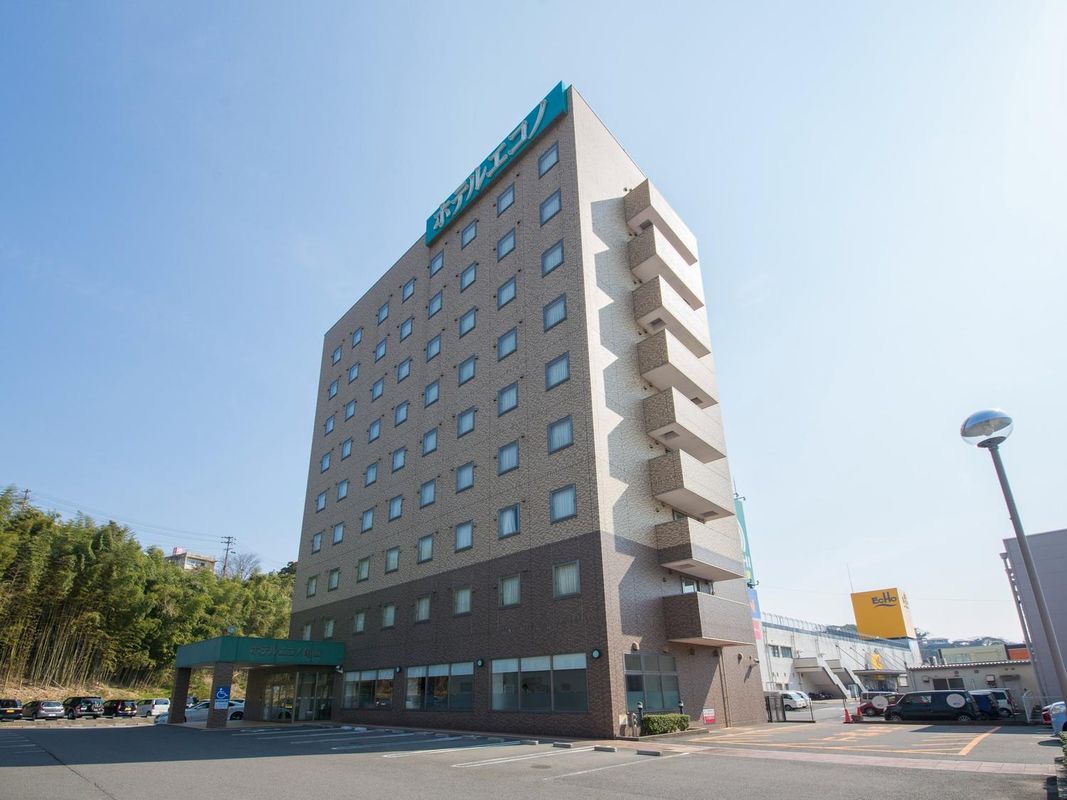
Hotel Econo Kameyama
Tabist Kameyama Daiichi Hotel
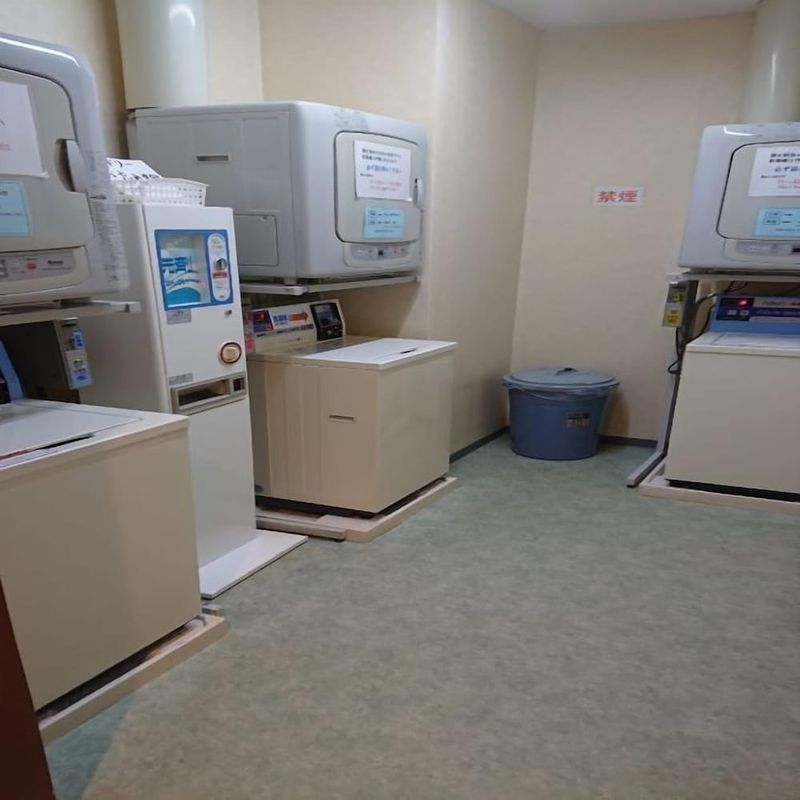
Living Hotel Kameyama

Sari Seki Inter (Adult Only)

Chapel Coconuts Kameyama
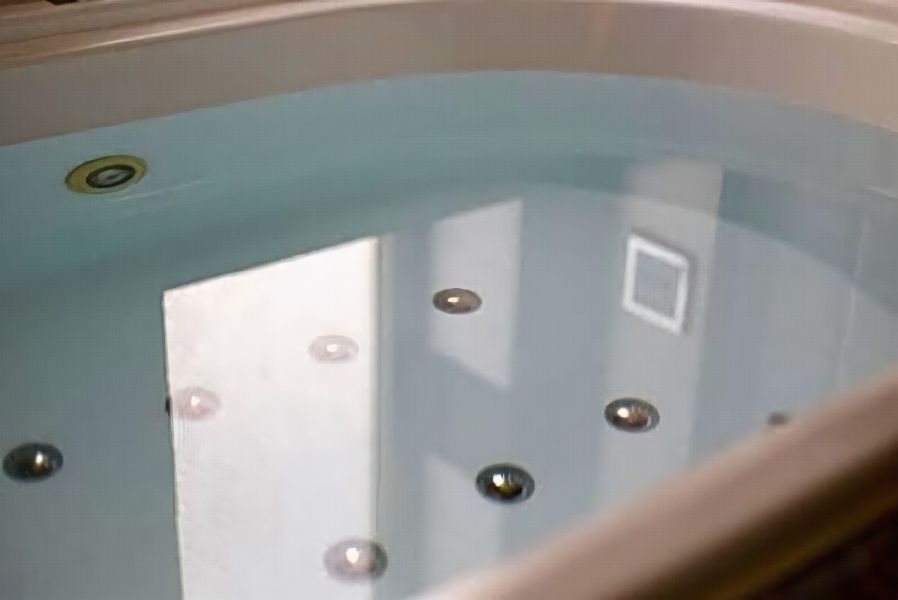
Hotel Mie Chapel Planets - Adult Only
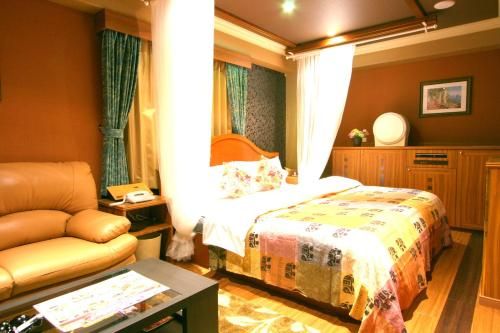
Aura Seki Inter (Adult Only)
Best Hotels in Kameyama
Discover curated hotel collections in Kameyama
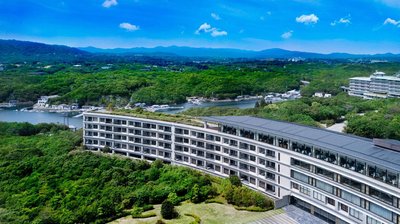
Shima Kanko Hotel the Bay Suites
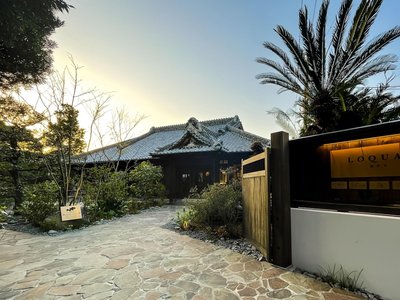
Loquat Nishiizu
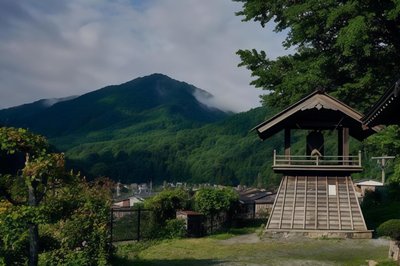
Byaku Narai
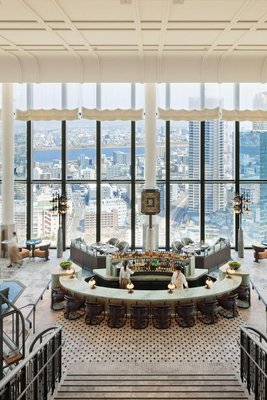
Waldorf Astoria Osaka
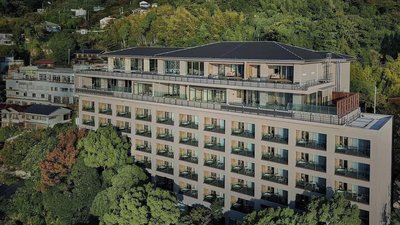
Atami Izusan Karaku
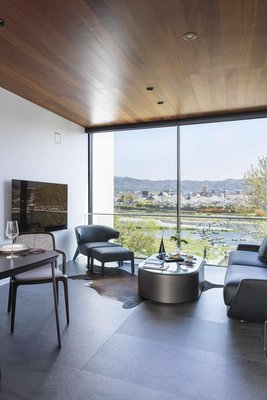
Kamo Residences by Reflections
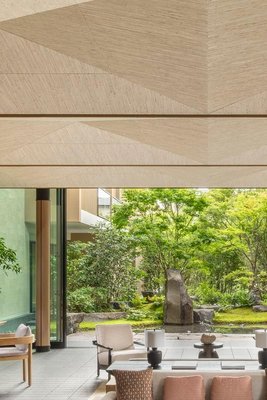
Six Senses Kyoto
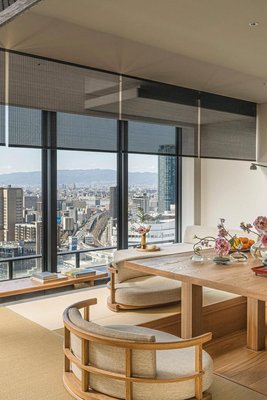
Four Seasons Hotel Osaka
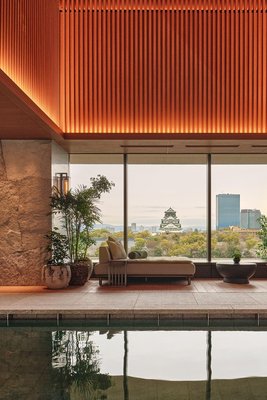
Patina Osaka
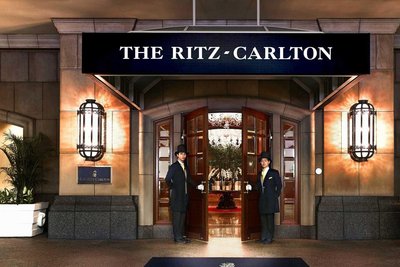
The Ritz-Carlton, Osaka
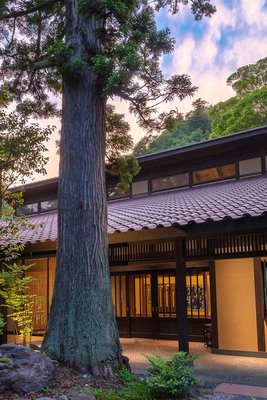
Arimasansoh Goshobessho
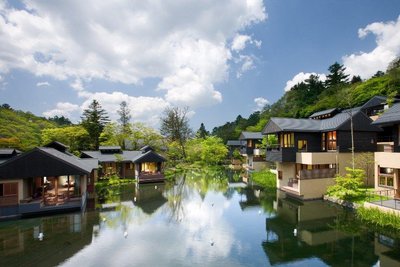
Hoshinoya Karuizawa
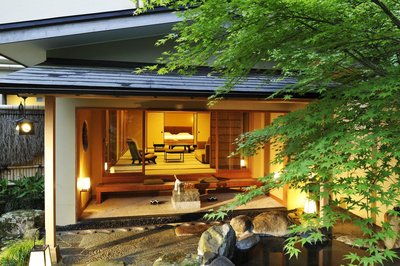
Gora Kadan
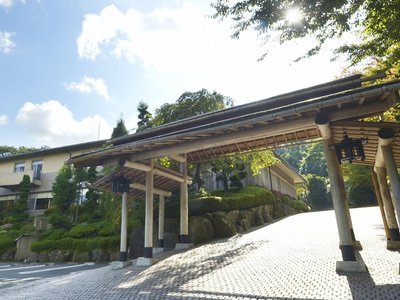
Gora Hanaougi
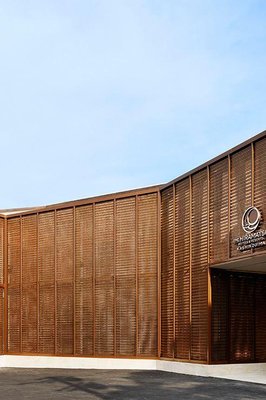
The Hiramatsu Hotels & Resorts Kashikojima
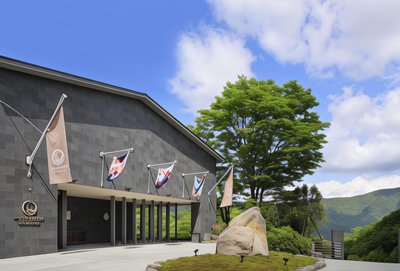
The Hiramatsu Hotels & Resorts Sengokuhara Hakone
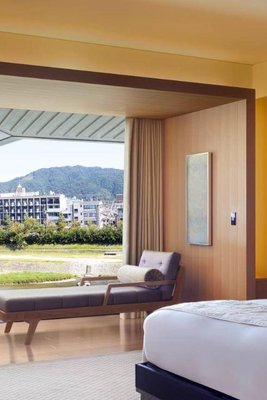
The Ritz-Carlton, Kyoto
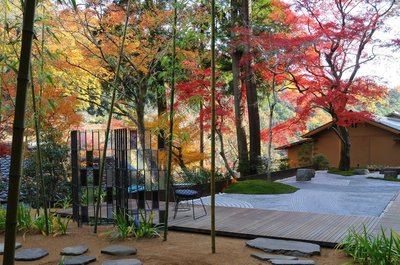
HOSHINOYA Kyoto
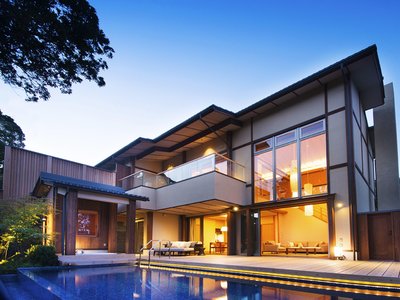
Abba Resorts Izu - Zagyosoh
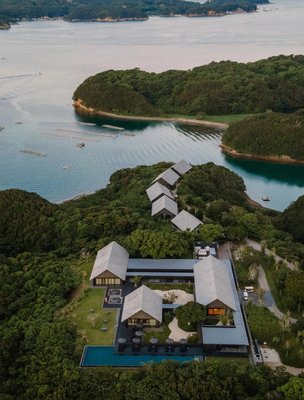
Amanemu
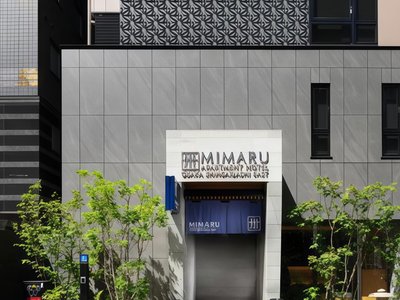
MIMARU Osaka Shinsaibashi East

Toba International Hotel Shiojitei
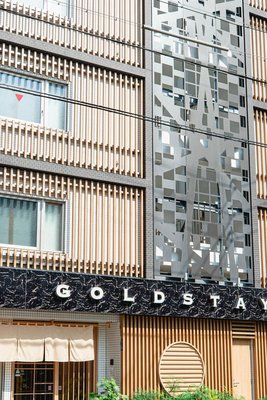
Gold Stay Nagoya OSU
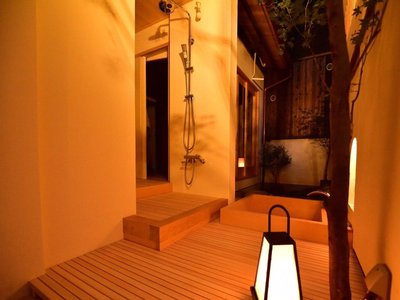
Yado Kiramachi
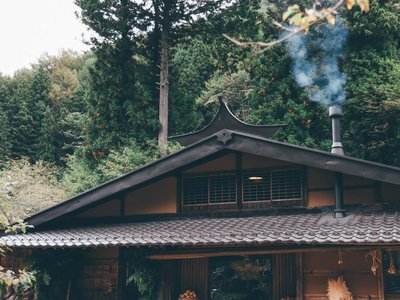
La Terra Resort
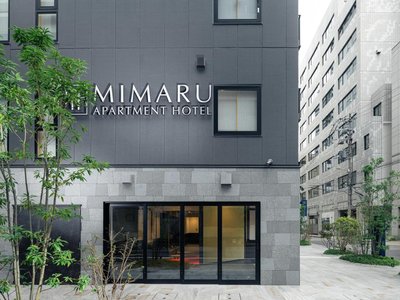
MIMARU Osaka Shinsaibashi North
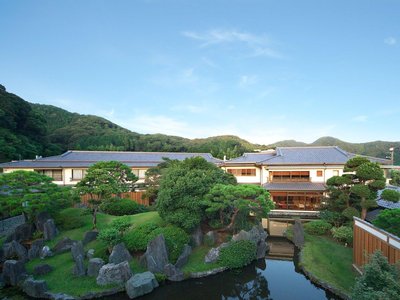
Kagetsutei
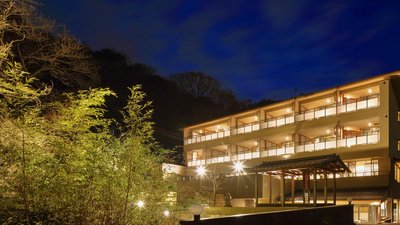
Okuno Hosomichi
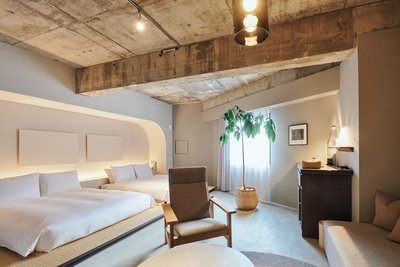
Korinkyo
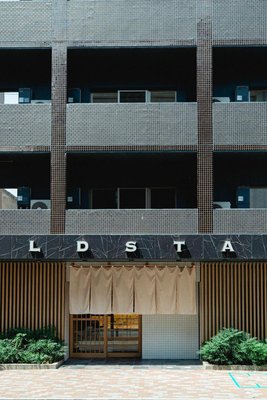
GOLD STAY Nagoya Sakae
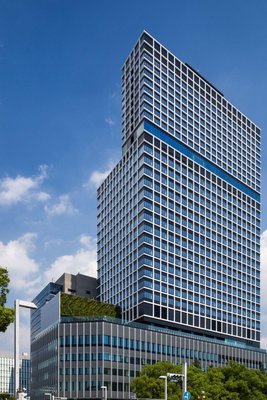
The Royal Park Hotel Iconic Nagoya
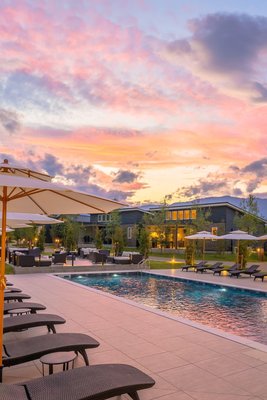
Awaumi Fujikawaguchiko Resort
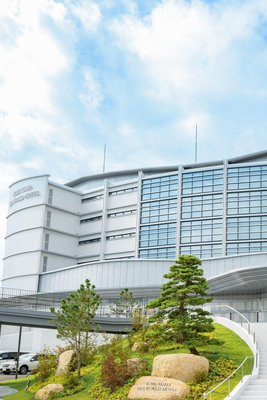
Kobe Suma Sea World Hotel
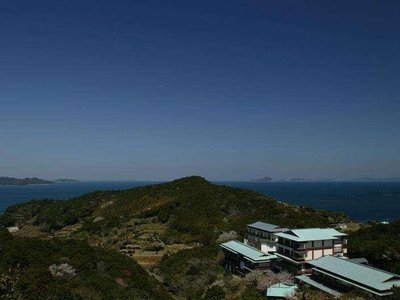
Hanashinsui
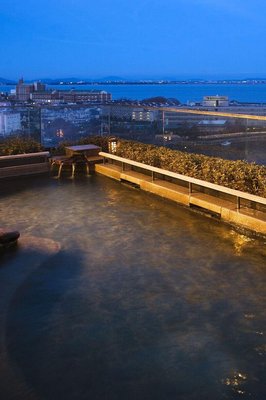
Yumotokan
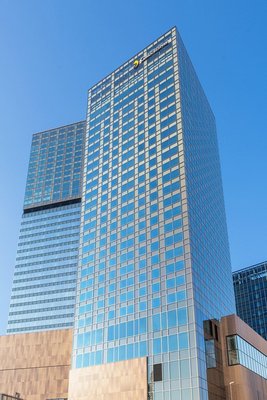
Hotel Hankyu GRAN RESPIRE OSAKA
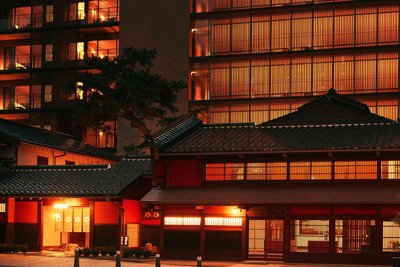
Hoshino Resorts Kai Kaga
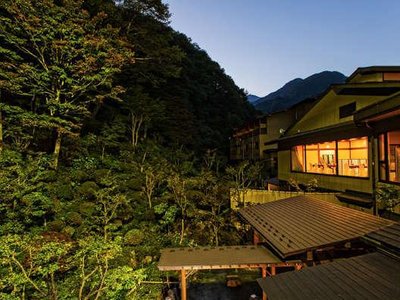
Futari Shizuka

Taikyourou
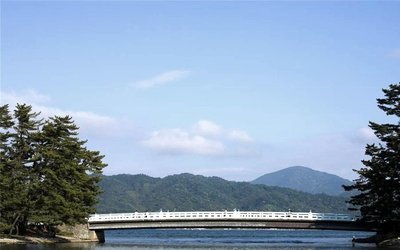
Monjusou Shourotei
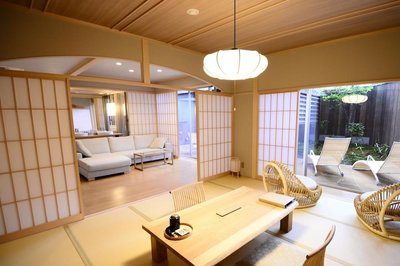
Hakone Gora Byakudan
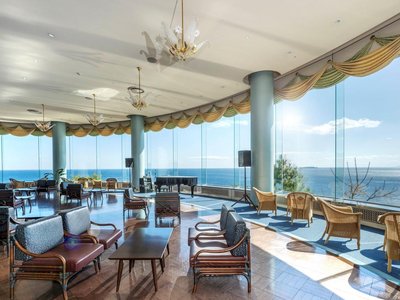
Hotel New Akao
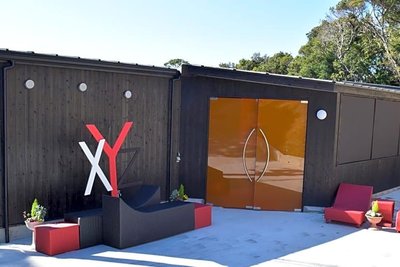
XYZ Private Spa and Seaside Resort
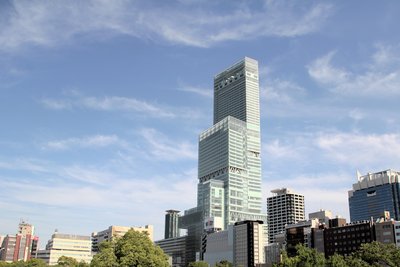
Osaka Marriott Miyako Hotel
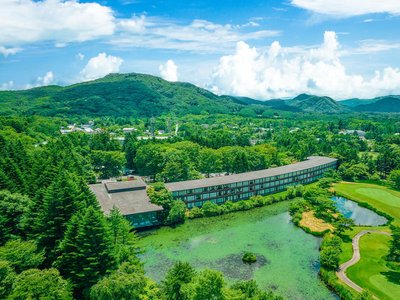
The Prince Karuizawa
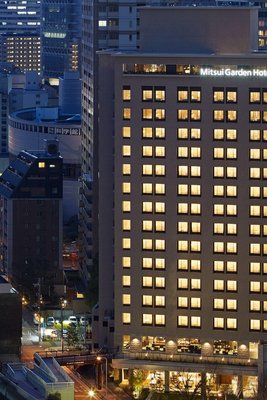
Mitsui Garden Hotel Osaka Premier
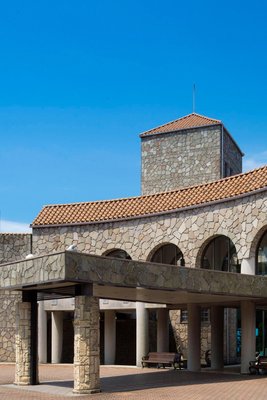
Izumigo Hotel Altia Toba
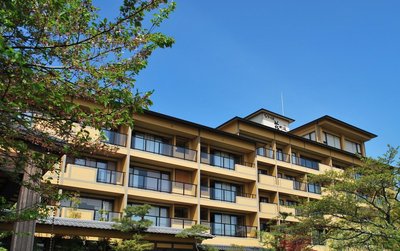
BIWAKO HANAKAIDO
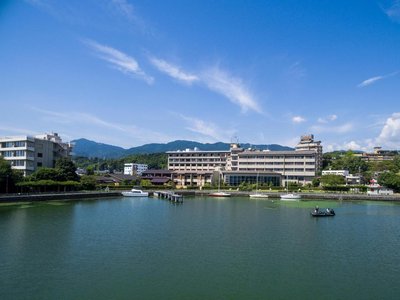
Biwako Ryokusuitei
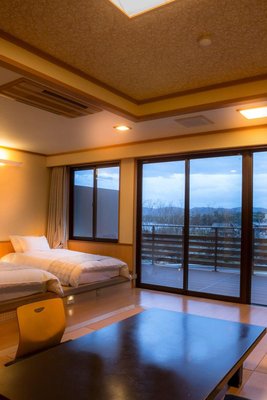
Hotel Kitanoya
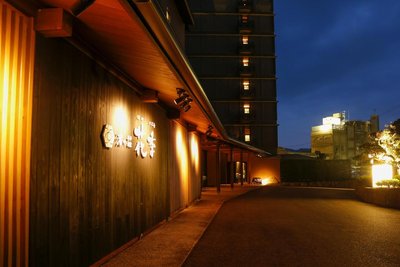
Hanagoyomi
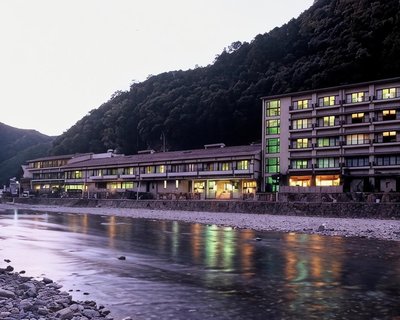
Kawayu Onsen Fujiya
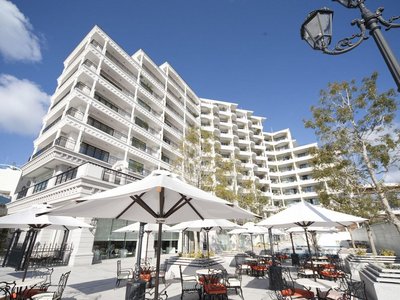
Hotel La Suite Kobe Harborland
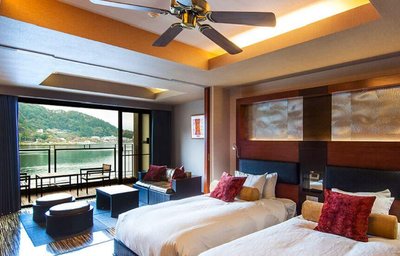
The Kukuna
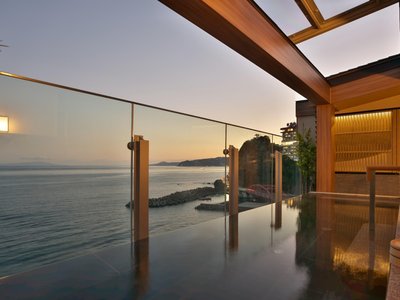
Hotel New Sagamiya
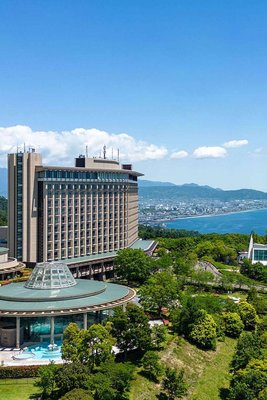
Hilton Odawara Resort & Spa
Hoshinoya Karuizawa
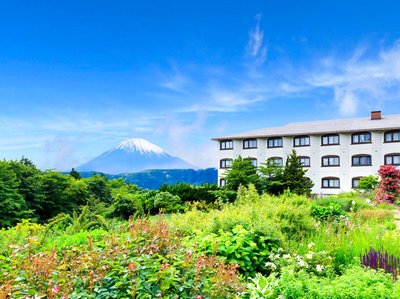
Hotel Green Plaza Hakone
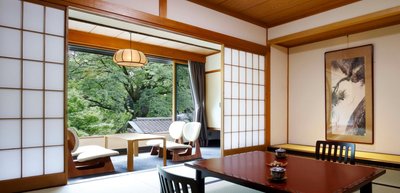
Yoshiike Ryokan
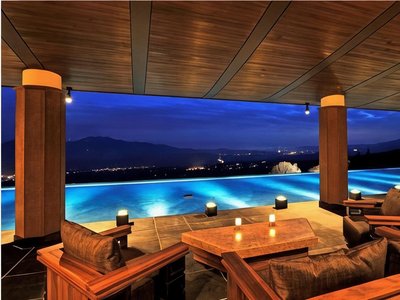
Akakura Kanko Hotel
Yado Kiramachi
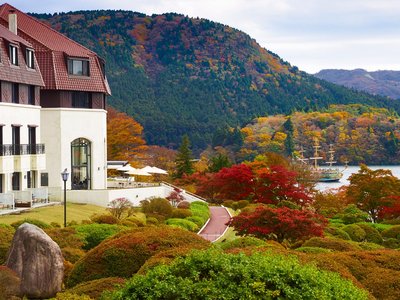
Hotakajyo
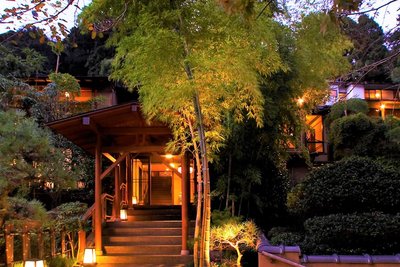
Shiki wo Ajiwau Yado Yamano Chaya
Arimasansoh Goshobessho
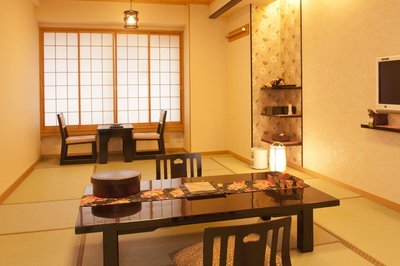
Matsui-Bekkan Hanakanzashi
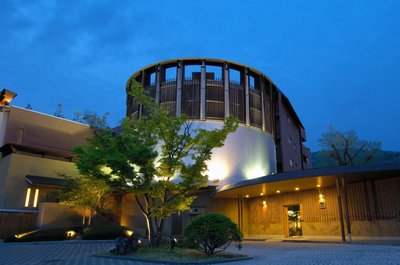
Hoshino Resorts Kai Matsumoto
Taikyourou
Monjusou Shourotei
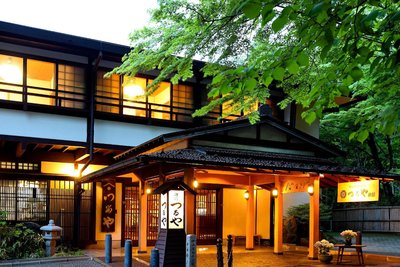
Tsuruya Ryokan
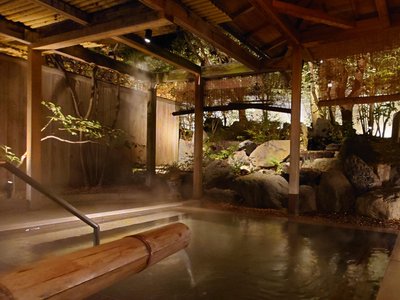
Kasuga Hotel
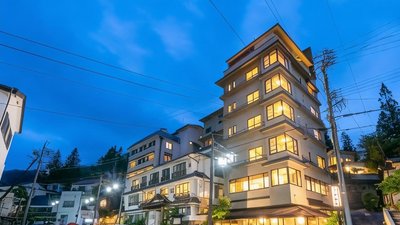
Nakamatsuya Ryokan
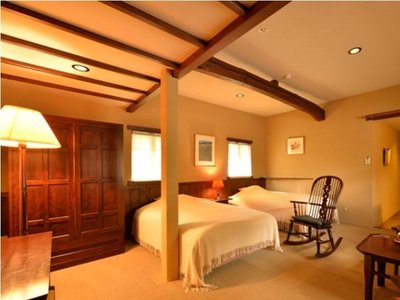
Ryokan Sugimoto
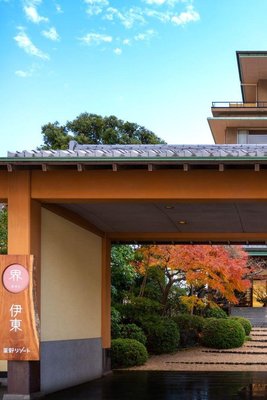
Hoshino Resorts Kai Ito
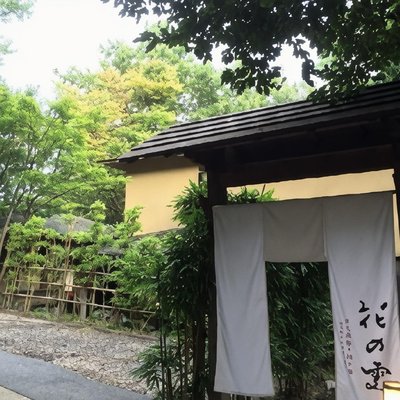
Hana No Kumo
Yoshiike Ryokan
Gora Hanaougi
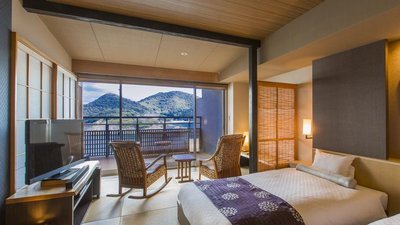
Migiwatei Ochi Kochi
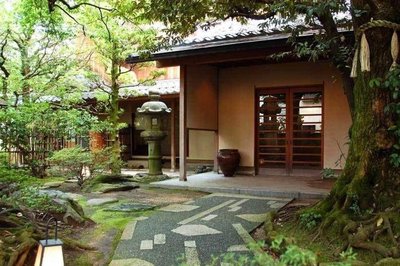
Kocho
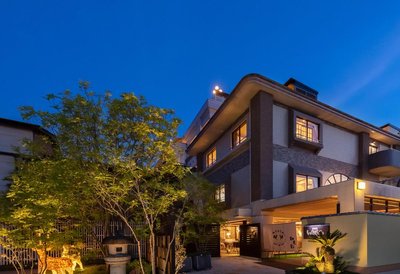
Hotel New Wakasa
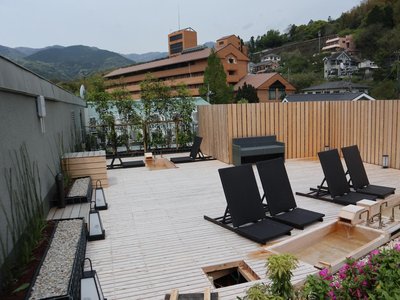
Fukiya Ryokan
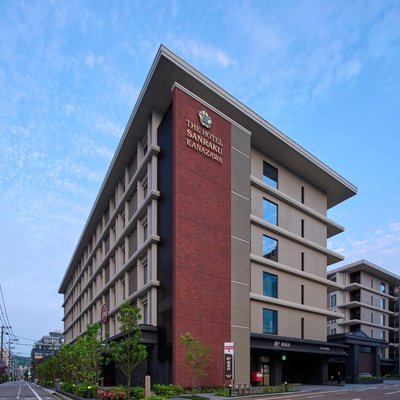
The Hotel Sanraku Kanazawa 21th December 2022 Open
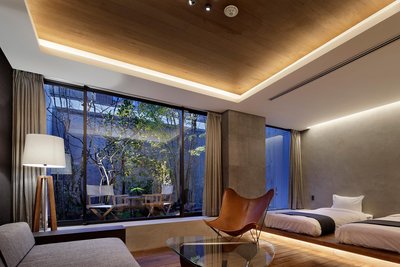
22 PIECES
The Ritz-Carlton, Osaka
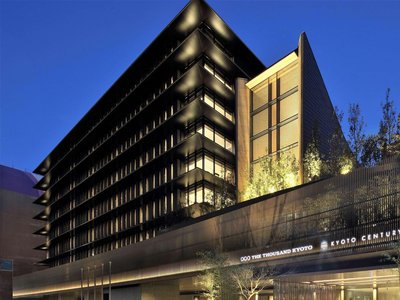
The Thousand Kyoto
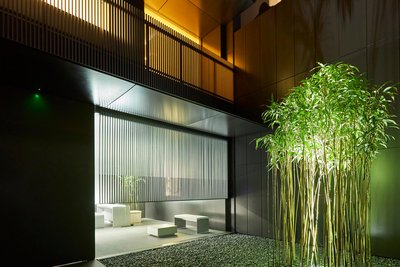
Mogana
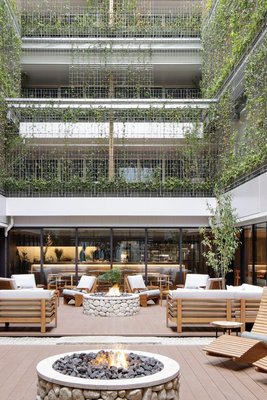
GOOD NATURE HOTEL KYOTO
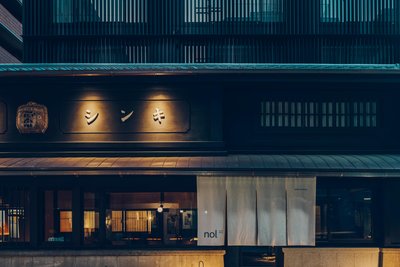
Nol Kyoto Sanjo
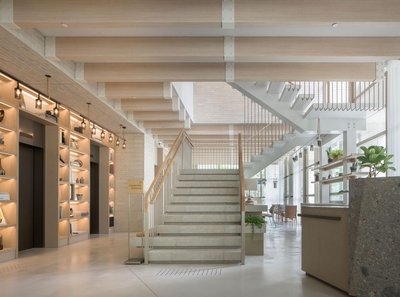
Zentis Osaka
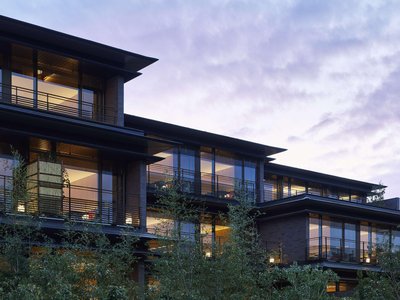
Garrya Nijo Castle Kyoto
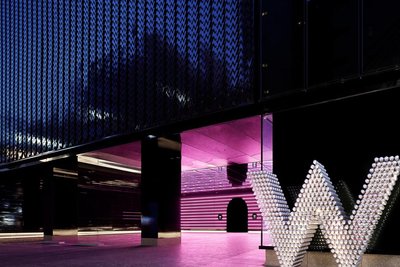
W Osaka
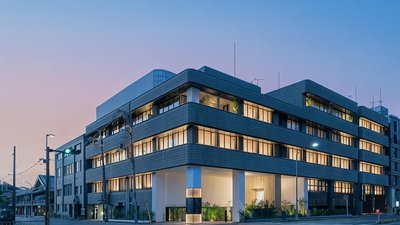
Hotel Kanra Kyoto
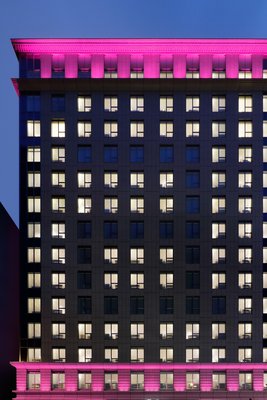
Aloft Osaka Dojima
Hakone Gora Byakudan
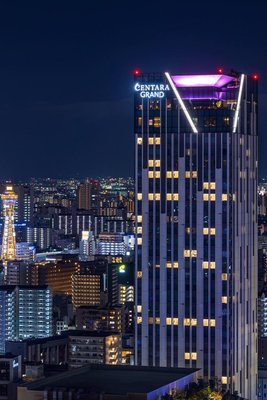
Centara Grand Hotel Osaka
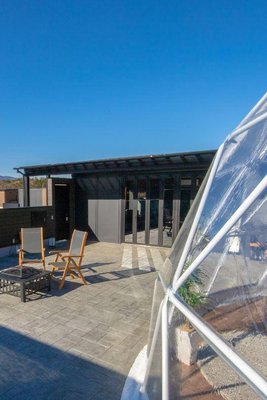
Panoramic Mt. Fuji Views from All Rooms – Vision Glamping Resort & Spa Yamanakako
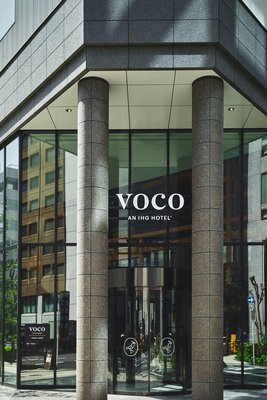
voco Osaka Central
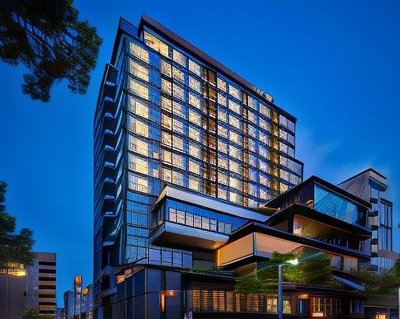
TIAD, AUTOGRAPH COLLECTION
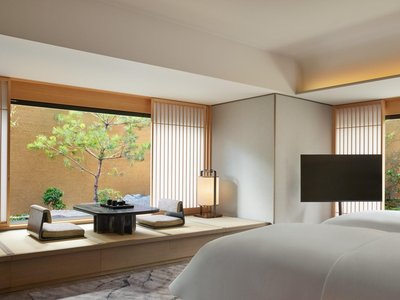
Dusit Thani Kyoto
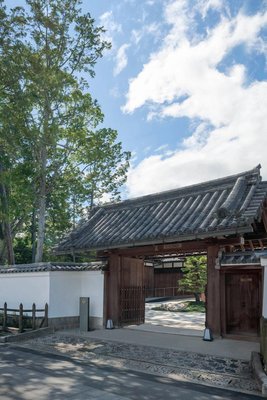
Shisui, a Luxury Collection Hotel, Nara
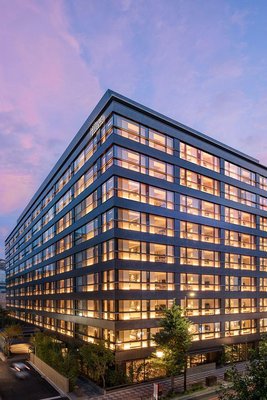
Hilton Kyoto
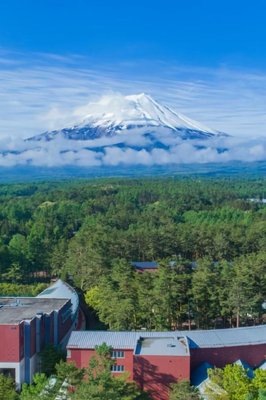
Forest Village (Fuji Premium Resort)
Osaka Marriott Miyako Hotel
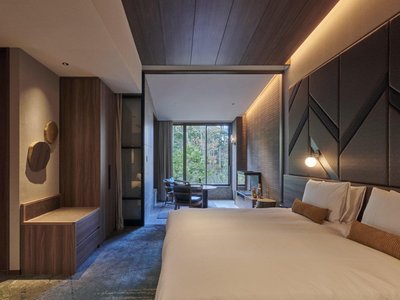
Fufu Kyu-Karuizawa Restful Forest
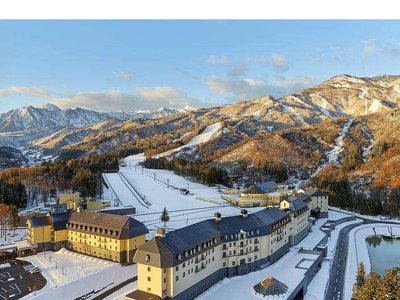
Lotte Arai Resort
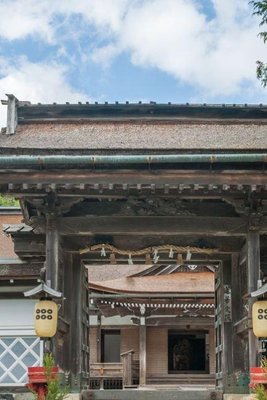
Koyasan Rengejoin
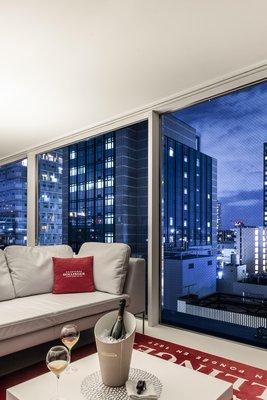
CUVÉE J2 HOTEL OSAKA by Onko Chishin
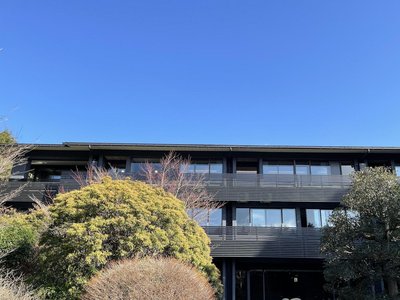
Sengokubara Cocon
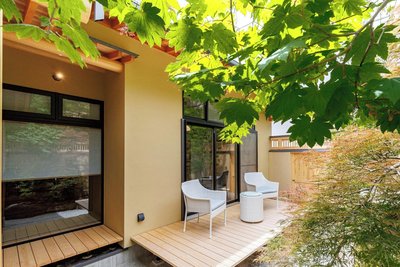
Shoraiso
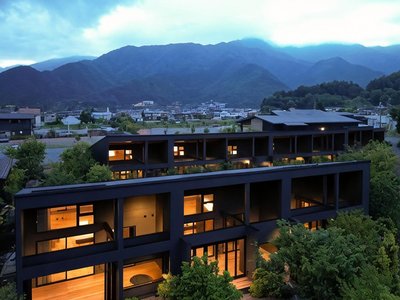
7C Villa and Winery
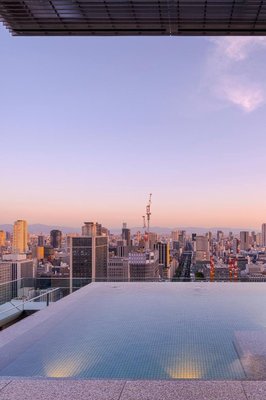
Candeo Hotels Osaka The Tower
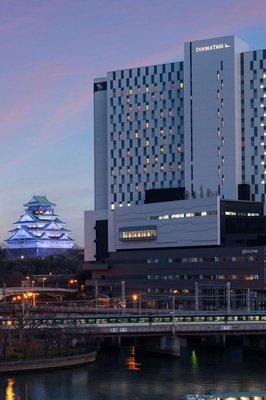
DoubleTree by Hilton Osaka Castle
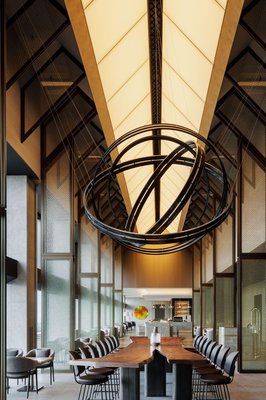
The Osaka Station Hotel, Autograph Collection
Osaka Marriott Miyako Hotel
The Ritz-Carlton, Osaka
Gora Kadan
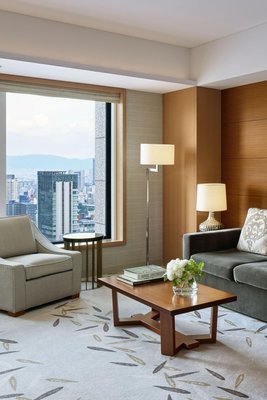
InterContinental Hotel Osaka
The Ritz-Carlton, Kyoto
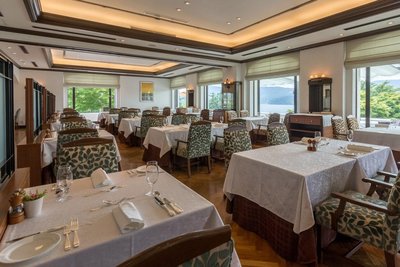
Odakyu Hotel de Yama
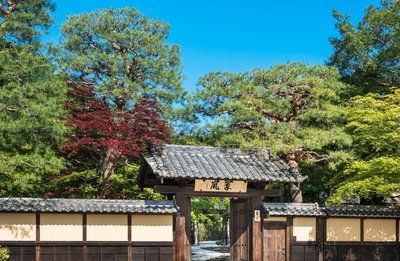
Suiran, a Luxury Collection Hotel, Kyoto
GOOD NATURE HOTEL KYOTO
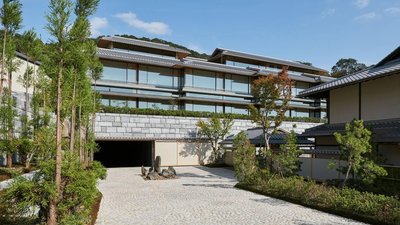
Park Hyatt Kyoto
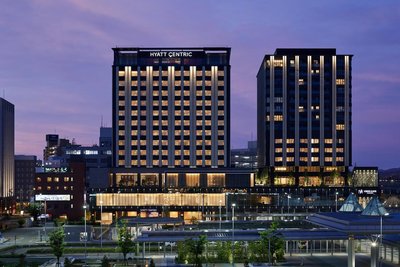
Hyatt Centric Kanazawa
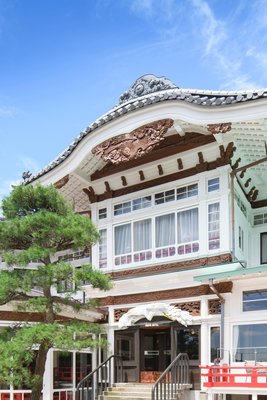
Fujiya Hotel
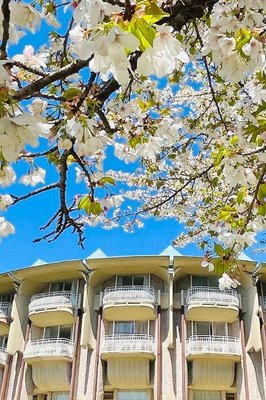
The Prince Hakone Lake Ashinoko
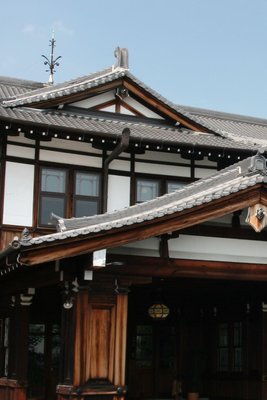
Nara Hotel
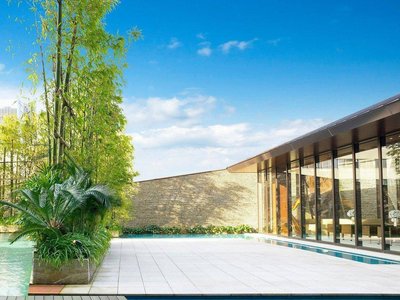
ORIENTAL HOTEL
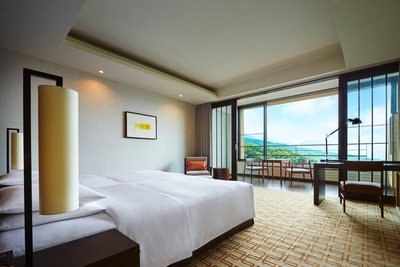
Hyatt Regency Hakone Resort and Spa
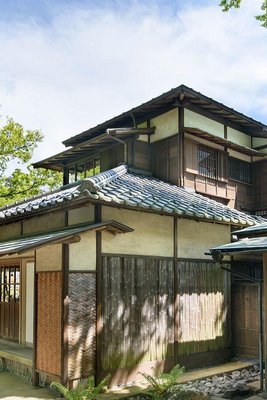
Hakone Suishoen
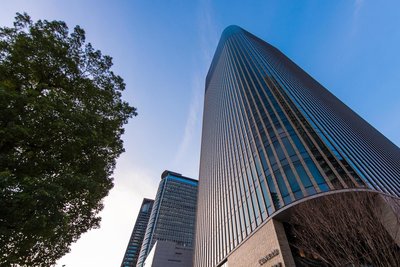
Conrad Osaka
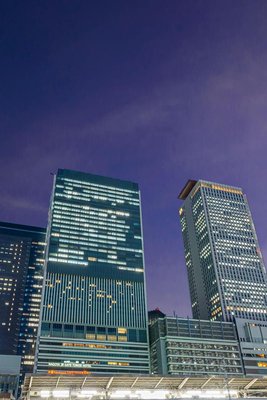
Nagoya JR Gate Tower Hotel (JR-Central Hotels)
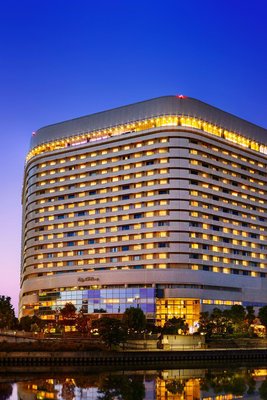
Hotel New Otani Osaka
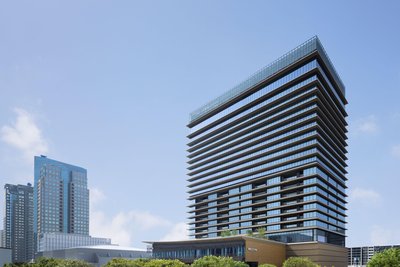
The Westin Yokohama
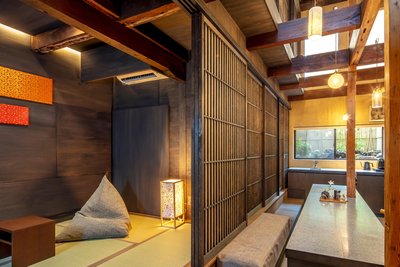
Kyo No Oozora Kihana
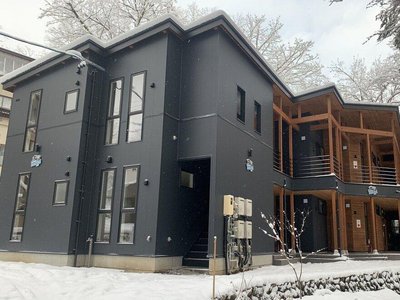
Hakuba Gondola Apartments
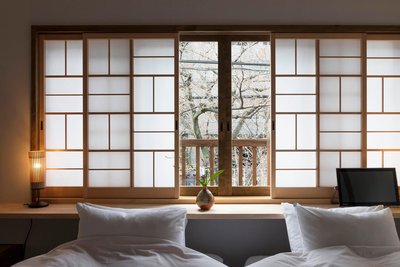
Hanagoromo Machiya House
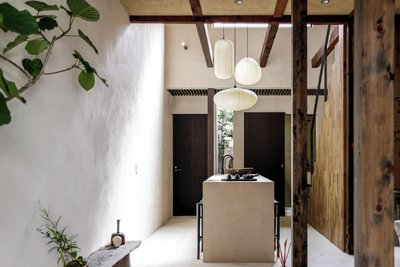
Maana Kiyomizu
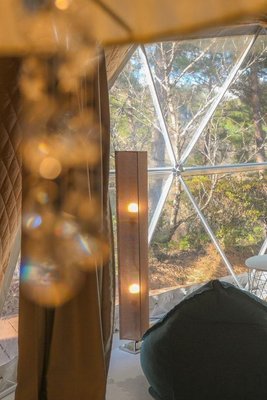
glampark Gekkabijin Nagano
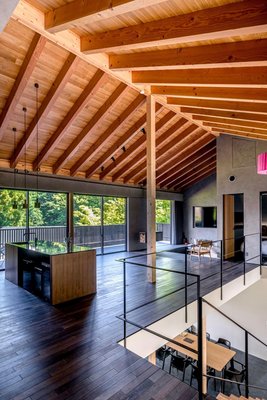
MONS GORA
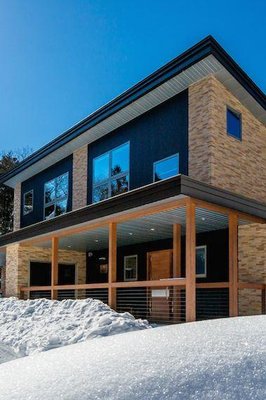
Phoenix Chalets by Hhg
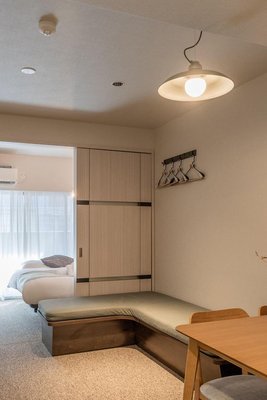
Apartment Hotel 11 Shinsaibashi
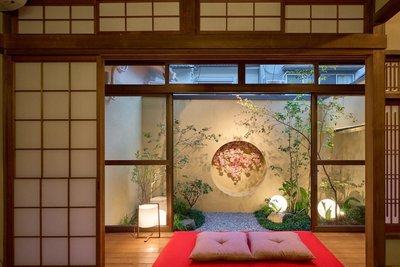
KONJAKUSO Osaka Tengachaya "NIHONCHA" Tea & Relax
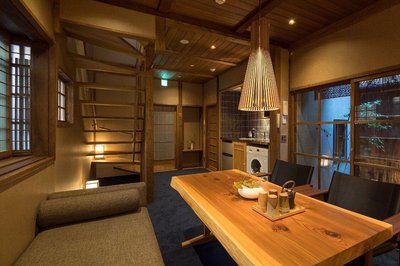
Bonbori an Machiya House
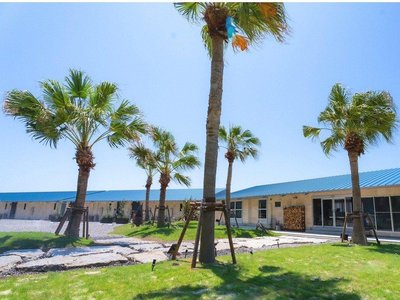
Glamping&Resort Wood Design Park Noma
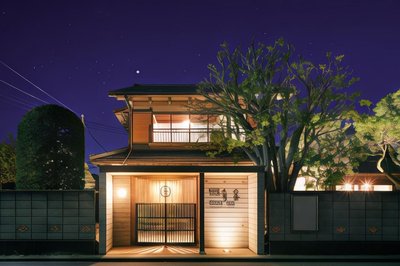
Machi-Jyu
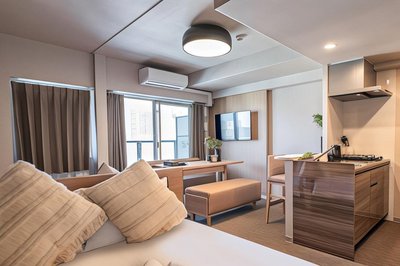
Apartment Hotel 11 Shinsaibashi III
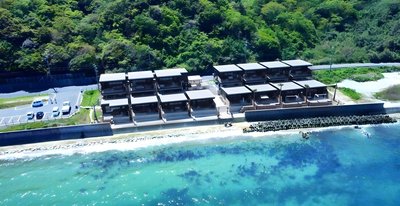
Solavilla Umi Terrace Minamiawaji
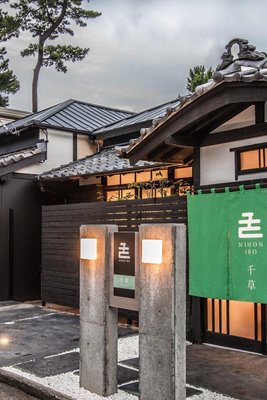
Nihon Iro
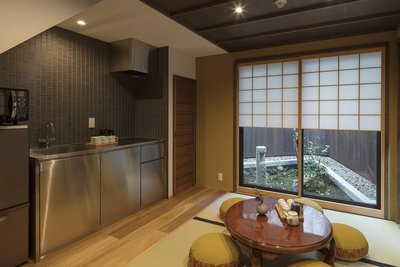
The Machiya Villa Sanjo Shirakawa Koji
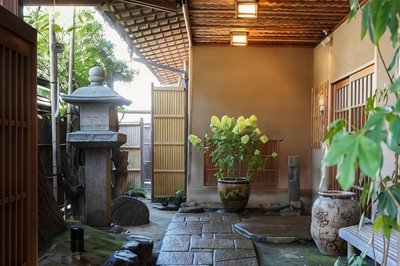
Ryokan Asadaya
Konjaku-So Dotonbori
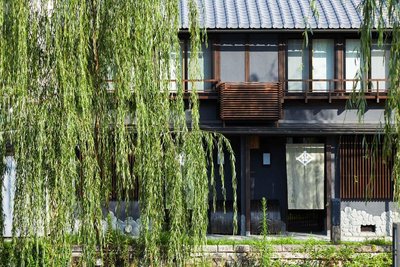
Gion Shirakawa No Yado

Kitashirakawa Natural Radium Onsen
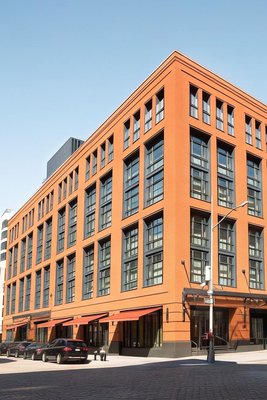
Hotel Barrière Fouquet's New York
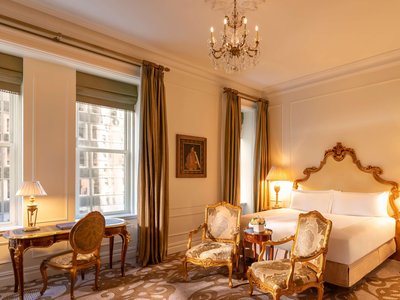
The Plaza - A Fairmont Managed Hotel
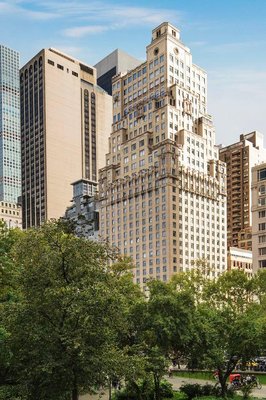
The Ritz-Carlton New York, Central Park
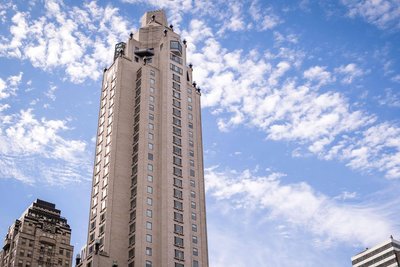
Four Seasons Hotel New York
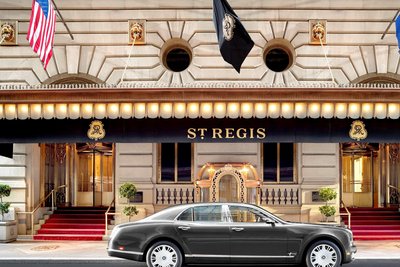
The St. Regis New York
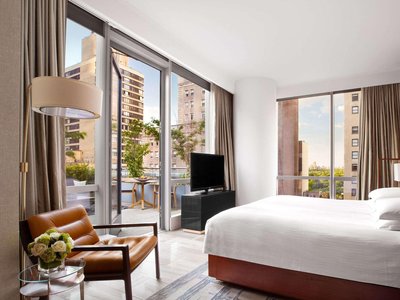
Park Hyatt New York
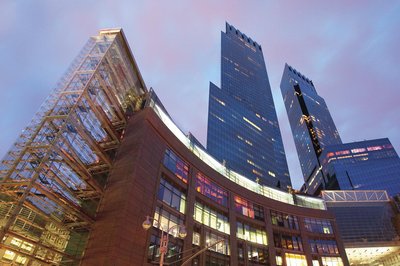
Mandarin Oriental New York
Times Square Edition New York
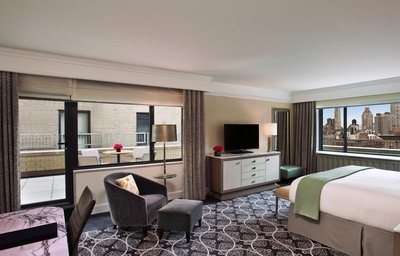
Loews Regency New York Hotel
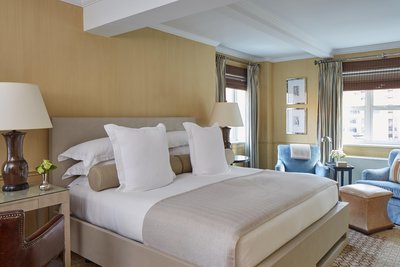
Lowell Hotel
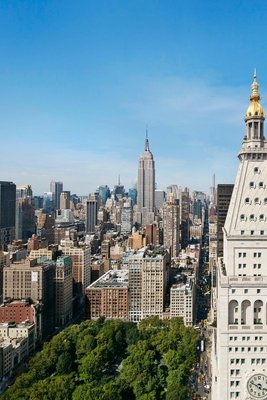
New York Edition
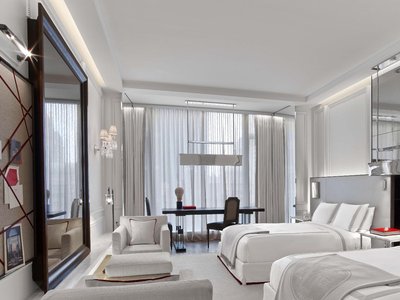
Baccarat Hotel New York
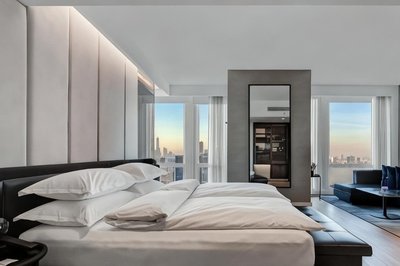
Equinox Hotel New York
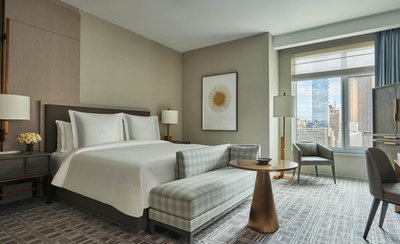
Four Seasons Hotel New York Downtown
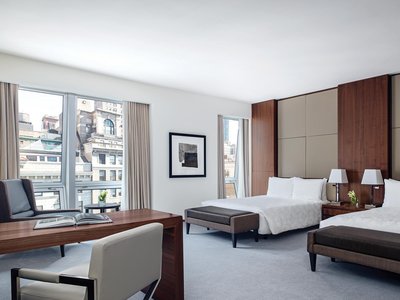
The Langham, New York, Fifth Avenue
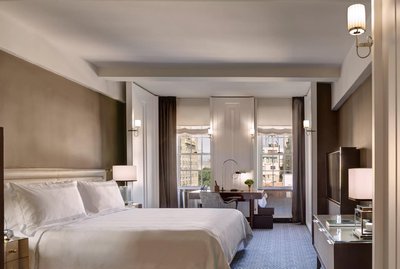
The Carlyle, A Rosewood Hotel

The Chatwal, in the Unbound Collection by Hyatt
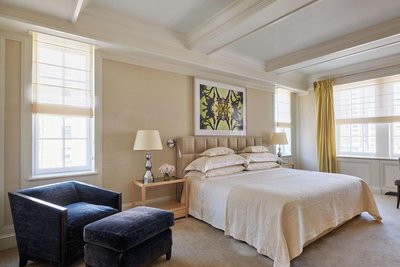
The Mark New York
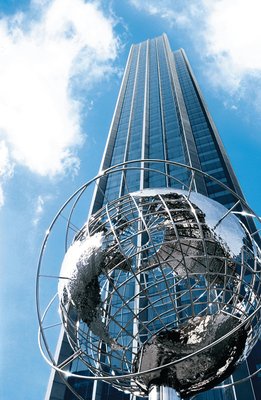
Trump International Hotel & Tower® New York
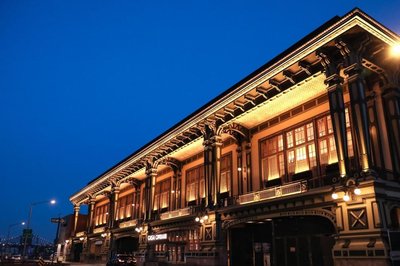
Casa Cipriani New York
Frequently Asked Questions about Traveling to Kameyama
Questions You Might Need to Know About Traveling to Kameyama
In Kameyama City, the top choice for castle-view accommodations is Kameyama Prince Hotel, offering panoramic views of the Kameyama Castle Ruins from its premium rooms and private balconies. The hotel blends modern comfort with traditional Japanese aesthetics, featuring tatami-mat rooms and access to a serene onsen. Located just a 10-minute walk from the site, it’s ideal for history lovers seeking both convenience and tranquility. Another excellent option is Kameyama Station Front Inn, which provides budget-friendly stays with easy access to the castle grounds and local museums. Both hotels offer breakfast with regional specialties like Ise Udon and fresh local produce.
For first-time visitors, the Kameyama Station area is the most convenient and visitor-friendly district. It’s well-connected by train and highway, with easy access to major attractions like the Kameyama Castle Ruins, Outer Shrine of Ise Grand Shrine, and Kameyama City Museum. The area features a mix of mid-range hotels, restaurants, and shops, including local specialty stores selling Ise mikan and kakinoha sushi. Public transportation is reliable, and many hotels offer multilingual staff. Staying here allows seamless exploration of the city’s cultural highlights without long commutes.
Kameyama City offers several authentic cultural experiences. Visitors can participate in the Festival of the Outer Shrine (Gekū) at Ise Grand Shrine, where they can witness traditional Shinto rituals and purchase sacred omamori charms. At the Kameyama City Museum, exhibits detail the region’s role in the Sengoku period, including artifacts linked to Oda Nobunaga and Sakuma Shōzō. For seasonal immersion, attend the Kameyama Gion Festival, featuring elaborate floats, traditional dance, and night parades. Local artisans also host workshops on washi paper-making and wood carving, allowing guests to create their own souvenirs.
While Kameyama City itself lacks natural hot springs, nearby Ise-Shima Spa Area offers exceptional onsen resorts. Recommended is Amaterasu Onsen Ryokan, a secluded ryokan with private outdoor baths overlooking rice fields and mountains. Guests enjoy kaiseki dinners made with locally sourced seafood and vegetables. Another option is Kameyama Health Onsen Pavilion, a modern wellness center within the city that features steam rooms, saunas, and massage therapy—ideal for short relaxation breaks. Both locations provide access to scenic nature trails and cultural tours.
For families, Kameyama Prince Hotel is highly recommended, featuring spacious family suites, a children’s playroom, and free breakfast with kid-sized portions. The hotel also offers guided heritage tours to the Kameyama Castle Ruins and Museum, turning sightseeing into an educational adventure. Kameyama City Tourist Hotel provides family rooms with extra beds and includes access to a rooftop garden. Both properties are close to parks and child-friendly restaurants, making them perfect for multi-generational trips. Many hotels also provide stroller rentals and baby care kits upon request.
Couples should consider staying at Kameyama Prince Hotel’s Romantic Suite, which features floor-to-ceiling windows overlooking the Kameyama Castle Ruins and surrounding hills. The hotel arranges private candlelit dinners with local wines and wagashi sweets. For a more secluded experience, Amaterasu Onsen Ryokan offers private outdoor hot springs and a “Love Carving Workshop” where couples can etch their names into wooden charms. These intimate settings, combined with starlit nights and traditional hospitality, make for unforgettable romantic escapes.
Tourists must try Ise Udon, a thick, chewy noodle dish served in a light dashi broth, best enjoyed at Kameyama Honmachi Dining. Another must-try is Unagi Donburi (eel rice), grilled over charcoal and glazed with sweet soy sauce—available at Yoshida-ya Restaurant. For meat lovers, Mie Prefecture Pork BBQ features tender, marinated cuts cooked tableside. Don’t miss Kakinoha Sushi (leaf-wrapped sushi), often sold at Kameyama Morning Market. Many hotels offer food tours led by locals, introducing hidden gems and seasonal ingredients like Ise Mikan citrus.
Yes, Kameyama City is very suitable for car rental travelers. The Kinki Expressway connects directly to Nagoya (1 hour) and Osaka (1.5 hours), with clear signage throughout. Most hotels offer free parking, and EV charging stations are available at major lodgings. While public transport is reliable via Kintetsu Railway, renting a car enables access to rural temples, scenic riverside paths, and off-the-beaten-path eateries. Consider using the Mie Prefecture Tourism Bus Pass or JR West Rail Pass for cost-effective travel between cities and attractions.
The most photogenic spots include the Kameyama Castle Ruins, especially during cherry blossom season when pink petals drift over ancient stone walls. The Ise Grand Shrine Outer Gate (Gekū) with its vermilion torii gates creates striking contrast against greenery. Kamo River Pathway offers reflective shots of bridges and trees during golden hour. For aerial views, visit the Kameyama City Museum rooftop terrace, which captures the city skyline and distant mountains. Some hotels even offer professional photography services to help capture these moments with optimal lighting and composition.
Key seasonal events include the Kameyama Cherry Blossom Festival at the Castle Ruins, featuring illuminations and taiko drum performances. The Kameyama Gion Festival in summer showcases ornate floats, traditional dances, and fireworks. In autumn, the Ise Grand Shrine Harvest Festival celebrates local agriculture with rice offerings and folk games. Winter brings the Kameyama Light Festival, where illuminated lanterns line streets and parks. These festivals not only highlight cultural traditions but also offer immersive experiences, with many hotels providing festival-themed packages and guided access.
Kameyama Overview
City Summary
Kameyama City in northern Mie Prefecture blends historical traditions with natural beauty, renowned as a gateway town to Ise Jingu shrine. Its charm lies in slow-living atmosphere and artisanal heritage, particularly Kameyama tea cultivation and washi paper craftsmanship. The city preserves well its Edo-period architecture and shrine culture.
Must-See Attractions
Top attractions include Kameyama Castle Ruins, a cherry blossom hotspot with samurai history, and Seki-juku post town with preserved Edo-era streets (designated Important Preservation District). Don't miss Ise Katagami stencil dyeing workshops or food stalls at Okage Yokocho. Nature lovers can hike in Suzuka Mountains.
Food Guide
Must-try local specialty is Hoba Miso (ingredients grilled on magnolia leaves). Street food highlights include Akafuku mochi (red bean rice cake) and thick Ise udon noodles. Visit traditional chaya teahouses to experience matcha paired with wasanbon sugar confections.
Transportation Guide
The city is served by Kintetsu Nagoya Line and JR Kansai Main Line, with Kameyama Station as the hub. Local buses have limited frequency - check timetables in advance. Taxis start at ¥700 (ideal for groups). Drivers can use Meishin Expressway but note narrow streets in old quarters.
Best Time to Visit
Ideal seasons are early April (cherry blossoms) and November (autumn foliage), with pleasant temperatures and festivals. Summers (Jun-Aug) are humid, winters (Dec-Feb) occasionally snowy but uncrowded. Avoid Golden Week (late Apr-early May) peak crowds.
Travel Tips
- Bow slightly at shrine torii gates, walk on the left side of approach paths
- Many onsens prohibit tattooed guests - book private baths beforehand
- Carry ¥1000-5000 bills as old shops prefer cash
- Board buses from rear doors taking numbered tickets, pay upon exiting front
- Follow strict trash sorting - convenience stores have labeled bins
- Wear simple undergarments when trying kimono to maintain silhouette
Useful Information
Basic English signage exists at stations/tourist spots, but translation apps help with dialects. 4G coverage is citywide - buy prepaid SIMs at convenience stores. Credit cards (VISA/Mastercard) accepted only at major stores. Medical facilities cluster near Kameyama Station - dial #7119 for English emergency assistance. Note most museums close Mondays, temples often stop admissions 30 mins before closing.









