Hotels in Kami
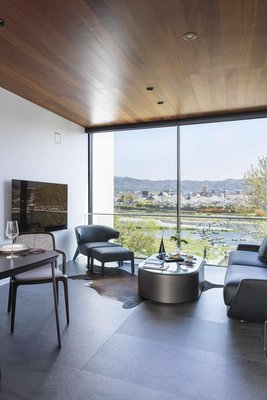
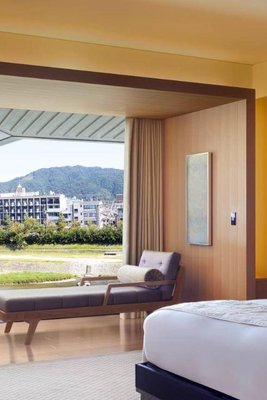
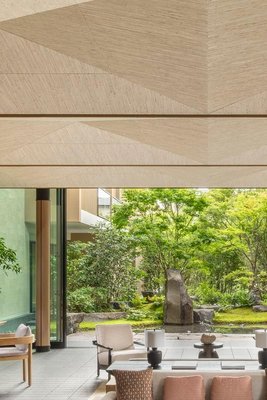
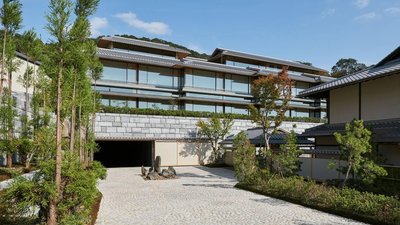
Discover your perfect stay in Kami.
Kami(Japan) Travel 2026: Cheap Flights, Hotels & Top Attractions
Popular Landmarks in Kami
Discover the most iconic attractions in Kami
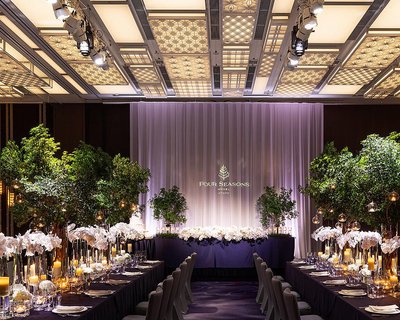
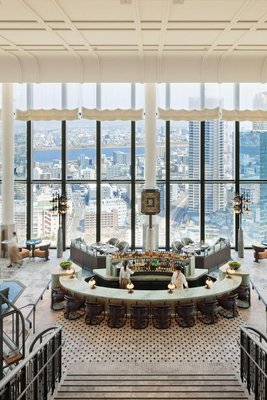
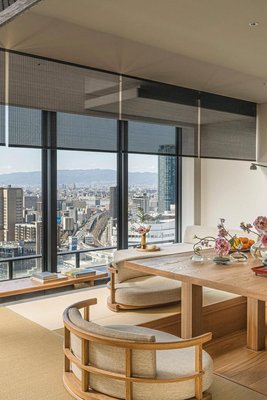
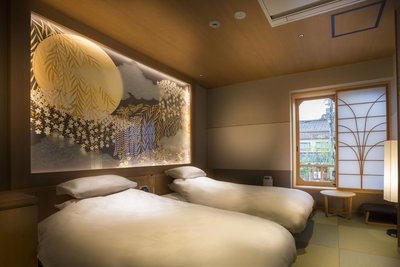
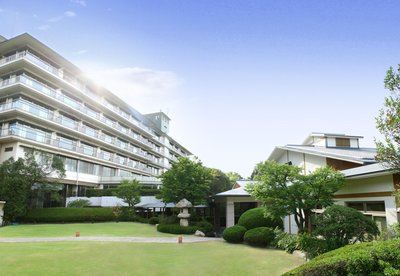
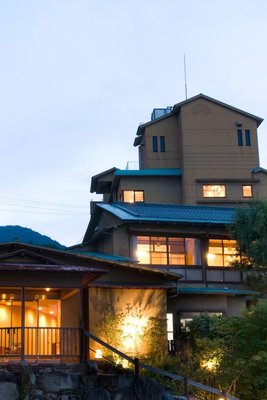
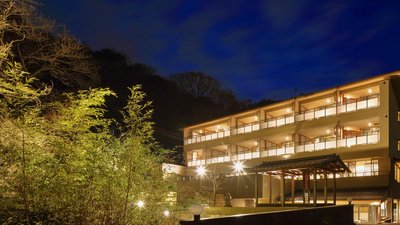
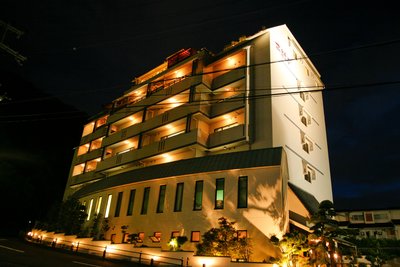
Recommended Hotels in Kami
Find the perfect place to stay in Kami

Best Hotels in Kami
Discover curated hotel collections in Kami


































Frequently Asked Questions about Traveling to Kami
Questions You Might Need to Know About Traveling to Kami
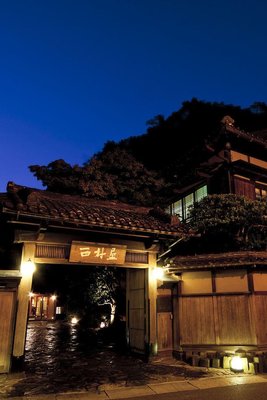
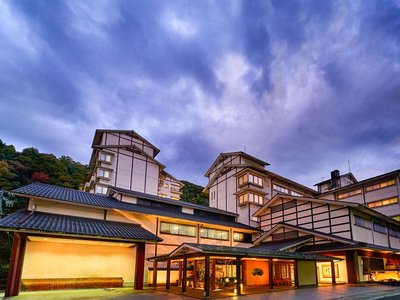
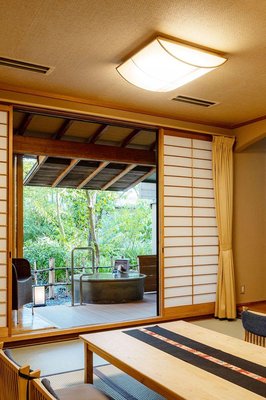
In Kamei-machi, the top choice for an authentic onsen experience is Kamei-machi Onsen Ryokan, a traditional Japanese inn nestled beside the Kamei River. Its private outdoor baths use natural hot spring water sourced from Mieyama Mountain, rich in minerals known to soothe skin and muscles.
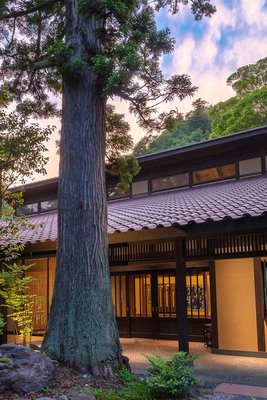
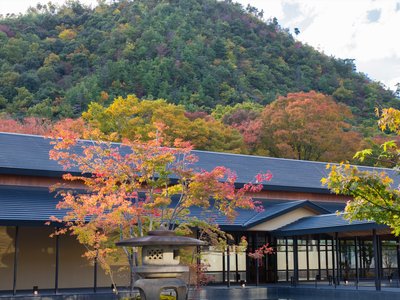
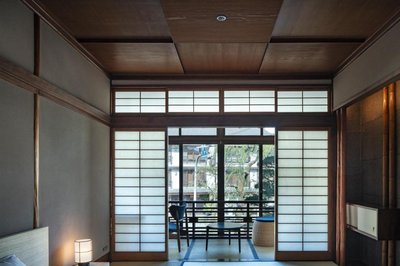
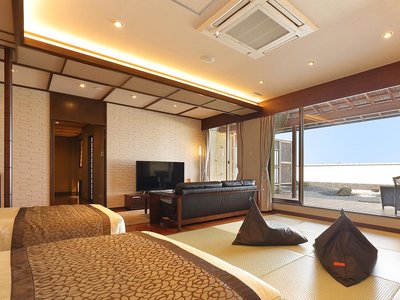
Each room features tatami mats, sliding paper doors, and views of seasonal gardens. Guests can enjoy multi-course kaiseki meals made with local ingredients like wild mountain vegetables and fresh river fish. Special highlights include forest bathing tours led by local guides and early morning tea ceremonies in the garden.
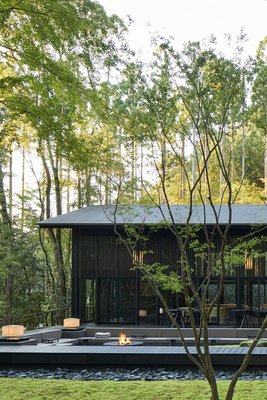
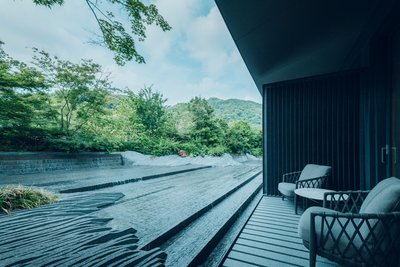
For a more secluded stay, Kamei-machi Secret Onsen House offers private wooden villas with dual soaking tubs and stargazing decks—perfect for couples seeking intimacy and nature immersion.
The central district of Kamei-machi is ideal for first-time visitors, combining accessibility with authentic charm. This historic neighborhood features preserved Edo-period streets lined with wooden shops, traditional lanterns, and family-run inns like Kamei-machi Hana-no-ya.
It’s within walking distance of major attractions: Kamei River Promenade, Omiya Shrine, and the Kamei-machi Folk Museum. The area also hosts seasonal festivals such as the Spring Cherry Blossom Festival and Autumn Lantern Festival, offering cultural immersion through food stalls, live music, and craft workshops.
Staying here ensures easy access to Kamei Station on the Hankyu Railway line, connecting directly to Kobe and Osaka in under an hour. It's the perfect base for exploring both urban amenities and rural tranquility.
Kamei-machi offers deeply rooted cultural experiences that reflect its mountainous heritage. One standout is the Zen Meditation & Calligraphy Workshop at Meibou Temple, where guests practice seated meditation, write Buddhist mantras on rice paper, and learn about Japanese mindfulness traditions.
Another must-do is the Yukata Festival, held annually in April, where locals wear kimonos and yukatas while hosting a street market featuring handmade crafts, regional snacks like Kobe beef dumplings, and live folk performances.
Visitors can also participate in traditional tree planting ceremonies at the Forest Conservation Site, symbolizing harmony between humans and nature. These experiences emphasize sustainability, community spirit, and the preservation of rural Japanese customs in a rapidly modernizing world.
Yes, Kamei-machi Forest Resort stands out as the premier family-friendly accommodation. This eco-lodge offers spacious family cabins with kitchens, game rooms, and private BBQ areas, ideal for multi-generational stays.
The resort features a Children’s Nature Academy, which runs daily programs including insect hunts, leaf pressing workshops, and guided forest walks with native flora identification. Kids can also earn badges by completing the Junior Explorer Map, turning exploration into a fun adventure.
Outdoor activities include nighttime stargazing sessions with telescopes, snowshoeing in winter, and visits to the nearby Kamei Wildlife Park, home to rare animals like the Hyōgo dog and Japanese serow. With safety measures and multilingual staff, it’s a trusted destination for families seeking meaningful, active travel.
When visiting Kamei-machi, be sure to sample these local specialties: Kobe Beef Sushi, made with premium locally raised wagyu beef served over chilled vinegared rice—a delicate balance of richness and freshness.
Also try Kamei River Catch Shrimp Miso Soup, a hearty broth infused with freshly caught river shrimp and house-made miso paste, reflecting the town’s connection to its waterways.
Don’t miss Mountain Vegetable Tempura, featuring seasonal greens like fiddlehead ferns, wild garlic, and edible blossoms, fried to golden crispness. For dessert, visit the Meibou Temple Street Stall for handmade matcha mochi and red bean rice cakes, crafted using organic ingredients.
Many ryokans offer seasonal kaiseki dinners, where each course reflects the harvest cycle—perfect for experiencing the essence of local terroir and culinary tradition.
Near Kamei-machi, the Kamei River Gorge Trail is a must-visit, a 5-kilometer scenic path winding through lush forests, moss-covered rocks, and crystal-clear streams. In summer, fireflies illuminate the trail; in winter, frozen waterfalls create dramatic ice sculptures.
Meibou Mountain Observation Deck offers panoramic views of the entire Kamei Basin and distant Himeji Castle, making it perfect for sunrise photography. The surrounding Primeval Forest Reserve shelters rare wildlife like the Japanese macaque and purple wisteria groves, accessible only via guided tours.
Additionally, the Kamei Wetland Park is a haven for birdwatchers, especially during migration seasons. Look for egrets, herons, and red-billed gulls. Interpretive stations and bird hides allow close observation without disturbing the ecosystem. All sites promote low-impact tourism and environmental education.
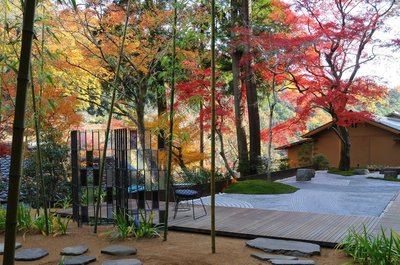
For couples seeking romance, Kamei-machi Secret Onsen House offers a secluded, intimate escape. This private wooden villa sits above the Kamei River, surrounded by bamboo groves and autumn-colored maple trees.
Its centerpiece is a double-roofed outdoor bath with ambient lighting, floating cherry blossoms, and a view of the night sky. Inside, guests enjoy a candlelit dinner of Kobe beef, sake, and homemade desserts.
Unique touches include a couple’s calligraphy session, where you write vows or love notes on washi paper, and a private forest walk at twilight with a guide sharing stories of local legends. Every detail is designed to foster connection—making it one of Japan’s most enchanting retreats for lovers.
Traveling in Kamei-machi without a car is surprisingly convenient. The Kamei Station is served by the Hankyu Railway’s Takarazuka Line, providing direct access from Osaka Umeda in just 45 minutes, with frequent departures throughout the day.
A free Kamei-machi Tourist Shuttle Bus connects key sites like Meibou Temple, Kamei River Walkway, and the Onsen District, operating every 30–60 minutes. Tickets are available at the station or via smartphone app.
For deeper exploration, eco-friendly electric trams run along the main valley, and the Kamei Tourism Information Center offers multilingual maps, rental bikes, and assistance with itinerary planning. Even remote spots like the Forest Reserve are reachable via guided group transfers, ensuring all travelers—especially seniors and families—can explore safely.
Kamei-machi hosts several annual festivals that showcase its deep-rooted traditions. The Mountain Festival (May) celebrates the end of spring farming with drumming parades, lion dances, and a ritual procession carrying the Mountain God’s shrine through town.
In October, the Red Leaf Lantern Festival transforms the Kamei River into a glowing corridor of thousands of handcrafted paper lanterns, creating a dreamlike “river of light.” Night concerts, lantern-making workshops, and food stalls add to the magical atmosphere.
During New Year, the First Visit (Hatsumōde) draws visitors to Omiya Shrine, where they receive limited-edition amulets (omamori) symbolizing health, prosperity, and peace. These events not only attract tourists but also strengthen community bonds and preserve indigenous culture through living tradition.
Kamei-machi stands out due to its seamless blend of deep-rooted tradition and sustainable innovation. Unlike many tourist-heavy towns, it prioritizes low-impact tourism, with strict visitor limits in sensitive zones like the Meibou Forest Reserve.
Its identity is shaped by local craftsmanship: artisans produce handmade washi paper, bamboo baskets, and ceramic ware used in guest rooms and restaurants. Visitors often take part in workshops, learning techniques passed down for generations.
Moreover, the town’s community-led conservation model ensures that development never compromises natural beauty. From solar-powered lodges to zero-waste dining, Kamei-machi exemplifies how rural Japan can thrive sustainably. This authenticity, combined with breathtaking scenery and genuine hospitality, makes it a rare gem in Japan’s travel landscape.
Kami Overview
City Summary
Kamikawa Town is a serene small town located in the northern part of Hyogo Prefecture, Japan. Surrounded by nature, it is famous for its abundant hot spring resources and beautiful mountain views, particularly the "Kasumi Onsen." Kamikawa Town boasts a long history and traditional culture, making it an ideal destination to experience rural Japan.
Must-See Attractions
The main attractions in Kamikawa Town include Kasumi Onsen, Yubara Iron Bridge, and Kamikawa Town Folk Museum. Kasumi Onsen is the most popular hot spring resort in the area, known for its therapeutic waters. The Yubara Iron Bridge is a historic railway bridge with stunning natural scenery. The Folk Museum showcases the traditional lifestyle and culture of the region.
Food Guide
Kamikawa Town's cuisine features seafood and local dishes, with "Kasumi Crab" and "Tajima Beef" being highly recommended. Kasumi Crab is a local specialty with delicious meat, while Tajima Beef is one of Japan's top-quality wagyu. Additionally, the local hot spring buns and soba noodles are worth trying.
Transportation Guide
Public transportation in Kamikawa Town is primarily by bus, with services available from JR Kasumi Station to various attractions. Renting a car is also a good option, but be aware that mountain roads can be narrow. Taxi services are limited, so advance HopeGoo is advised.
Best Time to Visit
The best times to visit are spring (April to May) and autumn (September to November), when the weather is pleasant and there are fewer tourists. Summers can be hot, and winters may bring snow.
Travel Tips
- Onsen etiquette: Wash your body before entering the bath.
- Respect local customs and avoid loud noises.
- Mountain weather can change quickly; bring rain gear.
- Some attractions require advance reservations.
- Pay attention to road signs when driving.
- Cash is widely used; carry sufficient yen.
Useful Information
The primary language is Japanese, with limited English proficiency among locals. Network coverage is good, but some mountainous areas may have weak signals. Cash is the main payment method, though credit cards are accepted at larger facilities. For emergencies, dial 119, and travel insurance is recommended.