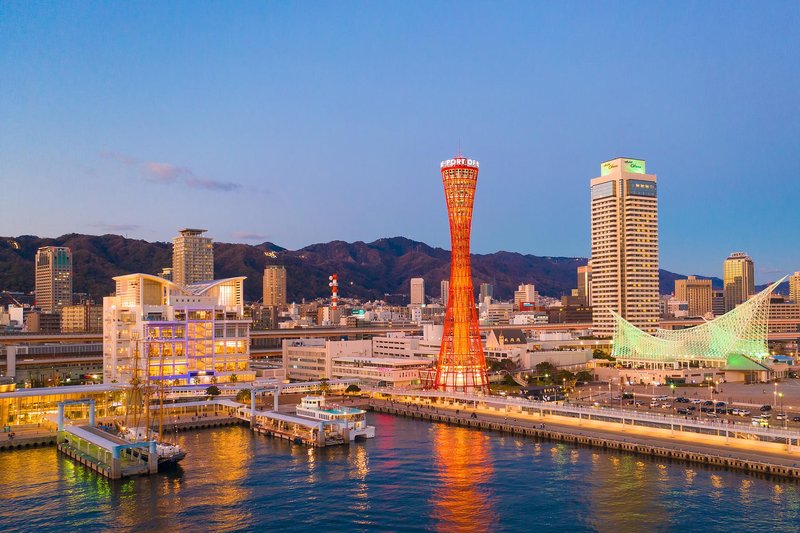
Hotels in Kami
Discover your perfect stay in Kami.
Kami(Japan) Travel 2026: Cheap Flights, Hotels & Top Attractions
Popular Landmarks in Kami
Discover the most iconic attractions in Kami
Recommended Hotels in Kami
Find the perfect place to stay in Kami
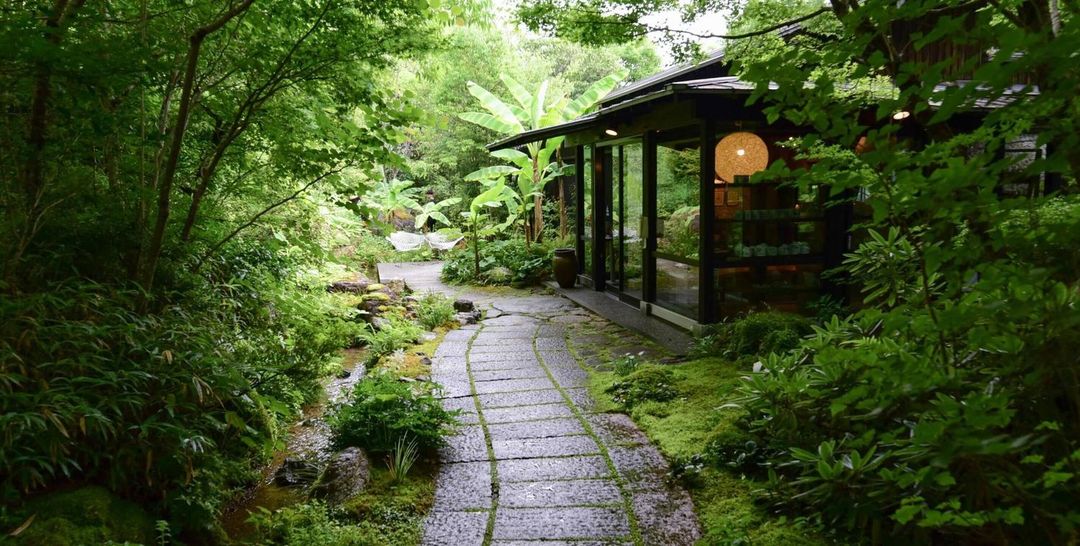
Kohanyu
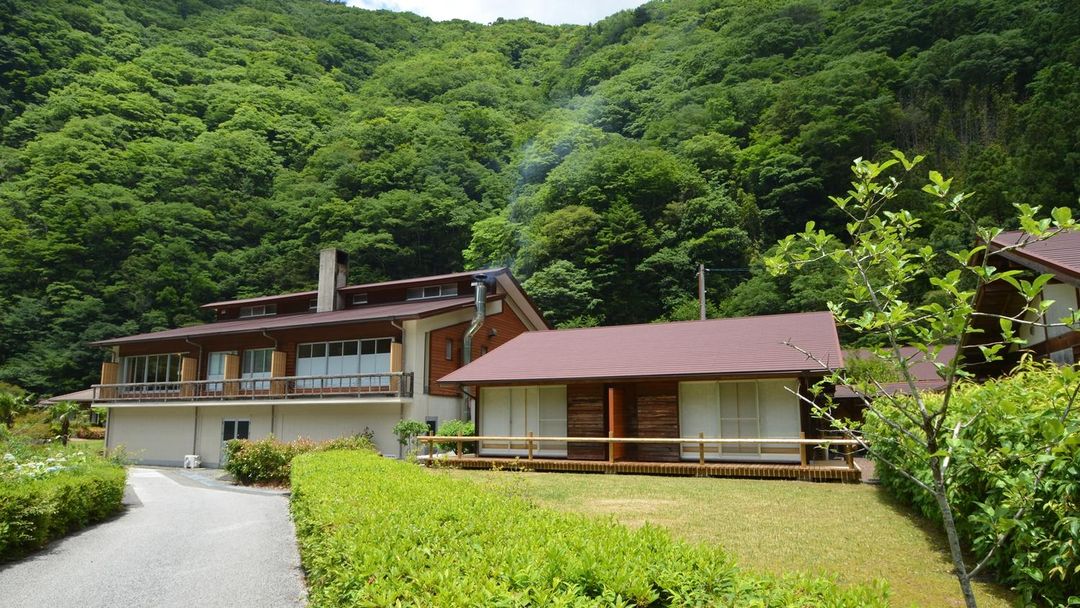
Befukyo Onsen
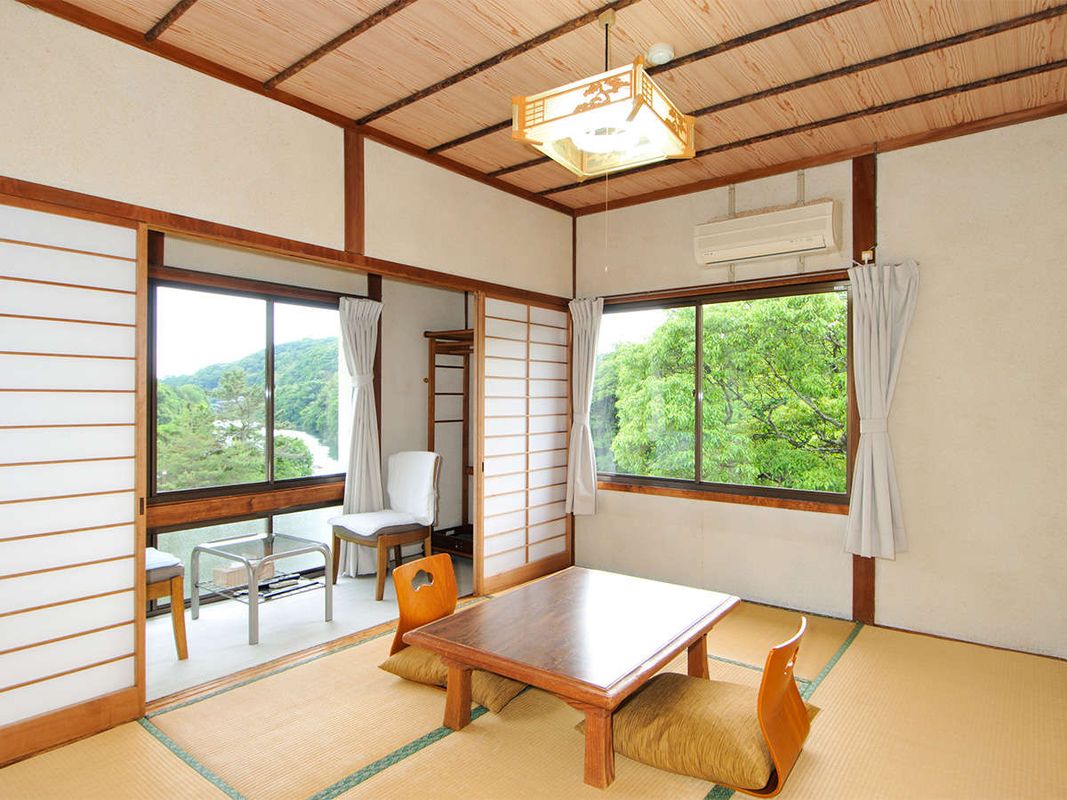
Yumeno Onsen
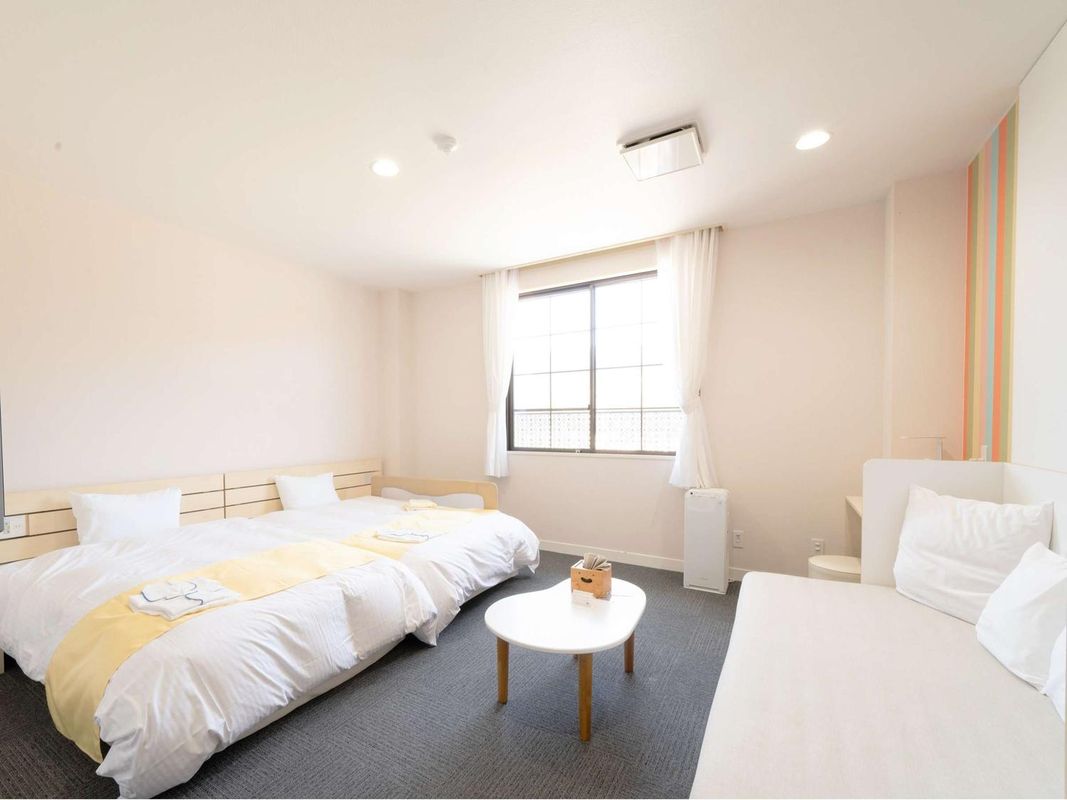
The 6th Diary Kahoku Hotel and Resorts
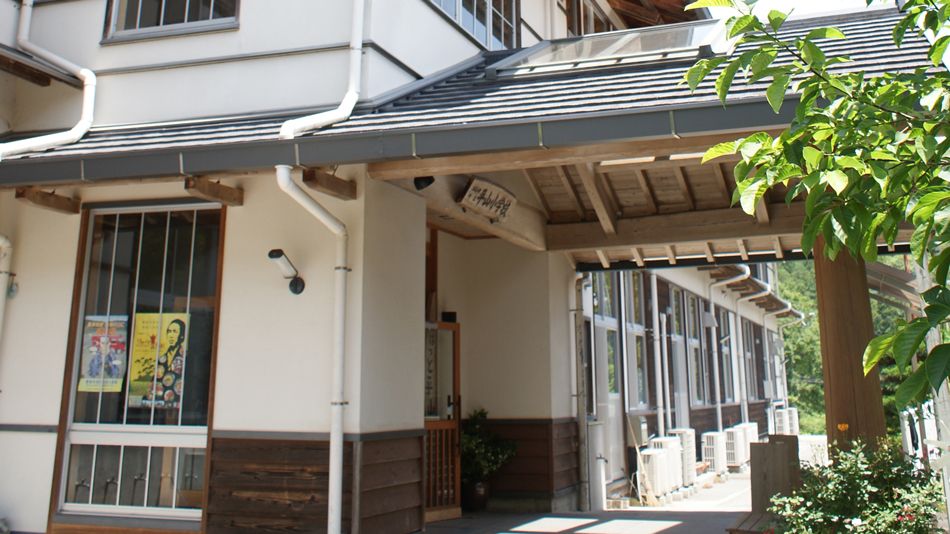
Hot Hirayama
Best Hotels in Kami
Discover curated hotel collections in Kami
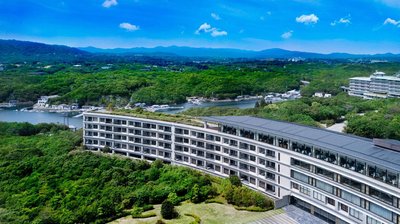
Shima Kanko Hotel the Bay Suites
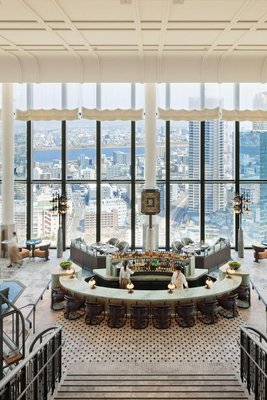
Waldorf Astoria Osaka
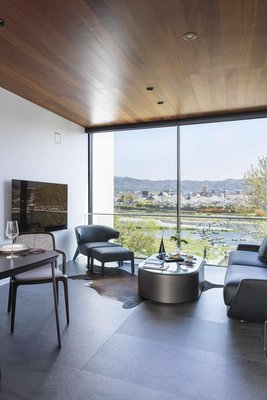
Kamo Residences by Reflections
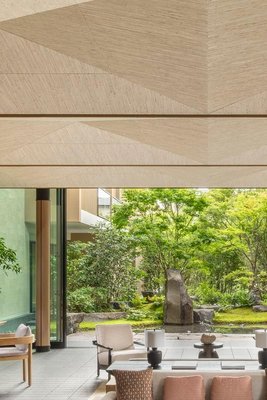
Six Senses Kyoto
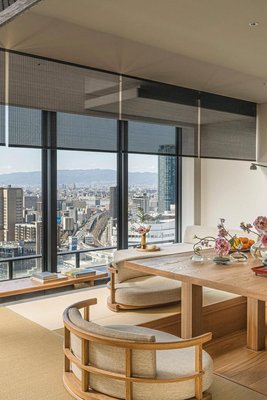
Four Seasons Hotel Osaka
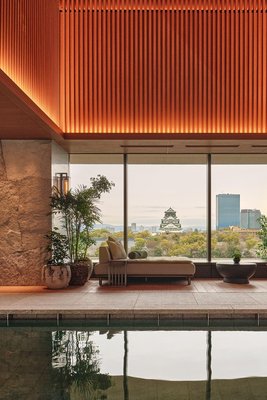
Patina Osaka
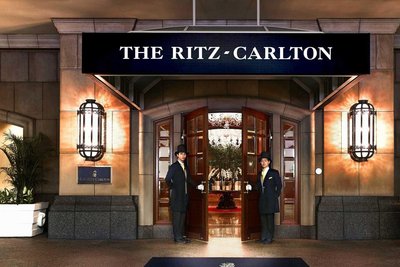
The Ritz-Carlton, Osaka
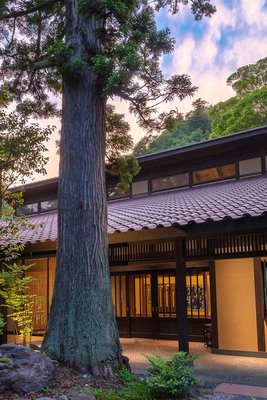
Arimasansoh Goshobessho
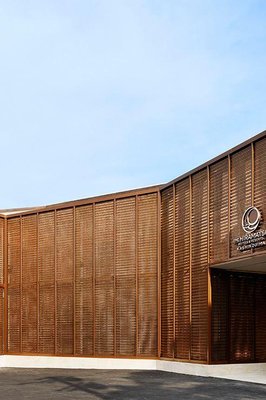
The Hiramatsu Hotels & Resorts Kashikojima
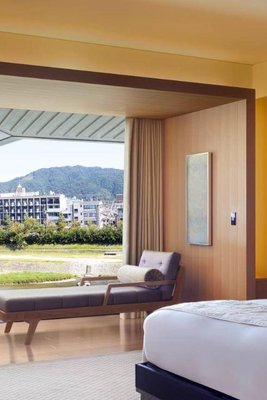
The Ritz-Carlton, Kyoto
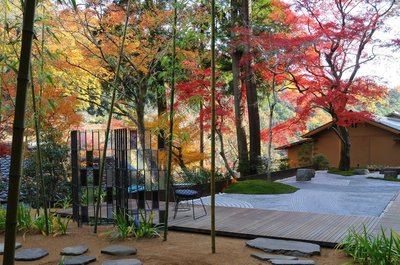
HOSHINOYA Kyoto
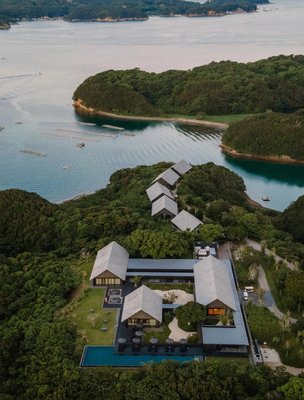
Amanemu
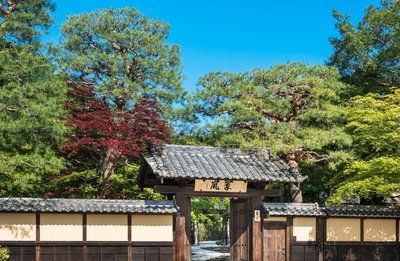
Suiran, a Luxury Collection Hotel, Kyoto
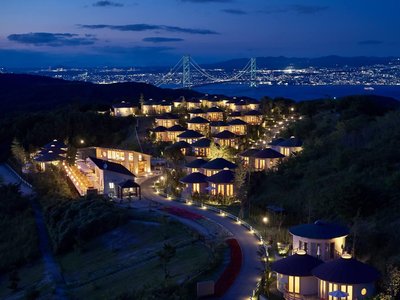
Grand Chariot Hokutoshichisei 135°
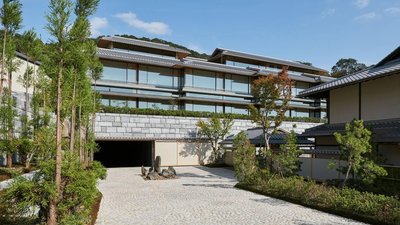
Park Hyatt Kyoto
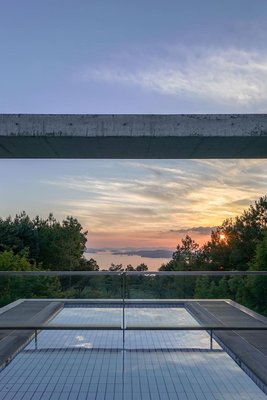
SETOUCHI RETREAT by Onko Chishin
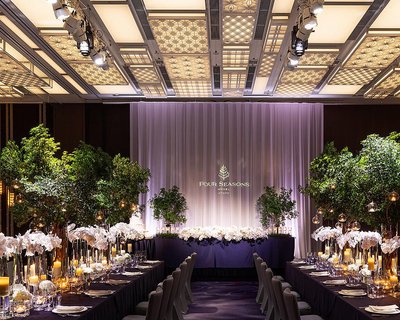
Four Seasons Hotel Kyoto
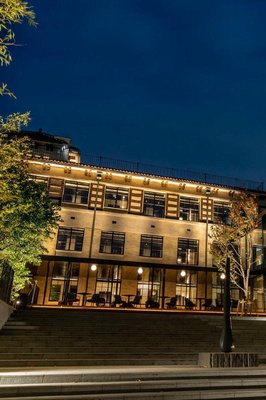
The Hotel Seiryu Kyoto Kiyomizu - a Member of the Leading Hotels of the World-
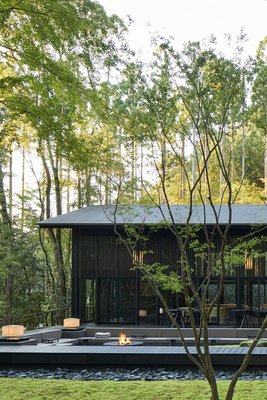
Aman Kyoto
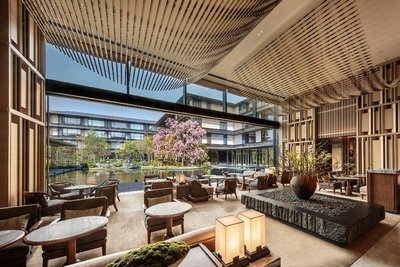
Hotel the Mitsui Kyoto, a Luxury Collection Hotel & Spa
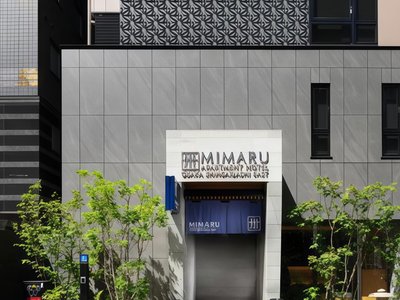
MIMARU Osaka Shinsaibashi East
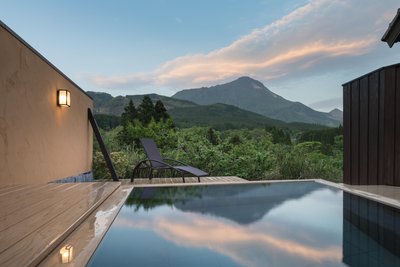
Ikkoten
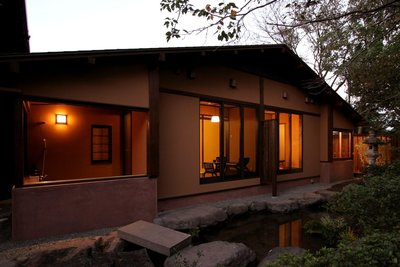
SEKIYA RESORT Bettei Haruki
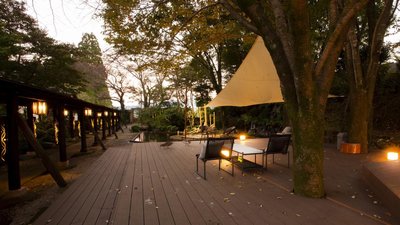
Chikurakutei
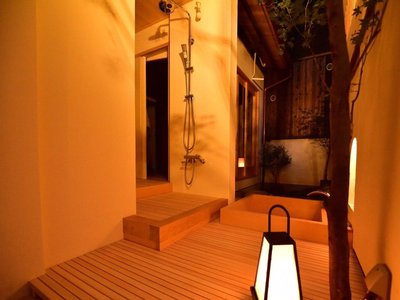
Yado Kiramachi
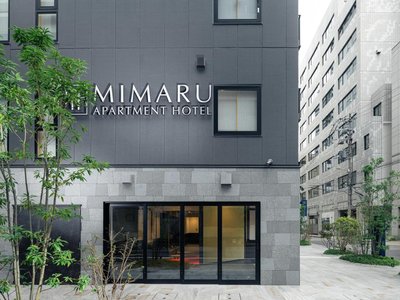
MIMARU Osaka Shinsaibashi North
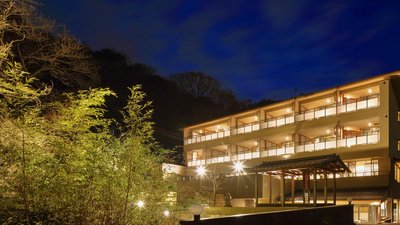
Okuno Hosomichi
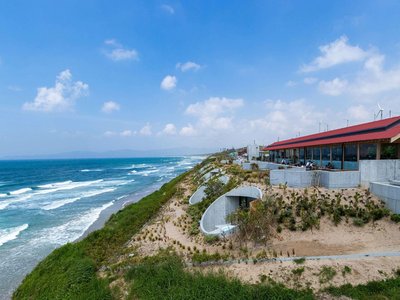
Izumo Hotel the Cliff
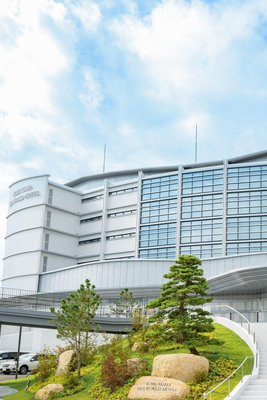
Kobe Suma Sea World Hotel
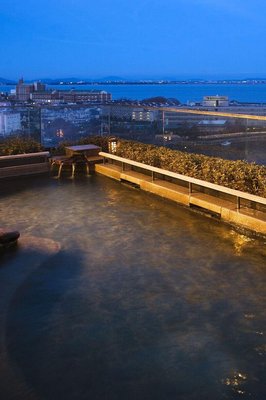
Yumotokan
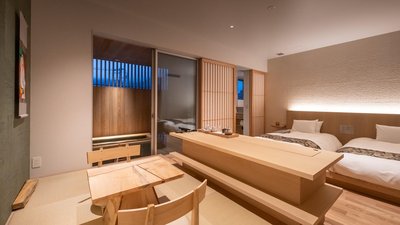
Japanese Auberge Kararako
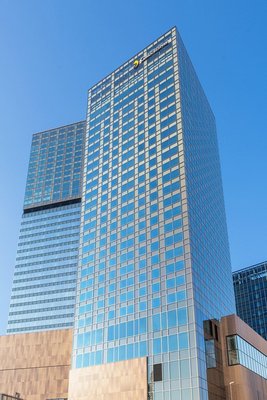
Hotel Hankyu GRAN RESPIRE OSAKA
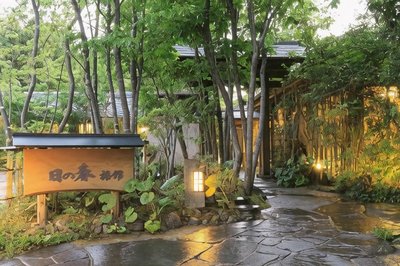
Yufuin Onsen Hinoharu Ryokan
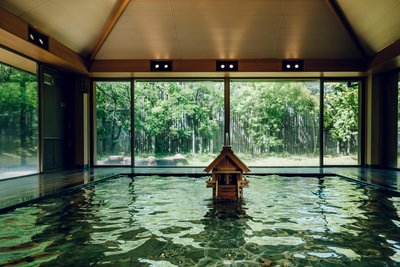
Hoshino Resorts KAI Tamatsukuri
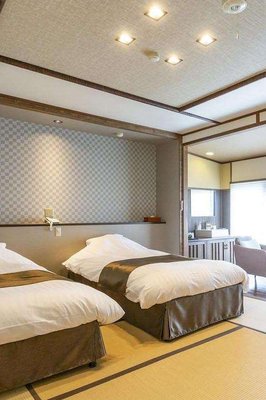
Sozankyo

Taikyourou
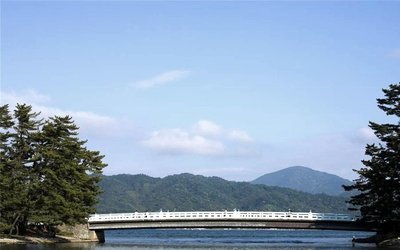
Monjusou Shourotei
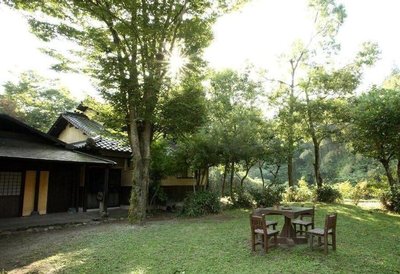
Yamashinobu
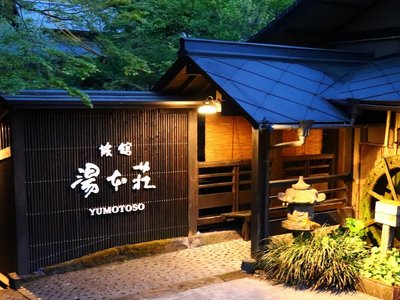
Ryokan Yumotosou
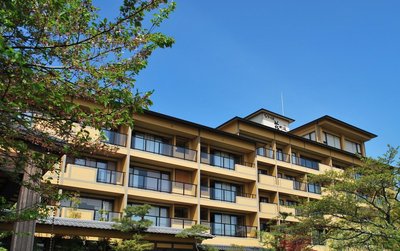
BIWAKO HANAKAIDO
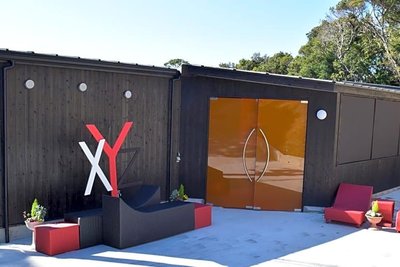
XYZ Private Spa and Seaside Resort
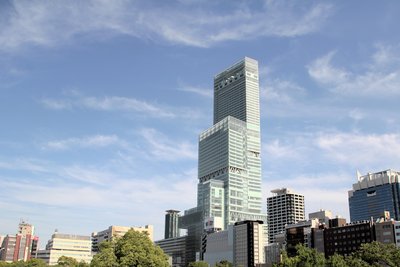
Osaka Marriott Miyako Hotel
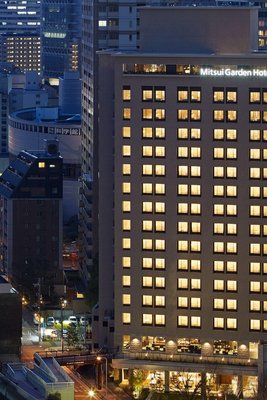
Mitsui Garden Hotel Osaka Premier
BIWAKO HANAKAIDO
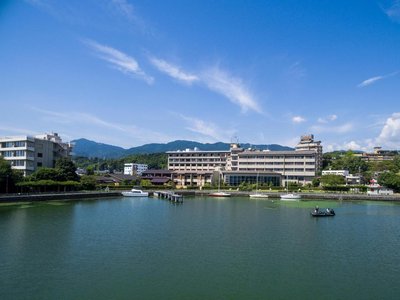
Biwako Ryokusuitei
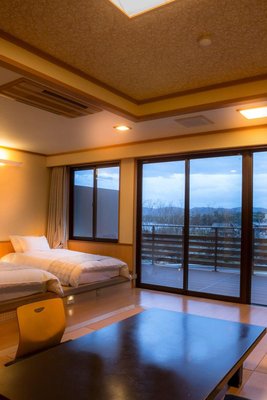
Hotel Kitanoya
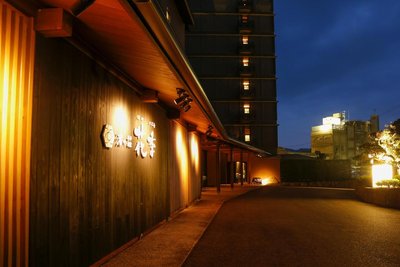
Hanagoyomi
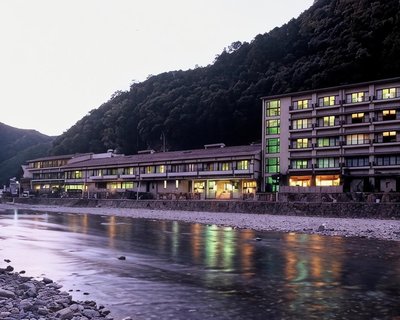
Kawayu Onsen Fujiya
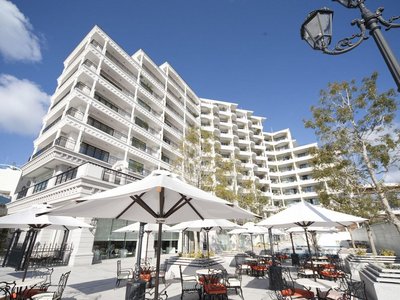
Hotel La Suite Kobe Harborland

AoAwo Naruto Resort
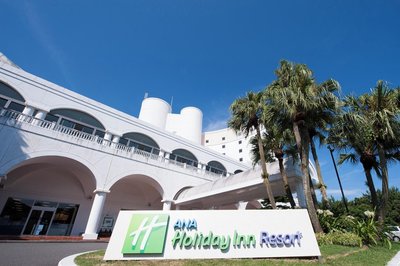
Holiday Inn Resort Miyazaki
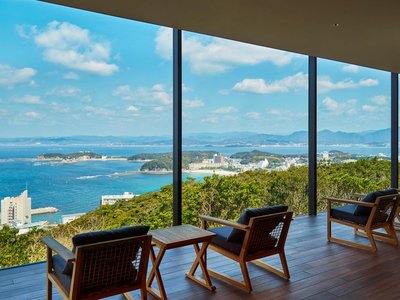
Infinito Hotel and Spa
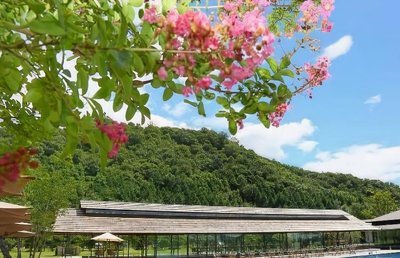
Bella Vista Spa and Marina Onomichi
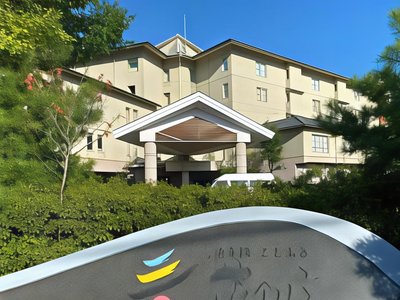
Yufuin Kotobuki Hananosho
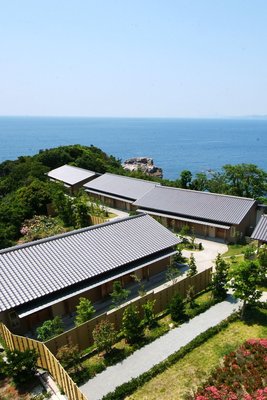
Hamachidorinoyu Kaisyu
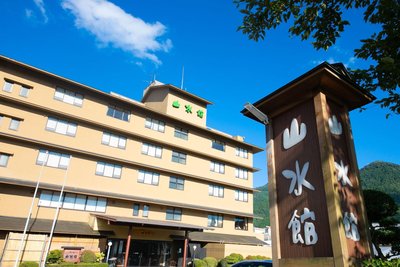
Yufuin Sansuikan
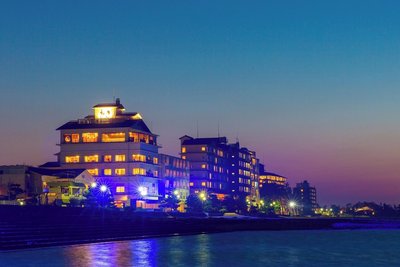
Kaike Shogetsu
The Ritz-Carlton, Kyoto
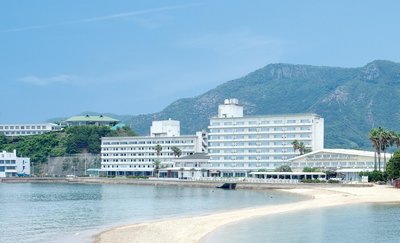
Shodoshima International Hotel
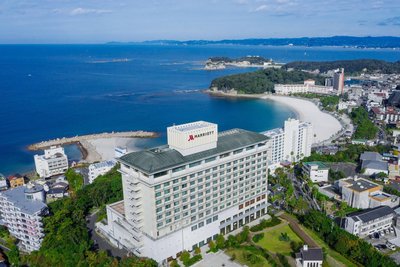
Nanki-Shirahama Marriott Hotel
Yado Kiramachi
Arimasansoh Goshobessho
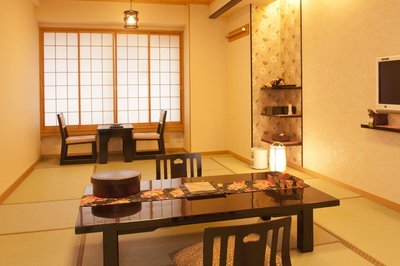
Matsui-Bekkan Hanakanzashi
Hoshino Resorts KAI Tamatsukuri
Taikyourou
Monjusou Shourotei
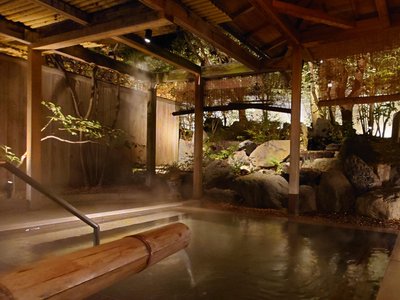
Kasuga Hotel
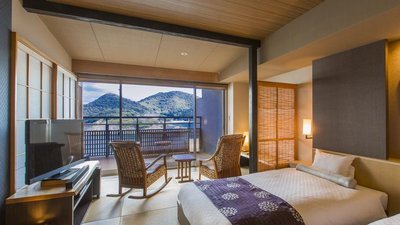
Migiwatei Ochi Kochi
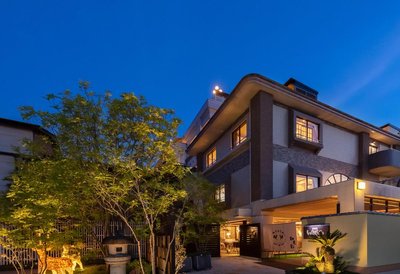
Hotel New Wakasa
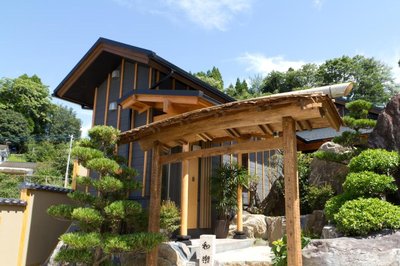
Ryokan Shinsen
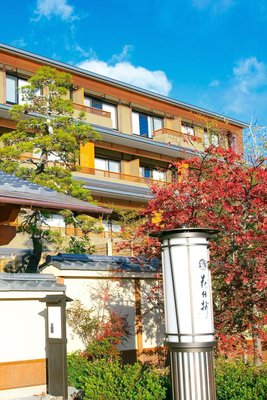
Kyoto Arashiyama Onsen Kadensho (Kyoritsu Resort)
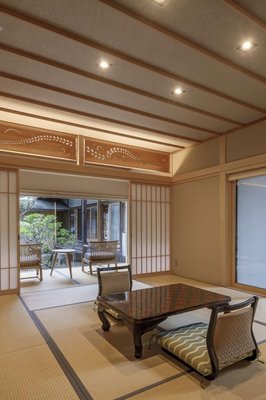
Ichijoin
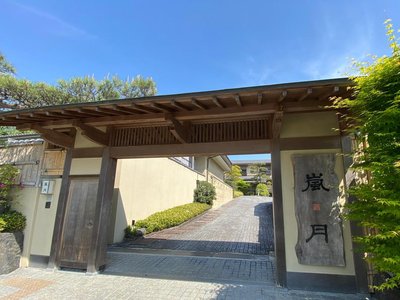
Rangetsu
The Ritz-Carlton, Kyoto
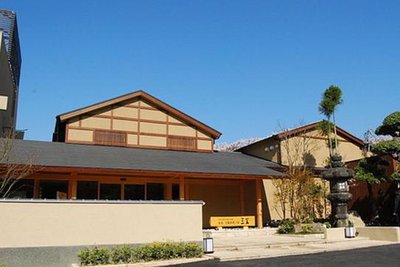
Mikasa
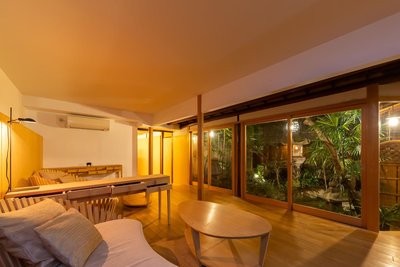
Izuyasu Traditional Kyoto Inn Serving Kyoto Cuisine
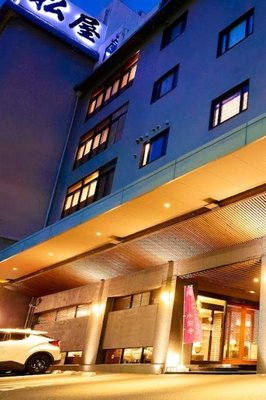
Ryotei Matsuya Honkan Suizenji
HOSHINOYA Kyoto
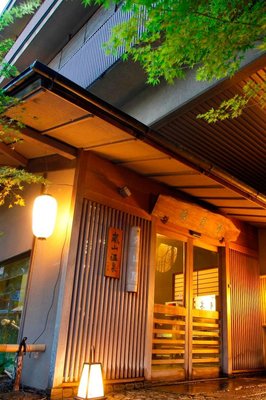
Togetsutei
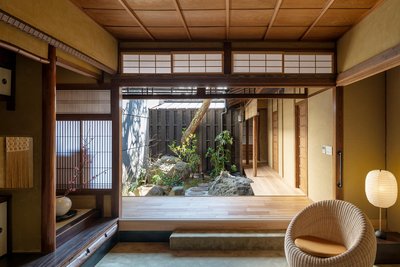
Nazuna Kyoto Gosho

22 PIECES
The Ritz-Carlton, Osaka
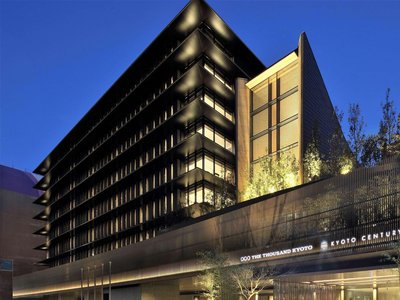
The Thousand Kyoto
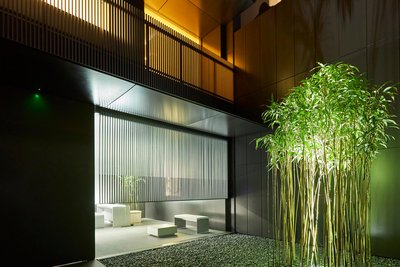
Mogana
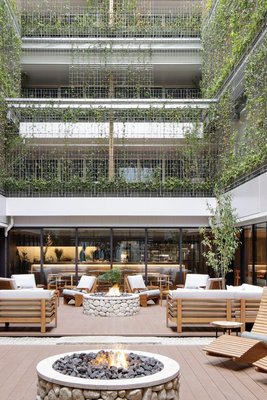
GOOD NATURE HOTEL KYOTO
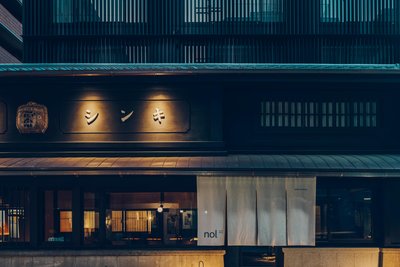
Nol Kyoto Sanjo
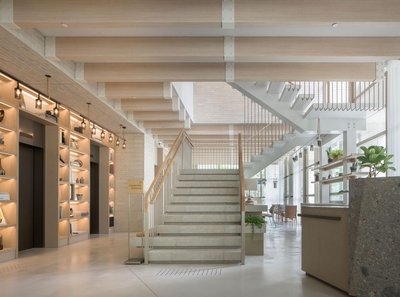
Zentis Osaka
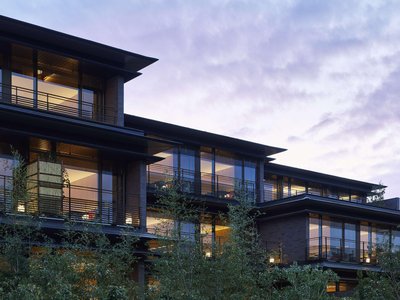
Garrya Nijo Castle Kyoto
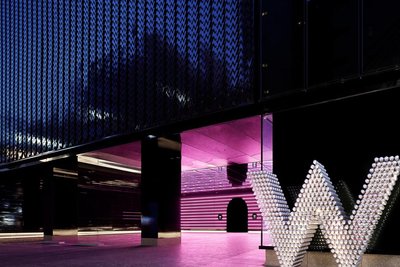
W Osaka
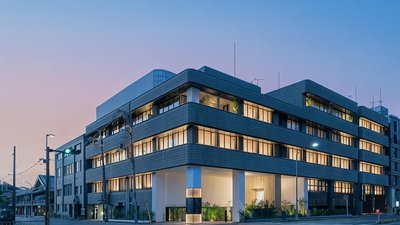
Hotel Kanra Kyoto
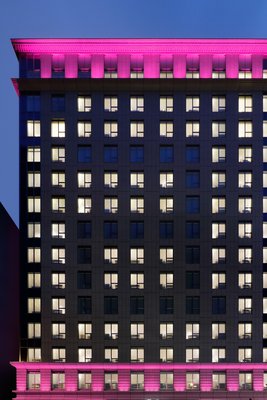
Aloft Osaka Dojima
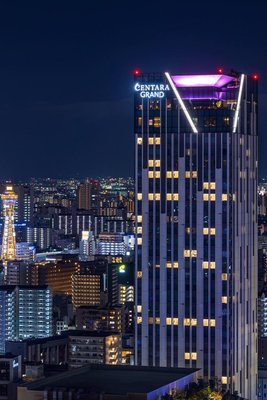
Centara Grand Hotel Osaka
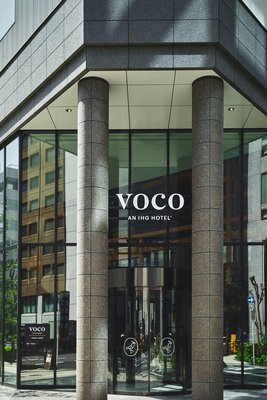
voco Osaka Central
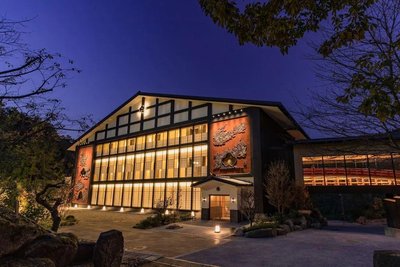
Okuhita Onsen Umehibiki
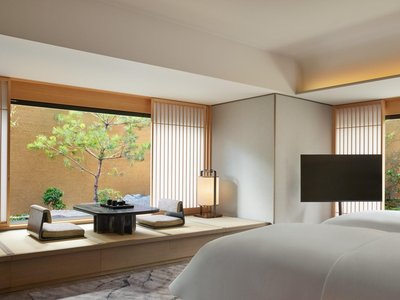
Dusit Thani Kyoto
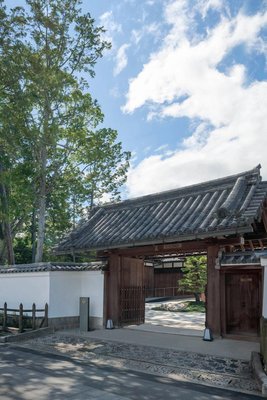
Shisui, a Luxury Collection Hotel, Nara
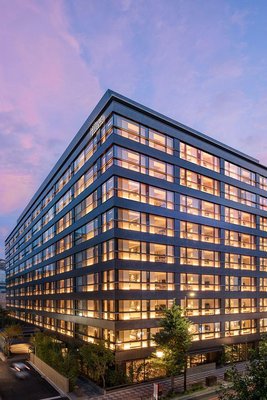
Hilton Kyoto
Osaka Marriott Miyako Hotel
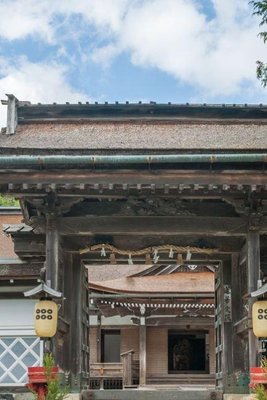
Koyasan Rengejoin
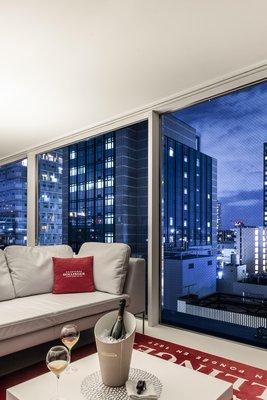
CUVÉE J2 HOTEL OSAKA by Onko Chishin
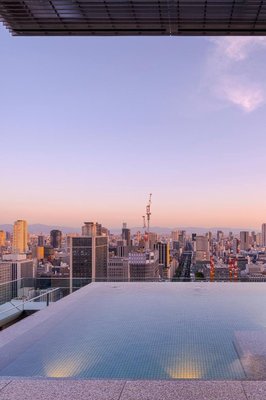
Candeo Hotels Osaka The Tower
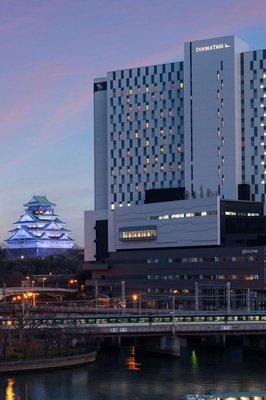
DoubleTree by Hilton Osaka Castle
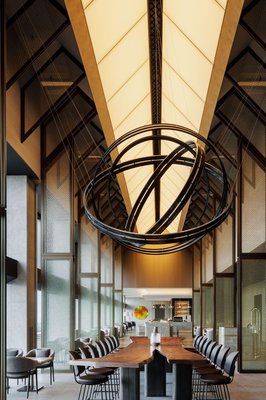
The Osaka Station Hotel, Autograph Collection
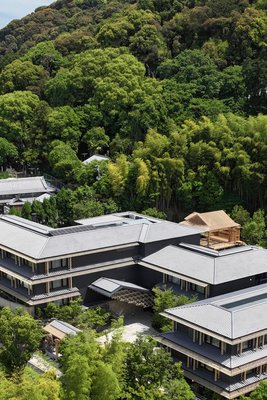
Banyan Tree Higashiyama Kyoto
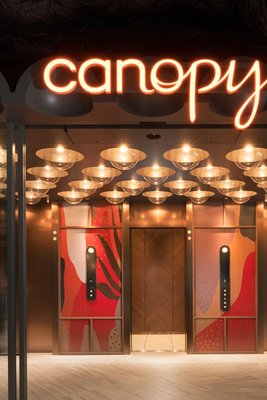
Canopy by Hilton Osaka Umeda
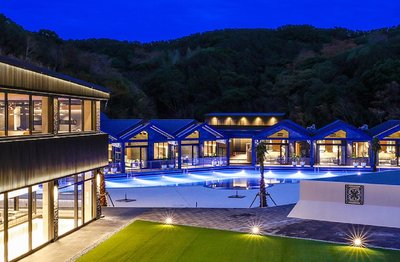
FIVE SPRING RESORT THE SHIRAHAMA
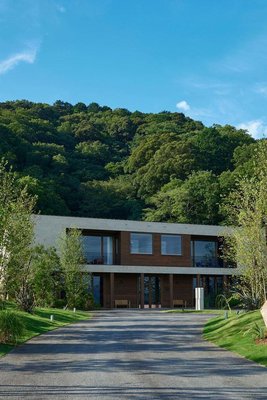
HACIENDA VISON
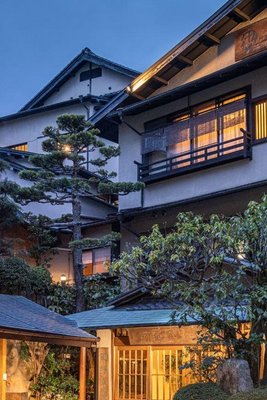
Arima Onsen Tocen Goshobo
Hotel La Suite Kobe Harborland
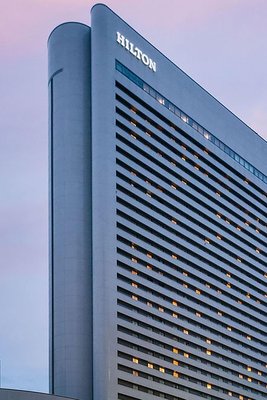
Hilton Osaka Hotel
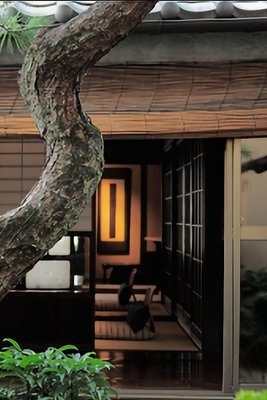
Shimayado Mari
Osaka Marriott Miyako Hotel
The Ritz-Carlton, Osaka
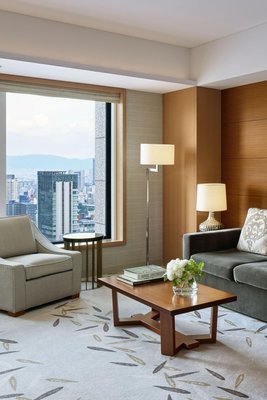
InterContinental Hotel Osaka
The Ritz-Carlton, Kyoto
Suiran, a Luxury Collection Hotel, Kyoto
GOOD NATURE HOTEL KYOTO
Park Hyatt Kyoto
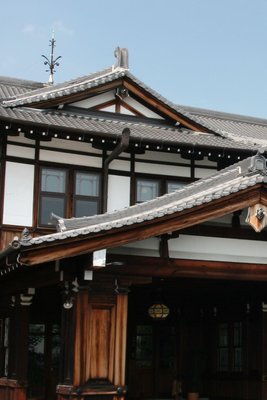
Nara Hotel
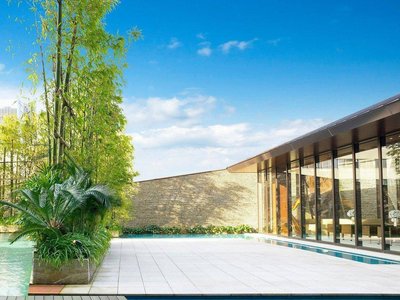
ORIENTAL HOTEL
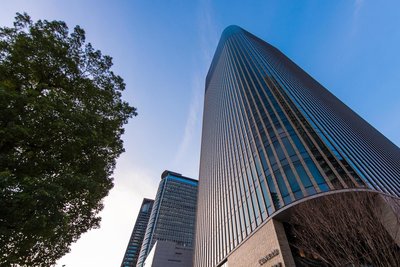
Conrad Osaka
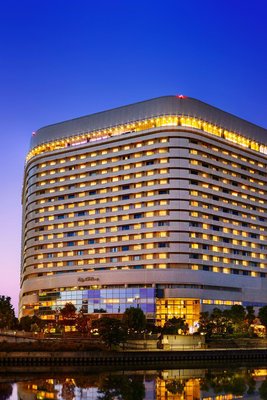
Hotel New Otani Osaka
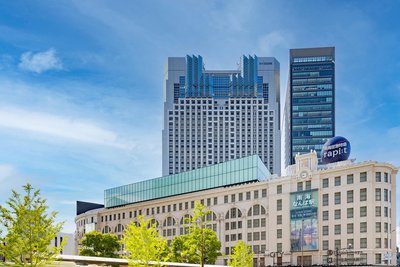
Swissotel Nankai Osaka
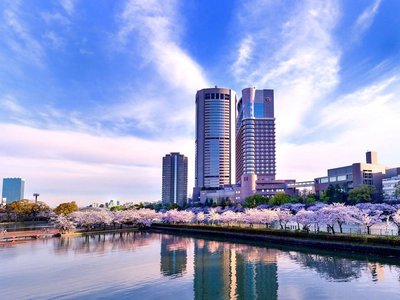
Imperial Hotel Osaka
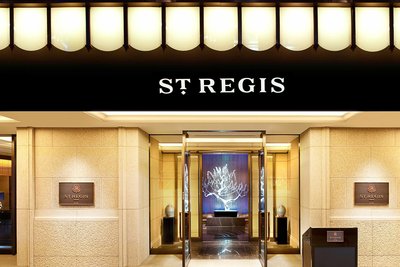
The St. Regis Osaka
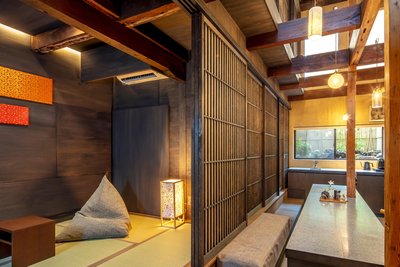
Kyo No Oozora Kihana
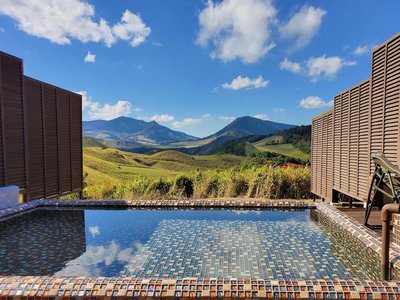
Grand Verde Resort
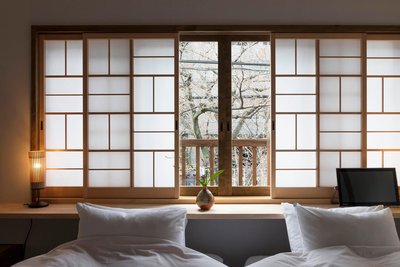
Hanagoromo Machiya House
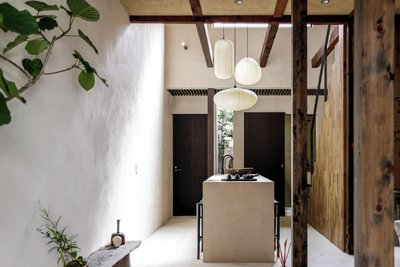
Maana Kiyomizu
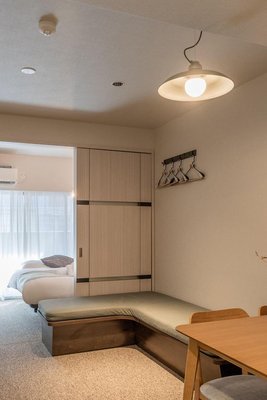
Apartment Hotel 11 Shinsaibashi
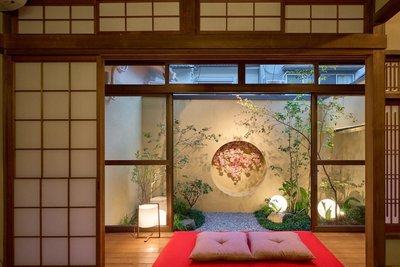
KONJAKUSO Osaka Tengachaya "NIHONCHA" Tea & Relax
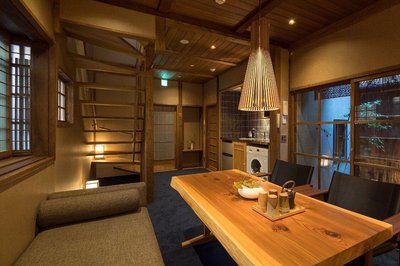
Bonbori an Machiya House
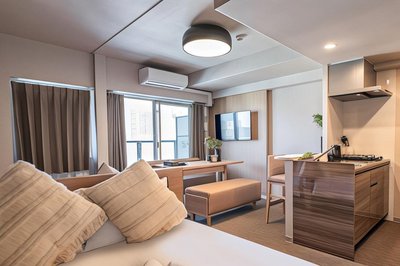
Apartment Hotel 11 Shinsaibashi III
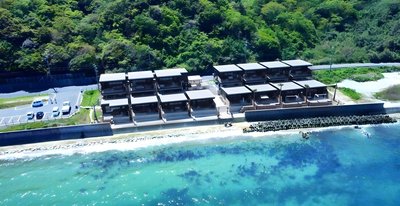
Solavilla Umi Terrace Minamiawaji
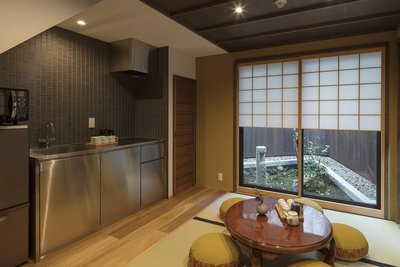
The Machiya Villa Sanjo Shirakawa Koji
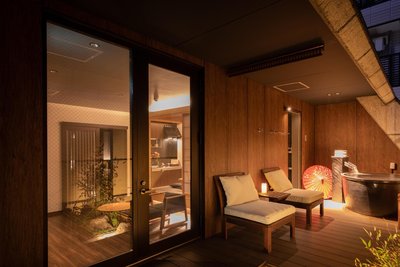
Konjaku-So Dotonbori
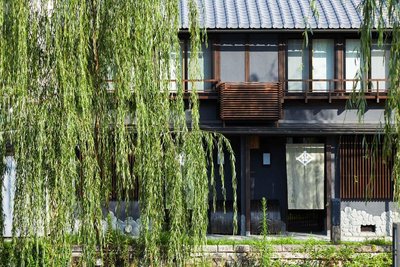
Gion Shirakawa No Yado

Kitashirakawa Natural Radium Onsen
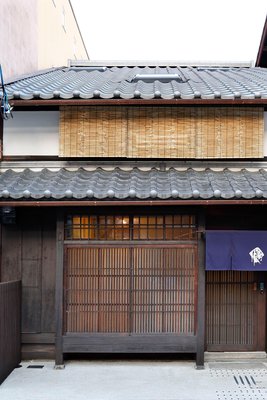
Kyo No Ondokoro Kamanza Nijo #2
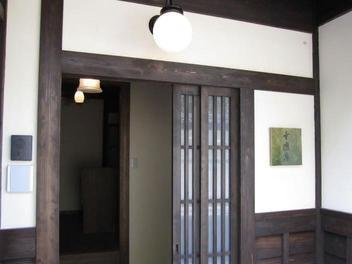
Gion Koyu an Machiya House
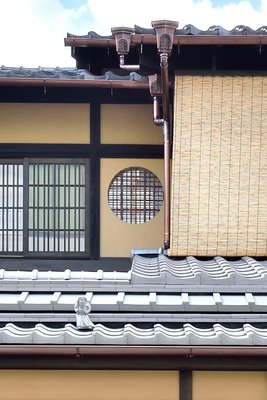
Kyo No Ondokoro Gokomachi Ebisugawa #3

Sana Mane - Glamp Domes
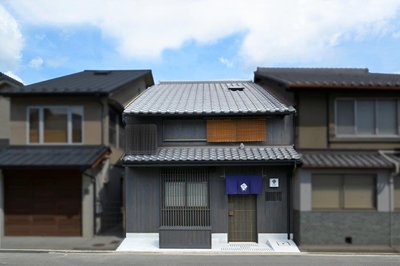
Kyo No Ondokoro Goshonishi #6
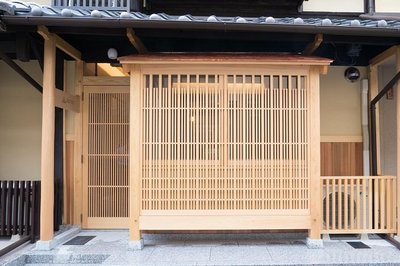
Kyomachiya Suite Rikyu
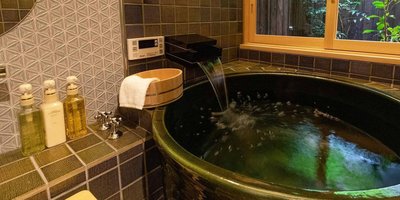
Kyoisuke

Hotel Barrière Fouquet's New York
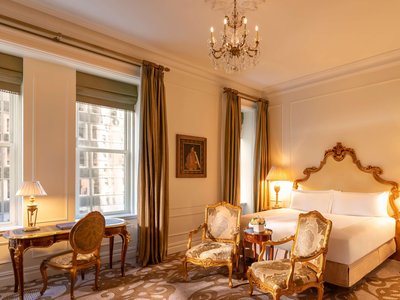
The Plaza - A Fairmont Managed Hotel
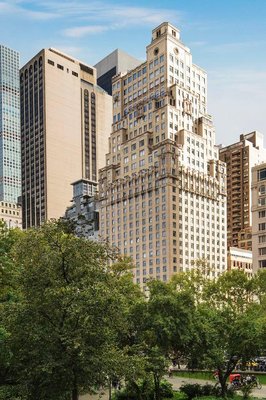
The Ritz-Carlton New York, Central Park
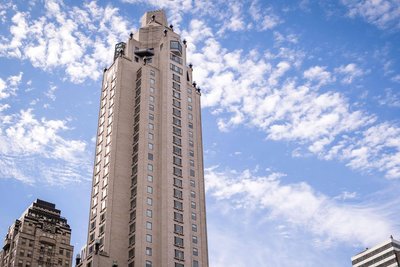
Four Seasons Hotel New York
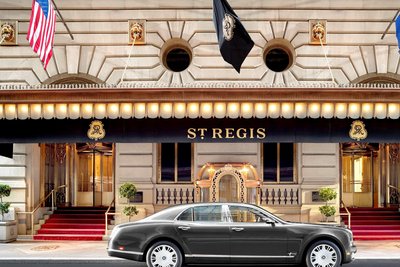
The St. Regis New York
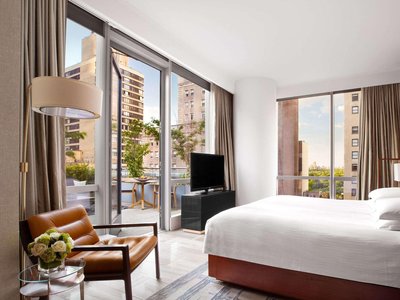
Park Hyatt New York
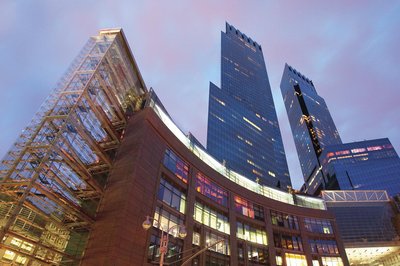
Mandarin Oriental New York
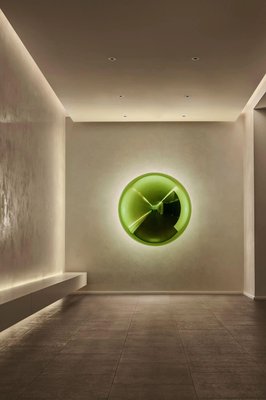
Times Square Edition New York

Loews Regency New York Hotel
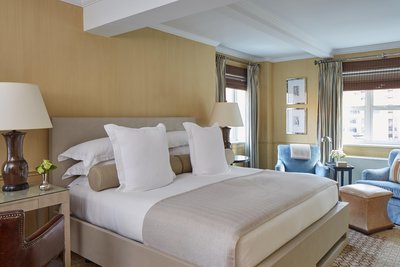
Lowell Hotel
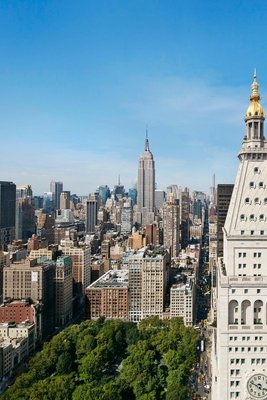
New York Edition
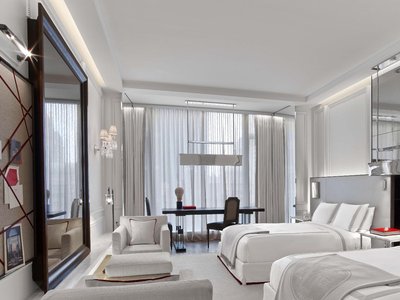
Baccarat Hotel New York

Equinox Hotel New York

Four Seasons Hotel New York Downtown
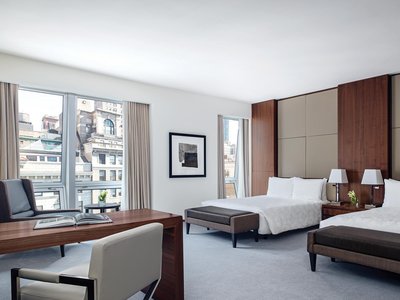
The Langham, New York, Fifth Avenue

The Carlyle, A Rosewood Hotel

The Chatwal, in the Unbound Collection by Hyatt
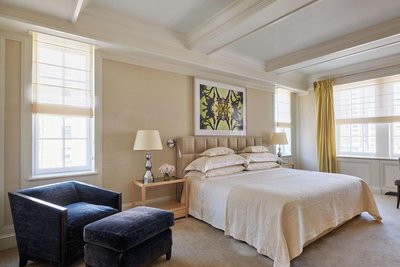
The Mark New York
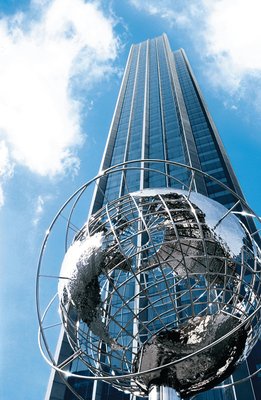
Trump International Hotel & Tower® New York
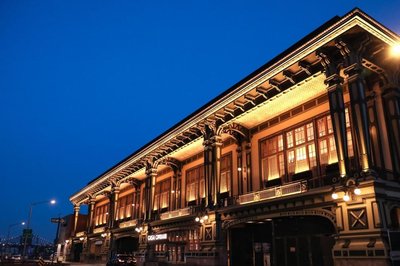
Casa Cipriani New York
Frequently Asked Questions about Traveling to Kami
Questions You Might Need to Know About Traveling to Kami
In Kameyama City, the top choice for authentic Japanese ambiance is Kōmei Onsen Ryokan, a centuries-old ryokan nestled beside the Tosa River, featuring wooden architecture, tatami rooms, and private onsen baths. The hotel serves exquisite kaiseki cuisine using local ingredients like Tosa beef and Kōmei rice, while guests can enjoy seasonal garden views and evening tea ceremonies. Another excellent option is Yamano Mori Onsen Bungalows, located deep in the East Mountain forest, offering secluded cabins with forest-view decks and natural hot springs. Both properties emphasize shinrin-yoku (forest bathing) and cultural immersion, hosting workshops on Tosa indigo dyeing and tea ceremony demonstrations. For travelers seeking tranquility and tradition, these lodgings provide an unparalleled connection to Shikoku’s rural heritage and sustainable hospitality.
The hotels also offer family-friendly suites and romantic couples’ packages, making them ideal for diverse travelers. Reservations are recommended, especially during cherry blossom season (March–May) and autumn foliage (October–November), when demand surges due to scenic beauty and festivals like the Aoi Matsuri at Nanagō Shrine.
The central district of Kameyama City, near Kameyama City Hall and Kameyama Civic Center, offers the most convenient access to major attractions. This area is well-connected by Kochi Prefecture Bus lines, linking directly to Daisenya Furusato Museum, Nanagō Shrine, and Tosa River Park. Staying here ensures easy walking distance to local markets, restaurants serving Tosa beef, and cultural venues like Kameyama Cultural Hall, which hosts regular Shikoku folk art exhibitions and indigo-dyeing workshops. The district also features eco-friendly accommodations such as Midori-no-Yado, a boutique guesthouse with a private garden and free shuttle service to nearby nature trails. For those who prefer self-guided exploration, bike rentals are available locally, allowing visitors to cycle along the scenic Tosa River Trail or explore the surrounding rice fields and citrus orchards. With reliable public transport and proximity to both urban amenities and natural landscapes, this zone strikes the perfect balance between convenience and authenticity.
Visitors to Kameyama City can immerse themselves in rare Tosa indigo dyeing (Tosa Aizome) workshops hosted at Kameyama Cultural Hall, where participants learn ancient techniques passed down through generations. These hands-on sessions include crafting personalized fabric pieces using natural dyes derived from plants grown in local farms. Another highlight is attending the Aoi Matsuri festival at Nanagō Shrine, held annually in spring, where attendees wear traditional kimono and participate in ceremonial processions. The event blends Shinto rituals with community storytelling, offering deep insight into Shikoku’s spiritual traditions. For history enthusiasts, the Daisenya Furusato Museum showcases preserved Edo-period homes, including the Daishō-in Temple Gate, and hosts monthly local dialect lectures and tea ceremony performances. At night, the Tosa River Night Lantern Cruise allows guests to glide past illuminated banks, reflecting golden lights across the water—creating a poetic moment that captures the soul of Kameyama’s quiet charm.
Kameyama City’s onsen hotels stand out for their natural sulfur-rich waters and integration with Shikoku’s mountainous ecosystem. Kōmei Onsen Ryokan features mineral-laden baths sourced from deep underground aquifers, renowned for skin-rejuvenating properties. Each room includes a private outdoor onsen with panoramic views of the Tosa River Valley, perfect for stargazing or morning mist watching. The hotel also offers forest therapy programs, including guided meditation walks and herbal steam baths. Yamano Mori Onsen Bungalows takes a more immersive approach, with glass-roofed cabins that open to the night sky, allowing guests to soak under the stars. Both properties prioritize sustainability, using solar heating and sourcing food from organic local farms. Guests enjoy kaiseki dinners featuring Tosa beef, wild mountain vegetables, and Kōmei rice. Special packages include couple’s massage sessions and handwritten love letters, enhancing the romantic atmosphere. These hotels exemplify authentic Shikoku hospitality rooted in harmony with nature.
For families visiting Kameyama City, Kochi Prefectural Kameyama Tourist Hotel is highly recommended. It offers spacious family suites with child-safe interiors, a dedicated playroom with board games and picture books, and a mini orchard where kids can pick fresh Kōmei mandarins or strawberries (seasonal). The hotel provides family picnic baskets with local snacks and reusable utensils, ideal for exploring Tosa River Park or Daisenya Furusato Museum. Nearby, Midori-no-Yado offers a family-friendly cottage with a fenced garden, swing set, and free bicycles for safe neighborhood rides. The property runs a Kids’ Discovery Guide, a scavenger-hunt-style booklet that turns sightseeing into an interactive adventure around historical sites. All facilities are wheelchair-accessible, and staff speak basic English and Japanese. With activities tailored for children aged 3–12, these accommodations ensure memorable, stress-free travel experiences for all ages.
Tourists in Kameyama City must try Tosa beef (Tosa Gyū), known for its rich marbling and buttery texture, best enjoyed at Kōmei Central Market’s charcoal grills. Another must-try is Kōmei Onigiri, handmade rice balls filled with umeboshi (pickled plum), nori, and candied daikon, served with Tosa soy sauce. For a deeper taste of local life, book a Homestay Dining Experience at a resident’s home, where you’ll savor sweet potato stew with chicken and tempura-fried bamboo shoots—all ingredients grown in the family’s backyard. The Tea House Shōkō near Kameyama Cultural Hall offers a matcha dessert set, including matcha mochi and wagashi sweets, paired with locally brewed Tosa green tea. Many restaurants accept reservations, so it’s wise to confirm opening hours in advance, especially during peak seasons like cherry blossom (March–May) and autumn foliage (October–November).
Kameyama City offers exceptional outdoor adventures, particularly river trekking, biking, and forest bathing (shinrin-yoku). The Tosa River Trail stretches 1.5 km from Kameyama Civic Center to Daisenya Furusato Museum, lined with cherry trees and maple groves—perfect for spring blossoms and fall foliage viewing. Cyclists can rent bikes locally and ride through East Mountain farmland, passing rice paddies, citrus orchards, and traditional farmhouses. In summer, stream kayaking and rock hopping are popular along the Nanagō Shrine backstream, with guided tours available for beginners. For night explorers, the Tosa River Night Light Cruise glides past illuminated banks, creating a dreamlike reflection on the water. The Kameyama City Nature Park features a star-gazing platform, ideal for clear nights when constellations shine above the mountains. Always carry insect repellent and sun protection, as temperatures vary between valley and hillside zones. Early morning hikes offer the best chance to spot native birds like the Japanese tit and Sakura warbler.
For couples seeking romance, Kōmei Onsen Ryokan’s Private Onsen Villa offers a dreamy escape with a floor-to-ceiling glass wall overlooking the Tosa River, where couples can soak under the stars or watch morning fog rise over the valley. The villa comes with a candlelit kaiseki dinner, handwritten love letter, and a complimentary couple’s massage. Yamano Mori Onsen Bungalows elevates intimacy with a sky-roof cabin that opens to reveal the Milky Way—perfect for late-night stargazing. Both hotels provide private gardens, sake tasting sessions, and exclusive guided tours to Nanagō Shrine and the Tosa River Night Lantern Cruise. Romantic packages include flower petal baths, music playlists curated by local artists, and photo documentation of the stay. These intimate settings, combined with Shikoku’s serene countryside, make Kameyama an unforgettable destination for couples wanting privacy, nature, and timeless moments.
The optimal times to visit Kameyama City are spring (late March to early May) and autumn (October to mid-November). Spring brings cherry blossoms along the Tosa River, attracting photographers and nature lovers, while the Aoi Matsuri festival at Nanagō Shrine adds vibrant cultural energy. Autumn transforms the hills into a tapestry of red and gold leaves, especially around East Mountain and Daisenya Furusato Museum, ideal for hiking and photography. During these seasons, local events such as Tosa indigo dyeing workshops, folk music concerts, and farm-to-table dinners enrich the experience. Summer is warm but less crowded; however, humidity and occasional typhoons may affect plans. Winter offers peaceful retreats with fewer tourists and cozy onsen stays. Avoid Obon Festival (mid-August) and New Year holidays, when locals return home and accommodations fill quickly. HopeGoo at least one month ahead is advised for peak periods.
Yes, Kameyama City is highly suitable for car rental, especially for exploring its scenic countryside and remote attractions. The city center has wide roads, but mountain routes like those leading to Yamano Mori Onsen Bungalows are narrow and winding—ideal for experienced drivers. Most hotels and tourist centers offer free parking and car rental services, including compact cars and electric vehicles. Public transport includes Kochi Prefecture Bus lines connecting Kōchi Station to key stops like Kameyama City Hall, Daisenya Furusato Museum, and Nanagō Shrine, with buses running every 30–60 minutes. However, some rural sites lack direct bus access, requiring pre-booked shuttle transfers. The Kameyama Tourism Center provides free maps and multilingual audio guides, supporting independent travel. For eco-conscious visitors, bike-sharing stations operate near the river trail and civic center. Overall, renting a car grants maximum flexibility, allowing guests to follow scenic routes through rice fields, orchards, and forests—essential for experiencing the true essence of Shikoku’s rural beauty.
Kami Overview
City Summary
Kami City, located in Kochi Prefecture, Japan, is a small town renowned for its natural beauty and traditional culture. With fresh air, stunning mountain views, and abundant hot springs, it is an ideal escape from urban hustle. Kami City boasts a rich history, particularly its Tosa washi papercraft and traditional festivals, offering visitors a deep dive into rural Japan's unique charm.
Must-See Attractions
Key attractions in Kami City include Ryugado Cave, one of Japan's three major limestone caves, featuring breathtaking stalactites and subterranean rivers. The Kochi Prefectural Makino Botanical Garden showcases diverse local flora, a paradise for nature lovers. For cultural experiences, visit the Tosa Washi Traditional Industry Hall to witness or even try handmade paper crafting.
Food Guide
Kami City's cuisine highlights Kochi's local ingredients. Must-try dishes include Tosa Akaushi beef, tender and juicy, and Katsuo no Tataki, seared bonito with a straw-fired crust. For street food, don’t miss Inaka sushi, made with fresh local fish for a unique flavor.
Transportation Guide
Public transport in Kami City relies mainly on buses, which cover major attractions but have limited frequency—check schedules in advance. Renting a car offers more flexibility, especially for exploring nearby nature spots. From Kochi City, take the JR Dosan Line (~30 mins). Taxis and car rentals are available near the station. Long-distance travelers can reach Kami City from Kochi Ryoma Airport (~1 hour by car).
Best Time to Visit
The best seasons to visit are spring (March-May) and autumn (September-November), offering mild weather for outdoor activities. Summers are hot and humid, while winters are chilly but ideal for hot springs. Avoid Golden Week and Obon to skip crowds.
Travel Tips
- Respect onsen etiquette: wash thoroughly before entering.
- Mountain weather is unpredictable; carry rain gear.
- Rural shops close early; stock up on essentials.
- Cash is preferred in small shops and villages.
- Learn basic Japanese greetings for friendlier interactions.
- Follow strict local recycling rules.
Useful Information
Language: Japanese is primary; English is understood at tourist spots but limited in rural areas.
Internet: WiFi coverage is spotty; consider a local SIM or pocket WiFi.
Payments: Cards work at major venues, but cash is safer for small businesses and ryokans.
Emergency: Kami City Hospital handles emergencies. Travel insurance is advised. Pharmacies are common, but some medications require prescriptions.