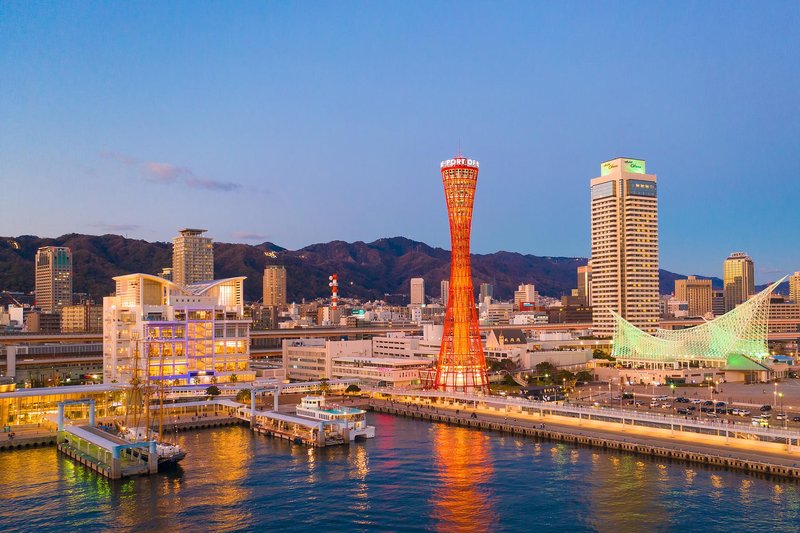
Hotels in Kamikatsu
Discover your perfect stay in Kamikatsu.
Kamikatsu(Japan) Travel 2026: Cheap Flights, Hotels & Top Attractions
Popular Landmarks in Kamikatsu
Discover the most iconic attractions in Kamikatsu
Recommended Hotels in Kamikatsu
Find the perfect place to stay in Kamikatsu
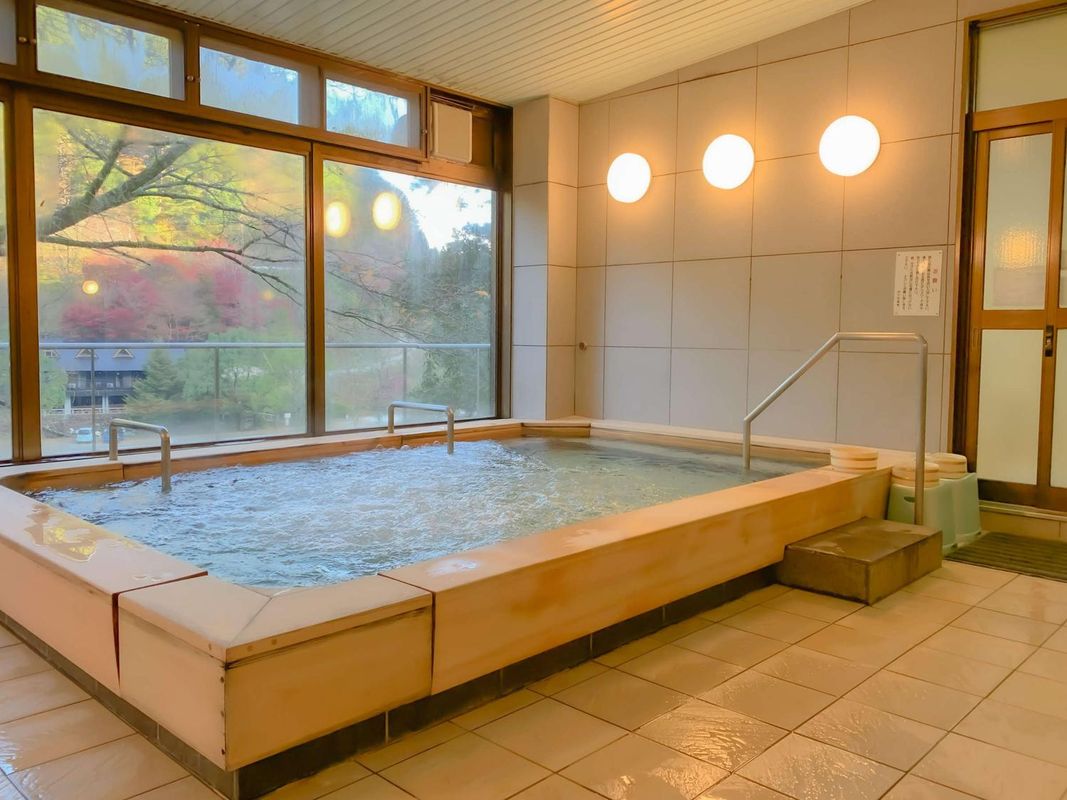
Tsukinoyado
Best Hotels in Kamikatsu
Discover curated hotel collections in Kamikatsu
Shima Kanko Hotel the Bay Suites
Waldorf Astoria Osaka
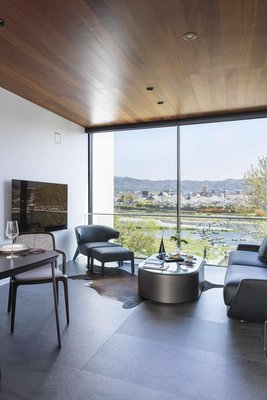
Kamo Residences by Reflections
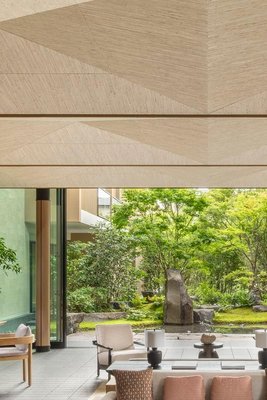
Six Senses Kyoto
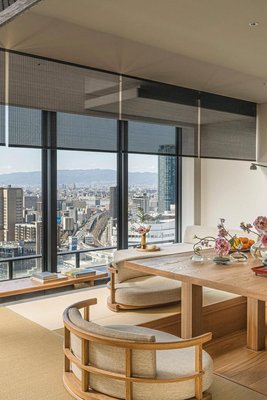
Four Seasons Hotel Osaka
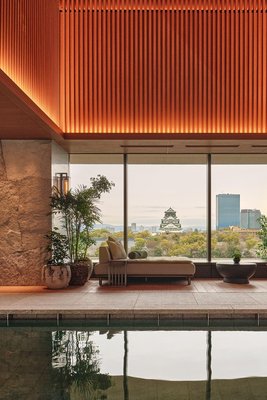
Patina Osaka

The Ritz-Carlton, Osaka
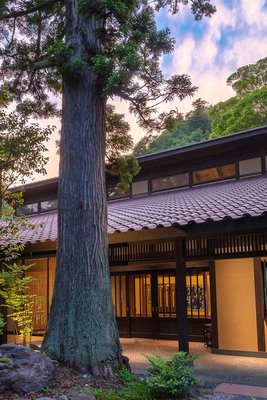
Arimasansoh Goshobessho
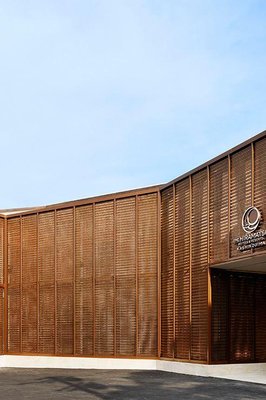
The Hiramatsu Hotels & Resorts Kashikojima
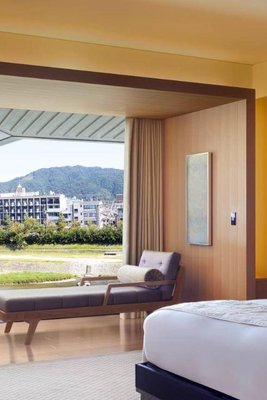
The Ritz-Carlton, Kyoto
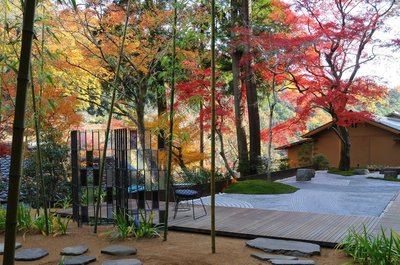
HOSHINOYA Kyoto
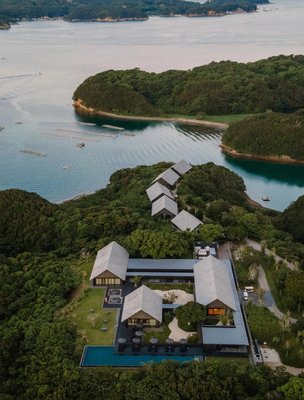
Amanemu
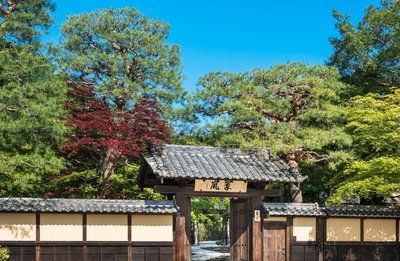
Suiran, a Luxury Collection Hotel, Kyoto
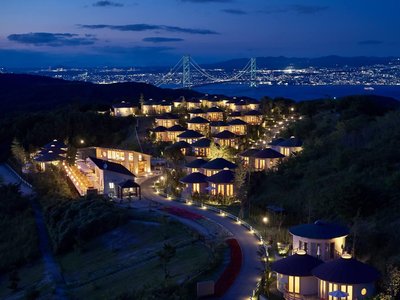
Grand Chariot Hokutoshichisei 135°
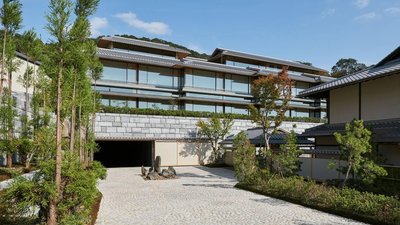
Park Hyatt Kyoto
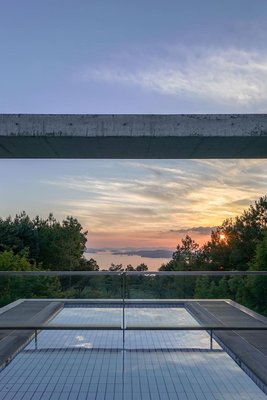
SETOUCHI RETREAT by Onko Chishin
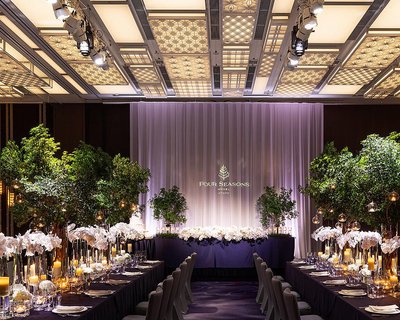
Four Seasons Hotel Kyoto
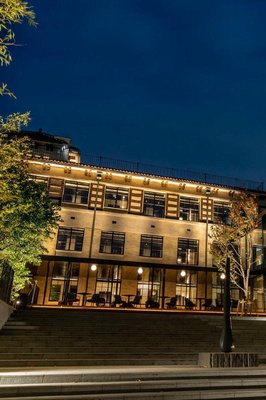
The Hotel Seiryu Kyoto Kiyomizu - a Member of the Leading Hotels of the World-
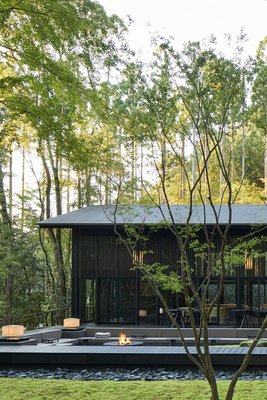
Aman Kyoto
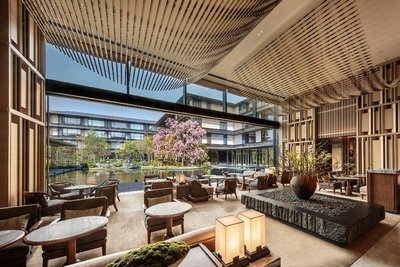
Hotel the Mitsui Kyoto, a Luxury Collection Hotel & Spa
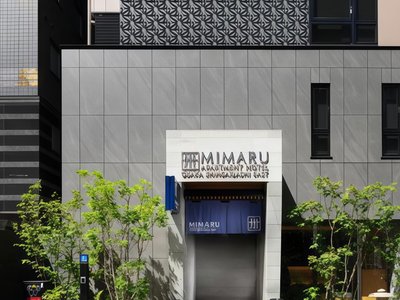
MIMARU Osaka Shinsaibashi East
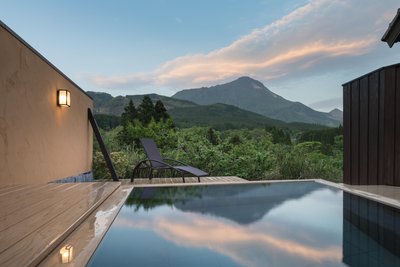
Ikkoten

Toba International Hotel Shiojitei
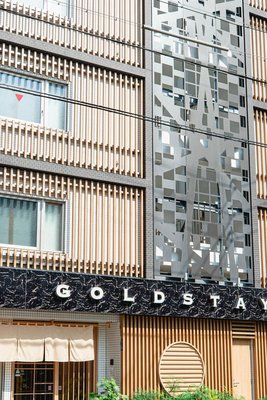
Gold Stay Nagoya OSU
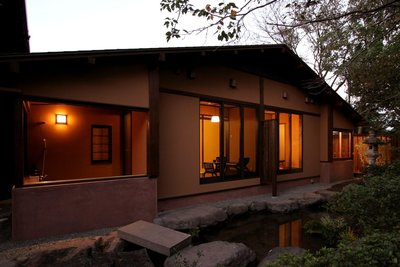
SEKIYA RESORT Bettei Haruki
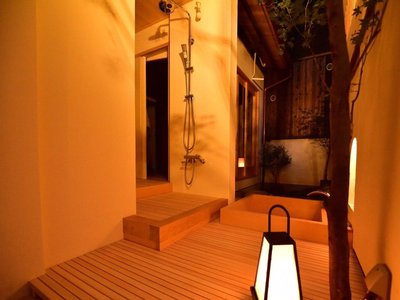
Yado Kiramachi
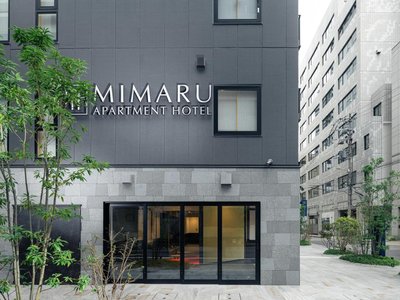
MIMARU Osaka Shinsaibashi North
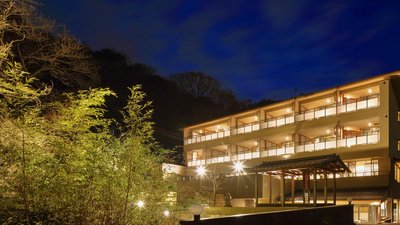
Okuno Hosomichi
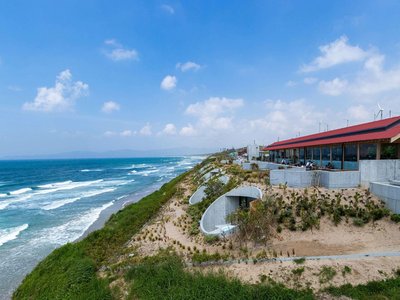
Izumo Hotel the Cliff

GOLD STAY Nagoya Sakae
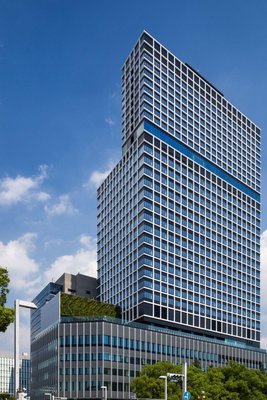
The Royal Park Hotel Iconic Nagoya
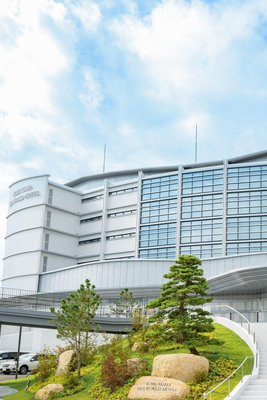
Kobe Suma Sea World Hotel
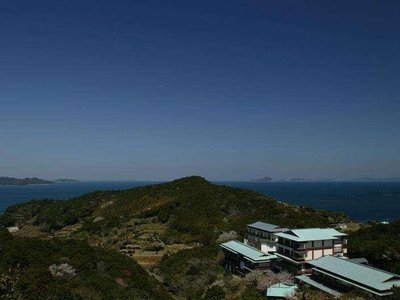
Hanashinsui
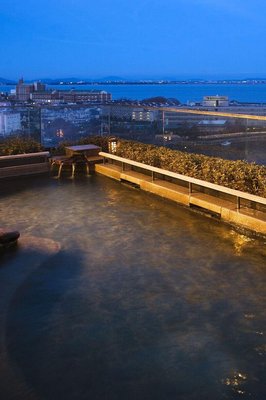
Yumotokan
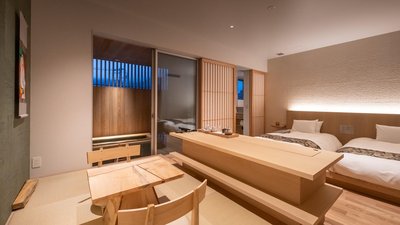
Japanese Auberge Kararako
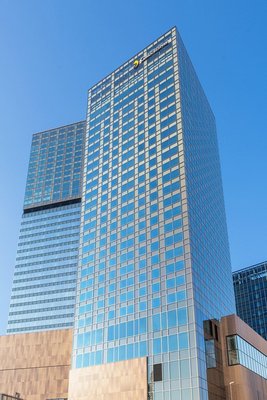
Hotel Hankyu GRAN RESPIRE OSAKA
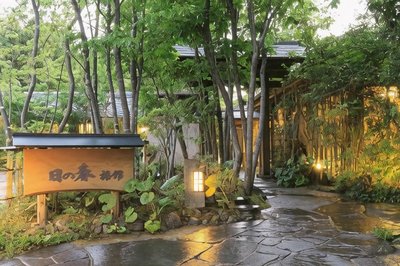
Yufuin Onsen Hinoharu Ryokan
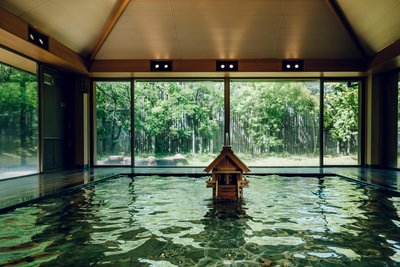
Hoshino Resorts KAI Tamatsukuri

Taikyourou
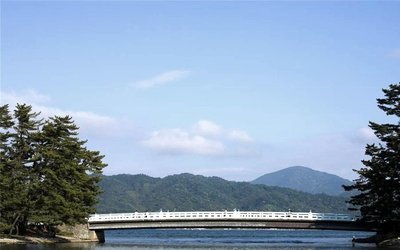
Monjusou Shourotei
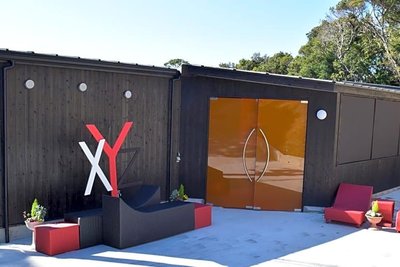
XYZ Private Spa and Seaside Resort
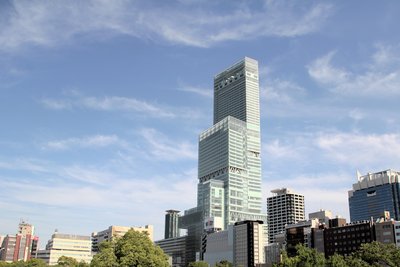
Osaka Marriott Miyako Hotel
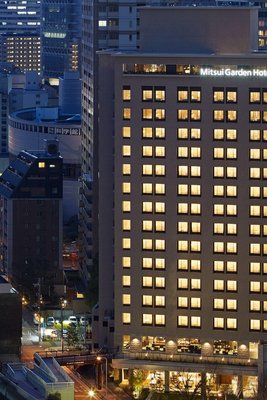
Mitsui Garden Hotel Osaka Premier
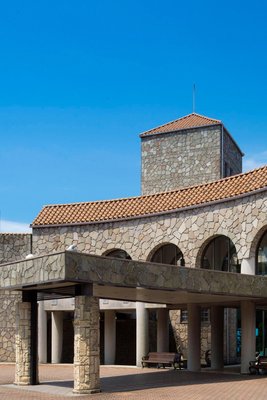
Izumigo Hotel Altia Toba
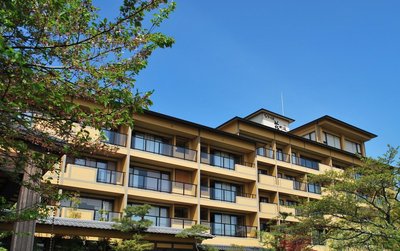
BIWAKO HANAKAIDO
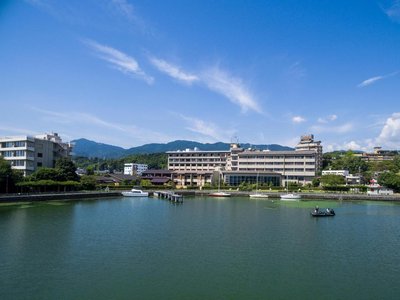
Biwako Ryokusuitei
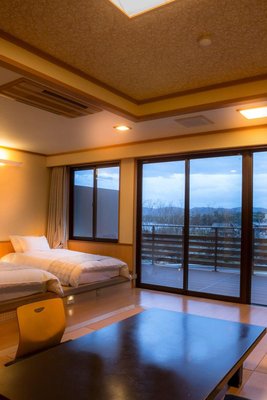
Hotel Kitanoya
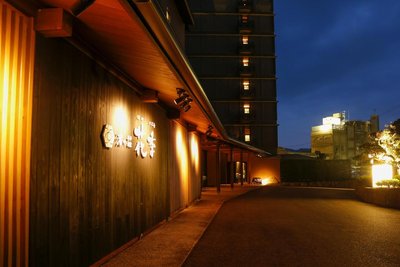
Hanagoyomi
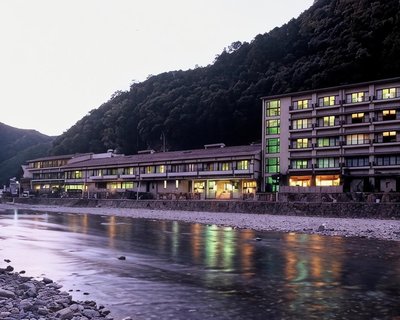
Kawayu Onsen Fujiya
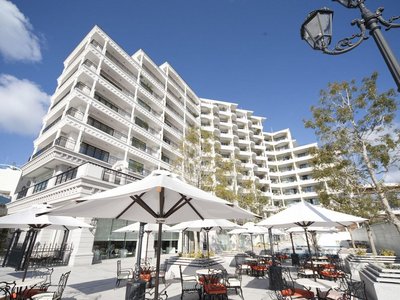
Hotel La Suite Kobe Harborland

AoAwo Naruto Resort
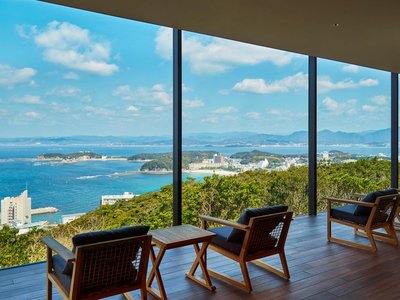
Infinito Hotel and Spa
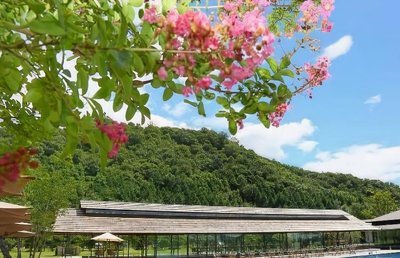
Bella Vista Spa and Marina Onomichi
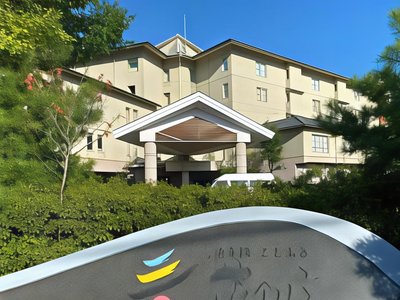
Yufuin Kotobuki Hananosho
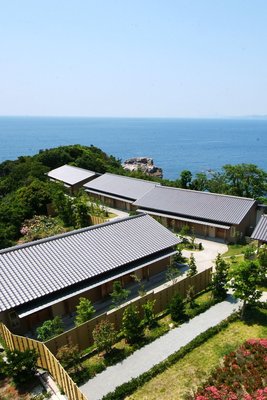
Hamachidorinoyu Kaisyu
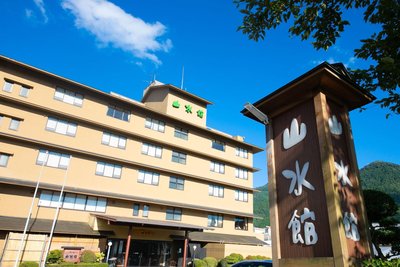
Yufuin Sansuikan
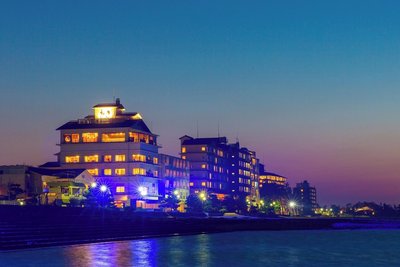
Kaike Shogetsu
The Ritz-Carlton, Kyoto
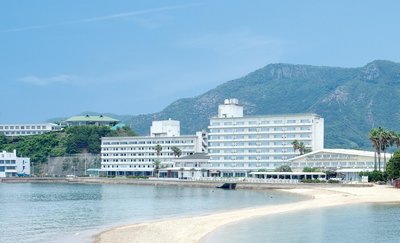
Shodoshima International Hotel
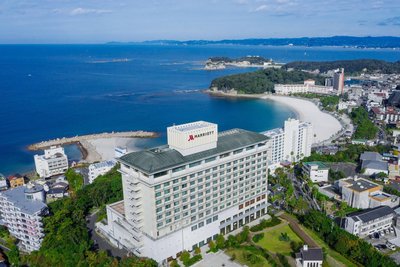
Nanki-Shirahama Marriott Hotel
Yado Kiramachi
Arimasansoh Goshobessho
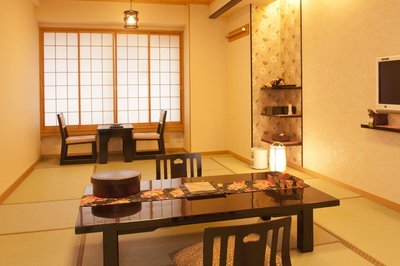
Matsui-Bekkan Hanakanzashi
Hoshino Resorts KAI Tamatsukuri
Taikyourou
Monjusou Shourotei
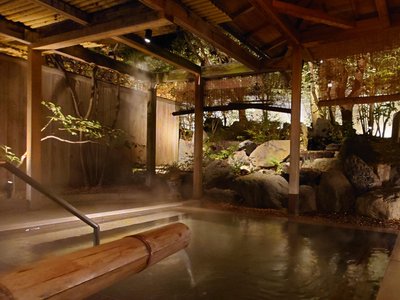
Kasuga Hotel
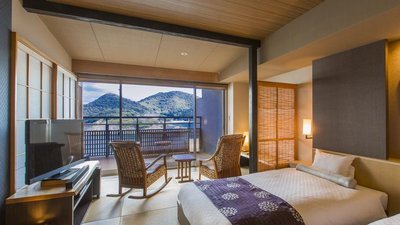
Migiwatei Ochi Kochi
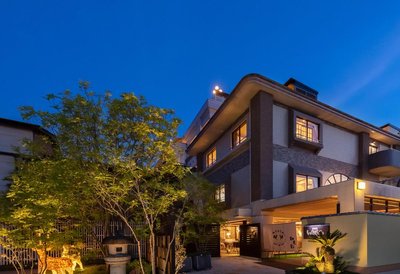
Hotel New Wakasa
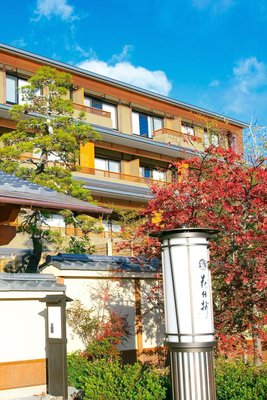
Kyoto Arashiyama Onsen Kadensho (Kyoritsu Resort)
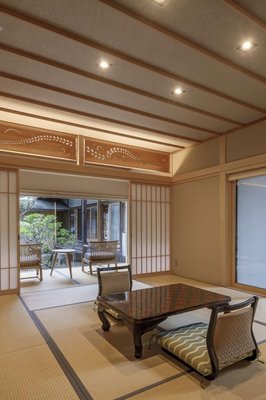
Ichijoin
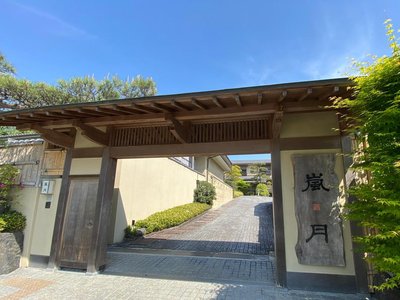
Rangetsu
The Ritz-Carlton, Kyoto
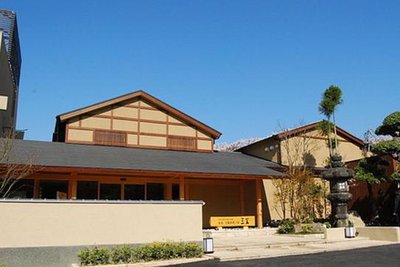
Mikasa
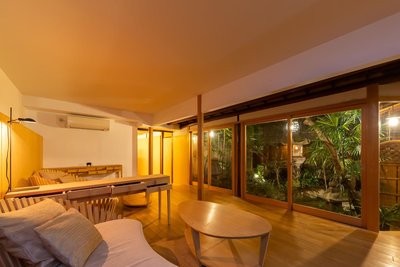
Izuyasu Traditional Kyoto Inn Serving Kyoto Cuisine
HOSHINOYA Kyoto
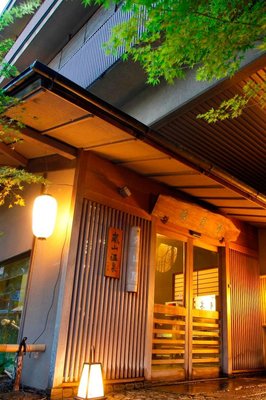
Togetsutei
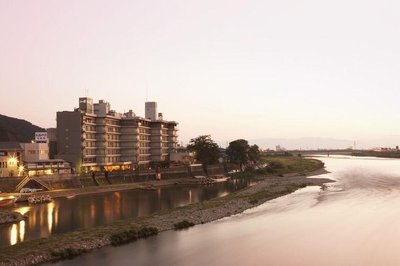
Juhachiro
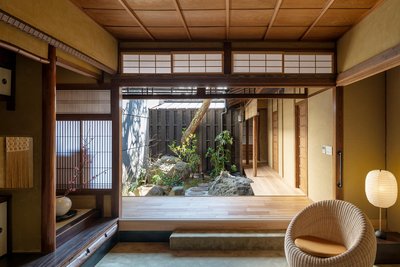
Nazuna Kyoto Gosho
Amanemu
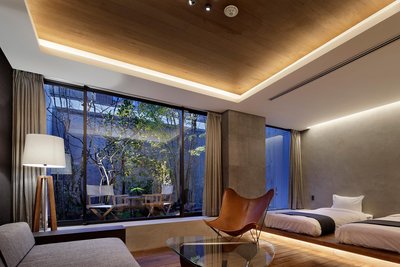
22 PIECES
The Ritz-Carlton, Osaka

The Thousand Kyoto
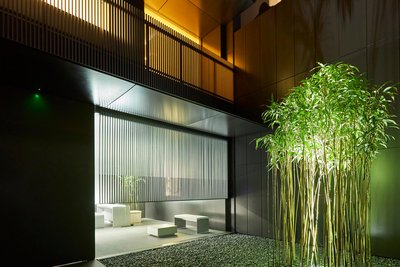
Mogana
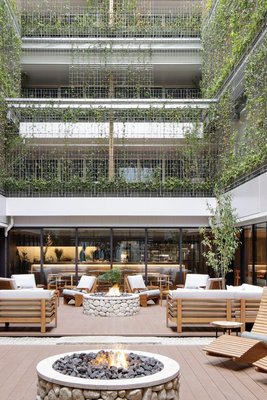
GOOD NATURE HOTEL KYOTO
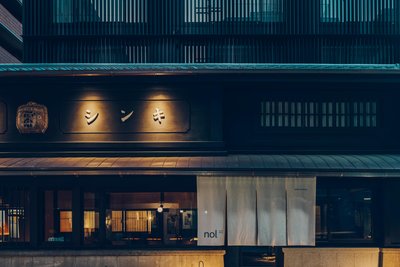
Nol Kyoto Sanjo
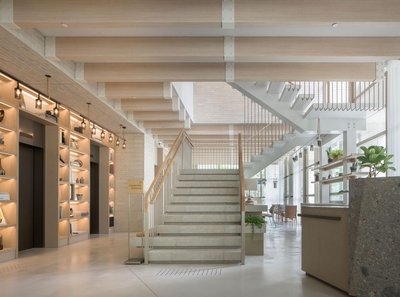
Zentis Osaka
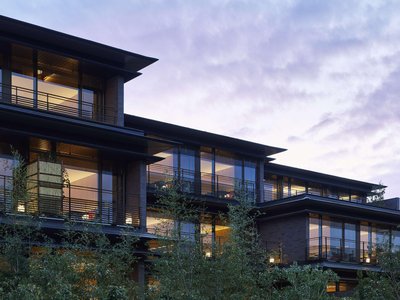
Garrya Nijo Castle Kyoto
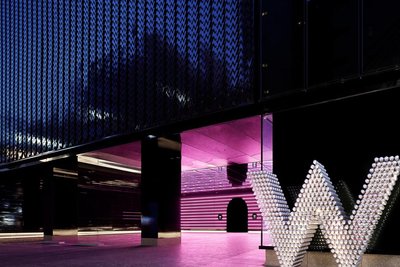
W Osaka

Hotel Kanra Kyoto
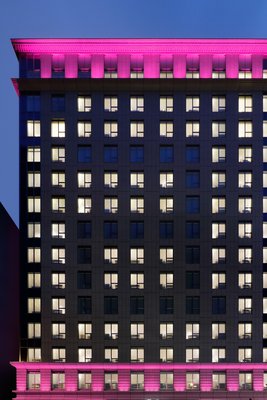
Aloft Osaka Dojima
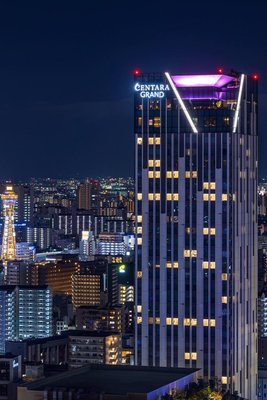
Centara Grand Hotel Osaka
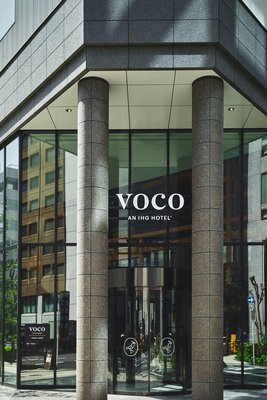
voco Osaka Central
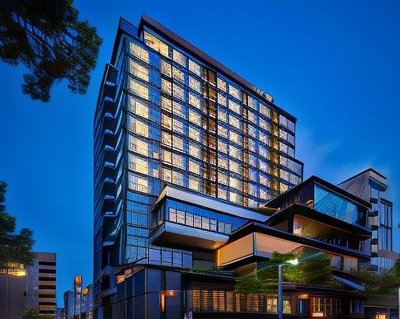
TIAD, AUTOGRAPH COLLECTION
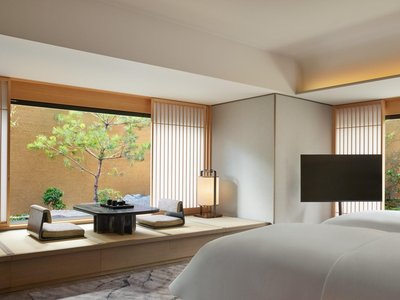
Dusit Thani Kyoto
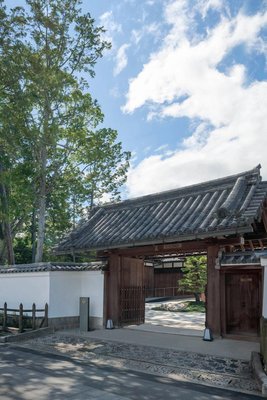
Shisui, a Luxury Collection Hotel, Nara

Hilton Kyoto
Osaka Marriott Miyako Hotel
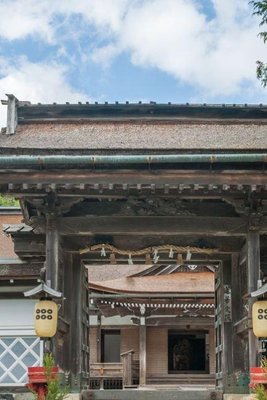
Koyasan Rengejoin
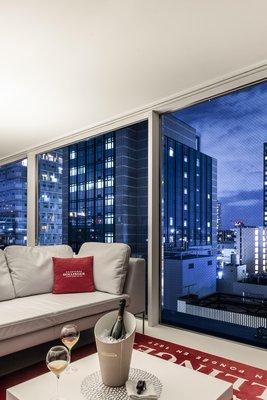
CUVÉE J2 HOTEL OSAKA by Onko Chishin
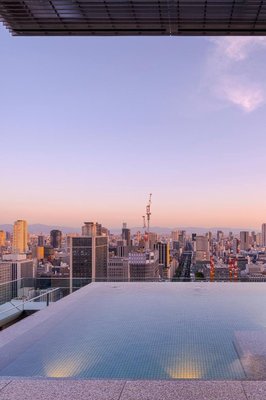
Candeo Hotels Osaka The Tower
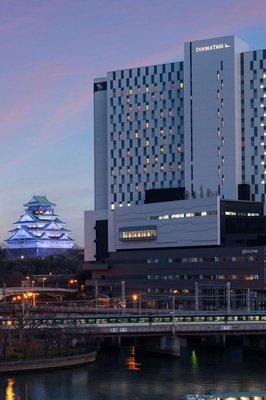
DoubleTree by Hilton Osaka Castle
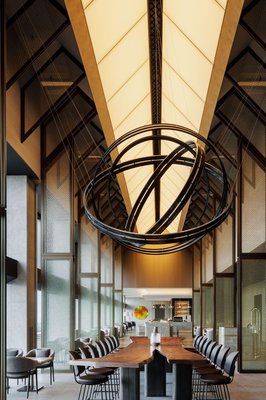
The Osaka Station Hotel, Autograph Collection
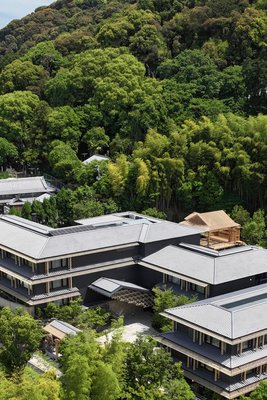
Banyan Tree Higashiyama Kyoto
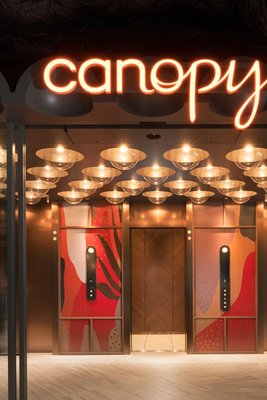
Canopy by Hilton Osaka Umeda
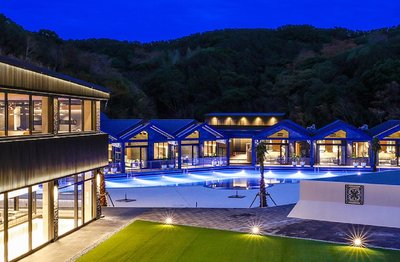
FIVE SPRING RESORT THE SHIRAHAMA
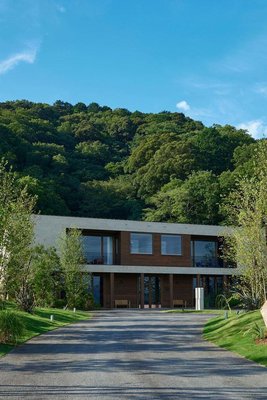
HACIENDA VISON
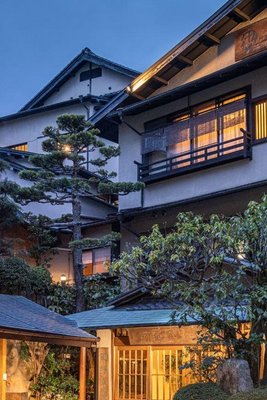
Arima Onsen Tocen Goshobo
Hotel La Suite Kobe Harborland
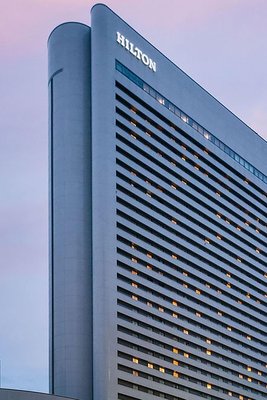
Hilton Osaka Hotel
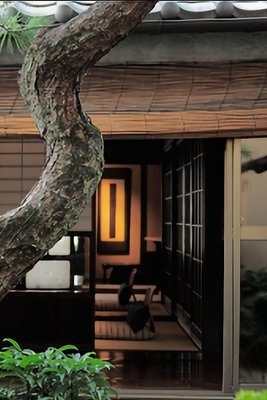
Shimayado Mari
Osaka Marriott Miyako Hotel
The Ritz-Carlton, Osaka
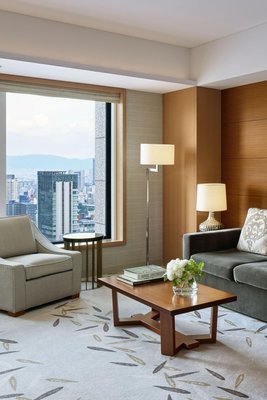
InterContinental Hotel Osaka
The Ritz-Carlton, Kyoto
Suiran, a Luxury Collection Hotel, Kyoto
GOOD NATURE HOTEL KYOTO
Park Hyatt Kyoto
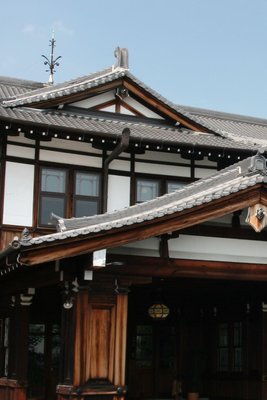
Nara Hotel
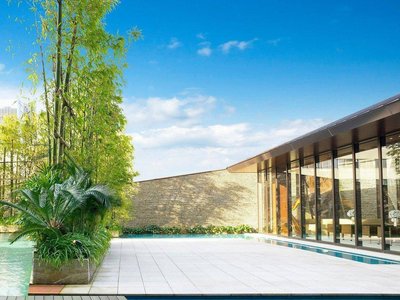
ORIENTAL HOTEL
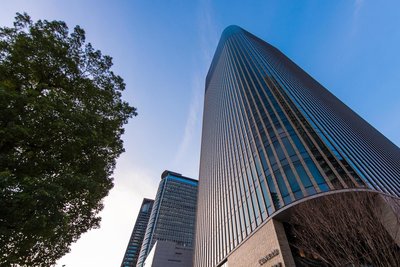
Conrad Osaka
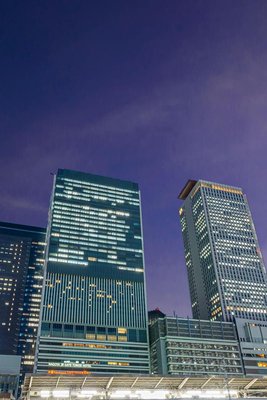
Nagoya JR Gate Tower Hotel (JR-Central Hotels)
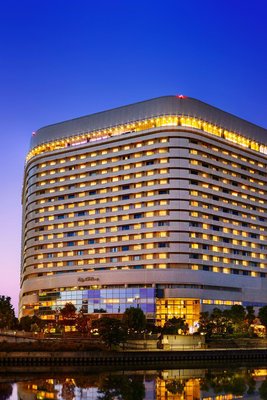
Hotel New Otani Osaka
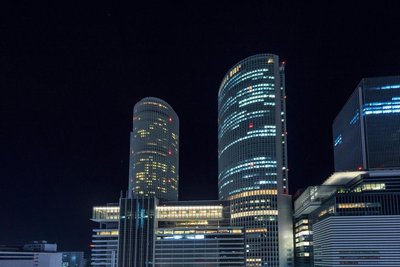
Nagoya Marriott Associa Hotel
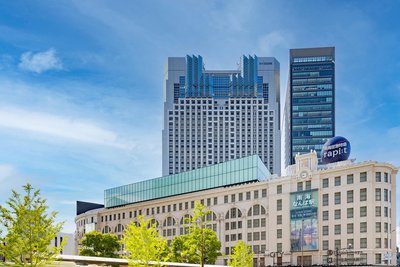
Swissotel Nankai Osaka
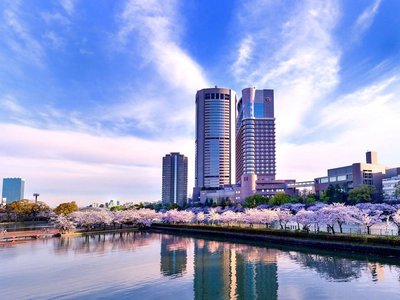
Imperial Hotel Osaka
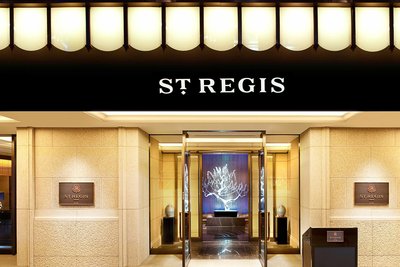
The St. Regis Osaka
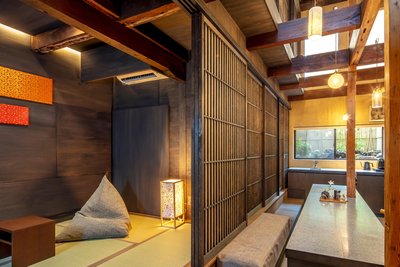
Kyo No Oozora Kihana
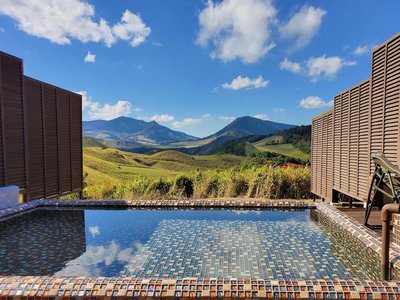
Grand Verde Resort
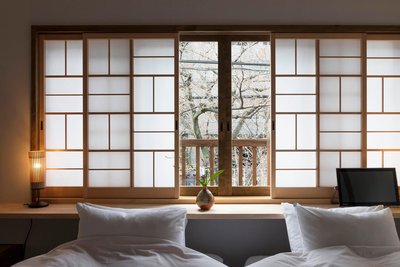
Hanagoromo Machiya House
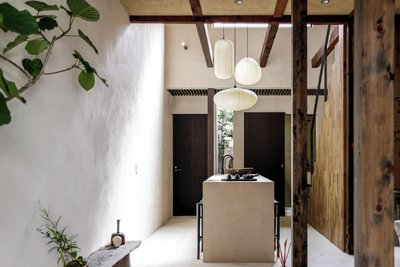
Maana Kiyomizu
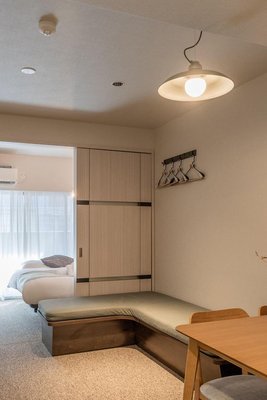
Apartment Hotel 11 Shinsaibashi
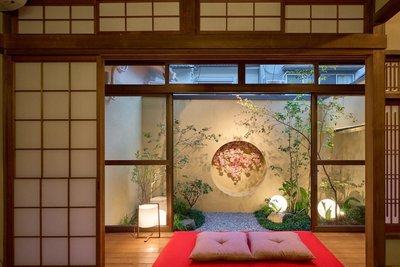
KONJAKUSO Osaka Tengachaya "NIHONCHA" Tea & Relax
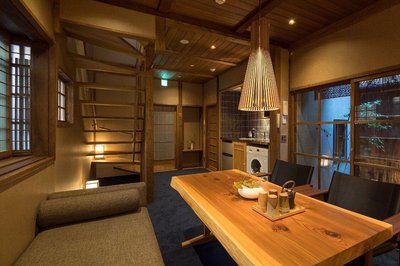
Bonbori an Machiya House
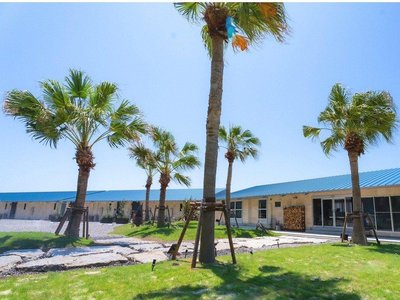
Glamping&Resort Wood Design Park Noma
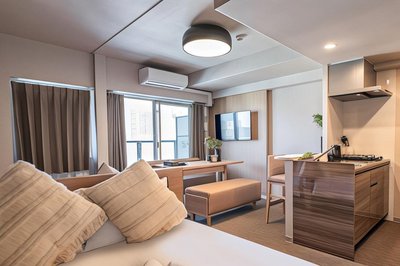
Apartment Hotel 11 Shinsaibashi III
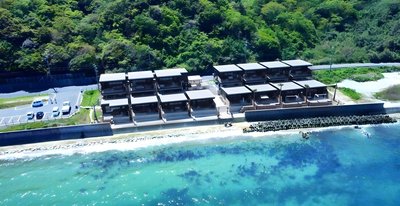
Solavilla Umi Terrace Minamiawaji
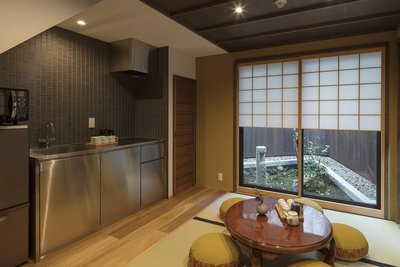
The Machiya Villa Sanjo Shirakawa Koji
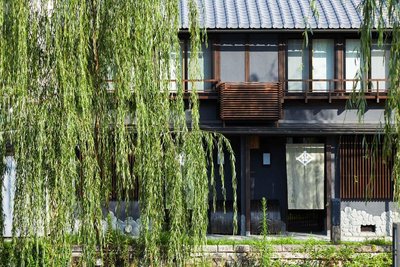
Gion Shirakawa No Yado

Kitashirakawa Natural Radium Onsen
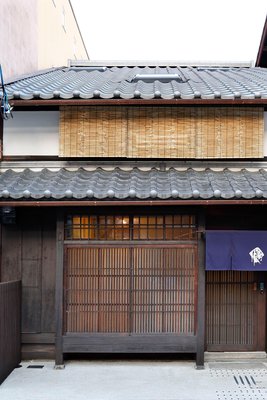
Kyo No Ondokoro Kamanza Nijo #2
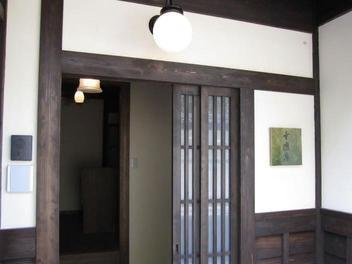
Gion Koyu an Machiya House
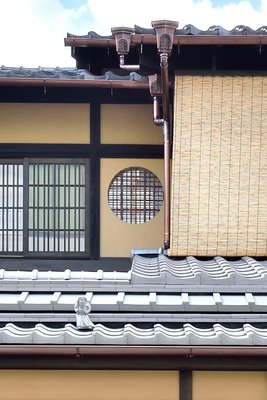
Kyo No Ondokoro Gokomachi Ebisugawa #3

Sana Mane - Glamp Domes
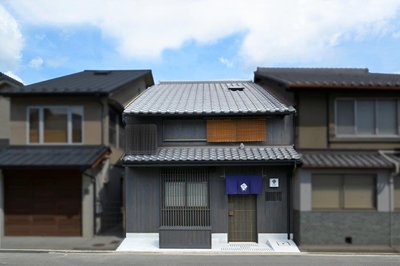
Kyo No Ondokoro Goshonishi #6
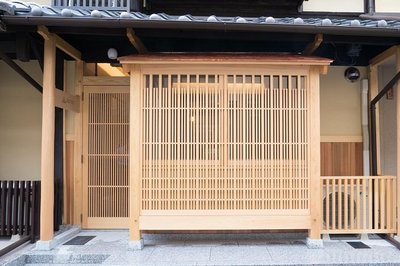
Kyomachiya Suite Rikyu
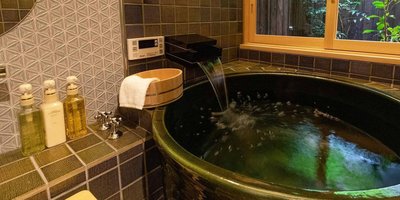
Kyoisuke

Hotel Barrière Fouquet's New York
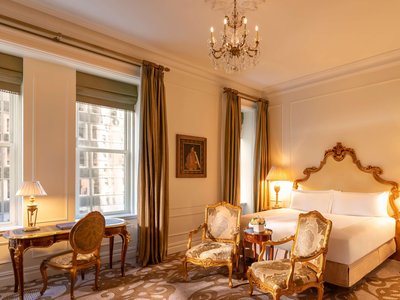
The Plaza - A Fairmont Managed Hotel
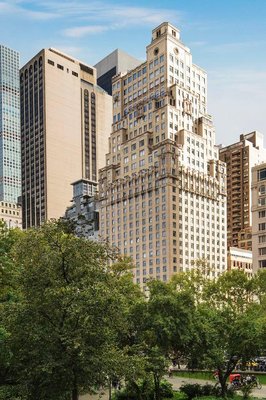
The Ritz-Carlton New York, Central Park
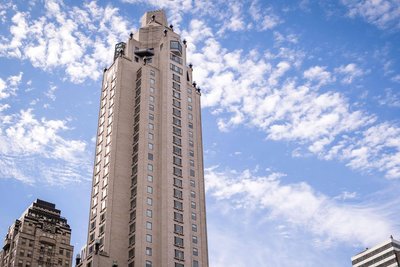
Four Seasons Hotel New York

The St. Regis New York
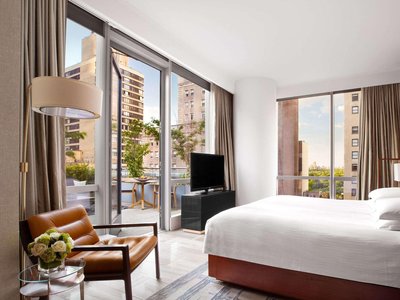
Park Hyatt New York
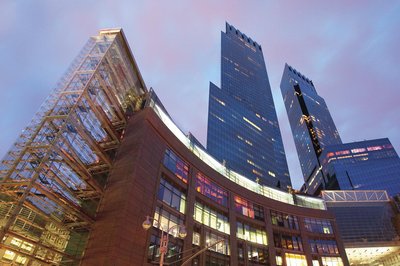
Mandarin Oriental New York
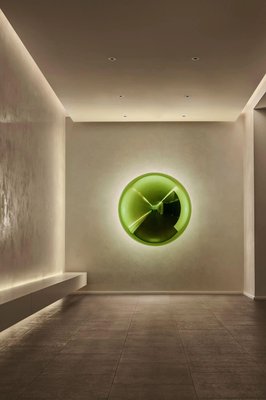
Times Square Edition New York

Loews Regency New York Hotel
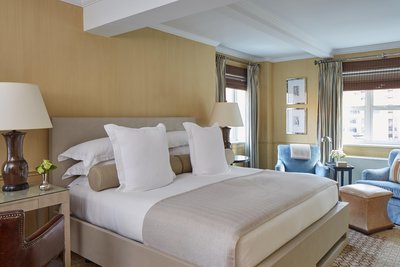
Lowell Hotel
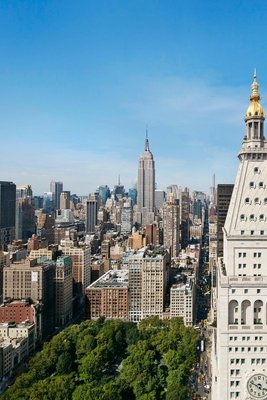
New York Edition
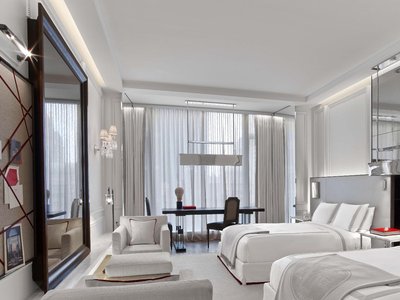
Baccarat Hotel New York
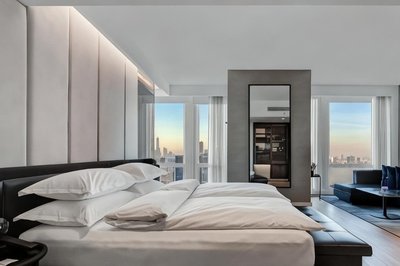
Equinox Hotel New York

Four Seasons Hotel New York Downtown
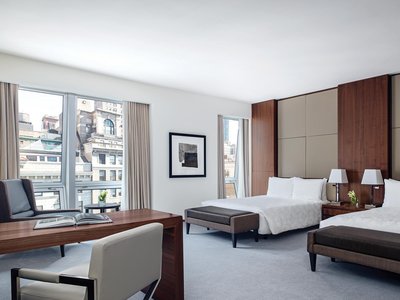
The Langham, New York, Fifth Avenue

The Carlyle, A Rosewood Hotel

The Chatwal, in the Unbound Collection by Hyatt
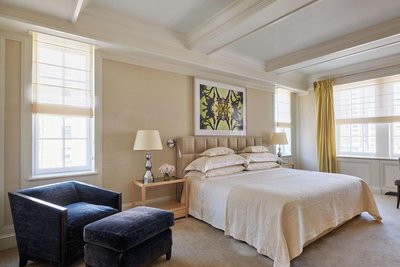
The Mark New York
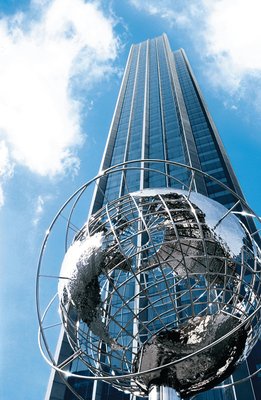
Trump International Hotel & Tower® New York
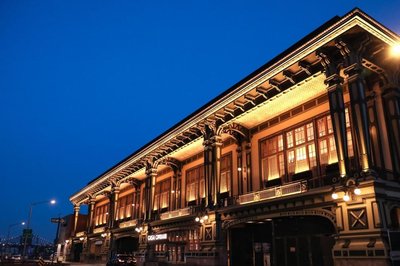
Casa Cipriani New York
Frequently Asked Questions about Traveling to Kamikatsu
Questions You Might Need to Know About Traveling to Kamikatsu
In Kamikatsu, the standout eco-lodging is Mori no Ie Ryokan, a former schoolhouse transformed into a sustainable retreat nestled in the Shikoku Mountains. Built with reclaimed wood and solar panels, every room features natural materials and zero-waste practices. Guests can join hands-on workshops like kōzo paper-making or wild foraging tours led by local artisans.
Another gem is Kataoka Forest Cabin, perched at 600 meters above sea level with panoramic views of red maple forests and misty valleys. It runs entirely on renewable energy and uses composting toilets. Both properties emphasize zero-waste living, with guests encouraged to sort waste into 12 categories—a hallmark of Kamikatsu’s world-renowned recycling system. Book early—these unique stays fill up fast.
The best areas for accommodation in Kamikatsu are Ōmachi Center and Takabata District. Ōmachi offers easy access to town hall, the library, and local cafes, ideal for travelers seeking quiet cultural immersion. Takabata, deeper in the Shikoku Mountains, provides serene forest surroundings perfect for nature lovers and those wanting to experience authentic rural life.
Both zones host family-run guesthouses and eco-cabins that offer guided forest walks, organic farming experiences, and even stargazing nights. With minimal light pollution and crisp mountain air, Takabata is especially recommended for night photography and peaceful solitude. Choose a stay near a stream or forest edge for the most immersive experience.
Kamikatsu is renowned for its paper heritage. Visit the Kamikatsu Washi Workshop to craft traditional kōzo paper using century-old techniques—soaking, pounding, and hand-pulping mulberry bark. Each sheet becomes a personal keepsake.
Attend the annual Kamikatsu Paper Festival in October, showcasing intricate art pieces from lanterns to origami installations. Another highlight is the Forest Meditation Retreat, led by Zen practitioners in the Shirakami-Sanchū forest, where participants practice mindful breathing amid ancient trees.
Some lodges also offer overnight camping in forest cabins with candlelit dinners and storytelling sessions under the stars—perfect for deep connection with nature and tradition.
Yes, Kamikatsu is highly family-friendly. Stay at Midoriyama Kids Nature House, a renovated elementary school turned eco-kids’ hostel featuring a nature classroom, insect observation garden, and mini farm where children can plant vegetables and feed goats.
The town hosts weekly Family Nature Workshops on topics like plant identification, stream ecology, and woodcrafting, all free or low-cost. The Takabata River Trail has child-safe paths with interactive signs and nature puzzles, turning hikes into educational adventures.
All activities are supervised by trained staff, and many accommodations provide family-friendly meals using organic local produce. This peaceful, green environment fosters curiosity, creativity, and connection—ideal for raising young explorers.
Kamikatsu’s cuisine centers on wild mountain ingredients and organic farming. Must-try is Yamagata Nabe, a hearty hot pot made with seasonal wild greens like ferns, fuki-no-to, and mountain celery, simmered over a charcoal hearth. Try it at Mori no Shokudō, a family-run restaurant using fresh, locally sourced ingredients.
Another specialty is Washi Mochi, soft rice cakes made with kōzo tree pulp flour and filled with matcha or red bean paste. Available at the local craft market. Locals also enjoy wild honey, harvested from native beehives, which adds a subtle pine flavor to toast or yogurt. These dishes reflect the town’s commitment to zero-waste, hyper-local eating—a true taste of Shikoku’s untouched wilderness.
To reach Kamikatsu, take the Tokushima Bus from Tokushima Station to Kamikatsu Town Hall, a 90-minute journey with 3–4 daily departures. For more flexibility, rent a car via Kōtō Expressway then follow Prefectural Route 5 through scenic mountain roads.
Within town, the Community Shuttle Bus (Kōkai Bus) connects major sights and lodgings like Ōmachi and Takabata. Check schedules in advance via the Kamikatsu Tourism Association website. Many guesthouses offer free pickup services, especially helpful for elderly travelers or families with luggage. HopeGoo ahead is essential during peak seasons.
Kamikatsu has a temperate humid climate with distinct seasons. Spring (March–May) brings blooming foliage and mild temps (10–18°C), ideal for hiking and foraging. Summer (June–August) is warm and humid, occasionally affected by typhoons, but the mountains offer cool relief.
Autumn (September–November) is the prime season—temperatures hover between 12–22°C, and the maple forests turn vibrant red. Perfect for photography and forest walks. Winter (December–February) is cold and dry, with occasional snow, though snowfall is light due to elevation. Pack layers and waterproof footwear year-round. Always check Japan Meteorological Agency forecasts before travel to avoid disruptions.
Top photogenic locations in Kamikatsu include the Shirakami Mountain Viewpoint, offering sweeping vistas of emerald forests and drifting clouds—ideal for sunrise shots. The Washi Paper Bridge, a delicate arch woven from hundreds of handmade sheets, glows in golden light and reflects beautifully in the Takabata River.
Ōmachi Old Stone Path features moss-covered walls and vintage wells, evoking timeless Japan. For a hidden gem, visit the Red Cabin in the Woods, a surreal artist installation deep in the forest, accessible only via guided tour. Best photographed at dawn or dusk when light filters softly through the trees—perfect for moody, artistic compositions.
Kamikatsu is globally recognized as a zero-waste pioneer. Since 2000, the town has achieved a 97% recycling rate by sorting waste into 12 categories—including compost, glass, metal, and paper—ensuring nearly all materials are reused or repurposed.
The community operates a centralized recycling center and hosts monthly swap markets where residents exchange clothes, books, and tools. Over 80% of homes use solar power, and some lodges run on full self-sufficiency. Strict forest management policies limit logging to sustainable cycles, preserving biodiversity.
Visitors can join forest clean-up events or paper recycling workshops, learning how to transform waste into art. These efforts exemplify circular living—a model for sustainable tourism and community resilience.
Evenings in Kamikatsu are magical. Join the Firefly Night Walk (June–August) along the Takabata River, where thousands of fireflies illuminate the forest in a glowing spectacle, accompanied by lantern processions and ambient music.
On clear nights, attend Stargazing Sessions atop Shirakami Mountain, equipped with telescopes and expert guides explaining constellations and meteor showers. With minimal light pollution, the Milky Way shines brilliantly.
Some lodges offer overnight forest cabin stays with campfires, grilled local food, and storytelling under the stars. Others host washi lantern exhibitions, where handmade lights cast soft shadows on trees and streams. Reservations are required—book early for these unforgettable experiences.
Kamikatsu Overview
City Summary
Kamikatsu, located in Tokushima Prefecture, Japan, is renowned for its natural beauty and eco-friendly initiatives. Known as the "Zero Waste Town," its residents actively participate in recycling, showcasing a unique sustainable lifestyle. Surrounded by lush forests and clear streams, it's an ideal escape from urban chaos.
Must-See Attractions
Kamikatsu's natural landscapes are its highlight. Visit Kashihara's terraced rice fields, designated as an Important Cultural Landscape of Japan. Saihate no Sato offers seasonal colors, especially autumn foliage. For eco-enthusiasts, the Zero Waste Center displays the town's recycling achievements.
Food Guide
Kamikatsu is famous for local ingredients. Try wild vegetable dishes like warabi and udo. Restaurants often use organic produce, and Kashihara's rice is a must-try. The town's citrus fruits, like yuzu, are used in drinks and desserts.
Transportation Guide
Public transport in Kamikatsu is limited. Renting a car is recommended; it's about 1.5 hours from Tokushima City. No trains serve the town, but buses run from Tokushima Station (schedule in advance). Distances between attractions are long, so consider biking or taxis.
Best Time to Visit
Spring and autumn are ideal. Spring (March-May) offers cherry blossoms and greenery, while autumn (September-November) features stunning foliage. Summers are hot, and winters may bring snow, with some sites closed.
Travel Tips
- Recycling Rules: Strictly follow local waste sorting; the town aims for zero waste.
- Respect Nature: Avoid picking plants or disturbing ecosystems.
- Cash Payments: Some shops don’t accept cards; carry sufficient cash.
- Language Barrier: English is rare; use translation apps.
- Comfortable Attire: Wear outdoor-friendly clothing and shoes.
- Book Ahead: Some restaurants/activities require reservations.
Useful Information
Language: Japanese is primary; English is limited. Internet: Spotty in areas; bring a Wi-Fi device. Payments: Cash dominates; few places accept cards. Emergencies: Nearest hospital is in Tokushima City; travel insurance is advised. Emergency Contacts: Police: 110, Ambulance: 119.