Hotels in Kamikitayama
Discover your perfect stay in Kamikitayama.
Kamikitayama(Japan) Travel 2026: Cheap Flights, Hotels & Top Attractions
Popular Landmarks in Kamikitayama
Discover the most iconic attractions in Kamikitayama
Recommended Hotels in Kamikitayama
Find the perfect place to stay in Kamikitayama
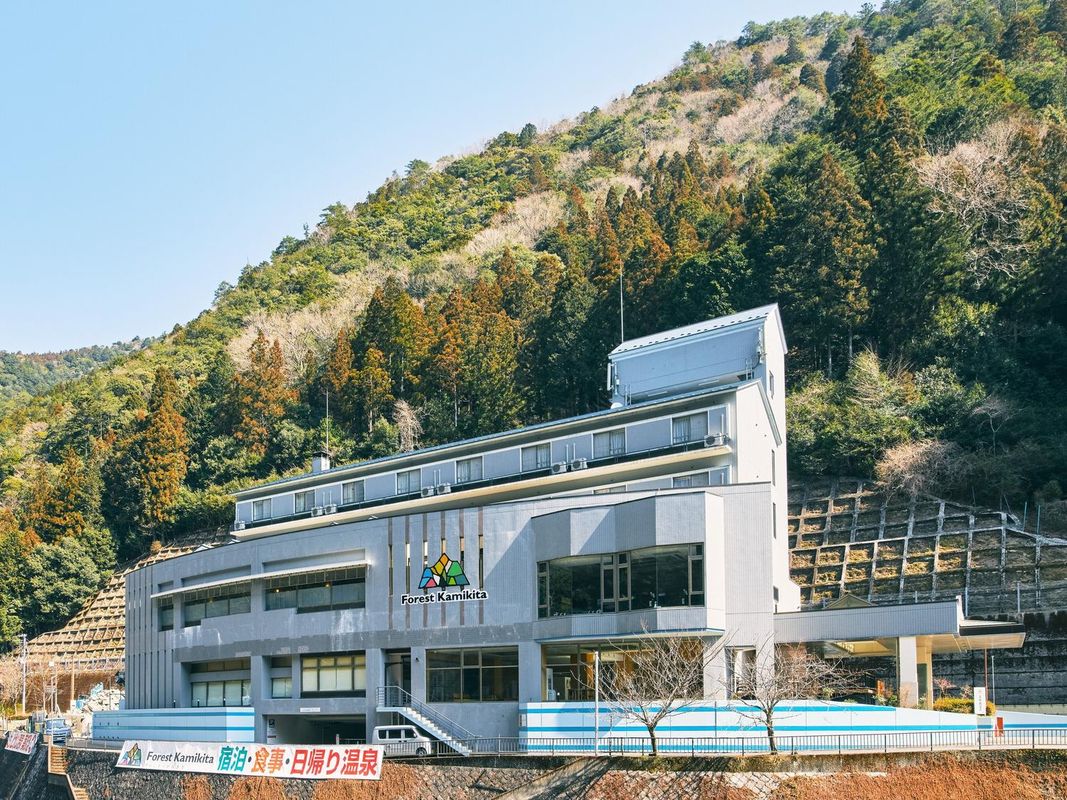
Forest Kamikita
Best Hotels in Kamikitayama
Discover curated hotel collections in Kamikitayama
Shima Kanko Hotel the Bay Suites
Loquat Nishiizu
Byaku Narai
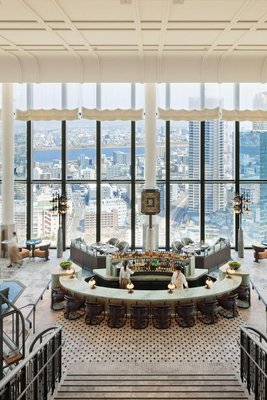
Waldorf Astoria Osaka
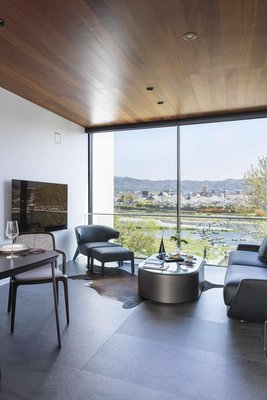
Kamo Residences by Reflections
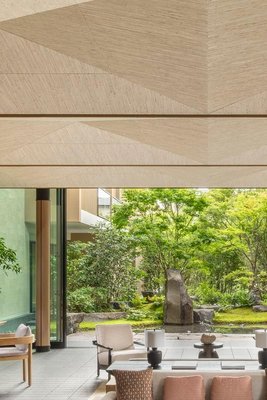
Six Senses Kyoto
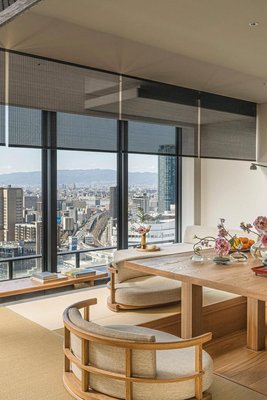
Four Seasons Hotel Osaka
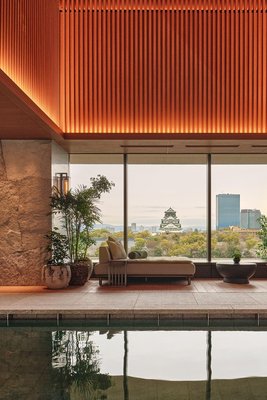
Patina Osaka

The Ritz-Carlton, Osaka
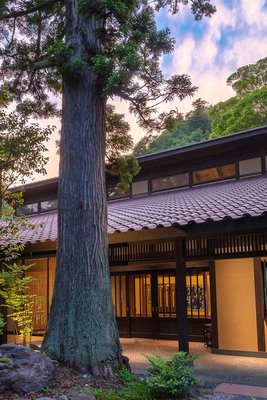
Arimasansoh Goshobessho
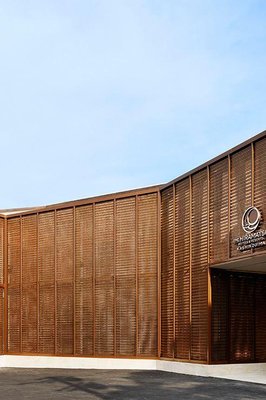
The Hiramatsu Hotels & Resorts Kashikojima
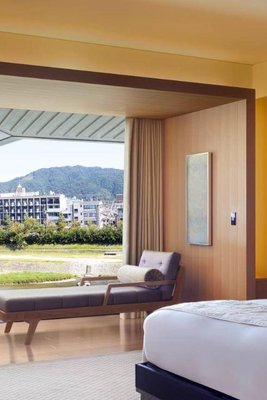
The Ritz-Carlton, Kyoto
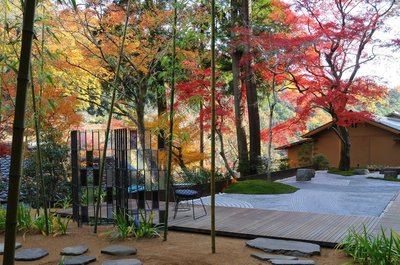
HOSHINOYA Kyoto
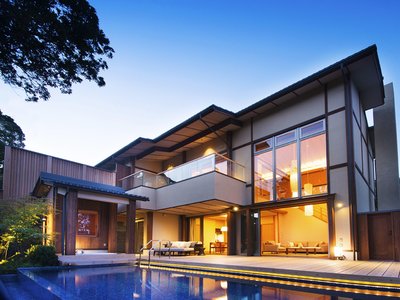
Abba Resorts Izu - Zagyosoh
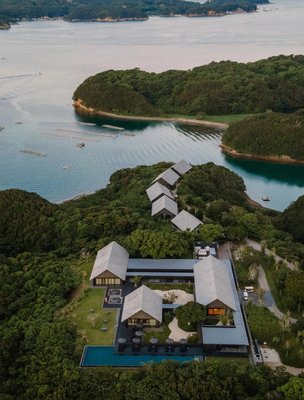
Amanemu
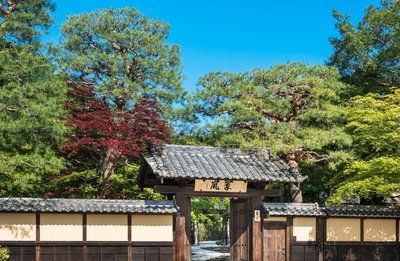
Suiran, a Luxury Collection Hotel, Kyoto
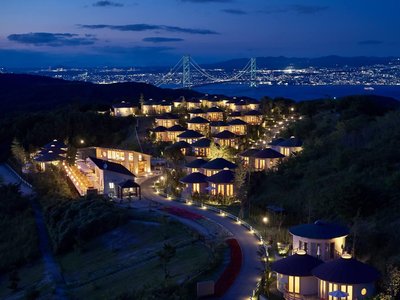
Grand Chariot Hokutoshichisei 135°
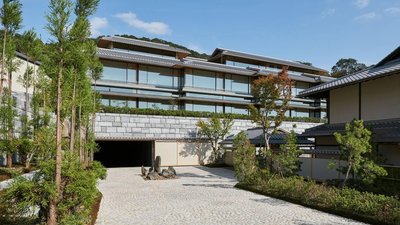
Park Hyatt Kyoto
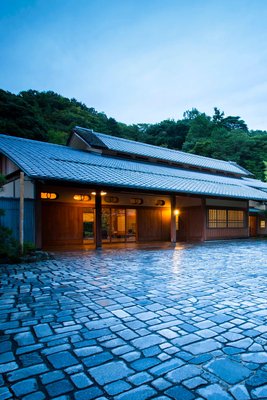
Sanyo-so
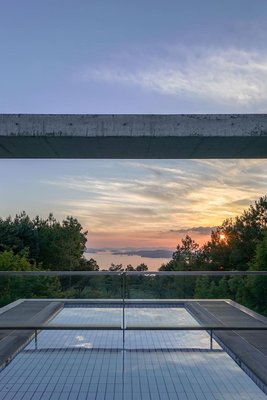
SETOUCHI RETREAT by Onko Chishin
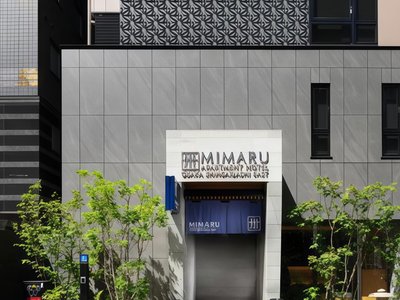
MIMARU Osaka Shinsaibashi East

Toba International Hotel Shiojitei
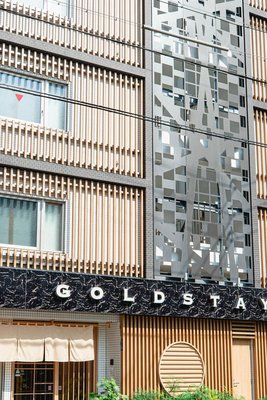
Gold Stay Nagoya OSU
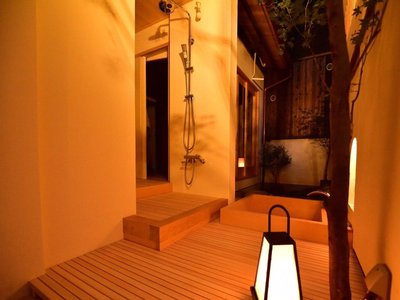
Yado Kiramachi
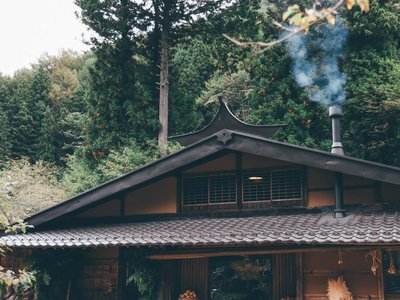
La Terra Resort
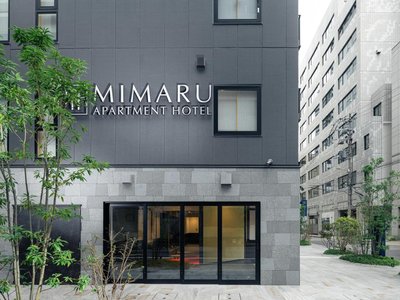
MIMARU Osaka Shinsaibashi North
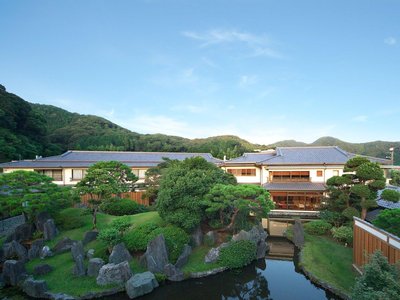
Kagetsutei
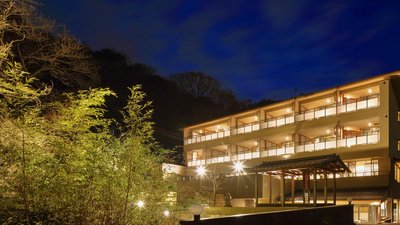
Okuno Hosomichi
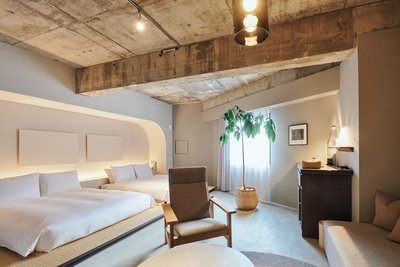
Korinkyo

GOLD STAY Nagoya Sakae
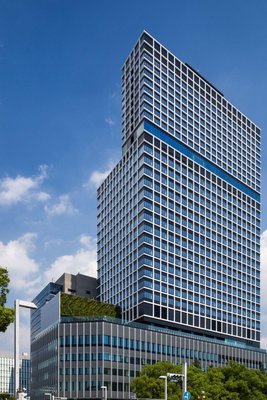
The Royal Park Hotel Iconic Nagoya
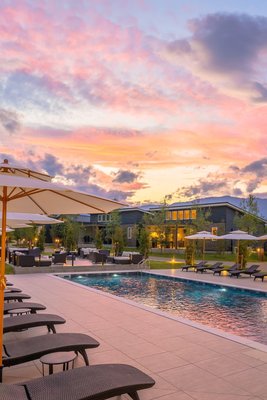
Awaumi Fujikawaguchiko Resort
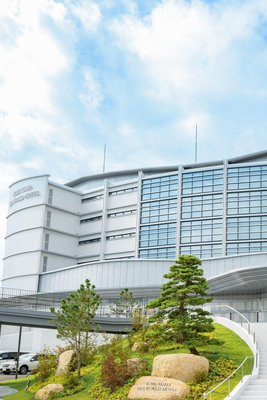
Kobe Suma Sea World Hotel
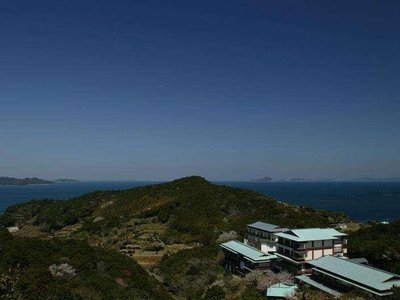
Hanashinsui
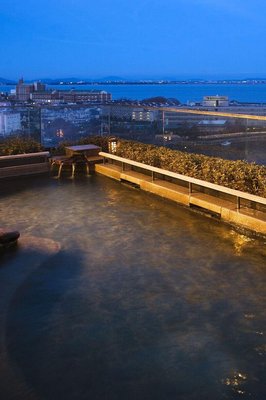
Yumotokan
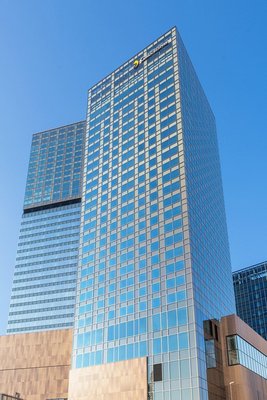
Hotel Hankyu GRAN RESPIRE OSAKA
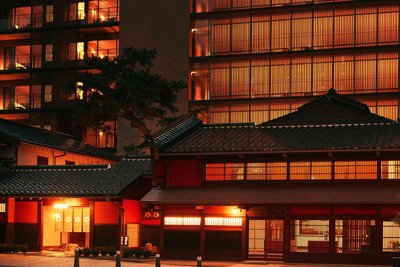
Hoshino Resorts Kai Kaga
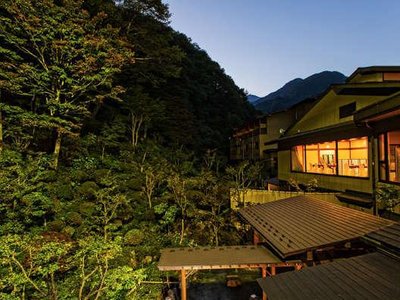
Futari Shizuka

Taikyourou
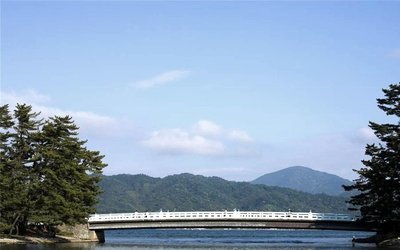
Monjusou Shourotei
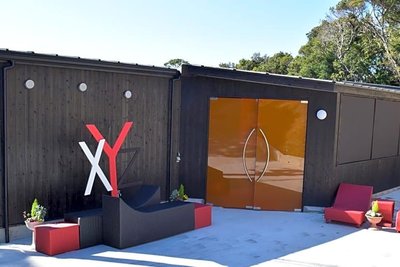
XYZ Private Spa and Seaside Resort
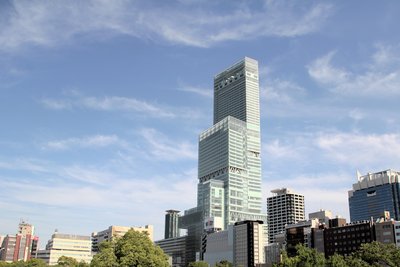
Osaka Marriott Miyako Hotel
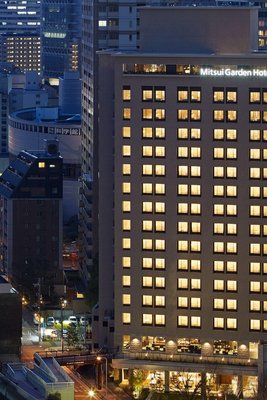
Mitsui Garden Hotel Osaka Premier
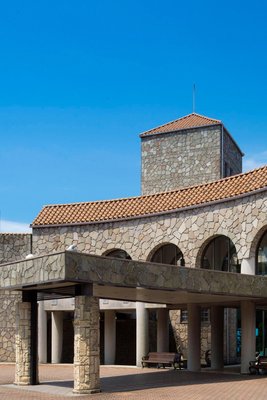
Izumigo Hotel Altia Toba
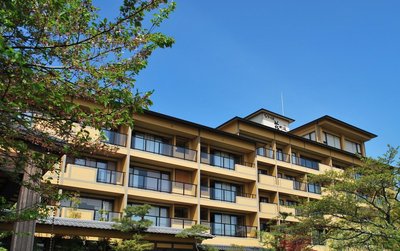
BIWAKO HANAKAIDO
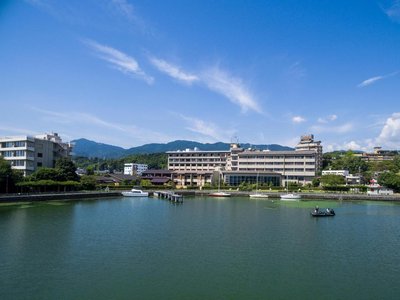
Biwako Ryokusuitei
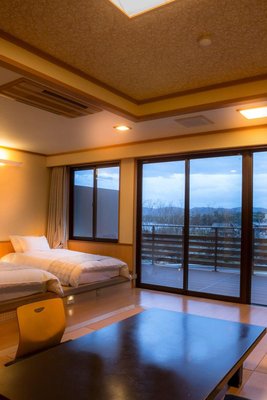
Hotel Kitanoya
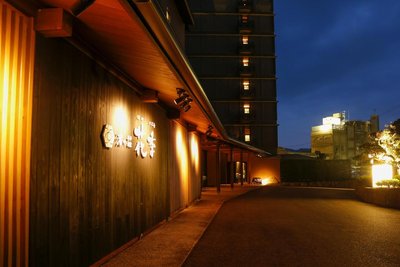
Hanagoyomi
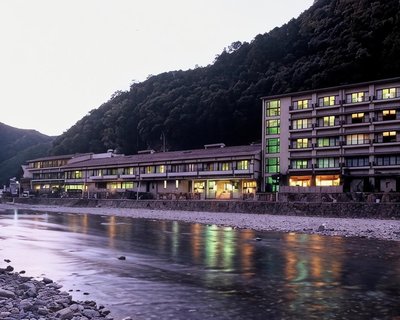
Kawayu Onsen Fujiya
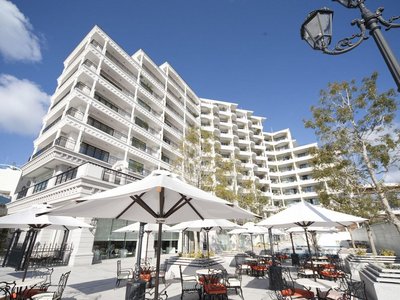
Hotel La Suite Kobe Harborland
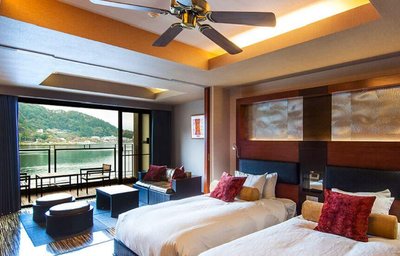
The Kukuna

AoAwo Naruto Resort
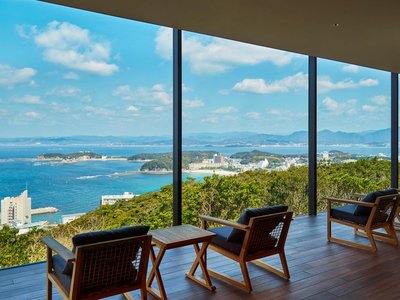
Infinito Hotel and Spa
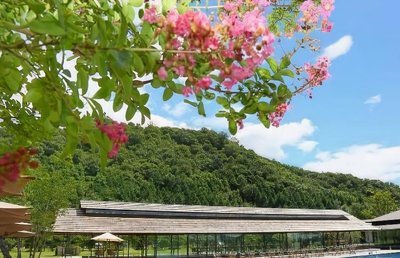
Bella Vista Spa and Marina Onomichi
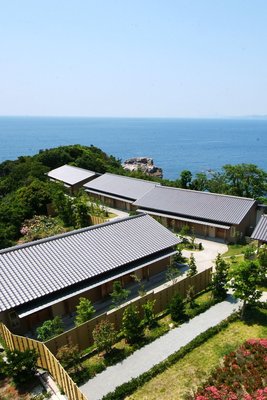
Hamachidorinoyu Kaisyu
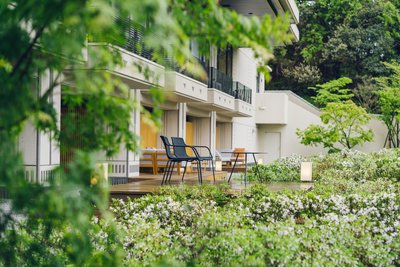
Hoshino Resorts Kai Enshu
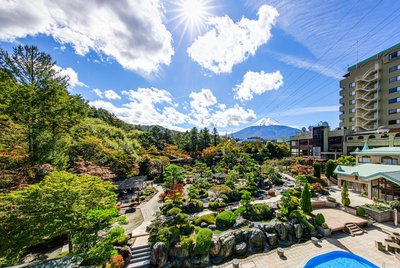
Kaneyamaen
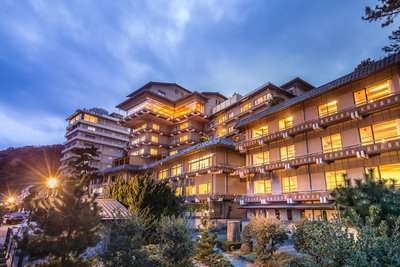
Bousui
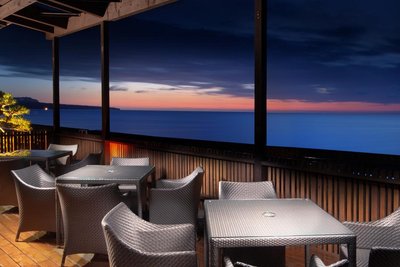
Tsuruya Kisshotei
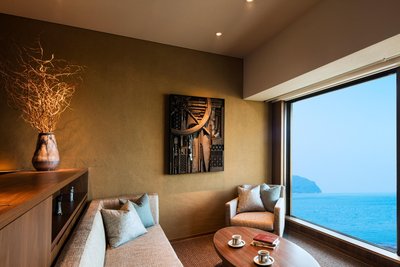
Hoshino Resorts Kai Anjin
Yado Kiramachi
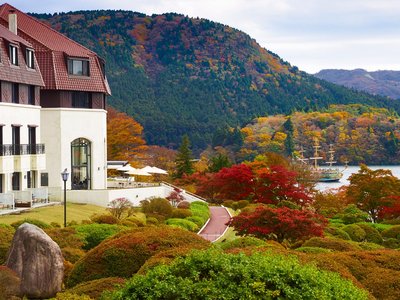
Hotakajyo
Arimasansoh Goshobessho
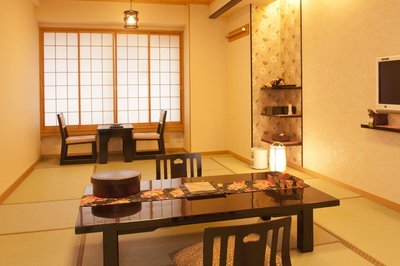
Matsui-Bekkan Hanakanzashi
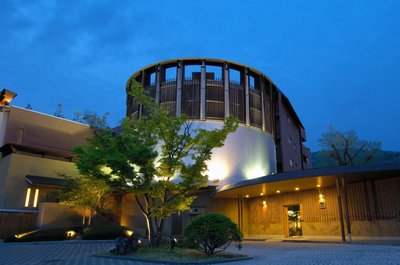
Hoshino Resorts Kai Matsumoto
Taikyourou
Monjusou Shourotei
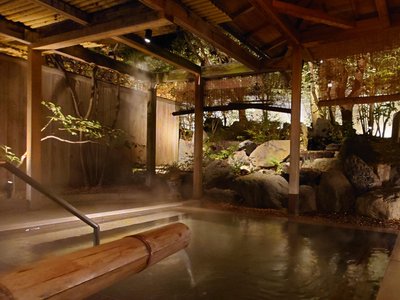
Kasuga Hotel
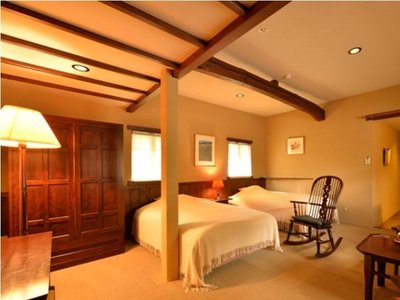
Ryokan Sugimoto
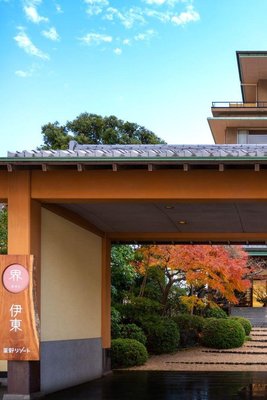
Hoshino Resorts Kai Ito
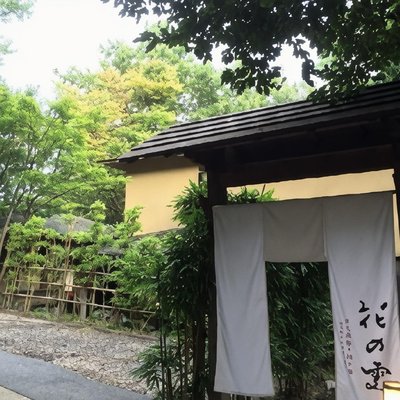
Hana No Kumo
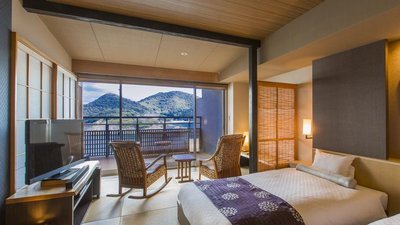
Migiwatei Ochi Kochi
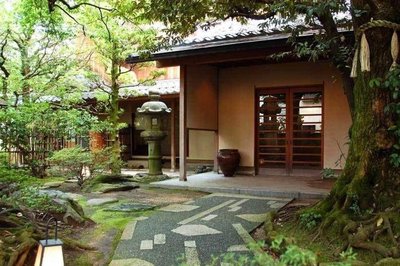
Kocho
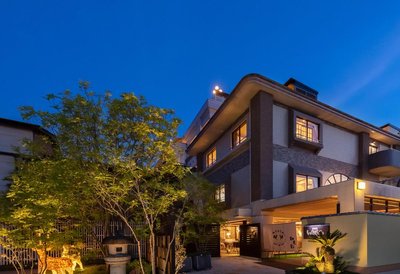
Hotel New Wakasa
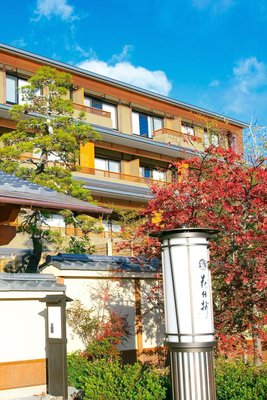
Kyoto Arashiyama Onsen Kadensho (Kyoritsu Resort)
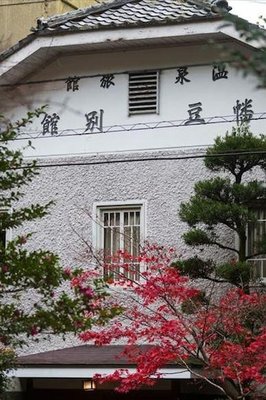
Oku-Mikawa・Yuya Onsen HAZU Bekkan
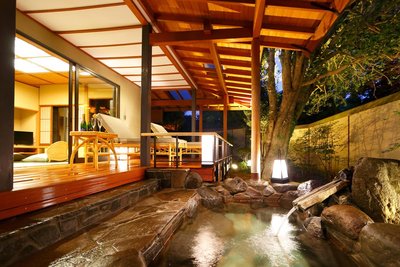
Yoshiharu Ryokan – Izu Nagaoka Onsen
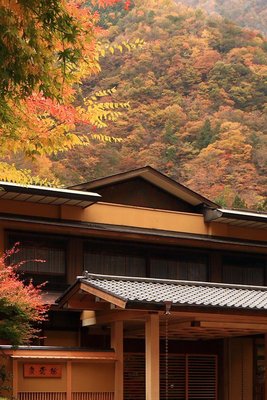
Nishiyama Onsen Keiunkan
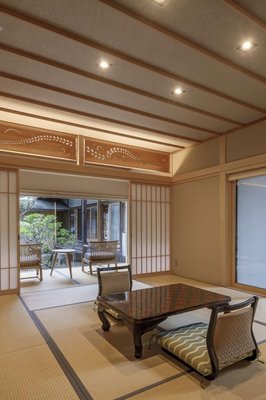
Ichijoin
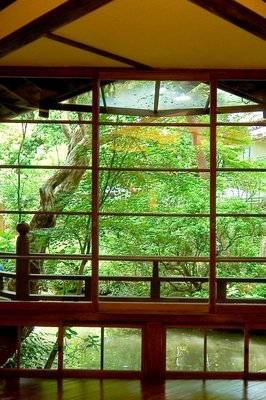
Yukairo Kikuya
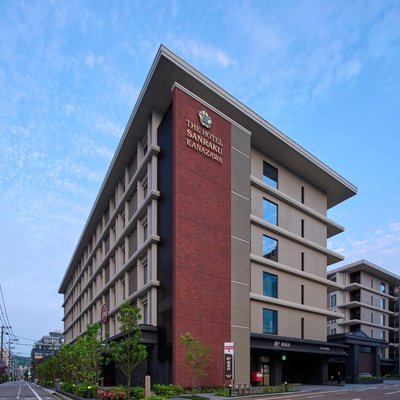
The Hotel Sanraku Kanazawa 21th December 2022 Open
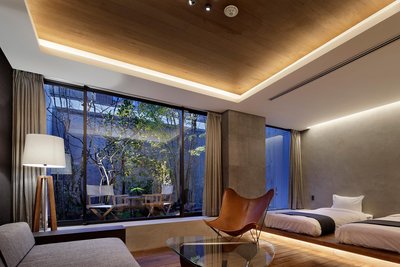
22 PIECES
The Ritz-Carlton, Osaka

The Thousand Kyoto
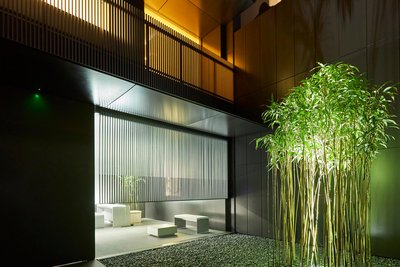
Mogana
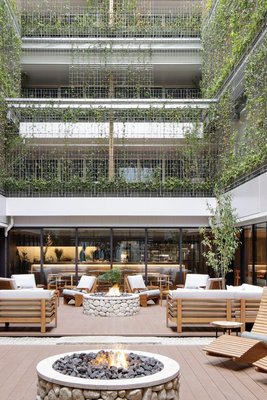
GOOD NATURE HOTEL KYOTO
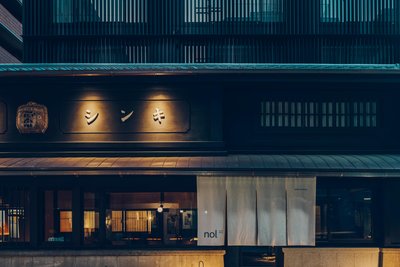
Nol Kyoto Sanjo
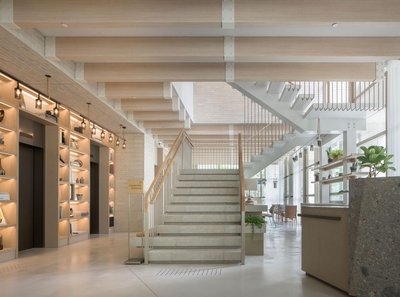
Zentis Osaka
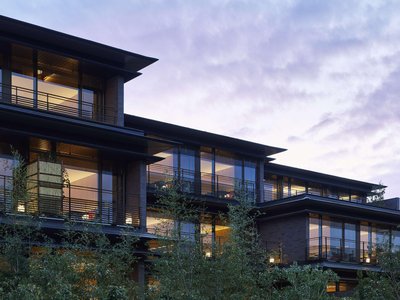
Garrya Nijo Castle Kyoto
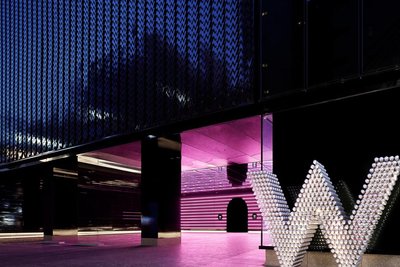
W Osaka

Hotel Kanra Kyoto

Aloft Osaka Dojima
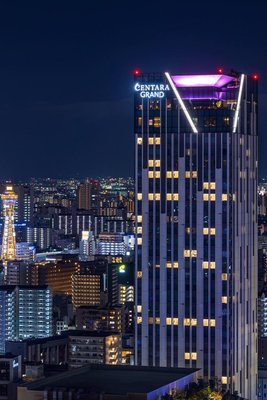
Centara Grand Hotel Osaka
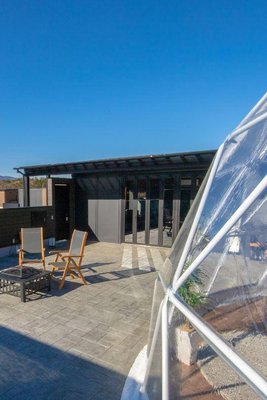
Panoramic Mt. Fuji Views from All Rooms – Vision Glamping Resort & Spa Yamanakako

voco Osaka Central

TIAD, AUTOGRAPH COLLECTION
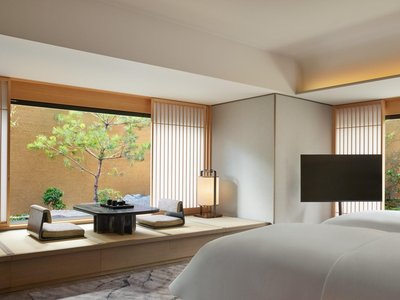
Dusit Thani Kyoto
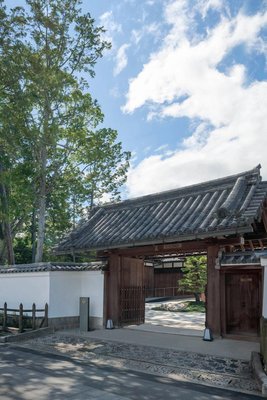
Shisui, a Luxury Collection Hotel, Nara

Hilton Kyoto
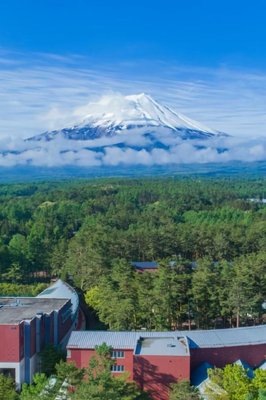
Forest Village (Fuji Premium Resort)
Osaka Marriott Miyako Hotel
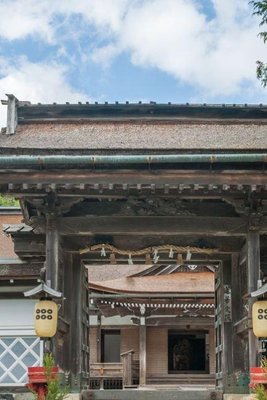
Koyasan Rengejoin
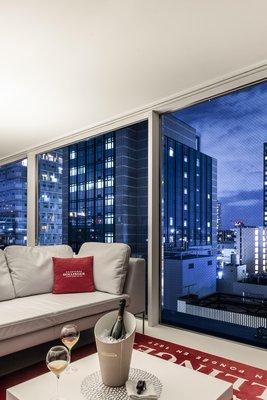
CUVÉE J2 HOTEL OSAKA by Onko Chishin
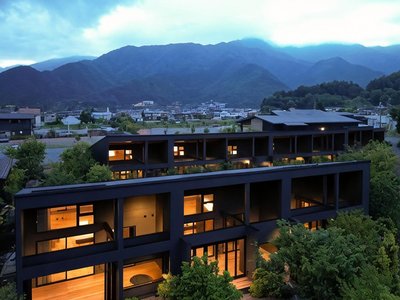
7C Villa and Winery
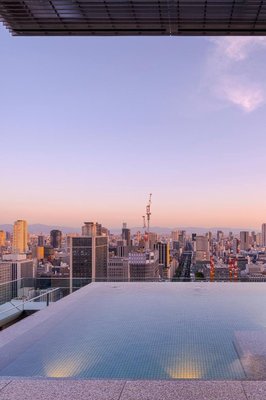
Candeo Hotels Osaka The Tower
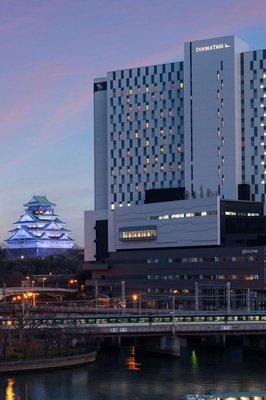
DoubleTree by Hilton Osaka Castle
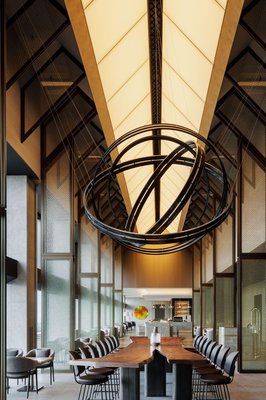
The Osaka Station Hotel, Autograph Collection
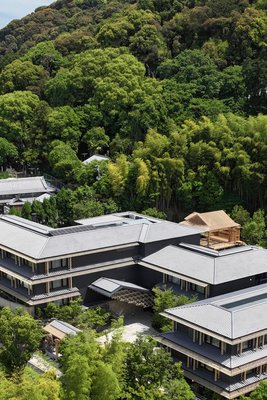
Banyan Tree Higashiyama Kyoto
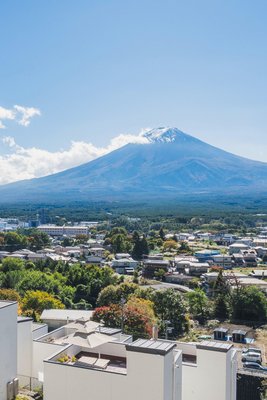
THE TOKI FujiKawaguchiko
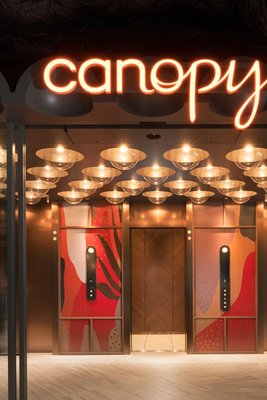
Canopy by Hilton Osaka Umeda
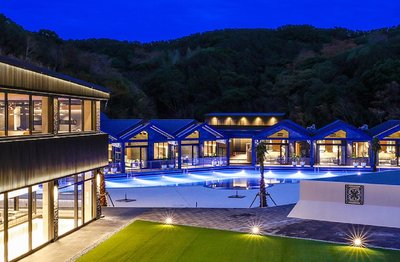
FIVE SPRING RESORT THE SHIRAHAMA
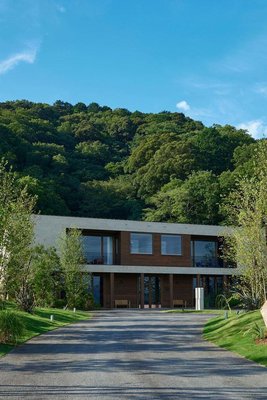
HACIENDA VISON
Osaka Marriott Miyako Hotel
The Ritz-Carlton, Osaka
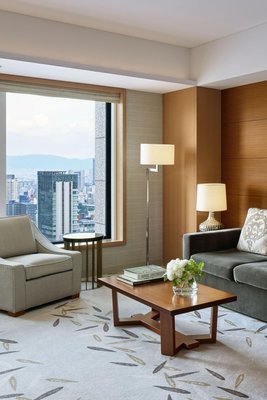
InterContinental Hotel Osaka
The Ritz-Carlton, Kyoto
Suiran, a Luxury Collection Hotel, Kyoto
GOOD NATURE HOTEL KYOTO
Park Hyatt Kyoto

Hyatt Centric Kanazawa
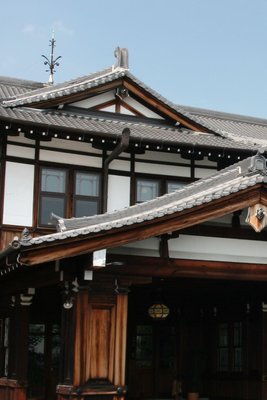
Nara Hotel
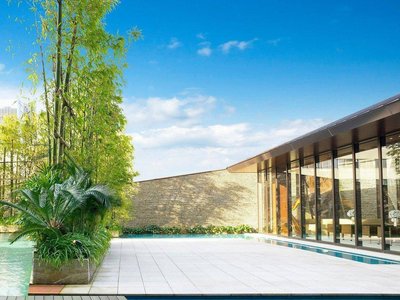
ORIENTAL HOTEL
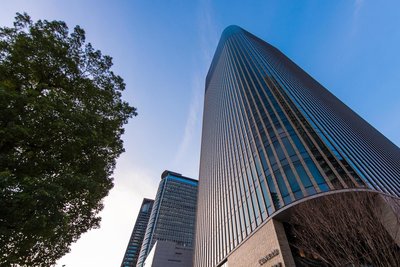
Conrad Osaka
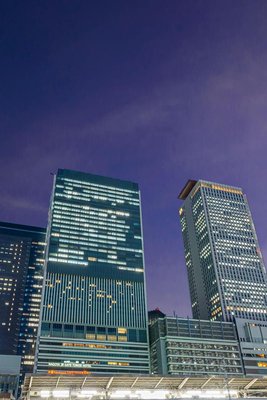
Nagoya JR Gate Tower Hotel (JR-Central Hotels)

Hotel New Otani Osaka
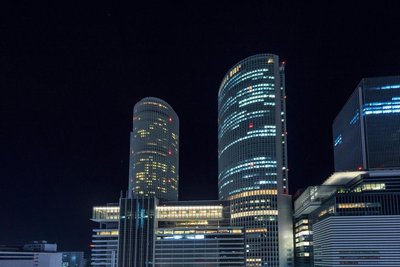
Nagoya Marriott Associa Hotel
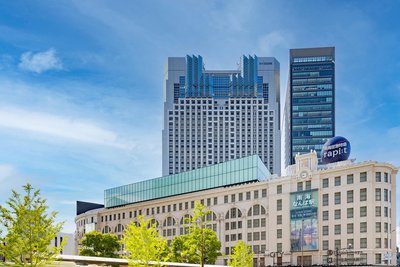
Swissotel Nankai Osaka
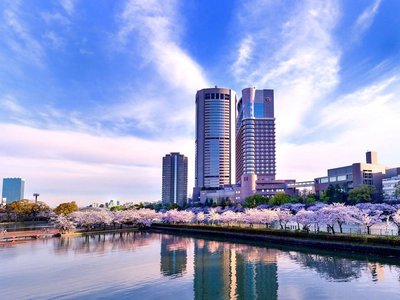
Imperial Hotel Osaka

The St. Regis Osaka
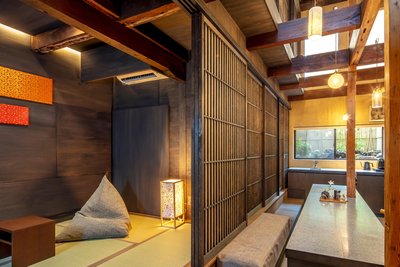
Kyo No Oozora Kihana
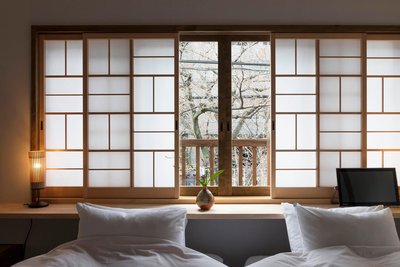
Hanagoromo Machiya House
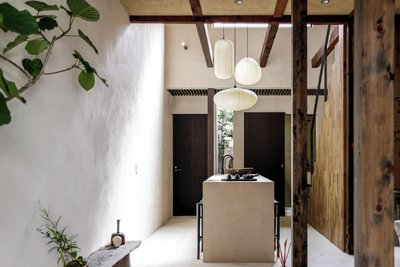
Maana Kiyomizu
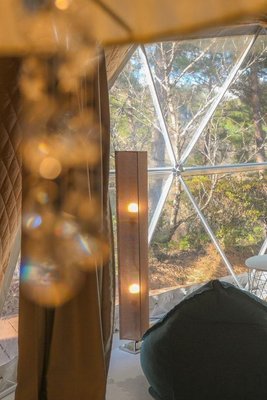
glampark Gekkabijin Nagano
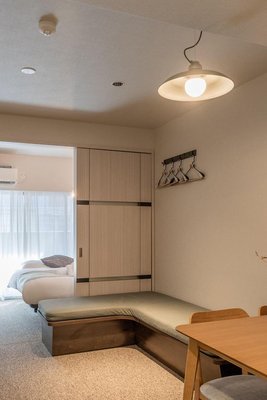
Apartment Hotel 11 Shinsaibashi
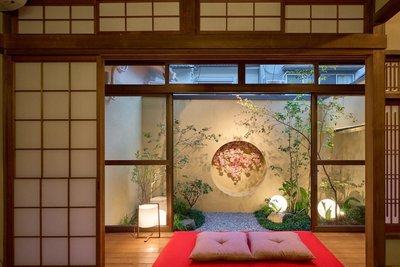
KONJAKUSO Osaka Tengachaya "NIHONCHA" Tea & Relax
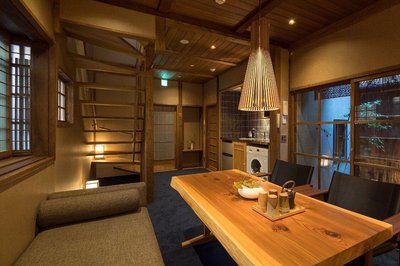
Bonbori an Machiya House
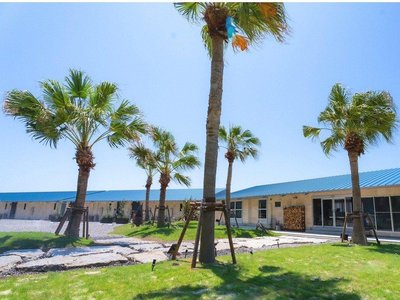
Glamping&Resort Wood Design Park Noma
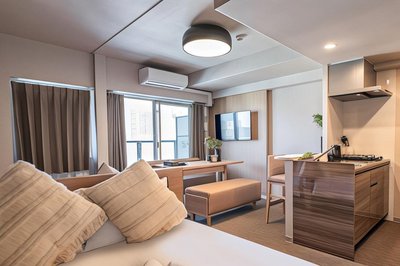
Apartment Hotel 11 Shinsaibashi III
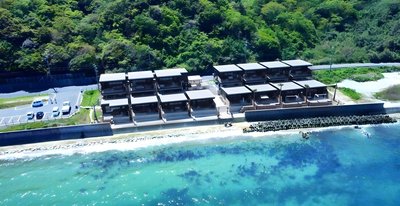
Solavilla Umi Terrace Minamiawaji
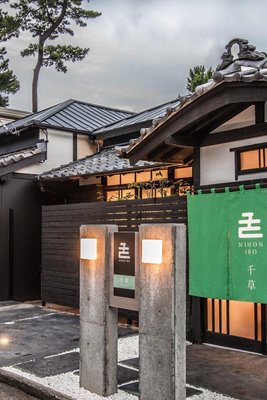
Nihon Iro
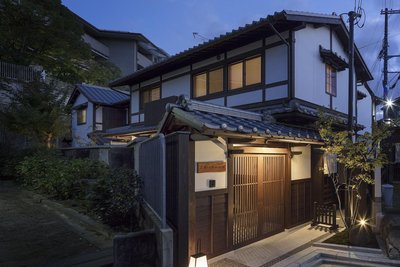
The Machiya Villa Sanjo Shirakawa Koji
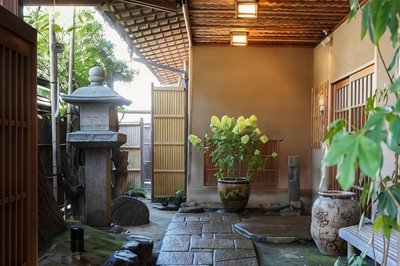
Ryokan Asadaya
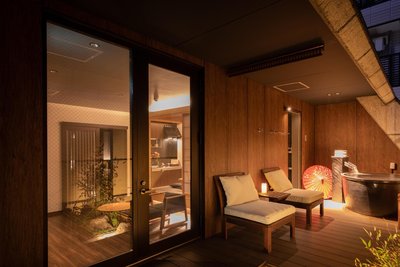
Konjaku-So Dotonbori
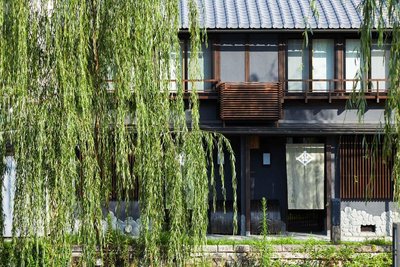
Gion Shirakawa No Yado

Kitashirakawa Natural Radium Onsen
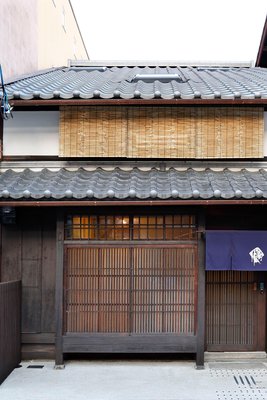
Kyo No Ondokoro Kamanza Nijo #2
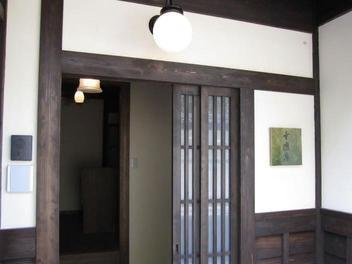
Gion Koyu an Machiya House
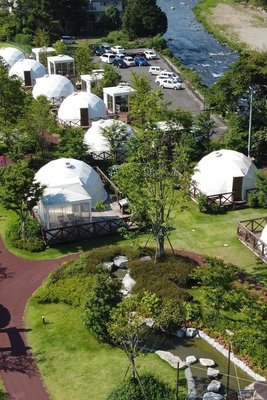
Ufufu Village
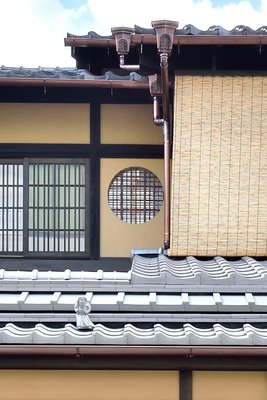
Kyo No Ondokoro Gokomachi Ebisugawa #3
Frequently Asked Questions about Traveling to Kamikitayama
Questions You Might Need to Know About Traveling to Kamikitayama
In Upper Kita Village, stay at Hokubanoyado, a former farmstead transformed into a serene boutique inn. Each room features traditional tatami mats and private viewing decks overlooking misty mountain valleys. The hosts offer local experiences like foraging Nara wild vegetables and tasting handcrafted plum sake. Located just a 5-minute walk from Kitayama Shrine, it’s perfect for early morning meditation or quiet strolls. The inn also provides access to the Yoshino River Trail, making it an ideal base for nature lovers seeking tranquility and immersion in rural Japanese life. Book ahead—rooms fill quickly during peak seasons.
The best place to stay in Upper Kita Village is the central village district, where most boutique lodgings and small guesthouses cluster near major attractions and trailheads. This area offers easy access to Kitayama Shrine and the Yoshino River Walking Path, ideal for morning walks or evening relaxation. Surrounded by dense forest, it’s peaceful and secluded, with stunning mountain views and exceptional night sky visibility. Though there’s no direct train, you can reach the village via bus from Nara Station in about one hour. For maximum flexibility, consider renting a car or HopeGoo a shuttle service. Many inns here provide onsen baths and organic breakfasts, enhancing your mountain retreat experience.
A must-try cultural experience in Upper Kita Village is the handmade washi paper umbrella workshop. At Kitayama Craft Studio, visitors learn traditional Japanese paper-making techniques using locally sourced washi. You’ll craft your own umbrella, selecting bamboo frames and decorating it with symbolic patterns like pine, bamboo, and plum—representing longevity and resilience. Additionally, attend the annual Kitayama Festival, where locals wear ancient hunting garments, perform taiko drumming, and serve regional dishes. Afterward, enjoy a bowl of wild fern miso soup made with spring water—a taste of authentic mountain life and heritage.
Upper Kita Village is ideal for families seeking a peaceful, nature-focused getaway. Many inns offer family-friendly rooms with child-safe furnishings, games, and outdoor play areas. Nearby, the Yoshino River Trail is perfect for kids to splash in clear waters and explore rock pools, while the Forest Education Garden features interactive signs teaching local flora and fauna. Parents can relax at a hillside tea house, enjoying panoramic views. The air is clean, the nights dark—great for stargazing. Choose a villa with a garden for extra space, and avoid peak times for smoother visits. It’s a refreshing break from urban life, with plenty of safe, engaging activities for all ages.
Hotels in Upper Kita Village stand out for their harmony with nature and traditional craftsmanship. Take Mori no Ie, a timber-framed inn built entirely from local wood, with thatched roofs and exposed beams. Rooms feature underfloor heating and floor-to-ceiling windows framing ever-changing mountain vistas—spring cherry blossoms, summer greenery, autumn foliage, winter snow. Some suites include private outdoor hot tubs for soaking under the stars. Hosts prepare meals using locally sourced ingredients, such as wild mushrooms, foraged greens, and mountain trout, served with homemade plum wine. This immersive rural lifestyle experience offers deep connection to place and season—perfect for travelers seeking authenticity and serenity.
Top natural attractions in Upper Kita Village include the Yoshino River Gorge Trail and Kitayama Lookout. The 3-km gorge path runs alongside crystal-clear streams flanked by moss-covered rocks and ancient trees—ideal for summer hikes. Scenic overlooks offer perfect spots for photos and picnics. The Kitayama Lookout, perched at 600 meters, delivers panoramic views of the Nara Basin and distant Daiyo Mountains, especially breathtaking at sunrise when clouds swirl below. Don’t miss Shirakawa Falls, a dramatic 100-meter cascade surrounded by lush forest and rich in negative ions—perfect for a refreshing pause. Wear sturdy shoes and bring a backpack. Clear signage guides the way, but check weather conditions before heading out.
Must-try dishes in Upper Kita Village include Yamabiko Nabe, a hearty stew made with wild ferns, bamboo shoots, mountain mushrooms, and local wild boar, simmered in a rich broth. Another highlight is seasonal vegetable tempura—featuring fresh radish tops, shiso leaves, and mountain celery—lightly fried to perfection. Try artisan sourdough bread baked with mountain spring water, offering a chewy texture and nutty aroma. And don’t leave without tasting homemade plum sake, crafted from wild plums and pure spring water—sweet-tart and excellent as a digestif or souvenir. All ingredients are sourced directly from nearby farms, ensuring freshness and sustainability.
Upper Kita Village is a paradise for photographers, especially those drawn to natural landscapes and cultural details. Early mornings reveal mist-draped Yoshino River Gorge, where reflections on still water create painterly scenes. Sunset brings golden light across the ridgelines, perfect for long-exposure shots. The Kitayama Shrine and old wooden farmhouses showcase timeless Edo-era architecture—red torii gates, creaking wooden verandas, and moss-covered stone steps—ideal for storytelling images. During cherry blossom or autumn foliage seasons, the entire valley bursts into color—ideal for wide-angle panoramas. Bring a tripod and wide-angle lens; shoot during soft light hours. Some inns even offer free photography tours with local guides to help locate the best vantage points.
To reach Upper Kita Village, take a bus from Nara Station—about 1 hour—though schedules are limited, so book tickets in advance. For greater flexibility, rent a car via National Route 24, which winds through scenic countryside with clear signage. Note: No public buses run within the village, so consider bike rentals or walking. Many inns offer complimentary shuttle services—just reserve in advance. In case of rain or winter snow, some roads may close; check Nara Prefecture Transport Authority website or call the local tourism office before departure. For non-drivers, guided day-trip packages with pickup and tour guide are available—offering convenience and expert insights.
Upper Kita Village is an ideal destination for solo travelers seeking peace, reflection, and connection with nature. The pace is slow, the surroundings tranquil, and the community welcoming. Many inns offer single rooms and shared spaces like forest reading huts or tea pavilions, where you can read, journal, or meet fellow wanderers. Local hosts often share stories and hiking tips, enriching your journey. At night, the sky is pitch-black—perfect for stargazing and witnessing the Milky Way. Join a craft workshop or evening mountain dinner to connect with others. With low crime rates and strong sense of safety, this remote village offers a rare opportunity for inner stillness and personal renewal—perfect for those looking to unplug and recharge.
Kamikitayama Overview
City Summary
Kamikitayama Village, nestled in the southeastern mountains of Nara Prefecture, is a serene retreat renowned for its pristine nature and traditional mountain culture. With lush forests and crystal-clear streams, the village preserves ancient thatched-roof houses and terraced fields, offering an authentic Japanese rural escape ideal for solitude seekers.
Must-See Attractions
Don't miss the breathtaking sea of clouds at Odai-ga-hara Plateau during autumn, or the therapeutic waters of Totsukawa Onsen. Explore thatched-house clusters transporting you to the Edo period, and witness fireflies illuminating the valleys at night. Artisans' paper-making workshops and farming cultural programs cater to immersive experiences.
Food Guide
Savor kakinoha-zushi (persimmon leaf sushi) and ultra-fresh tofu made with mountain spring water. Wild vegetable tempura and charcoal-grilled ayu fish at irori hearths define seasonal dining. The village's buckwheat noodles, stone-ground using centuries-old methods, are a must-try, along with unique pickles made from wild butterbur sprouts.
Transportation Guide
From Nara/Osaka, take Kintetsu Railway to Yamato-Kamiichi Station, then transfer to buses (3 daily, 90-minute ride). Limited rental bikes available; most attractions require hiking or pre-arranged transfers. Self-drivers note: mountain roads are narrow with winter snow risks. Offline maps recommended – navigation within the village is straightforward.
Best Time to Visit
Prime seasons are May-June (fresh greenery & fireflies) and October-November (fall foliage & onsens). Summers are cool but risk typhoons; winters offer stunning snowscapes with reduced accessibility.
Travel Tips
- Always ask permission before photographing private properties
- Pack layers for drastic mountain temperature shifts
- Cash is king – few places accept cards
- Carry trash back to accommodations for disposal
- Tattoos prohibited in most onsen facilities
- Use salt to deter leeches near streams
- Some trails require licensed guides
- Bring coins for temple offerings
Useful Information
Basic Japanese is essential with minimal English spoken. Docomo provides the only reliable mobile coverage; paid Wi-Fi available at lodgings. The single clinic handles minor cases – serious emergencies require helicopter evacuation. Post office operates 3 days weekly; handle international mail in Nara City. Carry ¥10,000/day in cash (gas stations are cash-only). Dial #7119 for emergency calls via landlines.









