Hotels in Kamikoani
Discover your perfect stay in Kamikoani.
Kamikoani(Japan) Travel 2026: Cheap Flights, Hotels & Top Attractions
Popular Landmarks in Kamikoani
Discover the most iconic attractions in Kamikoani
Recommended Hotels in Kamikoani
Find the perfect place to stay in Kamikoani
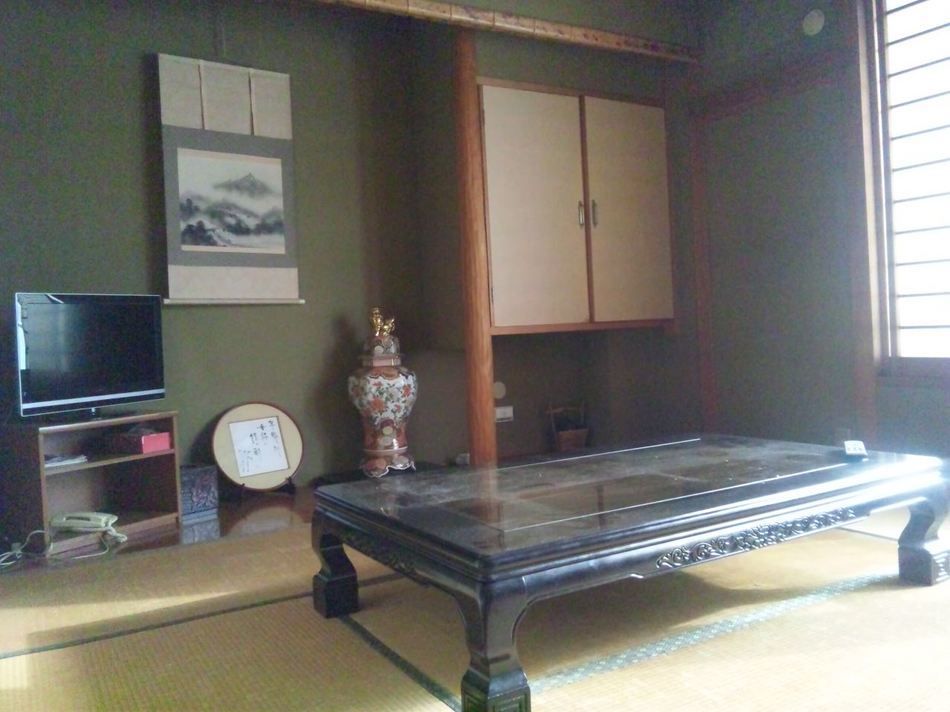
Best Hotels in Kamikoani
Discover curated hotel collections in Kamikoani
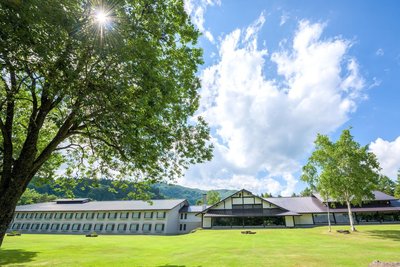
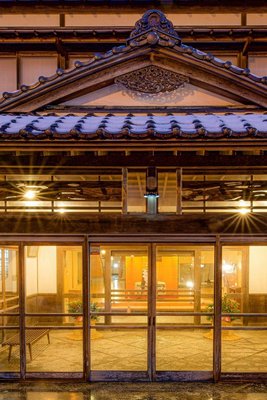

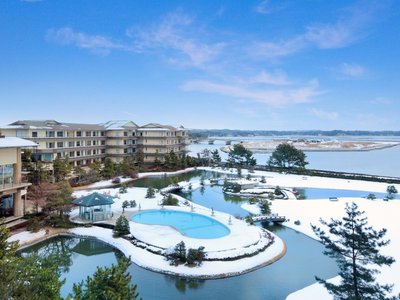

Frequently Asked Questions about Traveling to Kamikoani
Questions You Might Need to Know About Traveling to Kamikoani
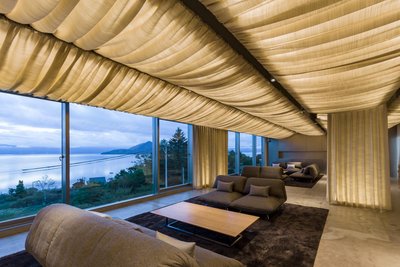
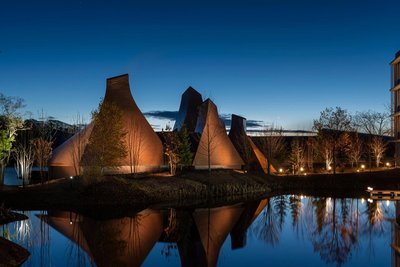
In Kogakura Village, Koagari Mountain Lodge and Shiratori Lake House offer spacious family rooms, on-site play areas, and child-friendly meals. These eco-designed lodges provide safe, quiet environments surrounded by forest and farmland. Families can enjoy hands-on activities like rice planting, forest scavenger hunts, and traditional craft workshops. The warm hospitality of local hosts ensures a memorable, low-stress stay for all ages.
The ideal time to visit Kogakura Village for autumn foliage is from late September to mid-November, when the hillsides of Ōu Mountains burst into vibrant reds and golds. The Koagari Autumn Festival features illuminated trails, lantern displays, and seasonal food stalls. Clear skies and crisp air make this period perfect for hiking, photography, and enjoying panoramic views from Ou Mountain Lookout.
Visitors can participate in Koagari Taiko Drumming Workshops, learning traditional drumming techniques passed down since the Edo period. They can also join rice farming experiences at local farms, including planting, harvesting, and tasting Koagari rice balls. These authentic, community-led activities offer deep insights into rural Japanese life, sustainability, and intergenerational traditions.
Yes, Kogakura Village is an ideal destination for solo travelers seeking peace and connection with nature. With minimal crowds, clean air, and access to forest trails, meditation spaces, and quiet guesthouses, it offers a serene escape. Many lodges welcome solo guests and offer private dining or guided nature walks. The slow pace and welcoming locals create a safe, reflective atmosphere perfect for introspection and rejuvenation.
From Akita Station, take the JR Ōu Main Line to Arai-kō Station, then transfer to a village-operated bus that runs every 60–90 minutes. The journey takes about 1 hour. During winter, services may be reduced—HopeGoo in advance is recommended. Alternatively, rent a car for greater flexibility, though mountain roads require caution, especially in snow season.
Must-visit natural spots include Ōu Mountain Summit Viewpoint, offering sweeping vistas of the Koagari Valley and surrounding forests; Koagari River Trail, perfect for peaceful walking among wild trout and ferns; and Shiratori Lake, a haven for birdwatching with winter sightings of white egrets. The ancient Jinmei Rocks near the village center feature dramatic stone formations linked to local legends, ideal for photography and exploration.
Try Koagari rice balls made with locally grown organic rice, served with pickled vegetables. Sample wild mountain vegetable dishes such as fiddlehead fern omelets and bamboo shoot stew. In winter, savor charcoal-grilled fish and clay-pot porridge paired with homebrewed rice wine. Many guesthouses serve farm-to-table dinners featuring seasonal ingredients, creating a true taste of rural Akita.
Absolutely. Kogakura Village offers stunning photo opportunities year-round. In autumn, the Ōu Mountains transform into a kaleidoscope of red and gold foliage. Morning mist over Koagari River, winter snow-laden rooftops, and starlit skies above Shiratori Lake provide magical compositions. Designated viewpoints and tranquil forest paths allow for intimate shots of nature and culture. Bring a wide-angle lens for landscapes and a telephoto for wildlife like deer and birds.
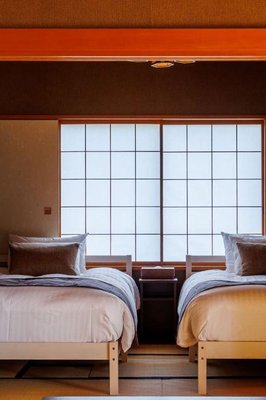
Accommodations in Kogakura Village emphasize eco-conscious design, using local wood and sustainable materials. Many guesthouses are former farmhouses with open-beam ceilings and tatami rooms. Some feature onsen baths and private gardens. Rooms are often located near rivers or mountains, offering immersive views. HopeGoo early is advised, especially during peak fall and winter seasons, due to limited availability.
Kogakura Village boasts some of Japan’s clearest night skies, thanks to its remote location and minimal light pollution. It’s an excellent spot for stargazing, particularly in winter when the Milky Way stretches across the heavens. Some lodges offer guided night sky tours with local astronomers. The stillness of the village at night, combined with glowing lanterns along the riverbank, creates a dreamlike atmosphere perfect for quiet reflection.
Kamikoani Overview
City Summary
Kamikoani Village is located in the northern part of Akita Prefecture, Japan, surrounded by mountains. Known for its traditional Japanese countryside scenery, it offers distinct seasonal beauty, especially the autumn foliage and winter snowscapes. The village preserves rich rural culture, allowing visitors to experience authentic farm life and traditional crafts.
Must-See Attractions
In Kamikoani Village, visitors can explore traditional farmhouses and temples, immersing in its historical atmosphere. The natural landscapes, such as the Koani River and surrounding mountains, provide excellent opportunities for hiking and photography. In winter, the snowscapes and hot springs attract many tourists.
Food Guide
Kamikoani's cuisine is heavily influenced by local agricultural products. Must-try dishes include fresh mountain vegetable meals and Akita's specialty "Inaniwa udon." Local eateries and hot spring inns serve authentic rural dishes like grilled fish and miso soup.
Transportation Guide
Public transportation in Kamikoani is limited; renting a car or driving is recommended. From Akita City, it takes about 2 hours by bus or train. Within the village, walking or renting a bicycle is ideal. In winter, snow tires or four-wheel-drive vehicles are advisable due to snow-covered roads.
Best Time to Visit
The best times to visit are autumn (September to November) for foliage and winter (December to February) for snowscapes. Summers are cool, but winters require preparation for low temperatures and snow.
Travel Tips
- Respect local customs; avoid loud noises in temples or traditional buildings.
- In winter, bring warm clothing and non-slip shoes.
- Few restaurants are available; consider bringing snacks.
- Cash is primary; credit card use is limited.
- Internet coverage may be unstable; download maps in advance.
- Follow hot spring etiquette, such as showering before bathing.
Useful Information
Japanese is the primary language in Kamikoani, with limited English proficiency. Internet coverage is sporadic; download necessary information beforehand. Cash is the main payment method, though some hotels and restaurants accept credit cards. Medical facilities are scarce; the nearest hospital is in Akita City, so bring basic medications. Winter visitors should prioritize warmth and road safety.