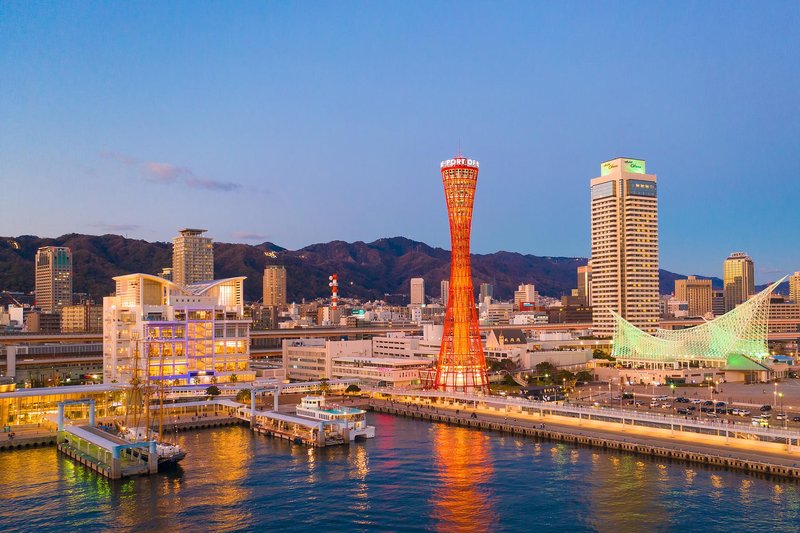
Hotels in Kaminoyama
Discover your perfect stay in Kaminoyama.
Kaminoyama(Japan) Travel 2026: Cheap Flights, Hotels & Top Attractions
Popular Landmarks in Kaminoyama
Discover the most iconic attractions in Kaminoyama
Recommended Hotels in Kaminoyama
Find the perfect place to stay in Kaminoyama
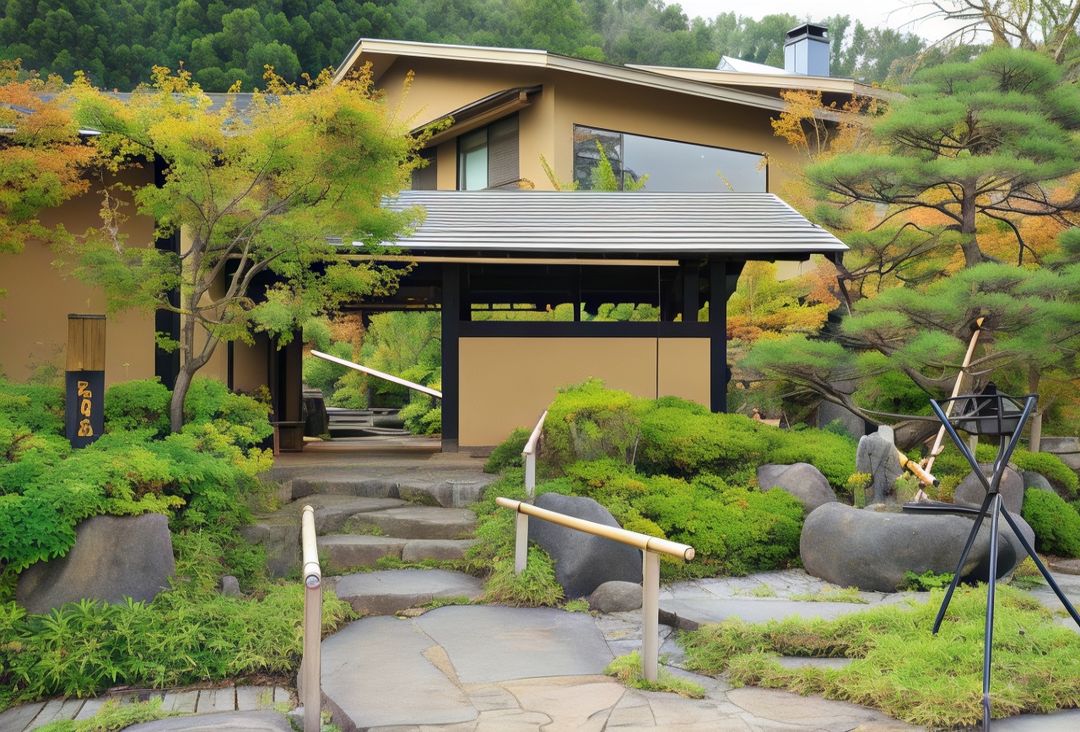
Meigetsuso
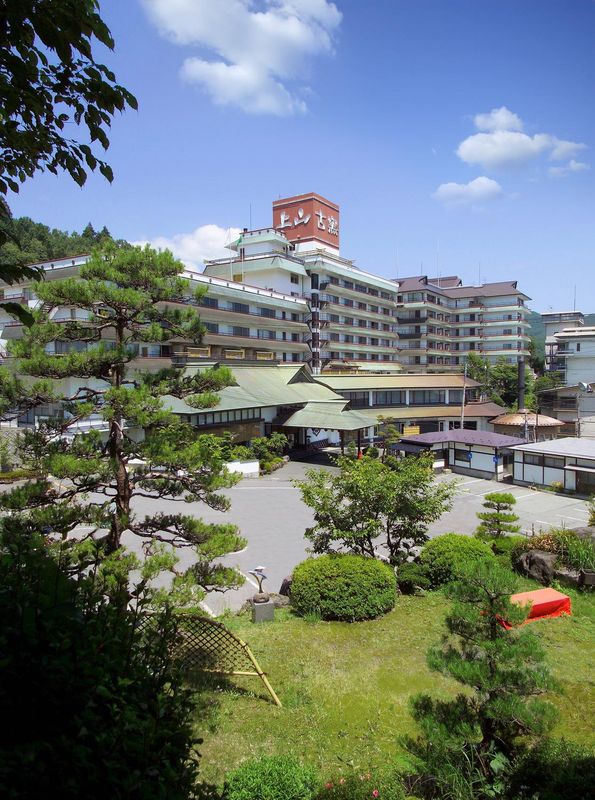
Hotel Koyo
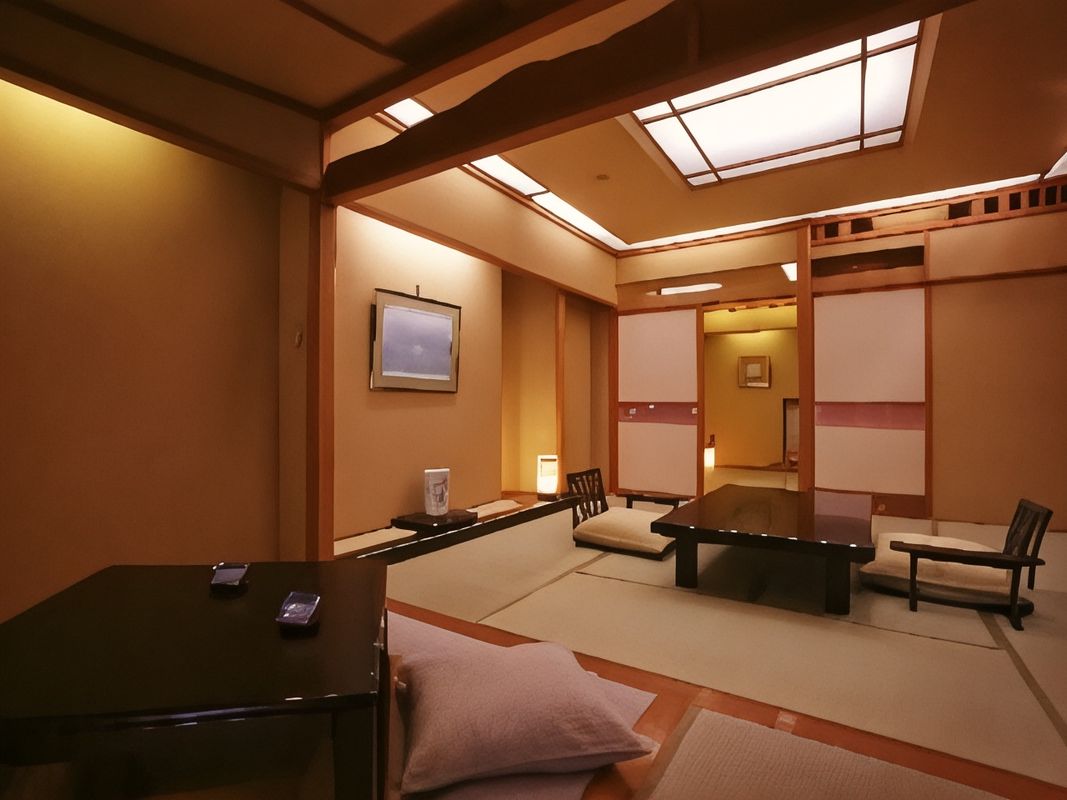
Hayamakan
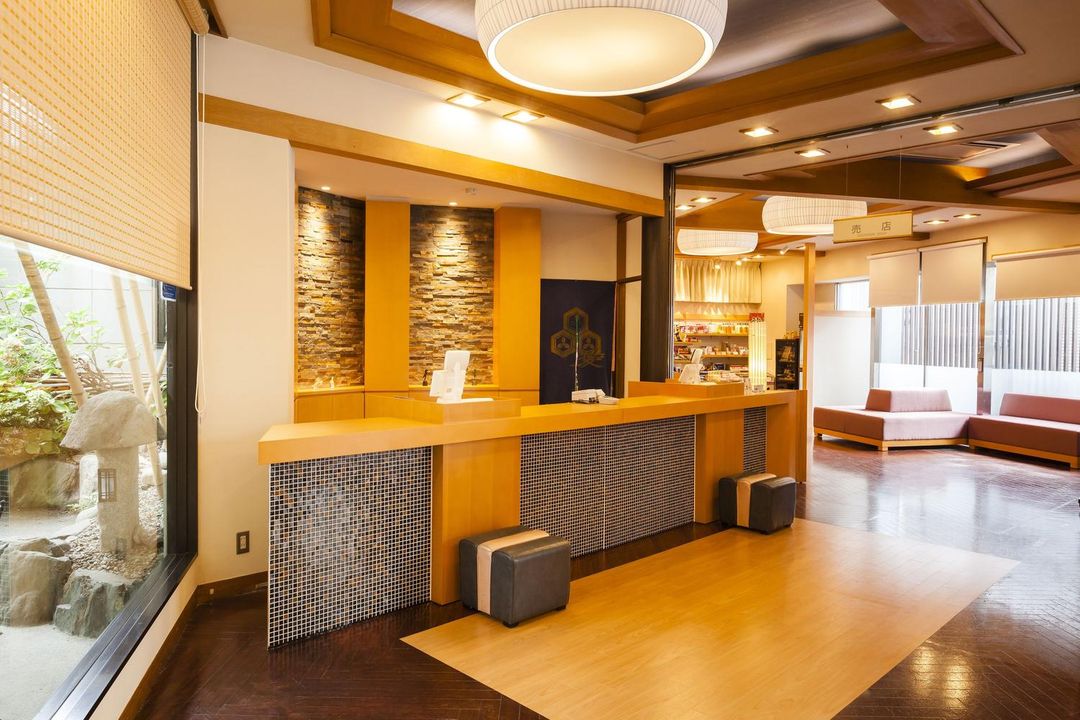
Arimakan
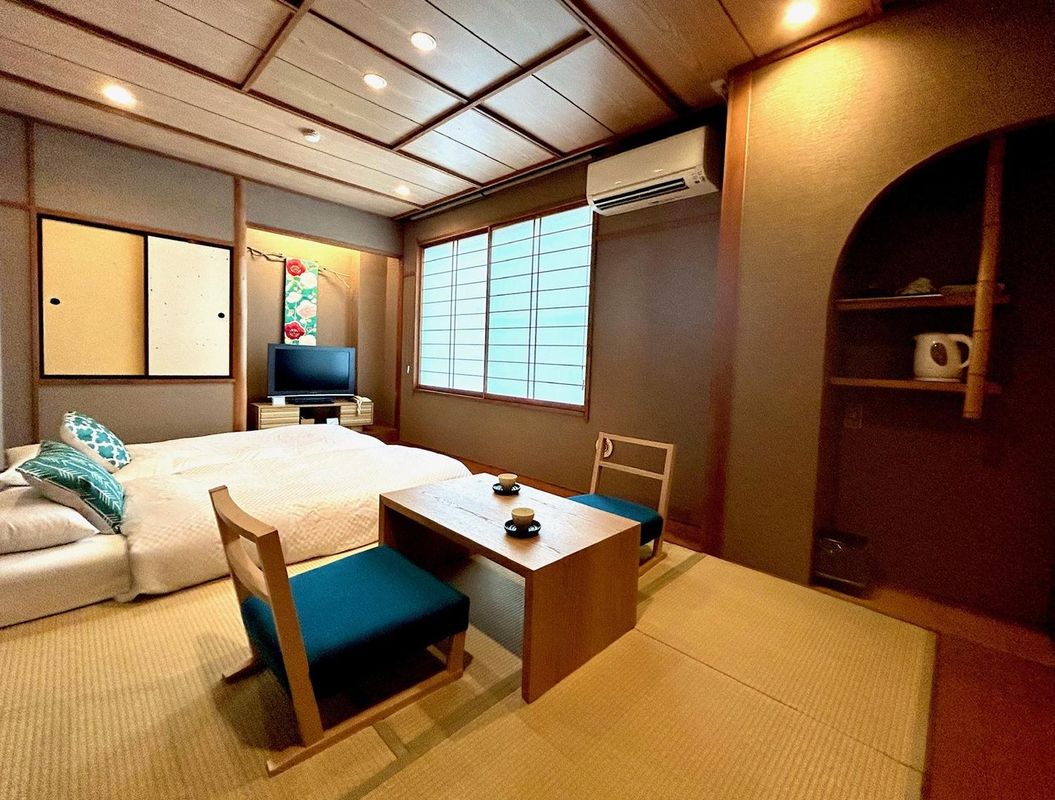
Tsukinoike
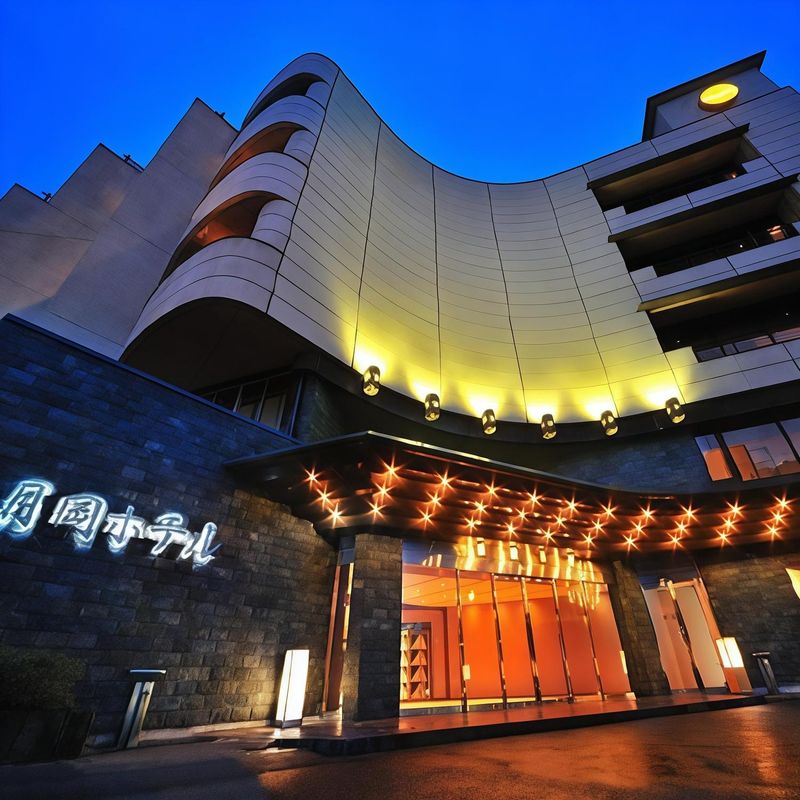
Senkeien Tsukioka Hotel
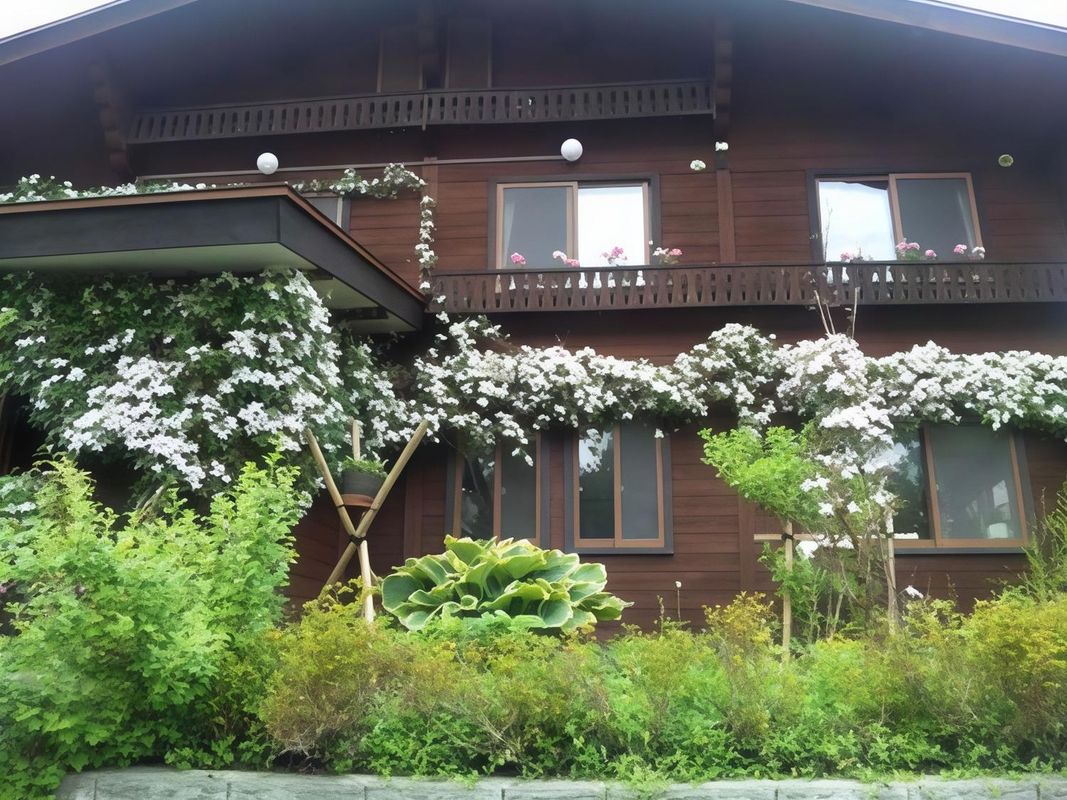
Yamagata Zao Pension Aplon Stage
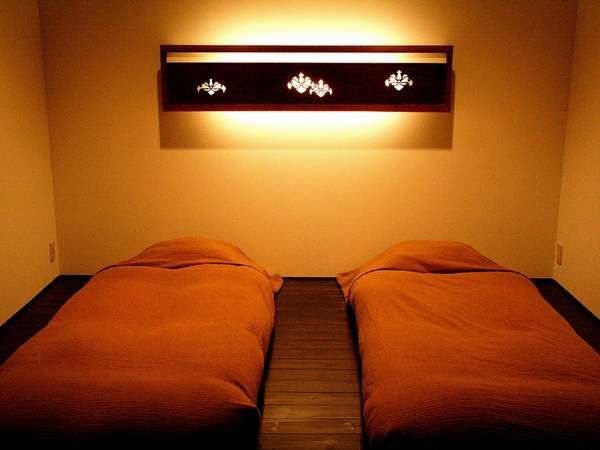
Hashimotoya
Best Hotels in Kaminoyama
Discover curated hotel collections in Kaminoyama
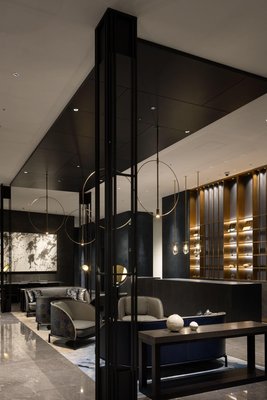
Bellustar Tokyo, A Pan Pacific Hotel
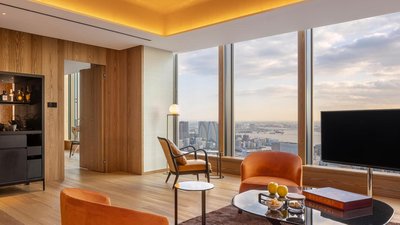
Bvlgari Hotel Tokyo
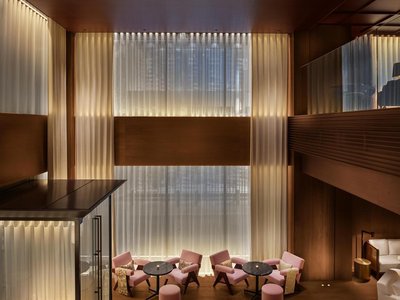
The Tokyo Edition, Ginza
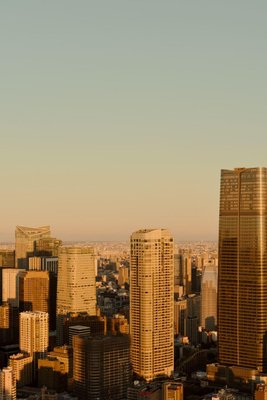
Janu Tokyo
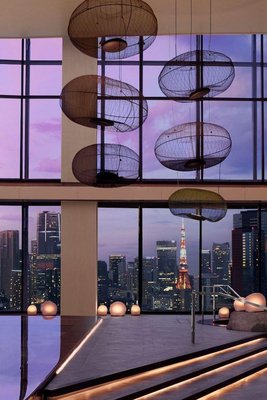
JW Marriott Hotel Tokyo
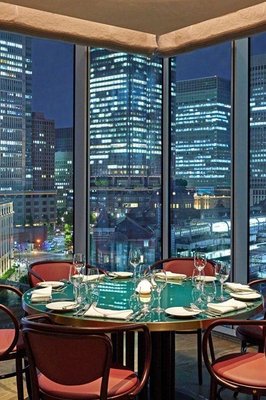
Four Seasons Hotel Tokyo at Marunouchi

Mandarin Oriental, Tokyo
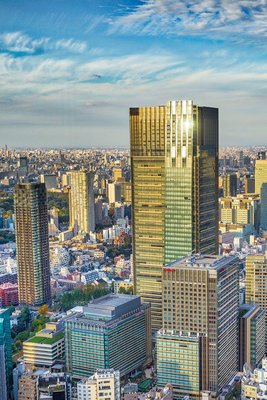
The Ritz-Carlton, Tokyo
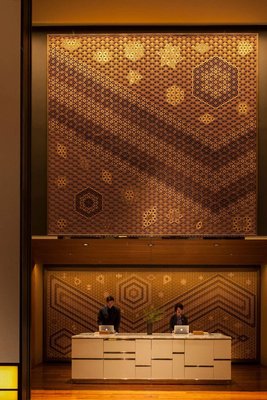
Andaz Tokyo Toranomon Hills- A Concept by Hyatt
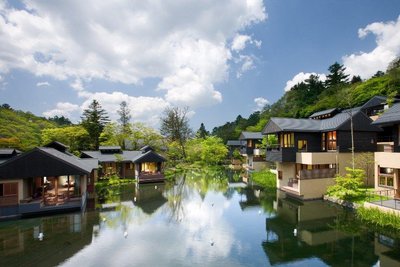
Hoshinoya Karuizawa
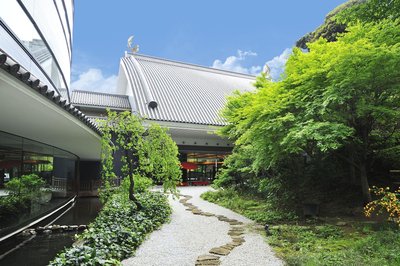
Hotel Gajoen Tokyo
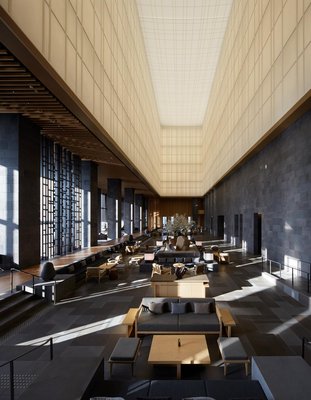
Aman Tokyo
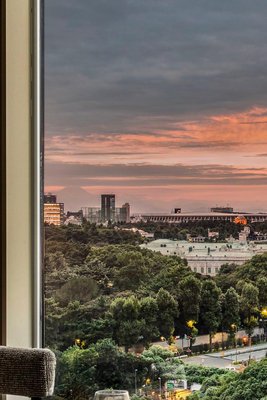
Hotel New Otani Tokyo, Executive House Zen
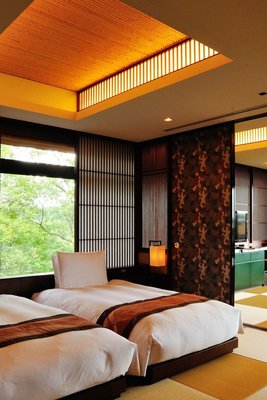
Chikusenso Onsen
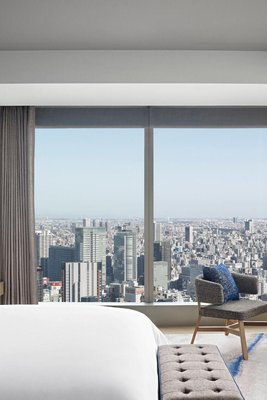
Four Seasons Hotel Tokyo at Otemachi
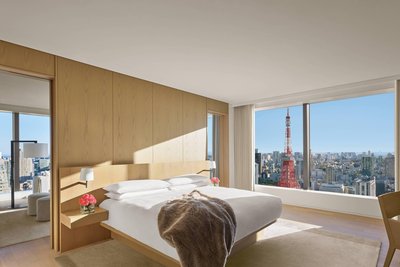
The Tokyo Edition, Toranomon
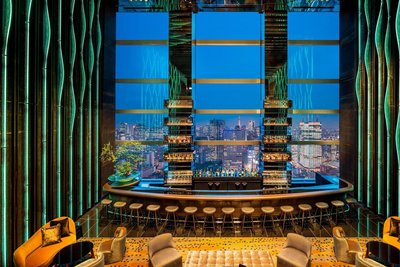
The Prince Gallery Tokyo Kioicho, a Luxury Collection Hotel
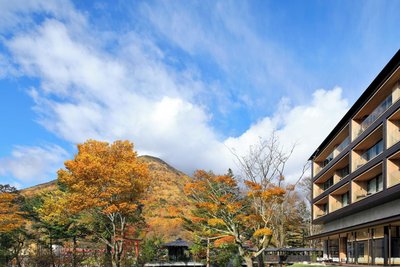
The Ritz-Carlton, Nikko
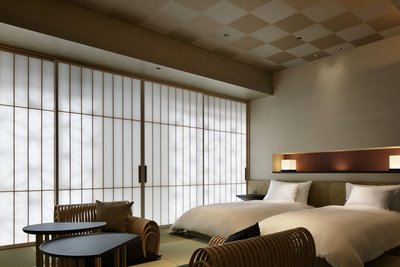
HOSHINOYA Tokyo
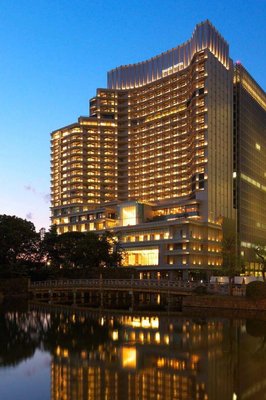
Palace Hotel Tokyo
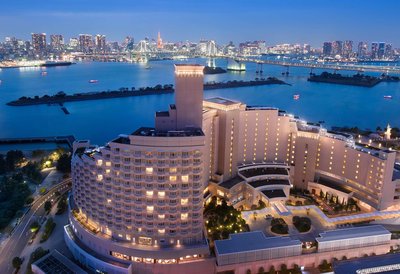
Hilton Tokyo Odaiba
JW Marriott Hotel Tokyo
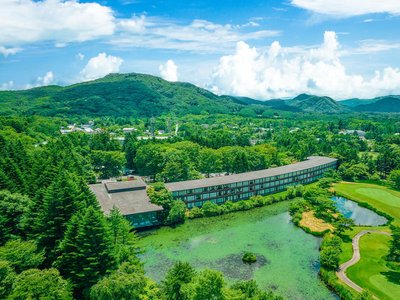
The Prince Karuizawa
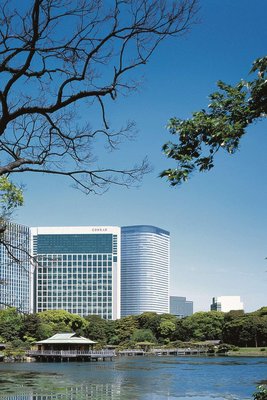
Conrad Tokyo
Hoshinoya Karuizawa
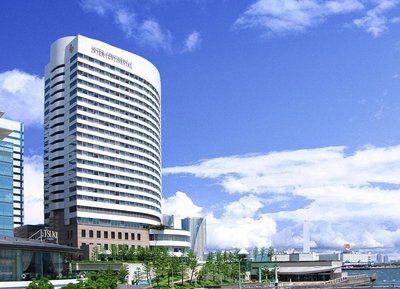
InterContinental Tokyo Bay
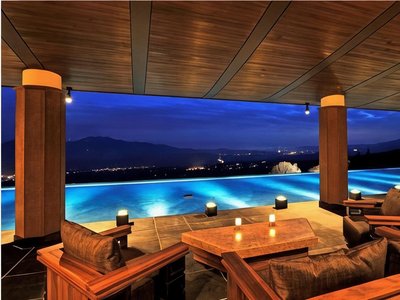
Akakura Kanko Hotel
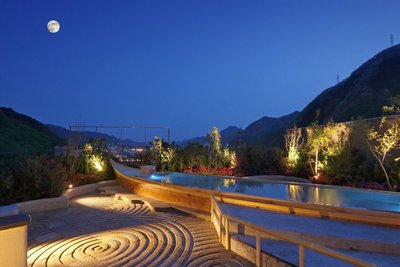
Asaya
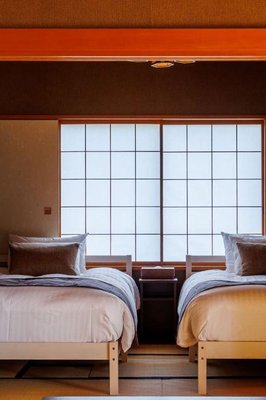
Sado Resort Hotel Azuma

Komatsu-Kan Kofu-Tei
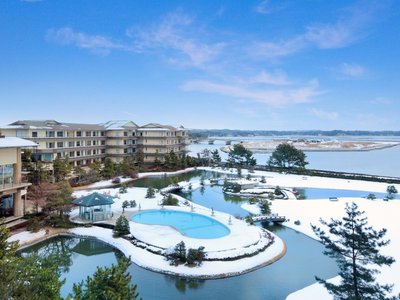
Matsushima Ichinobo
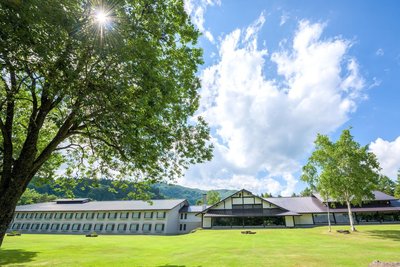
Towada Prince Hotel
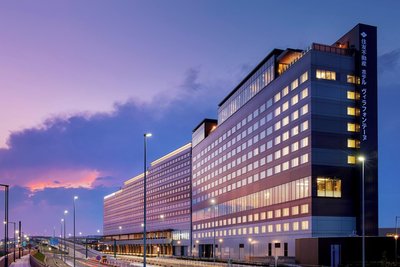
Villa Fontaine Premier Haneda Airport

Mesm Tokyo, Autograph Collection

Mitsui Garden Hotel Toyosu Premier / Tokyo
The Tokyo Edition, Toranomon
The Ritz-Carlton, Nikko
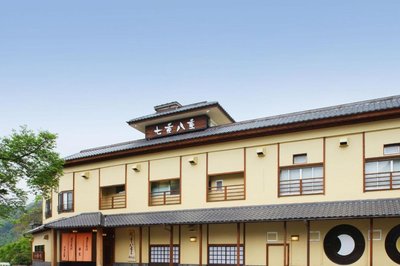
Nanaeyae
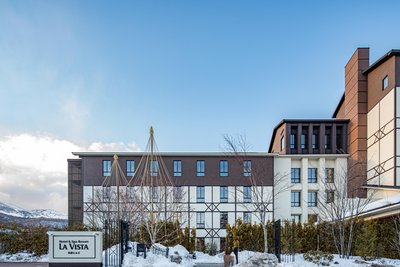
La Vista Kusatsu Hills
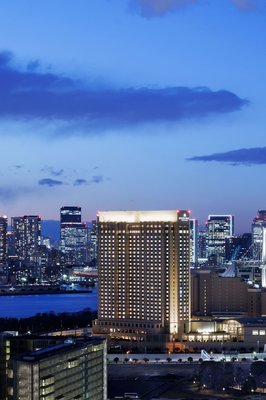
Grand Nikko Tokyo Daiba
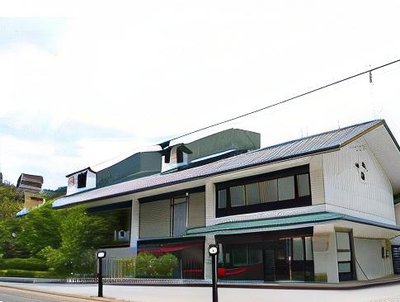
Auberge Suzukane

Onyado Nono Asakusa Bettei Hot Spring
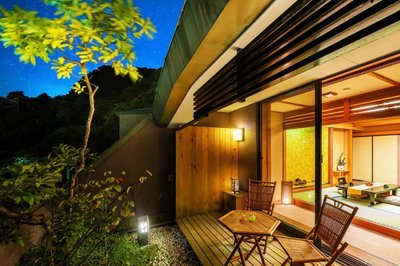
Konjakutei
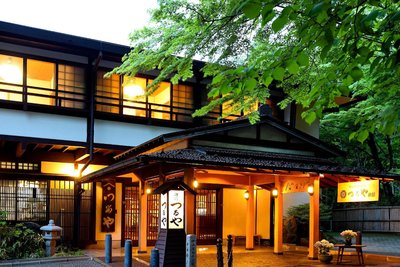
Tsuruya Ryokan
Hotel Gajoen Tokyo
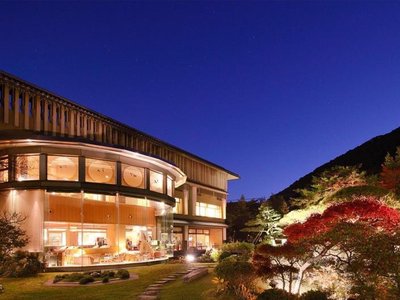
Shikisai Ichiriki
Sado Resort Hotel Azuma
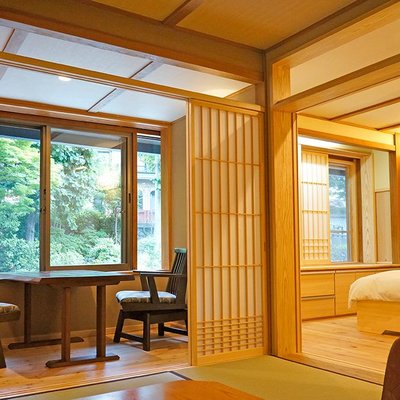
Sumiyosiya Ryokan
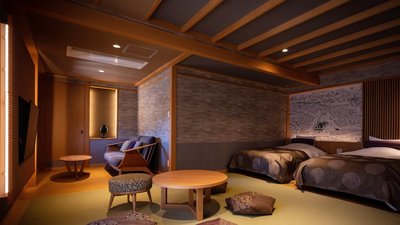
Naraya
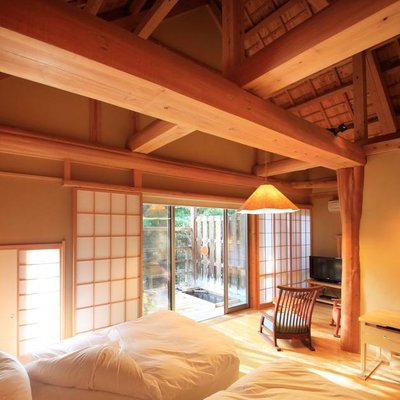
Daikon-No-Hana
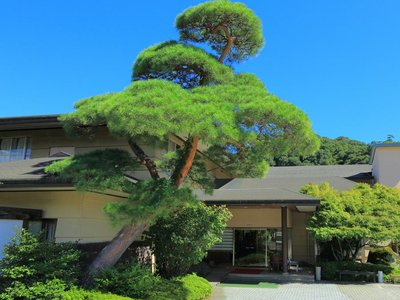
Nagatoro Choseikan Ryokan
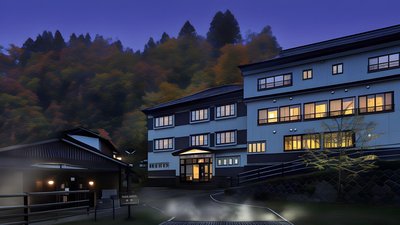
Zao Onsen Omiya Ryokan
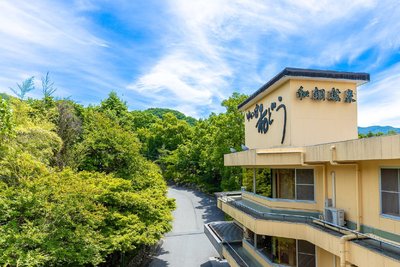
Yu No Yado Wadoh
Nanaeyae
HOSHINOYA Tokyo
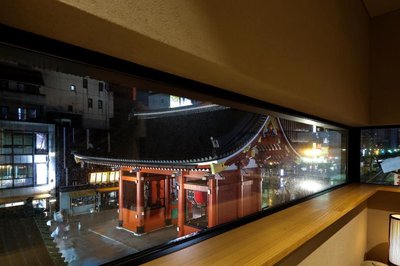
Kaminarimon Ryokan
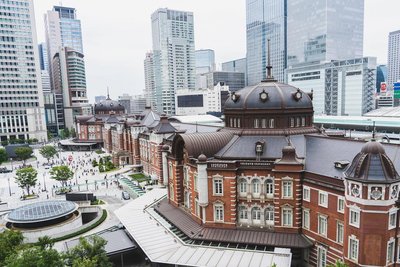
The Tokyo Station Hotel
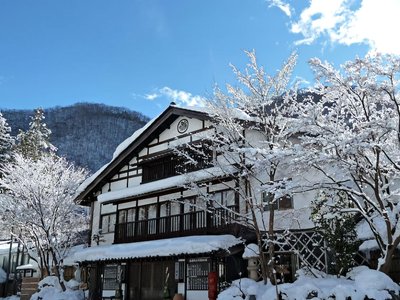
Yunishigawa Onsen Honke Bankyu
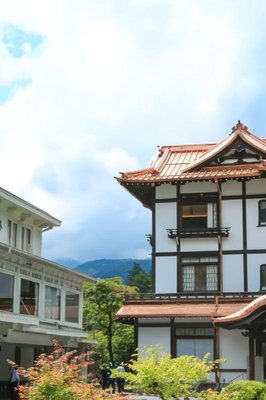
Nikko Kanaya Hotel
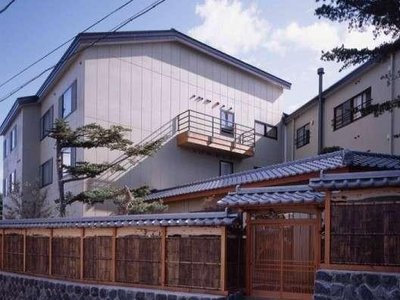
Kanemidori

The Address Akakura
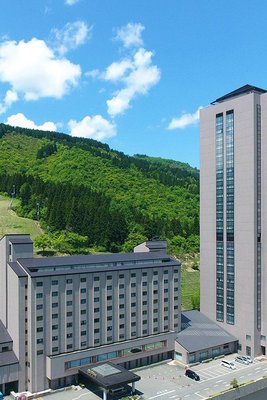
Naspa New Otani
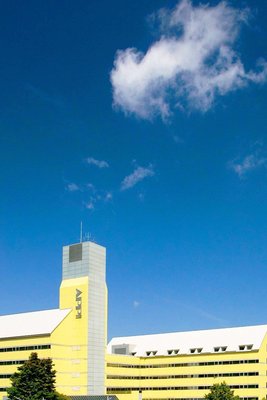
Crowne Plaza - ANA RESORT APPI KOGEN
The Prince Karuizawa
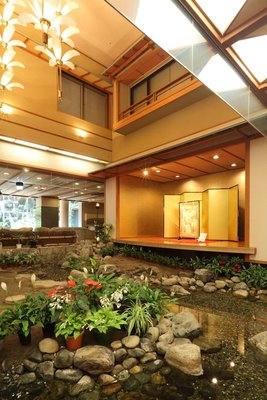
Hotel Futaba
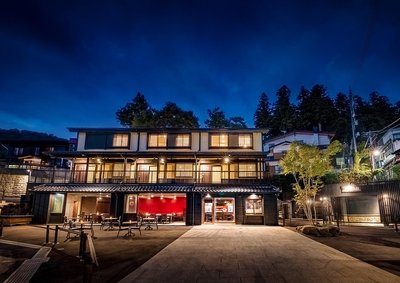
Ryokan Sakaya
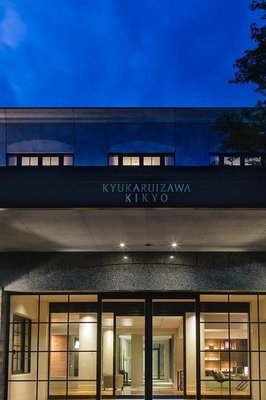
Kyukaruizawa Kikyo, Curio Collection by Hilton
Akakura Kanko Hotel
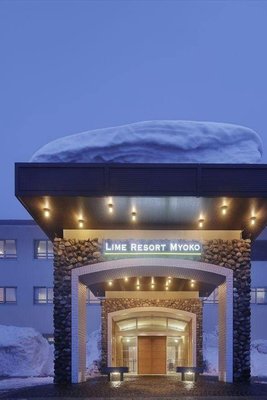
Lime Resort Myoko

Four Seasons Yuzawa Quattro
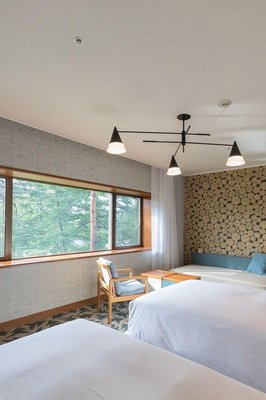
Karuizawa Prince Hotel East
Zao Onsen Omiya Ryokan
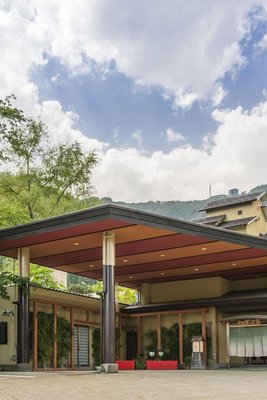
Shosenkaku Kagetsu
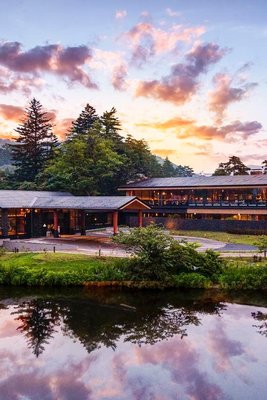
Karuizawa Prince Hotel West
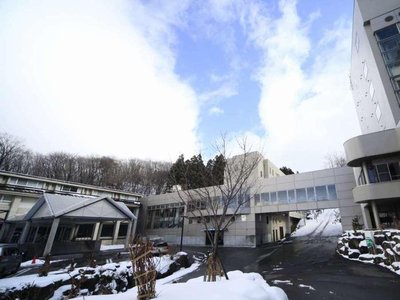
Zao Kokusai Hotel
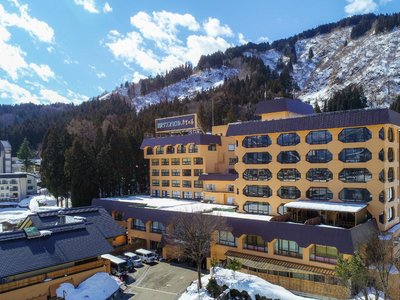
Yuzawa Grand Hotel
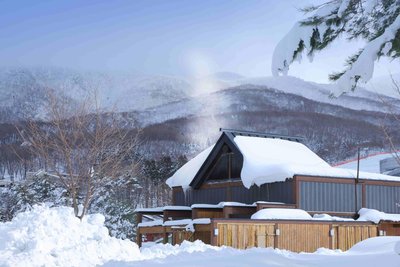
Kinosato
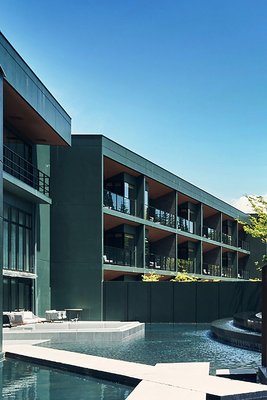
ANA InterContinental Appi Kogen Resort
Bvlgari Hotel Tokyo
Four Seasons Hotel Tokyo at Marunouchi
Mandarin Oriental, Tokyo
The Ritz-Carlton, Tokyo
Andaz Tokyo Toranomon Hills- A Concept by Hyatt

Hotel New Otani Tokyo the Main
Aman Tokyo
Four Seasons Hotel Tokyo at Otemachi
The Tokyo Edition, Toranomon
Palace Hotel Tokyo
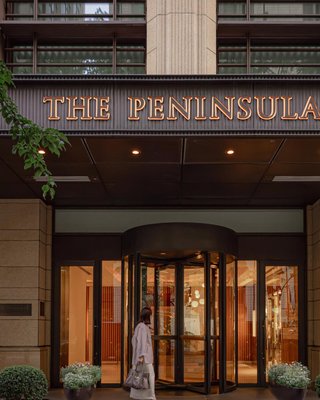
The Peninsula Tokyo

Imperial Hotel, Tokyo
Bellustar Tokyo, A Pan Pacific Hotel
JW Marriott Hotel Tokyo
Andaz Tokyo Toranomon Hills- A Concept by Hyatt
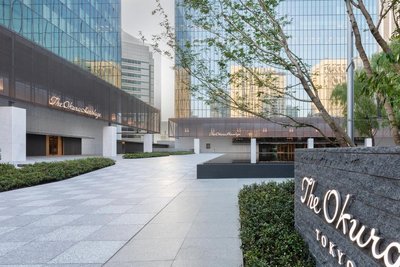
The Okura Tokyo

The Lively Azabujuban Tokyo
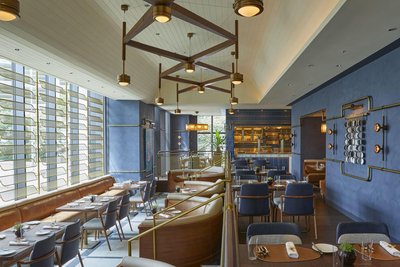
Kimpton Shinjuku Tokyo

HOTEL K5
The Prince Gallery Tokyo Kioicho, a Luxury Collection Hotel
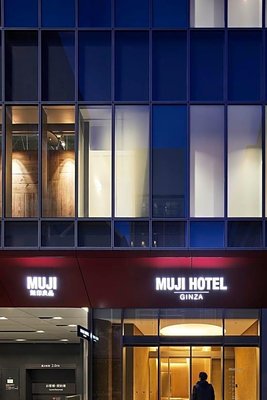
Muji Hotel Ginza
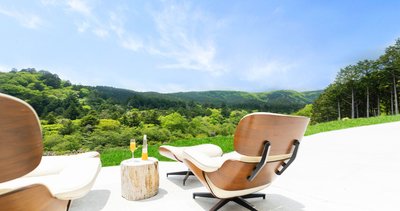
Shelter Garden Nikko

Hotel Toranomon Hills
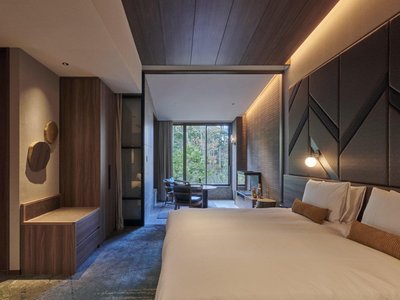
Fufu Kyu-Karuizawa Restful Forest
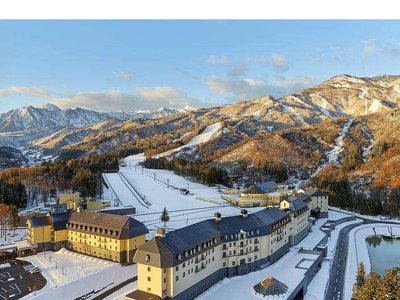
Lotte Arai Resort
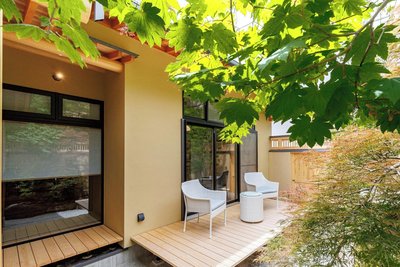
Shoraiso
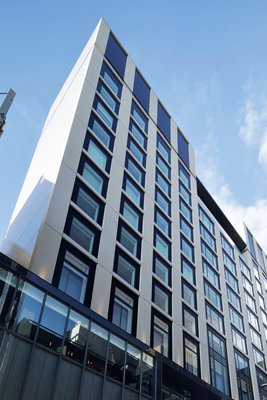
Hyatt Centric Ginza Tokyo
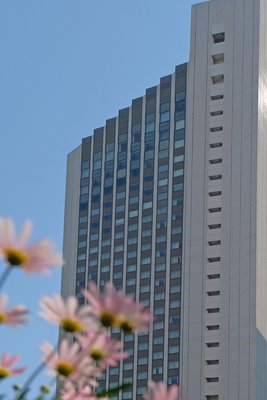
ANA InterContinental Tokyo
The Prince Karuizawa
Conrad Tokyo
Kyukaruizawa Kikyo, Curio Collection by Hilton
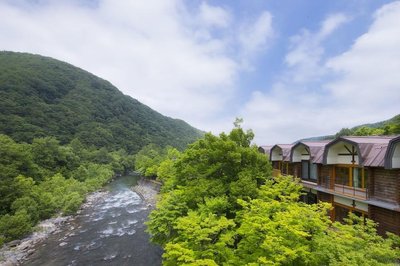
Hoshino Resorts Oirase Keiryu Hotel
Asaya

Millennium Mitsui Garden Hotel Tokyo - Ginza
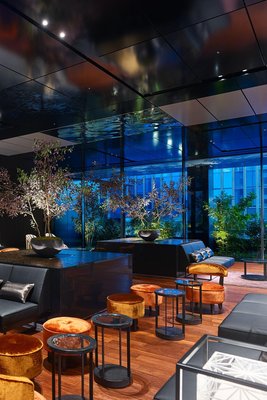
Mitsui Garden Hotel Nihonbashi Premier / Tokyo
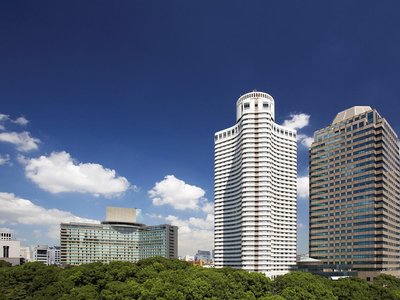
Hotel New Otani Tokyo Garden Tower
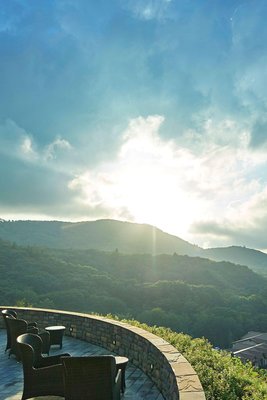
Le Grand Karuizawa Hotel & Resort
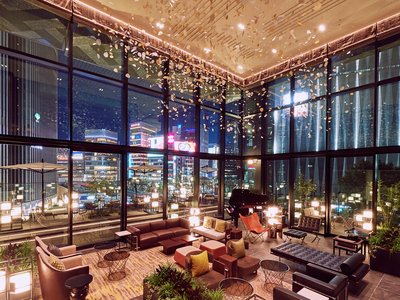
THE GATE HOTEL TOKYO by HULIC
Hotel New Otani Tokyo the Main
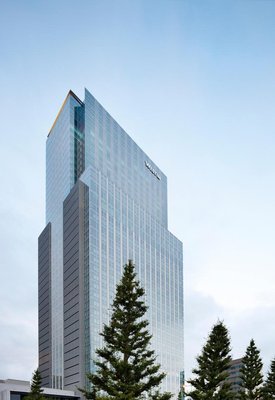
The Westin Sendai Hotel
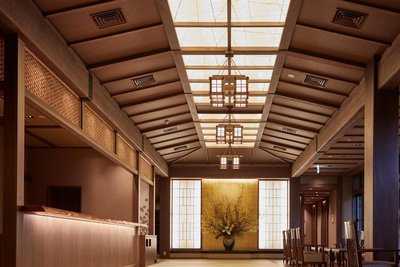
Yukinohana

Rakuten STAY VILLA Nasu
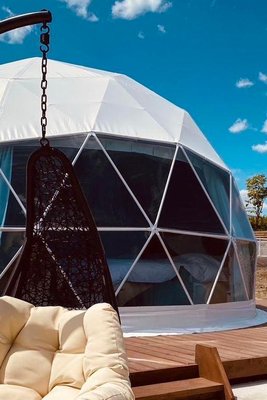
chillout glamping zao
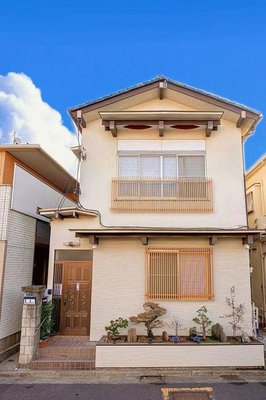
Tokyo Star House-Shinkoiwa
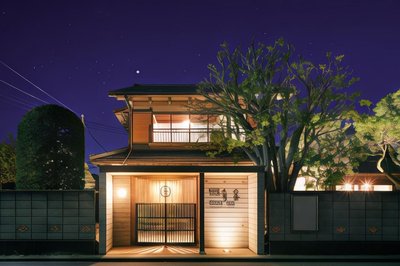
Machi-Jyu

Petals Tokyo - Floating Hotel
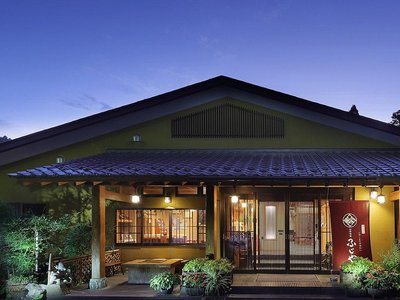
Shikimitei Fujiya
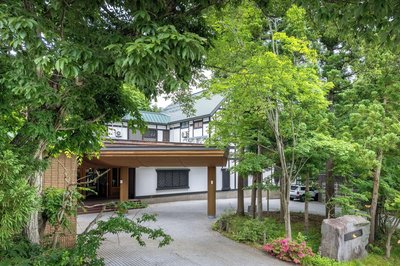
Forest Resort Yamanote Hotel
Frequently Asked Questions about Traveling to Kaminoyama
Questions You Might Need to Know About Traveling to Kaminoyama
In Kōyama City, top-rated accommodations include Yamagata Kōyama Onsen Ryokan and Shiki no Yado Kōyama, both offering authentic Japanese hospitality. The former features private onsen baths with views of the Tōyama River, while the latter specializes in seasonal kaiseki meals using local ingredients like Yonezawa beef and mountain vegetables. Both properties are nestled near Ōkura Temple and the Old Folk Village, ideal for cultural immersion. Guests appreciate the traditional architecture, tatami rooms, and warm staff service. Many also highlight the therapeutic effects of the mineral-rich hot springs, perfect for relaxation after exploring nearby nature trails or winter festivals.
The best areas to stay in Kōyama City are the Tōyama Riverfront and the cultural district near Ōkura Temple. The riverfront zone offers serene access to natural hot springs and peaceful walking paths, making it ideal for those seeking tranquility and wellness. Meanwhile, the cultural district provides proximity to key attractions such as the Old Folk Village, Kōyama Art Museum, and Sakura Park, perfect for history and art lovers. For travelers planning to visit ski resorts or attend winter events, staying near Kōyama Ski Resort is recommended. Overall, combining riverside calm with urban accessibility creates a balanced experience for all types of visitors.
Kōyama City’s hot spring culture centers around the Tōyama Onsen, a 1,300-year-old thermal spring known for its high-mineral alkaline water, which is excellent for skin health and muscle recovery. Many ryokans practice "source flow bathing," ensuring guests enjoy pure, naturally flowing waters. During winter, the annual Snow Country Onsen Festival features guided tours, herbal bath experiences, and traditional tea ceremonies. Some resorts even incorporate local crafts—like handmade pottery tubs and washi paper screens—into their design, blending wellness with cultural heritage. Nighttime open-air baths under starlit skies offer an unforgettable sensory journey into Japanese serenity.
Visitors to Kōyama City should not miss: visiting Ōkura Temple, a historic site with ancient Buddhist statues and tranquil gardens; exploring the Old Folk Village, where you can try traditional crafts like pottery and wear kimono; attending the Snow Country Art Festival, featuring stunning ice sculptures and light installations; and tasting regional specialties like Yonezawa beef sukiyaki, mountain vegetable tempura, and locally brewed sake. Additionally, the Kōyama Nature Education Center offers guided forest walks, while Sakura Park blooms beautifully in spring and red maple trails shine in autumn—perfect for photography and quiet reflection.
Yes, Kōyama City is highly suitable for families. It offers child-friendly attractions such as the Kōyama Children’s Science Museum, family-sized onsen ryokans with yukata and activity kits, and scenic walking trails near Ōkura Temple. Many hotels provide kid-friendly breakfasts and evening storytelling sessions. The Snow Country Art Festival includes interactive exhibits and craft workshops for kids. Nearby Kōyama Ski Resort has dedicated beginner slopes and snow play zones. With safe streets, reliable public transport from Shinjō Station, and short bus rides (20 minutes) to main sites, the city ensures stress-free family travel with rich cultural and outdoor experiences.
Must-try dishes in Kōyama City include Yonezawa beef sukiyaki, renowned for its marbled texture and umami flavor; mountain vegetable tempura, made with fresh seasonal greens like fiddlehead ferns and wild garlic; and local sake paired with soft tofu dishes. Many ryokans serve full-course kaiseki dinners, highlighting seasonal ingredients and artistic presentation. Don’t miss the morning market stalls at Asaichi Street, where you can buy handmade jams, pickled vegetables, and freshly baked bread. These culinary delights reflect the region’s deep connection to nature and tradition, making them essential to any visitor’s experience.
Transportation in Kōyama City is convenient via JR East trains to Shinjō Station, followed by a 20-minute bus ride to the city center. Free shuttle buses connect major hotels, museums, and temples. For self-drivers, the Tōhoku Expressway provides quick access, with ample parking available. Nearby attractions like ski resorts and Ginzan Onsen are within 40 minutes by car. The Kōyama City Tourist Bus offers multilingual guided tours, ideal for first-time visitors. Whether using public transit or renting a car, travelers can easily explore Yamagata Prefecture, including Kōriyama, Dewa Sanzan, and Shinjo Castle, making Kōyama a strategic base for regional adventures.
Absolutely, Kōyama City is an excellent destination for solo travelers. The city’s peaceful atmosphere, low tourist density, and safety make it ideal for introspection and personal renewal. Many ryokans offer single rooms with private onsen baths and personalized service. The Kōyama Art Museum and Old Folk Village invite independent exploration, often hosting small exhibitions and hands-on workshops. Evening strolls along the Tōyama River offer solitude amid nature, while cozy cafes in Chūō District welcome quiet moments with local brews. The welcoming community spirit and availability of guided cultural experiences ensure solo visitors feel connected without pressure. It’s a sanctuary for mindfulness and self-discovery.
Key festivals in Kōyama City include the Snow Country Art Festival, featuring large-scale ice sculptures, illuminated installations, and live performances, drawing artists and visitors worldwide. In spring, the Ōkura Temple Plum Blossom Festival celebrates thousands of blooming plum trees with tea ceremonies and traditional music. The Summer Festival brings vibrant street parades, fireworks, and local food stalls. Autumn’s Kōyama Lantern Festival sees residents light up the Tōyama River with paper lanterns, symbolizing gratitude and unity. These events not only showcase local traditions but also offer immersive participation—from crafting lanterns to joining processions—making them deeply meaningful experiences for travelers.
Kōyama City's natural scenery stands out for its dramatic seasonal transformations. Spring brings cherry blossoms at Sakura Park and early greenery along the Tōyama River. Summer offers lush forests and clear streams perfect for hiking and fishing. Autumn paints the hillsides crimson with maple trees along the Red Maple Trail. Winter transforms the landscape into a serene snow-covered wonderland, ideal for photography and contemplative walks. The city lies within a national natural park, supporting diverse wildlife and pristine ecosystems. The harmony between hot springs and untouched nature creates a meditative environment—especially magical at dawn when mist rises above the riverbanks. This blend of beauty and stillness makes Kōyama a true haven for nature lovers.
Kaminoyama Overview
City Summary
Kaminoyama City, located in Yamagata Prefecture, Japan, is renowned for its hot springs and natural beauty. Rich in history as part of the "Uzen Province," it preserves many traditional architectures and customs. Zao Onsen is one of the most famous attractions, especially for skiing enthusiasts in winter. The city is also famous for cherry blossoms and autumn leaves, offering stunning natural views year-round.
Must-See Attractions
Must-see spots in Kaminoyama include Zao Onsen, known for its therapeutic hot springs and the winter "snow monsters" (ice-covered trees). Kaminoyama Castle, a reconstructed fortress, showcases the region's Warring States period history. Uzen-Narita Station is a pilgrimage site for train enthusiasts, retaining its Showa-era charm. For nature lovers, the Zao Mountain Range offers excellent hiking and skiing opportunities.
Food Guide
Kaminoyama's cuisine features Yamagata's local dishes, such as imoni (taro stew) and cold noodles. Many ryokans serve kaiseki meals with seasonal ingredients. Street food highlights include grilled rice sticks and soy sauce dumplings, offering a taste of local flavors.
Transportation Guide
Transportation in Kaminoyama relies on buses and trains. From Yamagata City, take the JR Ou Main Line (about 30 minutes). The city's bus network covers major attractions. Renting a car is ideal for exploring remote areas like Zao Mountain Range. Taxis are convenient but expensive for short trips.
Best Time to Visit
The best time to visit is autumn (October-November) for vibrant foliage and mild weather. Winter (December-February) is perfect for skiing and hot springs, though snow may disrupt travel. Spring (April-May) offers beautiful cherry blossoms.
Travel Tips
- Onsen Etiquette: Wash thoroughly before entering; no swimwear allowed.
- Winter Gear: Zao is extremely cold; pack warm clothing.
- Cash Payments: Many small shops and ryokans only accept cash.
- Transport HopeGoo: Reserve train/bus tickets in peak seasons.
- Language: English is limited; download a translation app.
- Cultural Respect: Maintain silence at temples and shrines.
Useful Information
Japanese is the primary language, with limited English signage. Mobile networks are reliable; prepaid SIMs are available at convenience stores. Cash is preferred, though some places accept cards. For emergencies, dial 110 (police) or 119 (ambulance). Ryokans often offer free Wi-Fi, but observe usage etiquette.