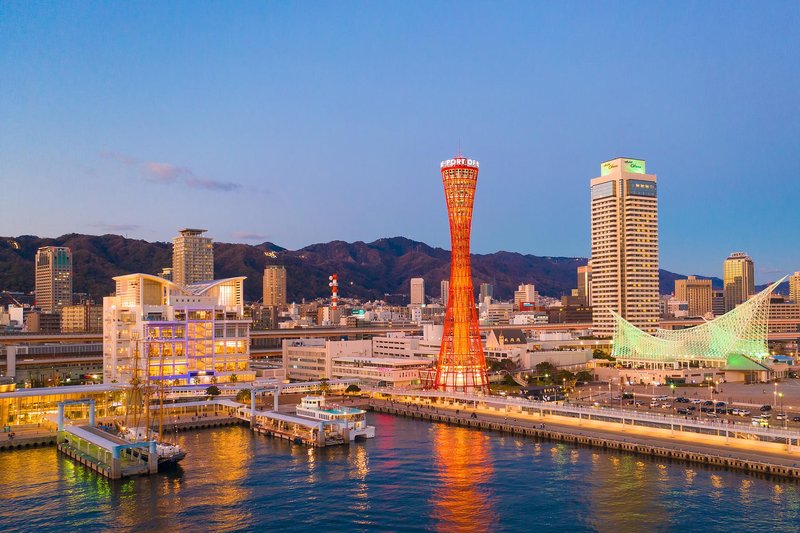
Hotels in Kamisu
Discover your perfect stay in Kamisu.
Kamisu(Japan) Travel 2026: Cheap Flights, Hotels & Top Attractions
Popular Landmarks in Kamisu
Discover the most iconic attractions in Kamisu
Recommended Hotels in Kamisu
Find the perfect place to stay in Kamisu
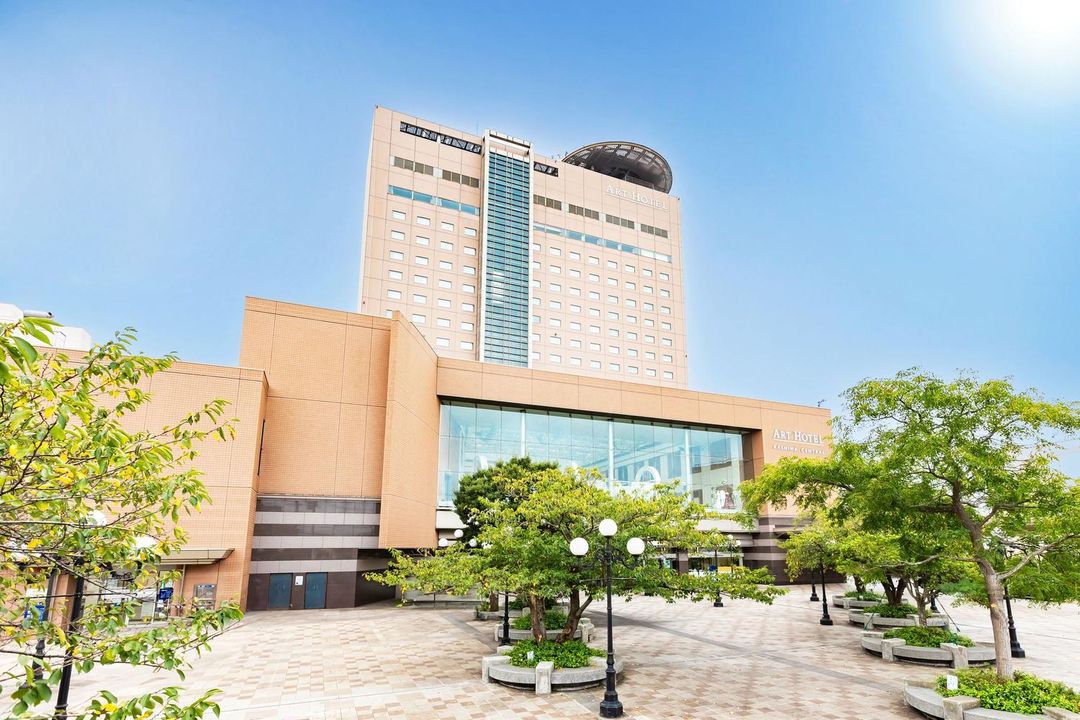
ART HOTEL Kashima Central
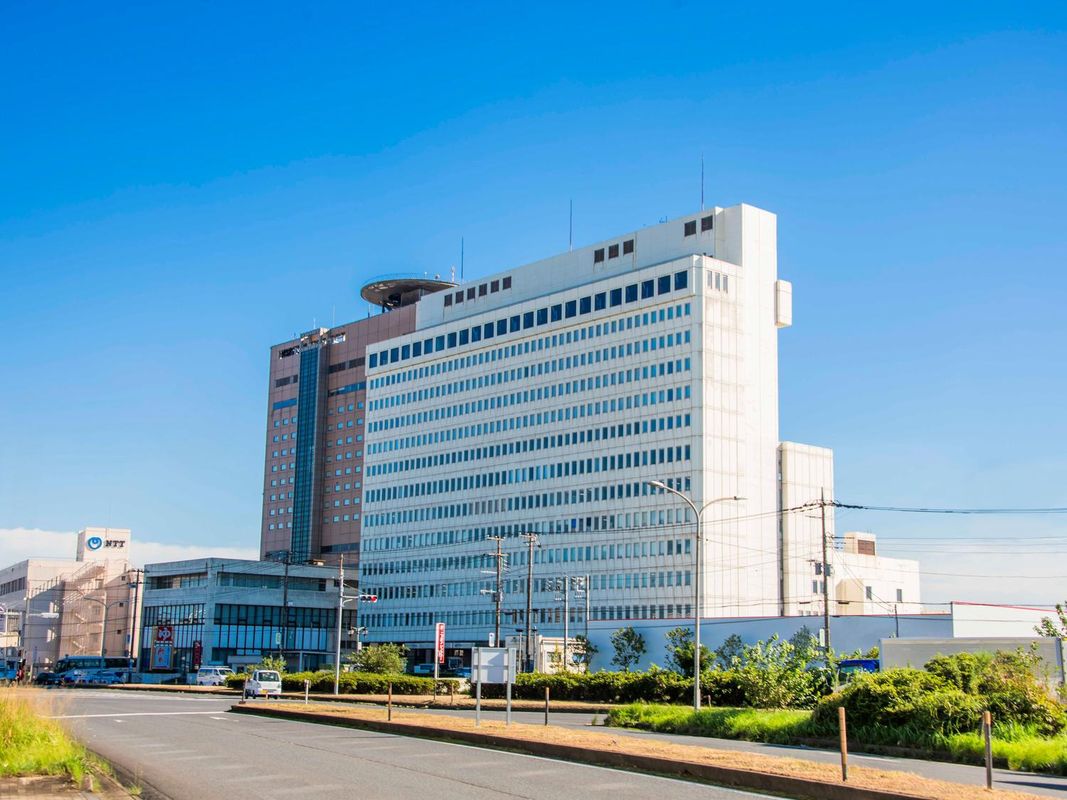
FLEXSTAY INN Kashima Central
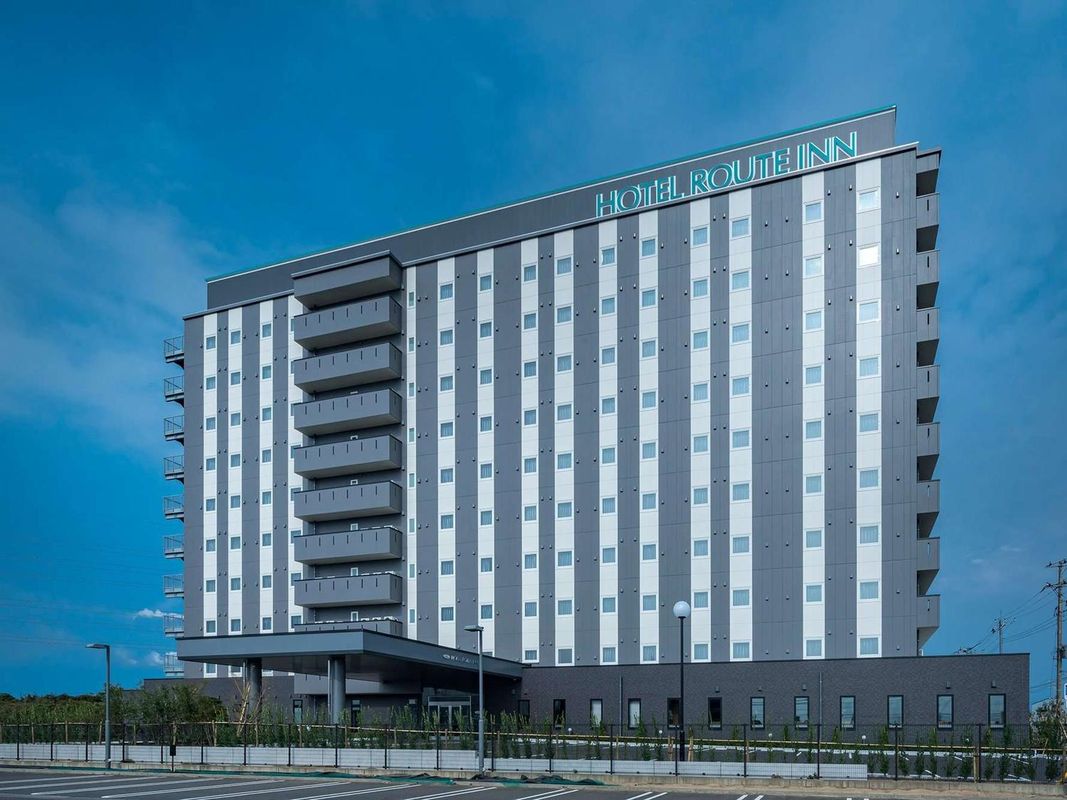
Hotel Route-Inn Kamisu
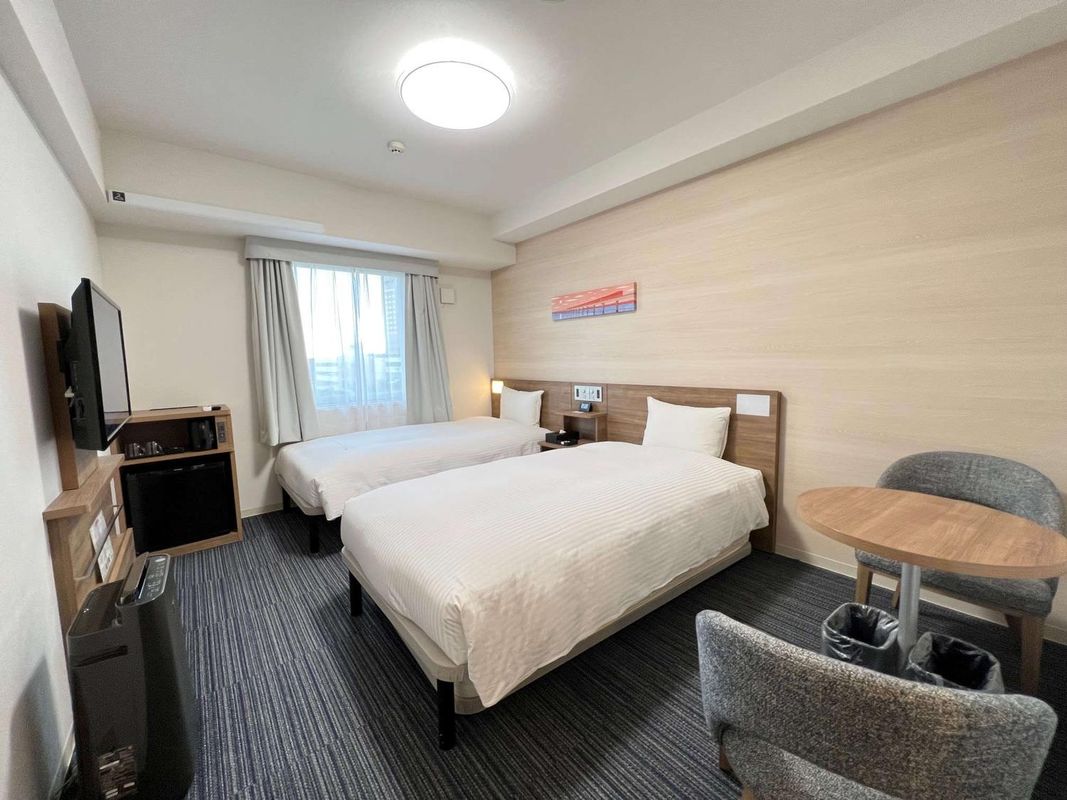
Tabino Hotel Kashima
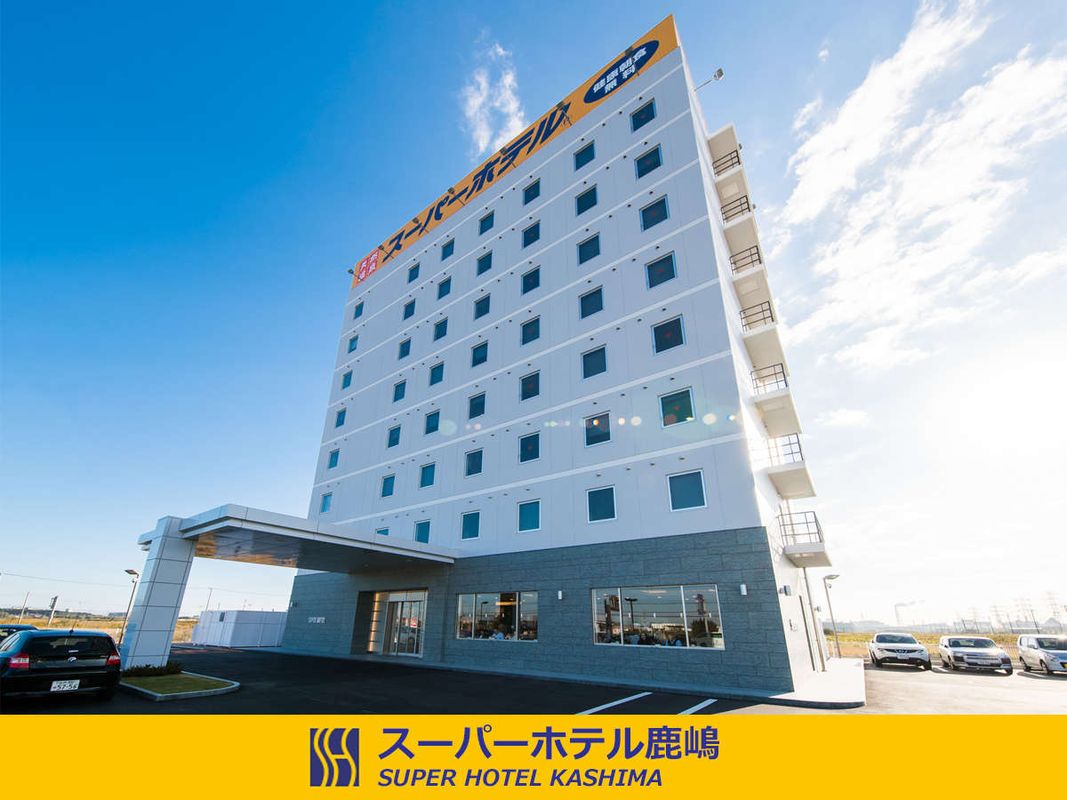
Super Hotel Kashima
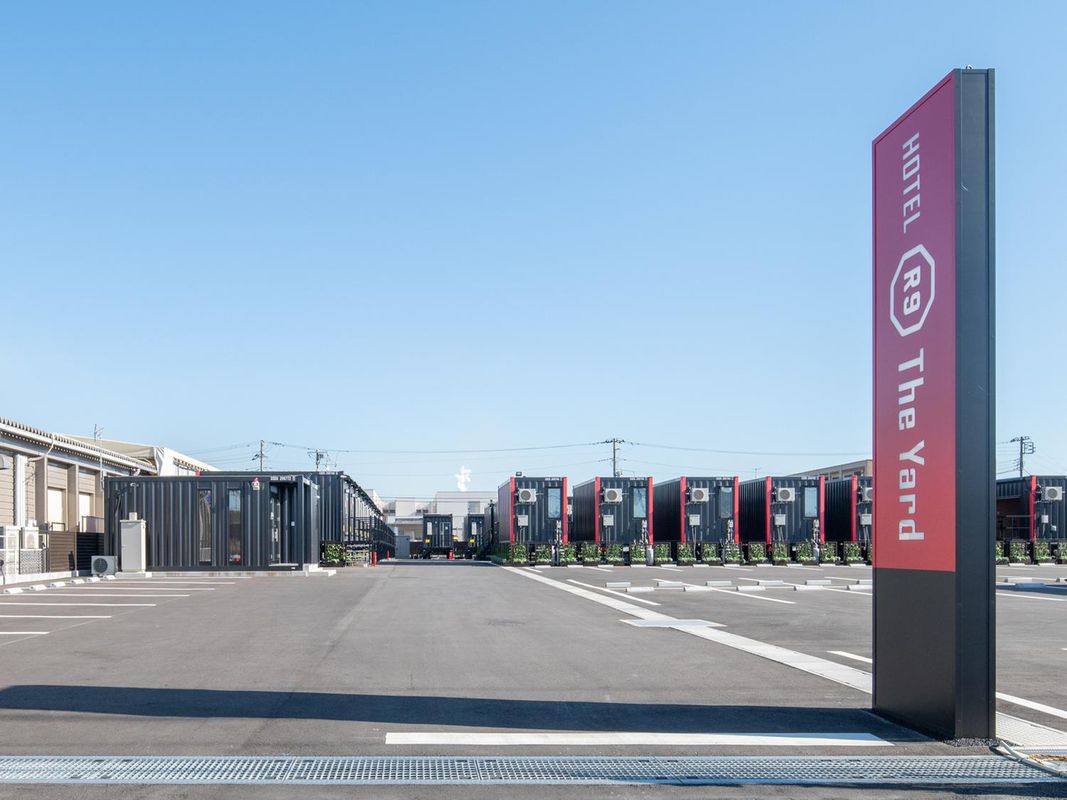
Hotel R9 the Yard Kamisu
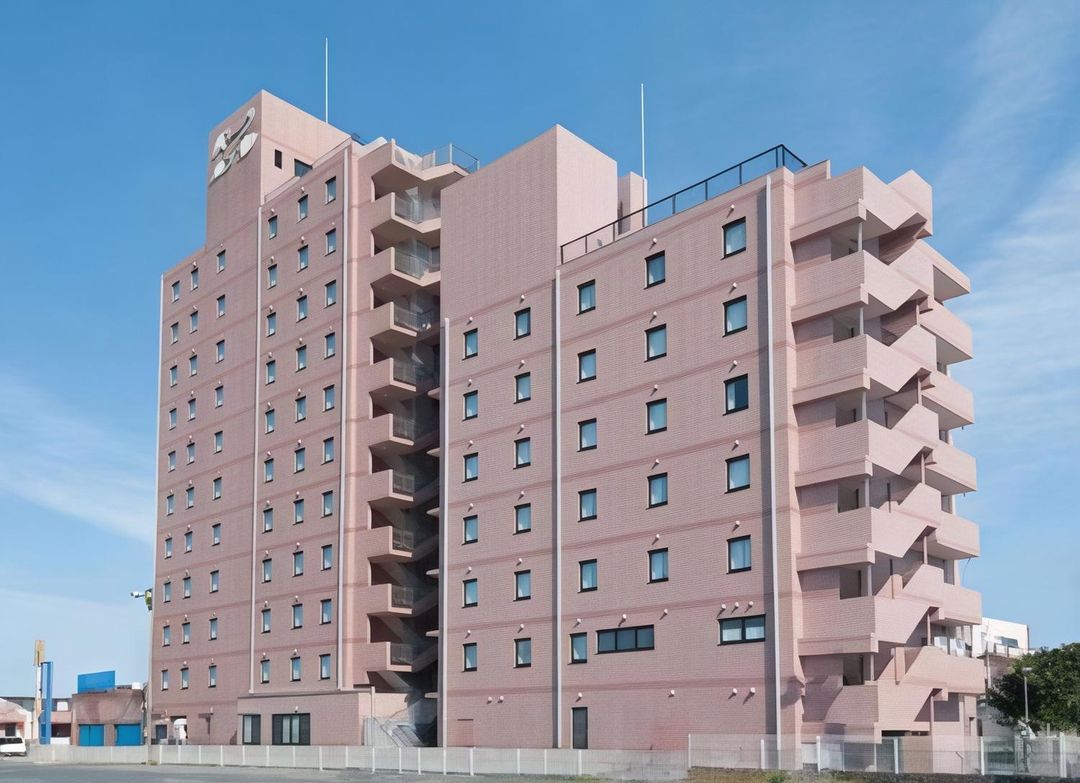
Kashima Park Hotel
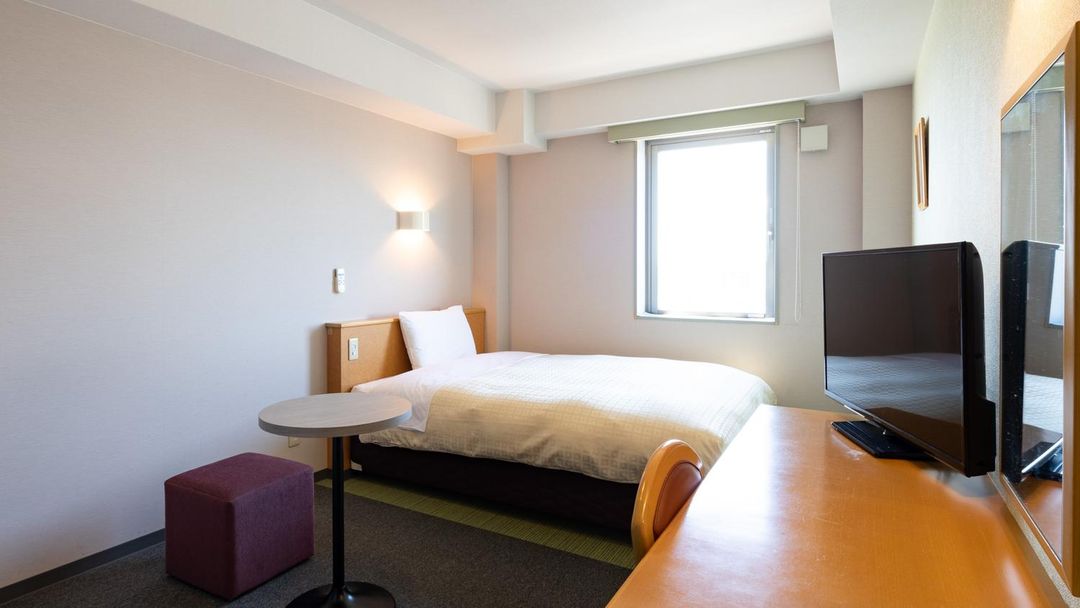
Comfort Inn Kashima
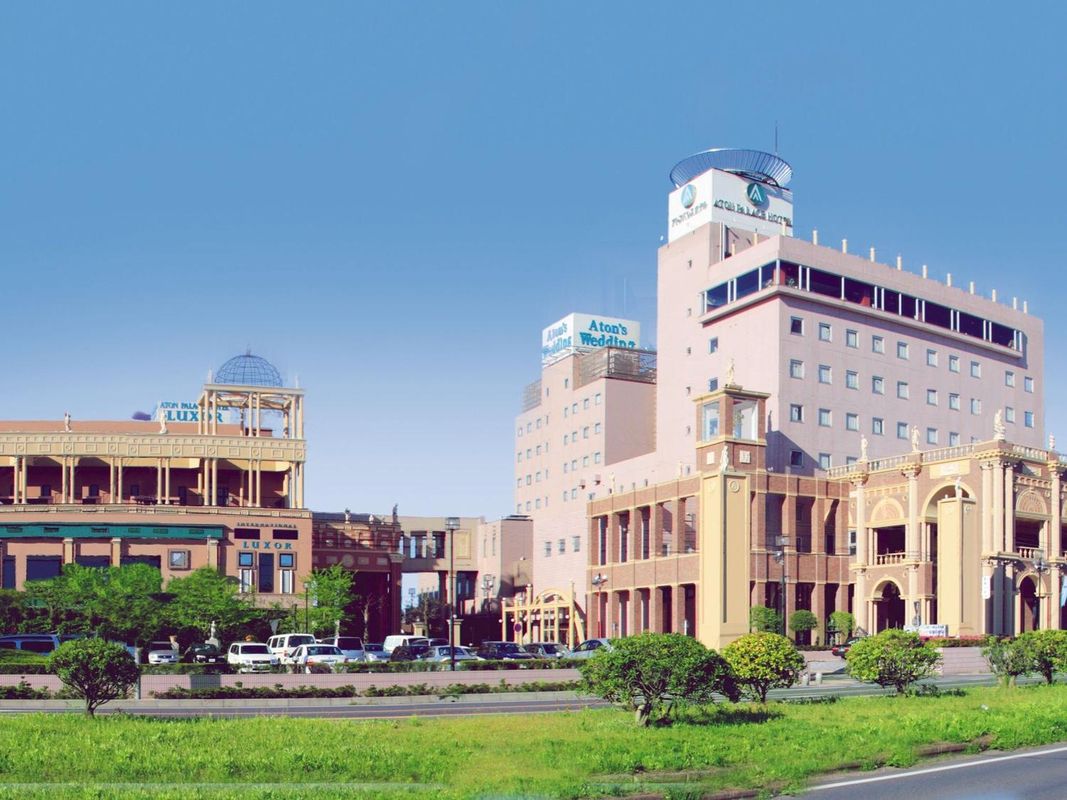
Aton Palace Hotel
Best Hotels in Kamisu
Discover curated hotel collections in Kamisu
Bellustar Tokyo, A Pan Pacific Hotel
Bvlgari Hotel Tokyo
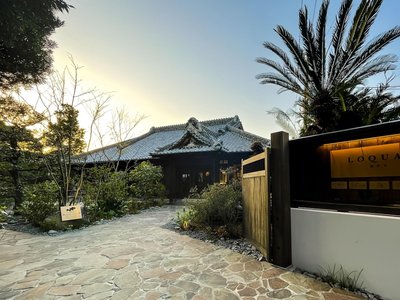
Loquat Nishiizu
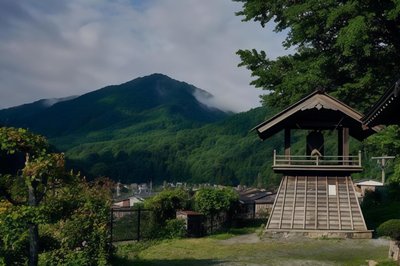
Byaku Narai
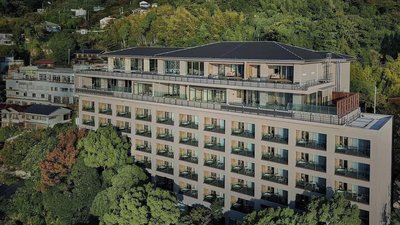
Atami Izusan Karaku
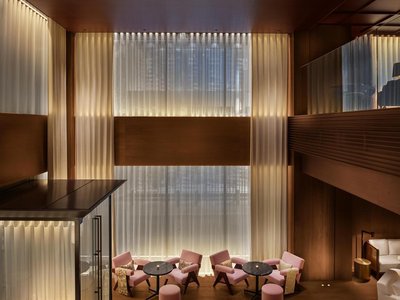
The Tokyo Edition, Ginza
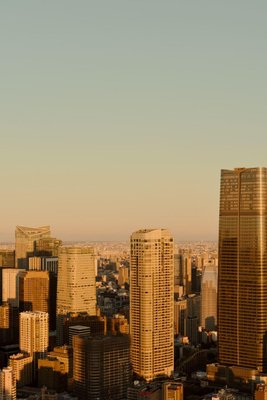
Janu Tokyo
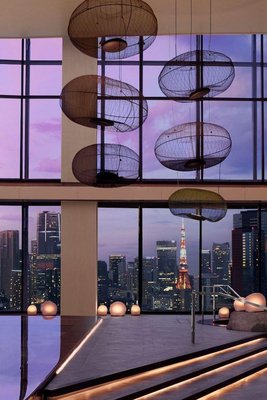
JW Marriott Hotel Tokyo
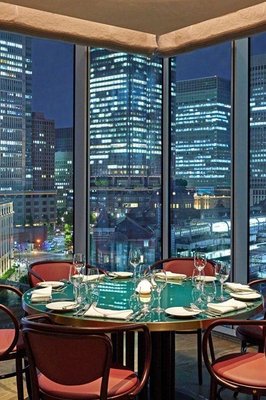
Four Seasons Hotel Tokyo at Marunouchi

Mandarin Oriental, Tokyo
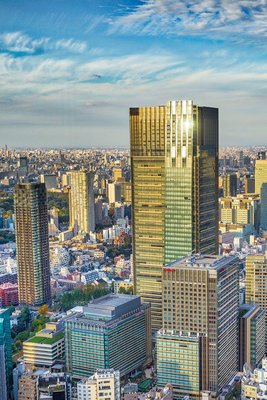
The Ritz-Carlton, Tokyo
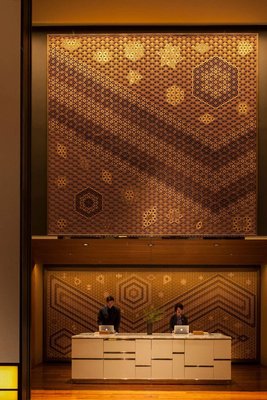
Andaz Tokyo Toranomon Hills- A Concept by Hyatt
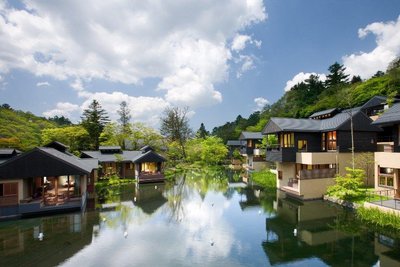
Hoshinoya Karuizawa
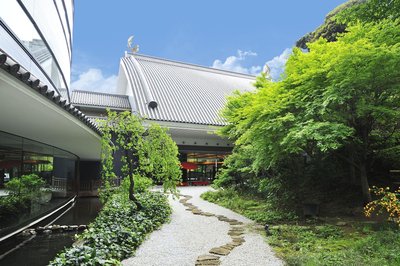
Hotel Gajoen Tokyo
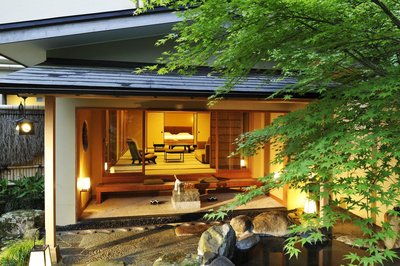
Gora Kadan
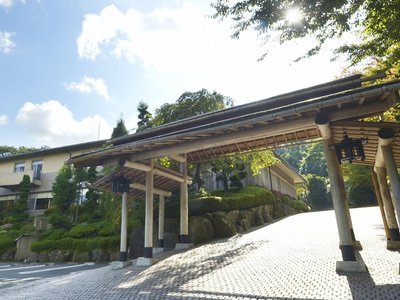
Gora Hanaougi
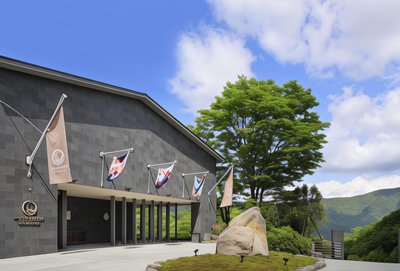
The Hiramatsu Hotels & Resorts Sengokuhara Hakone
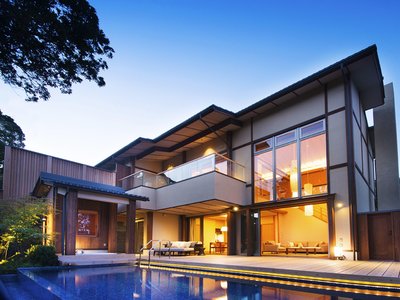
Abba Resorts Izu - Zagyosoh
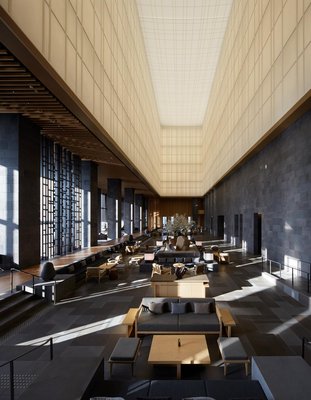
Aman Tokyo
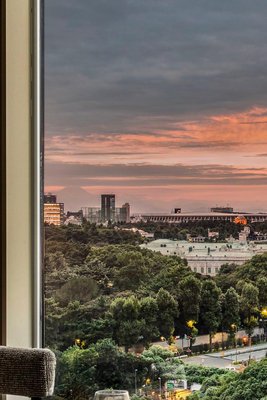
Hotel New Otani Tokyo, Executive House Zen
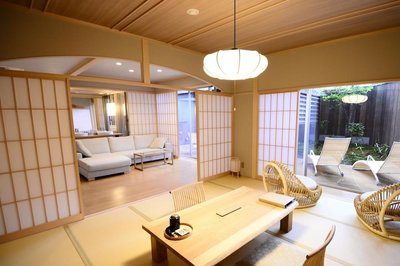
Hakone Gora Byakudan
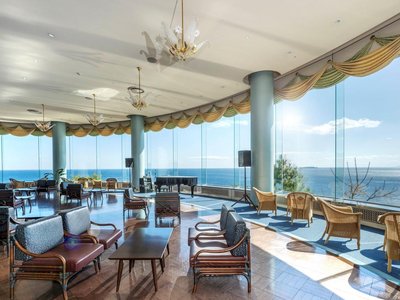
Hotel New Akao
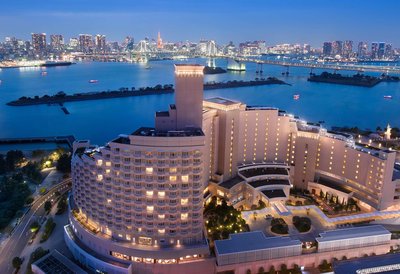
Hilton Tokyo Odaiba
JW Marriott Hotel Tokyo
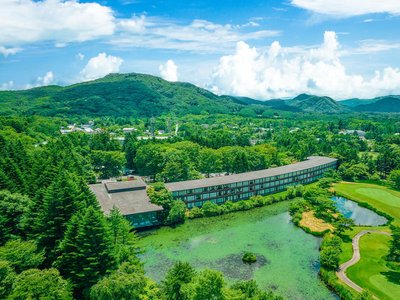
The Prince Karuizawa
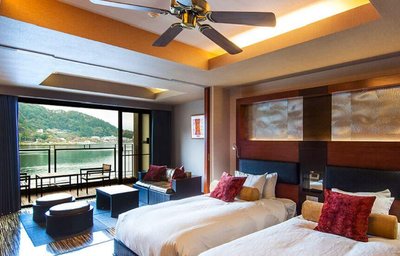
The Kukuna
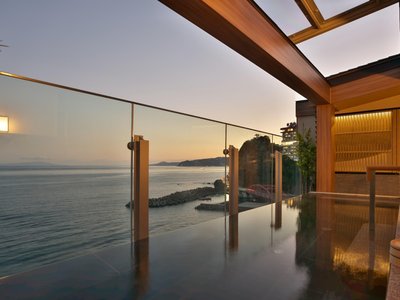
Hotel New Sagamiya
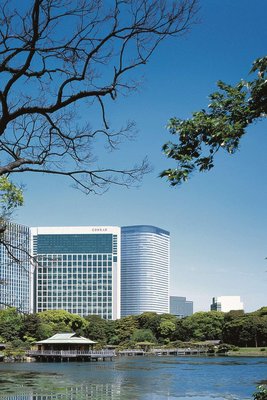
Conrad Tokyo
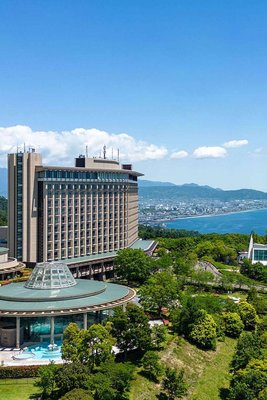
Hilton Odawara Resort & Spa
Hoshinoya Karuizawa
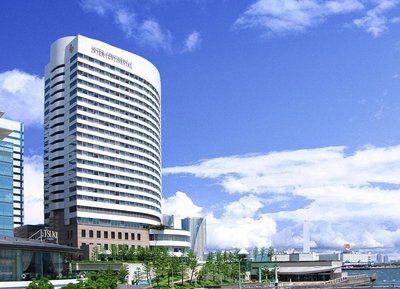
InterContinental Tokyo Bay
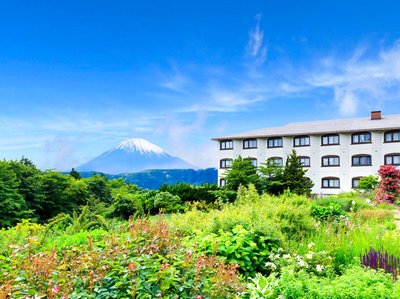
Hotel Green Plaza Hakone
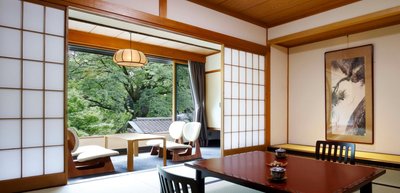
Yoshiike Ryokan
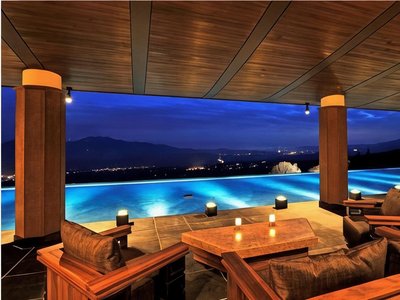
Akakura Kanko Hotel
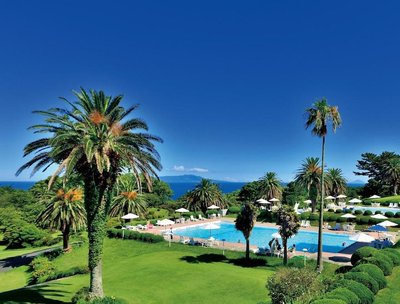
Kawana Hotel
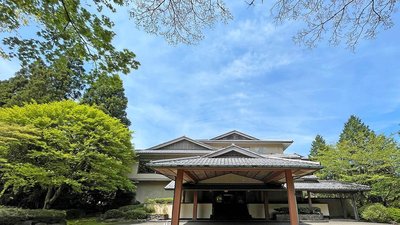
Ryuguden
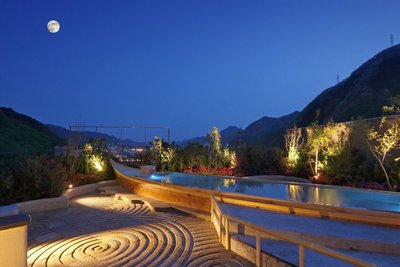
Asaya
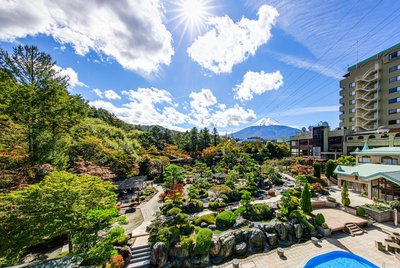
Kaneyamaen
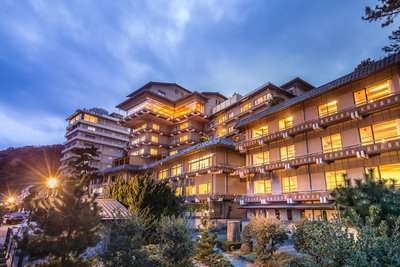
Bousui
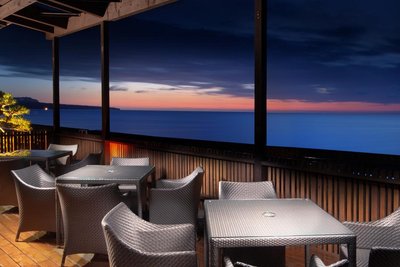
Tsuruya Kisshotei
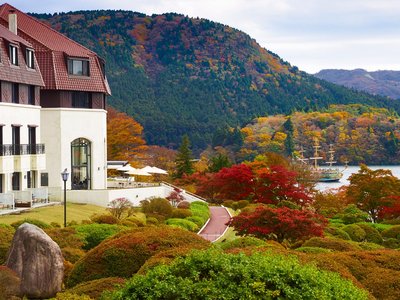
Hotakajyo
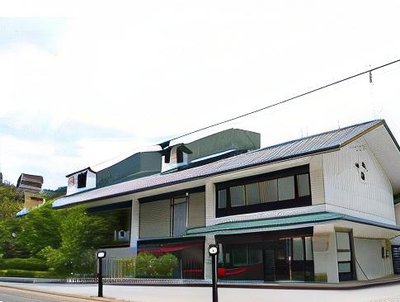
Auberge Suzukane

Onyado Nono Asakusa Bettei Hot Spring
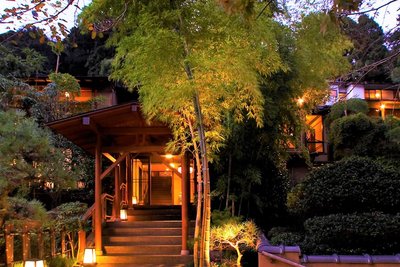
Shiki wo Ajiwau Yado Yamano Chaya
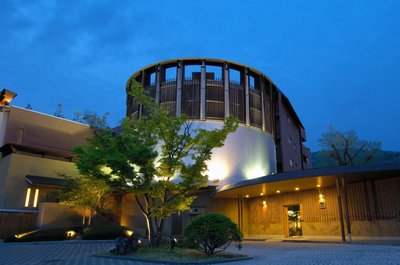
Hoshino Resorts Kai Matsumoto
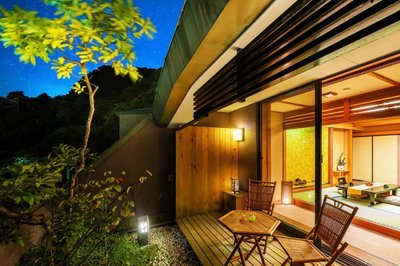
Konjakutei
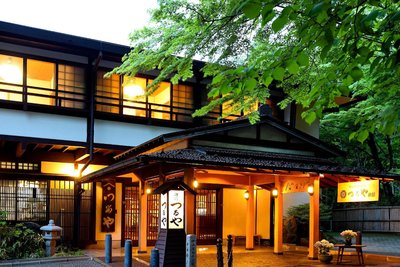
Tsuruya Ryokan
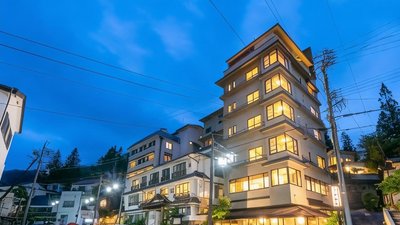
Nakamatsuya Ryokan
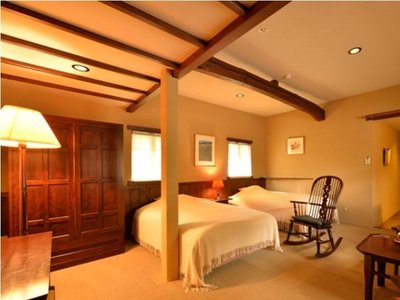
Ryokan Sugimoto
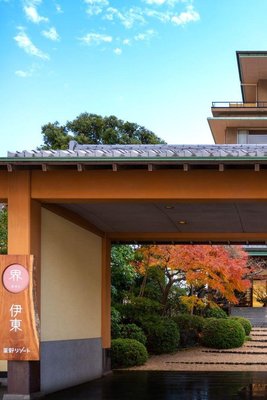
Hoshino Resorts Kai Ito
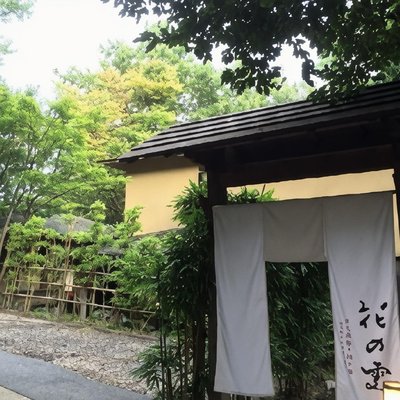
Hana No Kumo
Yoshiike Ryokan
Hotel Gajoen Tokyo
Gora Hanaougi
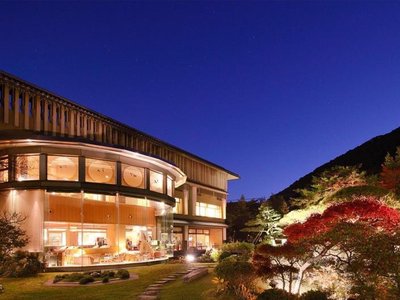
Shikisai Ichiriki
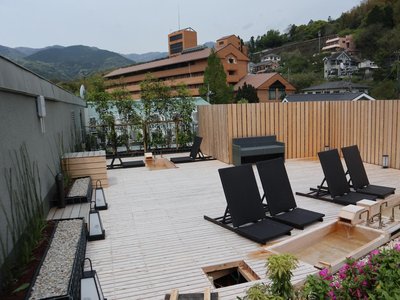
Fukiya Ryokan
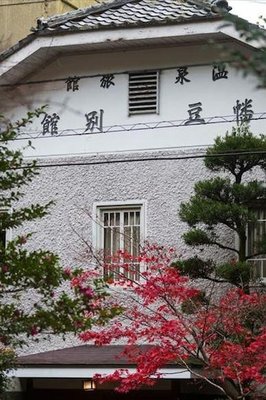
Oku-Mikawa・Yuya Onsen HAZU Bekkan
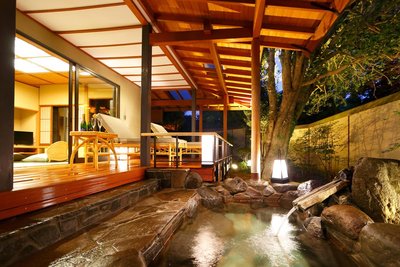
Yoshiharu Ryokan – Izu Nagaoka Onsen
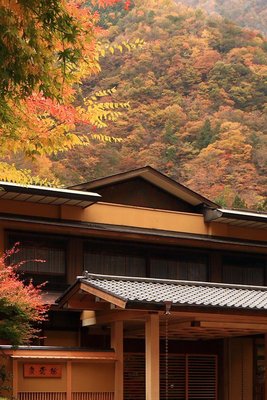
Nishiyama Onsen Keiunkan
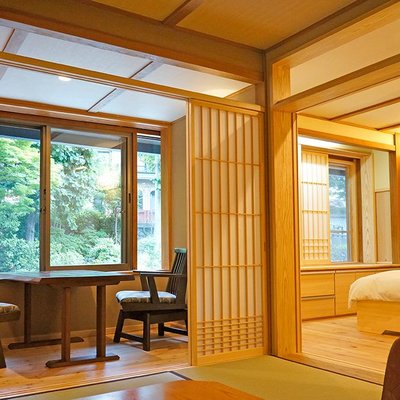
Sumiyosiya Ryokan
Bellustar Tokyo, A Pan Pacific Hotel
JW Marriott Hotel Tokyo
Andaz Tokyo Toranomon Hills- A Concept by Hyatt
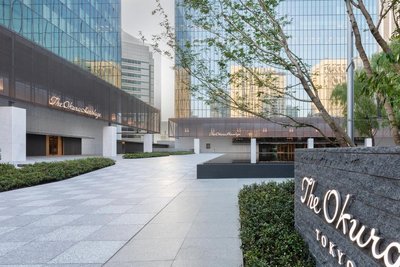
The Okura Tokyo
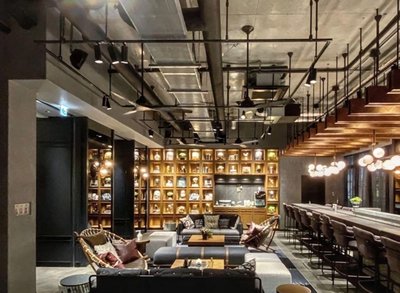
The Lively Azabujuban Tokyo
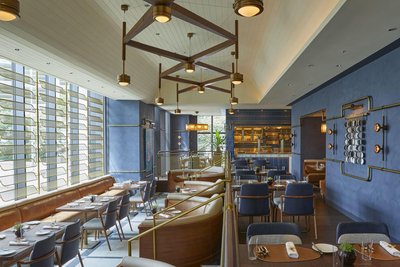
Kimpton Shinjuku Tokyo
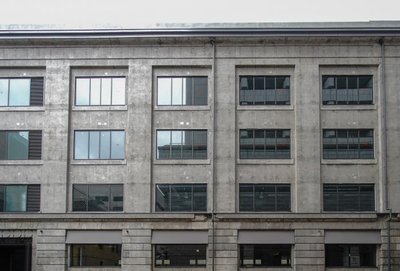
HOTEL K5
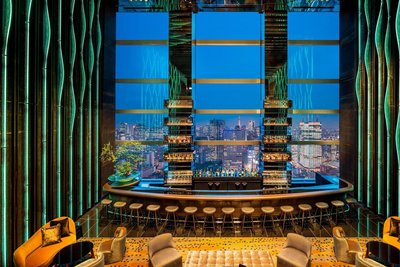
The Prince Gallery Tokyo Kioicho, a Luxury Collection Hotel
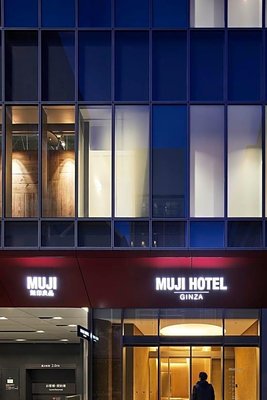
Muji Hotel Ginza
Hakone Gora Byakudan
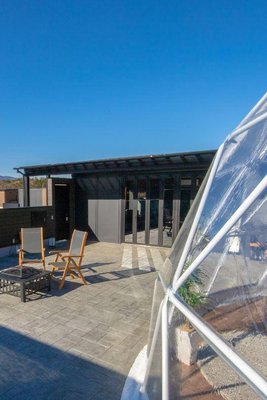
Panoramic Mt. Fuji Views from All Rooms – Vision Glamping Resort & Spa Yamanakako
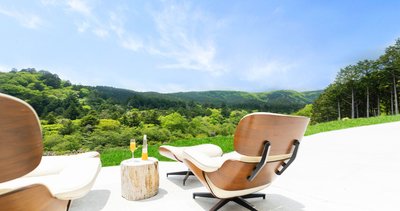
Shelter Garden Nikko
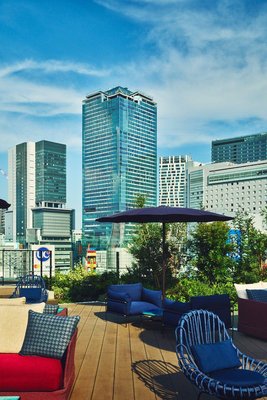
Hotel Indigo Tokyo Shibuya
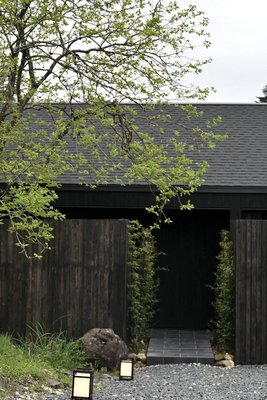
THE LAKOTAN
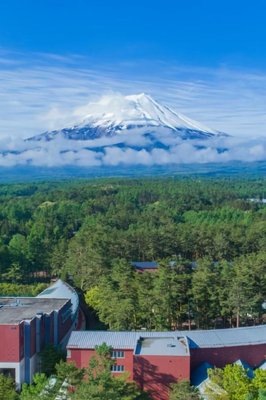
Forest Village (Fuji Premium Resort)
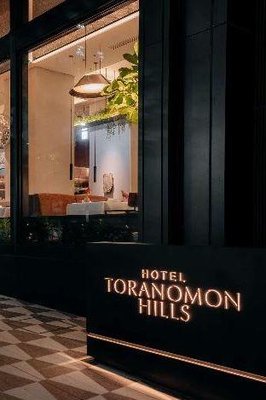
Hotel Toranomon Hills
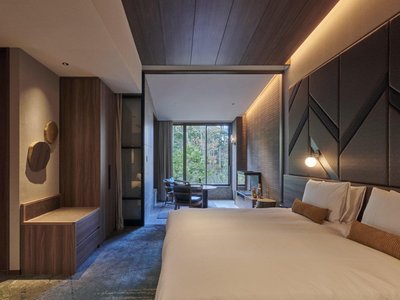
Fufu Kyu-Karuizawa Restful Forest
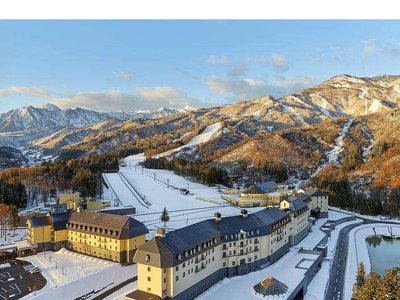
Lotte Arai Resort
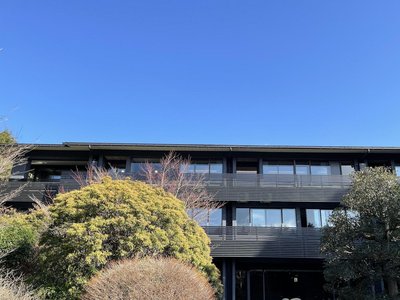
Sengokubara Cocon
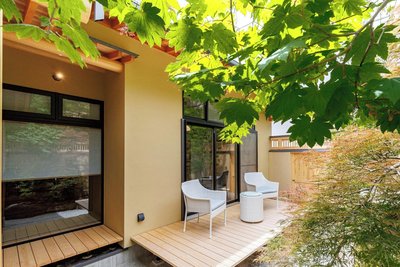
Shoraiso
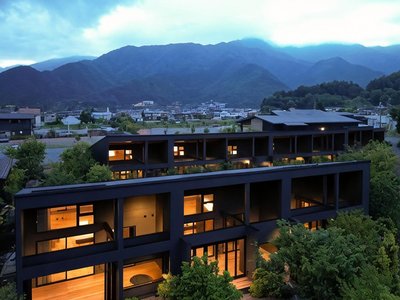
7C Villa and Winery
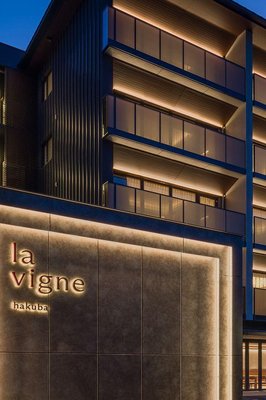
Hotel la Vigne Hakuba by Onko Chishin
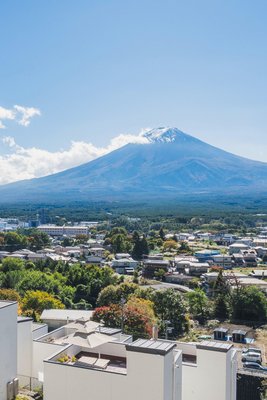
THE TOKI FujiKawaguchiko
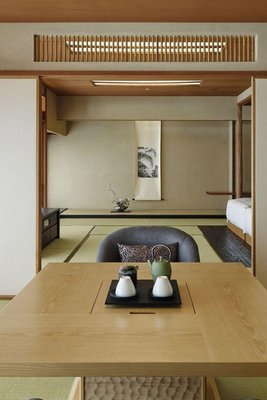
Takanawa Hanakohro (in Grand Prince Hotel Takanawa)
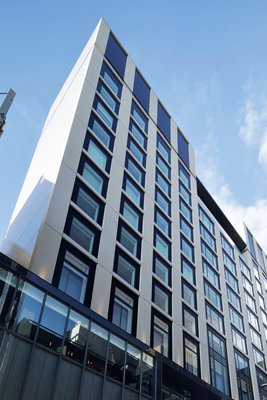
Hyatt Centric Ginza Tokyo
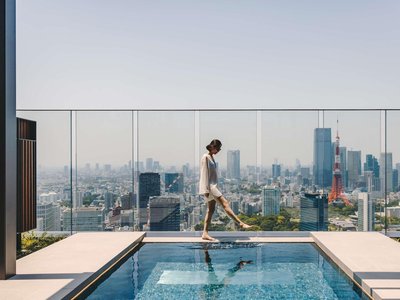
Fairmont Tokyo
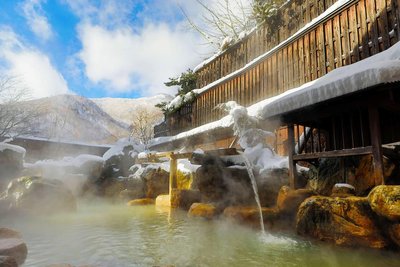
Miyamaouanbekkan yumegurinoyado hirayukan
The Prince Karuizawa
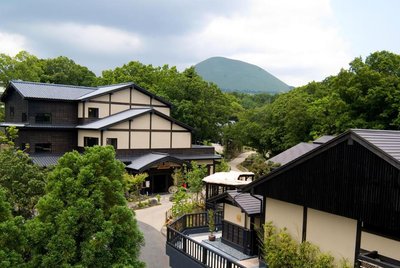
Mori no yu Kira No Sato 【Reopening on December 22, 2025】
Bvlgari Hotel Tokyo
Four Seasons Hotel Tokyo at Marunouchi
Mandarin Oriental, Tokyo
The Ritz-Carlton, Tokyo
Andaz Tokyo Toranomon Hills- A Concept by Hyatt
Gora Kadan
Hotel New Otani Tokyo the Main
Aman Tokyo
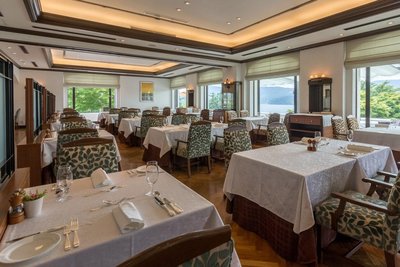
Odakyu Hotel de Yama
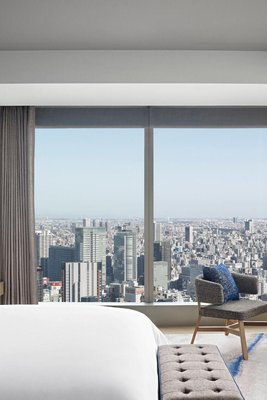
Four Seasons Hotel Tokyo at Otemachi
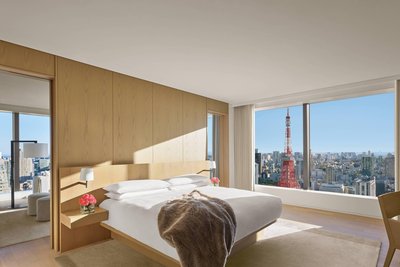
The Tokyo Edition, Toranomon
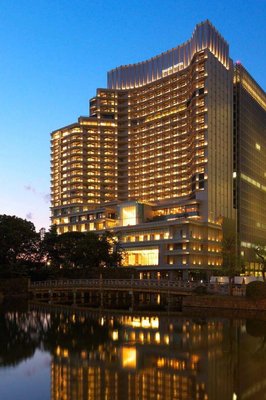
Palace Hotel Tokyo
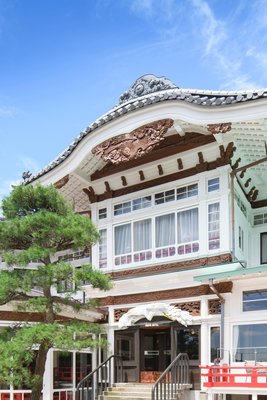
Fujiya Hotel
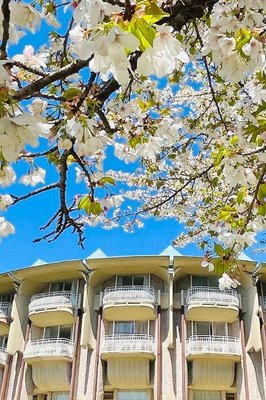
The Prince Hakone Lake Ashinoko
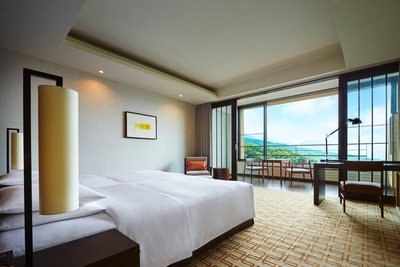
Hyatt Regency Hakone Resort and Spa
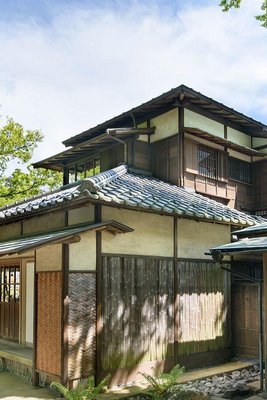
Hakone Suishoen
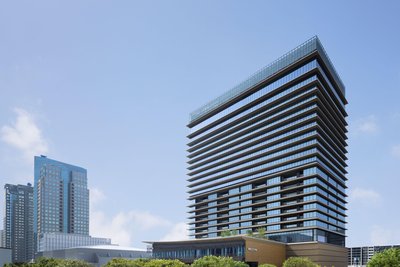
The Westin Yokohama
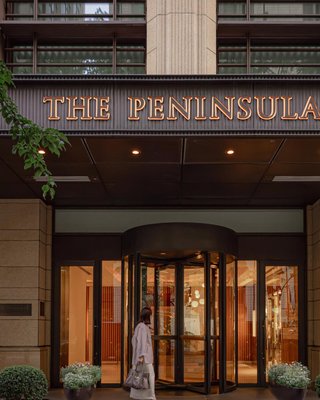
The Peninsula Tokyo

Imperial Hotel, Tokyo
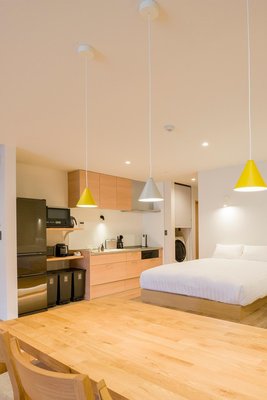
Rakuten STAY VILLA Nasu
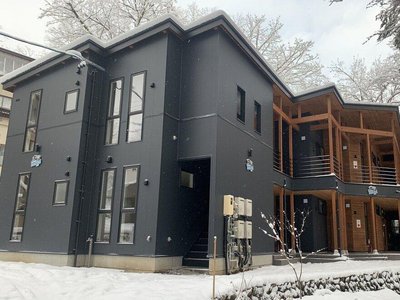
Hakuba Gondola Apartments
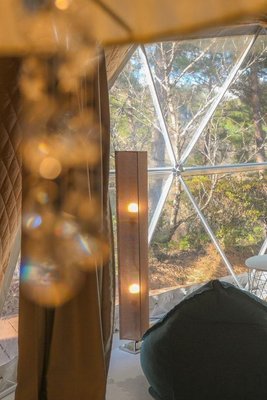
glampark Gekkabijin Nagano
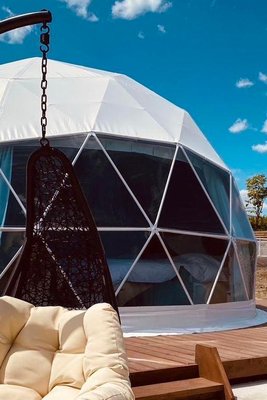
chillout glamping zao
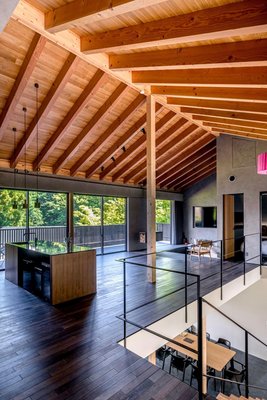
MONS GORA
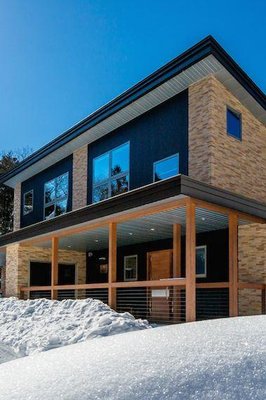
Phoenix Chalets by Hhg
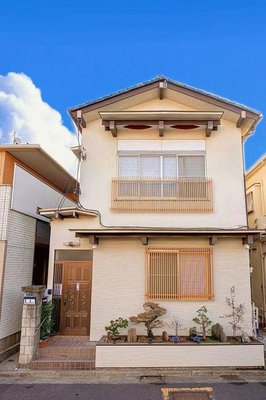
Tokyo Star House-Shinkoiwa
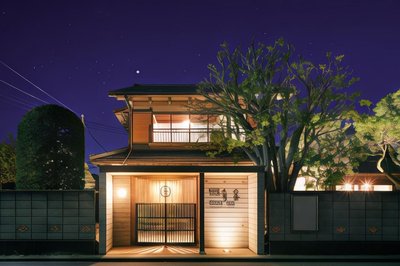
Machi-Jyu
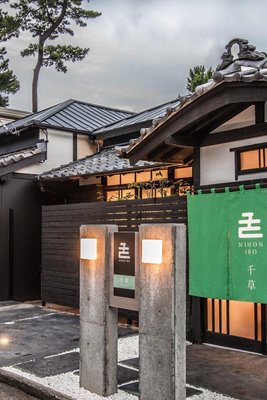
Nihon Iro
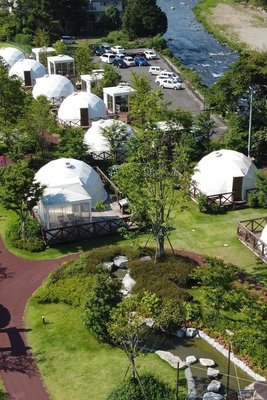
Ufufu Village
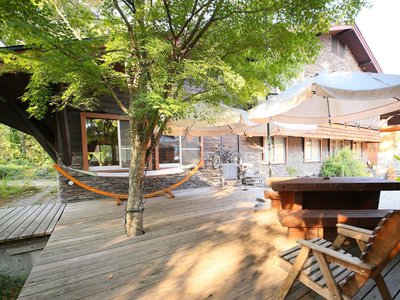
Kunugi Relaxation with 4 Modern Rooms
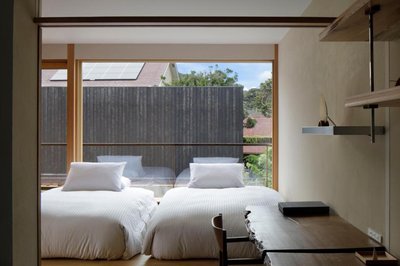
Modern Ryokan Kishi-ke
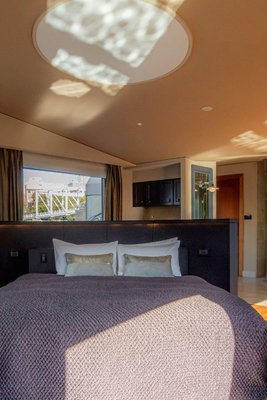
Petals Tokyo - Floating Hotel
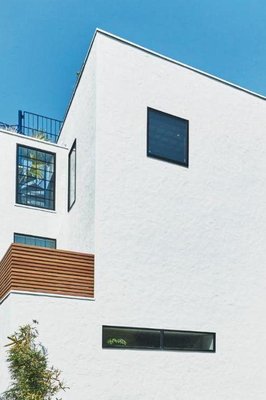
The Flow Kamakura
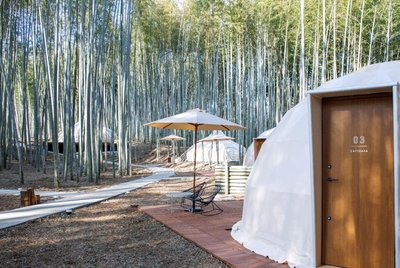
THE BAMBOO FOREST
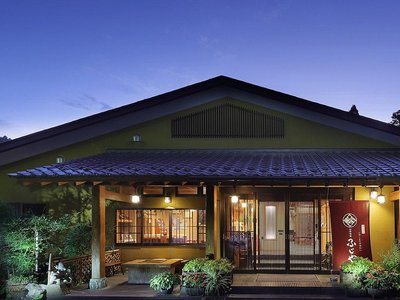
Shikimitei Fujiya
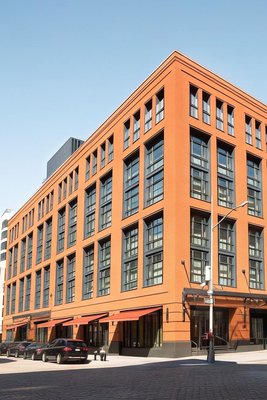
Hotel Barrière Fouquet's New York
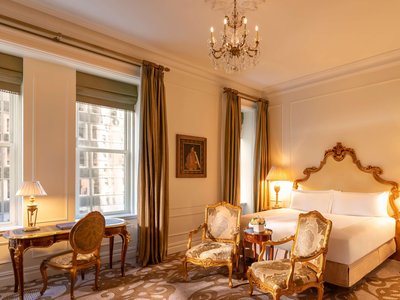
The Plaza - A Fairmont Managed Hotel
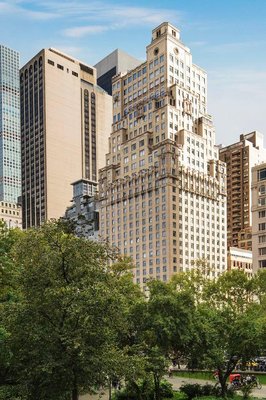
The Ritz-Carlton New York, Central Park
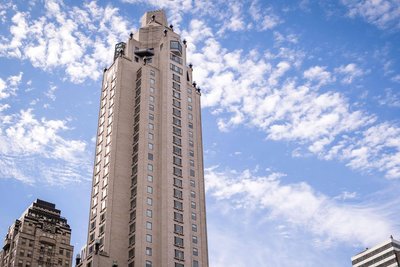
Four Seasons Hotel New York
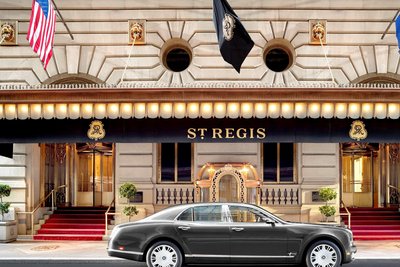
The St. Regis New York
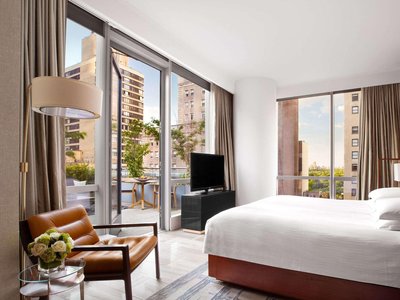
Park Hyatt New York
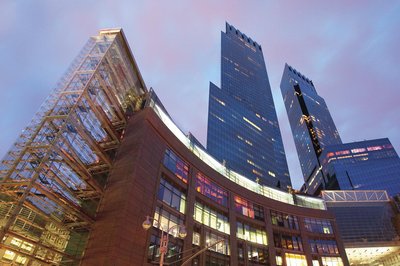
Mandarin Oriental New York
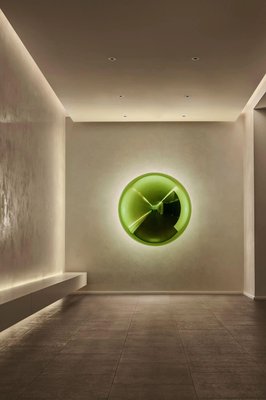
Times Square Edition New York
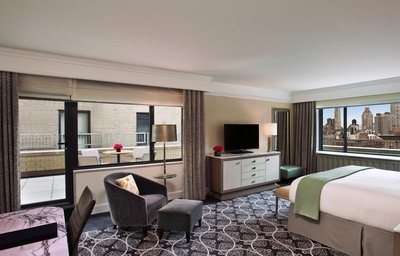
Loews Regency New York Hotel
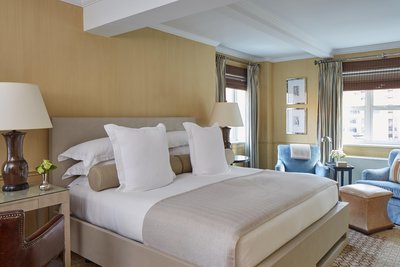
Lowell Hotel
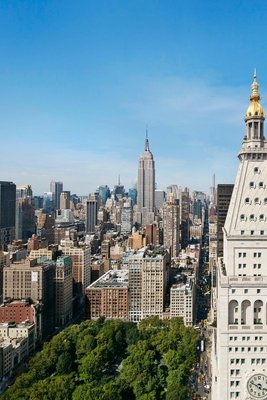
New York Edition
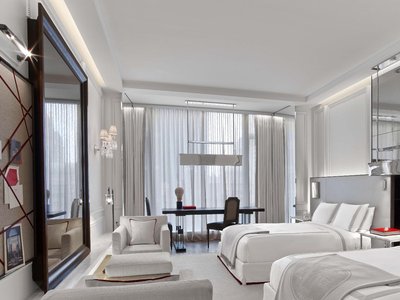
Baccarat Hotel New York
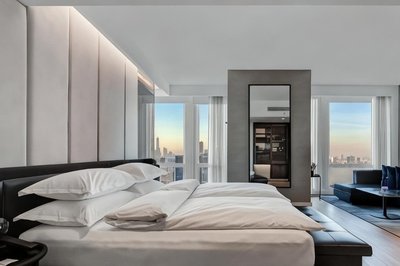
Equinox Hotel New York
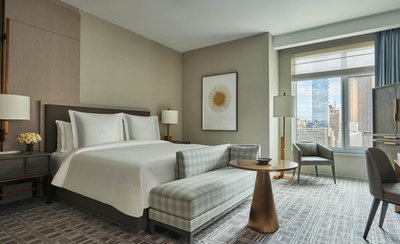
Four Seasons Hotel New York Downtown
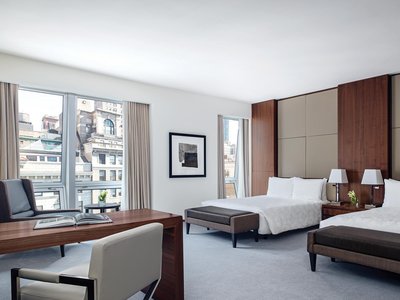
The Langham, New York, Fifth Avenue
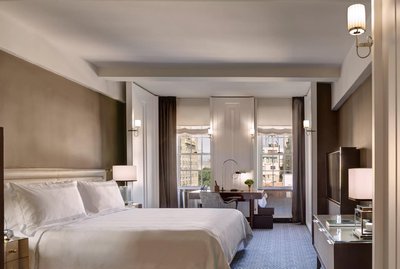
The Carlyle, A Rosewood Hotel

The Chatwal, in the Unbound Collection by Hyatt
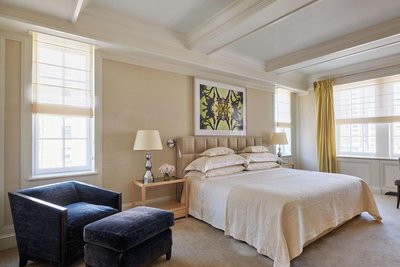
The Mark New York
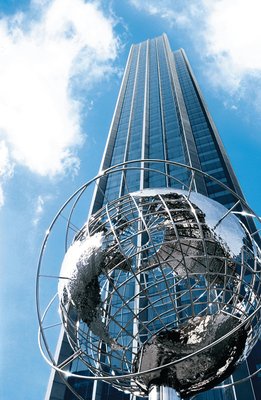
Trump International Hotel & Tower® New York
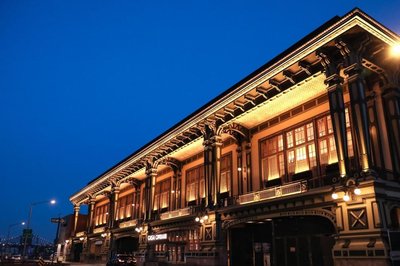
Casa Cipriani New York
Frequently Asked Questions about Traveling to Kamisu
Questions You Might Need to Know About Traveling to Kamisu
In Kagoshima City, recommend staying at Kagoshima Bay Resort Hotel, a family-oriented hotel featuring spacious suites, a kids’ pool, and on-site Japanese-style gardens. Located just minutes from Kagoshima Port and near Sakurajima Island, it offers easy access to ferry rides and scenic views. The hotel also hosts seasonal events like "Family Cooking Day," where guests can prepare local dishes such as Satsuma-age with chefs. With free shuttle service to Kagoshima Station, it’s ideal for families seeking comfort, convenience, and authentic regional charm.
The Central District around Kagoshima Station is the most convenient area for lodging. It’s well-connected by JR Kagoshima Main Line and Kagoshima Kōtsu Bus, with easy access to major attractions like Shinjuku Park and Kagoshima Prefectural Museum. Many guesthouses and mid-range hotels cluster here, offering affordable rates and kitchenettes—perfect for longer stays. The area also features vibrant night markets and cozy izakayas, making it ideal for both daytime sightseeing and evening exploration. Quiet streets and reliable public transport ensure a comfortable urban experience.
Don’t miss the Kagoshima Sake Festival held annually in October, where local breweries offer tastings of premium kome-shu (rice wine), often paired with traditional dishes like kurobuta pork. Another highlight is visiting the Kagoshima Folk Craft Workshop, where you can try making shibori (tie-dye) textiles or kamishimo (traditional armor). During winter, participate in the Sakurajima Lantern Festival, featuring handcrafted paper lanterns illuminating the island’s volcanic slopes. These events deeply reflect Kagoshima’s spirit of craftsmanship and community pride.
Top photogenic locations include Sakurajima Island’s Mount Kinkasan viewpoint, offering dramatic shots of the active volcano rising above the sea. The Kagoshima Bay Sunset Pier provides golden-hour backdrops with fishing boats silhouetted against fiery skies. For urban scenes, visit Shinjuku Park’s Cherry Blossom Path during spring or the Kagoshima City Art Gallery’s rooftop garden with panoramic city views. Don’t forget Nishi-machi Street’s vintage streetlights—perfect for moody nighttime photography. Bring a wide-angle lens to capture sweeping landscapes and layered cityscapes.
Yes, Sakurajima Onsen Hotel "Yukari-no-Yado" is a must-visit, located just 20 minutes from Kagoshima City via ferry. This ryokan specializes in natural sulfur-rich baths sourced from Sakurajima’s volcanic springs, known for improving skin health and easing muscle tension. Rooms feature tatami mats, sliding doors, and private outdoor baths overlooking the ocean. The hotel serves exquisite kaiseki meals using fresh seafood and local produce like Kagoshima beef. It’s especially popular among travelers seeking tranquility and immersive nature experiences.
Must-try dishes include Kagoshima-style ramen, characterized by its rich pork bone broth, thin noodles, and chashu pork slices. Another local favorite is Kurobuta pork cutlet (Kurobuta Katsu), tender and juicy, often served with cabbage and tonkatsu sauce. Try Satsuma-age, deep-fried fish cakes made with local squid and sweet potato, available at street stalls. For dessert, sample Kagoshima Mochi Ice Cream, a fusion treat combining chewy rice cake with vanilla ice cream. All dishes highlight the region’s love for bold flavors and high-quality ingredients.
The Kagoshima Bay Coastal Cycle Route is ideal, stretching 18 km from Kagoshima Port to Sakurajima Ferry Terminal. It follows a dedicated bike path with rest stops, shaded lanes, and stunning sea views. Another great option is the Shinjuku Park Loop, a 6 km paved trail through lush greenery, perfect for beginners. Both routes offer rental bikes at stations near Kagoshima Station and Nishi-machi Shopping Street. Cyclists can pause at roadside stalls selling kanten (agar jelly) and fresh fruit. Recommended time: early morning or late afternoon to avoid heat.
The peak festival season is late August to early September, centered around the Kagoshima Fire Festival (Hinode Matsuri). Held on the first weekend of September, this event features massive fire dances, pyrotechnics over the bay, and a parade of illuminated floats inspired by Satsuma history. The Sakurajima Gion Festival also takes place in July, with portable shrines and traditional drumming. Nighttime illuminations transform the city into a glowing wonderland. Expect crowds, but the energy and cultural depth make it unforgettable.
Explore Kagoshima Bay Night Walkway, where illuminated pathways glow along the waterfront, offering serene views of the harbor and distant Sakurajima. Visit Nishi-machi Night Market, open every Friday and Saturday, featuring grilled seafood, yakitori, and live folk music. For a romantic moment, book a dinner cruise aboard the Kagoshima Moonlight Express, which sails past illuminated landmarks. The Kagoshima City Observatory also hosts stargazing events during clear nights, providing panoramic views of the Milky Way.
Absolutely. Kagoshima City is an excellent base for road trips. Drive south to Sakurajima Island via the ferry route—ideal for seeing an active volcano up close. Stop at Takamori Castle Ruins en route for panoramic views of the city. Further south, visit Kagoshima University Botanical Garden for tranquil green spaces. Return via Kinkasan Mountain Road, offering breathtaking vistas of the bay. All roads are well-maintained, with rest areas and gas stations. Perfect for exploring Kyushu’s natural beauty and historical sites.
Kamisu Overview
City Summary
Kamisu City in Ibaraki Prefecture, Japan, combines coastal industry with Shinto tradition. The Kashima Coastal Industrial Zone showcases advanced technology alongside tidal flats fostering migratory birds. Key attractions include the rare black sands of Hazaki Beach and the ancient Isosaki Shrine, where maritime rituals have thrived for 1,300 years. The city's duality as a steel producer and aquaculture hub creates a unique cultural blend.
Must-See Attractions
Visit Isosaki Shrine to witness dawn rituals over the Pacific Ocean, followed by exploring its Nagasaki-style stone lanterns. Kashima Soccer Stadium hosts J-League matches with local seafood concessions. At Hazaki Fishing Port, join a morning auction tour (5AM reservations required). Don't miss the surreal landscape of Kashima Rinkai Railway cutting through refinery complexes.
Food Guide
Savor Kamisu's specialty clams harvested from Tokyo Bay's brackish waters - try "hammuri" (butter-sautéed clams) at portside shacks. From November to March, order Kashima-nada oyster hot pots infused with sake lees. Convenience stores sell "surume" (dried squid) branded with industrial zone motifs. For dessert, sample sweet potato soft-serve at roadside farmers' markets.
Transportation Guide
The Kashima Rinko Railway connects major industrial sites (¥420/ride). Local buses depart every 40 minutes from Kamisu Station (IC card incompatible). Rental bicycles (¥500/day) suit coastal exploration. Note that taxi fares surge 30% during shift changes at factories (7-9AM & 4-6PM). Highway buses to Tokyo Station run hourly (¥2,300, 90 mins).
Best Time to Visit
Ideal periods are late April for shrine festivals or September-October for comfortable factory tours. Summer (July-August) brings beachgoers but high humidity. Winter offers cheaper accommodation yet limited seafood variety. Avoid typhoon season (early September) when transport disruptions occur.
Travel Tips
- Remove shoes before entering traditional restaurants marked with "agari-ba" signs
- Industrial zone visitors must wear closed-toe shoes and high-vis vests (provided)
- Beach smoking banned within 100m of wooden breakwaters
- Shrine photography requires ¥500 permit for professional equipment
- Convenience store ATMs charge ¥220/service after business hours
- Tipping considered rude - exceptional service may warrant a small gift instead
Useful Information
English-speaking staff exist at Kashima Soccer Stadium and major hotels. Pocket WiFi rentals available at Narita Airport (¥800/day). Hospitals like Kamisu Central accept international insurance with upfront payment. Carry ¥10,000 notes for rural onsen admissions distrusting foreign cards. Emergency contacts: Police (110), Ambulance (119), Japan Help Line (0120-461-997). Note: No UNESCO sites but hidden gems like the 1890s French-designed lighthouse.