Hotels in Kani
Discover your perfect stay in Kani.
Kani(Japan) Travel 2026: Cheap Flights, Hotels & Top Attractions
Popular Landmarks in Kani
Discover the most iconic attractions in Kani
Recommended Hotels in Kani
Find the perfect place to stay in Kani


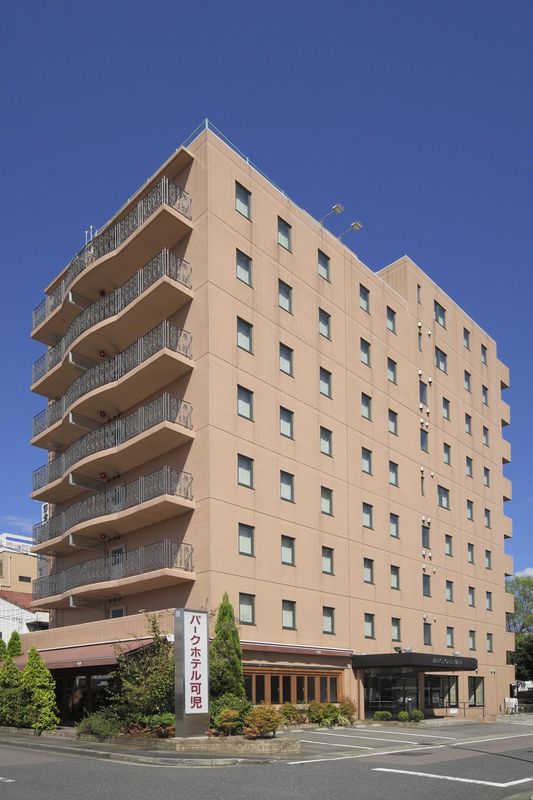

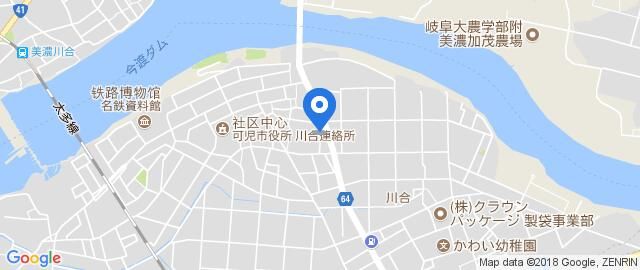
Best Hotels in Kani
Discover curated hotel collections in Kani














































Frequently Asked Questions about Traveling to Kani
Questions You Might Need to Know About Traveling to Kani
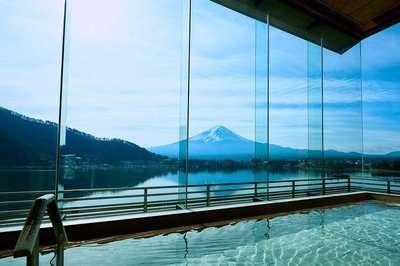
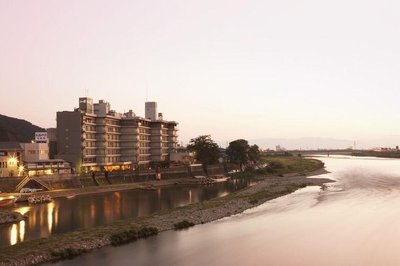
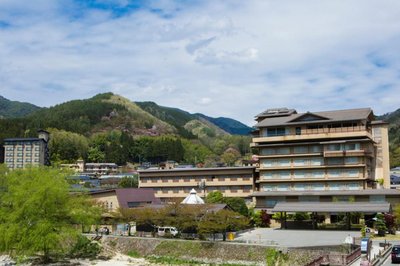
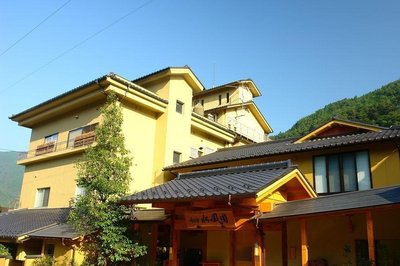
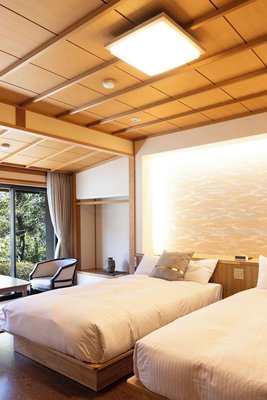
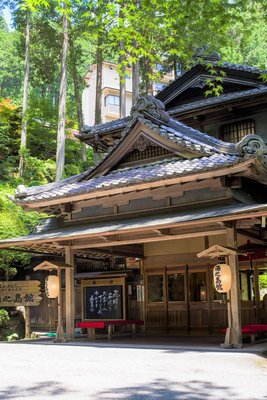
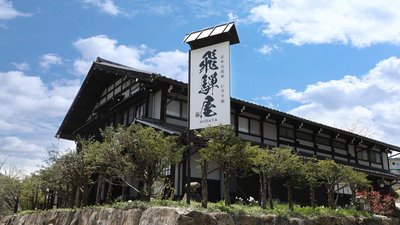
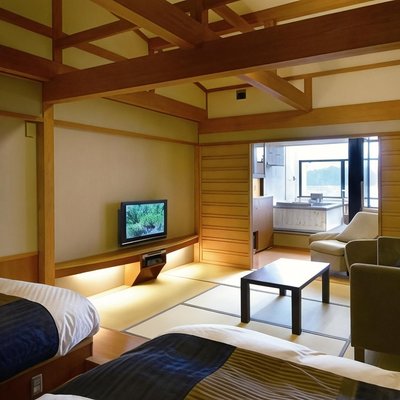
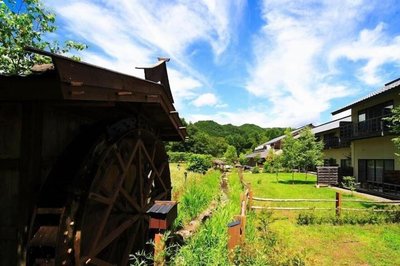
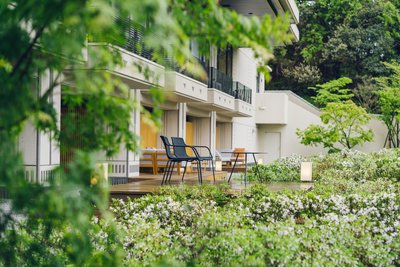
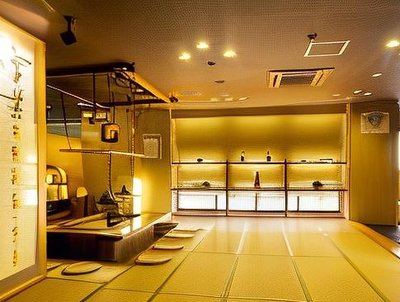
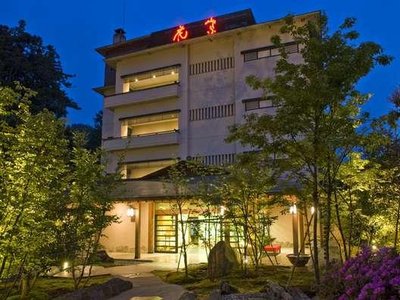
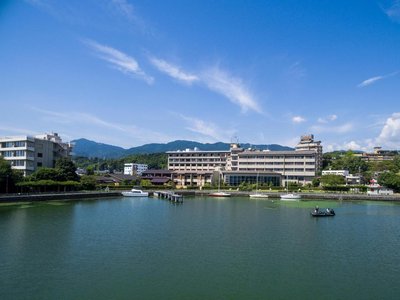
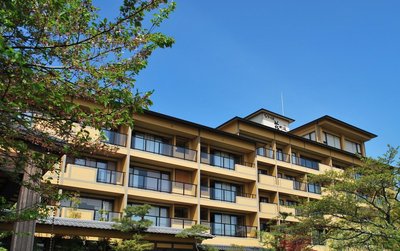
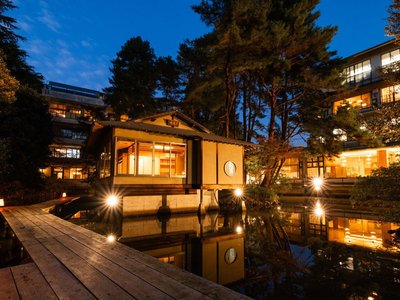
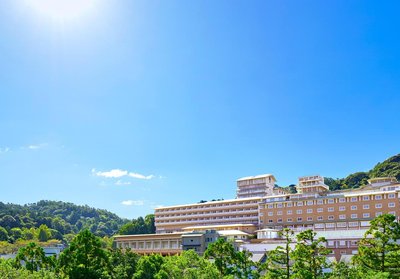
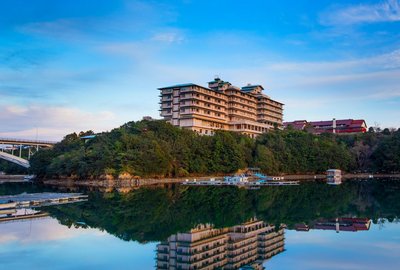
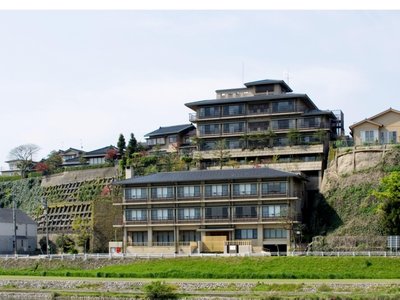
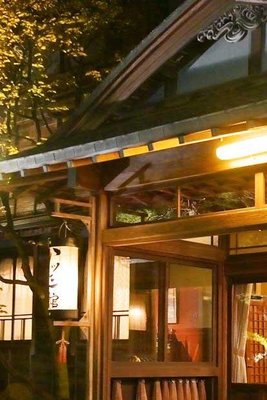
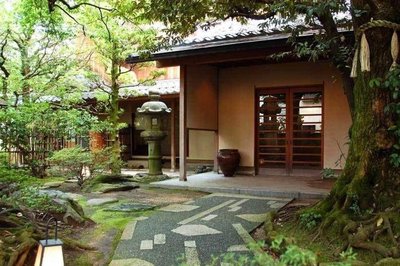
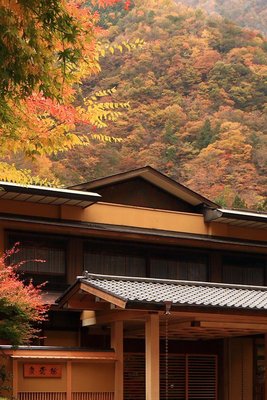
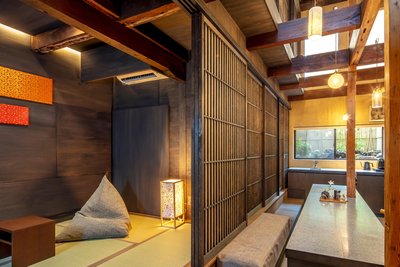
In Kani City, the best choice for authentic Japanese ambiance is Kani Onsen Hotel, a ryokan nestled beside the Hida River. This traditional inn features tatami-mat rooms, private onsen baths, and locally crafted wooden furnishings. Guests can enjoy Hida beef kaiseki meals and participate in woodworking workshops at the nearby cultural center. Its proximity to Kani City Museum and Old Town Shopping Street makes it ideal for experiencing Hida craftsmanship and rural life. The serene setting offers a true escape into Japan’s heritage.
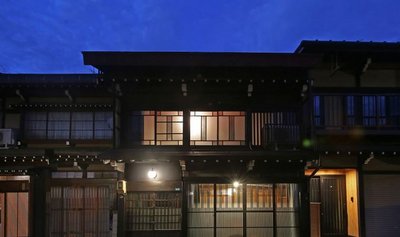
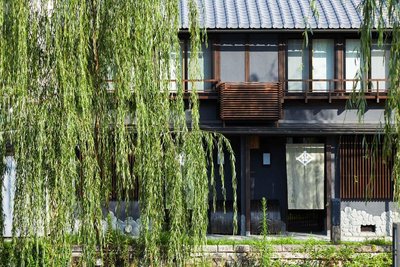
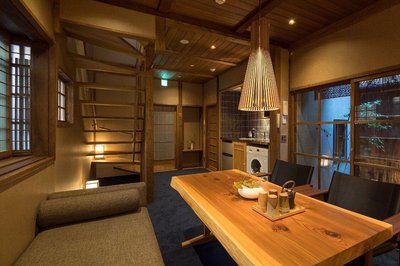
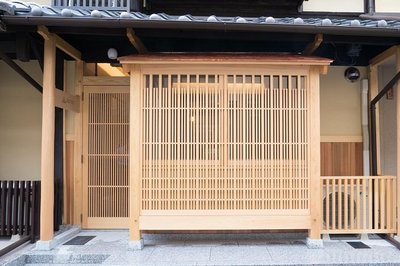
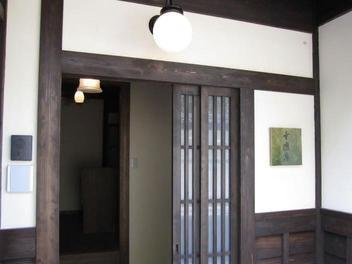
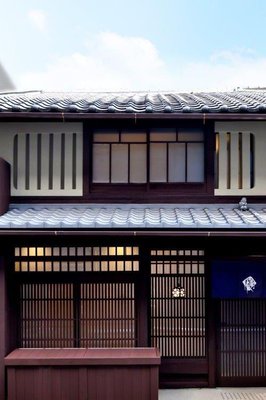
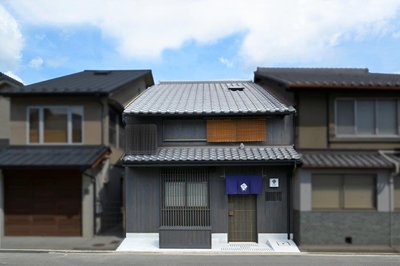
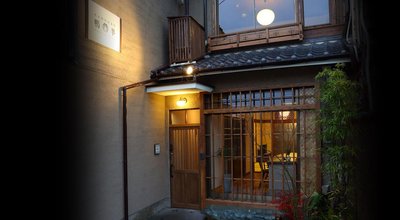
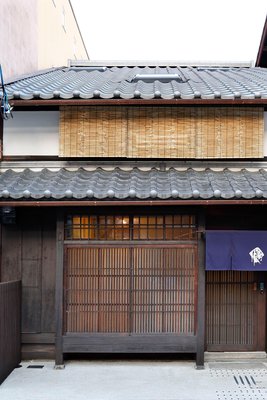
The central district of Kani City, near Kani Station and the Hida River, is perfect for first-time visitors. It offers easy access to key attractions like Kani City Hall, Citizen’s Hall, and Old Town Shopping Street. This area also hosts charming machiya-style guesthouses converted from historic homes, such as Hida Artisan House, where guests can engage in local crafts. With restaurants serving Hida beef and buckwheat soba, this district blends convenience, culture, and comfort—ideal for exploring nearby gems like Gifu Prefecture’s Shirakawa-go.
Kani City offers immersive Hida woodworking workshops at the Kani Cultural Center, where visitors can craft small wooden items using century-old techniques. The annual Kani Festival features Noh theater performances, taiko drumming, and processions in traditional Hida yukata. You can also tour preserved Hida-style farmhouses, learn about wood construction methods, and sample Hida tofu and local miso. These experiences provide deep insight into the region’s artisan legacy and rural lifestyle, making them essential for cultural travelers.
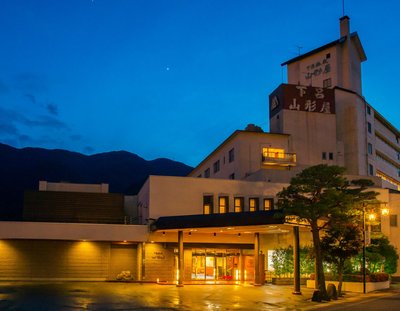
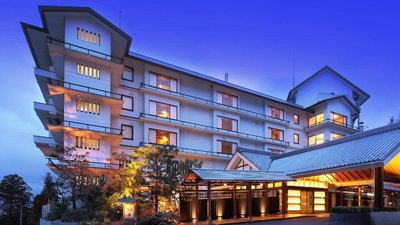
Yes! Hida Onsen Resort is a top-rated family-friendly onsen hotel featuring indoor and outdoor hot springs, a children’s playroom, and kid-friendly cooking classes. Located along the Hida River, it offers scenic trails leading to waterfalls and forest walks. The resort’s Hida Farmhouse Restaurant serves fresh Hida beef and regional vegetables. With multilingual staff and facilities like stroller rentals, it’s an ideal destination for families seeking relaxation, nature, and authentic local cuisine in a welcoming environment.
Must-try dishes in Kani City include Hida beef sukiyaki, made with premium local wagyu, served in a light broth with fresh vegetables. Another highlight is Kani soba, hand-made buckwheat noodles topped with savory sauce and wasabi, available at stalls along Old Town Street. Don’t miss Hida tofu, soft and delicate, served at Hida no Mori, a centuries-old shop. Pair these with Hida miso soup or local sake for a complete taste of the region’s culinary tradition, deeply rooted in mountain agriculture and craftsmanship.
Absolutely! Kani City has well-maintained bicycle paths along the Hida River, stretching 15 km with gentle gradients and scenic views of rice fields, cherry blossoms, and stone bridges. Rental bikes—including electric models and child seats—are available at Kani Station and Old Town Street. Stop by Hida Furukawa or Mikami Shrine en route to explore Edo-period architecture. Best visited early morning to avoid heat and enjoy the tranquil countryside. The city’s bike-friendly infrastructure makes it perfect for leisurely exploration.
Try the Hida River Night Lantern Festival, held every weekend, where hundreds of paper lanterns illuminate the riverbanks between Kami Bridge and Ohashi Bridge, creating a dreamlike reflection. The Kani City Museum occasionally hosts night tours with projections of historical Edo-era scenes. For tranquility, soak in an open-air onsen at Kani Onsen Hotel under the stars. Some guesthouses also offer traditional tea ceremonies with Hida mochi and matcha, offering a peaceful way to experience Japanese nighttime serenity.
Kani City is easily accessible via JR Central Railway, with Kani Station just 40 minutes from Nagoya Station. Free shuttle buses connect major sites like the Museum, Onsen Area, and Old Town Street. For self-drive travelers, the Tōkai Expressway and National Route 156 run through the city, offering quick access to Shirakawa-go (45 minutes). The Kani Tourism Information Center provides multilingual maps, rental car services, and guided tour bookings, ensuring smooth travel planning for all visitors.
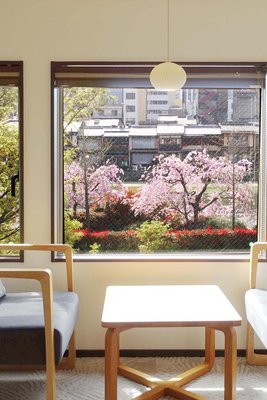
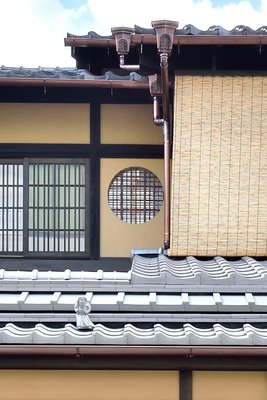
Top photo spots include the Hida River Cherry Blossom Path, where pink petals reflect in clear waters—perfect for golden-hour shots. The Old Town Street with its timbered buildings and oil lamps creates rich contrast for street photography. The Hida Artisan House garden and carved wooden windows offer intricate details ideal for macro and architectural shots. Visit early morning or dusk for soft lighting. The Kani City Museum’s courtyard with stone lanterns and moss gardens also provides serene, photogenic scenes—ideal for capturing Japan’s quiet beauty.
Don’t miss the Kani Autumn Festival in October, featuring Noh theater, taiko drumming, and a vibrant carriage parade in traditional Hida yukata. During spring, the Hida River Cherry Blossom Festival lights up the banks with lanterns and poetry readings. The annual Woodcraft Festival showcases master artisans carving live in open-air workshops. These events celebrate Hida’s heritage, offer hands-on participation, and create unforgettable memories—making them essential stops for cultural immersion and local connection.
Kani Overview
City Summary
Kani City in Gifu Prefecture, Japan, is a tranquil destination blending nature and culture. Renowned for its hot springs and historical sites, its core appeal lies in Sengoku-era heritage and traditional crafts. Lush forests and valleys offer outdoor activities, while preserved old streets showcase Edo-period charm.
Must-See Attractions
Must-see spots include Kani River Onsen with its skin-beautifying alkaline waters. History buffs should visit Oda Nobunaga-related sites like Kanayama Castle ruins. The modern Kani Cultural Creation Center displays local arts, and the autumn Chrysanthemum Festival offers traditional experiences.
Food Guide
Local cuisine features mountain dishes like goheimochi (miso-glazed rice cakes) and Hida beef. Street food highlights include soy sauce dumplings and handmade soba noodles. Winter brings comforting oden stalls to the streets.
Transportation Guide
Buses are the main transport, with Meitetsu Hiromi Line connecting to Nagoya (50 mins). Rent bicycles for city exploration, while Nohi Buses serve mountain areas. Taxis suit travelers with heavy luggage but cost more.
Best Time to Visit
Best seasons are spring/autumn (Apr-May, Oct-Nov) with mild weather. Avoid humid summers and snowy winters. Cherry blossom and fall foliage periods draw crowds - book accommodations early.
Travel Tips
- Follow onsen etiquette; tattoos may be restricted
- Mountain trails get slippery in rain - wear grippy shoes
- Cash remains dominant - carry small bills
- Check bus schedules as services are infrequent
- Many restaurants require reservations, especially weekends
- Practice strict recycling - public bins are scarce
- Most indoor areas are non-smoking
- Maintain silence at temples
Useful Information
Japanese is primary language; stations have basic English signs. Limited free WiFi - consider SIM cards. ATMs available at post offices/convenience stores; credit cards accepted at major venues. Dial 119 for emergencies; city hospital has international clinic. Electrical: 100V, Type A outlets.









