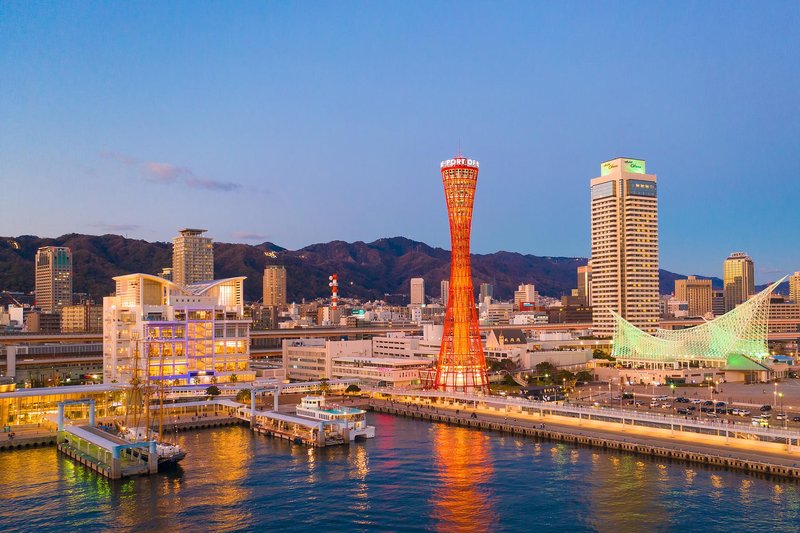
Hotels in Kanra
Discover your perfect stay in Kanra.
Kanra(Japan) Travel 2026: Cheap Flights, Hotels & Top Attractions
Popular Landmarks in Kanra
Discover the most iconic attractions in Kanra
Recommended Hotels in Kanra
Find the perfect place to stay in Kanra
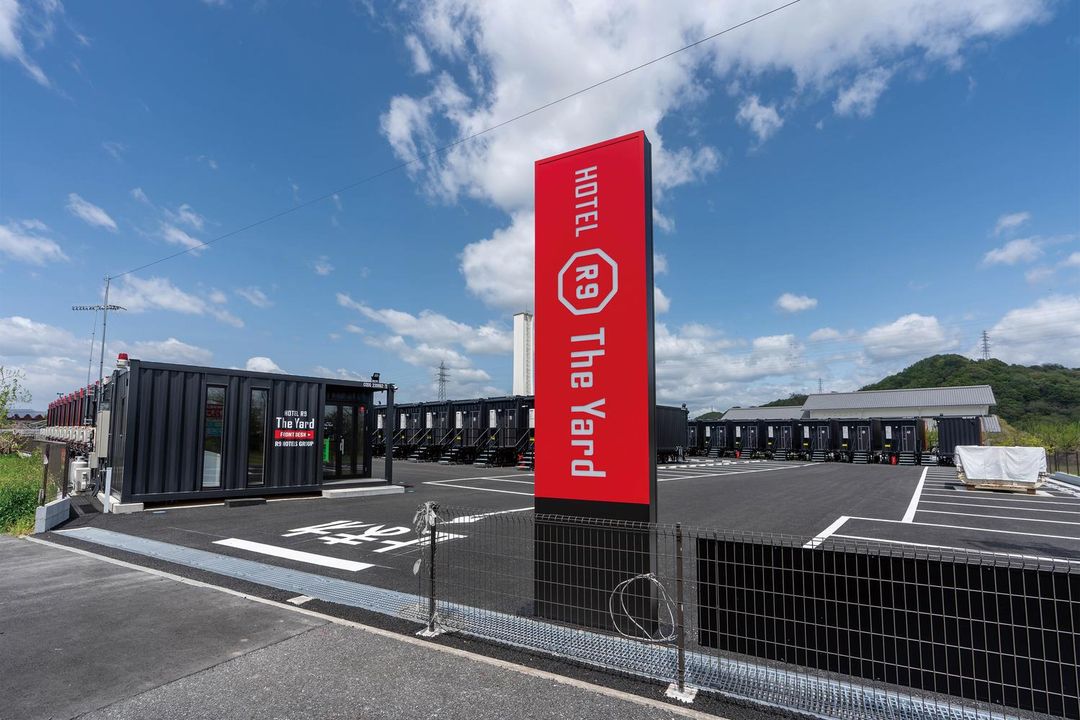
Hotel R9 the Yard Kanra
Best Hotels in Kanra
Discover curated hotel collections in Kanra
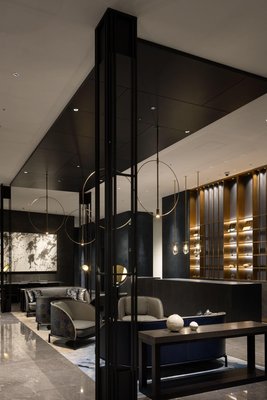
Bellustar Tokyo, A Pan Pacific Hotel
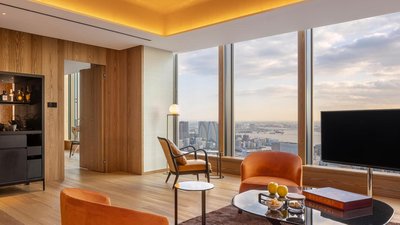
Bvlgari Hotel Tokyo
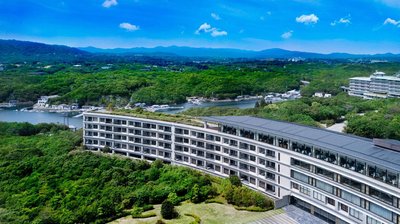
Shima Kanko Hotel the Bay Suites
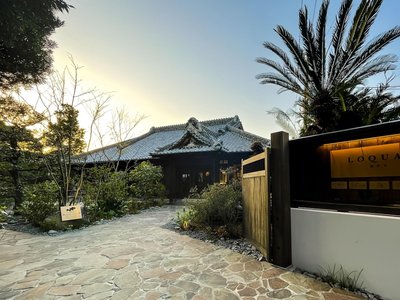
Loquat Nishiizu
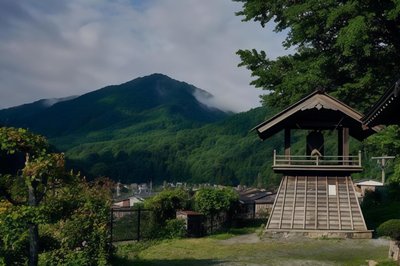
Byaku Narai
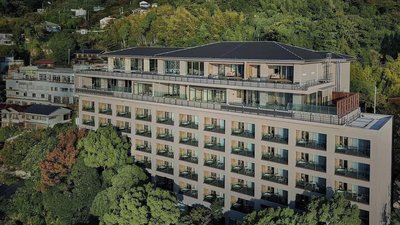
Atami Izusan Karaku
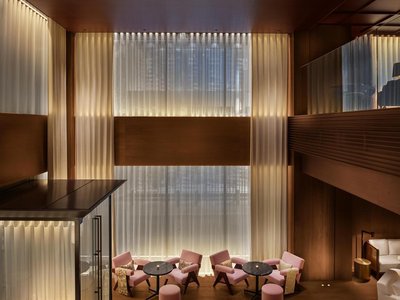
The Tokyo Edition, Ginza
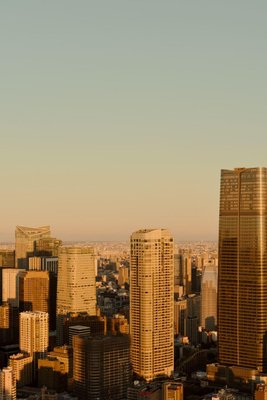
Janu Tokyo
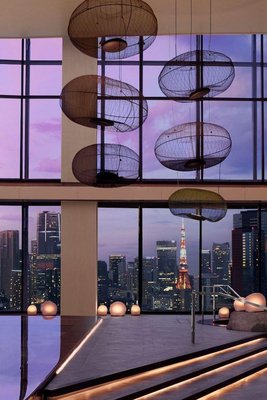
JW Marriott Hotel Tokyo
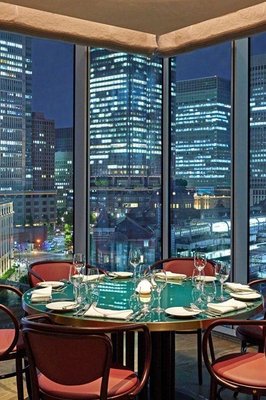
Four Seasons Hotel Tokyo at Marunouchi

Mandarin Oriental, Tokyo
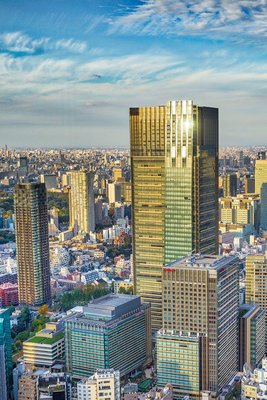
The Ritz-Carlton, Tokyo
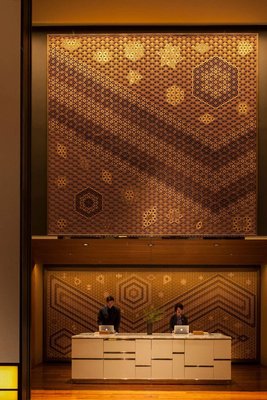
Andaz Tokyo Toranomon Hills- A Concept by Hyatt
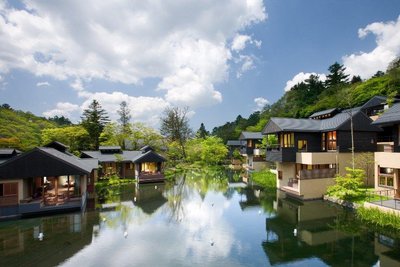
Hoshinoya Karuizawa
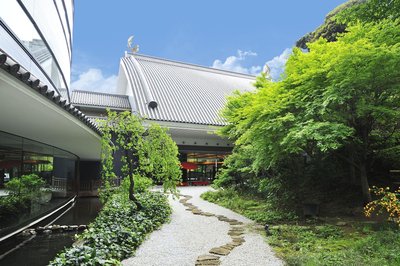
Hotel Gajoen Tokyo
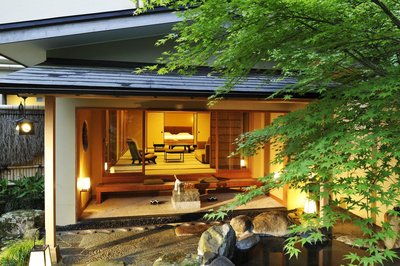
Gora Kadan
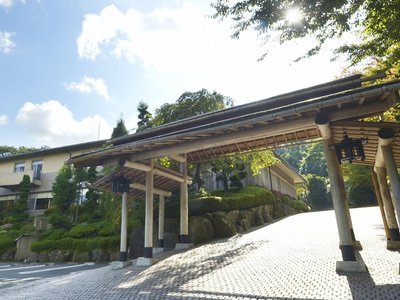
Gora Hanaougi
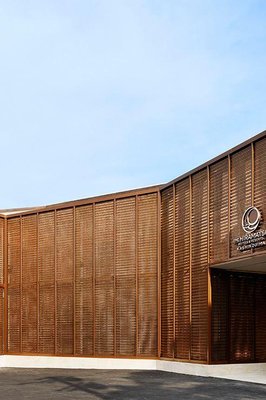
The Hiramatsu Hotels & Resorts Kashikojima
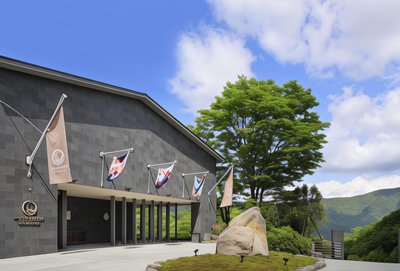
The Hiramatsu Hotels & Resorts Sengokuhara Hakone
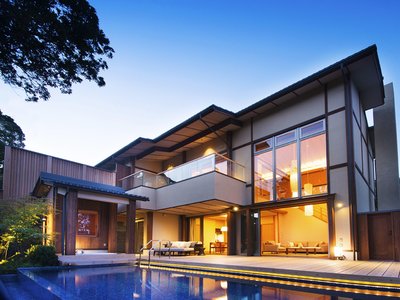
Abba Resorts Izu - Zagyosoh
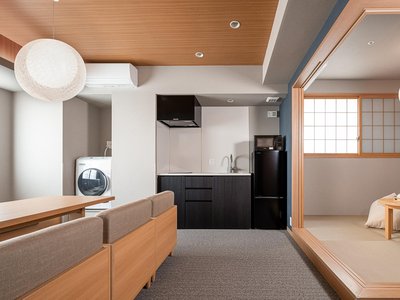
MIMARU SUITES Tokyo Asakusa
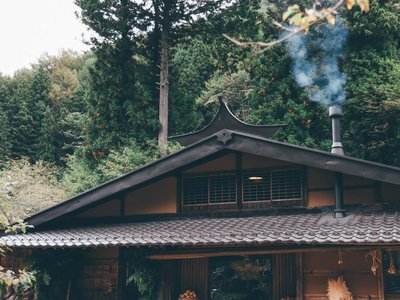
La Terra Resort
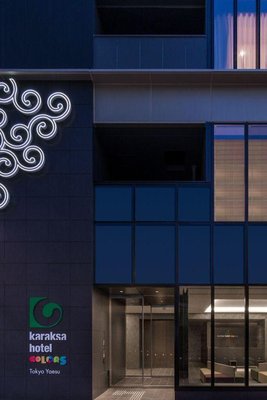
karaksa hotel colors Tokyo Yaesu
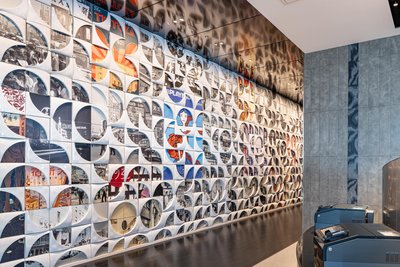
HOTEL GROOVE SHINJUKU, A PARKROYAL Hotel
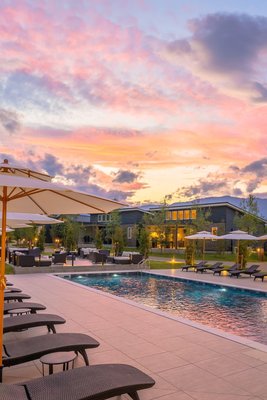
Awaumi Fujikawaguchiko Resort
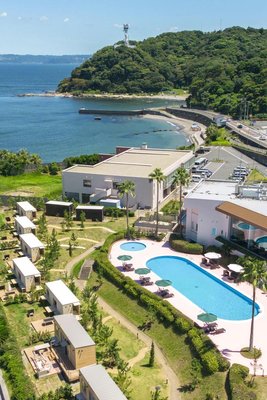
La vista Yokosuka Kannonzaki Terrace
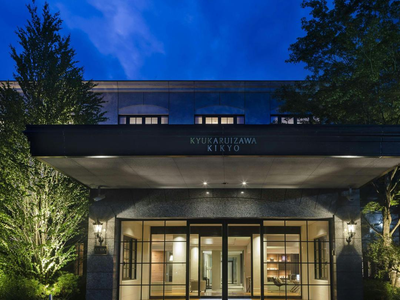
Fufu Karuizawa Wind of Sunshine
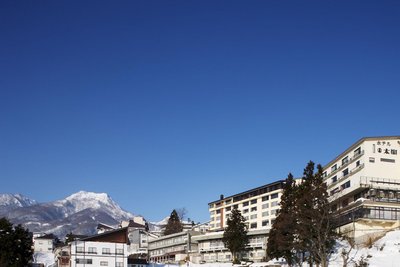
Hotel Taiko, Akakura Onsen
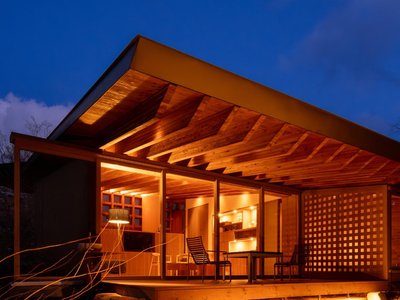
Nasu Mukunone
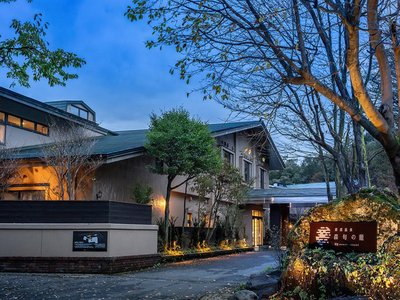
Nasu Onsen Shinshun no Kago Hewitt Resort

Scapes the Suite
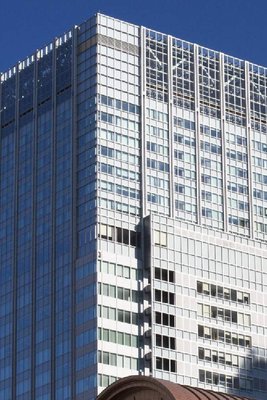
Hotel Metropolitan Tokyo Marunouchi
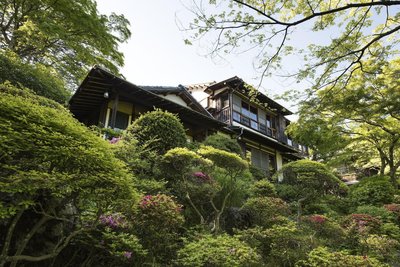
Gora Kansuiro
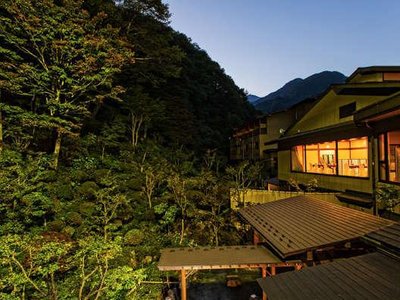
Futari Shizuka
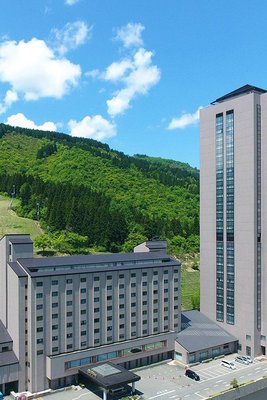
Naspa New Otani
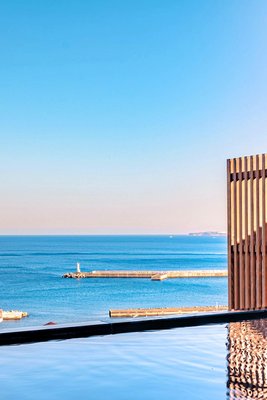
HOTEL KANICHI
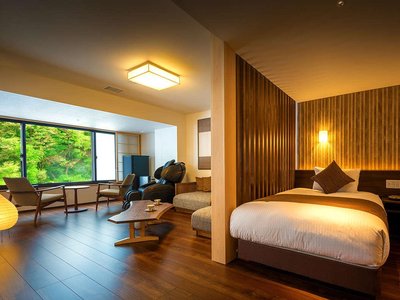
Harataki
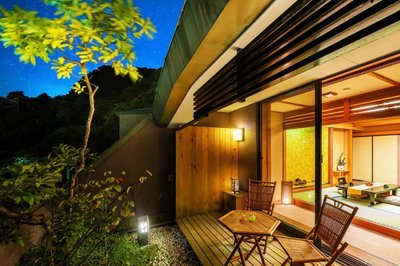
Konjakutei
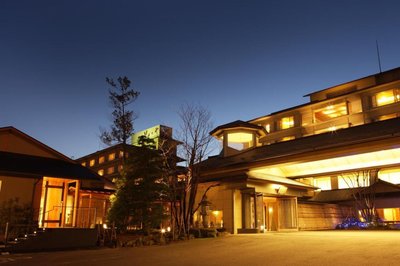
Yumotoya
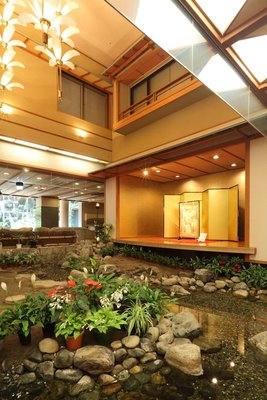
Hotel Futaba
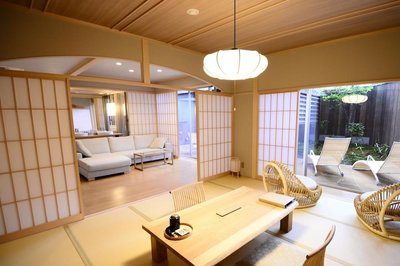
Hakone Gora Byakudan
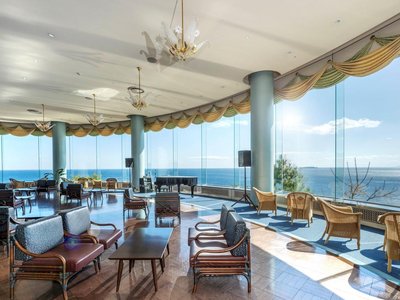
Hotel New Akao
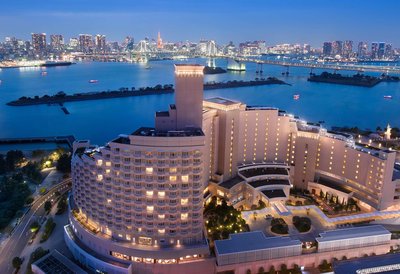
Hilton Tokyo Odaiba
JW Marriott Hotel Tokyo
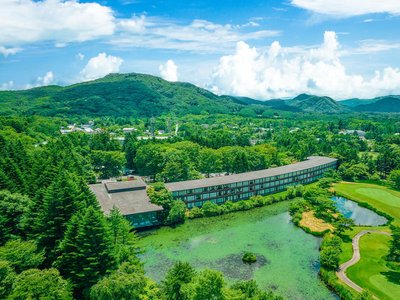
The Prince Karuizawa
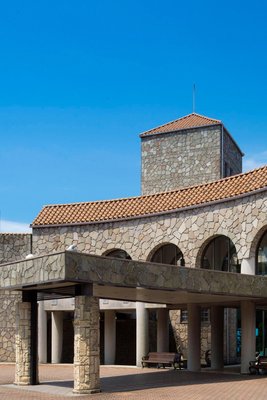
Izumigo Hotel Altia Toba
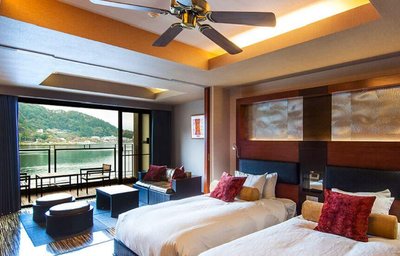
The Kukuna
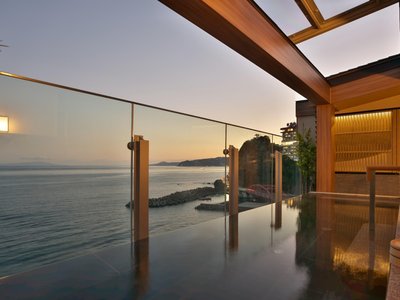
Hotel New Sagamiya
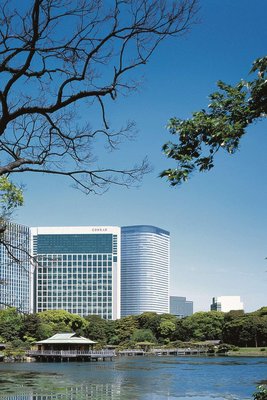
Conrad Tokyo
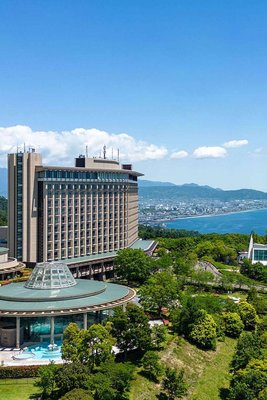
Hilton Odawara Resort & Spa
Hoshinoya Karuizawa
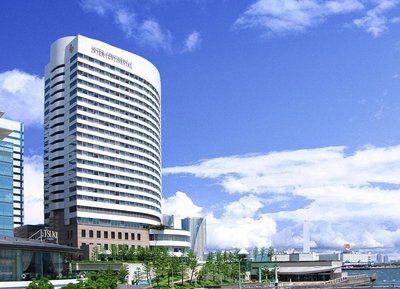
InterContinental Tokyo Bay
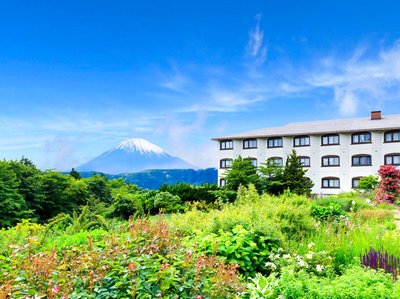
Hotel Green Plaza Hakone
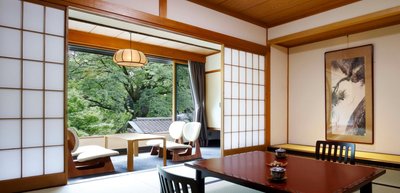
Yoshiike Ryokan
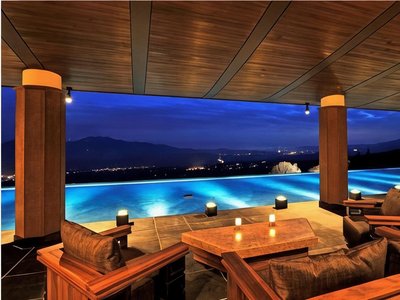
Akakura Kanko Hotel
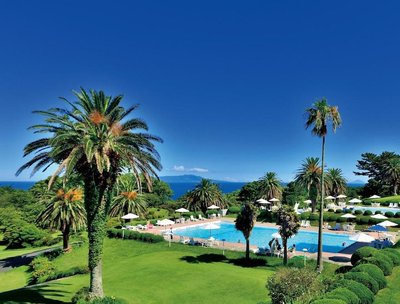
Kawana Hotel
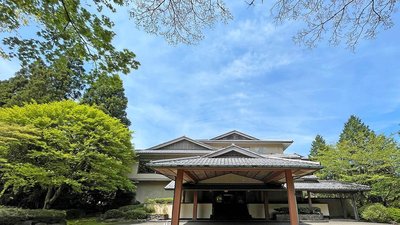
Ryuguden
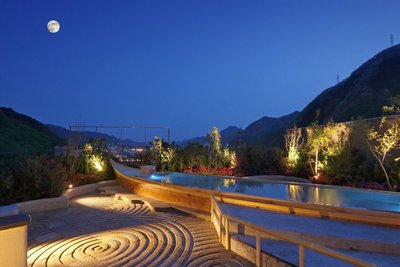
Asaya
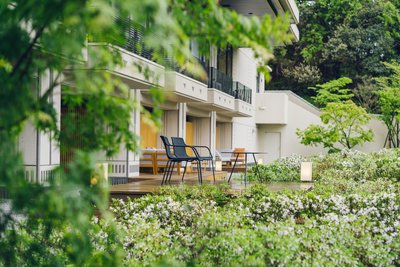
Hoshino Resorts Kai Enshu
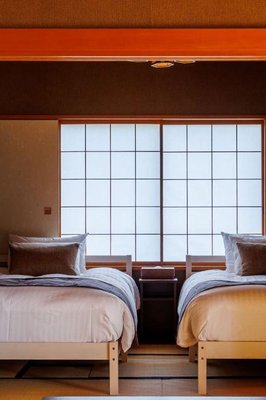
Sado Resort Hotel Azuma
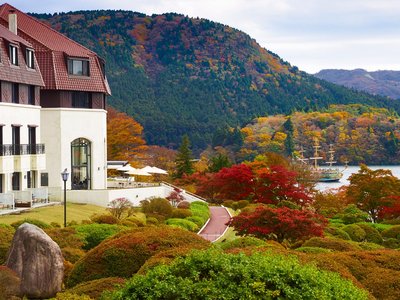
Hotakajyo
Auberge Suzukane

Onyado Nono Asakusa Bettei Hot Spring
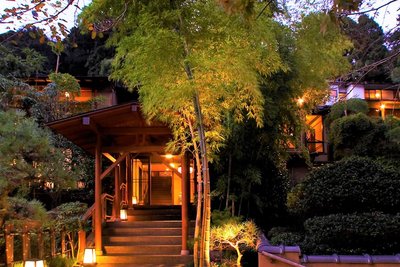
Shiki wo Ajiwau Yado Yamano Chaya
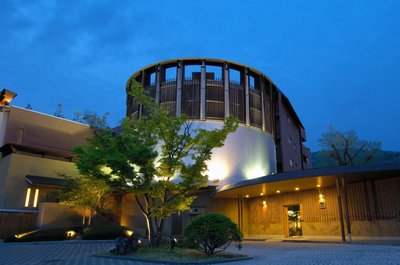
Hoshino Resorts Kai Matsumoto
Konjakutei
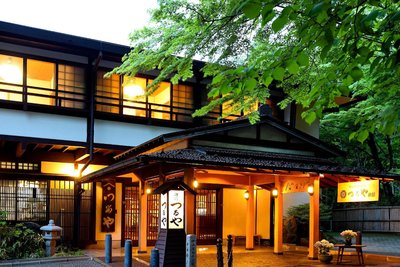
Tsuruya Ryokan
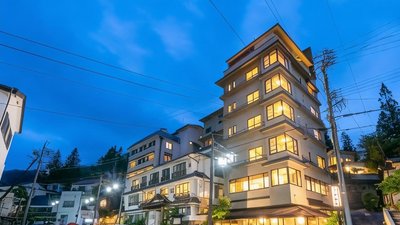
Nakamatsuya Ryokan
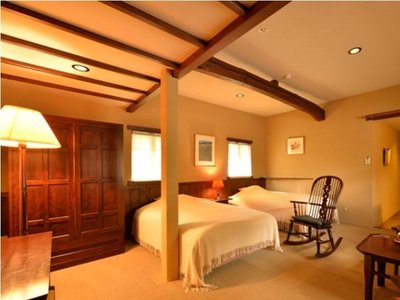
Ryokan Sugimoto
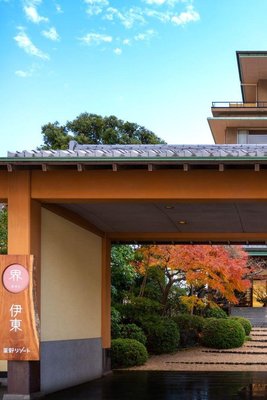
Hoshino Resorts Kai Ito
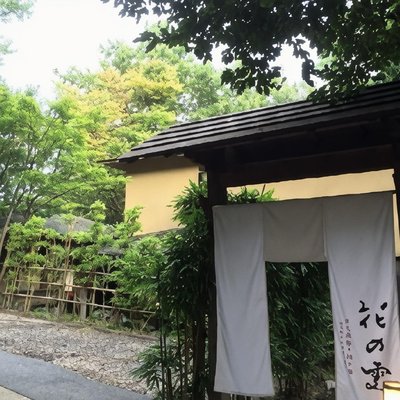
Hana No Kumo
Yoshiike Ryokan
Hotel Gajoen Tokyo
Gora Hanaougi
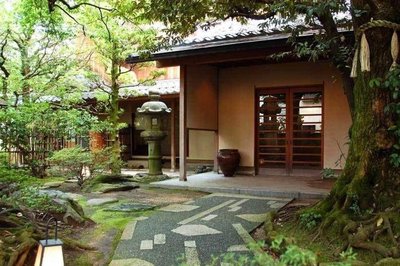
Kocho
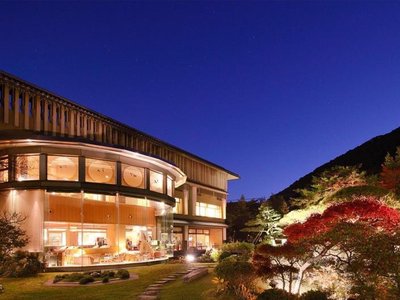
Shikisai Ichiriki
Sado Resort Hotel Azuma
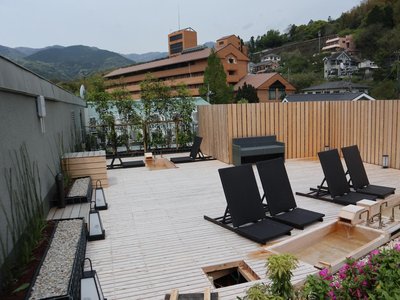
Fukiya Ryokan
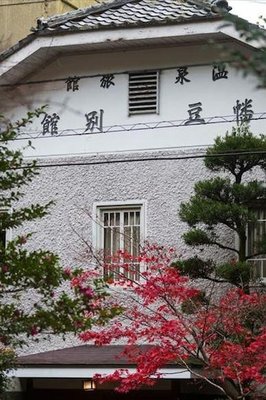
Oku-Mikawa・Yuya Onsen HAZU Bekkan
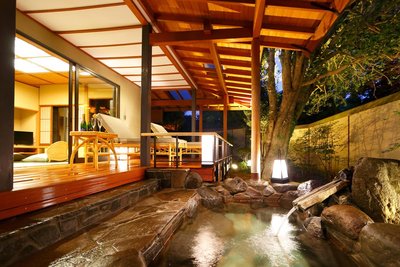
Yoshiharu Ryokan – Izu Nagaoka Onsen
Bellustar Tokyo, A Pan Pacific Hotel
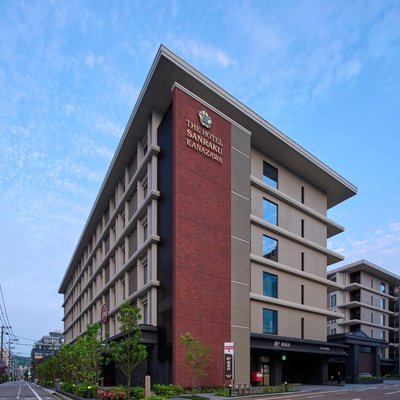
The Hotel Sanraku Kanazawa 21th December 2022 Open
JW Marriott Hotel Tokyo
Andaz Tokyo Toranomon Hills- A Concept by Hyatt
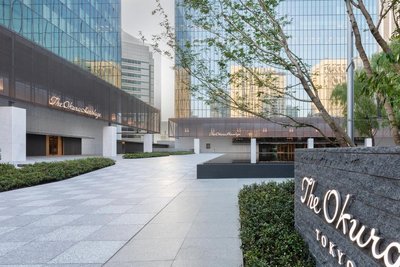
The Okura Tokyo
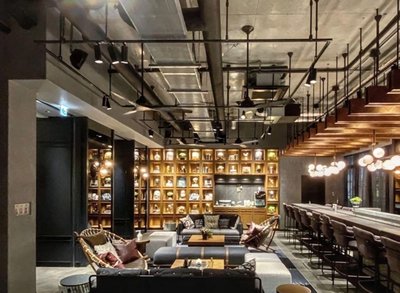
The Lively Azabujuban Tokyo
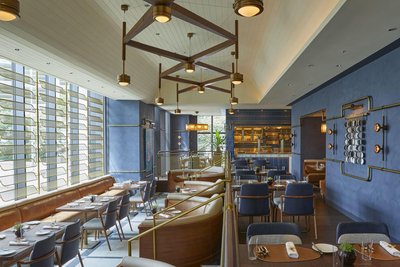
Kimpton Shinjuku Tokyo

HOTEL K5
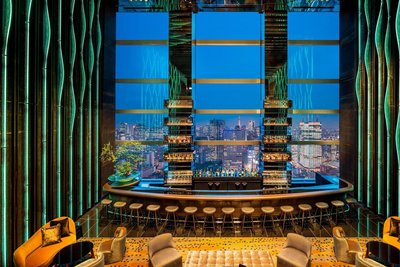
The Prince Gallery Tokyo Kioicho, a Luxury Collection Hotel
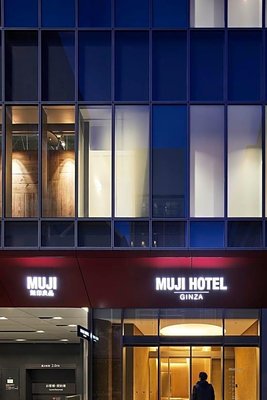
Muji Hotel Ginza
Hakone Gora Byakudan
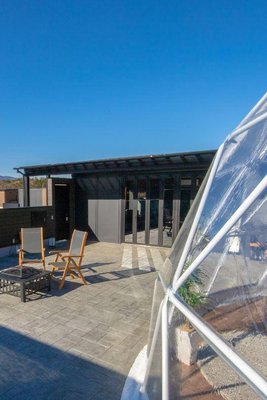
Panoramic Mt. Fuji Views from All Rooms – Vision Glamping Resort & Spa Yamanakako
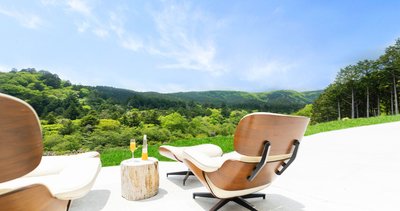
Shelter Garden Nikko
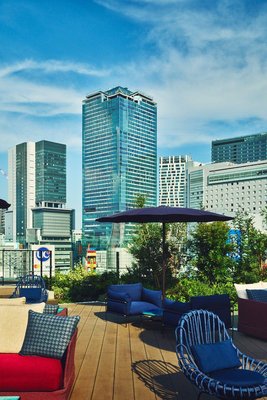
Hotel Indigo Tokyo Shibuya
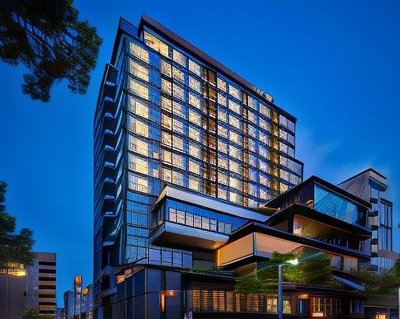
TIAD, AUTOGRAPH COLLECTION
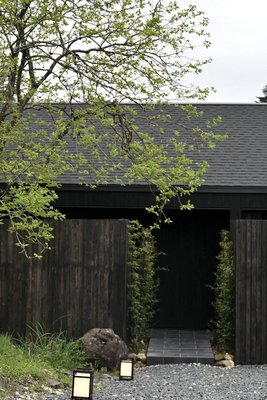
THE LAKOTAN
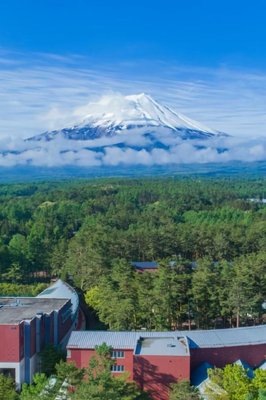
Forest Village (Fuji Premium Resort)
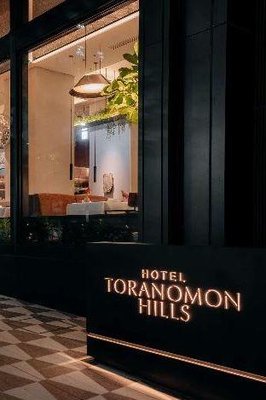
Hotel Toranomon Hills
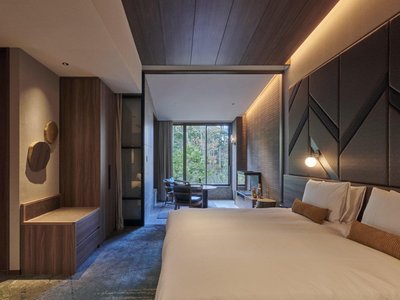
Fufu Kyu-Karuizawa Restful Forest
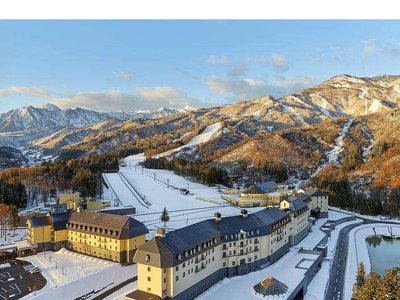
Lotte Arai Resort
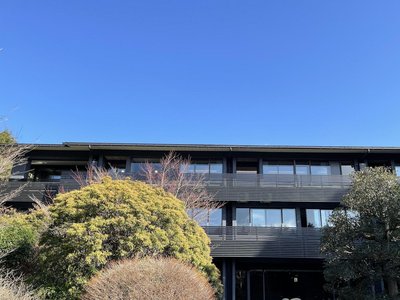
Sengokubara Cocon
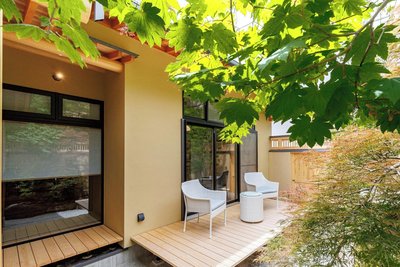
Shoraiso
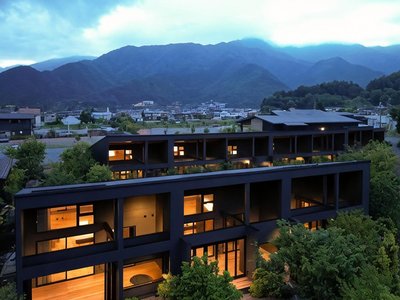
7C Villa and Winery
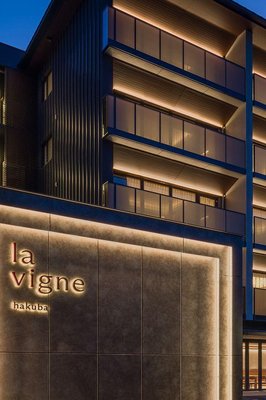
Hotel la Vigne Hakuba by Onko Chishin
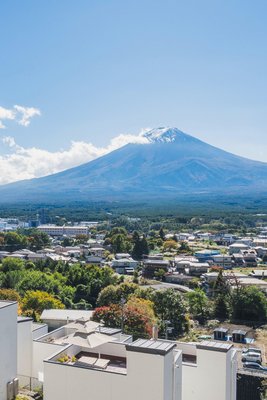
THE TOKI FujiKawaguchiko
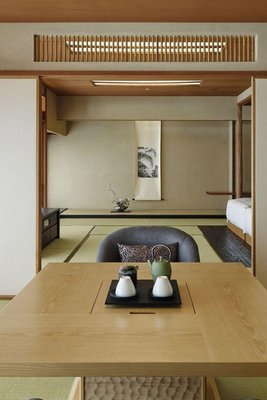
Takanawa Hanakohro (in Grand Prince Hotel Takanawa)
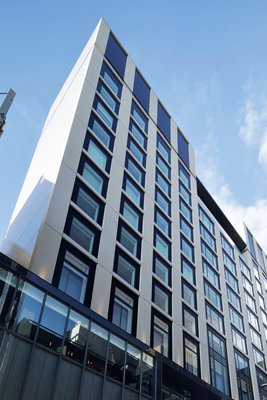
Hyatt Centric Ginza Tokyo
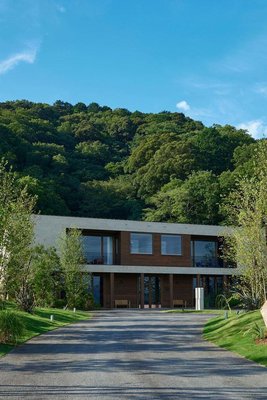
HACIENDA VISON
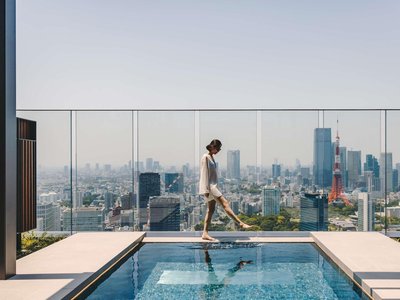
Fairmont Tokyo
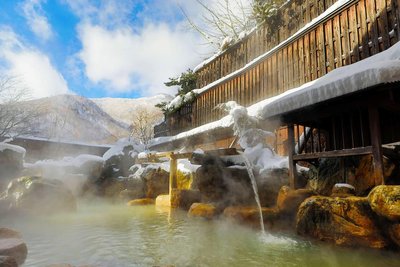
Miyamaouanbekkan yumegurinoyado hirayukan
Bvlgari Hotel Tokyo
Four Seasons Hotel Tokyo at Marunouchi
Mandarin Oriental, Tokyo
The Ritz-Carlton, Tokyo
Andaz Tokyo Toranomon Hills- A Concept by Hyatt
Gora Kadan

Hotel New Otani Tokyo the Main
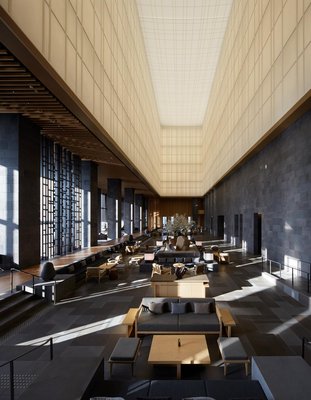
Aman Tokyo
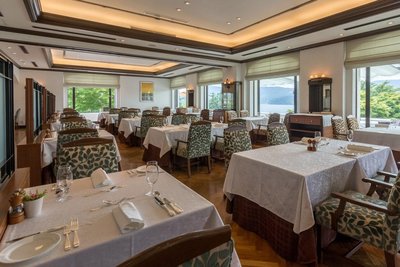
Odakyu Hotel de Yama
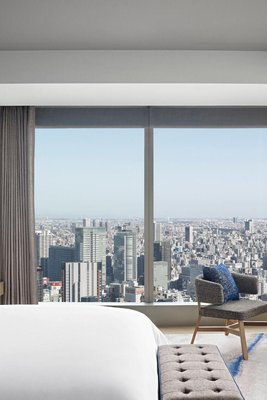
Four Seasons Hotel Tokyo at Otemachi
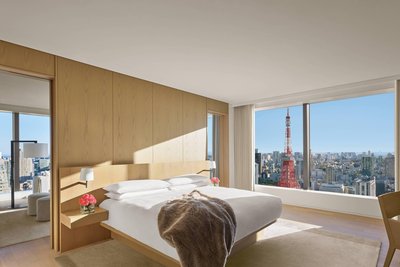
The Tokyo Edition, Toranomon
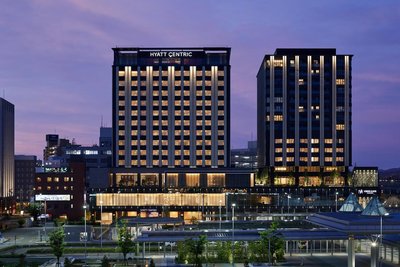
Hyatt Centric Kanazawa
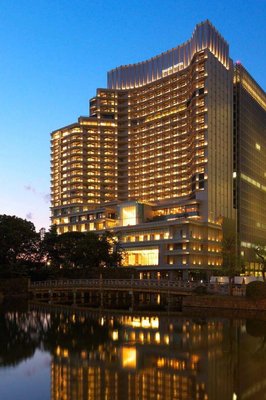
Palace Hotel Tokyo
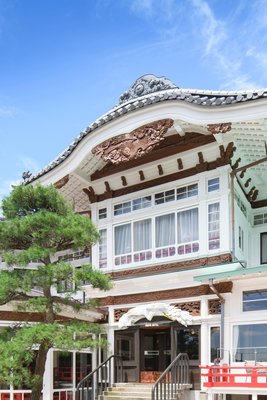
Fujiya Hotel
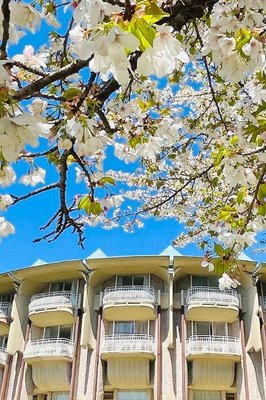
The Prince Hakone Lake Ashinoko
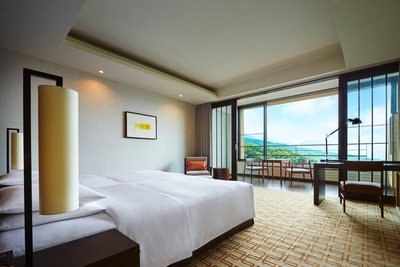
Hyatt Regency Hakone Resort and Spa
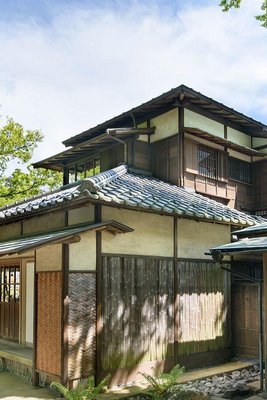
Hakone Suishoen
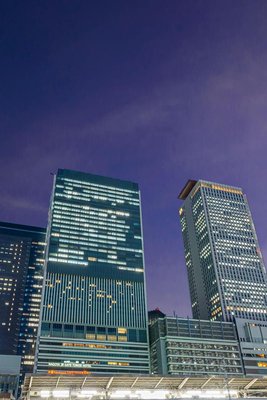
Nagoya JR Gate Tower Hotel (JR-Central Hotels)
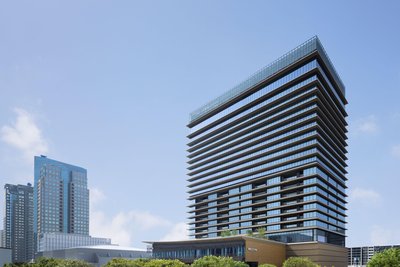
The Westin Yokohama
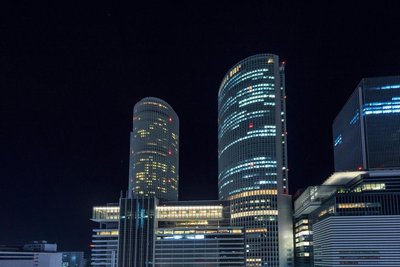
Nagoya Marriott Associa Hotel
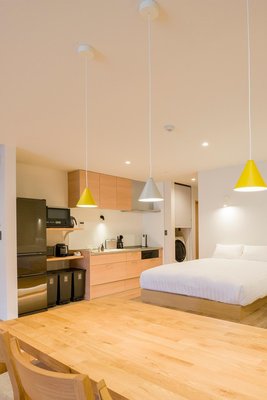
Rakuten STAY VILLA Nasu
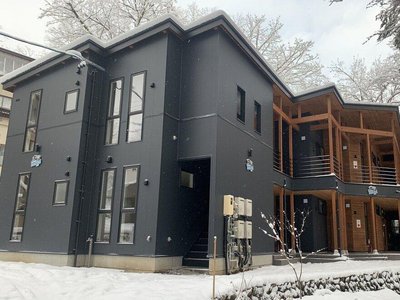
Hakuba Gondola Apartments
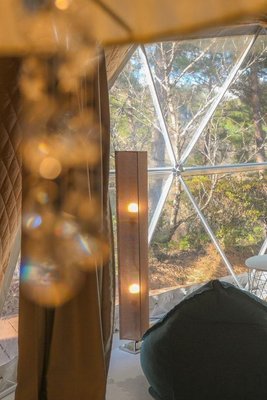
glampark Gekkabijin Nagano
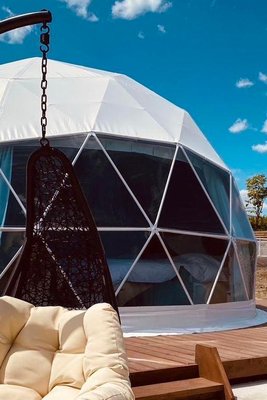
chillout glamping zao
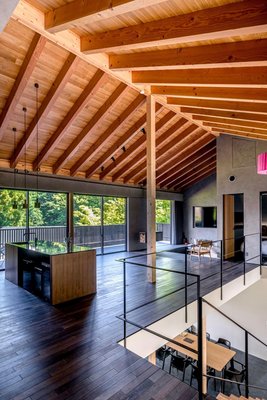
MONS GORA
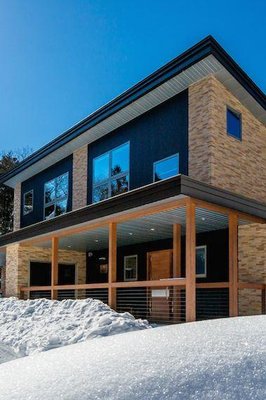
Phoenix Chalets by Hhg
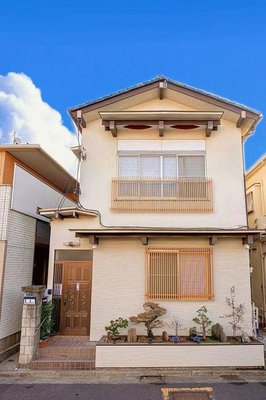
Tokyo Star House-Shinkoiwa
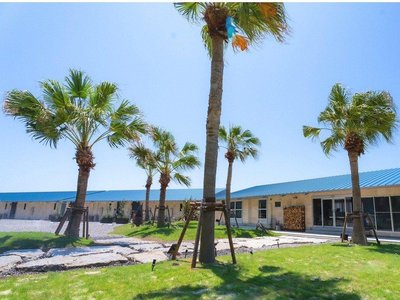
Glamping&Resort Wood Design Park Noma
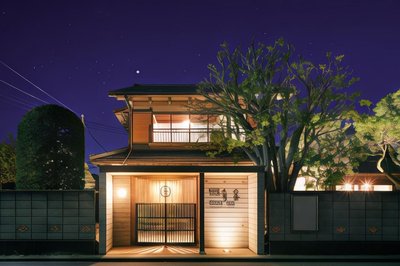
Machi-Jyu
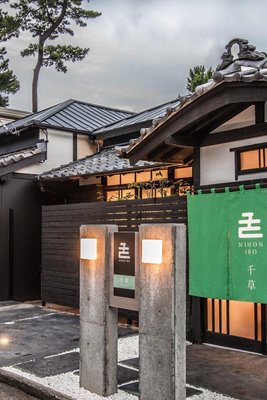
Nihon Iro
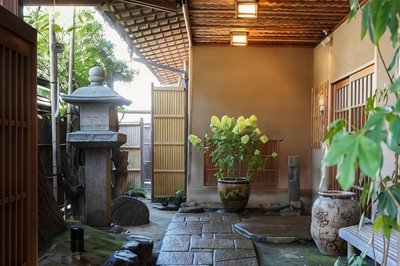
Ryokan Asadaya
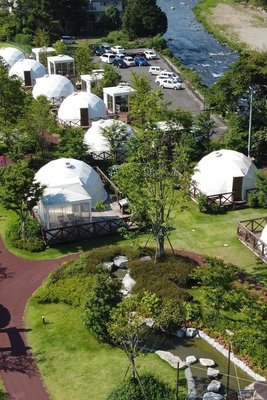
Ufufu Village
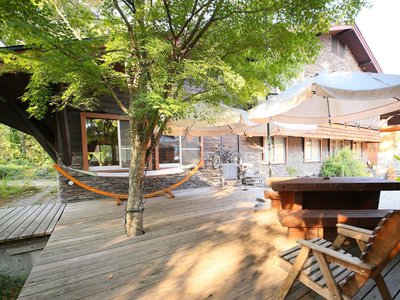
Kunugi Relaxation with 4 Modern Rooms
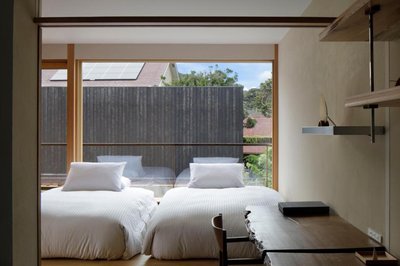
Modern Ryokan Kishi-ke
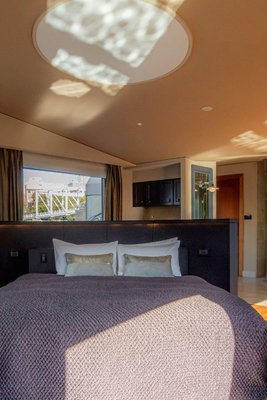
Petals Tokyo - Floating Hotel
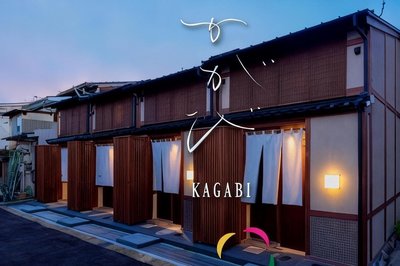
Kagabi Machiya House
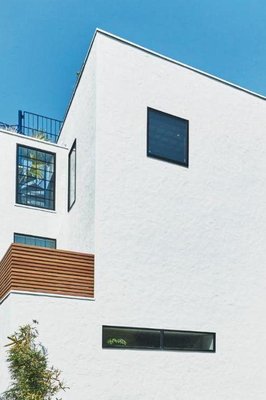
The Flow Kamakura
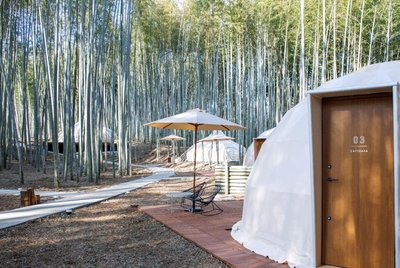
THE BAMBOO FOREST
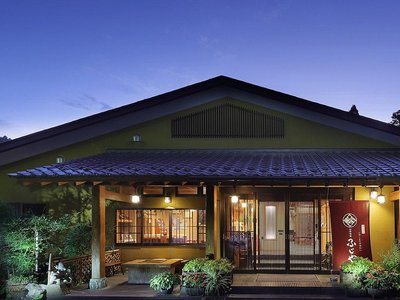
Shikimitei Fujiya
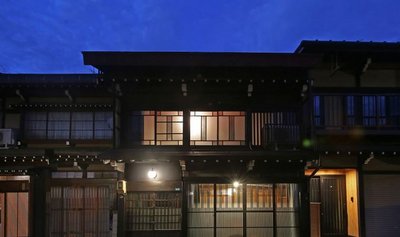
Iori Stay Hida
Bellustar Tokyo, A Pan Pacific Hotel

Hotel Barrière Fouquet's New York
Bvlgari Hotel Tokyo

Shima Kanko Hotel the Bay Suites
Loquat Nishiizu
Byaku Narai
Atami Izusan Karaku
The Tokyo Edition, Ginza
Janu Tokyo
JW Marriott Hotel Tokyo
Four Seasons Hotel Tokyo at Marunouchi
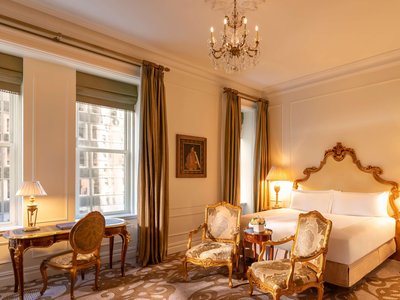
The Plaza - A Fairmont Managed Hotel
Mandarin Oriental, Tokyo
The Ritz-Carlton, Tokyo
Andaz Tokyo Toranomon Hills- A Concept by Hyatt
Hoshinoya Karuizawa
Hotel Gajoen Tokyo
Gora Kadan
Gora Hanaougi
The Hiramatsu Hotels & Resorts Kashikojima
Frequently Asked Questions about Traveling to Kanra
Questions You Might Need to Know About Traveling to Kanra
In Kanra-machi, the best accommodation with a natural setting is Kanra-machi Country Inn, nestled amidst lush forests and rice fields of Gunma Prefecture. This eco-friendly ryokan features traditional Japanese wooden architecture, private onsen baths, and an organic garden supplying breakfast ingredients. Guests can enjoy forest bathing, stargazing from open-air decks, and guided nature walks through the nearby Akagi Mountain Trail. The inn also hosts seasonal workshops like bamboo weaving and local pottery, offering immersive cultural experiences in harmony with nature.
The ideal time to visit Kanra-machi for breathtaking scenery is during spring (March–May) and autumn (September–November). Spring brings cherry blossoms along the riverbanks and vibrant greenery across farmlands, while autumn paints the hillsides in fiery reds and golds. Don’t miss the Maple Lantern Festival in November, where thousands of paper lanterns illuminate the valley at night. Winter offers serene snow-covered landscapes perfect for quiet retreats, especially around the Akagi Onsen area, making it a year-round destination for nature lovers seeking tranquility.
Visitors to Kanra-machi can participate in authentic cultural experiences such as washi paper-making workshops using kozo fibers, traditional farming rituals during the Field Festival, and staying overnight in a preserved gassho-style farmhouse. The annual Waterwheel Festival showcases historic irrigation systems still in use today, where locals demonstrate water management techniques passed down for centuries. These hands-on activities offer deep insight into how communities lived sustainably in harmony with the mountainous environment.
Yes, Kanra-machi is highly suitable for families. Many guesthouses, such as Kanra-machi Eco Cottage, offer child-friendly facilities including safe play areas, farm animal feeding zones, and outdoor nature scavenger hunts. Children can try planting rice, catching small fish in streams, or crafting clay toys in local workshops. The town also provides family-oriented guided tours with illustrated story cards, making exploration educational and fun. All onsens provide baby tubs and kid-sized yukata, ensuring comfort for travelers of all ages.
Kanra-machi’s hot springs stand out due to their alkaline carbonated mineral water, sourced from deep underground aquifers beneath Akagi Mountain. The Akagi Onsen Resort features open-air baths with panoramic mountain views, some even designed for stargazing at night. Some high-end inns offer onsen-and-kimono etiquette sessions, blending wellness with tradition. The mineral-rich waters are known for soothing skin conditions and joint pain, enhancing both physical relaxation and cultural immersion in Japanese bath culture.
Near Kanra-machi, the highlight is Mount Akagi National Park, one of Japan’s three major mountains, offering hiking trails through alpine meadows, dense forests, and volcanic terrain. The Yakihara Pond reflects sky and peaks perfectly, ideal for photography and quiet contemplation. Ooba Wetland is a haven for migratory birds and rare flora, perfect for birdwatching. The Seisui Trail winds through ancient cedar groves and past hidden shrines, providing a peaceful journey through untouched nature and spiritual landscapes.
Tourists must try Akagi beef, raised on mountain grasses with exceptional marbling and tenderness. Also sample Gunma buckwheat noodles served with wild vegetable broth, and yam rice, a creamy dish made by mixing fresh mountain yams into steamed rice. Local specialties include wild vegetable tempura and bamboo shoot stew harvested seasonally. During winter, savor the onsen hot pot, cooked in mineral-rich spring water—warm, flavorful, and deeply rooted in regional culinary traditions.
From Tokyo, reach Kanra-machi via train or car. Take the JR Tobu Main Line to Maebashi Station, then transfer to a local bus (approx. 40 minutes). Alternatively, drive via the Kosoku Expressway to the Kanra Interchange, taking just 15 minutes to the town center. While no direct rail line serves Kanra-machi, free shuttle buses connect major attractions and hotels. Many inns offer reservation assistance for taxis, ensuring easy access for elderly guests or those with heavy luggage.
Photographers love Kanra-machi for its dramatic light and timeless landscapes. Capture morning mist over Akagi Mountain, the mirror-like reflection of Yakihara Pond, and golden hour silhouettes along the Seisui Trail. The Maple Lantern Festival at dusk offers stunning long-exposure opportunities with thousands of glowing paper lanterns. Winter scenes of snow-laden gassho-style roofs against clear skies are particularly striking. Bring a tripod and wide-angle lens to document the seamless blend of natural beauty and cultural heritage.
For first-time visitors, the central district of Kanra-machi is ideal, located near the Town Hall and Tourist Information Center. It’s home to boutique inns like Kanra-machi Terrace House, featuring minimalist Japanese design and shared gardens. Within walking distance are the local farmers’ market, craft fairs, and community events. Evening programs like stargazing talks led by local elders provide cultural context and a warm welcome. Its accessibility and rich amenities make it the perfect base for exploring the region’s natural and cultural treasures.
Kanra Overview
City Summary
Kanra Town in Gunma Prefecture, Japan, is a serene locale embraced by nature. Renowned for its hot springs and traditional crafts, particularly the nationally designated Important Intangible Cultural Property of silk weaving. Its charm lies in the unspoiled rural landscapes and Edo-period streetscapes.
Must-See Attractions
Must-visit sites include the historic "Obata Orimono Kinenkan" silk museum, the alkaline hot springs of "Kanra Onsen", and "Tago Stele" - one of Japan's oldest stone monuments. Try hands-on washi paper workshops or attend the Chrysanthemum Festival in autumn.
Food Guide
Local specialty is "Okirikomi", wide noodle stew with seasonal vegetables. For dessert, try "Kinugoshi Manju" steamed buns with silk-filtered red bean paste. Morning markets offer freshly grilled "Goheimochi" rice skewers with miso glaze.
Transportation Guide
From Tokyo, take Joetsu Shinkansen to Takasaki Station (50min), transfer to Joshin Railway to Shimonita Station (30min), then a 20min bus ride. Town circulation bus "Kanra Loop" has limited schedules. Taxis require advance HopeGoo. Bicycle rental is ideal for rural exploration.
Best Time to Visit
Best seasons are April-May (cherry blossoms) and October-November (autumn foliage & Chrysanthemum Festival). Summers are humid; some ryokans offer special winter snow-viewing packages.
Travel Tips
- Bring small towels for hot springs (large towels provided)
- Book craft workshops 3 days in advance
- Watch for vehicles on rural roads without sidewalks
- Some shops are cash-only
- Ask permission before photographing artisans
- Buses depart punctually - arrive 5min early
Useful Information
Basic Japanese greetings are appreciated. Most inns provide multilingual brochures. Free "Kanra-Free" WiFi covers the town (password at convenience stores). Post offices operate weekdays only; ATMs available at 7-11. For emergencies, Shimonita Hospital is 15min away (dial 119). IC cards (Suica/Pasmo) accepted at major stores, but cash needed at local eateries.