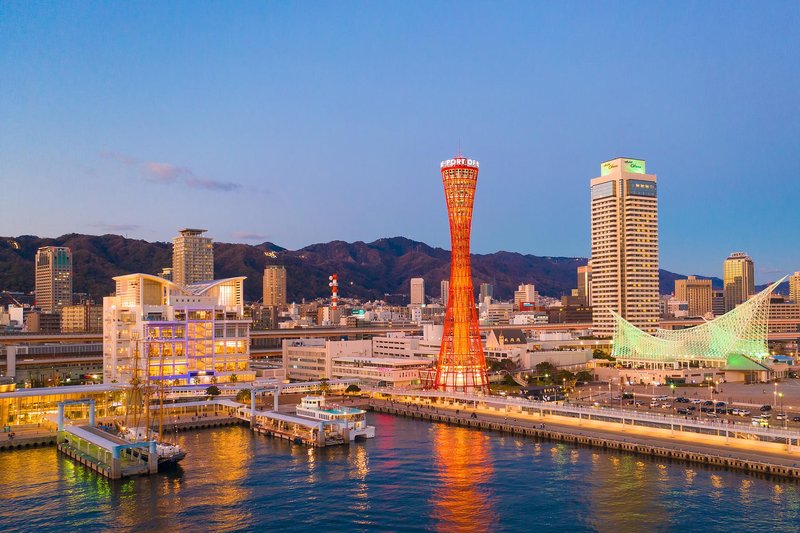
Hotels in Kanuma
Discover your perfect stay in Kanuma.
Kanuma(Japan) Travel 2026: Cheap Flights, Hotels & Top Attractions
Popular Landmarks in Kanuma
Discover the most iconic attractions in Kanuma
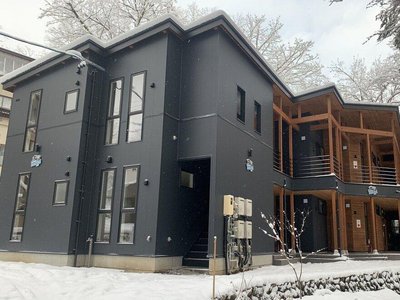
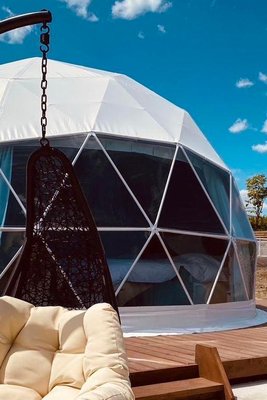
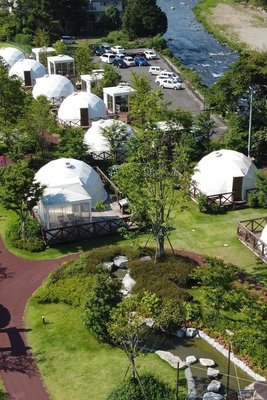
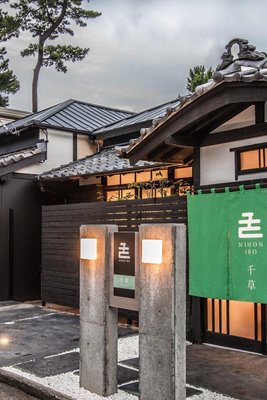
Recommended Hotels in Kanuma
Find the perfect place to stay in Kanuma
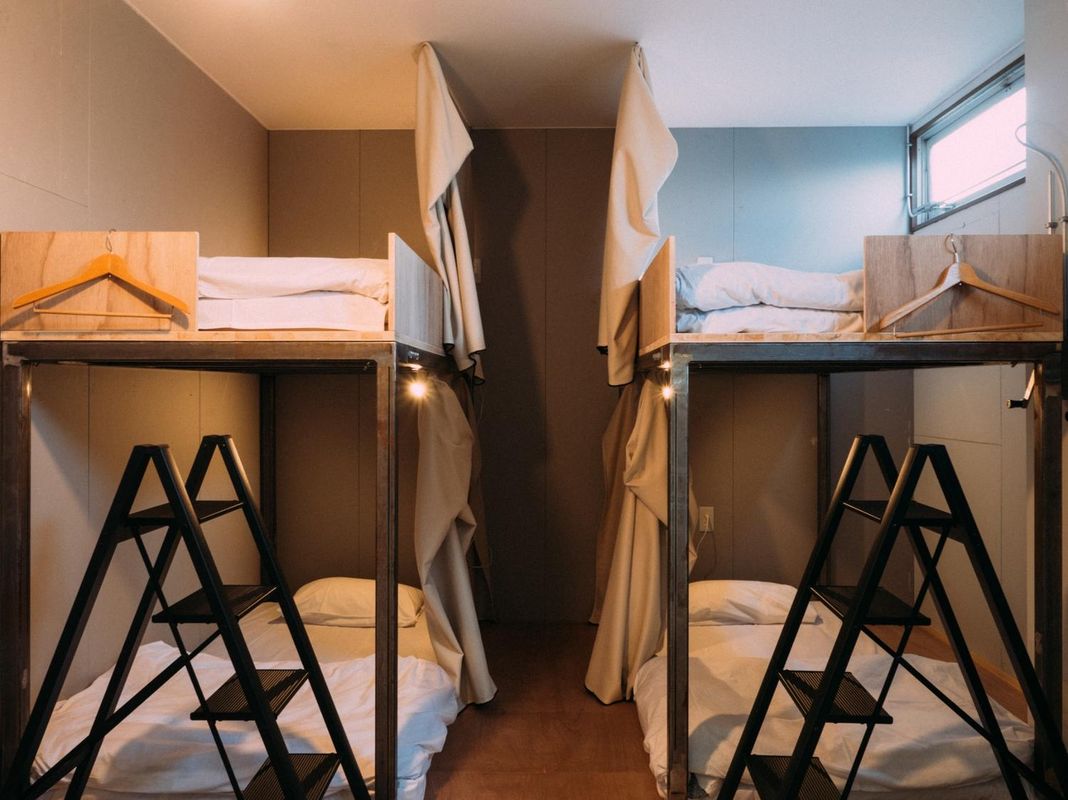
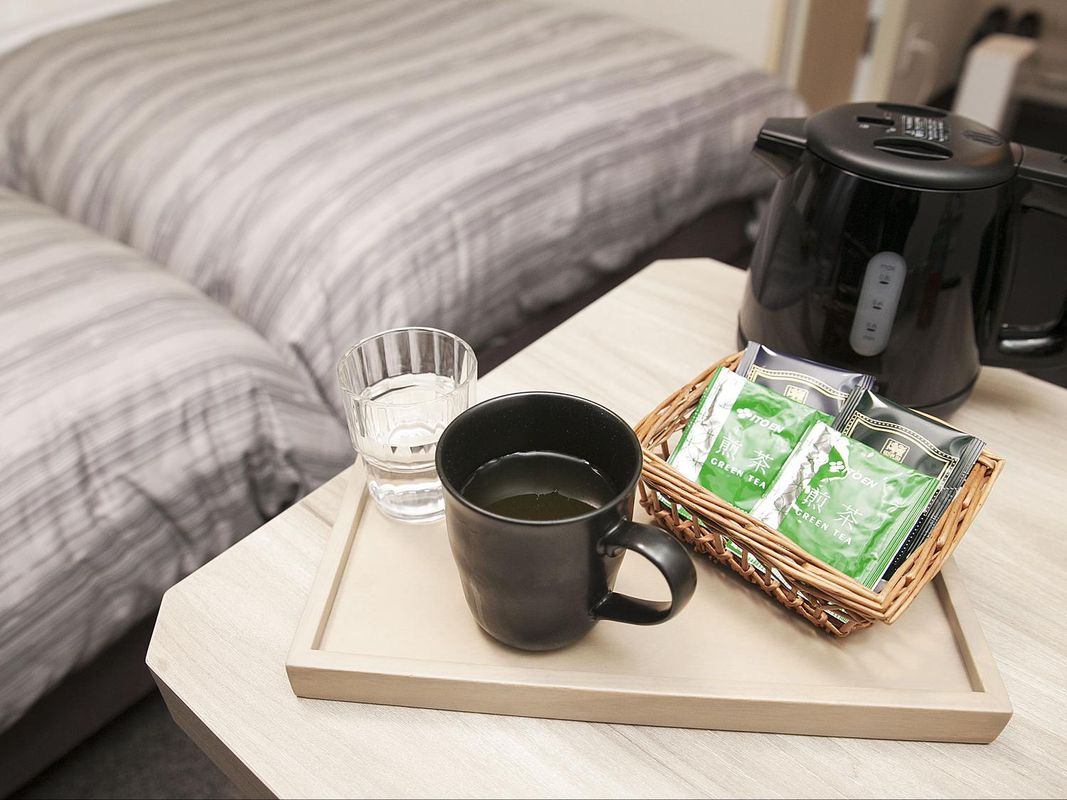
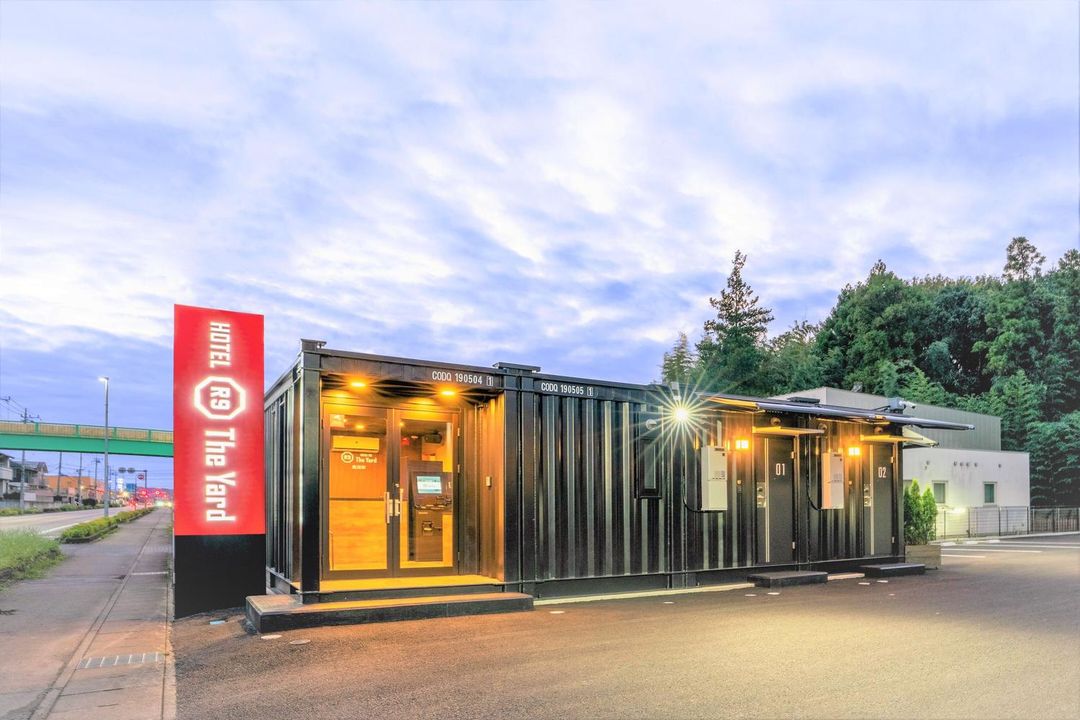
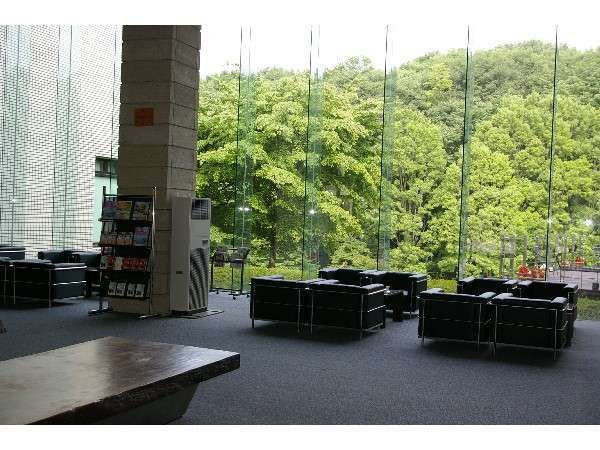
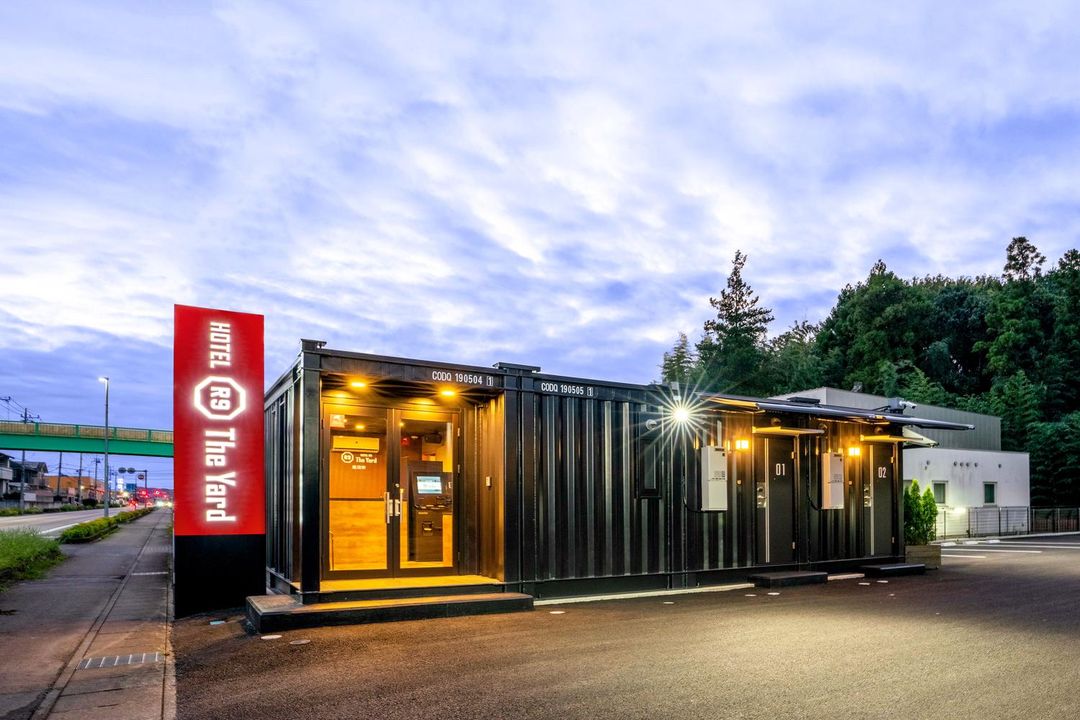


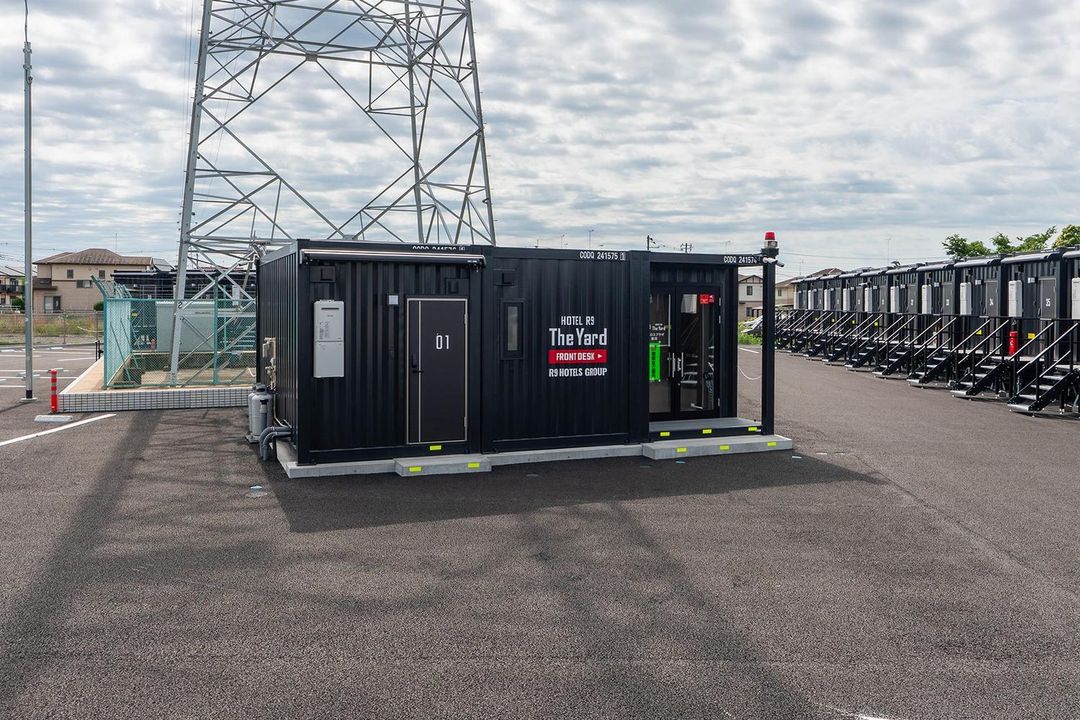
Best Hotels in Kanuma
Discover curated hotel collections in Kanuma

















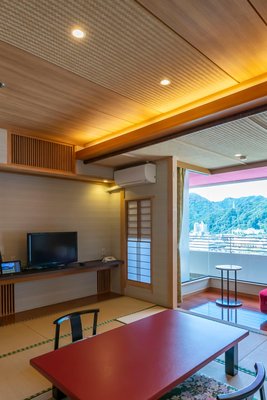
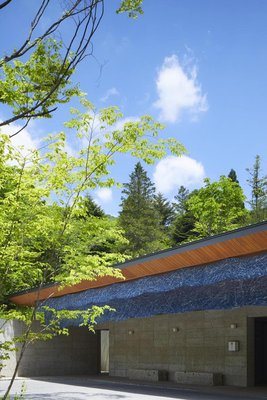
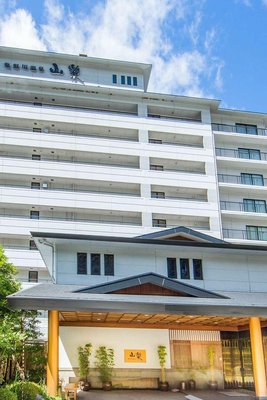
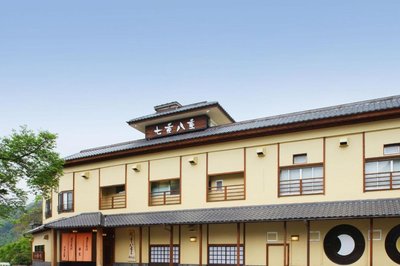
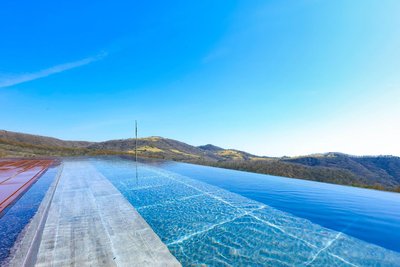
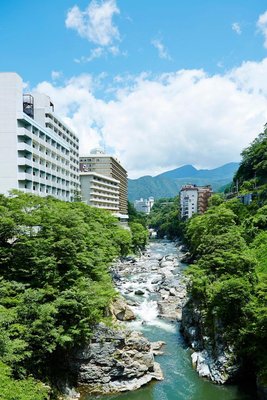
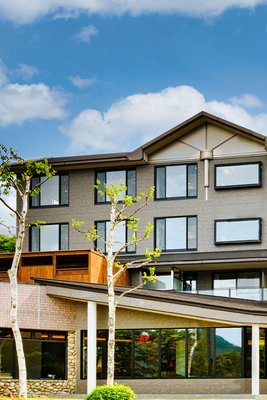
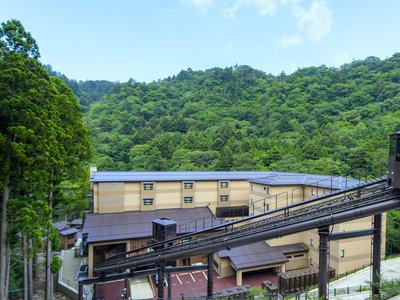

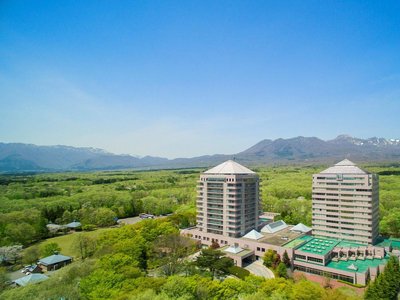
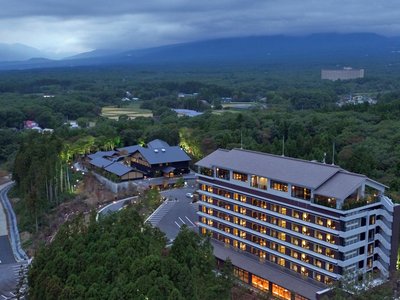
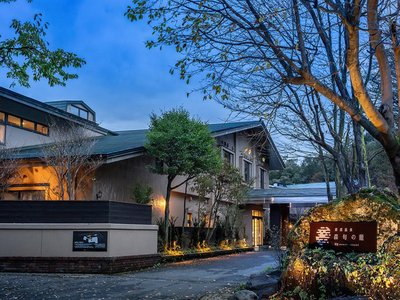
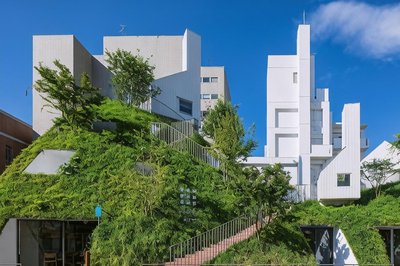
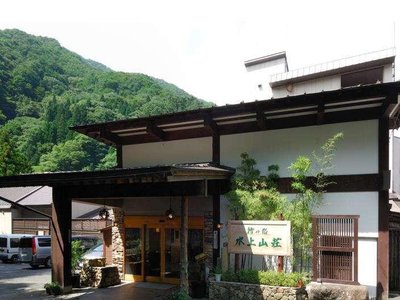





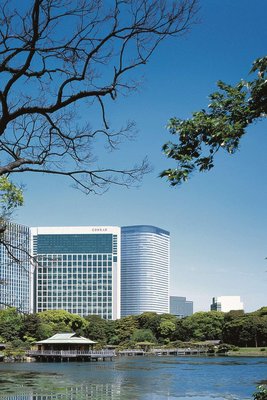


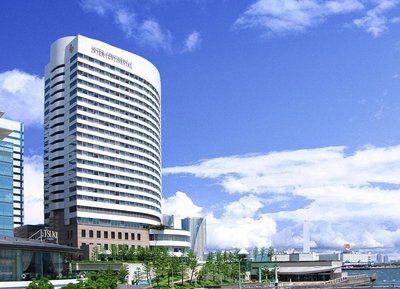


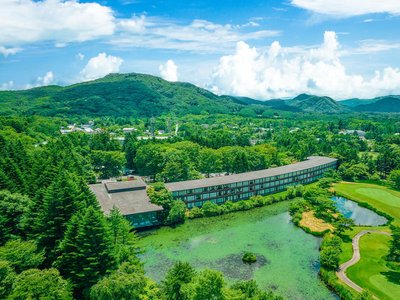









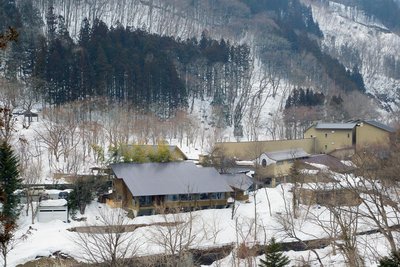
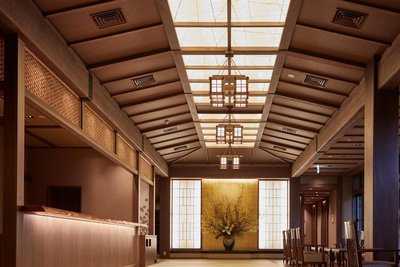









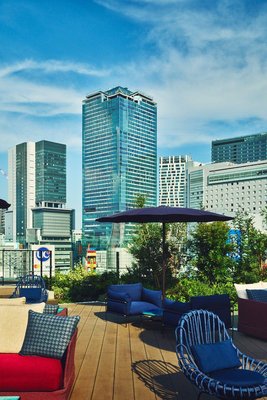


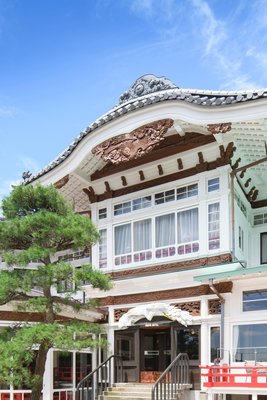










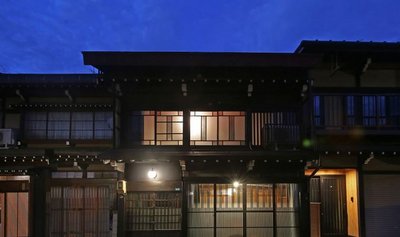
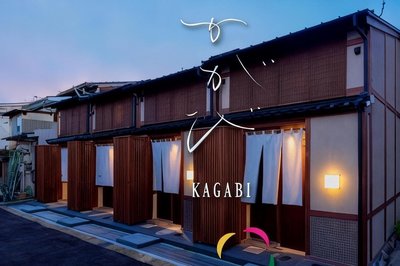
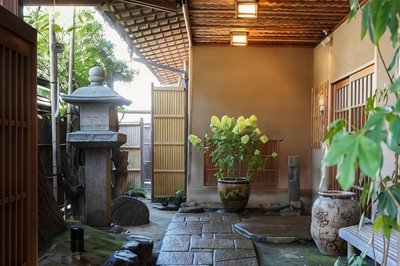
Frequently Asked Questions about Traveling to Kanuma
Questions You Might Need to Know About Traveling to Kanuma
In Kusatsu City, the top family-friendly hotel is Hotel REI Kusatsu, located in the city center with easy access to Kusatsu Station and nearby attractions like Tochigi Prefectural Natural Park. The hotel offers spacious family rooms, kid-friendly amenities, and an on-site hot spring bath perfect for relaxation.
Another excellent choice is APA Hotel Kusatsu, known for its affordability, clean facilities, and complimentary breakfast. It’s just a 10-minute walk from Ootani Park, ideal for families seeking quiet time amid nature. Both hotels welcome children and provide safe, welcoming environments for multi-generational stays.
The city center district is the most convenient area for lodging in Kusatsu City, offering proximity to shops, restaurants, public transport, and major attractions. From here, you can easily reach Kusatsu Station, which connects to Nikko in 15 minutes and Utsunomiya in 30 minutes via train.
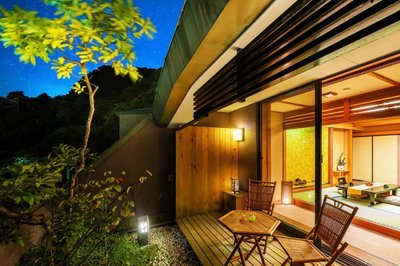
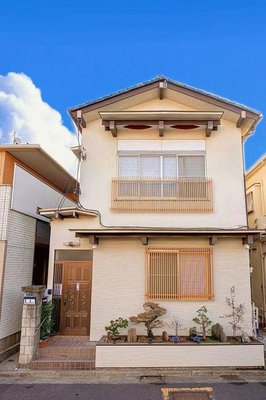
For a quieter stay, consider Ootani District, located near Ootani Park and the Kusatsu River. This area features serene apartment-style hotels and guesthouses with garden views and private outdoor spaces—perfect for travelers seeking tranquility and natural surroundings.
Kusatsu City offers authentic cultural experiences centered around Kusatsu-yaki pottery, a centuries-old tradition. Visitors can participate in hands-on workshops at local studios, shaping clay and firing their own pieces using traditional kilns.
The annual Kusatsu Flower Festival in spring features vibrant parades, folk dances, and seasonal decorations. During autumn, join the Chestnut Picking Experience in Tochigi Prefectural Natural Park, where locals teach traditional harvesting and cooking methods. Guests enjoy freshly made chestnut porridge and learn about regional customs and seasonal rhythms.
A perfect day-trip itinerary near Kusatsu City includes visiting Kusatsu Shrine, known for its striking torii gate and historical significance. Then head to Ootani Park, a scenic riverside trail ideal for walking or cycling, especially beautiful during cherry blossom season or when fireflies appear in summer.
Enjoy lunch at Kusatsu Station Front Food Street, sampling local specialty Kusatsu Curry Rice with fresh vegetables and locally raised beef. In the afternoon, explore Tochigi Prefectural Natural Park for light hiking or lakeside picnics. Wrap up your day with a soak at Kusatsu Onsen, relaxing in natural hot springs before returning to the city.
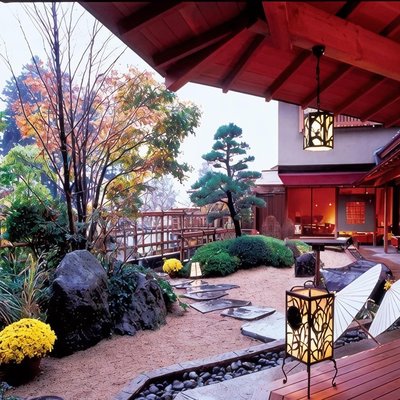
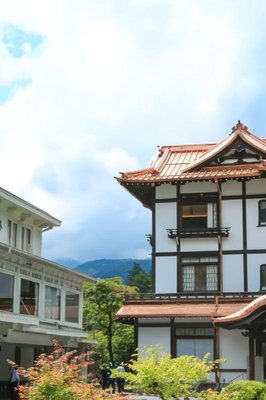
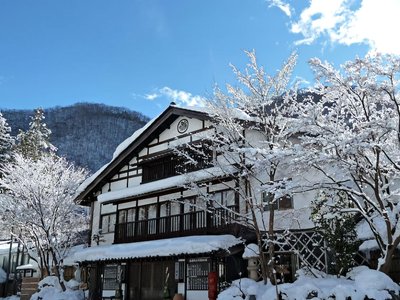
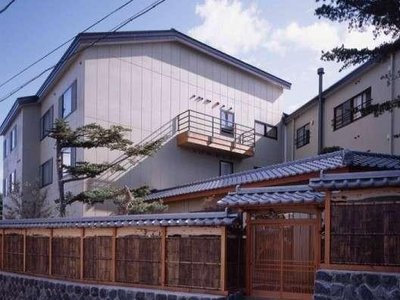
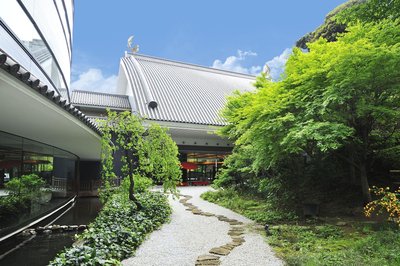
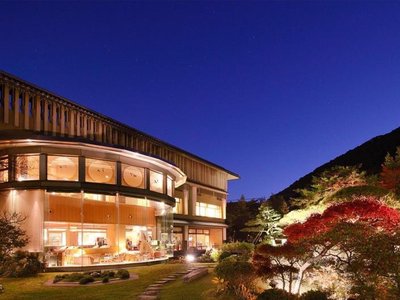
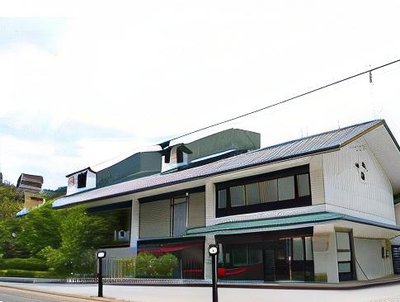
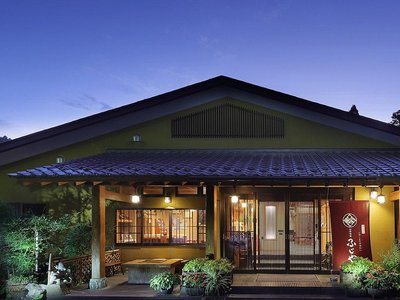
Top onsen hotel in Kusatsu City is Kusatsu Onsen Shichisei Kan, a boutique ryokan blending modern comfort with traditional Japanese aesthetics. It features open-air baths overlooking forested hills and uses pure mineral-rich hot spring water sourced directly from the ground.
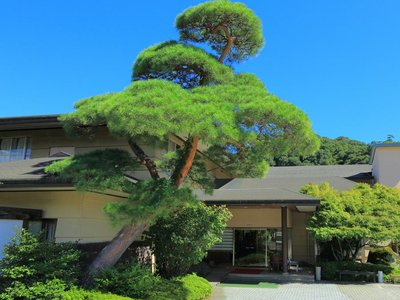
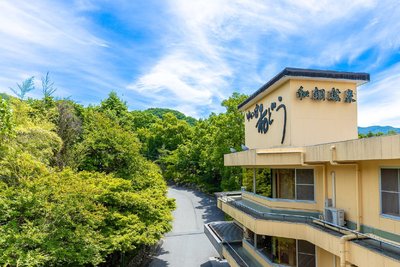
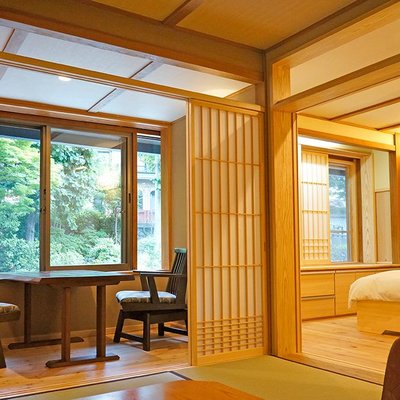
Another standout is Green no Yado Kusatsu Bijin, nestled in the Ootani area. This eco-conscious inn uses locally harvested wood in its design and offers private onsens with panoramic views. Meals feature seasonal ingredients, including local fish and chestnuts. Both hotels offer guided stargazing sessions at night—ideal for a peaceful retreat.
Yes, Kusatsu City is a hidden gem for photographers. The Kusatsu Riverbank offers stunning reflections of sky and trees, especially at dawn or dusk—perfect for landscape and long-exposure shots.
Ootani Park features iconic cherry blossom avenues in spring and golden ginkgo-lined paths in autumn, creating vivid backdrops for portrait and macro photography. Capture daily life at Kusatsu Station Front Plaza, where locals gather early in the morning for exercise or market stalls.
The Kusatsu Shrine’s vermilion torii gates and stone lanterns provide timeless subjects for classical Japanese photography. Bring a tripod and polarizing filter to enhance image quality.
Kusatsu City is well-connected via Tobu Railway Nikko Line, with direct trains to Utsunomiya (20 minutes) and Tokyo (40 minutes via transfer at Nippori). This makes it ideal for day trips or weekend getaways.
For those driving, the Kosoku Expressway and Tōhoku Expressway are within 15 minutes, enabling quick access to Nikko, Kurobe, and Tochigi City. Local buses cover major attractions and shopping areas, accepting Suica and ICOCA cards for seamless travel.
International visitors can rent audio guides at Kusatsu Station to help navigate maps and schedules.
Must-try dishes in Kusatsu City include Kusatsu Curry Rice, made with locally raised beef and fresh tomatoes, served with rice and pickled vegetables—a rich, savory staple.
Try Chestnut Mochi, a seasonal delicacy available in autumn, soft on the outside and filled with sweet, creamy chestnut paste. Another highlight is Kusatsu Milk, produced from local dairy farms, smooth and naturally flavored—great as a drink or dessert ingredient.
At Kusatsu Station Front Market, sample fresh vegetable tempura and persimmon leaf sushi, showcasing the region’s agricultural heritage and culinary creativity.
A 2–3 day visit is ideal to fully experience Kusatsu City's charm. On Day 1, explore the city center: visit Kusatsu Shrine, stroll through Ootani Park, and enjoy local cuisine at the station front food street. End the day with a soak at a local onsen.
Day 2 focuses on nature and culture: hike in Tochigi Prefectural Natural Park, take part in a pottery workshop, or join a chestnut picking tour. For families, include a visit to the Kusatsu City Museum with interactive exhibits.
On Day 3, extend your trip to Nikko or Utsunomiya by train for a half-day excursion. This relaxed pace allows immersion in rural Japanese life and local traditions.
Yes, Kusatsu City offers several child-friendly activities. Ootani Park has a dedicated playground with sand pits, slides, and climbing structures, surrounded by greenery and a peaceful river.
The Kusatsu City Museum features interactive exhibits on local history and nature, including animal specimens and models—ideal for kids aged 6–12. During summer, the city hosts Children's Forest Adventure Camp, where trained guides lead kids in nature scavenger hunts and outdoor games.
Hotels like Hotel REI Kusatsu provide child-sized toiletries and nightly storytime, enhancing the family travel experience with thoughtful touches.
Kanuma Overview
City Summary
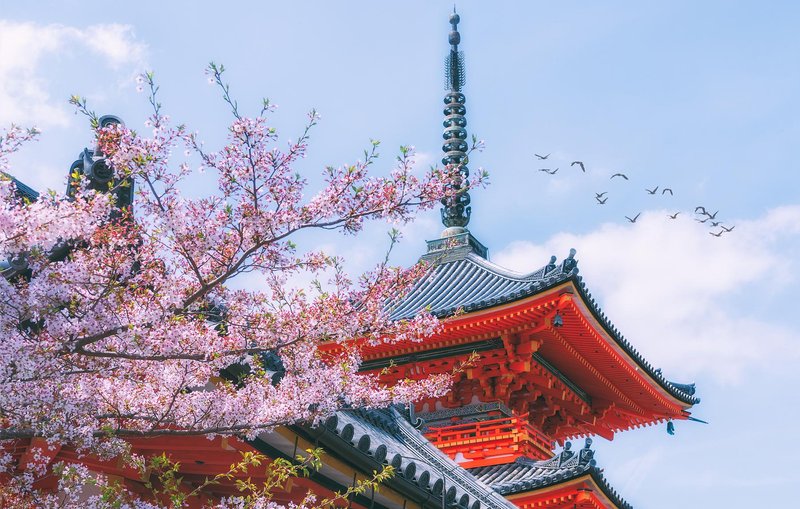
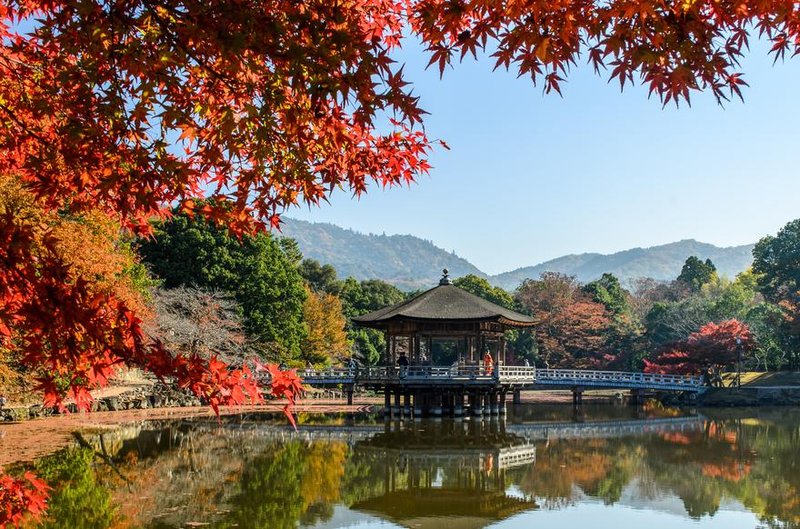
Kanuma City, located in the central part of Tochigi Prefecture, Japan, is famous for its rich natural scenery and traditional culture. The city offers fresh air, beautiful mountains and rivers, and abundant hot spring resources, and is also one of Japan's major timber producing areas. The autumn foliage and spring cherry blossoms in Kanuma are particularly captivating, attracting many visitors.
Must-See Attractions
The main attractions in Kanuma City include the Kanuma Autumn Festival (known for its traditional wooden floats), Awano Hot Springs, and Nikko National Park. These sites showcase Japanese traditions and offer opportunities to connect with nature.
Food Guide
Kanuma's culinary culture is deeply influenced by its natural environment. Recommended dishes include wild mountain vegetables and fresh river fish. Street foods like grilled fish and miso soup are also must-tries.
Transportation Guide
Transportation in Kanuma is primarily by bus and taxi. From Tokyo, take the JR Tohoku Shinkansen to Utsunomiya Station, then transfer to the JR Nikko Line to reach Kanuma. Local transportation is relatively convenient, but planning ahead is advised to avoid peak-hour congestion.
Best Time to Visit
The best times to visit are spring (March-May) and autumn (September-November), when the weather is pleasant and the scenery is at its best.
Travel Tips
- Respect local culture; maintain quiet when visiting temples.
- Check public transport schedules to avoid delays.
- Follow local etiquette in hot spring areas.
- Carry cash as many small shops do not accept credit cards.
- Learn basic Japanese polite phrases like "arigatou" (thank you).
- Be prepared for weather changes by dressing in layers.
Useful Information
The primary language in Kanuma is Japanese, with limited English proficiency. Consider downloading a translation app or carrying a phrasebook. Network coverage is good, but purchasing a local SIM card is recommended for stable connectivity. Cash is the main payment method, though some larger stores and hotels accept credit cards. The emergency number is 119. Travel insurance is advised for unexpected situations.