Hotels in Karatsu
Discover your perfect stay in Karatsu.
Karatsu(Japan) Travel 2026: Cheap Flights, Hotels & Top Attractions
Popular Landmarks in Karatsu
Discover the most iconic attractions in Karatsu
Recommended Hotels in Karatsu
Find the perfect place to stay in Karatsu
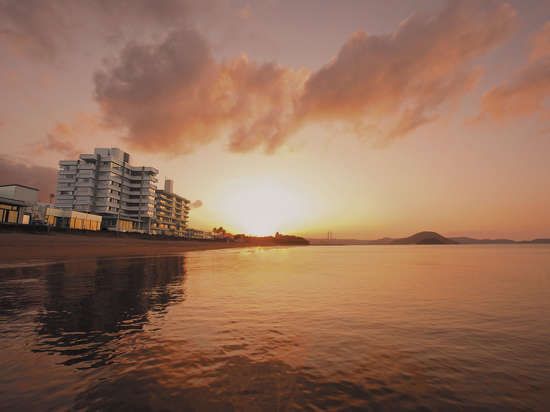
Karatsu Seaside Hotel
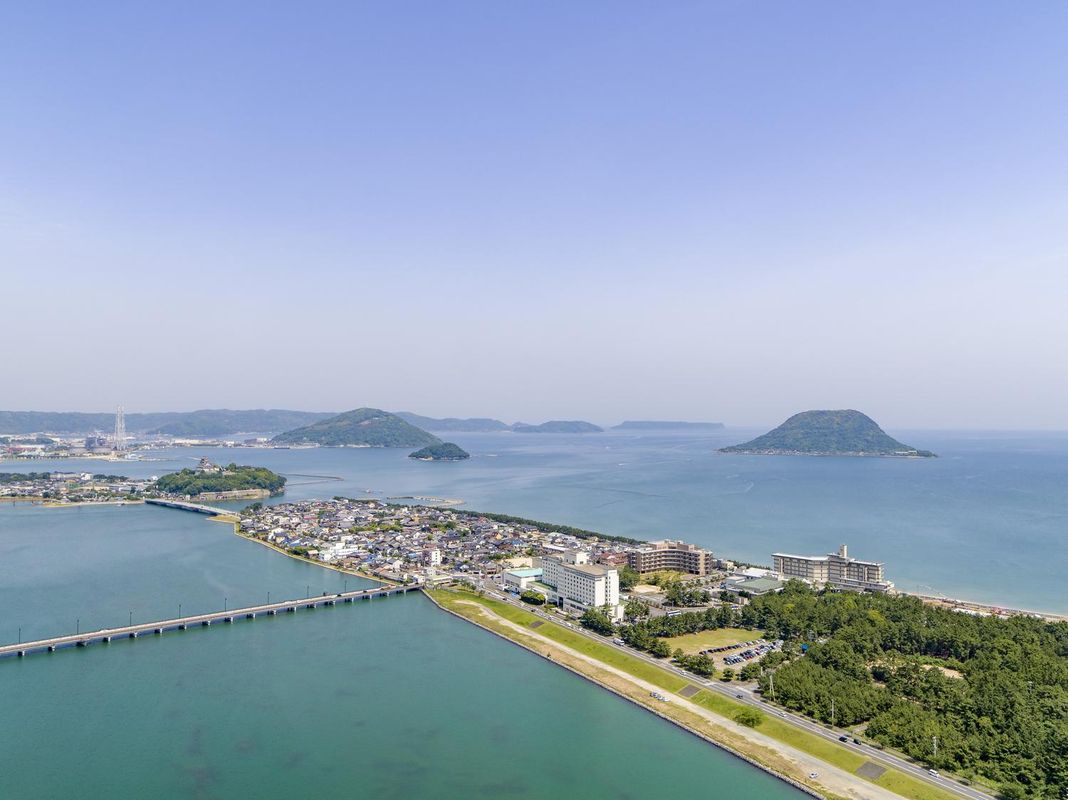
Mercure Saga Karatsu Resort
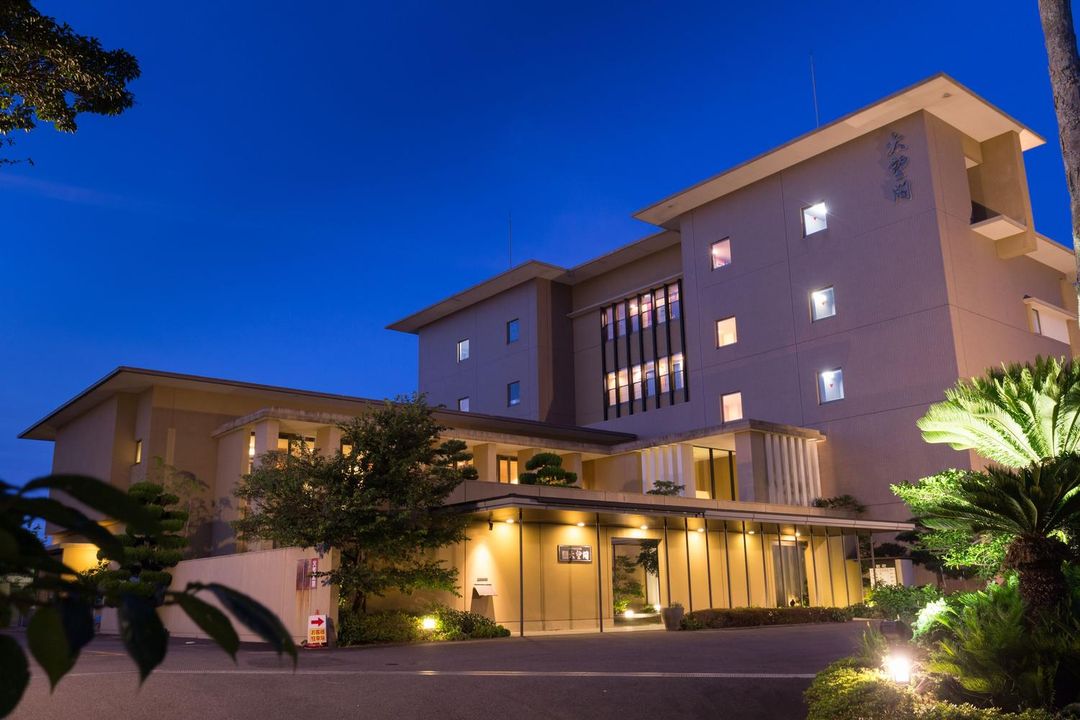
Taiboukaku
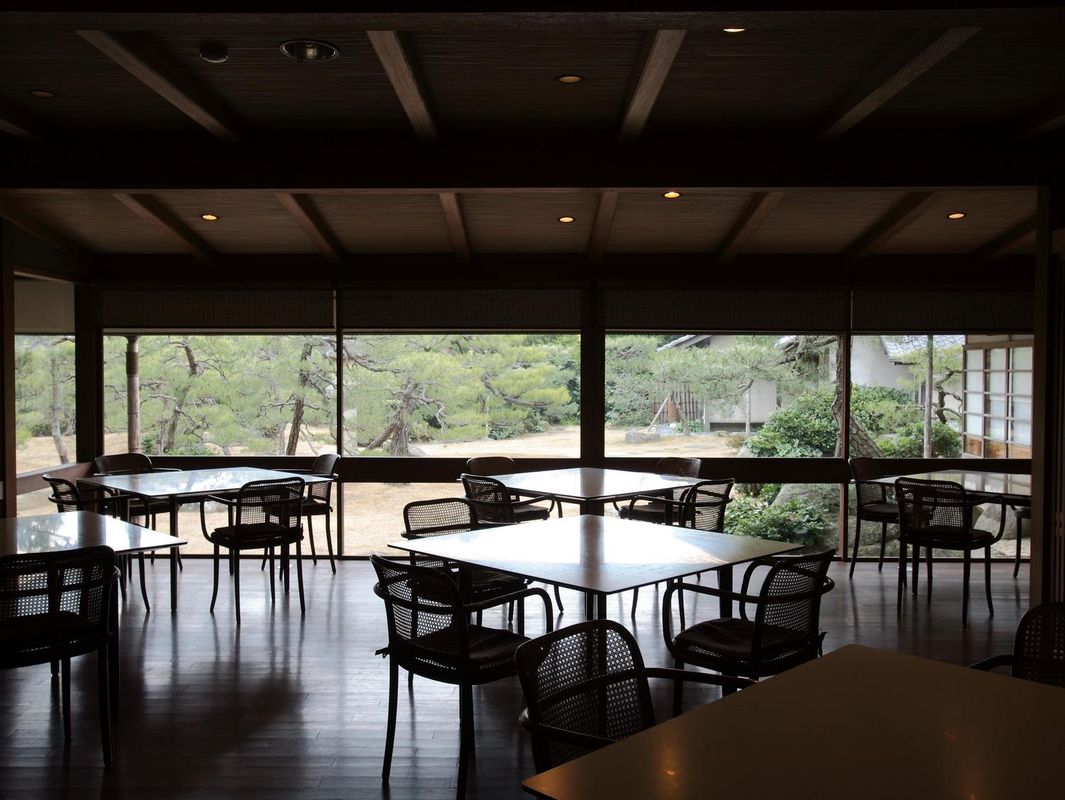
Yoyokaku
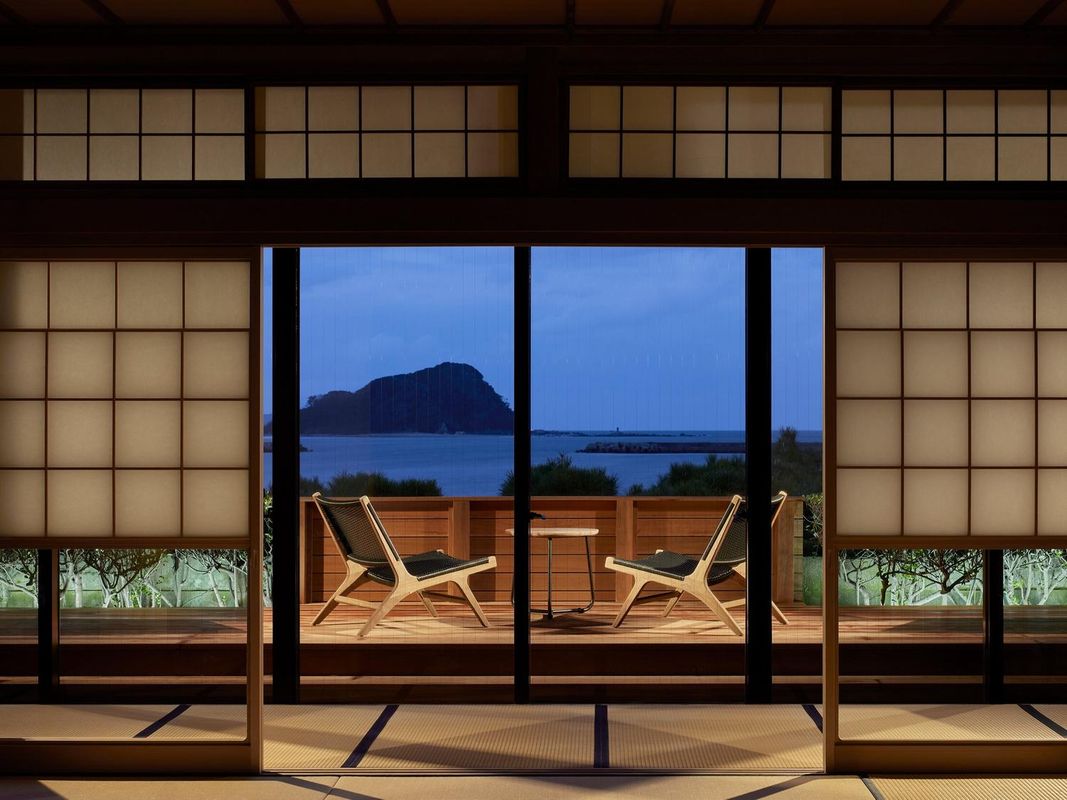
Mizuno Ryokan
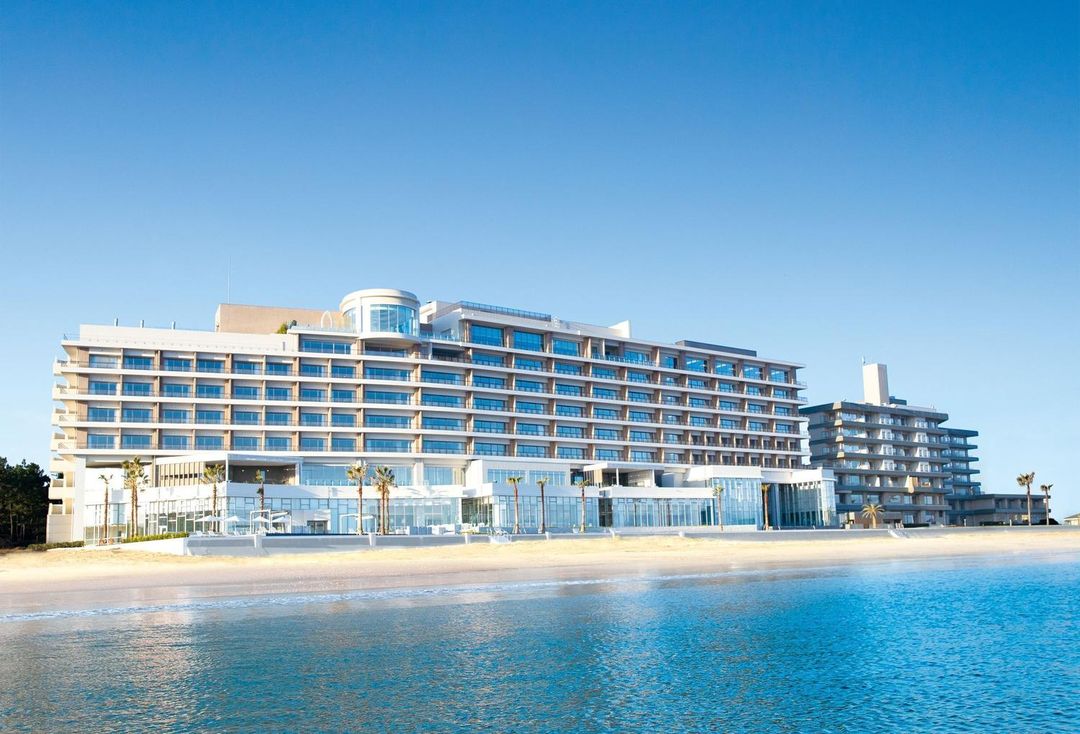
Karatsu Seaside Hotel
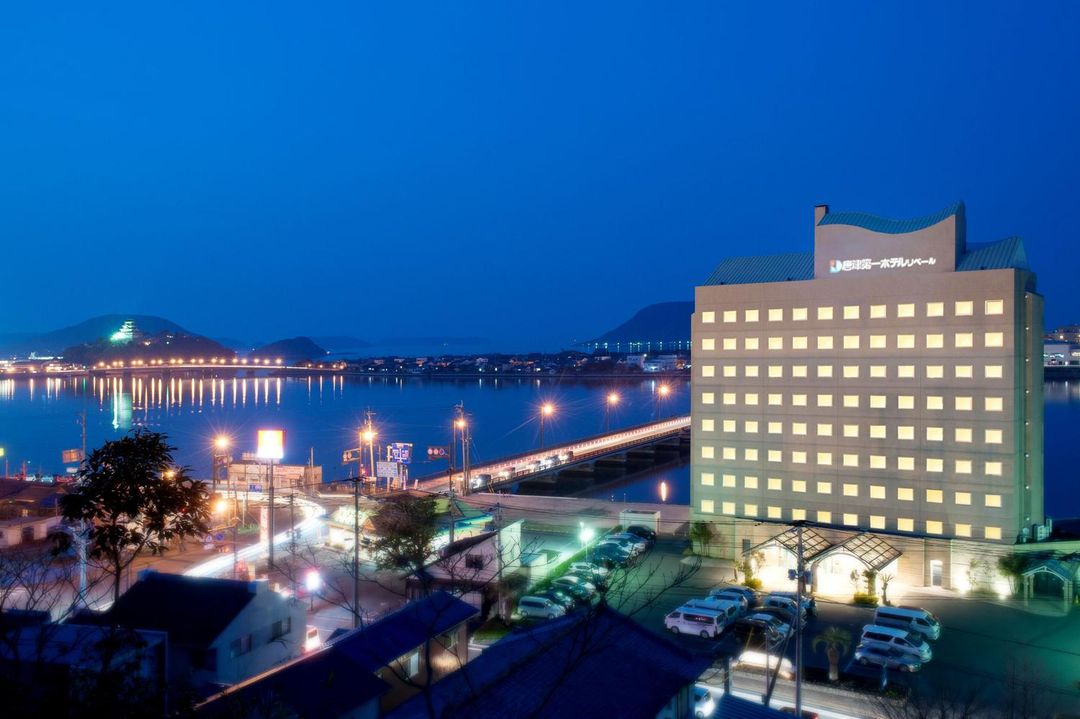
Karatsu Daiichi Hotel Riviere
Best Hotels in Karatsu
Discover curated hotel collections in Karatsu
Sheraton Kagoshima
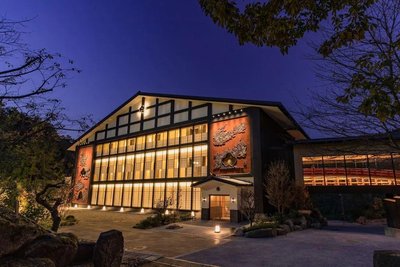
Okuhita Onsen Umehibiki
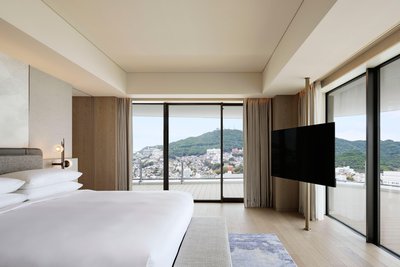
Nagasaki Marriott Hotel
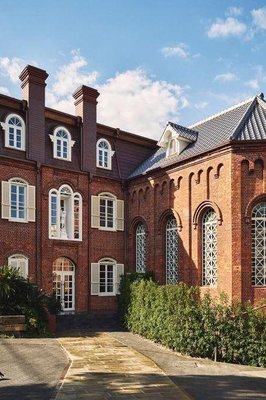
Hotel Indigo Nagasaki Glover Street by IHG
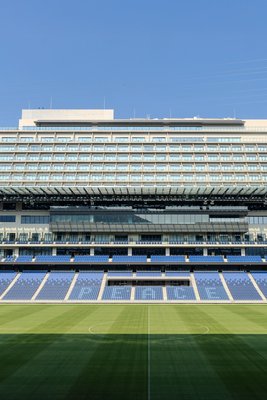
Stadium City Hotel Nagasaki
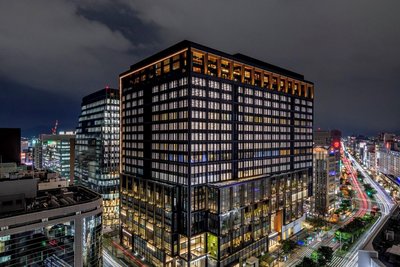
ONE FUKUOKA HOTEL
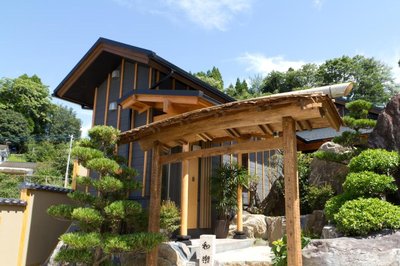
Ryokan Shinsen
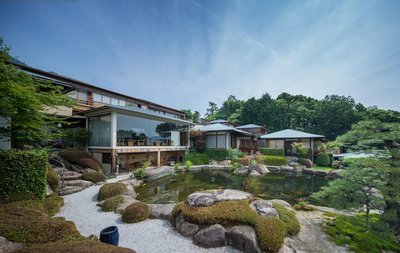
SEKITEI
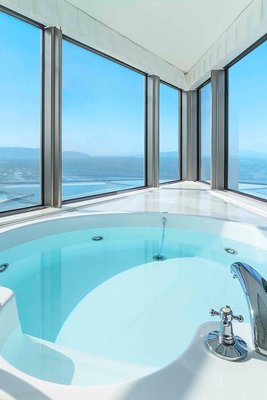
Hilton Fukuoka Sea Hawk

Olive Bay Hotel
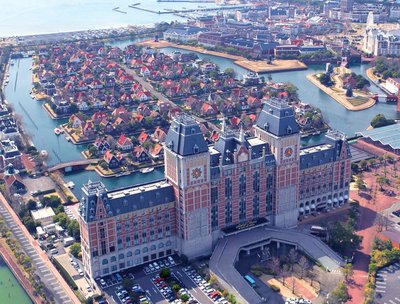
Hotel Okura Jr Huis Ten Bosch
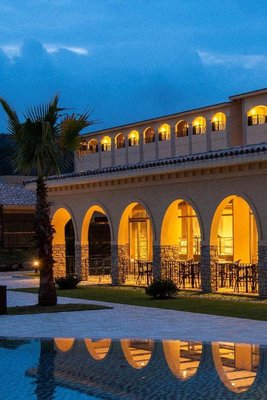
La Vista Kirishima Hills
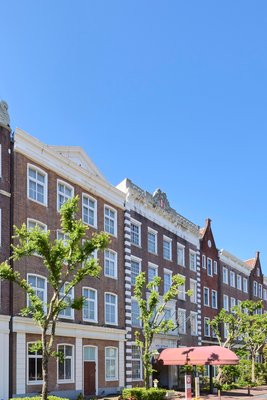
Hotel Amsterdam Huis Ten Bosch

Yumotoankiyohime
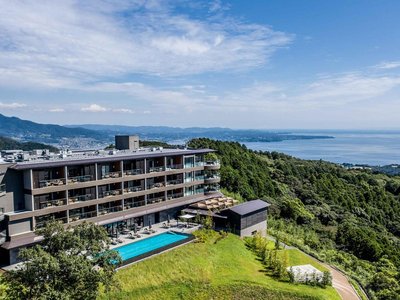
Ana InterContinental Beppu Resort & Spa
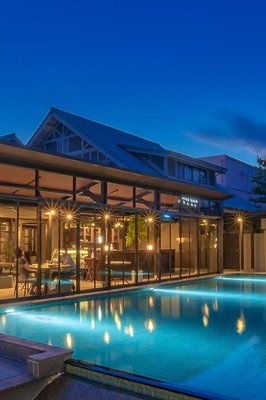
Amane Resort Gahama

Phoenix Seagaia Ocean Tower
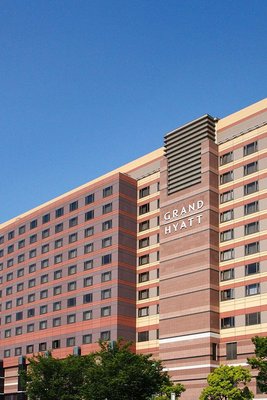
Grand Hyatt Fukuoka
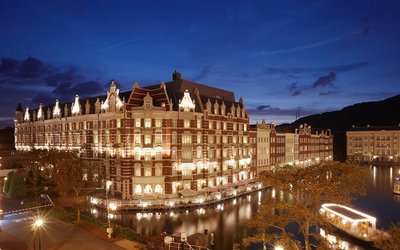
Hotel Europe Huis Ten Bosch
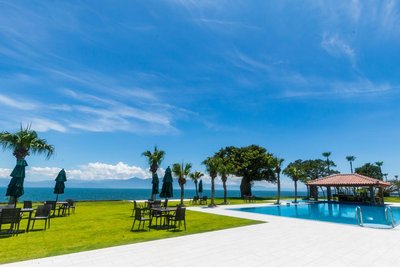
Kagoshima Sunamushi Onsen Ibusuki Hakusuikan
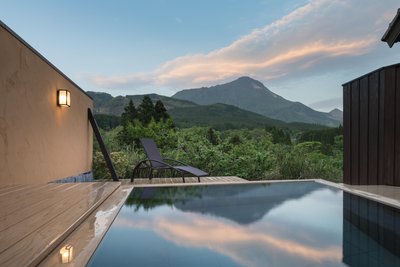
Ikkoten
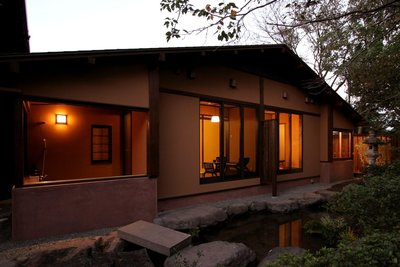
SEKIYA RESORT Bettei Haruki
Okuhita Onsen Umehibiki
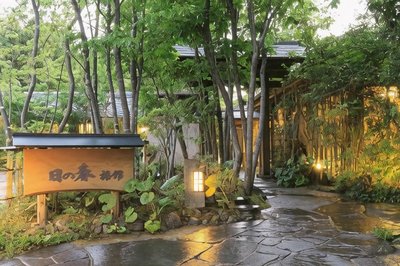
Yufuin Onsen Hinoharu Ryokan
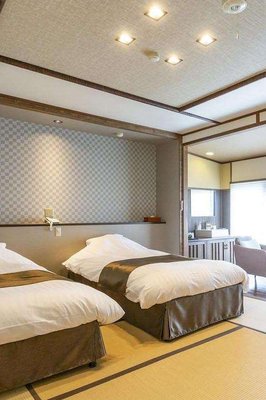
Sozankyo
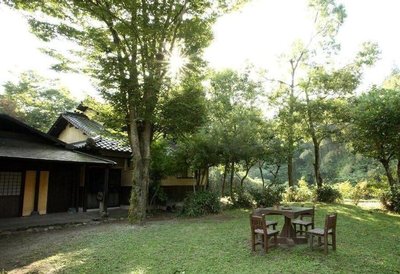
Yamashinobu
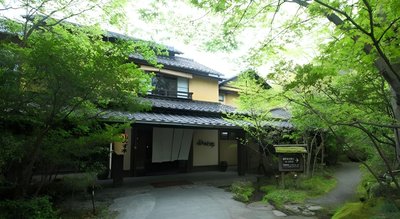
Kurokawaonsen Yamamizuki
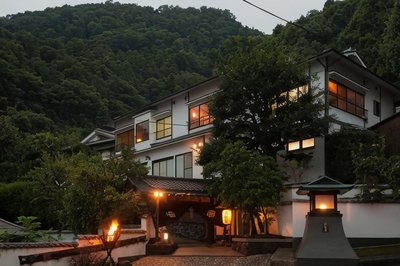
Beppu Showaen
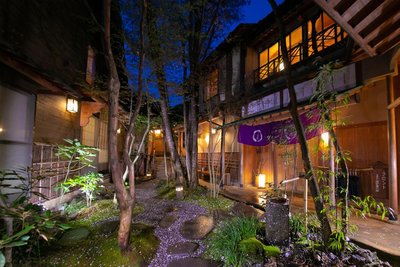
Oyado Ichizen
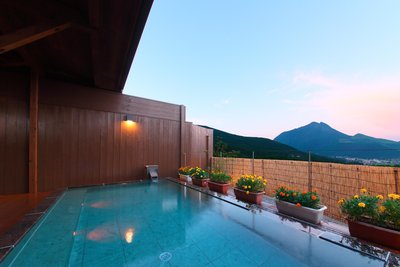
Asagirinomieru Yado Yufuin Hanayoshi
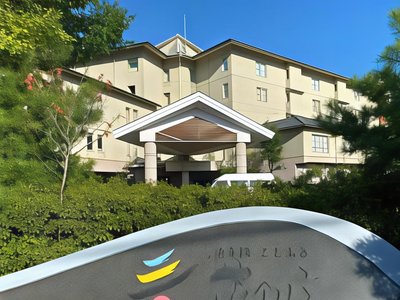
Yufuin Kotobuki Hananosho
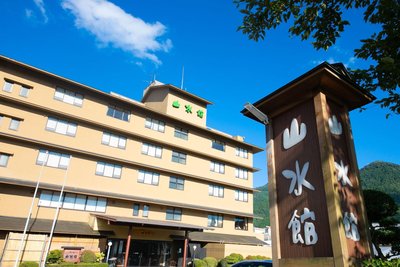
Yufuin Sansuikan
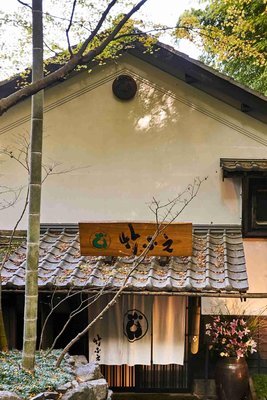
Hikyou Shirakawagensen Sansou Takefue
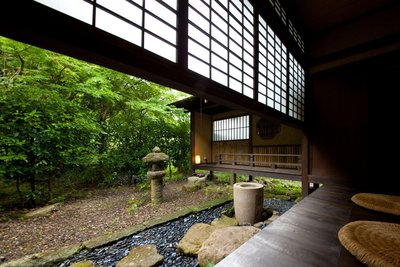
Yufuin Gettouan
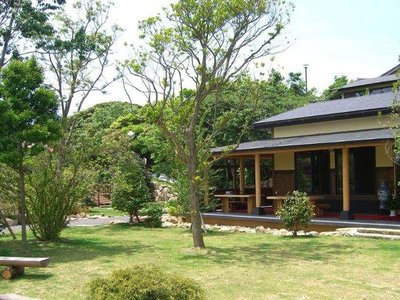
Saigetsuan
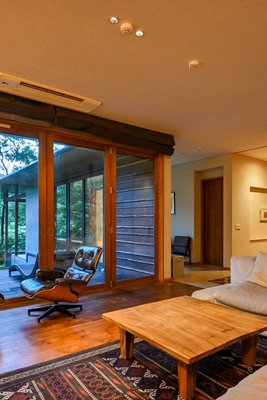
Oita kokonoe Kuoritei
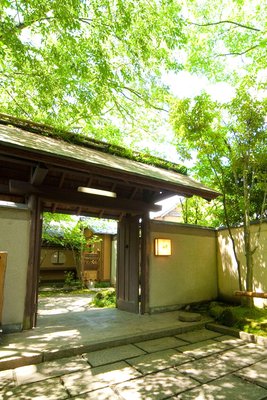
Kutsurogi-No-Yado Nanakawa
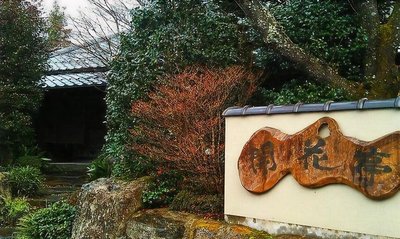
Oyado Kaikatei Ryokan
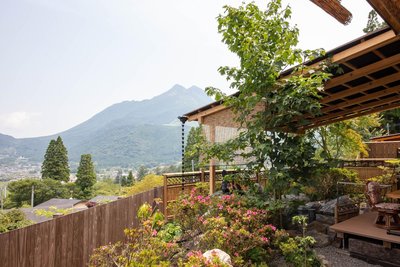
Yufuin-Sanso Waremokou
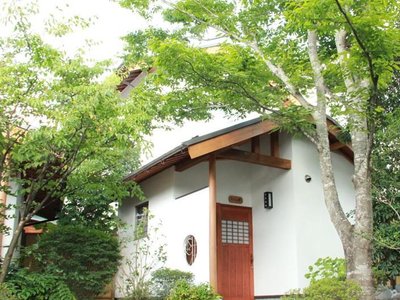
Oyado Sakuratei
Ryokan Shinsen
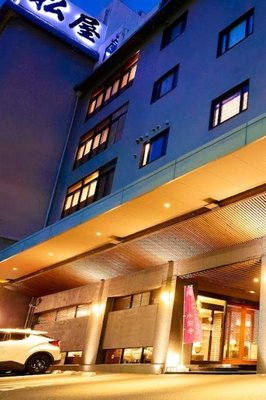
Ryotei Matsuya Honkan Suizenji
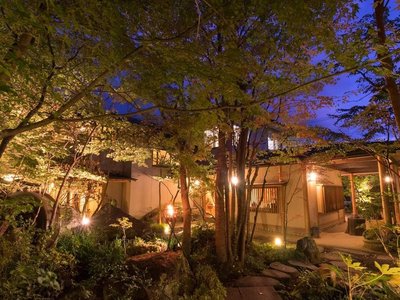
Ryoso Yufuin Yamadaya
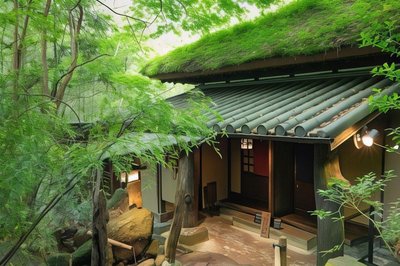
Sanso Tensui
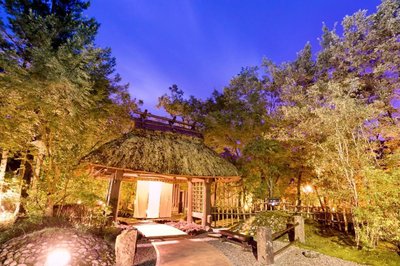
Satonoyu Waraku
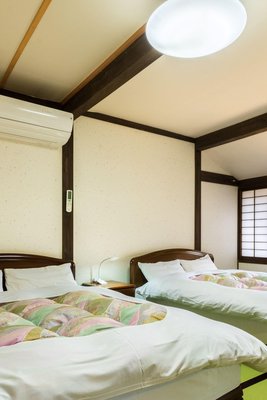
Tobise Onsen Tenga Sanso
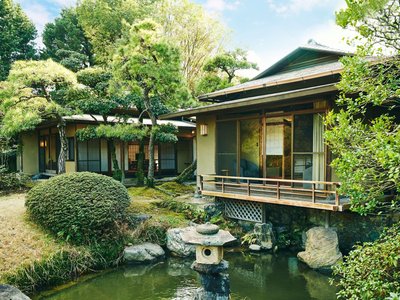
Suisui Garden Ryokan (in the Art Hotel Kokura New Tagawa)
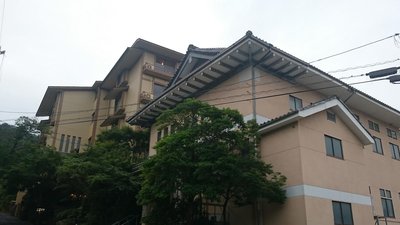
Miyajima Hotel Makoto
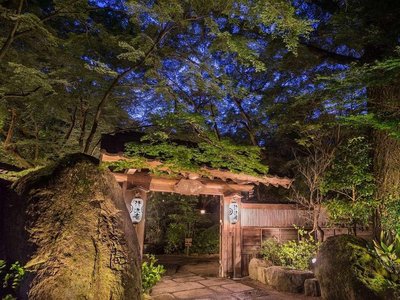
Akizuki Spa Ryokan Seiryuan
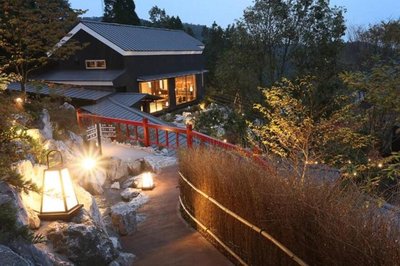
Gekkoju Kurokawa
Frequently Asked Questions about Traveling to Karatsu
Questions You Might Need to Know About Traveling to Karatsu
In Tosu City, the best hotel offering a view of Tosu Castle is Hotel Tōtsu Castle View, located just steps from the historic castle grounds. This boutique hotel blends traditional Japanese architecture with modern comfort, featuring rooms with tatami mats and panoramic windows overlooking the moat and surrounding gardens. Some suites even include private onsen baths, perfect for unwinding after exploring the city’s heritage sites. The hotel also hosts seasonal cultural events like tea ceremonies and calligraphy workshops, deepening guests’ connection to local traditions. For those seeking authenticity, Tosu Castle Front Inn offers a more intimate experience with family-run hospitality and access to nearby museums and walking trails.
Both properties emphasize tranquility and proximity to history, making them ideal choices for travelers who value immersive experiences rooted in place.
The best area for first-time visitors to Tosu City is the Tosu Castle District and the Tosu Port Zone. The castle district offers easy access to Tosu Castle, one of Japan’s 12 remaining original keep towers, along with the Tosu City Museum and scenic walking paths. It’s well-connected by foot from Tosu Station, which is served by the Kyushu Shinkansen, making travel convenient. Meanwhile, the port zone is ideal for food lovers and culture seekers, with fresh seafood markets, cozy cafes, and waterfront views. Accommodations here range from modern boutique hotels to traditional ryokan, all within walking distance of key attractions. The area’s vibrant atmosphere, combined with safety and accessibility, makes it the perfect base for exploring both urban charm and coastal beauty.
Must-try cultural experiences in Tosu City include attending the Tosu Festival, held annually in August, featuring elaborate floats, traditional music, and dazzling fireworks over the bay. Visit Tosu Castle to explore its Edo-period architecture and join guided tours that reveal hidden stories behind the stone walls. Another highlight is participating in a Tosu Pottery Workshop, where you can create your own piece using locally crafted Tosu-yaki ceramics—a tradition dating back centuries. During spring, don’t miss the Cherry Blossom Illumination Festival, where illuminated sakura trees line the harbor, creating a dreamlike ambiance. These activities offer genuine insight into the city’s enduring craftsmanship, historical pride, and community spirit.
Yes, Tosu City offers several family-friendly accommodations. Tosu Family Resort Hotel is designed specifically for families, featuring indoor play areas, kid-sized onsen baths, and daily children’s workshops such as origami and cooking classes. Located near Tosu Port Zoo, it provides easy access to marine life exhibits, including dolphins and penguins. The hotel also offers family packages including breakfast, entry tickets, and a souvenir kit. For a more rustic option, Tosu Seaside Camping Village offers cabins and tent rentals with direct access to the beach, ideal for stargazing and nature bonding. All facilities are equipped with child-safe amenities, and staff are trained to assist with family needs, ensuring a stress-free and joyful stay for parents and kids alike.
Tosu City is renowned for its fresh seafood and premium Saga beef. Must-try dishes include freshly caught saba (mackerel) and sanma (Pacific saury), often served as sashimi or grilled at Tosu Port Morning Market, where fishermen sell their daily catch. Head to Dai Maru Suisan, a long-standing seafood restaurant offering high-quality sushi platters and grilled fish with local miso sauce. For meat lovers, visit Wagyu Tei, a specialty restaurant serving melt-in-your-mouth Saga beef ribeye cooked using low-temperature methods, paired with house-brewed sake. To taste traditional flavors, dine at Aji no Sato, a former townhouse turned eatery serving handmade miso stew, rice bowls, and kaiseki-style meals. These restaurants not only deliver exceptional taste but also preserve the culinary heritage of the region.
Public transportation in Tosu City is highly accessible. The Kyushu Shinkansen connects Tosu Station to Fukuoka (approx. 40 minutes) and Nagasaki, making it easy to reach from major cities. From the station, free shuttle buses run to key attractions like Tosu Castle, Tosu Port, and Tosu Pottery Workshops. The city also has an efficient local bus network covering all major districts, including residential areas and tourist spots. For visitors without a car, bike rentals are available near the station and along the waterfront. Additionally, ferry services operate from Tosu Port to Tsushima Island and the Goto Islands, ideal for multi-day island-hopping trips. With reliable schedules, clear signage, and multilingual support, navigating Tosu City is straightforward for international travelers.
While Tosu City is not known for natural hot springs, it features several excellent onsen facilities. Mizunomori Onsen, located near Tosu Castle, offers soft carbonated mineral baths with soothing effects on skin and muscles. The facility includes indoor and outdoor pools with views of the sea and garden landscapes. Tosu Port Onsen Spa combines modern design with oceanfront relaxation, open 24/7 and featuring steam rooms and foot baths. Many high-end hotels, such as Hotel Tōtsu Castle View, provide private onsen suites for guests. For a traditional experience, Mizu no Yado Ryokan offers authentic Japanese-style bathing with herbal steam and foot soaks. These onsen options prioritize serenity and wellness, allowing travelers to unwind amidst the calm coastal environment.
Top photo spots in Tosu City include Tosu Castle, especially during cherry blossom season or nighttime illumination when the keep glows against the sky. The Tosu Port coastline offers dramatic silhouettes of fishing boats at sunset, perfect for landscape and portrait photography. Tosu-yaki Kiln Park features rustic pottery kilns surrounded by greenery—ideal for artistic, vintage-style shots. Along the Nagasaki Coast Trail, rugged cliffs meet crashing waves, providing dynamic compositions for action photography. Don’t miss the Tosu City Art Museum, whose modern architectural facade contrasts beautifully with traditional elements. For best results, visit early morning or late afternoon when lighting is soft and crowds are minimal. These locations capture the blend of history, nature, and coastal elegance unique to Tosu.
Key seasonal festivals in Tosu City include the Tosu Festival in August, a vibrant event with elaborately decorated floats, drum performances, and spectacular fireworks over the harbor. In spring, the Tosu Cherry Blossom Illumination Festival transforms the city into a magical light show, with cherry trees lining the port and castle grounds lit up at night. Autumn brings the Tosu Harvest Festival, celebrating local rice and produce through tasting booths, farming demonstrations, and traditional dances. Winter features the Tosu Ceramic Market, where artisans display handcrafted Tosu-yaki pieces under festive lights. These events reflect the city’s deep-rooted traditions, community pride, and seasonal rhythms, offering visitors unforgettable cultural immersion throughout the year.
For authentic souvenirs in Tosu City, visit Tosu Port Morning Market for fresh seafood, local soy sauce, and Tosu-yaki ceramic tableware. Tosu Shopping Street houses long-established shops selling handmade washi paper lanterns, traditional textiles, and wooden crafts. The Tosu City Art Museum Gift Shop offers limited-edition prints, postcards, and silk scarves inspired by the castle and local landscapes. For a unique keepsake, stop by Tosu Townhouse Craft Store, a restored Meiji-era residence now housing artisan boutiques selling handmade soap, tea sets, and decorative items made from local materials. All products reflect the city’s craftsmanship and connection to nature, making them meaningful mementos of your journey.
Karatsu Overview
City Summary
Located in northwest Saga Prefecture, Karatsu is a port city blending history and nature. Karatsu Castle with its views of Genkai-nada Sea and Niji-no-Matsubara's pine forest are iconic. As the departure point for ancient Japanese envoys to Tang China, it preserves rich cultural exchange relics, while the annual Karatsu Kunchi Festival dazzles with ornate parade floats.
Must-See Attractions
Top attractions include Karatsu Castle - its keep offers panoramic bay views, especially during cherry blossom season. The 5km-long Niji-no-Matsubara pine grove (one of Japan's Three Great Pine Forests) is perfect for cycling. Former Karatsu Bank showcases Meiji-era Western architecture, while Kagami Shrine relates to envoy legends.
Food Guide
Renowned for seafood, live squid sashimi (Ike-zukuri) highlights knife skills with translucent slices. Karatsu ramen features chicken broth with straight thin noodles, enhanced by local Maruboshi onions. Street snacks like fish cakes (Satsuma-age) and pine-needle-smoked buns (using Niji-no-Matsubara pine) are must-tries.
Transportation Guide
From Fukuoka Airport, take JR Chikuhi Line to Karatsu Station (1.5hrs). Rent bicycles near the station or use buses (e.g., Hamatama-bound buses for pine forest). Taxis start at ¥600, but the Karatsu-Genkai Day Pass (¥1000) offers unlimited bus rides on key routes.
Best Time to Visit
Best in March-April (cherry blossoms) and November (Kunchi Festival). Summers are humid; avoid Golden Week (early May) and Obon (mid-August) crowds.
Travel Tips
- Check extended hours during Karatsu Castle night illuminations.
- For freshest squid, visit morning markets like Yobuko.
- Book lodgings 6 months ahead during Kunchi Festival.
- Plant picking prohibited in Niji-no-Matsubara.
- Some historic restaurants accept cash only.
- Karatsu-yaki pottery shops cluster in old town - dedicate half a day.
Useful Information
Credit cards work at major venues, but carry cash for small shops. The tourist center at Karatsu Station (9am-6pm) provides multilingual maps. Free Wi-Fi covers main spots; pocket WiFi rentals cost ~¥500/day. For emergencies, Karatsu Medical Center accepts non-Japanese speakers with basic phrases. Learning "arigatou" (thank you) and "sumimasen" (excuse me) enhances interactions.