Hotels in Kasagi
Discover your perfect stay in Kasagi.
Kasagi(Japan) Travel 2026: Cheap Flights, Hotels & Top Attractions
Popular Landmarks in Kasagi
Discover the most iconic attractions in Kasagi
Recommended Hotels in Kasagi
Find the perfect place to stay in Kasagi
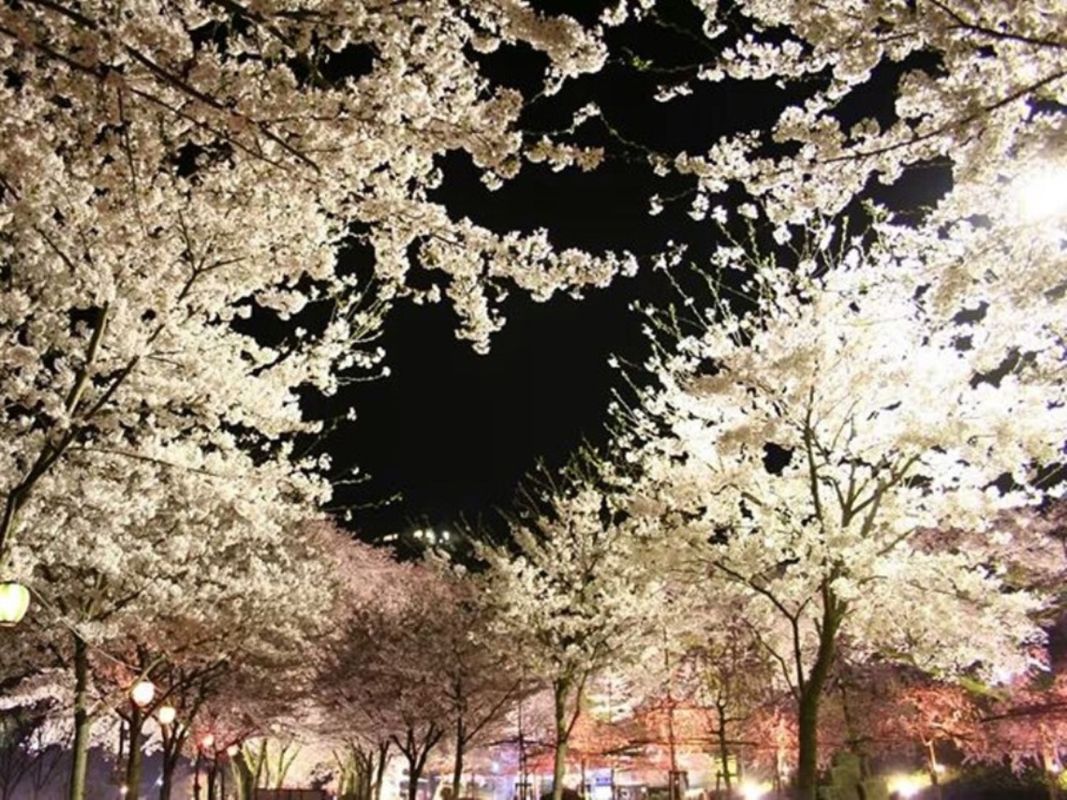
Best Hotels in Kasagi
Discover curated hotel collections in Kasagi
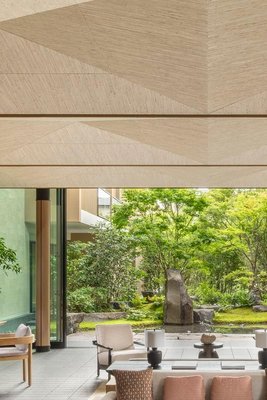
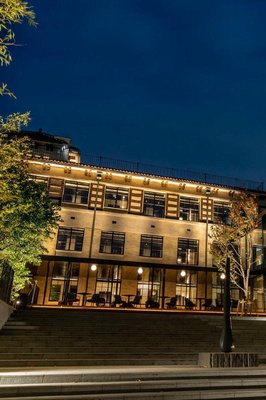
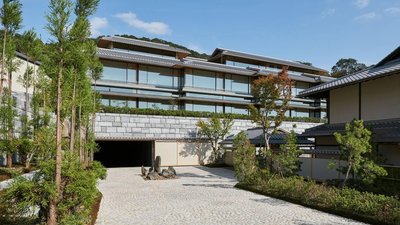





































Frequently Asked Questions about Traveling to Kasagi
Questions You Might Need to Know About Traveling to Kasagi
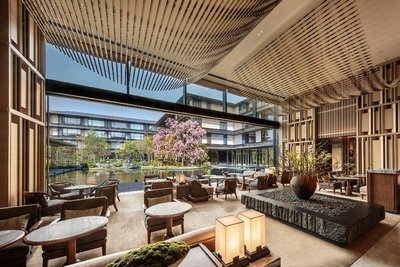
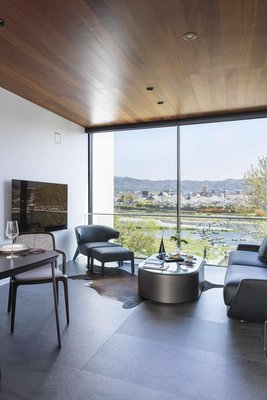
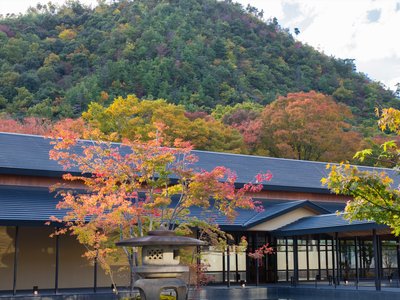
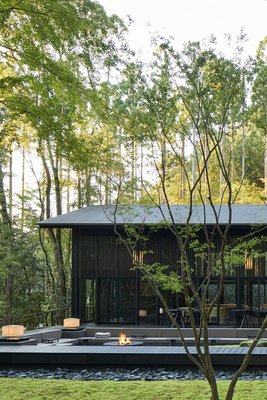
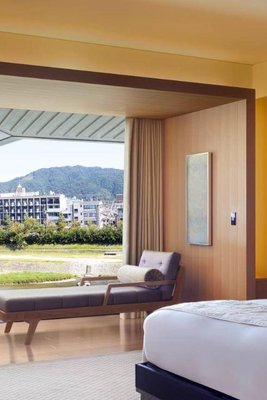
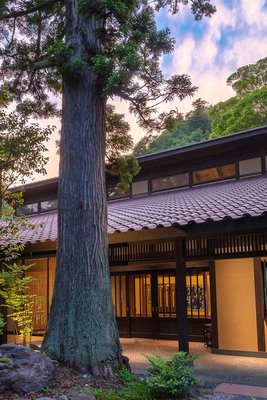
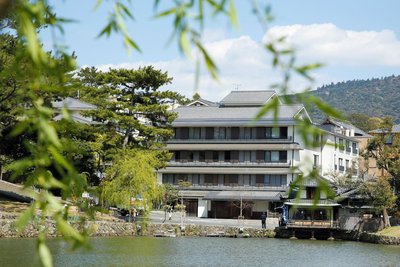
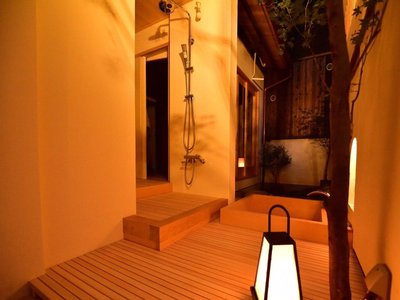
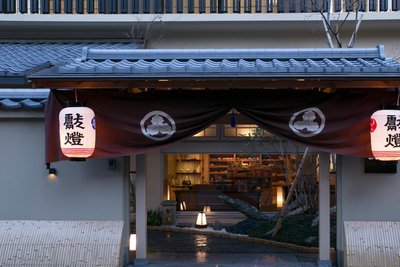
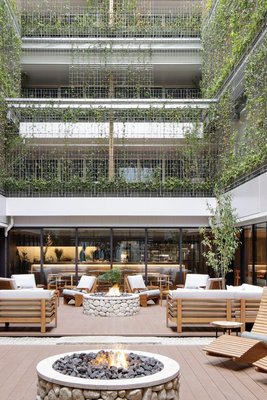
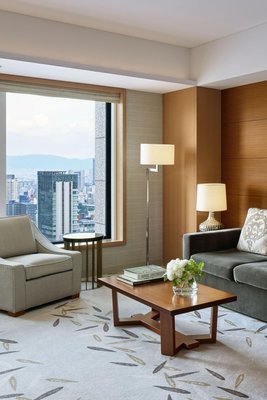
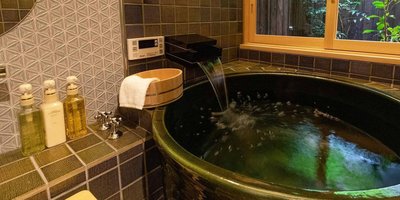
In Kasagiyama Town, the top boutique stay is Kasagi Mountain Villa, a serene ryokan nestled among ancient cedars with panoramic views of Kasagi Temple and the surrounding valley. Each room features traditional hinoki wood interiors, tatami mats, and private onsen baths overlooking misty peaks. The property offers guided forest walks, seasonal kaiseki meals using foraged local ingredients, and morning meditation sessions led by resident monks.
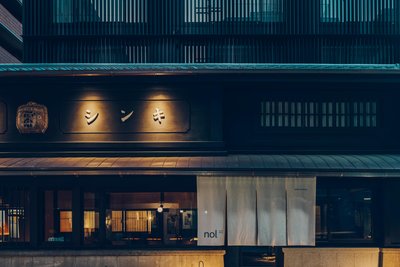
For a more immersive experience, Shinshoku House—a restored 19th-century farmhouse—provides rustic-chic rooms with handmade textiles and a rooftop garden perfect for stargazing. Both properties emphasize sustainability and cultural authenticity, making them ideal for travelers seeking tranquility and connection with nature.
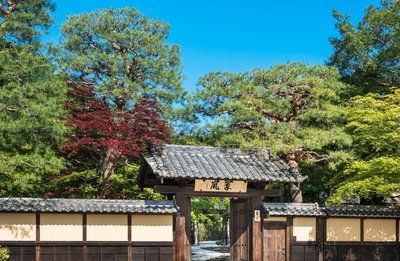
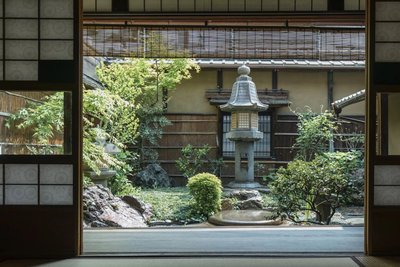
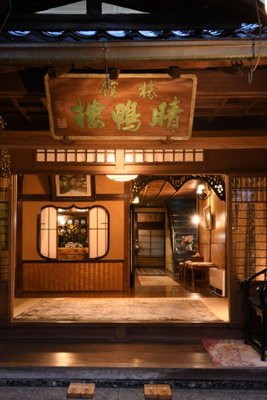
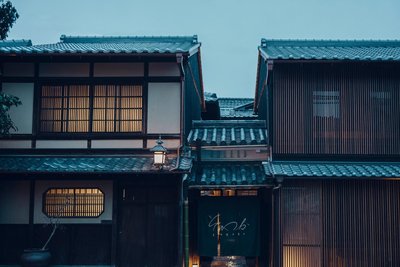
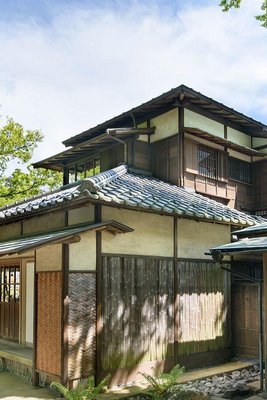
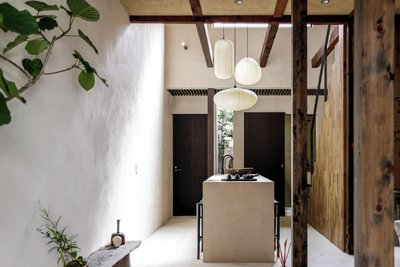
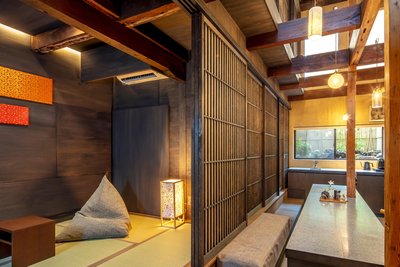
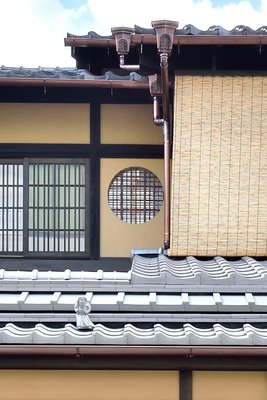
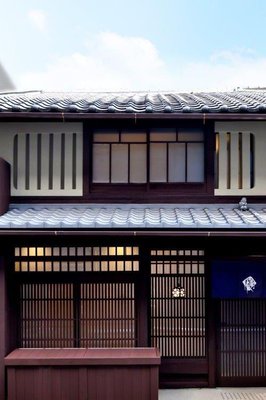
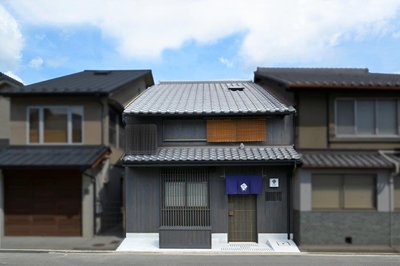
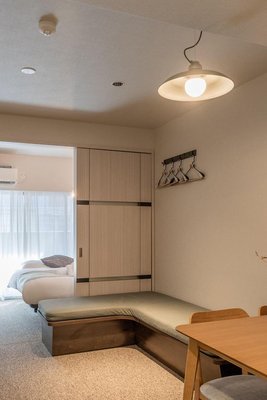
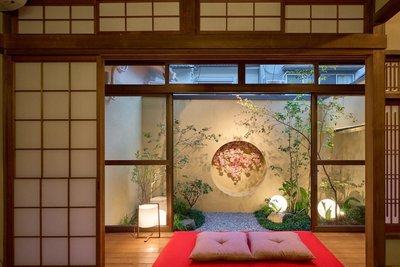
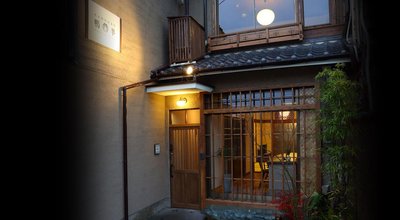
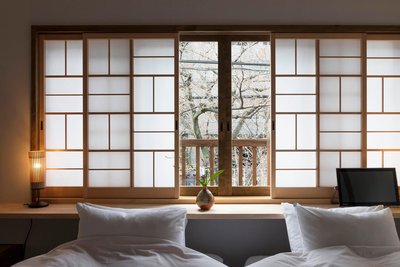
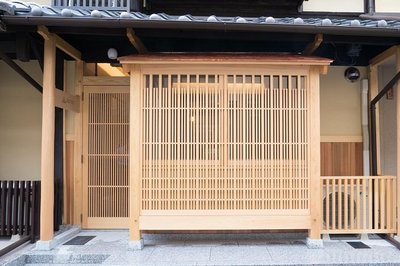
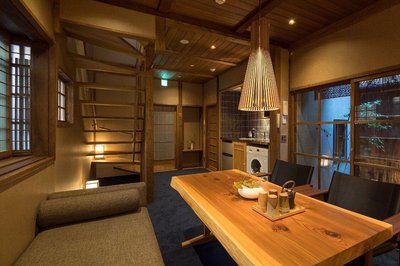
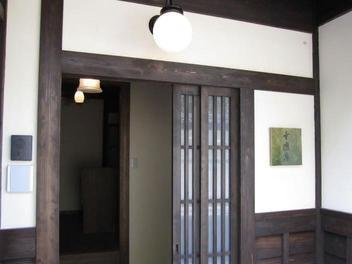
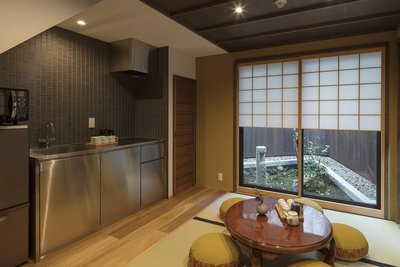
The most peaceful and authentic accommodation zone in Kasagiyama Town is the Kasagi Temple vicinity, where traditional wooden machiya houses have been transformed into intimate guesthouses. Here, you’ll find Shizukana Inn and Koyama House, both offering minimalist Japanese design with exposed beams, shoji screens, and secluded garden courtyards.
This area is quiet year-round, with minimal streetlights and no nightlife, allowing guests to experience true mountain serenity. It’s also within walking distance to the temple’s main shrine and the scenic Kasagi Trail, making it perfect for early-morning hikes or sunset contemplation. Many hosts speak English and provide personalized recommendations for local temples, tea ceremonies, and seasonal festivals.
Visitors to Kasagiyama Town can participate in a rare monastic retreat experience at Kasagi Temple, where guests spend a full day learning Zen meditation, chanting rituals, and preparing vegetarian meals under the guidance of resident monks. The temple, established during the Nara period, still preserves its original stone lanterns and bell tower.
Additionally, tea ceremony workshops are offered in a centuries-old teahouse surrounded by maple trees, where participants learn the art of matcha preparation and the philosophy of wabi-sabi. During autumn, the town hosts the Red Leaf Festival, featuring traditional dance performances, lantern processions, and a market selling handcrafted paper lanterns and local honey—offering deep cultural immersion in a rural Kyoto setting.
While Kasagiyama Town itself lacks natural hot springs, the nearby Ogura Onsen Area offers several exceptional ryokans. Matsu Fūkaku stands out for its soft alkaline carbonated waters, which soothe skin and joints, and its open-air baths framed by lush forest views and flowing streams.
Another top choice is Yamazora Onsen Guesthouse, a small, family-run inn that emphasizes wellness with daily forest bathing sessions, herbal baths, and organic farm-to-table dinners. Accessible by bus from Kasagiyama in 40 minutes, these resorts combine comfort with deep connection to nature—ideal for those seeking restorative escapes after exploring the town’s historic trails and temples.
Yes, Kasagiyama Town is highly suitable for families. The Kasagi Nature Education Center offers engaging programs for kids, including insect hunting, plant identification, and hands-on craft activities using natural materials like bamboo and clay.
The Ogura Field Trail is a gentle, wheelchair-accessible path through meadows and streams, perfect for young explorers. Weekly events include family-friendly tea ceremonies, paper lantern-making, and local storytelling nights at the town hall. Most guesthouses provide cribs, high chairs, and children’s bathrobes, while some offer dedicated play areas. The low population and absence of traffic make it safe and relaxing for all ages.
Tourists must try Kasagi Temple Shojin Ryori, a traditional Buddhist vegetarian meal made with wild mountain vegetables such as fern fritters, chestnut rice, and wild mushroom miso soup. Served in the temple’s dining hall, each dish reflects seasonal harvests and spiritual simplicity.
Another highlight is Yama-Soba Noodles, crafted from locally grown buckwheat and served with a savory soy-based broth infused with dried kelp. For dessert, sample Yuzu Honey Mochi from Kikuno Shop, a family-run confectionery known for its use of native yuzu fruit and pure mountain honey. These flavors capture the essence of the region’s mountain terroir.
The easiest way to reach Kasagiyama Town from Kyoto is via the Keifuku Bus Line 203, which runs directly from Kyoto Station to "Kasagi Temple Front" stop—approximately 1 hour, costing around ¥600. Alternatively, take the Eizan Electric Railway to "Hosho Station", then transfer to a local shuttle bus.
For those who prefer driving, follow National Route 1 south to the Kotani Interchange, then take Prefectural Road 187 for about 15 minutes. Note that roads are narrow and winding; GPS navigation is recommended. Some guesthouses offer complimentary pickup services—book in advance for convenience and safety.
The optimal time to visit Kasagiyama Town is late October to mid-November, when the maple forests around Kasagi Temple blaze in fiery red and gold hues. Early mornings offer misty valleys and dramatic light filtering through the canopy—perfect for photography.
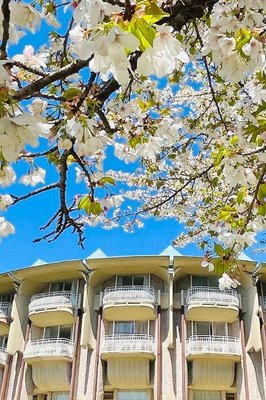
Spring (late March to early April) brings cherry blossoms and fresh greenery to the Ogura Fields, while summer provides cool relief in the mountains despite humid conditions. Winter sees snow-draped temples and tranquil landscapes, ideal for quiet reflection. Avoid Golden Week and Obon holidays for a more peaceful experience.
Top photo locations in Kasagiyama Town include the Kasagi Temple Staircase, especially at sunrise when golden light illuminates the red leaves cascading down the stone steps. The Temple Gate Lanterns at dusk create striking silhouettes against dark skies.
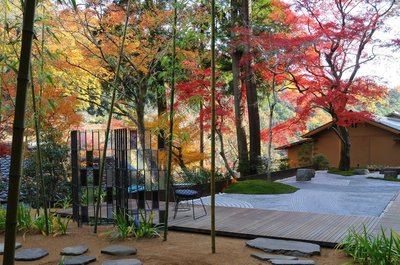
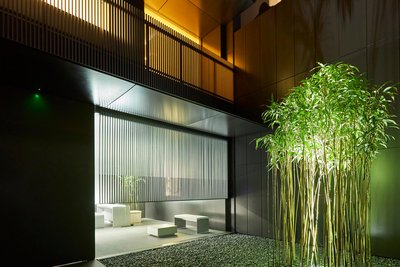
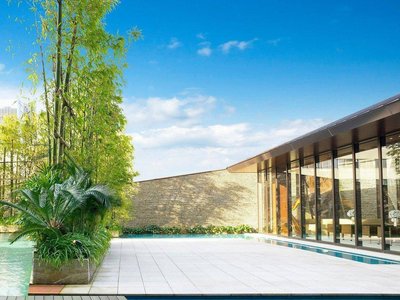
The Ogura Viewing Platform offers a sweeping vista of autumnal forests, rivers, and distant hills—ideal for wide-angle shots. At night, the Paper Lantern Festival lights up the village streets with handcrafted glowing orbs. Don’t miss the Bamboo Garden at Shinshoku House, where slender stalks frame the sky, creating a classic Japanese composition perfect for minimalist photography.
Must-buy souvenirs in Kasagiyama Town include wild mountain tea from local harvests, packaged in simple linen wraps with poetic kanji labels. Handmade paper lanterns, crafted by artisans using washi paper and bamboo frames, make beautiful home décor.
Try Kasagi Mountain Honey, harvested from wildflowers in the forest, known for its rich, floral notes. Also available: Kozo Paper Stationery Sets, made from mulberry bark, complete with brushes and ink. All items are sold at the Mountain Market or select guesthouses, supporting local craftspeople and sustainable practices.
Kasagi Overview
City Summary
Kasagi-cho is a tranquil town nestled in the southern part of Kyoto Prefecture, Japan, surrounded by lush nature. Centered around Mount Kasagi, it boasts rich historical and religious heritage, most notably the cliff-carved Buddha at Kasagi-dera Temple. The perfect blend of natural beauty and Buddhist culture makes it an ideal destination for spiritual retreats and historical exploration.
Must-See Attractions
Top attraction is the National Historic Site Kasagi-dera Temple, featuring rare cliff-carved Buddhist statues. Cherry blossoms in spring and vibrant autumn foliage are spectacular. The Mount Kasagi hiking trail offers gentle trekking with panoramic views of Kizu River Valley. Nearby Tsukiyomi Shrine and Tengu-iwa Rock are shrouded in local folklore.
Food Guide
Local cuisine highlights mountain delicacies like salt-grilled sweetfish (ayu) from Kizu River, and Kyoto-style "tea porridge". Traditional tea houses serve handmade warabi mochi and matcha desserts, embodying Kyoto's tea culture.
Transportation Guide
From Kyoto Station, take JR Kansai Main Line to Kasagi Station (50 mins, infrequent trains). No subway in town - rent bicycles (available at station) or walk. Kasagi-dera requires 20-min uphill walk on steep paths. Only 2 taxis operate (advance HopeGoo required). Non-drivers may join Kyoto-based day tour buses.
Best Time to Visit
Best seasons are March-April (cherry blossoms) and October-November (autumn leaves), with pleasant 10-20°C temperatures but more crowds. Summers (June-August) are humid/rainy, while winters (December-February) may have snow-closed mountain paths.
Travel Tips
- Remove shoes at Kasagi-dera - wear slip-ons
- Mountain trails have steep steps - wear anti-slip shoes
- Only 1 convenience store in town - carry sufficient cash
- Check photography rules before shooting cliff carvings
- Some restaurants require reservations, especially weekends
- Extremely limited bus service - check schedules carefully
Useful Information
Language: Minimal English spoken - translation app recommended. Internet: Free WiFi at Kasagi Station, unstable in mountains. Payment: Cash dominant, few hotels accept cards. Medical: Nearest hospital in Wazuka-cho (30-min drive), 1 local clinic (Mon-Fri). Emergency: Police 110/Ambulance 119. Mountain rescue coverage in travel insurance is advised.









