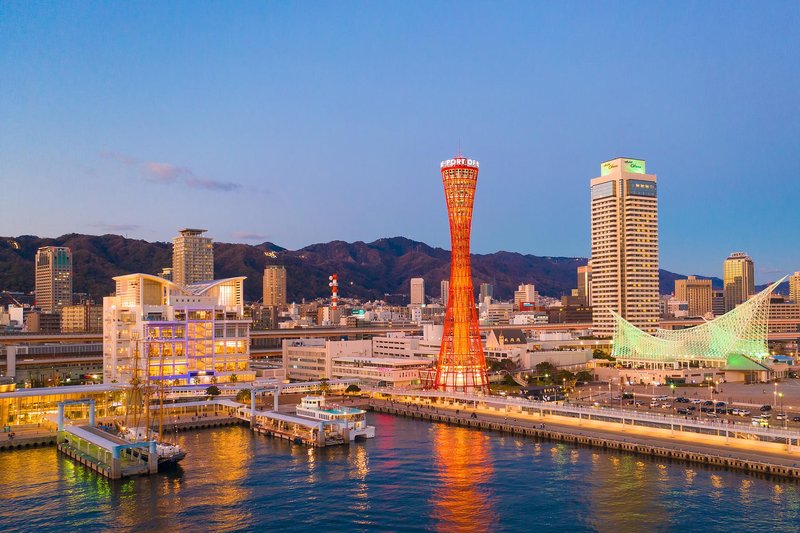
Hotels in Kasama
Discover your perfect stay in Kasama.
Kasama(Japan) Travel 2026: Cheap Flights, Hotels & Top Attractions
Popular Landmarks in Kasama
Discover the most iconic attractions in Kasama
Recommended Hotels in Kasama
Find the perfect place to stay in Kasama
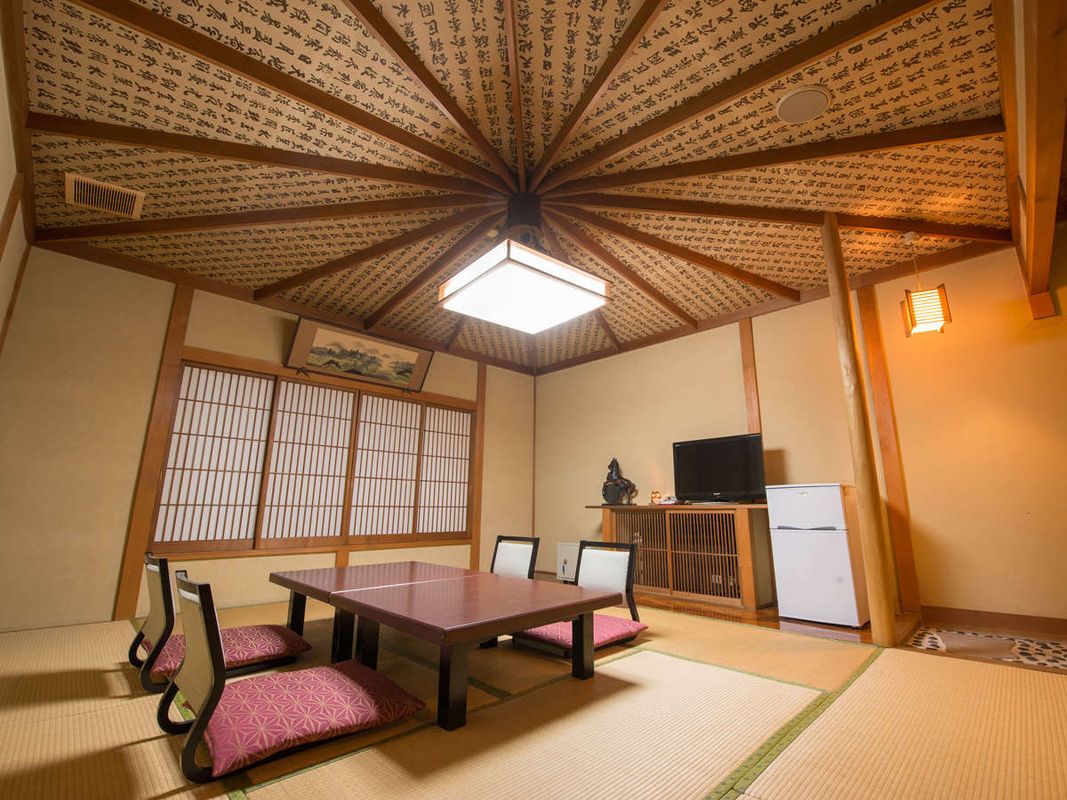
Kappo Ryokan Shiroyama
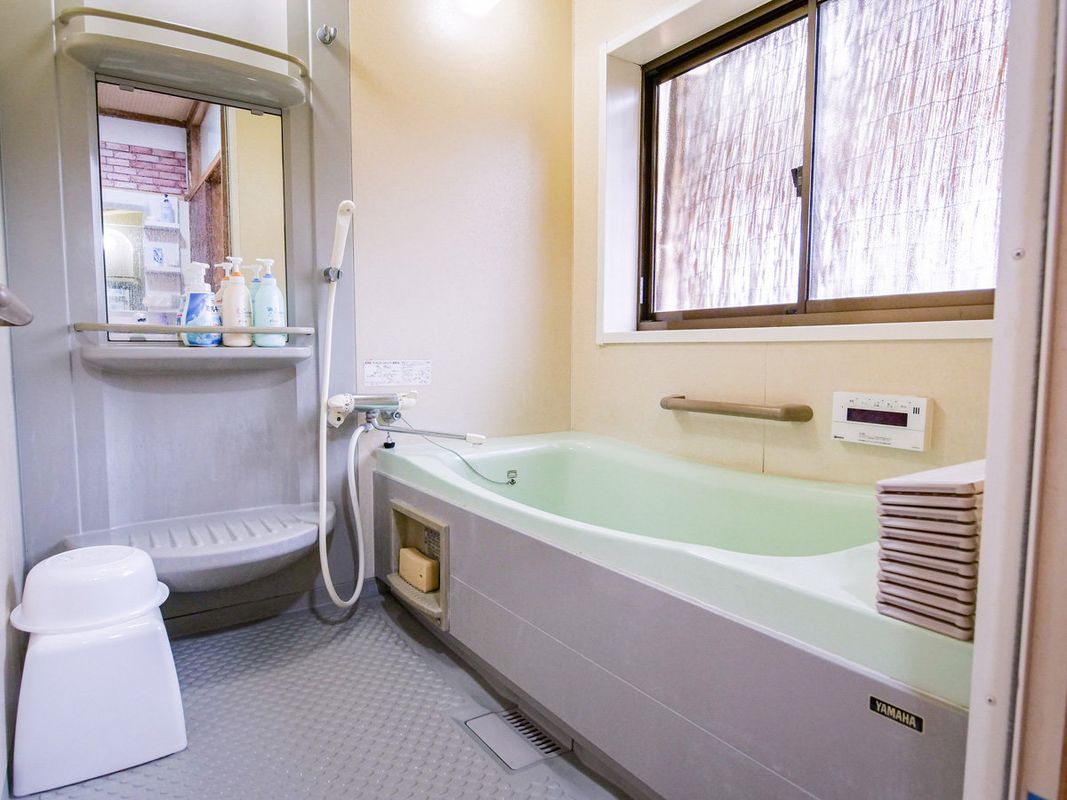
Family Villa Kasama Whole House Rental Nonsmoki

HOTEL XiO
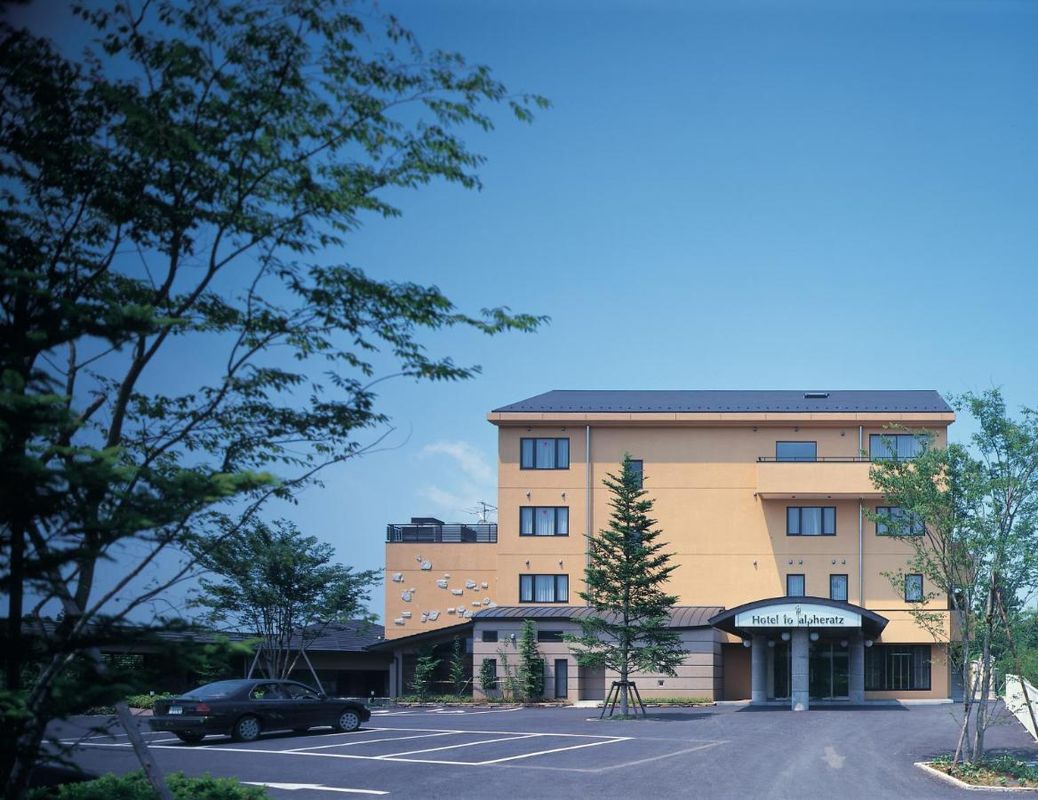
Hotel Io Alpheratz
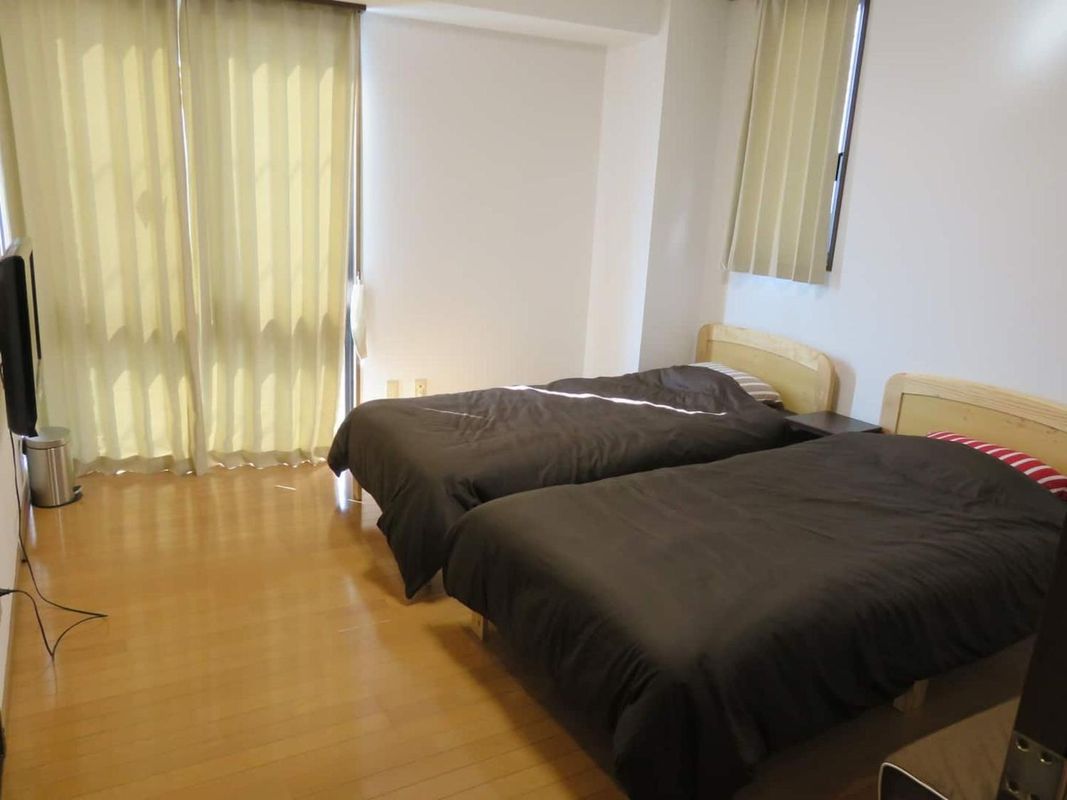
Monzen House
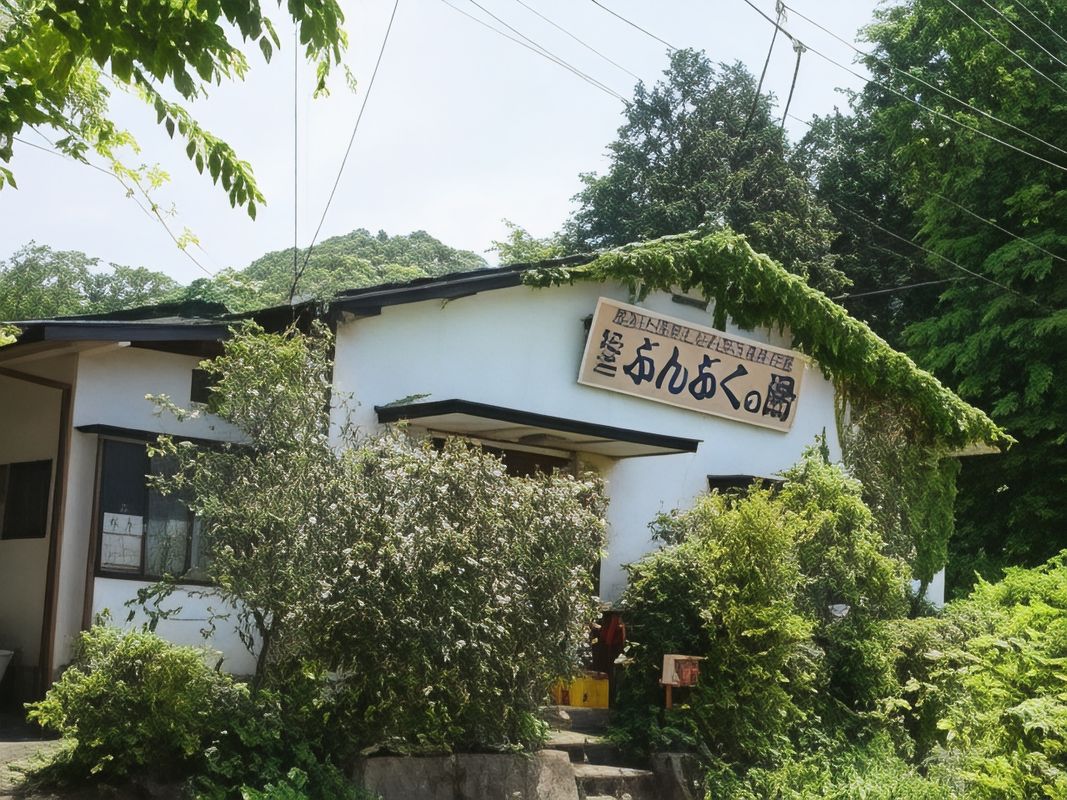
Bunbuku No yu
Best Hotels in Kasama
Discover curated hotel collections in Kasama
Bellustar Tokyo, A Pan Pacific Hotel
Bvlgari Hotel Tokyo
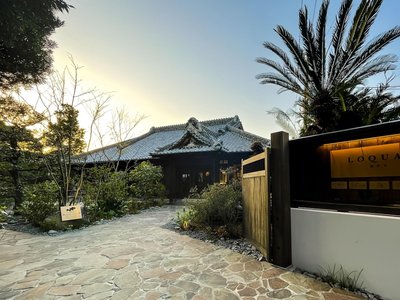
Loquat Nishiizu
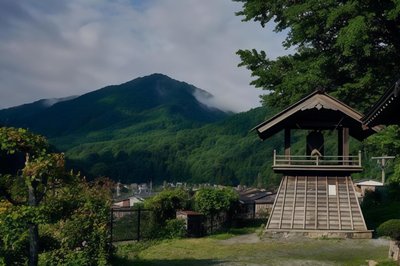
Byaku Narai
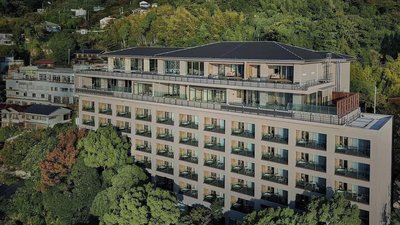
Atami Izusan Karaku
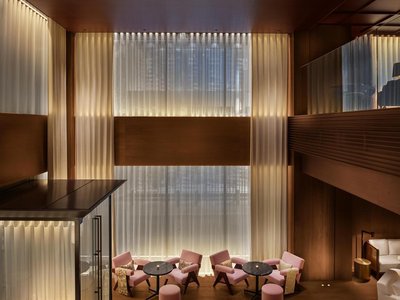
The Tokyo Edition, Ginza
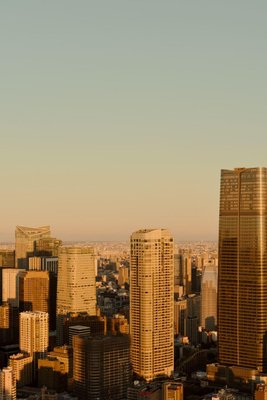
Janu Tokyo
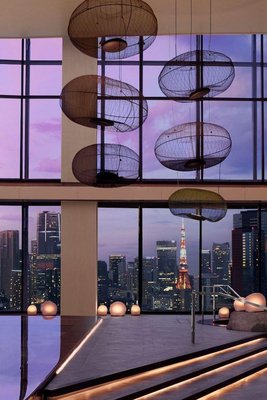
JW Marriott Hotel Tokyo
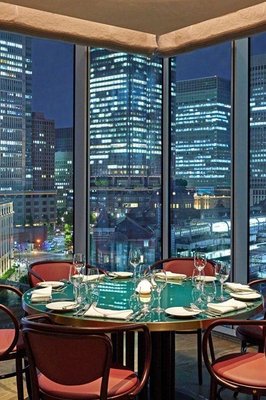
Four Seasons Hotel Tokyo at Marunouchi

Mandarin Oriental, Tokyo
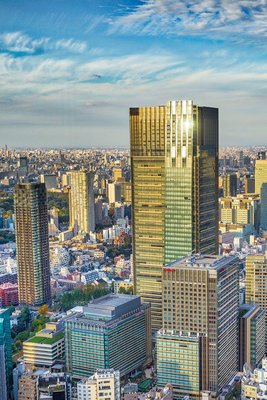
The Ritz-Carlton, Tokyo
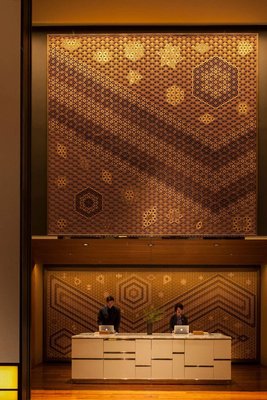
Andaz Tokyo Toranomon Hills- A Concept by Hyatt
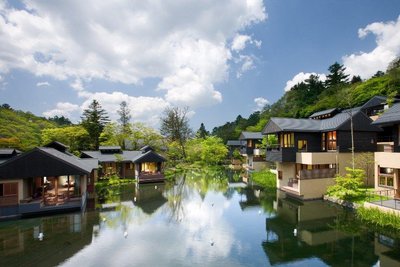
Hoshinoya Karuizawa
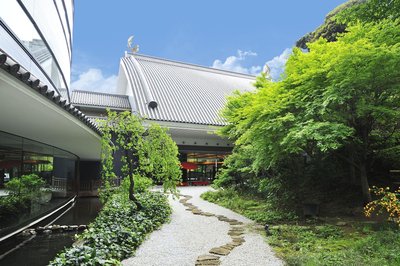
Hotel Gajoen Tokyo
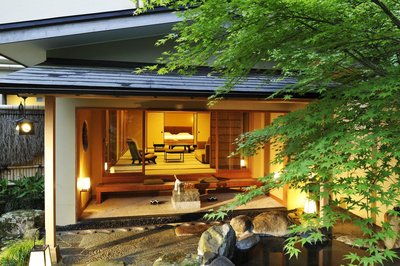
Gora Kadan
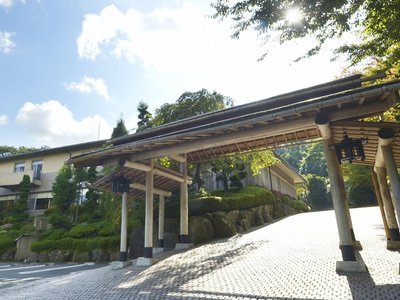
Gora Hanaougi
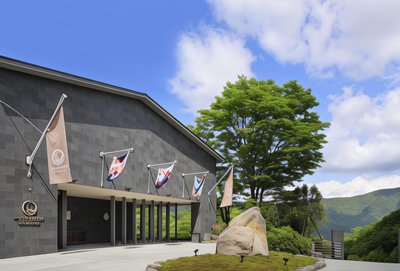
The Hiramatsu Hotels & Resorts Sengokuhara Hakone
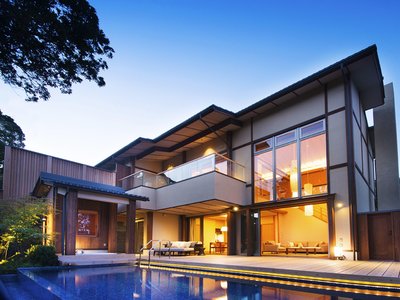
Abba Resorts Izu - Zagyosoh
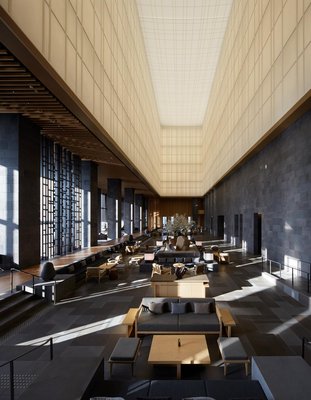
Aman Tokyo
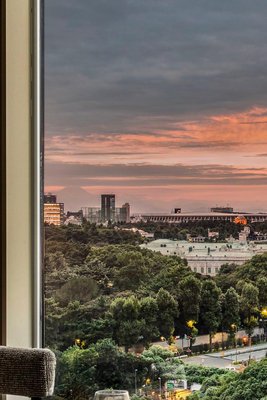
Hotel New Otani Tokyo, Executive House Zen
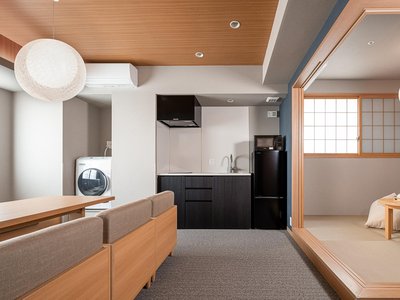
MIMARU SUITES Tokyo Asakusa
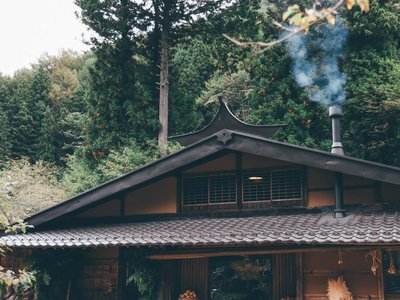
La Terra Resort
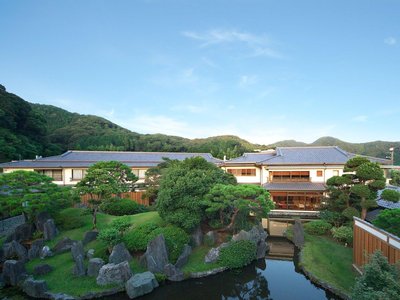
Kagetsutei
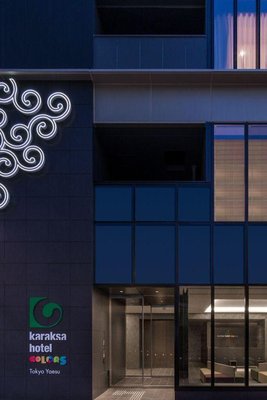
karaksa hotel colors Tokyo Yaesu
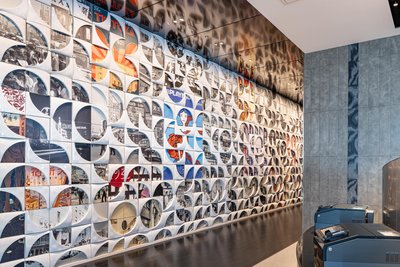
HOTEL GROOVE SHINJUKU, A PARKROYAL Hotel

EN Resort Grandeco Hotel
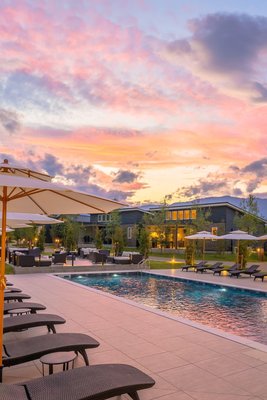
Awaumi Fujikawaguchiko Resort
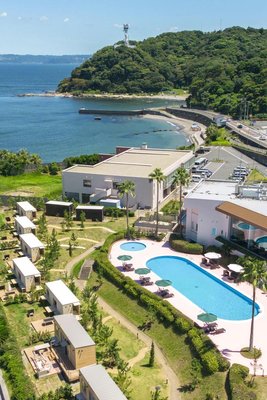
La vista Yokosuka Kannonzaki Terrace
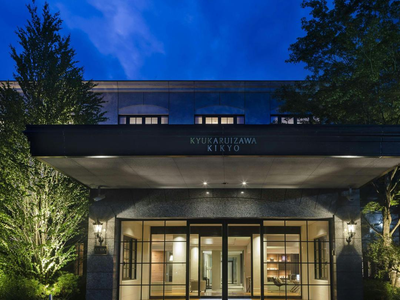
Fufu Karuizawa Wind of Sunshine
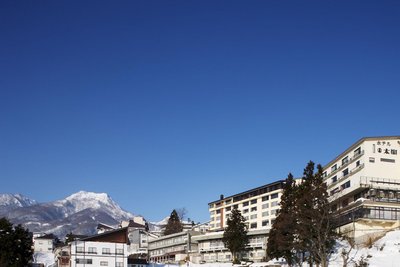
Hotel Taiko, Akakura Onsen
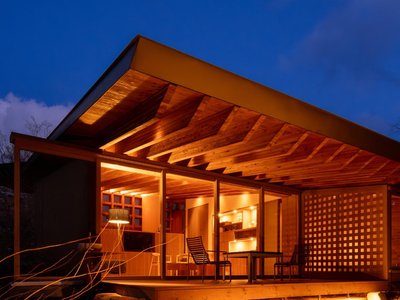
Nasu Mukunone
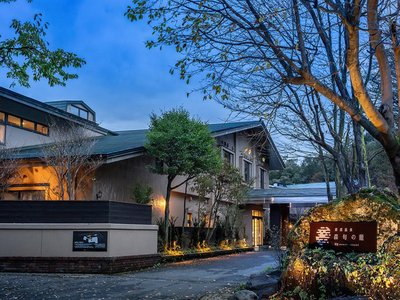
Nasu Onsen Shinshun no Kago Hewitt Resort

Scapes the Suite
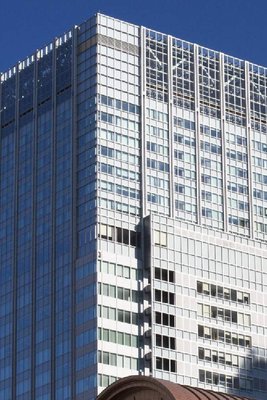
Hotel Metropolitan Tokyo Marunouchi
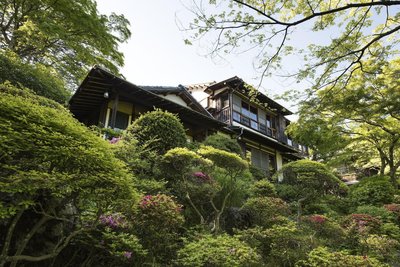
Gora Kansuiro
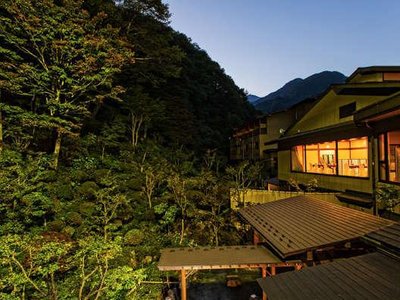
Futari Shizuka
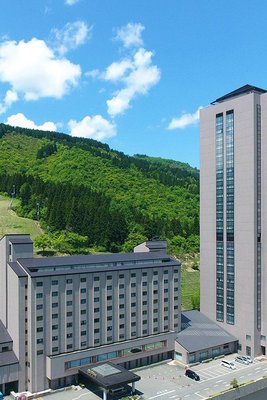
Naspa New Otani
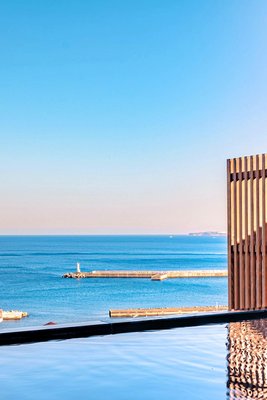
HOTEL KANICHI
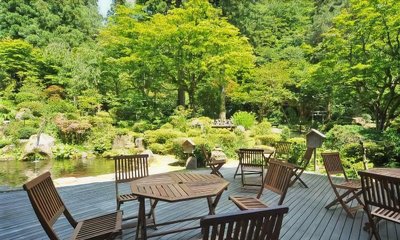
Choseikan
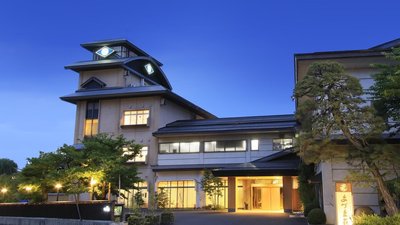
Shouhakutei Azumaso
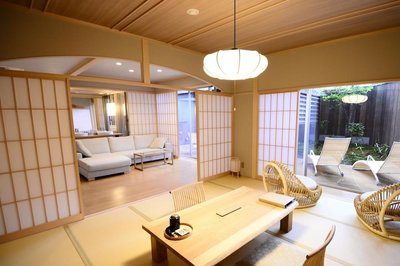
Hakone Gora Byakudan
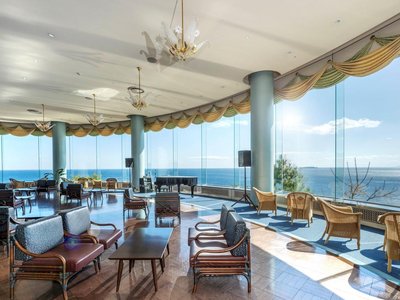
Hotel New Akao
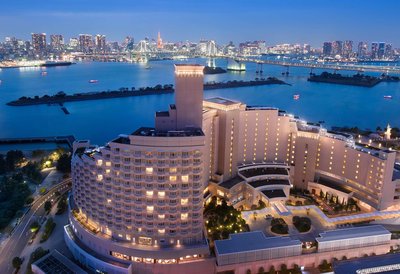
Hilton Tokyo Odaiba
JW Marriott Hotel Tokyo
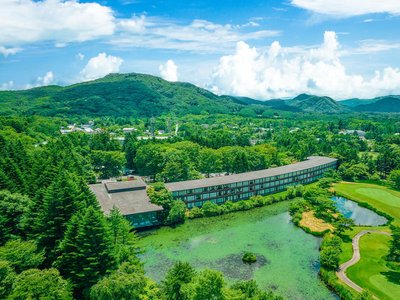
The Prince Karuizawa
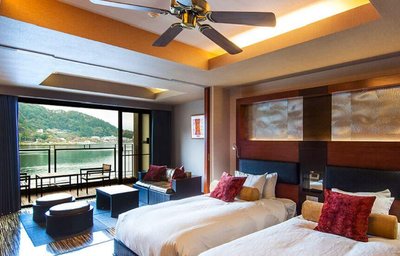
The Kukuna
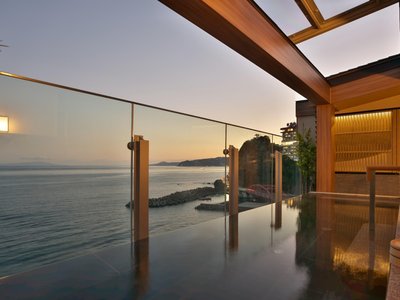
Hotel New Sagamiya
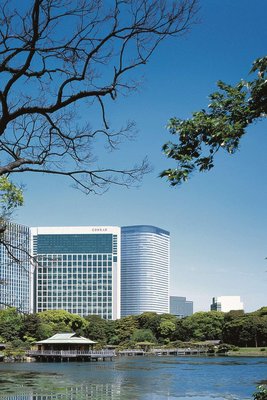
Conrad Tokyo
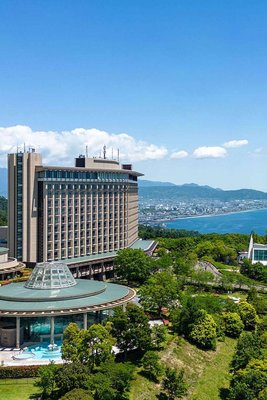
Hilton Odawara Resort & Spa
Hoshinoya Karuizawa
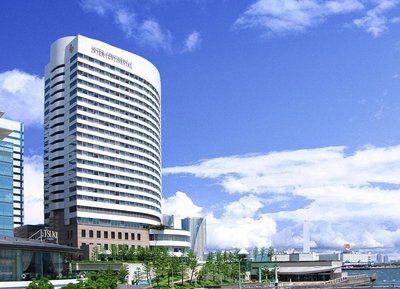
InterContinental Tokyo Bay
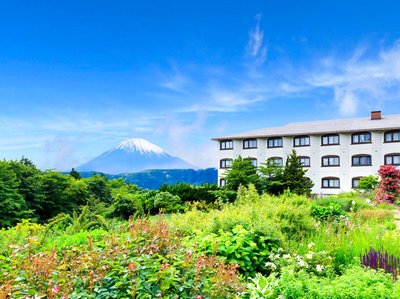
Hotel Green Plaza Hakone
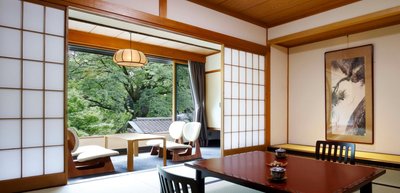
Yoshiike Ryokan
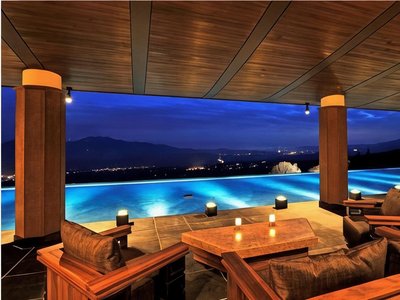
Akakura Kanko Hotel
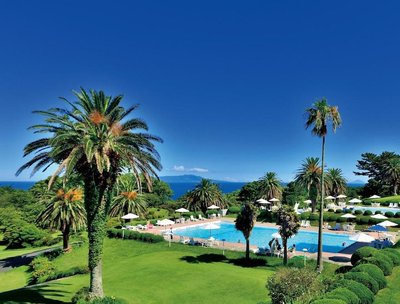
Kawana Hotel
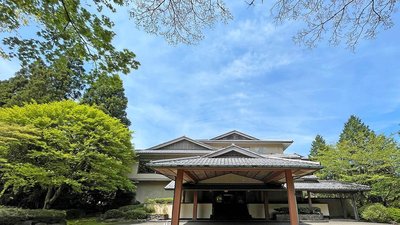
Ryuguden
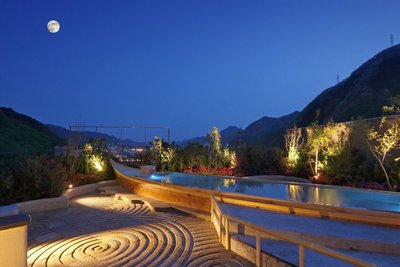
Asaya
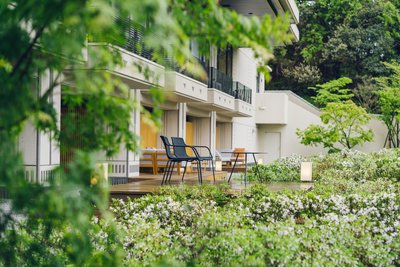
Hoshino Resorts Kai Enshu
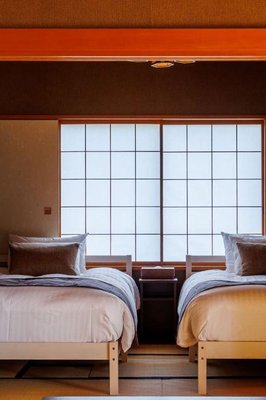
Sado Resort Hotel Azuma
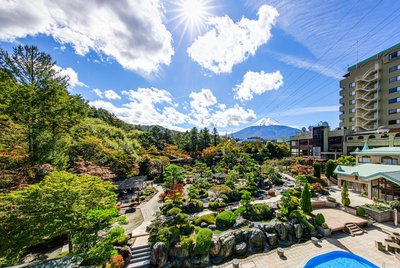
Kaneyamaen
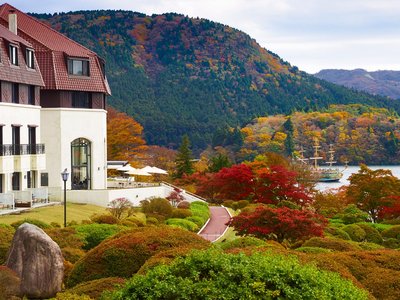
Hotakajyo
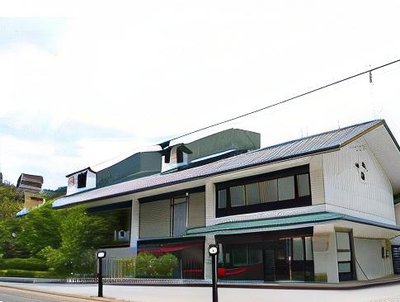
Auberge Suzukane

Onyado Nono Asakusa Bettei Hot Spring
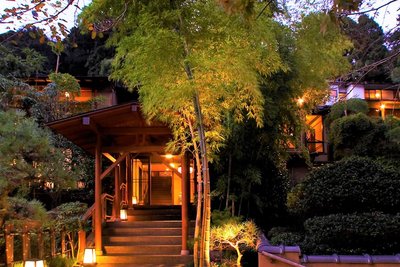
Shiki wo Ajiwau Yado Yamano Chaya
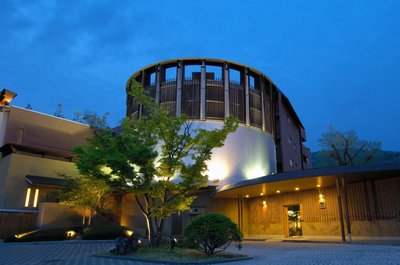
Hoshino Resorts Kai Matsumoto
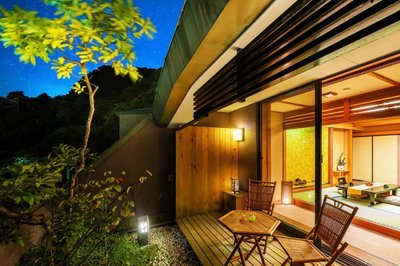
Konjakutei
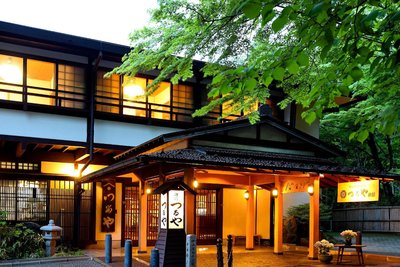
Tsuruya Ryokan
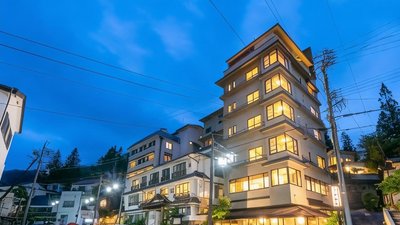
Nakamatsuya Ryokan
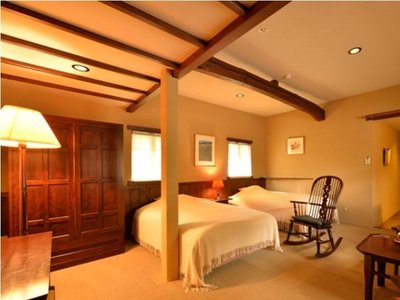
Ryokan Sugimoto
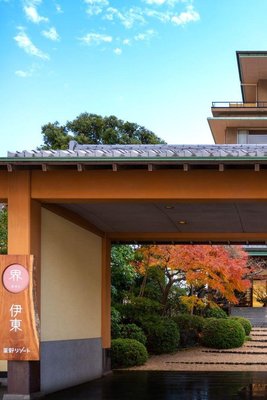
Hoshino Resorts Kai Ito
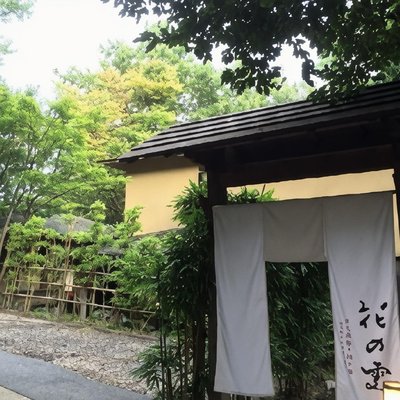
Hana No Kumo
Yoshiike Ryokan
Hotel Gajoen Tokyo
Gora Hanaougi
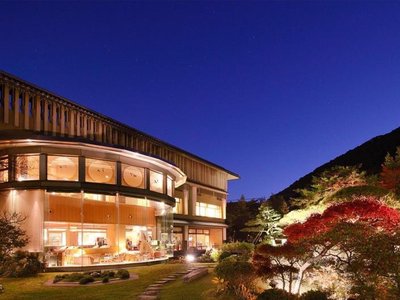
Shikisai Ichiriki
Sado Resort Hotel Azuma
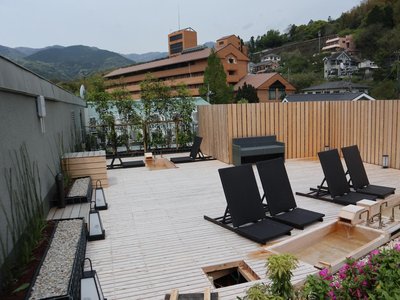
Fukiya Ryokan
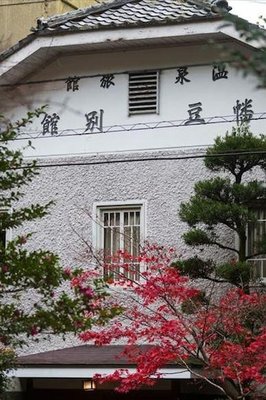
Oku-Mikawa・Yuya Onsen HAZU Bekkan
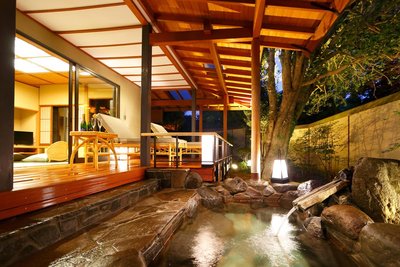
Yoshiharu Ryokan – Izu Nagaoka Onsen
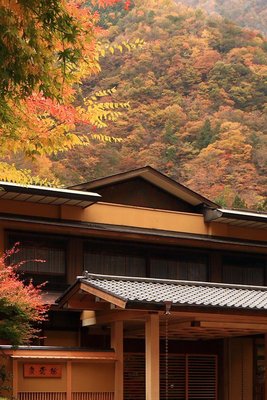
Nishiyama Onsen Keiunkan
Bellustar Tokyo, A Pan Pacific Hotel
JW Marriott Hotel Tokyo
Andaz Tokyo Toranomon Hills- A Concept by Hyatt
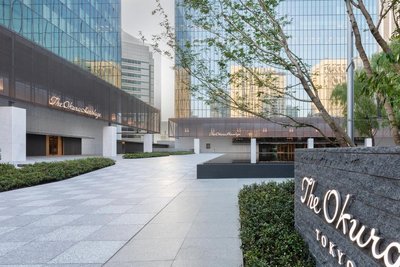
The Okura Tokyo
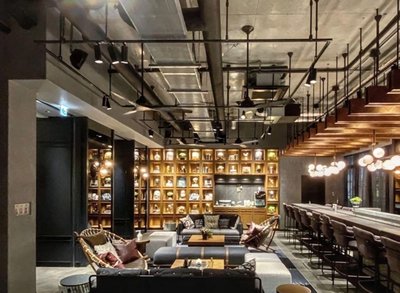
The Lively Azabujuban Tokyo
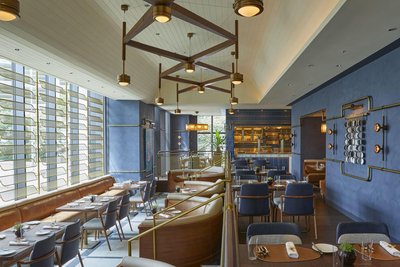
Kimpton Shinjuku Tokyo
HOTEL K5
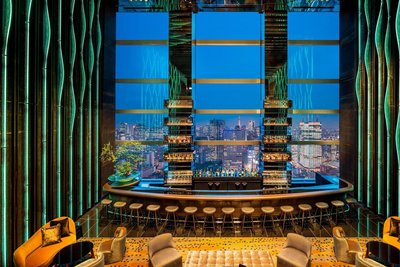
The Prince Gallery Tokyo Kioicho, a Luxury Collection Hotel
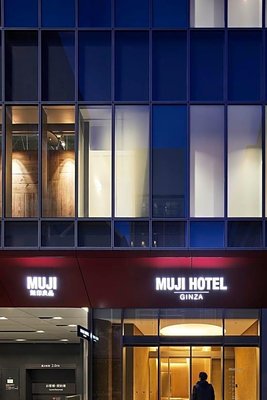
Muji Hotel Ginza
Hakone Gora Byakudan
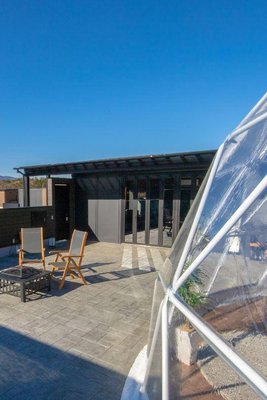
Panoramic Mt. Fuji Views from All Rooms – Vision Glamping Resort & Spa Yamanakako
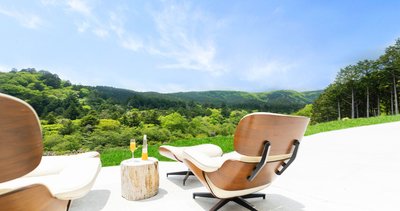
Shelter Garden Nikko
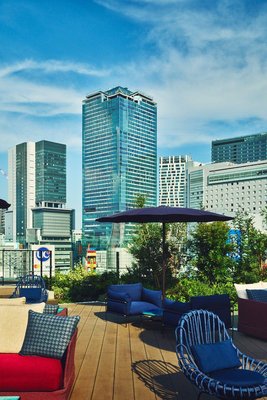
Hotel Indigo Tokyo Shibuya
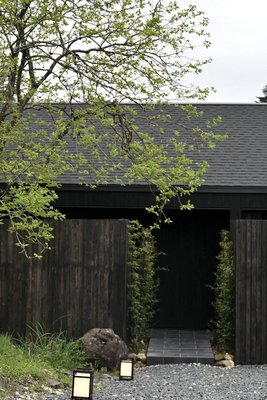
THE LAKOTAN
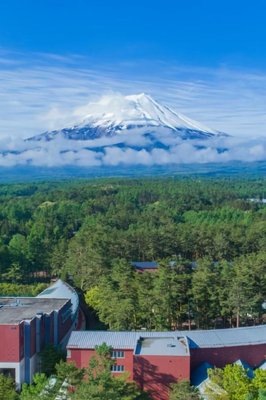
Forest Village (Fuji Premium Resort)
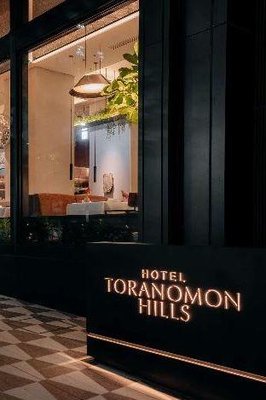
Hotel Toranomon Hills
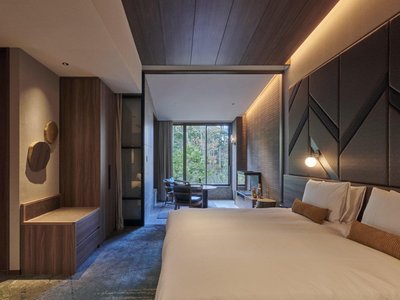
Fufu Kyu-Karuizawa Restful Forest
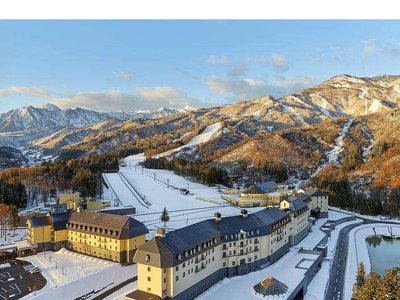
Lotte Arai Resort
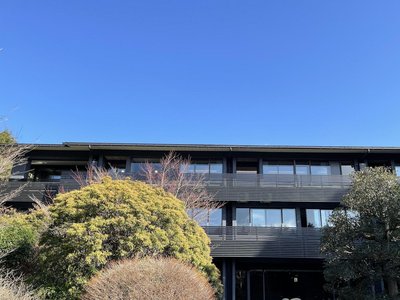
Sengokubara Cocon
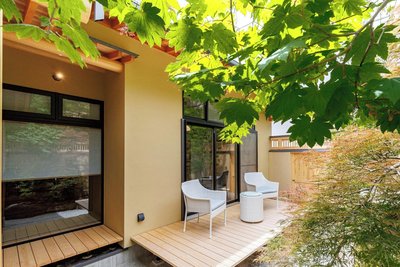
Shoraiso
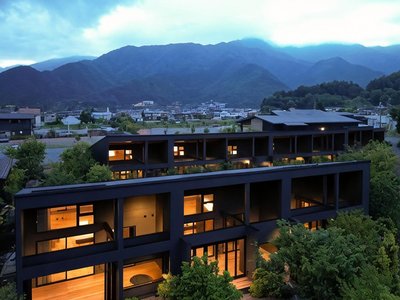
7C Villa and Winery
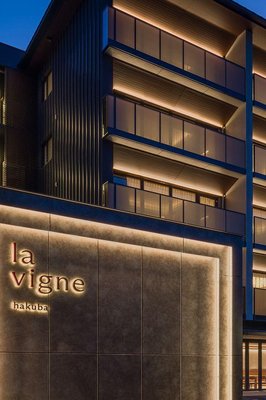
Hotel la Vigne Hakuba by Onko Chishin
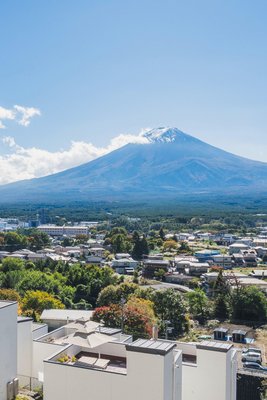
THE TOKI FujiKawaguchiko
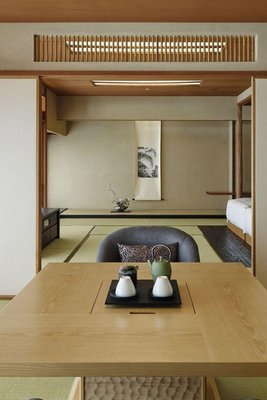
Takanawa Hanakohro (in Grand Prince Hotel Takanawa)
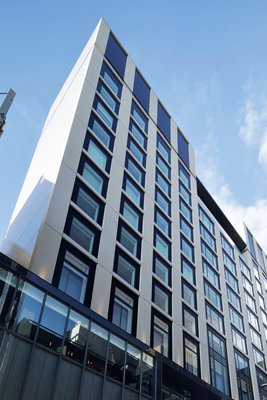
Hyatt Centric Ginza Tokyo
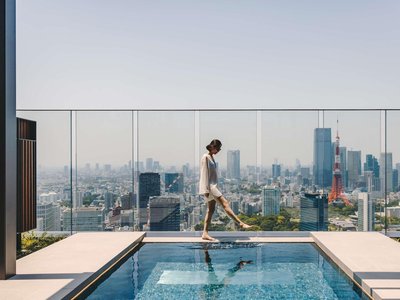
Fairmont Tokyo
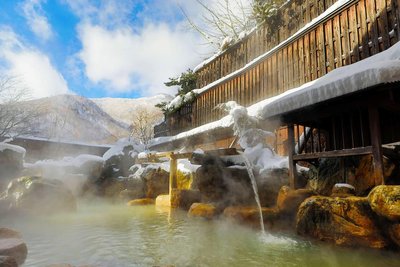
Miyamaouanbekkan yumegurinoyado hirayukan
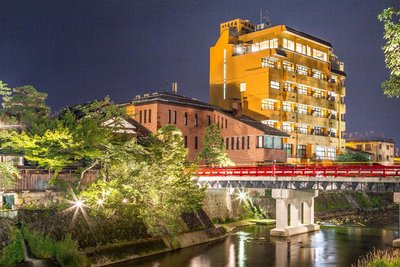
HONJIN HIRANOYA BEKKAN
The Prince Karuizawa
Bvlgari Hotel Tokyo
Four Seasons Hotel Tokyo at Marunouchi
Mandarin Oriental, Tokyo
The Ritz-Carlton, Tokyo
Andaz Tokyo Toranomon Hills- A Concept by Hyatt
Gora Kadan
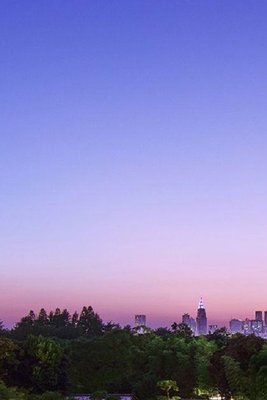
Hotel New Otani Tokyo the Main
Aman Tokyo
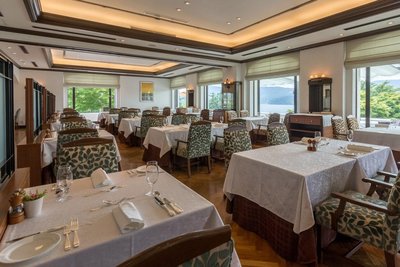
Odakyu Hotel de Yama
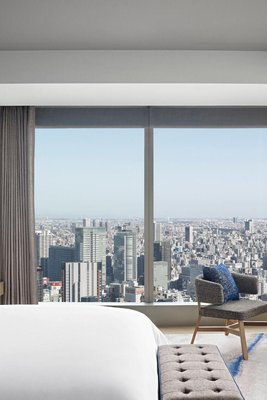
Four Seasons Hotel Tokyo at Otemachi
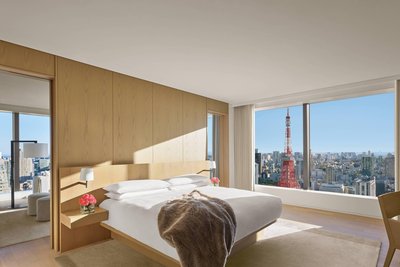
The Tokyo Edition, Toranomon
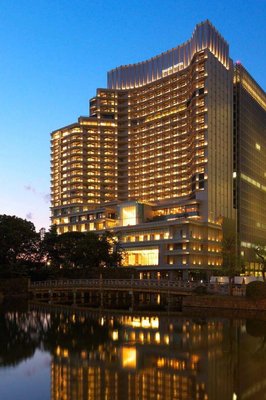
Palace Hotel Tokyo
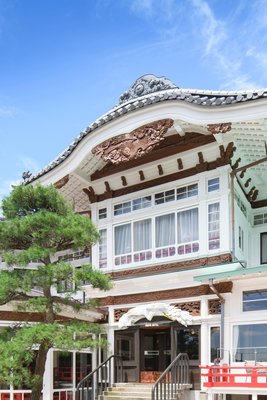
Fujiya Hotel
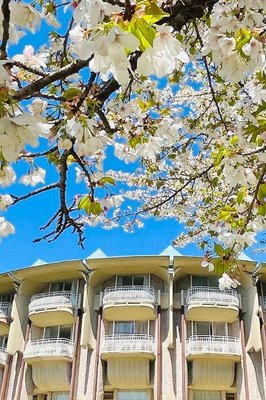
The Prince Hakone Lake Ashinoko
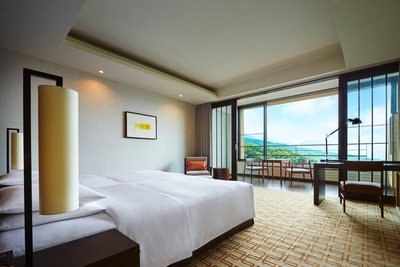
Hyatt Regency Hakone Resort and Spa
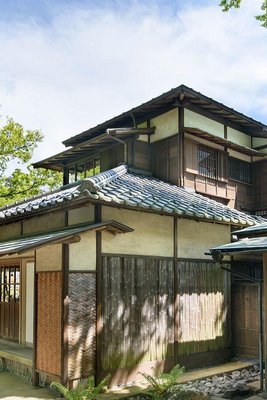
Hakone Suishoen
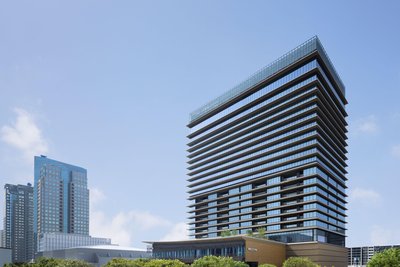
The Westin Yokohama
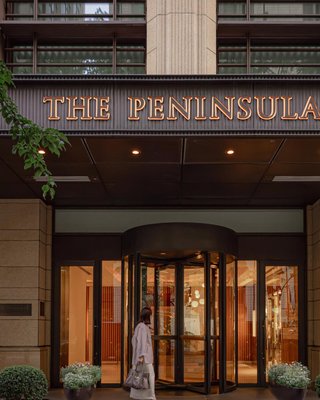
The Peninsula Tokyo

Imperial Hotel, Tokyo
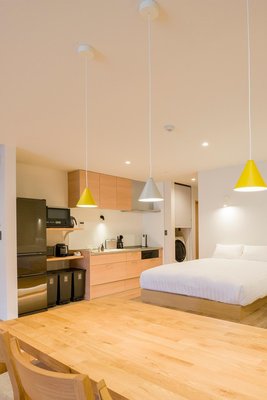
Rakuten STAY VILLA Nasu
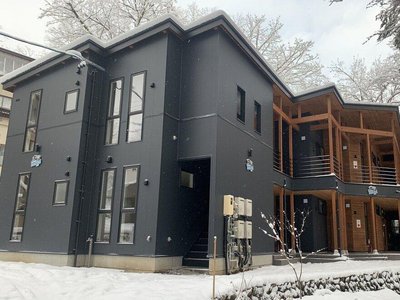
Hakuba Gondola Apartments
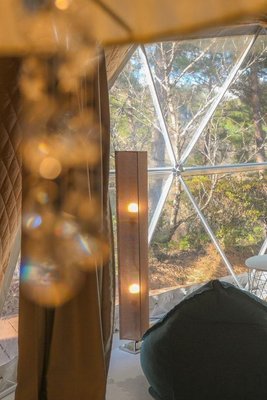
glampark Gekkabijin Nagano
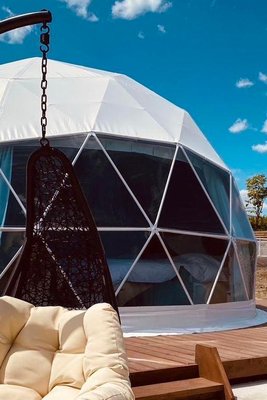
chillout glamping zao
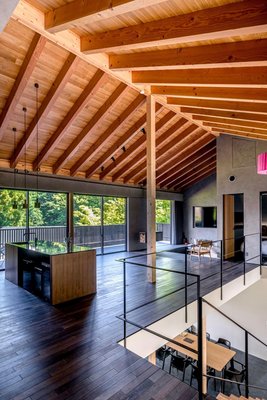
MONS GORA
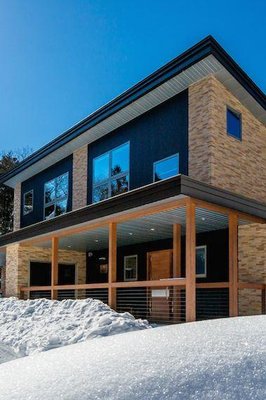
Phoenix Chalets by Hhg
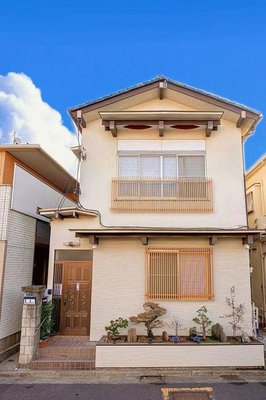
Tokyo Star House-Shinkoiwa
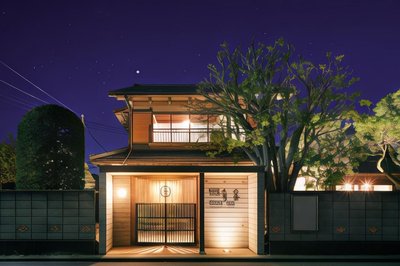
Machi-Jyu
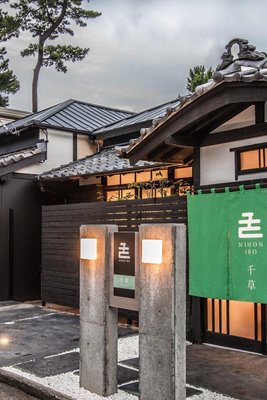
Nihon Iro
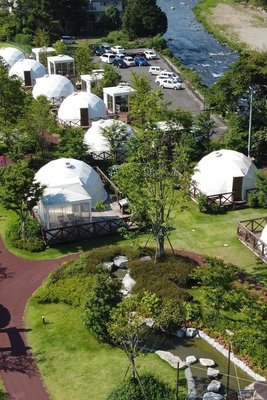
Ufufu Village
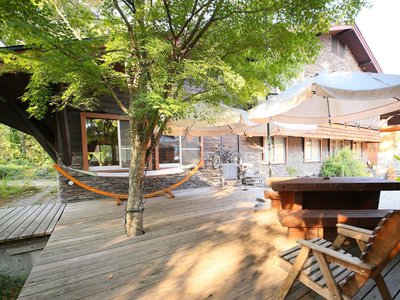
Kunugi Relaxation with 4 Modern Rooms
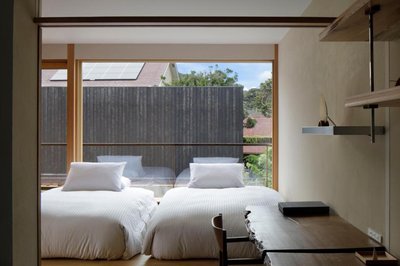
Modern Ryokan Kishi-ke
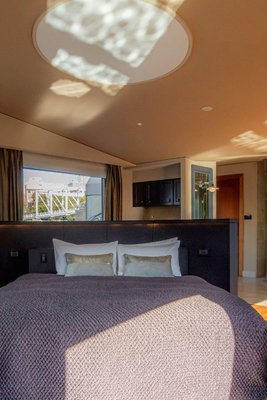
Petals Tokyo - Floating Hotel
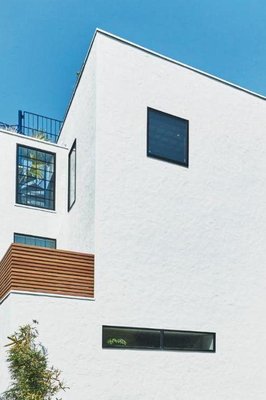
The Flow Kamakura
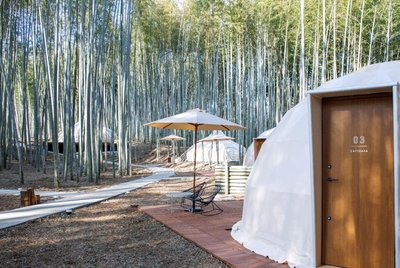
THE BAMBOO FOREST
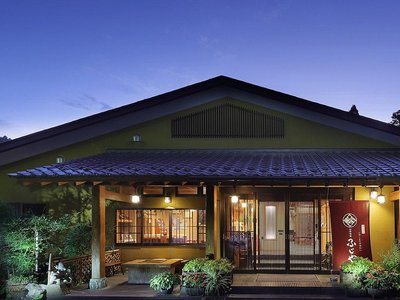
Shikimitei Fujiya
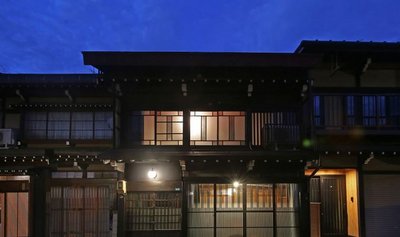
Iori Stay Hida
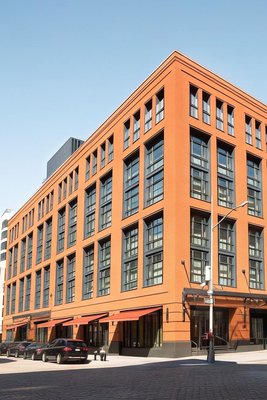
Hotel Barrière Fouquet's New York
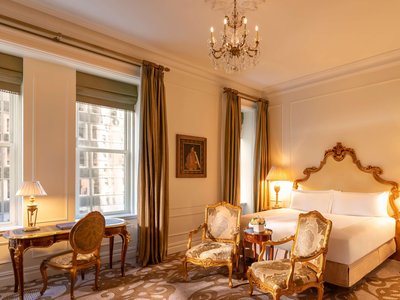
The Plaza - A Fairmont Managed Hotel
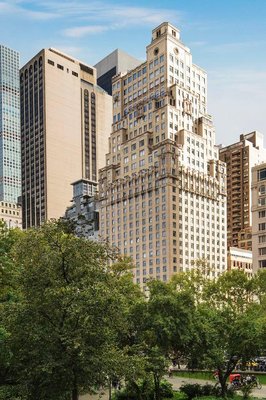
The Ritz-Carlton New York, Central Park
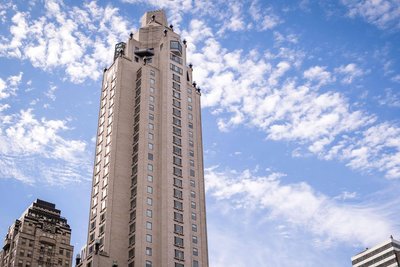
Four Seasons Hotel New York
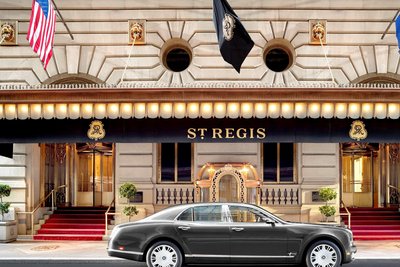
The St. Regis New York
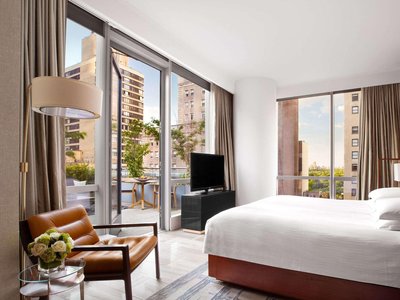
Park Hyatt New York
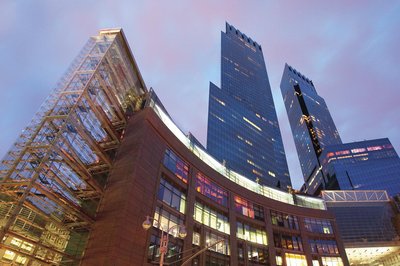
Mandarin Oriental New York
Times Square Edition New York

Loews Regency New York Hotel
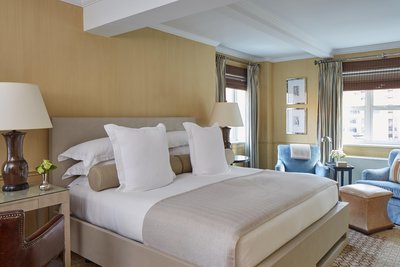
Lowell Hotel
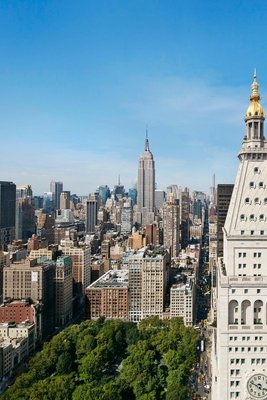
New York Edition
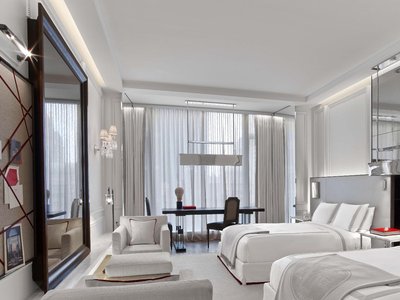
Baccarat Hotel New York
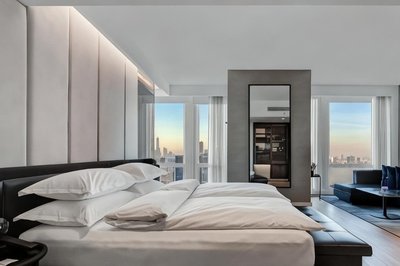
Equinox Hotel New York

Four Seasons Hotel New York Downtown
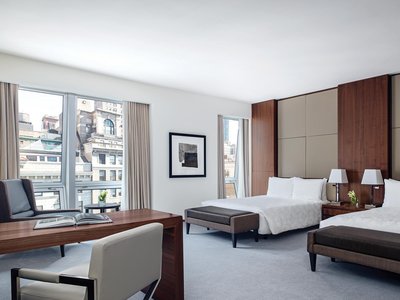
The Langham, New York, Fifth Avenue

The Carlyle, A Rosewood Hotel

The Chatwal, in the Unbound Collection by Hyatt
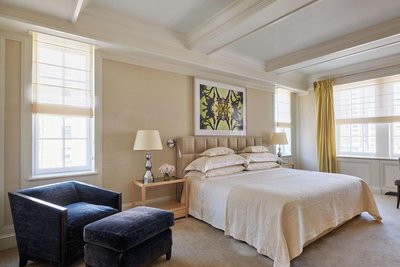
The Mark New York
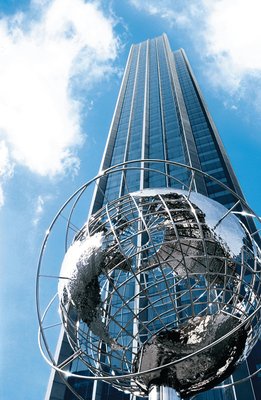
Trump International Hotel & Tower® New York
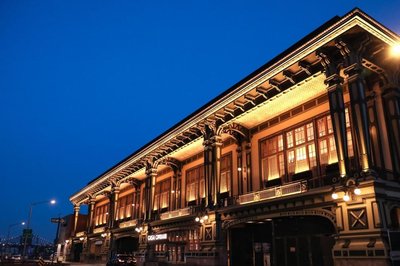
Casa Cipriani New York
Frequently Asked Questions about Traveling to Kasama
Questions You Might Need to Know About Traveling to Kasama
In Kasama City, the standout hotel is Kasama Ceramics Hotel, a boutique property inspired by the region's renowned Kasama-yaki pottery tradition. Each room features handcrafted ceramic art from local artisans, and guests can participate in on-site pottery workshops using authentic red clay from the area.
Located just steps from Kasama Shrine and the Kasama Ceramic Museum, the hotel blends modern comfort with traditional aesthetics. Nearby, Miyakeya Restaurant offers seasonal dishes made with local ingredients, including fresh Kasama beef bowl and Iwate eel stew. For travelers seeking authenticity, this hotel provides an immersive cultural experience rooted in craftsmanship and heritage.
The central district around Kasama Station is ideal for first-time visitors. It offers convenient access to major attractions like the Kasama Shrine, Kasama Ceramic Museum, and Kasama Farm, all within a 10-minute walk.
This area also features cozy guesthouses, family-run restaurants such as Miyakeya, and the lively Higashi-chō Shopping Street, where you can sample local snacks and purchase handmade ceramics. With reliable public transport, clean streets, and a relaxed pace of life, it’s perfect for families, solo travelers, and culture enthusiasts exploring the heart of Kasama City.
Kasama City is famed for its Kasama-yaki pottery tradition, one of Japan’s three major folk ceramics. Visitors can join hands-on pottery workshops at the Kasama Ceramic Museum or specialized studios, where they craft their own piece using local red clay and traditional techniques.
Another highlight is the annual Kasama Festival, held in autumn, featuring kagura dances, traditional costumes, and a bustling pottery market. During spring, the early-season field walks along the Kasama River offer stunning views of golden rape blossoms. These experiences provide deep insight into local craftsmanship and seasonal rhythms.
Kasama-yaki stands out due to its use of locally sourced red clay and white earth, creating a distinctive warm beige hue with a soft, porous texture. Unlike mass-produced ceramics, each piece is hand-formed and fired in wood-burning kilns, resulting in subtle variations and natural glaze patterns.
Known for functional beauty, Kasama-yaki includes iconic items like the Kasama Pot and Chawan Kyūsen tea bowls. The style embraces wabi-sabi—the aesthetic of imperfection and transience—making each piece a unique work of art. Recognized as an Important Intangible Cultural Property, it’s now featured in international museums and design collections.
Yes, Kasama City is highly suitable for family travel. The city offers child-friendly activities such as feeding farm animals at Kasama Farm, picking strawberries, and participating in pottery-making workshops designed for kids.
The Kasama Ceramic Museum has interactive exhibits for children, while the spacious grounds of Kasama Shrine are perfect for picnics and kite-flying. Local eateries like Miyakeya serve healthy, kid-approved meals such as beef bowl and rice porridge. With easy train access from Tokyo (about 1 hour) and low-stress sightseeing routes, it’s a relaxing, enriching destination for all ages.
Beyond the famous Kasama beef bowl, explore these hidden gems:
-
Iwate Eel Stew: Slow-cooked eel in a rich soy-based broth, served at Yoshida-ya, a long-standing local favorite.
-
Kasama Tofu Hot Pot: Made with fresh local tofu and seasonal vegetables, simmered in kelp stock—especially popular in winter.
-
Ceramic-Baked Cookies: A seasonal treat baked in traditional clay pots, filled with red bean paste and honey. Only available during the Kasama Festival.
These specialties are best enjoyed in Higashi-chō Shopping Street and nearby markets, offering authentic flavors beyond typical tourist fare.
Though not known for grand landscapes, Kasama City boasts serene natural spots perfect for quiet exploration.
The Kasama River Trail is a highlight—blossoming with golden rape flowers in spring and shaded by lush trees in summer, ideal for walking and photography.
The Senbon Torii path, though modest, creates a mystical atmosphere with its endless red gates winding through forest, especially magical at dawn or dusk.
At Kasama Farm, visitors can enjoy stargazing at the open-air observatory and guided night tours to spot fireflies. These peaceful, off-the-beaten-path locations offer a refreshing contrast to urban life.
A well-paced one-day itinerary:
- 9:00 AM: Arrive at Kasama Station, walk to Kasama Ceramic Museum.
- 10:30 AM: Join a pottery workshop.
- 12:00 PM: Lunch at Miyakeya—try the Kasama beef bowl.
- 1:30 PM: Visit Kasama Shrine, stroll through the main courtyard.
- 3:00 PM: Explore Kasama Farm—feed animals, pick fruit, or join a nature guide.
- 5:00 PM: Walk through Senbon Torii for scenic photos.
- 6:00 PM: Shop for souvenirs at Higashi-chō Shopping Street—look for ceramic cookies and local tea.
This balanced mix of culture, nature, and cuisine ensures a memorable, stress-free day.
Yes, Kasama City is very accessible. Travelers can reach it via Tobu Railway’s Nikko Line from Asakusa Station, Tokyo, in about 1 hour with frequent trains.
Local buses connect key sites like Kasama Shrine, Kasama Farm, and the Ceramic Museum. Bike rentals are available throughout town, perfect for leisurely rides along the Kasama River.
For self-drivers, the Kosoku Expressway provides easy access, with ample parking near major attractions. Public transit is reliable, safe, and efficient, making it easy to navigate even without a car.
Top souvenirs include Kasama-yaki pottery—from elegant tea sets to decorative vases—available at the Kasama Ceramic Museum Shop or Mori no Kama studio, many of which can be personalized.
Try the ceramic-baked cookie, a seasonal treat baked in traditional clay pots, filled with red bean and honey—only sold during the Kasama Festival.
Other great options are Kasama beef bowl sauce kits, local black tea blends, and portable beef bowl meal packs from Miyakeya. These gifts combine flavor, craftsmanship, and local identity, making them meaningful keepsakes from your visit.
Kasama Overview
City Summary
Kasama City, located in the central part of Ibaraki Prefecture, Japan, is renowned for its ceramic art culture and natural scenery. The city boasts a rich history, particularly its traditional Kasama-yaki pottery, which attracts art enthusiasts. Additionally, Kasama is famous for Kasama Inari Shrine and the spring Azalea Festival, showcasing deep-rooted Japanese traditions and natural beauty.
Must-See Attractions
Must-visit spots in Kasama include the Kasama Inari Shrine, one of Japan's three major Inari shrines, known for its magnificent architecture and sacred atmosphere. Kasama Art Forest Park is a unique space blending art and nature, featuring local ceramic works. The spring Kasama Azalea Festival is a highlight, with thousands of azaleas in full bloom.
Food Guide
Kasama's culinary scene is influenced by local produce. Try Kasama soba, a traditional buckwheat noodle dish. Street food favorites include roasted sweet potatoes and Kasama-yaki rice cakes. Fresh local vegetables and fruits, such as strawberries and chestnuts, are also must-tries.
Transportation Guide
Kasama's transportation relies on the JR Joban Line and local buses. From Tokyo, take the JR Joban Line to Kasama Station (about 1.5 hours). Buses cover major attractions but have limited schedules, so check timetables in advance. Renting a car is a convenient option for exploring rural areas.
Best Time to Visit
The best time to visit is spring (April-May) when azaleas bloom and the weather is pleasant. Autumn (October-November) is also ideal for outdoor activities. Summers are hot, and winters are cold with fewer tourists.
Travel Tips
- Respect local customs: Follow shrine etiquette, such as purifying hands and mouth.
- Cash payments: Many small shops and restaurants only accept cash.
- Transport planning: Buses are infrequent; check schedules ahead.
- Seasonal events: Book accommodations early during the Azalea Festival.
- Eco-consciousness: Dispose of trash properly.
- Language: English is limited; learn basic Japanese or use a translation app.
Useful Information
Language: Japanese is primary; English signage is rare. Internet: Free Wi-Fi is available in the city but spotty in rural areas. Payment: Cash is preferred; some shops accept cards. Emergency: Dial 119 for medical help; Kasama City Hospital is available. Travel insurance is recommended for emergencies.