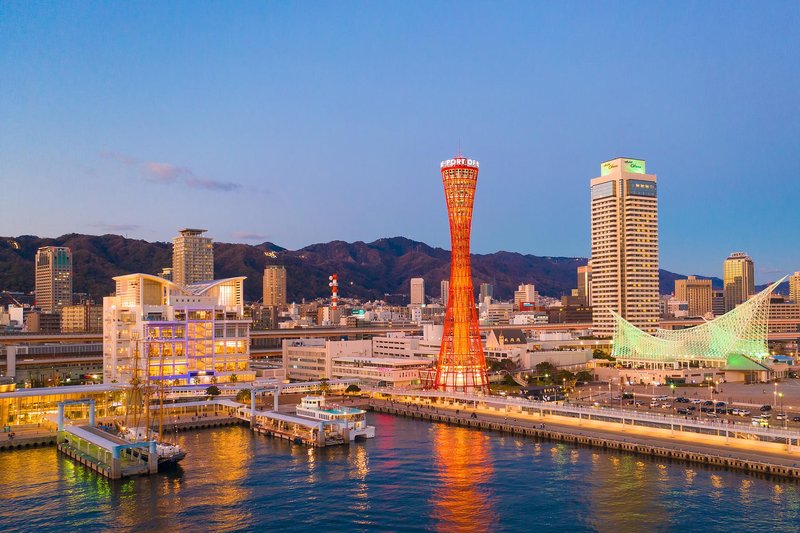
Hotels in Kasaoka
Discover your perfect stay in Kasaoka.
Kasaoka(Japan) Travel 2026: Cheap Flights, Hotels & Top Attractions
Popular Landmarks in Kasaoka
Discover the most iconic attractions in Kasaoka
Recommended Hotels in Kasaoka
Find the perfect place to stay in Kasaoka
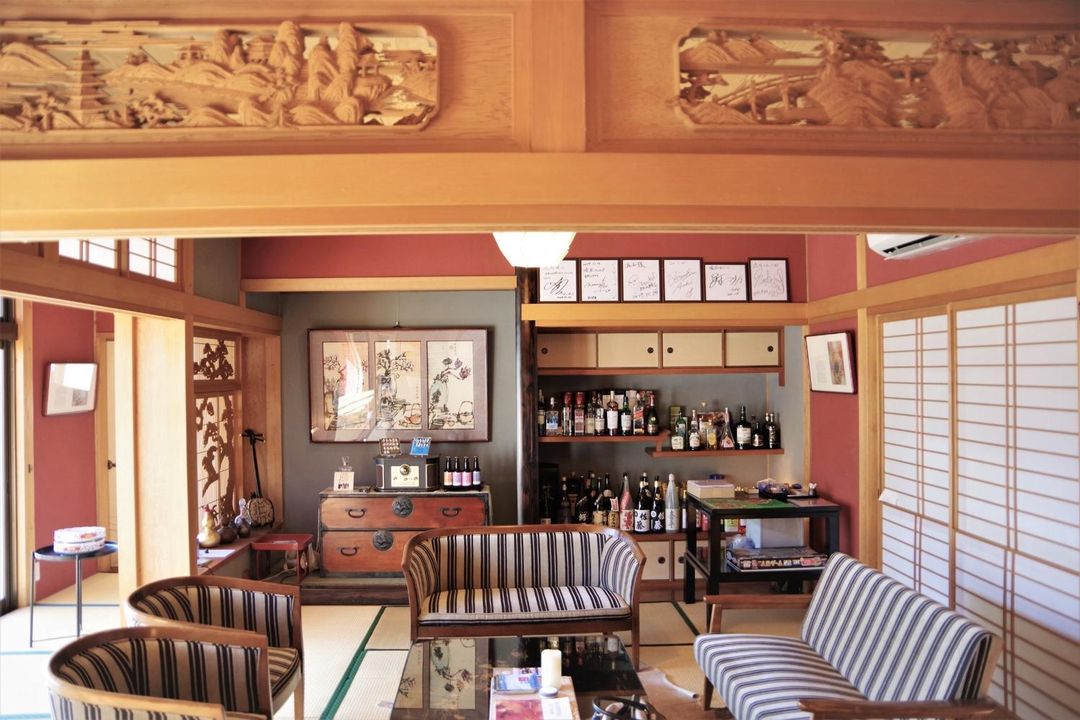
Auberge Minohama Ryuseki
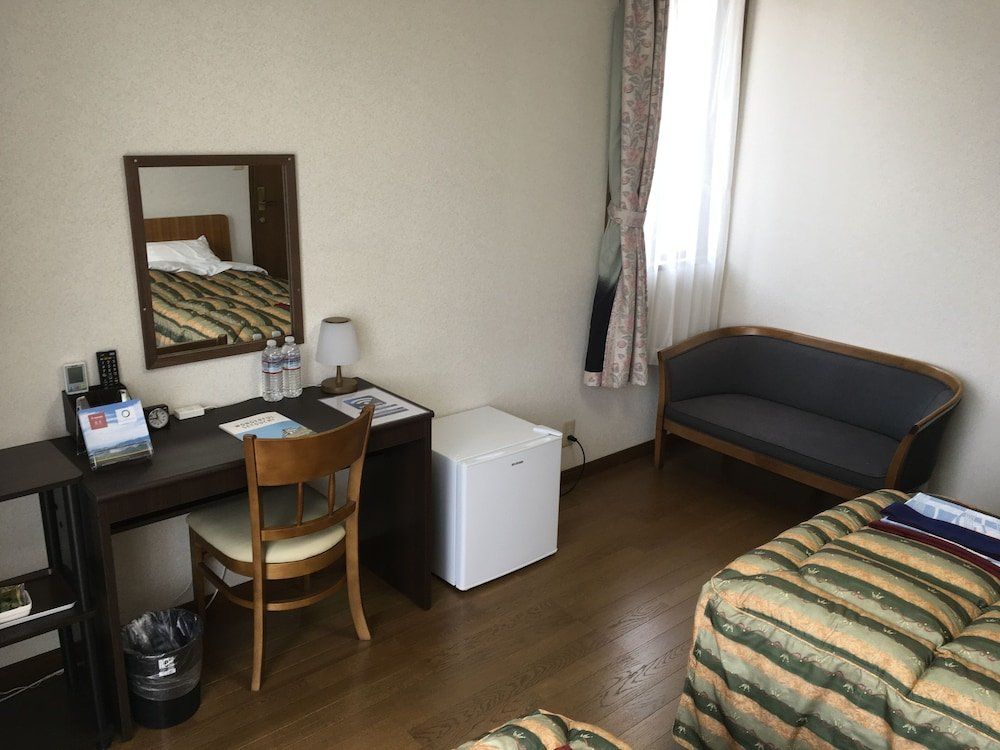
Auberge Minohama Ryuseki West
Kasaoka Grand Hotel
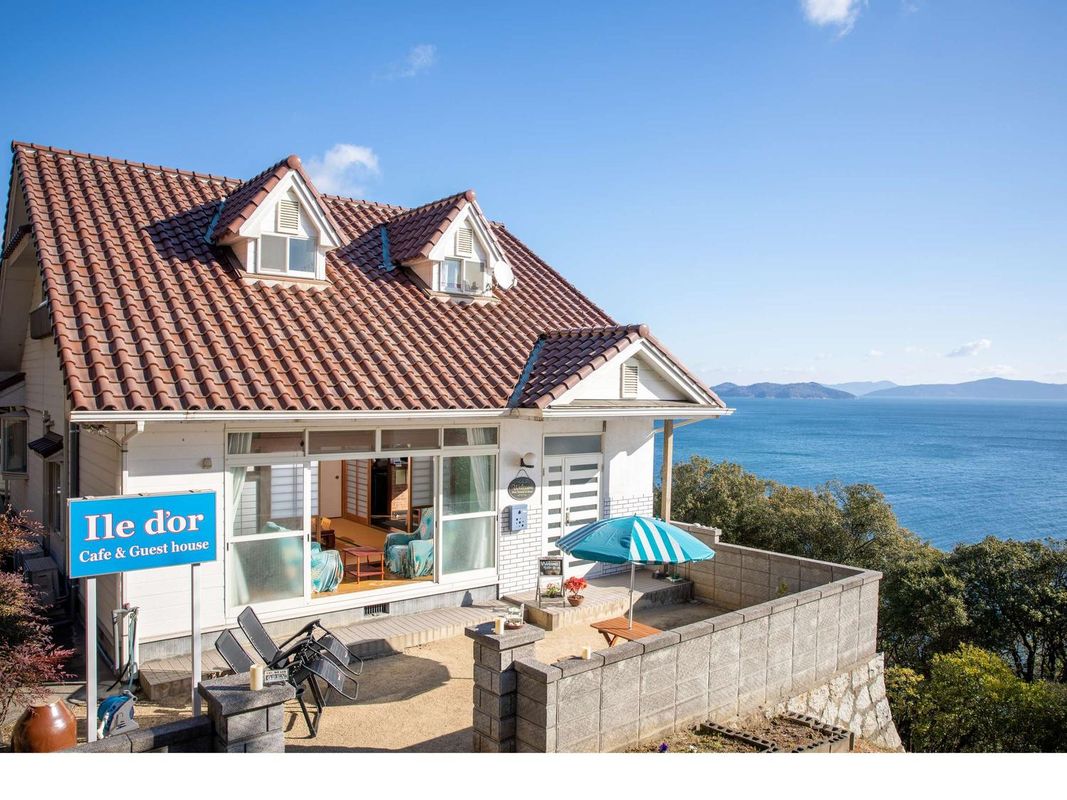
Ile D’or Café & Guest House
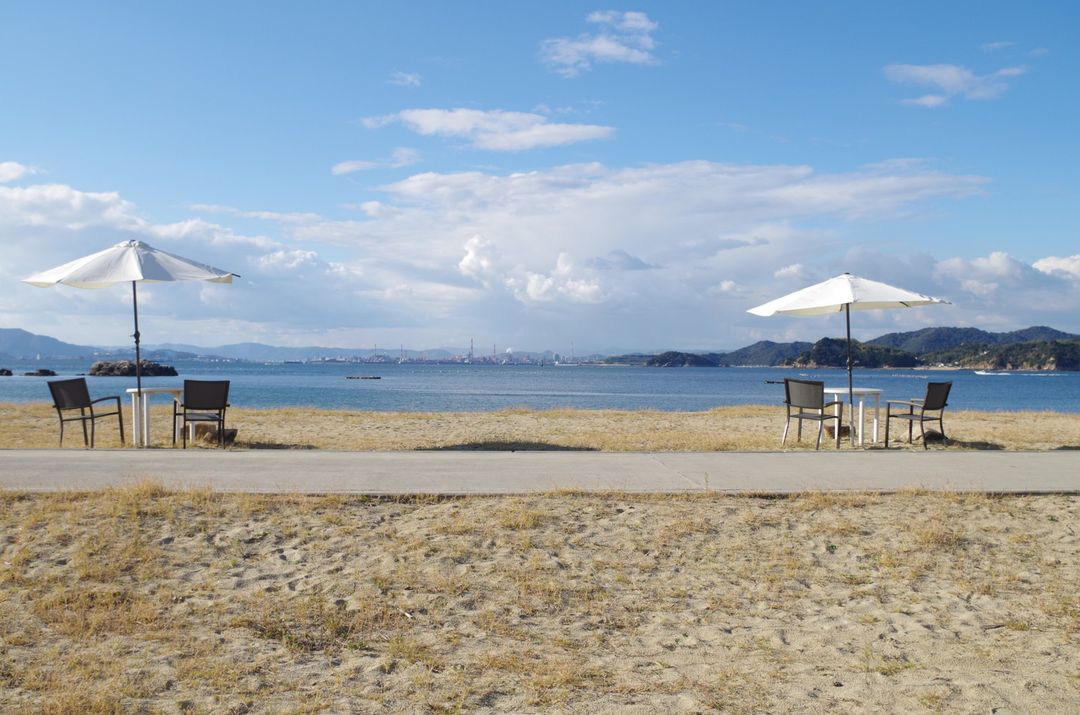
Otafuku Ryokan
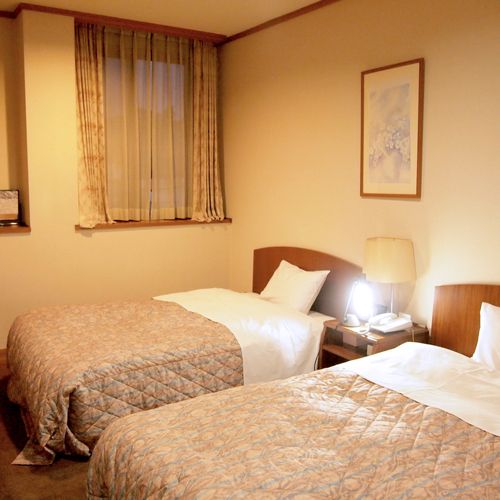
Ryokan Sanyo Ryokan
Best Hotels in Kasaoka
Discover curated hotel collections in Kasaoka
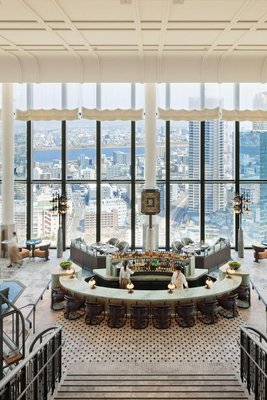
Waldorf Astoria Osaka
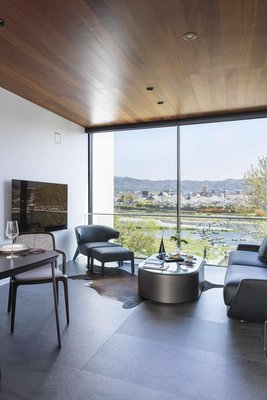
Kamo Residences by Reflections
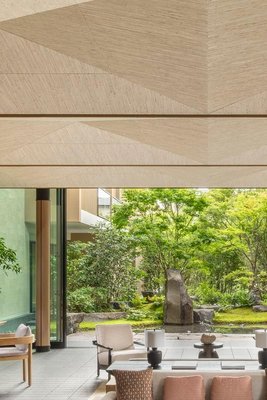
Six Senses Kyoto
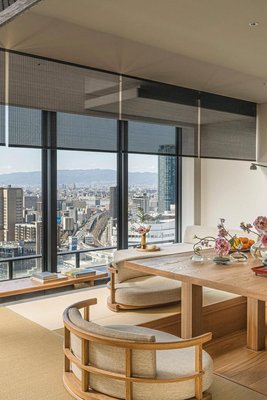
Four Seasons Hotel Osaka
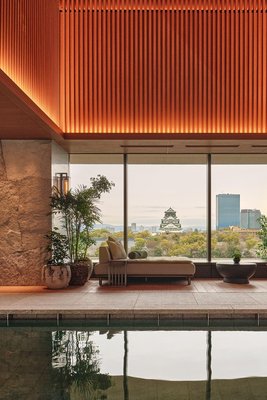
Patina Osaka
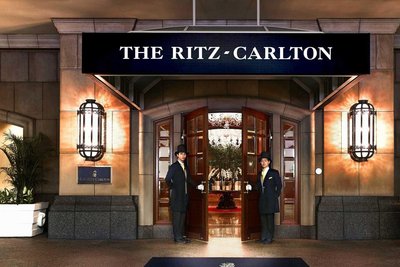
The Ritz-Carlton, Osaka
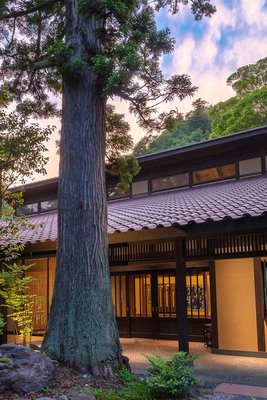
Arimasansoh Goshobessho
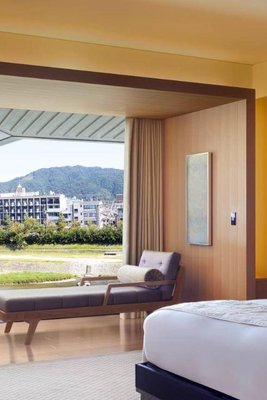
The Ritz-Carlton, Kyoto
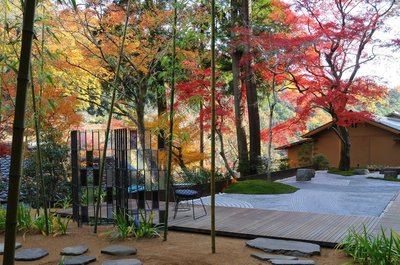
HOSHINOYA Kyoto
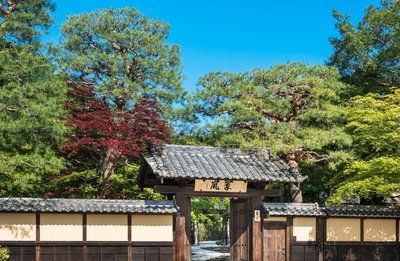
Suiran, a Luxury Collection Hotel, Kyoto
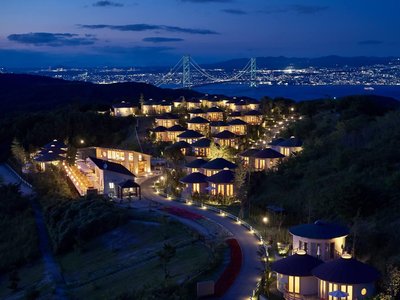
Grand Chariot Hokutoshichisei 135°
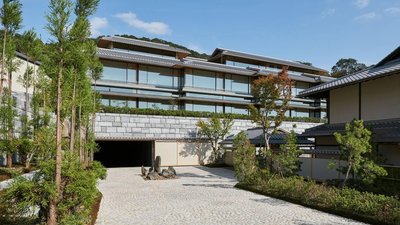
Park Hyatt Kyoto
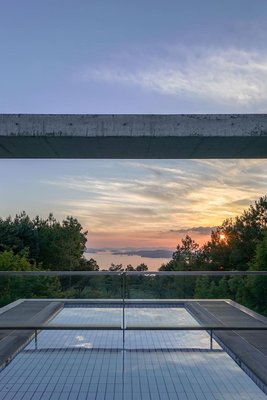
SETOUCHI RETREAT by Onko Chishin
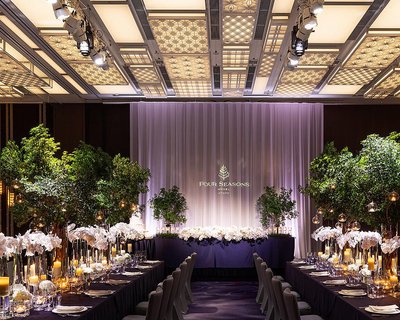
Four Seasons Hotel Kyoto
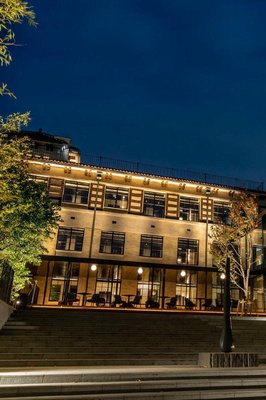
The Hotel Seiryu Kyoto Kiyomizu - a Member of the Leading Hotels of the World-
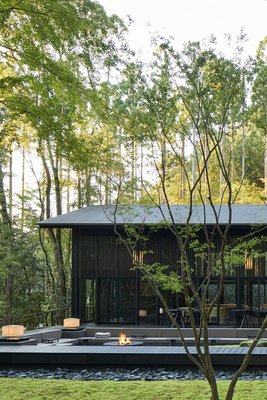
Aman Kyoto
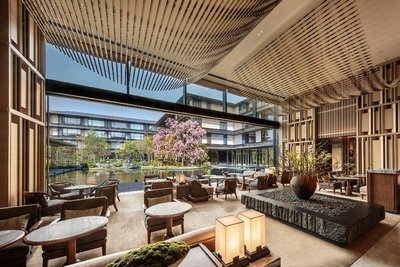
Hotel the Mitsui Kyoto, a Luxury Collection Hotel & Spa
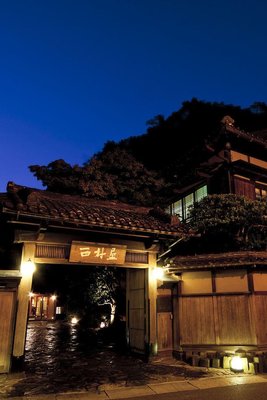
Nishimuraya Honkan
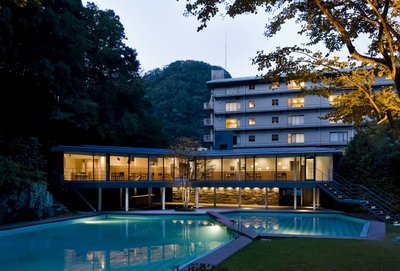
Kinosaki Onsen Nishimuraya Hotel Shogetsutei
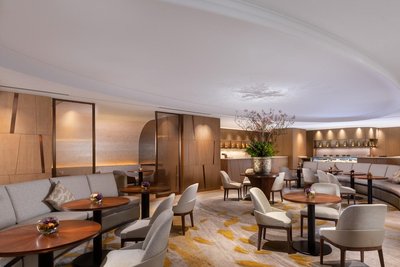
The Westin Miyako Kyoto (KASUI-EN)
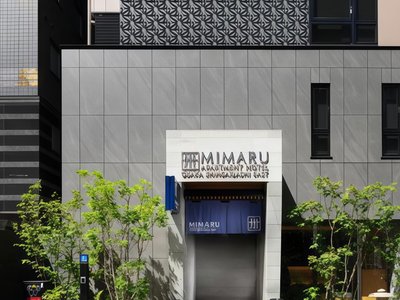
MIMARU Osaka Shinsaibashi East
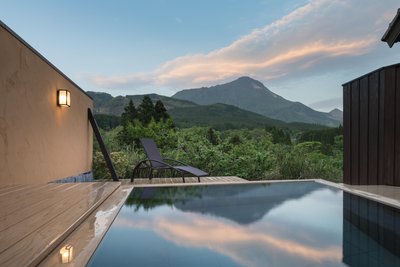
Ikkoten
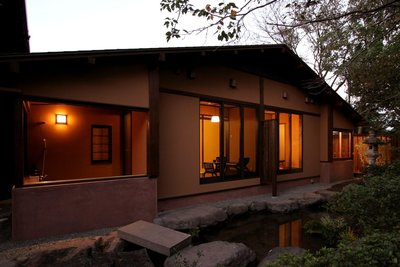
SEKIYA RESORT Bettei Haruki
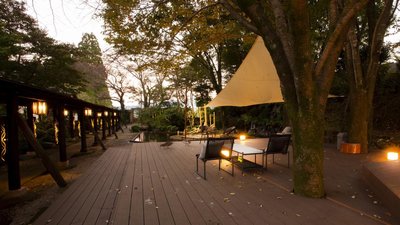
Chikurakutei
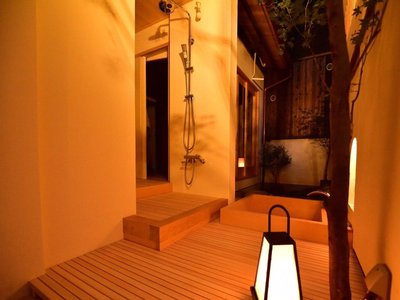
Yado Kiramachi
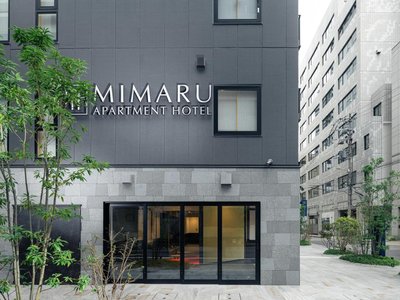
MIMARU Osaka Shinsaibashi North
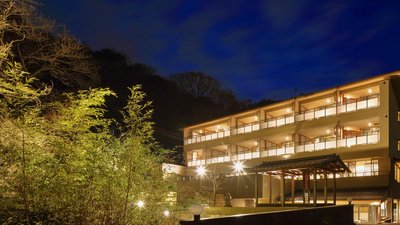
Okuno Hosomichi
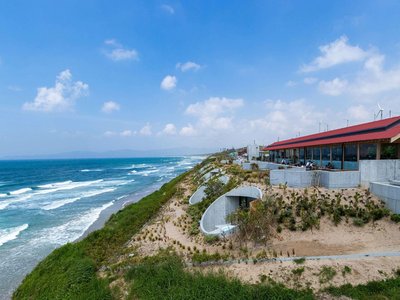
Izumo Hotel the Cliff
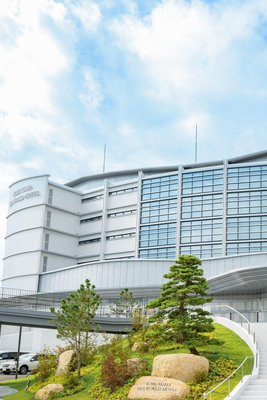
Kobe Suma Sea World Hotel
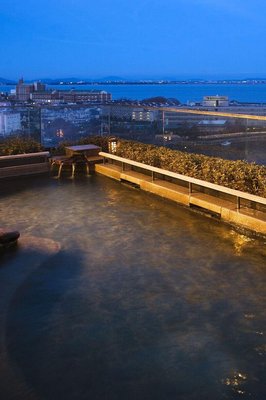
Yumotokan
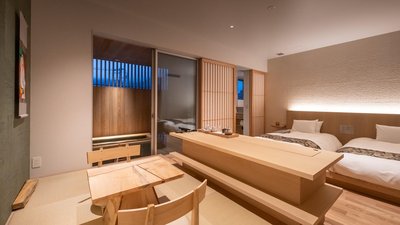
Japanese Auberge Kararako
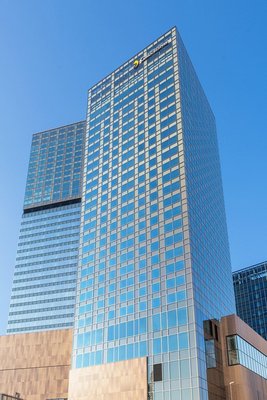
Hotel Hankyu GRAN RESPIRE OSAKA
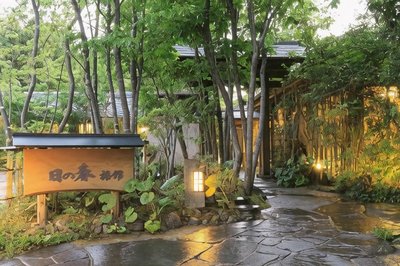
Yufuin Onsen Hinoharu Ryokan
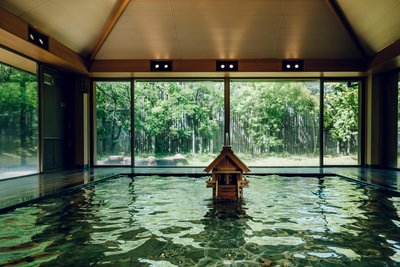
Hoshino Resorts KAI Tamatsukuri
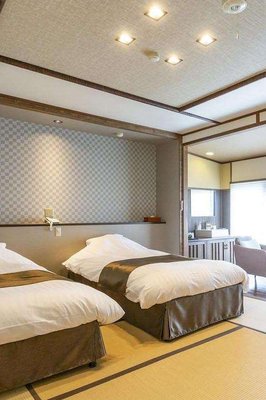
Sozankyo

Taikyourou
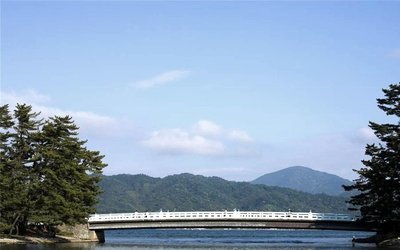
Monjusou Shourotei
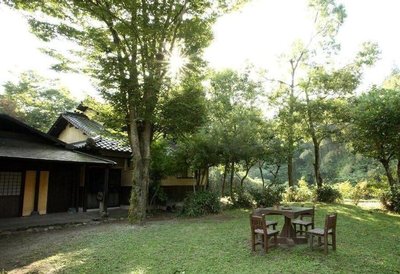
Yamashinobu
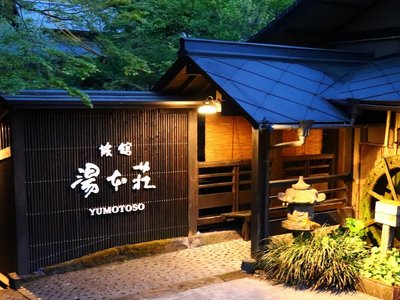
Ryokan Yumotosou
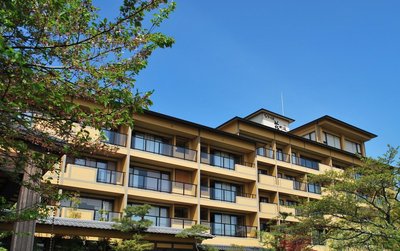
BIWAKO HANAKAIDO
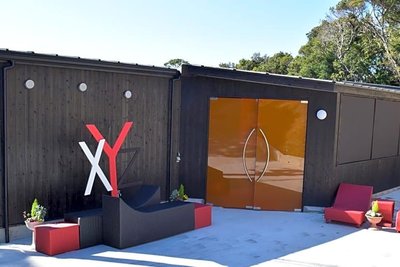
XYZ Private Spa and Seaside Resort
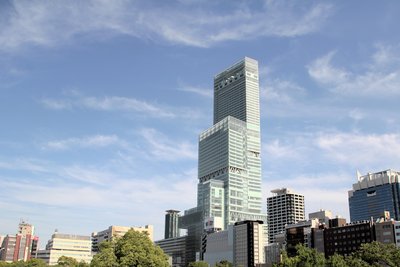
Osaka Marriott Miyako Hotel
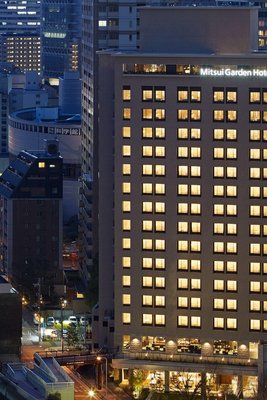
Mitsui Garden Hotel Osaka Premier
BIWAKO HANAKAIDO
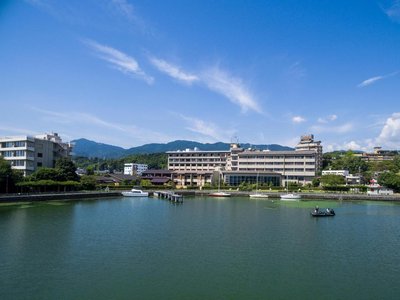
Biwako Ryokusuitei
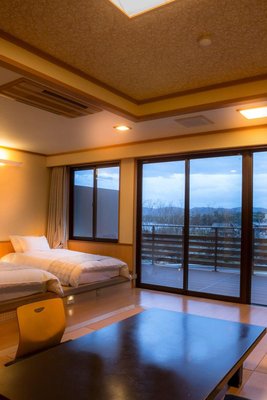
Hotel Kitanoya
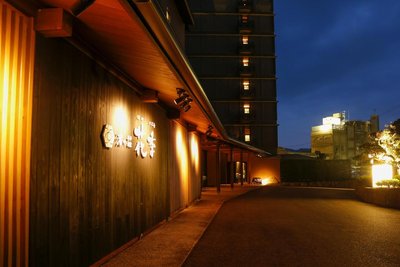
Hanagoyomi
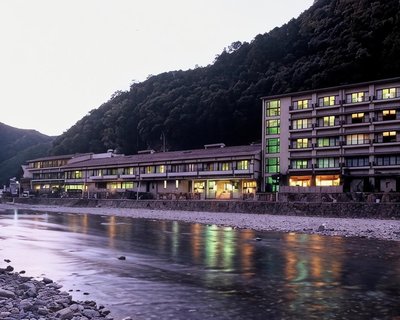
Kawayu Onsen Fujiya
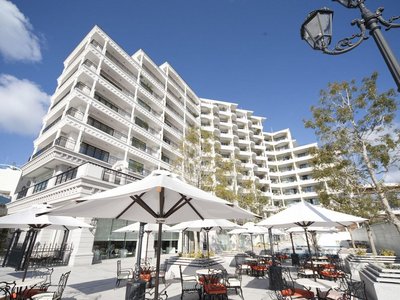
Hotel La Suite Kobe Harborland

AoAwo Naruto Resort
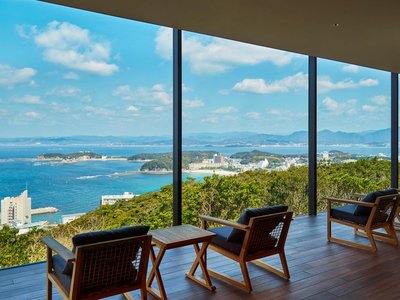
Infinito Hotel and Spa
Bella Vista Spa and Marina Onomichi
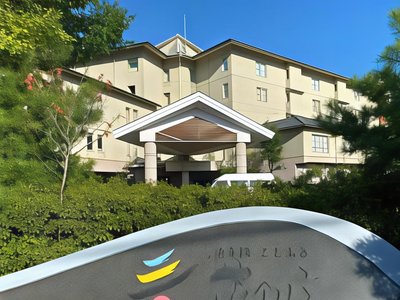
Yufuin Kotobuki Hananosho
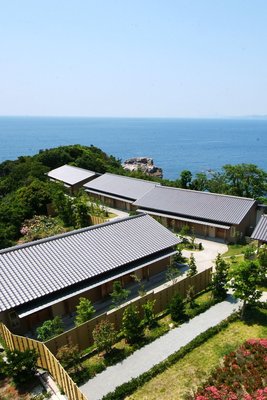
Hamachidorinoyu Kaisyu
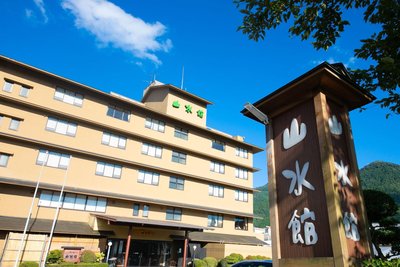
Yufuin Sansuikan
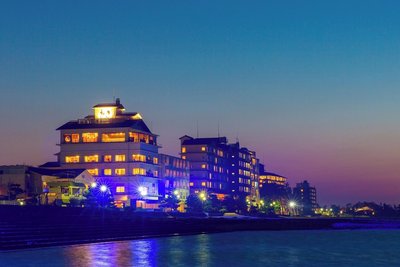
Kaike Shogetsu
The Ritz-Carlton, Kyoto
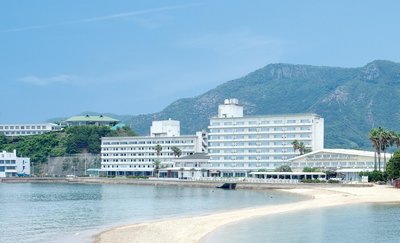
Shodoshima International Hotel
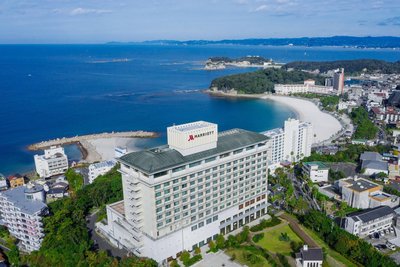
Nanki-Shirahama Marriott Hotel
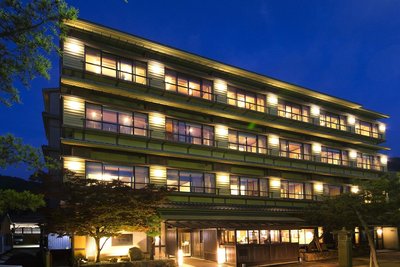
Kinsuikan
Yado Kiramachi
Arimasansoh Goshobessho
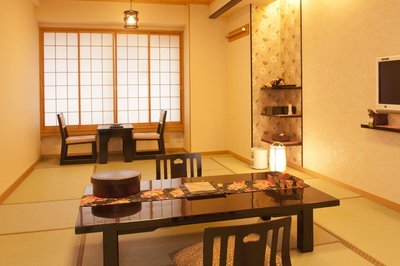
Matsui-Bekkan Hanakanzashi
Hoshino Resorts KAI Tamatsukuri
Taikyourou
Monjusou Shourotei
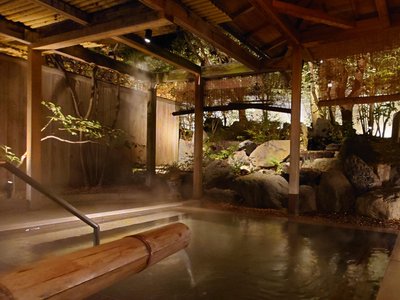
Kasuga Hotel
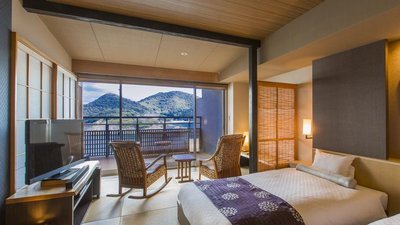
Migiwatei Ochi Kochi
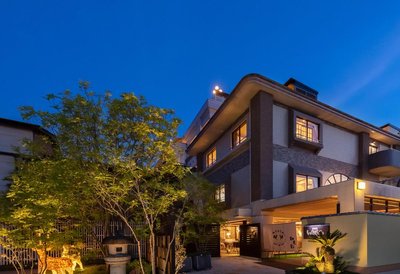
Hotel New Wakasa
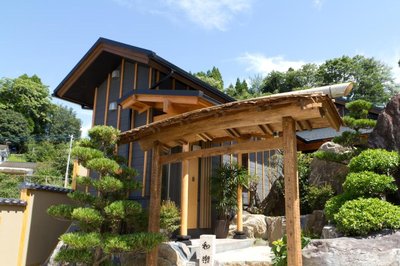
Ryokan Shinsen
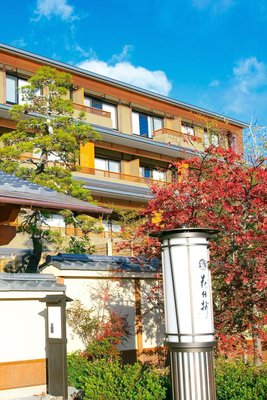
Kyoto Arashiyama Onsen Kadensho (Kyoritsu Resort)
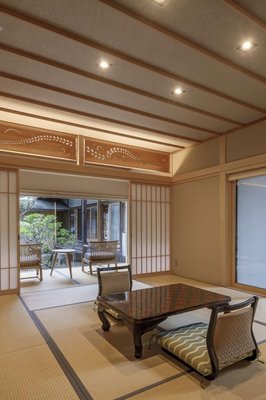
Ichijoin
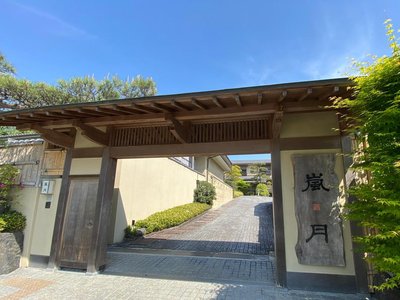
Rangetsu
The Ritz-Carlton, Kyoto
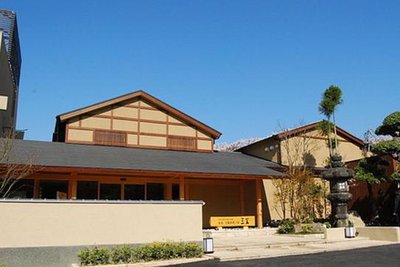
Mikasa
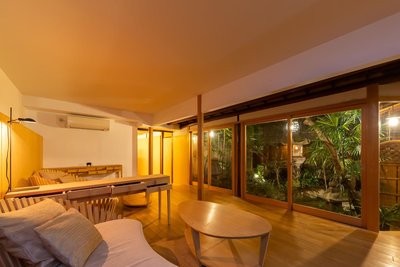
Izuyasu Traditional Kyoto Inn Serving Kyoto Cuisine
HOSHINOYA Kyoto
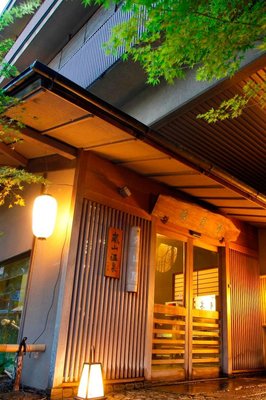
Togetsutei
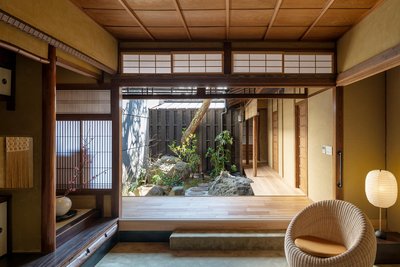
Nazuna Kyoto Gosho
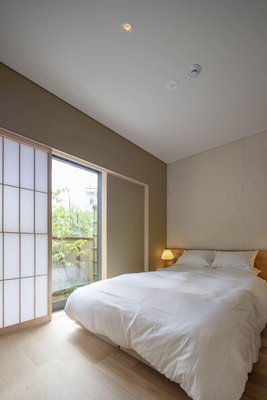
CAMPTON KIYOMIZU
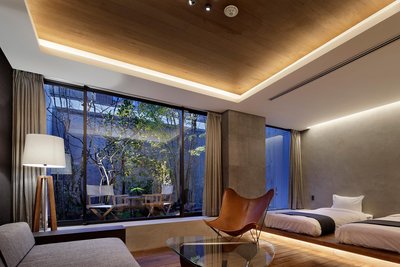
22 PIECES
The Ritz-Carlton, Osaka
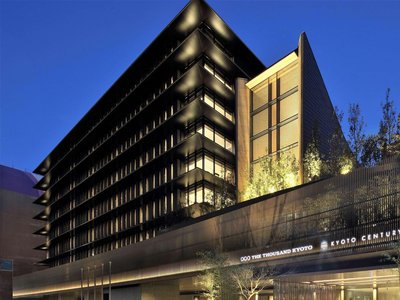
The Thousand Kyoto
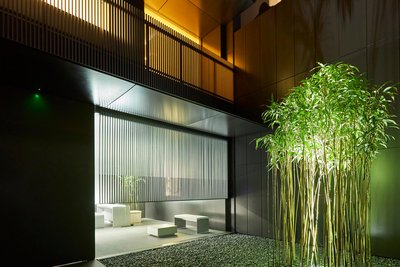
Mogana
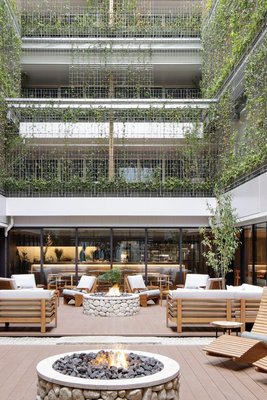
GOOD NATURE HOTEL KYOTO
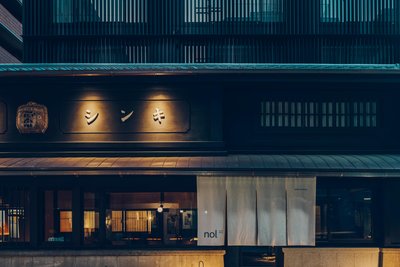
Nol Kyoto Sanjo
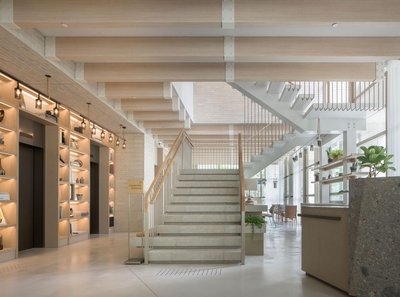
Zentis Osaka
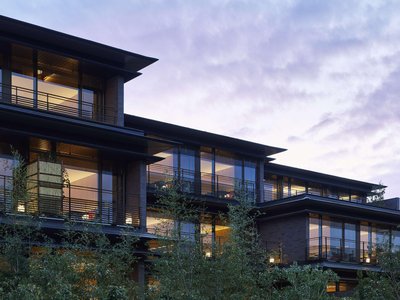
Garrya Nijo Castle Kyoto
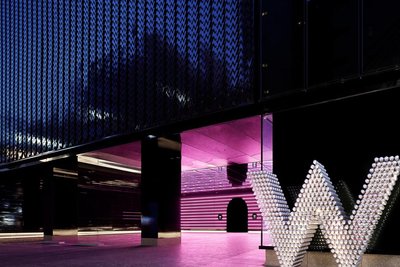
W Osaka
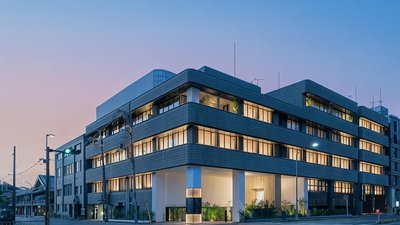
Hotel Kanra Kyoto
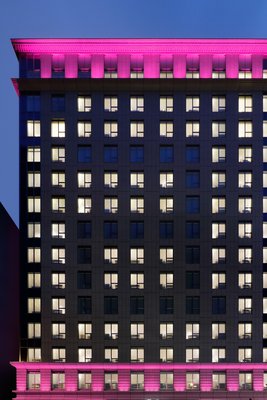
Aloft Osaka Dojima
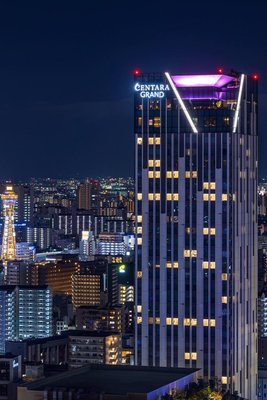
Centara Grand Hotel Osaka
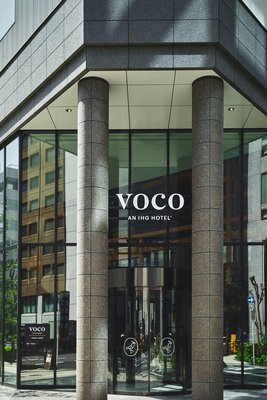
voco Osaka Central
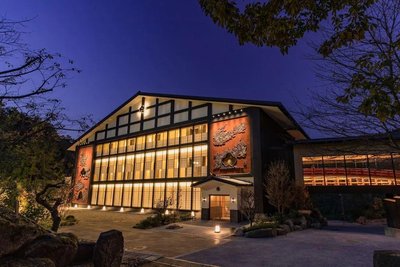
Okuhita Onsen Umehibiki
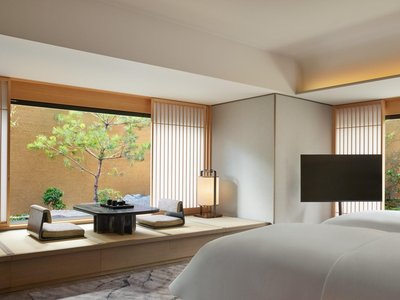
Dusit Thani Kyoto
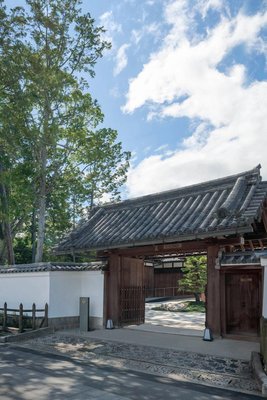
Shisui, a Luxury Collection Hotel, Nara
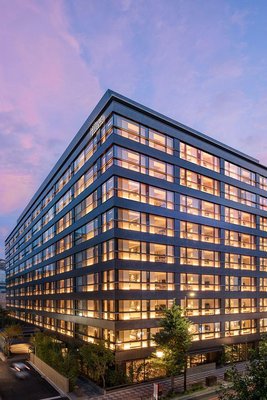
Hilton Kyoto
Osaka Marriott Miyako Hotel
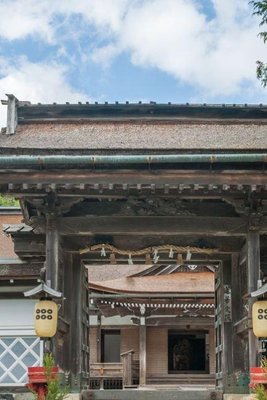
Koyasan Rengejoin
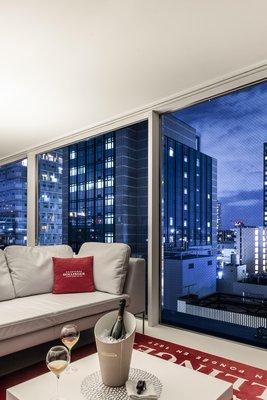
CUVÉE J2 HOTEL OSAKA by Onko Chishin
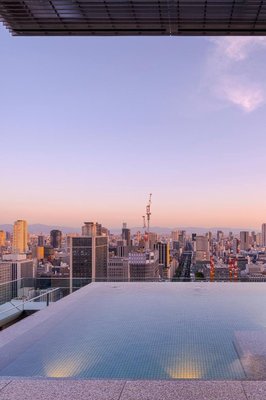
Candeo Hotels Osaka The Tower
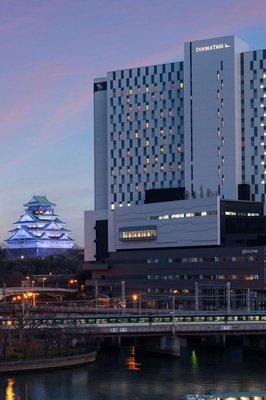
DoubleTree by Hilton Osaka Castle
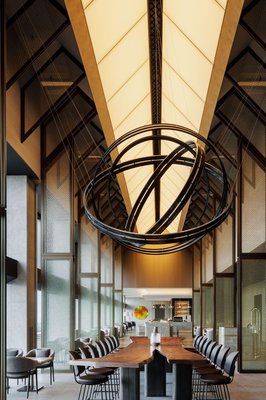
The Osaka Station Hotel, Autograph Collection
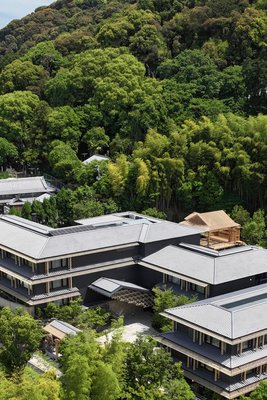
Banyan Tree Higashiyama Kyoto
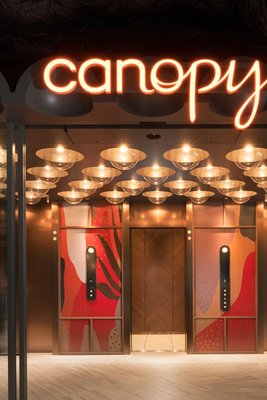
Canopy by Hilton Osaka Umeda
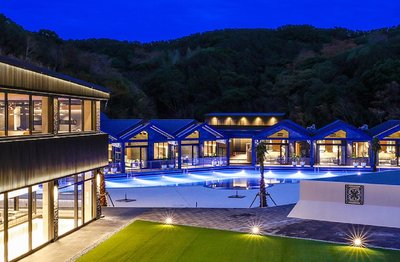
FIVE SPRING RESORT THE SHIRAHAMA
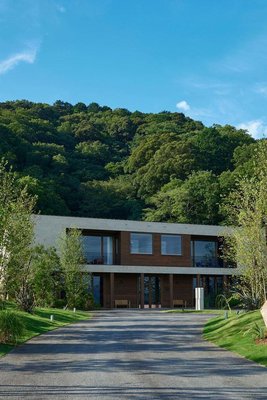
HACIENDA VISON
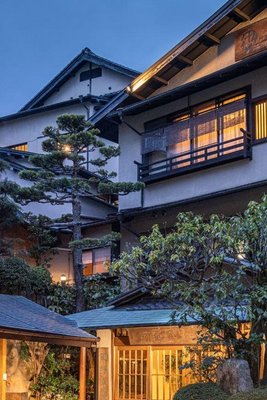
Arima Onsen Tocen Goshobo
Hotel La Suite Kobe Harborland
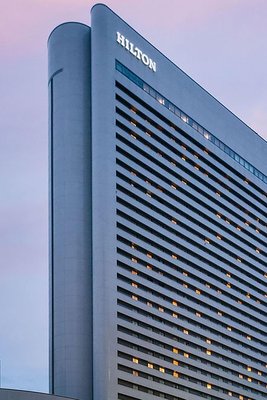
Hilton Osaka Hotel
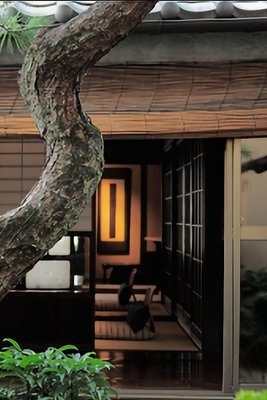
Shimayado Mari
Osaka Marriott Miyako Hotel
The Ritz-Carlton, Osaka
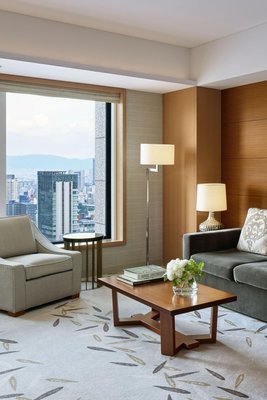
InterContinental Hotel Osaka
The Ritz-Carlton, Kyoto
Suiran, a Luxury Collection Hotel, Kyoto
GOOD NATURE HOTEL KYOTO
Park Hyatt Kyoto
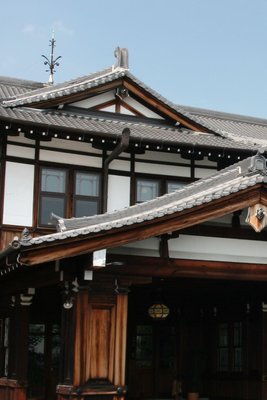
Nara Hotel
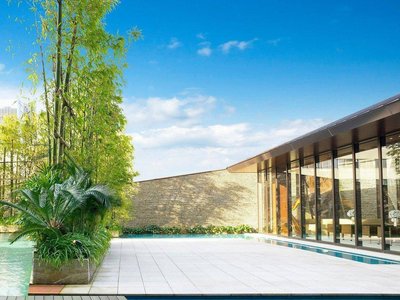
ORIENTAL HOTEL
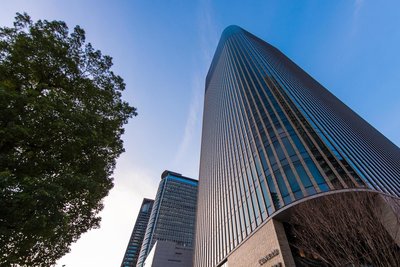
Conrad Osaka
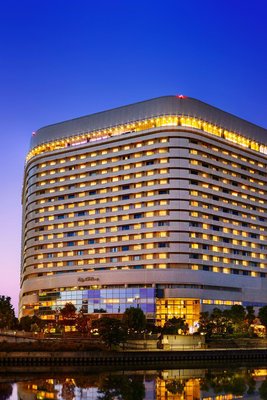
Hotel New Otani Osaka
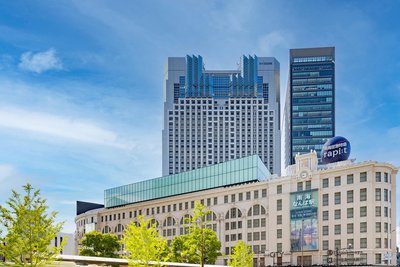
Swissotel Nankai Osaka
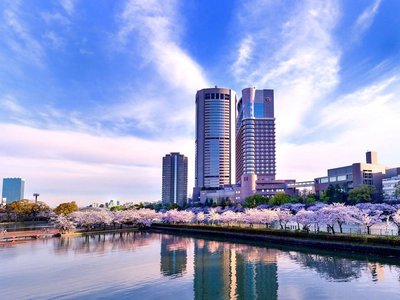
Imperial Hotel Osaka
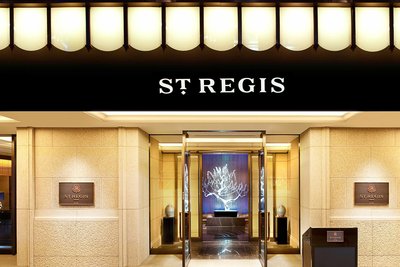
The St. Regis Osaka
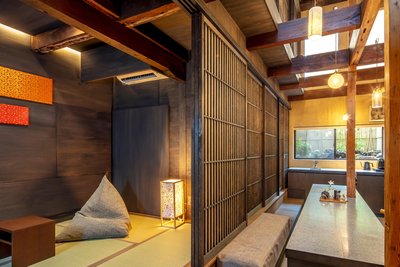
Kyo No Oozora Kihana
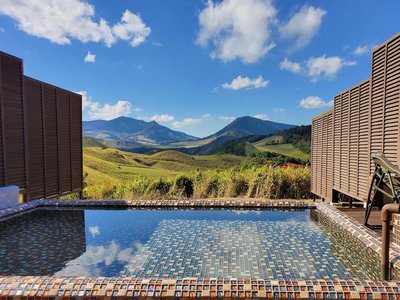
Grand Verde Resort
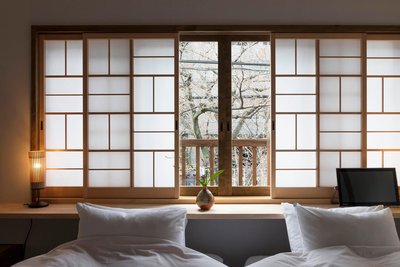
Hanagoromo Machiya House
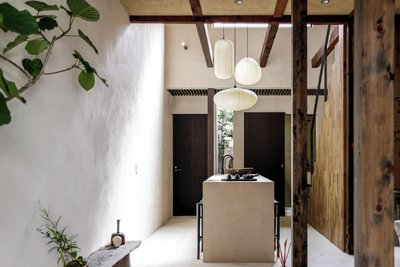
Maana Kiyomizu
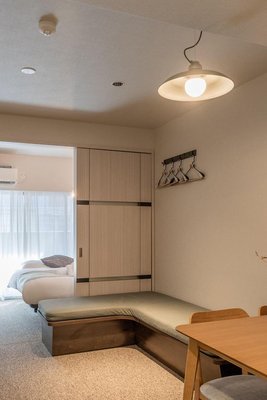
Apartment Hotel 11 Shinsaibashi
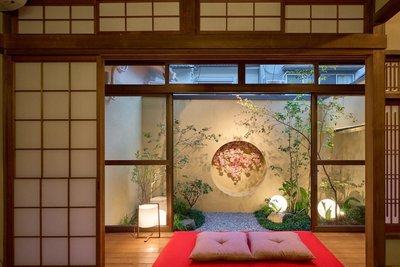
KONJAKUSO Osaka Tengachaya "NIHONCHA" Tea & Relax
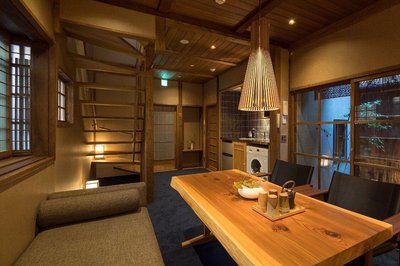
Bonbori an Machiya House
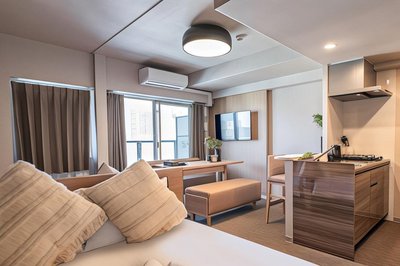
Apartment Hotel 11 Shinsaibashi III
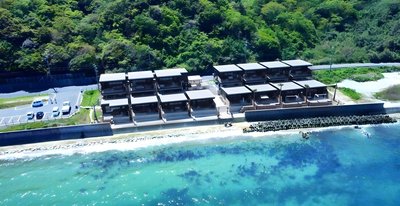
Solavilla Umi Terrace Minamiawaji
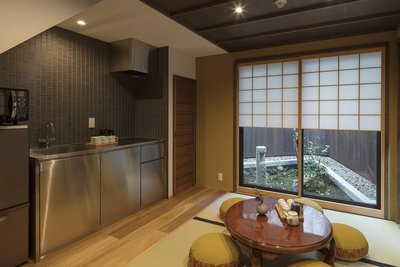
The Machiya Villa Sanjo Shirakawa Koji
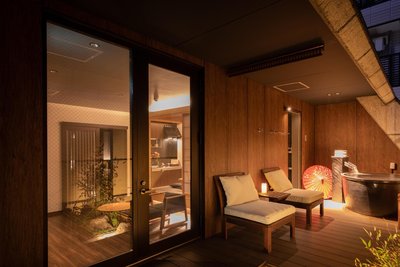
Konjaku-So Dotonbori
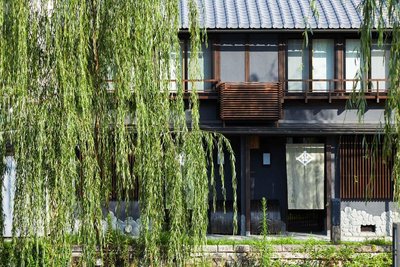
Gion Shirakawa No Yado

Kitashirakawa Natural Radium Onsen
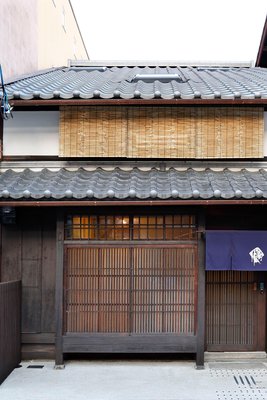
Kyo No Ondokoro Kamanza Nijo #2
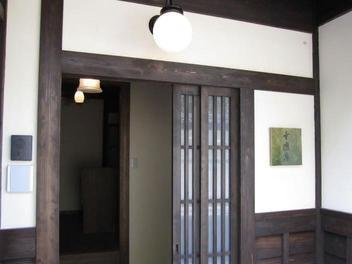
Gion Koyu an Machiya House
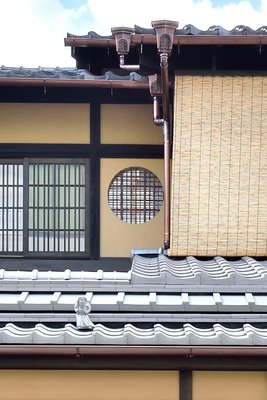
Kyo No Ondokoro Gokomachi Ebisugawa #3

Sana Mane - Glamp Domes
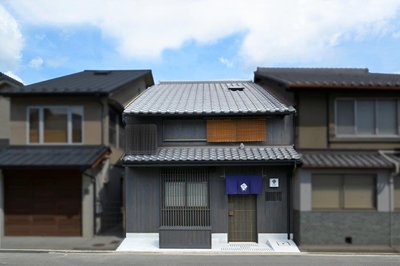
Kyo No Ondokoro Goshonishi #6
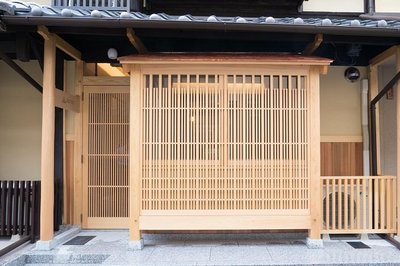
Kyomachiya Suite Rikyu
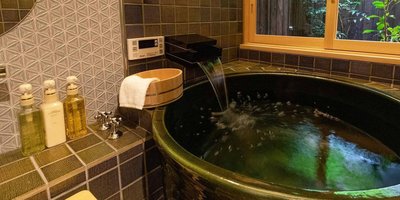
Kyoisuke
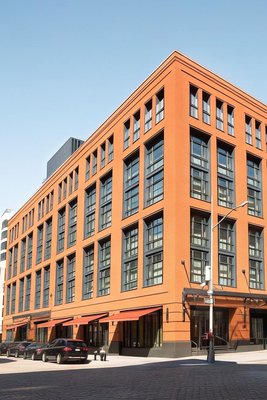
Hotel Barrière Fouquet's New York
Waldorf Astoria Osaka
Kamo Residences by Reflections
Six Senses Kyoto
Four Seasons Hotel Osaka
Patina Osaka
The Ritz-Carlton, Osaka
Arimasansoh Goshobessho
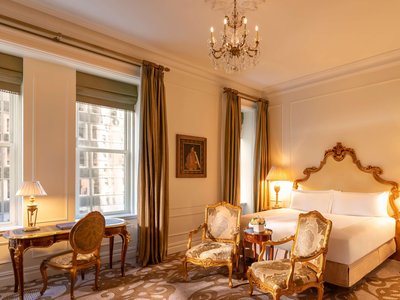
The Plaza - A Fairmont Managed Hotel
The Ritz-Carlton, Kyoto
HOSHINOYA Kyoto
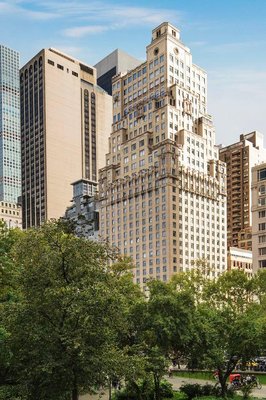
The Ritz-Carlton New York, Central Park
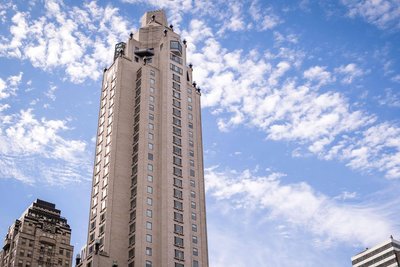
Four Seasons Hotel New York
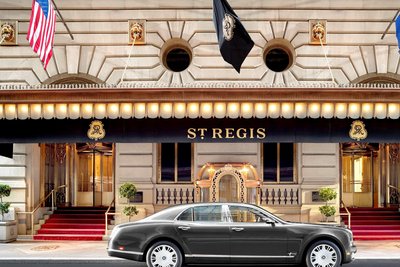
The St. Regis New York
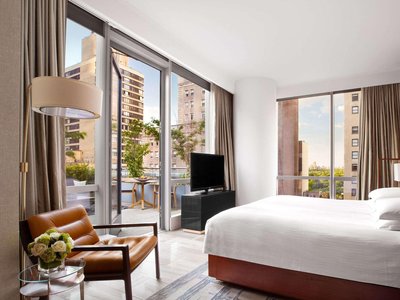
Park Hyatt New York
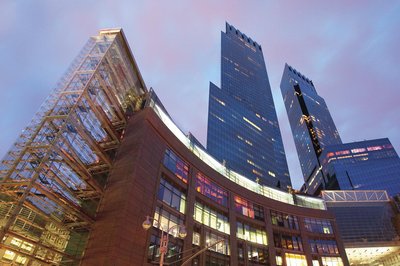
Mandarin Oriental New York
Times Square Edition New York
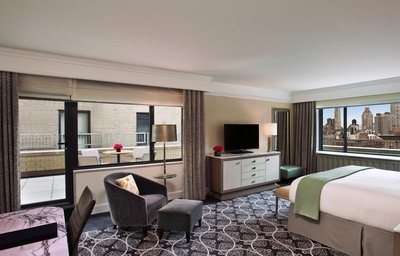
Loews Regency New York Hotel
Suiran, a Luxury Collection Hotel, Kyoto
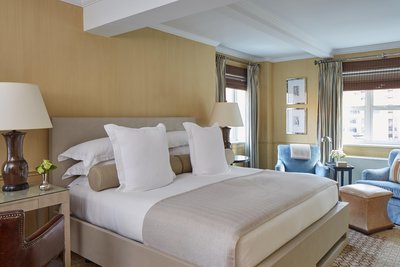
Lowell Hotel
Frequently Asked Questions about Traveling to Kasaoka
Questions You Might Need to Know About Traveling to Kasaoka
The best area to stay in Kasaoka City for a true cultural experience is Kasaoka Port District, where traditional fishing villages still thrive. Stay at Kasaoka Seikanshukyu Hotel, which offers panoramic views of the Seto Inland Sea and features authentic Japanese onsen with seasonal seafood dinners sourced directly from the local fish market.
For a deeper immersion, opt for Kasaoka Rural Villa, nestled in a quiet hillside village near the Kamikawa River Estuary Wetlands. This eco-friendly ryokan blends modern comfort with traditional architecture, offering guests guided walks through rice paddies and visits to the Kasaoka Historical Museum to learn about the region’s maritime heritage. Local festivals like the Kasaoka Seafood Festival are also held here annually.
Kasaoka Seikanshukyu Hotel provides direct, unobstructed views of the Seto Inland Sea from its floor-to-ceiling windows, overlooking Ohshima Island and Kuribara Bay. The hotel features a private dock allowing guests to take early morning or sunset boat excursions across the calm waters.
It also hosts seasonal events like the "Sea Festival," including live folk music, fresh seafood tastings, and interactive sessions with local fishermen. Located just 15 minutes by car from Kasaoka Station, it combines scenic beauty with convenient access to explore the surrounding islands and wetlands.
Kasaoka Rural Villa is perfect for families, offering spacious suites with private gardens, children's play areas, and a kitchenette designed for home-cooked meals. It’s located near the Kamikawa River Estuary Wetlands, ideal for family birdwatching or canoeing adventures.
The villa runs hands-on programs like "Family Farming Days," where kids can plant rice, harvest citrus fruits, and learn traditional farming techniques. Dinner features locally sourced ingredients prepared in kaiseki style, paired with regional Kasaoka tea. Nearby, the Kasaoka Municipal Library hosts interactive exhibits for children, blending education and fun in a peaceful setting.
Yes, both Kasaoka Seikanshukyu Hotel and Kasaoka Rural Villa provide immersive local food experiences. The former serves daily dishes made from fresh catches landed that day at Kasaoka Port, including sea bream sashimi and squid rice, with staff explaining sourcing and preparation methods.
The latter runs the "Local Table Program," where guests participate in shopping at the fish market, cooking together, and tasting specialties like Kasaoka beef and Seto Inland Sea salt-pickled vegetables. Seasonal events such as the "Cherry Blossom Seafood Banquet" in spring and the "Hot Pot Festival" in winter enhance the culinary journey.
The best times to visit Kasaoka City are spring (March to May) and autumn (September to November). Spring brings cherry blossoms along the Kamikawa River, creating a serene, poetic atmosphere—perfect for the annual "Cherry Blossom Seafood Banquet."
Autumn offers pleasant weather and peak harvest season for Kasaoka beef and citrus fruits. Guests can join fruit-picking tours and enjoy fresh local produce. Events like the Kasaoka Sea Festival (September) and Autumn Lantern Festival (October) feature music, light displays, and seaside markets. Winter is quieter, ideal for those seeking tranquil onsen stays and peaceful coastal walks.
Both Kasaoka Seikanshukyu Hotel and Kasaoka Rural Villa offer authentic fishing village experiences. The former runs the "Fisher’s Companion" day trip, including boat rides, net-weaving demonstrations, and onboard tasting of freshly caught seafood.
The latter offers the "One Day in a Fisher’s Life" program, where guests wear traditional fishing attire, dry fish, craft nets, and learn to use ancient wave-blocking boards. These programs are co-hosted with local fishing cooperatives, ensuring cultural accuracy. Monthly "Catch & Share Events" allow guests to dine with locals on the day’s catch, deepening their understanding of Kasaoka Port as a historic fishing hub.
Kasaoka Overview
City Summary
Kasaoka City, located in the southwestern part of Okayama Prefecture along the serene coast of the Seto Inland Sea, is renowned for its stunning natural landscapes and rich fishing culture. This city serves as an ideal gateway to explore the Seto Inland Sea islands, particularly the famous Kasaoka Islands. Kasaoka seamlessly blends traditional Japanese rural charm with modern conveniences, offering a unique travel experience away from urban hustle. Additionally, Kasaoka is one of the few places in Japan where you can observe natural monuments like the "Kasaoka Dinosaur" fossils, attracting many paleontology enthusiasts.
Must-See Attractions
In Kasaoka, must-visit attractions include the Kasaoka Bay Bridge, a vital transport link and a perfect spot to enjoy panoramic views of the Seto Inland Sea. The Kasaoka City Takezaiku Art Museum showcases traditional bamboo crafts, where visitors can try their hand at bamboo art. The Kasaoka Islands offer abundant outdoor activities like fishing, diving, and island exploration. For history buffs, ancient temples and shrines such as Konpira Shrine provide insights into local faith and culture.
Food Guide
Kasaoka's culinary scene is famous for its seafood, especially fresh fish and shellfish caught locally. Don't miss "Kasaoka Tai Meshi," a traditional dish made with locally sourced sea bream. The Seto Inland Sea oysters are another must-try, particularly in winter. The city has numerous seafood markets and small eateries serving freshly prepared seafood, allowing visitors to savor authentic Japanese fishing village flavors.
Transportation Guide
Public transportation in Kasaoka primarily relies on buses and trains. From Okayama City, the JR Sanyo Main Line takes about an hour to reach Kasaoka Station, the main transport hub. Local buses cover major attractions but have infrequent schedules, so checking timetables in advance is advised. For more flexibility, renting a car is a good option, especially for those exploring nearby islands and rural areas. The Kasaoka Bay Bridge connects the city to the Kasaoka Islands, and driving or cycling across it is a fantastic way to enjoy sea views.
Best Time to Visit
The best times to visit Kasaoka are spring (March to May) and autumn (September to November), when the weather is mild and ideal for outdoor activities. Summers can be hot and humid but are great for beach and water activities. Winters are colder but perfect for tasting the freshest seafood, especially oysters. Avoid Japan's Golden Week (late April to early May) and Obon Festival (mid-August) to minimize crowds.
Travel Tips
- Respect local customs; maintain silence and follow etiquette when visiting temples and shrines.
- Kasaoka's seafood markets usually open early morning; arrive early for the freshest catch.
- Learning simple Japanese phrases like "Konnichiwa" (Hello) and "Arigato" (Thank you) can help with local interactions.
- Carry cash as some small vendors may not accept credit cards.
- Some Kasaoka Islands have limited transport; plan ahead and confirm ferry schedules.
- Sun protection is essential in summer, especially during outdoor activities.
Useful Information
The primary language in Kasaoka is Japanese. Tourist areas and major facilities may have basic English signage, but downloading a translation app is recommended. Internet coverage is good, with Wi-Fi hotspots in the city center and major attractions; consider purchasing a local SIM card for constant access. Cash is the main payment method, though credit cards are accepted at larger stores and hotels. Medical facilities are adequate, with hospitals and pharmacies available, but bringing essential medications is advisable. In emergencies, dial 119 for assistance. Kasaoka's tourist information centers provide maps and brochures, making them great resources for trip planning.