Hotels in Kashihara
Discover your perfect stay in Kashihara.
Kashihara(Japan) Travel 2026: Cheap Flights, Hotels & Top Attractions
Popular Landmarks in Kashihara
Discover the most iconic attractions in Kashihara
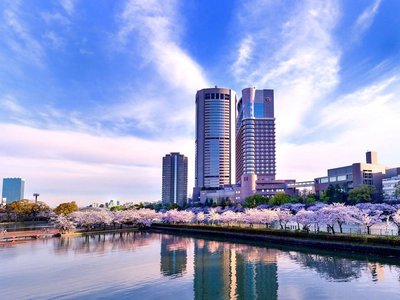
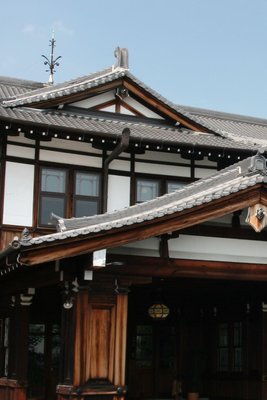
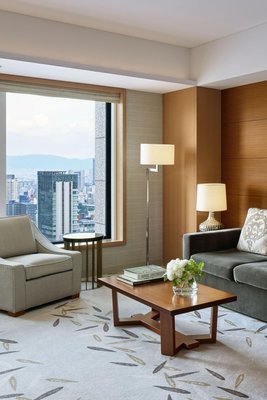
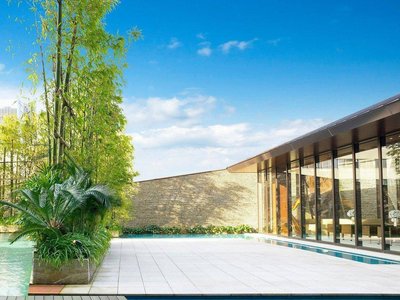
Recommended Hotels in Kashihara
Find the perfect place to stay in Kashihara
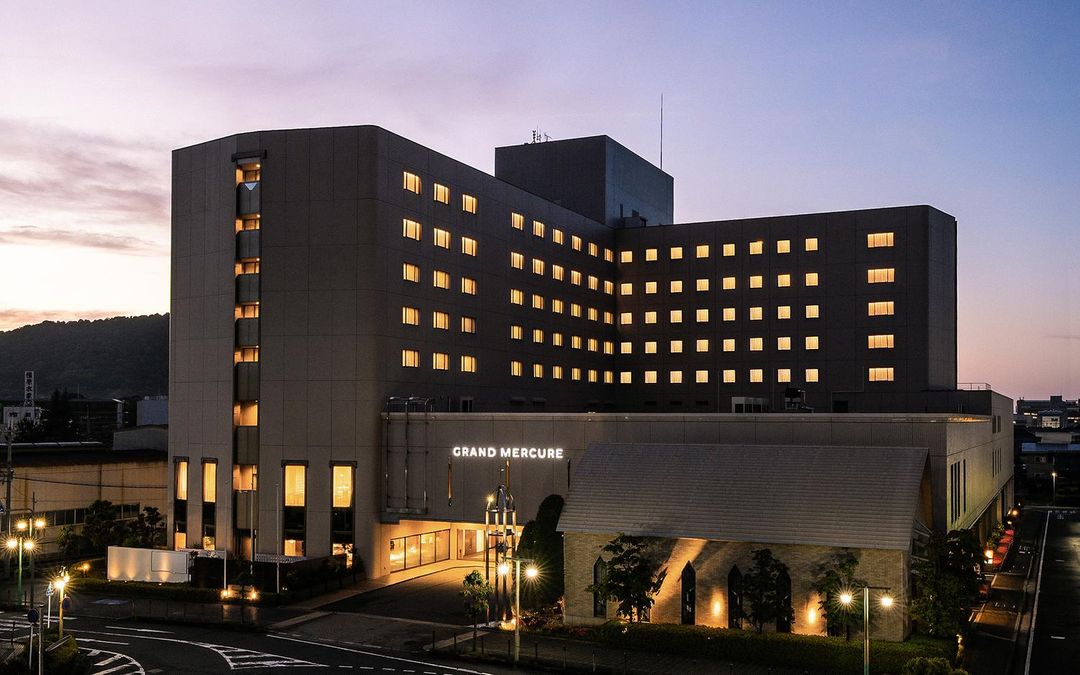

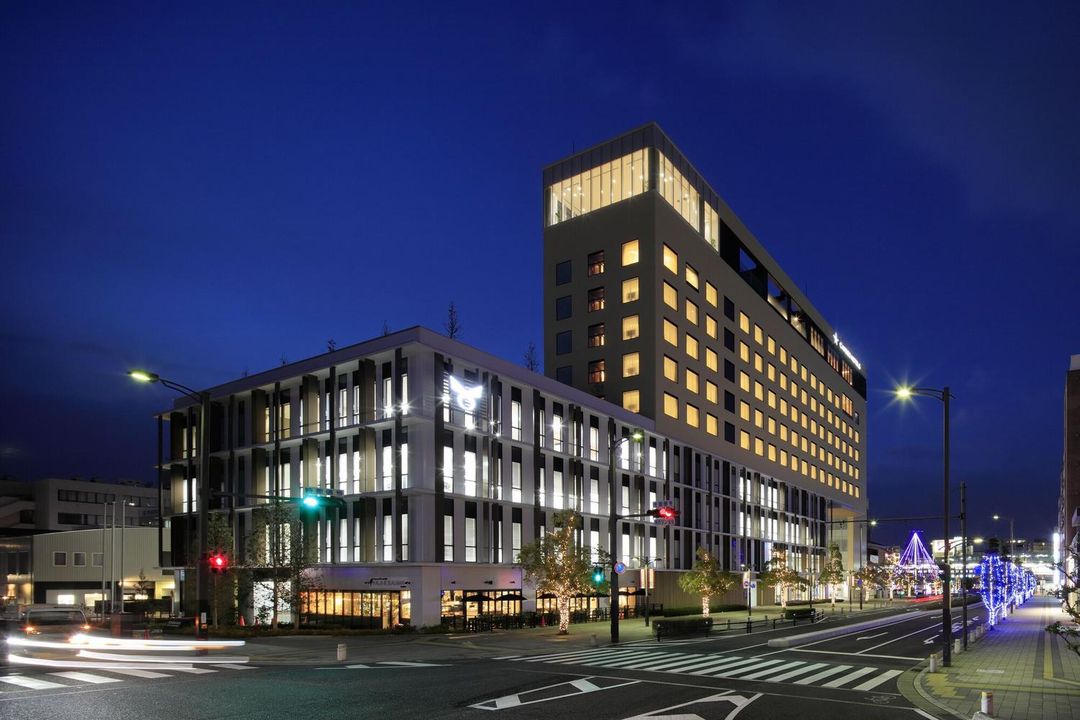
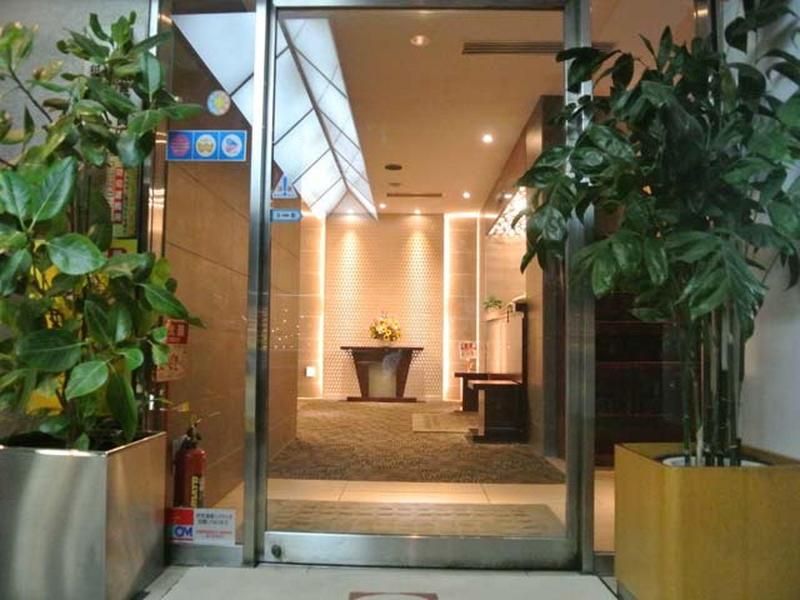
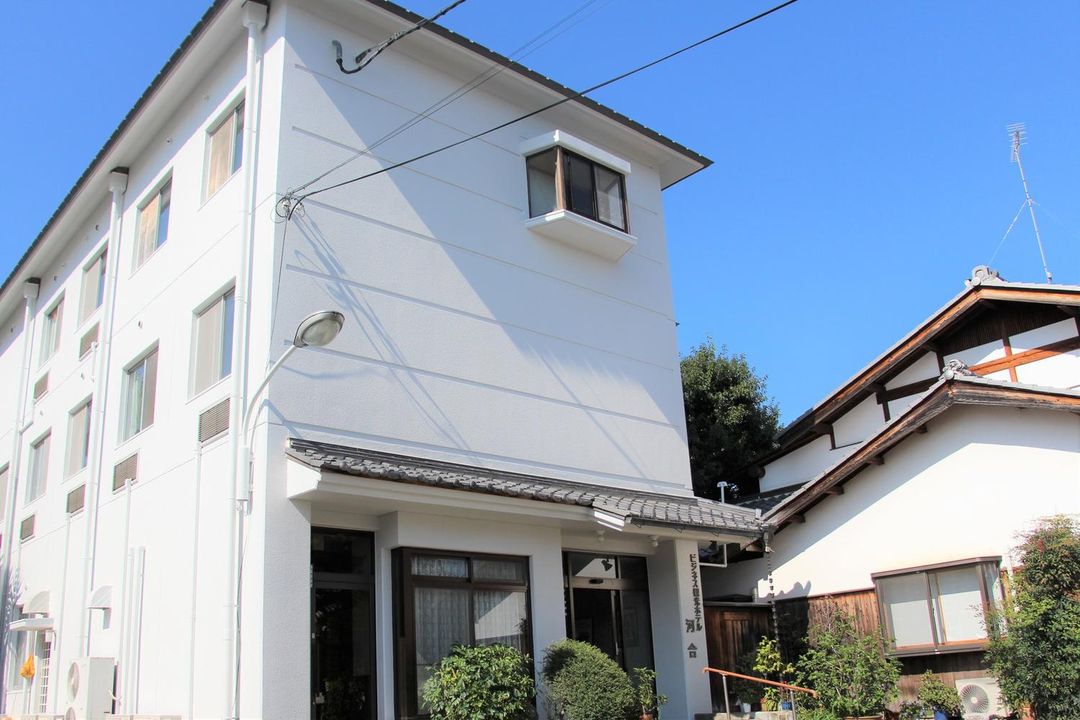
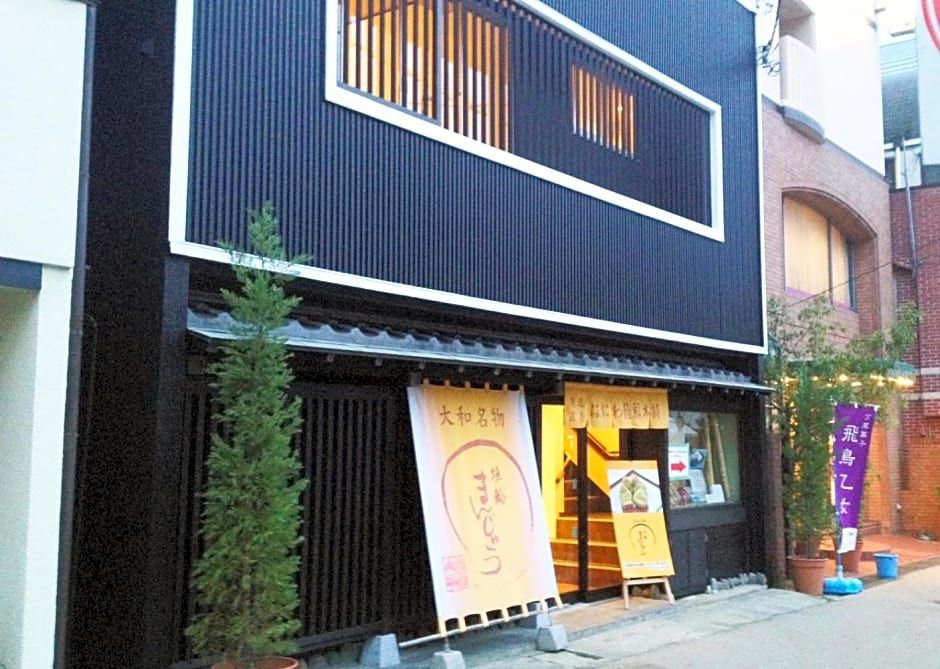
Best Hotels in Kashihara
Discover curated hotel collections in Kashihara














Frequently Asked Questions about Traveling to Kashihara
Questions You Might Need to Know About Traveling to Kashihara
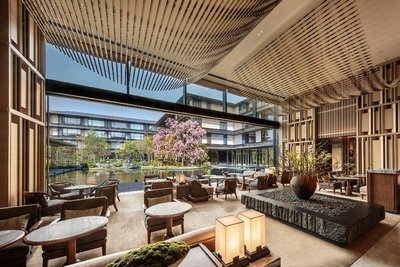
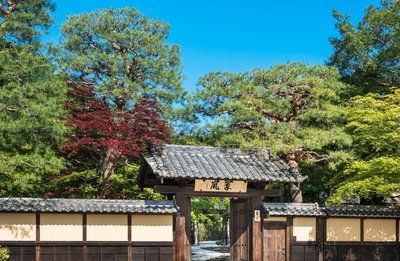
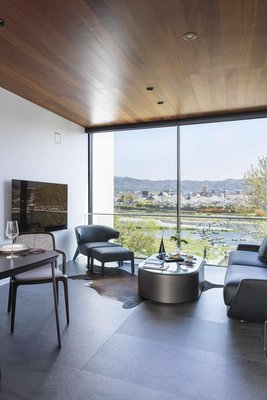
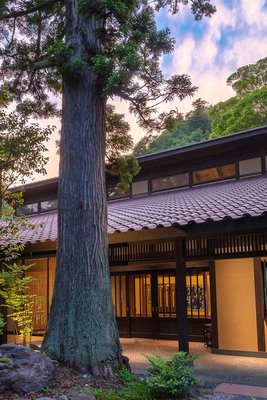
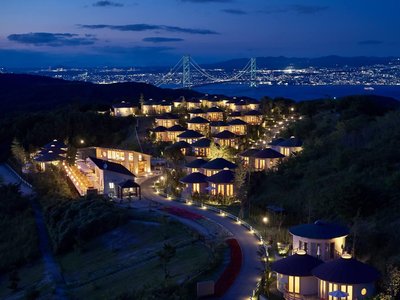
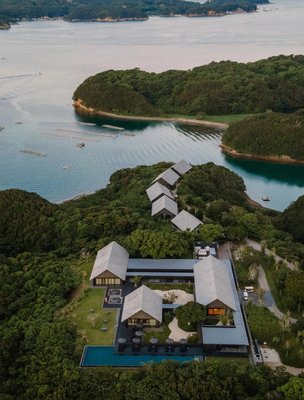
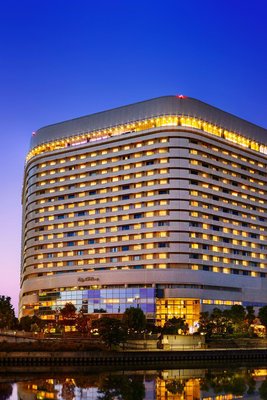
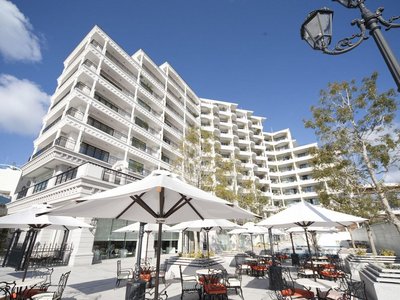
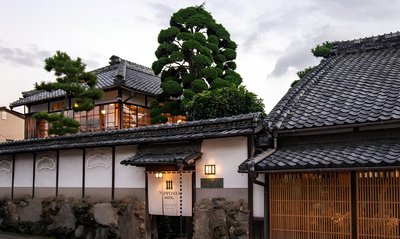
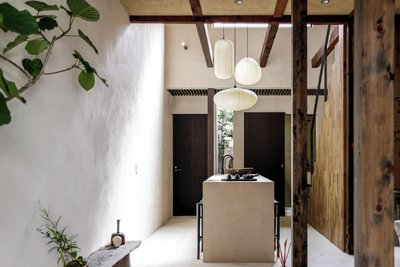
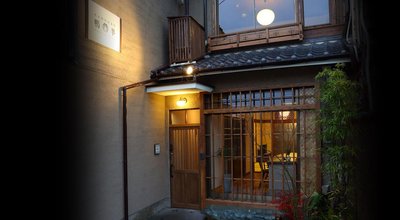
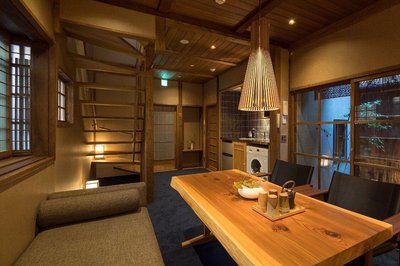
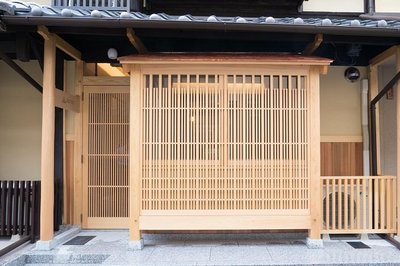
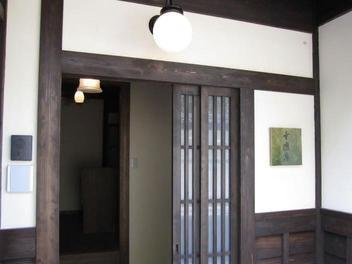
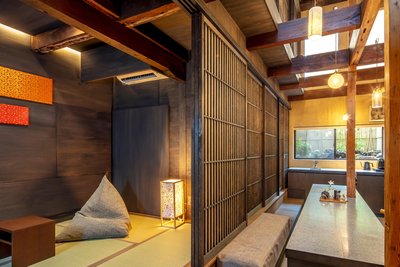
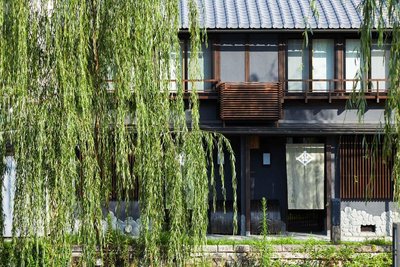
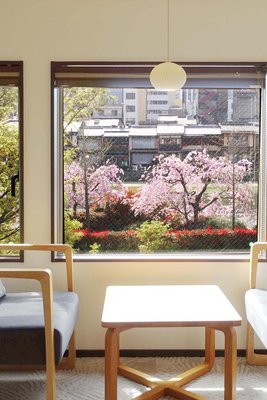
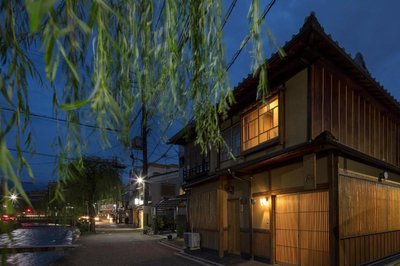
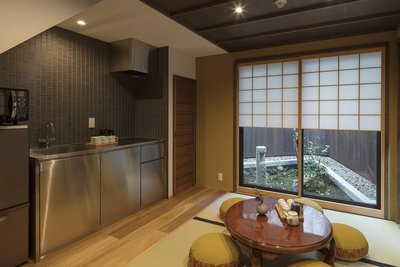
For history enthusiasts, Kashihara Kōdo Hotel is a must-stay. Located just steps from Kashihara Shrine and near the Asuka Period archaeological sites, this hotel blends traditional Japanese architecture with modern comfort. Its interiors feature reproductions of Kofun-era murals and authentic washi paper screens, while daily programs include ancient tea ceremony workshops and guided tours to Mozu Tombs. The on-site Heian-style garden offers serene views perfect for photography, especially during seasonal illuminations. Another standout is Kashihara Machiya Inn, a renovated Edo-period townhouse with tatami rooms and original wooden beams, offering immersive experiences like wearing Jūnihitoe robes and sampling historic rice-based dishes. Both properties provide access to Kashihara Archaeological Museum and free shuttle services to major heritage sites.
These hotels don’t just offer lodging—they deliver a living connection to Japan’s earliest imperial era, making them ideal for deep cultural immersion.
The Kashihara Shrine & Ancient Capital District is the optimal area for convenient sightseeing. This central zone is within walking distance of Kashihara Shrine, Kashihara Park, and the Kashihara Archaeological Museum, with most hotels offering complimentary shuttles to key attractions. Morning strolls along the Kiyomizu River lead to tranquil spots perfect for photos, while evening visits to the shrine’s illuminated grounds reveal a dreamlike atmosphere. Local guides at the Cultural Information Center provide bilingual (English/Japanese) tours explaining the significance of Yamato Kingship and Asuka-era politics. With easy access to public transit—especially the Kintetsu Kashihara Line from Osaka—this district serves as a strategic base for exploring Japan’s cradle of civilization, balancing historical depth with practical convenience.
Visitors to Kashihara City should not miss the Spring Festival at Kashihara Shrine (March) and the Autumn Grand Festival, featuring authentic Gagaku music and Kagura dances performed by local priestesses. At the Kashihara Archaeological Museum, hands-on workshops let guests reconstruct ancient pottery using tools from the Kofun period, gaining insight into early craftsmanship. For deeper exploration, guided tours of the Mozu Tombs reveal the astronomical alignment and symbolic meanings behind these massive burial mounds. Some hotels host "A Day in the Yamato Era" packages, including dressing in twelve-layered robes, tasting recreated meals like millet rice and dried fish, and attending mock court ceremonies. These immersive experiences transform visitors into active participants in Japan’s foundational history.
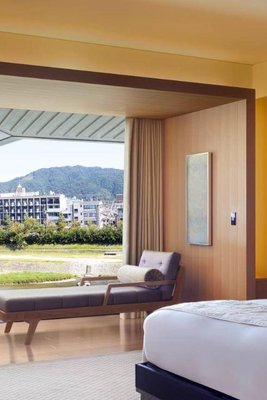
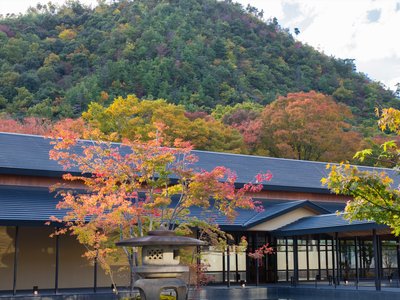
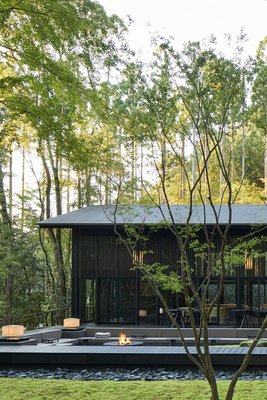
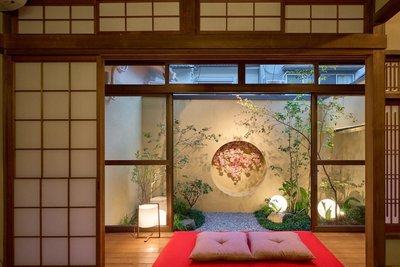
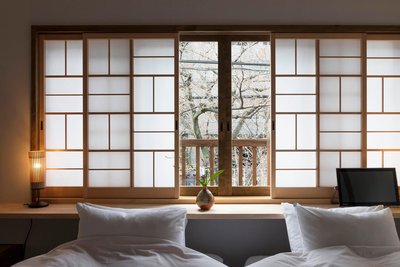
Hotels in Kashihara City integrate local history through thoughtful architectural and interior design. Kashihara Kōdo Hotel features timber-framed structures and thatched roofs, echoing Asuka-period buildings, while its lobby displays full-scale replicas of Kofun-era wall paintings from the Takamatsuzuka Tomb. Rooms include shoji sliding doors and washi paper walls, with curated exhibits of gold-inlaid artifacts and ancient ceramics. Kashihara Memorial Inn draws inspiration from the circular shape of kofun tombs, incorporating dome-like rooflines and stone lanterns arranged around a central moss garden. Some rooms even feature projection-lit night tours simulating internal tomb chambers, allowing guests to explore burial rituals without leaving the hotel. These elements create an environment where every detail tells a story of Japan’s imperial origins.
Kashihara Family Inn stands out as a top choice for families. Housed in a restored 19th-century home, it offers eight spacious family suites equipped with child-safe zones and themed storybooks about Yamato legends. The property features a dedicated kids’ play area and hosts weekly "Ancient Tomb Treasure Hunt" games that blend history and fun. The on-site restaurant serves local ingredient-based children’s meals, including persimmon leaf sushi and Nara red bean mochi. Families also receive free admission passes to the Kashihara Archaeological Museum and access to exclusive family kimono-wearing sessions. With multilingual staff and cozy communal spaces, this inn ensures both parents and children enjoy a memorable, culturally enriching stay in Japan’s ancient capital.
Nighttime in Kashihara City is magical. Every Saturday, Kashihara Shrine hosts its Illumination Ceremony, where the main hall and Chidori Pond glow with soft lights, creating a surreal, reflective landscape. During special festivals, the Mozu Tombs open for Nighttime Tomb Walks, where guides carry oil lamps to illuminate the pathways to Emperor Ingyō’s Tomb and Emperor Ninken’s Tomb, sharing stories of celestial alignments and royal legacy. Some hotels, like Kashihara Kōdo Hotel, offer evening Gagaku concerts in their gardens, paired with traditional tea and sweets. Nature lovers can join the Yoshino River Firefly Tour, paddling silently through the dark waters to witness thousands of glowing fireflies—nature’s own light show. These experiences capture the poetic soul of Yamato’s twilight era.
Yes, many hotels in Kashihara City provide authentic regional cuisine experiences. Kashihara Kōdo Hotel runs the Yamato Taste Workshop, where guests learn to prepare millet rice, dried sea bream soup, and persimmon leaf sushi using ingredients sourced from nearby farms. Participants even go on foraging trips to collect wild mountain vegetables. Another highlight is Mozu Dining Hall, which specializes in reconstructed Asuka-era meals, serving a 12-course "Emperor’s Banquet" set on clay vessels and wooden bowls. Local chefs use recipes preserved in the Nihon Shoki and Man’yōshū. Some guesthouses, like Kashihara Machiya Inn, offer homestyle dinner nights prepared by resident families, featuring dishes such as Nara pickled vegetables, fermented tofu, and sweet potato porridge, all served in a warm, intimate setting. These culinary journeys bring ancient flavors to life.
Transportation in Kashihara City is highly convenient. The city lies directly on the Kintetsu Kashihara Line, with direct trains from Osaka Namba Station taking only 40 minutes. Most major attractions—including Kashihara Shrine, Kashihara Park, and the Archaeological Museum—are within a 10-minute walk or short bus ride. The city operates the Kashihara Sightseeing Bus, offering loop routes with free tickets for hotel guests. Many hotels, such as Kashihara Kōdo Hotel and Kashihara Memorial Inn, provide complimentary shuttle services to train stations and landmarks. The City Tourism Office also offers multilingual maps and bike rental programs, enabling visitors to explore the scenic Yoshino River Greenway at their own pace. Whether traveling by rail, bus, or bicycle, getting around is seamless and efficient.
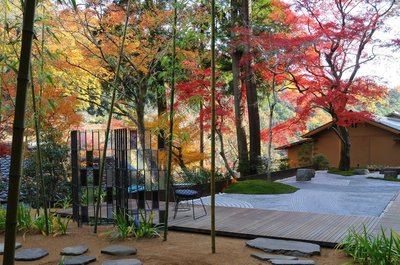
Photographers will love these lesser-known gems in Kashihara City. The eastern path leading to Emperor Ingyō’s Tomb offers dramatic morning fog scenes, where the massive keyhole-shaped mound appears to float above the mist. The dry landscape trail along the Yoshino River features a Zen-inspired rock garden designed by local artists, with intricate sand patterns and polished stones—perfect for long-exposure shots. The reflection pond at Kashihara Shrine, especially after rain, creates mirror-like images of the torii gate and cherry blossoms. Another secret: the dark garden at Kashihara Machiya Inn, accessible only by reservation, blends kare-sansui (dry landscape) with Asuka-period motifs, offering a rare, private space for contemplative photography. Bring a tripod and visit during golden hour for breathtaking compositions that capture the quiet grandeur of ancient Japan.
Hotels in Kashihara City actively support historical understanding through innovative programs. Kashihara Kōdo Hotel provides guests with an AR-enabled guide card—scanning it via smartphone reveals 3D reconstructions of Asuka-era palaces, markets, and shrines. Each room includes a Yamato Civilization Handbook detailing key figures, events, and mythological origins. Daily **
Kashihara Overview
City Summary
Kashihara City, located in the southeastern part of Nara Prefecture, Japan, is a city rich in history and culture, notably as the site of Kashihara Shrine, where Japan's first emperor is said to have ascended the throne. It blends traditional craftsmanship with modern life seamlessly.
Must-See Attractions
Kashihara Shrine is the city's most famous attraction, believed to be the site of Japan's first emperor's enthronement. The shrine grounds are serene and sacred. Asuka Historical Park offers insights into the ancient Asuka period with its well-preserved ruins and artifacts.
Food Guide
The local cuisine is influenced by traditional Nara dishes. Must-tries include Nara pickles (Narazuke) and persimmon leaf sushi (Kakinoha-zushi). Local restaurants also serve authentic soba noodles and tempura made with regional ingredients.
Transportation Guide
Kashihara is well-connected by the Kintetsu Kashihara Line, linking it to Nara and Osaka. The city's bus network covers major attractions and commercial areas. Consider purchasing an ICOCA or Kansai ThruPass for convenient travel around the region.
Best Time to Visit
The best times to visit are spring (March to May) and autumn (September to November), when the weather is pleasant. Cherry blossoms in spring and autumn foliage make these seasons ideal for outdoor activities and photography.
Travel Tips
- Follow shrine etiquette, such as bowing and purifying your hands.
- Keep noise levels low in public areas.
- Dispose of trash properly by sorting it according to local rules.
- Silence your phone on public transport.
- Photography may be restricted in certain areas; check signs.
- Carry cash as some small shops may not accept cards.
Useful Information
Japanese is the primary language, but some attractions offer English information. Reliable internet is available via local SIM cards or Wi-Fi hotspots. Cash is widely used, though credit cards are accepted at larger establishments. For emergencies, dial 119, and several hospitals and pharmacies are located within the city.