Hotels in Kashima
Discover your perfect stay in Kashima.
Kashima(Japan) Travel 2026: Cheap Flights, Hotels & Top Attractions
Popular Landmarks in Kashima
Discover the most iconic attractions in Kashima
Recommended Hotels in Kashima
Find the perfect place to stay in Kashima
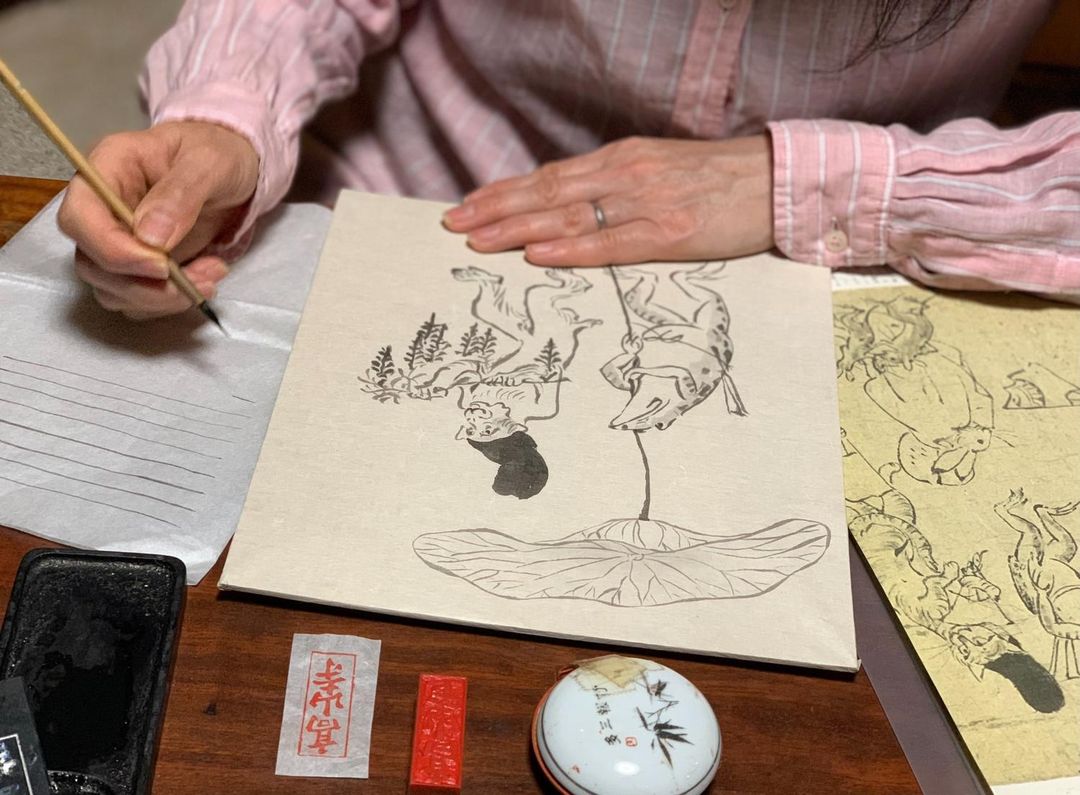
Japanese Painting Studio Ukishimakan Villa Guestho
Best Hotels in Kashima
Discover curated hotel collections in Kashima
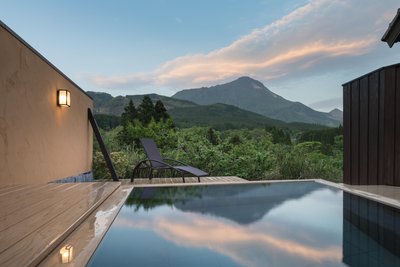
Ikkoten
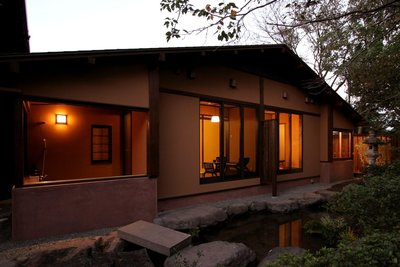
SEKIYA RESORT Bettei Haruki
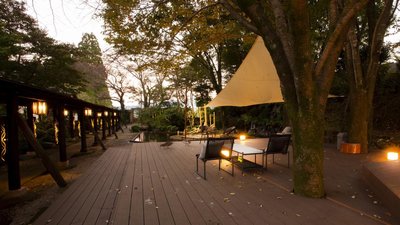
Chikurakutei
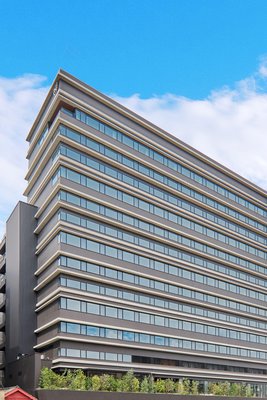
The Royal Park Canvas Fukuoka Nakasu
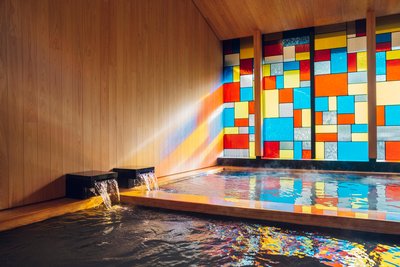
Hoshino Resorts Kai Unzen
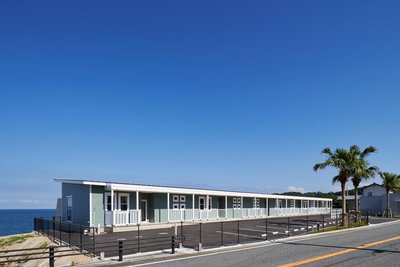
Alfacio Resort Stay Itoshima
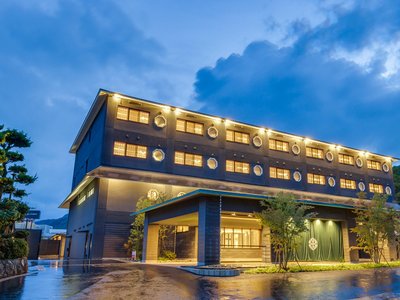
Ureshino Yadoya

seven x seven itoshima
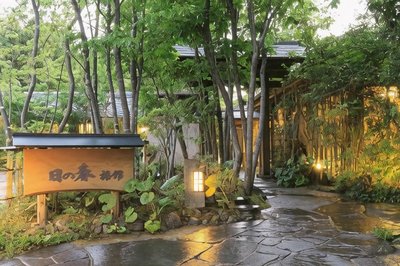
Yufuin Onsen Hinoharu Ryokan
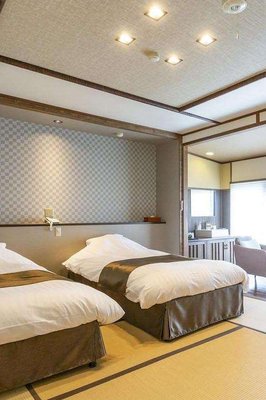
Sozankyo
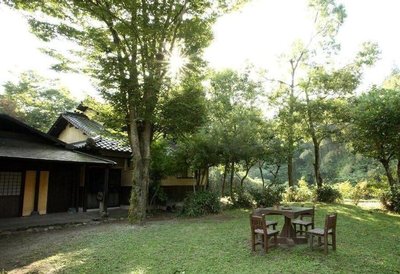
Yamashinobu
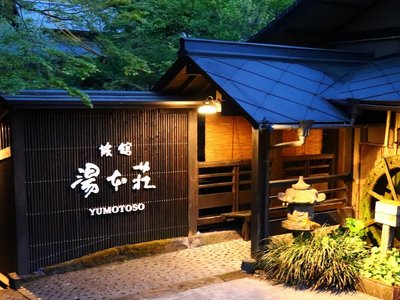
Ryokan Yumotosou
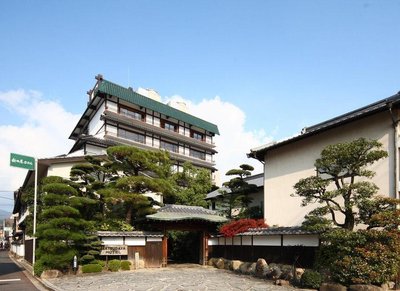
Matsudaya Hotel
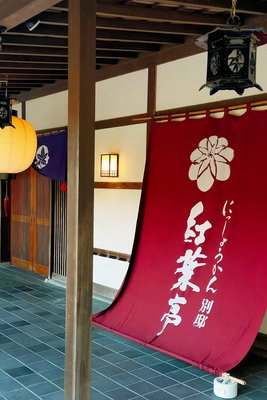
Nisshokan Bettei Koyotei
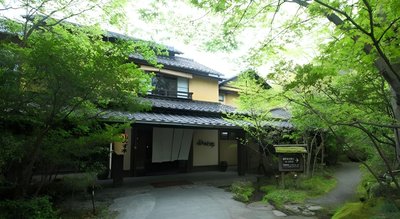
Kurokawaonsen Yamamizuki
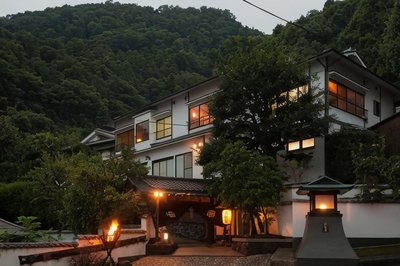
Beppu Showaen
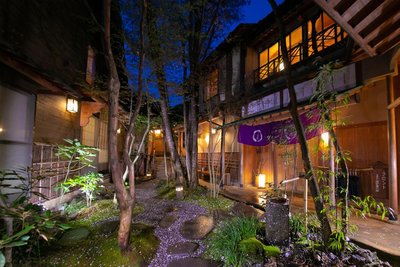
Oyado Ichizen
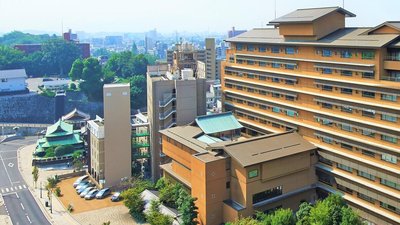
Yamatoya Honten

Garden Terrace Nagasaki Hotel & Resort
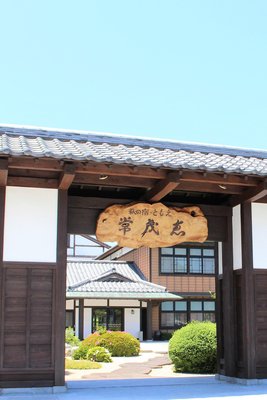
Hagi No Yado Tomoe
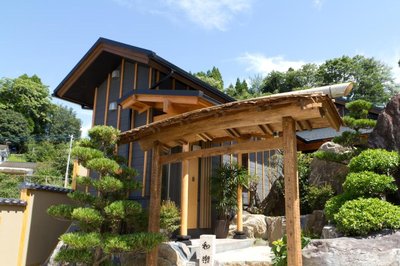
Ryokan Shinsen
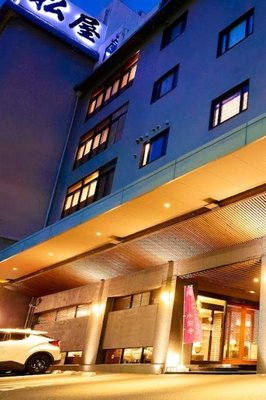
Ryotei Matsuya Honkan Suizenji
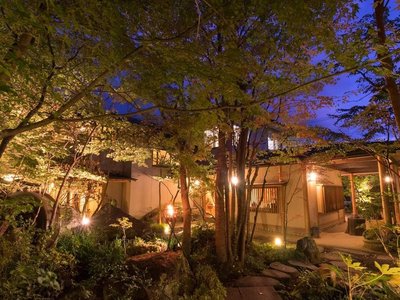
Ryoso Yufuin Yamadaya
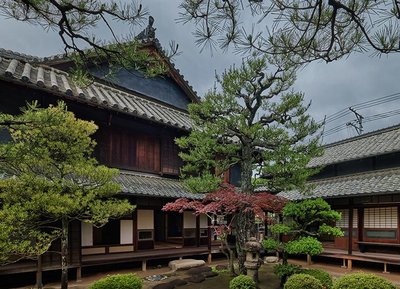
NIPPONIA HOTEL Takehara Saltworks Town
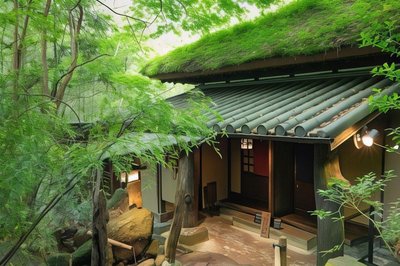
Sanso Tensui
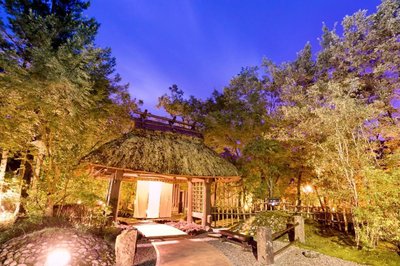
Satonoyu Waraku
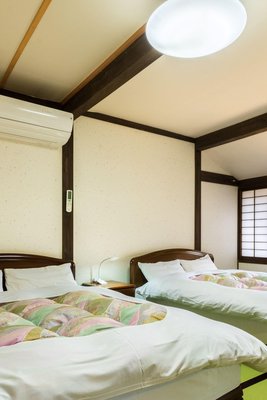
Tobise Onsen Tenga Sanso
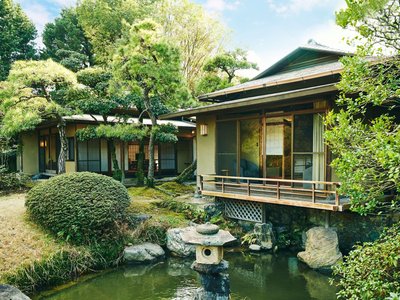
Suisui Garden Ryokan (in the Art Hotel Kokura New Tagawa)
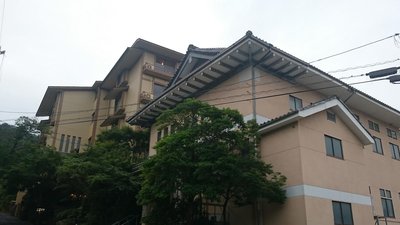
Miyajima Hotel Makoto
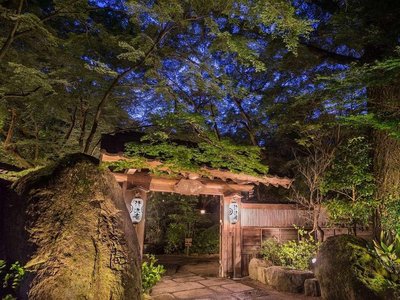
Akizuki Spa Ryokan Seiryuan
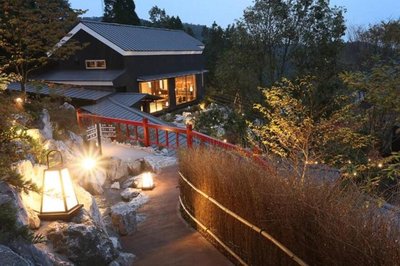
Gekkoju Kurokawa

Sheraton Kagoshima
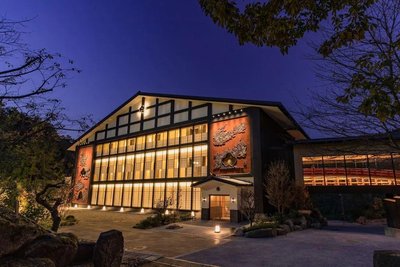
Okuhita Onsen Umehibiki
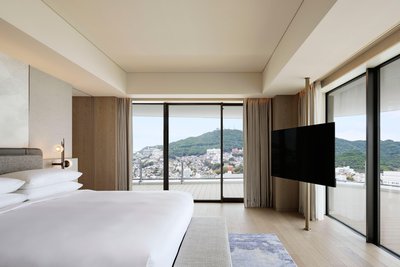
Nagasaki Marriott Hotel
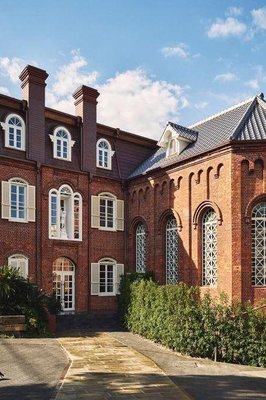
Hotel Indigo Nagasaki Glover Street by IHG

Stadium City Hotel Nagasaki

ONE FUKUOKA HOTEL
Ryokan Shinsen
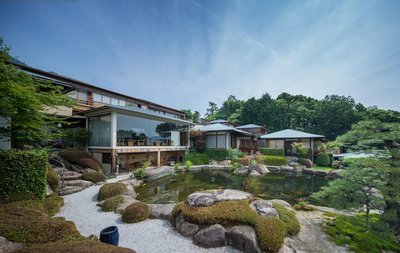
SEKITEI

Yamatoya Besso
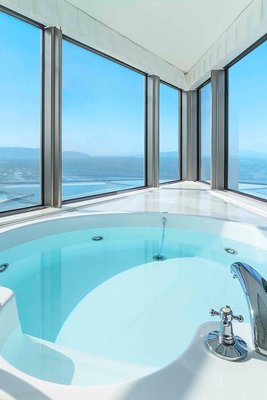
Hilton Fukuoka Sea Hawk

Olive Bay Hotel
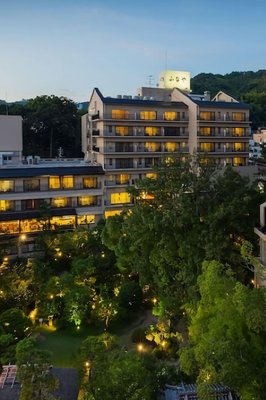
Funaya
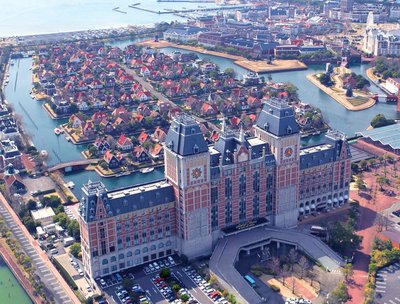
Hotel Okura Jr Huis Ten Bosch

Bettei Oborozukiyo
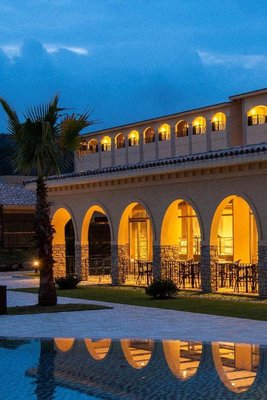
La Vista Kirishima Hills
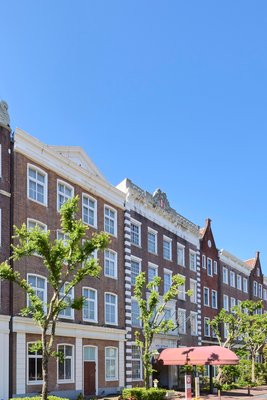
Hotel Amsterdam Huis Ten Bosch

Yumotoankiyohime
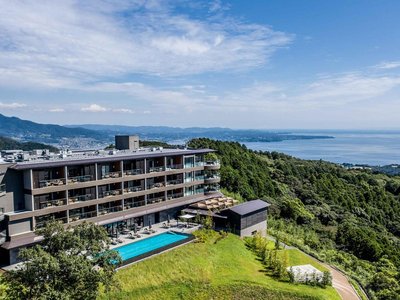
Ana InterContinental Beppu Resort & Spa
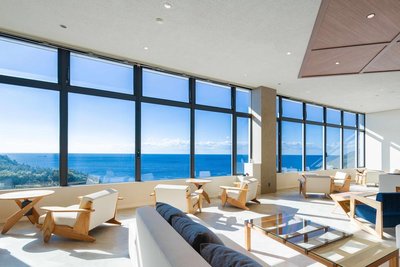
TheMana Village
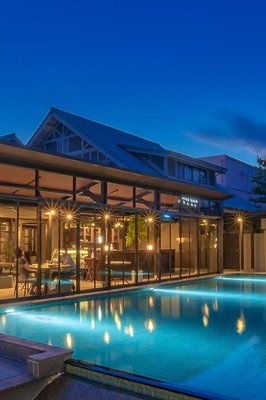
Amane Resort Gahama

Hotel Barrière Fouquet's New York
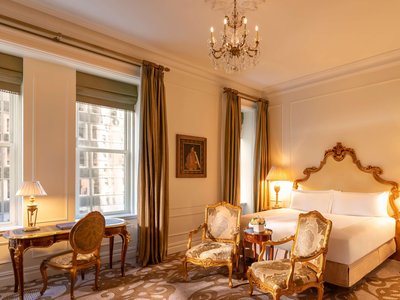
The Plaza - A Fairmont Managed Hotel
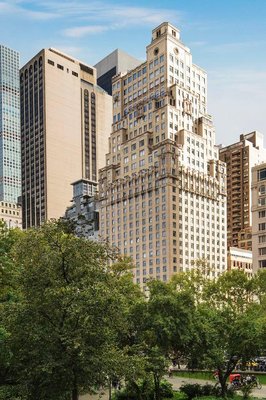
The Ritz-Carlton New York, Central Park

Four Seasons Hotel New York

The St. Regis New York

Park Hyatt New York

Mandarin Oriental New York

Times Square Edition New York

Loews Regency New York Hotel

Lowell Hotel
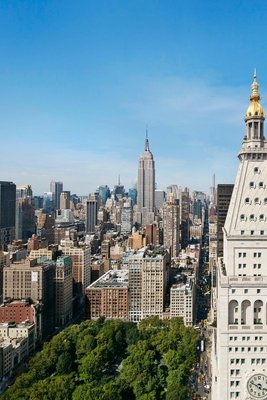
New York Edition

Baccarat Hotel New York

Equinox Hotel New York

Four Seasons Hotel New York Downtown

The Langham, New York, Fifth Avenue

The Carlyle, A Rosewood Hotel

The Chatwal, in the Unbound Collection by Hyatt

The Mark New York

Trump International Hotel & Tower® New York
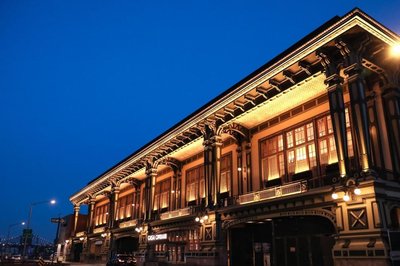
Casa Cipriani New York
Frequently Asked Questions about Traveling to Kashima
Questions You Might Need to Know About Traveling to Kashima
Top boutique stays in Kajishima Town include Umi-kaze Lodge, a coastal wooden villa offering direct access to Kumamoto Prefecture’s Natural Park and private hot springs. Another standout is Ryokan Kōbō, a restored Meiji-era house with tatami rooms, local art installations, and an on-site tea ceremony garden. Both properties emphasize sustainability, using solar power and sourcing ingredients from nearby farms. Guests enjoy personalized check-ins, seasonal menus, and curated cultural experiences like night-time lantern walks along the old riverbank. HopeGoo in advance is recommended, especially during spring festivals.
The Old Town District along Koyama River is ideal for travelers seeking authenticity. This historic neighborhood features preserved Edo-period architecture, cozy cafés, and family-run guesthouses like Koyama Craft Inn. Located just a 5-minute walk from Kajishima Station, it offers easy access to public transit while maintaining a peaceful, village-like atmosphere. The area hosts monthly farmers’ markets and evening storytelling sessions by local elders, giving visitors a rare glimpse into traditional rural life. Its central location also makes it perfect for day trips to nearby beaches and nature trails.
Immerse yourself in Kajishima’s annual Rice Planting Festival, where you can participate in traditional rice transplanting, taste black bean rice, and join a community-led bonfire gathering. At the Koyama River Pottery Workshop, guests craft their own ceramic pieces using local clay and ancient techniques. During summer, don’t miss the Lantern Night Parade, a magical event where handmade paper lanterns float down the river under starlit skies. These experiences require reservations through the Kajishima Tourism Association, and most include multilingual guides and cultural etiquette briefings.
Yes! Green Hill Family House is a highly recommended option, featuring three separate suites, a fenced backyard with play equipment, and a shared BBQ area. Kids can join hands-on farm activities like vegetable harvesting and making homemade pickles. The inn also runs a “Farm-to-Table” cooking class where families learn to prepare local dishes together. Nearby, the Kajishima Nature Education Center offers interactive exhibits on native wildlife and sustainable farming—perfect for curious young minds. All staff speak basic English, and amenities include strollers and baby-safe dining options.
Capture stunning shots at Koyama River Waterfalls, especially at dawn when mist swirls around the cascades, creating a dreamlike atmosphere. The Centennial Cherry Blossom Avenue near Kajishima Shrine bursts into bloom every spring, framing the iconic torii gate in soft pink hues. For a unique perspective, visit the Stone Wall Ruins at sunset—where rugged stone structures meet golden light reflecting off the sea. Bring a tripod and wide-angle lens, and always respect restricted zones marked by signage. Local photographers often gather here for group shoots, so consider joining one for tips and camaraderie.
Must-try dishes include Koyama Eel Donburi, made with eel raised in local ponds—tender, sweet, and served over freshly cooked rice with a rich glaze. Another highlight is Kajishima Tofu Soup, crafted from locally grown soybeans, wild mushrooms, and kombu broth for deep umami flavor. Visit Akutsu Dining House in the Old Town for daily limited wood-fired grilled fish bowls and homemade salted plum preserves. All restaurants prioritize traceability—menu cards list farm sources—and many offer storytelling sessions about regional food heritage, enhancing the dining experience.
Yes, despite being rural, Kajishima Town has reliable transport. Kajishima Station is served by JR Kyushu trains connecting to Kumamoto City and Ōita Prefecture, with a journey time of about 45 minutes. Within town, electric bicycles are available for rent, and the Kajishima Community Bus covers major attractions and lodging hubs. For remote spots like the upper Koyama River trail, guided tours are recommended due to narrow, unpaved roads. The Tourist Information Center provides multilingual maps and real-time schedules in Japanese, English, and Chinese, ensuring smooth navigation.
A stay of 2 to 3 days is ideal to fully experience Kajishima Town’s tranquil rhythm. Day one: explore Kajishima Shrine and the riverside walking path, then enjoy a local dinner at your inn. Day two: join a farm tour and pottery workshop, followed by a visit to the coastal ruins. Day three: attend a nature education session or shop for souvenirs at the artisan market. This pace allows meaningful engagement with culture, nature, and locals—perfect for travelers seeking mindfulness, creativity, and authentic connection.
Yes, many inns provide complimentary or optional guided tours led by longtime residents. Umi-kaze Lodge and Kōbō Ryokan offer walking tours through historic alleyways, visits to traditional fishing tool exhibitions, and talks on local conservation efforts. Tours may include live demonstrations—like bamboo basket weaving or indigo dyeing—and even nighttime sky-watching with telescopes. Sessions typically run from 9:00 AM to 11:00 AM or 4:30 PM onward. Reservations are advised due to limited capacity, and all guides are trained in multilingual communication.
Most guesthouses serve local-style breakfasts featuring freshly baked whole-grain bread, free-range eggs from nearby farms, seasonal fruit platters, and hearty miso soup. Premium inns like Kōbō Ryokan offer a "Forest Breakfast" experience—dining under a covered veranda with live shakuhachi flute music. Meals emphasize zero-waste practices and ingredient transparency, with sourcing details listed on menus. Special dietary needs (vegetarian, allergies) can be accommodated upon request, ensuring a safe and enjoyable start to each day.
Kashima Overview
City Summary
Kashima-machi in Kumamoto Prefecture, Japan, is a tranquil town renowned for its rustic landscapes and onsen culture. With rich historical heritage and natural scenery, its core appeal lies in the harmonious blend of traditional Japanese gardens and volcanic geothermal resources, ideal for slow travel enthusiasts.
Must-See Attractions
Must-visits include Seiwa Bunraku-kan (traditional puppet theater), Kashima Onsen District (multiple natural hot spring ryokans), and seasonal vistas at Kikuchi Gorge. Recommended activities: farm stays and soba noodle-making workshops.
Food Guide
Try basashi (horse sashimi, a Kumamoto specialty), Taipeiyan (local egg noodles), and jigoku-mushi (steamed dishes at onsen streets). Pair akashu (sweet potato shochu) with local appetizers.
Transportation Guide
Take the JR Hōhi Main Line from Kumamoto City to Kashima Station (25 mins; infrequent schedules). Rent bicycles (some ryokans offer free rentals) or walk within town. For outskirts, book taxis (¥3,000-5,000/ride).
Note: Few English signs; download offline maps.
Best Time to Visit
Best in April (cherry blossoms) and November (fall foliage), temps 15-22°C. Avoid August (Obon festival) and rainy season (June-July).
Travel Tips
- Onsen etiquette: Rinse before bathing, no swimsuits allowed
- Cash-only: Most rural shops don't accept cards
- Quiet culture: Avoid loud conversations in public
- Trash: Strict recycling (ryokans may assist)
- Sun protection: Strong UV rays in summer
- Reservations: Premium ryokans require 1-3 month advance HopeGoo
Useful Information
Language: Minimal English; use translation apps Internet: Scarce WiFi; buy SIM cards (available at Kumamoto Station) Payment: Withdraw cash at postal ATMs (¥220 fee/transaction) Emergencies: Only 1 clinic in town (9:00-17:00); severe cases go to Kumamoto University Hospital Religion: Shinto customs common; purify hands/mouth before shrine visits Voltage: 100V (Type A plugs compatible)