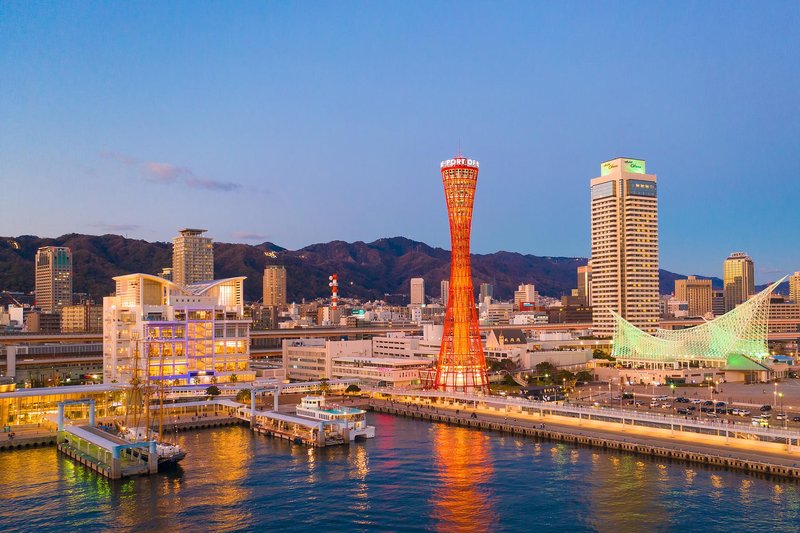
Hotels in Katashina
Discover your perfect stay in Katashina.
Katashina(Japan) Travel 2026: Cheap Flights, Hotels & Top Attractions
Popular Landmarks in Katashina
Discover the most iconic attractions in Katashina
Recommended Hotels in Katashina
Find the perfect place to stay in Katashina
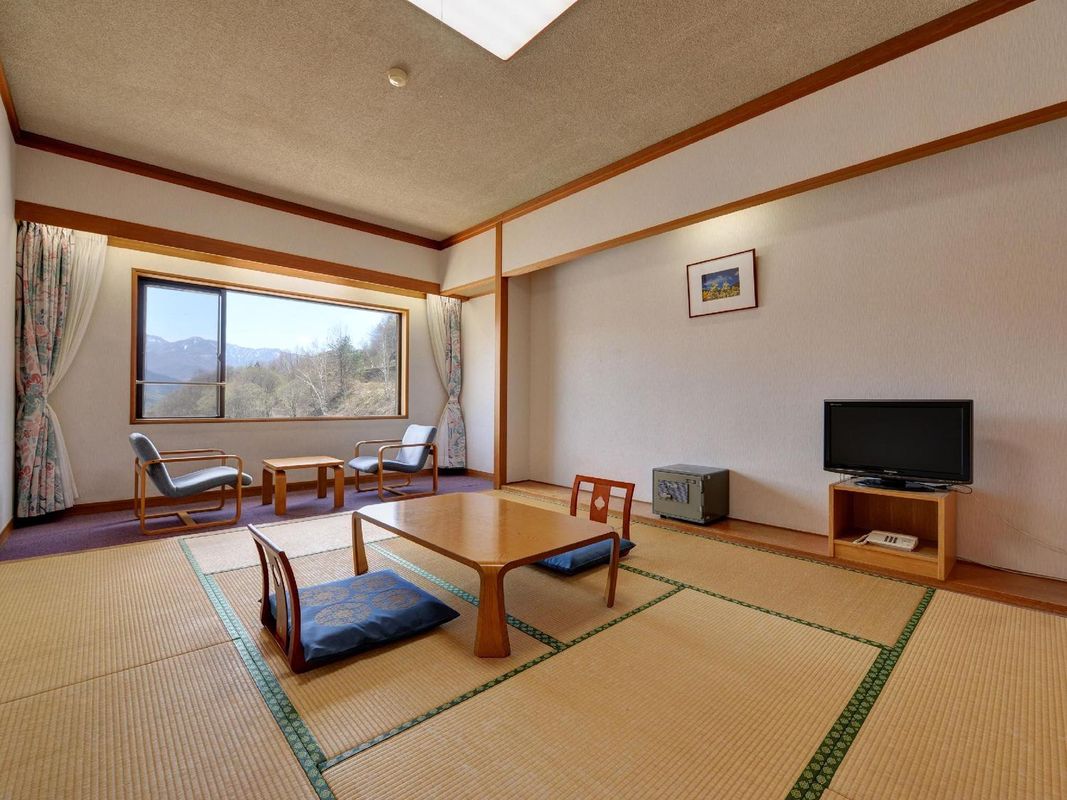
Oze Iwakura Resort Hotel
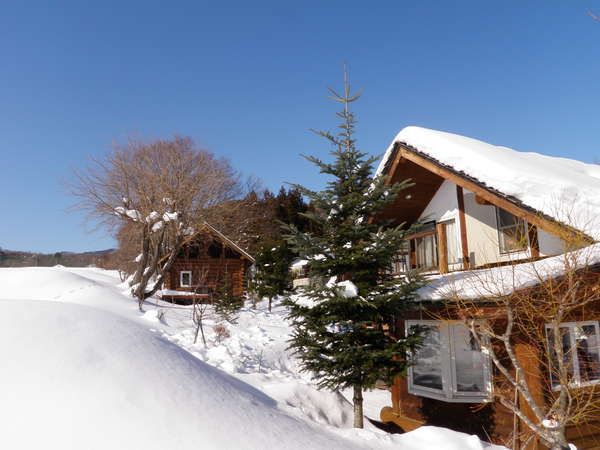
Evergreen
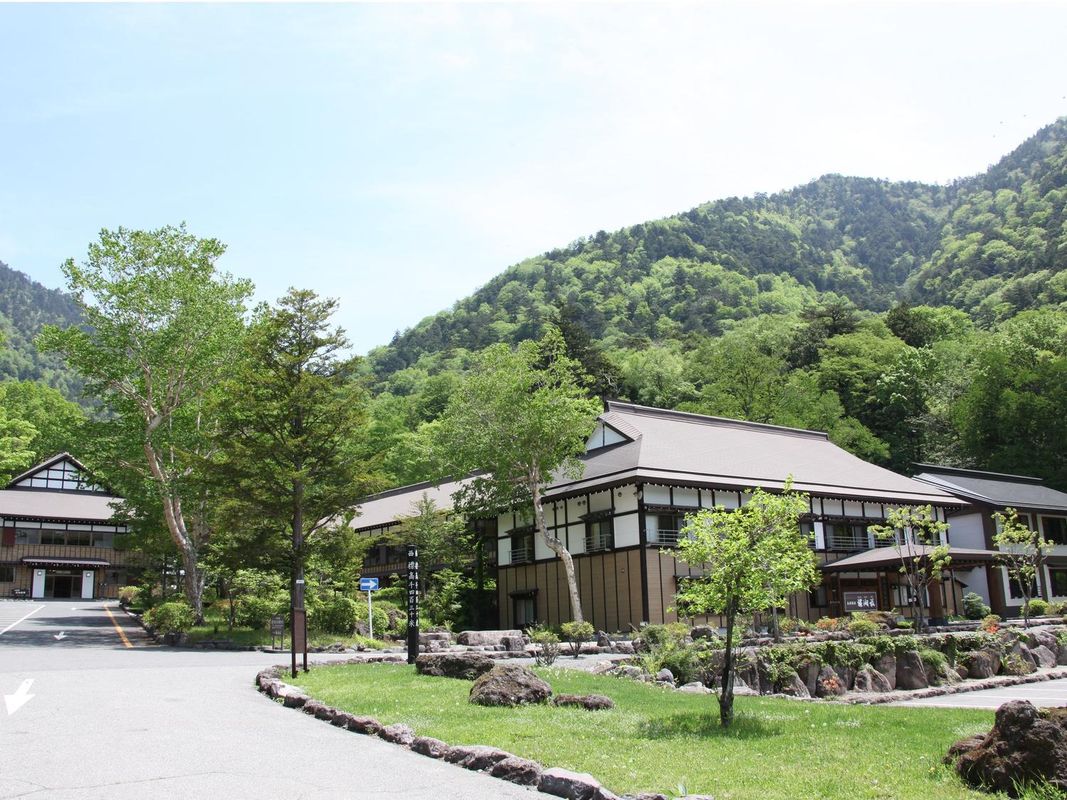
Kankoso
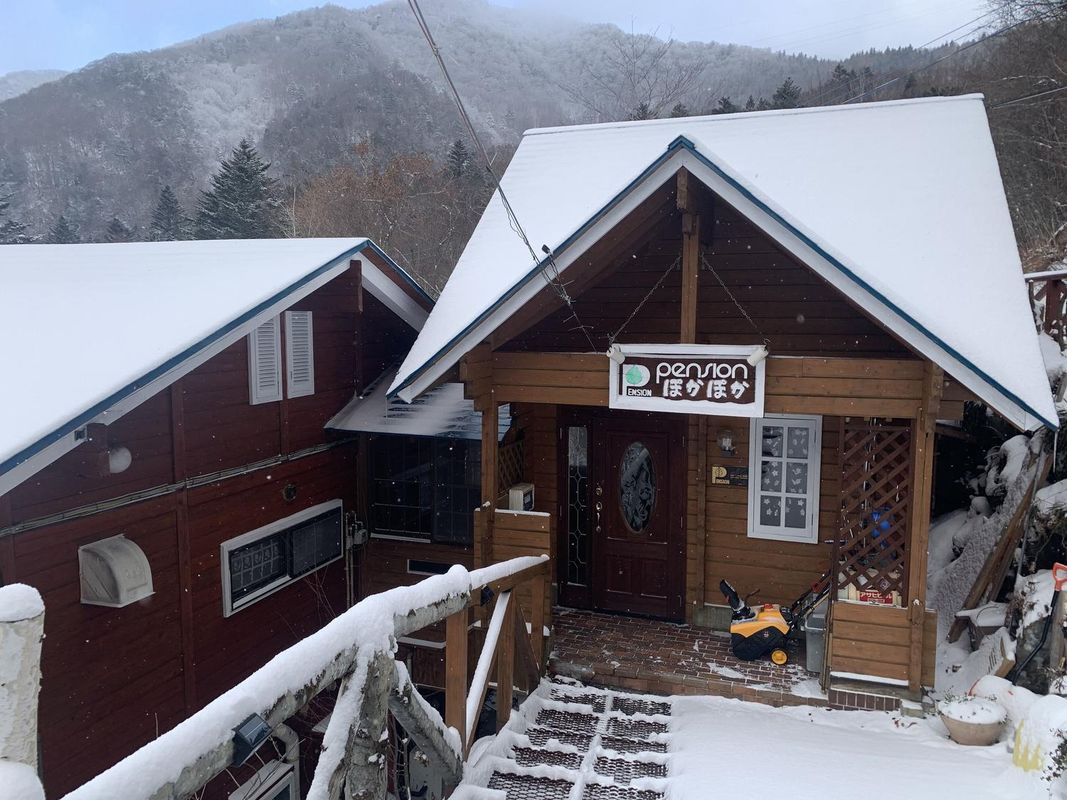
Pension Poka Poka
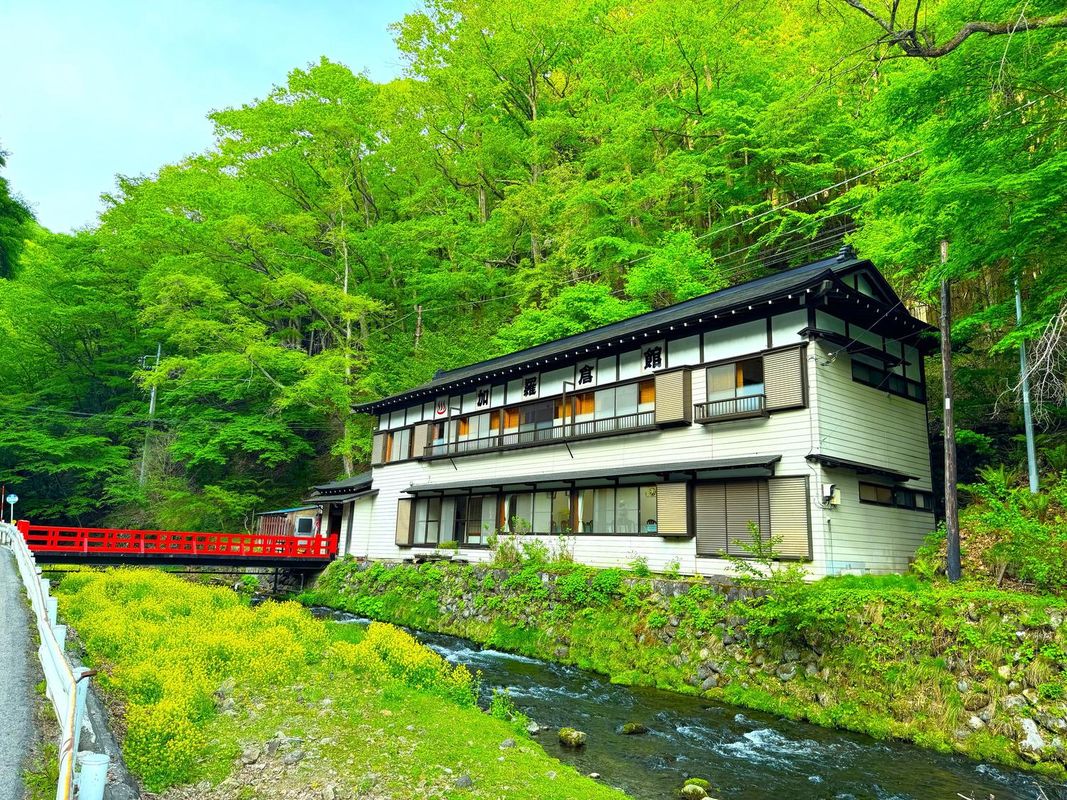
Karakurakan
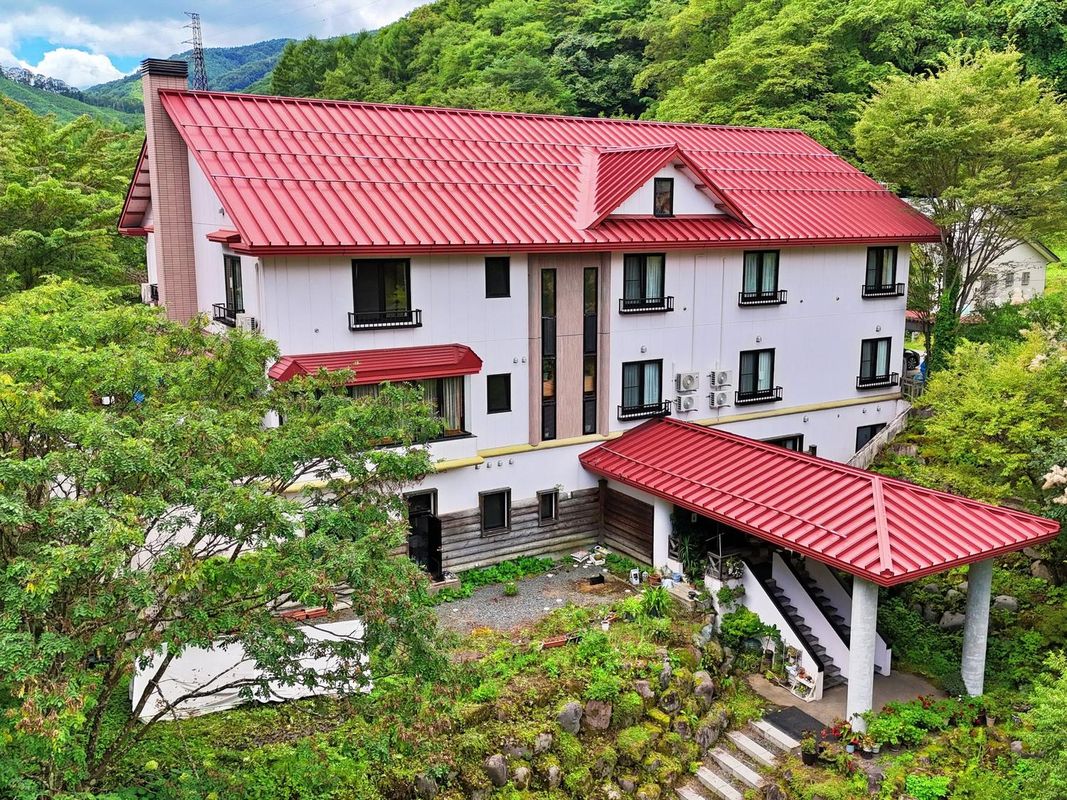
Ryokan Miyuki
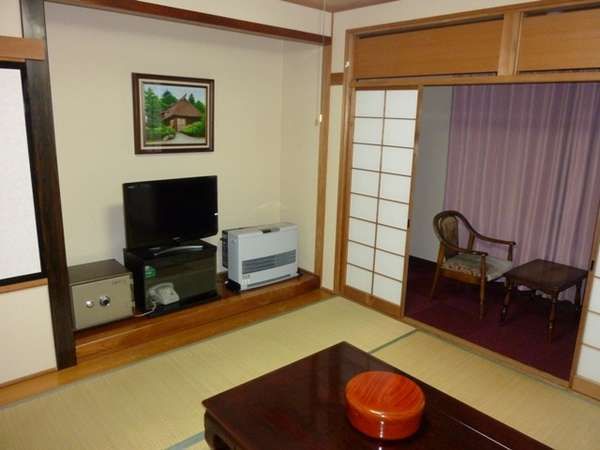
Kodakaranoyu Shiojiri Hotel
Best Hotels in Katashina
Discover curated hotel collections in Katashina
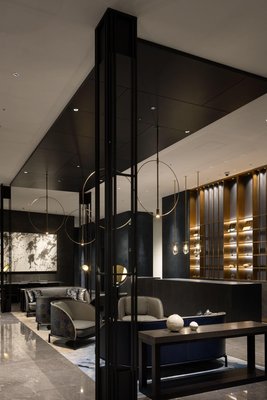
Bellustar Tokyo, A Pan Pacific Hotel
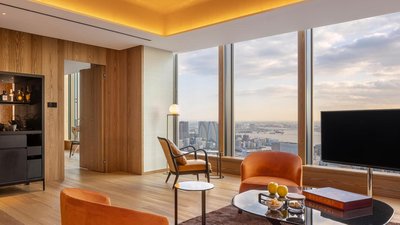
Bvlgari Hotel Tokyo
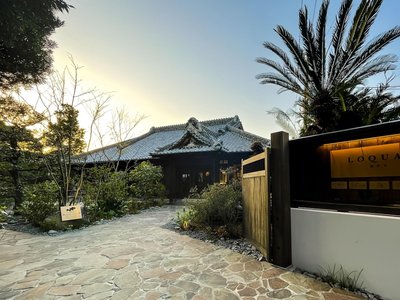
Loquat Nishiizu
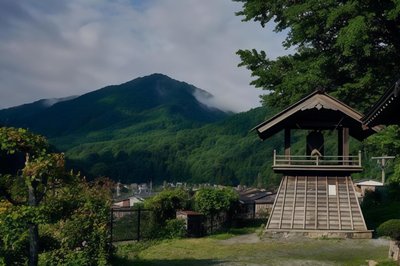
Byaku Narai
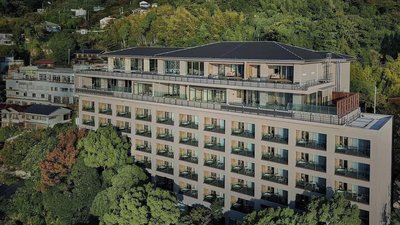
Atami Izusan Karaku
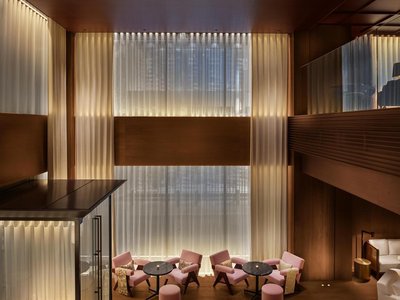
The Tokyo Edition, Ginza
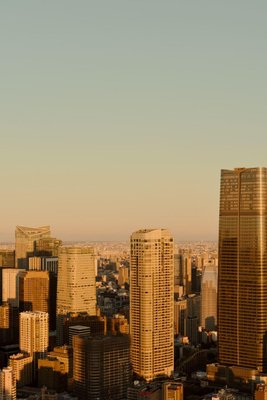
Janu Tokyo
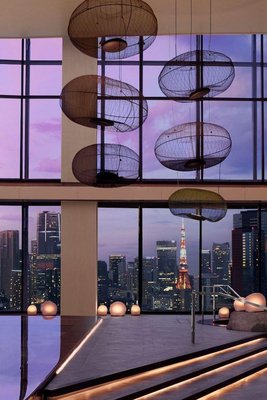
JW Marriott Hotel Tokyo
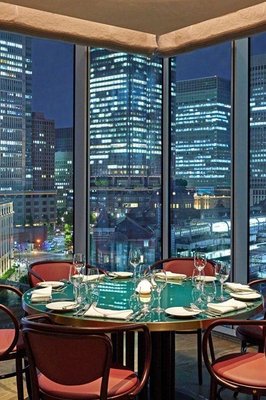
Four Seasons Hotel Tokyo at Marunouchi

Mandarin Oriental, Tokyo
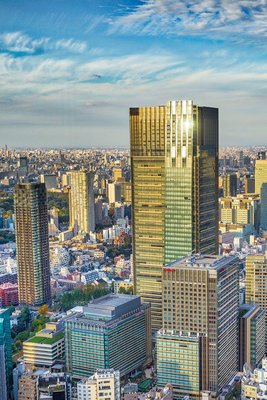
The Ritz-Carlton, Tokyo
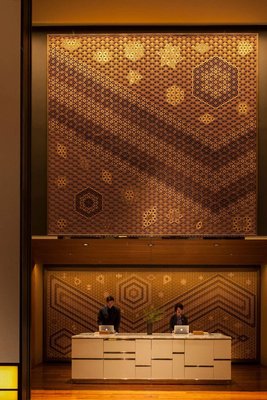
Andaz Tokyo Toranomon Hills- A Concept by Hyatt
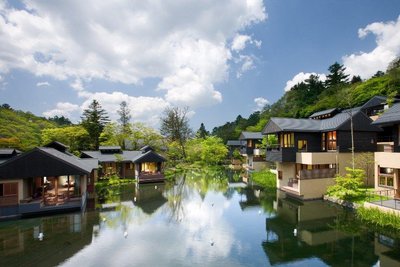
Hoshinoya Karuizawa
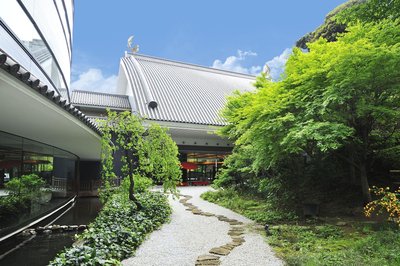
Hotel Gajoen Tokyo
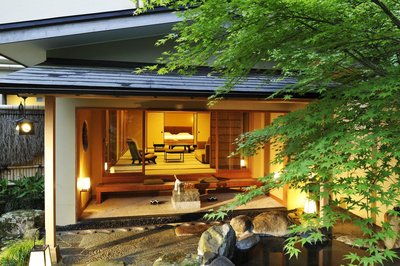
Gora Kadan
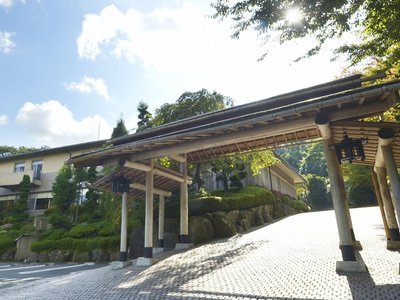
Gora Hanaougi
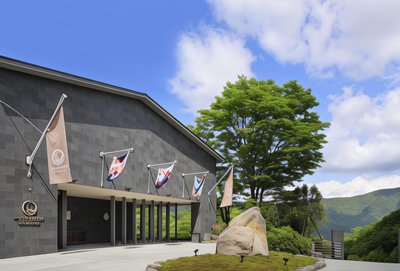
The Hiramatsu Hotels & Resorts Sengokuhara Hakone
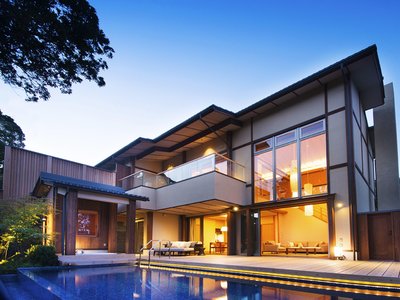
Abba Resorts Izu - Zagyosoh
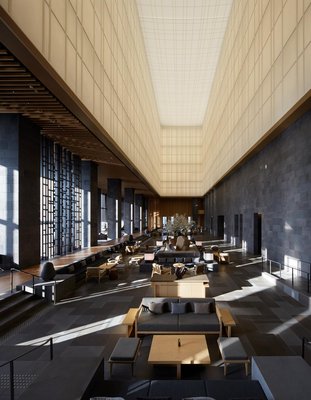
Aman Tokyo
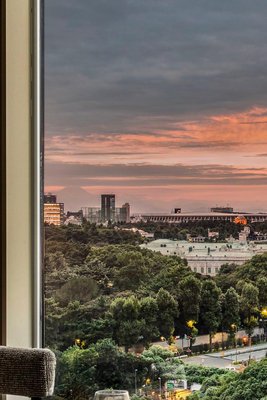
Hotel New Otani Tokyo, Executive House Zen
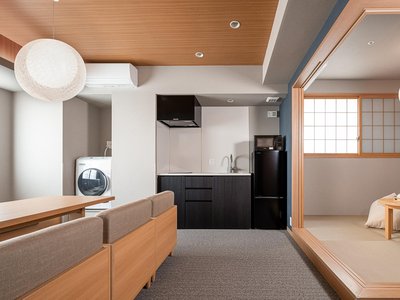
MIMARU SUITES Tokyo Asakusa
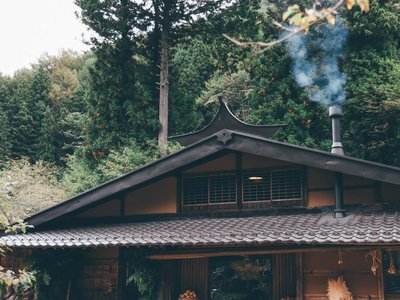
La Terra Resort
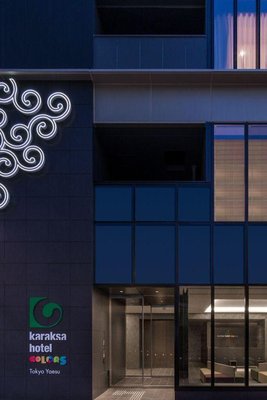
karaksa hotel colors Tokyo Yaesu
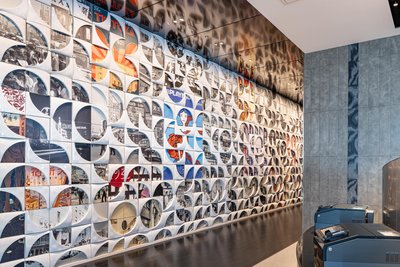
HOTEL GROOVE SHINJUKU, A PARKROYAL Hotel

EN Resort Grandeco Hotel
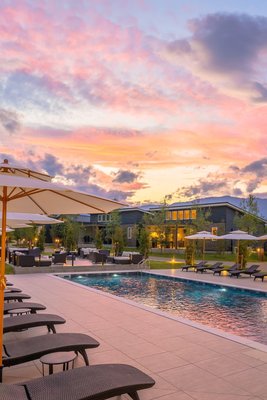
Awaumi Fujikawaguchiko Resort
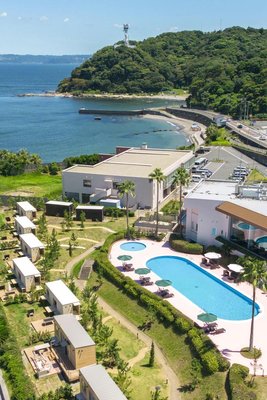
La vista Yokosuka Kannonzaki Terrace
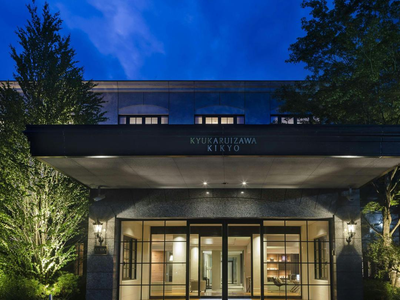
Fufu Karuizawa Wind of Sunshine
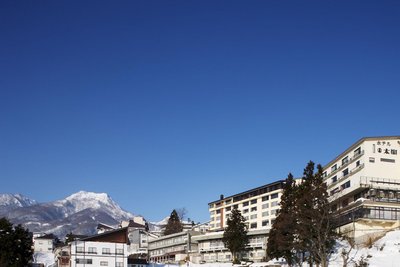
Hotel Taiko, Akakura Onsen
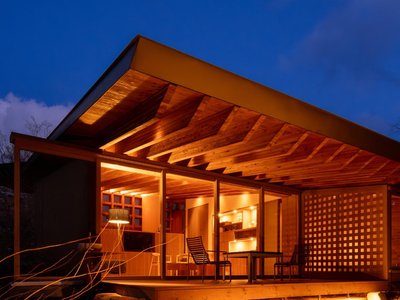
Nasu Mukunone
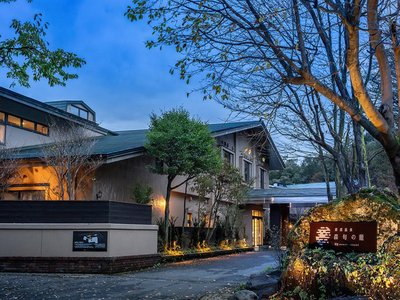
Nasu Onsen Shinshun no Kago Hewitt Resort

Scapes the Suite
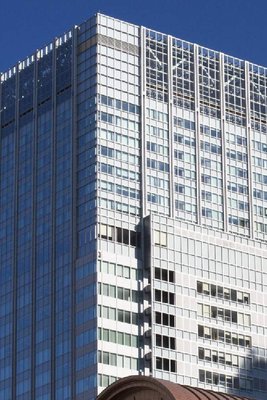
Hotel Metropolitan Tokyo Marunouchi
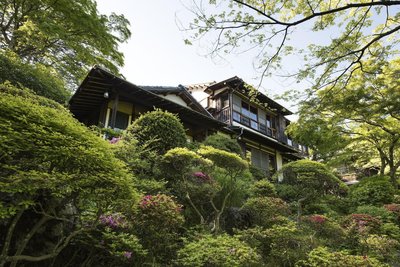
Gora Kansuiro
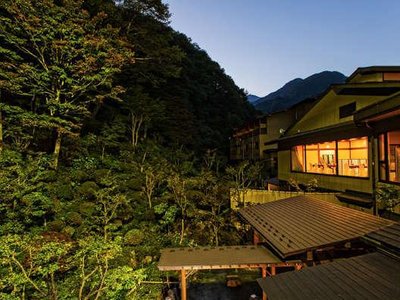
Futari Shizuka
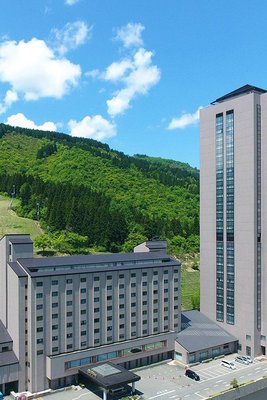
Naspa New Otani
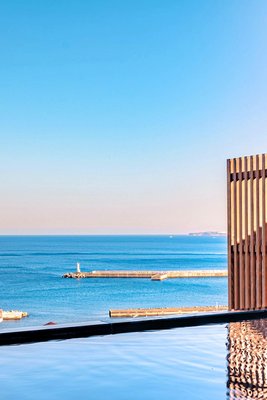
HOTEL KANICHI
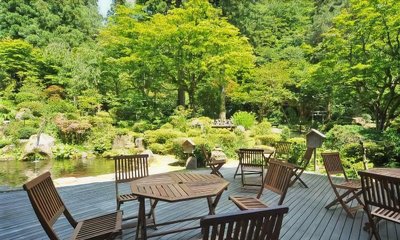
Choseikan
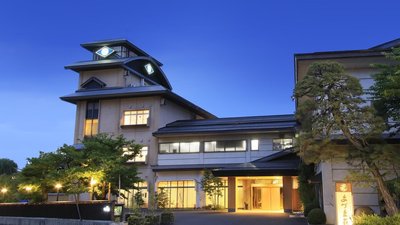
Shouhakutei Azumaso
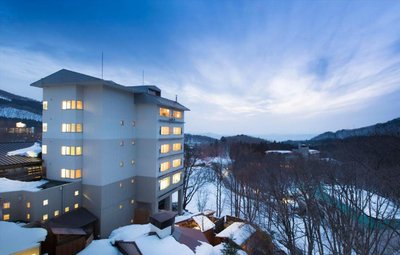
Takamiya Hotel Lucent
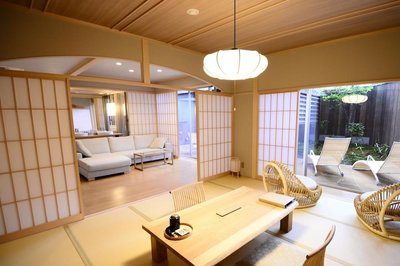
Hakone Gora Byakudan
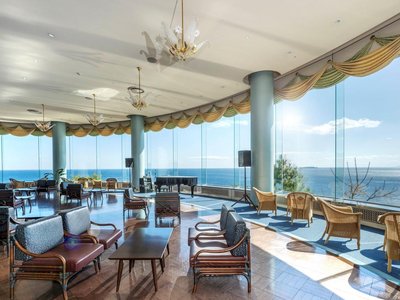
Hotel New Akao
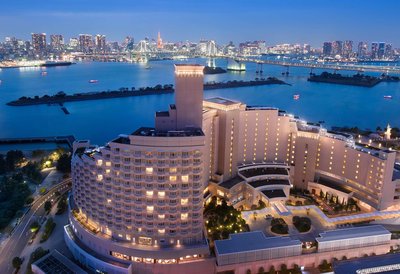
Hilton Tokyo Odaiba
JW Marriott Hotel Tokyo
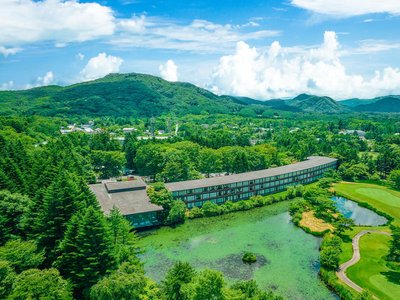
The Prince Karuizawa
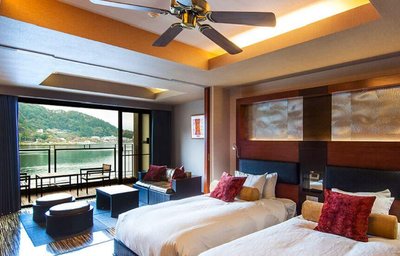
The Kukuna
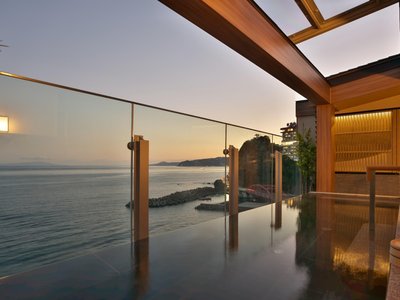
Hotel New Sagamiya
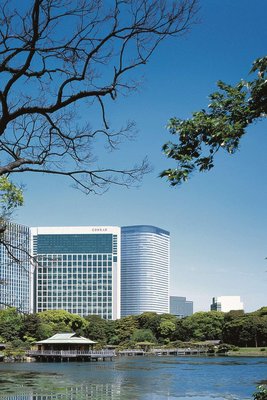
Conrad Tokyo
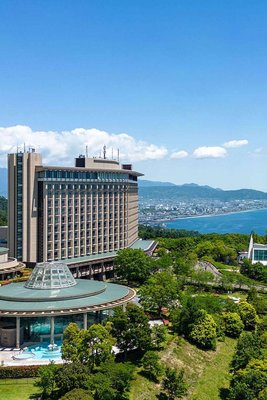
Hilton Odawara Resort & Spa
Hoshinoya Karuizawa
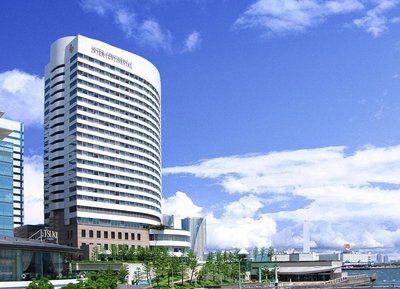
InterContinental Tokyo Bay
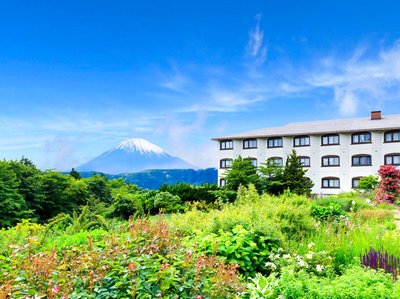
Hotel Green Plaza Hakone
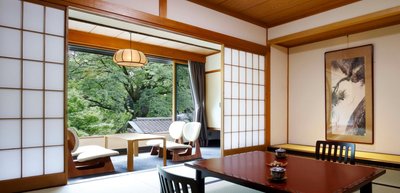
Yoshiike Ryokan
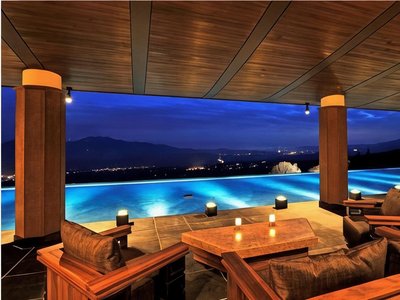
Akakura Kanko Hotel
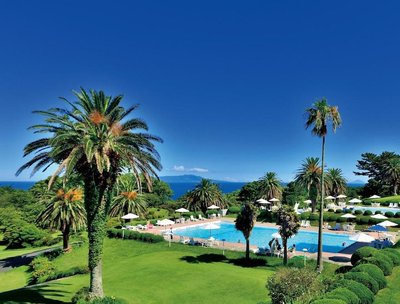
Kawana Hotel
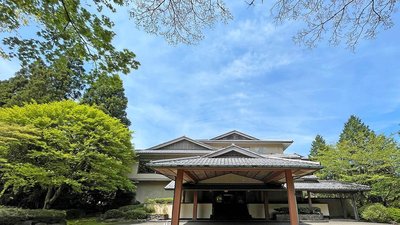
Ryuguden
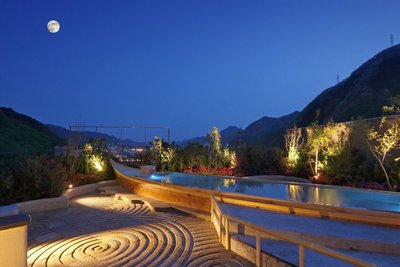
Asaya
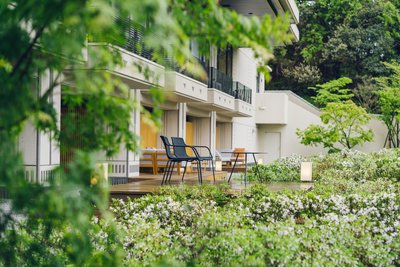
Hoshino Resorts Kai Enshu
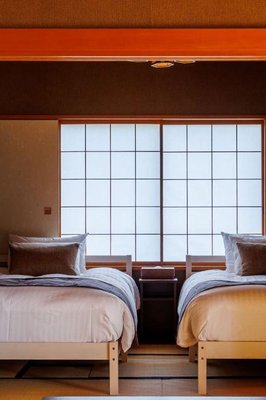
Sado Resort Hotel Azuma
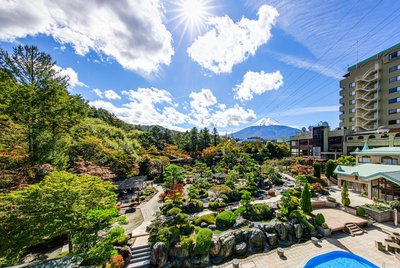
Kaneyamaen
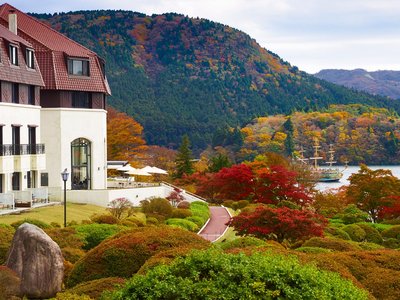
Hotakajyo
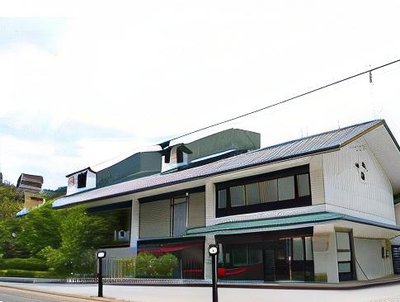
Auberge Suzukane

Onyado Nono Asakusa Bettei Hot Spring
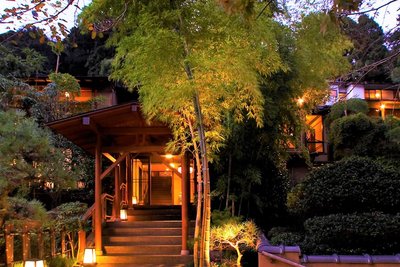
Shiki wo Ajiwau Yado Yamano Chaya
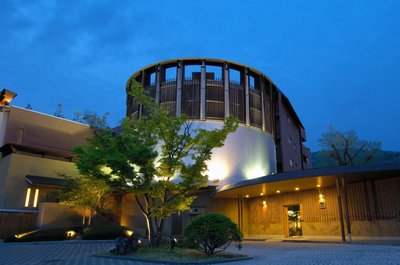
Hoshino Resorts Kai Matsumoto
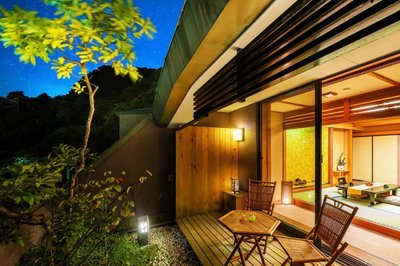
Konjakutei
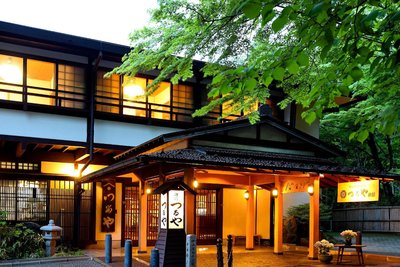
Tsuruya Ryokan
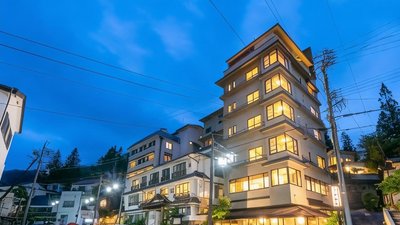
Nakamatsuya Ryokan
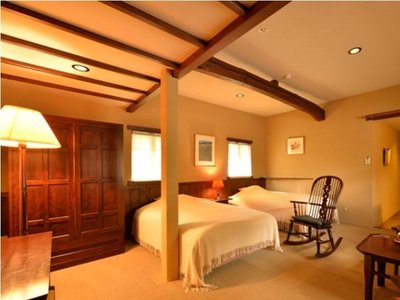
Ryokan Sugimoto
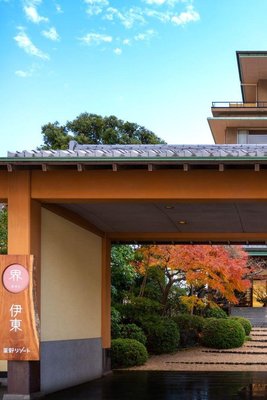
Hoshino Resorts Kai Ito
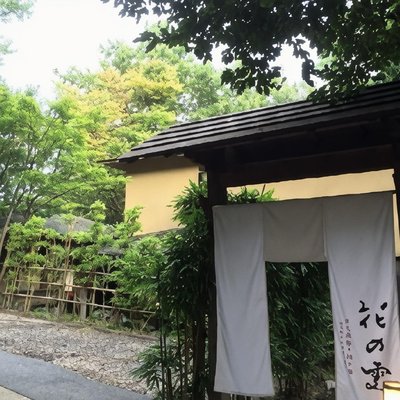
Hana No Kumo
Yoshiike Ryokan
Hotel Gajoen Tokyo
Gora Hanaougi
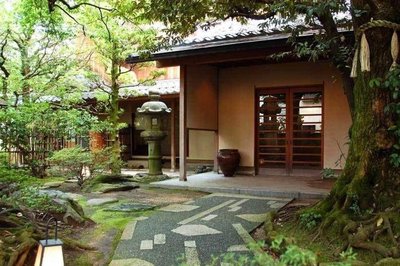
Kocho
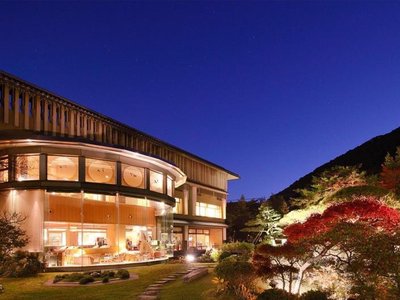
Shikisai Ichiriki
Sado Resort Hotel Azuma
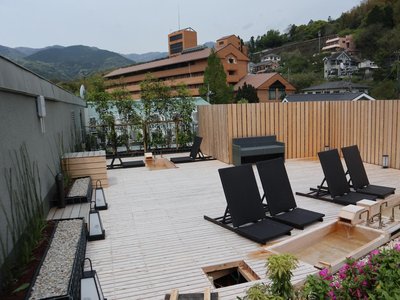
Fukiya Ryokan
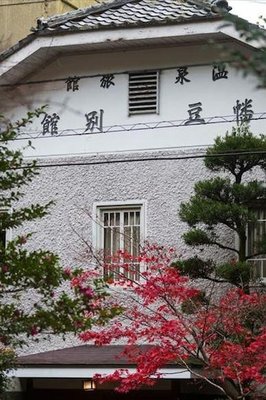
Oku-Mikawa・Yuya Onsen HAZU Bekkan
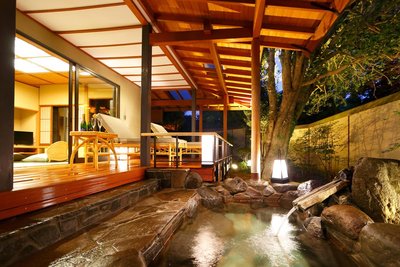
Yoshiharu Ryokan – Izu Nagaoka Onsen
Bellustar Tokyo, A Pan Pacific Hotel
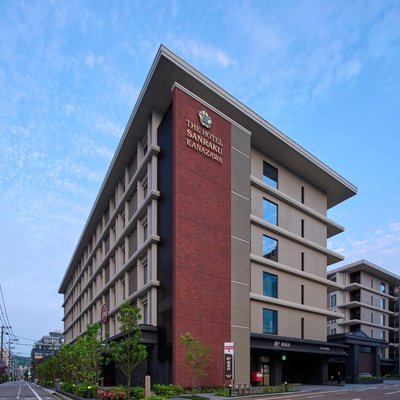
The Hotel Sanraku Kanazawa 21th December 2022 Open
JW Marriott Hotel Tokyo
Andaz Tokyo Toranomon Hills- A Concept by Hyatt
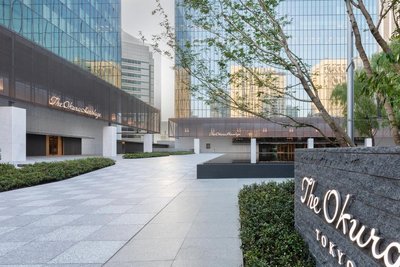
The Okura Tokyo
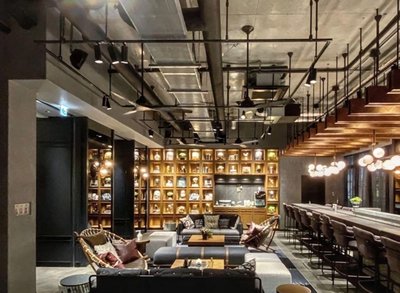
The Lively Azabujuban Tokyo
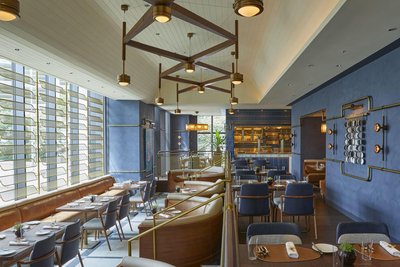
Kimpton Shinjuku Tokyo

HOTEL K5
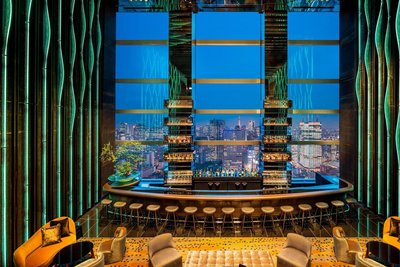
The Prince Gallery Tokyo Kioicho, a Luxury Collection Hotel
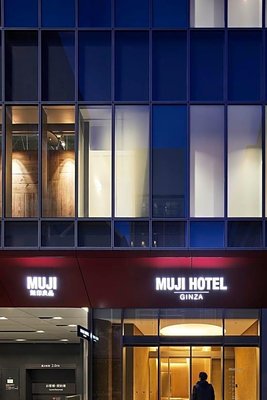
Muji Hotel Ginza
Hakone Gora Byakudan
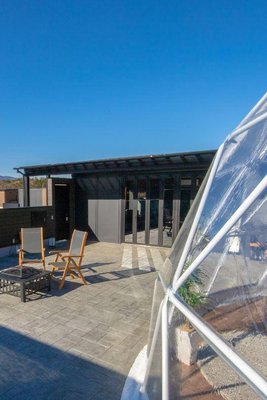
Panoramic Mt. Fuji Views from All Rooms – Vision Glamping Resort & Spa Yamanakako
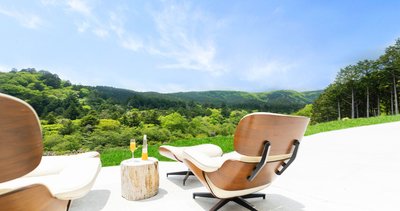
Shelter Garden Nikko
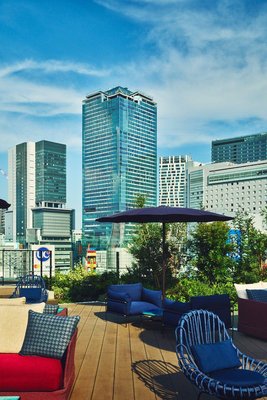
Hotel Indigo Tokyo Shibuya
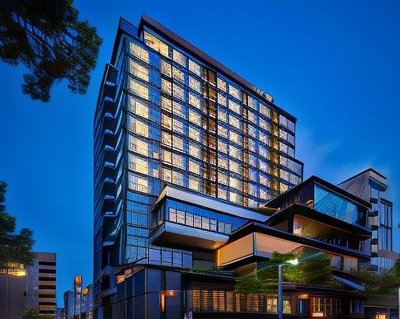
TIAD, AUTOGRAPH COLLECTION
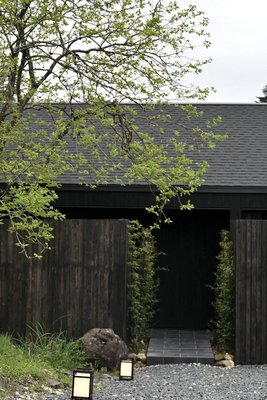
THE LAKOTAN
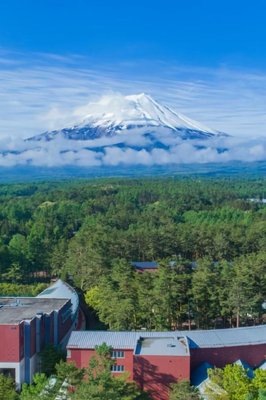
Forest Village (Fuji Premium Resort)
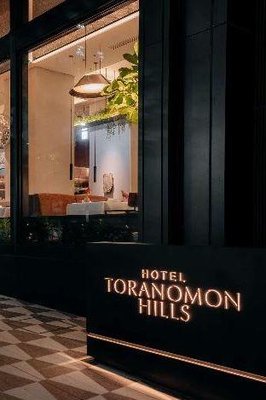
Hotel Toranomon Hills
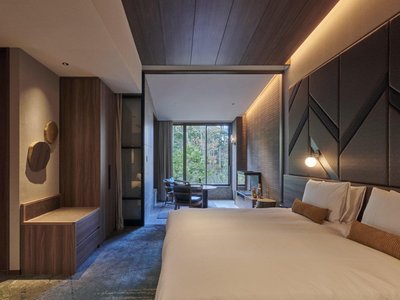
Fufu Kyu-Karuizawa Restful Forest
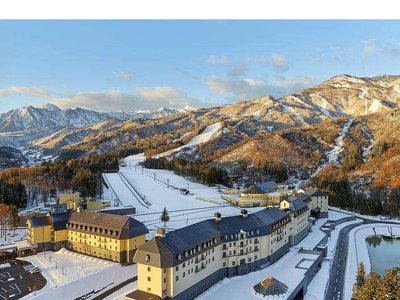
Lotte Arai Resort
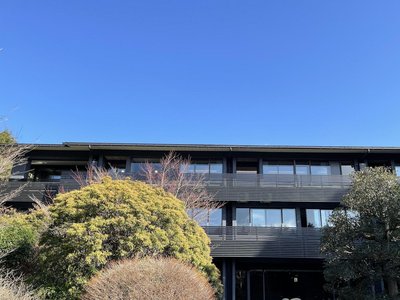
Sengokubara Cocon
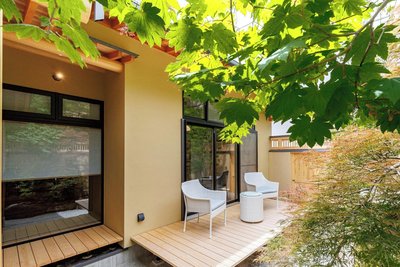
Shoraiso
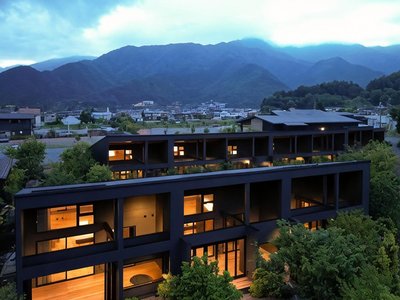
7C Villa and Winery
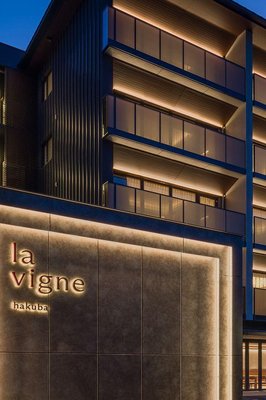
Hotel la Vigne Hakuba by Onko Chishin
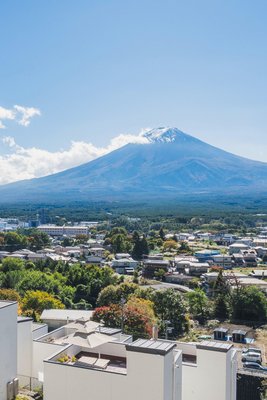
THE TOKI FujiKawaguchiko
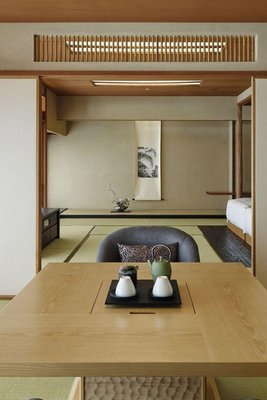
Takanawa Hanakohro (in Grand Prince Hotel Takanawa)
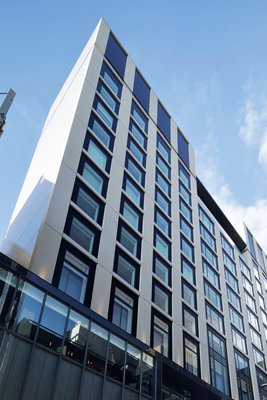
Hyatt Centric Ginza Tokyo
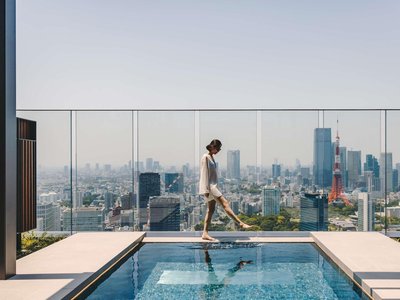
Fairmont Tokyo
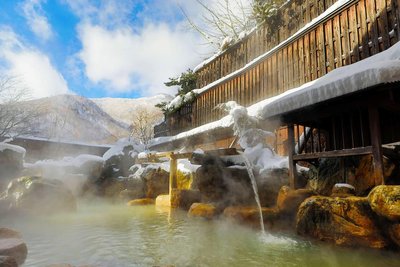
Miyamaouanbekkan yumegurinoyado hirayukan
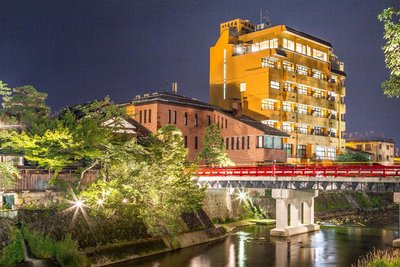
HONJIN HIRANOYA BEKKAN
Bvlgari Hotel Tokyo
Four Seasons Hotel Tokyo at Marunouchi
Mandarin Oriental, Tokyo
The Ritz-Carlton, Tokyo
Andaz Tokyo Toranomon Hills- A Concept by Hyatt
Gora Kadan

Hotel New Otani Tokyo the Main
Aman Tokyo
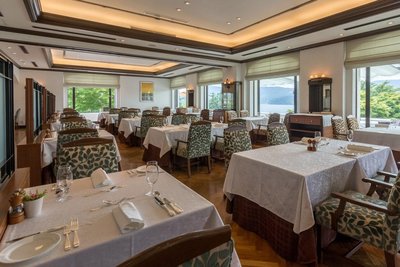
Odakyu Hotel de Yama
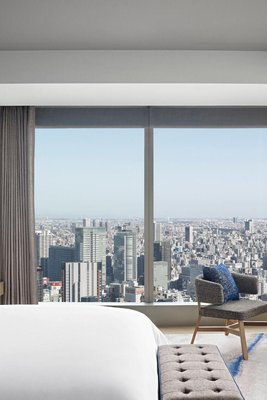
Four Seasons Hotel Tokyo at Otemachi
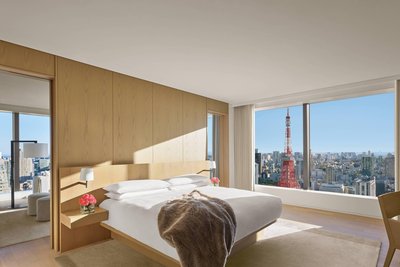
The Tokyo Edition, Toranomon
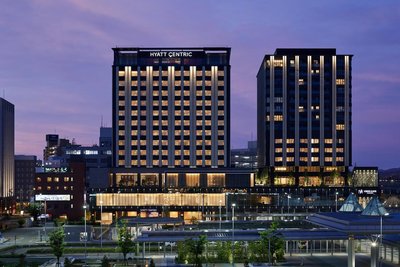
Hyatt Centric Kanazawa
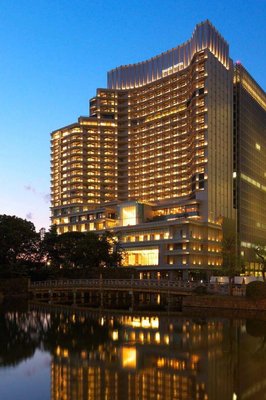
Palace Hotel Tokyo
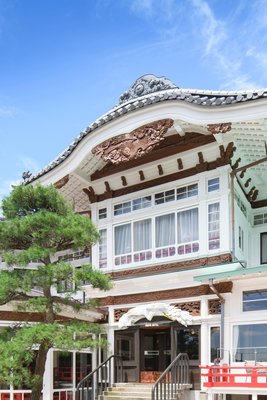
Fujiya Hotel
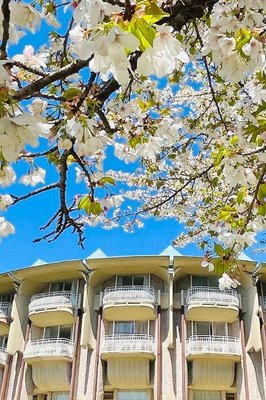
The Prince Hakone Lake Ashinoko
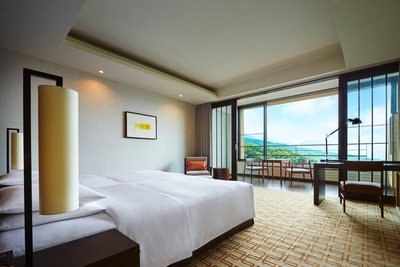
Hyatt Regency Hakone Resort and Spa
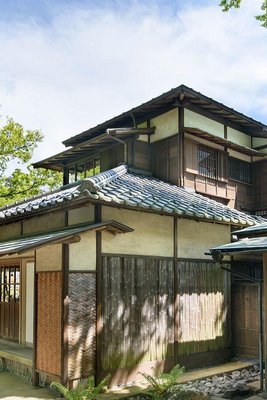
Hakone Suishoen
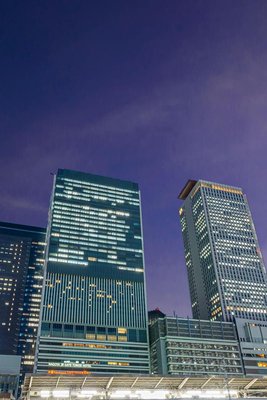
Nagoya JR Gate Tower Hotel (JR-Central Hotels)
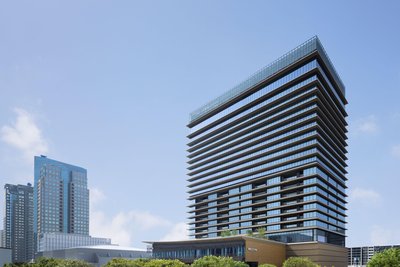
The Westin Yokohama
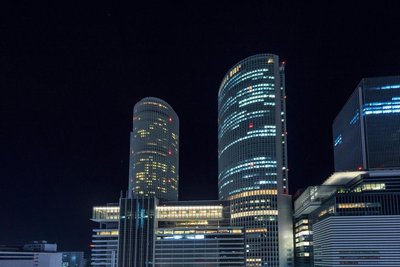
Nagoya Marriott Associa Hotel
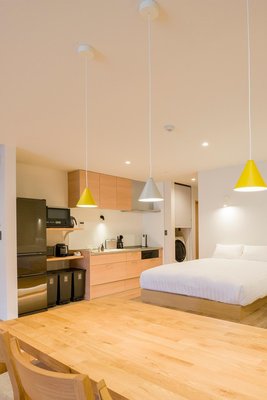
Rakuten STAY VILLA Nasu
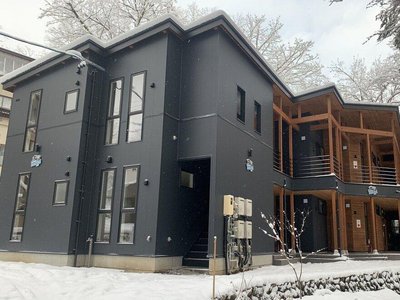
Hakuba Gondola Apartments
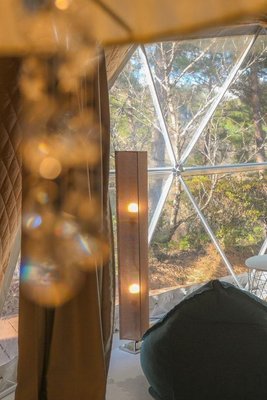
glampark Gekkabijin Nagano
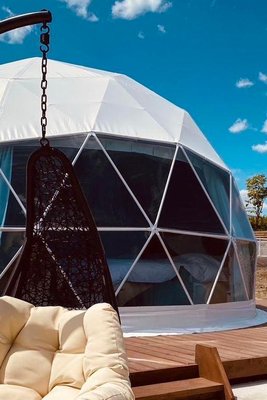
chillout glamping zao
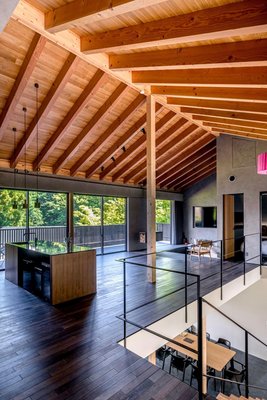
MONS GORA
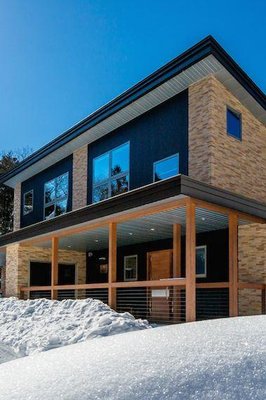
Phoenix Chalets by Hhg
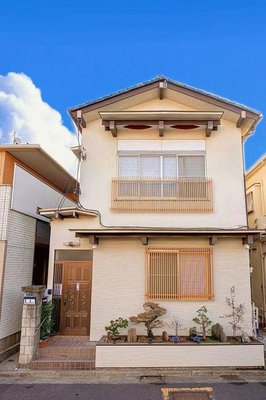
Tokyo Star House-Shinkoiwa
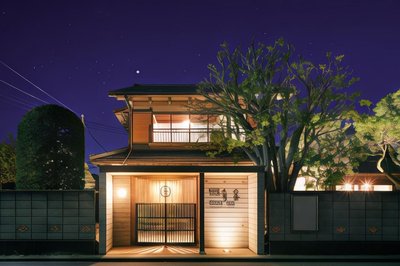
Machi-Jyu
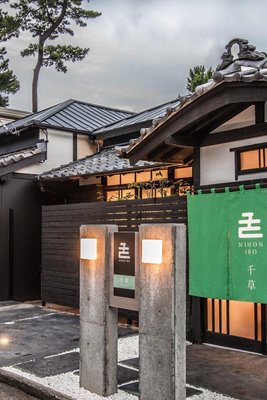
Nihon Iro
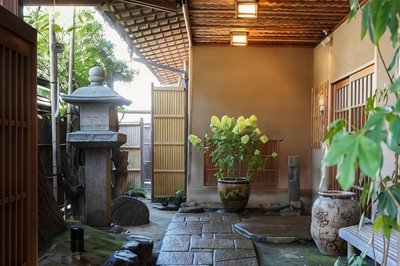
Ryokan Asadaya
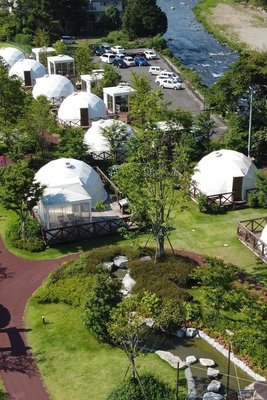
Ufufu Village
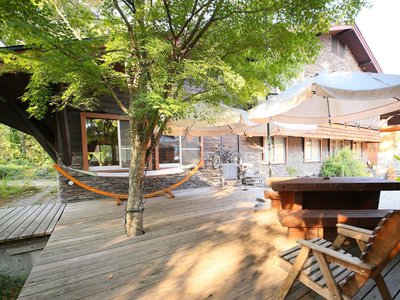
Kunugi Relaxation with 4 Modern Rooms
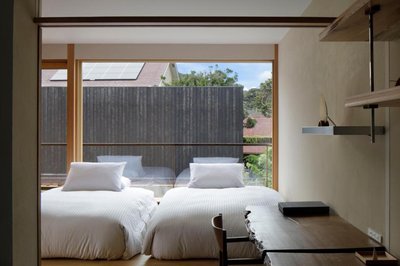
Modern Ryokan Kishi-ke
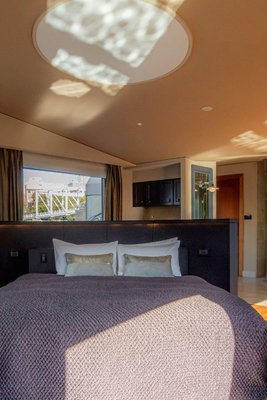
Petals Tokyo - Floating Hotel
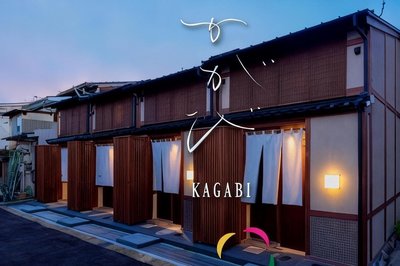
Kagabi Machiya House
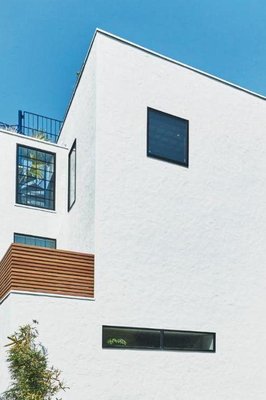
The Flow Kamakura
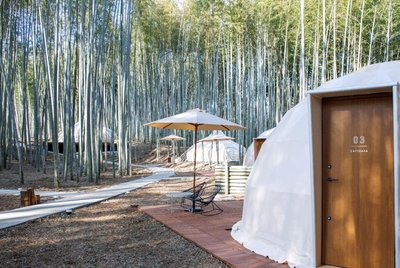
THE BAMBOO FOREST
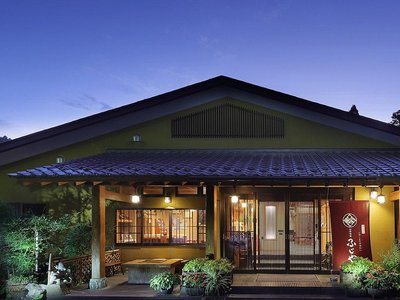
Shikimitei Fujiya
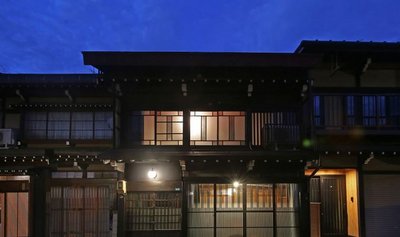
Iori Stay Hida

Hotel Barrière Fouquet's New York
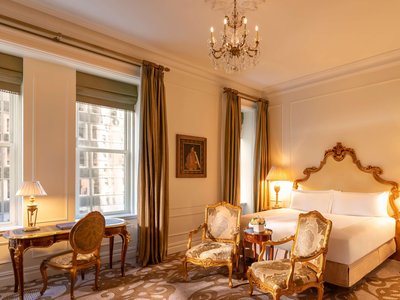
The Plaza - A Fairmont Managed Hotel
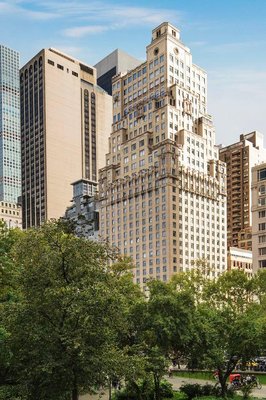
The Ritz-Carlton New York, Central Park
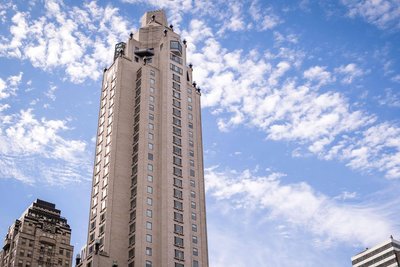
Four Seasons Hotel New York

The St. Regis New York
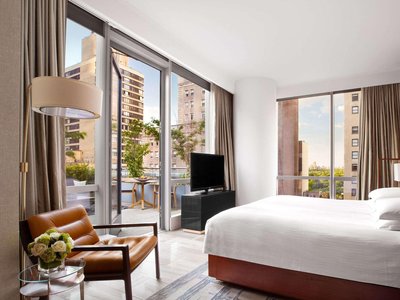
Park Hyatt New York
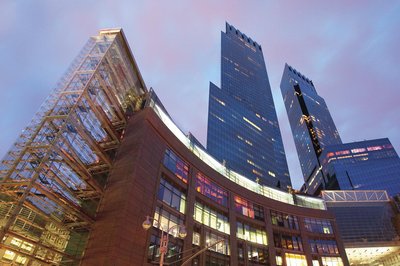
Mandarin Oriental New York
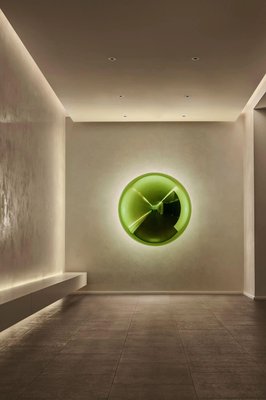
Times Square Edition New York

Loews Regency New York Hotel
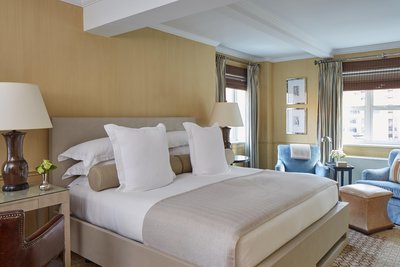
Lowell Hotel
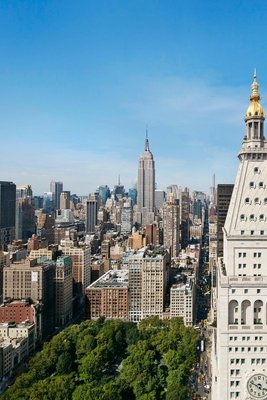
New York Edition
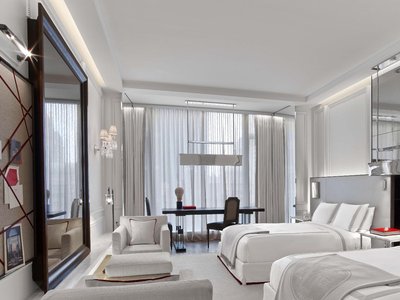
Baccarat Hotel New York

Equinox Hotel New York

Four Seasons Hotel New York Downtown
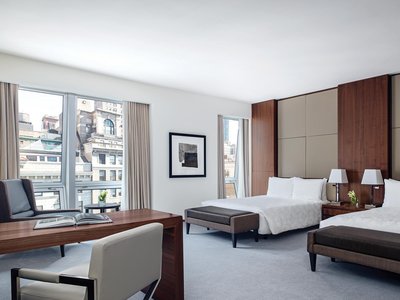
The Langham, New York, Fifth Avenue

The Carlyle, A Rosewood Hotel

The Chatwal, in the Unbound Collection by Hyatt
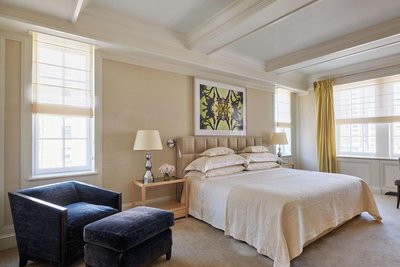
The Mark New York
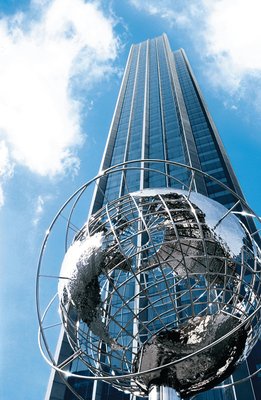
Trump International Hotel & Tower® New York
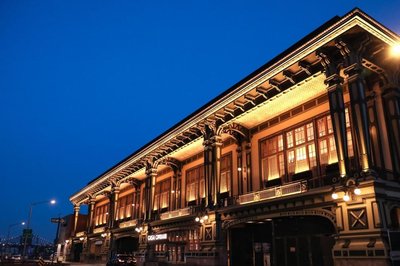
Casa Cipriani New York
Frequently Asked Questions about Traveling to Katashina
Questions You Might Need to Know About Traveling to Katashina
In Hachimori Village, the top choice for families is Hakuba Onsen Village, a traditional Japanese inn offering private outdoor baths, spacious family rooms, and child-friendly amenities like play areas and multilingual staff. Located near the village center, it provides free shuttle services to nearby ski resorts and hot spring parks. Guests can enjoy hands-on experiences such as soba noodle-making workshops and snow bath tours. The surrounding mountains offer stunning views of Mount Haruna and Mount Nikkō, making it perfect for nature-loving families seeking authentic mountain serenity.
The central district around Hachimori Village Office and Tourist Information Center is the most ideal area for lodging. It’s quiet, safe, and within walking distance of restaurants, shops, and local attractions. Many guesthouses here feature wooden cabin designs or traditional Japanese gardens, offering immersive mountain living. From here, guests can easily access Mount Kurohime and Shirahata Forest Trail, with panoramic views of snow-covered peaks at sunrise—ideal for early risers and nature photographers.
Hachimori Village offers authentic cultural immersion through its handmade washi paper umbrella workshop, where visitors craft umbrellas inspired by local Gunma patterns under guidance from master artisans. Another highlight is the annual Yukinotou Festival, transforming the village into a luminous wonderland of paper lanterns, accompanied by storytelling sessions and traditional music. The Hachimori Folklore Museum showcases tools from the Edo period and weaving techniques, revealing the deep roots of Kanto mountain village heritage.
Hot spring hotels in Hachimori Village provide distinctive wellness offerings such as natural sulfur baths, private onsen terraces, and forest meditation spaces. Top establishments like Taketomo Ryokan feature stone baths, nighttime onsen concerts, and kaiseki dining experiences using locally sourced ingredients like Gunma black pork and wild mountain vegetables. Some hotels also offer guided snowshoe hikes and ski gear rentals, allowing guests to fully embrace the alpine lifestyle in comfort and style.
Absolutely, Hachimori Village shines during winter. Must-visit spots include Hachimori Ski Resort (featuring a 2.5 km advanced slope), Ootaki Waterfall in Winter (frozen cascades resembling crystal chandeliers), and the Bamboo Forest Trail for serene snow walks. Don’t miss Senbon Matsuri Viewpoint, which offers sweeping vistas of the region’s heaviest snow accumulation. Stay at a hot spring inn, and enjoy warm sake and roasted sweet potatoes by the hearth—perfect for soaking in the tranquil beauty of a snowy mountain retreat.
For couples seeking romance, Starlight Terrace Japanese Cabin stands out with its minimalist Zen design, private outdoor onsen, and starlit viewing windows. The inn offers candlelit dinner sets, couple’s spa rituals, and a special love tree wish ceremony beneath an ancient village tree. At dawn, couples can share the first light atop Cloud Sea Viewpoint, surrounded by misty peaks—creating unforgettable moments of intimacy and stillness amidst nature.
Must-try dishes in Hachimori Village include Gunma Black Pork Hot Pot, slow-cooked with wild mushrooms and fern shoots, delivering rich, earthy flavors. Another local favorite is Hachimori Soba Noodles, made from freshly milled local buckwheat—delicious served chilled or in hot broth. Don’t miss Snow-Cured Persimmon Dried Fruit, naturally preserved in winter frost—a sweet, chewy treat perfect as a souvenir. Try these at iconic eateries like Mikasa Restaurant and Yamazato Izakaya, located along the historic village street.
The most convenient route from Tokyo is taking the JR Takasaki Line to Takasaki Station, then transferring to a high-speed bus (Gunma Transportation), which takes about 2 hours to reach Hachimori Village Central Bus Terminal. For larger groups or those with ski gear, private car transfer is recommended—approximately 1.5 hours. Upon arrival, use the Hachimori Village Tour Pass for free rides on local shuttle buses, enabling seamless access to ski slopes, onsens, and scenic trails.
Hachimori Village is a paradise for photographers. Key spots include Ootaki Waterfall in Winter (frozen falls like glass chandeliers), Senbon Matsuri Viewpoint (snow-laden pine forest resembling a silver sea), and the Bamboo Forest Trail at golden hour, when morning mist wraps around tall stalks. During the Yukinotou Festival, illuminated lanterns create magical long-exposure shots. Early mornings (6:30–7:30 AM) offer the best light for capturing first sunlight over snow-capped mountains. Bring a wide-angle lens and tripod for breathtaking mountain compositions.
Yes, many homestays in Hachimori Village offer engaging children’s programs. Taketomo Family Inn hosts nature discovery classes teaching kids to identify local plants and animal tracks. Other inns organize snow house building contests and handmade snow bell crafting. Some even provide kids’ onsen etiquette lessons and mini farm visits where children feed goats and collect eggs. With dedicated children’s ski zones and family-friendly meals, these stays ensure fun, learning, and bonding—making them ideal for multi-generational travel.
Katashina Overview
City Summary
Katashina Village is a serene town nestled in the northern part of Gunma Prefecture, Japan, surrounded by majestic mountains. Renowned for its natural scenery and onsen culture, it is an ideal destination for travelers seeking escape from urban hustle. In winter, Katashina becomes a paradise for skiers, while summer offers abundant hiking and camping activities. The village's rich hot spring resources provide perfect relaxation after a tiring journey.
Must-See Attractions
Key attractions in Katashina include Oze National Park, known for its vast highland wetlands and rich ecosystem, making it a hiker's dream. Mount Hotaka challenges climbers with its stunning summit views. The village's onsen ryokans offer traditional Japanese lodging experiences. In winter, Katashina Ski Resort attracts skiing and snowboarding enthusiasts.
Food Guide
Katashina's cuisine is influenced by its mountainous environment, featuring wild vegetables and mushrooms as local specialties. Try the soba noodles, made from locally grown buckwheat, for a chewy texture. Many onsen ryokans serve kaiseki meals, offering exquisite Japanese dining. In winter, hot nabe dishes are perfect for warming up.
Transportation Guide
Public transport in Katashina is limited; renting a car or taking long-distance buses is recommended. From Tokyo, take the Shinkansen to Takasaki Station, then transfer to a bus to Katashina (~3-4 hours). Walking or renting a bike is feasible within the village, but some roads may close due to snow in winter. Taxis are scarce; book in advance.
Best Time to Visit
The best time to visit depends on activities: Winter (Dec-Mar) is ideal for skiing and onsen; Summer (Jun-Sep) is perfect for hiking and camping. Spring and autumn offer mild weather with fewer crowds.
Travel Tips
- Cash is king: Many small shops and ryokans only accept cash.\n2. Respect nature: Picking plants in Oze National Park is prohibited.\n3. Onsen etiquette: Wash before entering baths; no swimsuits allowed.\n4. Winter gear: Pack anti-slip shoes; ski rentals can be expensive.\n5. Book early: Ryokans fill up fast in peak seasons.\n6. Language barrier: English services are limited; a translation app helps.
Useful Information
Mobile coverage is decent but may weaken in mountains; offline maps are useful. Cash is primary, though some ryokans accept cards. Dial 110 (police) or 119 (ambulance) in emergencies. Medical facilities are limited; severe cases may need treatment in Takasaki. Japanese is main language, but some staff speak basic English. Carry a power bank as outlets are scarce in remote areas.