Hotels in Katashina
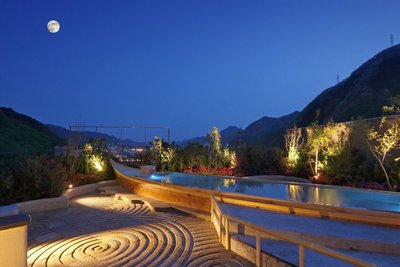
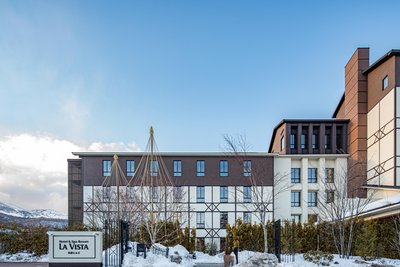
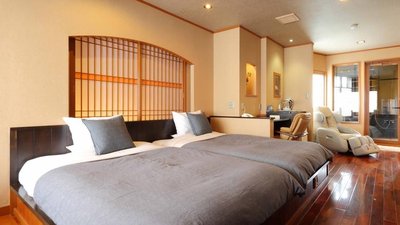
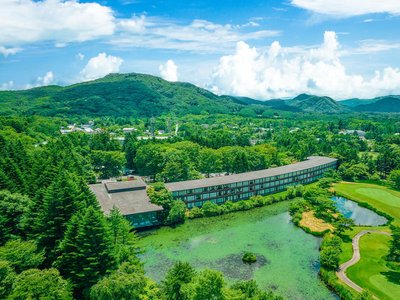
Discover your perfect stay in Katashina.
Katashina(Japan) Travel 2026: Cheap Flights, Hotels & Top Attractions
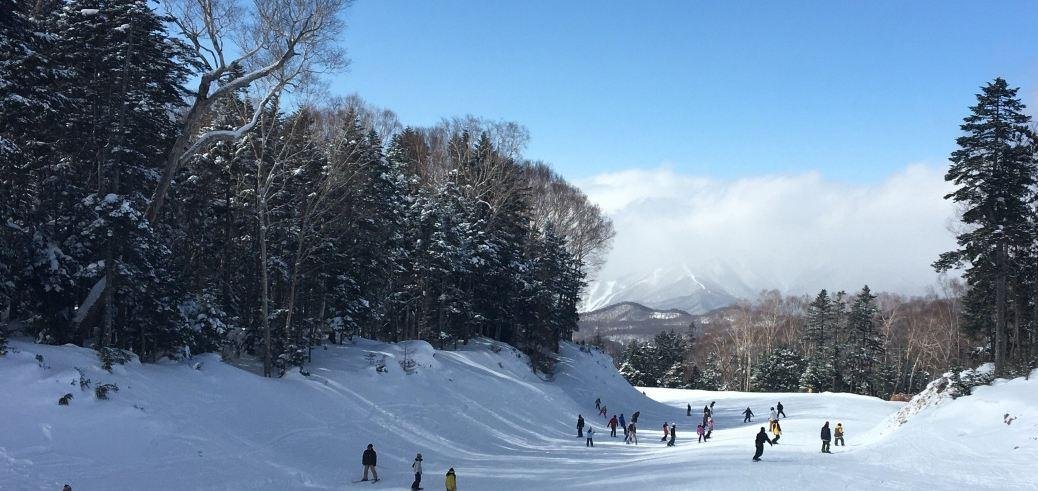
Popular Landmarks in Katashina
Discover the most iconic attractions in Katashina
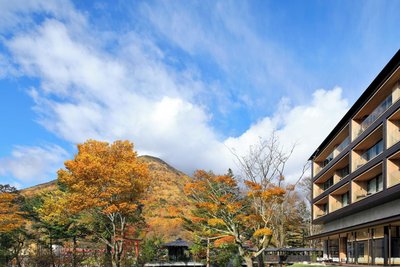
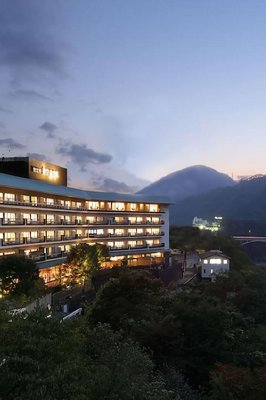
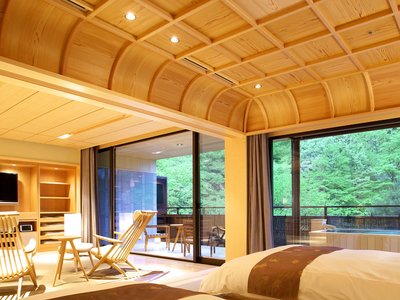
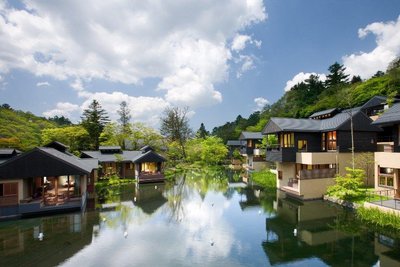
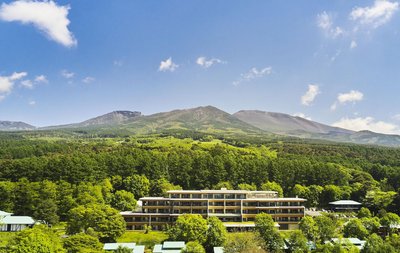
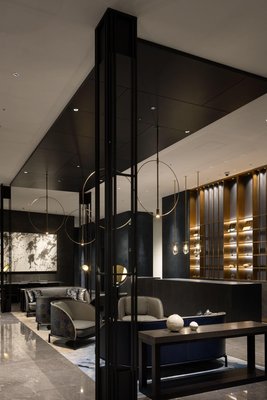
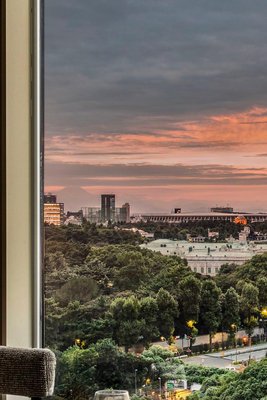
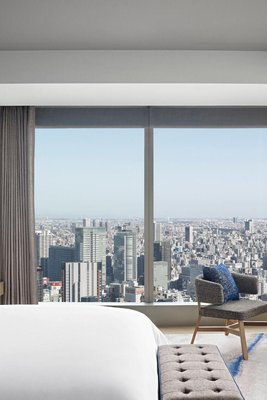
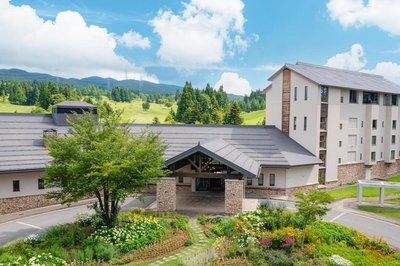
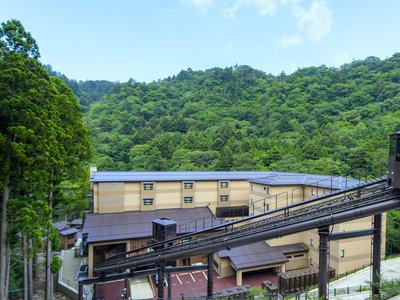
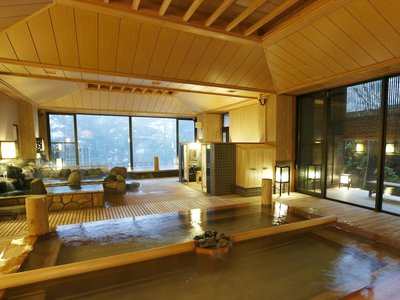
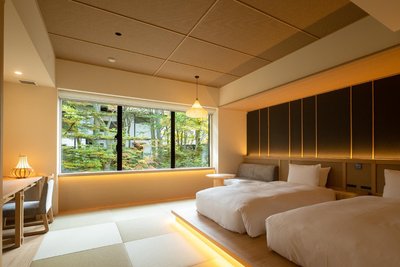
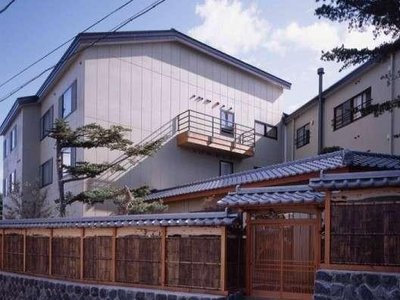
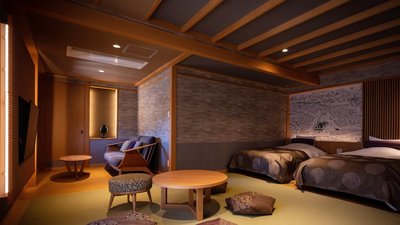
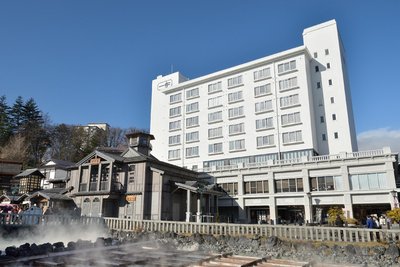
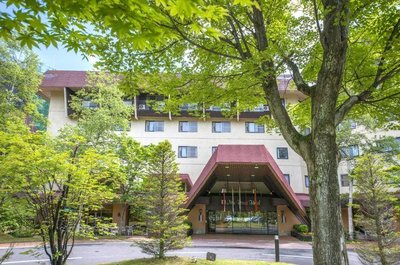
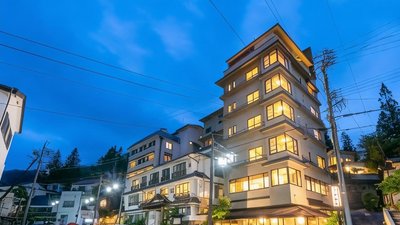
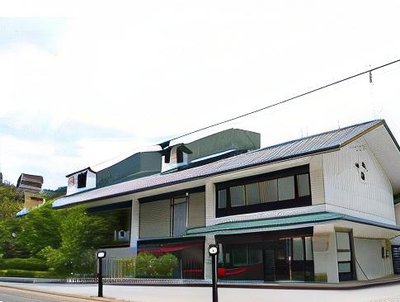
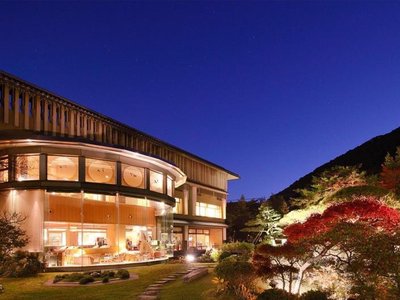
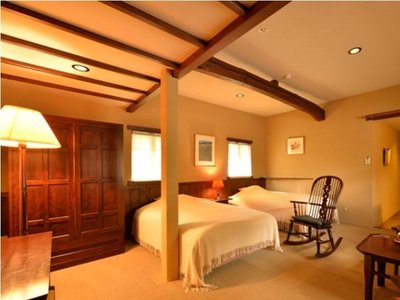
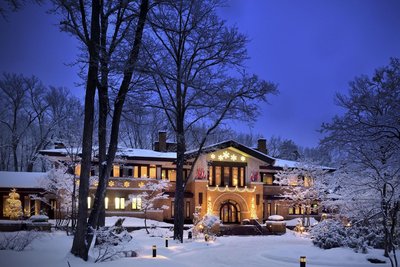
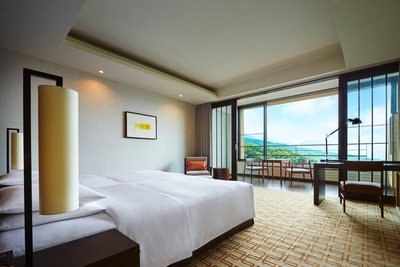
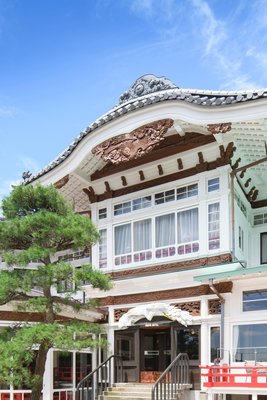
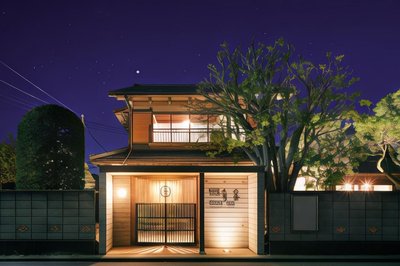
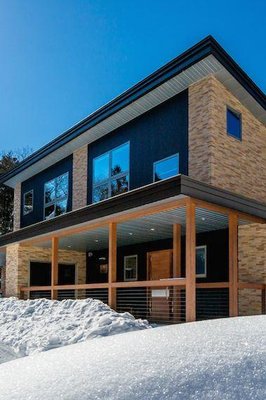
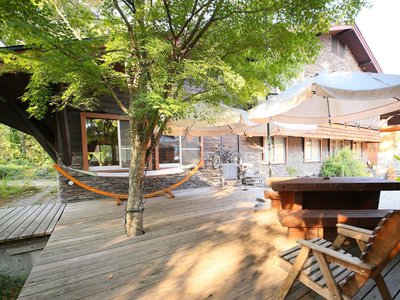
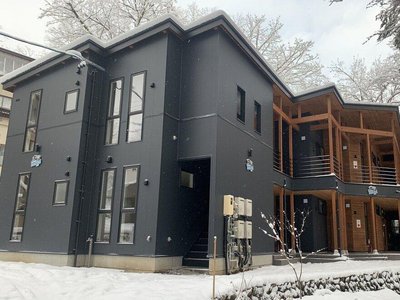
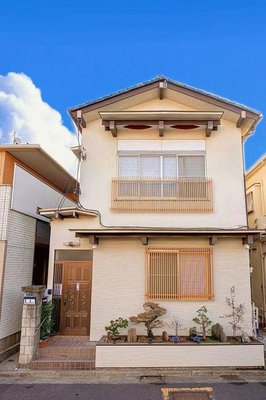
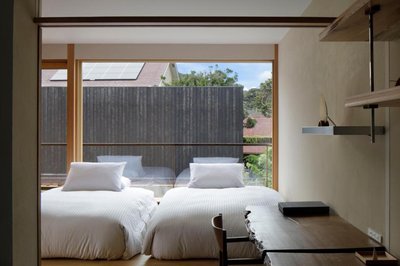
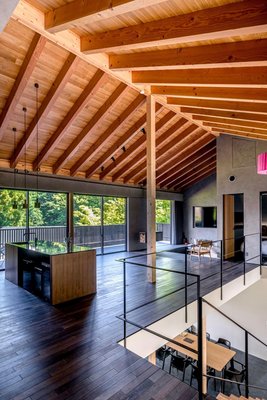
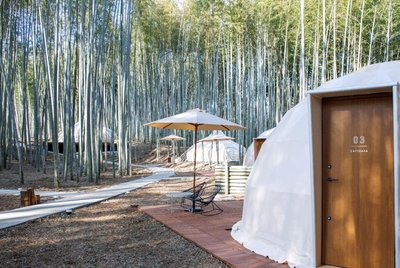
Recommended Hotels in Katashina
Find the perfect place to stay in Katashina
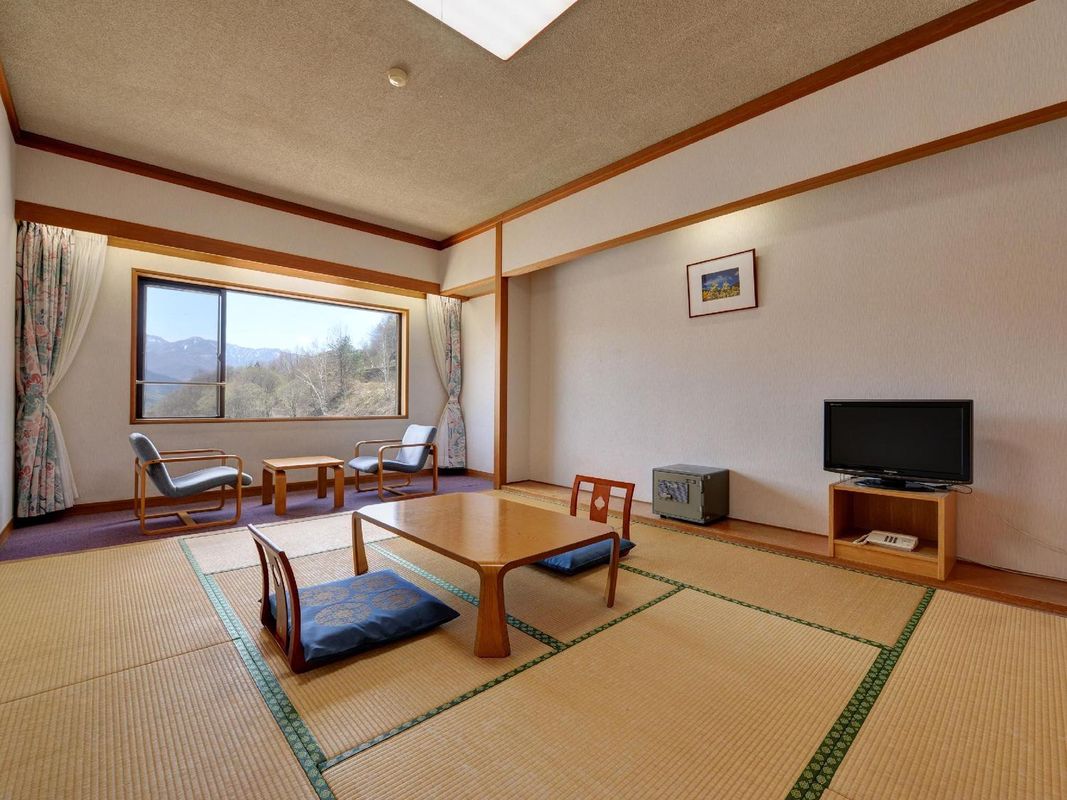
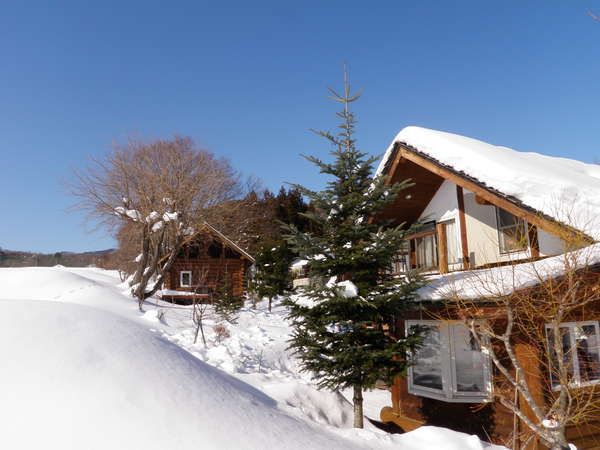
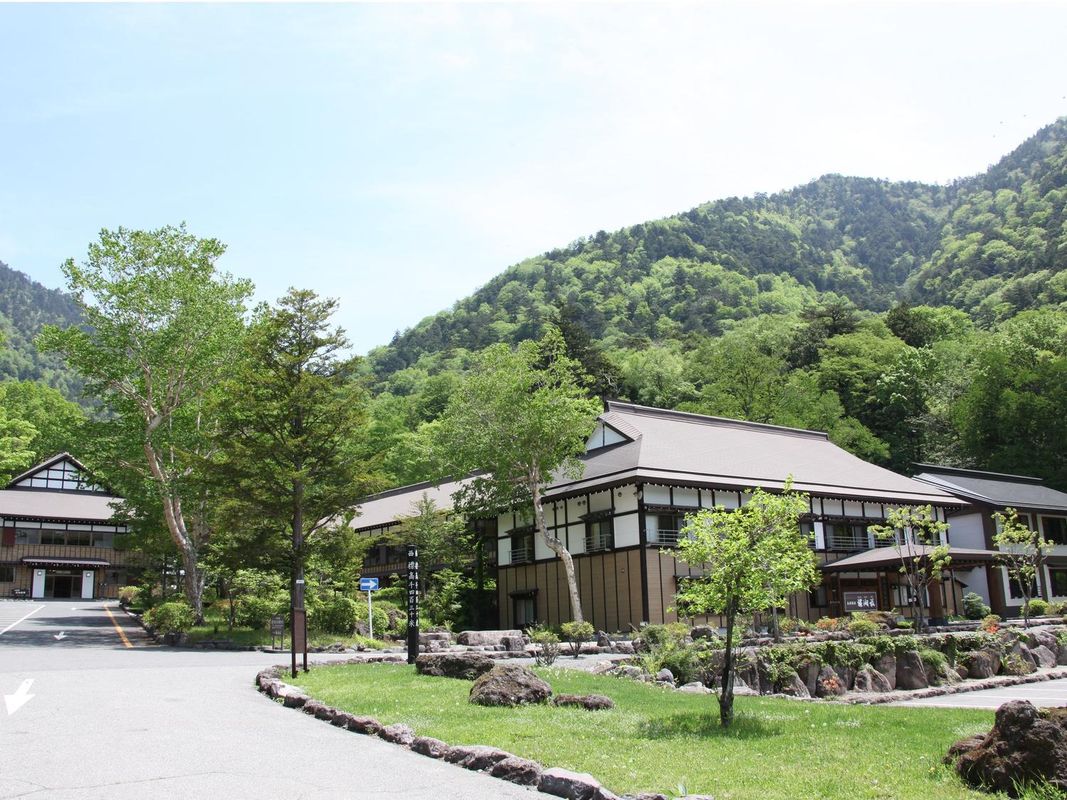
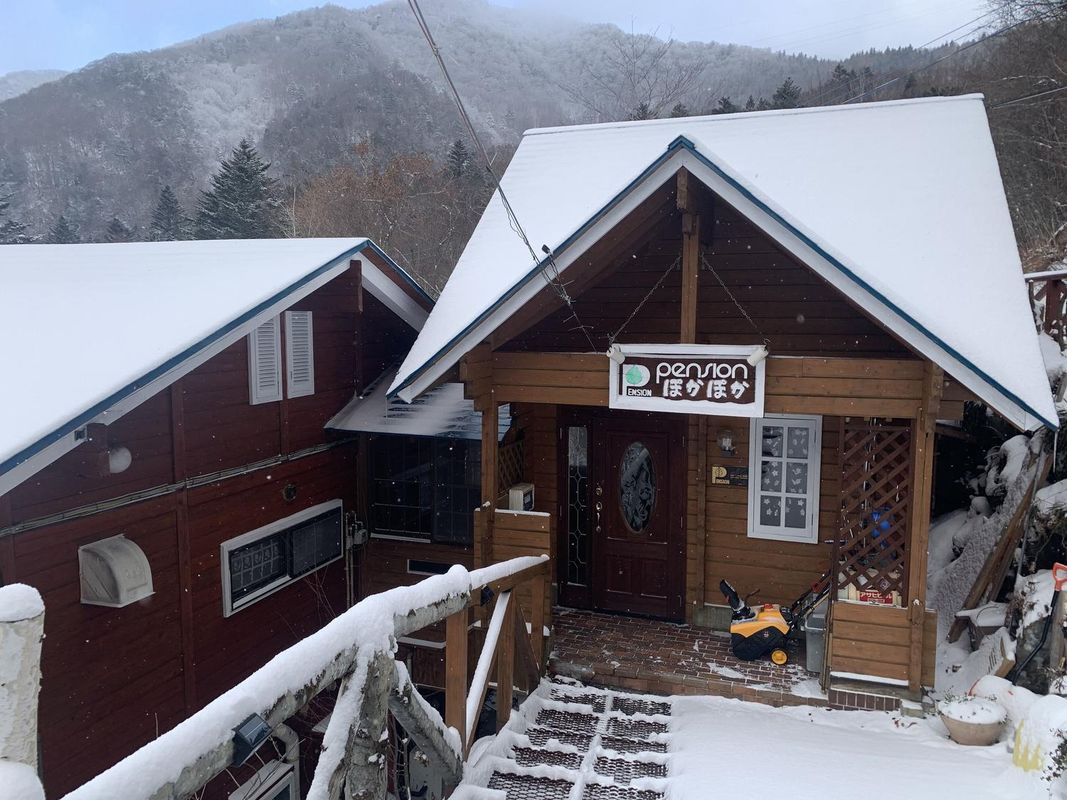
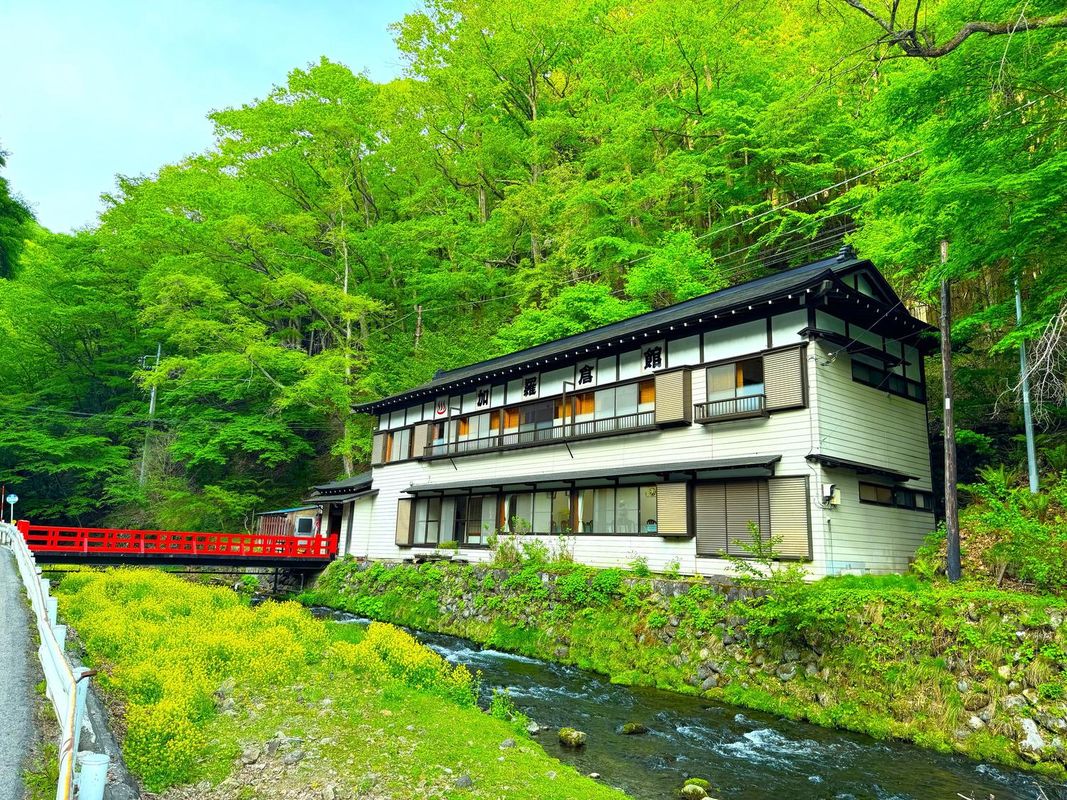
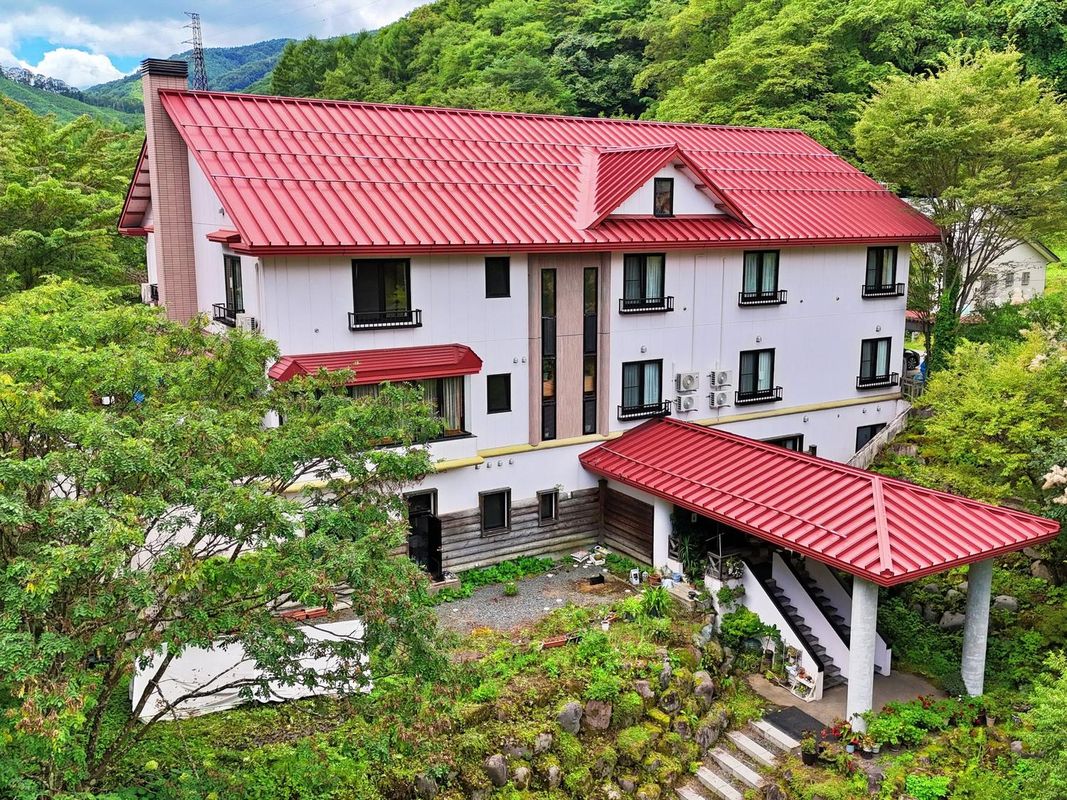
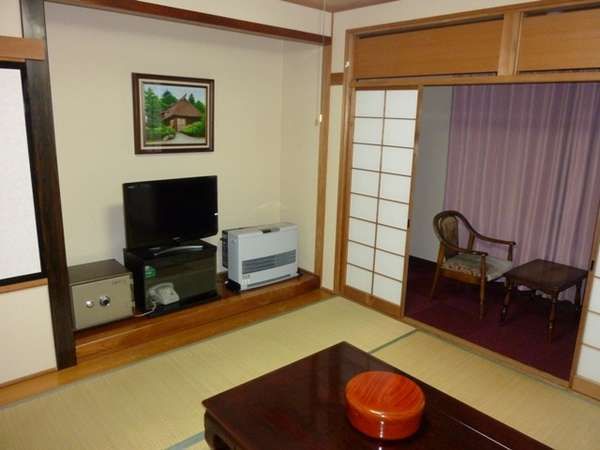
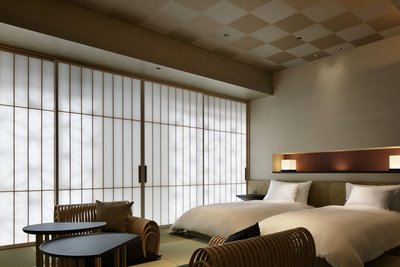
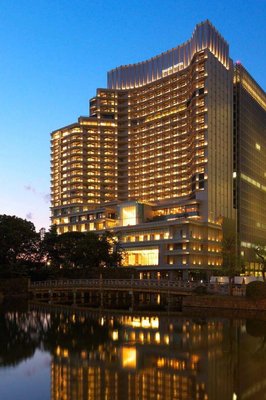
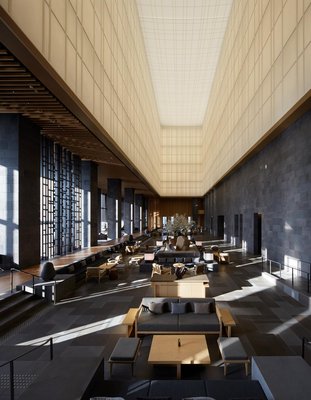
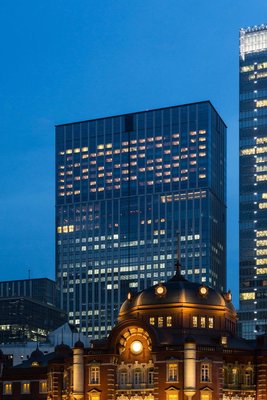
Best Hotels in Katashina
Discover curated hotel collections in Katashina






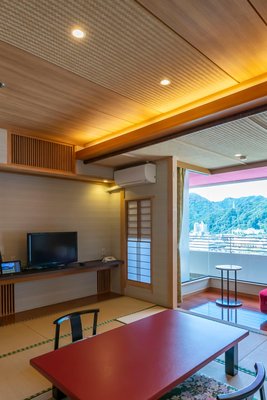
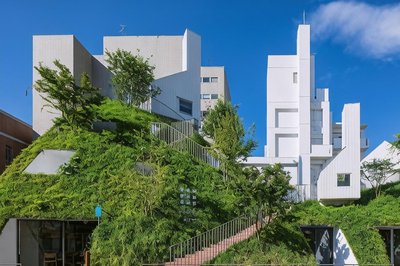
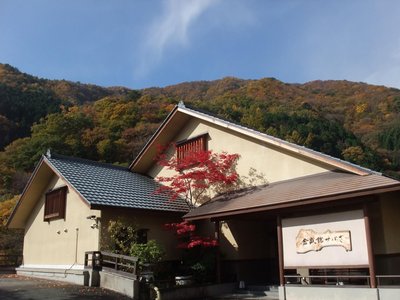
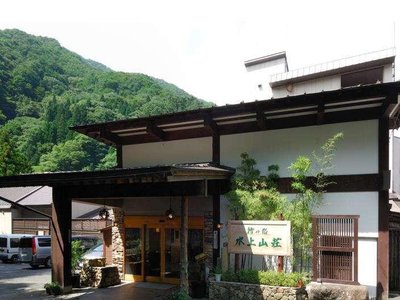


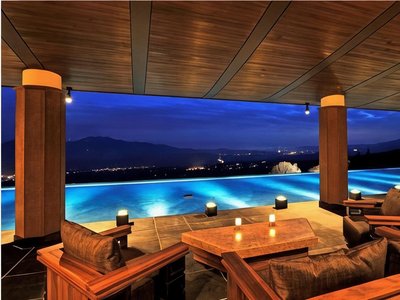
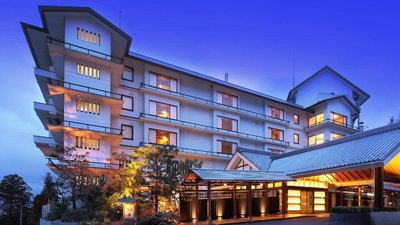



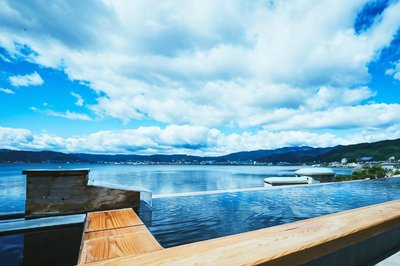
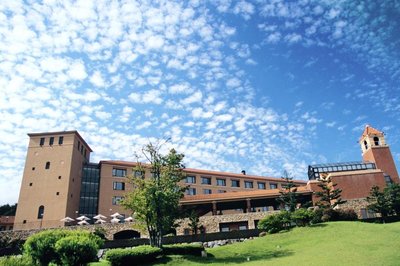




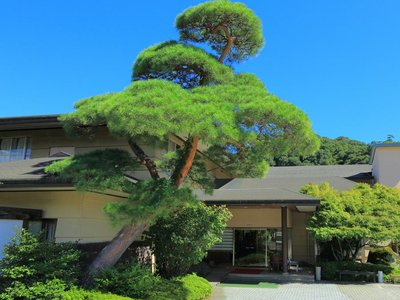
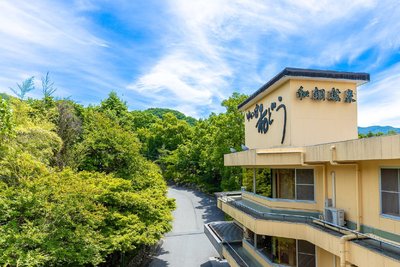
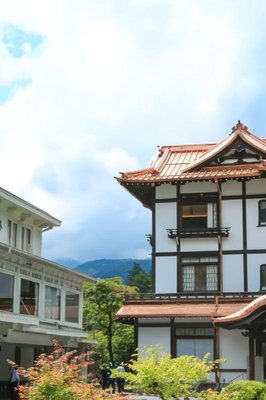
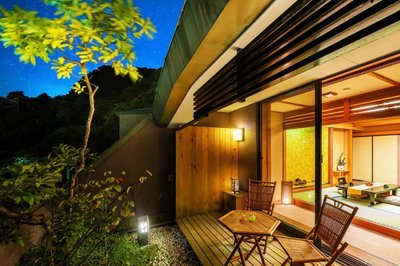





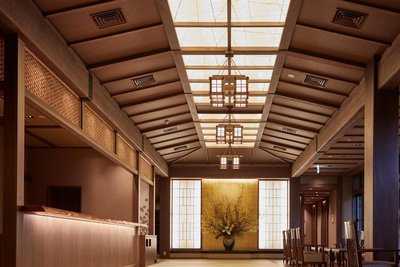

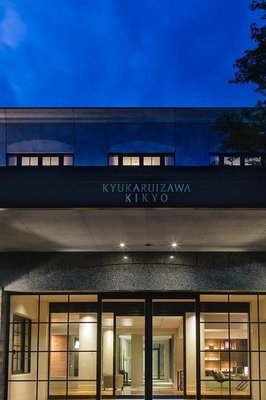
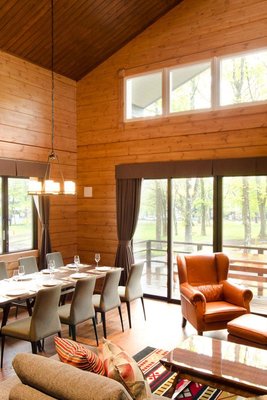
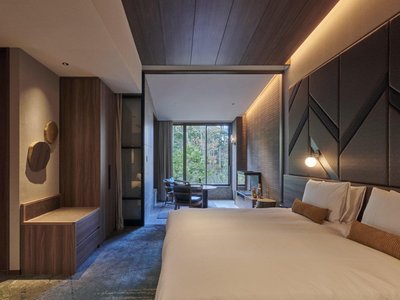



























Frequently Asked Questions about Traveling to Katashina
Questions You Might Need to Know About Traveling to Katashina
Katashina Overview
City Summary
Katashina Village is a serene town nestled in the northern part of Gunma Prefecture, Japan, surrounded by majestic mountains. Renowned for its natural scenery and onsen culture, it is an ideal destination for travelers seeking escape from urban hustle. In winter, Katashina becomes a paradise for skiers, while summer offers abundant hiking and camping activities. The village's rich hot spring resources provide perfect relaxation after a tiring journey.
Must-See Attractions
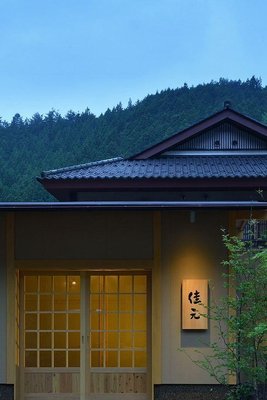
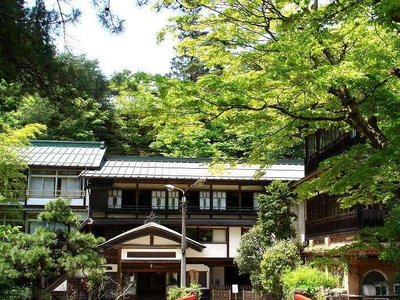
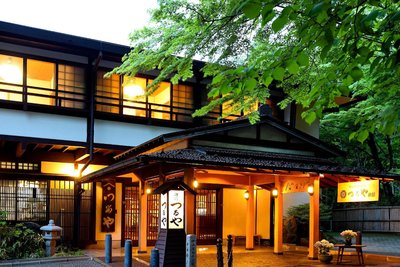
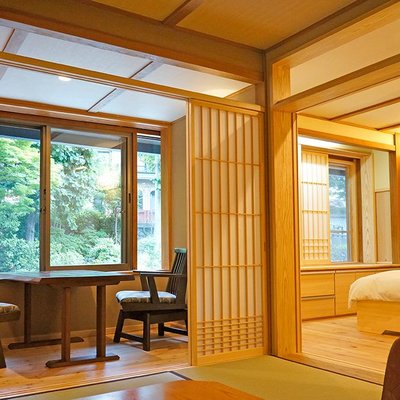
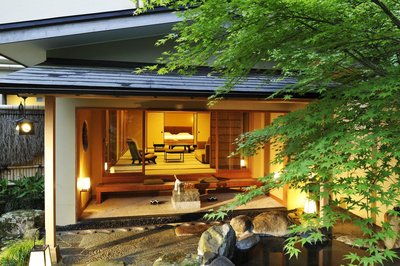
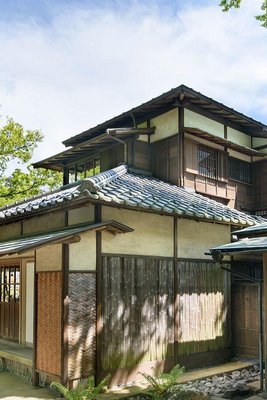
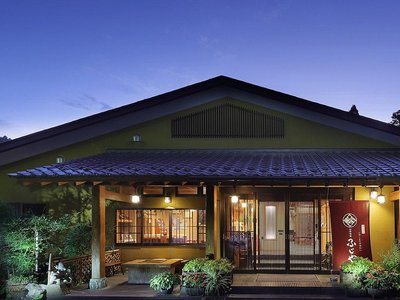
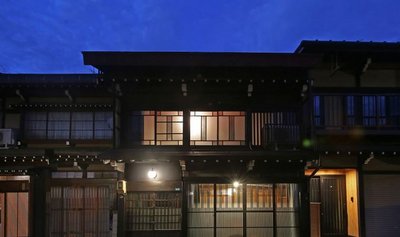
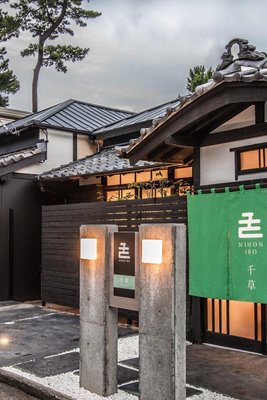
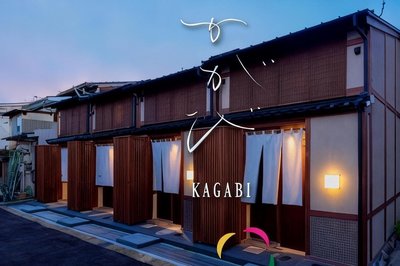
Key attractions in Katashina include Oze National Park, known for its vast highland wetlands and rich ecosystem, making it a hiker's dream. Mount Hotaka challenges climbers with its stunning summit views. The village's onsen ryokans offer traditional Japanese lodging experiences. In winter, Katashina Ski Resort attracts skiing and snowboarding enthusiasts.
Food Guide
Katashina's cuisine is influenced by its mountainous environment, featuring wild vegetables and mushrooms as local specialties. Try the soba noodles, made from locally grown buckwheat, for a chewy texture. Many onsen ryokans serve kaiseki meals, offering exquisite Japanese dining. In winter, hot nabe dishes are perfect for warming up.
Transportation Guide
Public transport in Katashina is limited; renting a car or taking long-distance buses is recommended. From Tokyo, take the Shinkansen to Takasaki Station, then transfer to a bus to Katashina (~3-4 hours). Walking or renting a bike is feasible within the village, but some roads may close due to snow in winter. Taxis are scarce; book in advance.
Best Time to Visit
The best time to visit depends on activities: Winter (Dec-Mar) is ideal for skiing and onsen; Summer (Jun-Sep) is perfect for hiking and camping. Spring and autumn offer mild weather with fewer crowds.
Travel Tips
- Cash is king: Many small shops and ryokans only accept cash.\n2. Respect nature: Picking plants in Oze National Park is prohibited.\n3. Onsen etiquette: Wash before entering baths; no swimsuits allowed.\n4. Winter gear: Pack anti-slip shoes; ski rentals can be expensive.\n5. Book early: Ryokans fill up fast in peak seasons.\n6. Language barrier: English services are limited; a translation app helps.
Useful Information
Mobile coverage is decent but may weaken in mountains; offline maps are useful. Cash is primary, though some ryokans accept cards. Dial 110 (police) or 119 (ambulance) in emergencies. Medical facilities are limited; severe cases may need treatment in Takasaki. Japanese is main language, but some staff speak basic English. Carry a power bank as outlets are scarce in remote areas.