Hotels in Kato
Discover your perfect stay in Kato.
Kato(Japan) Travel 2026: Cheap Flights, Hotels & Top Attractions
Popular Landmarks in Kato
Discover the most iconic attractions in Kato
Recommended Hotels in Kato
Find the perfect place to stay in Kato
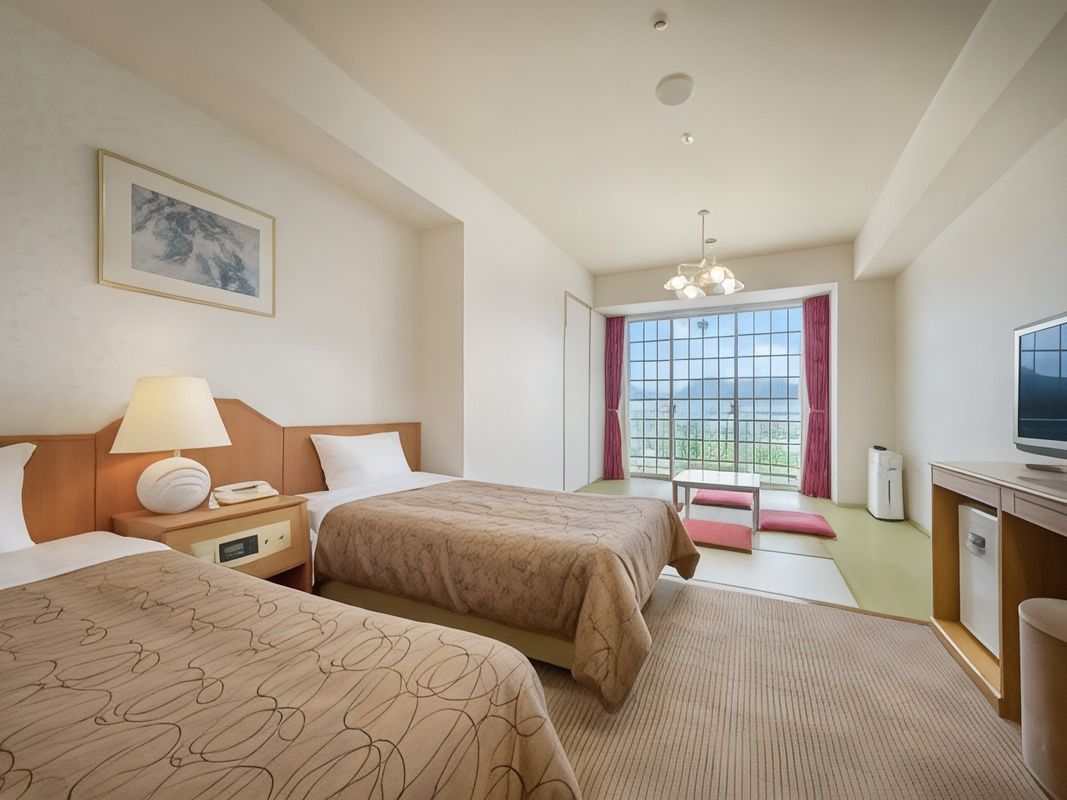

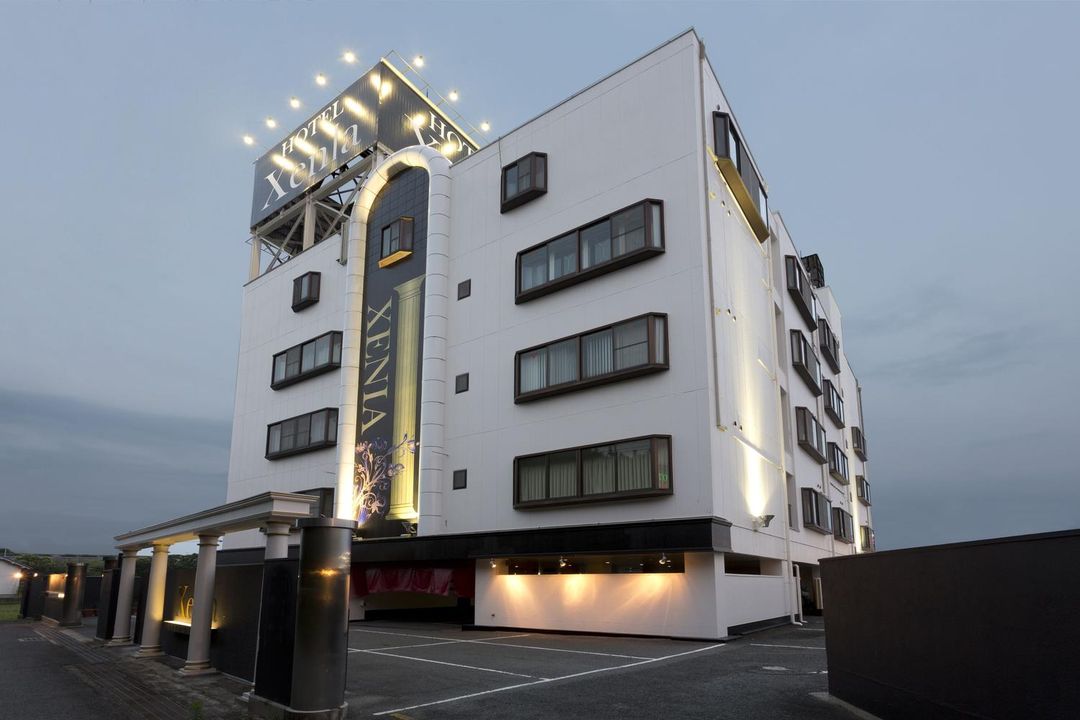
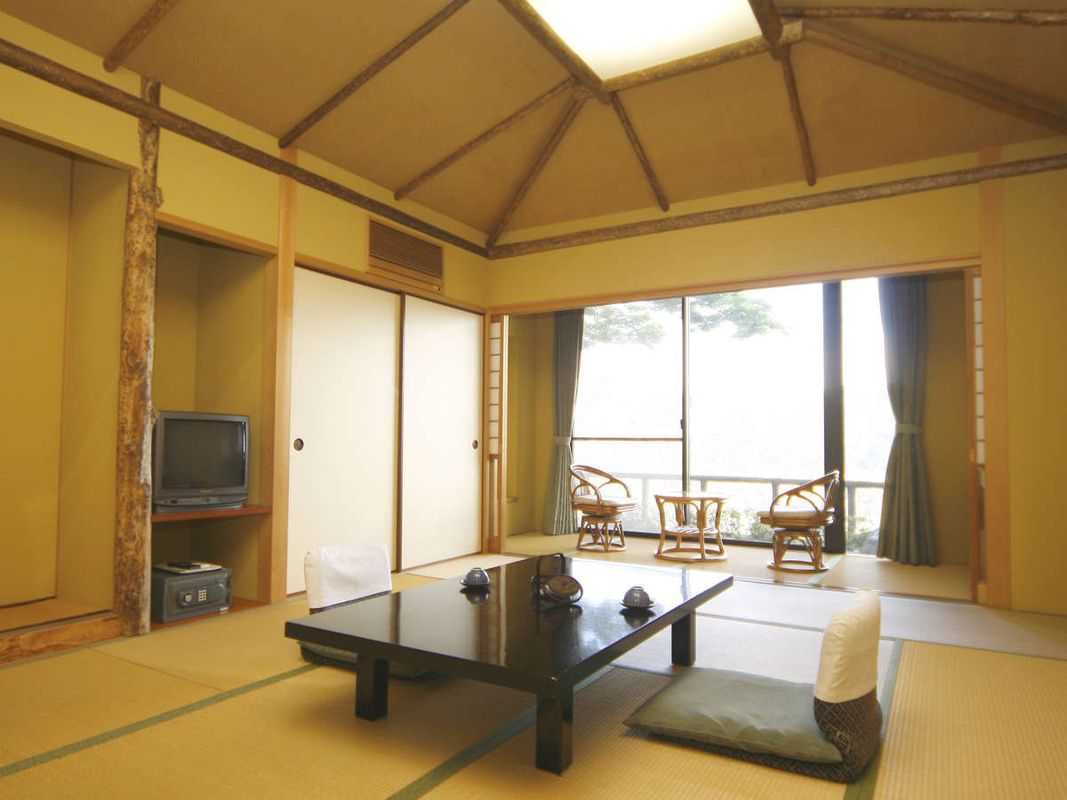
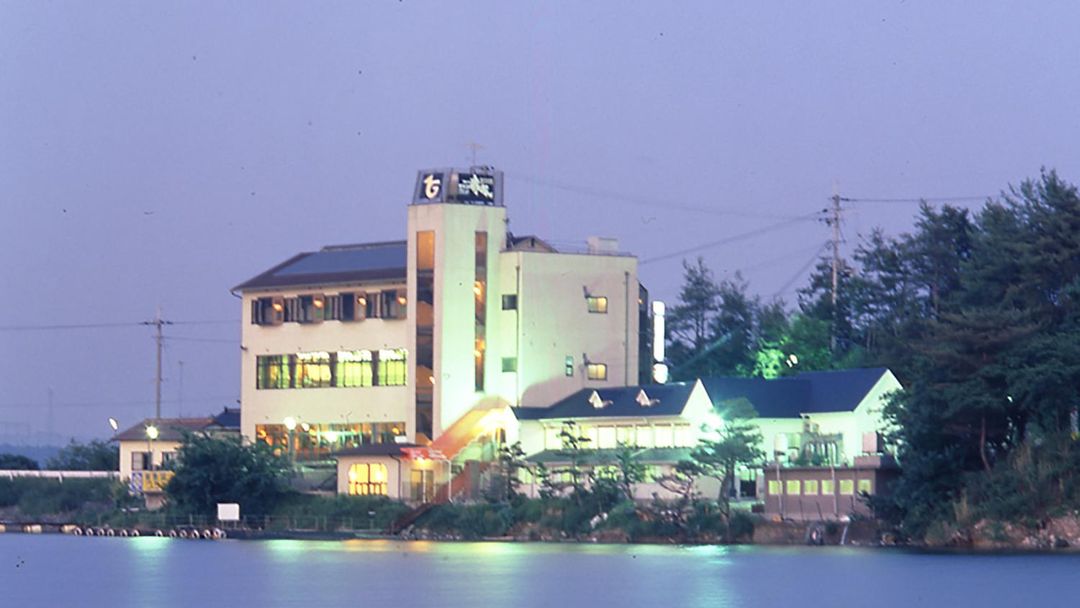
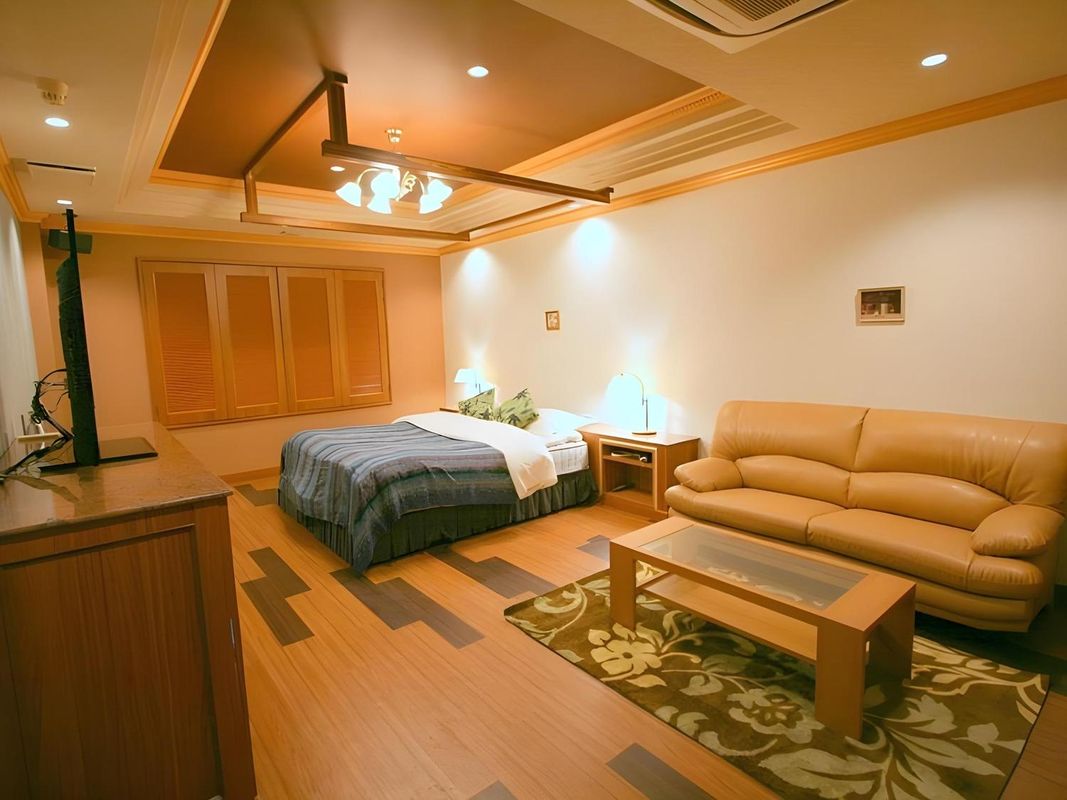
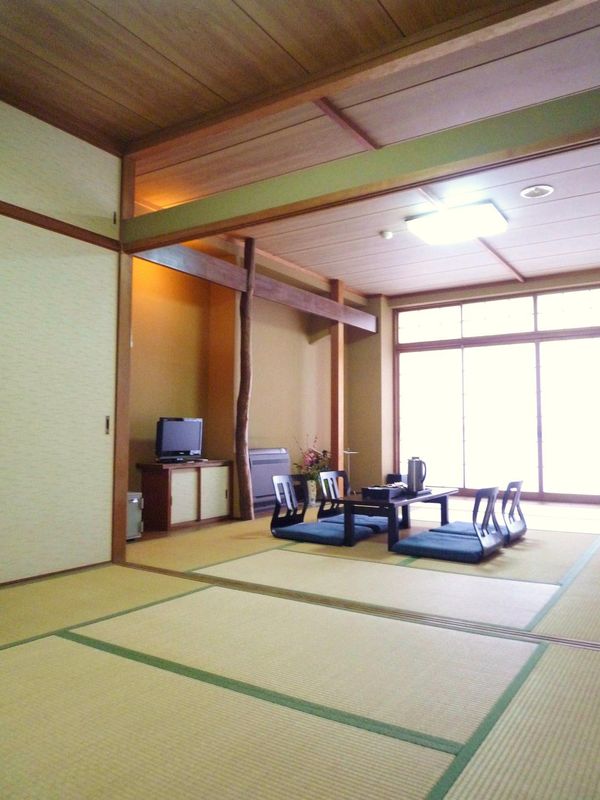
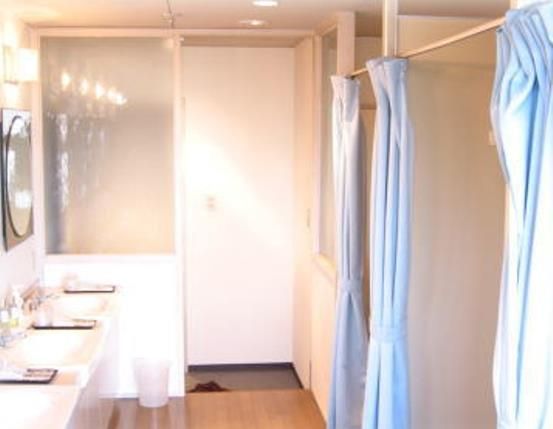
Best Hotels in Kato
Discover curated hotel collections in Kato
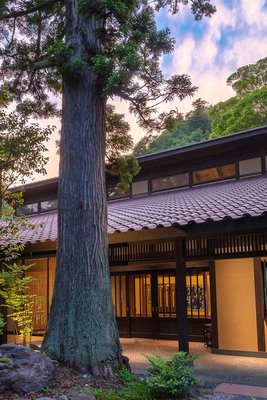


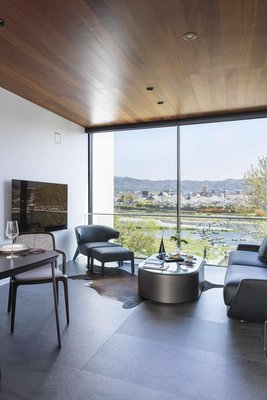
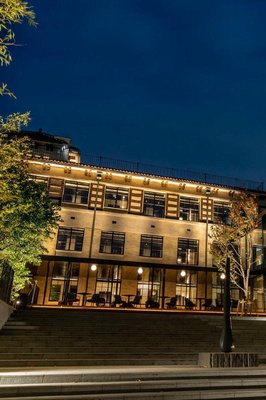
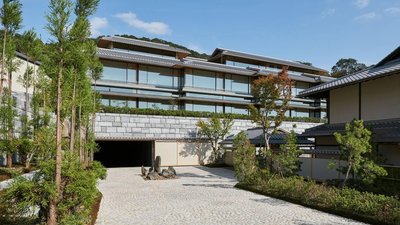
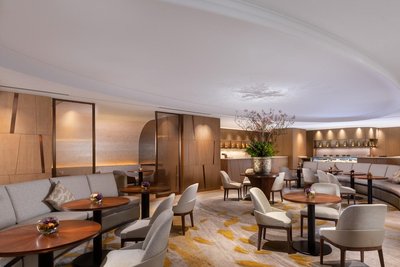








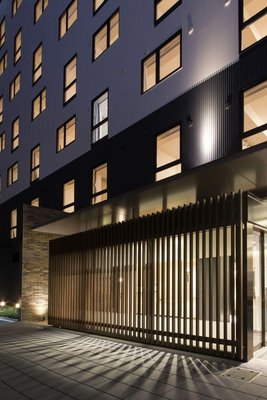
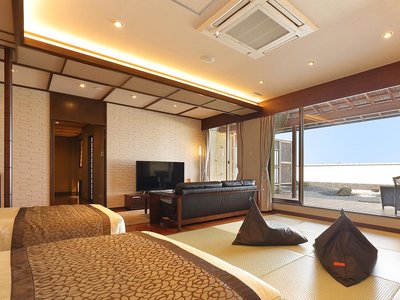

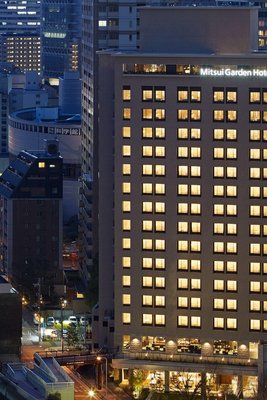
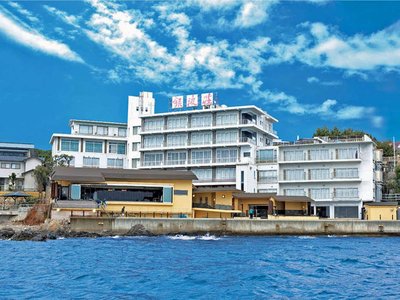
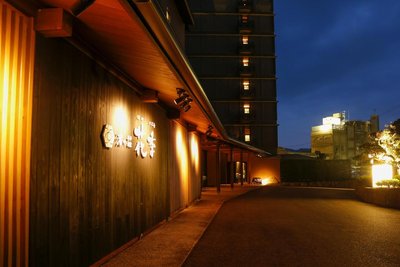
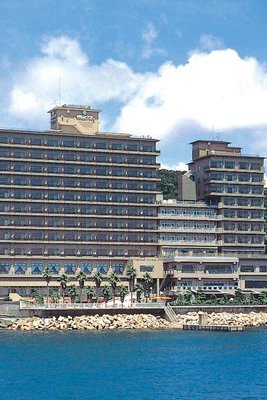
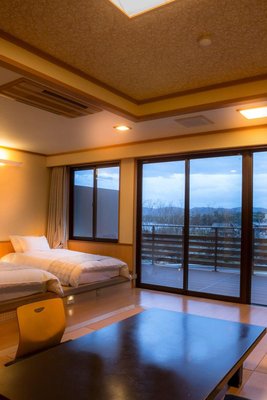
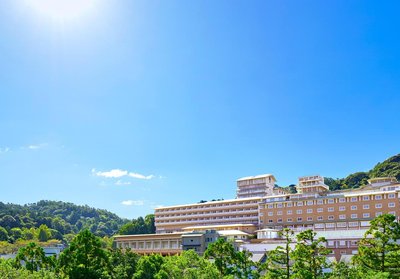







Frequently Asked Questions about Traveling to Kato
Questions You Might Need to Know About Traveling to Kato
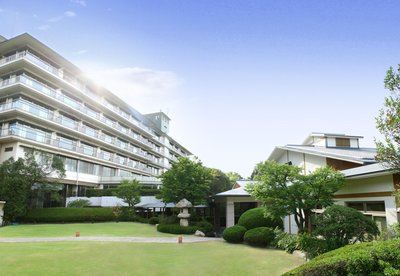
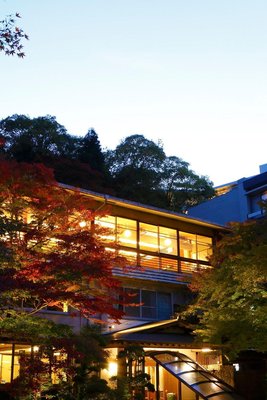
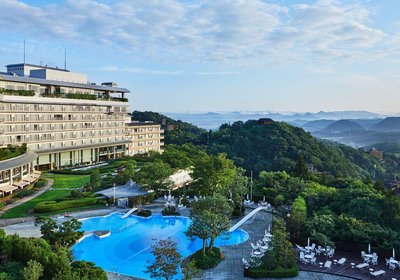
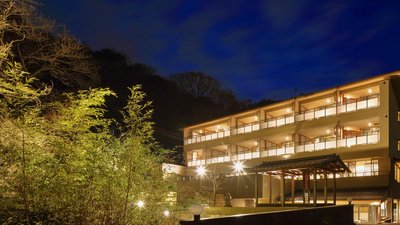
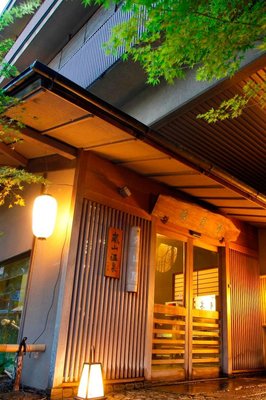
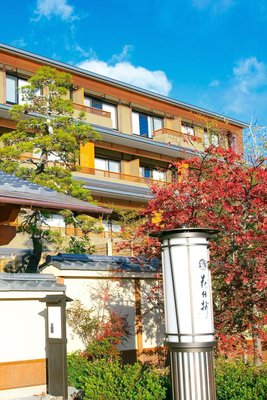
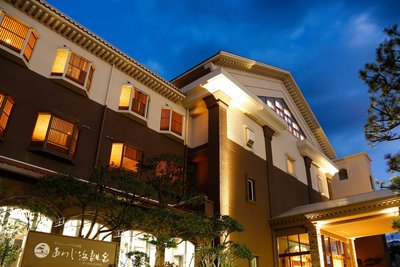
In Katoshi, the top choice for families is Kato Onsen Hotel, located near Kato River and Omiya Park, offering Japanese-style tatami rooms, on-site hot springs, and spacious family suites. The hotel provides child-friendly meals, playground access, and multilingual staff support. Another excellent option is Sumitomo Ryokan, which features a traditional machiya-style building with cozy rooms, a kids’ activity corner, and guided local farm visits. Both hotels are situated in quiet residential areas with easy access to supermarkets and public transport, making them ideal for stress-free family stays.
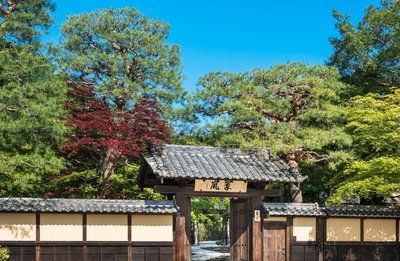
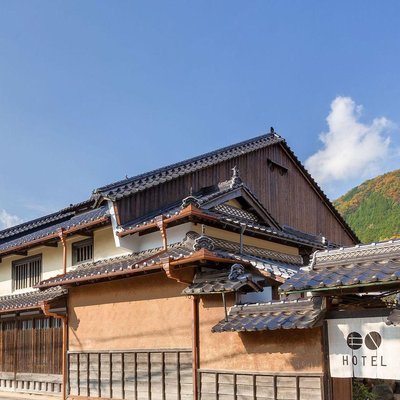
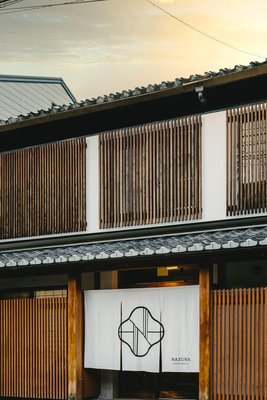
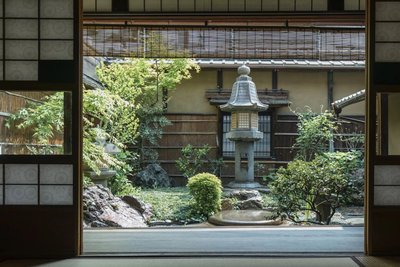
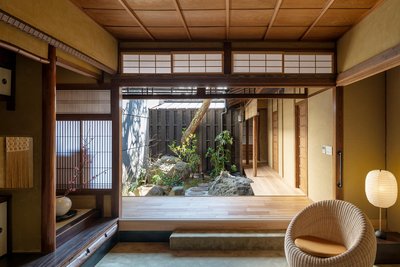
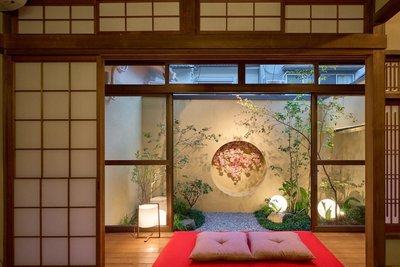
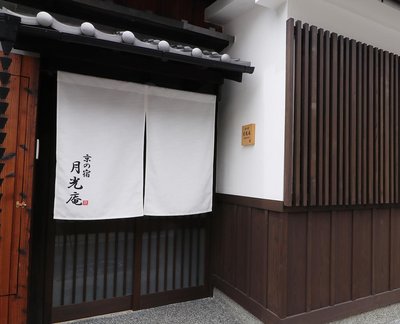
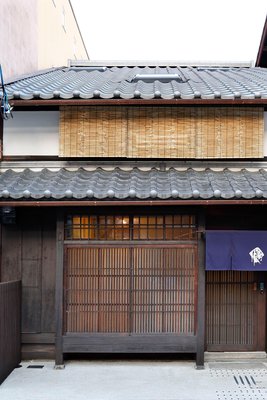
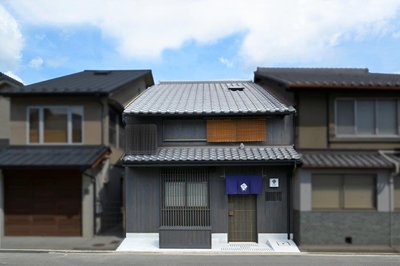
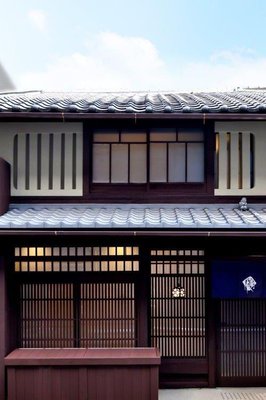
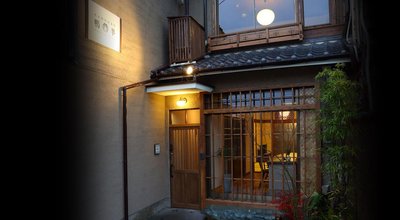
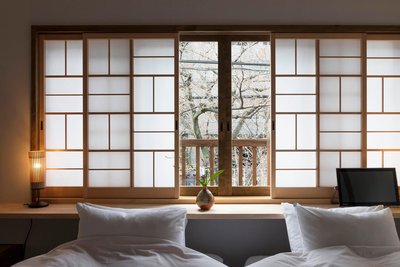
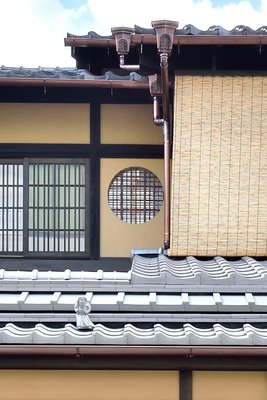
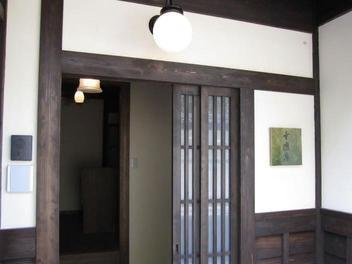
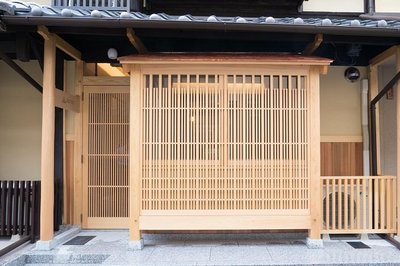
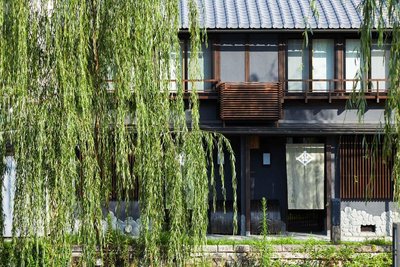
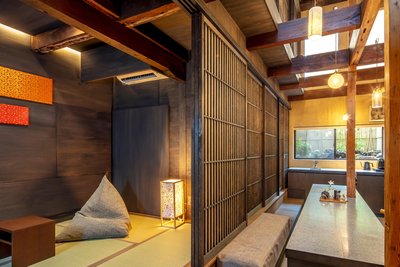
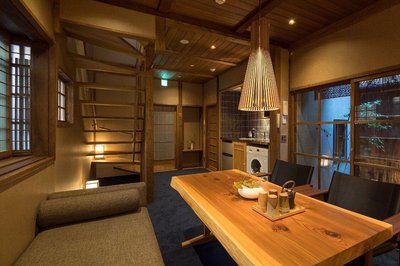
The Omiya District in Katoshi delivers the most authentic cultural immersion. Nestled beside Kato Shrine and Kato Civic Center, this area blends historical charm with modern convenience. Stay at Omiya Machiya Stay, a meticulously restored 100-year-old townhouse featuring shoji screens, wooden beams, and traditional garden courtyards. Guests can enjoy tea ceremonies, calligraphy workshops, and seasonal festivals like the Kato River Lantern Festival. The neighborhood’s local cafes, artisan shops, and farmers' markets offer genuine insight into rural Hyōgo life.
Tourists in Katoshi can join the Spring Rice Planting Ceremony along the Kato River, where visitors wear straw shoes and plant rice seedlings at Omiya Farm—a hands-on way to learn about Japanese agriculture. Every Saturday, Kato Shrine hosts a live Traditional Taiko Drum Performance by local artisans. For deeper cultural engagement, book a Kimono Try-On & Tea Ceremony Workshop at the Kato Cultural Hall, where guests learn proper tea etiquette and dress in authentic kimonos while enjoying locally grown green tea and wagashi sweets.
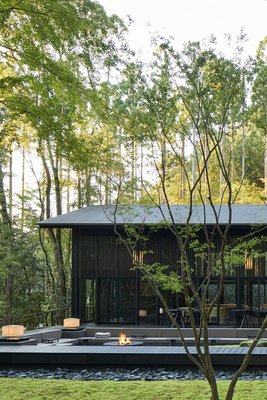
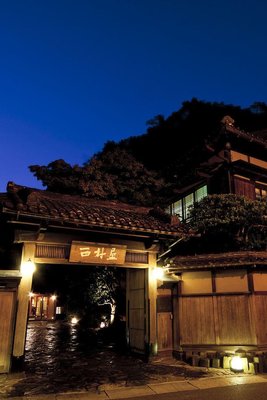
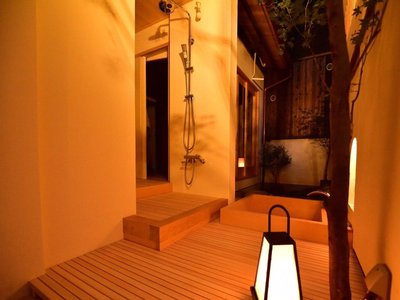
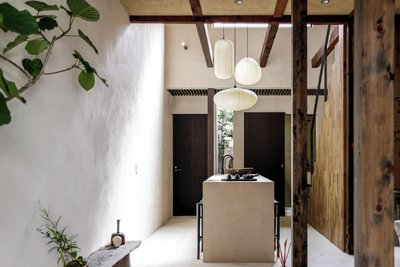
For couples seeking romance, Kato River Starlight Inn offers private rooftop hot tubs with panoramic views of the river and night sky, perfect for stargazing. The inn serves intimate dinner sets featuring Kobe beef and seasonal vegetables, paired with local sake. Alternatively, Hinoki No Ie—a secluded boutique ryokan made from century-old hinoki wood—features minimalist design, fire pits, and soundproofed rooms with floor-to-ceiling windows. Its quiet forest setting and personalized service make it ideal for reconnecting in nature.
Yes, several hotels in Katoshi provide complimentary shuttle services. Kato Onsen Hotel operates daily shuttles from Kato Station to the hotel at 10:00 AM and 3:00 PM, facilitating travel to attractions like Kato Shrine and Omiya Park. Sumitomo Ryokan offers a limited-capacity reservation shuttle service, requiring advance HopeGoo. It's recommended to confirm shuttle times and routes upon check-in. Some guesthouses suggest using local buses or renting bicycles as alternative transportation options.
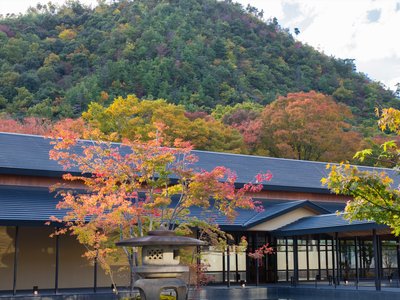
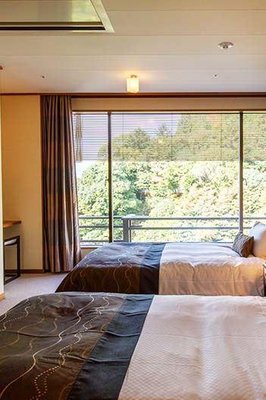
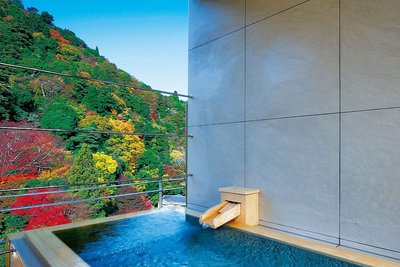
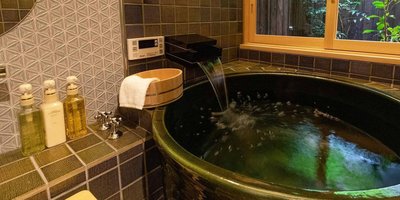
Katoshi’s hot springs originate from deep underground mineral-rich sources, with Kato Onsen Hotel offering weak alkaline carbonated baths known for skin rejuvenation and stress relief. The hotel features both indoor and outdoor open-air baths, with winter views of snow-dusted trees. A standout feature is the Forest Healing Sound Plaza, combining ambient nature sounds and meditative music for enhanced relaxation. All rooms include private onsen tubs, and select suites come with rooftop terraces for starlit soaking experiences.
Most tourist-oriented hotels in Katoshi offer English and Traditional Chinese services. Kato Onsen Hotel and Sumitomo Ryokan employ multilingual staff trained in guest assistance, itinerary planning, and emergency support. Some guesthouses provide translation devices or digital guides to ensure smooth communication. Guests are advised to confirm language availability via official websites or HopeGoo platforms, especially for elderly or mobility-impaired travelers who may require dedicated assistance.
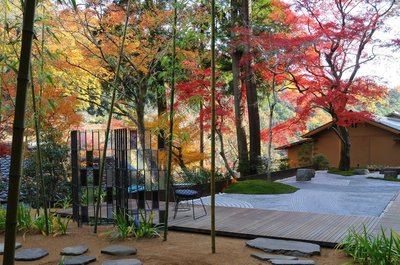
Hotels in Katoshi serve breakfast featuring regional delicacies such as local sea bream sushi, fresh vegetables from Omiya Farms, and Hyōgo-style black bean rice. Sumitomo Ryokan offers a traditional Japanese breakfast set with miso soup, grilled mackerel, natto, and rice cakes, complemented by locally baked bread. Some hotels host morning tea ceremonies, where guests enjoy matcha made from Kato Mountain Green Tea alongside handmade wagashi, all served with views of serene gardens, celebrating the region’s seasonal culinary traditions.
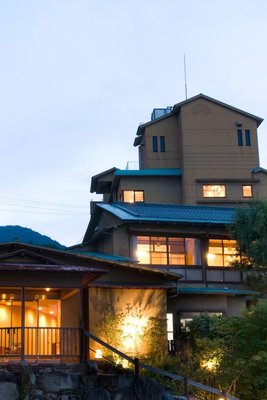
Hinoki No Ie, a secluded ryokan built from century-old hinoki wood, is a photographer’s dream—its wooden lattice walls, sliding paper doors, and natural light framing create perfect compositions, especially during early morning mist. Kato River Starlight Inn features glass-roofed rooms ideal for astrophotography, capturing star trails and river reflections. The hotel also runs monthly photography workshops led by local artists, teaching techniques for natural lighting, composition, and storytelling through images—perfect for capturing Katoshi’s quiet beauty.
Hotels in Katoshi are well-prepared for seasonal shifts: summer units feature air conditioning, cooling mist systems, and shaded lounges, while Kato Onsen Hotel offers outdoor mist fountains. Winter accommodations include heated floors, electric blankets, and simulated fireplace units. Sumitomo Ryokan provides a winter survival kit with hand warmers, non-slip slippers, and thick down coats for safe outdoor excursions. All hotels stock umbrellas, raincoats, and anti-slip shoe covers to ensure comfort regardless of weather conditions.
Kato Overview
City Summary
Kato City in Hyogo Prefecture, Japan, blends rural charm with cultural heritage. Famous for its rice paddy art in summer and winter light festivals, it preserves Edo-period thatched-roof houses and the historic Seisuiji Temple branch. A perfect escape from urban hustle.
Must-See Attractions
Don't miss the Rice Paddy Art Fields (summer) and Winter Illumination. Visit Kato City History Museum for local heritage. Explore nature at Yashiro no Mori Park, or meditate at Seisuiji Temple (26th site of Saigoku Pilgrimage).
Food Guide
Savor Hyogo Wagyu beef and farm-to-table dishes like rice balls made with local grains. Try traditional sweets like soy sauce dumplings, and winter street food oden. Farmhouse restaurants offer fresh pickles and seasonal vegetables.
Transportation Guide
Use JR Kakogawa Line trains and Shinki Buses. Rent bicycles (~500 yen/day) for paddy art areas. From Osaka, take JR trains (~1.5 hrs). Consider Kansai Wide Area Pass. Note some rural roads are narrow for drivers.
Best Time to Visit
Prime seasons: July-Aug (paddy art) & December (lights). Spring (Mar-Apr) has fewer crowds. Avoid Golden Week and Obon holidays. Winter temperatures often drop below freezing.
Travel Tips
- Never step into rice art fields - use viewing platforms
- Carry flashlights for dimly lit rural paths
- Most small shops accept cash only
- Maintain silence at temple grounds
- Practice strict trash recycling
- Book farm experiences in advance
Useful Information
Japanese is primary language; basic English signage exists. Free city Wi-Fi (requires registration). Cash dominates; some places accept PayPay e-wallet. For emergencies, dial #7119 for medical advice or visit Kato Municipal Hospital (translation available). Most shops operate 10AM-6PM, closed Wednesdays.









