Hotels in Katori
Discover your perfect stay in Katori.
Katori(Japan) Travel 2026: Cheap Flights, Hotels & Top Attractions
Popular Landmarks in Katori
Discover the most iconic attractions in Katori
Recommended Hotels in Katori
Find the perfect place to stay in Katori
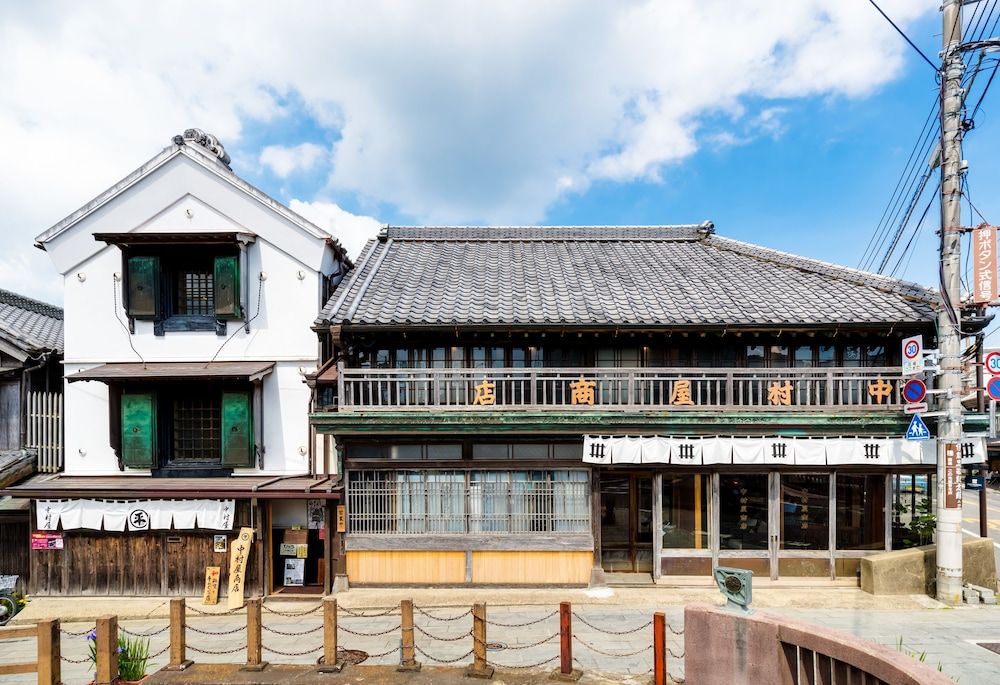
NIPPONIA Sawara Merchant Town Hotel
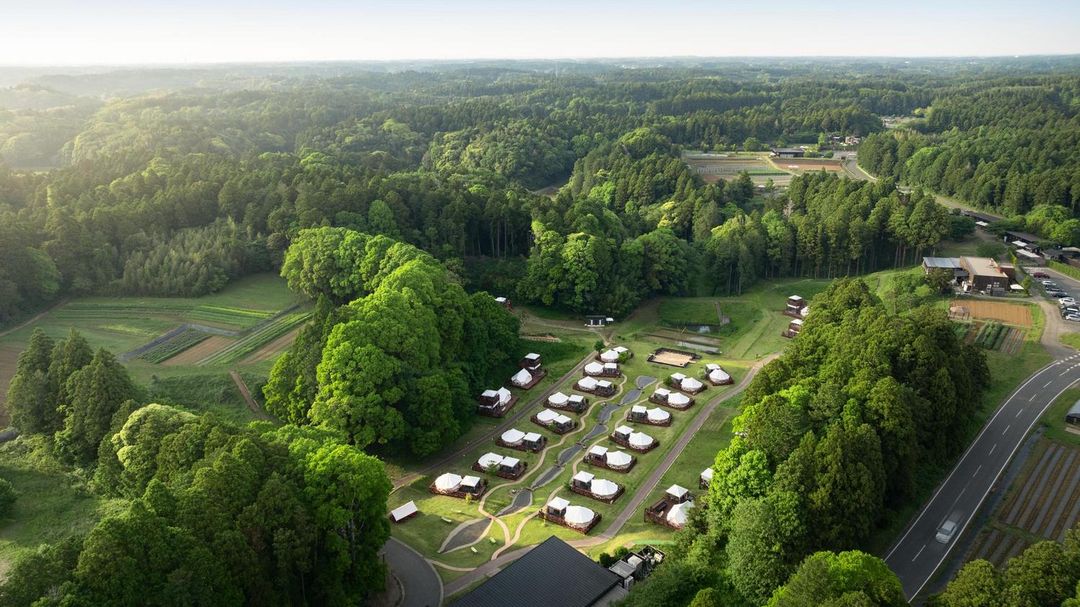
THE FARM Resort Japan

Hotel Route Inn Katori Sawara Ekimae
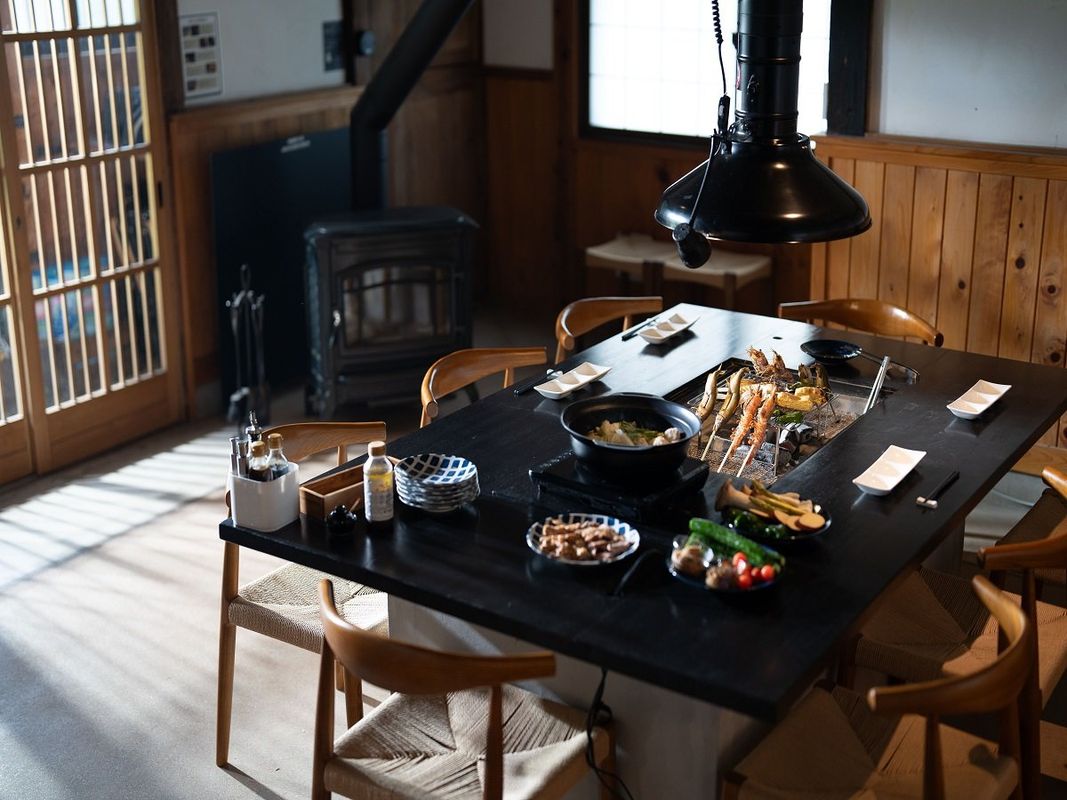
Katorihachisanroku
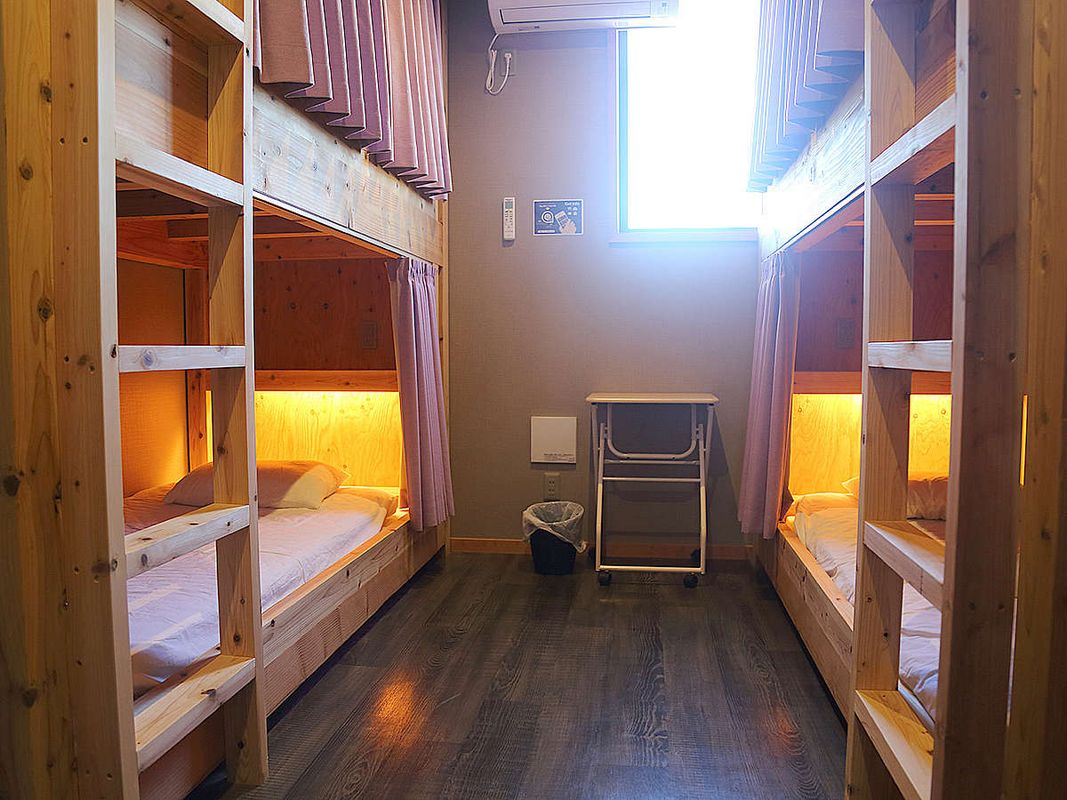
Hostel Co-Edo
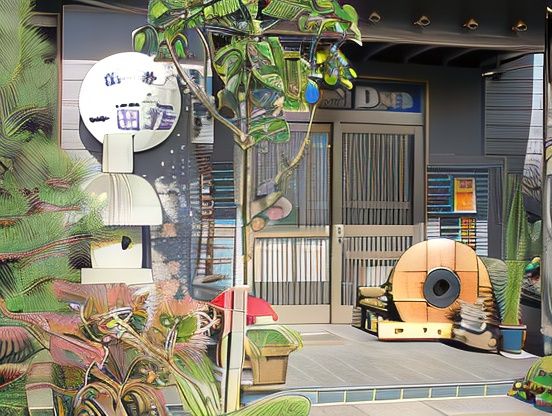
Ichiransou

Naritanomori Country Club
Best Hotels in Katori
Discover curated hotel collections in Katori
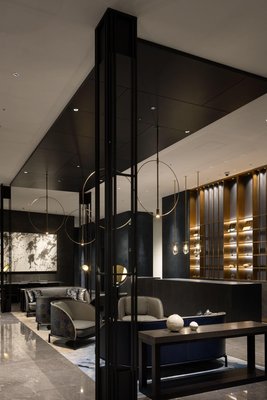
Bellustar Tokyo, A Pan Pacific Hotel

Bvlgari Hotel Tokyo
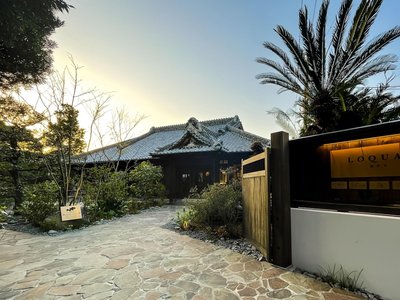
Loquat Nishiizu
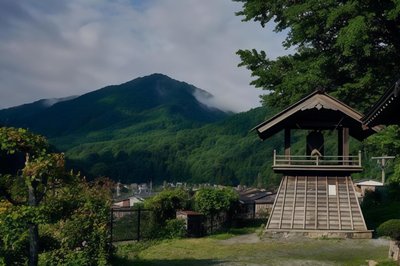
Byaku Narai
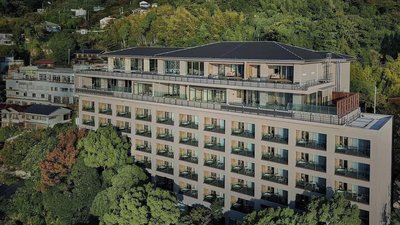
Atami Izusan Karaku
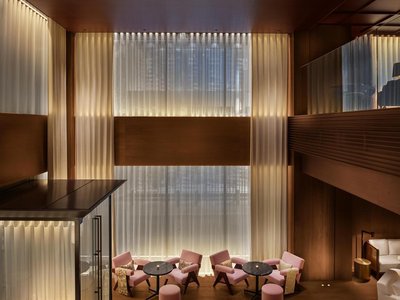
The Tokyo Edition, Ginza

Janu Tokyo
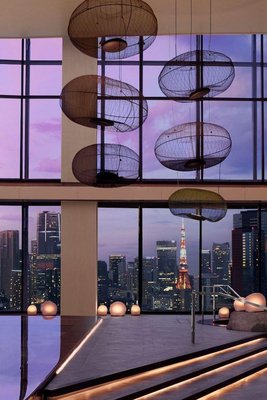
JW Marriott Hotel Tokyo
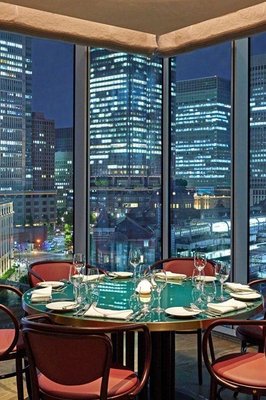
Four Seasons Hotel Tokyo at Marunouchi

Mandarin Oriental, Tokyo
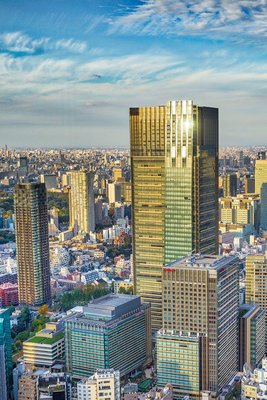
The Ritz-Carlton, Tokyo

Andaz Tokyo Toranomon Hills- A Concept by Hyatt
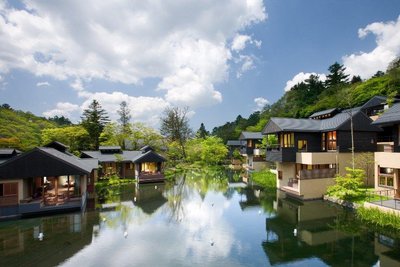
Hoshinoya Karuizawa
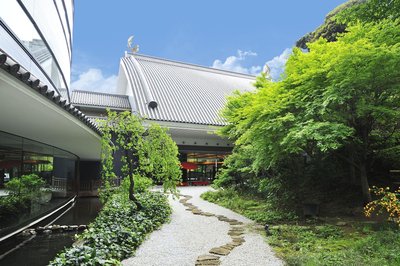
Hotel Gajoen Tokyo
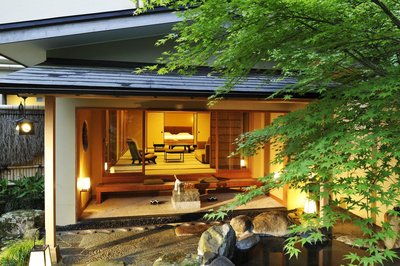
Gora Kadan
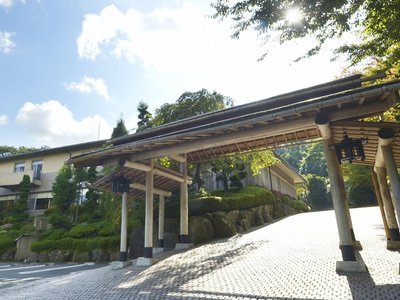
Gora Hanaougi
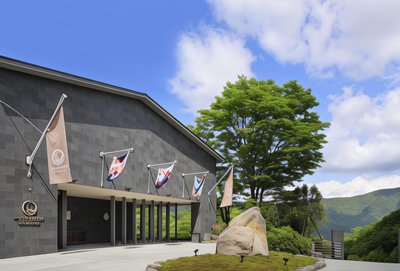
The Hiramatsu Hotels & Resorts Sengokuhara Hakone
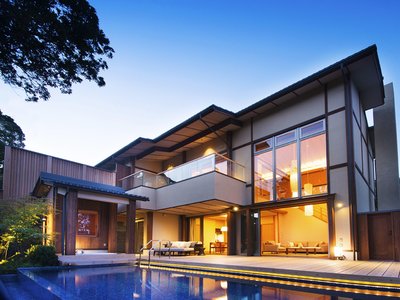
Abba Resorts Izu - Zagyosoh
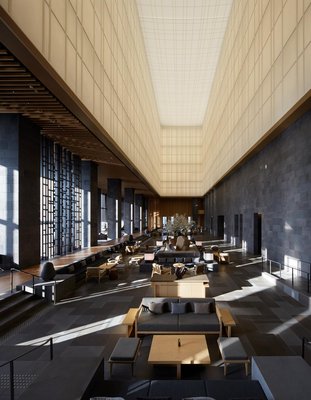
Aman Tokyo

Hotel New Otani Tokyo, Executive House Zen
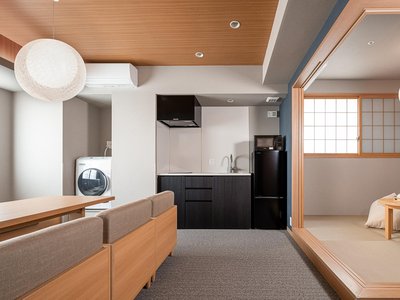
MIMARU SUITES Tokyo Asakusa
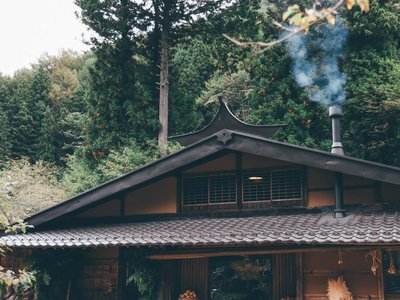
La Terra Resort
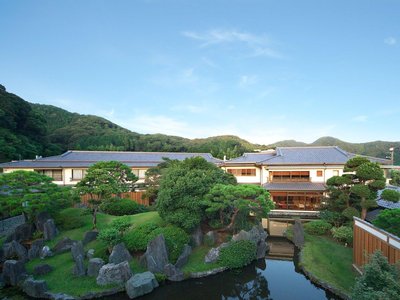
Kagetsutei

karaksa hotel colors Tokyo Yaesu

HOTEL GROOVE SHINJUKU, A PARKROYAL Hotel

EN Resort Grandeco Hotel

Awaumi Fujikawaguchiko Resort
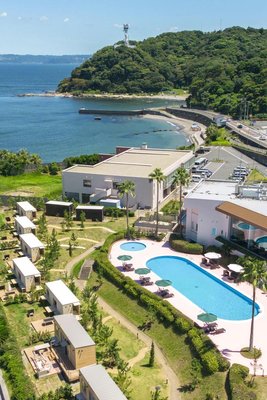
La vista Yokosuka Kannonzaki Terrace
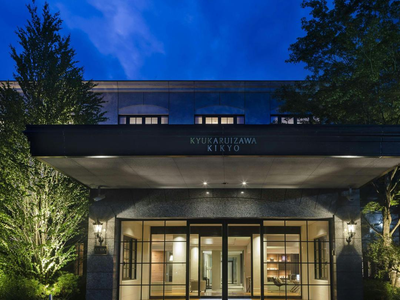
Fufu Karuizawa Wind of Sunshine
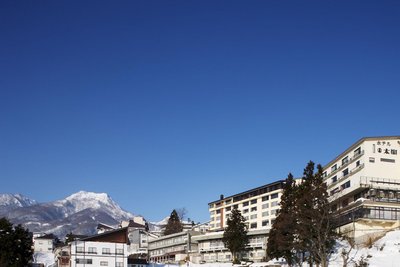
Hotel Taiko, Akakura Onsen
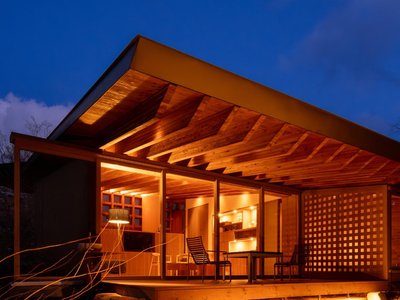
Nasu Mukunone
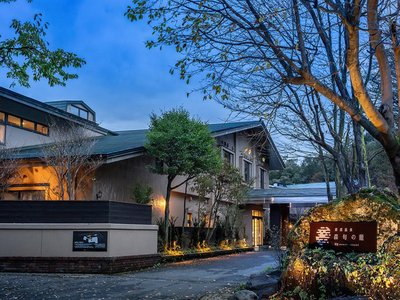
Nasu Onsen Shinshun no Kago Hewitt Resort

Scapes the Suite
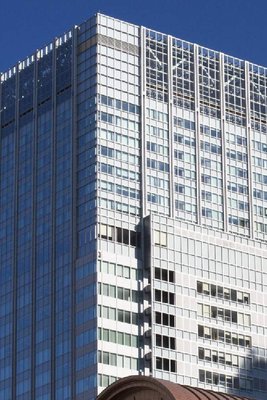
Hotel Metropolitan Tokyo Marunouchi
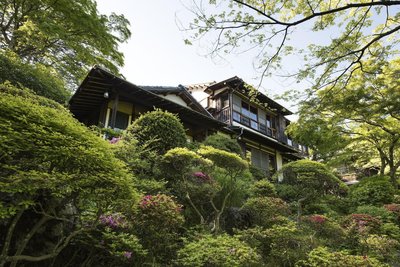
Gora Kansuiro
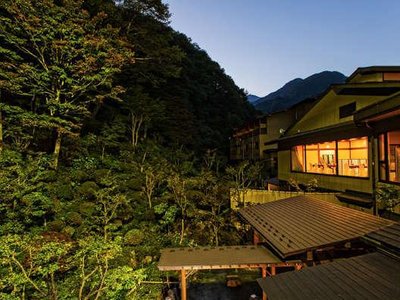
Futari Shizuka
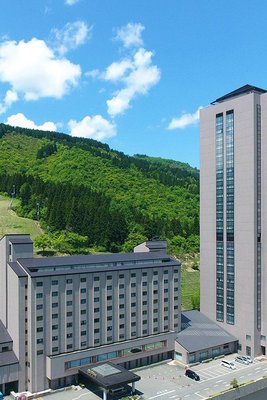
Naspa New Otani
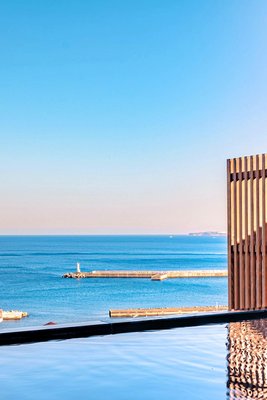
HOTEL KANICHI
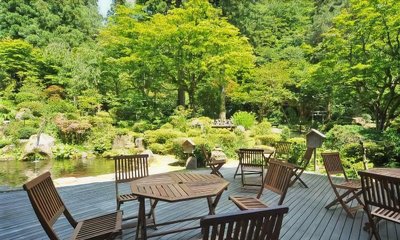
Choseikan
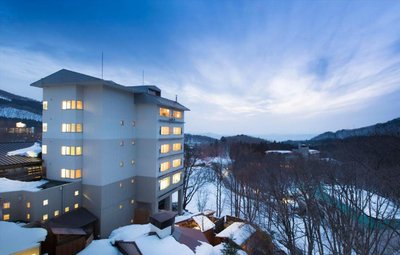
Takamiya Hotel Lucent
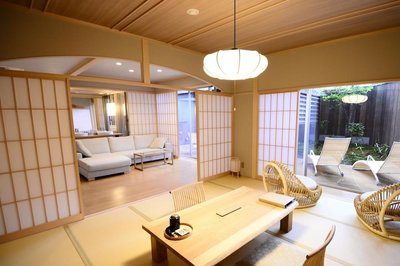
Hakone Gora Byakudan
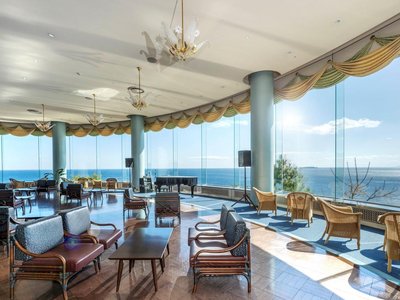
Hotel New Akao
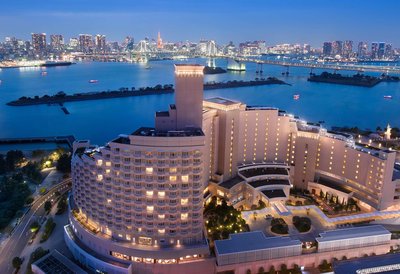
Hilton Tokyo Odaiba
JW Marriott Hotel Tokyo
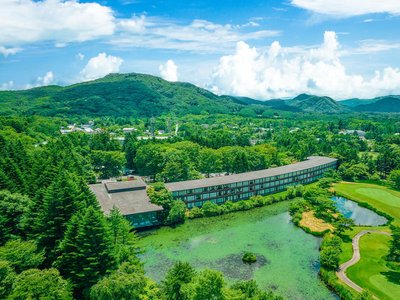
The Prince Karuizawa

The Kukuna
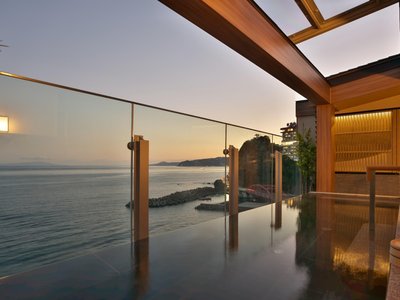
Hotel New Sagamiya
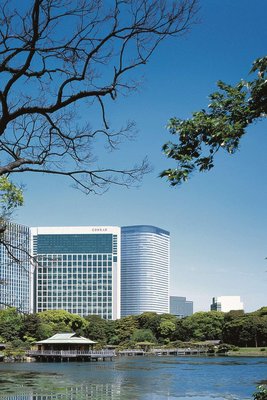
Conrad Tokyo
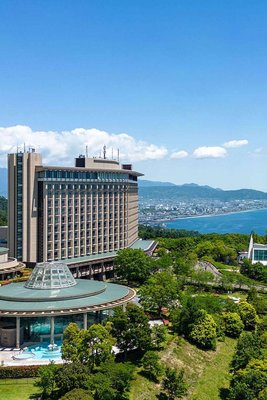
Hilton Odawara Resort & Spa
Hoshinoya Karuizawa
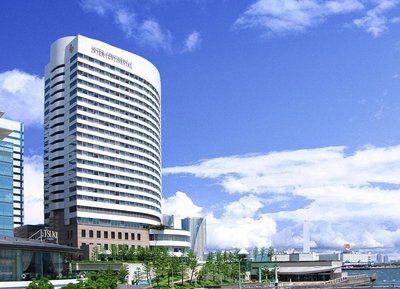
InterContinental Tokyo Bay
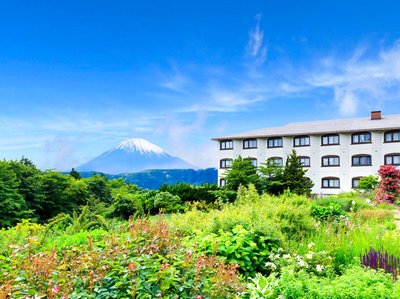
Hotel Green Plaza Hakone
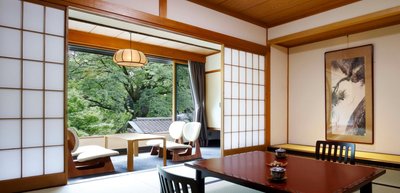
Yoshiike Ryokan
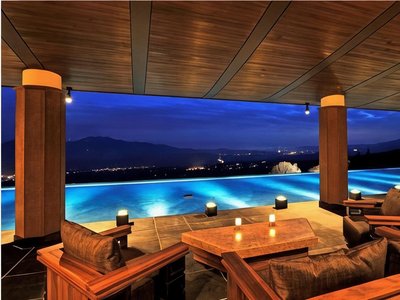
Akakura Kanko Hotel
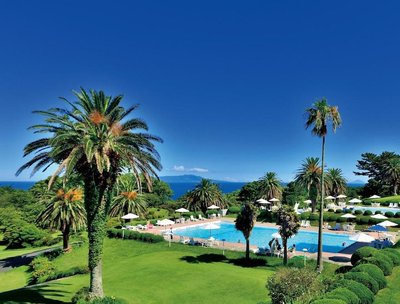
Kawana Hotel
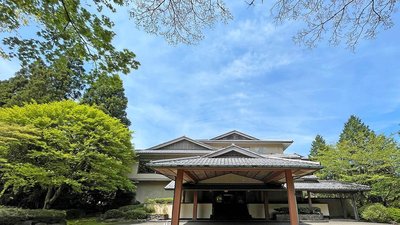
Ryuguden
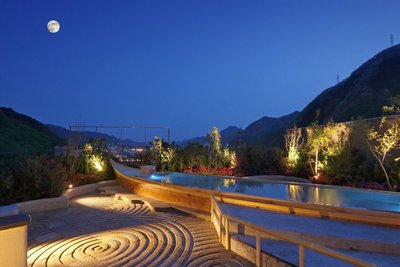
Asaya
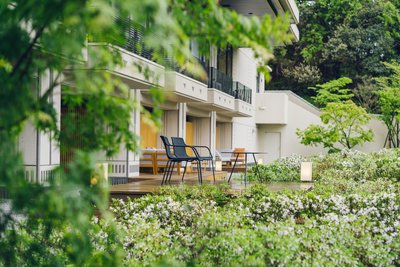
Hoshino Resorts Kai Enshu
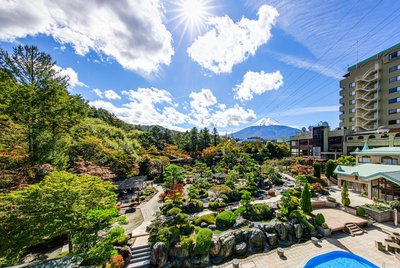
Kaneyamaen
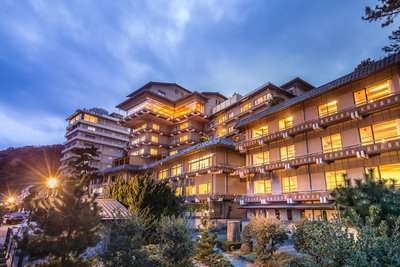
Bousui
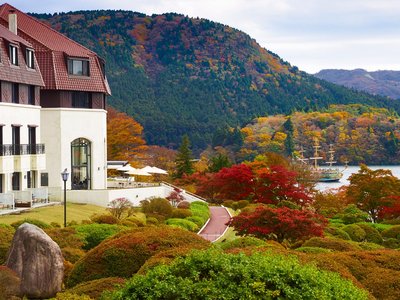
Hotakajyo
Auberge Suzukane

Onyado Nono Asakusa Bettei Hot Spring
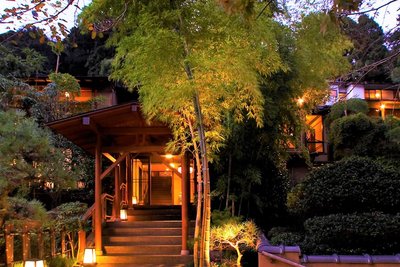
Shiki wo Ajiwau Yado Yamano Chaya
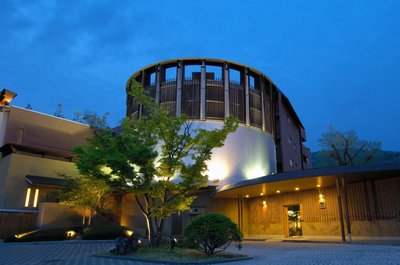
Hoshino Resorts Kai Matsumoto
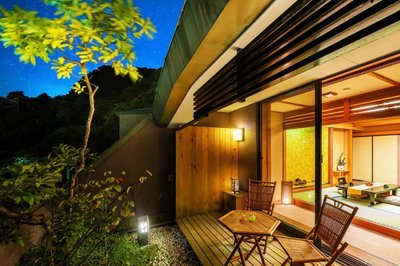
Konjakutei
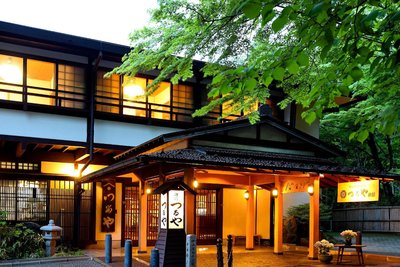
Tsuruya Ryokan
Nakamatsuya Ryokan
Ryokan Sugimoto
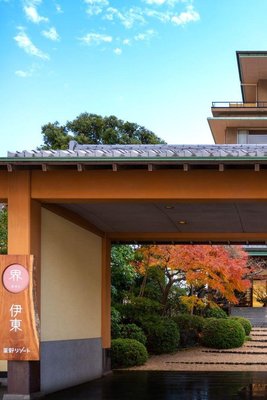
Hoshino Resorts Kai Ito
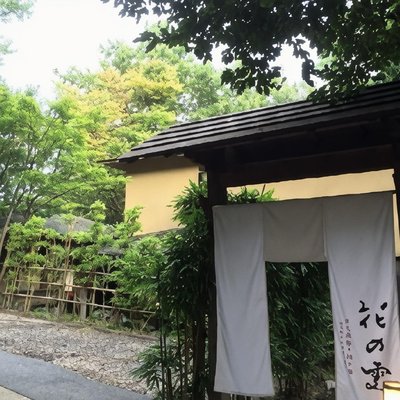
Hana No Kumo
Yoshiike Ryokan
Hotel Gajoen Tokyo
Gora Hanaougi
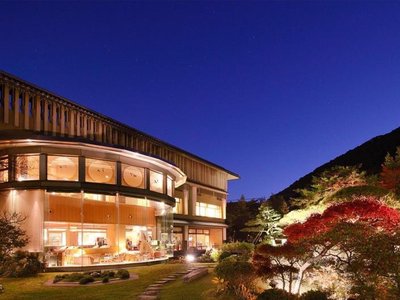
Shikisai Ichiriki
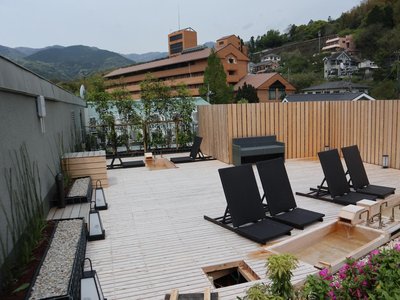
Fukiya Ryokan
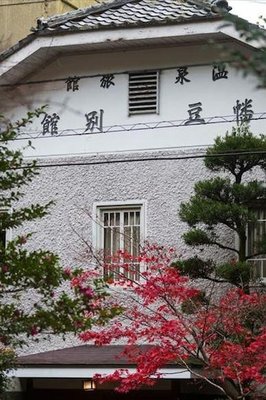
Oku-Mikawa・Yuya Onsen HAZU Bekkan
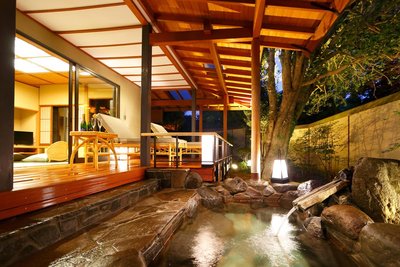
Yoshiharu Ryokan – Izu Nagaoka Onsen
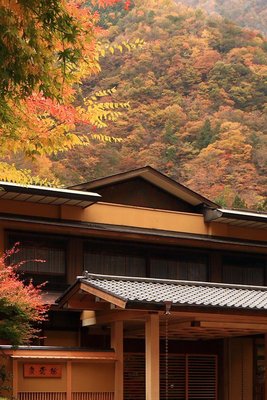
Nishiyama Onsen Keiunkan
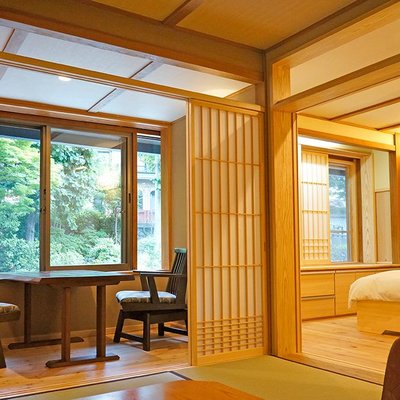
Sumiyosiya Ryokan
Bellustar Tokyo, A Pan Pacific Hotel
JW Marriott Hotel Tokyo
Andaz Tokyo Toranomon Hills- A Concept by Hyatt
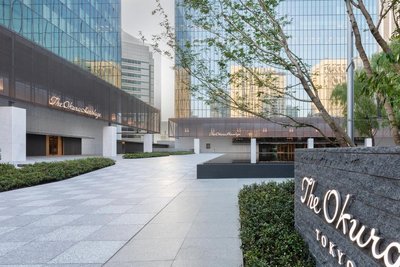
The Okura Tokyo

The Lively Azabujuban Tokyo

Kimpton Shinjuku Tokyo

HOTEL K5
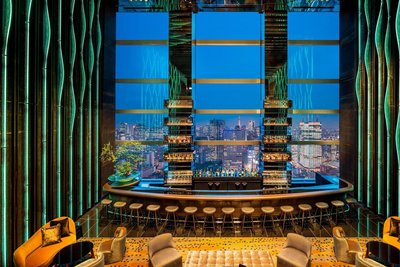
The Prince Gallery Tokyo Kioicho, a Luxury Collection Hotel

Muji Hotel Ginza
Hakone Gora Byakudan
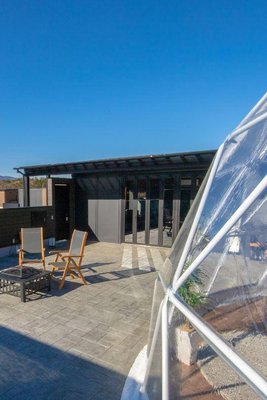
Panoramic Mt. Fuji Views from All Rooms – Vision Glamping Resort & Spa Yamanakako
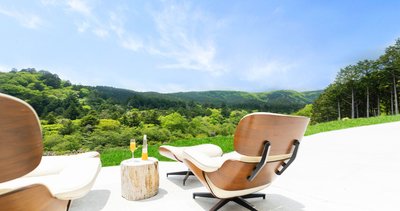
Shelter Garden Nikko
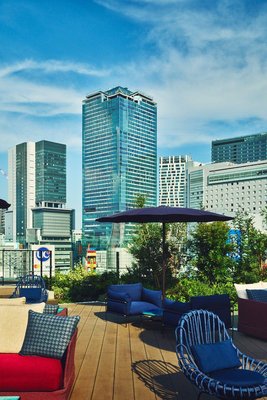
Hotel Indigo Tokyo Shibuya
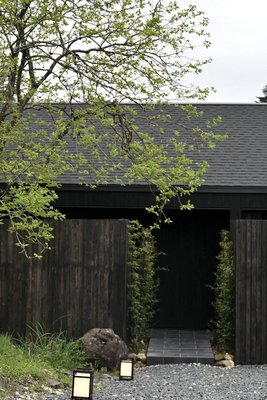
THE LAKOTAN
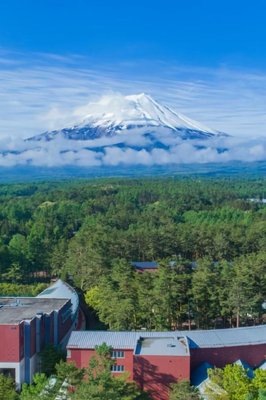
Forest Village (Fuji Premium Resort)

Hotel Toranomon Hills

Fufu Kyu-Karuizawa Restful Forest
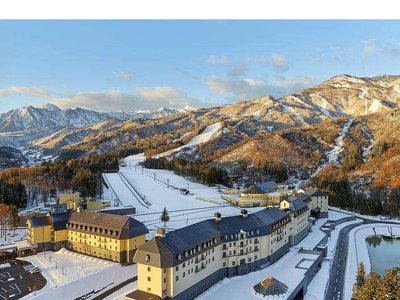
Lotte Arai Resort
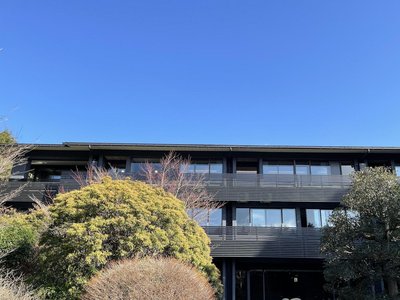
Sengokubara Cocon
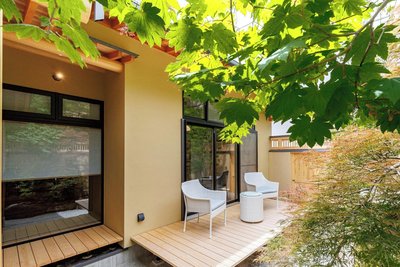
Shoraiso
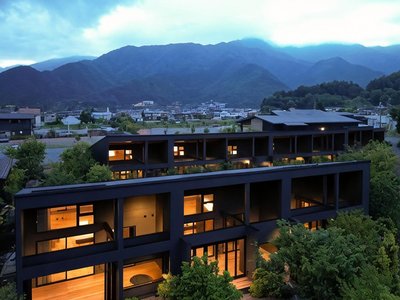
7C Villa and Winery

Hotel la Vigne Hakuba by Onko Chishin
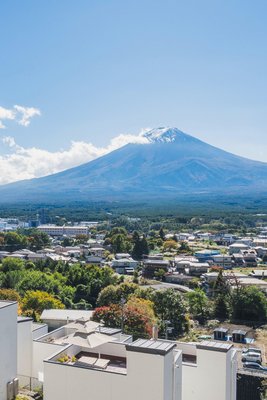
THE TOKI FujiKawaguchiko
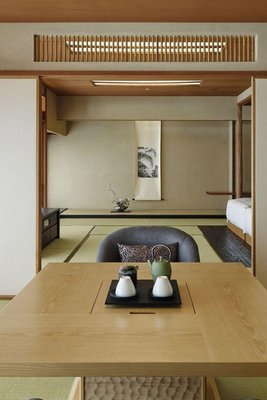
Takanawa Hanakohro (in Grand Prince Hotel Takanawa)
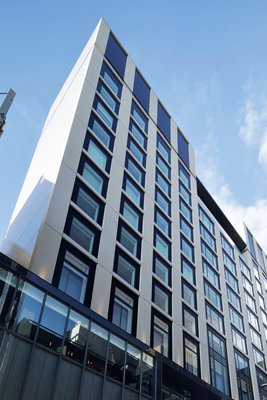
Hyatt Centric Ginza Tokyo
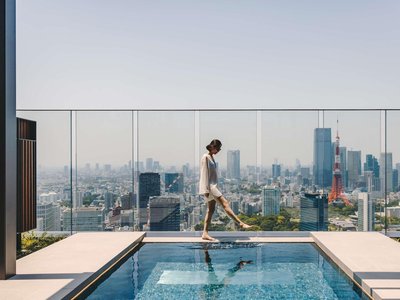
Fairmont Tokyo
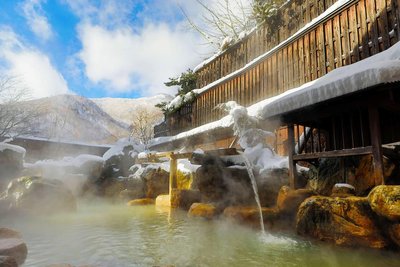
Miyamaouanbekkan yumegurinoyado hirayukan
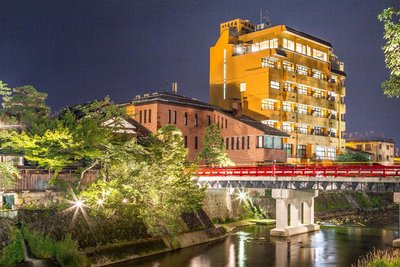
HONJIN HIRANOYA BEKKAN
The Prince Karuizawa
Bvlgari Hotel Tokyo
Four Seasons Hotel Tokyo at Marunouchi
Mandarin Oriental, Tokyo
The Ritz-Carlton, Tokyo
Andaz Tokyo Toranomon Hills- A Concept by Hyatt
Gora Kadan

Hotel New Otani Tokyo the Main
Aman Tokyo
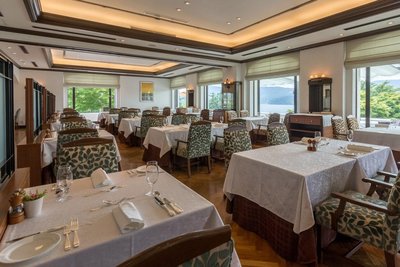
Odakyu Hotel de Yama
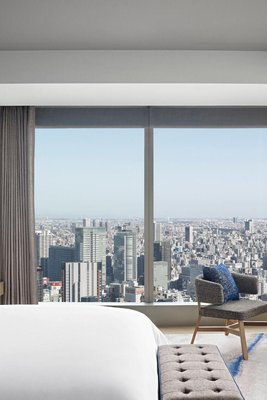
Four Seasons Hotel Tokyo at Otemachi

The Tokyo Edition, Toranomon
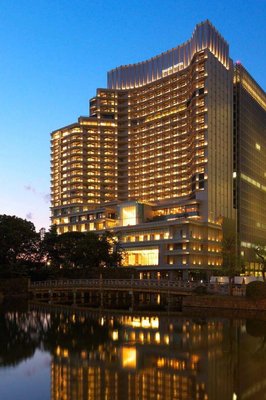
Palace Hotel Tokyo
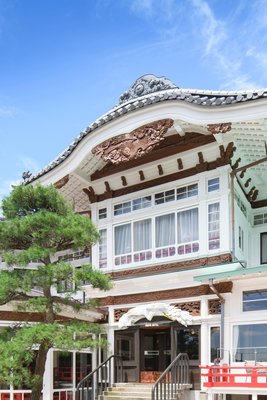
Fujiya Hotel
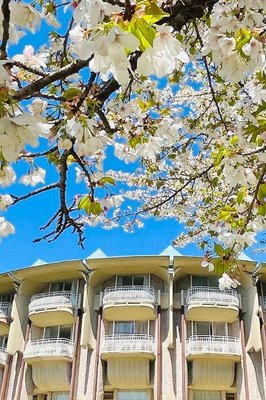
The Prince Hakone Lake Ashinoko

Hyatt Regency Hakone Resort and Spa
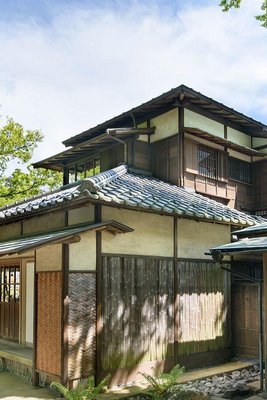
Hakone Suishoen
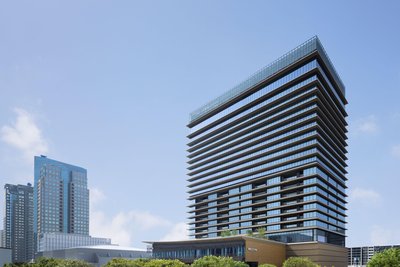
The Westin Yokohama

The Peninsula Tokyo

Imperial Hotel, Tokyo

Rakuten STAY VILLA Nasu
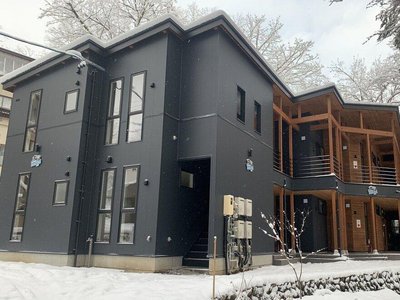
Hakuba Gondola Apartments
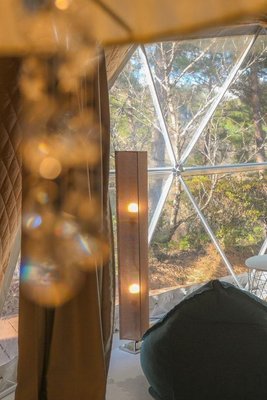
glampark Gekkabijin Nagano
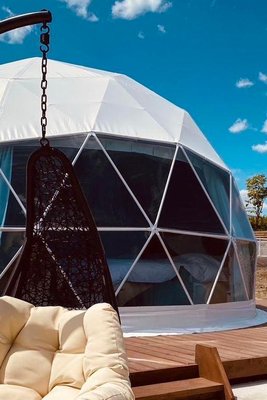
chillout glamping zao
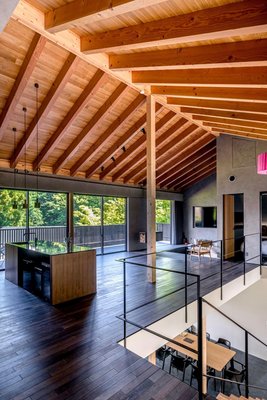
MONS GORA

Phoenix Chalets by Hhg
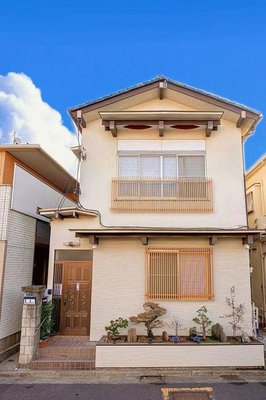
Tokyo Star House-Shinkoiwa
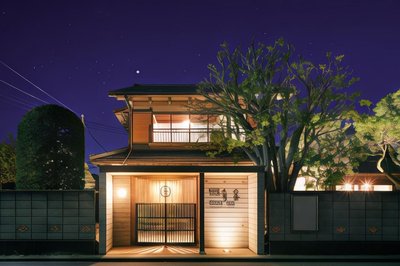
Machi-Jyu
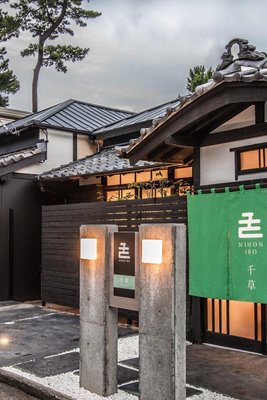
Nihon Iro
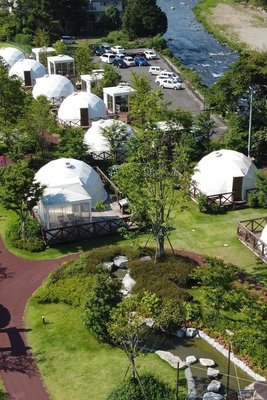
Ufufu Village
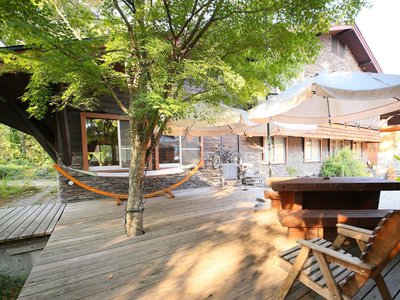
Kunugi Relaxation with 4 Modern Rooms

Modern Ryokan Kishi-ke

The Flow Kamakura
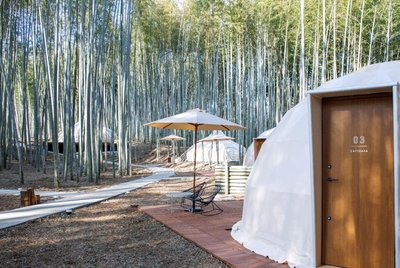
THE BAMBOO FOREST
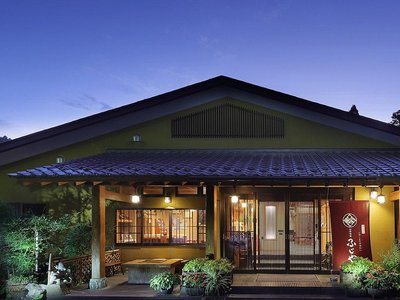
Shikimitei Fujiya
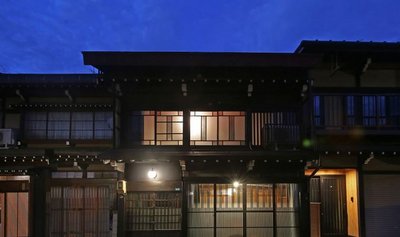
Iori Stay Hida
Frequently Asked Questions about Traveling to Katori
Questions You Might Need to Know About Traveling to Katori
For authentic cultural experiences, stay at Katori Shrine View Inn, located just steps from the Katori Shrine. This traditional-style inn offers tatami rooms, kaiseki meals using local ingredients, and guided morning rituals. Guests can participate in seasonal festivals like the Spring Festival and learn about Shinto customs directly from resident priests.
Another excellent choice is Katori River Cottage, a sustainable eco-lodge near the Katori River, where guests join local conservation tours and hands-on workshops on traditional wood carving and river ecology.
Both properties emphasize quiet reflection and deep connection to nature and heritage.
The Katori Shrine vicinity is ideal for first-time visitors seeking peace and serenity. Surrounded by ancient cedar trees and peaceful pathways, this area offers easy access to the main shrine complex, including the iconic Great Torii Gate. Most accommodations here provide shuttle services to Katori Station and feature tranquil gardens or private verandas perfect for early-morning meditation or stargazing under clear skies.
The absence of commercial noise enhances the spiritual atmosphere, making it a haven for those looking to disconnect and experience Japan’s quiet traditions.
Tourists can take part in the Katori Shrine Spring Festival held every March, featuring traditional dance performances, sacred rituals, and ceremonial processions. Another highlight is the Wood Carving Exhibition & Workshop, hosted monthly at the local Cultural Center, where visitors can craft small shrine ornaments under the guidance of master artisans.
Additionally, many guesthouses organize spiritual wellness retreats combining tea ceremony, calligraphy, and mindfulness sessions rooted in Shinto philosophy, offering a holistic cultural journey beyond sightseeing.
Yes, Katori Shrine Resort is highly recommended for families. It features a dedicated children’s playground, outdoor hot spring pools with shallow zones, and daily family workshops such as rice ball making and origami crafting.
The resort serves authentic regional cuisine—like Katori Fish (salted mackerel) and locally grown Chiba prefecture rice—in kid-friendly portions. All rooms are equipped with futons and sliding doors for privacy, while staff speak basic English and are trained in child safety protocols.
It’s a perfect blend of tradition, comfort, and fun for all ages.
Stay at Riverbank Cottage Katori, nestled along the Katori River, which offers direct access to wetland trails and birdwatching spots. The eco-lodge uses solar power and rainwater systems, promoting sustainability.
Guests can join guided nature walks led by local biologists to explore native flora and fauna, including endangered waterfowl species. Morning yoga sessions on the riverside deck and evening storytelling circles under the stars enhance the sense of harmony with nature.
This property is ideal for photographers, hikers, and anyone seeking a grounding retreat in pristine Japanese countryside.
The Katori Shrine at night is breathtaking, illuminated by warm golden lights that reflect off the still waters of the shrine pond. The Great Torii Gate glows softly against the dark sky, creating a surreal, almost otherworldly scene.
Some premium lodges, like Katori Sky Terrace Inn, offer private rooftop decks with panoramic views of the entire shrine complex. These vantage points are especially magical during festival nights when paper lanterns float gently above the grounds, making it a must-visit spot for photographers and romantic getaways alike.
Katori Shrine Vista Lodge is a photographer’s dream, with floor-to-ceiling windows facing the main shrine gate and Great Torii. Early mornings offer soft light ideal for capturing pilgrims walking through the archway, creating ethereal compositions.
The lodge also provides professional photo guides who help plan optimal shooting times and locations based on weather and season. They even offer rental equipment for wide-angle and long-exposure shots.
Other perks include exclusive access to restricted viewpoints and post-processing workshops to refine your travel photography skills.
Try Katori Fish (Sakura Mackerel) — a delicately salted, fermented mackerel dish made from fresh catch of the region. It pairs perfectly with Chiba Prefecture rice, known for its rich flavor and texture.
Visit Asaichi Food Stall near the shrine entrance for freshly prepared omusubi (rice balls) filled with fish or pickled vegetables. Many guesthouses also serve breakfast featuring these local specialties, allowing travelers to savor authentic taste in a homely setting.
These dishes reflect the deep connection between the community and its coastal environment.
Yes, Katori City is well-connected to Tokyo. Take the JR Tōbu Line from Tokyo Station to Katori Station, approximately 1 hour. Upon arrival, free shuttle buses run regularly to major hotels and the Katori Shrine complex.
The city center is compact and walkable, with clear signage in both Japanese and English. Public transport options include bicycles for rent and electric scooters, making exploration convenient and eco-friendly for solo travelers and couples.
Many guesthouses organize immersive festival participation programs. Stay at Katori Waifu Villa, which offers guided tickets and outfit rentals for events like the Tanabata Festival and Autumn Grand Festival.
Guests may join traditional dances, write wishes on tanzaku paper, and receive commemorative items such as hand-painted charms and limited-edition snacks. Some lodges even host after-hours gatherings with local performers and storytellers, turning your visit into a living cultural experience rather than passive observation.
Katori Overview
City Summary
Katori City, located in northern Chiba Prefecture, Japan, is renowned for its rich history and natural beauty. The city is home to the famous Katori Shrine, one of Japan's significant Shinto shrines, attracting many pilgrims and tourists. Katori is also known for its traditional agriculture and fishing landscapes, particularly the picturesque rice fields in autumn. It is an ideal destination to experience rural Japan and traditional culture.
Must-See Attractions
Must-see attractions in Katori include the Katori Shrine, a historic Shinto site with grand architecture and a serene atmosphere. The old streets of Sawara retain their Edo-period charm, perfect for walking tours. Visitors can also explore local farms and fishing villages to experience traditional rural life. The scenic Tone River basin offers opportunities for riverside walks or boat rides.
Food Guide
Katori's cuisine features fresh local ingredients. Recommended dishes include freshwater fish like ayu and carp, as well as sushi and rice balls made with locally grown rice. Street food stalls in Sawara offer traditional wagashi (Japanese sweets) and grilled fish, perfect for sampling while exploring.
Transportation Guide
The primary transportation options in Katori are trains and buses. JR East's Narita Line and Kashima Line connect key stations within the city, making it easy to reach major attractions. Buses cover the city center extensively, while renting a car or taking taxis is advisable for remote areas. Plan routes in advance and check bus schedules to minimize waiting time.
Best Time to Visit
The best times to visit Katori are spring (March-May) and autumn (September-November). Spring brings cherry blossoms, enhancing shrine and riverside views, while autumn features golden rice fields and mild weather. Summers are hot and humid, and winters are cold with fewer tourists.
Travel Tips
- Follow shrine etiquette, such as cleansing hands and bowing.
- Rural shops may only accept cash, so carry enough yen.
- Some signs are in Japanese only; a translation app can help.
- Post-harvest rural roads may be muddy in autumn; wear sturdy shoes.
- Public restrooms are limited; use facilities at stations or attractions.
- Locals are friendly but may not speak English; basic Japanese phrases are useful.
Useful Information
Japanese is the primary language, though some tourist staff speak basic English. Cash is preferred, with credit cards accepted only at larger establishments. Mobile networks provide good 4G coverage in urban and key tourist areas. In emergencies, dial 119 for ambulance or fire services. Pharmacies and clinics are available in the city, but remote areas have fewer medical facilities; travel insurance is recommended.