Hotels in Katori
Discover your perfect stay in Katori.
Katori(Japan) Travel 2026: Cheap Flights, Hotels & Top Attractions
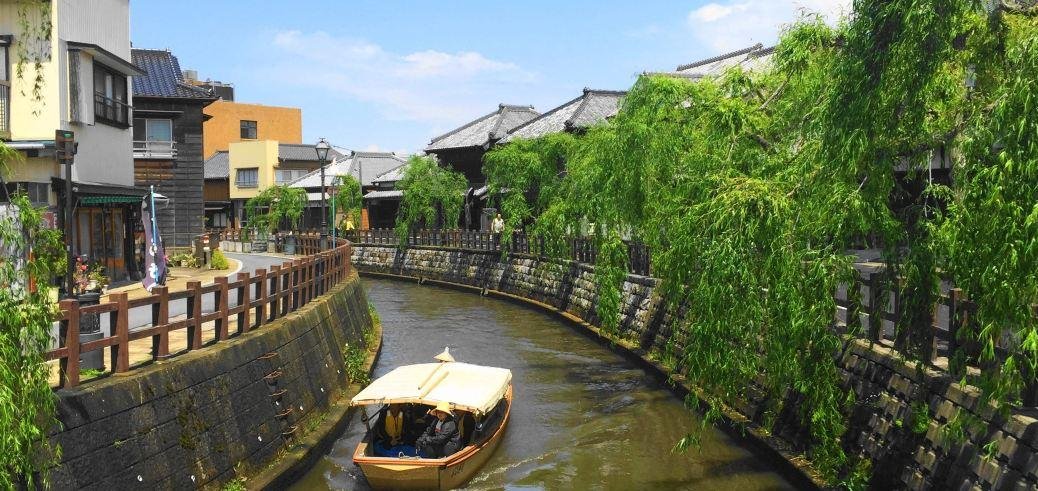
Popular Landmarks in Katori
Discover the most iconic attractions in Katori
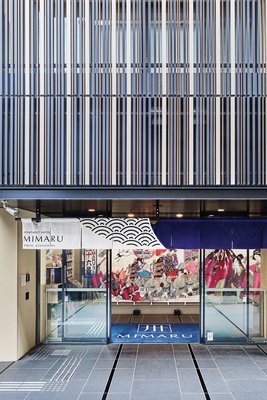
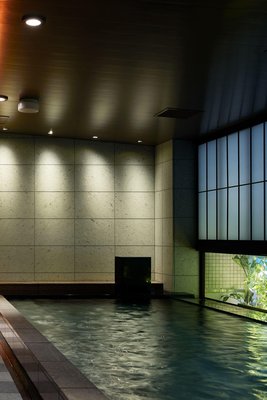
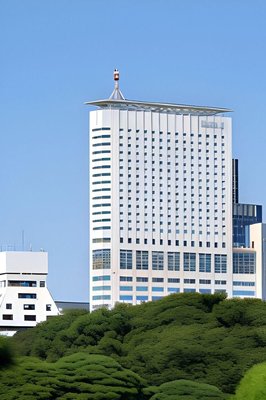
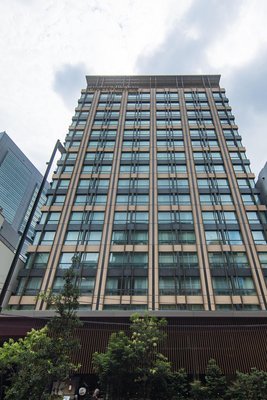
Recommended Hotels in Katori
Find the perfect place to stay in Katori
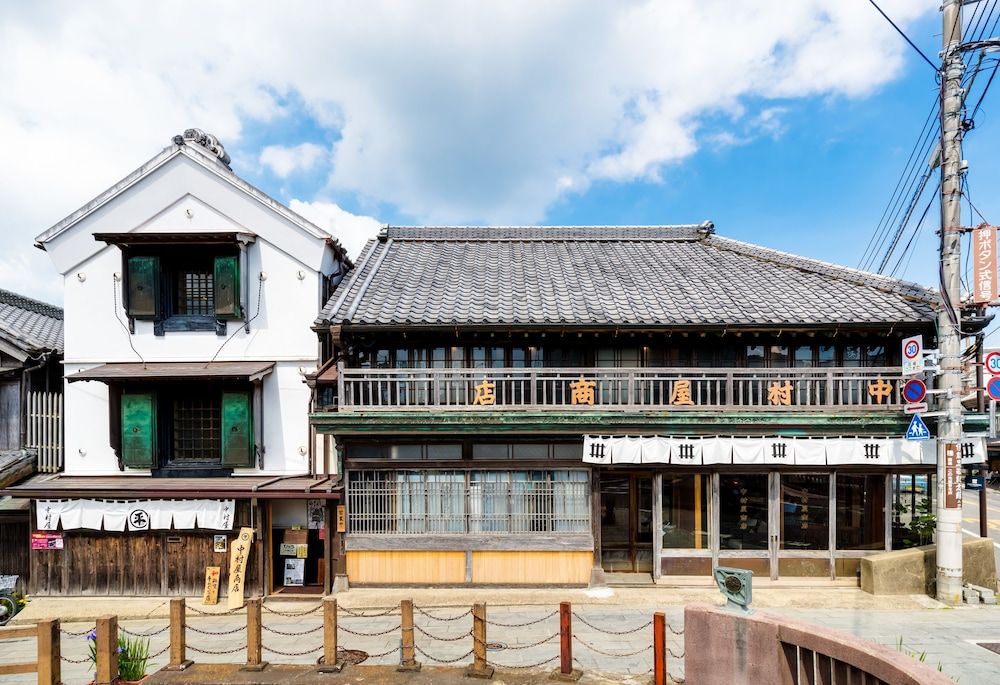
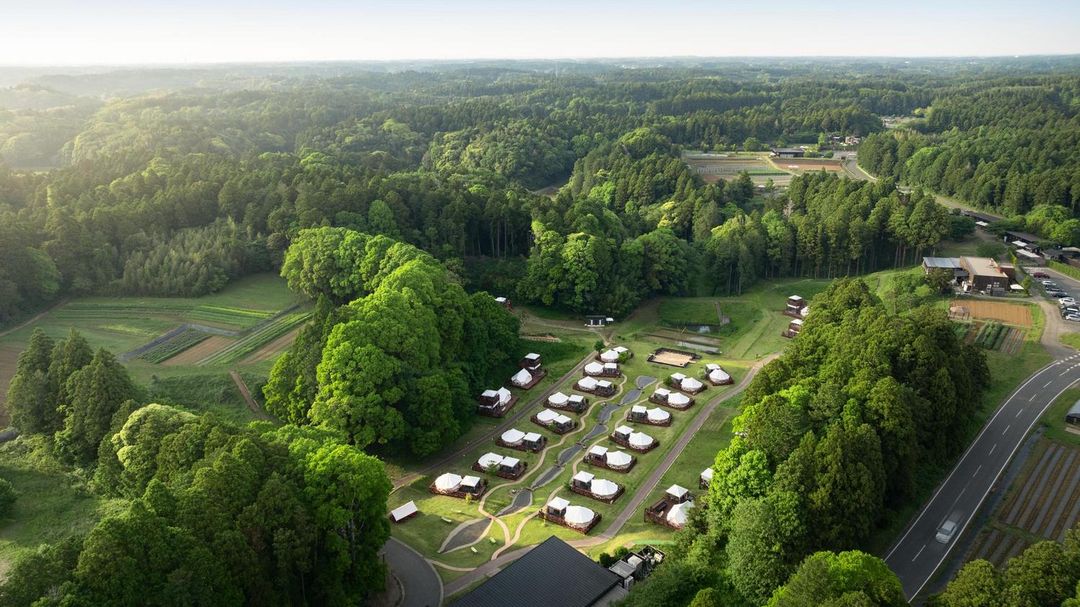

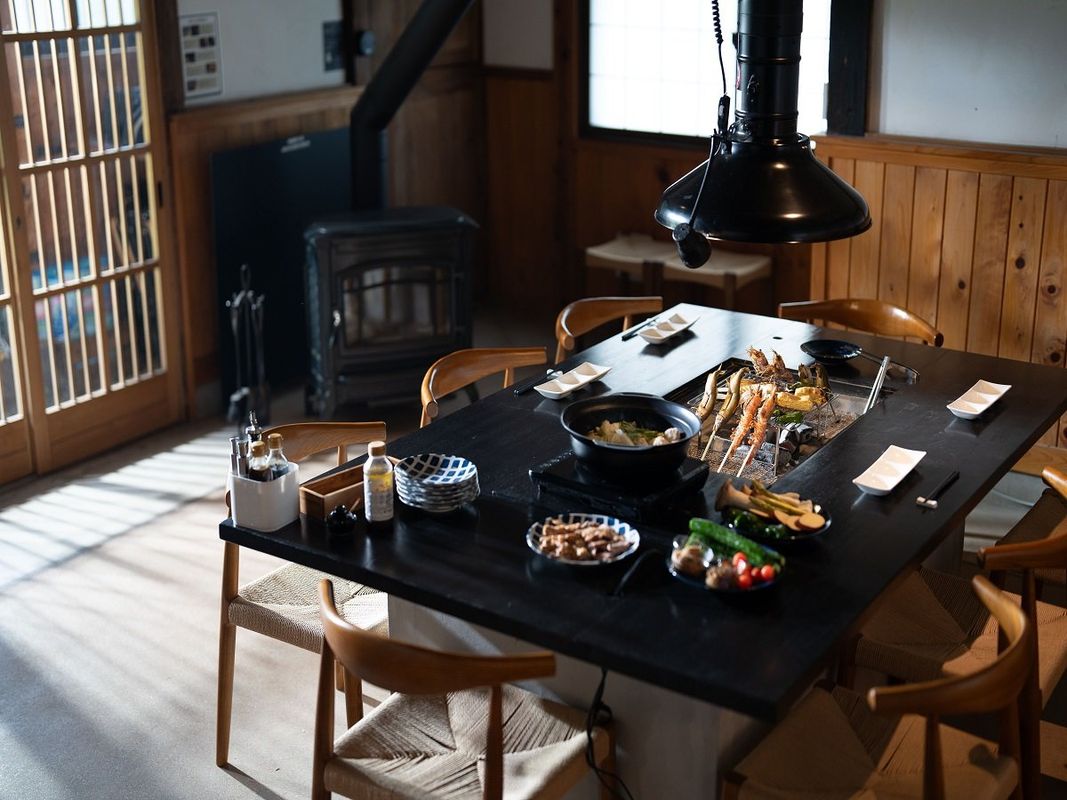
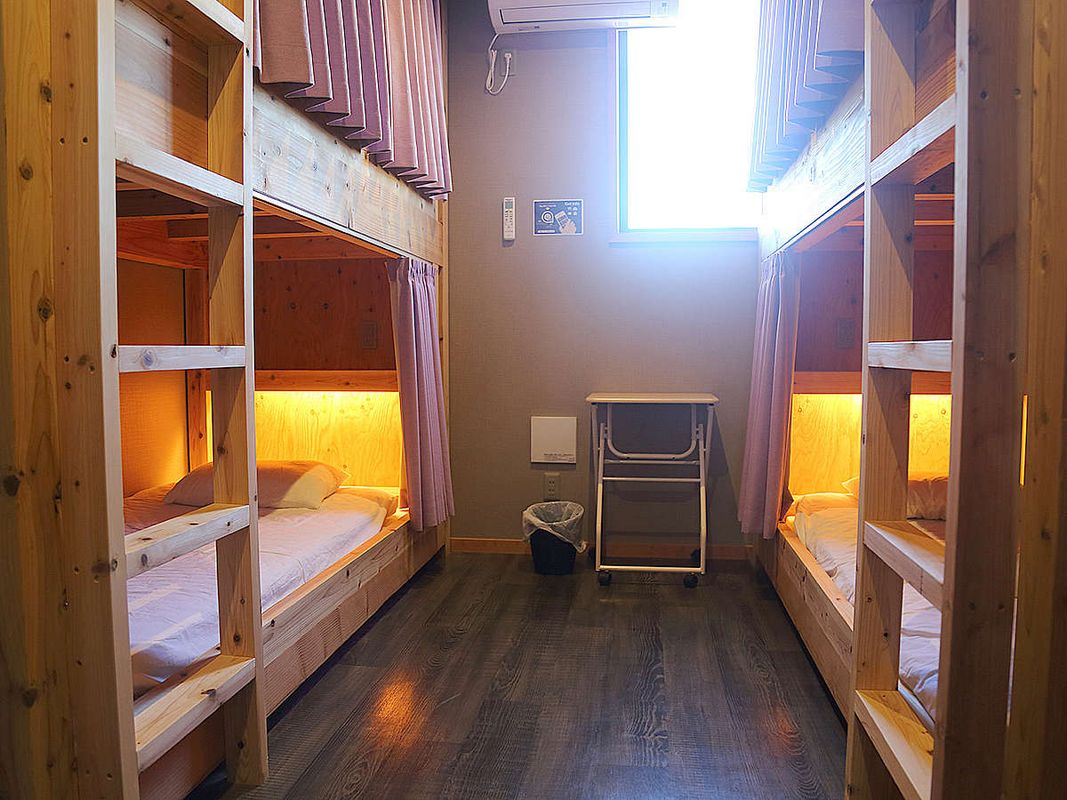
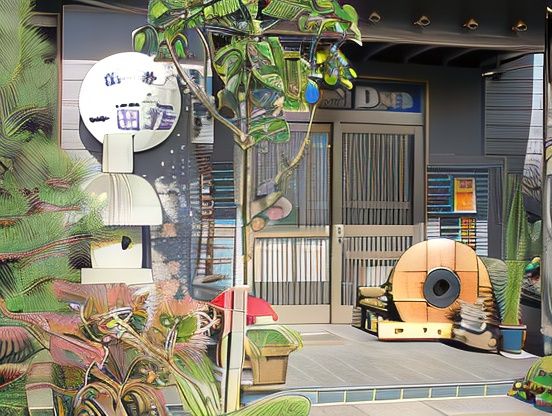
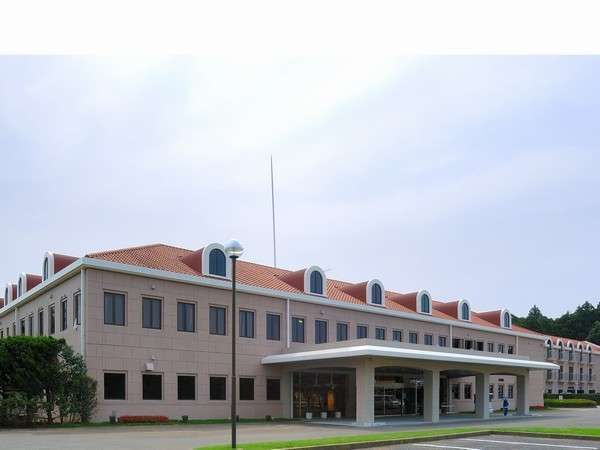
Best Hotels in Katori
Discover curated hotel collections in Katori
















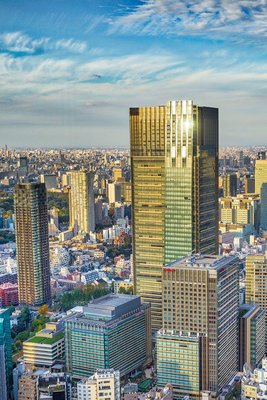
































































Frequently Asked Questions about Traveling to Katori
Questions You Might Need to Know About Traveling to Katori
Katori Overview
City Summary
Katori City, located in northern Chiba Prefecture, Japan, is renowned for its rich history and natural beauty. The city is home to the famous Katori Shrine, one of Japan's significant Shinto shrines, attracting many pilgrims and tourists. Katori is also known for its traditional agriculture and fishing landscapes, particularly the picturesque rice fields in autumn. It is an ideal destination to experience rural Japan and traditional culture.
Must-See Attractions
Must-see attractions in Katori include the Katori Shrine, a historic Shinto site with grand architecture and a serene atmosphere. The old streets of Sawara retain their Edo-period charm, perfect for walking tours. Visitors can also explore local farms and fishing villages to experience traditional rural life. The scenic Tone River basin offers opportunities for riverside walks or boat rides.
Food Guide
Katori's cuisine features fresh local ingredients. Recommended dishes include freshwater fish like ayu and carp, as well as sushi and rice balls made with locally grown rice. Street food stalls in Sawara offer traditional wagashi (Japanese sweets) and grilled fish, perfect for sampling while exploring.
Transportation Guide
The primary transportation options in Katori are trains and buses. JR East's Narita Line and Kashima Line connect key stations within the city, making it easy to reach major attractions. Buses cover the city center extensively, while renting a car or taking taxis is advisable for remote areas. Plan routes in advance and check bus schedules to minimize waiting time.
Best Time to Visit
The best times to visit Katori are spring (March-May) and autumn (September-November). Spring brings cherry blossoms, enhancing shrine and riverside views, while autumn features golden rice fields and mild weather. Summers are hot and humid, and winters are cold with fewer tourists.
Travel Tips
- Follow shrine etiquette, such as cleansing hands and bowing.
- Rural shops may only accept cash, so carry enough yen.
- Some signs are in Japanese only; a translation app can help.
- Post-harvest rural roads may be muddy in autumn; wear sturdy shoes.
- Public restrooms are limited; use facilities at stations or attractions.
- Locals are friendly but may not speak English; basic Japanese phrases are useful.
Useful Information
Japanese is the primary language, though some tourist staff speak basic English. Cash is preferred, with credit cards accepted only at larger establishments. Mobile networks provide good 4G coverage in urban and key tourist areas. In emergencies, dial 119 for ambulance or fire services. Pharmacies and clinics are available in the city, but remote areas have fewer medical facilities; travel insurance is recommended.









