Hotels in Katsuragi
Discover your perfect stay in Katsuragi.
Katsuragi(Japan) Travel 2026: Cheap Flights, Hotels & Top Attractions
Popular Landmarks in Katsuragi
Discover the most iconic attractions in Katsuragi
Recommended Hotels in Katsuragi
Find the perfect place to stay in Katsuragi
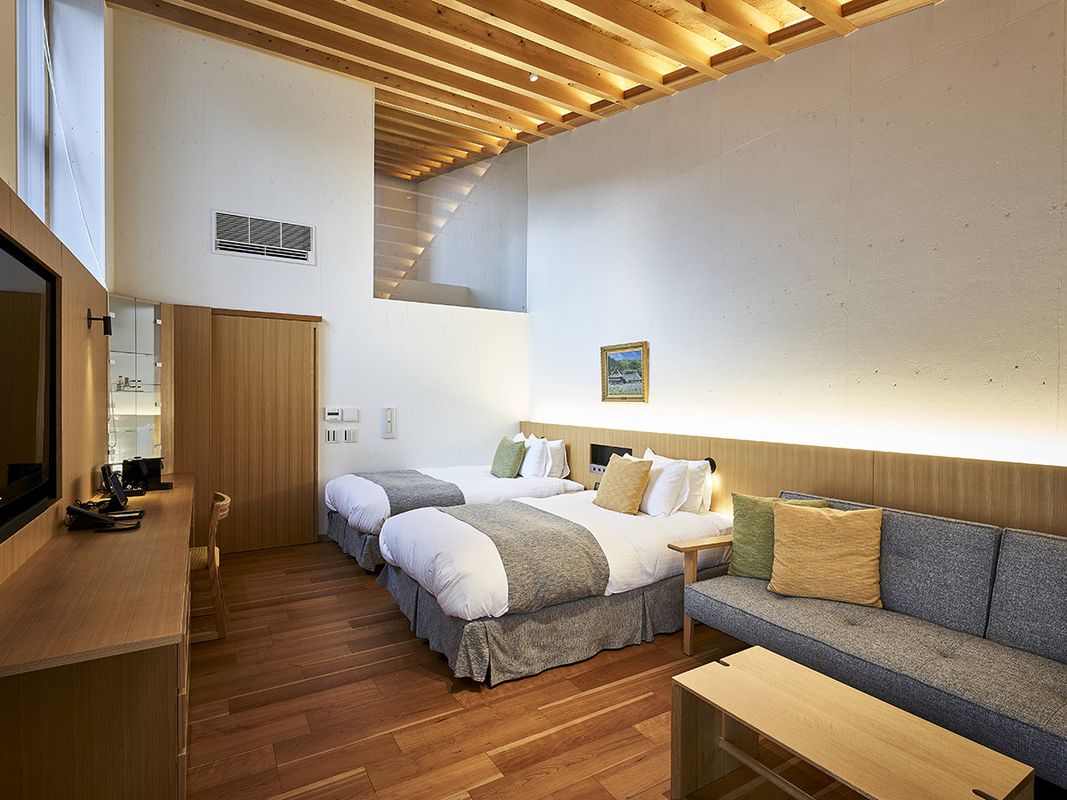
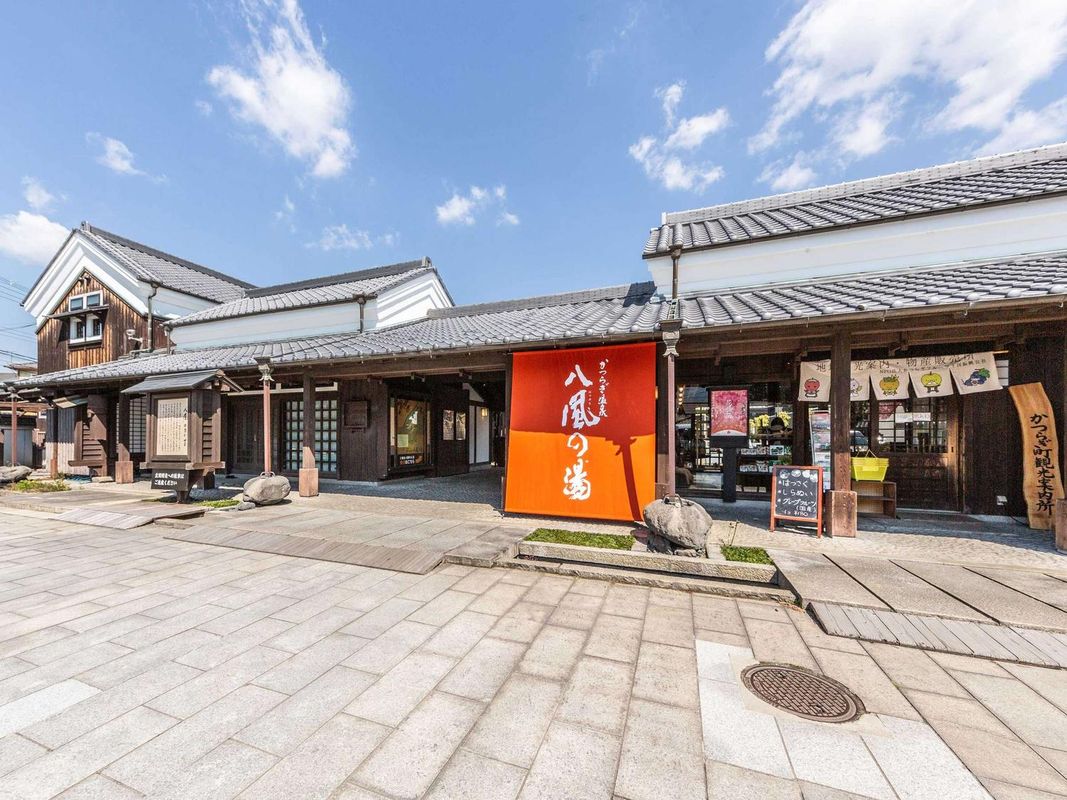
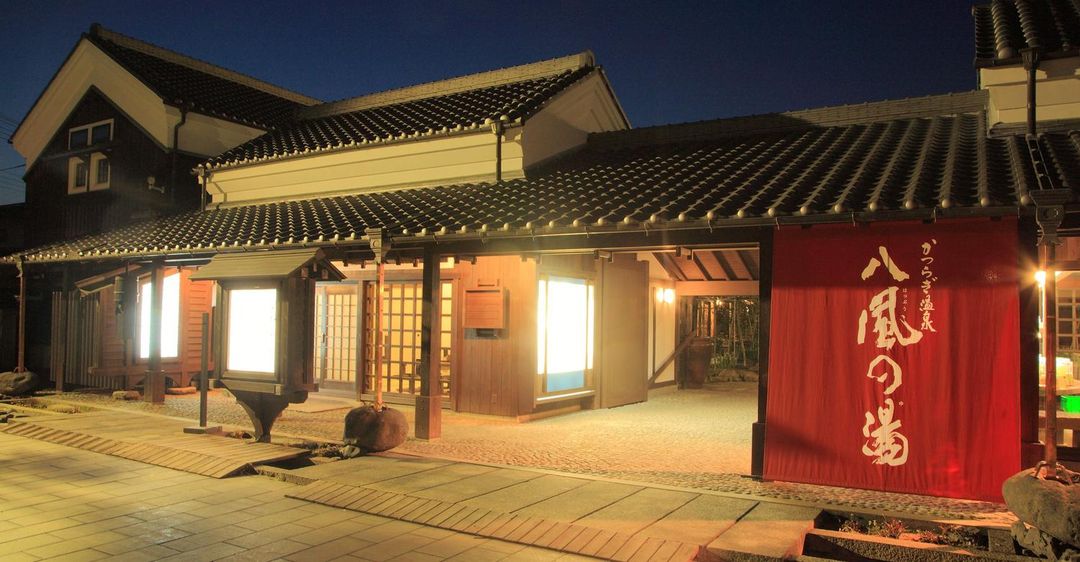
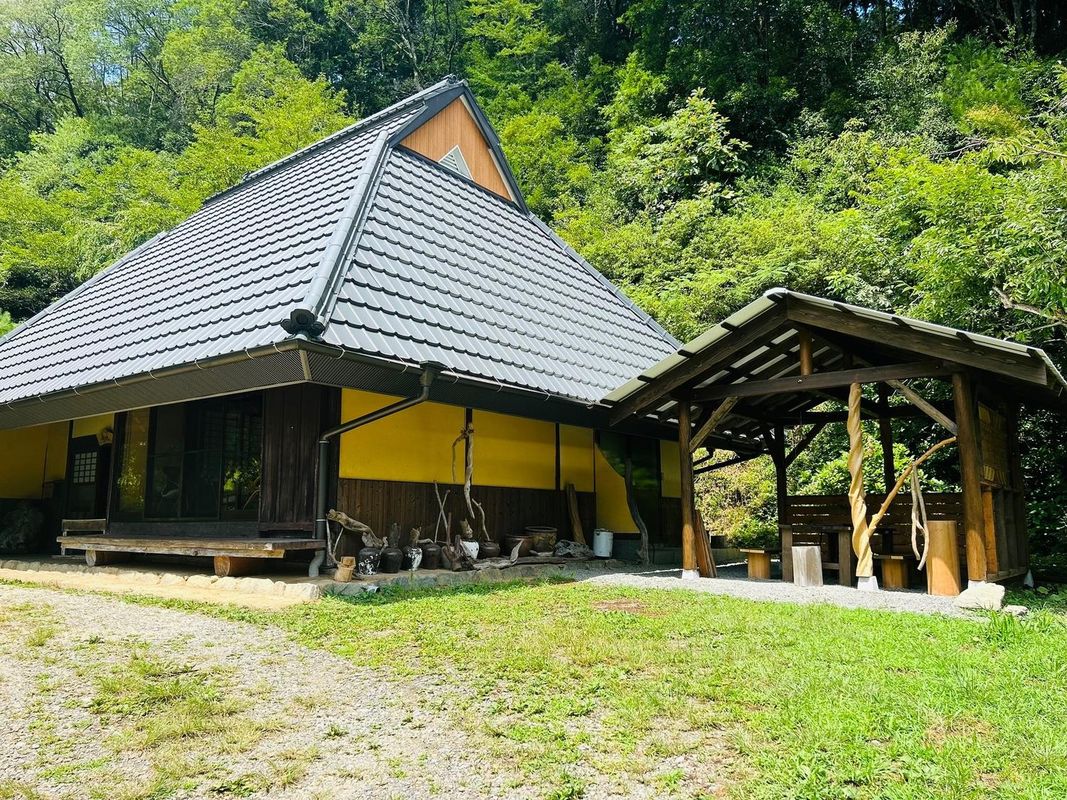
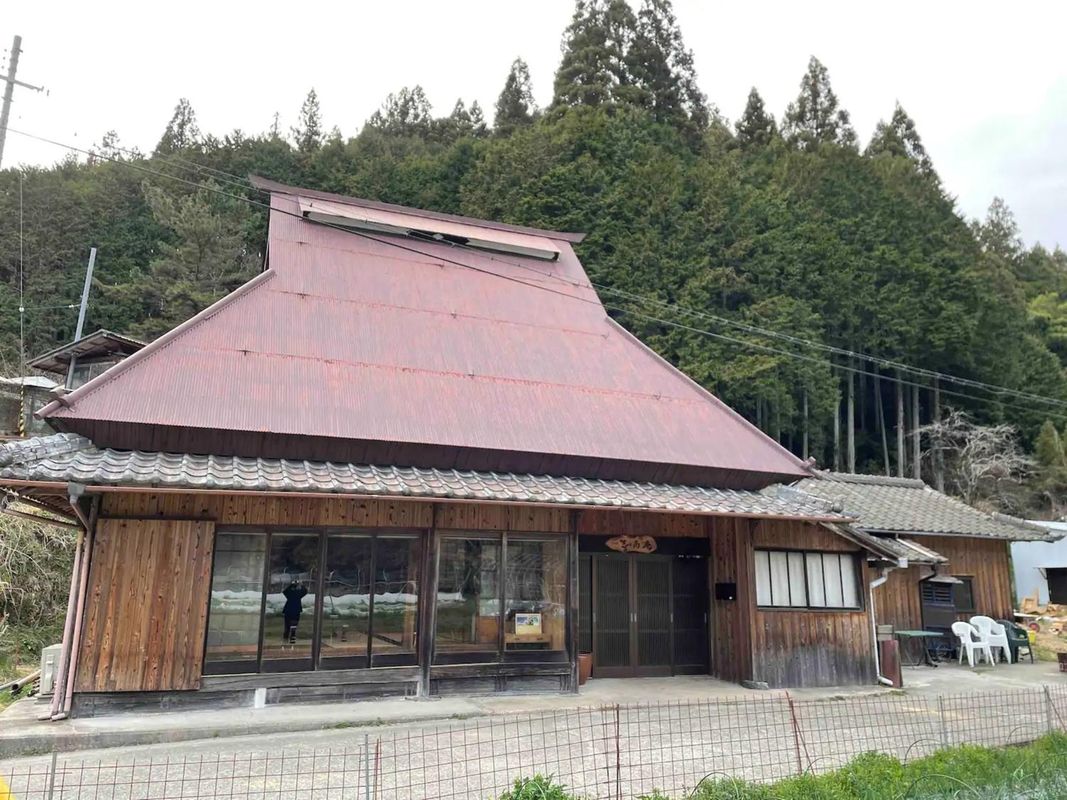
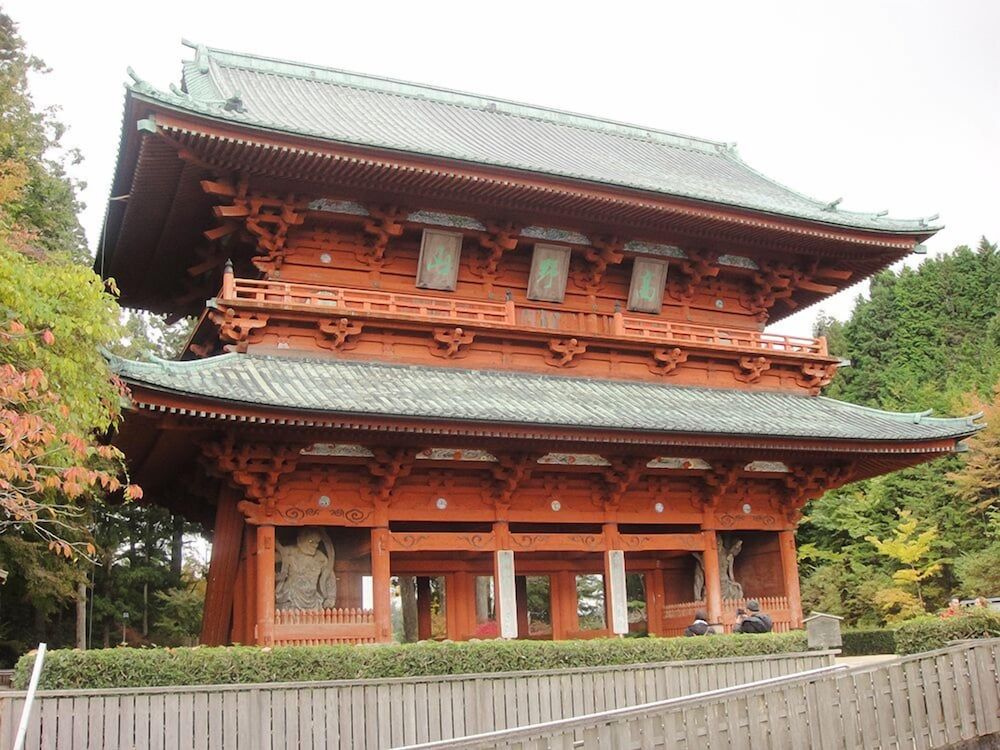

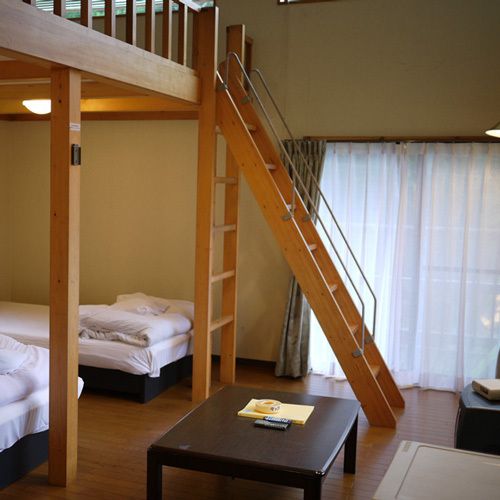
Best Hotels in Katsuragi
Discover curated hotel collections in Katsuragi





































Frequently Asked Questions about Traveling to Katsuragi
Questions You Might Need to Know About Traveling to Katsuragi
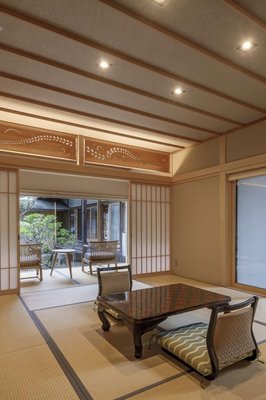
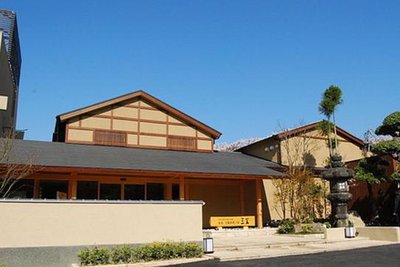
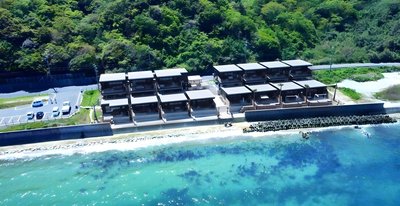
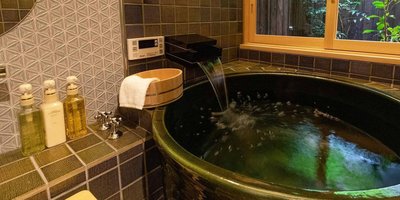
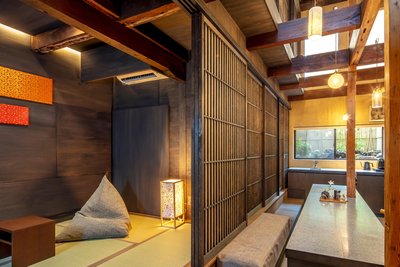
In Katsuragi Town, the Katsuragi Town Minshuku is a top choice for families, nestled in a quiet mountain area near the Katsuragi Shrine and Yamato River. This traditional guesthouse offers Japanese-style tatami rooms and family suites, plus an on-site hot spring bath. Guests can enjoy local farm-to-table meals and hands-on tea ceremonies, immersing themselves in authentic Wakayama rural culture.
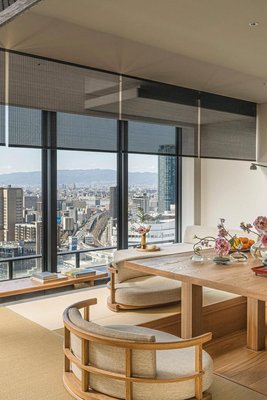
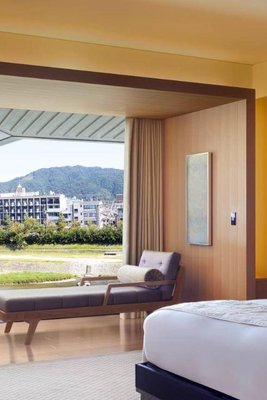
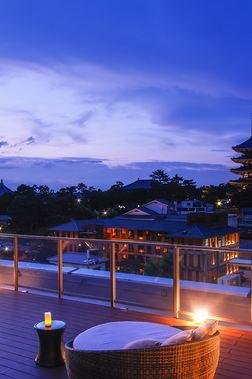
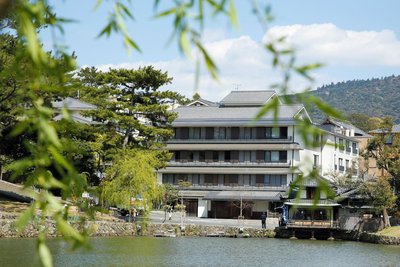
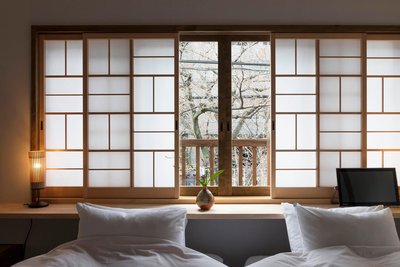
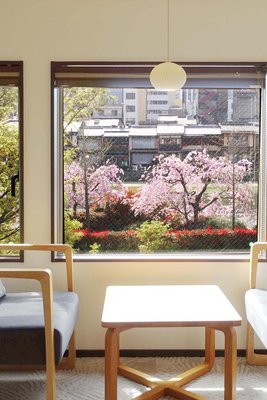
Another excellent option is the Katsuragi Kōten Hotel, just a 5-minute walk from the Katsuragi Mountain Cable Car Station. With panoramic windows overlooking the Yamato Valley, this hotel provides stunning views and is ideal for photographers and nature lovers. Both properties offer easy access to hiking trails in the Katsuragi Mountain Natural Park, perfect for family adventures.
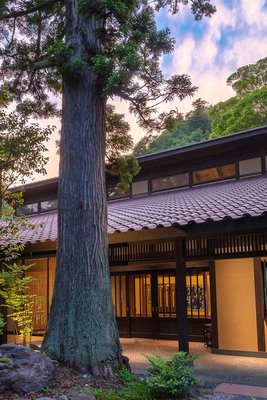
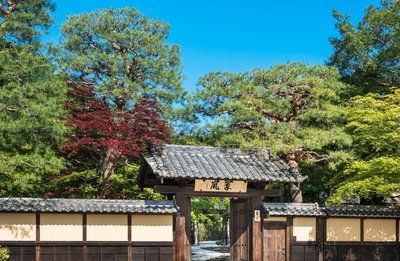
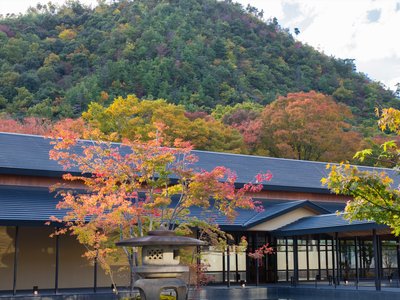
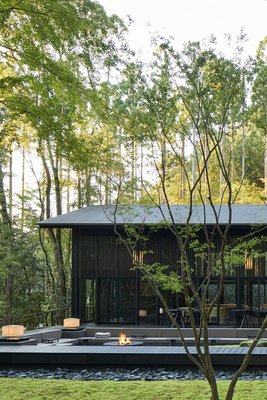
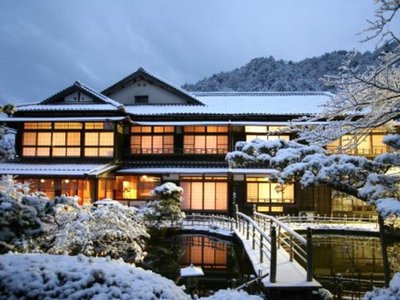
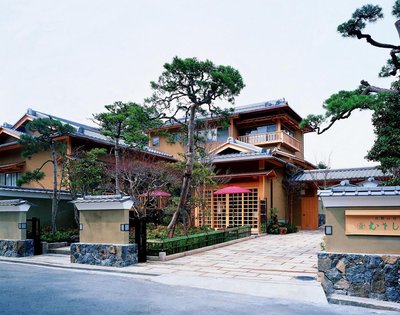
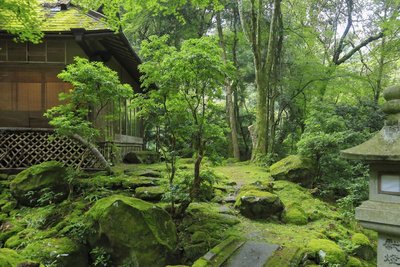
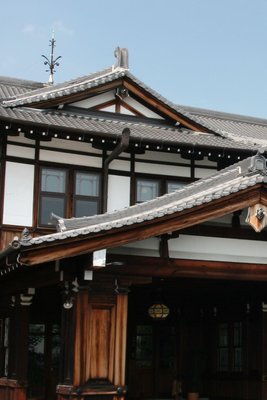
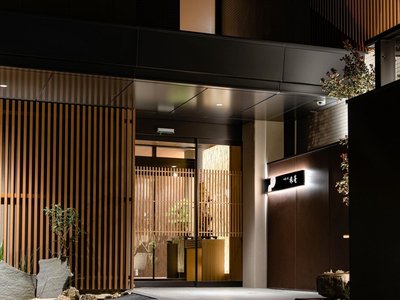
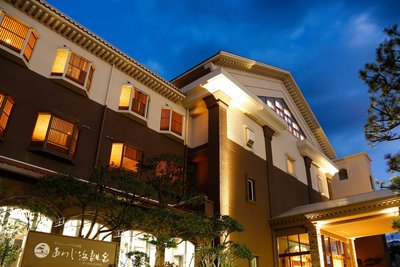
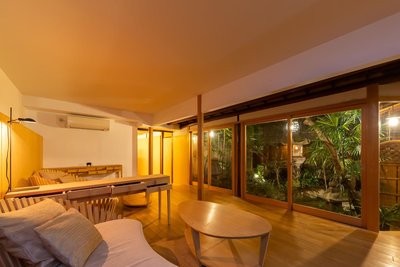
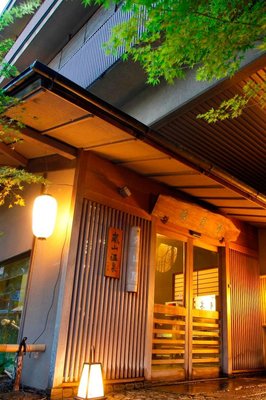
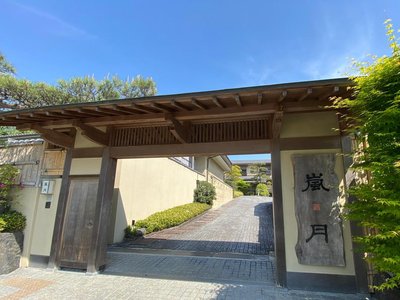
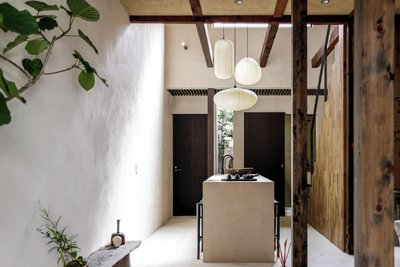
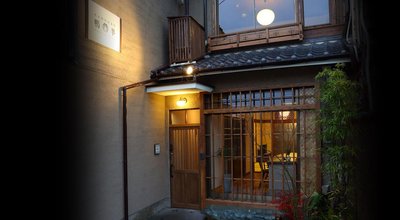
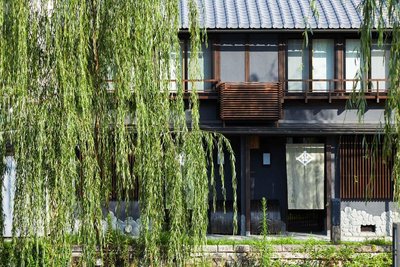
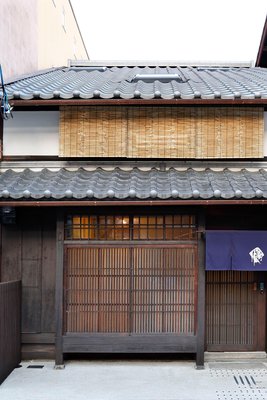
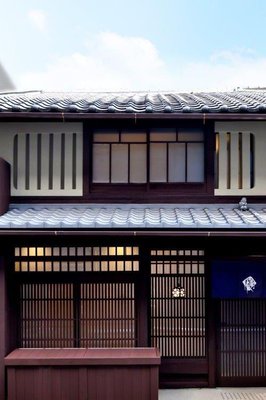
The best area to stay in Katsuragi Town is the foot of Mount Katsuragi, near the Katsuragi Shrine and Yamato River. This tranquil zone offers clean air, lush greenery, and convenient access to cultural and natural attractions. Numerous guesthouses and small inns, such as Katsuragi Mountain Villa and Yamagoe Inn, feature traditional Japanese architecture, private gardens, and on-site hot springs.
This district is also close to the Katsuragi Mountain Cable Car Station, providing easy access to the summit viewpoint and ancient kofun burial mounds. It’s ideal for travelers seeking a blend of history, nature, and authentic Wakayama rural life. The area is especially magical during cherry blossom season and autumn foliage, with breathtaking night skies perfect for stargazing.
In Katsuragi Town, visitors can participate in the annual Katsuragi Shrine Festival held in spring, where guests dress in yukata, take part in purification rituals, and enjoy kagura rice and omamori charm-making workshops. Nearby, the Yamato River Pottery Workshop teaches visitors how to craft traditional Wakayama-yaki ceramics using local clay.
For agricultural immersion, the Katsuragi Farm offers hands-on rice planting and harvesting experiences. History enthusiasts can join guided tours of ancient kofun burial mounds, including the keyhole-shaped tombs scattered across the town, learning about the Yamato kingship era and archaeological discoveries. These experiences provide deep insight into Wakayama’s heritage and rural traditions.
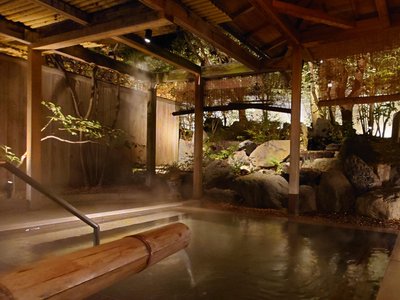
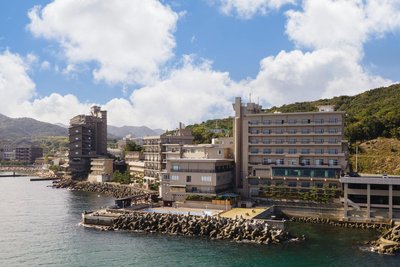
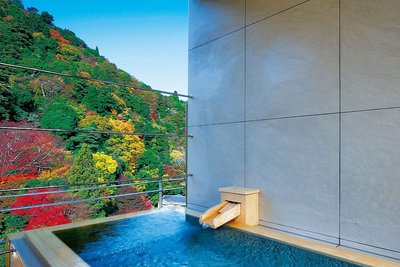
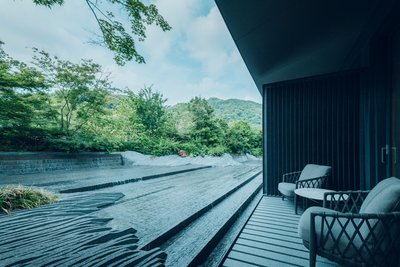
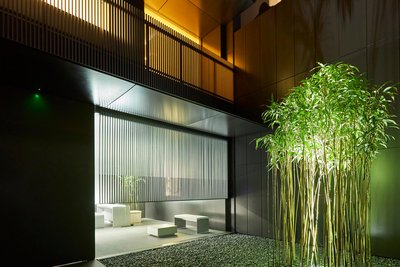
The top onsen hotel in Katsuragi Town is Katsuragi Mountain Onsen Inn, located on a hillside with natural hot spring sources. Its indoor and outdoor baths overlook the Yamato Valley and distant mountains, while the illuminated open-air bath at night resembles a starry sky. Another standout is Yamanosuke Seiryū, a boutique ryokan themed around "water," featuring private bamboo grove baths and forest therapy baths.
Both hotels offer yukata rental and tea ceremony experiences, paired with exquisite kaiseki meals made from local ingredients. Guests enjoy a deeply immersive Wakayama slow-living experience, combining relaxation, nature, and tradition.
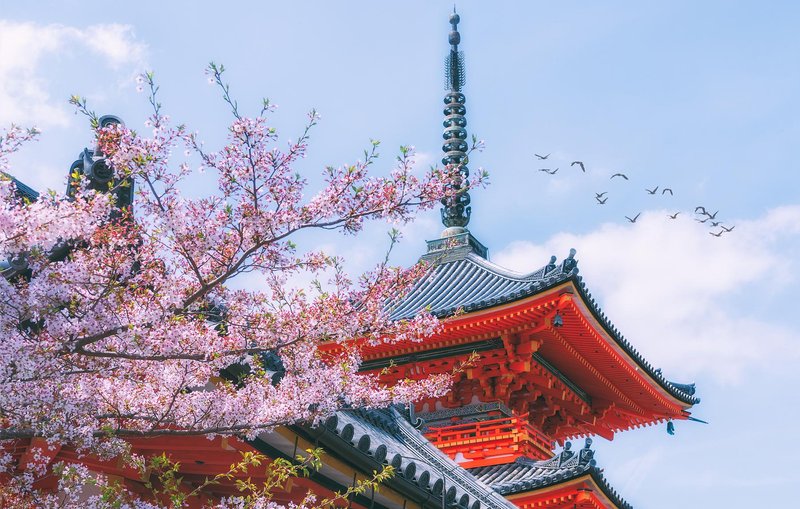
Yes, Katsuragi Town offers stunning seasonal landscapes year-round. In spring, the cherry blossoms along the Yamato River bloom in soft pink clouds, especially the Somei Yoshino trees near the base of Mount Katsuragi. Summer brings cool retreats in the Katsuragi Mountain area, ideal for hiking and nighttime firefly watching.
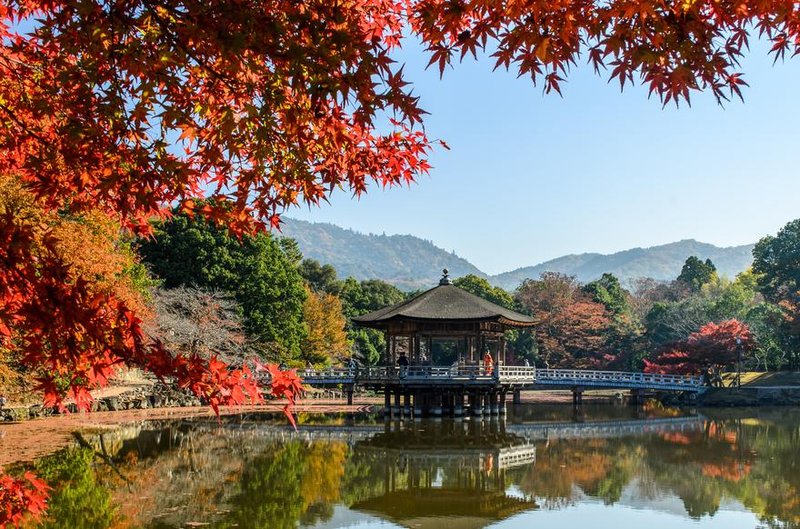
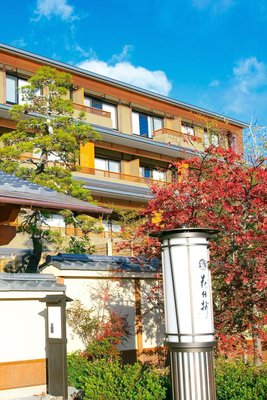
Autumn transforms the Katsuragi Mountain Natural Park into a vibrant tapestry of red and gold foliage, perfectly complemented by onsen baths and traditional gardens. Winter may lack snow, but morning mist often shrouds the valley, creating the mystical "Foggy Katsuragi" phenomenon—ideal for cozy mornings with hot tea and a kotatsu. Year-round, outdoor yoga and forest meditation sessions are available, offering a serene connection with nature.
Must-try dishes in Katsuragi Town include Yamato River fish cuisine, featuring fresh carp and sea bass grilled with salt or simmered in miso sauce—delicate and subtly flavored with river freshness. Another highlight is Katsuragi Mountain Tofu, handmade with mountain spring water and local soybeans, silky smooth and served with dipping sauce or in soups.
Wakayama-style mochi is a local specialty—crispy on the outside, soft inside, filled with red bean or matcha paste—available at the Katsuragi Market. Locally brewed rice wine (sake) made from premium Koshihikari rice is also highly recommended, with a smooth, sweet finish. Many inns offer farm-to-table dinners featuring seasonal vegetables and handmade noodles, showcasing authentic Wakayama countryside flavors.
Katsuragi Overview
City Summary
Katsuragi Town, located in Wakayama Prefecture, Japan, is a small town blessed with natural beauty and rich history. Known for its hot springs and traditional culture, it is surrounded by lush mountains and clear streams, making it an ideal escape from urban hustle. The shrines and temples here exude an ancient charm, offering visitors a deep sense of Japanese tradition.
Must-See Attractions
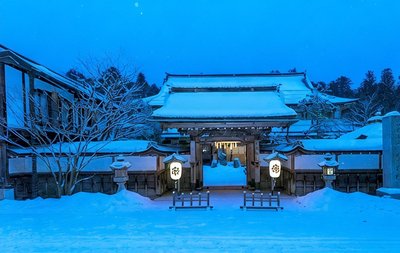
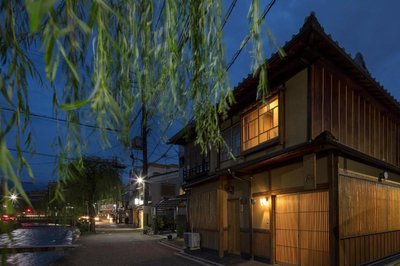
A must-visit in Katsuragi is Mount Katsuragi, where hiking trails reveal stunning landscapes. Katsuragi Shrine is a significant cultural heritage site with unique architecture. Additionally, onsen ryokans (hot spring inns) provide a relaxing experience with traditional Japanese baths. The old town streets glow softly at night, perfect for a peaceful stroll.
Food Guide
Katsuragi is famous for its local cuisine, especially Wakayama ramen, known for its rich broth and chewy noodles. Fresh seafood, particularly fish from nearby waters, is another highlight. Don’t miss ume (plum) products like pickled plums and plum wine, which make great souvenirs.
Transportation Guide
The primary mode of transportation in Katsuragi is buses, with services from Wakayama City taking about 1 hour. Attractions are within walking distance, but bicycles can be rented for ease. Taxis are available but costly. Renting a car offers flexibility for exploring nearby areas.
Best Time to Visit
The best times to visit are spring (March-May) and autumn (September-November), when the weather is mild. Spring brings cherry blossoms, while autumn features vibrant foliage. Summers are hot, and winters may see snow, so plan accordingly.
Travel Tips
- Respect local customs: Follow shrine etiquette, such as purifying hands before entering.
- Dress appropriately: Wear yukata at onsens and rinse before bathing.
- Carry cash: Some shops don’t accept cards, so have yen on hand.
- Sort trash: Japan has strict recycling rules—follow local guidelines.
- Keep quiet: Avoid loud noises in public spaces.
- Book ahead: Onsen ryokans may be fully booked in peak seasons.
Useful Information
Language: Japanese is primary; English is limited, so a translation app may help. Internet: Some hotels offer free Wi-Fi, but coverage is spotty; consider a portable Wi-Fi device. Payments: Cash is king, though some places accept cards. Emergencies: Dial 110 (police) or 119 (ambulance). Healthcare: For serious issues, head to Wakayama City, as local facilities are limited.