Hotels in Kawabe
Discover your perfect stay in Kawabe.
Kawabe(Japan) Travel 2026: Cheap Flights, Hotels & Top Attractions
Popular Landmarks in Kawabe
Discover the most iconic attractions in Kawabe
Recommended Hotels in Kawabe
Find the perfect place to stay in Kawabe
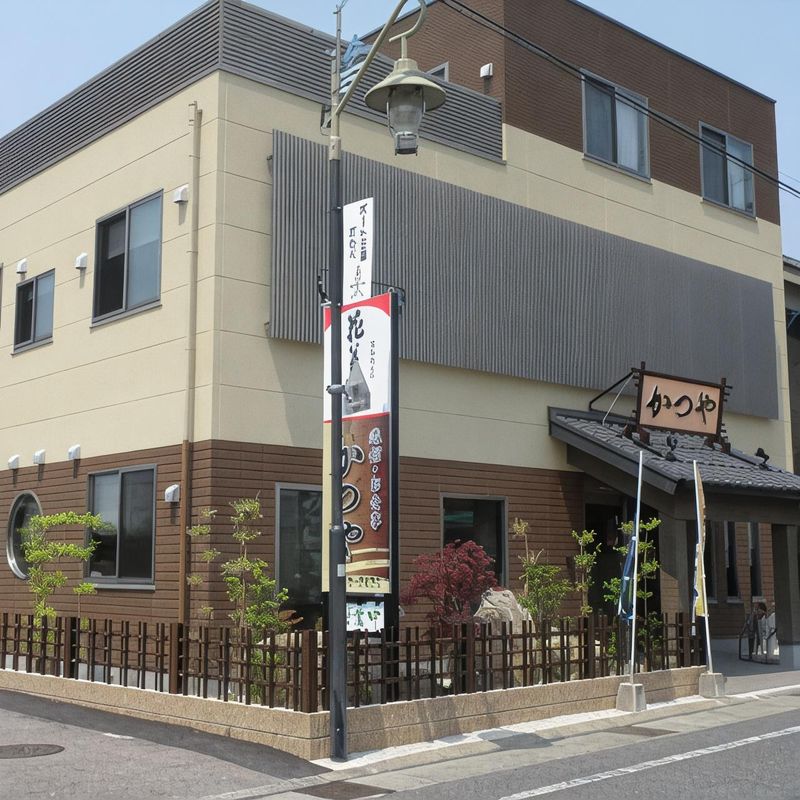
Ryori Ryokan Katsuya
Best Hotels in Kawabe
Discover curated hotel collections in Kawabe
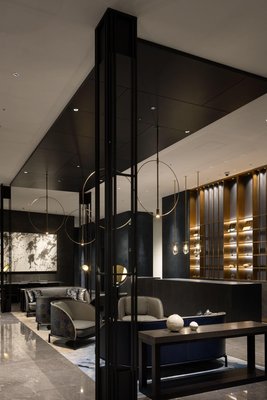
Bellustar Tokyo, A Pan Pacific Hotel

Bvlgari Hotel Tokyo
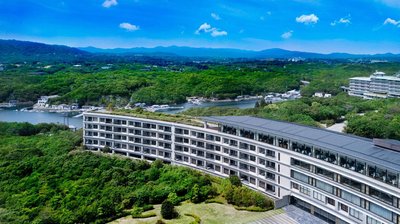
Shima Kanko Hotel the Bay Suites
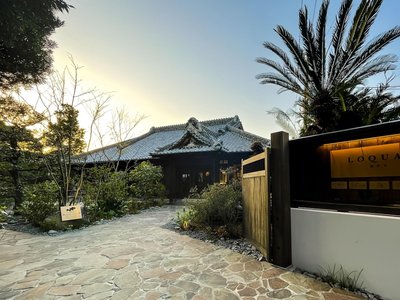
Loquat Nishiizu
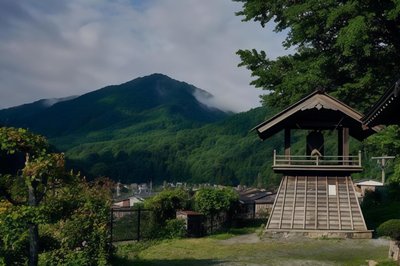
Byaku Narai
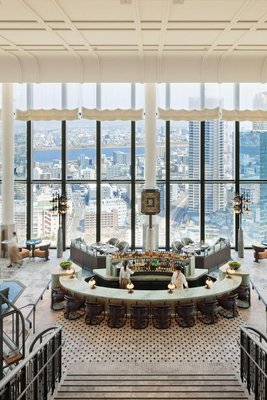
Waldorf Astoria Osaka
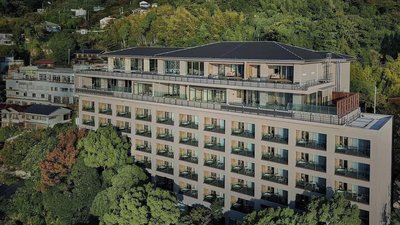
Atami Izusan Karaku
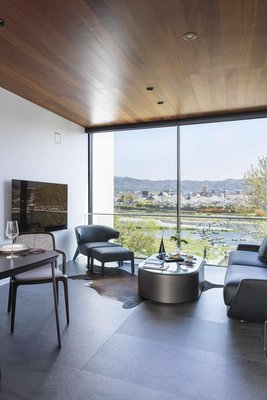
Kamo Residences by Reflections
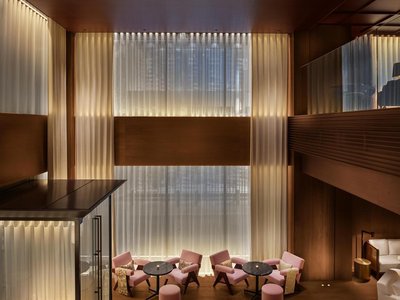
The Tokyo Edition, Ginza

Janu Tokyo
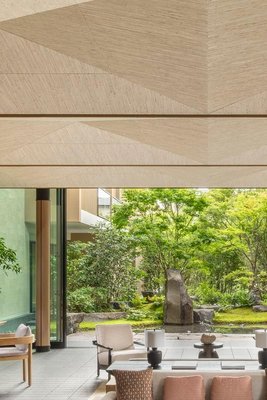
Six Senses Kyoto
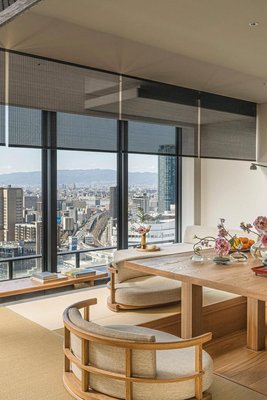
Four Seasons Hotel Osaka
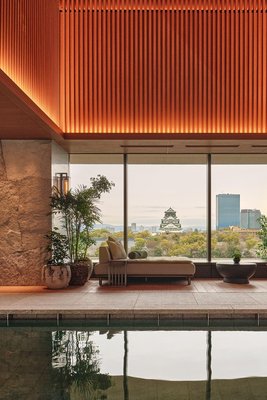
Patina Osaka

The Ritz-Carlton, Osaka
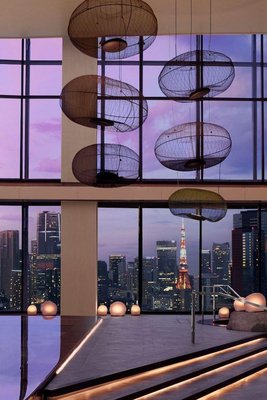
JW Marriott Hotel Tokyo
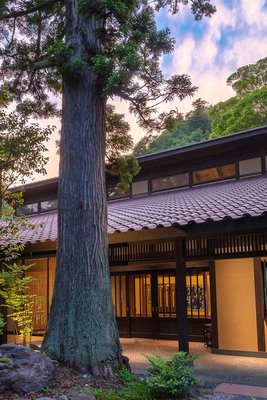
Arimasansoh Goshobessho
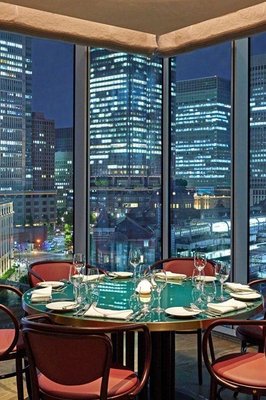
Four Seasons Hotel Tokyo at Marunouchi

Mandarin Oriental, Tokyo
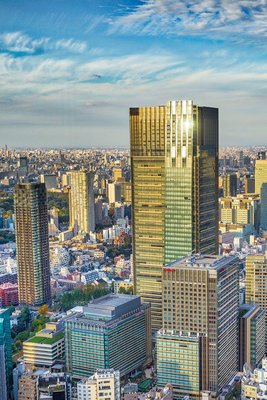
The Ritz-Carlton, Tokyo
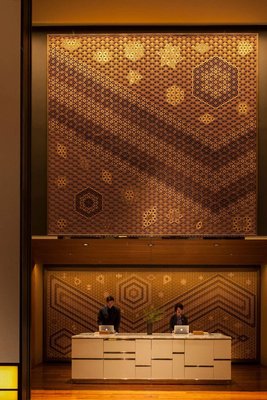
Andaz Tokyo Toranomon Hills- A Concept by Hyatt
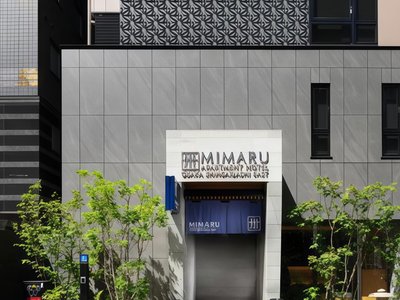
MIMARU Osaka Shinsaibashi East

Toba International Hotel Shiojitei

Gold Stay Nagoya OSU
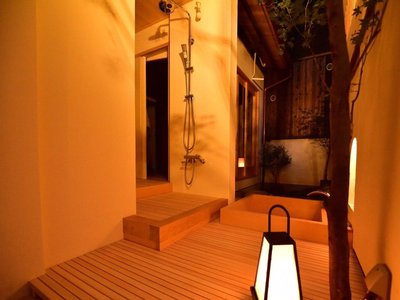
Yado Kiramachi
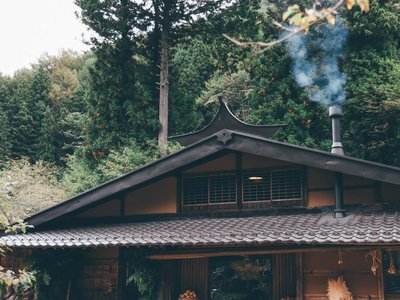
La Terra Resort
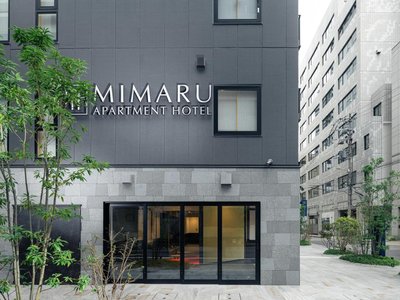
MIMARU Osaka Shinsaibashi North
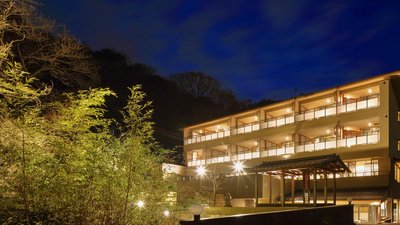
Okuno Hosomichi
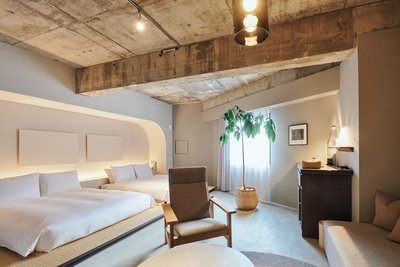
Korinkyo

GOLD STAY Nagoya Sakae
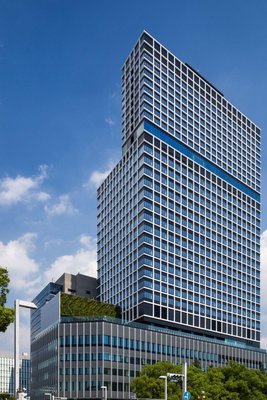
The Royal Park Hotel Iconic Nagoya
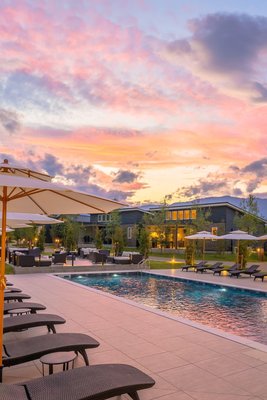
Awaumi Fujikawaguchiko Resort
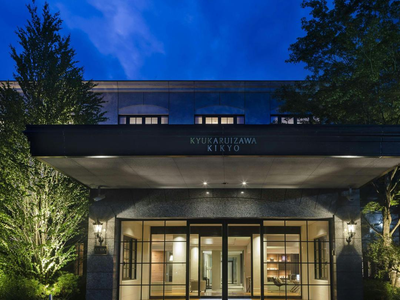
Fufu Karuizawa Wind of Sunshine
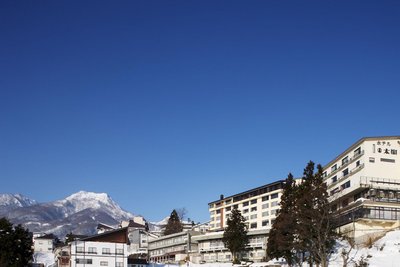
Hotel Taiko, Akakura Onsen
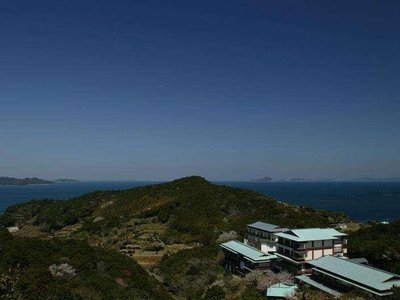
Hanashinsui
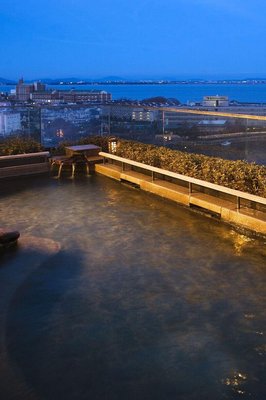
Yumotokan

Hotel Hankyu GRAN RESPIRE OSAKA
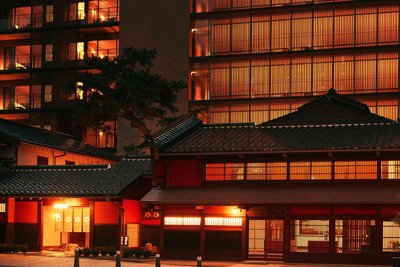
Hoshino Resorts Kai Kaga
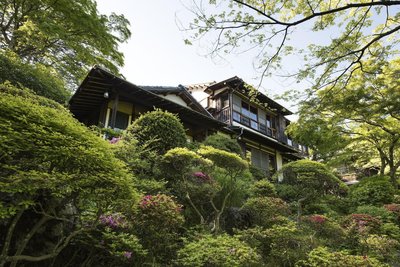
Gora Kansuiro
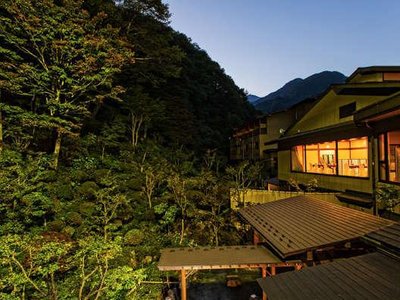
Futari Shizuka

Taikyourou
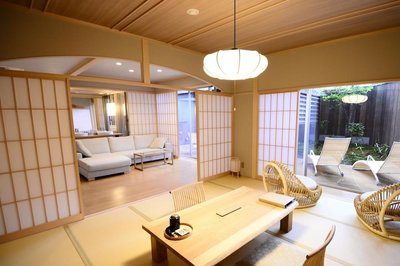
Hakone Gora Byakudan
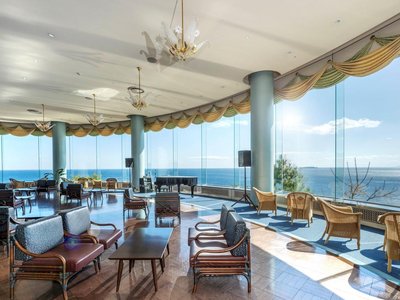
Hotel New Akao
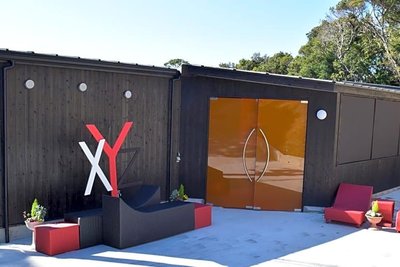
XYZ Private Spa and Seaside Resort
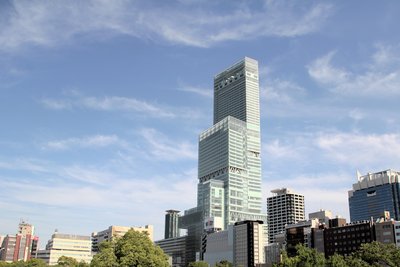
Osaka Marriott Miyako Hotel
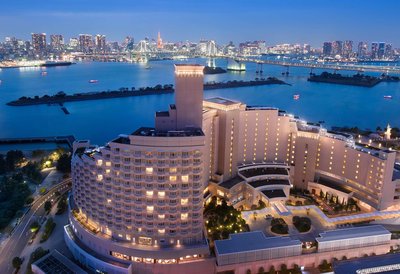
Hilton Tokyo Odaiba
JW Marriott Hotel Tokyo
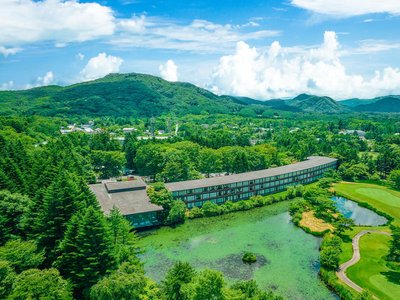
The Prince Karuizawa
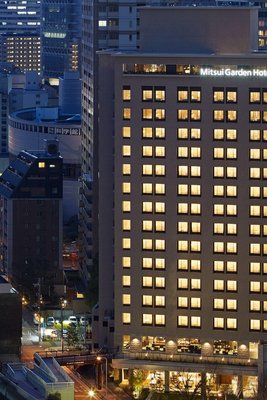
Mitsui Garden Hotel Osaka Premier
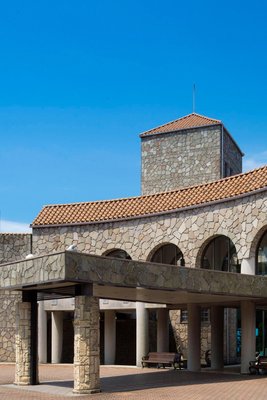
Izumigo Hotel Altia Toba
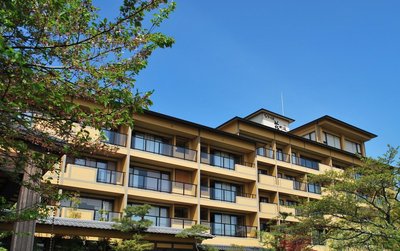
BIWAKO HANAKAIDO
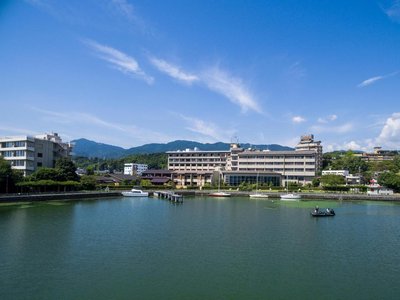
Biwako Ryokusuitei
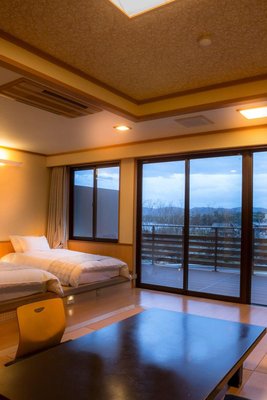
Hotel Kitanoya
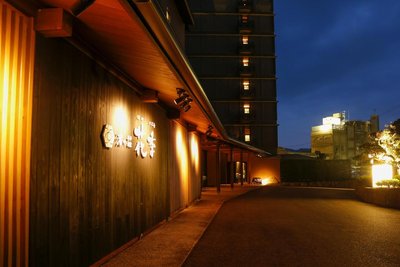
Hanagoyomi
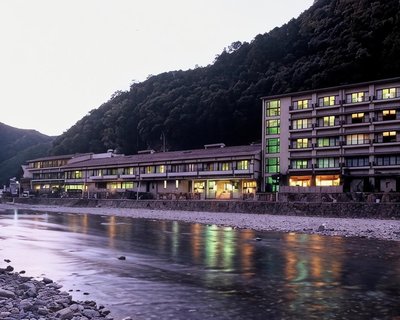
Kawayu Onsen Fujiya
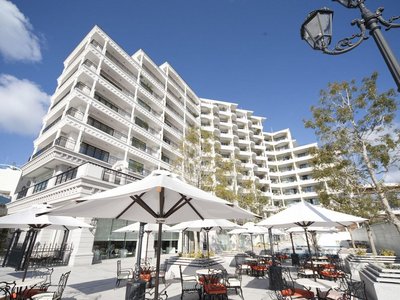
Hotel La Suite Kobe Harborland

The Kukuna
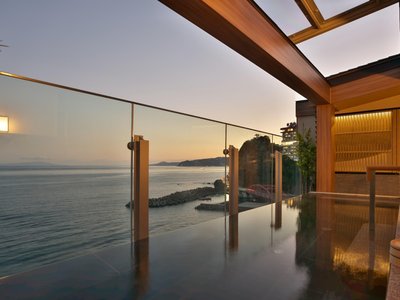
Hotel New Sagamiya
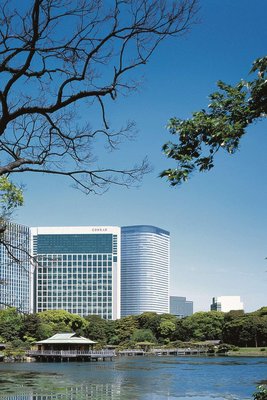
Conrad Tokyo
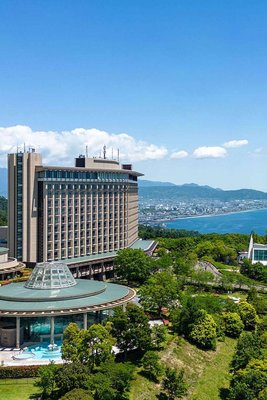
Hilton Odawara Resort & Spa
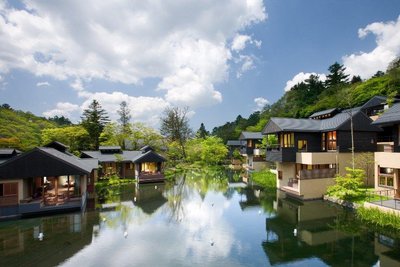
Hoshinoya Karuizawa
Yado Kiramachi
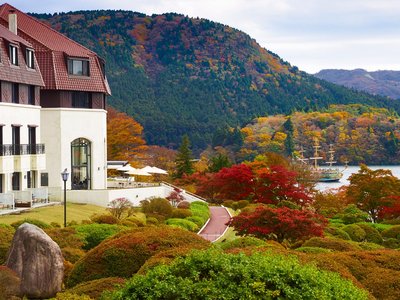
Hotakajyo
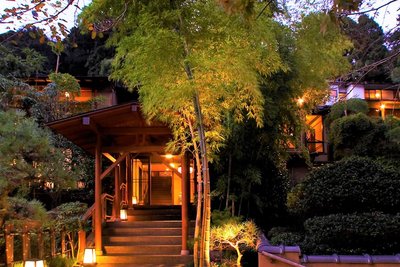
Shiki wo Ajiwau Yado Yamano Chaya
Arimasansoh Goshobessho
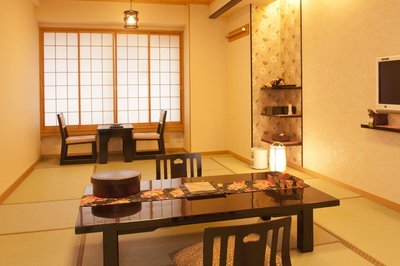
Matsui-Bekkan Hanakanzashi
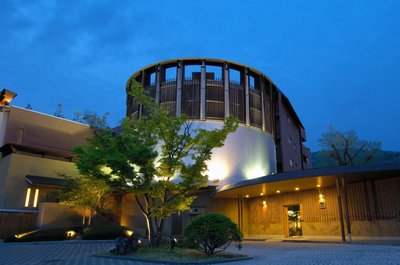
Hoshino Resorts Kai Matsumoto
Taikyourou
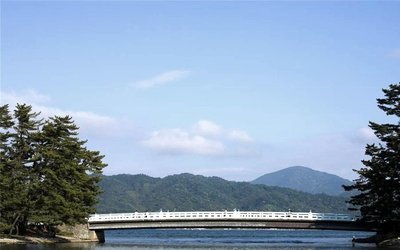
Monjusou Shourotei
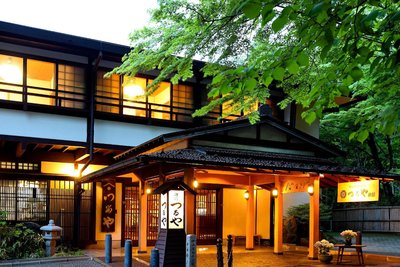
Tsuruya Ryokan
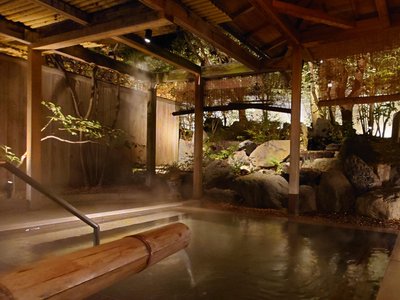
Kasuga Hotel
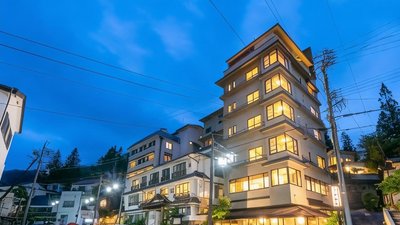
Nakamatsuya Ryokan
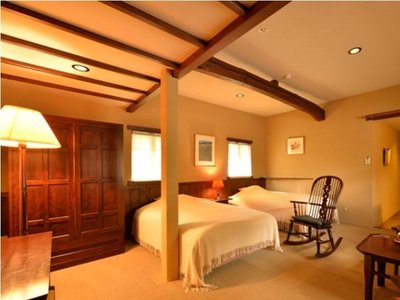
Ryokan Sugimoto
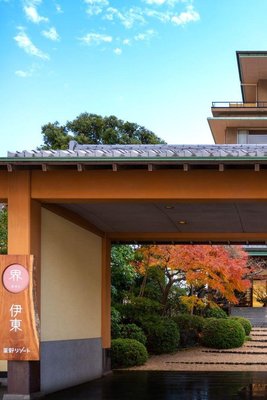
Hoshino Resorts Kai Ito
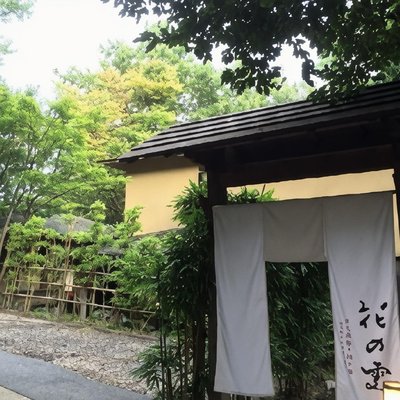
Hana No Kumo
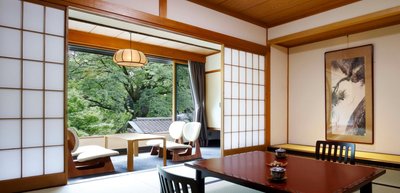
Yoshiike Ryokan
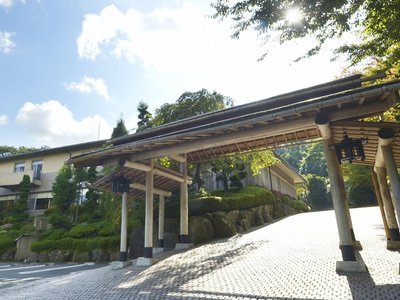
Gora Hanaougi
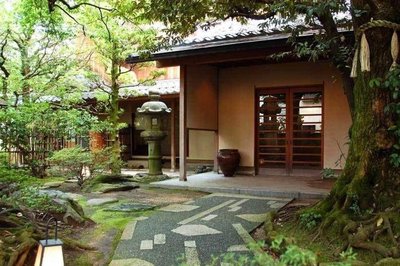
Kocho
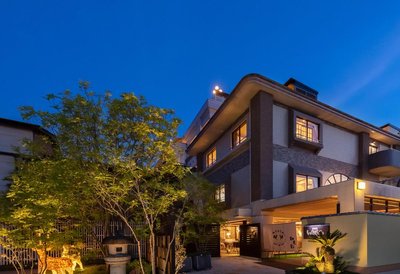
Hotel New Wakasa
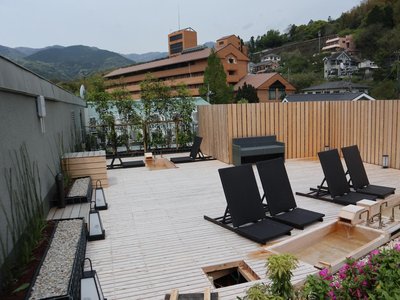
Fukiya Ryokan
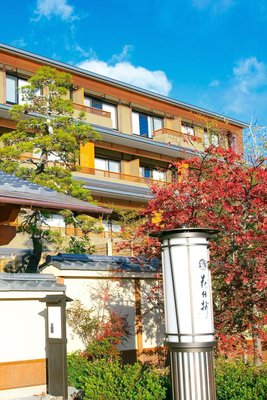
Kyoto Arashiyama Onsen Kadensho (Kyoritsu Resort)
Bellustar Tokyo, A Pan Pacific Hotel
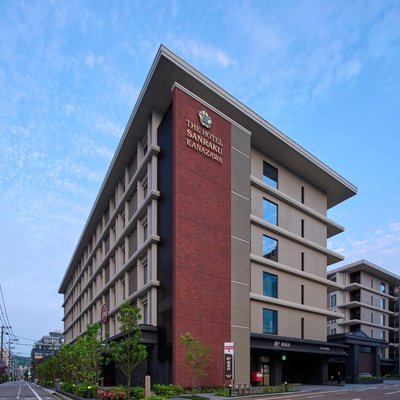
The Hotel Sanraku Kanazawa 21th December 2022 Open
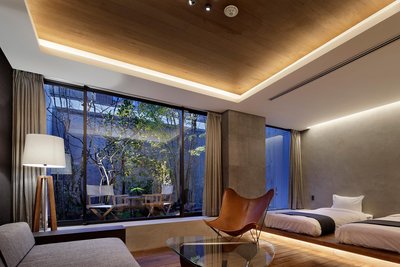
22 PIECES
The Ritz-Carlton, Osaka
JW Marriott Hotel Tokyo
Andaz Tokyo Toranomon Hills- A Concept by Hyatt

The Thousand Kyoto
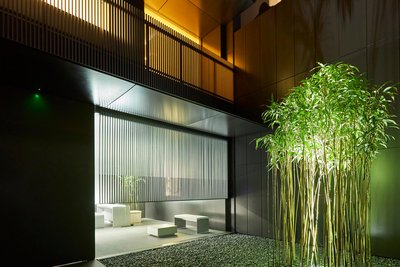
Mogana
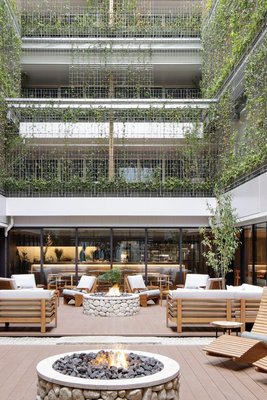
GOOD NATURE HOTEL KYOTO
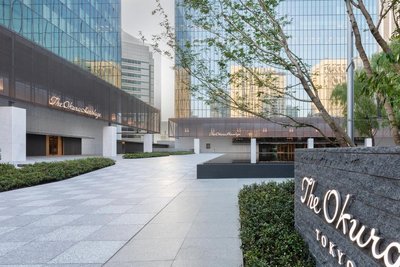
The Okura Tokyo
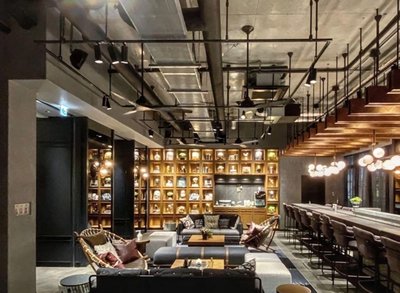
The Lively Azabujuban Tokyo
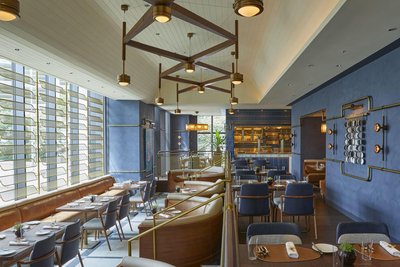
Kimpton Shinjuku Tokyo

Nol Kyoto Sanjo

HOTEL K5
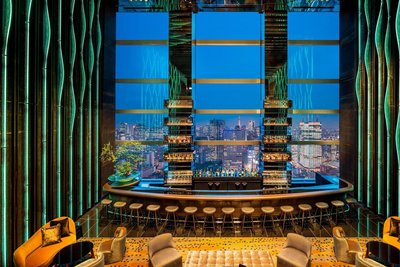
The Prince Gallery Tokyo Kioicho, a Luxury Collection Hotel

Zentis Osaka
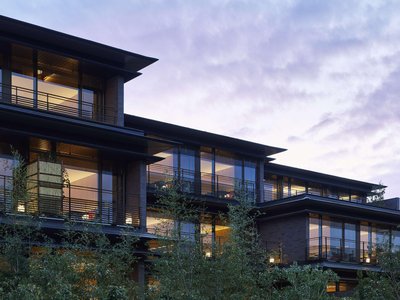
Garrya Nijo Castle Kyoto
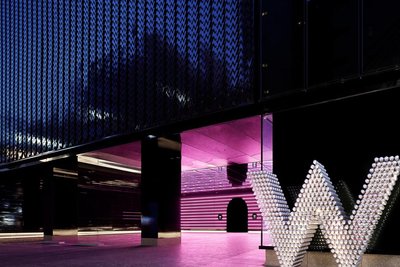
W Osaka

Hotel Kanra Kyoto

Aloft Osaka Dojima
Hakone Gora Byakudan
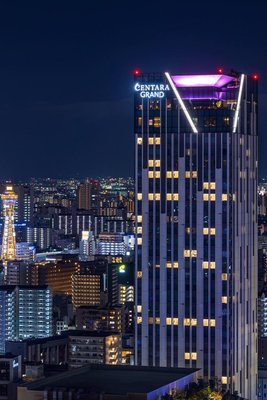
Centara Grand Hotel Osaka
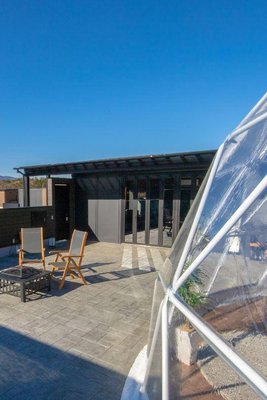
Panoramic Mt. Fuji Views from All Rooms – Vision Glamping Resort & Spa Yamanakako
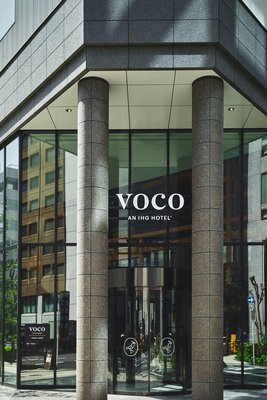
voco Osaka Central
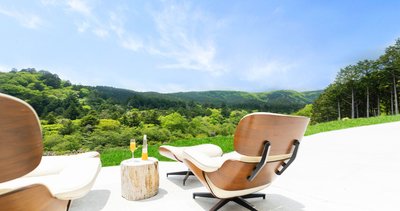
Shelter Garden Nikko
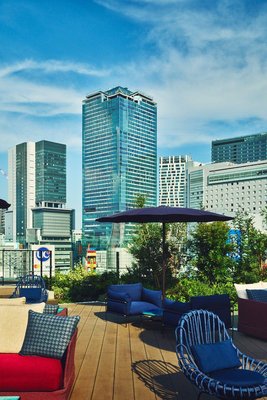
Hotel Indigo Tokyo Shibuya

TIAD, AUTOGRAPH COLLECTION
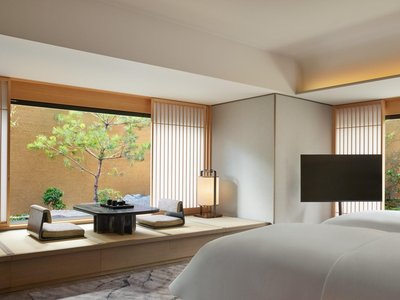
Dusit Thani Kyoto
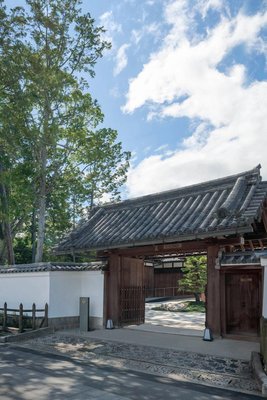
Shisui, a Luxury Collection Hotel, Nara

Hilton Kyoto
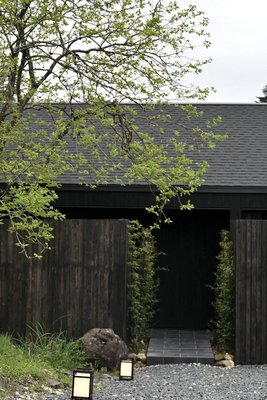
THE LAKOTAN
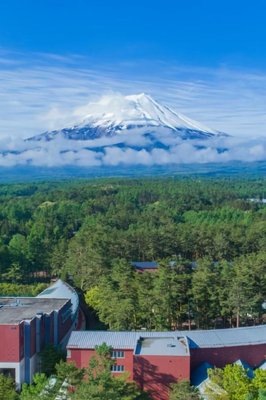
Forest Village (Fuji Premium Resort)

Hotel Toranomon Hills
Osaka Marriott Miyako Hotel
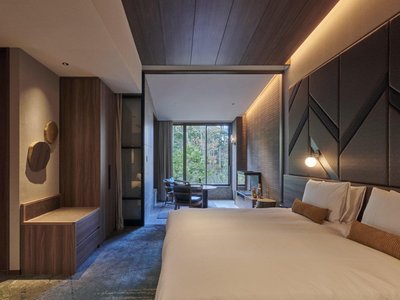
Fufu Kyu-Karuizawa Restful Forest
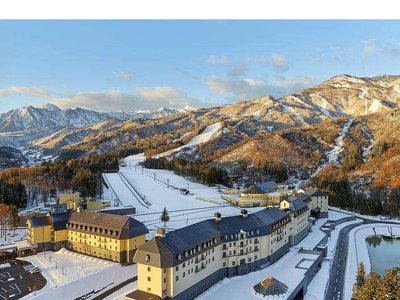
Lotte Arai Resort
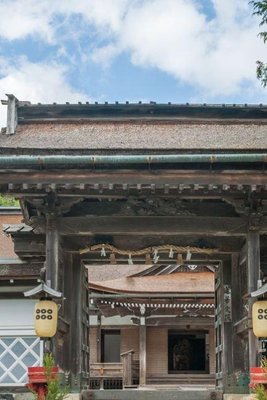
Koyasan Rengejoin
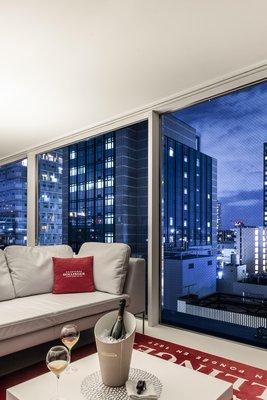
CUVÉE J2 HOTEL OSAKA by Onko Chishin
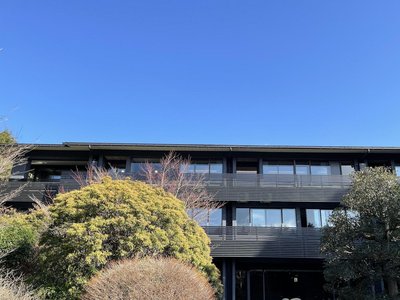
Sengokubara Cocon
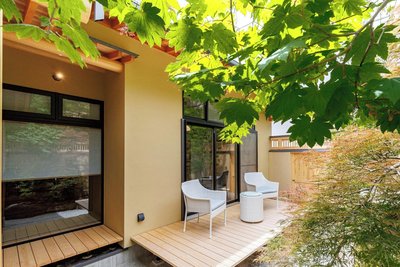
Shoraiso
Bvlgari Hotel Tokyo
Osaka Marriott Miyako Hotel
The Ritz-Carlton, Osaka
Four Seasons Hotel Tokyo at Marunouchi
Mandarin Oriental, Tokyo
The Ritz-Carlton, Tokyo
Andaz Tokyo Toranomon Hills- A Concept by Hyatt
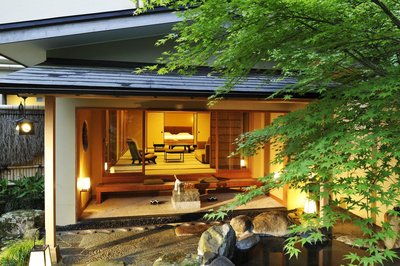
Gora Kadan
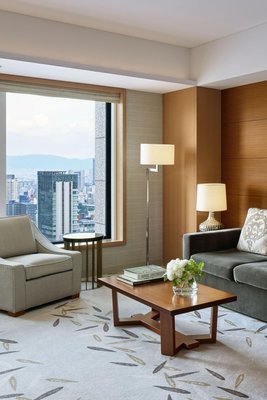
InterContinental Hotel Osaka
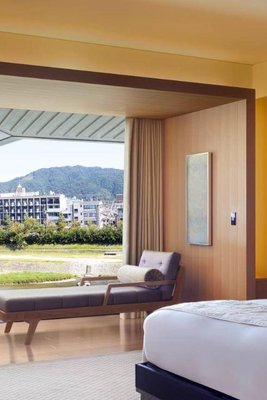
The Ritz-Carlton, Kyoto

Hotel New Otani Tokyo the Main
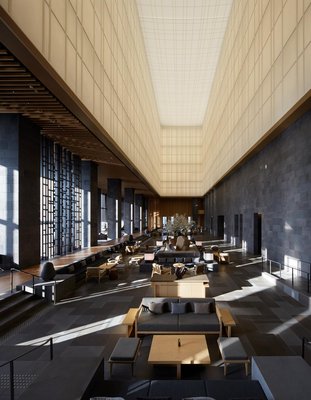
Aman Tokyo
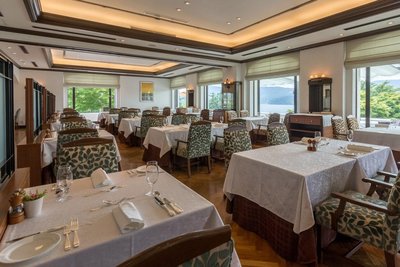
Odakyu Hotel de Yama
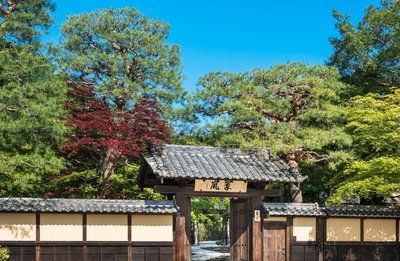
Suiran, a Luxury Collection Hotel, Kyoto
GOOD NATURE HOTEL KYOTO
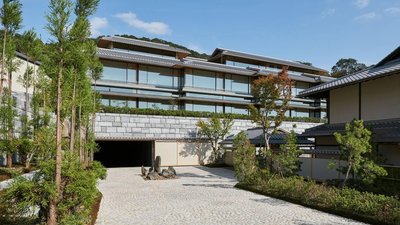
Park Hyatt Kyoto
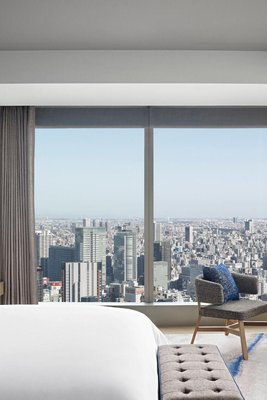
Four Seasons Hotel Tokyo at Otemachi

The Tokyo Edition, Toranomon

Hyatt Centric Kanazawa
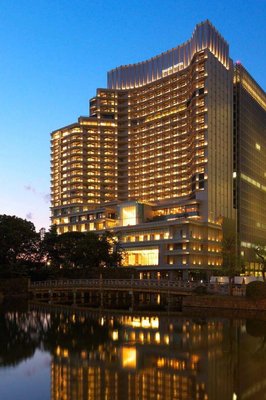
Palace Hotel Tokyo
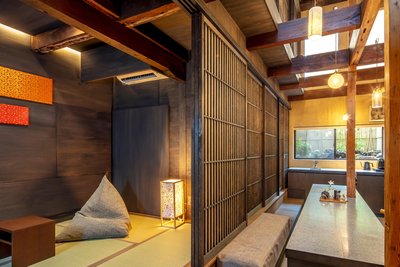
Kyo No Oozora Kihana
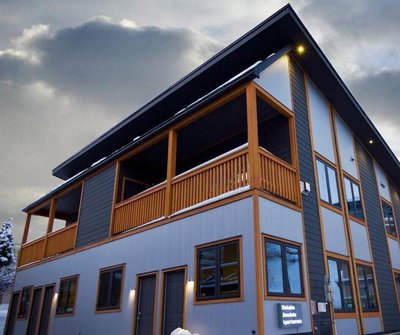
Hakuba Gondola Apartments
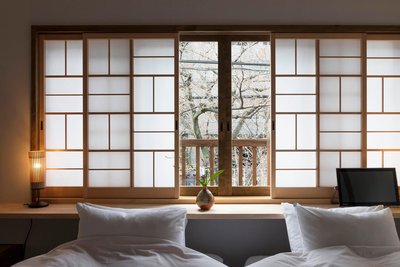
Hanagoromo Machiya House
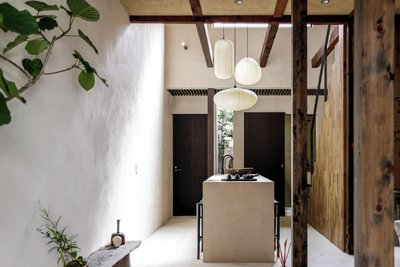
Maana Kiyomizu
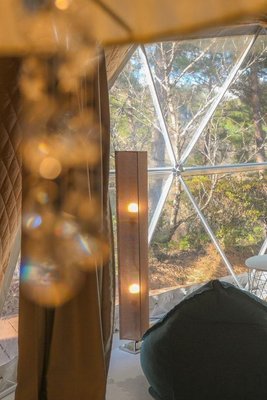
glampark Gekkabijin Nagano
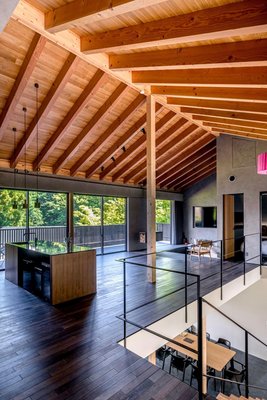
MONS GORA
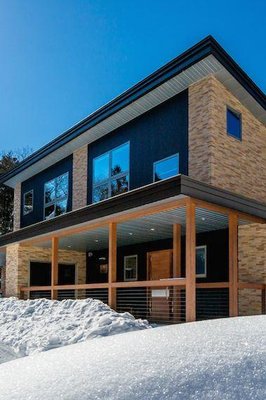
Phoenix Chalets by Hhg
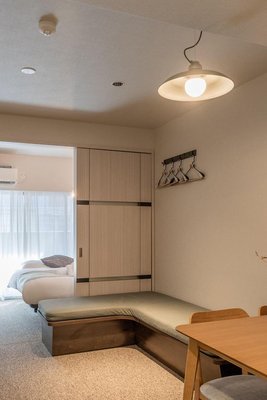
Apartment Hotel 11 Shinsaibashi
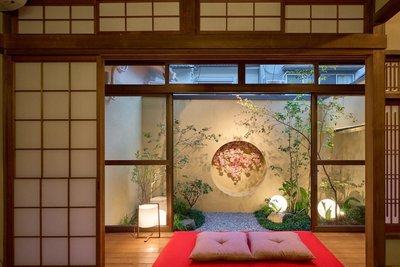
KONJAKUSO Osaka Tengachaya "NIHONCHA" Tea & Relax
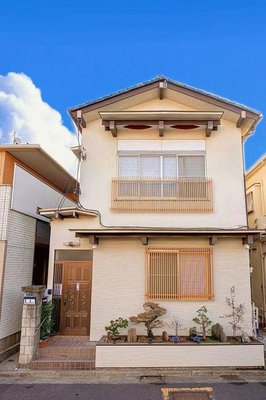
Tokyo Star House-Shinkoiwa
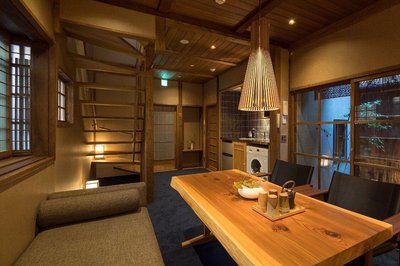
Bonbori an Machiya House
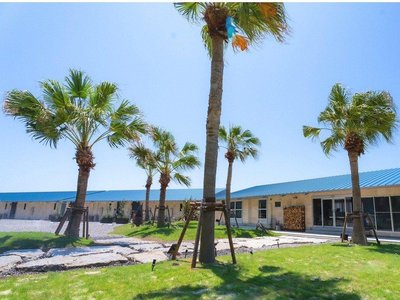
Glamping&Resort Wood Design Park Noma
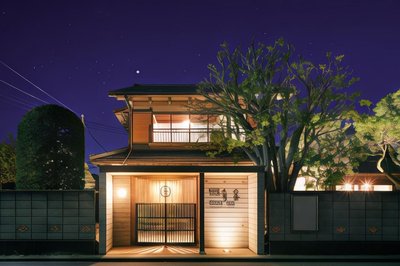
Machi-Jyu
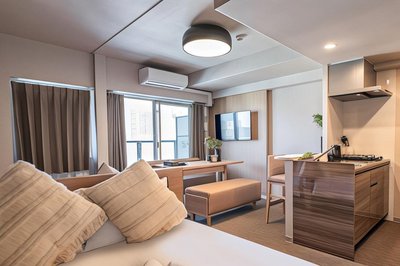
Apartment Hotel 11 Shinsaibashi III
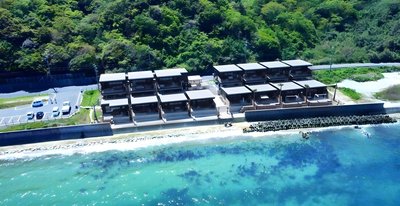
Solavilla Umi Terrace Minamiawaji
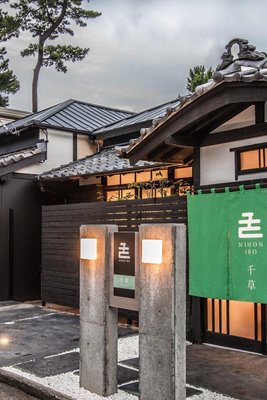
Nihon Iro
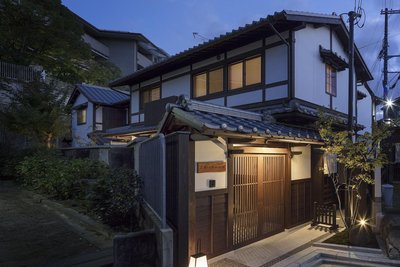
The Machiya Villa Sanjo Shirakawa Koji
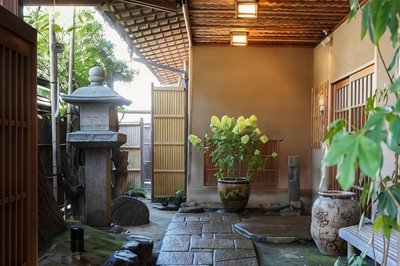
Ryokan Asadaya
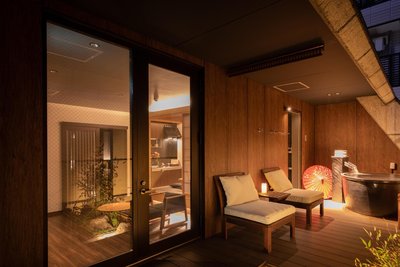
Konjaku-So Dotonbori
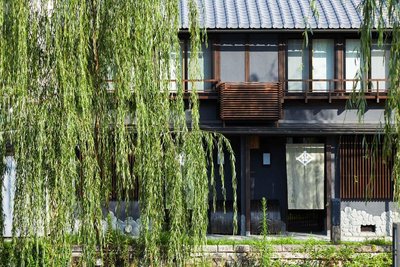
Gion Shirakawa No Yado
Bellustar Tokyo, A Pan Pacific Hotel

Hotel Barrière Fouquet's New York
Bvlgari Hotel Tokyo

Shima Kanko Hotel the Bay Suites
Loquat Nishiizu
Byaku Narai
Waldorf Astoria Osaka
Atami Izusan Karaku
Kamo Residences by Reflections
The Tokyo Edition, Ginza
Janu Tokyo
Six Senses Kyoto
Four Seasons Hotel Osaka
Patina Osaka
The Ritz-Carlton, Osaka
JW Marriott Hotel Tokyo
Arimasansoh Goshobessho
Four Seasons Hotel Tokyo at Marunouchi
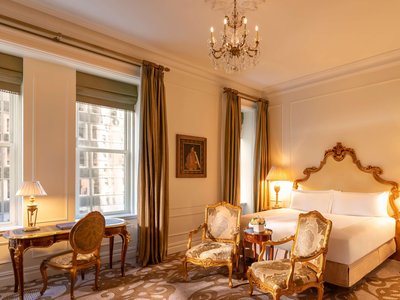
The Plaza - A Fairmont Managed Hotel
Mandarin Oriental, Tokyo
Frequently Asked Questions about Traveling to Kawabe
Questions You Might Need to Know About Traveling to Kawabe
In Kawabe Town, the top choice for authentic experience is Yamano Yado Kawabe, a centuries-old wooden inn nestled beside the Hida River. Its architecture preserves Meiji-era craftsmanship, featuring hinoki wood ceilings and tatami-mat rooms with views of the surrounding mountains. The hosts serve homemade Hida beef dishes and handcrafted tofu, using ingredients from their own garden. Guests can also join seasonal workshops like knot-dyeing (shibori) or local tea ceremonies. Located near Kawabe Shrine and the Old Hida Road Trail, this inn offers a true immersion into Hida culture and rural tranquility.
Another gem is Kawabe Minshuku Kogen, a family-run guesthouse with private onsen baths and mountain-view balconies. It emphasizes sustainable living, with solar-powered lighting and zero-waste practices. Their signature meal includes Hida wild mushrooms and seasonal mountain vegetables, served in a cozy dining room with hand-carved furniture.
The Kawabe Town Center District is ideal for travelers seeking both comfort and proximity to nature. Surrounded by Hida Mountains and located along the Hida River, this area offers quiet, scenic accommodations like Hida Nature Lodge and Sakura Inn Kawabe. These hotels provide direct access to forest walking trails, riverbanks, and the cloud sea viewpoint—perfect for sunrise photography. Many rooms feature large windows framing mountain vistas and private outdoor decks. Additionally, the town’s compact layout allows guests to walk to local markets, historical sites, and restaurants within minutes. For those wanting deeper connection with nature, Kawabe Forest Camping & Stay offers glamping tents with electric heaters and shared onsen facilities, blending wilderness with modern amenities.
Visitors to Kawabe Town can participate in hands-on Hida textile workshops, where they learn to weave traditional Hida-ori fabric using antique looms at Kawabe Textile Studio. Another highlight is the Ancient Trail Guided Walk, led by elder locals who share stories of the Old Hida Road while tasting wild mountain tea and persimmon cakes. During winter, the Kawabe Snow Lantern Festival transforms the village into a dreamlike world illuminated by paper lanterns, accompanied by taiko drum performances and folk singing. In spring, the Cherry Blossom Festival features a serene procession beneath blooming sakura trees, offering photo opportunities and local food stalls. These events offer deep cultural immersion in a peaceful rural setting.
Yes, Hida Highland Onsen Hotel is the premier choice for luxury onsen stays in Kawabe Town. Nestled in a forested valley, it features natural mineral-rich hot springs with both indoor and open-air baths, including private tubs with mountain views. The hotel blends Japanese minimalism with modern comfort, offering spacious rooms with futon beds, sliding glass doors, and wood-paneled interiors. Guests can enjoy Hida beef kaiseki meals and seasonal wellness treatments using local herbs. For a more intimate experience, consider Kawabe Forest Onsen Cottage, a secluded cabin with a private outdoor bath fed by natural spring water. Both properties emphasize sustainability and offer guided forest therapy walks.
Kawabe Town’s culinary highlight is Hida beef, known for its rich marbling and tender texture. Dine at Kawabe Udon House, where you can savor Hida beef udon or grilled steak bowls made with locally raised cattle. Another must-try is Hida tofu, crafted from pure mountain spring water and served as miso soup, tempura, or cold salad. Seasonal specialties include wild ferns, bamboo shoots in spring, and matsutake mushrooms in autumn. Don’t miss Hida-style rice cake (mochi) filled with sweet red bean paste, often enjoyed during festivals. Many guesthouses offer home-cooked meals featuring recipes passed down through generations, providing an authentic taste of rural Japanese cuisine.
Nature lovers should visit the Kawabe Gorge Trail, a scenic riverside path winding through lush forests along the Hida River, perfect for hiking and spotting fireflies in summer. The Cloud Sea Viewpoint at 800 meters elevation offers breathtaking panoramic views of mist-covered mountains, especially magical at sunrise. Nearby, Kawabe Shrine’s Cherry Grove bursts into bloom each spring, creating a pink canopy reflected in the river below. For a peaceful retreat, explore the Mizugawa Wetland, home to migratory birds and rare flora. These spots are ideal for photography, meditation, and connecting with nature—offering a serene escape from urban life.
A 2 to 3-day itinerary is ideal to fully experience Kawabe Town. Day one: stay in the town center, explore Kawabe Shrine, visit the Hida History Museum, and stroll through the old streets. Day two: relax at Hida Highland Onsen Hotel, take part in a textile workshop or guided forest walk. Day three: hike the Kawabe Gorge Trail, visit the Cloud Sea Viewpoint, and attend a local festival if scheduled. If time allows, extend your trip to Takayama City for a broader glimpse of Hida culture and bustling markets. This balanced schedule ensures a mix of relaxation, culture, and adventure, making it perfect for a meaningful getaway.
Kawabe Town has no train station, so the best options are bus travel or car rental. Take the Hida Bus from Gifu Station (about 90 minutes), which connects directly to the town center. Alternatively, rent a car via Hida Auto Rental at the nearest highway exit—Hida-Kawai Junction—and drive through scenic mountain roads. Many inns offer free shuttle services, especially during peak seasons. For exploring remote areas like the Cloud Sea Viewpoint, consider HopeGoo a local guide tour or renting a bicycle from the Kawabe Tourism Center. Note that road conditions may be challenging in winter due to snow; always check weather updates before traveling.
The highlight is the Kawabe Snow Lantern Festival in December, when the entire village lights up with hundreds of paper lanterns, creating a magical winter atmosphere. Traditional taiko drumming, folk songs, and lantern-making workshops are featured. In spring, the Kawabe Cherry Blossom Festival celebrates the blooming sakura trees with a parade, food stalls, and tea ceremonies. Summer brings the Hida River Koi Festival, where children dress as koi fish and participate in water games and bamboo raft rides. These festivals reflect the town’s deep-rooted traditions and offer visitors a chance to engage with local customs in a joyful, welcoming environment.
Kawabe Town’s guesthouses stand out for their authentic craftsmanship and deep community ties. Many are housed in restored 100-year-old farmhouses, featuring hinoki wood beams, sliding shoji screens, and handwoven textiles. At Kawabe Minshuku Kogen, guests enjoy farm-to-table breakfasts using eggs from resident chickens and vegetables from the on-site garden. The owners often host storytelling evenings under the stars, sharing tales of Hida’s past. Some guesthouses, like Yamano Yado, offer onsen baths with mountain views and zero-waste policies, emphasizing eco-friendly living. These intimate stays provide a genuine sense of place and warmth rarely found in chain hotels.
Kawabe Overview
City Summary
Kawabe-cho, located in Gifu Prefecture, Japan, is a small town renowned for its natural beauty and hot springs. Surrounded by mountains, it offers abundant hot spring resources and fresh air, making it a perfect destination for those seeking tranquility and relaxation.
Must-See Attractions
Key attractions include the Kawabe-cho Hot Springs, known for their high-quality water dubbed "beauty skin water." The nearby Hida River is ideal for rafting and fishing, appealing to outdoor enthusiasts. The town's traditional farmhouses also showcase classic Japanese rural charm.
Food Guide
The local cuisine focuses on regional ingredients, with Hida beef being a must-try for its tender and juicy texture. Additionally, local specialties like soy-pickled dishes and mountain vegetable dishes, especially the spring mountain vegetable hot pot, are highly recommended.
Transportation Guide
Public transportation in Kawabe-cho primarily relies on buses, but services are infrequent. Renting a car or driving is advisable. From Gifu City or Nagoya, visitors need to transfer to a bus or rent a car to reach the town. Taxi services are limited, so advance HopeGoo is recommended.
Best Time to Visit
The best times to visit are spring and autumn, when the weather is mild and the scenery is stunning. Summer offers local hot spring festivals, while winter combines hot springs with snowscape views.
Travel Tips
- Wear comfortable shoes, especially when visiting mountainous areas or hot springs.
- Respect the privacy of local residents; ask for permission before taking photos.
- Keep the environment clean; take trash with you or dispose of it properly.
- Follow public bath etiquette by showering before entering the hot springs.
- Book accommodations in advance, especially during holidays.
- Learn basic Japanese greetings to show respect.
Useful Information
Language: The primary language is Japanese, with limited English proficiency. A translation tool or basic Japanese phrases are helpful. Internet access is reliable, with most accommodations offering free Wi-Fi. Cash is the primary payment method, as credit cards may not be accepted everywhere. Emergency services are limited, so carrying basic medications and knowing the nearest medical facilities is advisable.