Hotels in Kawagoe
Discover your perfect stay in Kawagoe.
Kawagoe(Japan) Travel 2026: Cheap Flights, Hotels & Top Attractions
Popular Landmarks in Kawagoe
Discover the most iconic attractions in Kawagoe
Recommended Hotels in Kawagoe
Find the perfect place to stay in Kawagoe
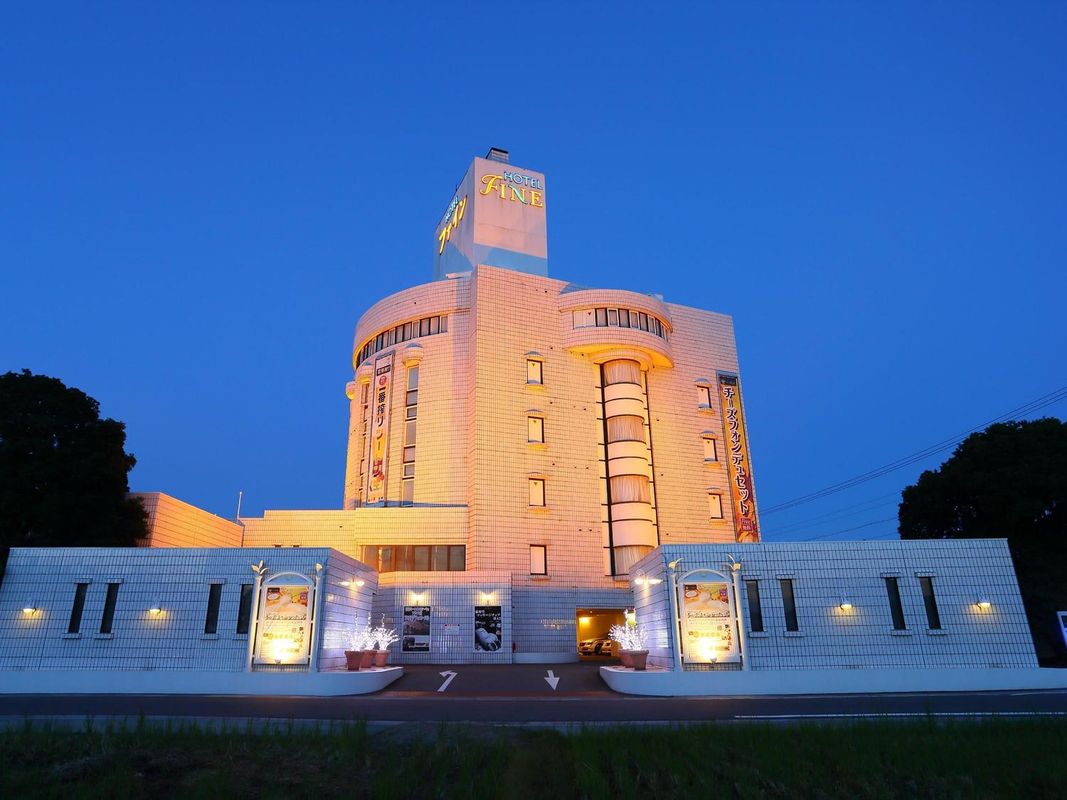

Best Hotels in Kawagoe
Discover curated hotel collections in Kawagoe
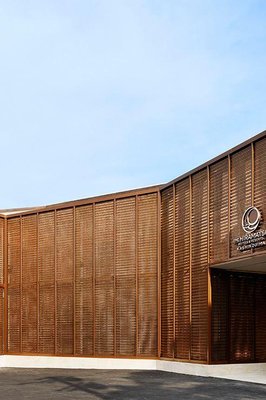
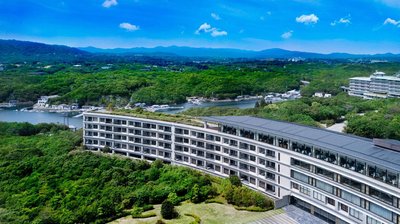
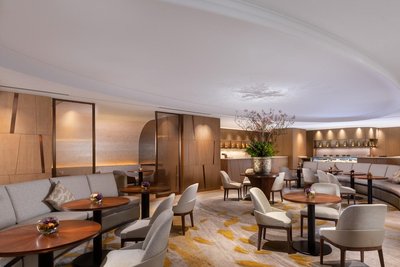







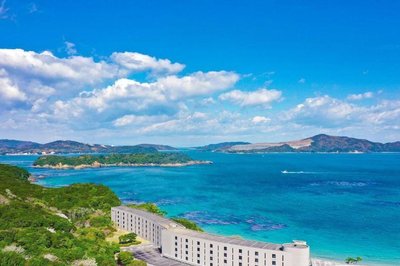

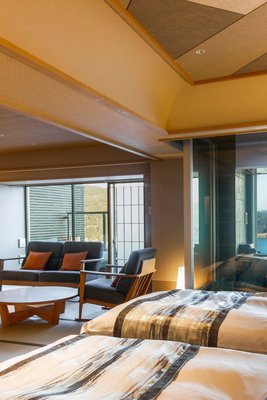
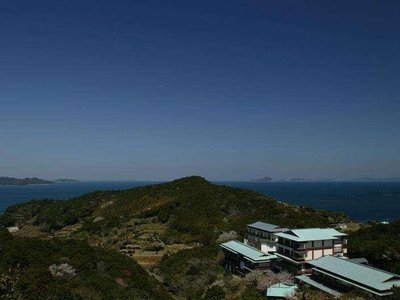
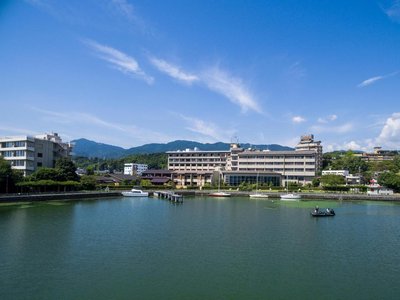

















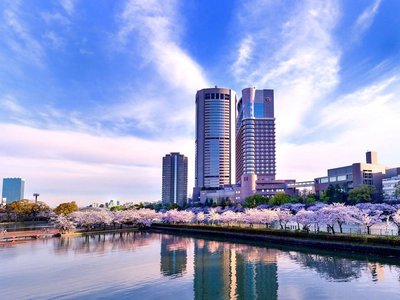
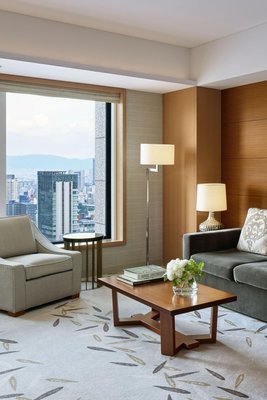
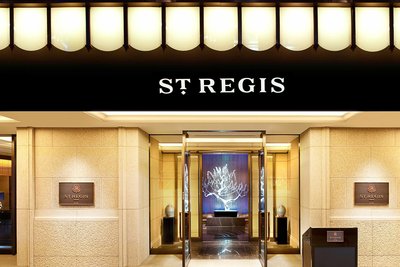

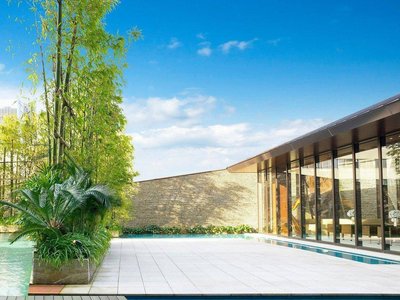



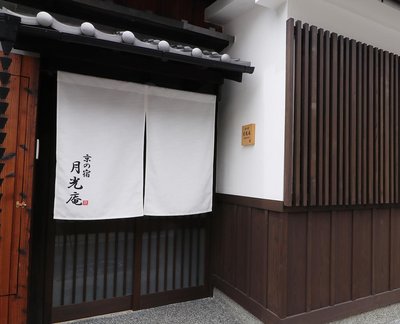
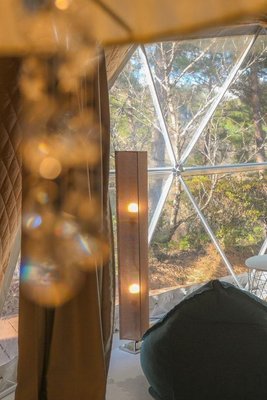

Frequently Asked Questions about Traveling to Kawagoe
Questions You Might Need to Know About Traveling to Kawagoe
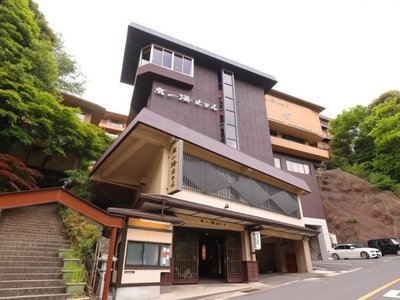
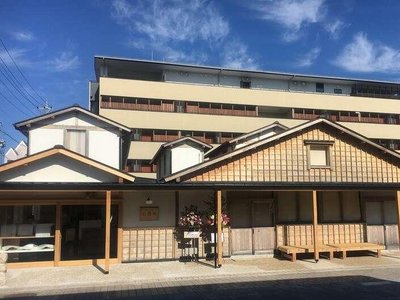
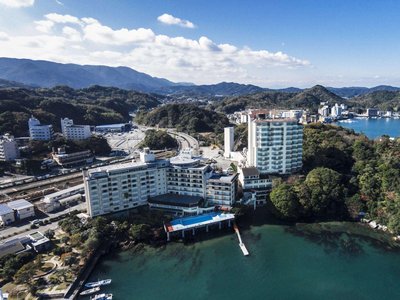
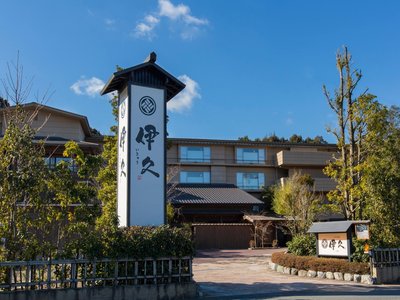
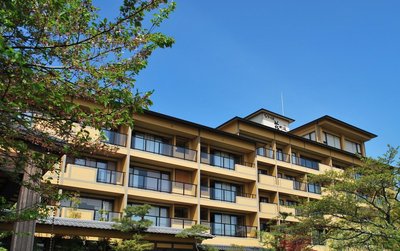
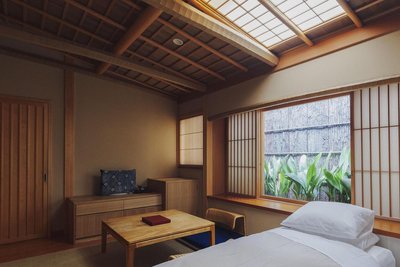
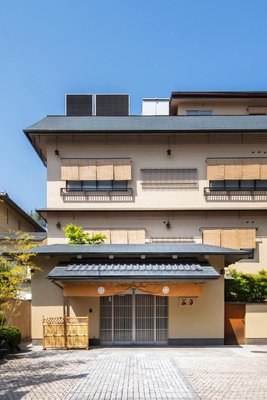
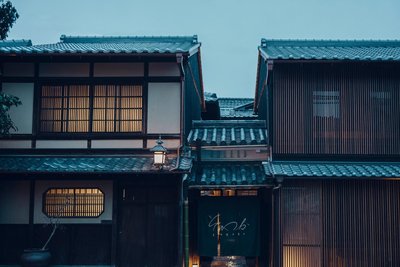
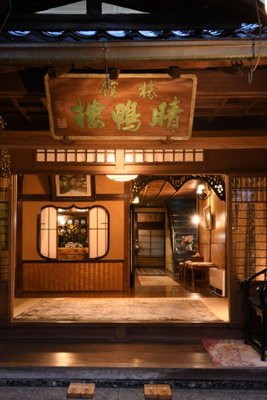
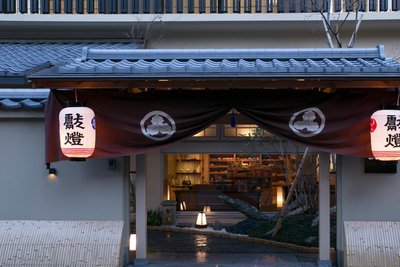
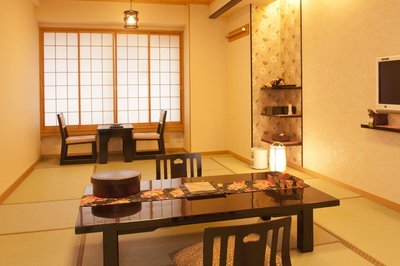
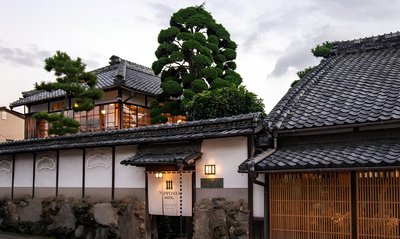
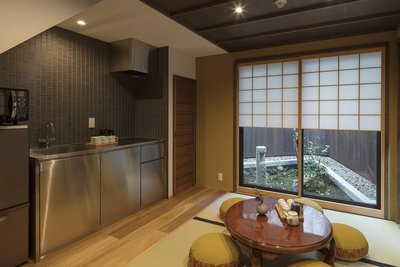
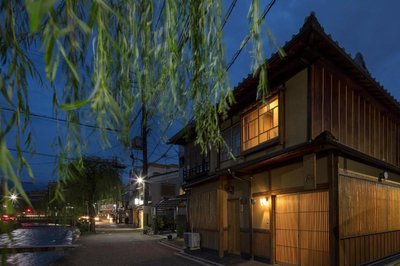
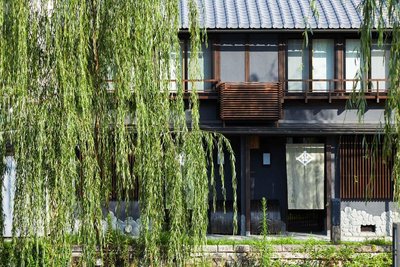
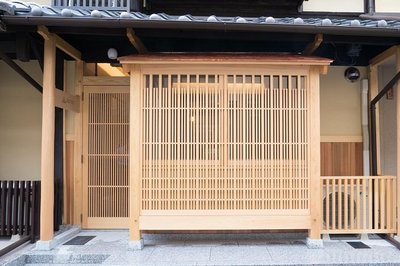
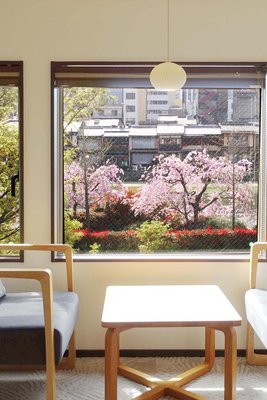
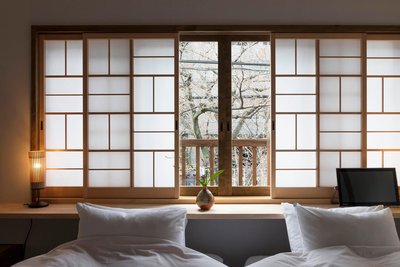
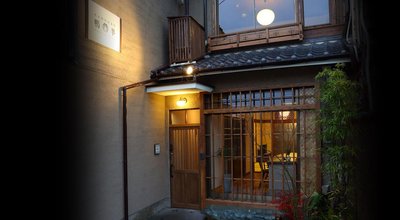
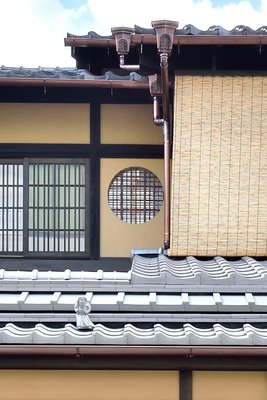
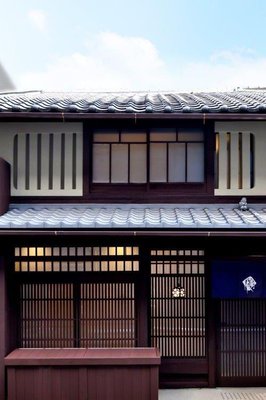
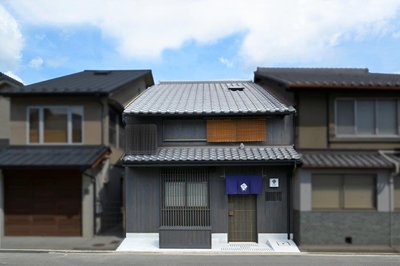
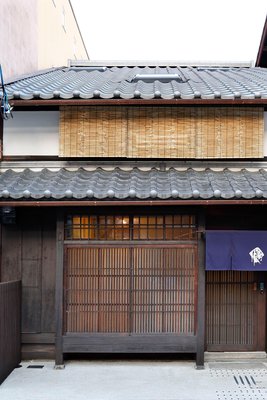
In Kawakubo Town, the top choice is Wagoya Ryokan, a traditional Japanese guesthouse nestled beside the Oigawa River. With its Edo-era wooden architecture, tatami rooms, and paper sliding doors, it offers authentic rural tranquility. Guests enjoy farm-fresh breakfasts featuring locally grown vegetables and seasonal bamboo shoots. The inn also provides free bicycles for exploring nearby Kawakubo Shrine and the ancient forest trail, blending heritage with modern comfort for an immersive experience.
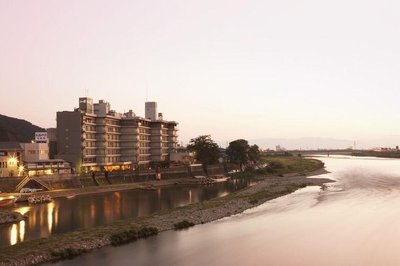
The central district near Kawakubo Station is the best area for lodging, offering easy access to the Oigawa Riverfront and Kawakubo Museum. This quiet neighborhood features several charming family-run inns like Kawakubo Ryo-ya, perfect for travelers seeking peace and authenticity. Strolling along the riverside path at dusk reveals glowing fireflies in summer, creating a magical atmosphere ideal for romantic or reflective stays.
Visitors should not miss the annual Kawakubo Festival, where locals parade in traditional attire, perform taiko drumming, and ride decorated floats. At the Kawakubo Craft Hall, guests can participate in workshops like making washi paper lanterns or learning Mie Prefecture pottery techniques. During summer, the Oigawa Water Lantern Festival lights up the river with hundreds of floating paper lamps—perfect for photography and serene contemplation under the stars.
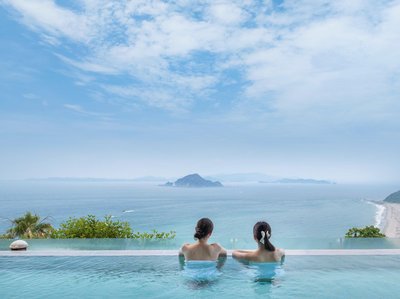
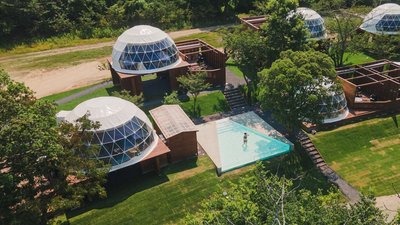
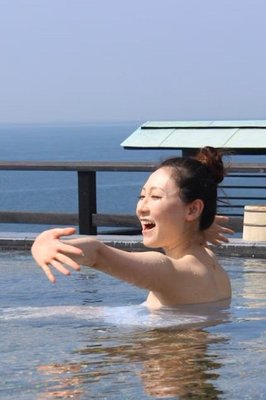
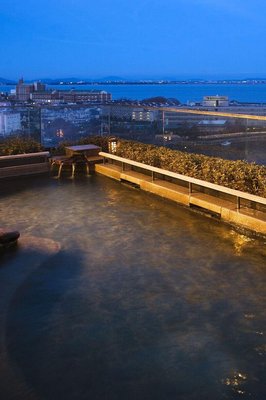
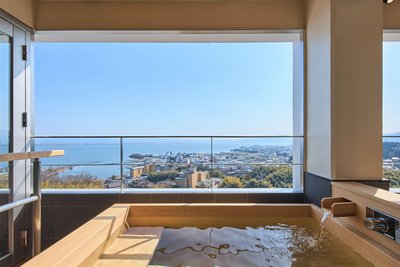
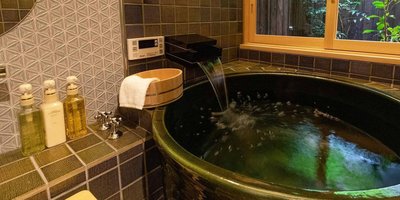
While Kawakubo Town lacks natural hot springs, nearby Ise-Shima Onsen Area (30 minutes by car) offers luxury onsen resorts. Some local inns, such as Wagoya Ryokan, provide complimentary shuttle service to partner spas featuring open-air baths and herbal steam rooms. Premium rooms even include private onsen pools, allowing guests to unwind in the peaceful mountain scenery with treatments using local seaweed mud therapy.
Absolutely. Mori no Ie Family Inn is ideal for families, offering spacious rooms, a garden play area, and a kitchen for home-style meals. Kids can interact with goats and rabbits at the mini-farm and join hands-on workshops like crafting clay figurines or folding origami. Safe, flat walking paths make stroller access easy, and evening bonfire dinners with homemade dishes create lasting memories for all ages.
Must-try dishes include Oigawa River shrimp and fresh bamboo shoot cuisine. Visit Ichijōya Local Kitchen, where daily specials feature tempura-bamboo shoots and shrimp miso hot pot made from local harvests. For deeper immersion, join a farm-to-table cooking experience—learn to pickle plums, wrap rice in straw, and enjoy a campfire dinner with self-made sake. These culinary adventures offer genuine taste of Mie’s rural heritage.
The Stone Bridge District and Oigawa Suspension Bridge are prime photography locations. The stone-paved alleys lined with red-brick rooftops and moss-covered pathways exude timeless charm, especially at sunrise. The suspension bridge reflects autumn foliage perfectly into the clear river below. At night, the lantern-lined approach to Kawakubo Shrine glows softly, ideal for capturing serene Japanese aesthetics. Some inns, like Kawakubo Ryo-ya, even offer guided photo tours for optimal shots.
Start your day at Kawakubo Shrine for morning prayers, then walk through the Ancient Forest Trail. Spend the morning browsing crafts at the local artisan market. Afternoon activities include a pottery workshop at the Kawakubo Craft Hall. In the evening, stroll along the Oigawa Riverbank to watch sunsets and fireflies. Return to your inn for a kaiseki dinner. All attractions are within walking distance, allowing a seamless, car-free journey through authentic rural life.
Yes, many boutique inns in Kawakubo Town provide basic Chinese support. Kawakubo Ryo-ya and Wagoya Ryokan have staff fluent in Mandarin, and guest rooms include multilingual guides with information on transport, dining, and events. Digital maps and audio guides are available in Chinese, and special requests—such as Chinese-speaking guides or airport transfers—can be arranged via the official website or travel platforms for smooth travel.
Perfectly suited. Mori no Ie Inn caters specifically to solo travelers with private rooms and shared common spaces designed for connection. Weekly events like tea ceremony gatherings and evening storytelling circles help travelers meet kindred spirits. Nighttime stargazing is exceptional due to minimal light pollution—ideal for observing the Milky Way. The inn also offers curated hiking trails and picnic packs, making it a haven for introspection and personal growth.
Kawagoe Overview
City Summary
Kawagoe Town, located in Mie Prefecture, Japan, is a charming small town known for its traditional Japanese architecture and tranquil natural scenery. The historic streets are lined with buildings that retain the Edo period style, offering a nostalgic atmosphere. Surrounded by rural landscapes and hot springs, it's an ideal getaway from urban hustle.
Must-See Attractions
Must-see attractions in Kawagoe Town include the historic district, where Edo-era architecture is preserved, perfect for photography and leisurely walks. Kawagoe Shrine is a cultural landmark showcasing traditional Shinto architecture. The nearby hot spring area provides relaxing therapies, while nature lovers can explore the surrounding countryside and mountains.
Food Guide
Kawagoe's culinary scene features local ingredients and traditional dishes. Try regional specialties like set meals with fresh vegetables and fish. Hot spring manju (steamed buns) are a popular sweet treat. Local izakayas also serve a variety of regional sake paired with delicious snacks.
Transportation Guide
Kawagoe Town is accessible by bus or taxi, but public transport options are limited. Check bus schedules in advance or consider renting a car. From major cities like Tsu or Nagoya, take a train or bus (1-2 hours). Within the town, walking or cycling is recommended due to its compact size.
Best Time to Visit
The best time to visit is spring (March-May) and autumn (September-November), when the weather is mild and scenery stunning. Cherry blossoms bloom in spring, while autumn brings vibrant foliage. Summers can be hot, and winters may be chilly with fewer visitors.
Travel Tips
- Respect local culture: Follow shrine etiquette, such as purifying hands and mouth.
- Cash payments: Some shops may not accept cards; carry sufficient cash.
- Onsen manners: Shower before entering hot springs; no swimwear allowed.
- Transport planning: Buses are infrequent; check schedules beforehand.
- Eco-consciousness: Dispose of waste properly and recycle.
- Language: English is limited; use a translation app if needed.
Useful Information
Language: Japanese is primary; English is limited—download a translation app. Internet: Limited Wi-Fi; consider a local SIM or portable Wi-Fi device. Payment: Cash preferred; some places accept cards—carry yen. Emergency: Nearest clinic is Kawagoe Town Clinic; dial 119 for emergencies. Voltage: 100V; Type A/B plugs (US standard adapters may be needed).









