Hotels in Kawajima
Discover your perfect stay in Kawajima.
Kawajima(Japan) Travel 2026: Cheap Flights, Hotels & Top Attractions
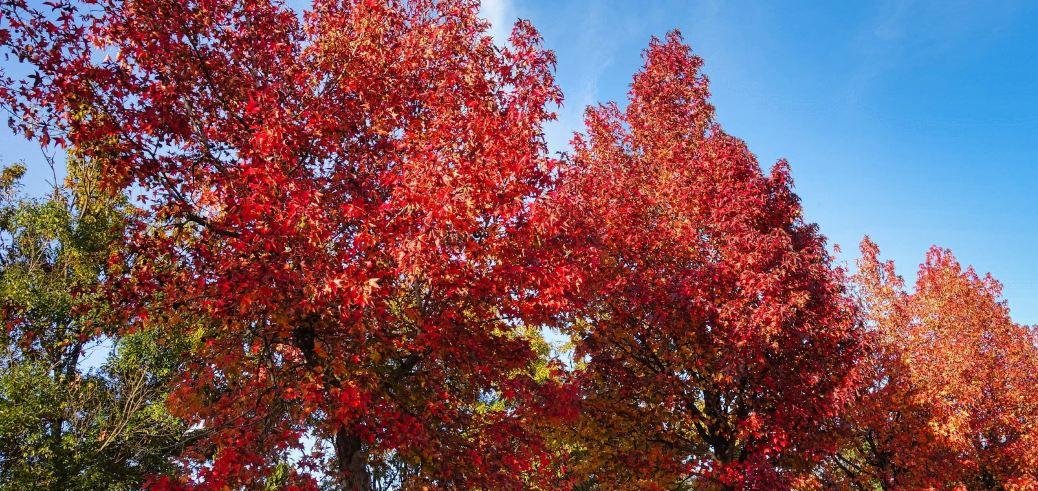
Popular Landmarks in Kawajima
Discover the most iconic attractions in Kawajima
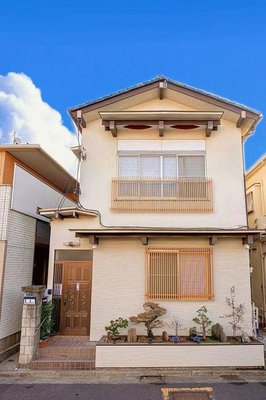
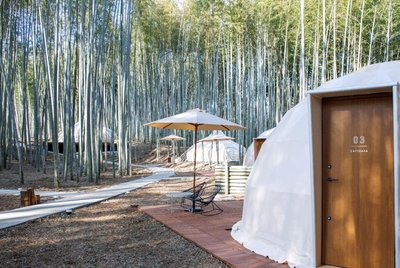
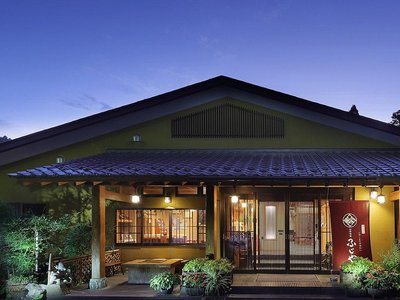
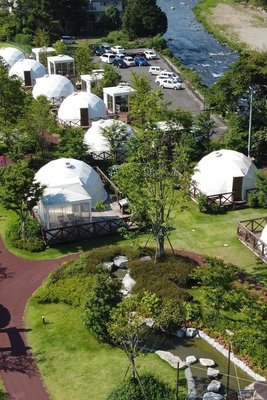
Recommended Hotels in Kawajima
Find the perfect place to stay in Kawajima
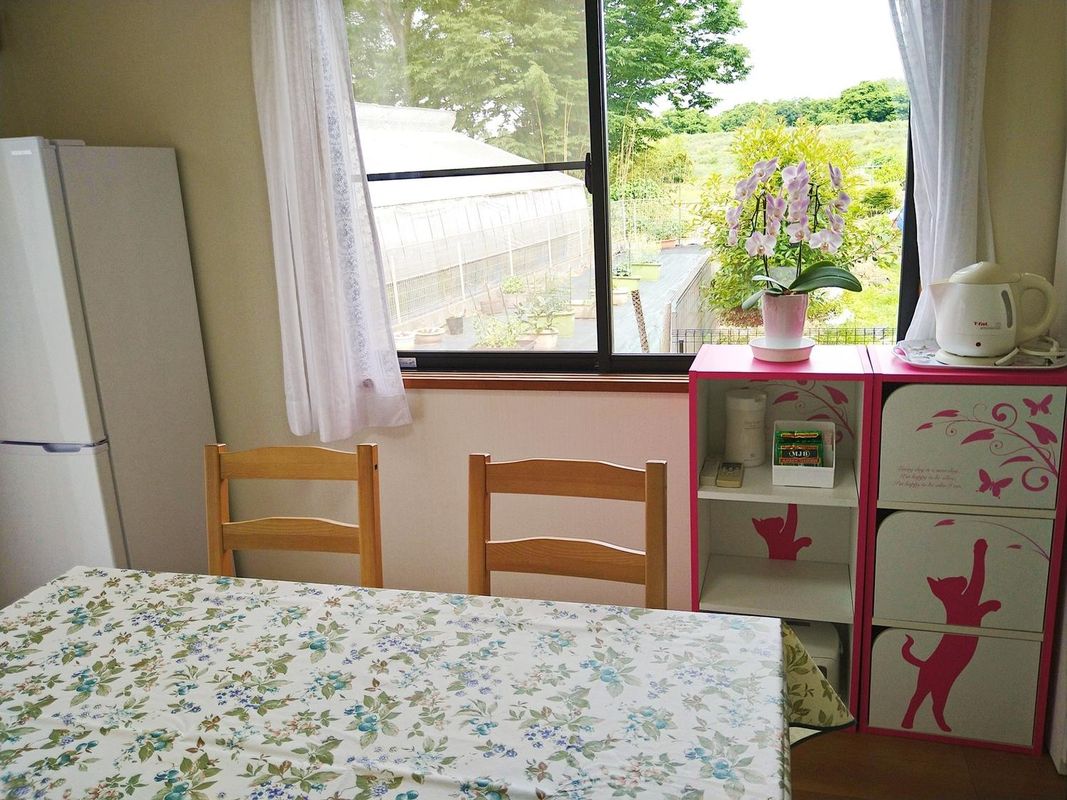
Best Hotels in Kawajima
Discover curated hotel collections in Kawajima






















































Frequently Asked Questions about Traveling to Kawajima
Questions You Might Need to Know About Traveling to Kawajima
Kawajima Overview
City Summary
Kawajima Town, located in the eastern part of Saitama Prefecture, Japan, is a small town known for its serene rural landscapes and traditional Japanese culture. Ideal for travelers seeking tranquility away from urban hustle, the town offers a blend of natural beauty and historical sites, showcasing the essence of Japanese countryside life.
Must-See Attractions
Key attractions in Kawajima include Tamashiki Park, a perfect spot for cherry blossom viewing in spring. The Kawajima Folk Museum provides insights into the town's history and culture. Nature lovers can enjoy leisurely walks along the Arakawa Riverbank, which offers stunning views and a peaceful atmosphere.
Food Guide
Kawajima's cuisine features locally grown produce and traditional Japanese dishes. Don’t miss the sakura mochi, a seasonal spring dessert, or the freshly harvested rice and handmade tofu. Many small eateries serve homely meals, offering an authentic taste of rural Japan.
Transportation Guide
Transportation in Kawajima relies mainly on buses and taxis, as there is no subway system. From Tokyo, take the JR line to Kōnosu Station and transfer to a bus bound for Kawajima. It’s advisable to check bus schedules in advance due to limited frequency. Renting a car is another convenient option for exploring the area.
Best Time to Visit
The best times to visit are spring (March to May) and autumn (September to November), when the weather is mild and the scenery is at its best. Cherry blossoms in spring and autumn foliage are particularly breathtaking. Avoid Golden Week (late April to early May) to escape the crowds.
Travel Tips
- Respect local customs: Kawajima is a quiet town—keep noise levels low to avoid disturbing residents.
- Eco-friendly travel: Carry out trash or dispose of it properly to preserve nature.
- Dress modestly: Conservative attire is recommended when visiting temples or historical sites.
- Book ahead: Accommodations and restaurants in rural areas may be limited, so plan early.
- Carry cash: Some small shops may not accept credit cards.
- Check bus schedules: Public transport is infrequent, so plan accordingly.
Useful Information
Japanese is the primary language spoken in Kawajima, and English may not be widely understood. A translation app or basic phrasebook is helpful. While some areas offer free Wi-Fi, renting a pocket Wi-Fi or getting a local SIM card ensures reliable connectivity. Cash is preferred, though some places accept credit cards. For emergencies, dial 110 (police) or 119 (ambulance). Medical facilities are limited; serious cases may require travel to nearby cities.